View Article

Abstract

Benz imidazole is an important heterocyclic scaffold widely recognized for its diverse pharmacological properties, including antibacterial activity. In the present study, a series of substituted Benz imidazole derivatives were synthesized via condensation of o-phenylenediamine with various carboxylic acids under acidic conditions. The synthesized compounds were characterized by melting point determination, IR, ^1H NMR, and mass spectral analysis. The antibacterial activity of the synthesized derivatives was evaluated against Gram-positive bacteria (Staphylococcus aureus, Bacillus subtilis) and Gram-negative bacteria (Escherichia coli, Pseudomonas aeruginosa) using the agar well diffusion method and determination of minimum inhibitory concentration (MIC). These findings suggest that benzimidazole derivatives synthesized from carboxylic acids may serve as promising antibacterial agents.

Keywords

Benzimidazole, Carboxylic acids, Antibacterial activity, MIC, Heterocyclic compounds.

Introduction

× Popup Image

Medicinal chemistry is best to be defined as an interdisciplinary research area incorporating different branches of chemistry and biology in the research for better and new drugs (Drug Discovery). In other words, medicinal chemistry is the science, which deals with the discovery and design of new and better therapeutic chemicals and development of these chemicals into new medicines and drugs.

Introduction to Heterocyclic Compounds

Heterocyclic compounds are a class of organic compounds that contain a  ring structure in which at least one of the atoms in the ring is not carbon. These non carbon atoms are called heteroatoms. The most common hetero atoms are

  • Nitrogen(N)
  • Oxygen (O)
  • Sulfur(S)

Definition : A hetero cyclic compound is a cyclic organic compound having one or more hetero atoms as members of the ring.

Classification of heterocyclic compound

The structural and electrical configuration of heterocyclic compounds allows for their classification into two groups.

  1. Compounds that are aliphatic heterocyclic
  2. Compounds that are aromatic heterocyclic
  3. Compounds that are aliphatic heterocyclic compounds are cyclic amides. cyclic ethers. cyclic amines and cyclic thio-ethers.
  4. Saturated heterocyclic aliphatic compounds are ones without double bonds.

Introduction of Benzimidazole

Benzimidazole is a bicyclic heterocyclic compound formed by the fusion of benzene and imidazole rings. It contains two nitrogen atoms at position 1 and 3 of the imidazole ring. Benzimidazole derivatives are pharmacologically important due to their wide range of biological activities such as anti-microbial anti-fungal, anti-viral, anti-cancer,anti-inflammatory and anthelmintic properties.

Trade names:

Benzimidazole has numerous trade names, including Benzimidazole is a chemical scaffold, with key derivatives used as medications and fungicides. Major trade names include Albenza and Zentel (albendazole), Vermox (mebendazole), Eskazole (albendazole), Valbazen (albendazol), Panacur (fenbendazole), Antra/ Losec (omeprazole), and Prevacid (lansoprazole)

Aim:

The aim of this study is to synthesise and biological evaluate a series of benzimidazole derivatives from carboxylic acids with potential applications.

Objective

To synthesize novel benzimidazole derivatives from various carboxylic acids and evaluate their anti-microbial activity against selected pathogenic bacterial strains and to characterize the compounds by spectral analysis and chromatographic techniques.

Chemicals used in this project

  • Ortho phenylene diamine
  • Salicylic acid
  • 4-nitro benzoic acid
  • Oxalic acid
  • Glacial acetic acid
  • Benzoic acid
  • Conc. Hydrochloric acid
  • Ethanol
  • Sodium hydroxide
  • Sodium bicarbonate

Experimental work:

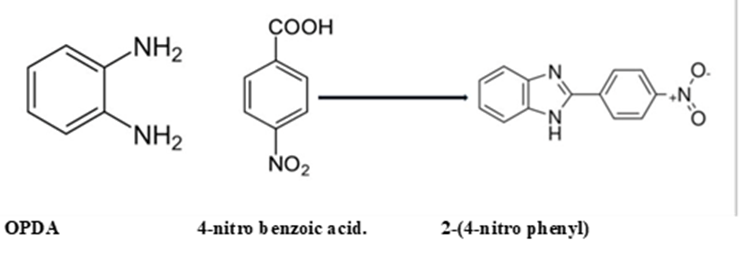
2-(4-nitro phenyl) Benzimidazole

Materials:

  • Ortho phenylene diamine
  • 4-nitro benzoic acid
  • Ethanol
  • HCL
  • Round bottom flask
  • Water bath
  • Thermometer
  • Magnetic stirrer

Procedure:

  1. Reaction Setup Take a clean beaker.Add 0.01 mol OPD and 0.01 mol 4-nitro benzoic acid. Add 20–30 mL ethanol to dissolve the reactants.
  2. Catalyst Addition Add 2–3 mL concentrated HCl (or a small amount of PPA).Mix well.
  3. Heating Heat the mixture on a water bath at 70–80°C.Stir continuously for 3–5 hours.
  4. Completion Reaction progress can be checked using TLC.The mixture may turn darker.
  5. Precipitation Cool the reaction mixture.Pour into ice-cold water.A solid precipitate forms.
  6. Filtration Filter the solid product.Wash with cold water to remove acid impurities.
  7. Purification Recrystallize from ethanol.Dry the purified crystals.

Benzimidazole

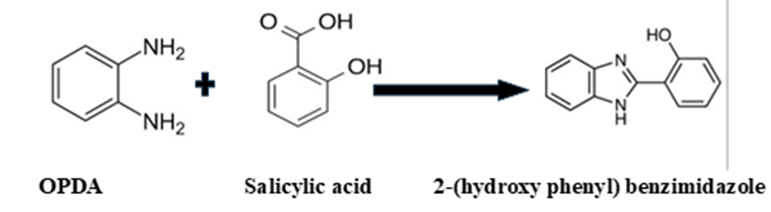
2-(hydroxy phenyl) benzimidazole

Materials required:-

  • o-Phenylenediamine
  • Salicylic acid
  • Conc. hydrochloric acid
  • Ethanol
  • Distilled water

Procedure:-

  1. Preparation of Reaction Mixture:-Take a clean beaker.Add 0.01 mol of OPD and 0.01 mol of salicylic acid. Add about 20–30 mL ethanol to dissolve both compounds.
  2. Addition of Catalyst:-Add 2–3 mL of concentrated HCl (or a small amount of PPA).
  3. Heating:-Heat the mixture on a water bath (70–80°C).Stir continuously for 2–4 hours.
  4. Monitor progress (TLC if available).
  5. After completion, allow the mixture to cool to room temperature.
  6. Pour into ice-cold water.A solid precipitate will form.Filter the solid using filter paper.
  7. Wash with cold water to remove impurities.
  8. Purify the product using ethanol recrystallization.
  9. Dry the crystals.

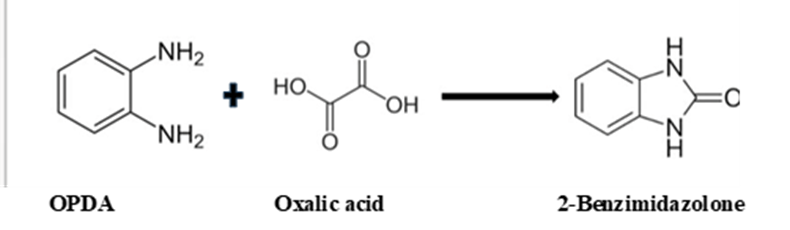
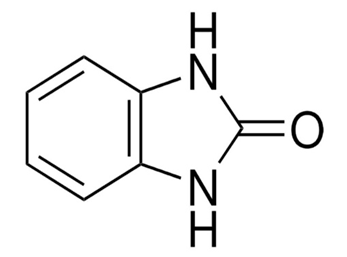
2-Benzimidazolone

Materials required:-

  • o-Phenylenediamine
  • Oxalic acid
  • Distilled water or ethanol
  • Beaker
  • Heating source (hot plate)
  • Stirrer
  • Ice bath

Procedure:-

  1. Take a clean 100 mL beaker.Add 0.01 mol of o-phenylenediamine.Add 0.01 mol of oxalic acid to the same beaker.Add 20–30 mL of ethanol or distilled water as solvent.
  2. Heat the mixture gently on a hot plate.Maintain temperature around 70–90°C.
  3. Stir continuously for 30–60 minutes.
  4. During heating, condensation occurs forming the benzimidazole ring.
  5. After completion, allow the mixture to cool to room temperature.
  6. Then place in an ice bath to enhance crystallization.
  7. Filter the solid using filtration.Wash with cold water to remove impurities.
  8. Dry the product in air or in a desiccator.

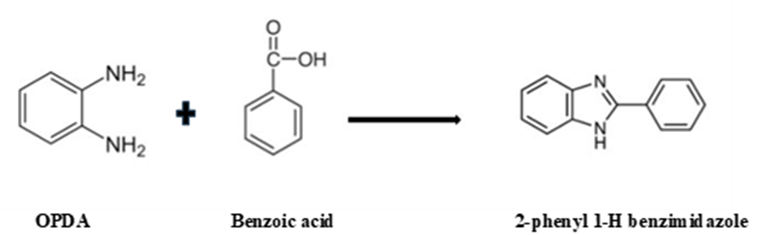
2-phenyl 1-H benzimidazole

Materials required:-

  • o-Phenylenediamine
  • Benzoic acid
  • Polyphosphoric acid
  • Ethanol (for recrystallization)
  • Distilled water

Procedure

  1. Take 1 mmol of o-phenylenediamine in a round-bottom flask.Add 1 mmol of benzoic acid to the flask.
  2. Add 8–10 mL of polyphosphoric acid (PPA) slowly while stirring.
  3. Heat the reaction mixture at 120–150 °C for 2–3 hours with constant stirring.
  4. After completion (monitor by TLC), allow the mixture to cool to room temperature.
  5. Pour the reaction mixture slowly into ice-cold water with stirring.
  6. Neutralize using sodium bicarbonate solution until effervescence stops.
  7. Filter the precipitated solid.
  8. Wash with cold water and dry.
  9. Recrystallize the crude product from ethanol.

DRUG PROFILE

  • Chemical name:  Benzimidazole
  • Chemical formula: C7H6N2
  • Molecular weight: 118.13g/mol.
  • Appearance: White to pale yellow crystalline solid
  • Solubility: Sparingly soluble in water, slightly soluble in ethanol, soluble in acids
  • Melting point: 170-172°C
  • Boiling point:  360°C
  • Synthesis: Benzimidazole can be synthesized through the reaction of ortho phenylene diamine with carboxylic acids in the presence of NaoH
  • Reactivity: Benzimidazole is reactive towards strong acids and bases, and can undergoes electrophilic substitution reaction.

Derivative 1A

DRUG PROFILE

Molecular formula: C7H6N2O

Molecular weight : 134.14g/mol

IUPAC name: 1,3-di hydro -2-H benzimidazol-2-one

Derivative 1B

DRUG PROFILE
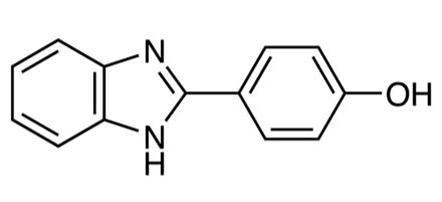
Molecular formula: C13H10N2O

Molecular weight: 210.23g/mol

IUPAC name: 2(1H-Benzimidazol-2-yl)phenol

Derivative 1C

DRUG PROFILE
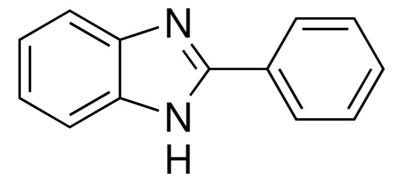
Molecular formula: C13H10N2

Molecular weight: 194.23g/mol

IUPAC name: 2-phenyl 1-H benzimidazole

Derivative 1D

DRUG PROFILE
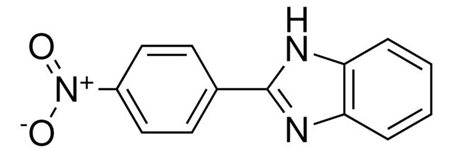
Molecular formula: C13H9N3O2

Molecular weight: 239.23g/mol

IUPAC name: 2(4-nitro phenyl) Benz imidazole

Physical and Spectral Analysis

Solubility testing

Materials

Benzimidazole derivative sample, Various solvents (e.g,. water, ethanol, DMSO, chloroform), Glass vials or

Test tubes – Stirring rods or vortex mixer

Procedure

  • Prepare a series of glass vials or test tubes containing different solvents (e.g. water, ethanol). Add a small amount (e.g. 1-2 mg) of the phenothiazine derivative sample to each vial or test tube. Stir or vortex the mixture to ensure the sample is fully dispersed.
  • Observe the mixture for signs of solubility, such as dissolution of the sample or formation of a clear solution. Record the results, noting which solvents the sample is soluble in and which it is not.

Sr. No

Compound

Soluble

Insoluble

1

Standard drug

Ethanol

Chloroform

2

1A

Chloroform

Water

3

1B

Ethanol

Water

4

1C

Ethanol

Chloroform

5

1D

Chloroform

Water

Melting Point Determination Procedure:

Materials

Benzimidazole derivative sample, Melting point apparatus (e.g, melting point meter, hot stage microscope),Thermometer

Procedure

  • Prepare a small sample (e.g. 1-2 mg) of the phenothiazine derivative.
  • Place the sample in a melting point tube or on a microscope slide.
  • Heat the sample slowly using the melting point apparatus.
  • Observe the sample for signs of melting, such as softening, becoming translucent, or forming a liquid.
  • Record the temperature at which the sample melts.
  • Repeat the process to confirm the melting point.

Compound

Melting point

Standard drug

255-257°C

1A

278-280°C

1B

235-238°C

1C

305-308°C

1D

290-292°C

Thin layer chromatography

Definition:

TLC (Thin Layer Chromatography) is a laboratory technique used to separate, identify, and quantify the components of a mixture. It involves the use of a thin layer of stationary phase (usually silica gel) coated on a plate, and a mobile phase (a solvent) to separate the components of the mixture.

Principle:

The principle of TLC is based on the concept of partitioning, where the components of a mixture are distributed between two phases: a stationary phase (the silica gel) and a mobile phase (the solvent) The components of the mixture will separate based on their affinities for the stationary and mobile phases.

Sr. No

Compound

Rf values

1

Standard drug

0.62

2

1A

0.74

3

1B

0.58

4

1C

0.41

5

1D

0.69

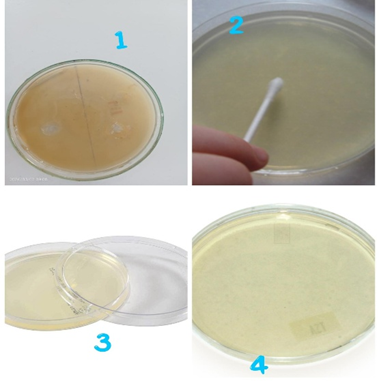
Anti-bacterial Activity

Materials Needed: Nutrient broth, Test bacteria (e.g, E. coli, S. aureus), Drug to be tested (e.g., antibiotic, Benzimidazole Derivative), Inoculum loop, Incubator, Turbidity meter or spectrophotometer

Preparation of Inoculum

Selection of Test Bacteria: Select the test bacteria to be used for the assay.

Preparation of Inoculum: Prepare the inoculum by growing the test bacteria in nutrient broth overnight

Standardization of Inoculum: Standardize the inoculum to a specific concentration (e.g,, 1 x 10^8CFU/mL)using a turbidity meter or spectrophotometer.

Preparation of Drug Solutions

Preparation of Stock Solution: Prepare a stock solution of the drug to be tested by dissolving it in a suitable solvent (e. g, water, DMSO).

Serial Dilution: Perform a serial dilution of the stock solution to obtain a range of concentrations

Antibacterial Assay

Addition of Inoculum: Add the standardized inoculum to the nutrient broth

Addition of Drug Solution: Add the drug solution to the nutrient broth at different concentrations

Incubation: Incubate the broth at 379C for 24 hours

Measurement of Turbidity: Measure the turbidity of the broth using a turbidity meter or spectrophotometer.
Compound

Results

1A

+Ve

1B

+Ve

1C

+Ve

1D

+Ve

Control

+Ve

+Ve indicates presence of anti bacterial activity

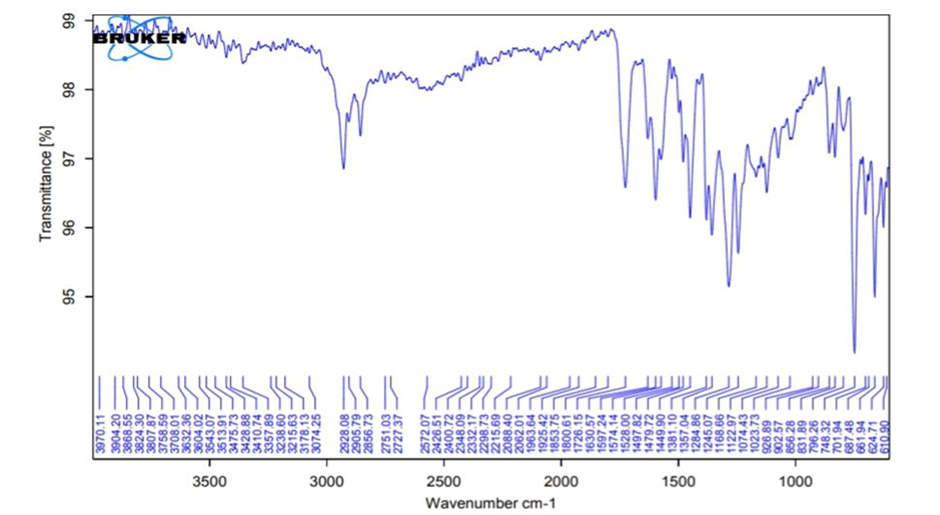
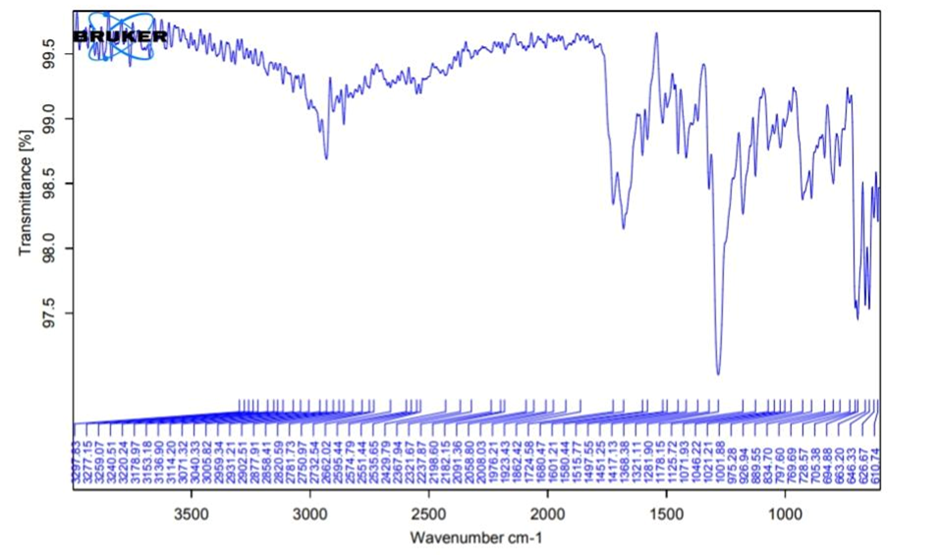
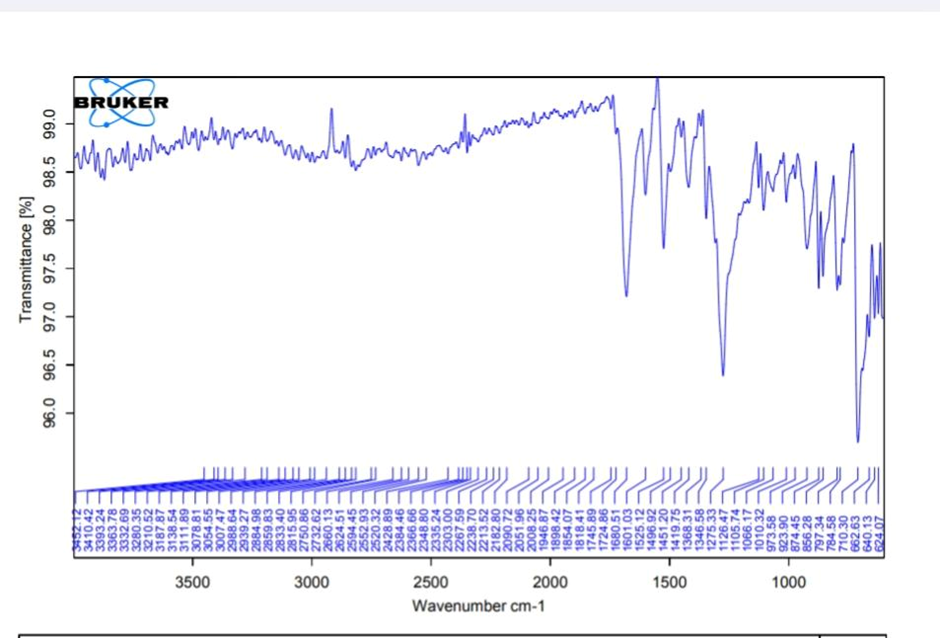
IR Spectral Analysis

Infrared (IR) Spectroscopy is an analytical technique used to identify and study chemical substances by Measuring their interaction with infrared radiation. When IR light passes through a sample, molecules absorb specific frequencies that correspond to the vibrations of their chemical bonds. The resulting IR spectrum, which is a graph of absorbance or transmitance at diferent wavelengths, can be analysed to identify functional groups and molecular structures.

Derivative 1A
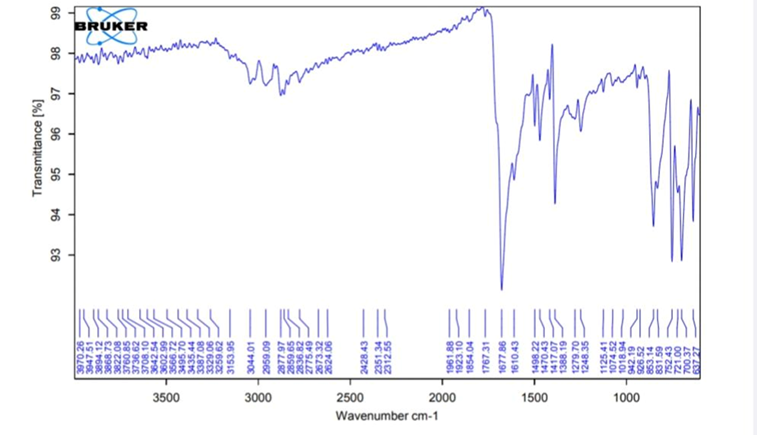
Table 1: IR values of Derivative 1B

Range

Compound

Comment

3300-3200

O-H

Stretching

3050-3020

C-H

Stretching

2920-2850

C-H

Stretching

1720-1680

C=0

Stretching

1650-1600

C=0

Stretching

1580-1550

C-C

Stretching

1520-1480

NO2

Stretching

1350-1300

NO2

Stretching

1280-1250

C-O

Stretching

1150-1100

C-H

Bending

900-850

C-H

Bending

750-700

C-H

Bending

Derivative 1B

Table 2: IR values of Derivative 1B

Range

Compound

Comment

3300-3200

O-H

Stretching

3050-3020

C-H

Stretching

2920-2850

C-H

Stretching

1720-1680

C=0

Stretching

1650-1600

C=0

Stretching

1580-1550

C-C

Stretching

1520-1480

NO2

Stretching

1350-1300

NO2

Stretching

1280-1250

C-O

Stretching

1150-1100

C-H

Bending

900-850

C-H

Bending

750-700

C-H

Bending

Derivative 1C

Table 3: IR values of Derivative 1C

Range

Compound

Comment

3300-3200

O-H

Stretching

3050-3020

C-H

Stretching

2920-2850

C-H

Stretching

1720-1680

C=0

Stretching

1650-1600

C=0

Stretching

1580-1550

C-C

Stretching

1520-1480

NO2

Stretching

1350-1300

NO2

Stretching

1280-1250

C-O

Stretching

1150-1100

C-H

Bending

900-850

C-H

Bending

750-700

C-H

Bending

Derivative 1D

Table 4: IR values of Derivative 1D

Range

Compound

Comment

3300-3200

O-H

Stretching

3050-3020

C-H

Stretching

2920-2850

C-H

Stretching

1720-1680

C=0

Stretching

1650-1600

C=0

Stretching

1580-1550

C-C

Stretching

1520-1480

NO2

Stretching

1350-1300

NO2

Stretching

1280-1250

C-O

Stretching

1150-1100

C-H

Bending

900-850

C-H

Bending

750-700

C-H

Bending

RESULT:

All four synthesized benzimidazole derivatives showed anti bacterial activity against lactobacillus derived from E Coli.Among them Derivative 1B and 1D showed maximum zone of inhibition compared to other samples. The activity was compared with standard Metronidazole.

CONCLUSION

Benzimidazole is an important nitrogen-containing heterocyclic scaffold widely recognized for its significant pharmacological properties. In the present study, various 2-substituted benzimidazole derivatives were successfully synthesized from o-phenylenediamine and substituted carboxylic acids using acidic condensation methods such as the Phillips reaction and its modifications. The synthetic procedures were simple, economical, and gave satisfactory yields.

The formation of benzimidazole derivatives was confirmed by physicochemical characterization including melting point determination, solubility studies, and spectral analysis such as IR spectroscopy.

REFERENCES

  1. Wright JB. The chemistry of benzimidazoles. Chem Rev. 1951;48(3):397–541.
  2. Grimmett MR. Imidazole and benzimidazole synthesis. Academic Press; 1997.
  3. Preston PN. Synthesis, reactions, and spectroscopic properties of benzimidazoles. Chem Rev. 1974;74(3):279–314.
  4. Kubo K, Kohara Y, Yoshimura Y, Inada Y, Shibouta Y, Furukawa Y, et al. Nonpeptide angiotensin II receptor antagonists. Synthesis and biological activity of benzimidazole derivatives. J Med Chem. 1993;36(15):2182–95.
  5. Star?evi? K, Kralj M, Ester K, Sabol I, Grce M, Paveli? K, et al. Synthesis, structure–activity relationship and antimicrobial activity of benzimidazole derivatives. Eur J Med Chem. 2007;42(1):20–29.
  6. Refaat HM. Synthesis and antimicrobial activity of some novel benzimidazole derivatives. Eur J Med Chem. 2010;45(7):2949–56.
  7. El-Gohary NS, Shaaban MI. Synthesis, antimicrobial, antiquorum-sensing and antitumor activities of new benzimidazole derivatives. Eur J Med Chem. 2013;63:185–95.
  8. Ansari KF, Lal C. Synthesis, physicochemical properties and antimicrobial activity of some new benzimidazole derivatives. Eur J Med Chem. 2009;44(5):2294–99.
  9. Singh A, Sharma S, Kaur N. Synthesis and antibacterial evaluation of 2-substituted benzimidazole derivatives from carboxylic acids. J Heterocycl Chem. 2012;49(2):43238.
  10. Kumar D, Jacob MR, Reynolds MB, Kerwin SM. Synthesis and antimicrobial evaluation of substituted benzimidazole derivatives. Bioorg Med Chem. 2002;10(12):3997–4004.
  11. Phillips MA. The formation of 2-substituted benzimidazoles. J Chem Soc. 1928;2393–99.
  12. Bahrami K, Khodaei MM, Kavianinia I. A simple and efficient one-pot synthesis of 2-substituted benzimidazoles using carboxylic acids. Synthesis. 2007;4:547-50.
  13. Odame F, Hosten E, Watkins GM. Synthesis and antibacterial activity of substituted benzimidazoles. Bioorg Med Chem Lett. 2012;22(3):1231-34.
  14. Alaqeel SI. Synthetic approaches to benzimidazoles from o-phenylenediamine and carboxylic acids: A review. J Saudi Chem Soc. 2017;21(2):229-37.
  15. Yadav G, Ganguly S. Structure activity relationship (SAR) study of benzimidazole scaffold for antibacterial activity: A review. Eur J Med Chem. 2015;97:419-43.
  16. Panda SS, Malik R, Jain SC. Synthetic approaches and medicinal importance of benzimidazole derivatives. Curr Org Chem. 2012;16(16):1905-19.
  17. Bansal Y, Silakari O. The therapeutic journey of benzimidazoles: A review. Bioorg Med Chem. 2012;20(21):6208-36.
  18. Ramya V, Ramesh P. Synthesis and antimicrobial activity of 2-aryl benzimidazole derivatives prepared from substituted benzoic acids. Int J Pharm Sci Rev Res. 2014;27(2):145-49.
  19. Desai KG, Desai KR. Green synthesis and antimicrobial activity of benzimidazole derivatives. Bioorg Med Chem Lett. 2006;16(20):5254-57. 

Reference

  1. Wright JB. The chemistry of benzimidazoles. Chem Rev. 1951;48(3):397–541.
  2. Grimmett MR. Imidazole and benzimidazole synthesis. Academic Press; 1997.
  3. Preston PN. Synthesis, reactions, and spectroscopic properties of benzimidazoles. Chem Rev. 1974;74(3):279–314.
  4. Kubo K, Kohara Y, Yoshimura Y, Inada Y, Shibouta Y, Furukawa Y, et al. Nonpeptide angiotensin II receptor antagonists. Synthesis and biological activity of benzimidazole derivatives. J Med Chem. 1993;36(15):2182–95.
  5. Star?evi? K, Kralj M, Ester K, Sabol I, Grce M, Paveli? K, et al. Synthesis, structure–activity relationship and antimicrobial activity of benzimidazole derivatives. Eur J Med Chem. 2007;42(1):20–29.
  6. Refaat HM. Synthesis and antimicrobial activity of some novel benzimidazole derivatives. Eur J Med Chem. 2010;45(7):2949–56.
  7. El-Gohary NS, Shaaban MI. Synthesis, antimicrobial, antiquorum-sensing and antitumor activities of new benzimidazole derivatives. Eur J Med Chem. 2013;63:185–95.
  8. Ansari KF, Lal C. Synthesis, physicochemical properties and antimicrobial activity of some new benzimidazole derivatives. Eur J Med Chem. 2009;44(5):2294–99.
  9. Singh A, Sharma S, Kaur N. Synthesis and antibacterial evaluation of 2-substituted benzimidazole derivatives from carboxylic acids. J Heterocycl Chem. 2012;49(2):43238.
  10. Kumar D, Jacob MR, Reynolds MB, Kerwin SM. Synthesis and antimicrobial evaluation of substituted benzimidazole derivatives. Bioorg Med Chem. 2002;10(12):3997–4004.
  11. Phillips MA. The formation of 2-substituted benzimidazoles. J Chem Soc. 1928;2393–99.
  12. Bahrami K, Khodaei MM, Kavianinia I. A simple and efficient one-pot synthesis of 2-substituted benzimidazoles using carboxylic acids. Synthesis. 2007;4:547-50.
  13. Odame F, Hosten E, Watkins GM. Synthesis and antibacterial activity of substituted benzimidazoles. Bioorg Med Chem Lett. 2012;22(3):1231-34.
  14. Alaqeel SI. Synthetic approaches to benzimidazoles from o-phenylenediamine and carboxylic acids: A review. J Saudi Chem Soc. 2017;21(2):229-37.
  15. Yadav G, Ganguly S. Structure activity relationship (SAR) study of benzimidazole scaffold for antibacterial activity: A review. Eur J Med Chem. 2015;97:419-43.
  16. Panda SS, Malik R, Jain SC. Synthetic approaches and medicinal importance of benzimidazole derivatives. Curr Org Chem. 2012;16(16):1905-19.
  17. Bansal Y, Silakari O. The therapeutic journey of benzimidazoles: A review. Bioorg Med Chem. 2012;20(21):6208-36.
  18. Ramya V, Ramesh P. Synthesis and antimicrobial activity of 2-aryl benzimidazole derivatives prepared from substituted benzoic acids. Int J Pharm Sci Rev Res. 2014;27(2):145-49.
  19. Desai KG, Desai KR. Green synthesis and antimicrobial activity of benzimidazole derivatives. Bioorg Med Chem Lett. 2006;16(20):5254-57. 

Photo
M. Durga Bhavani
Corresponding author

Department of Pharmaceutical Chemistry, Narasaraopeta Insitute of Pharmaceutical Sciences,Narasaraopet, Andhra Pradesh, 522601, India.

Photo
J. N. Suresh Kumar
Co-author

Department of Pharmaceutical Chemistry, Narasaraopeta Insitute of Pharmaceutical Sciences,Narasaraopet, Andhra Pradesh, 522601, India.

Photo
Ch. Anusha
Co-author

Department of Pharmaceutical Chemistry, Narasaraopeta Insitute of Pharmaceutical Sciences,Narasaraopet, Andhra Pradesh, 522601, India.

Photo
B. Venkata Sainadh
Co-author

Department of Pharmaceutical Chemistry, Narasaraopeta Insitute of Pharmaceutical Sciences,Narasaraopet, Andhra Pradesh, 522601, India.

Photo
T. Pallavi
Co-author

Department of Pharmaceutical Chemistry, Narasaraopeta Insitute of Pharmaceutical Sciences,Narasaraopet, Andhra Pradesh, 522601, India.

Photo
S. Sanni
Co-author

Department of Pharmaceutical Chemistry, Narasaraopeta Insitute of Pharmaceutical Sciences,Narasaraopet, Andhra Pradesh, 522601, India.

Photo
E. Lakshmi Sravani
Co-author

Department of Pharmaceutical Chemistry, Narasaraopeta Insitute of Pharmaceutical Sciences,Narasaraopet, Andhra Pradesh, 522601, India.

M. Durga Bhavani, J. N. Suresh Kumar, Ch. Anusha, B. Venkata Sainadh, E. Lakshmi Sravani, S. Sanni, T. Pallavi, Synthesis and Biological Evaluation of Benz Imidazole Derivatives from Carboxylic Acids as Anti-Bacterial Agents, Int. J. of Pharm. Sci., 2026, Vol 4, Issue 3, 2073-2084. https://doi.org/10.5281/zenodo.19104720

More related articles
Phytochemical-Guided Formulation and Pharmacologic...
Komal Gutte, Akash Jadhav, Apeskha Jaybhaye, Dipti Kanke, Gayatri...
A Review on Nanoparticles: Synthesis, Characterisa...
Daiwashala Pawar, Ruchira Medankar, Sneha Wadu, Amol Ratke...
A Comprehensive Review on Stability-Indicating RP-...
Komal Humbe, Dr. H. Kamble, Sugriv Ghodke, Sonawane A...
Related Articles
Vonoprazan: A Novel Acid Suppressant in Clinical Practice ...
Tejaswini Kulkarni, K. Pansare, C. Patil, Komal Gangurde...
Formulation And Evaluation of Herbal Gel for Management of Mouth Ulcer ...
Kavita Sharma, Rushikesh Narode, Abhijeet Rekhate...
Phytochemical-Guided Formulation and Pharmacological Evaluation of Plumeria Alba...
Komal Gutte, Akash Jadhav, Apeskha Jaybhaye, Dipti Kanke, Gayatri Kale, Sameena Shaikh...
More related articles
Phytochemical-Guided Formulation and Pharmacological Evaluation of Plumeria Alba...
Komal Gutte, Akash Jadhav, Apeskha Jaybhaye, Dipti Kanke, Gayatri Kale, Sameena Shaikh...
A Review on Nanoparticles: Synthesis, Characterisation, and Applications in Phar...
Daiwashala Pawar, Ruchira Medankar, Sneha Wadu, Amol Ratke...
A Comprehensive Review on Stability-Indicating RP-HPLC Methods for the Estimatio...
Komal Humbe, Dr. H. Kamble, Sugriv Ghodke, Sonawane A...
Phytochemical-Guided Formulation and Pharmacological Evaluation of Plumeria Alba...
Komal Gutte, Akash Jadhav, Apeskha Jaybhaye, Dipti Kanke, Gayatri Kale, Sameena Shaikh...
A Review on Nanoparticles: Synthesis, Characterisation, and Applications in Phar...
Daiwashala Pawar, Ruchira Medankar, Sneha Wadu, Amol Ratke...
A Comprehensive Review on Stability-Indicating RP-HPLC Methods for the Estimatio...
Komal Humbe, Dr. H. Kamble, Sugriv Ghodke, Sonawane A...