

We use cookies to ensure our website works properly and to personalise your experience. Cookies policy
S.S.P Shikshan Sanstha, s, Siddhi College of Pharmacy, Chikhali, Pune-411062
Chalcones are important flavonoid compounds well known for their diverse pharmacological activities such as antibacterial, anti-inflammatory, anticancer, antifungal, antioxidant, and antitubercular activities. In the present study, chalcone derivatives were synthesized by Claisen-Schmidt condensation reaction using substituted acetophenones and benzaldehyde in ethanolic alkaline medium. The synthesized compounds were purified and characterized using Thin Layer Chromatography (TLC) and UV-Visible spectroscopy. TLC analysis showed distinct single spots with characteristic Rf values, confirming successful synthesis and purity of the compounds. UV spectral analysis was carried out using Shimadzu UV-Visible spectrophotometer, which confirmed the presence of conjugated chalcone structure through characteristic absorption maxima. Physicochemical properties of synthesized chalcone derivatives were also evaluated using SwissADME software and showed favorable drug-likeness properties, good gastrointestinal absorption, and acceptable bioavailability. Biological activity prediction was performed using PASS online software. The synthesized chalcone derivatives showed promising predicted activities such as antibacterial, antiprotozoal, anti-inflammatory, antileukemic, and antineoplastic activities. The obtained results suggest that chalcone derivatives possess significant pharmacological potential and may serve as promising candidates for further medicinal and pharmaceutical research.
One of the most significant types of flavonoids in the entire plant kingdom is chalcones, also known as 1,3-diphenyl-2-propen-1-ones. Chalcones are mostly found as polyphenolic chemicals that shift color from yellow to orange. They are open-chain precursors for the biosynthesis of flavonoids and isoflavonoids [1]. Because of their diverse pharmacological potential, which includes properties and activities like antibacterial, anti-inflammatory, analgesic, anticholinergic, antiplatelet, antiulcer, antioxidant, antimalarial, anticancer, antiviral, antileishmanial, antidiabetic, immunomodulatory, aldose reductase inhibition, estrogenic, acetylcholinesterase inhibition, and non-purine xanthine oxidase in the twenty-first century [2]. Most of the research on chalcone derivative synthesis to date has been reported by organic and medicinal chemists using condensation reactions of aldehyde and aryl methyl ketones in alcoholic solvents with variable yields, which are catalyzed by bases or acids [3]. Chalcones are naturally occurring, structurally diverse compounds found in edible and medicinal plants that improve human health in a variety of ways, including lifestyle and illness prevention [4]. The three-carbon α, β-unsaturated carbonyl system that connects these molecules two aromatic rings acts as a reactive scaffold for a variety of biological processes [5]. Chalcone is used in many optical applications, such as the photo alignment layer of liquid crystal displays in the food industry, as well as fluorescent probes for DNA sensing and chemosensors for cyanide anions or metal ions [6]. Foods, fruits, veggies, and tea all naturally contain chalcones [7]. For the plant to live and avoid molecular damage as well as damage from microbes, insects, and animals, this is utilized in plant defense mechanisms to fight reactive oxygen species. The Claisen Schmidt or aldol condensation reaction can be used to chemically produce chalcone in a lab [8]. Due to their potential to prevent drug degradation, enable sustained release, and improve drug solubility, bioavailability, and therapeutic efficacy, nanostructured drug delivery systems have drawn a lot of interest [9]. Since it is crucial to correlate the absorption maxima with the electronic nature of the substituents by viewing the entire chalcone molecule as one conjugated system, a thorough understanding of the electronic structures of chalcones is necessary to provide clear insights on the effect of substituents [10]. The present work mainly focuses on the synthesis, spectral characterization, and PASS activity prediction of chalcone derivatives. Special emphasis has been given to the synthesis of chalcone derivatives by Claisen-Schmidt condensation reaction, monitoring of reaction by Thin Layer Chromatography (TLC), and characterization using UV spectroscopy. The biological activity prediction of synthesized compounds was also studied using PASS online software to evaluate their potential pharmacological importance.
Drug Profile
Chalcone (Drug)
Chalcones generally show poor water solubility due to their hydrophobic aromatic structure. They are mostly soluble in organic solvents such as ethanol, methanol, chloroform, and dimethyl sulfoxide (DMSO). Poor aqueous solubility may reduce their bioavailability and therapeutic effectiveness.
Chemistry of Chalcone
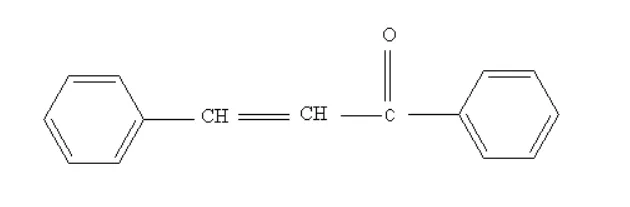
Fig. 1: Basic structure of Chalcone molecule [8]
Chalcones are α, β-unsaturated ketones with a reactive ketoethylenic group (-CO-CH=CH-). These substances are also referred to as benzylidene acetophenone or benzalacetophenone. Chalcones are defined chemically as 1,3-diaryl-2-propen-1-one, where an aliphatic three-carbon α, β-unsaturated carbonyl system connects two aromatic rings. Chalcones have a fully delocalized π-electron system on both benzene rings and conjugated double bonds. They make up the framework of open-chain flavonoids, where two aromatic rings, A and B, are joined by a three-carbon aliphatic system. Chalcones are tiny, non-chiral molecules having a low molecular weight (between 300 and 600 g/mol) and moderately high lipophilicity (Log P = 5–7). Chalcones are colored compounds because they contain the chromophore -CO-CH=CH-. Chalcones can exist as trans (Z, 2) or cis (E, 1) isomeric forms. Thermodynamically, the trans form is more stable than the cis version [12].
Structural Activity Relationship of Chalcone
In drug design and manufacture, a detailed investigation in SAR is crucial for understanding three-dimensional microscopic interactions and binding between a ligand and a receptor [13].
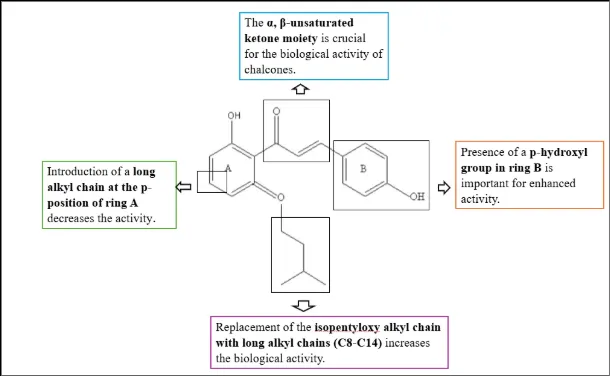
Fig. 2: Structure-Activity Relationship of Chalcone [14]
Materials and Equipment
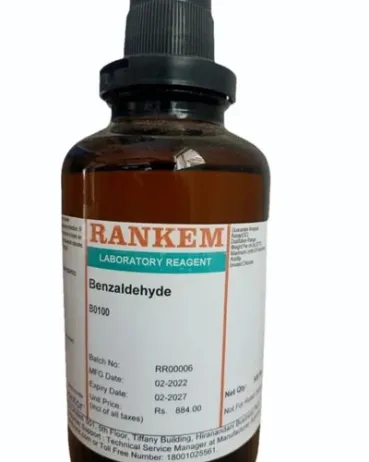
Fig. 3: Benzaldehyde
Benzaldehyde was used as aromatic aldehyde for condensation reaction to form chalcone nucleus
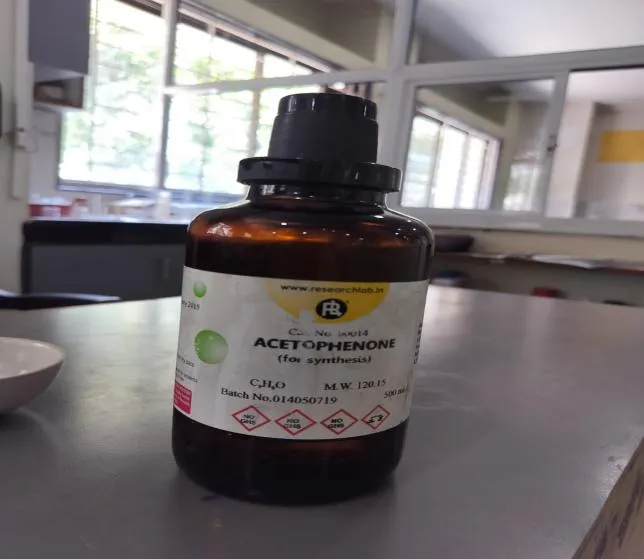
Fig. 4: Acetophenone
Acetophenone was used as the basic starting material for synthesis of chalcone derivatives through Claisen-Schmidt condensation reaction.
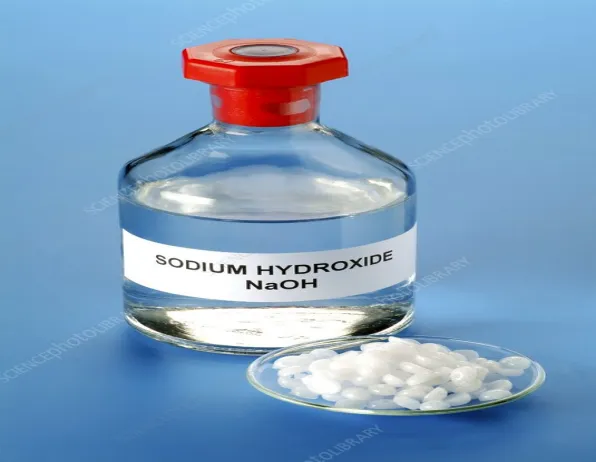
Fig. 5: Sodium Hydroxide (NaOH)
NaOH was used as base catalyst to promote Claisen-Schmidt condensation reaction.
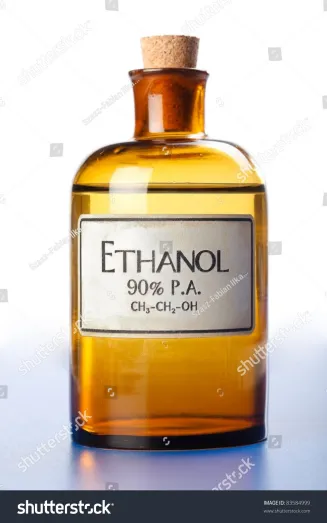
Fig. 6: Ethanol
Ethanol was used as solvent during synthesis because it provides suitable medium for reaction and dissolves reactants effectively.
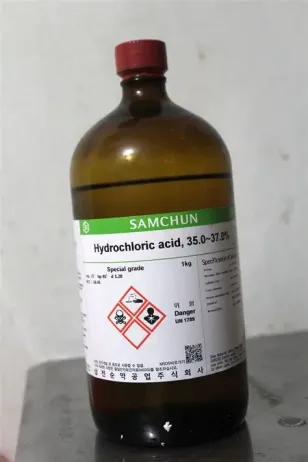
Fig. 7: Hydrochloric Acid (HCl)
Hydrochloric acid was used for neutralization of reaction mixture and precipitation of chalcone derivatives.
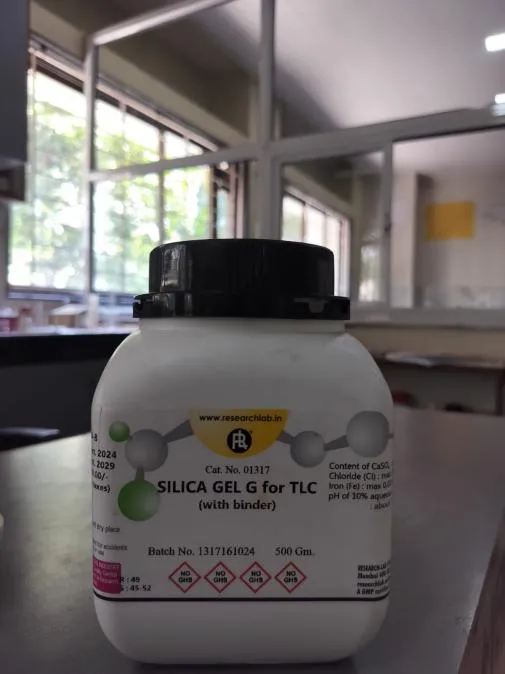
Fig. 8: Silica Gel
Silica gel TLC plates were used for monitoring reaction progress and checking purity of synthesized compounds.
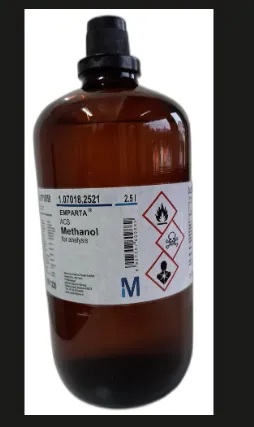
Fig. 9: Methanol
Methanol was used for recrystallization and purification of synthesized chalcone derivatives.
4-Hydroxyacetophenone was used for preparation of 4-hydroxy chalcone derivative. The hydroxyl group enhances biological activity and spectral properties.
4-Methoxyacetophenone was used for synthesis of 4-methoxy chalcone derivative. The methoxy group influences electronic and pharmacological properties.
Fig. 10: 4-Methoxyacetophenone
Round bottom flask was used for carrying out the synthesis reaction under controlled laboratory conditions. It provides uniform heating and proper mixing of the reaction mixture during chalcone synthesis.
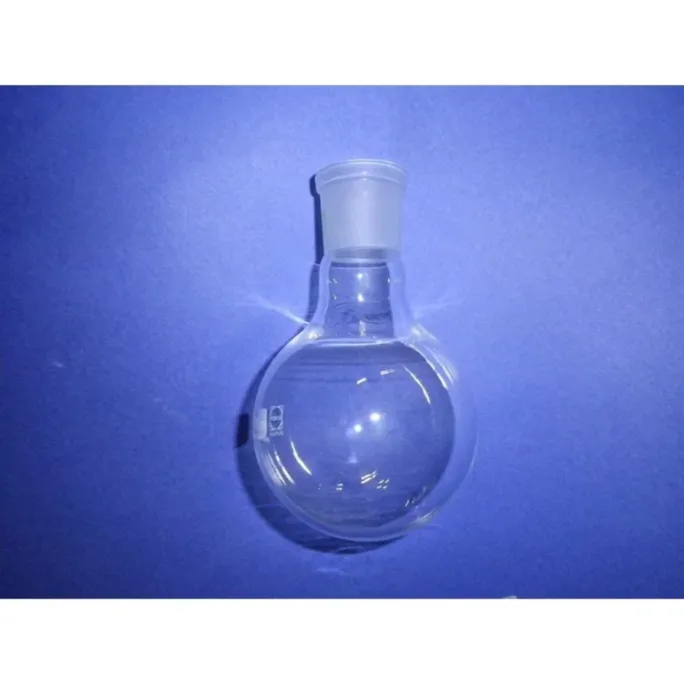
Fig. 11: Round Bottom Flask
Magnetic stirrer was used for continuous and uniform stirring of the reaction mixture. It helps in proper mixing of reactants and enhances the progress of the condensation reaction.

Fig. 12: Magnetic Stirrer
TLC chamber was used for development of TLC plates using suitable solvent system. It helps in separation and identification of synthesized compounds.
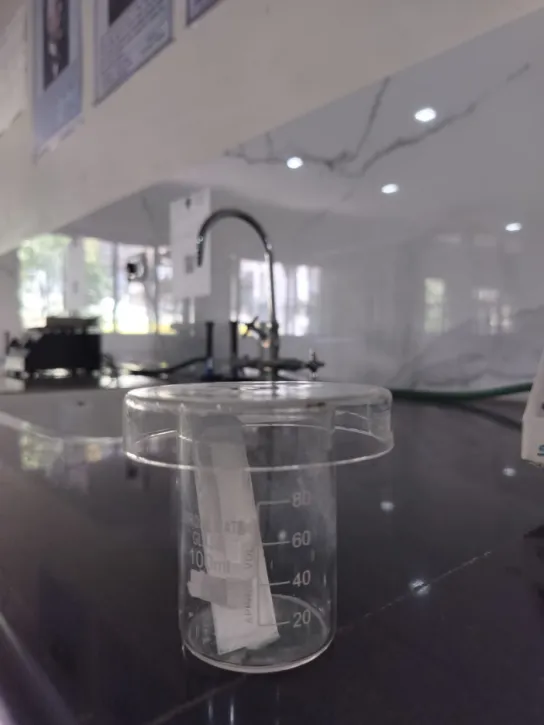
Fig. 13: TLC Chamber
UV-Visible spectrophotometer was used for spectral characterization of synthesized chalcone derivatives and determination of absorption maxima (λmax). It confirms the presence of conjugated system in chalcone structure.
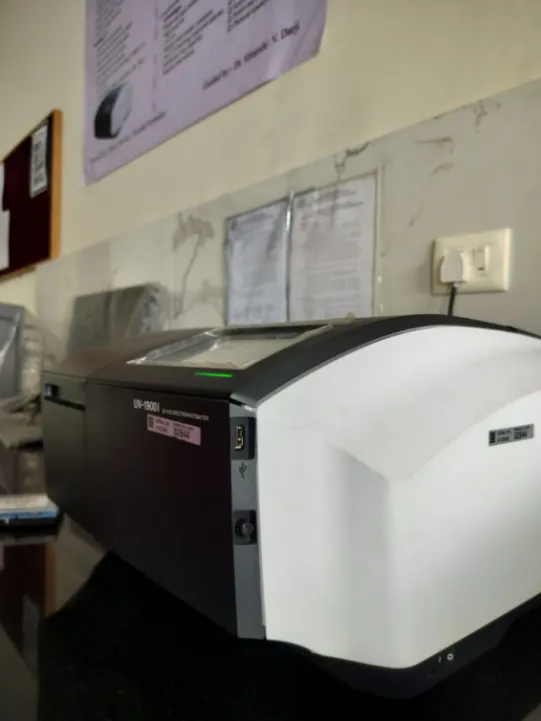
Fig. 14: UV-Visible Spectrophotometer
Thermometer was used for monitoring and maintaining the reaction temperature during synthesis reaction.
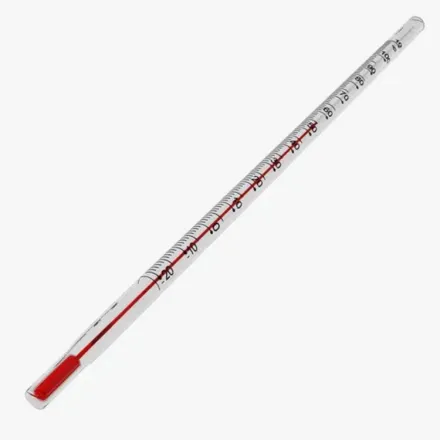
Fig. 15: Thermometer
Capillary tubes were used for spotting small quantity of sample on TLC plates during chromatographic analysis.
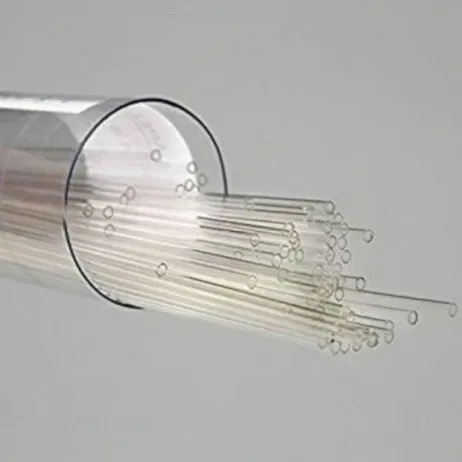
Fig. 16: Capillary Tubes
Iodine chamber was used for visualization of spots on TLC plates. The developed TLC plate was placed inside the chamber containing iodine vapors, which helped in detecting the separated chalcone compounds by producing visible brown spots.
Experimental Work
A combination of 0.01 mol acetophenone derivatives (Y) and 0.01 mol benzaldehyde derivatives (X) was dissolved in 10 mL of ethanol in a 250 mL round-bottom flask equipped with a magnetic stirrer. After vigorous stirring for 30 minutes, the solution became turbid and 10 mL of NaOH solution (1 g in 10 mL distilled water) was added slowly to the reaction mixture. The reaction temperature was maintained between 20-25°C using a cold-water bath with continuous stirring. The reaction mixture was stirred vigorously for 4-5 hours. After completion of the reaction, the mixture was neutralized using 0.1-0.2 N HCl, resulting in the formation of precipitate. The obtained precipitate was filtered, air-dried, and recrystallized using methanol to obtain pure chalcone derivatives [15].
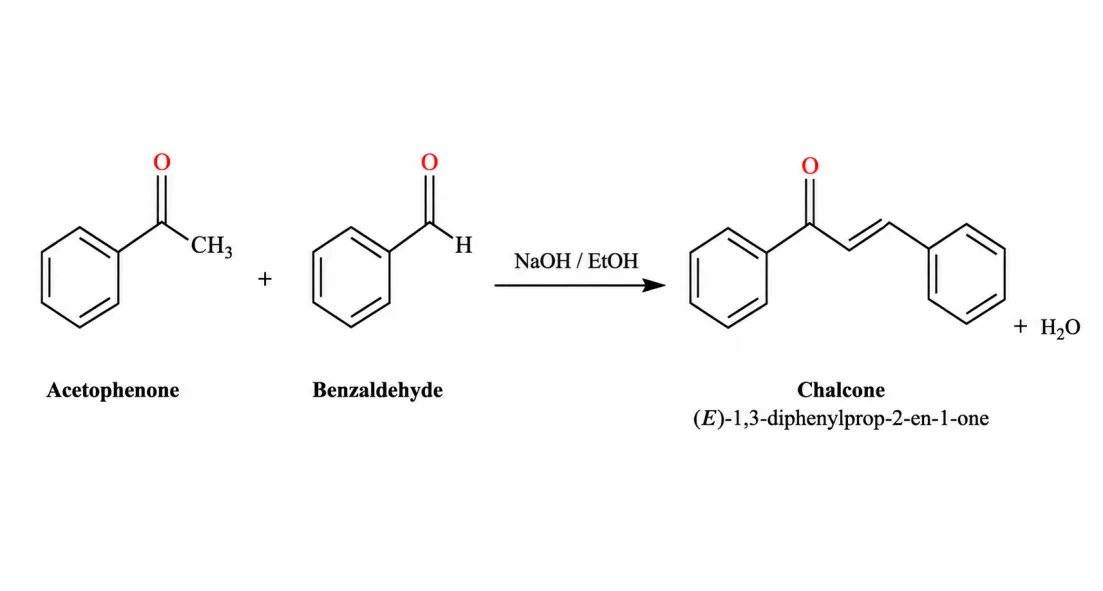
Fig. 17: Synthesis of Chalcone by Claisen-Schmidt Condensation
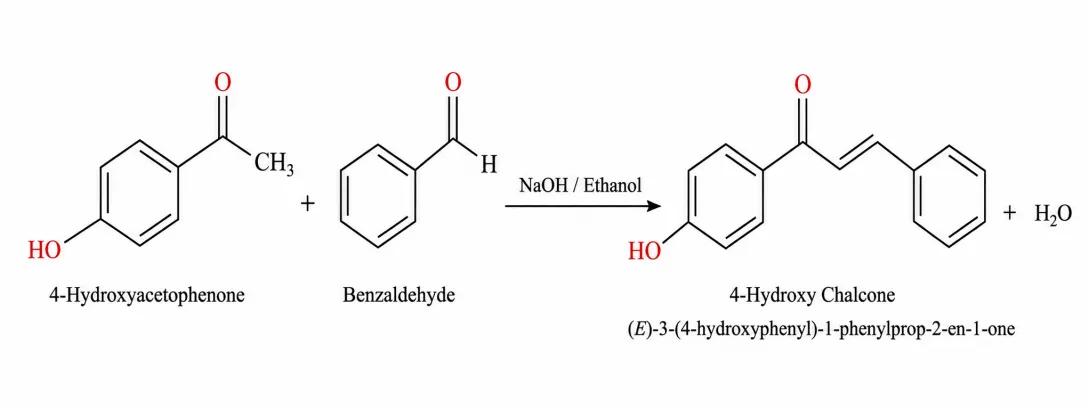
Fig. 18: Reaction Scheme for Synthesis of 4-Hydroxy Chalcone
4-Hydroxy chalcone was synthesized by reacting 4-hydroxyacetophenone with benzaldehyde in ethanolic NaOH solution. The reaction was carried out with continuous stirring, followed by neutralization and recrystallization to obtain pure chalcone derivative.
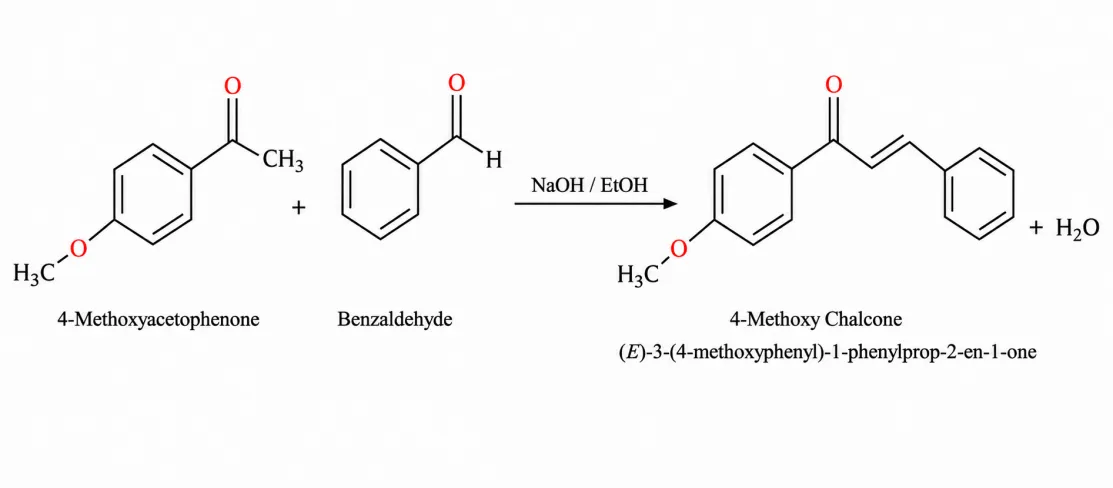
Fig. 19: Reaction Scheme for Synthesis of 4-Methoxy Chalcone
4-Methoxy chalcone was synthesized by Claisen-Schmidt condensation reaction using 4-methoxyacetophenone and benzaldehyde in the presence of sodium hydroxide and ethanol. The obtained product was filtered, dried, and recrystallized using methanol to obtain pure chalcone derivative.
PASS Online predicts over 3500 kinds of biological activity, including pharmacological effects, mechanisms of action, toxic and adverse effects, interaction with metabolic enzymes and transporters, influence on gene expression, etc [16]. To obtain the predicted biological activity profile for your compound, only structural formula is necessary; thus, The PASS prediction results were interpreted and used in a flexible manner: (i) only activities with Pa>Pi are considered as possible for a particular compound; (ii) if Pa>0.7, the chance to find the activity experimentally is high; (iii) if 0.5<Pa<0.7, the chance to find the activity experimentally is less, but the compound is probably not so similar to known pharmaceutical agents; (iv) if Pa<0.5, the chance to find the activity prediction is possible [17].
Thin Layer Chromatography (TLC)
Chromatography has become one of the most important and well-liked forms of analysis in instrumental analytical chemistry.
A small amount of synthesized chalcone compound was dissolved in suitable solvent and spotted on a silica gel coated TLC plate using a capillary tube. The TLC plate was placed in a TLC chamber containing suitable mobile phase solvent system. After development of spots, the plate was removed and dried. The spots were visualized under UV light and Rf values were calculated [18]. Using thin-layer chromatography, one can: Track a reaction's development, identify the components in a particular substance, and assess a substance's purity. The struggle between the solute and the mobile phase for binding sites on the stationary phase is the basis for compound separation [19]. The Rf value, which is calculated using the following formula, is the fundamental parameter used to describe substance movement by TLC:
Rf value = Distance travelled by solute / Distance travelled by solvent front [20]
UV Spectrum
UV/ Visible spectroscopy is the study of a sample's reaction to light. A portion of the light may be absorbed, and the remainder transmitted through the sample when a monochromatic light beam travels across it [21]. When ultraviolet or visible light is absorbed, the molecules in the sample experience electronic changes. Electrons are excited from their ground state to higher energy antibonding orbitals by the absorbed energy. The transition process involves three different types of ground state orbitals: n (non-bonding) atomic orbitals, π (pi) bonding molecular orbitals, and σ (sigma) bonding molecular orbitals. σ* (sigma star) and π* (pi star) are the antibonding orbitals in question. There is no matching antibonding orbital (n*) since n electrons are non-bonding electrons. Consequently, the molecule undergoes electronic changes because of absorbing ultraviolet and visible light [22].
RESULT
The physicochemical properties of synthesized chalcone derivatives were evaluated using SwissADME software. The obtained results revealed that both compounds possess suitable molecular weight, good gastrointestinal absorption, acceptable bioavailability score, and favorable drug-likeness properties. The compounds also showed good solubility and permeability characteristics, indicating their potential pharmaceutical importance and suitability for further biological studies.
Table 1: Physicochemical Properties of Chalcone Derivatives
|
Property |
4-Hydroxy Chalcone |
4-Methoxy Chalcone |
|
Molecular Formula |
C16H15O2 |
C17H17O2 |
|
Molecular Weight |
239.29 g/mol |
253.32 g/mol |
|
Heavy Atoms |
18 |
19 |
|
Aromatic Heavy Atoms |
12 |
12 |
|
Fraction Csp3 |
0.06 |
0.12 |
|
Rotatable Bonds |
3 |
4 |
|
H-Bond Acceptors |
2 |
2 |
|
H-Bond Donors |
1 |
0 |
|
Molar Refractivity |
73.15 |
78.60 |
|
TPSA |
37.30 Ų |
26.30 Ų |
|
GI Absorption |
High |
High |
|
BBB Permeant |
Yes |
Yes |
|
Bioavailability Score |
0.55 |
0.55 |
|
Water Solubility Class |
Soluble |
Soluble |
The PASS prediction study revealed that the synthesized chalcone derivatives possess promising biological activities with significant Pa values. Both compounds showed potential antiprotozoal, antileukemic, antineoplastic, and antibacterial activities. Among the predicted activities, antiprotozoal activity against Leishmania showed the highest probability values. The results suggest that the synthesized chalcone derivatives may possess important pharmacological properties and could be further explored for biological and medicinal applications.
Table 2: PASS Prediction Results of Chalcone Derivatives
|
Sr. No. |
Compound |
Antiprotozoal (Leishmania) |
Antileukemic |
Antineoplastic (Brain Cancer) |
Top Predicted Bacterial Strain |
Antibacterial Score |
|
1. |
4-Hydroxy Chalcone |
0.674 |
0.651 |
0.609 |
Yersinia pestis |
0.4660 |
|
2. |
4-Methoxy Chalcone |
0.681 |
0.624 |
0.601 |
Yersinia pestis |
0.4140 |
Thin Layer Chromatography (TLC) analysis of synthesized chalcone derivatives showed distinct and well-separated spots on the TLC plate using Hexane : Ethyl acetate (7:3) solvent system. The obtained Rf values for 4-hydroxy chalcone and 4-methoxy chalcone were found to be 0.62 and 0.68 respectively. Single spots observed on the TLC plate indicated successful synthesis and purity of the synthesized chalcone derivatives.
Table 3: Rf Values of Synthesized Chalcone Derivatives
|
Compound |
Solvent System |
Rf Value |
|
4-Hydroxy Chalcone |
Hexane : Ethyl acetate (7:3) |
0.62 |
|
4-Methoxy Chalcone |
Hexane : Ethyl acetate (7:3) |
0.68 |
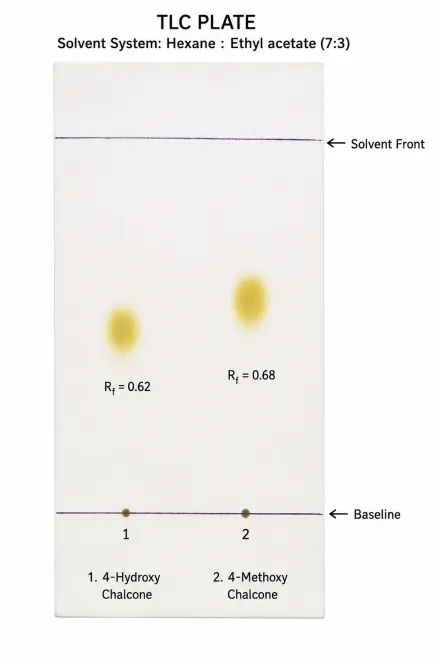
Fig. 20: TLC Plate Showing Separation of Synthesized Chalcone Derivatives
The UV-Visible spectra of synthesized chalcone derivatives were recorded in methanol using a Shimadzu UV-Visible spectrophotometer. The spectra showed characteristic absorption maxima (λmax) at 312 nm for 4-hydroxychalcone and 324 nm for 4-methoxychalcone. The observed absorption peaks confirmed the presence of conjugated α,β-unsaturated carbonyl system in the synthesized chalcone derivatives. The obtained spectral data indicated successful synthesis and characterization of the compounds.
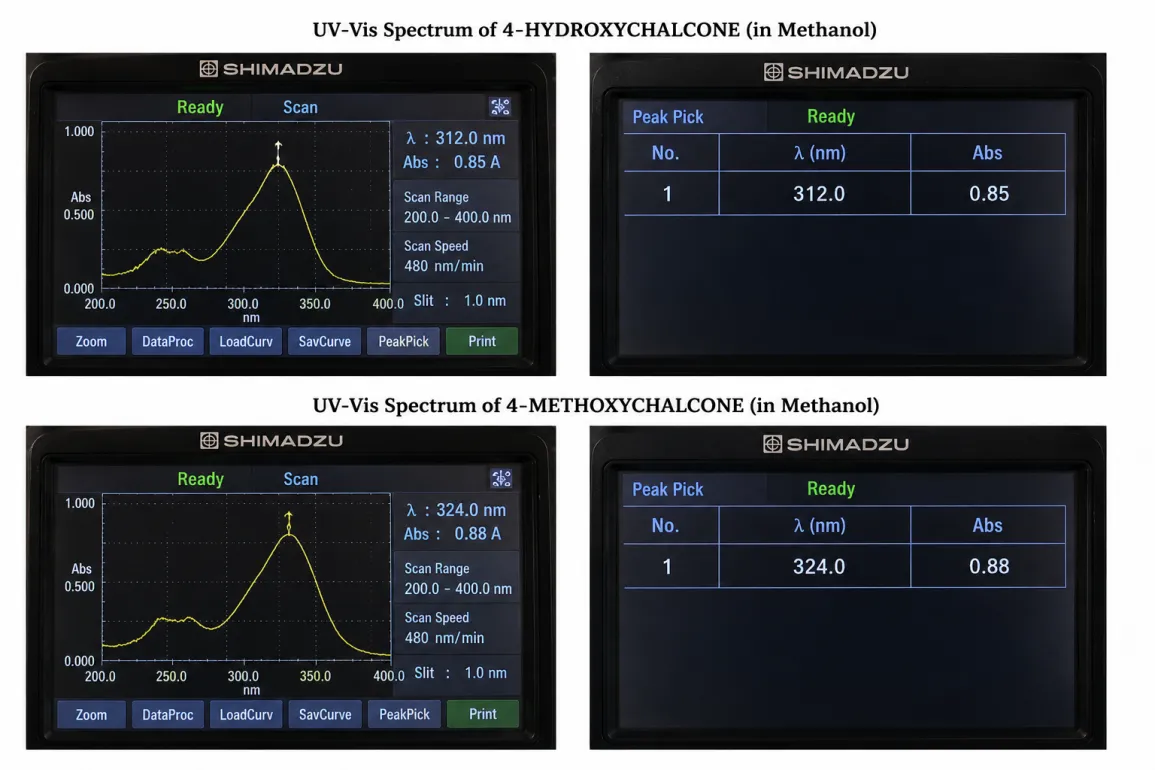
Fig. 21: UV Spectral Analysis of Synthesized Chalcone Derivatives
DISCUSSION
In the present study, chalcone derivatives were successfully synthesized by Claisen-Schmidt condensation reaction using substituted acetophenones and benzaldehyde in ethanolic medium. Sodium hydroxide was used as catalyst for the reaction. Formation of yellow colored precipitates indicated successful synthesis of chalcone derivatives. The synthesized compounds were monitored by Thin Layer Chromatography (TLC) using Hexane:Ethyl acetate solvent system. Single spots were observed on TLC plates after visualization in iodine chamber, which confirmed purity and completion of the reaction. UV-Visible spectral analysis was carried out using Shimadzu UV-Visible spectrophotometer in methanol solvent. The synthesized compounds showed characteristic absorption peaks due to the presence of conjugated α,β-unsaturated carbonyl system of chalcones. The obtained UV spectral data confirmed successful formation of chalcone derivatives. SwissADME studies showed that the synthesized compounds possess suitable physicochemical properties such as good gastrointestinal absorption, acceptable molecular weight, good bioavailability score, and drug-likeness properties. These results indicate possible pharmaceutical importance of chalcone derivatives. PASS prediction results revealed that the synthesized chalcone derivatives may possess important biological activities such as antibacterial, antiprotozoal, antileukemic, anti-inflammatory, and antineoplastic activities. Among the predicted activities, antiprotozoal and antibacterial activities showed higher probability values. The biological activities obtained from PASS online software are only predicted activities based on computational analysis and are not experimentally confirmed. Further in-vitro and in-vivo studies are required to validate the predicted pharmacological activities.
Overall, the study confirmed successful synthesis and characterization of chalcone derivatives. The obtained results suggest that chalcone derivatives may be useful compounds for further pharmacological and medicinal research.
Summary
In the present study, chalcone derivatives were successfully synthesized by Claisen-Schmidt condensation reaction using substituted acetophenones and benzaldehyde in ethanolic alkaline medium. The synthesized compounds were purified by recrystallization and characterized using Thin Layer Chromatography (TLC) and UV-Visible spectroscopy. TLC analysis showed distinct single spots with characteristic Rf values, confirming purity and successful completion of the reaction. UV spectral analysis carried out using Shimadzu UV-Visible spectrophotometer showed characteristic absorption maxima, confirming the presence of conjugated chalcone structure. Physicochemical properties of synthesized chalcone derivatives were evaluated using SwissADME software. The compounds showed suitable molecular weight, good gastrointestinal absorption, acceptable bioavailability score, and favorable drug-likeness properties. Biological activity prediction using PASS online software indicated that the synthesized chalcone derivatives possess potential antibacterial, antiprotozoal, antileukemic, anti-inflammatory, and antineoplastic activities. Overall, the study demonstrated a simple and effective method for synthesis and characterization of chalcone derivatives and suggested their possible importance in pharmaceutical and medicinal research.
CONCLUSION
The present study successfully demonstrated the synthesis of chalcone derivatives by Claisen-Schmidt condensation reaction using substituted acetophenones and benzaldehyde. The synthesized compounds were successfully purified and characterized by Thin Layer Chromatography (TLC) and UV-Visible spectroscopy. TLC analysis confirmed the purity of synthesized compounds through distinct single spots and characteristic Rf values. UV spectral analysis confirmed the presence of conjugated chalcone structure in synthesized derivatives. Physicochemical evaluation using SwissADME indicated favorable drug-likeness properties, good gastrointestinal absorption, and acceptable bioavailability of the compounds. PASS prediction studies revealed that the synthesized chalcone derivatives possess promising biological activities such as antibacterial, antiprotozoal, antileukemic, anti-inflammatory, and antineoplastic activities. Overall, the study suggests that chalcone derivatives are important bioactive compounds with potential pharmaceutical applications and may serve as promising candidates for further medicinal and biological research.
Future Scope
The synthesized chalcone derivatives showed promising physicochemical and predicted biological activities, indicating their potential for further pharmaceutical research. In future studies, advanced characterization techniques such as IR spectroscopy, NMR spectroscopy, and Mass spectroscopy can be performed for detailed structural confirmation. Further biological evaluation including antibacterial, antifungal, anticancer, anti-inflammatory, and antitubercular studies can be carried out through in-vitro and in-vivo experiments to confirm the predicted activities obtained from PASS software. Molecular docking studies may also be performed to understand the interaction of chalcone derivatives with specific biological targets and proteins. In addition, formulation approaches can be explored to improve solubility, stability, and bioavailability of chalcone derivatives. Thus, chalcone derivatives possess significant potential for development of new therapeutic agents in future medicinal chemistry and pharmaceutical research.
REFERENCES





Padmavati Biradar*, Senerita Kamble, Tanushree Kadam, Rutuja Kulkarni, P. N. Sable, Synthesis, Characterization and Biological Activity Prediction of Chalcone Derivatives, Int. J. of Pharm. Sci., 2026, Vol 4, Issue 6, 4404-4417. https://doi.org/10.5281/zenodo.20737245
 10.5281/zenodo.20737245