

We use cookies to ensure our website works properly and to personalise your experience. Cookies policy
Dr. Vitthalrao Vikhe Patil Foundation’s, College Of Pharmacy, Vadgaongupta (viladghat), Post. MIDC, Ahilyanagar.
The present study focuses on the preparation and evaluation of a herbal anti-inflammatory cream using Neem (Azadirachta indica) and Liquorice (Glycyrrhiza glabra) extracts. Inflammation is a common biological response to injury, infection, and irritation, often associated with redness, swelling, pain, and discomfort. Herbal medicines are gaining importance due to their safety, effectiveness, and fewer side effects compared to synthetic drugs. Neem possesses anti-inflammatory, antimicrobial, antioxidant, and wound-healing properties, while Liquorice is well known for its anti-inflammatory, soothing, antioxidant, and skin-protective effects.The extracts of Neem leaves and Liquorice roots were prepared using the microwave-assisted extraction method with methanol as solvent. The cream was formulated as an oil-in-water (O/W) emulsion using emulsifying wax, stearic acid, cetyl alcohol, coconut oil, glycerine, distilled water, methyl paraben, vitamin E, and flavouring agent. The prepared formulation was evaluated for organoleptic properties, pH, spreadability, washability, homogeneity, irritancy, and phase separation.The results showed that the cream had a smooth texture, pale green color, pleasant odor, good spreadability, easy washability, suitable pH (5–6), and no signs of skin irritation or phase separation. The formulation was found to be stable, safe, and effective for topical application. Thus, the herbal anti-inflammatory cream prepared from Neem and Liquorice can be considered a promising natural alternative for managing skin inflammation and related conditions.
Background Inflammation is a complex biological response of the immune system to harmful stimuli such as pathogens, damaged cells, or irritants. Inflammation is a natural defence mechanism against any kind of stimuli that may be harmful however, excessive inflammation lead to various health problems, including skin, disorder, arthritis,and autoimmune disease.
It is the body’s natural protective response to injure , infection ,irritation ,or harmful stimuli. It is a defense mechanism of the immune system that helps remove harmful agents and starts the healing process.
Inflammation is the reaction of living tissues to damage caused by physical injury, chemicals, microorganisms, or immune reactions.
Causes of Inflammation
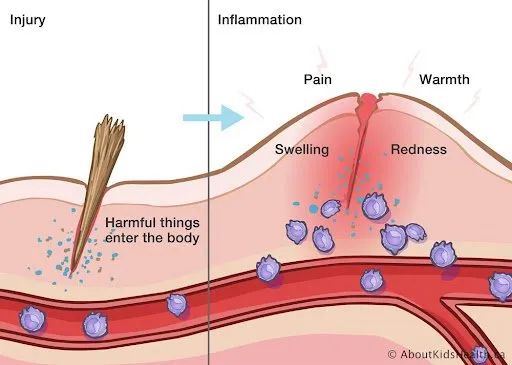
Fig 1: Inflammation of cell
The research involving formulating and characterizing an herbal topical cream that contains extract from Neem extract and liquorice extract.
Although all these plants possess significant medicinal properties, their combination in one formulate on has not been extensively researched.
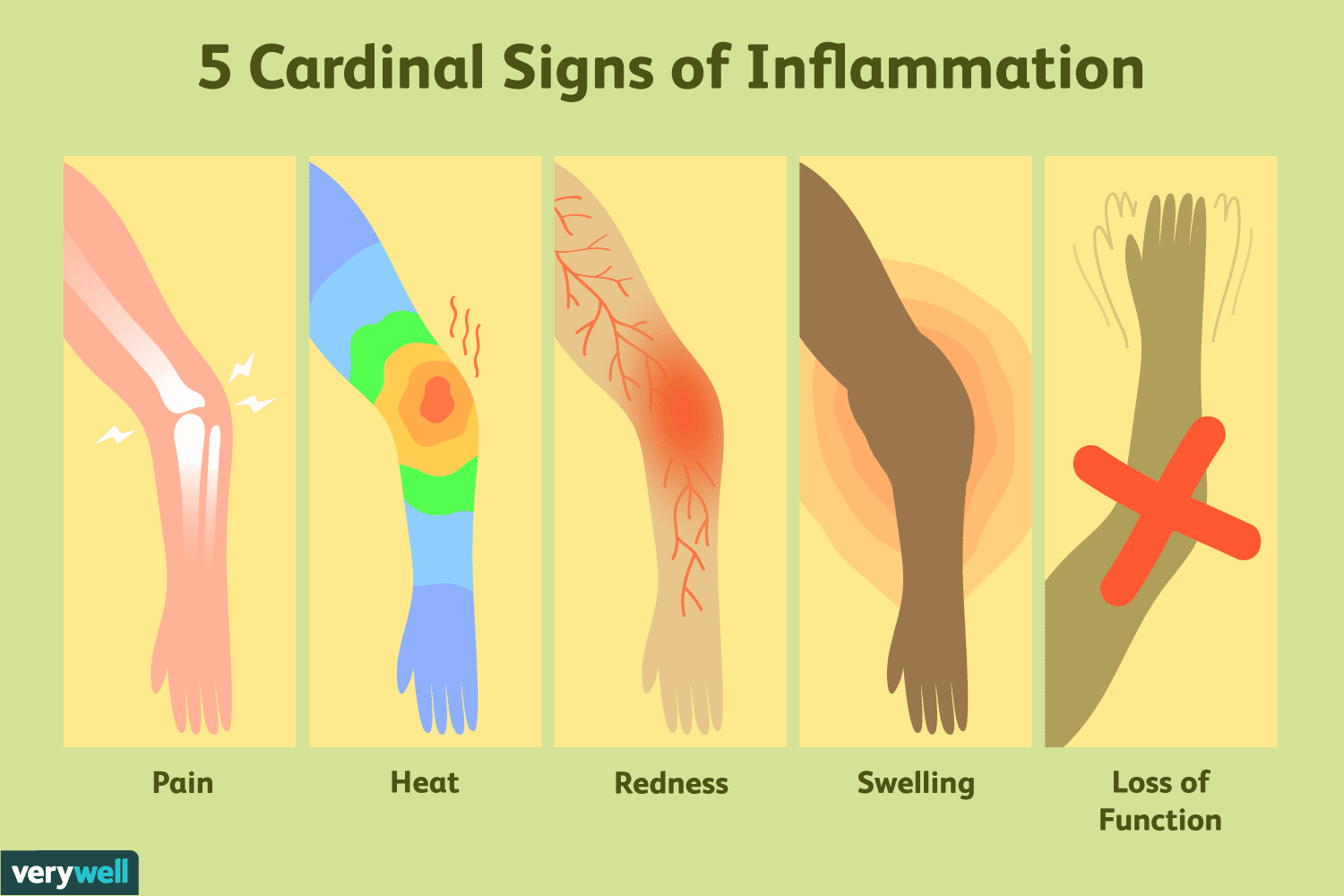
Fig 2: Signs of inflammation
Inflammation is the biological reaction to harmful substances such as infection, injury, or irritants. Inflammation uses immune cells, blood vessels and various molecules.
There are two types of inflammations:
Acute inflammation: Fast reaction to injury or injury or infection accompanied by redness
Swelling, and pain.
Chronic inflammation: Slow reaction leading to tissue damage and linked to conditions
Such as rheumatoid arthritis.
The use of anti-inflammatory topical creams helps reduce pain and swelling without as
many side effects as medication taken orally. Anti-inflammatory medication, such as NSAIDs
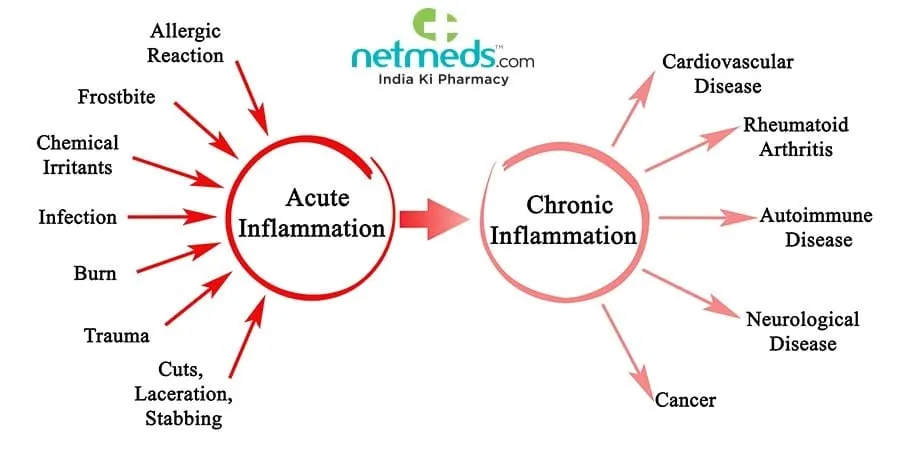
Fig 3: Acute and Chronic inflammation
Basic information about cream:-
Creams represent semi-solid preparations meant to be applied externally on the skin. Creams have either one or more medicines suspended or dissolved in a proper base. Creams are extensively used for:
Anti –inflammatory effects.
Moisturizing.
Antifungal or antibacterial treatment.
Cosmetic use
A cream is a semisolid emulsion system consisting of:-
Type of Creams:-
1. Oil–in water (O/W) Cream
Oil droplets are dispersed in a continuous water phase.
Charactristics
Non-greasy, easily washable with water, Light texture, cooling effect on skin.
Composition:-
Oil phase is in (small amount)) whereas Water phase is (large amount).
Mechanism:-
Water is the external phase → absorbs quickly → gives non-oily feel
Advantages:-
Suitable for oily skin, Good patient acceptance, No staining of clothes
Disadvantages:-
Less moisturizing, easily contaminated by microbes
Examples:-
Vanishing cream, Moisturizing cream.
2. Water –in oil (W/O) Cream
Water droplets are dispersed in a continuous oil phase.
Characteristics:-
Greasy and thick, Not easily washable, Provides protective layer.
Composition:-
Oil phase is in (large amount) whereas Water phase (small amount).
Mechanism:-
Oil forms outer layer → prevents water loss from skin
Advantages:-
Excellent moisturizing effect, Good for dry skin, Protective barrier
Disadvantages:-
Sticky feel, Can clog pores
Examples:-
Cold cream, Night cream
Ideal Properties of Cream:-
Ingredients Used in Cream Formulation
1. Active Ingredient (API)
Example:
2. Oil Phase
3. Aqueous Phase
4. Emulsifying Agents
5. Preservatives
6. Perfume & Color
For aesthetic appeal.
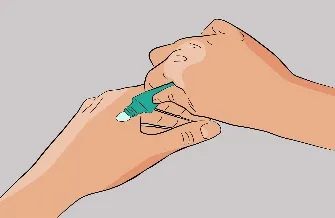
The topical route of administration involves application of the drug directly onto the skin or mucous membrane to produce a local therapeutic effect at the site of application. This route bypasses systemic circulation, thereby minimizing systemic side effects while maximizing local drug concentration. Topical preparations include creams, ointments, gels, lotions, pastes, and transdermal patches.
The skin consists of three primary layers: 1. Epidermis - the outermost layer comprising the stratum corneum (SC), stratum granulosum, stratum spinosum, and stratum basale;
2. Dermis - the middle layer containing blood vessels, nerve endings, hair follicles, and sebaceous glands.
3. Hypodermis / Subcutaneous layer - the innermost fatty layer providing insulation and cushioning.
The stratum corneum (SC), composed of flattened, non-viable, keratin-filled corneocytes embedded in a lipid matrix, represents the primary barrier to drug penetration. The 'brick and mortar' model describes the SC as corneocytes (bricks) embedded in lipid bilayers (mortar). Drug molecules must traverse this barrier by one of the following pathways:
1. Transcellular pathway - directly through corneocytes;
2. Intercellular pathway - through the lipid domains between corneocytes;
3. Transappendageal pathway - via hair follicles, sebaceous glands, and sweat ducts.
Aim: To formulate and evaluate a herbal anti-inflammatory cream using extracts of Neem and Liquorice, and to assess its effectiveness in reducing inflammation.
Objective:
Herbal anti –inflammatory treatment are widely used in traditional system like Ayurveda and modern herbal medicine.
Some herbs have compounds that can help reduce inflammation, through they're usually milder than pharmaceutical drugs.
The herbal drug such as liquorice (Glycyrrhizin – glycyrrhizic acid ) and Neem (Nimbidin).
The different parts of plant were selected for study having anti inflammatory property which is alredy proven . following are the ingredient which we have to used in formulation of anti –inflammatory cream
Anti –inflammatory herbs
1. Neem :
The neem plant has a number of active compounds including:
Nimbidin , Azadirachtin , Quercetin
Nimbidin – principal anti-inflammatory substance, found especially in oil
Nimbin – helps with anti-inflammatory and antimicrobial activitie
Azadirachtin – mainly used for insecticidal purposes, but promotes immune response
Quercetin – a naturally occurring flavonoid; powerful anti-inflammatory and antioxidant
The active compounds act to:
Decrease formation of inflammatory agents such as prostaglandins reduce swelling and redness.
Have an antioxidant effect which lowers oxidative stress contributing to inflammation
Biological source
Neem consists of the leaves, bark, seeds, and oil of Azadirachta indica.
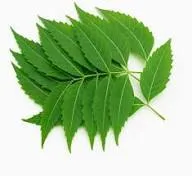
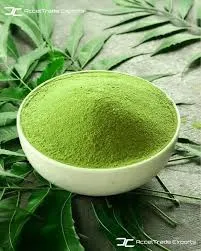
Fig 4: Leaves and powder of Neem
Table no1:- Taxonomical classification of Neem
|
Rank |
Classification |
|
Kingdom |
Plantae |
|
Division |
Magnoliphyta (Angiosperms) |
|
Class |
Magnoliopsida (Dicotyledons) |
|
Order |
Sapindales |
|
Family |
Meliaceae |
|
Genus |
Azadirachta |
|
Species |
Azadirachta indica |
Uses
1.Skin Inflammation:
Effective for conditions such as acne, eczema and minor infections Oil and paste from the neem can lower inflammation
2. Joint & Muscular Pain
Used traditionally to relieve arthritis and other muscular pains .Neem oil application can ease joint pain.
3. Oral & Gum Inflammations
Neem toothsticks and mouthwashes can relieve gum swellings and infections
4. Internal Inflammations
Neem leaves can sometimes be used internally.
2 .Liquorice
Liquorice (root) is widely used in pharmaceutical and cosmetic preparations due to its rich content of bioactive phytochemicals responsible for anti-inflammatory, antioxidant, and skin-lightening effects.
Morphology :
Glycyrrhiza glabra Linn is a hardly perennial shrub, reaching as much as 2.5 m in height .Leaves are compound, imparipinnate, alternate, with 4-7 pairs of oblong, elliptical or lanceolate leaflets. The flowers are narrow, usually papilionaceous, in axillary spikes, from lavender to violet in colour. The calyx is short, campanulate, with lanceolate tips and bearing glandular hairs. The fruit is a compressed legume or pod, up to 1.5cm long, erect, glabrous, somewhat reticulately pitted, and usually contains 3-5 brown reniform seeds. The taproot is about 1.5cm long and subdivided into 3-5 subsidiary roots.
Most major active constituents of liquorice
The active ingredients of liquorice are glycyrrhizin and glabridin, among others. Glycyrrhizin and glabridin are significant contributors to liquorice’s anti-inflammatory properties and cosmetic effects, which make liquorice very useful for herbal creams.
Table no :2 Taxonomical classification of liquorice
|
Rank |
Classification |
|
Kingdom |
Plantae |
|
Division |
Magnoliphyta (Angiosperms) |
|
Class |
Magnolipsida (Dicotyledons) |
|
Order |
Fabales |
|
Family |
Fabaceae (Leguminosae) |
|
Genus |
Glycyrrhiza |
|
Species |
Glycyrrhiza glabra |
Pharmacological activity of liquorice
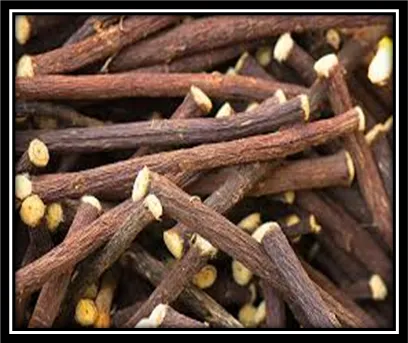
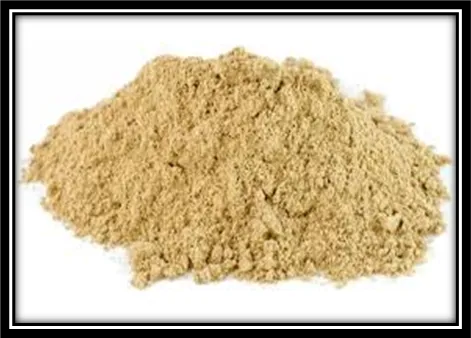
Fig5: Root and Powder of liquorice
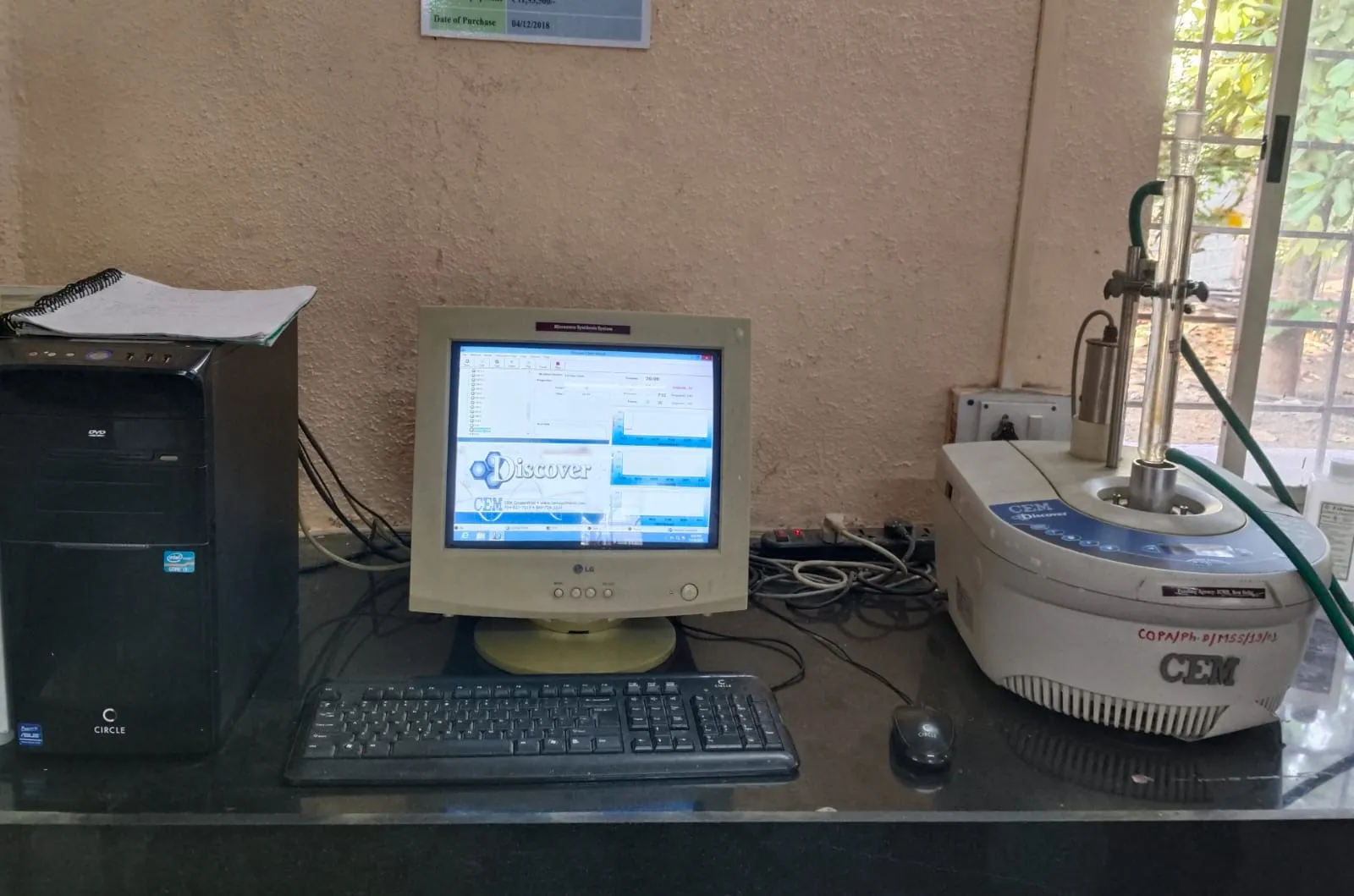
Fig:6Microwave synthesis system
Principle of Microwave-Assisted Extraction (MAE):-
The process of microwave extraction is based on the concept of dielectric heating:
Plant material:- Dried Neem leaves & Liqurice root (powdered).
Chemical / solvent:- Methanol, / Ethanol (commonly used) ,Distilled water.
Methodology (Step -by –Step procedure)
1. Collection & Preparation:-
Collect the fresh leaves of neem & roots of liqurice then wash them with distilled water or tap water .
Allow it to place in dry shade avoid sunlight to prevent degredation .After drying the leaves& roots grind them into coarse powder.
2. Weighing
Take 5-10 g neem & liqurice powder.
3. Solvent addition
Add the solvent (Methanol, Ethanol) in the ratio of 1:10 (w/v)
Example 10g powder + 100 ml methanol
For the Microwave-Assisted Extraction process we use Methanol as a solvent.
4. Microwave Extraction
Transfer the above mixture into the microwave conical flask container.
Set microwave condition:
Power 80-100
Time 3-10 min
Run in cycle (e.g 1 min on after 30 sec off)
This will prevent the overheating and degradation.
5. Cooling :-
Allow the mixture to cool at room temperature.
6. Filtration :- Filter using Whatman filter paper & Collect clear extract.
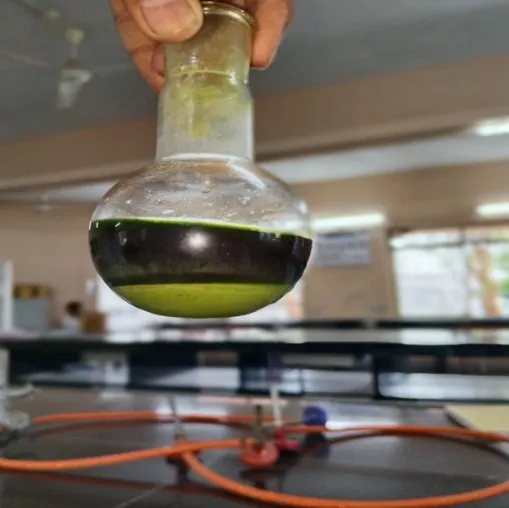
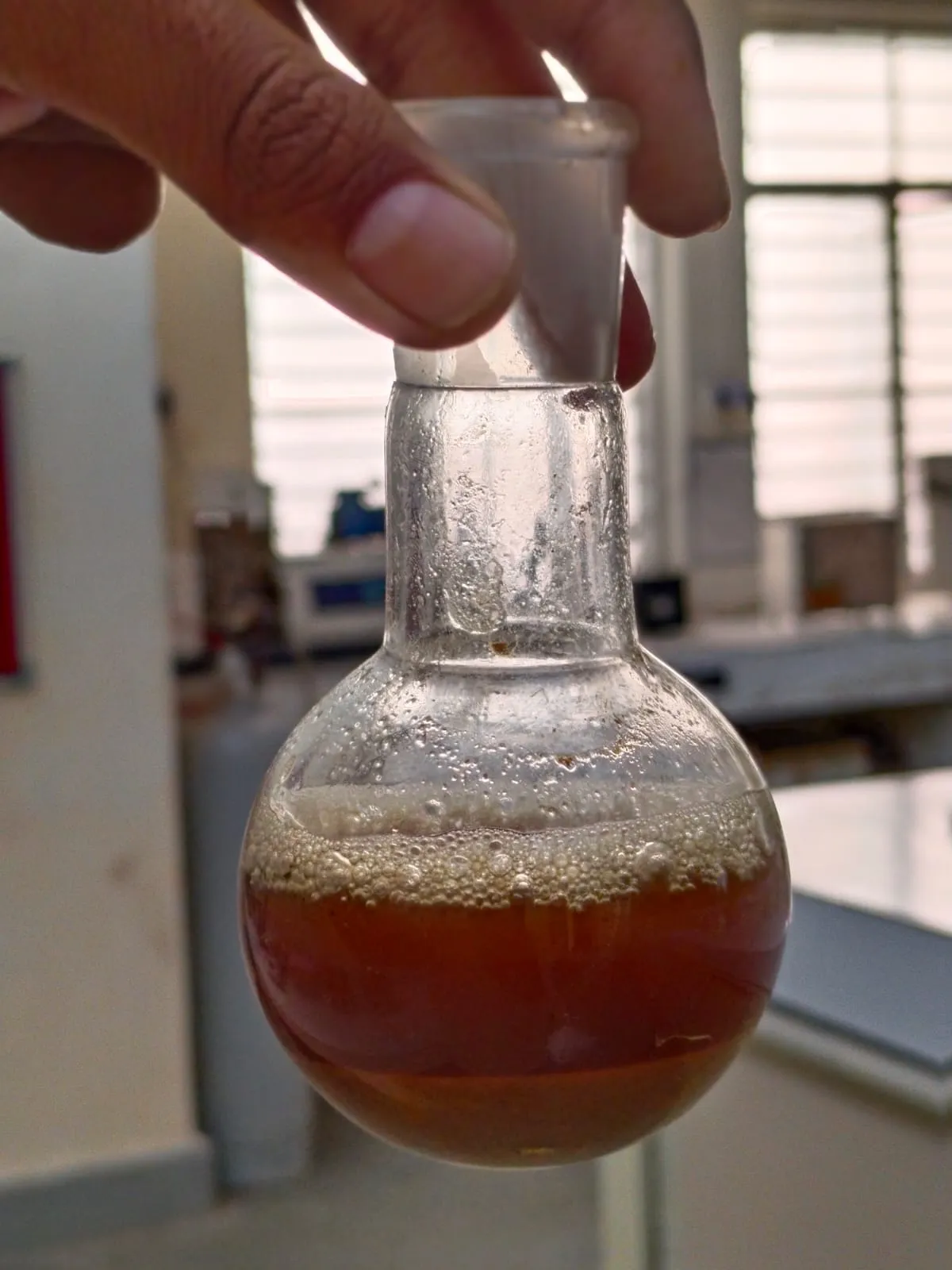
Fig 7: Extraction of Neem Fig 8: Extraction of Liquorice
3. Emulsifying Wax
Emulsifying wax is an additive in cosmetics that combines water and oil to form a stable emulsion—a process that would not occur naturally. Emulsifying wax plays a vital role in the preparation of products such as creams, lotions, and ointments. E-Wax (Emulsifying Wax NF)—commonly used, man-made compound.
Cetearyl alcohol + polysorbate mixtures—natural alternatives made from plants.
Beeswax emulsifiers—natural, yet may require another emulsifier.
On a molecular basis, emulsifying wax has molecules that have two ends:
Hydrophilic end (loves water)
Lipophilic end (loves oil)
The dual nature of these molecules makes them capable of sitting at the interface between water and oil, thus reducing surface tension to form minute drops of one phase in the other. This is what makes an emulsion possible (mostly oil-in-water emulsion for lotions).
Such a property has something to do with Hydrophilic-Lipophilic Balance (HLB).
4. Steric acid
It seems that you are confusing stearic acid (which is actually written as 'steric acid' by mistake). Steric acid is one of the most common components in topical ointments,Creams including anti-inflammatory ointments; however, it is not the main ingredient in them.
It is an aliphatic saturated fatty acid that is derived from plant and animal lipids (fats).
Formula: C₁₈H₃₆O₂
Physical appearance: white waxy substance
Melting point: about 69–70 °
Functions of stearic acid in anti-inflammatory ointments, Creams
Provides formation of traditional 'Vanishing creams OR Cold cream '
5. Glycerine (Glycerol)
Category: Humectant (moisturizer)
Chemical nature: Trihydric alcohol
Formula: C₃H₈O₃
Functions:
Advantages:
Non-toxic ,Suitable for all skin types ,Enhances skin smoothness.
6. Methyl Paraben
Chemical name: Methyl p-hydroxybenzoate
Category: Preservative
Functions:
Protects herbal formulations from contamination
Advantages:
Effective in low concentration ,Stable over wide pH range
7. Vitamin E (Tocopherol)
Category: Antioxidant / Skin conditioning agent
Functions:
Advantages:
Improves skin elasticity , Supports anti-inflammatory activity.
8. Flavouring Agent / Fragrance
Category: Perfuming agent
Functions:
Examples: Rose water , lemon oil
Formula Table:-
Table no-3 Formula table
|
SR NO |
Ingredients |
Quantity |
Uses |
|
1. |
Neem extract |
5g |
anti-inflammatory ,antimicrobial |
|
2. |
Liquorice extract |
5g |
Soothing , skin protective |
|
3. |
Emulsifying wax |
8g |
Helps in mixing oil and water phase |
|
4. |
Steric acid |
5g |
Thickening agent |
|
5. |
Cetyl alcohol |
3g |
Gives smooth texture |
|
6. |
Coconut oil |
5ml |
Moisturizer |
|
7. |
Vitamin e |
0.5ml |
Antioxidant ,improve healing |
|
8. |
Glycerine |
5ml |
Humectant , prevent dryness |
|
9. |
Methyl paraben |
1g |
Preservative Antioxidant ,improve healing |
|
10. |
Flavouring agent |
0.5ml |
Provide smell , masked herbal odour |
|
11. |
Distilled water |
Q.S upto 100 ml |
Solvent / vehicle
|
Step 1 : Preparation of Oil phase:-
Take stearic acid , cetyl alcohol ,and emulsifying wax and oil in a beaker heat them up to 70-75 0 C .
Stir them completely melted .
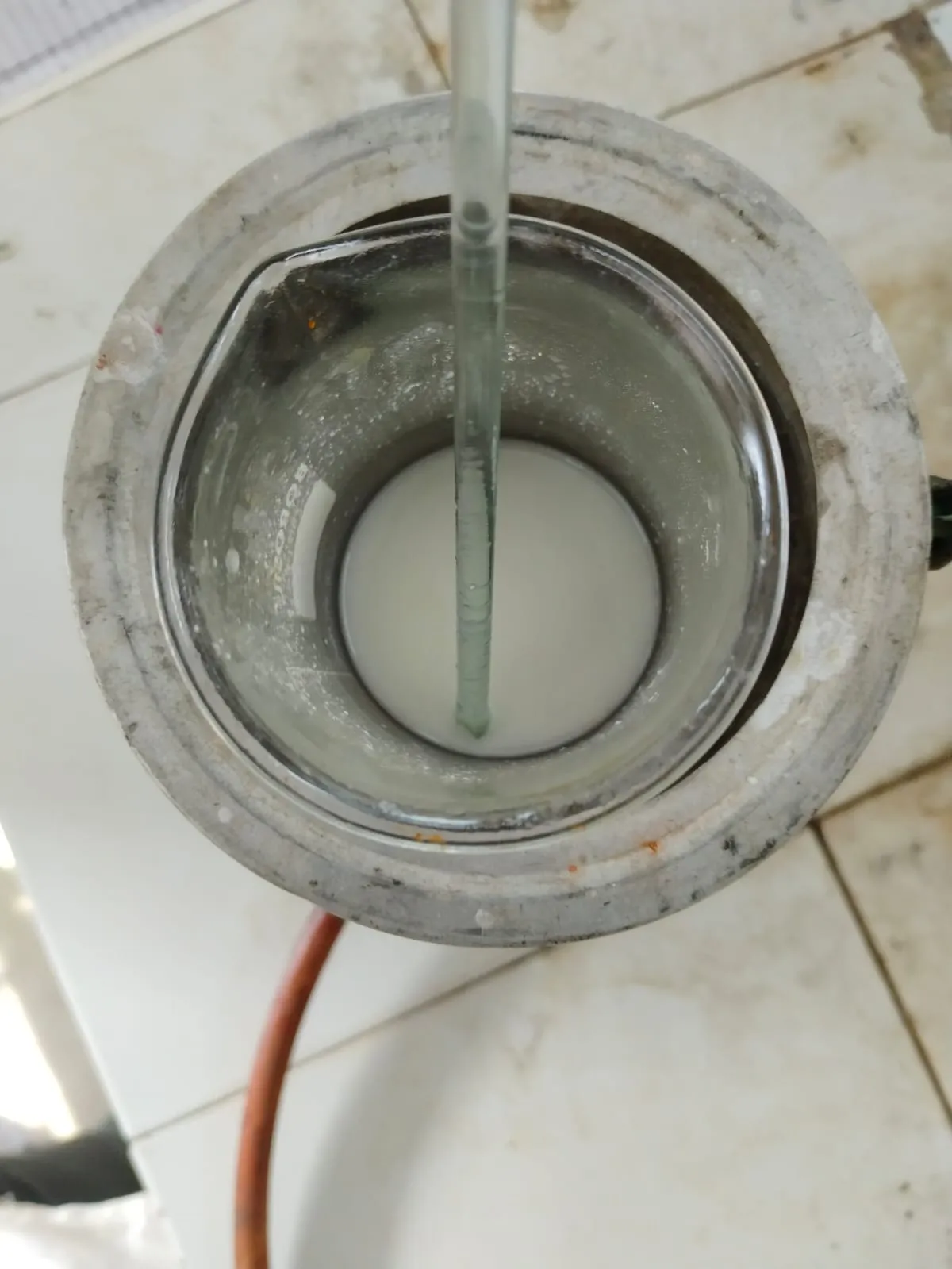
Fig 9: Preparation of Oil phase
Step 2 : Preparation of Aqueous phase:-
In another beaker take distilled water ,glycerine and methyl parabeen heat them with same temperature (70-75 0 C)
Stir until preservative dissolves .
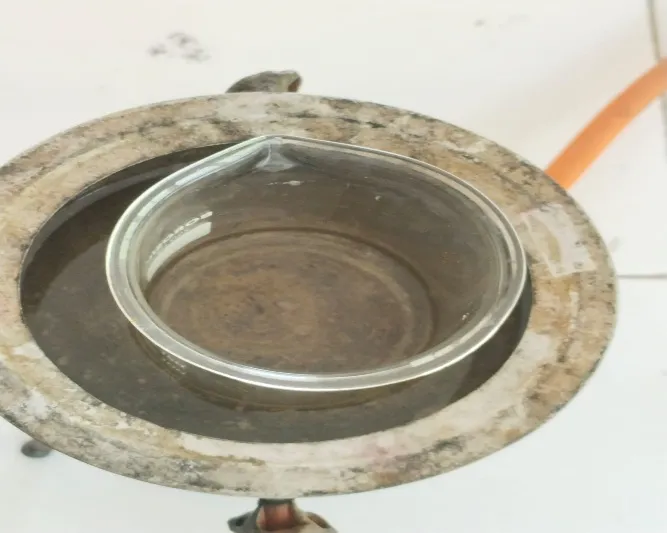
Fig 10: Preparation of Aqueous phase
Step 3: Emulsification:-
Slowly add oil phase into aqueous phase
Stir continuously using: Mechanical stirrer / glass rod
Continue stirring to form uniform emulsion
Step 4: Addition of Herbal Extracts:-
Allow mixture to cool to about 40°C
Add: Neem extract , Liquorice extract . Mix thoroughly.
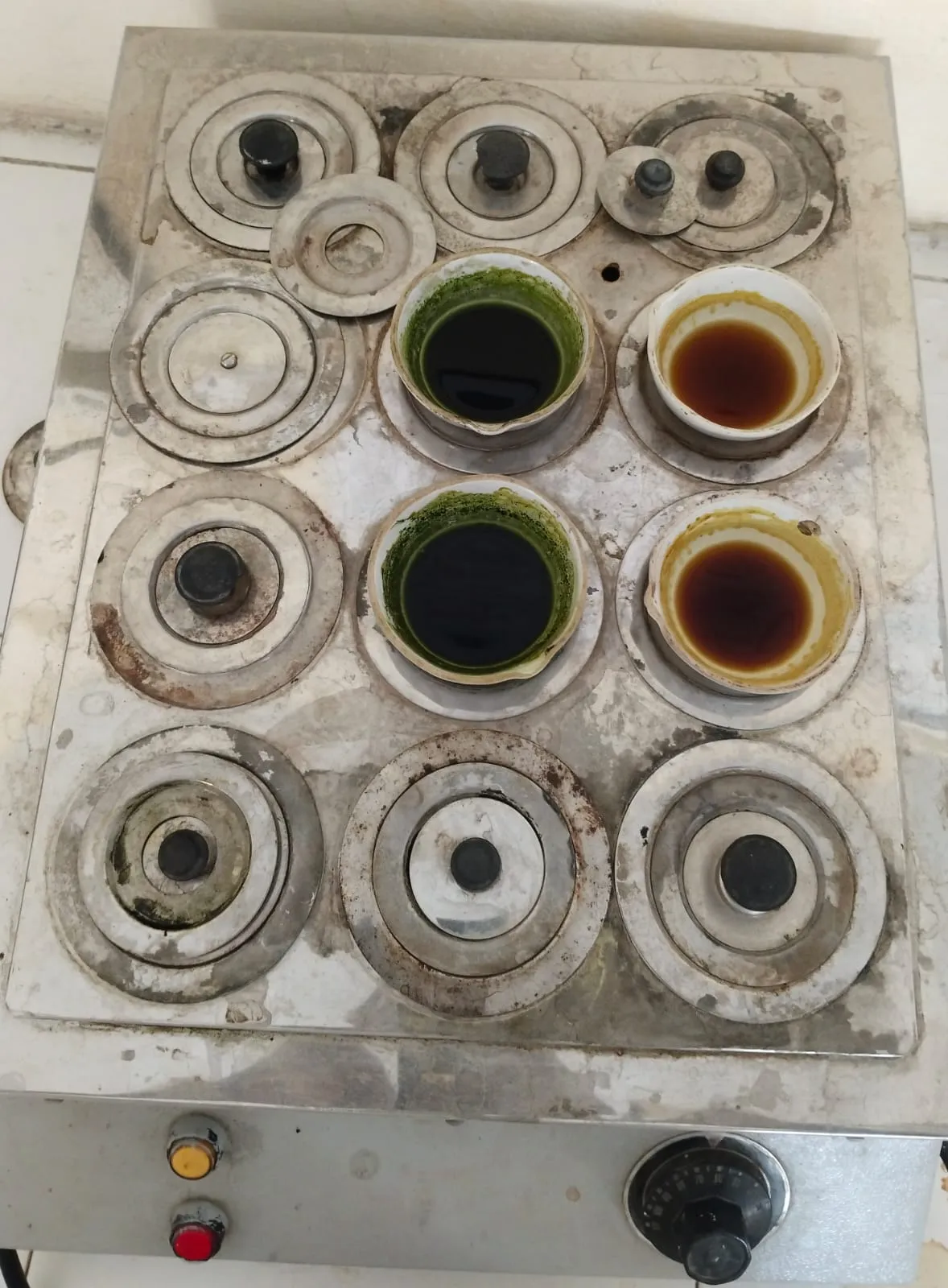
Fig 11: Placed the extract of liquorice and neem on water bath
Step 5: Addition of Additives:-
Add: Vitamin E (antioxidant)
Flavouring agent for pleasant smell to mask the unplacent smell of neem
Mix gently to avoid air bubbles, stir continuously to make smooth , semisolid and uniform cream .
Step 6: Cooling and Packaging:-
Allow cream to cool to room temperature. And transfer into clean and suitable container .
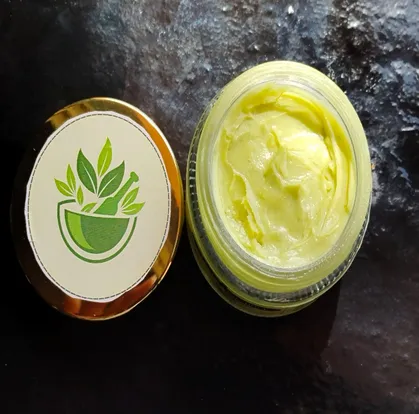
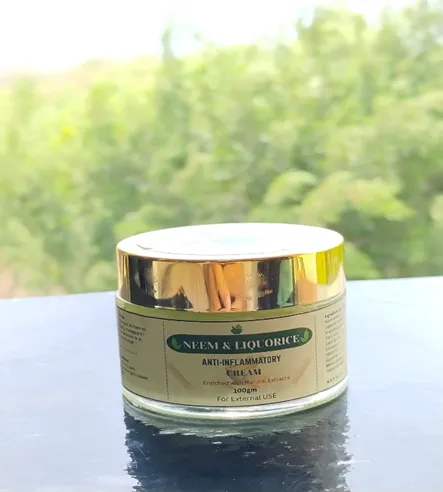
Fig12: Cream are filled in container
Evaluation tests for a pharmaceutical cream are essential to ensure its quality, stability, safety, and effectiveness. The formulated herbal anti-inflammatory cream was evaluated based on various physicochemical and dermatological parameters.
Here are the major evaluation tests for cream explained clearly:
Basic physical observation-
Table no-4 Basic physical observation
|
Parameter |
Observation |
|
Colour |
Light or pale green |
|
Odour |
Pleasant , no rancid smell |
|
State |
Semisolid |
|
Irritancy |
No skin irritation |
|
pH |
5-6 |
|
Washability |
Easily washable with water |
|
Spreadability |
High spreadability confirmed through standard glass plate method |
|
Skin Irritation Test |
No erythema or edema noted after patch test. |
|
Grittiness |
No grittiness detected under microscope |
|
Viscosity |
1900 cps |
The formulated herbal anti-inflammatory cream was ecaluated based on various physicochemical and dermatological parameter .The are summarized given below :-
Colour: The cream exhibited a Light or pale green color, indicating the presence of natural herbal extracts such as neem.
Texture: The texture was found to be smooth and semi-solid, ensuring easy application and a pleasant feel on the skin.
State: The cream remained semi-solid, maintaining uniformity and stability throughout the study period.
Irritancy: No skin irritation was observed during the skin irritation test, suggesting excellent skin compatibility.
pH: The pH of the cream is an important parameter as it directly affects skin compatibility, drug stability, and microbial preservation. Skin has a natural acidic pH range of 4.5-5.5, and topical formulations should ideally have a pH in the range of 4.5-7.0 to avoid skin irritation.
Method: 0.5 g of the cream was accurately weighed and dissolved in 50 ml of distilled water (CO2-free). The pH of the resulting dispersion was measured using a calibrated digital pH meter (Systronics) at room temperature (25°C ± 0.5°C). The electrode was calibrated using standard buffer solutions of pH 4.0 and 7.0 before use. The measurements were performed in triplicate and mean values were reported.
Result: The pH of the cream was found to be in the range of 5-6 which is within an acceptable limit for topical herbal preparations. The pH scale photograph is given below :-
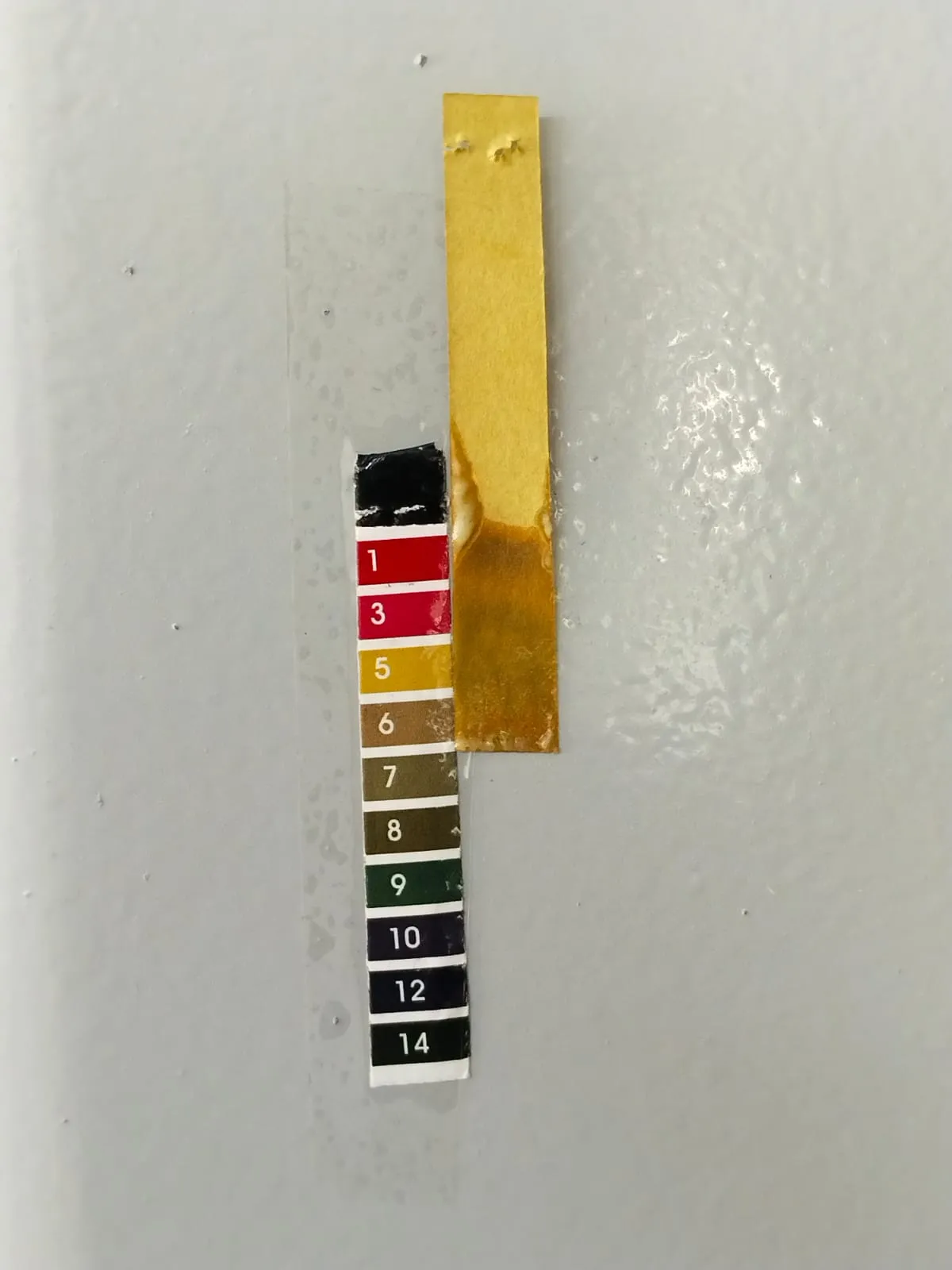
Fig :13pH of Cream
Spreadability test : The formulation demonstrated good spreadability, comparable to marketed standard creams, allowing even application over the skin.
Spredability test show how easily cream spreads on skin .
Spreadability is a critical property of topical formulations that determines the ease and extent of application over the skin surface. Good spreadability reduces the force of application, prevents skin trauma, and ensures uniform drug distribution.
Method (Parallel Plate Method): 1 g of the cream was placed at the centre of a glass plate (10 cm × 10 cm). Another glass plate of identical size and weight was placed on top, and the cream was allowed to spread for 1 minute. A 50 g standard weight was placed on the upper plate and the diameter of spreading was measured after 1 minute. The spreadability was calculated using the formula
Formula : S = M×L /T
Where M : weight
L : length of slide
T : time
Result: The spreadability was found to be 9.8 ± 0.34 g.cm/sec, indicating excellent spreadability of the formulation, which is consistent with a well-formulated O/W emulsion cream.
Washability Test: The washability test demonstrated good removal with water alone, supporting ease of use without the need for additional cleansing agents.
Apply cream on skin , wash with water should be easily removable .
Skin Irritation Test: Apply small amount on skin (patch test ) observe for redness ,itching ,swelling .A patch test revealed no erythema or edema, confirming that the formulation is non-irritant and safe for topical use.
Phase Separation: No phase separation was observed during storage, indicating the stability of the cream .
Homogeneity test : The homogeneity of the cream was assessed by visual inspection and by spreading a small quantity of cream on a glass plate between two glass slides. The preparation was examined for the presence of any lumps, agglomerates, or gritty particles.
Result: The cream showed a smooth, homogeneous texture with no visible lumps, agglomerates, or phase separation. Microscopic examination under 40× magnification confirmed uniform dispersion of oil droplets in the continuous aqueous phase .
Viscosity Test:
Take a representative sample of the cream (avoid air bubbles).Maintain temperature at 25 ± 1°C (very important).
Transfer the cream into a clean beaker.Select appropriate spindle and attach it to the viscometer.
Immerse the spindle fully into the cream (without touching bottom/sides).Set a suitable speed (e.g., 10–50 rpm depending on consistency).Allow the spindle to rotate until the reading stabilizes.Record viscosity in centipoise (cP).
Viscosity was evaluated in Brookfield viscometer using the LV-64 spindle .The rotational rate was directly immersed into the spindle and viscosity was measured as 1900 cps.
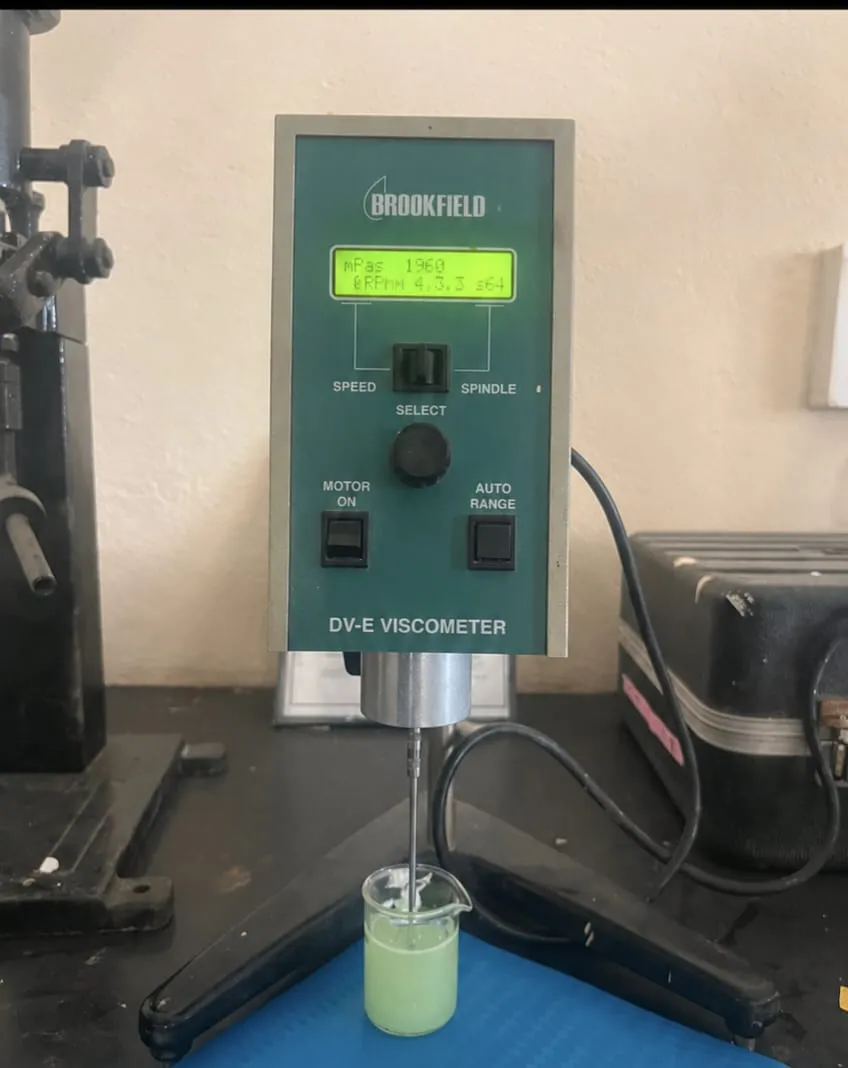
Fig:14Brookfield Viscometer
RESULT AND DISCUSSION
The methanolic extracts of neem leaves and liquorice root were successfully prepared by microwave extraction prpcess , using 70% methanol as the solvent. The yield of neem leaf methanolic extract was 14.8% w/w and that of liquorice root methanolic extract was 18.2% w/w. The higher yield from liquorice root can be attributed to its high saponin (glycyrrhizin) content, which is readily soluble in aqueous ethanol. The extracts showed characteristic dark brown (neem) and yellow-brown (liquorice) colors, consistent with published reports.
Phytochemical screening of the neem leaf methanolic extract confirmed the presence of alkaloids, flavonoids, tannins, saponins, terpenoids, steroids, glycosides, phenols, proteins, and carbohydrates. The liquorice root extract showed the presence of flavonoids, tannins, saponins, terpenoids, steroids, glycosides, phenols, and carbohydrates, but lacked alkaloids and proteins. The phytochemical profile of both extracts correlates well with literature reports and supports their pharmacological activities.
The cream was successfully prepared by the fusion method as an O/W emulsion. The combination of cetyl alcohol and stearic acid served as the primary emulsifying system. Cetyl alcohol, being an amphiphilic fatty alcohol, acts as a co-emulsifier, viscosity builder, and stabilizer of the O/W emulsion by forming a condensed interfacial film at the oil-water interface. Coconut oil and almond oil served as the lipid phase, providing emollient and penetration-enhancing properties. Glycerine acted as a humectant, maintaining skin hydration and cream consistency. Methyl paraben (0.5% w/w) provided adequate antimicrobial preservation, and Vitamin E served as an antioxidant to prevent rancidity of the oil phase
CONCLUSION
The present study successfully demonstrated the preparation and evaluation of a herbal anti-inflammatory cream containing Neem and Liquorice extracts. Both herbal extracts showed significant therapeutic potential due to their anti-inflammatory, antimicrobial, antioxidant, and soothing properties. The microwave-assisted extraction method proved to be an effective technique for obtaining active constituents from both plants.
The formulated cream showed satisfactory physicochemical properties such as smooth texture, good homogeneity, pleasant odor, suitable pH, excellent spreadability, easy washability, and absence of skin irritation. No phase separation was observed, indicating good stability of the formulation.
Based on the evaluation results, it can be concluded that the prepared herbal cream is safe, stable, and suitable for topical use. It may serve as an effective natural alternative to synthetic anti-inflammatory creams with fewer side effects. Therefore, Neem and Liquorice-based cream has good potential for further pharmaceutical development and therapeutic application in the treatment of inflammatory skin conditions.
The polyherbal cream demonstrated superior antibacterial and anti-inflammatory activity compared to individual plant extracts, confirming a synergistic pharmacological effect. The stability studies indicated satisfactory physicochemical stability over 3 months under accelerated conditions.
Based on the comprehensive evaluation, it can be concluded that the formulated polyherbal anti-inflammatory cream containing neem and liquorice extracts is a safe, stable, and effective topical dosage form with promising anti-inflammatory and antimicrobial properties. The formulation offers a scientifically validated, cost-effective, and natural alternative to synthetic anti-inflammatory topical agents for the management of inflammatory skin conditions such as eczema, dermatitis, and acne.
ACKNOWLEDGEMENT:
The authors sincerely express their gratitude to Rupali S. Joshi for their valuable guidance, encouragement, and continuous support throughout the preparation of this The Preparation and Evaluation of Anti-inflammatory Cream From Neem & Liquorice. Her insightful suggestions and expert supervision have been instrumental in shaping the quality and depth of this work. The author also extend their appreciation to their institution and colleagues for providing the necessary resources and academic environment that facilitated this study.
Conflict of interest :
The author declared no conflict of interest with respect to the authorship and publication of this article.
Availability of data and material :
All the data used in our article are available from publicly accessible sources such as PubMed, Elsevier, Wikipedia, etc.
Funding :
The authors received no financial support for the authorship and for publication of this article.
REFERENCES

Rupali Joshi, Atharva Deshpande, Shivani Devkate, Mrunal Rasal, Sunishtha Thanage, The Preparation and Evaluation of Anti-inflammatory Cream from Neem & Liquorice., Int. J. of Pharm. Sci., 2026, Vol 4, Issue 6, 6713-6729, https://doi.org/10.5281/zenodo.20927771
 10.5281/zenodo.20927771