

We use cookies to ensure our website works properly and to personalise your experience. Cookies policy
Channabasweshwar Pharmacy College (Degree), Latur
Punica granatum L. is commonly known as Pomegranate, is a fruit-bearing medicinal plant belonging to the family Lythraceae. It has been recognized for centuries in traditional healthcare systems and continues to attract scientific interest because of its rich phytochemical composition and diverse biological activities. Different plant parts, including the fruit peel, seeds, flowers, leaves, bark, and roots, contain numerous bioactive compounds such as polyphenols, flavonoids, tannins, anthocyanins, alkaloids, ellagic acid, gallic acid, and punicalagins. These constituents contribute to a wide range of therapeutic effects. Historically, pomegranate has been employed in the treatment of gastrointestinal disorders, throat infections, parasitic diseases, skin injuries, and cardiovascular ailments. Contemporary research has provided evidence supporting its antioxidant, antimicrobial, anti-inflammatory, antidiabetic, anticancer, anti-obesity, and wound-repair properties. In addition, emerging studies suggest its potential role in the management of chronic conditions, including osteoarthritis and polycystic ovarian syndrome. The strong antioxidant capacity of pomegranate helps combat oxidative stress, which is associated with the development of several chronic diseases. This review summarizes the botanical characteristics, phytochemical profile, traditional applications, and pharmacological properties of Punica granatum L. The available evidence indicates that pomegranate represents an important natural source of bioactive compounds with promising applications in healthcare, nutraceutical products, and future pharmaceutical development.
Humans have learned a great deal about plants since the beginning of existence and have utilized them for a variety of purposes. The herbal and other plants were found to be extremely beneficial for men who were looking for nourishment. Numerous plants are useful for medical purposes and have a significant part in pharmacological effects. The crucial role of plants in each phase of life stems forms the link between humans and plants. Understanding about plants and how quickly they may treat illnesses with its abundance of therapeutic plants. Nature is a blessing to the entire nation. As a result, India is referred to as the world's medical garden.[1] The forests of India are the primary source of a wide variety of aromatic and medicinal plants, which are mostly gathered as raw materials for the production of medicinal products and cosmetics. In India, AYUSH systems have codified nearly 8,000 herbal treatments. The main indigenous medical systems include Ayurveda, Unani, Siddha, and folk (tribal) remedies. The most advanced and extensively used of these systems in India are Ayurveda and Unani medicine.[2] In addition to curing specific illnesses and ailments, plants are utilized in medicine to maintain and enhance moral, emotional, and physical wellbeing. While medicinal plants perform in an integrated or probiotic manner with little to no negative effects on the body, chemically manufactured medicines might act quickly but have side effects that eventually harm the human body.[3]
Punica granatum L. is one of the ancient and most valuable medicinal plants in many civilizations. (figure 1) the pomegranate (also known as Anar), a visually appealing tree and an old, ethereal edible fruit.[4] The English word "pomegranate" comes from the Latin words "pomum" (apple) and "granatus" (full of seeds). The botanical name comes from old French word which means "Pomegranate apple." It is a member of the Lythraceae family.[5] During the months of March and July, pomegranates are widely distributed throughout the world. It contains a range of bioactive compounds, such as phenolics, tannins, anthocyanins, flavonoids, organic acids, and terpenoids.[6] Pomegranates have been considered a "healing food" with many positive effects on various illnesses since ancient times. Pomegranate (Punica granatum L.) has been utilized as a food supplement or medication in many different areas and folk or traditional medical systems due to its large compounds, which have several actions and have no properties that are harmful. [5,8]
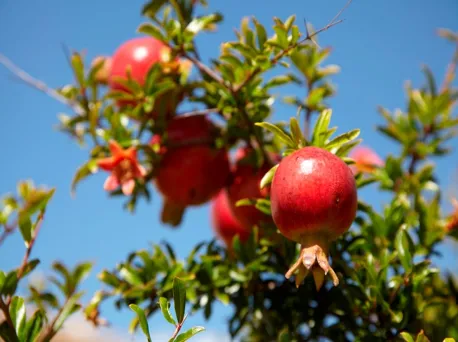
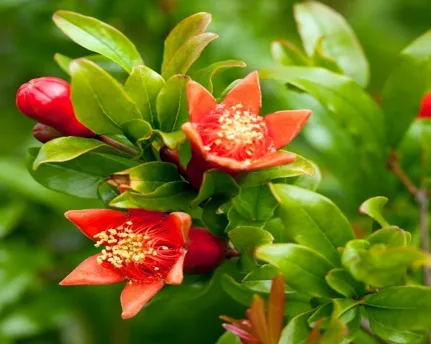
Figure 1: Punica granatum L.
Taxonomical Classification:[24]
Table 1. Taxonomical classification of Punica granatum L.
|
Taxonomical rank |
Taxon |
|
Kingdom |
Plantae |
|
Class |
Magnoliopsida |
|
subclass |
Rosidae |
|
Order |
Myrtales |
|
Family |
Lythraceae |
|
Genus |
Punica |
|
Species |
granatum |
|
Synonyms |
Anar, pomegranate, Dalimba |
PLANT PROFILE:
Vernacular Names: [7]
English - Pomegranate
Hindi – Anar
Marathi- Dalimba
Sanskrit- Dadimah
Gujrati- Dalimba
Bengali- Dadim
Tamil- Madalai
Telugu- Danimma
Malayalam- Talimatatalum
Pharsi- Anar Tursa, Arabi
Roman- Hamiz
German- Granatapfels
Latin- Punica granatum L.
Morphology:
Leaves -The green, glossy, elliptical leaves of P. granatum can reach a maximum length of 3cm. The plant leaves are said to be evergreen. The leaves are used to treat and manage diabetic nephropathy, body weight loss, and cholesterol. The plant leaves have cytotoxic, anti-inflammatory, and anti-cholinesterase qualities. Additionally, the study reported antibacterial and antibiotic characteristics.[8]
Bark- The bark of Punica granatum, which can reach a height of 5 meters, is distinguished by its hard, twisted, woody brown appearance. The bark component of Punica granatum has long been used to cure sore throats, ulcers, diarrhoea, inflammation, nasal bleeding, and hoarseness. Additionally, the bark portion is utilized to treat parasite diseases like malaria.[8]
Seed – According to the research, the seeds of pomegranate may be a great source of nutrients and antioxidants. Pomegranate seed residue that has been dried possesses a high concentration pf beneficial component, including anthocyanin, flavonoids, hydrolysable tannins (Punicalagin, Pedunculagin and Ellagitannin) and other phenolic compounds.[9]
Flower- Pomegranate flowers bloom during the summer, attract different species of birds to their trees. The pomegranate flowers include stacked oval petals that exhibit a pale pink shade. Pomegranate flowers have traditionally been utilized for the treatment of cardiovascular problems, diabetes, and the management of obesity. The pomegranate flowers, possessing antibacterial characteristics, were determined to be efficient against common bacteria, including Salmonella enterica and Kentucky, responsible for intestinal illnesses.[8]
Peel- The peel of pomegranate fruits is an inedible byproduct of pomegranate juice production. Tannins, flavonoids, and other phenolic substances are abundant in pomegranate peel. Pomegranate has been shown to have a wide range of antimicrobial properties against fungi, Mold (F. sambucinum, P. digitatum, Saccharomyces cerevisiae, Monilinia laxa, M. fructigena, B. cinerea, P. expansum, F. oxysporum and f. sp. lycopersici), and Gram-positive and Gram-negative bacteria (B. coagulans, B. cereus, S. aureus, E. coli, and R. glutinis).[10,11]
Root- One of the most basic examples of a plant's spatial arrangement is the root. It includes the variety of plant being cultivated, the composition of the soil and the availability of nutrients are just two factors that could have an impact on this potentially extremely complicated system. Pomegranate trees and shrubs have shallow roots; means they are shallow. Pomegranates rarely have large root systems.[6]
Juice- Pomegranate juice contains 40% of the recommended daily amount of vitamin C per serving, among other vitamins and minerals. Folic acid and vitamins A and E are additional important vitamins and minerals. Fulfilling daily health needs contributes to improved health and increased immunity.[18]
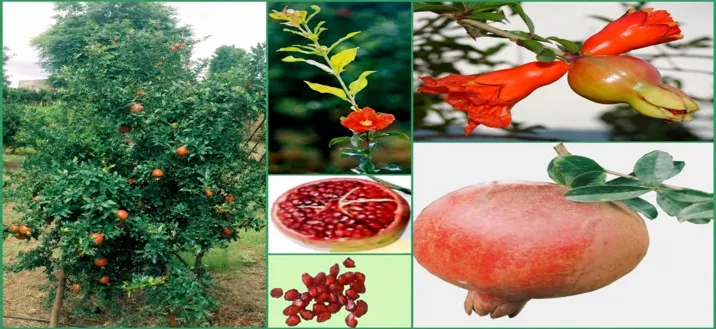
Figure 2: Different Parts of Punica granatum L.
Ayurvedic Properties:
Rasa: Madhura, Amla and Kashaya.
Guna: Snigdha, Laghu
Virya: Sheeta
Vipaka: Madhura
Prabhava: Grahi, Hridya, Rakta pitta Shamaka, Krimighna
Dhatu: Rakta
Dosha: Tridoshahara (kapha, pitta, vata)
PHYTOCHEMISTRY: [13,14]
Punica granatum L. contains wide range of compounds including vitamins, hydrolysable tannins like punicalagin, flavonoids, alkaloids, ellagic acid, gallic acid, fatty acids which are responsible for the variety of pharmacological activities. These phytoconstituents are distributed all over the plant parts.
Table 1. Phytoconstituents present in different parts of Punica granatum L.
|
Sr. No. |
Plant part |
Phytoconstituents |
|
1. |
Leaves |
Flavanols like luteolin, apigenin; ellagitannins (Punicalin and punicafolin), punicalagin, punicafolin |
|
2. |
Seed |
Ellagic acid, sterol, fatty acid, conjugated linolenic acid, stearic acid, Punicic acid, oleic acid |
|
3. |
Peel |
Punicalagin, gallate, gallic acid, catechin, epicatechin, quercetin, rutin, anthocyanidins, luteolin, kaempferol, chlorogenic acid, caffeic acid |
|
4. |
Juice |
gallate (EGCG), quercetin, and rutin; mineral elements; amino acids |
|
5. |
Root |
Piperidine alkaloids, ellagitannins (Punicalin and punicalagin), |
|
6. |
Flower |
Flavonoids, gallic acid, ellagic acids linoleic acid, palmitic acid, sterols, triterpenoids (ursolic, maslinic, and Asiatic acid) |
|
7. |
Bark |
Ellagitannins like Punicalin, punicalagin, punicacortein, pelletierine alkaloid |
Traditional Uses:
Pomegranate is a useful remedy for several conditions, such as reducing the risk of preterm birth, helping expectant mothers in mitigating age-related problems, avoiding low-weight children, and assisting individuals in overcoming a depressive stage. The astringent properties of the flower juice, rind, and tree bark can also be used to treat erectile dysfunction and haemorrhoids, as well as to improve the quality and quantity of sperm. Additionally, it can be used as a gargle for sore throats and administered topically to cure haemorrhoids.[6] Pomegranate juice acts as a natural blood thinner. Pomegranate juice can significantly lower systolic blood pressure. Its potassium content can stop atherosclerosis and artery stiffness. It lowers the risk of a heart attack and increases blood flow to the heart. This fruit's seeds can stop dental plaque and tooth loss. It has antimicrobial properties that may help combat oral bacteria. Its seeds have the potential to promote gum health.[23]
PHARMACOLOGICAL ACTIVITIES:
Pomegranate shows different pharmacological activities described as follows-
1. Antioxidant Activity
2. Antibacterial Activity
3. Polycystic Ovarian Syndrome
4. Antidiabetic Activity
5. Osteoarthritis
6. Anti-Inflammatory Activity
7. Antiparasitic activity
8. Anticancer activity
9. Wound healing properties
10. Anti-obesity activity
Antioxidant Activity:
Freeze-dried pomegranate preparations and their main anthocyanidins- delphinidin, cyanidin, and pelargonidin were assessed for their antioxidant properties. The naturally occurring compounds known as antioxidants. It protects the body from free radicals, which are very reactive atoms or molecules that interfere with regular cellular processes. In addition to being naturally formed by cellular metabolism, free radicals are also produced in contemporary civilization by pollutants, food additives, pesticides, herbicides, cigarette smoke, and other substances. For example, free radicals have an ability to harm biological components like RNA and DNA, which may result in cancer. In the arteries, free radicals can change cholesterol through an oxidation process.[8]
Antibacterial Activity
The seeds, bark, and flowers of Punica granatum L. have been linked with a number of pharmacological actions, such as antibacterial and antifungal. Punicalagin was isolated from the Punica granatum L. prevent the growth of Gram-positive and gram-negative bacterial species, including Candida albicans, Pseudomonas aeruginosa, Salmonella enteritidis, Escherichia coli, Staphylococcus epidermidis, Staphylococcus xylosus, and Staphylococcus aureus, etc. [8]
Polycystic Ovarian Syndrome
According to the research pomegranate possess the antioxidant property and also helpful in the hormonal balance. It is rich in vitamins and minerals that can aid with weight loss, menstrual cycle regulation, and other issues related to polycystic ovarian syndrome, including diabetes, heart issues, and infertility. The pomegranate fruit resemble human ovaries, according to the concept of signs.[15] Lycopene, ellagic acid, and quercetin found in pomegranate juice are crucial for decreasing the lipid profile, which is advantageous for those with PCOS and cardiac conditions. In addition to being high in antioxidants, pomegranate juice is said to improve uterine lining, increase blood flow to the uterus, and even improve the quality of sperms.[16]
Antidiabetic Activity
The development of cardiovascular risk factors, such as diabetes and insulin resistance, results in cardiovascular disorders that affect organ systems and may contribute to immunological dysfunction. Lack of insulin causes diabetes, an endocrine condition that can lead to long-term
hyperglycaemia. One of the main causes of diabetes, especially type II diabetes, is obesity. Diabetes mellitus is caused by a number of causes, including obesity and a bad diet, according to Fouratal, a physician. According to Mayasankaravallietal’s an aqueous pomegranate fruit peel extract was shown to be beneficial in preventing the chronic hyperglycaemia oxidative stress that is associated with diabetes mellitus, according to Mayasankaravalli et al. [8] According to the research, pomegranate fruit and seeds are used to treat diabetes and heart diseases.[17]
Osteoarthritis
Osteoarthritis is a degenerative joint disease where cartilage breaks down, and cause the pain and stiffness. Pomegranate reduces a number of diseases, including osteoarthritis and atherosclerosis. Eating this fruit can prevent the loss caused by the thickening and solidification of the artery walls, cartilage, and joints. Pomegranates can also stop the production of minerals that cause connective tissues to deteriorate.[18]
Anti-Inflammatory Activity
Pro-inflammatory enzymes and cytokines like inducible nitric oxide synthase, cyclooxygenase-2 (COX-2), prostaglandin E2, interleukin-1 beta, interleukin-6, interleukin-8, and tumor necrosis factor-α (TNF-α) are significantly inhibited by Punica granatum L. and its main bioactive components, such as punicalagin and ellagic acid. By preventing nuclear factor kappa B alpha phosphorylation and p65 nuclear translocation, punicalagin reduces NF-κB activation. It also modifies the aryl hydrocarbon receptor pathway to improve anti-inflammatory and anti-sepsis responses.[19]
Antiparasitic Activity
For a long time, parasitic diseases have been a major worldwide problem, especially in highly populated nations and civilizations with inadequate infrastructure. Furthermore, with time, parasites become less responsive to drugs in general, which increases the severity of the condition and reduces the efficacy of therapies. Hence, it increased the global economic load, and all of these elements definitely contributed the development of novel medications from medicinal plants crucial. Pomegranate has long been used as an antiparasitic; the ancient Egyptians used it to treat tapeworms and other parasites, and many other ancient civilizations used it to treat dysentery and diarrhoea. Pomegranate has long been used to treat dysentery and diarrhoea due to its antibacterial properties.[20]
Anticancer Activity
The pomegranate can help to prevent and treat many types of cancers, including lung, prostate, breast, and skin cancers, according to scientific research. Some believe that consistently consuming pomegranate juice may help prevent cancer since it is rich in antioxidants and other minerals. Pomegranate reduces the blood supply to tumours, starving them and shrinking them. It also slows down the growth of cancer cells and may speed up their demise.[21]
Wound Healing Properties
The process of wound healing is complicated. Through a number of metabolic mechanisms, the pomegranate participates in the process. Pomegranate juice and various extracts of its parts, as well as its phytochemicals, improve epithelialization, enhance protein and DNA, shorten the healing period, increase wound contraction, and promote the production of collagen and fibroblasts. Additionally, the pomegranate aids in the removal of pathogenic microorganisms. Its anti-inflammatory, antibacterial, and antioxidant properties are attributed to its high polyphenol content; it is utilized in many medical systems and cultural contexts. For example, it is employed as an antiparasitic and anti-inflammatory medication in the Chinese and Ayurvedic medical systems, where it is used to treat ulcers and promote wound healing. Pomegranates were used to cure mouth ulcers in ancient Greece. The juice extract is thought to be used to treat tapeworms and diarrhoea in Rome. Pomegranate extracts are used in Iranian medicine to treat cuts, wounds, and edema. Hence, by lowering the pathogenic count, pomegranate extracts significantly aid in the healing of ulcers.[15]
Anti-obesity Activity
Obesity is now an important factor that contributes in the development of a variety of metabolic disorders globally. Pomegranate seed oil (PSO) is associated with several pharmacological issues, according to the data from several investigations. Punicic acid (PA), one of the several significant phytochemicals found in PSO, has the ability to reduce obesity and provides protection against a number of metabolic problems. By reducing intestinal glucose absorption, enhancing lipid profiles, and regulating body weight, PSO can treat obesity. Pomegranate peel extract can control body weight by lowering appetite and subcutaneous adipose tissue. Thus, helps in lowering weight by improving the lipid profile.[22]
Table. 3: Pharmacological Activities of Different Parts of Punica granatum L.
|
Sr. No. |
Pharmacological Activity |
Plant part reported |
|
1 |
Anti-oxidant |
Peel, root, bark, fruit, seed |
|
2 |
Anti-bacterial |
seed, peel, bark, leaves |
|
3 |
Gynaecological |
juice, seed, flower |
|
4 |
Antidiabetic |
seed, flower, fruit, peel, juice, flower |
|
5 |
Osteoarthritis |
Peel, leaves |
|
6 |
Anti-inflammatory |
Peel, leaves, flower |
|
7 |
Antiparasitic |
peel, juice, leaves |
|
8 |
Anti-cancer |
fruit, peel, seed, juice, leaves, bark |
|
9 |
Wound healing |
peel, flower, bark |
|
10 |
Anti-obesity |
leaves, seed, flower, juice, peel |
CONCLUSION
Punica granatum L. is a valuable medicinal plant rich in bioactive compounds that contribute to its diverse therapeutic properties. Various parts of the plant exhibit significant antioxidant, antimicrobial, anti-inflammatory, antidiabetic, anticancer, and wound-healing activities. Recent studies also support its potential role in the management of chronic conditions such as osteoarthritis and PCOS. Owing to its nutritional and pharmacological importance, pomegranate has great potential in the development of nutraceutical and pharmaceutical products. Further clinical research is needed to validate its efficacy and promote its application in modern healthcare.
REFERENCES

Shraddha Belkunde, Sunil Hindole, Vivek Panchabhai, Aarti Kalshetti, Therapeutic Potential of Punica Granatum Linn: Phytochemistry and Pharmacological Insights, Int. J. of Pharm. Sci., 2026, Vol 4, Issue 6, 6210-6218. https://doi.org/10.5281/zenodo.20838941
 10.5281/zenodo.20838941