

We use cookies to ensure our website works properly and to personalise your experience. Cookies policy
Satyajeet College of Pharmacy Mehkar, Ta. Mehkar, Dist. Buldhana
The COVID-19 pandemic triggered a global health crisis, leading to increased interest in traditional medicinal practices as people sought alternative ways to boost immunity and prevent infection. This review explores the types and uses of traditional medicinal plants and plant-based products commonly sold in open markets across India during the pandemic period. The purpose of this study is to document the major herbal remedies used, understand consumer behavior, and examine the influence of cultural beliefs and government initiatives. The methodology involves an extensive review of literature, market surveys, and government publications from March 2020 to December 2021. Findings reveal a significant public shift toward natural remedies, including commonly used plants like Ocimum sanctum (Tulsi), Tinospora cordifolia (Giloy), and Curcuma longa (Turmeric), largely driven by accessibility, tradition, and perceived efficacy. However, despite their widespread use, many of these remedies lack rigorous scientific validation, and their unregulated sale poses risks related to dosage and efficacy. This review underscores the need for integrating traditional knowledge with modern research and calls for stronger regulatory frameworks to ensure safe and effective use of herbal medicines in public health emergencies.
The COVID-19 pandemic, which began in early 2020, had a profound impact on global healthcare systems, including that of India. With rising infection rates, overwhelmed hospitals, and limited access to modern healthcare facilities especially in rural and semi-urban areas the Indian population increasingly turned to traditional remedies as preventive and supportive measures. India has a rich heritage of traditional medicine systems, particularly Ayurveda, Siddha, and Unani, which have been deeply integrated into daily life for centuries. During the pandemic, this cultural trust in age-old remedies resurfaced strongly, with many individuals seeking natural alternatives believed to boost immunity, alleviate respiratory symptoms, and maintain general wellness. Open markets, serving as primary access points for herbal products in many parts of the country, played a crucial role in the distribution of medicinal plants and plant-based preparations. These markets not only reflect the traditional knowledge embedded in Indian society but also highlight the reliance of the public on accessible and affordable healthcare solutions. This review aims to explore and document the various traditional medicinal plants and plant products sold in open markets across India during the COVID-19 pandemic. It seeks to understand consumer behavior, evaluate the types of remedies in demand, and analyze the implications of this shift toward ethnomedicine in times of public health emergencies.
3. Background on Indian Traditional Medicine Systems
India is home to one of the world’s oldest and most diverse traditions of medicine, encompassing systems like Ayurveda, Siddha, Unani, and various tribal and folk practices. These systems emphasize holistic well-being, balancing the body, mind, and spirit using herbs, minerals, dietary practices, and lifestyle modifications.
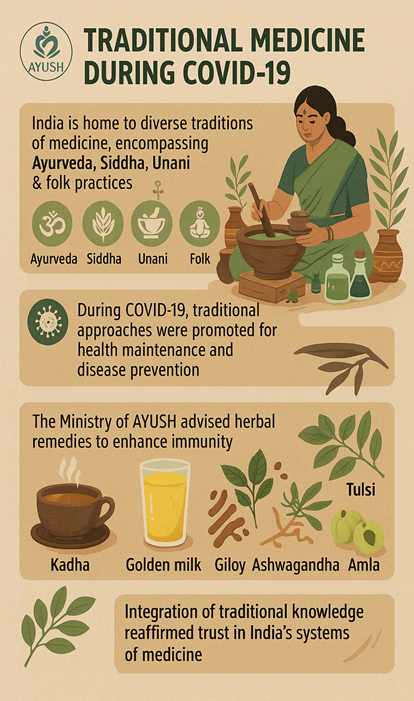
Ayurveda, the most widely practiced among them, focuses on maintaining health through balance among the three doshas (Vata, Pitta, and Kapha) and is extensively used for preventive healthcare. Siddha, primarily practiced in Tamil Nadu, and Unani, with origins in Greco-Arabic medicine, also offer herbal and mineral-based formulations for treating various ailments. Additionally, numerous tribal communities across India possess rich ethnobotanical knowledge, relying on local flora for medicinal purposes passed down through generations. Recognizing the significance of these systems during the COVID-19 pandemic, the Ministry of AYUSH (Ayurveda, Yoga & Naturopathy, Unani, Siddha, and Homoeopathy) played a crucial role in promoting traditional approaches for health maintenance and disease prevention. The Ministry launched several initiatives and guidelines aimed at encouraging the use of time-tested herbal formulations to enhance immunity and reduce the risk of infection. Notably, the Ministry issued advisories recommending the daily use of herbal decoctions (Kadha), golden milk (Haldi Doodh), and ingredients such as Tulsi (Holy Basil), Giloy (Tinospora cordifolia), Ashwagandha (Withania somnifera), and Amla (Indian Gooseberry). These were widely accepted by the public, and their demand surged in open markets across the country. This integration of traditional knowledge into public health guidelines not only reaffirmed trust in Indian systems of medicine but also emphasized the potential of herbal remedies in managing public health crises like COVID-19.
METHODOLOGY FOR REVIEW
This review was conducted using a qualitative approach to gather, analyze, and interpret information on traditional medicinal plants and products sold in open markets across India during the COVID-19 pandemic. The methodology was designed to capture both scientific and ethnobotanical perspectives.
Literature Search Strategy:
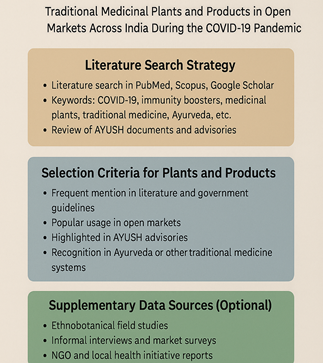
An extensive literature search was performed using academic databases such as PubMed, Scopus, and Google Scholar, focusing on publications from March 2020 to December 2021. Keywords such as COVID-19, immunity boosters, medicinal plants, traditional medicine, and Ayurveda were used. In addition, official documents, advisories, and publications issued by the Ministry of AYUSH were reviewed to identify government-recommended herbal interventions.
Selection Criteria for Plants and Products:
Plants and plant-based products were included in the review based on the following criteria:
• Frequent mention in literature and government guidelines.
• Popular usage in open markets across various regions of India.
• Highlighted in AYUSH advisories for immunity enhancement or symptomatic relief during COVID-19.
• Recognition in Ayurveda or other traditional medicine systems.
Supplementary Data Sources (Optional):
Where available, ethnobotanical field studies, informal interviews with local vendors, and market surveys conducted in states like Maharashtra, Kerala, and Uttar Pradesh were included to validate the popularity and commercial availability of specific herbal products. Reports from non-governmental organizations and local health initiatives were also referred to for
5. Common Traditional Medicinal Plants Sold During COVID-19
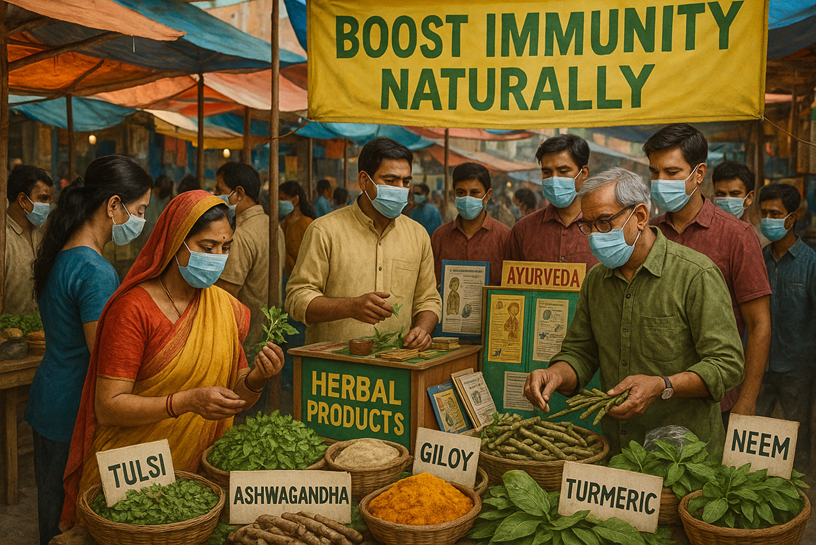
During the COVID-19 pandemic, a noticeable rise in the demand for certain traditional medicinal plants was observed across open markets in India. These herbs, widely promoted for their immune- boosting and respiratory health benefits, were frequently used either as single remedies or in combination preparations. Below are some of the most commonly sold and consumed plants during the pandemic:
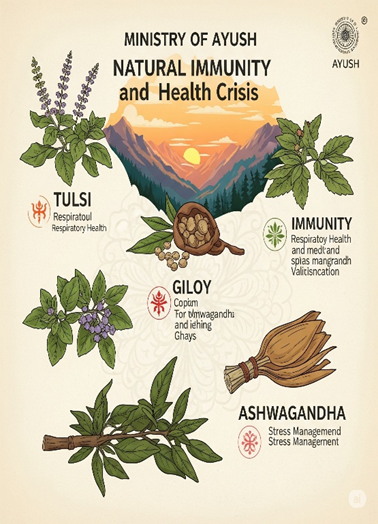
• Known as Holy Basil, Tulsi is revered in Ayurveda for its adaptogenic, antiviral, and antimicrobial properties. It was widely consumed as tea or decoction to boost respiratory health and immunity.
• Promoted heavily in AYUSH advisories, Giloy was valued for its immune-modulatory, antipyretic, and detoxifying properties. It was sold as fresh stems, juice, powder, or tablets.
• A staple in Indian households, turmeric gained renewed popularity for its anti- inflammatory and antioxidant benefits. “Golden milk” (turmeric with warm milk) was widely recommended and consumed.
• Recognized for its stress-reducing and immune-boosting effects, Ashwagandha was consumed as a general wellness tonic during the pandemic, especially for managing anxiety and fatigue.
• Rich in vitamin C and antioxidants, Amla was consumed in various forms such as juice, candies, and powders to support immune function.
• With its antiviral and antibacterial potential, Neem was used for internal detoxification and external disinfection.
• These were frequently used in household decoctions (Kadha) to relieve cough, cold, and congestion, and to warm the body.
• Used for cardiovascular support and immunity, Arjuna bark was consumed as powder or tea.
• Known for its antimicrobial and anti-inflammatory properties, cinnamon was a common ingredient in herbal drinks.
These plants, rooted deeply in India's traditional knowledge systems, became household essentials during the pandemic. Their widespread availability in open markets reflects both the cultural trust in herbal remedies and the grassroots response to health insecurity during a global crisis.
5.1 Tabulated Overview of Key Plants
|
Botanical Name |
Common Name |
Part Used |
Market Form |
Claimed Use |
Scientific Support |
|
Ocimum sanctum |
Tulsi |
Leaves |
Fresh, dried, tea |
Immunity, cough relief |
Immunomodulatory, anti- inflammatory |
|
Tinospora cordifolia |
Giloy |
Stem |
Juice, decoction |
Fever, immunity |
Antiviral, immunostimulant |
|
Zingiber officinale |
Ginger (Adrak) |
Rhizome |
Fresh, powder |
Cough, throat |
Sore Anti-inflammatory |
|
Curcuma longa |
Turmeric (Haldi) |
Rhizome |
Powder, capsules |
Immunity, lung health |
Curcumin: anti-inflammatory |
|
Withania somnifera |
Ashwagandha |
Root |
Powder, capsules |
Stress, immunity |
Adaptogenic properties |
|
Piper nigrum |
Black pepper |
Fruit |
Powder, whole |
Respiratory support |
Antioxidant, antimicrobial |
|
Allium sativum |
Garlic |
Bulb |
Raw, pickled |
Immunity, infection |
Broad-spectrum antiviral |
5.2 Kadha and Herbal Decoctions
Kadha, a traditional herbal decoction, became widely consumed during the COVID-19 pandemic, particularly in India, as a natural remedy believed to boost immunity and support respiratory health. Commonly prepared using a combination of medicinal plants, Kadha gained popularity due to its perceived effectiveness in treating cough, cold, and flu-like symptoms.
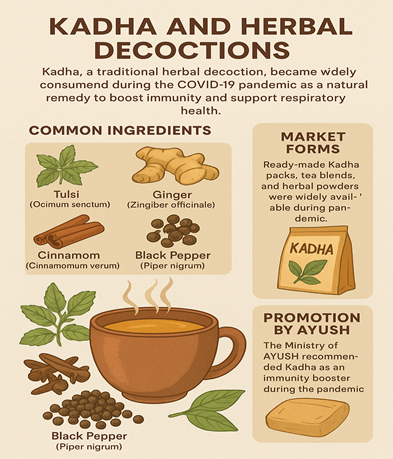
Ingredients commonly used in Kadha include:
• Tulsi (Ocimum sanctum): Known for its immunomodulatory and anti-inflammatory properties.
• Ginger (Zingiber officinale): Renowned for its anti-inflammatory and digestive benefits.
• Cinnamon (Cinnamomum verum): Used for its antimicrobial and warming properties.
• Clove (Syzygium aromaticum): Known for its analgesic, anti-inflammatory, and antimicrobial effects.
• Black Pepper (Piper nigrum): Acts as a respiratory stimulant and has antioxidant properties.
Market Forms
While Kadha has traditionally been a homemade remedy, during the pandemic, it was commercialized extensively. Ready-made Kadha packs, tea blends, and herbal powders were marketed in both rural and urban areas, often through online platforms as well as local open markets. These products typically contained combinations of the above ingredients, sometimes with the addition of honey, lemon, or other local herbs to enhance flavor and medicinal efficacy.
Promotion by AYUSH The Ministry of AYUSH strongly promoted the use of Kadha and other herbal preparations as immunity boosters during the pandemic. AYUSH advisories recommended consuming these herbal decoctions daily as part of preventive health measures to combat COVID-19. The Ministry’s endorsements significantly influenced consumer behavior and heightened trust in traditional remedies.
Commercial Branding vs. Homemade Variants The commercial versions of Kadha, which often come in easy-to-use sachets or tea bags, are marketed with specific health claims and brand names, making them more accessible to a broader audience. In contrast, the traditional homemade variants are prepared according to personal or family recipes and may vary in composition. While branded products offer consistency and convenience, homemade Kadha is seen as more authentic and closely tied to traditional health practices. This growing commercial availability of ready-made Kadha products highlights the intersection between traditional medicine and modern consumer culture, reflecting both the value placed on these herbal remedies and the evolving market dynamics.
6. Ethnobotanical Observations from Open Markets
The sale and consumption of traditional medicinal plants in India have long been shaped by local cultural practices, regional knowledge, and ethnobotanical traditions. During the COVID-19 pandemic, this phenomenon was further influenced by the surge in demand for herbal remedies, leading to a wide array of ethnobotanical observations across various open markets in the country.
Regional Variation in Plant Usage
• North India: In states like Uttar Pradesh, Haryana, and Punjab, Giloy (Tinospora cordifolia) and Tulsi (Ocimum sanctum) were commonly sold as immunity boosters, often in the form of fresh stems, leaves, or ready-to-drink juices. Kadha, made from a combination of Ginger, Cinnamon, and Black Pepper, was a regular offering in many roadside stalls.
• South India: In states like Tamil Nadu, Kerala, and Karnataka, Ashwagandha (Withania somnifera) and Turmeric (Curcuma longa) were more prominently used, reflecting the region’s Ayurvedic traditions. Local healers often prepared special blends of Turmeric and Pepper as remedies for respiratory issues and inflammation.
• Northeast India: Tribes in Assam, Nagaland, and Meghalaya relied on a combination of indigenous plants, such as Moringa (Moringa oleifera) and Bamboo shoot, alongside more widely known herbs like Tulsi. The unique plant species used in these regions are often tied to folk medicine and passed down through generations of local healers.
Common Vendors
Traditional herbal remedies were most commonly sold by local vendors at:
• Roadside Stalls: These vendors, often located in high-traffic areas like marketplaces or near temples, sold fresh medicinal plants like Tulsi, Ginger, and Amla in raw or packaged forms.
• Weekly Markets (Haath): Held in rural areas, these markets were a hub for the sale of medicinal herbs, often in bulk quantities. Products were frequently sold in dried form or as powders in small packets.
• Temple Fairs: Fairs and religious gatherings saw an increased presence of herbal vendors selling immunity-boosting herbs like Neem (Azadirachta indica) and Tulsi as part of the community's spiritual and medicinal traditions.
• Tribal Haats: In tribal regions, especially in states like Jharkhand and Chhattisgarh, medicinal plants were often sold by indigenous healers who were deeply connected to traditional plant knowledge. These markets were integral in the rural economy, offering unique local remedies.
Influence of Local Healers and Folk Traditions
Local healers, known as Vaidyas or Ojhas, played an important role in the promotion and distribution of herbal remedies during the pandemic. Their deep understanding of local plants and folk traditions enabled them to make personalized recommendations for COVID-19-related symptoms. These healers often advocated for plant-based treatments passed down through generations, further solidifying the bond between traditional knowledge and community health.
COVID-Specific Packaging and Marketing Trends
The pandemic influenced a shift in how herbal products were marketed and packaged. Several significant trends emerged:
• COVID-19 Themed Branding: Products were packaged with labels highlighting their immune-boosting benefits specifically against COVID-19. Brands often incorporated terms like "immunity booster" or "respiratory support" to appeal to consumers' health concerns during the pandemic.
• Sachet and Tea Bag Formats: To make herbal remedies more accessible and convenient, vendors increasingly sold Kadha and herbal teas in sachets or tea bags. These formats were designed for easy brewing and appealed to the busy, urban consumer.
• Online Sales: The rise of e-commerce platforms led to an increase in online sales of traditional herbal products. Companies branded their products with claims of natural immunity support, often emphasizing the "traditional" or "authentic" nature of their offerings, which resonated with consumers looking for holistic alternatives during a time of uncertainty. The ethnobotanical landscape in India, particularly during the COVID-19 pandemic, highlights the resilience of traditional plant knowledge and the adaptability of local markets to respond to both health crises and shifting consumer behaviors.
7. Pharmacological Evidence
The use of traditional medicinal plants during the COVID-19 pandemic has garnered considerable interest from both the public and the scientific community. Many of the key plants commonly sold in open markets for immune support and respiratory health are believed to possess various pharmacological properties. A growing body of scientific research is investigating the antiviral, anti- inflammatory, and immunomodulatory effects of these plants, though gaps in clinical evidence and limitations remain.
Scientific Studies on Antiviral, Anti-inflammatory, and Immunomodulatory Properties
Several studies have focused on the pharmacological effects of plants such as Tulsi, Giloy, Turmeric, and Ginger, which have demonstrated significant biological activity.
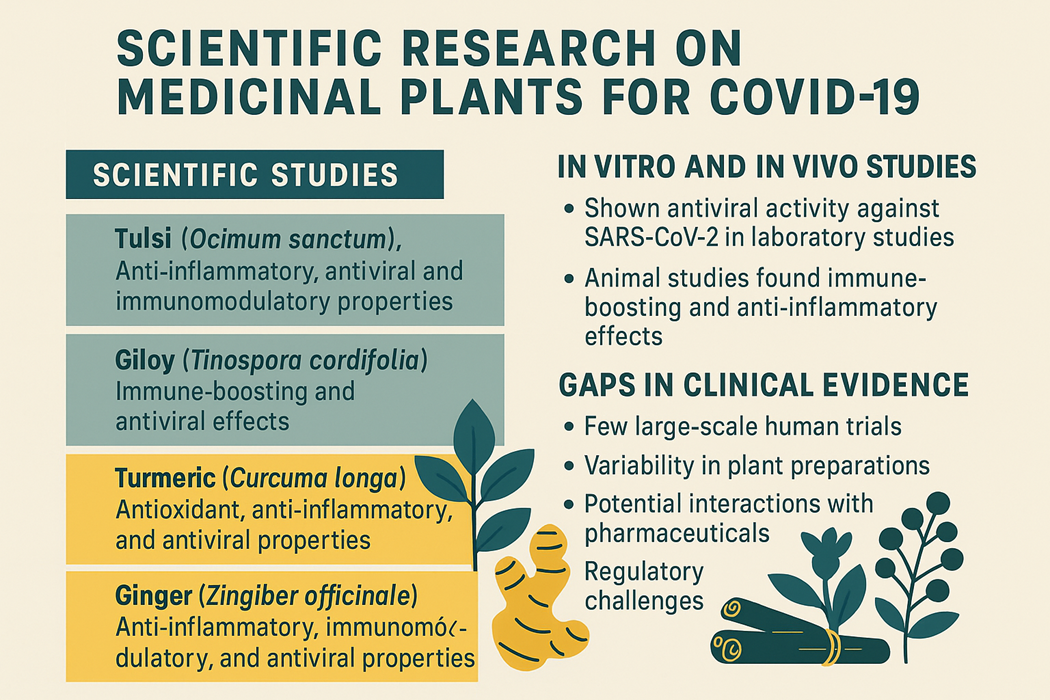
• Tulsi (Ocimum sanctum): Research has shown that Tulsi contains compounds like eugenol and ursolic acid with potent anti-inflammatory, antimicrobial, and antiviral properties. Studies have indicated that Tulsi can enhance immune function and provide protection against various pathogens, making it a popular choice in traditional medicine for respiratory ailments.
• Giloy (Tinospora cordifolia): Giloy is known for its immune-boosting and anti-inflammatory effects. In in vitro studies, Giloy has demonstrated significant activity against viral infections, including SARS-CoV-2. Its active compounds, including berberine and tinocordiside, show promise as antiviral agents that can help modulate immune responses.
• Turmeric (Curcuma longa): The active compound curcumin in Turmeric is well-known for its anti-inflammatory and antioxidant properties. Studies suggest that curcumin can reduce inflammation in the respiratory tract and may help in mitigating the effects of viral infections. Some research has indicated its potential efficacy in inhibiting the replication of various viruses, including SARS-CoV-2.
• Ginger (Zingiber officinale): Ginger is widely recognized for its anti-inflammatory and immunomodulatory properties. The active component gingerol has been shown to have significant antiviral effects, particularly against respiratory viruses. Its ability to reduce inflammation in the respiratory system makes it a common ingredient in traditional formulations aimed at alleviating cold and flu symptoms.
In Vitro and In Vivo Studies Related to SARS-CoV-2 or Other Respiratory Viruses
Numerous in vitro and in vivo studies have investigated the potential of medicinal plants to combat SARS-CoV-2 or other respiratory viruses:
In vitro Studies: Several plants, including Giloy, Tulsi, and Turmeric, have shown antiviral activity in laboratory settings against SARS-CoV-2. For instance, Turmeric's curcumin has been studied for its ability to inhibit viral replication in cell cultures. Giloy has also been identified as a promising candidate due to its potential to boost the immune response and limit viral replication.
• In vivo Studies: Animal studies have highlighted the immune-boosting and anti-inflammatory effects of plants like Ashwagandha and Tulsi. These studies suggest that these herbs could help reduce inflammation in the lungs and improve overall immunity, thus potentially providing support during viral infections. However, while these studies show promising results, there is a significant need for more rigorous, large-scale clinical trials to confirm the efficacy and safety of these plants in treating COVID-19 and other respiratory infections.
Gaps in Clinical Evidence and Limitations of Current Research
Despite the promising in vitro and in vivo results, there are notable gaps in the clinical evidence regarding the effectiveness of these plants against SARS-CoV-2 and other viruses. Some of the key limitations include:
• Lack of Large-Scale Human Trials: Most of the research conducted so far is based on laboratory or animal studies, with a lack of comprehensive clinical trials involving human subjects. There is a need for randomized controlled trials (RCTs) to validate the antiviral and immune-enhancing properties of these plants in real-world settings.
• Variability in Plant Preparations: The composition of herbal remedies can vary widely depending on the plant species, region, and preparation method. This variability makes it challenging to standardize dosages and measure consistent outcomes in clinical research.
• Potential Interactions with Pharmaceuticals: There is limited research on the interactions between traditional herbal remedies and modern pharmaceutical treatments, especially concerning antiviral drugs and vaccines. This could raise concerns regarding safety and efficacy, particularly for vulnerable populations.
• Regulatory Challenges: The absence of a standardized approach to the use of herbal products in clinical settings, along with the lack of robust regulatory frameworks, limits the ability to assess their safety and efficacy comprehensively.
8. Public Use Patterns and Perceptions
The COVID-19 pandemic led to a significant shift in public health behaviors, with many individuals turning to traditional remedies for managing symptoms and boosting immunity. Various factors, including fear of the virus, limited access to healthcare, and a deep-rooted cultural belief in the efficacy of traditional medicine, shaped the widespread adoption of herbal remedies.
Motivation for Using Traditional Remedies
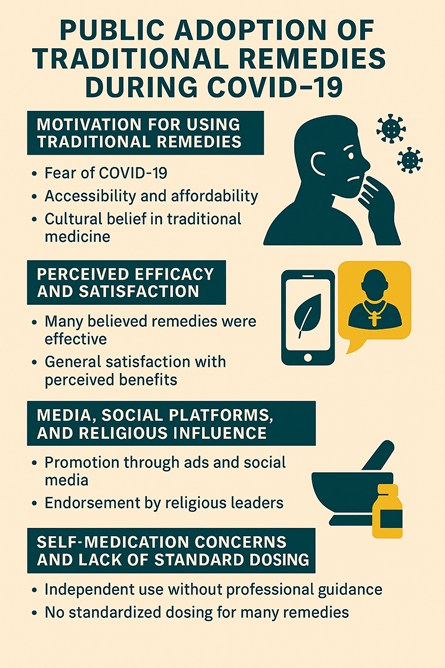
• Fear of COVID-19: The global uncertainty surrounding the pandemic led to heightened fear, prompting people to seek alternative ways of strengthening their immune systems. With the shortage of medical resources and the overwhelming demand for pharmaceutical treatments, many people turned to traditional remedies in an attempt to prevent or alleviate symptoms of COVID-19.
• Accessibility and Affordability: In rural and underserved areas, traditional remedies were more accessible and affordable compared to modern pharmaceuticals. Medicinal plants like Tulsi, Giloy, and Ginger are often readily available at local markets, roadside stalls, and online platforms, making them a convenient option for many people.
• Cultural Belief in Traditional Medicine: Ayurveda, Siddha, Unani, and tribal medicinal systems are deeply ingrained in India’s cultural heritage. People’s trust in these traditional systems, coupled with their longstanding use for various ailments, contributed to a growing reliance on herbal remedies during the pandemic.
Perceived Efficacy and Satisfaction
• Efficacy: Many people believed that traditional herbal remedies, such as Kadha (a herbal decoction), Tulsi tea, and Turmeric milk, were effective in strengthening immunity, preventing infections. However, the actual clinical evidence for many of these claims remains limited, and efficacy is often based on personal experiences rather than scientific validation.
• Satisfaction: In general, public satisfaction with traditional remedies was high, with many individuals reporting perceived benefits such as improved overall health, reduced symptoms, and a sense of empowerment in managing their health. The ritualistic use of herbal remedies also played a psychological role, providing individuals with a sense of control during the chaotic and uncertain times of the pandemic.
Role of Media, Social Platforms, and Religious Influence
• Media and Social Platforms: The role of media in promoting traditional medicine during the pandemic was significant. Television ads, newspaper articles, and social media platforms played a major part in popularizing herbal remedies. Influencers, celebrities, and health experts on social media platforms such as Instagram, Facebook, and WhatsApp shared home remedies and promoted the consumption of immunity-boosting herbs like Giloy and Tulsi. Hashtags like #Immunity Boosters and #AyurvedaForCovid became trending topics, further increasing public interest.
• Religious Influence: In India, religious practices often overlap with health and wellness. Traditional plants like Tulsi and Neem hold spiritual significance and are often seen as purifiers of the body and mind. Temples and religious leaders endorsed the use of these herbs, further embedding their usage in everyday life during the pandemic. The connection between religion and medicine also influenced people’s belief in the healing properties of these plants.
Self-Medication Concerns and Lack of Standard Dosing
• Self-Medication: One of the concerns associated with the increased use of traditional remedies during the pandemic was the rise in self-medication. With limited oversight, individuals took to preparing and consuming herbal remedies without professional guidance, leading to inconsistent use and potential misuse. This lack of expert consultation could result in suboptimal dosages or interactions with other medications.
• Lack of Standard Dosing: Another challenge was the absence of standardized dosing for many traditional remedies. While certain herbs like Turmeric or Ginger are commonly consumed in daily diets, others like Giloy or Ashwagandha have no established guidelines for appropriate dosages. The lack of regulation in this area raises concerns about the safety and efficacy of these remedies. Without scientific studies to back dosage recommendations, there is a risk of underuse, leading to inefficacy, or overuse, leading to potential side effects.
The widespread use of traditional medicinal plants and products during the COVID-19 pandemic has raised several regulatory and safety concerns, especially considering their sale in open markets across India. The unregulated nature of these products and the lack of robust monitoring systems have created challenges in ensuring their quality, safety, and efficacy.
Unregulated Sale of Herbal Products in Open Markets
• The sale of herbal products in open markets is largely unregulated, with many vendors selling products without any formal certification or quality checks. Traditional medicine is deeply rooted in Indian culture, and many vendors, often operating from roadside stalls, weekly markets, and temple fairs, provide herbal remedies with little oversight. As a result, it becomes difficult for consumers to distinguish between genuine, high-quality products and substandard or potentially harmful ones.
• While the Ministry of AYUSH has made efforts to regulate and promote safe practices, much of the market for herbal remedies operates outside the scope of government oversight. This lack of regulation has contributed to the proliferation of unverified products that may not adhere to the required standards for safety and efficacy.
Quality Control Concerns (Adulteration, Contamination)
• Adulteration and contamination are significant concerns in the sale of herbal products. With limited regulations, some herbal products in open markets may be adulterated with non-herbal substances, harmful chemicals, or heavy metals to enhance their appearance, taste, or shelf-life. For example, Turmeric may be mixed with artificial coloring agents, or Tulsi leaves may be contaminated with pesticides.
• In addition, poor hygiene standards during the harvesting, processing, and packaging stages of herbal products can lead to contamination. Products sold in non-sterile conditions may carry pathogens, mold, or bacteria, posing a serious health risk to consumers. The lack of proper storage and transportation conditions in open markets can exacerbate these issues, making it difficult to ensure the overall quality of the product.
Misinformation and Unsafe Combinations with Allopathic Medicine
• Misinformation regarding the benefits and uses of traditional herbs is another major concern. With limited scientific evidence backing many of the claims made about herbal remedies, there is a risk that consumers may be misled about the efficacy of these products in treating or preventing COVID-19. This has been particularly problematic in the case of Kadha preparations and immunity boosters, where claims about curing COVID-19 have not been substantiated by clinical evidence.
• The popularity of self-medication with herbal remedies has also led to unsafe combinations of traditional and allopathic medicine. Some consumers may take herbal products alongside prescribed medications, unaware of potential interactions. For instance, herbs like Giloy (Tinospora cordifolia) or Ashwagandha may have effects on the immune system, potentially interfering with immunosuppressant drugs or other treatments. This highlights the importance of standardization in dosage and better guidance for consumers regarding the safe use of traditional remedies alongside modern medicine.
Challenges in Enforcing Existing Drug Laws and AYUSH Regulations
• Enforcement of existing drug laws and AYUSH regulations remains a major challenge. While there are regulations governing the sale and marketing of medicinal plants and their products, enforcement in open markets is difficult due to the informal nature of the herbal trade. Regulatory bodies like the Central Drugs Standard Control Organization (CDSCO) and the AYUSH Ministry have limited resources and manpower to monitor all herbal products in circulation, especially in rural or remote areas.
• Additionally, the AYUSH guidelines, while comprehensive, are often not followed by vendors, who may either be unaware of or unwilling to comply with safety protocols.
• standardize practices, the lack of clear, enforceable regulations means that vendors may sell herbal products without adequate labeling, dosage instructions, or warnings about possible side effects.
Recommendations for Addressing Regulatory and Safety Issues
• Strengthening the regulatory framework for herbal products, including clearer guidelines on quality control, packaging, and labeling.
• Implementing certification programs for herbal vendors and open markets to ensure products meet safety standards.
• Increasing public awareness campaigns about the safe use of traditional remedies, especially in combination with allopathic treatments.
Enhancing the collaboration between AYUSH, CDSCO, and other health authorities to ensure more rigorous monitoring of herbal products available in the market
10. Government and AYUSH Interventions
The Indian government, along with the Ministry of AYUSH, played a crucial role in responding to the COVID-19 pandemic by promoting traditional medicine as part of the country’s healthcare response. Through the issuance of advisories, promoting plant-based formulations, and initiating clinical trials, the government aimed to integrate traditional remedies with modern healthcare practices to help boost immunity and prevent the spread of the virus.
Timeline of Advisories Issued for Traditional COVID-19 Remedies
• Early Response (March-April 2020): As the COVID-19 pandemic took hold in India, the Ministry of AYUSH began issuing advisories recommending traditional remedies for immune support and general health maintenance. These advisories included guidance on the use of herbal teas, kadhas, and specific Ayurvedic formulations believed to have immunity-boosting properties.
• In March 2020, AYUSH advised the public to consume Tulsi (Ocimum sanctum), Ginger (Zingiber officinale), Turmeric (Curcuma longa), and Black Pepper (Piper nigrum) as part of regular health practices.
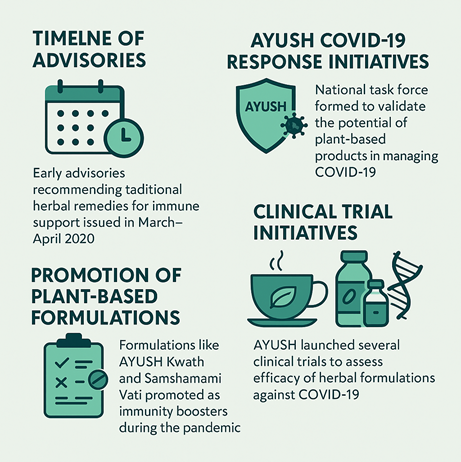
• April 2020: The Ministry also issued guidelines on boosting immunity using Ayurvedic and Siddha preparations, focusing on common herbs like Giloy (Tinospora cordifolia) and Ashwagandha (Withania somnifera).
• Mid 2020-AYUSH Initiatives: As the pandemic progressed, AYUSH continued to release additional recommendations on the use of plant-based remedies, encouraging their consumption for general wellness and immune system support. However, the focus remained on preventive measures rather than curative treatments.
AYUSH COVID-19 Response Initiatives
• AYUSH and the National Task Force: In response to the COVID-19 pandemic, the Ministry of AYUSH formed a National Task Force to evaluate the potential of Ayurvedic, Siddha, and Unani medicine in combating the virus. This task force worked on the scientific validation of various plant-based products and promoted herbal medicine in line with preventive health measures. It also encouraged the public health community to integrate these practices in complementary roles alongside conventional medicine.
• Public Health Campaigns and Education: The Ministry launched widespread awareness campaigns via digital media, television, and local community outreach. These campaigns aimed to educate the public on the benefits of immune-boosting herbs and their role in maintaining health during the pandemic. Special emphasis was placed on Ayurvedic lifestyle practices, including pranayama, yoga, and dietary practices, with a focus on herbal supplements that could aid in disease prevention.
Promotion of Plant-Based Formulations like AYUSH Kwath, Samshamani Vati
• AYUSH Kwath:
One of the prominent plant-based formulations promoted during the pandemic was AYUSH Kwath, a blend of Tulsi (Ocimum sanctum), Giloy (Tinospora cordifolia), Cinnamon (Cinnamomum verum), and Black Pepper (Piper nigrum). It was marketed as an immunity booster to support overall health and wellness during COVID-19. AYUSH Kwath was promoted through advisories as a preventive remedy for COVID-19 and similar respiratory ailments. It was available in various forms, including ready-to-drink decoctions and powder forms.
• Samshamani Vati:
Another key formulation was Samshamani Vati, which is a traditional Ayurvedic remedy composed of herbal ingredients like Ashwagandha (Withania somnifera), Shatavari (Asparagus racemosus), and Giloy (Tinospora cordifolia). This formulation was advocated for improving immunity and reducing stress during the pandemic. Samshamani Vati was widely promoted to support health and combat the perceived effects of stress and anxiety during COVID-19 lockdowns.
• Both of these formulations received significant media attention and were marketed across various platforms, from pharmacies to online marketplaces.
Clinical Trial Initiatives Under AYUSH
• Clinical Trials of Herbal Remedies: The Ministry of AYUSH, in collaboration with research institutions and universities, initiated several clinical trials to evaluate the efficacy of plant-based formulations in preventing or managing COVID-19. Notably, clinical studies on AYUSH Kwath and other herbal concoctions were launched to determine their antiviral and immunomodulatory properties in the context of COVID-19.
• Giloy and Ashwagandha were subject to several studies aimed at verifying their immunostimulatory properties.
• Trials were also conducted to assess the safety and efficacy of Ayurvedic treatments in improving general health and reducing symptoms of viral infections, though many of these studies have yet to provide conclusive evidence.
• Collaboration with ICMR (Indian Council of Medical Research): AYUSH collaborated with the ICMR to explore the integration of traditional medicine with modern scientific protocols. Several clinical trials were launched to study the combination of Ayurvedic remedies and allopathic treatments in managing COVID-19 symptoms, although the results of these trials were not fully conclusive at the time of writing.
• Gaps in Research: Despite these efforts, there is a notable lack of large-scale, peer-reviewed clinical studies to validate the claims made by the proponents of traditional medicine. Many of the trials conducted during the pandemic faced challenges related to sample size, quality control, and peer-reviewed publication.

The use of traditional medicinal plants and herbal remedies in India, particularly during the COVID-19 pandemic, has gained considerable attention. However, despite their widespread use, significant gaps in research and regulation persist. To ensure the effective integration of these remedies into mainstream healthcare, future research and policy directions are crucial.
Need for Ethnobotanical Documentation Across Diverse Indian Regions
• Regional Variations: India, with its rich cultural diversity, has a wide range of ethnobotanical practices that vary from region to region. While some plants are used universally across the country, others may have more localized importance, particularly in tribal areas or specific cultural groups.
• Documentation Efforts: Comprehensive ethnobotanical studies need to be conducted to systematically document the traditional use of medicinal plants across different regions of India. This will help in recognizing plant species that are used for COVID-19 or other health- related concerns but may be overlooked in mainstream scientific studies.
• Data Collection: Ethnobotanical surveys should be expanded to include remote areas and tribal regions where indigenous knowledge of medicinal plants is often passed down orally through generations.
Scientific Validation and Clinical Trials of Popular Remedies
• Efficacy Testing: While several herbal remedies are claimed to have antiviral, immunomodulatory, and anti-inflammatory properties, there is a lack of rigorous scientific validation to support these claims. Conducting in vivo and in vitro studies on widely used plants like Tulsi, Giloy, and Ashwagandha will help provide a clearer understanding of their potential health benefits.
• Clinical Trials: Well-designed clinical trials are needed to establish the efficacy and safety of popular remedies. Trials should focus on dosing, mode of administration, and synergistic effects when combined with conventional medicine. Research into long-term usage and side effects is also crucial.
• Randomized Controlled Trials (RCTs): Large-scale, high-quality RCTs should be conducted to assess the preventive and therapeutic potential of Ayurvedic and herbal formulations, such as AYUSH Kwath, Samshamani Vati, and Kadhas.
Integration of Traditional Knowledge with Modern Health Systems
• Holistic Health Approach: There is an increasing recognition of the need to combine traditional medicine with modern healthcare systems to create a more holistic approach to health and well-being. Collaborative efforts should focus on integrating the knowledge of Ayurveda, Siddha, Unani, and other traditional systems with contemporary medical practices, especially for the management of chronic diseases and preventive health.
• Interdisciplinary Research: Collaborative research between traditional medicine practitioners and modern healthcare professionals could help create integrated treatment models that combine the benefits of both systems. Research into complementary and integrative therapies is essential for achieving this goal.
• Global Recognition: Encouraging the integration of traditional remedies into global health systems could improve their credibility and acceptance. Cross-border collaboration and mutual recognition of treatment methods would benefit not only India but also other regions that rely on traditional medicine.
Standardization, Branding, and Regulation of Plant-Based Products
• Standardization of Formulations: The market for herbal products is largely unregulated, and many products are sold without standardization. There is a need to establish quality control measures to ensure that the herbal products being marketed are safe, effective, and consistent in their formulation. This could include developing pharmacopoeial standards for Ayurvedic and herbal products.
• Branding and Marketing: To ensure consumer trust and product effectiveness, a regulated branding and marketing framework should be developed. Products need to be clearly labeled with information about their source, dosage, and side effects, and they should be backed by scientific evidence.
• Regulation of Herbal Products: The sale of plant-based products in open markets needs to be regulated more strictly to prevent the sale of adulterated or contaminated products. Establishing clear regulatory frameworks that ensure the quality of products can reduce the risks associated with unregulated herbal remedies.
• Collaboration with Regulatory Bodies: The AYUSH Ministry can collaborate with regulatory bodies such as FSSAI (Food Safety and Standards Authority of India) and CDSCO (Central Drugs Standard Control Organization) to ensure that herbal remedies meet safety standards and good manufacturing practices.
Future Research Directions
• Clinical Efficacy and Safety: Prioritize large-scale clinical trials to assess the efficacy and safety of commonly used traditional remedies, including interactions with allopathic treatments.
• Global Expansion: Further research into the potential global applicability of Indian traditional remedies, particularly immunity boosters, could open new opportunities for international health solutions.
• Environmental Sustainability: Investigate the sustainable cultivation of medicinal plants to ensure their long-term availability. This includes exploring agroforestry systems and other sustainable agricultural practices to meet increasing demand while maintaining ecological balance.
CONCLUSION
The COVID-19 pandemic has witnessed a significant rise in the use of traditional remedies, especially herbal products sold in open markets across India. The demand for medicinal plants such as Tulsi, Giloy, Ginger, and Turmeric has surged as people sought alternative solutions to boost immunity and prevent infections. This widespread use of traditional medicine highlights its deep- rooted cultural value and the trust that communities place in these remedies, particularly when modern healthcare systems were overwhelmed during the pandemic. However, despite the cultural significance and wide acceptance of these herbal treatments, there is a pressing need for scientific validation. The pharmacological evidence supporting the efficacy of many of these plants remains limited, and there is a significant gap in clinical research to substantiate the claims made about their health benefits. The lack of standardized formulations, quality control, and scientific scrutiny makes it crucial to approach these remedies with caution.
To address these issues, we recommend the following steps:
1. Future Research: Undertake rigorous clinical trials and pharmacological studies to validate the effectiveness and safety of popular traditional remedies. This will enable a better understanding of their therapeutic potential, particularly in the context of respiratory infections like COVID-19.
2. Regulation and Standardization: The sale of herbal products in open markets needs to be regulated to ensure quality control and consumer safety. Standardizing formulations and ensuring their authenticity will reduce the risk of adulteration and contamination.
3. Public Education: Increased awareness about the benefits and risks of traditional remedies is essential. Public health campaigns should educate the population on the importance of evidence-based use of these products, and the need for consultation with healthcare providers before self-medication.
REFERENCES

Om Lole*, Prashant Ingle, Praful Patil, Dipal Sontakke, Dhananjay Popalghat, Traditional Medicinal Plants and Plant Products Sold in Open Market in India for COVID 19, Int. J. of Pharm. Sci., 2025, Vol 3, Issue 5, 4129-4148. https://doi.org/10.5281/zenodo.15509789
 10.5281/zenodo.15509789