

We use cookies to ensure our website works properly and to personalise your experience. Cookies policy
1*Department of Pharmaceutics, BLDEA'S Shri Sanganabasava Mahaswamiji College of Pharmacy and Research Centre, Vijayapura, Karnataka - 586103, India
2Vimta Labs, Hyderabad, Telangana
3,4MS Ramaiah College of Pharmacy, Karnataka
5,6Department of pharmacology, School of pharmaceutical sciences, Vels institute of science technology and advanced studies (VISTAS), Pallavaram, Chennai
7Sudarshan Biotech Pvt Ltd, Nacharam, Hyderabad, Telangana 500076
Veterinary oral and injectable suspensions are indispensable dosage forms for delivering therapeutic agents to a wide range of animal species. These formulations provide significant advantages, including dose flexibility, ease of administration, improved delivery of poorly water-soluble drugs, and the ability to develop long-acting therapeutic systems. However, unlike human pharmaceutical products, veterinary suspensions must address substantial interspecies variations in anatomy, physiology, feeding behaviour, metabolism, and husbandry practices. Consequently, formulation strategies require careful consideration of species-specific factors, such as rumen bypass systems in ruminants, taste masking in horses and companion animals, depot injectable formulations for livestock, and water-dispersible suspensions for poultry and aquaculture. Despite continuous advances in formulation science, veterinary suspensions remain susceptible to physical instability, chemical degradation, microbial contamination, and environmental stress during storage and field use. Furthermore, therapeutic classes including antibiotics, antiparasitic agents, anti-inflammatory drugs, antifungals, and nutraceuticals present distinct formulation challenges that influence stability, bioavailability, efficacy, and patient compliance. Recent developments in nanotechnology, lipid-based drug delivery systems, biodegradable polymers, and controlled-release technologies have expanded the potential for developing safer and more effective veterinary suspension formulations. This review provides a comprehensive overview of formulation principles, excipient selection, particle engineering, therapeutic applications, stability challenges, species-specific formulation considerations, and emerging technological advances in veterinary oral and injectable suspensions. The review also highlights future perspectives involving sustainable excipients, green manufacturing approaches, advanced nanocarriers, and species-specific clinical trial integration for next-generation veterinary pharmaceutical products.
Veterinary oral and injectable1 suspensions constitute one of the most widely employed pharmaceutical dosage forms for the treatment, prevention, and management of diseases in companion animals, livestock, poultry, aquaculture species, and wildlife. These formulations are particularly valuable for drugs with poor aqueous solubility because they enable improved drug dispersion, flexible dosing, enhanced bioavailability, and prolonged therapeutic activity. Oral suspensions2 facilitate accurate dose adjustment across animals of different body weights and ages, while injectable suspensions3 provide sustained drug release, reduced dosing frequency, and improved treatment compliance, particularly in food-producing animals where repeated handling is undesirable.
Unlike human pharmaceutical products, veterinary formulations must accommodate considerable interspecies differences in anatomy, gastrointestinal physiology, metabolism, feeding behaviour, and management practices. These biological variations profoundly influence drug absorption, distribution, metabolism, elimination, and therapeutic response4. Consequently, formulation approaches that are effective in one species may not be suitable for another. For example, ruminants require rumen-bypass or depot delivery systems to protect susceptible drugs from microbial degradation within the rumen. Horses require highly palatable and taste-masked oral suspensions because of their sensitivity to unpleasant flavours, whereas dogs and cats’ benefit from concentrated, small-volume formulations that improve owner compliance. In contrast, poultry and aquaculture industries rely heavily on suspensions that remain physically stable during mass medication through drinking water or feed while maintaining uniform drug distribution and minimizing environmental contamination5.
Despite their widespread therapeutic applications, veterinary suspensions present several formulation challenges. Physical instability, including sedimentation, flocculation, crystal growth, and caking, can compromise dose uniformity and reduce therapeutic efficacy. Chemical degradation resulting from hydrolysis, oxidation, photodegradation, or excipient incompatibility further limits product stability, particularly under tropical climates and field storage conditions. Injectable suspensions additionally require optimal syringeability, redispersibility, sterility, and controlled rheological properties to ensure safe and reproducible administration. These challenges necessitate careful selection of excipients, optimization of particle size, viscosity control, and implementation of robust stability-enhancing strategies throughout product development6.
The therapeutic applications of veterinary suspensions extend across numerous drug classes, including antibiotics7, antiparasitic agents8, non-steroidal anti-inflammatory drugs9 (NSAIDs), corticosteroids, antifungal agents, vaccines, hormones, and nutraceuticals. Each therapeutic category presents unique formulation requirements that influence drug release characteristics, pharmacokinetic behaviour, palatability, and long-term stability. Advances in pharmaceutical technology, including nanosuspensions, nanostructured lipid carriers, solid lipid nanoparticles, liposomes, biodegradable polymeric depots, and lipid-based delivery systems, have significantly expanded opportunities for improving the efficacy, safety, and convenience of veterinary suspension formulations.
Although numerous studies have addressed individual aspects of veterinary suspension technology, the available literature remains fragmented, with limited integration of formulation principles, species-specific considerations, therapeutic applications, and emerging drug delivery technologies. A comprehensive synthesis of these interconnected aspects is essential for guiding future formulation development and improving veterinary pharmaceutical practice.
Therefore, this review provides a comprehensive and up-to-date overview of veterinary oral and injectable suspensions, with particular emphasis on formulation strategies, excipient selection, particle engineering, therapeutic class applications, stability challenges, species-specific requirements, and recent technological innovations. In addition, future perspectives involving nanotechnology, sustainable excipients, controlled-release systems, and species-specific clinical trial integration are discussed to highlight emerging directions for the development of next-generation veterinary suspension formulations.
1. Formulation Principles of Veterinary Suspensions
The successful development of veterinary oral and injectable suspensions depends on a comprehensive understanding of physicochemical properties, species-specific physiological differences, therapeutic objectives, and practical administration requirements. Unlike conventional human formulations, veterinary suspensions must accommodate a broad range of animal species with substantial variations in gastrointestinal physiology, metabolic activity, body size, feeding behaviour, and management practices. Consequently, formulation design extends beyond ensuring pharmaceutical stability to include palatability, dosing accuracy, ease of administration, storage stability, and field applicability.
An ideal veterinary suspension should exhibit uniform drug distribution, minimal sedimentation, excellent redispersibility, appropriate viscosity, chemical stability throughout its shelf life, and acceptable sensory characteristics for the target species. Injectable suspensions must additionally possess optimal syringeability, sterility, controlled drug release, and minimal injection-site irritation. Achieving these objectives requires careful selection of excipients, optimization of particle size, and formulation strategies tailored to the intended animal species and therapeutic indication10.
2. Selection of Excipients
Excipients play a critical role in determining the quality, stability, safety, and therapeutic performance of veterinary suspensions. Appropriate excipient selection ensures uniform particle dispersion, minimizes sedimentation, prevents caking, and maintains consistent dosing throughout storage and administration11.
Suspending agents such as sodium carboxymethyl cellulose (CMC), hydroxypropyl methylcellulose (HPMC), methylcellulose, xanthan gum, guar gum, tragacanth, and sodium alginate are commonly incorporated to increase viscosity and reduce particle settling. These polymers improve physical stability while maintaining acceptable flow properties during administration12.
Wetting agents facilitate uniform dispersion of hydrophobic drug particles by reducing interfacial tension between the drug and the aqueous vehicle. Non-ionic surfactants, including polysorbates (Tween series) and sorbitan esters (Span series), are widely employed because of their favorable safety profile and compatibility with a broad range of active pharmaceutical ingredients (APIs)13.
Flocculating agents regulate particle interactions to produce loosely aggregated flocs that redisperse easily upon gentle shaking, thereby minimizing hard caking during storage. Electrolytes, polymers, and surfactants may be used individually or in combination to achieve controlled flocculation14.
Additional excipients, including preservatives, antioxidants, buffering agents, viscosity modifiers, sweeteners, flavoring agents, and coloring agents-are incorporated according to the intended route of administration. Oral veterinary suspensions frequently require species-specific flavoring agents to improve acceptance. Meat- or poultry-based flavors are generally preferred by dogs, fish flavors by cats, and molasses or apple flavors by horses. Conversely, injectable suspensions prioritize sterility, biocompatibility, isotonicity, and compatibility with parenteral administration over sensory attributes.
2.1 Particle Size and Advanced Suspension Technologies
Particle size is one of the most influential formulation variables affecting dissolution rate, bioavailability, sedimentation behavior, syringeability, and overall therapeutic performance of veterinary suspensions. According to the Noyes-Whitney relationship, decreasing particle size increases surface area, thereby accelerating drug dissolution and improving absorption, particularly for poorly water-soluble compounds15.
Micronization remains a widely used approach for improving dissolution while maintaining acceptable physical stability. However, recent advances in pharmaceutical engineering have led to the development of nanosuspensions and microsuspensions, which provide substantially greater surface area, enhanced saturation solubility, improved oral bioavailability, and more consistent therapeutic outcomes16.
Nanocrystal-based formulations have demonstrated considerable promise for veterinary medicines with poor aqueous solubility by improving dissolution kinetics and reducing dose variability. Similarly, lipid-based carriers, polymeric nanoparticles, liposomes, nanoemulsions, and nanostructured lipid carriers (NLCs) further enhance drug stability, prolong systemic exposure, and facilitate controlled drug release17.
The choice of suspension vehicle also influences formulation performance. Aqueous suspensions are generally preferred for oral administration because they provide good palatability, convenient dosing, and ease of manufacture. In contrast, oil-based injectable suspensions offer improved chemical stability and prolonged drug release, making them particularly suitable for depot formulations used in livestock production.
Advances in particle engineering, including high-pressure homogenization, wet milling, spray drying, and antisolvent precipitation, have significantly improved control over particle size distribution, redispersibility, and suspension stability. These technologies enable the development of veterinary formulations with improved pharmacokinetic performance and enhanced therapeutic efficacy across diverse animal species.
2.2 Species-Specific Formulation Considerations
Species-specific physiological and behavioral characteristics represent one of the defining aspects of veterinary pharmaceutical development. Formulations must therefore be designed to accommodate differences in gastrointestinal anatomy, feeding behavior, metabolism, body size, and methods of drug administration.
In ruminants, orally administered drugs may undergo microbial degradation within the rumen before systemic absorption. Consequently, rumen-bypass technologies, enteric coatings, lipid encapsulation, and depot injectable formulations are frequently employed to preserve drug integrity and enhance bioavailability18.
Horses are particularly sensitive to unpleasant taste and texture, necessitating effective taste-masking strategies using flavoring agents, sweeteners, and microencapsulation techniques. Oral suspensions should also possess appropriate viscosity to facilitate administration through dosing syringes while minimizing drug spillage19.
Companion animals such as dogs and cats require highly palatable, concentrated, and low-volume formulations that improve owner compliance and reduce administration-related stress. Accurate dose measurement, prolonged physical stability, and minimal shaking requirements further enhance treatment adherence20.
Poultry and aquaculture species present unique challenges because medications are commonly administered to entire populations through feed or drinking water. Consequently, suspensions must exhibit excellent dispersibility, resistance to sedimentation, stability across varying water quality conditions, and compatibility with large-scale delivery systems. Environmental considerations, including minimization of drug residues and reduction of antimicrobial resistance, have become increasingly important during formulation development21.
Across all species, practical considerations, including dosing accuracy, storage stability, transportation under field conditions, ease of administration, and economic feasibility-play a decisive role in formulation design. Therefore, modern veterinary suspension development requires a multidisciplinary approach that integrates pharmaceutical sciences, veterinary pharmacology, animal physiology, and production management to achieve safe, effective, and species-appropriate therapeutic products.
3. Therapeutic Class Applications
3.1 Antibiotic Suspensions
Antibiotics constitute one of the most extensively used therapeutic classes in veterinary medicine for the prevention and treatment of bacterial infections in livestock, poultry, companion animals, and other animal species. Oral and injectable suspension formulations are widely employed because they provide flexible dosing, improve drug delivery, and facilitate administration under diverse husbandry conditions22. The choice of formulation depends on the target species, site of infection, pharmacokinetic characteristics of the drug, and practical considerations such as ease of administration and animal handling.
In cattle, the physiological characteristics of the rumen significantly influence oral drug absorption. The rumen functions as a large fermentative compartment in which many orally administered antimicrobials undergo microbial degradation before systemic absorption. Consequently, parenteral therapy is generally preferred for adult ruminants, whereas pre-ruminant calves can effectively receive oral antibiotics because the oesophageal groove allows ingested formulations to bypass the rumen and reach the abomasum directly23. Long-acting injectable suspensions are therefore widely used in cattle for the treatment of bovine respiratory disease, metritis, mastitis, and foot infections, as they provide sustained plasma drug concentrations while minimizing handling stress and reducing dosing frequency. Injectable volume should be carefully controlled to minimize injection-site reactions and tissue damage, particularly in food-producing animals24.
In poultry, antibiotics are administered predominantly through drinking water or medicated feed because these routes enable rapid treatment of large flocks with minimal labour. Water-soluble antibiotics such as amoxicillin, doxycycline, and oxytetracycline are commonly used for respiratory and gastrointestinal infections. However, formulation performance is strongly influenced by water quality, including pH, hardness, temperature, sanitizer residues, and contact time25. For example, chlorine-based disinfectants such as sodium hypochlorite may inactivate β-lactam antibiotics, thereby reducing therapeutic efficacy. Injectable formulations are generally reserved for valuable breeding birds, day-old chicks, or situations requiring precise individual dosing. Furthermore, increasing global emphasis on antimicrobial stewardship has encouraged more judicious use of antibiotics in commercial poultry production26.
The formulation of veterinary antibiotic suspensions presents several pharmaceutical challenges. Many antibiotics, including florfenicol and doxycycline, exhibit poor aqueous solubility, necessitating advanced formulation approaches such as nanosuspensions, micronization, salt formation, or lipid-based delivery systems to improve dissolution and bioavailability27. Stability is another critical consideration, particularly for β-lactam antibiotics, which are susceptible to hydrolytic degradation in aqueous environments. Appropriate buffer systems, optimized pH, antioxidant incorporation, and suitable packaging are therefore essential for maintaining product stability throughout storage and use. In contrast, sulfonamides and trimethoprim generally demonstrate greater chemical stability under similar conditions28.
Formulation characteristics should also be adapted to the intended route of administration. Oral suspensions for livestock must balance drug concentration, palatability, viscosity, and dosing volume to facilitate administration without compromising compliance. Injectable suspensions require controlled particle size distribution, appropriate rheological properties, and acceptable syringeability to ensure uniform dosing while preventing needle blockage or injection-site irritation.
Species-specific therapeutic practices further influence antibiotic selection. Third- and fourth-generation cephalosporins are widely employed in cattle for systemic infections because of their broad antimicrobial spectrum and relatively short withdrawal periods in dairy production27. Tetracyclines remain first-line agents for respiratory, gastrointestinal, and ocular infections, while sulfonamides, either alone or in combination with trimethoprim, continue to provide broad-spectrum antimicrobial activity in numerous food-producing species29.
In poultry, amoxicillin, doxycycline, oxytetracycline, macrolides, and enrofloxacin are commonly used to manage respiratory and enteric bacterial diseases27. Companion animals frequently receive combinations such as amoxicillin-clavulanic acid for skin, respiratory, urinary, and gastrointestinal infections, whereas cephalexin, enrofloxacin, gentamicin, tetracyclines, chloramphenicol, and potentiated sulfonamides remain valuable therapeutic options depending on the causative pathogen and infection site30.
Overall, the successful development of veterinary antibiotic suspensions requires an integrated formulation approach that combines pharmaceutical stability, optimized bioavailability, species-specific physiology, antimicrobial stewardship, and practical field applicability. Advances in controlled-release technologies, nanotechnology, and novel excipient systems continue to improve therapeutic performance while reducing dosing frequency and enhancing treatment compliance.
Table 1. Comparative Summary of Oral and Injectable Antibiotic Suspensions Used in Veterinary Medicine
|
Animal |
Oral Antibiotics |
Injectable Antibiotics |
Formulation Challenges |
Stability Issues |
|
Cattle |
Tetracyclines, Sulfonamide29 |
Cephalosporins, Oxytetracycline29 |
Volume of administration, palatability31 |
β-lactams degrade quickly27 |
|
Poultry |
Amoxicillin, Tetracycline32 |
Enrofloxacin, Macrolides32 |
Water solubility, bulk dosing27 |
Water quality impacts stability27 |
|
Pets |
Amoxicillin, Cephalexin30 |
Gentamicin, Enrofloxacin30 |
Taste masking, weight-based dosing |
Liquid antibiotics are more stable27 |
3.2 Antiparasitic Suspensions
Antiparasitic agents are among the most widely used veterinary medicines for the prevention and treatment of endoparasitic and ectoparasitic infections in livestock, companion animals, poultry, and aquaculture. Suspension formulations remain the preferred dosage form for many antiparasitic drugs because they permit flexible dosing, improve administration in animals of different body weights, and facilitate mass treatment programs. The selection of oral or injectable suspensions depends on the target parasite, animal species, disease severity, pharmacokinetic properties of the drug, and management practices.
Oral suspensions are primarily used for the treatment of gastrointestinal nematodes, cestodes, trematodes, and lungworms. Benzimidazole anthelmintics such as albendazole and fenbendazole, together with levamisole, are routinely administered to cattle, sheep, goats, poultry, and companion animals for broad-spectrum parasite control. These formulations are particularly suitable for routine deworming and flock- or herd-based treatment programs because they allow accurate dose adjustment according to body weight and species-specific therapeutic requirements33. However, differences in gastrointestinal physiology, particularly in ruminants, may influence drug absorption and bioavailability, necessitating formulation optimization and appropriate dosing strategies35.
Injectable antiparasitic suspensions are preferred when prolonged systemic activity or treatment of both internal and external parasites is required. Macrocyclic lactones, including ivermectin, abamectin, and moxidectin, exhibit broad-spectrum activity against nematodes, mites, ticks, lice, and other ectoparasites. Depot injectable formulations provide sustained therapeutic drug concentrations over extended periods, reducing treatment frequency and minimizing animal handling. These characteristics are particularly advantageous in large livestock production systems, where repeated administration is labour-intensive and may compromise animal welfare34.
Accurate dose administration is essential for maximizing therapeutic efficacy while minimizing the development of anthelmintic resistance. Underdosing may allow partially resistant parasite populations to survive and proliferate, whereas excessive dosing increases the risk of toxicity and unnecessary drug residues in food-producing animals. Consequently, body weight should be accurately determined before treatment, and calibrated dosing equipment should be used to ensure consistent drug delivery. These considerations are especially important in cattle, sheep, and goats, where considerable variation in body weight frequently exists within the same herd35.
Companion animals present additional formulation challenges related to palatability, owner compliance, and dosing convenience. Oral suspensions are commonly flavored to improve voluntary acceptance, while dosing syringes or graduated dispensers facilitate accurate administration. Highly concentrated formulations reduce dosing volume and improve treatment compliance, particularly in small animals requiring prolonged antiparasitic therapy.
Recent advances in pharmaceutical technology have significantly improved antiparasitic suspension formulations. Long-acting depot injections employing biodegradable polymers, oil-based vehicles, or crystalline drug depots provide sustained drug release for several weeks or months, thereby reducing dosing frequency and improving parasite control. Similarly, oral controlled-release systems based on hydrophilic polymer matrices, biodegradable carriers, nanocrystals, and polymer-coated microparticles have demonstrated enhanced dissolution, prolonged gastrointestinal residence, improved bioavailability, and sustained therapeutic activity. These technologies not only improve treatment efficacy but also enhance owner compliance and contribute to more effective parasite management programs36,37.
Table 2. Comparative Summary of Commonly Used Oral and Injectable Antiparasitic Suspensions in Veterinary Medicine
|
Drug/Class |
Route |
Target Parasites |
Advantages |
Formulation Challenges |
|
Albendazole (Benzimidazole) |
Oral suspension |
Endoparasites (GI nematodes, cestodes, some trematodes) |
Broad-spectrum, effective in routine deworming, suitable for flock/herd dosing |
Species-specific dosing, risk of resistance, and reduced bioavailability in ruminants33,35 |
|
Fenbendazole (Benzimidazole) |
Oral suspension |
Endoparasites (GI nematodes, lungworms, tapeworms) |
Safe for repeated dosing, wide safety margin, useful in young/companion animals |
Palatability issues, resistance with underdosing33,35 |
|
Levamisole (Imidazothiazole) |
Oral suspension |
GI nematodes (strongylids, hookworms) |
Rapid action, cost-effective, broad coverage against nematodes |
Narrow safety margin, toxicity at high doses, growing resistance33,35 |
|
Ivermectin (Macrocyclic lactone) |
Injectable (SC/IM); also oral drench in some species |
Endo- and ectoparasites (mites, lice, ticks, lungworms, nematodes) |
Depot effect, broad-spectrum, effective in hard-to-treat animals |
Injectable pain/site reactions, emerging resistance, limited oral bioavailability34,35 |
|
Closantel (Salicylanilide) |
Injectable (SC/IM); oral drench |
Ectoparasites (ticks, mites, lice) and some endoparasites (flukes) |
Long half-life, effective against blood-feeding parasites, sustained protection |
Risk of overdose/toxicity, limited spectrum compared to benzimidazoles34,35 |
3.3 Anti-Inflammatory and Analgesic Suspensions
Anti-inflammatory and analgesic agents are widely used in veterinary medicine for the management of pain, inflammation, musculoskeletal disorders, perioperative care, and immune-mediated diseases. Both oral and injectable suspension formulations play an important role in improving animal welfare by providing effective pain control while accommodating species-specific physiological and clinical requirements. The selection of an appropriate dosage form depends on disease severity, duration of therapy, target species, and practical considerations such as ease of administration and treatment compliance.
Non-steroidal anti-inflammatory drugs (NSAIDs) are the cornerstone of veterinary pain management. Oral suspensions containing meloxicam, phenylbutazone, and flunixin meglumine are commonly prescribed for chronic musculoskeletal disorders, osteoarthritis, and inflammatory conditions in companion animals and horses. Their liquid dosage form allows flexible dose adjustment according to body weight and facilitates administration, particularly in animals that cannot readily receive solid oral dosage forms. Injectable NSAID suspensions are preferred for acute pain, postoperative analgesia, trauma, and emergency situations where rapid therapeutic action is required. Intravenous, intramuscular, and subcutaneous formulations provide rapid systemic drug exposure and are extensively used in cattle, horses, and other large animals38.
Corticosteroids such as prednisolone, dexamethasone, and methylprednisolone acetate remain indispensable in the management of inflammatory, allergic, autoimmune, and immune-mediated disorders. Oral suspensions are commonly used for long-term treatment because they permit gradual dose adjustment and tapering according to clinical response. In contrast, depot injectable suspensions provide prolonged anti-inflammatory and immunosuppressive effects, reducing dosing frequency and improving compliance in animals requiring extended therapy. Long-acting injectable preparations are particularly valuable when repeated oral administration is impractical or when sustained therapeutic drug concentrations are desired38.
Successful formulation of anti-inflammatory suspensions requires careful consideration of palatability, dosing frequency, and species-specific pharmacokinetic differences. Oral suspensions intended for companion animals and horses often incorporate flavouring agents, sweeteners, and taste-masking technologies to improve voluntary acceptance of bitter APIs. High drug-loading formulations further reduce dosing volume, thereby improving owner compliance and minimizing administration-related stress.
Marked differences in drug metabolism among animal species significantly influence dosage regimens and formulation design. Cats possess limited glucuronidation capacity and metabolize many NSAIDs more slowly than dogs, increasing the risk of drug accumulation and toxicity. Horses generally exhibit faster drug clearance and frequently require different dosing schedules to maintain therapeutic plasma concentrations. Similarly, corticosteroid responsiveness varies among species, necessitating individualized dose selection and careful monitoring throughout treatment39.
Species-specific therapeutic applications further illustrate the importance of formulation optimization. In horses, oral meloxicam suspensions are widely used for chronic lameness and osteoarthritis, whereas injectable phenylbutazone and flunixin meglumine remain important options for acute musculoskeletal pain, colic, and postoperative management. Intra-articular corticosteroid suspensions containing triamcinolone acetonide are also extensively employed for the management of joint inflammation and degenerative joint disease.
In cattle, injectable meloxicam is routinely administered during procedures such as dehorning, castration, and surgical interventions to reduce postoperative pain and inflammation. Corticosteroid suspensions, including prednisolone acetate and dexamethasone, are frequently used for inflammatory disorders, allergic reactions, ketosis, and selected metabolic diseases. In companion animals, oral meloxicam suspensions are widely prescribed for osteoarthritis and chronic pain management, while prednisolone remains a first-line therapy for immune-mediated and allergic disorders. Long-acting methylprednisolone acetate injections are particularly useful for chronic inflammatory conditions requiring sustained therapeutic activity40. In cats, low-dose meloxicam oral suspensions are administered cautiously because of species-specific sensitivity to NSAIDs, whereas prednisolone continues to play an important role in the treatment of inflammatory and immune-mediated diseases41.
Despite their considerable therapeutic benefits, anti-inflammatory and analgesic suspensions require careful clinical monitoring because prolonged or inappropriate use may result in gastrointestinal ulceration, renal impairment, hepatotoxicity, endocrine disturbances, and immunosuppression. Appropriate dose selection, species-specific therapeutic protocols, and regular clinical assessment remain essential for maximizing therapeutic efficacy while minimizing adverse effects.
Table 3. Comparative Summary of NSAID and Corticosteroid Suspension Formulations Used in Veterinary Medicine
|
Drug/Class |
Route |
Typical Indications |
Species Notes |
Key Considerations |
|
Meloxicam (NSAID) |
Oral suspension; Injectable (SC/IV/IM) |
Osteoarthritis, chronic musculoskeletal pain, perioperative analgesia |
Dogs (oral, once daily), Cats (low-dose chronic pain), Horses (rapid oral absorption), Cattle (perioperative pain) |
Palatability in small animals; once-daily dosing in dogs; cautious use in cats due to slow metabolism38,39,41 |
|
Phenylbutazone (NSAID) |
Oral paste/suspension; Injectable (IV) |
Acute musculoskeletal pain, lameness, post-surgical pain |
Horses (common for lameness, perioperative pain); not used in food-producing animals |
Narrow safety margin, risk of GI/renal adverse effects, species restrictions39 |
|
Flunixin meglumine (NSAID) |
Injectable (IV/IM); Oral granules/suspension |
Visceral pain (colic), inflammation, acute conditions |
Horses (colic, anti-inflammatory); Cattle (respiratory disease, endotoxemia); Dogs (limited use) |
Risk of injection-site irritation; withdrawal times in livestock39 |
|
Prednisolone (Corticosteroid) |
Oral suspension/tablet |
Chronic inflammatory or immune-mediated disease |
Dogs & Cats (immune-mediated, allergic disease); Horses (oral less common) |
Requires tapering; frequent dosing; species metabolism differs (cats respond better than dogs)38,40 |
|
Dexamethasone (Corticosteroid) |
Injectable (IV/IM); Oral tablet |
Acute inflammation, shock therapy, and immunosuppression |
Used across species (cattle, horses, companion animals) |
Potent; short-term use preferred; risk of immunosuppression38,39 |
|
Methylprednisolone acetate (Depot corticosteroid) |
Injectable (IM, intra-articular suspension) |
Long-term anti-inflammatory effect, chronic joint disease |
Dogs (allergic disease, immune disorders), Horses (joint injections), Cattle (inflammatory conditions) |
Depot effect reduces dosing frequency; risk of adrenal suppression with repeated use38,40 |
3.4 Antifungal and Nutraceutical Suspensions
Antifungal and nutraceutical suspensions have become increasingly important in veterinary medicine owing to their roles in the treatment of fungal diseases, nutritional supplementation, immune support, and recovery following illness or antimicrobial therapy. These formulations are particularly valuable because they enable accurate dosing, improve palatability, and facilitate administration across a wide range of animal species. Recent advances in formulation technologies have further enhanced their stability, bioavailability, and therapeutic effectiveness.
3.4.1 Antifungal Suspensions
Systemic and superficial fungal infections remain clinically significant in companion animals, horses, and selected livestock species. Oral suspension formulations are commonly used for mild to moderate fungal infections because they provide flexible dose adjustment and improve administration in animals that have difficulty swallowing tablets or capsules. Azole antifungal agents, including itraconazole, fluconazole, and voriconazole, inhibit fungal cytochrome P450-dependent enzymes involved in ergosterol biosynthesis, thereby disrupting fungal cell membrane integrity and inhibiting fungal growth42.
The poor aqueous solubility of many antifungal agents presents a major formulation challenge. Consequently, oral suspensions frequently incorporate solubilizers, surfactants, viscosity modifiers, and stabilizing excipients to improve drug dispersion, dissolution, and gastrointestinal absorption while maintaining acceptable physical stability throughout storage. Flavoring agents are also incorporated to improve treatment compliance in companion animals.
Injectable antifungal formulations are generally reserved for severe or disseminated mycoses requiring rapid systemic drug exposure. Liposomal amphotericin B represents a significant advancement in veterinary antifungal therapy because lipid encapsulation reduces nephrotoxicity, improves tissue distribution, prolongs circulation time, and enhances therapeutic efficacy compared with conventional amphotericin B formulations. Injectable azole formulations are similarly employed when immediate systemic antifungal activity is required43.
3.4.2 Nutraceutical Suspensions
In addition to therapeutic drugs, suspension formulations are widely used to deliver vitamins, minerals, probiotics, prebiotics, and other nutraceutical ingredients that support animal health, growth, reproduction, and immune function. Oral suspensions are particularly advantageous because they allow flexible dose adjustment and improve administration in neonatal, geriatric, debilitated, or recovering animals.
Probiotic suspensions containing beneficial microorganisms such as Lactobacillus, Bifidobacterium, and Saccharomyces boulardii help maintain intestinal microbial balance, improve digestive function, and reduce the incidence of antibiotic-associated diarrhoea. Prebiotics, including fructooligosaccharides (FOS), mannan oligosaccharides (MOS), and inulin, selectively stimulate beneficial intestinal microbiota, thereby enhancing gut health and nutrient utilization44. Combined probiotic-prebiotic formulations (synbiotics) further improve gastrointestinal function and strengthen systemic immune responses45.
Nutraceutical suspensions have become increasingly important in preventive veterinary medicine because they support recovery following surgery, illness, transportation stress, weaning, vaccination, and prolonged antimicrobial therapy. Their ease of administration, high palatability, and accurate dosing improve owner compliance and facilitate long-term nutritional supplementation in both companion and production animals.
3.4.3 Emerging Formulation Technologies
The therapeutic performance of antifungal and nutraceutical suspensions has been substantially improved through the application of advanced pharmaceutical technologies designed to overcome poor aqueous solubility, limited bioavailability, and chemical instability.
Oil-in-water emulsions increase the solubility of hydrophobic compounds while promoting lymphatic absorption and reducing first-pass metabolism. Liposomal delivery systems protect labile drugs from degradation, provide controlled drug release, improve tissue targeting, and reduce systemic toxicity46. These advantages have made liposomal formulations particularly valuable for amphotericin B and other poorly soluble antifungal agents47.
Nanotechnology-based delivery systems-including nanocrystals, nanoemulsions, polymeric nanoparticles, and nanostructured lipid carriers (NLCs) have further enhanced dissolution rate, oral bioavailability, controlled drug release, and tissue-specific drug delivery. These systems increase the therapeutic index of poorly soluble compounds while reducing dosing frequency and minimizing adverse effects48.
The integration of these advanced drug delivery technologies has transformed antifungal and nutraceutical suspensions from conventional dosage forms into highly efficient therapeutic and preventive systems capable of improving treatment outcomes, enhancing immune function, and supporting long-term animal health across diverse veterinary species.
4. Stability Challenges and Solutions
The stability of veterinary oral and injectable suspensions is a critical determinant of product quality, therapeutic efficacy, dosing accuracy, and patient safety. Unlike human pharmaceutical products, veterinary formulations are frequently exposed to challenging storage and handling conditions, including high temperatures, humidity, transportation stress, and prolonged field use. These environmental factors, together with species-specific administration practices, increase the risk of physical and chemical instability. Therefore, successful formulation development requires comprehensive strategies to maintain product integrity throughout its shelf life and during routine clinical use49.
4.1 Physical Stability
Physical instability is one of the most common challenges encountered in veterinary suspension formulations. Sedimentation, flocculation, crystal growth, and caking may compromise dose uniformity, reduce redispersibility, and ultimately affect therapeutic performance.
Sedimentation occurs because dispersed particles settle under the influence of gravity during storage. Excessive sedimentation can produce non-uniform drug concentrations, resulting in inaccurate dosing if the suspension is not adequately shaken before administration. Controlled flocculation is generally desirable because loosely associated particle aggregates redisperse readily upon gentle shaking, whereas uncontrolled aggregation promotes hard caking that is difficult or impossible to resuspend50.
Particle size distribution is another critical determinant of physical stability51. Fine and uniformly distributed particles settle more slowly and provide improved suspension homogeneity. Modern particle engineering techniques-including jet milling, wet media milling, high-pressure homogenization, and nanosuspension technology-have significantly improved physical stability while enhancing dissolution and bioavailability.
The use of appropriate excipients remains fundamental for maintaining suspension stability. Suspending agents such as xanthan gum, sodium carboxymethyl cellulose (CMC), and hydroxypropyl methylcellulose (HPMC) increase viscosity and reduce sedimentation rates. Flocculating agents promote the formation of easily redispersible particle aggregates, while wetting agents improve the dispersion of hydrophobic drug particles by reducing interfacial tension.
For injectable suspensions, additional considerations include syringeability, injectability, and particle redispersibility. Formulations must maintain appropriate rheological properties to ensure smooth administration through standard needles while preventing needle blockage and minimizing injection-site irritation.
4.2 Chemical Stability
Chemical degradation represents another major challenge during the development and storage of veterinary suspensions. Degradation pathways including hydrolysis, oxidation, photodegradation, and excipient-drug interactions may reduce drug potency, alter physicochemical properties, and generate potentially harmful degradation products52.
Hydrolysis is particularly important in aqueous suspensions and may be minimized through pH optimization, appropriate buffer systems, and the selection of chemically stable salt forms or prodrugs53. Oxidative degradation can be accelerated by dissolved oxygen, elevated temperatures, transition metal ions, and repeated air exposure during multidose use. Antioxidants such as ascorbic acid, butylated hydroxytoluene (BHT), and sodium metabisulfite are commonly incorporated to improve oxidative stability.
Several veterinary drugs, including tetracyclines and vitamin preparations, exhibit sensitivity to light exposure. Consequently, amber-colored containers, opaque packaging materials, and light-resistant primary containers are widely employed to minimize photodegradation during storage and transportation.
The compatibility between active pharmaceutical ingredients and excipients should be thoroughly evaluated during formulation development. Preservatives, surfactants, viscosity modifiers, and flavoring agents may alter drug stability or interact with the active ingredient. Preservatives such as parabens, benzyl alcohol, and potassium sorbate are frequently included in multidose oral suspensions to prevent microbial contamination, particularly under tropical storage conditions; however, their compatibility and effectiveness should be confirmed throughout the intended shelf life.
4.3 Environmental and Species-Specific Stability Considerations
Veterinary pharmaceutical products are frequently stored and administered under field conditions that differ substantially from controlled clinical environments. Exposure to elevated temperatures, humidity, dust, vibration during transportation, and inconsistent storage practices may accelerate physical and chemical degradation.
Formulations intended for tropical and subtropical climates should therefore incorporate heat-stable excipients, moisture-resistant packaging, and optimized preservative systems to maintain product quality under challenging environmental conditions. Oil-based suspensions and formulations with reduced water content may provide improved chemical stability for moisture-sensitive active pharmaceutical ingredients.
Mass medication programs in poultry and aquaculture introduce additional formulation challenges. Suspensions administered through drinking water must remain uniformly dispersed throughout distribution systems while resisting sedimentation, pH-induced degradation, mineral interactions, and biofilm formation within waterlines. Consistent dispersion is essential to ensure uniform drug exposure across entire flocks or fish populations.
Appropriate packaging and storage instructions also contribute significantly to product stability. Product labels should clearly specify storage temperature, protection from light, shaking requirements before administration, in-use shelf life after opening, and handling recommendations for multidose containers54. Injectable suspensions should additionally maintain sterility, prevent crystal growth, and preserve acceptable viscosity throughout storage.
Shelf-life evaluation should include accelerated stability studies, long-term stability testing, and in-use stability assessments following repeated vial puncture or bottle opening. These studies ensure that veterinary suspensions maintain their physical integrity, chemical potency, microbiological quality, and therapeutic performance throughout their intended product lifecycle55.
4.4 Strategies to Improve Stability56,57,58
Several formulation strategies have been developed to improve the stability and performance of veterinary suspension formulations:
Collectively, these approaches improve dose uniformity, extend product shelf life, enhance therapeutic efficacy, and ensure reliable performance under diverse veterinary field conditions.
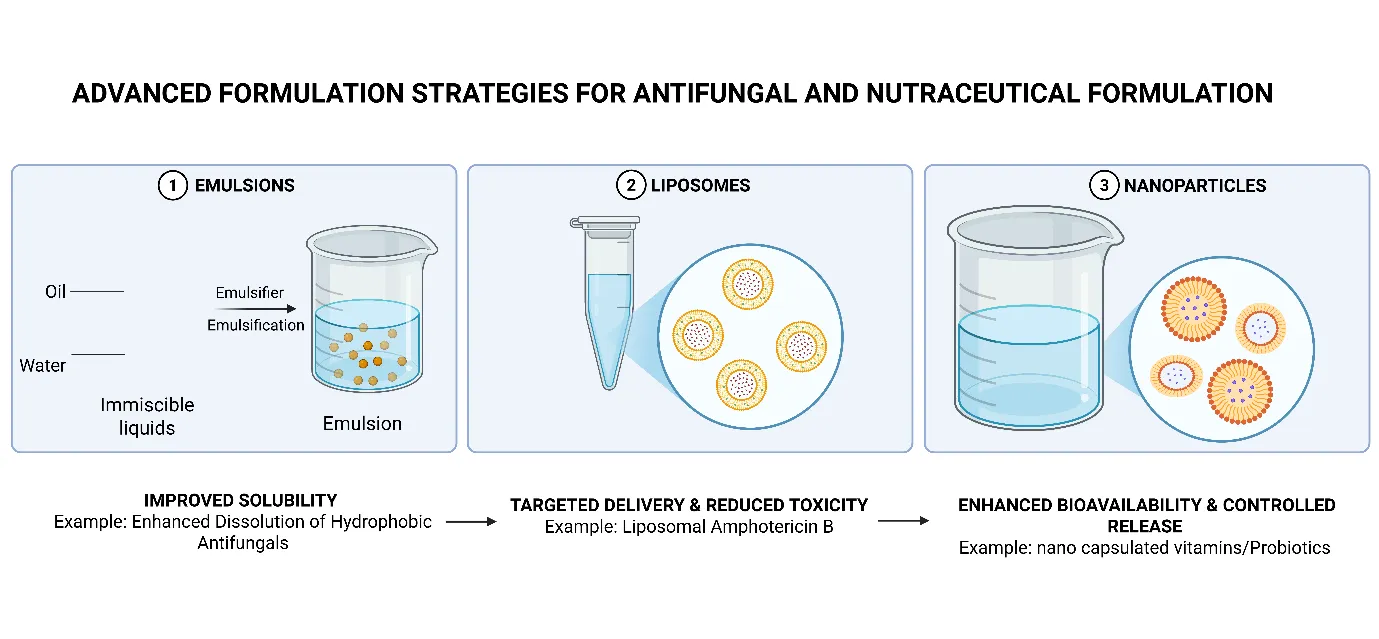
Figure 1. A schematic illustration showing advanced suspension formulation strategies (emulsions, liposomes, nanoparticles) and how they improve solubility, stability, and delivery.
5. Future Perspectives
Recent advances in pharmaceutical sciences have accelerated the development of innovative veterinary suspension formulations that offer improved therapeutic efficacy, enhanced patient compliance, prolonged drug release, and better environmental sustainability. Future research is expected to focus on intelligent formulation design, species-specific drug delivery systems, advanced nanotechnology, and environmentally responsible pharmaceutical development. Integrating these approaches will facilitate the production of safer, more effective, and economically viable veterinary medicines for both companion and food-producing animals59.
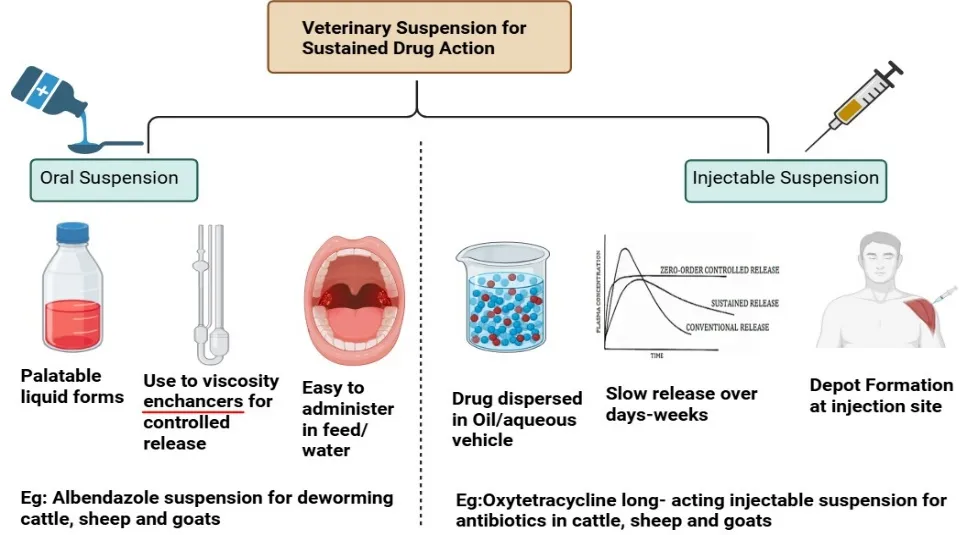
Figure 2. Schematic representation of long-acting oral and injectable veterinary suspension systems.
5.1 Long-Acting Oral and Injectable Suspensions
Long-acting suspension formulations represent one of the most promising areas in veterinary drug delivery because they reduce dosing frequency, improve treatment compliance, and minimize animal handling. These advantages are particularly important in livestock production systems, where repeated restraint increases stress, labor costs, and the risk of injury.
Recent research has focused on biodegradable polymer-based depot systems, microcrystalline suspensions, lipid-based carriers, and in situ gelling formulations capable of maintaining therapeutic drug concentrations for several weeks or months. Biodegradable polymers such as poly(lactic-co-glycolic acid) (PLGA) and polycaprolactone (PCL) enable controlled drug release while gradually degrading into biocompatible metabolites. Similarly, oil-based injectable suspensions continue to demonstrate excellent performance for poorly water-soluble antibiotics, antiparasitic agents, hormones, and non-steroidal anti-inflammatory drugs60.
Future formulation development should emphasize improved syringeability, predictable drug-release kinetics, reduced injection-site reactions, and simplified manufacturing processes to facilitate large-scale commercial production.
5.2 Nano- and Lipid-Based Drug Delivery Systems
Nanotechnology is expected to play an increasingly important role in veterinary pharmaceutical development by overcoming limitations associated with poor aqueous solubility, low oral bioavailability, and frequent dosing.
Nanostructured lipid carriers (NLCs), solid lipid nanoparticles (SLNs), polymeric nanoparticles, nanoemulsions, liposomes, and self-emulsifying drug delivery systems (SEDDS) have demonstrated significant improvements in drug loading capacity, dissolution rate, controlled release, and tissue targeting61. Lipid-based carriers additionally promote lymphatic drug transport, thereby reducing first-pass metabolism and improving systemic bioavailability62.
Surface-modified nanoparticles capable of targeting inflamed tissues, infectious lesions, or specific cell populations represent another promising area of investigation. Such targeted delivery systems may improve therapeutic efficacy while minimizing systemic toxicity and reducing overall drug exposure. Continued research into scalable manufacturing methods and long-term safety will be essential for translating these technologies into routine veterinary practice63.
5.3 Sustainable Excipients
Environmental sustainability has become an important consideration in veterinary pharmaceutical development owing to increasing regulatory expectations and public awareness regarding ecological protection64. Future suspension formulations are expected to incorporate biodegradable, renewable, and environmentally compatible excipients that minimize environmental persistence without compromising pharmaceutical performance.
Natural polymers including cellulose derivatives, starch, pectin, alginate, and chitosan have attracted considerable interest because of their biodegradability, excellent safety profile, and multifunctional pharmaceutical properties. Likewise, naturally derived surfactants, phospholipids, triglycerides, and other lipid-based excipients provide environmentally friendly alternatives to conventional synthetic materials65.
5.4 Species-Specific Clinical Trials and Precision Veterinary Medicine
Future veterinary formulation development will increasingly rely on species-specific clinical trials to optimize safety, efficacy, dosage regimens, and formulation performance across diverse animal populations66. Unlike human medicines, veterinary pharmaceuticals must accommodate substantial interspecies differences in anatomy, physiology, metabolism, feeding behaviour, and disease susceptibility67.
Early integration of target-species pharmacokinetic, pharmacodynamic, palatability, and tolerance studies into formulation development will facilitate more accurate dose selection and improve therapeutic outcomes68. Modern clinical trial methodologies-including adaptive trial designs, biomarker-guided assessment, computational modelling, and population pharmacokinetic analysis-offer opportunities to improve study efficiency while reducing animal use in accordance with the principles of Replacement, Reduction, and Refinement (3Rs)69.
Future precision veterinary medicine may also incorporate artificial intelligence, digital health technologies, wearable biosensors, and real-time therapeutic monitoring to enable individualized treatment strategies tailored to specific animal species, breeds, physiological conditions, and production systems.
6. Species-Specific Formulation Considerations
The successful development of veterinary oral and injectable suspensions requires careful consideration of species-specific anatomical, physiological, metabolic, and behavioural differences. These factors significantly influence drug absorption, bioavailability, dosing accuracy, administration techniques, and therapeutic outcomes. Unlike human medicines, veterinary formulations must accommodate a wide diversity of animal species, each presenting unique pharmaceutical challenges. Therefore, formulation strategies should be tailored to the physiological and practical requirements of the target species to maximize efficacy, safety, and treatment compliance70.
6.1 Ruminants (Cattle, Sheep, and Goats)
Ruminants present unique formulation challenges because the rumen acts as a large fermentative chamber capable of degrading many orally administered drugs before systemic absorption71. Consequently, oral suspensions intended for systemic therapy often require rumen-bypass technologies such as lipid encapsulation, enteric coating, or pH-responsive delivery systems to protect active pharmaceutical ingredients from microbial degradation.
Long-acting injectable suspensions are extensively used in cattle because they reduce handling frequency, improve treatment compliance, and maintain prolonged therapeutic drug concentrations. Formulations should exhibit appropriate viscosity, syringeability, and controlled-release characteristics while minimizing injection-site irritation and tissue residues. Large dosing volumes also require careful optimization of particle size distribution and rheological properties to ensure safe administration72.
6.2 Horses
Equine formulations require particular attention to palatability because horses readily reject bitter or unpleasant medications. Effective taste masking through flavouring agents, sweeteners, or microencapsulation significantly improves voluntary acceptance of oral suspensions. Formulations should also possess suitable viscosity to facilitate smooth administration using oral dosing syringes without excessive leakage or drug loss73.
Injectable suspensions for horses should maintain low viscosity, uniform particle dispersion, and excellent syringeability to minimize injection-site reactions while ensuring accurate dose delivery. Since horses often exhibit rapid drug clearance, formulation strategies should also consider pharmacokinetic characteristics when designing sustained-release dosage forms74.
6.3 Companion Animals (Dogs and Cats)
Palatability and owner compliance are critical determinants of therapeutic success in companion animals. Dogs generally accept meat- or poultry-flavoured formulations, whereas cats typically prefer fish-based flavours. Highly concentrated oral suspensions reduce dosing volume and improve acceptance, particularly in small breeds and young animals75.
Accurate dose measurement is essential because substantial variation exists in body weight among companion animals. Ready-to-use suspensions with excellent physical stability, minimal sedimentation, and rapid redispersibility simplify administration and improve treatment adherence. Injectable formulations should minimize discomfort while maintaining appropriate drug release characteristics for chronic conditions requiring prolonged therapy.
CONCLUSION
Veterinary oral and injectable suspensions remain indispensable dosage forms for delivering therapeutic agents across a wide variety of animal species. Their versatility, dose flexibility, suitability for poorly water-soluble drugs, and potential for sustained drug release make them valuable for the treatment and prevention of infectious, parasitic, inflammatory, and nutritional disorders in companion animals, livestock, poultry, and aquaculture.
Successful formulation development requires careful consideration of species-specific physiological differences, appropriate excipient selection, particle engineering, palatability, stability, and practical administration requirements. Advances in controlled-release technologies, nanotechnology, lipid-based drug delivery systems, biodegradable polymers, and environmentally sustainable excipients have substantially expanded the capabilities of veterinary suspension formulations while improving bioavailability, therapeutic efficacy, and treatment compliance.
Despite these advances, challenges related to physical stability, chemical degradation, environmental exposure, and species-specific variability continue to influence formulation performance. Future research should therefore focus on integrating innovative pharmaceutical technologies with species-specific clinical evaluation, precision drug delivery, and sustainable manufacturing approaches. Such multidisciplinary strategies will facilitate the development of safer, more effective, and environmentally responsible veterinary suspension formulations that improve animal health, welfare, and clinical outcomes.
REFERENCES







Pankaj Deshmane*, Kh. Mangangkhomba Mangang, Sushmitha S., Ankit Kumar Singha Deo, Tejaswini Rah Raman, Dr .V. Jayashree, Jalagam Divya sree, Veterinary Pharmaceutical Suspensions: Formulation Approaches, Stability, And Therapeutic Applications, Int. J. of Pharm. Sci., 2026, Vol 4, Issue 8, 1132-1157. https://doi.org/10.5281/zenodo.21837310
 10.5281/zenodo.21837310