

We use cookies to ensure our website works properly and to personalise your experience. Cookies policy
Highlights of Vol 4 | Issue 8 | 2026
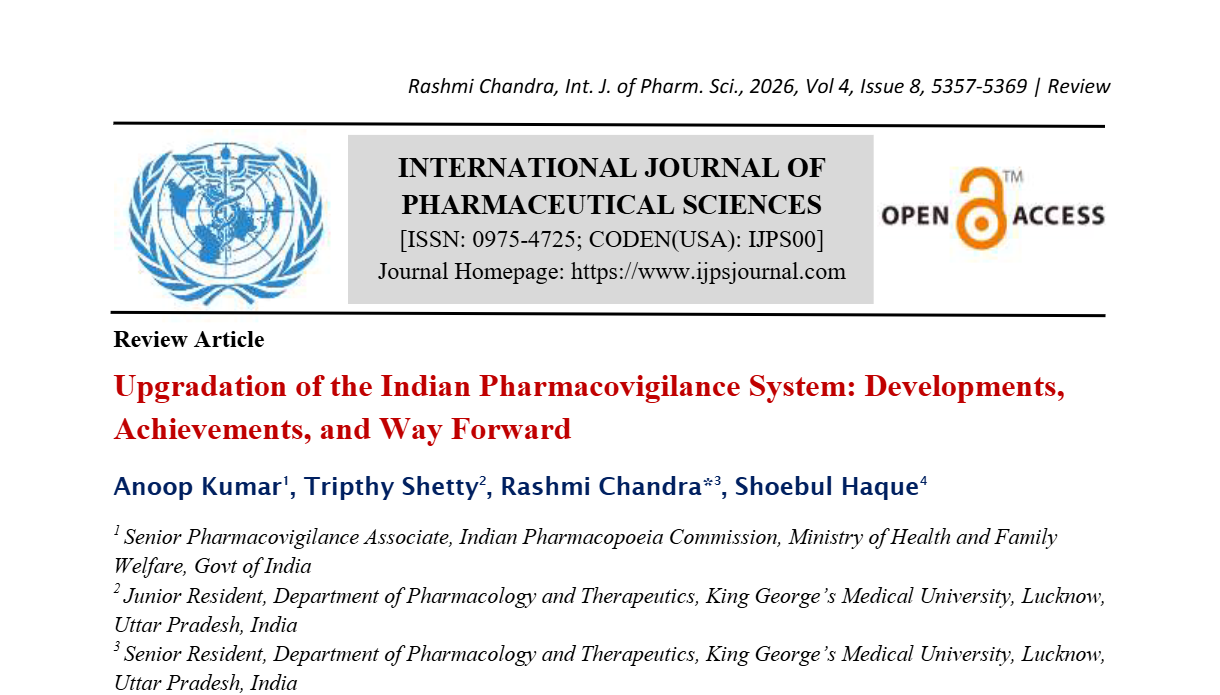
Pharmacovigilance (PV) plays a crucial role in protecting public health by identifying, assessing, and preventing adverse drug reactions (ADRs). In India, the development...
 10.5281/zenodo.22220138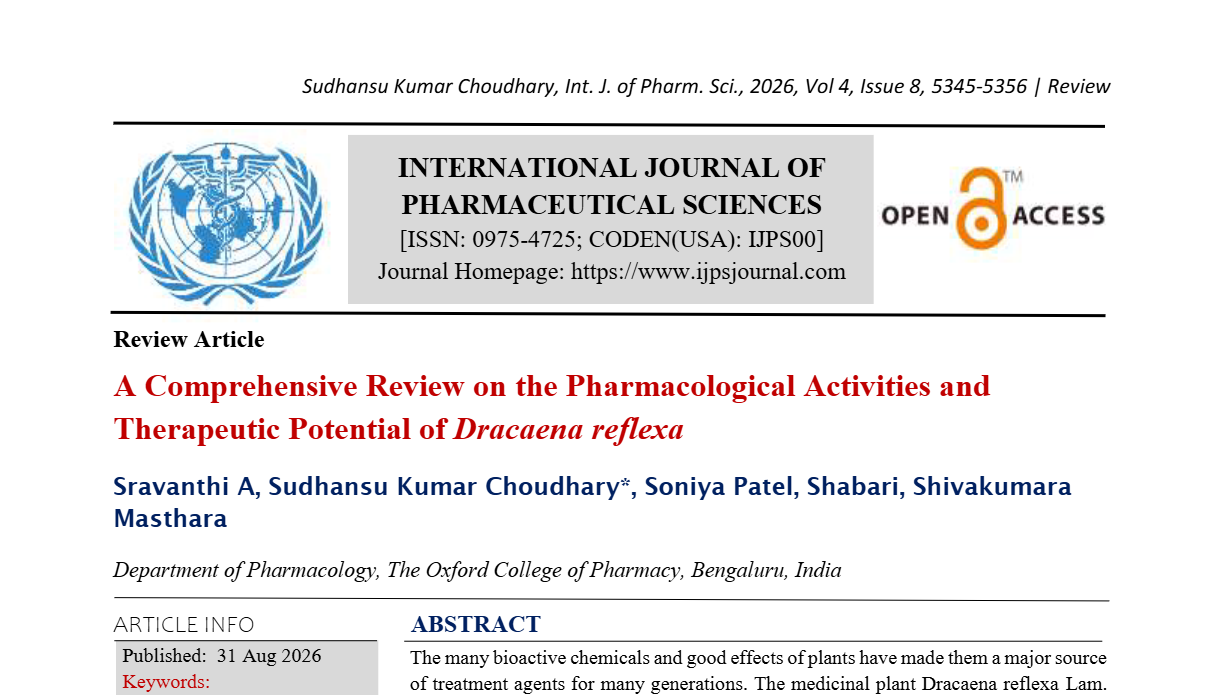
The many bioactive chemicals and good effects of plants have made them a major source of treatment agents for many generations. The medicinal plant Dracaena reflexa Lam. ...
10.5281/zenodo.22219920 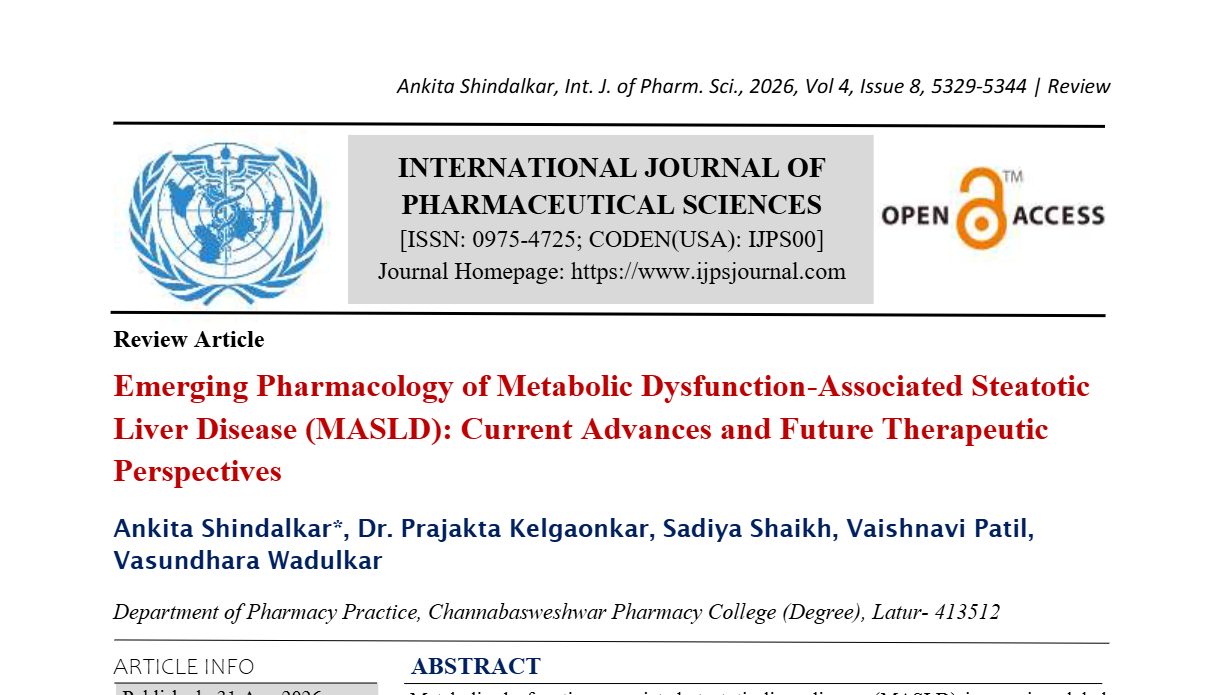
Metabolic dysfunction-associated steatotic liver disease (MASLD) is a major global health problem and represents the hepatic manifestation of metabolic dysfunction. It is...
10.5281/zenodo.22219538 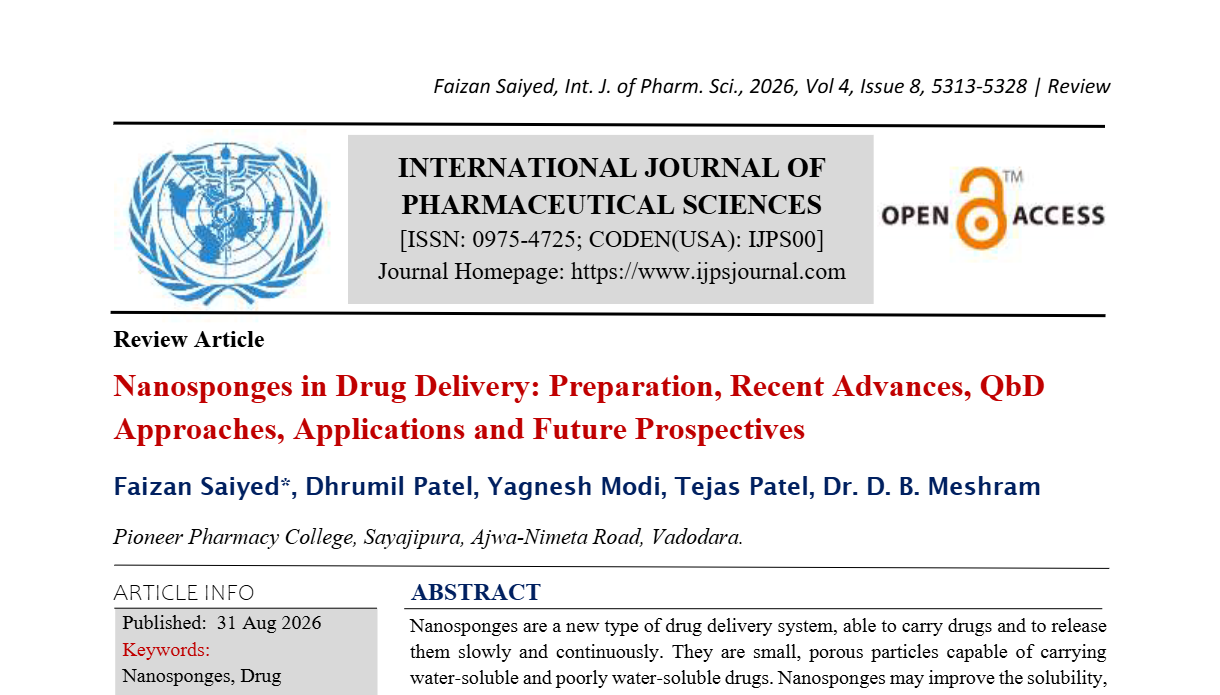
Nanosponges are a new type of drug delivery system, able to carry drugs and to release them slowly and continuously. They are small, porous particles capable of carrying ...
10.5281/zenodo.22219388 
Indapamide and propranolol hydrochloride are active pharmaceutical ingredients used to treat cardiovascular disorder. For the simultaneous determination, a reliable analy...
10.5281/zenodo.22219119 
Background: Polyherbal formulations may provide complementary antidiabetic, antioxidant, and lipid-lowering effects. This study evaluated a tablet containing aqueous extr...
10.5281/zenodo.22212787 
Touraine–Solente–Golé syndrome (TSGS), also known as primary hypertrophic osteoarthropathy, is a rare genetic condition that is characterized by pachydermia, digital...
10.5281/zenodo.22212236 
The present study aimed to formulate and evaluate gentamicin-loaded aquasomes for transdermal drug delivery to enhance drug stability and achieve sustained release. Aquas...
10.5281/zenodo.22209485 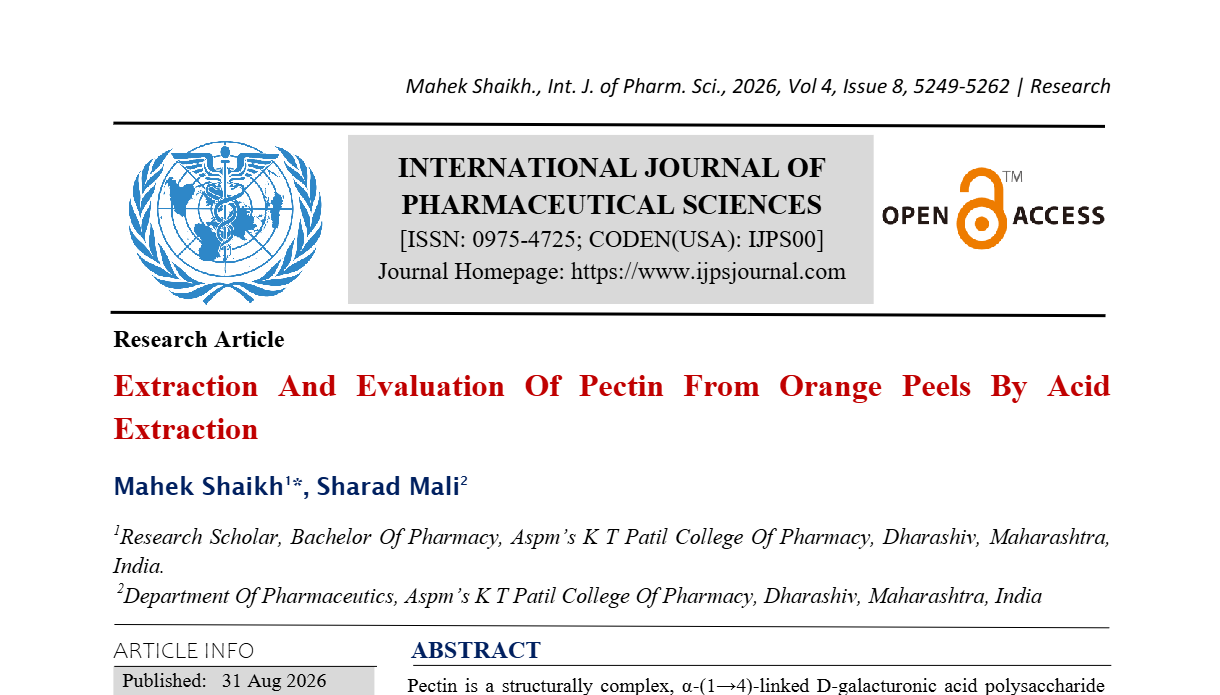
Pectin is a structurally complex, ?-(1?4)-linked D-galacturonic acid polysaccharide widely valued for its gelling, emulsifying, and stabilizing properties across the phar...
10.5281/zenodo.22208993 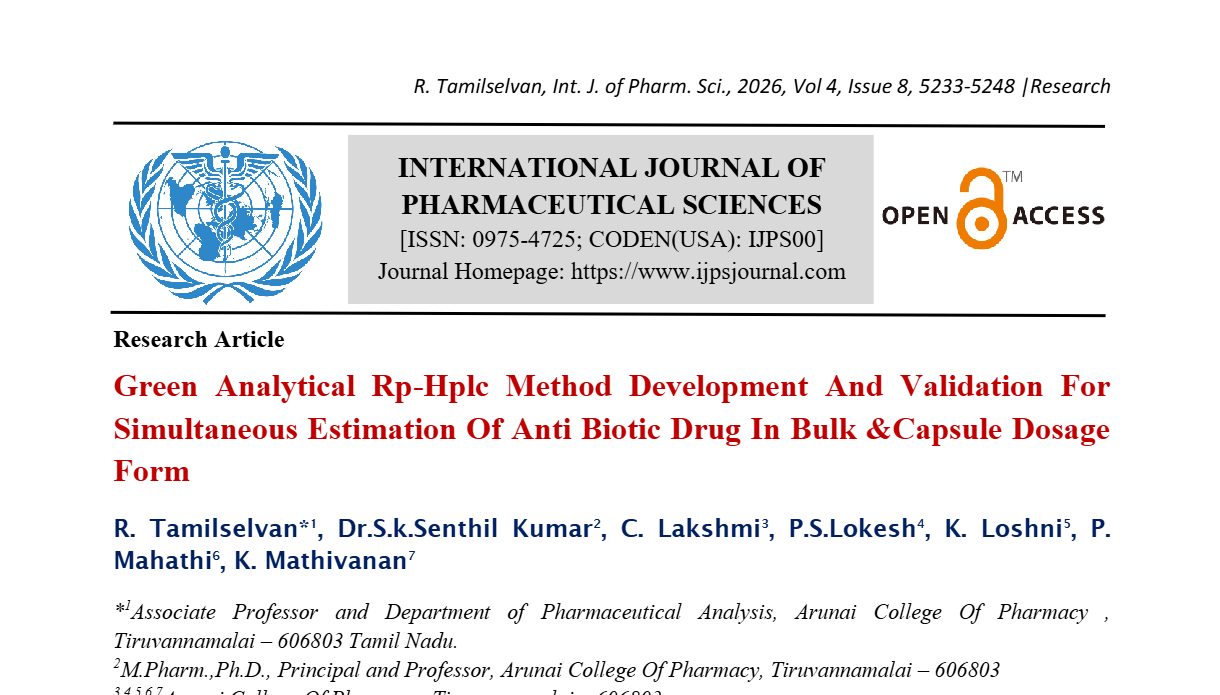
The present study aimed to develop and validate a simple, accurate, precise, robust and green reverse-phase high-performance liquid chromatographic (RP-HPLC) method for t...
10.5281/zenodo.22208555 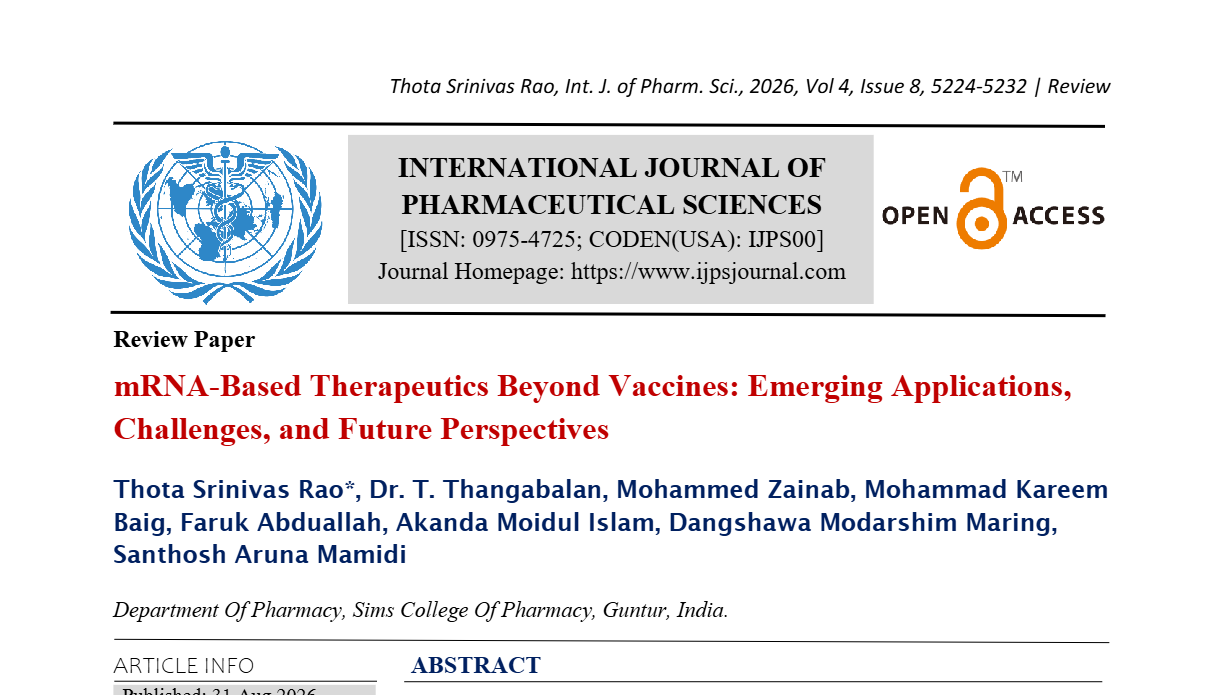
Messenger RNA (mRNA) therapeutics have emerged as a transformative platform in modern biomedicine, moving rapidly beyond their initial success in infectious disease vacci...
10.5281/zenodo.22204982 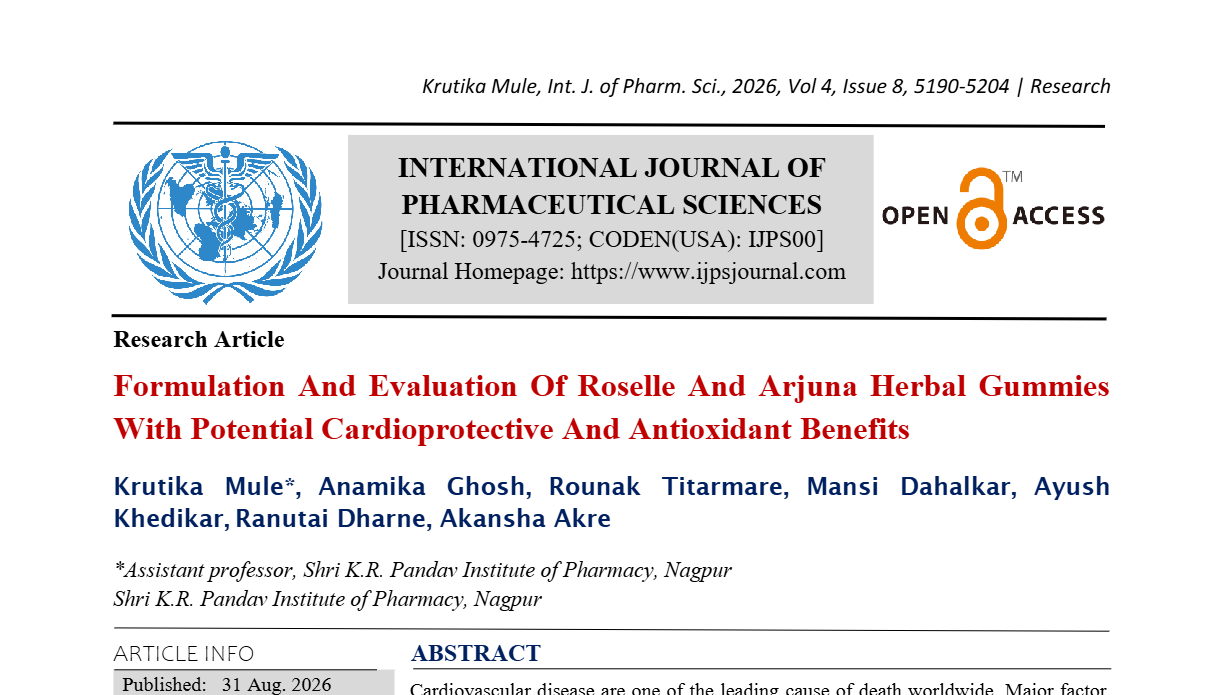
Cardiovascular disease are one of the leading cause of death worldwide. Major factor contributing to cardiovascular disease is oxidative stress.Herbal medicines are highl...
10.5281/zenodo.22204244 