

We use cookies to ensure our website works properly and to personalise your experience. Cookies policy
Department of Pharmacology, The Oxford College of Pharmacy, Bengaluru, India
The many bioactive chemicals and good effects of plants have made them a major source of treatment agents for many generations. The medicinal plant Dracaena reflexa Lam. which is part of the family Asparagaceae has attracted attention because of its pharmacological properties and traditional uses. The plants biological actions lead to important plant chemicals such as flavonoids, alkaloids, tannins, saponins, steroids and phenolic compounds. The aim of this study is to present the plants features, plant chemicals, traditional uses and medical value of Dracaena reflexa. Pharmacological effects, like anti-inflammatory, anti-nociceptive, antioxidant, antibacterial, anticonvulsant, anxiolytic, wound healing, Thrombolytic, cholinesterase inhibitory and tyrosinase inhibitory have been reported in many scientific studies. Studies have shown that ethanolic leaf extract of dracaena reflexa shows the good anti-inflammatory and analgesics activity whereas other antibacterial activity due to presence of phenolic compound and flavonoids. The pharmacological activities of dracaena reflexa may be related to its abundant phytochemical ingredients which contribute to the reduction of oxidative stress inhibition of microbial growth, modulation of inflammatory responses and protective effects against various pathological conditions. The plant also showed potential neuroprotective effects through cholinesterase inhibitions and possible applications in skin related disorders through wound healing and tyrosinase inhibitory activities. To summarise dracaena reflexa might be a potential medicinal plant with high therapeutics potential and can be considered as a potential source for the development of future herbal medicines. However, more studies involving isolations and characterisations of active compounds, detailed pharmacological investigations and clinical evaluations are needed to established its safety and efficacy for therapeutic applications.
The medicinal plant is really important for keeping people healthy. It has been this way since a time ago. People still use plants a lot for health care all around the world. The World Health Organization says that people use thousands of plant species. This is because they are safe and they work well. Many people also like them because of their culture. Another good thing, about plants is that they have fewer bad side effects compared to some manmade medicines. Medicinal plants are still a part of health care today. Plants have a lot of healing power. This is because they have things in them like alkaloids, flavonoids and tannins. Plants also have compounds, terpenoids, saponins, steroids and glycosides. These things in plants can do a lot of good for our health. Plants are very important when it comes to finding medicines. We can make drugs from the things that plants naturally produce. The good things in plants, like alkaloids, flavonoids and tannins have good effects on our bodies. Plants and the things they produce, like compounds, terpenoids, saponins, steroids and glycosides can help us make new medicines that can make people feel better. Medicinal herbs are really valuable because they have compounds in different parts of the plant. These compounds can help prevent and manage illnesses. Medicinal herbs are great for our health. We can find compounds in the leaves, roots and flowers of medicinal herbs. This is why medicinal herbs are so useful, in managing and preventing illnesses like medicinal herbs can do.1
Dracaena reflexa Lam. (Family Asparagaceae) is a medicinal plant that is rich in phytochemicals and has traditional therapeutic applications. The plant is rich in several bio active constituents like flavonoids, saponins, alkaloids, tannins, steroids and phenolic compounds which are responsible for its reported pharmacological activities. Traditional uses and scientific investigations suggest potential biological activities of D. reflexa making it a promising candidate for further pharmacological research. Thus, the present review deals with the botanical characteristics, phytochemistry, traditional applications, and therapeutic potential of Dracaena reflexa Lam.1 The bio-fibers extracted from Dracaena reflexa was considered as a potential reinforcement for polymer composite. These fibers have selected for numerous reasons: It is commonly grown in all the climate conditions. Its leaves are consumed as medicine for malarial fever, poisoning, dysentery, and diarrhea and dysmenorrhea. So, it is cultivated for commercial use. Dracaena reflexa was used to clean and remove considerable amount of toxins from the air which was proved by the NASA (National Aeronautics and Space Administration).2
Kingdom: Plantae
Subkingdom: Tracheobionta
Super division: Spermatophyte
Division: Magnoliophyta
Class: Liliopsida
Subclass: Monocots
Order: Asparagales
Family: Asparagaceae
Subfamily: Nolinoideae
Genus: Dracaena
Species: D. reflexa3
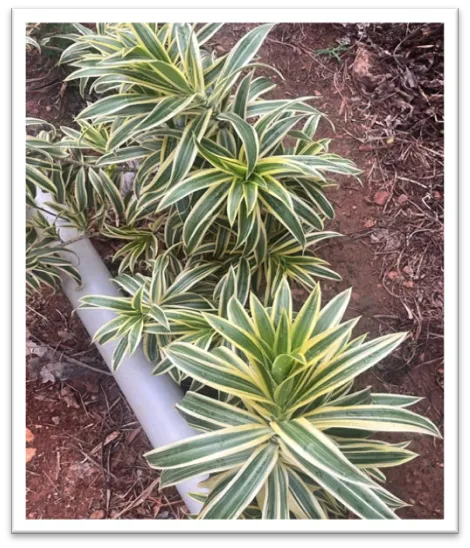
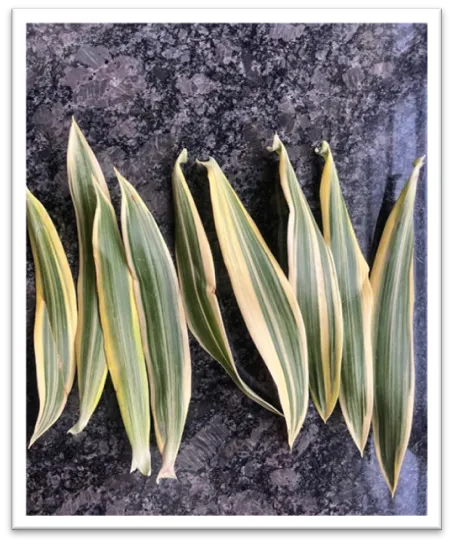
Fig 01: Dracaena reflexa plant and leaves
2. PHARMACOLOGICAL ACTIVITY:
|
Sr. No. |
Activity |
Experimental Model |
Method of Extract |
Methodology |
Results |
Reference |
|
1 |
Anti-convulsant activity |
Strychnine induced seizure model in Wistar rats |
Aqueous leaf extract |
The anticonvulsant activity of aqueous leaf extract of Dracaena reflexa was evaluated in strychnine induced seizure model in Wistar rats. Rats were divided into five groups (n= 5) consisting of a negative control (distilled water, 0.5 mL/kg), positive control (diazepam, 10 mg/kg) and three treatment groups receiving the aqueous extract at 50, 100 and 200 mg/kg orally. One hour after treatment, seizures were induced by intraperitoneal injection of strychnine (2.5 mg/kg). Animals were observed for 10 min and the latency to seizure onset and duration of convulsions were noted. Statistical analysis was performed by one-way ANOVA followed by post hoc Tukey’s and Sidak tests. P < 0.05 was considered statistically significant. |
Results suggest that the aqueous extract significantly delayed the onset of seizures at all the tested doses indicating anticonvulsant activity. However, the extract did not significantly reduce the duration of seizure than that of control group. The results support the traditional use of D. reflexa for the management of epilepsy. |
Judicael BD et.al., (2022) |
|
2 |
Anxiolytic activity |
Open field test and forced swimming test
|
Aqueous leaf extract |
Anxiolytic activity was evaluated by open field test and forced swimming test. In the open field test, rats were treated with distilled water (control), diazepam (10 mg/kg) or D. reflexa extract (50, 100 and 200 mg/kg). Each animal was placed in an open field arena divided into 25 equal squares within an hour and the number of squares crossed in 5 minutes was recorded as a measure of locomotor activity. In the forced swimming test, clomipramine (25 mg/kg) was used as positive control and swimming time, climbing time and immobility time were recorded for 6 min. |
In the open field test, the extract caused a significant reduction in locomotor activity similar to that of diazepam suggesting anxiolytic and sedative effects. D. reflexa treatment increased the immobility time and decreased the swimming and climbing time in a dose-dependent manner in the forced swimming test. The results of the study showed that aqueous leaf extract has anxiolytic activity but the increased immobility may also be an indicator of central nervous system depressant activity. |
Judicael BD et.al., (2022)
|
|
3 |
Wound healing activity |
In vitro scratch assay on human skin fibroblast (HSF) cell |
Aqueous methanolic extract |
The in vitro scratch assay on Human Skin Fibroblast (HSF) cells was used to assess the wound-healing activity of the aqueous methanolic extract of Dracaena reflexa stem (DRSE). The non-toxic concentrations of the extract were determined using sulforhodamine B (SRB) assay. HSF cells were cultured to form a confluent monolayer and then a scratch wound was made. Cells were treated with DRSE and incubated at appropriate conditions. Cell migration was evaluated under the microscope at 0, 24, 48, and 72 hours and the wound width was measured to determine the reduction in wound closure. |
DRSE (10 and 20 μg/mL) significantly enhanced the migration of fibroblast and wound closure rate as compared to untreated control cells. The wound-healing activity of DRSE might be attributed to the presence of the bioactive compounds like flavonoids, phenolic compounds and steroidal saponins which helps in fibroblast migration and tissue repair. |
Raslan MA et.al., (2022) |
|
4 |
Anti- Thrombolytic activity |
In vitro clot lysis assay
|
Methanolic and Chloroform extractions |
Abnormal blood clots can lead to cardiovascular complications such as thrombosis, stroke, and myocardial infarction. Thrombolytic medications act by dissolving blood clots that contain fibrin and restoring the flow of blood. The thrombolytic potential of D. reflexa extracts was evaluated by in vitro clot lysis assay which measures the ability of plant extracts to dissolve blood clots. Streptokinase has been the classic thrombolytic agent |
The methanolic and chloroform fractions showed significant activity of dissolving clots but the effect was less than that of streptokinase. The activity may be related to the presence of phytoconstituents capable to induce fibrinolytic processes. These results suggest the presence of compounds with potential beneficial cardiovascular effect in D. reflexa and provide a platform for further studies on thrombolytic drug discovery. |
Ghallo BA et.al., (2022 |
|
5 |
Cholinesterase inhibitory activity |
AChE and BChE enzyme inhibition assays |
n-butanol and methanolic extractions |
The potential of Dracaena reflexa extracts to inhibit cholinesterase was evaluated using AChE and BChE enzyme inhibition assays and galantamine as standard drug. |
The extracts showed inhibitory activity against both enzymes. The n-butanol fraction exhibited the highest inhibition of AChE and the methanolic extract showed significant inhibition of BChE. These results indicate that D. reflexa can have neuroprotective potential and can be studied in the management of neurodegenerative disorders like Alzheimer’s disease. |
Ghallo BA et.al., (2022)
|
|
6 |
Tyrosinase inhibitory activity |
Spectrophotometric tyrosinase inhibition assay using L-dopa as substrate |
n-butanol and methanolic extractions |
The tyrosinase inhibitory activity of D. reflexa extracts was determined spectrophotometrically using L-DOPA as substrate. Kojic acid was used as reference standard. |
The n-butanol fraction showed the highest tyrosinase inhibition, pointing to the bioactive compounds which are capable of inhibiting melanin synthesis. This activity gives a glimpse of the possible uses of D. reflexa. This activity shows in the making use of D. reflexa in skin hyperpigmentation disorders and cosmetic formulations. |
Ghallo BA et.al., (2022) |
|
7 |
Anti-inflammatory activity |
Carrageenan induced paw oedema model
|
Methanolic leaf extract |
Acute oral toxicity study was performed as per OECD guideline 423 and the extract was found safe up to 2000 mg/kg and doses of 200 and 400 mg/kg were selected for pharmacological evaluation. The anti-inflammatory activity was determined by carrageenan induced paw oedema model. |
The methanolic leaf extract of Dracaena reflexa (MEDR) showed significant anti-inflammatory effects. The results showed that MEDR inhibited the paw oedema in a dose-dependent manner. The 400 mg/kg dose of MEDR showed efficacy comparable to the standard drug dexamethasone |
Kuchana, p. et.al., (2021) |
|
8 |
Anti-nociceptive activity |
Acetic acid induced writhing, tail immersion and hot plate method in Wistar rats
|
Methanolic leaf extract |
The analgesic activity was determined by acetic acid induced writhing, tail immersion and hot plate method in Wistar rats. |
The methanolic leaf extract of Dracaena reflexa (MEDR) showed significant antinociceptive effects. The results showed that MEDR significantly reduced the pain responses in all the analgesic models. The 400 mg/kg dose of MEDR showed efficacy comparable to the standard drug diclofenac. |
Kuchana, p. et.al., (2021)
|
|
9 |
Anti-oxidant activity |
In vitro antioxidant assays (DPPH radial scavenging assays, ABTS radical cation assay and ferric reducing antioxidant power (FRAP) assay) |
Methanolic extract |
The antioxidant activity of Dracaena reflexa stem aqueous methanolic extract was determined by DPPH radical scavenging assay, ABTS radical cation assay and Ferric Reducing Antioxidant Power (FRAP) assay. The extract was evaluated for free radical scavenging and reducing capacity. Phenolic compounds, flavonoids and other bioactive phytoconstituents were identified by HPLC–ESI–MS/MS. |
The extract showed moderate antioxidant potential by free radical scavenging and reducing capacity. In the DPPH assay, the extract gave an IC₅₀ value of 311.6 ± 10.10 µg/mL while Trolox showed higher activity with an IC₅₀ value of 24.42 ± 0.87 µg/mL. ABTS assay revealed antioxidant capacity of 326.63 µM Trolox equivalents (TE)/mg extract and FRAP assay revealed reducing power of 208.67 µM TE/mg extract. The antioxidant activity was found to be due to phenolic compounds, flavonoids and other bioactive phytoconstituents. The therapeutic potential of D. reflexa may be attributed to its antioxidant properties by alleviating oxidative stress and potentiating its pharmacological activities including wound healing. |
Raslan MA et.al.,(2022)
|
|
10 |
Anti-oxidant activity |
In vitro antioxidant assays (DPPH, ABTS, CUPRAC, and FRAP assays) |
Methanolic extract and different solvent (n-hexane, chloroform and n-butanol) |
The antioxidant potential of Dracaena reflexa extracts was determined based on free radical scavenging ability and reducing power. Methanolic extract and different solvent fractions (n-hexane, chloroform and n-butanol) were tested. The antioxidant activity was correlated with total phenolic and flavonoid content. |
Among the tested fractions, the n-butanol fraction exhibited the highest antioxidant activity due to its higher total phenolic and flavonoid content. Phenolic and flavonoid compounds helped in neutralising reactive oxygen species and reducing oxidative stress, indicating the potential of D. reflexa as a natural source of antioxidant compounds. |
Ghallo BA et.al.,(2022) |
|
11 |
Anti-oxidant activity |
Isolated frog heart model |
Methanolic root extract |
The antioxidant activity was examined in an isolated frog heart model. Hydrogen peroxide (H₂O₂) was used to induce oxidative stress and ascorbic acid was used as a standard antioxidant. The protective effect of the extract was evaluated by assessing cardiac parameters such as heart rate, force of contraction and cardiac output. |
The methanolic root extract showed protective effects against H₂O₂-induced oxidative damage by delaying cardiac arrest and improving cardiac parameters such as heart rate, force of contraction and cardiac output compared to the control group. The antioxidant potential may be due to the presence of bioactive phytoconstituents that scavenge free radicals and reduce oxidative stress. |
Narendra B et.al.,(2017)
|
|
12 |
Anti-oxidant activity |
In vitro antioxidant assays: DPPH radical scavenging activity and ferric reducing power (FRAP) assay |
Petroleum ether extract, Dichloromethane extract, methanol extract, water extract |
Antioxidant activity of Dracaena reflexa stem extracts was determined by DPPH radical scavenging activity and Ferric Reducing Antioxidant Power (FRAP) assay. The stem was extracted using Soxhlet extraction with different solvents (petroleum ether, dichloromethane, methanol and water). Antioxidant activity was compared with standard antioxidants (BHT and ascorbic acid). |
Of the extracts, the dichloromethane extract showed the highest antioxidant activity, highest phenolic content and strong ability to scavenge free radicals. The activity was attributed mainly to the presence of phenolic and flavonoid compounds responsible for antioxidant effects through neutralising free radicals and reducing oxidative stress. The present study shows that Dracaena reflexa has major antioxidant potential in vitro. On the other hand, in vivo studies and isolation of the active compounds are needed to establish its therapeutic applications. |
Shukla A et.al.,(2014) |
|
13 |
Anti-bacterial activity
|
Agar well diffusion method against selected gram positive and gram-negative bacteria |
n-hexane extract |
Agar well diffusion method was employed to assess the antibacterial activity of Dracaena reflexa against selected gram positive and gram-negative bacteria. The n-hexane fraction of the plant extract was tested against co-amoxiclav as standard antibacterial drug |
The extract was concentration dependent antibacterial activity; it showed inhibition of bacterial growth. The highest antibacterial effect of the tested organisms was observed on Bacillus pumilus. The activity may be because of the presence of bioactive phytoconstituents like phenolic compounds, flavonoids and other secondary metabolites. The findings suggest that D. reflexa can be a source of natural antibacterial agents and further research should be performed for the development of antimicrobial drugs. |
Ghallo BA et.al., (2022) |
|
14 |
Anti-bacterial activity |
Agar disc diffusion method against gram positive and gram-negative bacterial strains |
Petroleum ether extract, Dichloromethane extract, methanolic extract |
The antibacterial activity of the leaf extracts of Dracaena reflexa was determined against Gram-positive and Gram-negative bacterial strains by the agar disc diffusion method. Petroleum ether, dichloromethane and methanolic extracts showed inhibitory activity against Staphylococcus aureus, Escherichia coli and Pseudomonas aeruginosa. Kanamycin was used as a standard for comparison of the antibacterial agent. |
Of the extracts tested, methanolic extract showed highest antibacterial activity against Pseudomonas aeruginosa with maximum zone of inhibition 32 mm. The extracts activity might be because of bioactive phytoconstituents such as flavonoids, alkaloids, tannins, terpenoids and saponins which are responsible for inhibition of bacterial growth. The results indicate that D. reflexa could be a natural source of antibacterial agents |
Km. preeti et.al.,(2021) |
|
15 |
Anti-bacterial activity |
Agar cup plate method against Gram positive and Gram-negative bacterial strains |
Methanolic root extract and Aqueous leaf extract |
Antibacterial activity of both the extract of methanolic root and aqueous leaf of Dracaena reflexa var. angustifolia was evaluated against selected Gram-positive and Gram-negative bacterial strains. Antibacterial efficacy was determined by agar cup plate method using streptomycin as standard drug. The tested organisms were Staphylococcus aureus, Lactobacillus, Proteus vulgaris and Enterobacter aerogenes. |
The antibacterial activity of the leaf extract in water was relatively more than that of the root extract in methanol as indicated by bigger zones of inhibitions against the microorganisms tested. The antibacterial effect may be due to the presence of bioactive phytoconstituents like phenolic compounds, flavonoids and other secondary metabolites, which interferes with bacterial growth and survival. |
Narendra B et.al.,(2017) |
3. TRADITIONAL USES:
Dracaena reflexa has been employed in traditional Indian herbal medicine for different therapeutic uses. The leaves and stems are often used as a natural antiseptic and germicidal agent, especially to prevent infections and promote the healing of wounds. Traditional practices also describe its use as an expectorant for relief in cough and chest related problems. The plant is said to have antimicrobial properties and has been used traditionally in the treatment of conditions such as fever, diarrhoea, malaria and inflammatory disorders. The bioactive compounds present in D. reflexa are thot to be responsible for the traditional uses such as antioxidant, antibacterial, antifungal, and healing activities. Apart from its significance in medicine, D. reflexa is a popular ornamental plant because of its contribution in improving indoor air quality by removing some toxins in the environment.11
CONCLUSION
There are many pharmacological potentials of Dracaena reflexa which can be utilised for making natural medicines based on the research of today. The phytochemicals such as flavonoids and phenolic compounds are responsible for its antioxidant, antibacterial, anti-inflammatory, analgesic and other biological properties. It has been highlighted as a medicinal plant and its traditional uses have been scientifically proven thru experimental investigation. But most of the evidence we have today comes from early laboratory research. Further detailed studies are required for isolation of bioactive compounds, toxicity, molecular studies and clinical trials to confirm its efficacy and safety in humans. More research on the Dracaena reflexa plant can lead to the production of new plant-based medicines.
REFERENCES





Sravanthi A, Sudhansu Kumar Choudhary, Soniya Patel, Shabari, Shivakumara Masthara, A Comprehensive Review on the Pharmacological Activities and Therapeutic Potential of Dracaena reflexa, Int. J. of Pharm. Sci., 2026, Vol 4, Issue 8, 5345-5356. https://doi.org/10.5281/zenodo.22219920
 10.5281/zenodo.22219920