

We use cookies to ensure our website works properly and to personalise your experience. Cookies policy
College of Pharmaceutical Sciences, Govt. Medical College, Kozhikode.
Colorectal cancer (CRC) is a major cause of cancer morbidity and mortality worldwide. Chemotherapy is usually administered by injection to stop the development and spread of tumour. Oral administration of medications in the form of a colon-specific delivery system is expected to reduce systemic side effects, reduce the dosage of the drug, and increase drug bioavailability at the target site when compared to injection. Polysaccharides can be utilized as a matrix or coat material for oral delivery to shield drugs from chemical and enzymatic deterioration. Natural polysaccharides are widely used in the development of solid dosage forms that carry medications to the colon. It makes sense to create a polysaccharide-based delivery system for the human colon since it is home to a diverse spectrum of bacteria that secrete a number of enzymes, including ?-d-glucosidase, ?-d-galactosidase, amylase, pectinase, xylanase, ?-d-xylosidase, dextranase, etc. This review article provides an overview of the use of chitosan, pectin, guar gum, inulin, lactulose, amylose, and alginate as drug carriers for the treatment of colorectal cancer.
Colorectal cancer is the second most common cause of cancer-related death globally, accounting for around 10% of all cancer cases [1]. The most common cause of this gastrointestinal cancer is polyps, which are abnormal growths in the colon's inner lining. A complex web of factors, including dietary practices, inflammatory diseases affecting the gastrointestinal tract, and genetic predisposition, contribute to the development of colorectal cancer[2]. Complex molecular processes, such as uncontrolled cellular proliferation, increased angiogenesis, and deregulation of programmed cell death mechanisms like autophagy, apoptosis, and necroptosis, are responsible for the development of colorectal cancer[3]. Although there is currently no proven cure for colorectal cancer (CRC), there are a number of treatment options available to manage the disease, such as chemotherapy, radiation therapy, and surgical resection. Chemotherapy employs a range of medications, including leucovorin, doxorubicin, fluorouracil, and cisplatin, to target malignant cells. However, because of their intrinsic toxicity and poor specificity for cancer cells, these traditional treatments are frequently associated with serious side effects, such as nausea and digestive issues [4].The most popular and well-accepted method of administering drugs is through oral administration. Due to the ease of self-administration and increased likelihood of compliance, oral delivery remains the most widely used and traditional method of administering medication[5]. But there are a number of problems associated with this approach. Before drugs reach the colon, they may be broken down by the acidic environment of the stomach or digested by small intestinal enzymes[6].Targeting the colon with oral medications involves a number of approaches, such as coating with pH-dependent polymers, designing time-release dose forms, and using carriers that are only broken down by colonic bacteria. It is generally known that the pH-dependent systems are made to release the medication above a specific pH of the gastrointestinal tract (GIT). After a specified amount of time, the timed release systems release their load. By including an extra non-disintegrating or lag phase, the time-dependent formulations are made to prevent the medication from releasing in the stomach; instead, the drug releases in the colon. Pulsincap® is one such system. Variations in the gastric emptying and small intestinal transit times are another limitation of time-dependent release methods. However, the majority of these methods bypass the significant variation in stomach emptying because they employ enteric coating. However, due to the difference in small intestine transit time, there is still likely to be a significant amount of variability in the timed-release systems in vivo performance. The anaerobic bacteria that live in the colon perform a number of metabolic processes, including hydrolysis, reduction, decarboxylation, dealkylation, etc. These metabolic events serve as the foundation for the development of colon-specific drug delivery systems, such as prodrugs that are broken down by colonic bacterial enzymes to release the drug in the colon. Using carriers that are solely broken down by colonic bacteria is the greatest alternative strategy for colon-specific medication delivery. The colon's microbiota, which ranges from 1011 to 1012 CFU/ml, is primarily composed of anaerobic bacteria, such as Bacteroides, Bifidobacteria, Eubacteria, Clostridium, Enterococci, and Ruminococcus [7].Polysaccharides are lengthy chain polymeric carbohydrates or monosaccharides that are interconnected by glycoside bonds and mainly originate from plants, animals, and microbes[8]. Polysaccharides like pectin, guar gum, chitosan, fructan, algal-derived polysaccharides, and those from other natural microorganisms have demonstrated safety and efficacy in treating various colonic diseases[9]. Polysaccharides are primarily metabolized in the colon by colonic bacteria since they serve as prebiotics (nutrition) for gut microbiota, which decompose polysaccharides into simple sugars and release the encapsulated drug. Additionally, polysaccharides can be metabolized solely at alkaline pH and not at acidic pH. Therefore, when colonic bacteria metabolize it, it results in drug release in the large intestine. When the drug delivery system enters the colon, the colonic microbiota secretes enzymes that break down polysaccharides, allowing the drug to be released. In order to prevent drug release in the stomach and small intestine, solubility of polysaccharide can be controlled by combining them with water-insoluble polymers. In addition to extending the delay time and efficacy of targeted drug delivery systems to the colon, the introduction of a mixture of excipients, such as polysaccharides with enteric polymers, can avoid burst release of drug in the stomach and small intestine[10].Polysaccharide offers considerable benefits including affordability, low toxicity, and excellent biocompatibility[11].
Colonic physiology relevant to targeted drug delivery
Designing efficient colon-targeted drug delivery systems requires a thorough understanding of the anatomy, physiology, and microbiology of the colon because this information provides understanding on the colon's particular environment, which includes its large surface area, microbial population, pH, and slower transit time[12].Fig.1 shows the anatomical structure of colon.
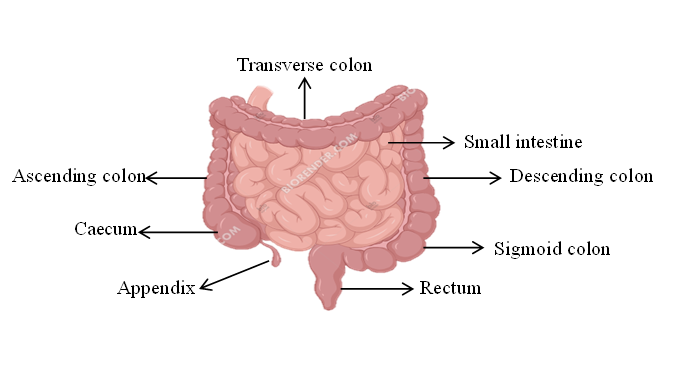
Fig 1. Anatomical structure of colon (Created with BioRender.com.)
Colonic pH
The pH of the gastrointestinal tract significantly changes from the stomach to the small intestine and large intestines. The type of diet, food consumed, and illness state all have an impact on the pH of the GIT. In order to accomplish both local and systemic effects, researchers are employing pH-sensitive enteric coating polymers to take advantage of these pH variations in order to deliver the drug to the colon[13]. Drug distribution to specific colons has been accomplished by the use of pH variations along the gastrointestinal tract. According to radio telemetry, the terminal ileum has the greatest pH (7.5±0.5). As it enters the colon, the pH falls to 6.4±0.6. The left colon has a pH of 7.0±0.7 and the mid colon has a pH of 6.6±0.8. The presence of short chain fatty acids resulting from bacterial fermentation of polysaccharides causes the pH to drop upon arrival into the colon[14].
Colonic transit time
There are a few instances where the normal transitory time of the colon is impacted, such as in the case of UC, where the transient period is shorter (24 h) than in a normal person (52 h). The colonic transitory time was altered while fasting as well as when fed, and it was delayed while sleeping. Thus, a key element affecting the bioavailability of drugs in the colon is the colonic transitory time [15].
Colonic fluid volume
The colon absorbs about 90% of the water that enters it.
Consequently, the intestinal volume decreases, making it more difficult for the drug to dissolve from its dosage form. Drug metabolism and colon absorption are influenced by the undigested food (proteins, carbohydrates, and fats) being utilized as a substrate by the microbial flora (microbial enzymes) present in the colon [15].
Colonic Microflora
The human colon contains more than 400 distinct types of bacteria with a population of 1011–1012 CFU/ml. The primary species include Bacteroides, Bifidobacterium, Eubacterium, and Lactobacillus. The proximal colon has the largest microbial load growth and produces hydrolytic and reductive enzymes that ferment proteins, carbohydrates, bile acid, and steroids. The enzymatic activity of α-L-arabino funosidase, β-D-fucosidase, β-D-galactosidase, β-D-glucosidase, and β -xylosidase ferments the non starch polysaccharides as they pass through the colon. Short-chain fatty acids, carbon dioxide, hydrogen, methane, and hydrogen sulfide are produced as the byproducts of fermentation. The right colon produces the greatest amount of short-chain fatty acids, which lowers colonic pH [13].
Oral colon specific drug delivery approaches
The most popular and well approved method of administering drugs is orally. Due to the ease of self-administration and increased likelihood of compliance, oral delivery remains the most widely used and traditional method of medication administration. Before being administered, medications are encapsulated or combined into tablets, capsules, or micro- or nanoparticles to prevent deterioration. Taste masking and altered medication release are more applications of encapsulation technology[5].
Prodrugs and azo-polymer systems, pH and time-dependent systems, pressure-dependent systems, and microflora-activated systems are the four main techniques that form the basis of conventional approaches utilized to achieve colon-specific delivery. Several oral colon-specific drug delivery strategies have been developed to enhance the management of colon illnesses locally while reducing systemic side effects[16].
Prodrugs and azo polymer systems
A prodrug is a parent molecule that is pharmacologically inactive and needs to undergo enzymatic or spontaneous change in the body in order to release the active drug component. Drugs intended for the colon must be shielded from the harsh conditions of the stomach and small intestine[17]. In the prodrug technique, a covalent bond between the drug and its carrier is broken down by reduction and hydrolysis, which is facilitated by a number of enzymes, mostly from bacteria that are found in the colon. A few examples of enzymes are glucuronidase, glycosidase, and azoreductase[18]. Prodrugs based on azo bonds, such sulfasalazine, olsalazine, and balsalazide, have an established record of success in treating ulcerative colitis[19].
pH dependent system
In this approach formulations coated with a polymer whose solubility is pH-dependent in relation to the pH profiles found throughout the digestive system[20]. The majority of commercialized systems for local drug delivery to the colon are based on pH changes during GI tract passage[21].The pH fluctuates greatly in different areas of the GIT. Drugs targeting the colon have made considerable use of the physiological changes in the pH of the GIT. Colon targeting could be accomplished easily and practically with methods based on pH-sensitive administration, such as delayed onset dose forms. To do this, colonic targeted delivery may make use of pH-dependent polymers, which have a tendency to break down at or above the pH of the colon10. Methacrylic acid copolymer (such as Eudragit L 100 and Eudragit S 100), which dissolve above pH 6.0 and 7.0, respectively, are the most widely used pH-dependent coating polymers[22].
Time dependent system
A formulation that incorporates a non-disintegrating characteristic or lag release phase initiates the beginning of drug release after a predefined time period following drug delivery. To stop drug release in the stomach, enteric polymer can be used to the majority of formulations. It is challenging to reliably predict the location of medication release due to a significant variation in the gastric emptying period[5]. The time-release technique assumes that the gastrointestinal (GI) transit time, which varies significantly depending on factors such as food consumption, health, and diurnal fluctuations, is constant. Thus, combining time-release with additional colon-targeting strategies can result in more flexible and effective drug delivery approaches to the colon[23].
Microflora activated system
There are more than a thousand different types of bacteria in the human body. Despite being distributed throughout the gastrointestinal tract, the majority of bacteria are concentrated in the colon; estimates place the number of colonic bacteria alone at about 1012 cells per millilitre of colonic fluid. Free DNA, viruses, archaea, bacteria, fungi, and a variety of enzymes and metabolites make up the microbiome[12].
In colon-targeted drug delivery systems, polysaccharides including pectin, guar gum, inulin, and chitosan have primarily been used as carriers since they can withstand the severe conditions of the upper GI tract while decomposing in the colon due to bacterial fermentation[24].To start the release of a medicine, colon anaerobic bacteria ferment polysaccharides utilized in drug delivery system [25].
Probiotic Based Systems
In this system, Probiotic microorganisms are encapsulated and released when intestinal probiotic bacteria come into contact with it. Drugs can be efficiently delivered by probiotic-based systems straight to the colon, avoiding the upper gastrointestinal tract. This enhances the outcomes of treatment and lowers systemic adverse effects by enabling precise drug targeting to the colon's site of action. The composition of a person's gut flora can affect how well probiotic-based colon medication delivery systems work[20].
Polysaccharides used for oral colon specific drug delivery
A number of polysaccharides, such as chitosan, pectin, chondroitin sulphate, dextran, guar gum, inulin, cyclodextrins, locust bean gum, and amylose, have been assessed as colon-targeted medication carriers[26].Polysaccharides used for colon specific drug delivery is shown in table 1.
Sources of polysaccharides for targeting colon
The naturally occurring polysaccharides obtained from different sources such as plant, animal, algal, microbial and fungal sources[27].
Table 1. Polysaccharides used for colon specific drug delivery
|
POLYSACCHARIDE |
MECHANISM |
|
Amylose |
Degradation and fermentation by colonic enzymes, Swelling[10] |
|
Pectin |
Gel formation and degradation by pectinases[26] |
|
Inulin |
Degradation by inulinase secreted by Bifidobacterium in the colon[28] |
|
Locust bean gum |
Degradation by β-mannanase and galactosidase enzyme produced by colonic microflora |
|
Guar gum |
The development of the polymer matrix is induced by the relaxation of the matrix and the rate of water diffusion into the polymer matrix[29] |
|
Lactulose |
Degradation by β-galactosidase secreted by L. sporogenesis[30] |
|
Locust bean gum |
β-mannanase, β-mannosidase, and α-galactosidase-induced breakdown and swelling[27] |
|
Chondroitin Sulfate |
Gel formation, Swelling, colonic chondroitinase degradation, drug conjugates[31]. |
|
Chitosan |
Swelling, pH sensitive, mucoadhesive, colonic degradation by enzymes[32]. |
|
Hyaluronic acid |
CD44 targeted , mucoadhesive[33] |
|
Dextran |
Prodrug conjugate, Hydrolysis by dextranase enzymes in the colon[34] |
|
Cyclodextrins |
Prodrug, degradation via α-amylase and carboxylesterase hydrolysis reaction[27] |
|
Alginate |
pH sensitive, mucoadhesive, degradation by colonic microflora[5] |
|
Carrageenan |
pH and pKa dependent swelling[27] |
|
Pullulan |
Biodegradable polysaccharide , degraded by colonic microflora enzymes[35] |
|
Sclerogluccan |
pH sensitive, mucoadhesive, biodegradable degraded by colonic microflora[27] |
Polysaccharide based formulations for colon-specific drug delivery
Chitosan
Chitosan is a polysaccharide which is frequently utilized in drug delivery systems, especially for colon-targeted medication delivery. Its special characteristics enable it to maintain its structure in the small intestine but completely degrade in the colon due to enzymatic digestion by the colonic microbiota[36]. Chitosan's ability to target the colon is further influenced by its pH-responsive nature, which allows it to swell in response to the colon's slightly acidic pH. Because of this swelling action, drugs encapsulated in chitosan-based carriers can be released, ensuring targeted administration and minimizing drug release in the upper gastrointestinal tract. Chitosan is a potential material for colon-selective drug delivery systems because of its pH-responsive qualities and biodegradability[37].After conjugating with wheat germ agglutinin, Dodov et al. developed lectin-conjugated chitosan-Ca-alginate microparticles with 5-FU to create a muco/bio-adhesive system for local drug administration. In vitro drug release studies produced a high local drug concentration at the local site and improved 5-FU tissue accumulation[36].
Chondroitin sulphate
The natural water-soluble and biocompatible polymer chondroitin sulphate is made up of repeating units of N-acetyl galactosamine and D-glucuronic acid. When the polymer comes into contact with Gram-negative anaerobic bacteria in the large intestine's colonic area, it breaks down. A variety of polymeric drug delivery systems, such as hydrogels, nanogels, and microgels, as well as colon-targeted delivery systems, have been developed using chondroitin sulphate[36]. Raza et al. developed a cross-linked microcapsule comprising chondroitin sulphate and polyvinyl alcohol to deliver 5-FU to specific locations for colon cancer. The optimized formulation demonstrated the highest drug loading and maximum drug entrapment efficiency. Due to the hydrolysis of acetyl linkage glutaraldehyde at alkaline pH, the drug release was reduced in the gastrointestinal environment and reached to maximum of 82% at pH 7.4[38].
Dextran
Dextran is a type of branching polysaccharide that is highly water-soluble, biodegradable, and biocompatible because it is mainly made up of α-1,6 glycosidic connections with sporadic α-1,3 chains[34]. Bacteroides, which predominate in the intestinal microbiota, produce dextranase enzymes that hydrolyze glycosidic bonds, allowing for targeted drug release in the colon and reducing systemic side effects. For example, dextran-based hydrogels have been utilized to regulate medication release, whereas dextran nanoparticles improve the effectiveness of targeting[39].Abid et al. used the nanoprecipitation approach to create crosslinked dextran NPs loaded with 5-fluorouracil. By conjugating the activated oligoester with the hydroxyl groups found in dextran, the crosslinking process was completed. The stability of NPs was demonstrated by in vitro release experiments on pH progression media, which revealed no drug release. On the other hand, a cumulative release of 75% was noted in 12 hours when the dextranase enzyme was present in pH 7.4 buffer[40].
Alginate
Alginate is an anionic polysaccharide which contains negatively charged carboxylic groups at pH 5 and above. α-1,4-l-guluronic (G) units and β-1,4-d-manuronic acid (M) from Ascophyllum nodosum, Macrocystis pyrifera, and Laminaria hyperborea make up the alginate structure. In aqueous conditions, alginates can form a stable gel. When multivalent cations, like calcium chloride, are added, they can create cross-links that create a strong
chemical bonding . Alginates can dissolve and expand in the colon at an alkaline pH, but they are poorly soluble in the stomach and small intestine. Additionally, alginates may adhere to the colon due to their mucoadhesive properties[10]. Once the alginate molecules enter the higher pH of the intestinal tract, they immediately undergo hydration to create a porous gel, which facilitates the rapid diffusion of drug molecules through the gel. In the gastric environment, alginate shrinks to prevent the release of the encapsulated pharmaceuticals.[5]
Zhang et al. used freeze drying to create alginate nanoparticles loaded with 5-fluorouracil. In rats, the nanoparticles decreased drug toxicity and showed colon-specific drug release. Shen et al. used layer-by-layer coating to create alginate nanoparticles loaded with doxorubicin. In drug-resistant breast cancer cells, the nanoparticles outperformed free doxorubicin in terms of cellular absorption and tumor growth suppression[41].
Lactulose
Lactulose is a disaccharide made up of fructose and galactose that is produced when lactose is isomerized. The formulation of the Novel Colon Targeted Delivery System (CODESTM) uses lactulose to combine the enzymatic activity of the colonic microbiota with pH-dependent release mechanisms to cause targeted medication release in the colon. An acid-soluble polymer, an enteric polymer, and a tablet core make up CODESTM. When the medication gets to the colon, the microflora there secretes β-galactosidase, which breaks down lactulose into lactic and short-chain organic acids. When this organic acid is present, the pH can drop, dissolving the acid-soluble polymer and releasing the medication[30].
Pectin
Pectin, a hetero-polysaccharide rich in D-galacturonic acid that is present in plant cell walls, is a key component of the many polysaccharides employed for microbially-triggered colonic release[42]. When designing medication delivery systems for the colon, pectin is frequently utilized as a carrier. It has attracted attention as a carrier for colon targeting since intestine or gastric enzymes cannot break it down and colonic bacteria can break it down almost completely[43].
Jain et al. developed a colon-specific delivery method by coating calcium pectinate beads with pH-dependent Eudragit S-100 loaded with 5-FU. The oral beads successfully transferred the maximum drug load to the colonic location, according to the in vitro and in vivo investigations[36].
Guar gum
A long-chain carbohydrate polymer that occurs naturally, guar gum is made from the refined endosperm of Cyamopsis tetragonolobus guar beans. High molecular weight hydrocolloidal polysaccharides made up of galactan and mannan units connected by glycosidic bonds make up the polymer. About 80% of the carbohydrates are galactomannan, 5% are protein, 12% are water, 0.7% are fat, and 2% are acid-soluble ash. In contrast to other hydrocolloids, this extremely water-soluble, non-toxic, and fully biodegradable polymer often swells in cold water to produce a gel or solution with a low shear viscosity. Anaerobic bacteria, specifically colonic Bacteroides species (B. thetaiotaomicron, B. uniformis, B. fragilis, B. distasonis, B. ovatus and B. variabilis), are primarily responsible for the gelling property of the polymer, which delays the release of the drug from the dosage form and its microbial degradation in the colon[36]. Aneeqa Zarbab et al. synthesized and characterized Guar gum based biopolymeric hydrogels for controlled delivery of methotrexate to treat colon cancer .In this approach a blended biopolymeric hydrogel was prepared by solution casting technique using guar gum , chitosan , polyvinyl alcohol, chemically crosslinked with tetra orthosilicate and impregnated with methotrexate to assess its drug carrying capacity against colon cancer[44].
Pullulan
Pullulan is obtained from the fungus Aureobasidium pullulans and is a naturally occuring polymer containing maltotriose subunits. It has a high molecular weight and in the presence of α amylase and glucoamylase it is broken down into small subunits. Pullulan is regarded as a prebiotic, since bacteria are necessary for the digestion of pullulan[45]. For the oral administration of 5-fluorouracil (5-FU) in the treatment of colorectal cancer, Iqra Islam et al. developed a pH-sensitive, colon-targeted hydrogel system made of pullulan grafted with methacrylic acid (Pullulan-co-MAA). In order to confirm pH-responsive behaviour, swelling studies were carried out at various pH levels simulating gastric (pH 1.2), intestinal (pH 6.8), and colonic (pH 7.4) environments. The results showed minimal swelling and drug release in acidic pH with significantly enhanced swelling and controlled release at colonic pH[46].
Amylose
Amylose is a linear polymer derived from starch that is not branched from glucopyranose units (D-1, 4-D-glucose). Amylose cannot be broken down in the small intestine due to its resistance to pancreatic amylase, but it can be broken down in the colon by Bifidobacterium and Bacteroides. Drug release can be regulated since amylose can preserve its structure during in-vitro testing against amylase enzyme destruction. Since amylose has some elasticity, it will swell when it comes into contact with water. Corn starch was qualitatively tested for CDDS using scanning electron microscopy (SEM), which revealed that α-amylase-induced enzymatic degradation and pore development can cause starch to hydrolyse and expand[31]. For the treatment of colorectal cancer, Zechang Chen et al. created a novel approach that combines single-walled carbon nanotubes (SWCNTs) with a modified cationic amylose polymer. The carbon nanotubes assisted in converting near-infrared (NIR) light into heat for photothermal therapy, while the cationic amylose was engineered to efficiently bind and transport genes into cancer cells. In vitro studies demonstrated effective gene delivery, high cellular uptake, and considerable cancer cell death because of the combined gene therapy and heat effect[47].
Inulin
Inulin is a nondigestible polysaccharide found in many plants, which is a mixture of polysaccharides made up of 20–30 fructose unit chains of different lengths joined by β-(2,1)-D-fructosyl-fructose bonds, with a glucose molecule at the end of each fructose chain. One of the various methods for achieving targeted drug release into the colon is the use of biodegradable polymers like inulin. Because colonic bacteria break down inulin, which does not happen in the stomach or small intestine, drugs encapsulated in inulin-coated vesicles may be precisely delivered in the colon. Because inulinase, which is necessary for the metabolism of β (2−1) glycosidic bonds, is not present in the human digestive system, inulin travels through the top portion of the gastrointestinal tract. The medication payload is released when it is broken down in the colon by the colonic bacterial enzyme inulinase. For colon-targeted medication administration, inulin is a suitable candidate drug carrier[28]. Schoener et al. developed a conjugate of inulin and doxorubicin and examined its chemotherapeutic effects. Conjugation with inulin increased the chemotherapeutic impact of doxorubicin. As a result, the formulation may allow for the longer-term administration of smaller doses of the drug with a lesser risk of toxicity. A conjugate of an oxidized form of inulin was shown by Ganie et al. to be a good sustained-release carrier for folic acid. It was revealed that inulin-conjugated mesoporous silicone nanoparticles demonstrated a promising targeting mechanism for gut bacteria, opening the door to novel targeted drug delivery methods[28].
Challenges and limitations
The effectiveness of polysaccharide-based carriers for oral colon-specific drug delivery in the treatment of colon cancer is affected by the composition of the colonic microbiota, which varies among individuals and may be altered in cancer patients, resulting in inconsistent drug release; low drug entrapment efficiency and reliance on specific pH and enzymatic conditions complicate dosing accuracy; variable enzymatic degradation rates make it difficult to achieve precise and sustained drug release; formulation complexity increases when incorporating multiple polymers or modifying polysaccharides to improve performance; and ultimately, these factors present challenges in manufacturing, standardization, and overall therapeutic efficiency[5].
FUTURE PERSPECTIVES
Due to their biocompatibility, biodegradability, and capacity for enzymatic breakdown by colonic microbiota, polysaccharide-based drug delivery systems have drawn interest for their potential in oral colon-specific drug administration. However, more optimization is needed to address issues including early drug release in the upper gastrointestinal system. To enhance colon targeting, future studies should concentrate on altering polysaccharide carriers with dual coatings, pH-sensitive hydrogels, and enzyme-responsive nanocarriers. Furthermore, surface alterations using mucoadhesive polymers or targeting ligands may improve medication retention at the intestinal mucosa, hence increasing therapeutic efficacy[48].
In conclusion, oral colon-specific drug delivery systems based on polysaccharides have a lot of potential to enhance the treatment of colorectal cancer. Enhancing therapeutic outcomes will require developments in scalable production, personalized medicine, nanotechnology integration, and formulation techniques. For these systems to be successfully translated into widespread medical use, stability issues, regulatory barriers, and clinical validation must still be addressed.
REFERENCES

Rifana C. K., Archana O., Fathima Safa E. K., Manoj K., Polysaccharide-Based Oral Colon-Targeted Drug Delivery Systems for Colorectal Cancer Therapy: Current Advances and Future Perspectives, Int. J. of Pharm. Sci., 2026, Vol 4, Issue 3, 833-846. https://doi.org/10.5281/zenodo.18923445
 10.5281/zenodo.18923445