

We use cookies to ensure our website works properly and to personalise your experience. Cookies policy
Department of Pharmacology, Holy Grace Academy of Pharmacy
Well-designed animal research facilities form the backbone of modern drug development and biomedical investigation. [3] By offering carefully controlled housing and experimental conditions, these facilities make it possible to generate results that are both reliable and reproducible across studies. [8] Establishing such a facility demands thoughtful planning — from site selection and spatial layout to infrastructure, animal care protocols, and waste management. [3] Throughout this process, ethical frameworks and regulatory bodies such as CCSEA and IAEC serve as indispensable guides for upholding animal welfare. [5][6] This review explores the design and day-to-day management of animal research facilities, their integral role in drug development pipelines, the experimental methods employed, and the ethical and regulatory considerations that govern them — all while emphasizing that scientific rigour and compassionate animal treatment must go hand in hand.
Before any new drug reaches a human volunteer, it must first prove itself in the controlled setting of an animal study. [2] Preclinical trials carried out on animals allow researchers to assess a compound's safety profile, therapeutic potential, and toxicity — information that simply cannot be gathered otherwise at this stage of development. [1] Animal research facilities are purpose-built environments designed to meet these demands: they house laboratory animals under controlled conditions, provide consistent nutrition and care, and offer dedicated spaces for experimentation. [3] Crucially, none of this can function without a firm commitment to both scientific standards and the ethical obligations we hold toward the animals involved.[8]
2. METHODOLOGY: ESTABLISHMENT OF ANIMAL RESEARCH FACILITY
2.1 Location
Choosing the right site for an animal facility is far from a trivial decision. The building must be situated away from areas of heavy human activity, shielded from excessive noise, dust, and environmental disturbances that could stress the animals or compromise experimental conditions. [3] Reliable access to clean water and a stable electricity supply are also non-negotiable requirements for uninterrupted operation.[3]
2.2 Layout and Design
A thoughtfully designed floor plan does more than look organized — it actively supports hygiene, safety, and smooth day-to-day workflow. [3] Dedicated zones for breeding, quarantine, experimentation, equipment washing, and waste disposal help prevent cross-contamination and keep operations running efficiently. [3] In practice, a single-corridor system is widely preferred, as it simplifies animal monitoring and staff movement throughout the facility.[8]
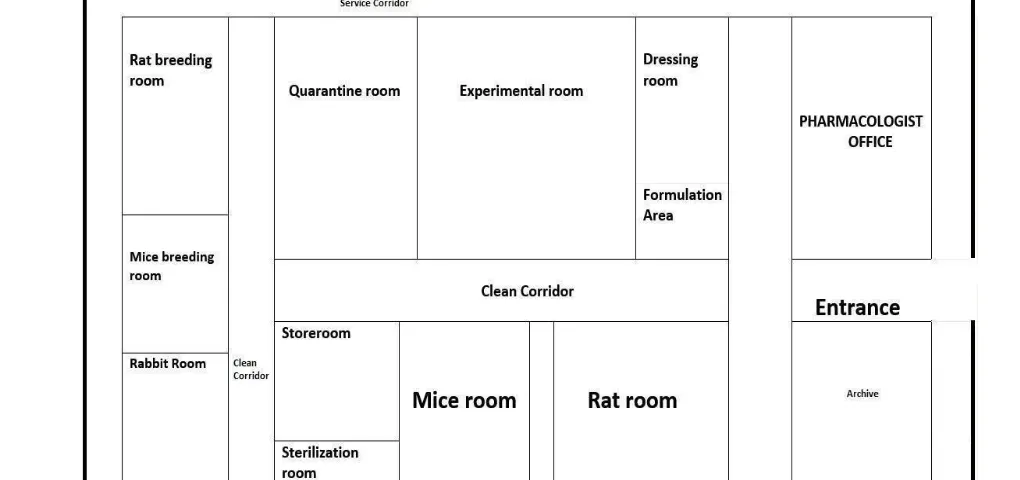
Figure 1: Layout of Animal Research Facility
2.3 Infrastructure Requirements
The materials used throughout the facility must be able to withstand the rigours of frequent cleaning and disinfection — corrosion resistance and waterproofing are essential qualities. [3] Beyond the physical structure, the facility must be equipped with electrical systems suited to moist environments, a dependable supply of drinking water, and air-handling units capable of maintaining stable temperature and humidity levels at all times.[8]
3. RESULT/OBSERVATION: ANIMAL HOUSING AND MANAGEMENT
3.1 Caging
Cages should be spacious enough to accommodate natural movement and species-specific behaviours, while also being straightforward to clean and disinfect between uses. [8] A well-considered cage design not only makes it easier to observe animals but also helps minimise the stress they experience during their time in the facility.[3]
3.2 Bedding
Bedding plays a more important role than it might initially seem. Materials must be highly absorbent and free from toxic compounds, and they need to be changed on a regular schedule to keep the housing environment hygienic and comfortable for the animals.[8]
3.3 Feeding
A nutritionally balanced diet is fundamental to animal health and experimental validity alike. Feeding containers should be kept clean, and food must be stored properly to prevent spoilage or contamination that could skew research outcomes.[8]
3.4 IVC (Individually Ventilated Caging)
Individually Ventilated Caging systems represent a significant advancement in animal housing. By maintaining a carefully controlled microenvironment within each cage, IVC systems greatly reduce the risk of cross-contamination between animals and contribute to more precise, reproducible research findings.[8]
4. QUARANTINE AND EXPERIMENTAL AREAS
4.1 Quarantine Area
Every animal entering the facility must pass through a quarantine period before joining the main colony. During this time, newly arrived animals are housed in isolation so that any signs of illness can be identified and addressed before they have any chance of spreading. [8] Access to quarantine areas is tightly restricted for this very reason.[3]
4.2 Experimental Area
Experimental rooms are held to strict environmental standards — temperature, humidity, and ventilation are continuously monitored and regulated to ensure conditions remain consistent throughout a study. [8] These rooms are equipped with the specialised instruments needed for drug administration, physiological monitoring, and biological sample collection.[1]
5. BREEDING AND TRANSGENIC FACILITIES
5.1 Breeding Techniques
Maintaining genetically defined animal populations requires deliberate breeding strategies. Inbreeding, outcrossing, and hybridisation are the primary approaches used, each chosen according to the specific genetic characteristics the research demands.[7]
5.2 Transgenic Facilities
For studies requiring genetically modified animals, advanced facilities support a suite of cutting-edge reproductive and genetic technologies — including in vitro fertilisation, embryo transfer, cryopreservation of genetic material, and precision gene editing via platforms such as CRISPR.[7]
6. ROLE IN DRUG DEVELOPMENT
Animal research facilities sit at the heart of the drug development process, providing the infrastructure and biological models that make preclinical investigation possible.
6.1 Understanding Disease
Animal models have long been one of the most valuable tools for unpacking the biological mechanisms underlying human disease. They allow scientists to observe disease progression in a living system and to pinpoint the molecular targets that a new therapeutic agent might address.[2]
6.2 Pharmacokinetics and Pharmacodynamics
Pharmacokinetic studies trace the journey of a drug through the body — how it is absorbed, distributed to tissues, metabolised, and ultimately excreted. Pharmacodynamic studies complement this by examining the drug's actual effects on biological systems, helping researchers understand both efficacy and potential side effects before human trials begin.[1]
6.3 Toxicity Studies
Assessing a drug's safety profile is one of the most critical functions of animal research. Studies are designed to detect toxicity across multiple time frames — acute, subacute, and chronic — as well as to investigate carcinogenic potential and any effects on reproduction.[1]
7. COMMON LABORATORY ANIMALS
Several species have become mainstays of laboratory research owing to practical advantages: mice, rats, rabbits, guinea pigs, and hamsters are all widely used because they are relatively easy to handle, have short lifespans that allow multigenerational studies, and reproduce at a rate that supports statistically meaningful experiments.[2][8]
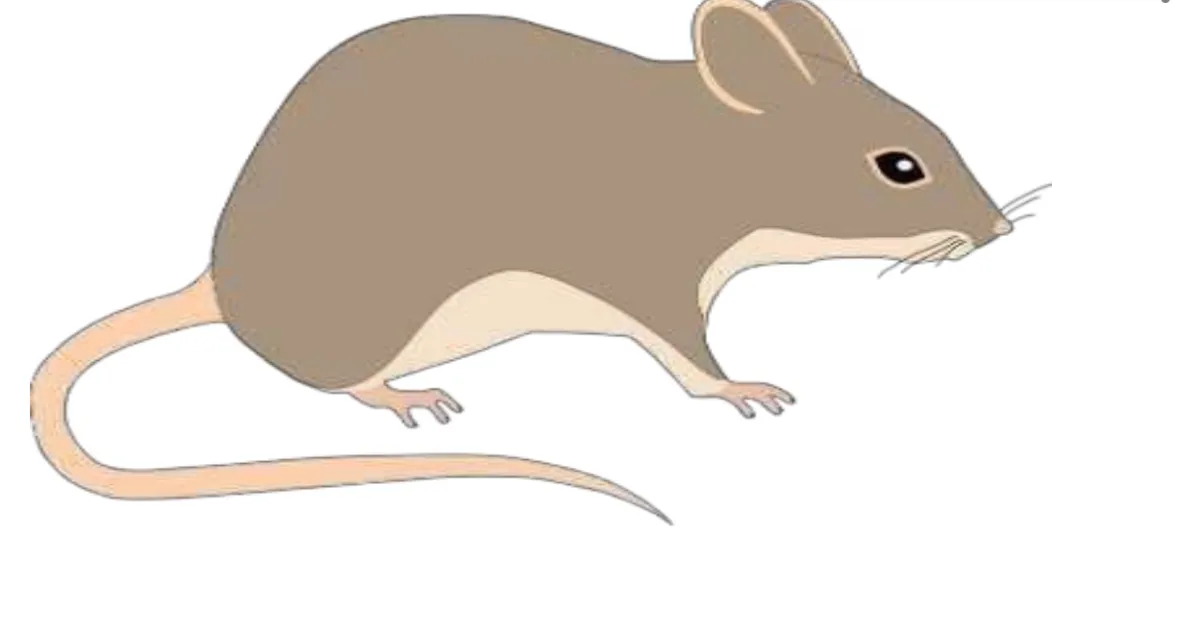
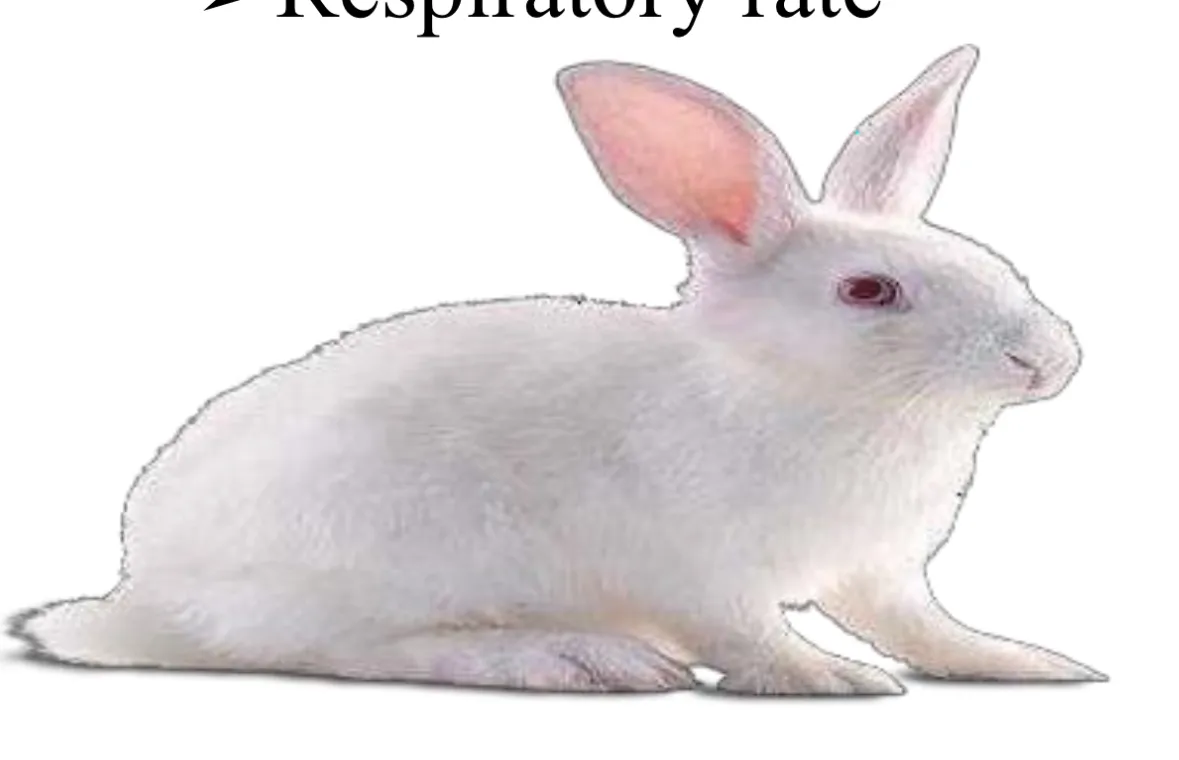
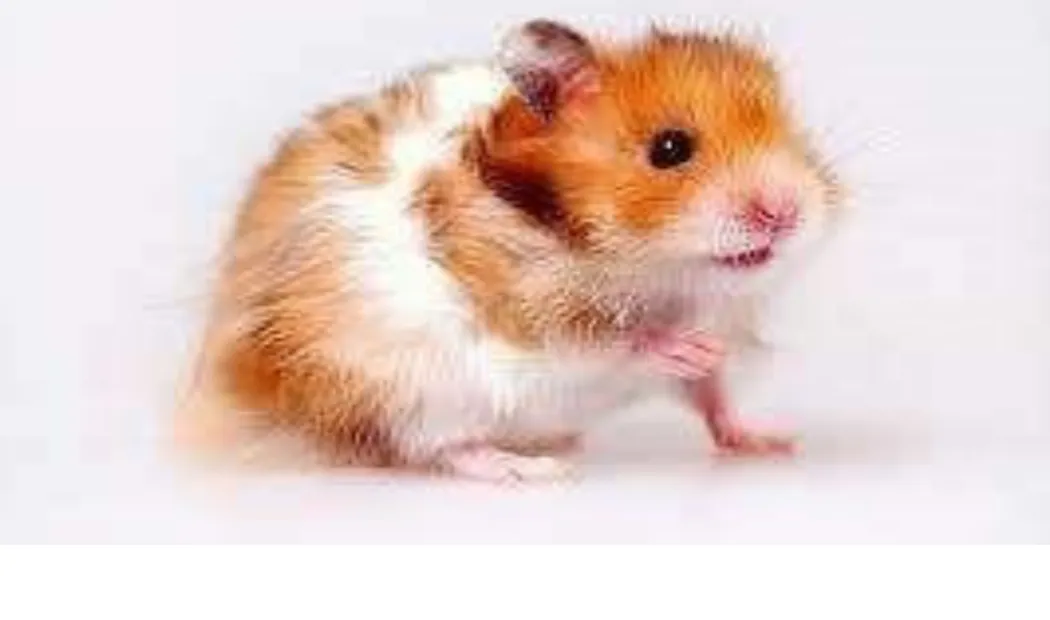
Figure 2: Common Laboratory Animals
8. ETHICAL CONSIDERATIONS
8.1 Principles of 3 Rs
The 3 Rs framework — Replacement, Reduction, and Refinement — has become the ethical cornerstone of animal experimentation worldwide. Replacement encourages the use of alternative methods wherever possible; Reduction aims to minimise the number of animals used; and Refinement focuses on improving procedures to reduce suffering and improve animal welfare throughout.[4][8]
8.2 Animal Welfare
Genuine animal welfare goes beyond simply keeping animals alive. It encompasses appropriate housing, the use of anaesthesia and analgesics during painful procedures, proactive pain management, and a consistent effort to identify and eliminate unnecessary sources of stress from the animals' daily experience.[8]
9. REGULATORY ASPECTS
9.1 CCSEA
In India, the Committee for the Purpose of Control and Supervision of Experiments on Animals (CCSEA) serves as the primary regulatory authority overseeing animal experimentation. Its mandate is to ensure that research involving animals is conducted humanely and in accordance with established guidelines.[5][6]
9.2 IAEC
At the institutional level, the Institutional Animal Ethics Committee (IAEC) reviews and approves experimental protocols before any work begins, and continues to monitor ongoing studies to ensure that ethical standards are maintained throughout.[5][6]
9.3 Compliance
Facilities are expected to maintain valid licences, keep thorough documentation of all animal-related activities, and undergo regular inspections to verify ongoing compliance with applicable regulations.[5]
10. EXPERIMENTAL TECHNIQUES
10.1 Drug Administration
Drugs may be delivered to laboratory animals through several routes depending on the compound and the study design — oral gavage, subcutaneous injection, intravenous infusion, and intraperitoneal administration are among the most commonly employed methods.[1]
10.2 Sample Collection
Biological samples gathered during experiments — most commonly blood and tissue specimens — are central to pharmacological analysis and provide the data from which conclusions about drug behaviour and safety are drawn.[9]
10.3 Animal Handling
Safe and effective handling of laboratory animals requires both skill and care. Proper restraint techniques reduce the risk of injury to both the animal and the researcher, while appropriate use of anaesthesia ensures that procedures causing pain or distress are conducted as humanely as possible.[8]
11. REHABILITATION AND EUTHANASIA
11.1 Rehabilitation
Animals recovering from procedures are provided with supportive care tailored to their needs — this typically includes veterinary treatment, access to a nutritious diet, and where appropriate, environmental enrichment or behavioural support to aid recovery.[8]
11.2 Euthanasia
When euthanasia is necessary, it must be performed using methods approved under the relevant ethical guidelines. CO? inhalation, anaesthetic overdose, and cervical dislocation are among the accepted techniques, each selected based on the species and the context of the study.[8][4]
12. DOCUMENTATION AND RECORD KEEPING
Rigorous record keeping is not merely a bureaucratic obligation — it is fundamental to the integrity of the research. Comprehensive records covering animal health, experimental procedures, and surgical interventions ensure transparency, support reproducibility, and demonstrate legal compliance to regulatory bodies.[9]
13. WASTE DISPOSAL AND INCINERATION
Biological and chemical waste generated within animal facilities must be handled with great care. Incineration, controlled burial, and composting are the principal disposal methods available, and their correct application is essential both for preventing the spread of disease and for minimising environmental impact.[3][10]
14. FUTURE PROSPECTUS
The field of animal research is evolving rapidly, and the facilities that support it will need to evolve alongside it. Growing interest in organ-on-chip technology, AI-driven predictive modelling, and increasingly sophisticated genetic engineering tools points toward a future in which animal use can be substantially reduced without sacrificing the depth of information that preclinical research must provide. [7] At the same time, the global research community is moving toward greater standardisation of animal care practices and more rigorous ethical oversight — developments that should ultimately strengthen the transparency and reproducibility of findings across institutions and borders.[2][4][5]
15. CONCLUSION
A well-established animal research facility is not simply a support structure for drug development — it is an active contributor to scientific progress. [3] When infrastructure, ethical practice, and regulatory compliance come together effectively, the result is research that is both scientifically credible and conducted with genuine respect for the animals involved. [8] As technology advances and ethical standards continue to rise, the integration of the 3 Rs into every aspect of facility design and operation will remain the surest path toward research that is rigorous, responsible, and humane.[4][8].
REFERENCES






Risana Rafi, Alwin Antony, Nabeel V.N., Ayisha Nidha V, Niya Thressia, Muthuramu T., Establishment of Animal Research Facilities in Drug Development/Research, Int. J. of Pharm. Sci., 2026, Vol 4, Issue 6, 499-505. https://doi.org/10.5281/zenodo.20503834
 10.5281/zenodo.20503834