

We use cookies to ensure our website works properly and to personalise your experience. Cookies policy
Department of Pharmacology, St. Soldier institute of pharmacy, Lidhran Campus, Behind NIT (R.E.C.), Jalandhar –Amritsar by pass, NH-1, Jalandhar -144011, Punjab, India.
Aims: To study the diuretic activity of ethanolic extract of Fruit of Neolamarckia cadamba by Lipschitz method in albino rats. Methods: The diuretic efficacy of an ethanolic extract of Neolamarckia cadamba fruit was tested in five groups of albino rats utilizing metabolic cages. First, a control group that received either a vehicle (10 ml/kg) or a solution containing 0.9% sodium chloride (10 mg/kg, p.o.), and second, groups III and IV, which were given ethanolic extracts of the fruit of Neolamarckia cadamba at low (200 mg/kg) and high (400 mg/kg) doses, respectively. The animals were denied access to food and water for a duration of five hours. After 5 hours, we assessed the total volume of urine collected with each metabolic cage. The total volume of urine, the concentration of various ions (sodium, potassium, and chloride), and the pH of the urine were among the many characteristics analyzed. Results: The ethanolic extract of the fruit of Neolamarckia cadamba was found to significantly increase urine volume and the excretion of sodium, potassium, and chloride ions in this model when administered at doses of 200 and 400 mg/kg, respectively, compared to the control group. No change has been seen in the urine's pH. Conclusion: Standard furosemide and an ethanolic extract of the fruit of Neolamarckia cadamba both enhanced urine output and the elimination of salt, potassium, and chloride ions after a single dose, according to the results. A diuretic effect similar to that of conventional furosemide was observed with an ethanolic extract of Neolamarckia cadamba fruit at a dose of 400 mg/kg.
Diuretics are drugs that increase urine formation by promoting the excretion of sodium and water through the kidneys. Diuretics are drugs that increase the excretion of water and sodium ions by the kidneys. The kidneys play a vital role in maintaining the body’s internal environment by eliminating metabolic waste, regulating fluid volume, electrolyte balance, and acid–base balance.1
Diuretics are mainly used to treat edema, hypertension, congestive heart failure, pulmonary edema, and certain kidney disorders by increasing the excretion of excess sodium and water. Many herbs and foods can increase urine production and sodium excretion, which may help reduce water retention and blood pressure. 2-5
Herbal medicines may mildly increase urine production and sodium excretion, helping reduce fluid retention and mild edema, but they should be used cautiously and are not a substitute for prescribed diuretics.Herbal or natural diuretics play a major role in treating kidney-related diseases. Although most South American countries allow the cultivation of coca, few governments have outright prohibited the use of cannabis and other similar herbs. For medicinal purposes, the Cannabis plant is authorized in many countries.6
Indian Ayurvedic medicine uses complicated formulae with 30 or more substances, many of which have been "alchemically processed" to balance the doshas "Vata," "Pitta," and "Kapha."A medical system known as the "Amichi Medical System" is practiced in Tibet, Ladakh, and Lahul-Spiti. Its anti-inflammatory and diuretic effects have made this medicinal plant famous for centuries. It has the potential to prevent the accumulation of extra fluid in the body by increasing urine output.Among the many useful plants in the Rubiaceae family, the cadamba stands out. The presence of numerous phytochemicals and secondary metabolites with biological and pharmacological effects (such as cadambagenic acid, cadamine, quinovic acid, β-sitosterol, cadambine, etc.) makes it extremely important.7-11
The main adverse effects of diuretics are hypovolemia, hypokalemia, hyperkalemia, hyponatremia, metabolic alkalosis, metabolic acidosis, and hyperuricemia. 12
Diuretics are important drugs used to increase urine formation and remove excess salt and water from the body. They are commonly used to lower blood pressure and treat conditions associated with fluid accumulation. Loop diuretics act mainly on the thick ascending limb of the Loop of Henle by blocking the Na⁺-K⁺-2Cl⁻ (NKCC2) cotransporter. Thiazide diuretics act on the distal convoluted tubule by blocking the Na⁺-Cl⁻ (NCC) cotransporter. Diuretics include different types of chemical compounds that act on the kidney’s mechanisms for regulating sodium, water, and urine formation. As a diuretic is any substance that promotes the production of urine, aquaretics that cause the excretion of free water are a sub-class. This includes all the hypotonic aqueous preparations, including pure water, black and green teas, and teas prepared from herbal medications. Any given herbal medication will include a vast range of plant-derived compounds, some of which will be active drugs that may also have independent diuretic action.13-14
SOME HERBAL PLANTS EXERTING DIURETIC PROPERTY 15
1. Mangifera Indica:
Mangifera indica (mango) belongs to the Anacardiaceae family. It is widely found in India and is also cultivated in many warm regions of the world. The mango tree is a large fruit-bearing tree that can grow up to about 100 feet in height. Shree Devi et al. studied the diuretic activity of Mangifera indica bark extracts in rats. Ethyl acetate, ethanol, and aqueous extracts were prepared and administered orally at a dose of 250 mg/kg body weight. The urine volume was measured at 1, 2, 4, 6, and 24 hours. Furosemide (20 mg/kg, i.p.) and mannitol (100 mg/kg, i.v.) were used as standard drugs.The study showed that the aqueous extract produced the highest diuretic activity, followed by the ethanol and ethyl acetate extracts. The aqueous extract also showed the highest Na⁺/K⁺ ratio, indicating a greater effect on electrolyte excretion.16
PLANT PROFILE
Neolamarckia cadamba: Neolamarckia cadamba is a medicinal tree of the Rubiaceae family, commonly known as Kadamba. It is traditionally used for its anti-inflammatory, antioxidant, hepatoprotective, antimicrobial, and diuretic properties.It is frequently found all over India on the slopes of evergreen forests up to 500m.17
The plant contains indole alkaloids, terpenoids, sapogenins, saponins,terpenes, steroids, fats and reducing sugars.18
METHODS
The whole study is divided into five Phases to generate the data as follows.
Phase I: To prepare Ethanolic extract of ripen fruit of Neolamarckia cadambaby successive extraction technique.
Phase II:To find out the Percentage Yield of Extract ofripen fruit of Neolamarckia cadamba.
Phase III:Determination of LD50 of the ENC extract as per OECD guideline.
Phase IV: To determine the diuretic activity of alcoholic ripen fruitof Neolamarckia cadamba by Lipschitz method.
Phase V: Urine electrolytes (sodium Na+ mmol/L, potassium K+ mmol/L and chloride Cl- mmol/L) determined by the ion-selective electrode method.
Phase VI: To find out pH of urine with the help of standard pH paper.
Experimental Animals
Albino rats (150-200 gm) of either sex were used in the present study and were housed under standard conditions of light and dark cycle in the central animal house in different polypropylene Adequate measures were taken to minimize pain or discomfort with animal’s experimental procedure.
Preparation of plant material
The ripen fruit of Neolamarckia cadamba washed properly to remove dirt and powdered well by grinding and avoiding the moisture contamination. This powdered material passed through sieve for obtaining uniform particle size then this powdered crude drug was dissolved in several solutions to determine their optimum solubility.
Preparation & administration of crude extracts/standard drugs20,21
Extraction is the method most often used to separate the active ingredients from the raw pharmaceuticals. Using selected solvents, conventional extraction methods isolate the medicinally active components of plants or animals from their inert or non-active byproducts. The plant-based compounds that are extracted in this way are mostly water, semisolids, or powders that should only be applied topically or taken orally. Standardized extraction methods for crude pharmaceuticals (medicinal plant parts) involve treating the substance with a selective solvent called menstrum in order to obtain the therapeutically desirable sections while removing undesired material. The standardized extract prepared in this way has potential as a medicinal agent. Alkaloids, glycosides, terpenoids, flavonoids, and lignans are only a few of the therapeutic plant metabolites found in these extracts.
Operation
The solvent is heated to reflux. A distillation arm carries the vapor of the solvent, which then rushes into the chamber that contains the solid thimble. The solid material is contained in the chamber where the condenser is positioned to cool the solvent vapor, allowing it to drip back into it. The space containing the solid material is filled with warm solvent little by little. A portion of the target chemical dissolves when the solvent is heated. The Soxhlet chamber is drained by the siphon when it is nearly full. The distillation flask is then filled with the solvent again. To prevent any solids from being transferred to the still pot by the solvent's fast velocity, the thimble is used. Over the course of several hours or days, this cycle might be let to repeat. In each cycle, the solvent dissolves a small amount of the non-volatile chemical. Concentration of the target chemical in the distillation flask follows multiple cycles.One benefit of this technique is that it recycles solvent in a single batch rather than passing several amounts of heated solvent through the sample. After extraction the solvent is removed, typically by means of a rotary evaporator, yielding the extracted compound.
The non-soluble portion of the extracted solid remains in the thimble, and is usually discarded.
1: Stirrer bar
2: Still pot (the still pot should not be overfilled and the volume of solvent in the still pot should be 3 to 4 times the volume of the Soxhlet chamber)
3: Distillation path
4: Thimble
5: Solid
6: Siphon top
7: Siphon exit
8: Expansion adapter
9: Condenser
10: Cooling water in
11: Cooling water out
Ethanolic extract
The ripen fruit of Neolamarckia cadamba, were shade-dried and powdered separately. Using ethanol (350 ml.) as the solvent, the 100 g. of powder was placed into a Soxhlet apparatus and heated continuously for approximately 8 hours. After undergoing vacuum distillation and desiccation, the extract was dried to a semi-solid consistency.
Extract Yield as a Percentage22 To determine the % yield of Neolamarckia cadamba fruit extract, we used the following formula.
Percentage Yield of Extracts22
The percentage yield of extract of ripen fruit of Neolamarckia cadamba was calculated using the formula given below.
Percentage yield= (weight of extract in gram/weight of drug powder in gram) x100
Animals: Healthy, adult albino rats of either sex weighing (150-200 g), maintained under standard laboratory conditions, at temperature 25o ± 2°C and a 12 hr light-12 hr dark period will be employed for the experimentation. Food and water will be provided ad libitum.
Acute oral toxicity study23,24
Acute toxicity study for the ethanolic extract of Neolamarckia cadamba will be done according to the OECD guidelines No: 423 and low, medium and high dose selected for treatment.
METHOD:-
The overnight fasted 5 rats were given ENCat various dose levels (5, 50, 300 and 1000) by oral route with a gauge. After administration of the extract, the animal were observed continuously for the first 2 hours and at 24 hrs to detect changes in behavioral responses and also for tremors, convulsion, salivation, diarrhea, lethargy, sleep, and coma and also were monitored up to 14 days for the toxic symptoms and mortality.After 14 days of acute oral toxicity the survival rats were rehabilitated and reused in experiments.
Standard Procedure to measure Diuretic activity in rats by Lipschitz test:
The Lipschitz method, described by Lipschitz et al. (1943), is used to evaluate the diuretic activity of drugs in rats. It measures the amount of urine and sodium excreted by the test animals and compares it with rats treated with urea as the standard diuretic. The Lipschitz value is calculated as the ratio of the excretion produced by the test drug to that produced by urea.
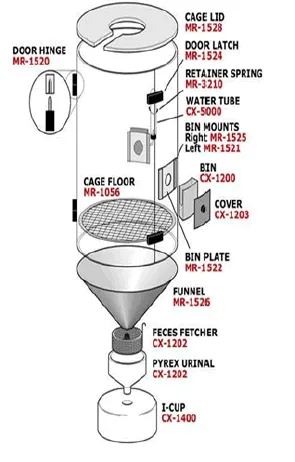
Male Wistar rats weighing 150–200 gare used for the study. Three rats are kept in a metabolic cage with a wire mesh floor and a funnel for urine collection. A stainless-steel sieve is placed in the funnel to separate feces from urine.
The animals are provided with a standard diet (Altromin® pellets) and water freely. Food and water are withdrawn 15 hours before the experiment. Three rats are placed in each metabolic cage.
For screening, two groups of three rats are used for each dose of the test compound. The test compound is administered orally at 50 mg/kg in 5 ml water/kg body weight. Two groups of three rats are given urea (1 g/kg orally) as the standard. All animals also receive 0.9% sodium chloride solution (5 ml/100 g body weight) by gavage.
Urine is collected and its volume is measured after 5 and 24 hours. The sodium content of urine is determined by flame photometry. Compounds showing diuretic activity are further tested using lower doses.
For every group, the volume of urine excreted per 100 g of body weight is determined. The "Lipschitz-value" is a way to express the results; it's the ratio of the test compound's response (T) to the urea treatment's response (U). A favorable influence is defined as an index of 1.0 or higher. It is possible to find Lipschitz values of 2.0 or higher with powerful diuretics. This index, when calculated for both the 24-hour and 5-hour excretion periods, shows how long the diuretic effect lasts. The calculation of quotients for sodium excretion is similar to that of urine volume. Dose-response curves can be established using various doses. Loop diuretics are characterized by a steep dose-response curve. Saluretic drugs, like hydrochlorothiazide, show Lipschitz values around 1.8, whereas loop diuretics (or high ceiling diuretics) like furosemide, bumetanide or piretanide reach values of 4.0 and more.The Lipschitz test has been proven to be a standard method and a very useful tool for screening of potential diuretics.
Body weight analysis:-
During the same time of study, weekly body weight analysis will be recorded.
Statistical analysis:-
The data obtained will be analyzed using T-test or one way ANOVA (Graph pad prism version 5.00 software) followed by suitable post test.
RESULTS (TABLE & GRAPH)
In acute toxicity study all the animals were survived even after 14 days. This indicates that the extract was found to be safe up to the maximum dose level tested (1000 mg/kg). No major behavioral changes were observed during this period of study.
Table 1: Details of Experimental Protocols for Lipschitz Test:
| Details of Experimental Protocols For Lipschitz Test: | |
|---|---|
| Group Name | Number of Animals Required |
| Naïve Animal, Control, Normal saline (10 ml/Kg)p.o. | 1x6=6 |
| Group treated with Furosemide 10 mg/kgp.o. | 1x6=6 |
| Ethanolic extract of ripen fruit of Neolamarckia cadamba low dose (200 mg/kg b.wt) (D1)p.o. | 1 X 6=6 |
| Ethanolic extract of ripen fruit of Neolamarckia cadamba High dose (400 mg/kg b.wt) (D2)p.o. | 1 X 6=6 |
| Total Number of Animals required: n=6 ; N=4; = 24 rats | |
Total No. of animals required:
No. of the animal in each group (n) = 6
No. of groups (N) = 4
Total no. of animals required = 24
Table 2: Percentage Yield and Preliminary Phyto-profile of Neolamarckia cadamba Extract
| S. No. | Name of extract | Wt. of powder/color | Wt. of extract/state | Percentage yield (w/w) |
|---|---|---|---|---|
| 1. | Ethanolic extract | 100 gm/Brown | 5.46 gm/Powder | 5.46% |
Table 3: Effect of Alcoholic Extract of Ripen Fruit of Neolamarckia cadambalow Dose on Urine Volume up to 5 Hours and Electrolyte Concentration in Hydrated Rat Model in Albino Rats
| S. No. | Groups | Total UrineVol. (ml/5 hours) | Na+μmol/L | K+μmol/L | Cl–μmol/L |
|---|---|---|---|---|---|
| 1 | Control (10 ml/Kg b.wt)p.o. | 11.46±0.05 | 102.03 ± 2.17 | 53.07 ± 1.53 | 72.97 ± 1.43 |
| 2 | Standard (Furosemide 10mg/kg b.wt)p.o. | 20.24±0.03*** | 181.05±2.07*** | 88.24±1.66*** | 112.08±1.69*** |
| 3 | Alcoholic extract of ripen fruit of Neolamarckia cadamba low dose (200 mg/kg b.wt)p.o. | 14.42±0.05* | 144.46±2.05* | 66.46±2.67* | 82.68±1.26* |
| 4 | Alcoholic extract of ripen fruit of NeolamarckiacadambaHigh dose (400 mg/kg b.wt)p.o. | 17.48±0.07** | 165.56±2.36** | 72.24±1.76** | 98.39±2.46** |
Values expressed as mean ± S.E.M.,n=6, Statisticalanalysis was performed with one way ANOVA followed by Dunnett’s‘t’ test using Graph Pad Prism software. Significance at p<0.05*, p<0.01**, p<0.001***, Compared with control group.
[Figure - see the formatted PDF]
Graph 1: Effect of Alcoholic Extract of Ripen Fruit of NeolamarckiacadambaTotal Urine Volume (in 5 Hours)
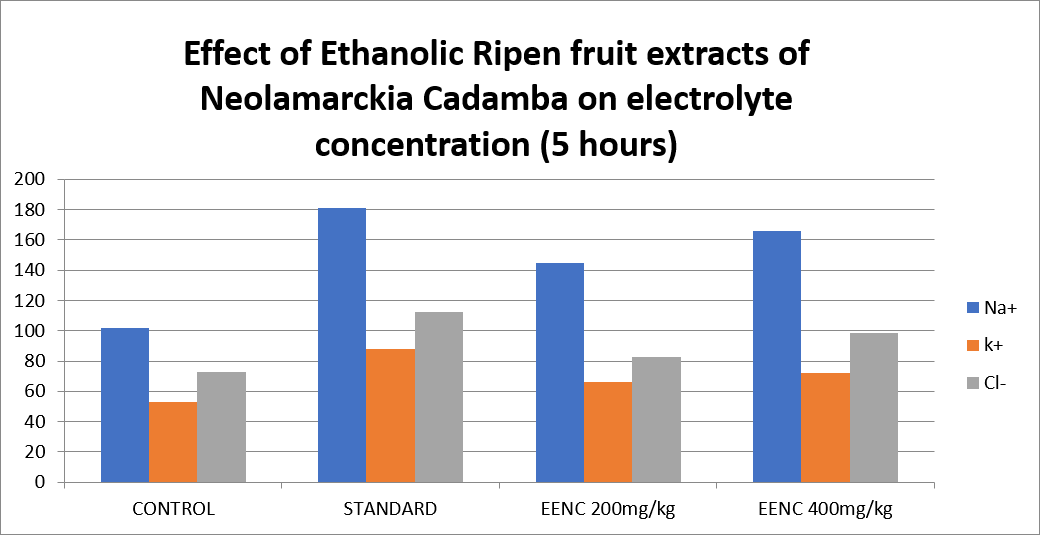
Graph 2: Effect of Ethanolic Extracts of Neolamarckiacadambaon Urinary Electrolyte Concentration (in 5 Hours).
Table 4: Effects of Ethanolic Effect of Neolamarckia cadamba on pH in Hydrated Rats
| Group | pH of Urine |
|---|---|
| Control (Normal Saline 10 ml/Kg)p.o. | 8.66±0.15 |
| Standard (Furosemide 10mg/kg)p.o. | 8.79±0.27*** |
| EENC (200 mg/kg)p.o. | 8.68±0.26* |
| EENC (400 mg/kg)p.o. | 8.76±0.26** |
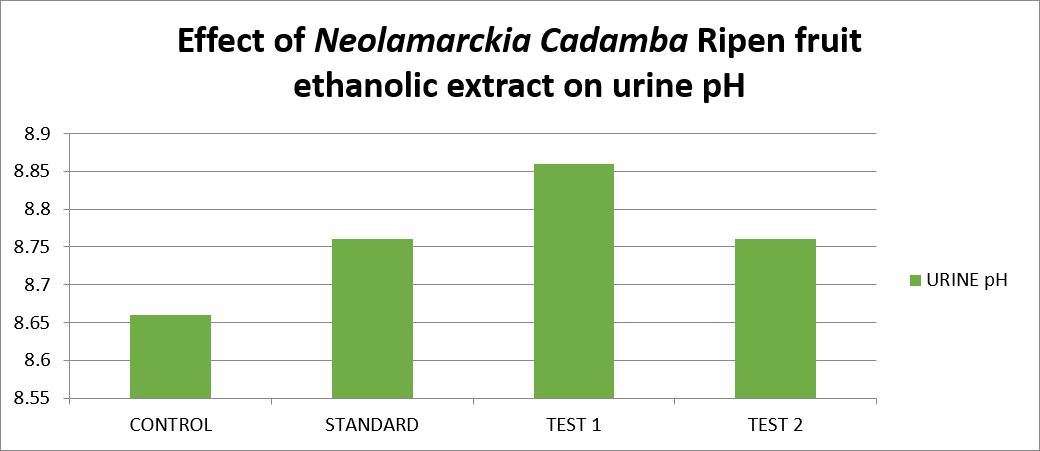
Graph 3 showing effects of Ethanolic effect of Neolamarckia cadamba on pH in hydrated rats
The results obtained with evaluation of diuretic activity of alcoholic extract of Neolamarckia cadamba are shown in Table. From the result it can be observed that alcoholic extract of Neolamarckia cadamba has shown a significant diuretic activity by increasing urinary output and increased excretion of sodium, potassium, chloride when compared to control. The effect of alcoholic extract of Neolamarckia cadamba was found to be dose dependent, i.e., among the two doses studied, higher dose produced more effect. A comparison was made with the standard diuretic drug Furosemide, the diuretic effect observed after treatment with alcoholic extract of Neolamarckia cadamba was found to be significant in terms of urinary output, sodium, potassium, chloride concentrations. Determination of urinary electrolyte concentration revealed that alcoholic extract of Neolamarckia cadamba was effective in increasing urinary electrolyte concentrations for all the three ions tested (Na+, K+, Cl–).
Test drug increased the urine volume in a dose-dependent manner. Especially at higher dose level, statistically significant increase in urine volume was observed. Administration of test drug at both the doses did not affect the urine pH to a significant extent in comparison to normal control rats.
Results from the present study show that alcoholic extract of Neolamarckia cadamba can function as an orally active diuretic agent. The observed dose-dependent activity suggests that the observed effect was intrinsic. There are two factors on which urine volume depends. One is the rate of glomerular filtration and other is the degree of tubular re-absorption. The observed effect may be attributed to mechanism like increasing the renal blood flow and the attendant increase in glomerular filtration rate. It is also possible that it has inhibitory effect on antidiuretic hormone (ADH) secretion as inhibition of ADH causes polyurea. Another possible mechanism involved may be stimulation of release of endogenous natriuretic peptides, which promotes sodium and water secretion. Such a mode of action is unlikely as there was significant increase in urinary Na+ level.
To conclude, the alcoholic extract of Neolamarckia cadambahas significant diuretic activity. The observed activity may be due to the individual or combined action of bioactive constituents present in it. Further phytochemical and pharmacodynamic studies are required to find the active constituent responsible for diuretic activity.
DISCUSSION
Acute oral toxicity study
Using five rats that were fasted overnight before being dosed with ENC extract at a maximum dose level of up to 1000 mg/kg orally, starting from doses of 5, 50, and 300 mg/kg, the median lethal dose (LD50) of ENC was determined according to the Organization for Economic Co-operation and Development (OECD 425) guidelines. At the outset, one rat was dosed and kept from eating for four more hours. Symptoms of toxicity (alterations in skin, eyes, mucous membranes, circulatory, respiratory, somato-motor, and behavioral patterns) and mortality were monitored for the first day and subsequently for further fourteen days. Acute oral toxicity has not been reported, and behavioral responses have not changed. The other four rats were similarly given a dose and watched for a duration of two weeks. Thereafter, the LD50 was estimated.
The Lipschitz Test and estimation of Urine electrolytes:-
The diuretic activity of Ethanolic extract of ripen fruit of Neolamarckia cadambain albino rats was studied by the Lipschitz Test. In preliminary tests, 1 ml/100 g body weight of distilled water was administered to rats. They were then individually placed in metabolic cages where urine was collected and the volume was measured after 6 hours. Animals excreting at least 40% of the dosing solution volume were selected for testing. Those having less than 40% excretion were excluded. The selected rats were divided into 4 groups of 6 rats each. The animals were then placed individually in metabolic cages for acclimatization for 7 days. Rats were maintained under standard conditions of temperature and humidity. The method of Lipschits et al., was employed for the assessment of diuretic activity. The experimental protocols have been approved by the Institutional Animal Ethical committee. The test drug and vehicles were administered to the overnight fasted rats of the respective groups. As the normal urine output in rats is very low (1–2 ml/rat/day), to get a measurable quantity of urine, the rats of all the groups were administered distilled water (2 ml/100 g) after 30 min of test drug administration.
Four groups of six rats in each were fasted and deprived of water for 18 h before the experiment. The first group of animals served as the control group, received normal saline (10 ml/kg, p.o. or 1 ml of 0.9% NaCl/100 g body weight); the second group received Furosemide (10 mg/kg, i.p.) in saline; the third and fourth groups received the Ethanolic extract at a dose of 200 mg/kg and 400mg/kg respectively, in normal saline. Immediately after administration/treatment, the animals were placed in metabolic cages (1 animal in one metabolic cage), provided with a wire mesh bottom and a funnel to collect the urine, specially designed to separate urine and feces (Stainless steel sieves are placed in the funnel to retain fecal matter and to allow the urine to pass), conical flasks placed below the polythene funnel of the metabolic cages, kept at room temperature 25±0.5° throughout the experiment. Extreme care was taken to avoid the contamination of urine with fecal matter. The urine was collected in measuring cylinders up to 24 h for all control and drug-treated groups and volume was determined 1,2,3,4,5, and 24 hours after administration of the extract. During this period, no food or water was made available to animals. The Lipschitz value is calculating this index for the 24 h excretion period as well as for 5 h indicates the duration of the diuretic effect. The Lipschitz test has been proven to be a standard method and a very useful tool for screening of potential diuretics.
In the present study, we can demonstrate that Ethanolic extract of ripen fruit of Neolamarckia cadamba may produce diuretic effect by increasing the excretion of sodium, potassium and chloride. The control of plasma sodium is important in the regulation of blood volume and pressure. The control of plasma potassium is required to maintain proper function of cardiac and skeletal muscles. The regulation of sodium, potassium balance is also intimately related to renal control of acid-base balance. The Potassium loss that occurs with many diuretics may leads to hypokalemia. For this reason, generally potassium-sparing diuretics are recommended. In present study, treatment with Ethanolic extracts resulted in elevated levels of potassium in urine, which may increase risk of hypokalemia and hence its potassium sparing capacity has to be investigated. Active principles such as flavanoids, glycosides are known to be responsible for diuretic activity. The results from the Table clearly showed that the Ethanolic extract of ripen fruit of Neolamarckia cadamba act as diuretic in a dose-dependent manner. It may be suggested that these secondary metabolites presence indicated from the preliminary screening of the prescribed plant extract.
Estimation of Urinary Electrolytes/Volume/pH
Urine electrolytes (sodium, potassium and chloride) were determined by Ion Selective Electrode method as described by the user instruction manual of the biochemical kits (Roche, Roche Diagnostics Pvt. Ltd, Gurgaon, Haryana.) The volume of urine, electrolytes (Na+, K+(cations)and Cl–(anions))and pH of urine was also measured using standard pH paper. The volume of urine was estimated for the assessment of diuretic activity. The diuretic action of tested drug was calculated by using the fallowing formula:

Statistical analysis: Experimental results/ values were expressed as mean + SEM (n=6). Student's t test for unpaired data was used for analyzing the data generated during the study with the level of significance (statistical significant) and the level of the P-values (probability) was set ≤0.05. The level of significance was noted and interpreted accordingly.
The Ethanolic extract of ripen fruit of Neolamarckia cadamba identify the phytoconstituents and it revealed the presence of phenolic compound, Proteins, tannins, glycosides, Carbohydrate, Starch, Vitamins & Minerals etc. The reactive oxygen species (ROS) and free radicals are by products of biological metabolism, which is responsible for cell membrane breakdown, membrane protein damage and DNA mutation. The Cadamba is a medicinal plant known to have antioxidant properties that are found particularly in its leaves.
As per the literature review antioxidant properties in the methanolic extract of the Cadamba leaves were assayed by estimating liver and kidney tissue enzymes using the 2’- diphenyl-1-picrylhydazyl (DPPH) assay, the superoxide anion radical scavenging assay and DNA damage. It was found that the Cadamba possesses potent antioxidant properties. Further, UPLC-ESI-QTOF/MS has also confirmed the presence of various bioactive compounds from the Cadamba leaves having antioxidant properties. As per literature review Cadamba showed significant increase in ketamine induced sleeping time. It also exhibited significant increase (P<0.05, 0.01 and 0.001) in latency to clonic convulsion, tonic extension and time of death in PTZ and INH models at all tested doses, whereas in the MES model, the lower dose was found to be effective when compared with the higher doses (200 and 400 mg/kg, p.o.).
In another study as per literature review result was obtained from Yeast induced pyrexia method indicated that Chloroform, ethanol, distilled water extracts have significant onset of action as reduction of temperature by these extracts was found within 30 minutes. Whereas the reduction of temperatures with Petroleum ether and Solvent ether extracts was late. In all extracts the temperatures were reduced to normal till 180 minutes. Even Paracetamol also has significantly reduced rectal temperature to the extent of 37.70c from 30 min. to 180 minutes. All the results were compared with Control group.All previous studies show that Cadamba is having the activities related to CNS. It is having minerals, vitamins and amino acids as a chemical constituent which already have proved activity to cure the stress related disorders especially anxiety, depression and insomnia.
After selection of Neolamarckia cadamba, acute oral toxicity was detected with ethanolic extracts having dose (5, 50, 300, 1000 mg/kg) via oral route , shows no change in behavioral responses and observation shows no acute oral toxicity. Hence depending upon it, Dose was selected 200 mg/kg &400 mg/kg for our experimental work.
ACKNOWLEDGMENT
It’s our privilege to express the profound sense of gratitude and cordial thanks to our respected Chairman Mr. Anil Chopra, Vice Chairperson Ms. Sangeeta Chopra and Managing Director Prof. Manhar Arora, St. Soldier Educational Society, Jalandhar for providing the necessary facilities to complete this review/research work.
CONFLICTS OF INTERESTS
There are no conflicts of interest.
FUNDING
Nil
AUTHORS CONTRIBUTIONS
All the authors have contributed equally.
REFERENCES

Anil Kumar, Ajeet Pal Singh, Amar Pal Singh, Evaluation of Diuretic Activity of Alcoholic Extract of Ripen Fruit of Neolamarckia Cadamba in Albino Rats, Int. J. of Pharm. Sci., 2026, Vol 4, Issue 10, 5098-5108. https://doi.org/10.5281/zenodo.23831671
 10.5281/zenodo.23831671