

We use cookies to ensure our website works properly and to personalise your experience. Cookies policy
Department of Pharmacy, Lokmanya Tilak Institute of Pharmacy, Kharghar, Navi Mumbai.
Oxidative stress occurs due to excess production of reactive oxygen species (ROS), in turn causing damage to cells and contributing to various diseases. Medicinal plants containing natural antioxidants have been widely researched due to their phytochemical contents, especially phenolics, flavonoids, tannins etc. This review discusses the phytochemical content and antioxidant activity of four different medicinal plants, namely; Pomegranate (Punica granatum) peel, Jamun (Syzygium cumini) seeds, Moringa (Moringa oleifera) leaves and Tulsi (Ocimum tenuiflorum) leaves. The main antioxidant components and mechanisms are discussed, including free radical scavenging and electron/hydrogen donors, metal chelators and anti-lipid peroxidants. Potential for the combination of these plant extracts to create a polyherbal effervescent formulation were also explored. Effervescent granules offer an easy to administer dosage form and will aid dispersion within aqueous media. Antioxidant analysis techniques including DPPH, ABTS and FRAP were discussed. However, difficulties with standardisation, excipient compatibility, sensitivity to moisture and stability were also highlighted. Novelty within this project would be the selection of plants, analysis of antioxidant activity and formulation into an effervescent dosage form. Further experimentation is required to ensure the formulation is of high quality, stable and safe with potential benefits.
Oxidative stress is a state in which the body’s antioxidant defence system is overwhelmed due to excess reactive oxygen species (ROS) being produced [1, 2]. This can lead to disruption of normal cellular function and damage to vital biological molecules such as lipids, proteins and DNA [1, 3]. Oxidative stress has been linked to age related conditions and various diseases including cardiovascular disorders, diabetes and neurodegenerative diseases [1]. Maintaining equilibrium between oxidants and antioxidants in the body is therefore vital for cellular health [2, 3].
Free radicals are chemical species with one or more unpaired electrons which make them very reactive with other molecules [3, 4]. ROS such as superoxide radicals, hydroxyl radicals and hydrogen peroxide are produced during normal cellular metabolism and in response to various environmental factors [1, 3]. Whilst they have important roles in cellular signalling, excessive levels may cause oxidative damage to cellular components [2, 3].
Antioxidants help protect biological systems from oxidative damage by interrupting oxidation reactions [3, 4]. They can do this by scavenging free radicals, donating electrons/hydrogen atoms, chelating metal ions and enhancing the bodies natural antioxidant defences [3, 4]. Natural antioxidants derived from plants have been widely studied due to their range of phytochemicals [5].
Medicinal plants are a rich source of natural bioactive compounds such as phenolics, flavonoids, tannins, anthocyanins and other secondary metabolites [5, 8, 9]. Many of these phytochemicals provide antioxidant activity by acting as free radical scavengers or metal chelators [3, 5]. The antioxidant activity of a plant will depend on the species, part of the plant used, chemical composition and method of extraction [5]. Different parts of plants e.g. leaves, seeds and peels can provide a wide range of phytochemicals.
Combining two or more medicinal plants together is often referred to as a polyherbal formulation. This allows investigation of the phytochemical properties of various plant extracts. The antioxidant activity of individual plant extracts or combinations needs to be determined experimentally as having phytochemicals does not automatically mean the plant has therapeutic benefits or synergistic effects [5].
A key consideration in developing any formulation is choosing the correct dosage form. An effervescent dosage form usually contains an acidic component and a carbonate or bicarbonate component. When reacted with water it produces carbon dioxide which causes the formulation to disintegrate and dissolve to create an oral solution [6, 7]. Effervescent formulations have been studied to determine how they can be used to create an easier, more palatable and effective way to deliver herbal ingredients. However, issues with moisture sensitivity, compatibility between ingredients and stability of the formulation must also be considered [6, 7].
Using medicinal plant extracts within an effervescent formulation is a way to look at alternative ways to deliver herbal ingredients. Previous studies have looked at creating herbal effervescent granules and determining their physicochemical and biological properties [6, 7]. Parameters such as flowability, effervescence time, pH, moisture content and dissolution properties can be analysed.
This review will look at the phytochemical composition and antioxidant potential of Punica granatum, Syzygium cumini, Moringa oleifera and Ocimum tenuiflorum. It will also discuss the principles behind formulation and potential uses of herbal effervescent dosage forms.
2. PHYTOCHEMICAL BASIS OF HERBAL ANTIOXIDANT ACTIVITY
2.1 Phenolics
Phenolic compounds are natural bioactive compounds that appear in fruits, leaves, seeds and peels. They have one or more hydroxyl groups linked to the aromatic ring and are extensively studied for their antioxidant properties [8,9]. Phenolics have been shown to be able to donate electrons or hydrogen atoms to free radicals to form relatively stable phenoxy radicals. They also have the ability to inhibit lipid peroxidation and chelate transition metals [9-11]. Antioxidant activity will depend on their chemical structure, concentration and environment.
2.2 Flavonoids
Flavonoids are an important class of polyphenolic compounds present in medicinal plants, fruits and vegetables. Flavonoids have a structure consisting of two aromatic rings connected by a 3-carbon chain. The main classes are flavonols, flavones, flavanones, flavanols and isoflavones [10,12]. Their antioxidant activity is mainly due to their ability to scavenge free radicals as well as donating electrons and hydrogen atoms. Antioxidant activity will also depend on their molecular structure, position of hydroxyl groups and extent of conjugation [8,12].
2.3 Tannins
Tannins are polyphenolic compounds that can be found in fruits, seeds, bark and peels. They are generally divided into hydrolysable and condensed tannins [11]. They exhibit antioxidant activity as they can act as electron or hydrogen donors and chelate metal ions which can help prevent oxidation reactions occurring. Antioxidant activity will depend on their molecular structure, concentration and interaction with other compounds.
2.4 Anthocyanins
Anthocyanins are water soluble pigments which are part of the flavonoid family. They are responsible for the red, purple and blue pigmentation of many fruits and plants [13]. They can exhibit antioxidant activity. This is due to their ability to scavenge free radicals. Their stability can be affected by pH, temperature, light and interaction with other phytochemicals [13].
2.5 Other Bioactive Constituents
Carotenoids are natural pigments found in plants, fruits and vegetables. Examples include beta-carotene, lycopene and lutein. The conjugated double bond system allows them to interact with reactive oxygen species such as quenching singlet oxygen. However, their antioxidant activity will depend on their chemical structure and environment [8,11,14].
3. MECHANISMS OF ANTIOXIDANT ACTIVITY
Herbal antioxidants can protect cells from oxidative damage, this can occur through various different mechanisms such as free radical scavenging, electron/hydrogen donation, chelation of metal ions and inhibition of lipid peroxidation. Different phytochemicals can have multiple mechanisms of action [8,11].
3.1 Free Radical Scavenging
This is a major mechanism of antioxidant activity. Free radicals are unstable molecules which can cause oxidative damage by interacting with biological components such as lipids, proteins and DNA. Antioxidants can help control this by reacting with the free radicals therefore decreasing their reactivity. Many plant derived compounds can act as free radical scavengers (phenolics, flavonoids) [11].
3.2 Electron/Hydrogen Donation
Many plant derived antioxidants can help to neutralize free radicals by donating an electron or hydrogen. Phenolics are very important due to the structure allowing antioxidant radicals to resonate therefore becoming more stable. However, the antioxidant activity will depend on many factors including molecule structure, the number and position of hydroxyl groups and type of free radical [9,11].
3.3 Chelation of Metal Ions
Some plant derived compounds can act as antioxidants due to their ability to chelate metal ions. Transition metals such as iron and copper can cause the production of highly reactive free radicals (Fenton reaction). However, some phenolics and flavonoids have the ability to chelate these metal ions meaning less will be present for free radical production. This will depend on the compound structure and environmental conditions as some can cause more oxidation [8,11].
3.4 Inhibition of Lipid Peroxidation
Lipid peroxidation is a chain reaction which occurs when free radicals attack lipids (mainly polyunsaturated fatty acids) in cell membranes. Plant derived antioxidants can help to decrease this by scavenging the lipid radicals. Phenolics and flavonoids can donate hydrogen atoms to lipid radicals. The level of protection will depend on the type, concentration and environmental conditions of antioxidants [9-12].
3.5 Additive, Synergistic and Antagonistic Effects
Most herbals will contain a mixture of phytochemicals such as phenolics, flavonoids and other active compounds which may interact with each other. Additive effects occur when multiple compounds work together to produce an antioxidant effect. Synergistic effects occur when the combined effect of multiple compounds exceeds that of individual compounds. Antagonistic effects occur when one compound causes a decrease in activity of another compound. It is therefore not possible to always anticipate how much antioxidant activity there will be in an herb due to the concentration of a single phytochemical. Interactions between different compounds should be taken into consideration when considering antioxidants [8,9,11].
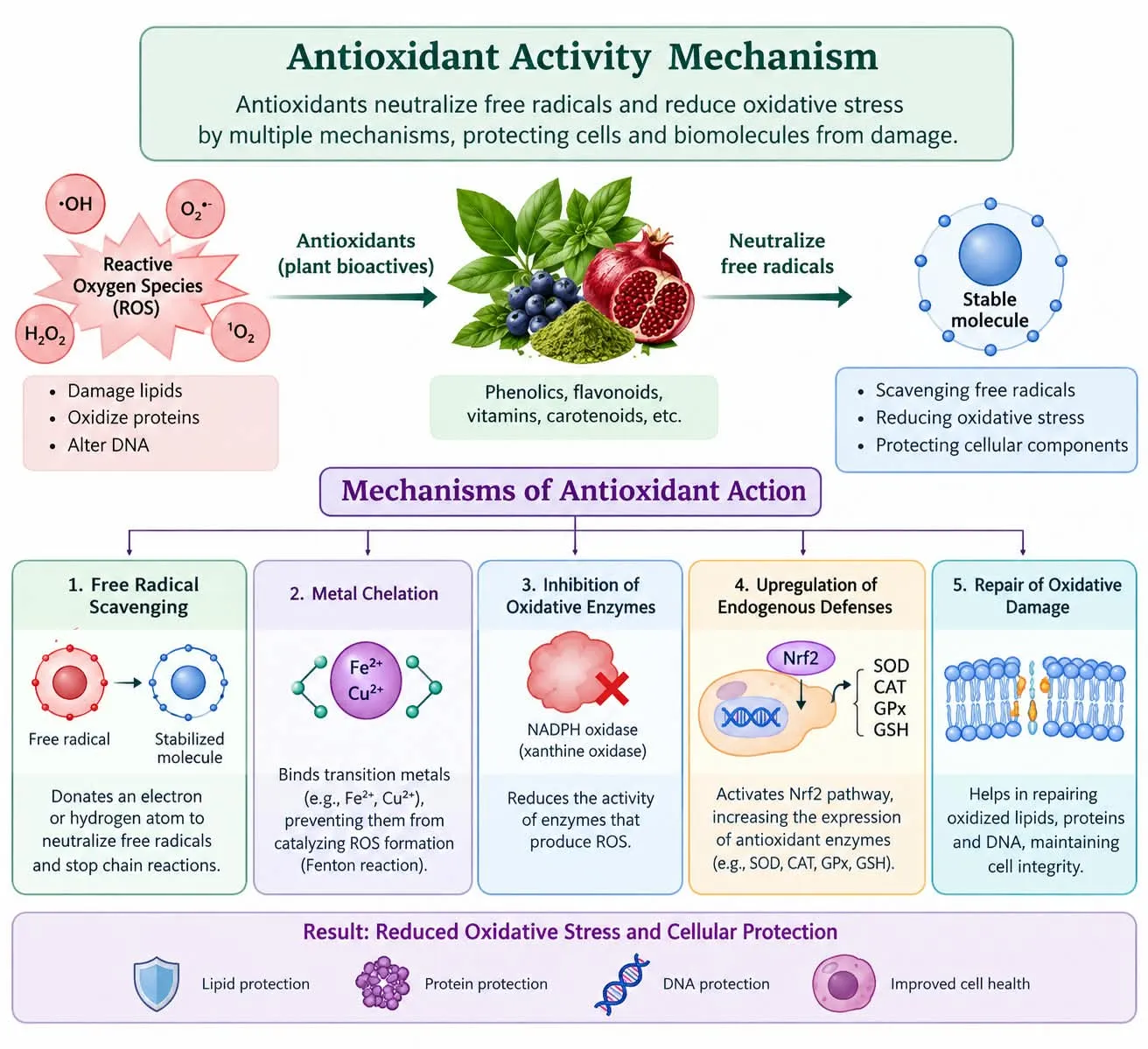
Figure 1: Antioxidant Activity Mechanism
4.EFFERVESCENT DRUG DELIVERY SYSTEM AND HERBAL EFFERVESCENT FORMULATIONS
4.1 Introduction to Effervescent Drug Delivery System
Effervescent formulations are dosage forms that produce carbon dioxide when coming into contact with water. This occurs due to the reaction between acidic and carbonate/bicarbonate components. They are often in the form of tablets/granules and should be dissolved/dispersed. This type of formulation is formulated in liquid form therefore can be used as an alternative dosage form for patients who have trouble swallowing conventional solid dose tablets [7].
The use of an effervescent dosage form will depend on the active ingredient, formulation and route of administration. Consideration must be made with herbal products regarding the solubility of the extract, taste and chemical stability. The effervescence does not improve the absorption or therapeutic effect of the drug. This depends on the active ingredient and appropriate evidence [7, 37].
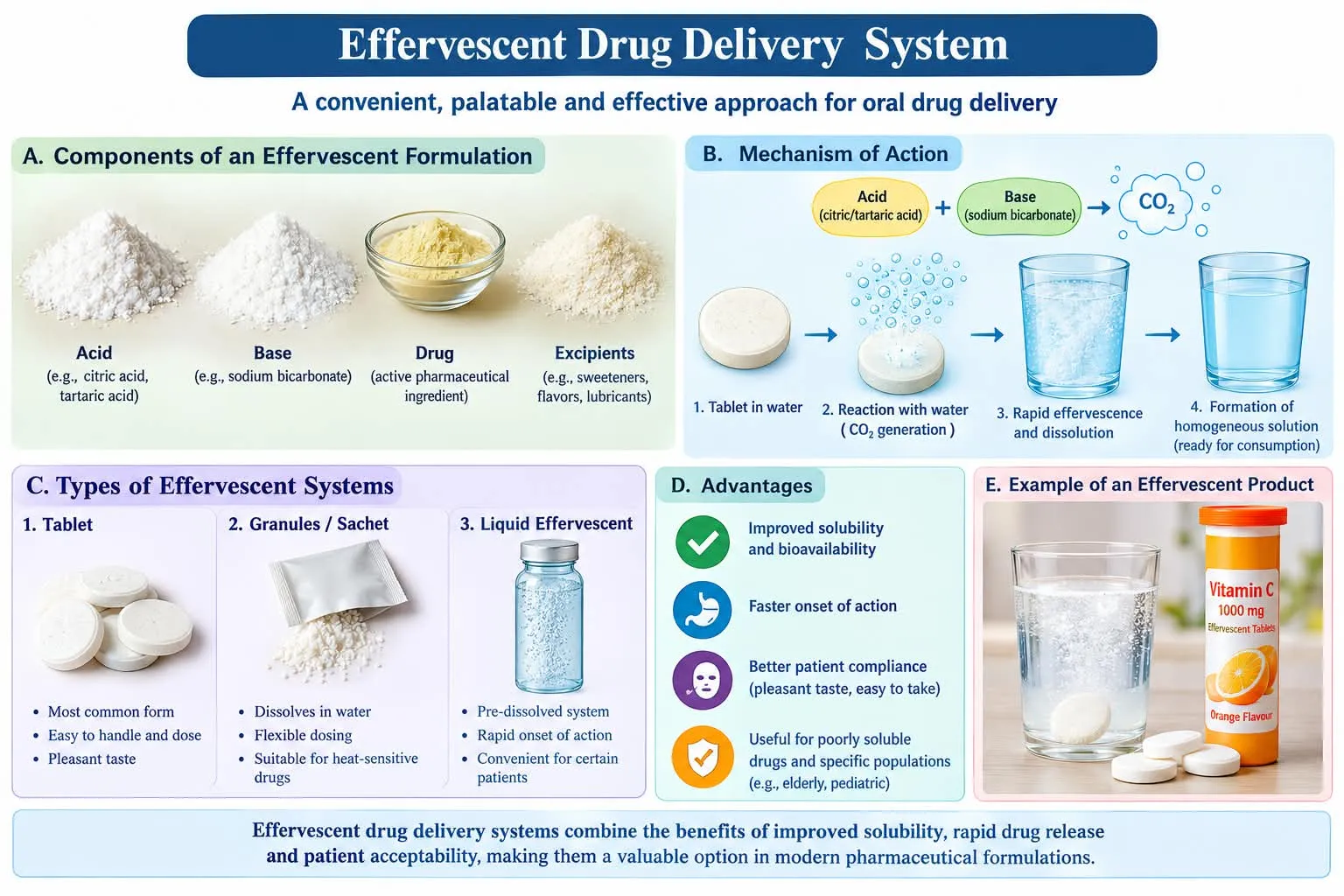
Figure 2: Effervescent Drug Delivery System
4.2 Principle of Effervescence
Effervescence occurs when an acid reacts with carbonate/bicarbonate in the presence of water to produce CO2 gas. This causes the formation of bubbles in the solution which can aid the disintegration of the dosage form. This can aid the dissolution/disbursement but depends on the composition of the formulation and physicochemical properties [7].
This reaction will generally not occur during storage by keeping the formulation dry enough. On administration of water the components will dissolve and react. This means the quality of the raw materials, controlled manufacture and packaging to prevent too much moisture is essential for reliable performance [7].
4.3 Acid–Base Reaction
Citric Acid and sodium bicarbonate are commonly used. When combined together in water the citric acid will react with the sodium bicarbonate to produce sodium citrate, carbon dioxide and water. This will cause the characteristic effervescence:
Overall:
C6H8O7 + 3NaHCO3 → Na3C6H5O7 + 3CO2 + 3H2O
We can see the Stoichiometry of the reaction. This will allow us to obtain our base ratio. We should also consider the pH of the solution. We should also consider the taste, solubility and compatibility of the active. An imbalance can affect the final product [7].
4.4 Common Effervescent Components
The components of an effervescent dosage form can vary depending on the application. However common components include:
Moisture should be controlled to prevent the acid and bicarbonate reacting too early. This will depend on the manufacturing conditions and packaging [7].
4.5 Advantages & Limitations
Effervescent preparations can be used as an alternative to regular tablets; they are dissolves in water making them more acceptable to patients and are easier to administer [7]. Depending on the formulation, effervescence will occur. However, it may not lead to increased absorption and bioavailability. Herbal preparations also need to be consistent, stable and high quality to ensure correct dosing [7, 37]. A large drawback associated with effervescent preparations is that they are sensitive to moisture. Water vapour can cause a reaction to occur between the acid and bicarbonate. Other issues include ensuring the correct pH, taste, compatibility and stability. The appropriate manufacturing conditions need to be used along with moisture resistant packaging [7, 37].
4.6 Pharmaceutical Applications
Effervescent technology can be used in medicinal and health related preparations. Active ingredients such as analgesics can be incorporated into the tablets, providing a convenient dosage form for patients who do not want to take regular tablets [7]. They can be useful for herbal preparations as long as compatibility, taste, dispersibility and correct dosing are taken into account. Important quality parameters include appearance, moisture content, effervescence time, pH of solution, dissolution and stability [7, 34, 37].
4.7 Herbal Effervescent Systems
Herbal effervescent systems require consideration of the extract, stability and compatibility with excipients. Herbal preparations can vary depending on the source and type of plant [7, 34, 37].
An example of this is Parajuli-Baral et al (2023) who looked at the antioxidant activity of two varieties of O.tenuiflorum (green and purple leaves). The ethanolic extract was used to formulate effervescent granules containing citric acid, tartaric acid and sodium bicarbonate. The flow properties of the powder were also investigated [7, 34, 37]. This provides a foundation for formulation development. However, pharmaceutical quality attributes cannot confirm clinical efficacy.
Chatzidopavlaki et al reviewed advances in effervescent tablet technology including the role of excipients, formulation and application. This provides useful background knowledge when formulating herbal effervescent systems [7].
For a polyherbal effervescent system containing O.tenuiflorum and another medicinal plant, both extracts should be characterised. The correct ratio and compatibility with excipients should be foundi. The stability, pharmaceutical quality and antioxidant activity should be investigated before and after formulation. Safety should also be assessed before any therapeutic claims can be made [7, 37].
4.8 Previous Herbal Effervescent Formulations
Herbal effervescent formulations are a novel way of delivering plant derived compounds. They involve combining herbal components with acid/base effervescence as discussed in below section . Pomegranate peel, Ocimum tenuiflorum and other herbal components have been used to formulate effervescent granules [37, 41, 42]. Ocimum tenuiflorum granules have been studied for quality and antioxidant potential [37]. However, the suitability of the extracts will depend on the chemical composition.
4.9 Antioxidant Effervescent Formulations
Pomegranate peel contains phenolic compounds such as tannins and punicalagins. These have been studied for antioxidant activity [43, 44]. An effervescent granule formulation was developed using pomegranate peel extract. The selected formulation had an IC50 value of 48.71 ± 0.42 µg/mL indicating significant in vitro activity [41]. Pomegranate peel beverages have been reported to have antioxidant activity using DPPH and FRAP [43]. This does not indicate clinical activity or bioavailability. Further studies are required to determine if the antioxidant compounds are stable post formulation.
4.10 Formulation Approaches and Development Rationale
The literature already describes antioxidant-rich plant extracts and examples of herbal effervescent formulations; therefore, novelty should not be claimed solely because medicinal plants are combined with an effervescent base [19–21, 37, 41]. The proposed contribution of the system discussed here is an integrated development strategy: selecting plant materials on the basis of complementary reported phytochemical profiles, comparing their individual and combined antioxidant responses under matched conditions, and then examining whether the selected combination can be incorporated into a stable effervescent granule format.
To test this rationale, future experimental work should first authenticate each plant material and standardise extraction. Individual extracts and the planned combination should then be assessed using at least two complementary in vitro assays, with suitable controls, replicates and clearly reported concentrations. The combination should not be described as synergistic unless its response is compared with an appropriate additive-effect model. Only after this evidence is available should formulation development proceed to evaluate extract–excipient compatibility, flow, moisture content, effervescence time, solution pH, dispersion or dissolution behaviour, and retention of antioxidant activity after formulation.
Accordingly, the word “novel” in the title is best understood as the proposed integrated concept and evaluation pathway, not as proof that the final product is unprecedented or clinically effective. A literature-based review can establish the rationale and identify the research gap; experimental formulation, comparative testing and stability data are needed to substantiate a genuinely new delivery system.
Care must be taken to select the correct herbal extracts, acidifying agent, alkaline, binder, sweetener and flavouring. The ratios can affect the pH, dissolution time, mechanical properties and overall acceptability. Studies have shown that optimisation of the formulation of pomegranate peel effervescent granules is important. Moisture content, flow and dissolution properties can be investigated [41].
4.11 Evaluation Parameters
Herbal effervescent formulations can be evaluated using physical, chemical and performance properties. Physical properties such as appearance, weight variation, flow, moisture content and hardness/friability can be investigated. Performance properties such as effervescence time, dissolution time, pH and clarity can be useful. In herbal effervescent granules flow, moisture content and dissolution time can be used to determine if the formulation has good handling and use properties [41]. Antioxidant activity can be investigated using DPPH, ABTS and FRAP methods [38, 39, 45, 46].
4.12 Limitations of Existing Studies
Many studies use different plant species, solvents, excipient ratios and conditions making it difficult to compare results [47]. The phytochemical content of the herbal extracts can vary depending on the plant type, growing conditions, maturity, processing and storage. The DPPH, ABTS and FRAP methods investigate different aspects of antioxidant activity so may not be comparable [38, 39, 45, 46]. In vitro antioxidant activity does not prove that the compounds will be absorbed, metabolised, safe or therapeutically effective in humans [47].
5. POLYHERBAL APPROACH
5.1 Concept of Polyherbal Formulation
A polyherbal preparation contains two or more medicinal plants or plant derived preparations. They are widely used in traditional medicines. However current research focuses on characterisation, standardisation and assessment using modern pharmacological techniques. It should be determined if the combination of plants will give a reliable therapeutic benefit [40].
When making a polyherbal preparation, care should be taken when selecting plant extracts. This includes ensuring all components are well identified, high quality, correct concentration and compatible. The method of extraction and raw material content can affect the final chemical composition. A polyherbal preparation should be scientifically formulated with defined quantities of each component. Appropriate quality control should be applied [34, 40].
5.2 Rationale for Combining Medicinal Plants
The main reason for using multiple medicinal plants is that they may contain complementary components or activities. One extract may contain higher concentrations of certain phenolics whilst another extract may contain a different group of compounds of interest. This may be an interesting combination to investigate if there is clear reasoning for using these plants and the desired outcome can be reliably measured [7, 40].
It may not be possible to simply add together the activities of two plants. Different components may interact causing synergistic, antagonistic or no effects. There should be some evidence to suggest this is a good combination based on the extracts chosen, quantities and desired biological outcome. Compatibility and safety should be considered [7].
When creating a polyherbal preparation using O. tenuiflorum, the second plant should be chosen based on chemical profile and what the final product is intended to do. Rational development will help to determine if combining the two extracts gives any real benefit. This can be done by comparing the individual extracts and the combination using the same experimental conditions [7, 32, 40].
5.3 Potential Complementary and Synergistic Effects
Combination can exhibit additive properties whereby more than one component contribute towards the same or different biological activity. Synergy is a more specific term used to describe combination products that exhibit a greater response compared to an appropriate model without interaction. Combination cannot be stated to be synergistic due to a combination of multiple medicinal plants or biological activity [7].
Interactions can occur between components within herbal products. This can cause positive, neutral or negative effects on the pharmacodynamics and absorption, distribution, metabolism and excretion of the compounds. The importance of this can depend on the compound, concentration and experimental/physiological conditions [7].
Antioxidant formulation can be tested individually and in combination using appropriate additive techniques. If synergy is claimed then appropriate testing can be performed to gain a greater understanding of the combination. This can help to understand if there is real interaction or the combination simply appears to be better due to the overall concentration of the extract [7, 36].
5.4 Advantages and Challenges of Polyherbal Systems
A polyherbal formulation can provide an effective way to combine multiple plant derived compounds within one dosage form. This can be used to investigate multiple targets and can help to determine if a formulation with multiple compounds will provide a more useful formulation. However this should be based on scientific justification and evidence [40].
However issues can arise when trying to characterise and standardise a formulation with multiple compounds. There can be interactions between compounds and this can affect stability and biological activity. The benefits should be proven by testing rather than assuming due to the number of plants used [34, 40].
The main issue associated with polyherbal formulation can be ensuring uniformity and efficacy. Plant material can vary depending on where it is sourced, growing conditions and time of harvest. This can be complicated by the extraction and processing techniques which can cause variability in marker compounds [34, 40].
Getting the correct ratio of ingredients can be difficult. Increasing the amount of a particular extract can cause physical issues with the formulation. It can also affect the taste and stability of other components in the formulation. There can be interactions and decrease in the activity of the component or unexpected effects. Therefore it is important to determine an optimised selection of ingredients with the correct ratios using specific criteria and experimental data [7, 40].
A good quality control strategy should be used to ensure correct identification of the botanical material, chemical fingerprint, marker compound content and relevant contamination levels. The analytical techniques selected to characterise the components can depend on the properties of the components. This could include HPLC, HPTLC or LC-MS. The biological assays should be performed using appropriate assays to ensure the formulation will provide the desired effect. This will help to provide reproducible data and understanding of the limitations of the polyherbal formulation [34].
6. MEDICINAL PLANTS WITH ANTIOXIDANT POTENTIAL
Medicinal plants are an important source of natural bioactive compounds. The presence of a wide range of secondary bioactive metabolites like phenolics, flavonoids, tannins, alkaloids and terpenoids have conferred them with biological activities. Among these phenolics and flavonoids are known to provide antioxidant activity to the plants. Leaves, seeds and fruit peels from different plants show a variety of types of phytochemicals depending on the species. This review presents the phytochemical constituents and antioxidant activity of some medicinal plants like Punica granatum, Syzygium cumini, Moringa oleifera and Ocimum tenuiflorum that can be used as natural sources of antioxidants.
6.1 Punica Granatum Peel
Botanical Profile
Punica granatum L. is a fruit bearing plant belonging to the Lythraceae family. Many parts of the plant contain various bioactive compounds including the peel, juice, seeds, flowers and leaves. The peel is an important part of the plant as it contains high levels of phenolics which are involved in antioxidant activity. The peel tends to be wasted during fruit processing but can be a valuable source of natural phytochemicals for pharmaceutical, food and nutraceutical applications [15,16].
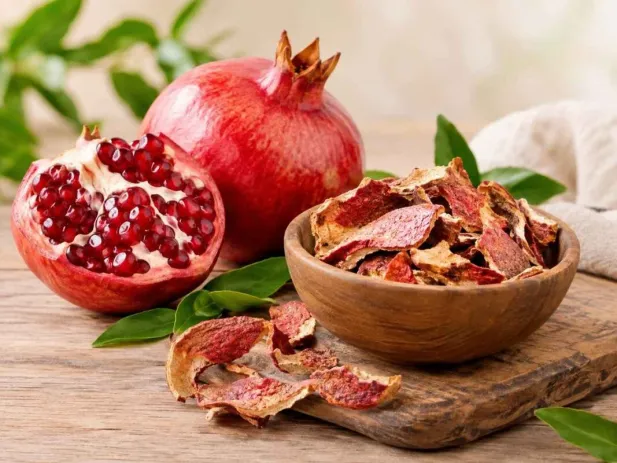
Figure 3: Punica Granatum Peel [52]
Taxonomy and Morphology
Pomegranates have a tough outer layer known as the peel/rind/pericarp. This surrounds the edible parts of the fruit (arils/seeds). Peels are generally thick, tough and leathery. Colours can vary depending on the cultivar and maturity of the fruit. Ranging from a yellow green to red/reddish brown. The peel protects the inside of the fruit and contains many phenolics, tannins and phytochemicals. This can vary depending on type of fruit, growing conditions, maturity and processing [15,16].
Phytochemical Constituents
The peel contains many phytochemicals including phenolic acids, flavonoids, tannins, anthocyanins and other polyphenolics. Important phytochemicals include punicalagin, punicalin, ellagic acid and gallic acid. Hydrolysable tannins are an important group of phytochemicals found in the peel. Particularly punicalagin. The type and concentration will depend on the solvent used to extract, conditions, type of fruit and processing. This makes pomegranate peel a promising source of natural antioxidants [17-19].
Major Antioxidant Constituents
Pomegranate peel has antioxidant potential mainly due to the high levels of polyphenols. Important compounds include punicalagin and other hydrolysable tannins, ellagic acid, gallic acid and flavonoids. These can donate electrons/hydrogens to free radicals to reduce their reactivity. Some phenolics can also bind metal ions involved in oxidation reactions. Contributing to radical scavenging activity of pomegranate peel extracts [17,18,20].
Antioxidant Potential
Pomegranate peel extracts have shown to have antioxidant activity in various in vitro models. Antioxidant activity is generally measured using DPPH and ABTS. Phenolics within the extract can neutralise free radicals by donating electrons/hydrogens. Antioxidant activity will depend on the solvent used, concentration of extract, phytochemical content and conditions. Using the correct extraction method and having a standardised extract is important to ensure reliable results [18-20].
Reported Antioxidant Studies
Many studies have looked into the phytochemical profile and antioxidant potential of Punica granatum peel.
Singh et al. looked into the phenolic content of pomegranate peel. Feng et al. compared different solvent extractions. Highlighting how the phytochemical content and extraction will affect antioxidant activity [17,18].
Barathikannan et al. investigated the chemical profile and biological properties of pomegranate peel. Singh et al. investigated the antioxidant activity of peel and seed extracts using in vitro models [19,20].
Overall literature suggests further investigation into pomegranate peel as a source of natural antioxidant compounds. However, performance should be confirmed for each extract and formulation.
Pharmaceutical Applications
Pomegranate peel has potential uses within the pharmaceutical, nutraceutical and food industry. Due to the high phenolic content and antioxidant activity, the bioactive compounds have been looked into for their potential to reduce oxidative damage in experimental systems. Pomegranate peel has also been of interest for being a value
added product. Potential uses include functional foods, natural antioxidant formulations and other formulations. Pomegranate peel extract can be formulated into the correct dosage form however the formulation will depend on it being safe, high quality, stable and showing good performance. Investigation into formulation is needed along with appropriate in vitro testing to determine potential as a pharmaceutical ingredient [15,16,18].
6.2 Syzygium Cumini Seed
Botanical Profile
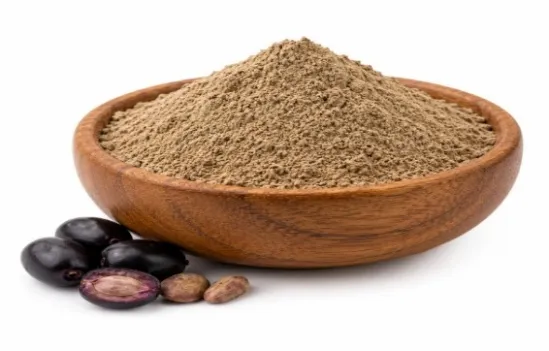
Figure 4: Syzygium Cumini Seed [53]
Syzygium cumini (L.) Skeels (also known as jamun or Indian blackberry) is a tropical evergreen tree belonging to the Myrtaceae family. It is widely distributed throughout the Indian sub-continent and other tropical regions. The plant is valued for its edible fruit and has been investigated for its phytochemical profile within the fruit, seed, bark and leaves. The seed is removed from the pulp of the fruit when consumed and processed. This has caused research interest as it contains phenolic compounds that may contribute to observable antioxidant activity in laboratory settings. A review has been carried out by Ayyanar and Subash-Babu which looked into the botany, phytochemistry, traditional uses and pharmacological research of the species [21].
Taxonomy and Morphology
The accepted botanical name is Syzygium cumini (L.) Skeels. It is a medium to large sized evergreen tree with a dense crown. Leaves are simple and opposite. Flowers are small. Fruits are fleshy and generally develop into dark purple to almost black at maturity. Generally, contain one hard seed surrounded by fleshy pulp. Shape and size can vary depending on cultivar and growing conditions. For phytochemical work, the seeds are generally separated from the pulp, cleaned, dried and ground. It is important to ensure the correct botanical identification and clear identification of the plant part. Seeds, pulp, bark and leaves will have different chemical profiles [21,22].
Phytochemical Constituents
Jamun seeds have been reported to contain phenolic acids, flavonoids, tannins and other bioactive compounds. Gallic acid and ellagic acid have been reported in seed extracts. Other phenolic acids may be detected depending on the sample and analysis. These are studied due to their chemical structures allowing for electron/hydrogen donation in antioxidant reactions. The concentration of each constituent will not be constant and may vary depending on variety, geographical location, maturity of fruit, drying, storage, solvent used for extraction and analysis. Priya et al. investigated the phenolic and flavonoid profile of different seed variants using chromatographic profiling. A review was carried out later looking into the wide range of bioactive compounds reported [23,24].
Major Antioxidant Constituents
Antioxidant activity of jamun seed extracts are generally attributed to phenolic acids and other polyphenols. Gallic acid and ellagic acid are of interest due to their phenolic hydroxyl groups being able to donate electrons/hydrogen atoms. Tannins and flavonoids may also contribute through radical scavenging and metal ion binding under some conditions. However, the antioxidant activity of the whole extract will be due to the combination of many different compounds and interactions. It would not be scientifically accurate to attribute activity to one constituent unless it has been isolated and tested. Measuring total phenolic content along with individual compounds can help researchers to understand the relationship between composition and antioxidant results [23,24].
Antioxidant Potential
Antioxidant activity of jamun seed extracts has been investigated using in vitro assays such as DPPH and ABTS radical scavenging. DPPH determines the ability of an extract to reduce a stable radical under specific conditions. ABTS determines scavenging of different radical cations. Results can be given as % inhibition, Trolox equivalents or an IC50 value. Generally, the lower the IC50 the less concentration is needed to produce the desired effect. Priya et al. looked into different seed variants and solvent fractions. Notable antioxidant activity was found in a 70% methanol fraction. Gallic acid and ellagic acid were identified as phenolic compounds [23]. A 2025 study looked into the antioxidant activity of the seed kernel extracts. Total phenolic content, flavonoid content, antioxidant activity and other biological activities were investigated. These are laboratory results and do not show clinical benefit [25].
Reported Antioxidant Studies
Priya, Prakasan and Purushothaman (2017) investigated the phenolic and flavonoid content, antioxidant activity and HPLC profile of three variants of S. cumini seeds. Several antioxidant assays were used and differences between variants and solvent fractions were found. This shows how the extraction conditions will affect the activity [23]. Kumar et al. (2022) carried out a review looking into the bioactives within jamun seeds. Different biological activities have been investigated in literature. The type and strength of evidence should be considered [24]. A 2025 study looked into the antioxidant activity of methanolic and hexane extracts of jamun seed kernel. Total phenolic content, flavonoid content, antioxidant activity, antibacterial activity and xanthine oxidase inhibition were compared. The methanolic extract showed higher phenolic and flavonoid values [25]. Overall studies suggest further standardised research into jamun seeds as a source of plant derived compounds.
Pharmaceutical Applications
Jamun seed extracts have potential for research into natural antioxidant formulations, functional foods and nutraceuticals. Jamun seed is also of interest for being plant material that may otherwise be wasted. An extract will need to be characterised to ensure it is the correct identity, contains the correct chemical compounds, is of high microbial quality, free from contamination, stable and safe. The dose and compatibility with other ingredients will also need to be considered. If it has traditional use or activity in a chemical assay However, this is not sufficient evidence to show efficacy in humans. Appropriate toxicological and clinical data should be considered [22, 24, 25].
6.3 Moringa Oleifera Leaves
Botanical Profile
Moringa oleifera Lam. (moringa or drumstick tree) is a widely cultivated plant belonging to the Moringaceae family. Moringa leaves can be used fresh/cooked and are also dried into powders. Moringa leaves are a good source of nutrients and contain various classes of phytochemicals which have been looked into for antioxidant activity. Literature has looked into the importance of moringa as a nutrient rich and potentially functional food. However, the chemical make-up of leaves can vary depending on the growth conditions, maturity and processing [26, 27].
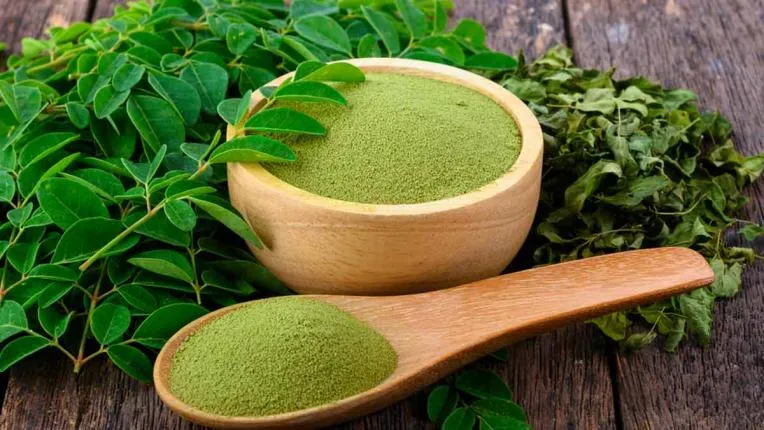
Figure 5: Moringa Oleifera Leaves Powder [54]
Taxonomy and Morphology
Moringa oleifera Lam. belongs to the Moringaceae family. It is a fast-growing tree containing tripinnate compound leaves with many small ovoid leaflets. Leaves can be collected at various stages of maturity, affecting the chemical makeup. In laboratory settings the leaves are usually washed, dried under controlled conditions, ground and extracted using water, ethanol, methanol or other suitable solvent. Variables such as drying temperature, storage, concentration of solvent and extraction times can all impact the phytochemical content. It is important to have standardised processing conditions and identification of the plant species [26, 28].
Phytochemical Constituents
Moringa leaves contain various phytochemicals including phenolic acids, flavonoids, carotenoids, chlorophyll and more. Frequently seen flavonoids are quercetin and kaempferol derivatives. Chlorogenic acid and similar phenolic acids have also been looked into. Carotenoids such as beta-carotene contribute to colour and nutrients. The phytochemical content will vary depending on leaf age, location, variety and extraction method. A study was carried out on 15 batches of moringa leaves, using chromatography and mass spectrometry techniques. This study identified 24 compounds with some commonality. Chemometry determined several flavonoid derivatives to be associated with antioxidant activity [29]. Other studies have looked into phenolic and flavonoid contents in leaves of varying maturity [28].
Major Antioxidant Constituents
Phenolic acids and flavonoids are important contributors to antioxidant activity. Quercetin and kaempferol derivatives may play a role in radical scavenging and donating electrons or hydrogen atoms. Carotenoids and chlorophyll can also affect some antioxidant activity. The proportion of each phytochemical will depend on their concentration, structure and the method used. A study found leaf age and extraction solvent to have a significant impact on phytochemical content and antioxidant activity. Different solvents gave varied results [28]. It is important to avoid saying one compound or solvent will give maximum activity.
Antioxidant Potential
Various methods have looked into antioxidant activity of moringa leaf extracts. DPPH, ABTS, FRAP and other laboratory approaches. A study found leaf age and solvent to have an effect on total phenolic content, total flavonoid content and antioxidant activity. Some measurements gave higher values when leaves were mature, however some were better with younger leaves. Therefore, the method will influence the outcome [28]. Another study looked into 15 batches of leaves using DPPH, ABTS and FRAP methods. Certain flavonoid derivatives were associated with antioxidant capacity [29]. A study looking into functional food applications also found antioxidant capacity using FRAP, ABTS and ORAC. This was associated with phenolic content [30]. When comparing results between studies, it is important to look into methods, concentrations and units.
Reported Antioxidant Studies
Sreelatha and Padma (2009) looked into antioxidant activity and total phenolic content of moringa leaves of two maturity stages. Free radical scavenging activity was identified using various in vitro models (DPPH etc.) [31]. Nobossé et al (2018) identified leaf age and extraction solvent to have a significant impact on phytochemical content and antioxidant activity [28]. A study was carried out on 15 batches of moringa leaves. Using chromatography fingerprints and chemometry, compounds were identified that correlated with DPPH, ABTS and FRAP [29]. A study in 2022 looked into functional food applications. Nutrient content and antioxidant activity was identified. The relationship between phenolic content and results was discussed [30]. These studies have shown that sample preparation and method will impact the antioxidant profile.
Pharmaceutical Applications
Moringa leaves can be used in functional food, dietary products and research into natural antioxidant phytochemicals. Moringa leaves are high in nutrients and contain a wide range of phytochemicals. Moringa leaves in powder form or as an extract can be investigated as an ingredient however quality will depend on raw material, moisture, microbials and stability. Safety and dose must be considered for the desired application. Evidence for antioxidant activity in the laboratory does not prove a moringa product will prevent or treat a disease. Stronger evidence should be considered for any therapeutic claims [26, 27, 30].
6.4 Ocimum Tenuiflorum Leaves
Botanical Profile
Ocimum tenuiflorum L is a fragrant plant with medicinal properties. It is well known for the use of leaves in traditional healthcare in India. Due to having a wide range of secondary metabolites, there has been an increased interest into studying its pharmacological properties. Although studies have been carried out into antioxidant properties and other biological activities using extracts, this does not mean it will have similar results to traditional uses [32, 33].
The chemical content of Tulsi leaves can vary depending on the variety of plant, growing conditions, harvest conditions and extraction method. This will affect the number of key compounds found in the sample and the biological activity shown. It is therefore important to know the plant species and preparation to enable comparison between experiments. This will enable a standardised extract [32, 34].
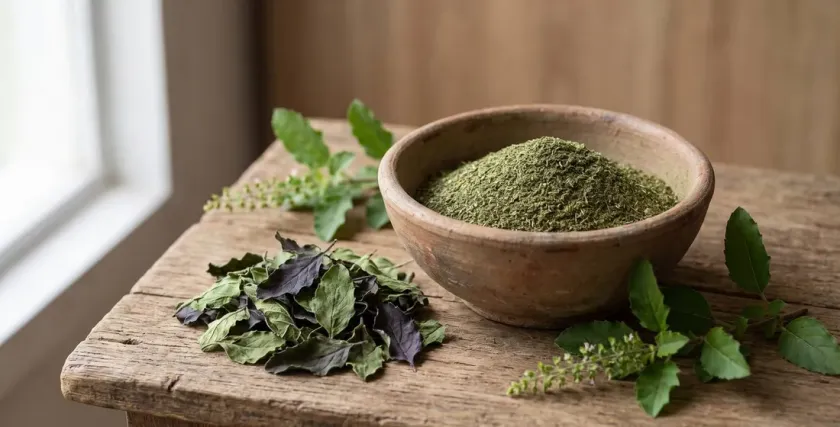
Figure 6: Ocimum Tenuiflorum Leaves [55]
Taxonomy and Morphology
The scientific name for this plant is Ocimum tenuiflorum L. However, it is often referred to using its classical name of Ocimum sanctum L. It belongs to the Lamiaceae family and is grown in many parts of South and South East Asia. It is generally an aromatic shrub with a branched appearance. It has square stems and paired leaves. The leaves are usually ovate with serrated edges. They also show signs of glandular secretions which produce volatile oils. Small flowers are produced on inflorescence at the end or near the end. There can be variation in pigmentation and other features depending on what variety is being used [32, 35].
Correct identification of any plant species is key when researching herbal plants. Different varieties can have different chemical compositions. Using botanical identification (ideally with a voucher specimen) will help ensure the correct plant is being used. Knowing the taxonomic information will help improve results as it can be used by other researchers in the future [35].
Phytochemical Constituents
Phytochemical analysis has shown Ocimum tenuiflorum to contain various secondary metabolites. These include Phenolics, Flavonoids, Terpenoids and Volatile. The exact type of metabolites present will depend on what part of the plant is being used and the extraction method. This means aqueous and ethanolic (and others) will not have the same number of similar compounds [32, 33].
Tulsi contains phenolics such as rosmarinic acid, caffeic acid and similar derivatives. Flavonoids such as luteolin and similar derivatives have also been identified. Terpenoids are also of interest due to their biological activity. This includes ursolic acid and oleanolic acid. Volatile compounds will depend on the exact variety of plant and extraction conditions. Examples include eugenol and β-caryophyllene [32].
Knowing what compounds are present is a good start when looking into any pharmaceutical potential. However, there is more to consider. Qualitative analysis will just give a general indication of what type of compound is present. Using Chromatography and Spectrometry will give more accurate results. High-performance liquid chromatography can be used to identify targeted non-volatile markers. Gas chromatography mass spectrometry can be used for volatile compounds. Using the correct analysis methods will help standardise extracts and understand why there may be variation in biological studies [32, 34].
Major Antioxidant Constituents
In summary the antioxidant properties of Ocimum tenuiflorum leaves can be seen as a property of the complex extract. Certain phenolic acids and flavonoids are important as they can have molecular structures which interact with some free radicals. These include rosamarinic acid, caffeic acid and certain flavonoids [32, 33].
Eugenol has also been looked into for antioxidant properties. However, the presence and concentration of eugenol will vary depending on the extraction method. The amount of volatile and non-volatile compounds extracted will depend on the extraction method. This means ursolic acid or oleanolic acid may not be the cause of antioxidant properties in the leaf extract [32].
Chemical and biological analysis can be carried out to help understand the role of individual compounds. Specific compounds (marker compounds) can be quantified and correlated to radical scavenging data. Correlating should be considered carefully as it could be a combination of multiple compounds. Individual compounds should not be assumed to show activity, the whole extract should be tested [32, 34].
Antioxidant Potential
Antioxidant activity is a large area of research for Ocimum tenuiflorum. There are many different chemical methods to determine various types of antioxidant activity. However, this can impact the ability to compare results [32, 36].
Radical scavenging activity can be determined using DPPH. This reduces the absorbance of the DPPH reagent. Other methods include ABTS and Ferric Reducing Antioxidant Power. The antioxidant activity will depend on concentration of extract, solvent used, incubation time, conditions and reference standard. It is therefore important to have detailed information on the method and concentrations [36].
A study was carried out in 2023 by Parajuli-Baral comparing radical scavenging activity of ethanolic extracts of the green and purple varieties of O. tenuiflorum using DPPH. Concentrations of 1, 10 and 100 µg/mL were used. Ascorbic acid was used as a positive control. Purple leaves showed higher activity. This extract was formulated into effervescent granules and some pharmaceutical quality parameters were assessed. This shows antioxidant screening can be used to determine which plant extract to use in formulation. However, this cannot be generalised to all varieties of Tulsi. Higher radical scavenging activity in a chemical assay does not guarantee higher antioxidant activity in humans. More research should be carried out using standardised extracts, complementary models and proper safety testing [37].
Reported Antioxidant Studies
Research into O. tenuiflorum can be divided into two areas. One looking into phytochemistry, the other looking into formulation potential. This is important so you know what compounds are present and whether it will have any effect [32, 33].
A thorough review was carried out by Bhattarai et al (2024). This looked into the phytochemical constituents. A variety of compounds were discussed including rosmarinic acid, luteolin, ursolic acid and oleanolic acid. The pharmacological investigations were also discussed. This article is useful when looking into formulation as it summarises evidence. All claims should be traced back to their origin, especially when specific results or mechanisms are mentioned [32].
Parajuli-Baral (2023) linked antioxidant evaluation with pharmaceutical formulation. Two varieties of leaves were studied and a decision was made to formulate an effervescent granule using the purple leaf variety. The granules were assessed for angle of repose, bulk and tapped density, Carr’s index, Hausner’s ratio, effervescence time and stability. This shows how the powder will behave and some aspects of performance. However, this does not prove the formulation will be effective in clinical trials. Or all formulations of Tulsi will be stable [37].
Pharmaceutical Applications
Tulsi leaves have potential uses in herbal medicinal preparations. They contain a variety of secondary metabolites. Depending on the quality of raw material, they can be made into powders, extracts, granules or other medicinal dosage forms. The type of dosage should depend on what application you want and the chemical makeup [32, 33].
There are many factors to consider when looking into pharmaceutical development. Quality of extract, uniform dosage, taste, solubility, compatibility and stability. If you are looking to deliver a standardised extract, appropriate standards should be applied to ensure the plant species is correctly identified. If you are looking to deliver antioxidant activity, an appropriate assay should be used and correlated to chemical analysis. Parajuli-Baral has shown it is possible to formulate effervescent granules containing an ethanol extract of tulsi leaves.
This can be a great starting point for further formulation studies. Further studies would be needed to fully determine quality profile, safety, stability and any clinical benefits. It is very important to highlight the difference between formulation and efficacy with medicinal herbs [34, 37].
7. COMPARATIVE PHYTOCHEMICAL AND ANTIOXIDANT PROFILE
7.1 Comparative Phytochemical Profile
All herbs in which Syzygium cumini seeds and Moringa oleifera leaves contain phenolic compounds and other bioactives. Jamun seeds have been looked into for gallic acid, ellagic acid, tannins and other phenolics. Moringa leaves are commonly looked into for flavonoids such as quercetin/kaempferol derivatives, phenolic acids, carotenoids and chlorophyll. Published work shows that variety, maturity, solvent and processing can affect the compounds. When making a meaningful comparison, it is important to have authenticated samples and carry out analysis under the same conditions [23-25, 28-30].
Table 1: Comparative Phytochemical Profile, Antioxidant Activity, and Qualifications of Selected Medicinal Plants.
| Plant | Part used | Major Phytochemical Constituents | Key Antioxidant Compounds | Reported Antioxidant Activity (Assay) | Key Qualification / Relevance | Reference(s) |
|---|---|---|---|---|---|---|
| Punica granatum (Pomegranate) |
Peel | Hydrolysable tannins, Phenolics, Flavonoids, Anthocyanins | Punicalagin, Punicalin, Ellagic acid, Gallic acid | Free-radical scavenging (DPPH, ABTS), Reducing power (FRAP), ORAC, TPC, TFC | DPPH, ABTS, FRAP, Oxygen radical absorbance capacity (ORAC), TPC | 17-20 |
| Syzygium cumini (Jamun) |
Seed | Phenolics, Flavonoids, Anthocyanins, Tannins | Gallic acid, Ellagic acid, Flavonoids | DPPH, ABTS, FRAP, Metal chelating activity, TPC, TFC | Provides a seed-derived material for comparison; activity varies by extract conditions. | 21-25 |
| Moringa oleifera (Moringa) |
Leaves | Phenolics, Flavonoids, Glucosinolates, Carotenoids, Ascorbic acid | Quercetin, Kaempferol derivatives, Chlorogenic acid, Vitamin C | DPPH, ABTS, FRAP, Total antioxidant capacity (ORAC) | Leaf material with a broad reported phytochemical profile relevant to antioxidant evaluation. | 26-31 |
| Ocimum tenuiflorum (Tulsi) |
Leaves | Phenolics, Flavonoids, Terpenoids, Eugenol, Volatile constituents | Rosmarinic acid, Eugenol, Luteolin, Apigenin, Caffeic acid | DPPH, ABTS, FRAP, Oxygen radical absorbance capacity (ORAC), TPC | Adds a medicinal-leaf material with a distinct phytochemical profile; requires controlled preparation. | 32-37 |
Abbreviations:
DPPH: 2,2-diphenyl-1-picrylhydrazyl; ABTS: 2,2'-azino-bis (3-ethylbenzothiazoline-6-sulfonic acid); FRAP: Ferric reducing antioxidant power; ORAC: Oxygen radical absorbance capacity; TPC: Total Phenolic Content; TFC: Total Flavonoid Content
7.2 Comparative Antioxidant Potential
All plant materials have shown antioxidant activity in laboratory models however there is no evidence to say one will always be more active. Jamun seeds have shown activity in selected solvent fractions. Moringa leaves have shown activity to vary depending on leaf maturity and solvent used. This has been seen in DPPH, ABTS and FRAP methods [23, 25, 28-30]. To fairly compare all extracts, they should be tested in the same laboratory at similar concentrations using the same solvent system, assay, reference standard and units. Results from different studies should not be ranked.
7.3 Comparison of Reported Antioxidant Assays
DPPH and ABTS determine radical scavenging activity of the extracts. FRAP determines reducing power. ORAC determines antioxidant capacity in a different way. Due to the different chemical reactions, results may vary. IC50 values are only meaningful when the assay conditions and units are clear. Lower values generally mean stronger activity. A robust comparison will involve at least two complimentary assays. Information on extraction should be provided. Replicate results should be carried out. Appropriate controls should be used [28-30, 38, 39].
7.4 Comparative Advantages And Limitations
Jamun seeds may be an opportunity to investigate a by-product from processing fruit for phenolic compounds. Moringa leaves are already used as a food source and are highly valued for their nutrients and phytochemicals. Limitations include variation in raw material, solvent dependent extraction, potential instability and safety and quality testing. Most chemical antioxidant assays are in-vitro and cannot determine absorption, bioavailability or clinical benefit. Future work should standardise the plant materials, identify key compounds, compare extracts under the same conditions and determine formulation stability before suggesting a combined polyherbal product [24, 26, 28, 30].
8. ANTIOXIDANT EVALUATION TECHNIQUES
Antioxidant evaluation techniques can be used to investigate the ability of the herbal extracts to scavenge radicals or reduce oxidising species. Two common methods are DPPH and ABTS. The ferric ion reducing capacity can also be investigated using the FRAP method [38, 39, 45, 46]. As each method works differently using multiple methods can give a better understanding of the antioxidant properties. The results should be interpreted considering the conditions, concentration and reference standards used [46, 47].
8.1 DPPH Assay
The DPPH method is a common method to investigate free radical scavenging activity. The DPPH is a stable free radical and will give a violet solution. This will have a high absorbance around 515-517nm. If an antioxidant is present, it will donate an electron/hydrogen atom to reduce the DPPH radical. This will cause a decrease in absorbance [38]. The reaction between DPPH and antioxidant compounds has been investigated by Brand-Williams et al. and it has been shown that the reaction rate can vary depending on the antioxidant [38]. This can be investigated using herbal extracts by measuring the decrease in absorbance and comparing this to a suitable control. This is a simple method and can be used as an initial investigation for pomegranate peel and jamun seed extracts. However, the solvent, reaction time, colour and reaction rate can affect the results [38, 47].
8.2 ABTS Assay
The ABTS method investigates antioxidant activity by the decrease in colour of the ABTS radical cation. This is commonly represented as ABTS. The ABTS radical cation can be formed by oxidising the ABTS. This can be achieved using potassium persulfate. If an antioxidant is present it will react with the ABTS causing a decrease in colour of the solution. This will cause a decrease in absorbance [45]. An improved radical cation decolourisation method has been described by Re et al. This can be used to investigate hydrophilic and lipophilic antioxidants [45]. This can be useful for herbal extracts that contain a mixture of phenolic compounds and antioxidant components. However, this will depend on the method used to produce the radical, reaction time, solvent and reference standard. Therefore, ABTS values should only be compared if they have been carried out under similar conditions [45, 46].
8.3 FRAP Assay
The FRAP method investigates the reducing capacity of the sample by reducing the ferric ions (Fe3+) to ferrous ions (Fe2+). The commonly used method will produce a blue colour from the Fe2+-TPTZ complex. This can be analysed using a spectrophotometer around 593nm [39]. The FRAP method was introduced by Benzie and Strain to investigate the antioxidant power by comparing the change in absorbance to known concentrations of ferrous ions [39]. This can be used in conjunction with the DPPH and ABTS methods to give further information regarding the reducing capacity of herbal formulations. However, this is not a direct antioxidant measurement for free radical scavenging. Components that do not react quickly or effectively may not be detected. The results should be interpreted as reducing capacity [39, 46].
8.4 Percentage Radical Scavenging Activity
% Radical Scavenging Activity measures how much the sample reduces the radical associated absorbance. For DPPH this is commonly calculated using the following formula [38]:
% Radical Scavenging Activity = (Ac − As)/Ac x 100
Where:
Ac = Absorbance of the control containing the radical reagent and no test extract.
As = Absorbance of the sample after reaction with the radical reagent with appropriate blank subtraction.
The higher the % the more the radical associated absorbance will have decreased at this concentration and under these conditions. However, this will depend on the concentration of extract, reaction time and conditions. The % scavenging should be compared at the same concentration and using standardised methods. Sample blanks should be used if the herbal extract is coloured [38, 46].
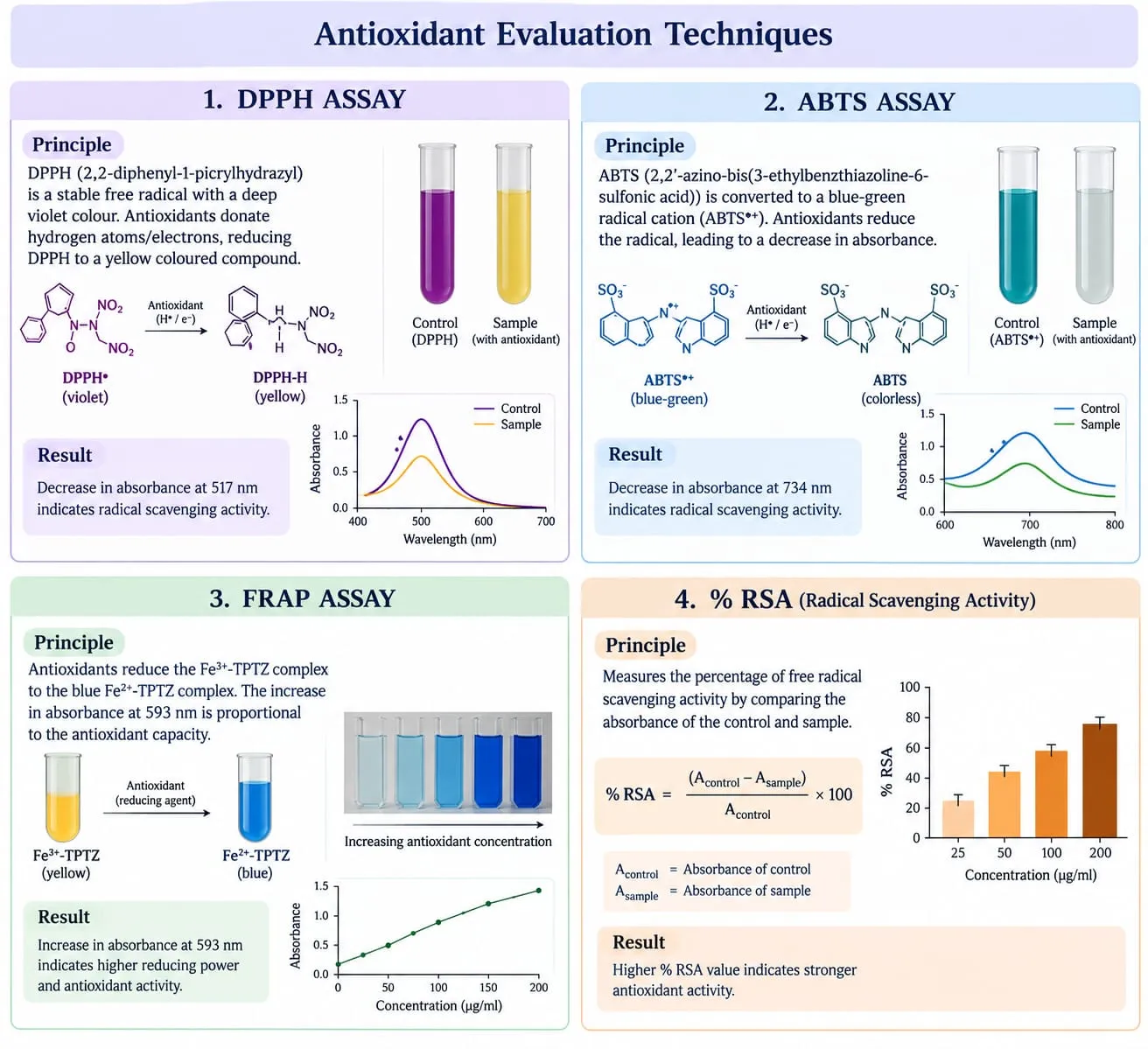
Figure 7: Antioxidant Evaluation Techniques
8.5 IC₅₀ Determination
The IC50 is the concentration of extract/test compound required to achieve 50% inhibition. A range of concentrations can be tested and plotted on a graph. The concentration that gives 50% inhibition can be calculated using an appropriate dose response curve or interpolation. In the pomegranate peel effervescent granule study the chosen formulation had a DPPH IC50 value of 48.71 ± 0.42 µg/mL [41]. When comparing IC50 values it is best to use the same method, reaction time, solvent and calculation. The lower the IC50 the more apparent potency there will be in this in vitro method. However, this does not prove it will be more therapeutically effective or safe.
9. RESEARCH GAP
9.1 Previous Research
Previous research has been carried out showing herbal extracts can be a great source of natural antioxidants. There has been research into phenolics and flavonoids containing plant materials and looking at their antioxidant activity using radical scavenging activity, reducing capacity using various methods such as DPPH, ABTS and FRAP [46, 48]. Pomegranate peel has previously been researched looking at antioxidant constituents and ways to formulate them into a product, this could be either a beverage or effervescent granules [41, 43, 44]. There has also been research into herbal effervescent products looking at physical properties such as flowability, moisture and disintegration [37, 41]. This shows there is a scientific basis to formulate products using herbal ingredients but not all botanical materials will have the same antioxidant activity depending on the extract.
9.2 Gaps in Literature
The literature indicates several gaps relevant to the proposed system. Studies differ in plant identity, plant part, extraction solvent, extract concentration, assay conditions and reporting units, limiting direct comparison of antioxidant results [46–48]. Evidence that an individual extract has in vitro antioxidant activity does not establish that a combination will be additive or synergistic, or that the activity will be retained after formulation. In addition, formulation quality depends on the compatibility of extracts with acid–base excipients, moisture exposure, packaging and storage conditions. Existing examples provide a starting point for herbal effervescent development, but the proposed combination would still require a defined rationale, matched comparison of individual extracts and the mixture, and evidence of reproducible quality, stability and antioxidant-activity retention [37, 41]. These gaps support further investigation, but do not by themselves prove that the proposed system is unique.
9.3 Further Research
Further research should follow a staged approach. First, authenticate the plant materials and standardise extraction using defined parameters; where possible, quantify suitable marker compounds. Second, test each extract and the planned combination using validated, complementary antioxidant assays under matched conditions, with controls and replicates. Third, assess compatibility with the acid and base components and select excipients that limit moisture-related instability. Finally, evaluate flow, moisture content, effervescence time, solution pH, dispersion or dissolution behaviour, batch reproducibility, storage stability and retention of antioxidant activity. Any claim of synergy, safety, bioavailability or clinical benefit requires evidence designed specifically to assess that outcome [50, 51].
10. FUTURE PERSPECTIVES
10.1 Potential of Herbal Antioxidants
Herbal antioxidants can be formulated to deliver bioactive compounds from the plant. It may be beneficial to create effervescent products to offer rapid dispersion in water, easy administration and improve taste. This needs to be proven for each formulation. Future research should look into whether key phytochemicals and antioxidant activity can be retained during formulation. The product should also have good physical and chemical properties throughout its shelf life. Standardised plant extracts, correct excipients, protection against moisture and repeatable methods will be important. Researchers may have looked into how acceptable the product is to the senses.
10.2 Further Pharmaceutical Development
Future development should use a stepwise, evidence-based plan rather than assume that a four-plant combination is automatically superior. Experimental design can be used to optimise the proportions of the selected extracts and the acid–base excipients while monitoring pH, effervescence time, moisture and dispersion behaviour. Stability studies should examine changes in appearance, performance and marker compounds under defined storage conditions. Antioxidant activity should be measured before and after formulation using validated methods [50, 51]. The final system should be considered successful only if it demonstrates reproducible quality and acceptable stability; safety, bioavailability and clinical effectiveness are separate questions requiring additional evidence.
CONCLUSION
This review brings together the phytochemical and reported in vitro antioxidant evidence for Punica granatum peel, Syzygium cumini seed, Moringa oleifera leaves and Ocimum tenuiflorum leaves, and considers their relevance to a proposed polyherbal effervescent delivery approach. Phenolics, flavonoids, tannins and related constituents may contribute to antioxidant responses, but the measured activity depends on plant identity, plant part, extraction conditions and assay method. Effervescent granules offer a potential oral delivery format, yet their suitability depends on formulation compatibility, moisture control, performance and stability.
The proposed novelty lies in the integrated research pathway linking rational plant selection, comparison of individual extracts with their combination, antioxidant assessment and effervescent formulation evaluation. At present, this is a concept supported by literature, not a validated finished product. Experimental studies must establish whether the combination is justified, whether antioxidant activity is retained after formulation, and whether the granules meet appropriate quality and stability criteria. In vitro antioxidant results alone do not establish safety, bioavailability or clinical effectiveness.
CONFLICT OF INTEREST
The authors declare no conflict of interest.
REFERENCES

Aakanksha Bhawal, Divya Sawant, Pooja Junghare, Aashna Pirjade, Vaibhavi Kanse, Shrutika Patil, A Novel Polyherbal Effervescent Delivery System: Phytochemical and Antioxidant Properties of Select Medicinal Plants, Int. J. of Pharm. Sci., 2026, Vol 4, Issue 11, 862-883. https://doi.org/10.5281/zenodo.23971364
 10.5281/zenodo.23971364