

We use cookies to ensure our website works properly and to personalise your experience. Cookies policy
MET’s Institute of D Pharmacy, Bhujbal Knowledge City, Adgaon, Nashik, India.
The present study was conducted to evaluate adverse drug reactions (ADRs) associated with antihypertensive drugs and to assess the level of awareness and reporting practices related to pharmacovigilance among pharmacists and patients in the management of Hypertension. The study was designed as an observational, cross-sectional survey using structured questionnaires developed through Google Forms. A total of 100 responses were collected, including 50 pharmacists and 50 patients.The results indicated that telmisartan was the most commonly dispensed antihypertensive drug. A significant proportion of patients reported experiencing side effects; however, the majority did not report these reactions. Although pharmacists were found to be aware of pharmacovigilance and actively involved in patient counseling, patient awareness regarding ADR reporting systems was observed to be low.The findings of the study highlight a clear gap between the occurrence and reporting of adverse drug reactions, primarily due to lack of awareness. This study emphasizes the need to improve patient education and strengthen pharmacovigilance practices to ensure drug safety and enhance therapeutic outcomes.
Pharmacovigilance, the science and activities related to the detection, assessment, understanding, and prevention of adverse effects or any other drug- related problems, is intrinsically linked to effective information management.
Pharmacovigilance is the science and practice of identifying, evaluating, comprehending, and preventing adverse drug reactions (ADR). Underreporting is India's pharmacovigilance program's main problem. The primary cause is a lack of awareness, information, attitude, and practice among medical practitioners. This study's primary goal was to evaluate second professional MBBS students' knowledge, attitudes, and behaviours about reporting adverse drug reactions (ADRs) and to give them a pharmacovigilance workshop as an intervention to raise their awareness because they will soon be practicing physicians.
World Health Organization (WHO) defines that adverse drug reactions (ADRs) are noxious and unwanted effects produced by the drug, when it is applied for the ailment of disease or diagnosis
A clinical trial is a systematic process that is intended to find out the safety and efficacy of a drug, device in treating, preventing, diagnosing a disease or a medical condition performed on human participants in clinical research.
Any clinical protocol must have the right "building blocks" in order to be successful. These "building blocks" include fundamental elements including participant recruitment, information technology and systems, financial dynamics, ethics and regulatory compliance, people-management abilities, scientific technique, and institutional commitment.
Clinical trials on pharmaceuticals must be authorized by the CSC committee based on a favourable decision by the local IRB, as per Article 10 of the CSL. An outline of the process for submitting and reviewing the CTA at JFDA is given in Figure 2. According to Section 8 of the ICH-GCP guidelines, the CTA dossier must contain the necessary papers. The numerous legalizations and notarizations needed for the documents—particularly those produced outside, which is a pretty typical procedure in MENA—are a significant burden. A human research subject cannot take part in more than one BA/BE study within 80 days and must be between the ages of 18 and 50.
Regional Adverse Drug Reaction Monitoring Centres (AMCs) are strategically placed throughout the nation to enable effective data collecting and analysis. By processing ADR reports and sending pertinent data to the NCC, these AMCs serve as regional hubs. Healthcare professionals and the general public will find the reporting mechanism easy to use as it is designed to be available to several stakeholders, including an online portal created by the CDSCO.
|
STATES |
AMC CENTERS |
|
Delhi |
All India Institute of Medical Sciences |
|
Maharashtra |
KEM Hospital |
|
Maharashtra |
BJ Government Medical College |
|
Gujrat |
BJ Medical College |
|
Karnataka |
St. John’s Medical College |
|
Tamil Nadu |
Madras Medical College |
|
Uttar Pradesh |
King George’s Medical University |
|
Telangana |
Osmania Medical College |
|
West Bengal |
Medical College, Kolkata |
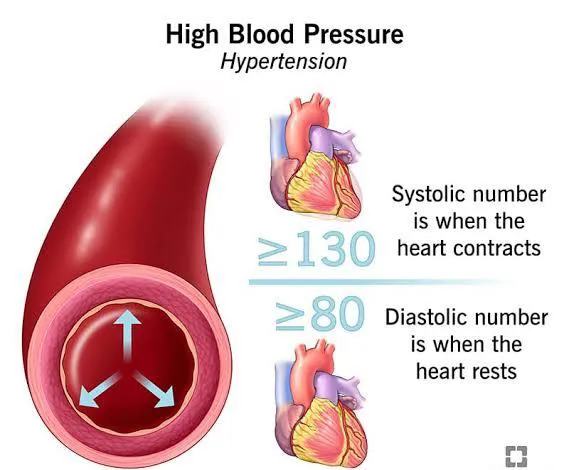
Figure No:1
Table No :1
|
Blood Pressure Stages |
||
|
Category |
Systolic Blood Pressure (mmHg) |
Diastolic Blood Pressure (mmHg) |
|
Normal |
<120 |
< 80 |
|
Pre hypertension |
120-139 |
80-89 |
|
Hypertension (stage 1) |
140-159 |
90-99 |
|
Hypertension (stage 2) |
≥ 160

|
≥100 |
|
Hypertension (stage 3) |
>180 |
>110 |
A mercury sphygmomanometer is the common device used to monitor blood pressure. Mercury, which has long filled the middle column of traditional sphygmomanometers, is measured in units of mercury.
Antihypertensive drugs are medicines used to treat high blood pressure (hypertension).
They help lower blood pressure and reduce the risk of complications like heart attack, stroke, and kidney disease.
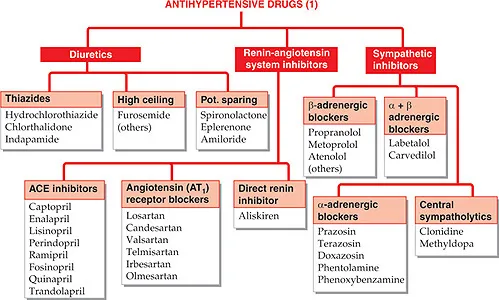
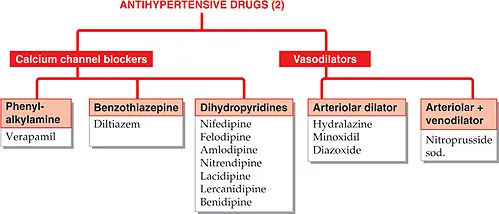
Table No:2
|
Name |
Telmisartan |
|
Chemical Name |
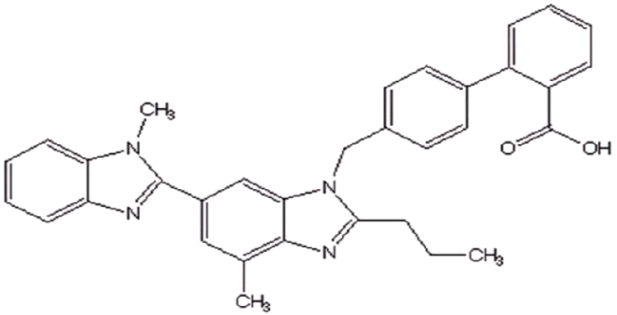
2-(4-{[4-methyl-6-(1-methyl-1H-1,3-benzodiazol-2-yl)-2-propyl-1H-1,3-benzodiazol-1-yl]methyl}phenyl)benzoic acid. |
|
Molecular Formula |
C33H30N4O2 |
|
Structure |
|
|
Molecular Weight |
514.62 gm/mol |
|
Description |
A white to off - white crystalline powder |
|
Dose |
40 mg once a day |
|
Melting Point |
261-263°C |
|
Boiling Point |
771.9°C |
|
Category/ Therapeutic Class |
Antihypertensive |
|
Solubility |
Sparingly soluble in dichloromethane, slightly soluble in methanol, practically insoluble in water. |
|
Pharmacological Action |
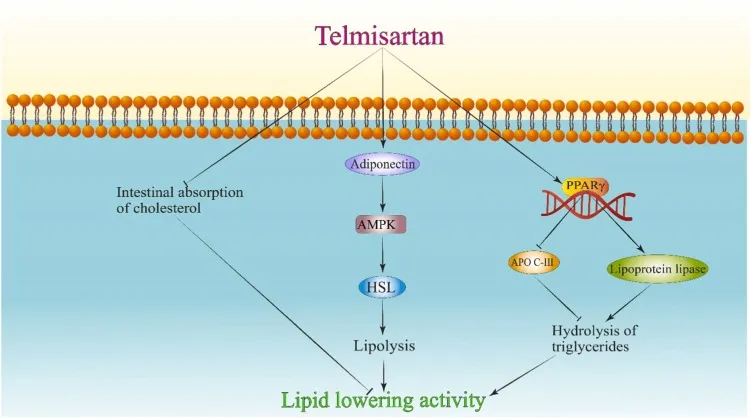
selectively binding to AT1 receptors, preventing vasoconstriction and aldosterone-induced sodium/water retention. |
CH-2: LITERATURE STUDY
Long-term treatment is necessary for hypertension. Antihypertensive medications, however, may result in adverse drug reactions (ADRs) that compromise quality of life and compliance. 500 patients taking at least one antihypertensive drug participated in this 12-month prospective observational trial. Pedal edema, dry cough, and dizziness were the most common adverse drug reactions (ADRs) among the 95 ADRs (17.6%), which were mostly caused by calcium channel blockers and ACE inhibitors. Patients on polypharmacy had considerably more adverse drug reactions (ADRs) (p = 0.004), with the majority being categorized as moderate and likely. To enhance safety and maximize the management of hypertension, active pharmacovigilance is crucial.
Events
|
Total number for analysis |
5-year cumulative rate (%) |
|
|
Heart Failure |
||
|
Other ARBs |
41,598 |
801 (1.926%) |
|
Telmisartan |
41,598 |
540 (1.298%) |
|
Stroke |
||
|
Other ARBs |
40,026 |
1,868 (4.667%) |
|
Telmisartan |
40,219 |
1,383 (3.439%) |
|
Coronary Artery Disease |
||
|
Other ARBs |
36,331 |
3,924 (10.801%) |
|
Telmisartan |
36,376 |
3,529 (9.701%) |
|
All cause Death |
||
|
Other ARBs |
41,538 |
1,529 (3.681%) |
|
Telmisartan |
41,524 |
810 (1.951%) |
In this extensive, real-world cohort study that made use of the TriNetX Global Collaborative Network, we assessed cardiovascular outcomes in almost 1.9 million hypertension patients and found 41,598 individuals who were well-matched for each therapy group. When compared to other ARBs, telmisartan use was continuously associated with lower risks of heart failure, stroke, and all-cause mortality. These results, which were seen in important clinical subgroups, imply that telmisartan may provide additional cardiovascular and cerebrovascular advantages over blood pressure management. Our findings support telmisartan as a potentially beneficial treatment choice for hypertension patients at elevated cardiovascular risk, even though additional prospective studies are required to demonstrate causality.
|
ADRs |
No. of ADR (%) |
Drug |
Individual No. |
|
Hypotension |
7 (36.84) |
Losartan |
3 |
|
|
Telmisartan |
2 |
|
|
|
Olmesartan |
2 |
|
|
Dry Cough |
3 (15.78) |
Losartan |
3 |
|
Weakness |
3 (15.78) |
Losartan |
2 |
|
|
|
Telmisartan |
1 |
|
Hyperkalemia |
2 (10.52) |
Losartan |
2 |
|
Myalgia |
2 (10.52) |
Losartan |
2 |
|
Headache |
2 (10.52) |
Losartan |
2 |
|
Total |
19 (100) |
|
19 |
CH-3 NEED OF STUDY AND OBJECTIVE
One of the most prevalent chronic illnesses in the world, hypertension affects a significant percentage of adults. Because to sedentary lifestyles, stress, obesity, poor diets, smoking, and alcohol consumption, the number of individuals with hypertension is steadily rising.
Because it is a major risk factor for major cardiovascular problems such stroke, myocardial infarction, renal problems, and heart failure, hypertension is regarded as a major public health concern. Increased morbidity and mortality can result from uncontrolled blood pressure.
Due to urbanization, population aging, inactivity, and dietary changes, the incidence and prevalence of hypertension are rising both worldwide and in India.
Antihypertensive medications are typically needed to treat hypertension for the rest of one's life. Long-term and continuous medication therapy raises the risk of drug interactions, adverse drug responses, and problems with patient compliance.
Amlodipine's efficacy and easy once-daily dosage make it one of the most often recommended hypertension medications. However, it is crucial for pharmacovigilance evaluation because it is often linked to adverse drug reactions (ADRs) such peripheral edema, flushing, dizziness, and palpitations.
There is inadequate awareness among healthcare professionals and patients regarding ADR reporting and pharmacovigilance practices. Underreporting of ADRs remains a major challenge in ensuring medication safety.
Pharmacovigilance helps in the detection, assessment, prevention, and reporting of adverse drug reactions. Conducting studies on hypertension can contribute to improving pharmacovigilance systems and promoting rational use of medicines.
Many patients with hypertension remain asymptomatic; however, some may experience symptoms such as:
CH-4 MATERIALS AND METHODS
In order to assess the adverse drug reactions (ADRs) linked to antihypertensive medications in actual clinical practice, the current study was planned as an observational, cross-sectional pharmacovigilance study. Particularly in chronic illnesses like hypertension where long-term drug usage is widespread, pharmacovigilance is essential to assuring drug safety after marketing.
This study used a survey-based methodology, using structured questions created with Google Forms to gather information from patients and healthcare professionals. In addition to identifying frequently prescribed antihypertensive medications, the study sought to evaluate the frequency, type, and reporting of adverse drug reactions (ADRs) linked to these treatments.
Based on replies received during the survey, common medications like telmisartan and other antihypertensive classes were given particular attention. The design made data entry simple.
Patients and healthcare professionals made up the two main segments of the study population. Pharmacists made up the majority of healthcare professionals, and they were selected as the key responders because of their accessibility and direct involvement in patient interactions and medicine distribution. Pharmacists are an essential source of pharmacovigilance data since they are crucial in identifying and reporting adverse drug reactions.
Patients with a diagnosis of hypertension who were receiving antihypertensive medication were included in the second group. Real-world information about medication use, adverse effects, and treatment compliance was given by these patients. In order to ensure practical exposure and accurate data collection, the study was carried out in and around local regions, including community pharmacies and hospital settings.
• Patients diagnosed with hypertension and currently receiving antihypertensive drug therapy.
• Healthcare professionals, especially pharmacists, involved in dispensing or monitoring medications.
• Participants willing to provide informed responses through the questionnaire.
• Complete and properly filled Google Form responses.
• Individuals not diagnosed with hypertension
• Patients not receiving any antihypertensive treatment
• Incomplete, duplicate, or inconsistent responses in Google Forms
• Participants unwilling to share information or lacking basic knowledge of the subject
In order to have firsthand experience with adverse drug reaction monitoring and reporting systems in a clinical context, a hospital visit was undertaken as part of the pharmacovigilance study.
Interactions with medical experts, such as pharmacists and hospital employees, were conducted throughout the visit in order to comprehend the procedure for recognizing, recording, and reporting adverse drug reactions (ADRs). The visit gave insights into how antihypertensive medications are prescribed in the real world and how medical professionals contribute to drug safety. Data was gathered about regularly prescribed drugs, including telmisartan and other antihypertensive medicines.
Structured questionnaires created with Google Forms were used to gather data for this investigation. To measure adverse drug reactions (ADRs) and pharmacovigilance awareness, two distinct questionnaires were created for patients and healthcare professionals.
The antihypertensive medication therapy used to treat hypertension was the main topic of the study. Both multiple-choice and open-ended questions about drug use, adverse effects, frequently prescribed drugs, and ADR reporting procedures were included in the surveys.
Pharmacists, as well as other medical professionals and patients, were the main recipients of the Google Forms. Since pharmacists are crucial to the normal practice of administering medications and monitoring side effects reported by patients, they were explicitly targeted.
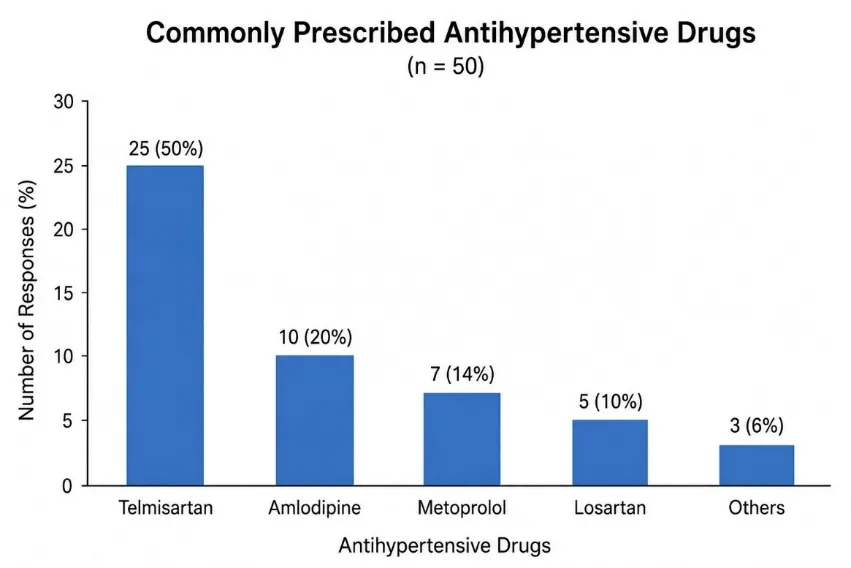
Telmisartan was shown to be one of the most frequently given antihypertensive medications among the research population based on the responses gathered.
Responses were gathered over a predetermined period of time after the forms were distributed online. For additional interpretation, the gathered data was then assembled, arranged, and examined using basic statistical techniques.
Pharmacists provided the majority of the responses, which yielded insightful information on prescription trends. Based on the information gathered, telmisartan was discovered to be one of the most frequently given antihypertensive medications.
In the current investigation, information about potential adverse drug reactions linked to antihypertensive medications used to treat hypertension was carefully gathered using an Adverse Drug Reaction (ADR) monitoring form.
Essential information such as patient demographics (age, gender), suspected drug, dosage, mode of administration, length of therapy, description of adverse response, onset and duration of reaction, and any concurrent drugs were all included in the ADR form. Information about rechallenge was also taken into consideration, if it was accessible.
The form was created using standard pharmacovigilance reporting standards to guarantee consistency and precision in data gathering. It assisted in the organized documentation of ADRs, which was then utilized for the Naranjo ADR Probability Scale's causality assessment.
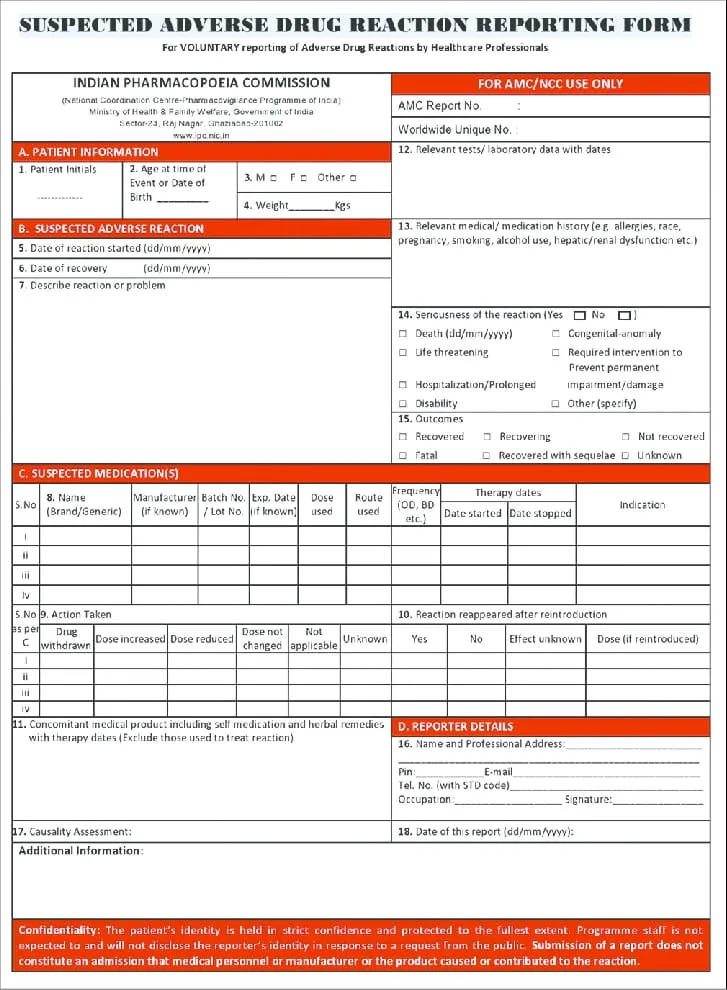
The reported adverse drug reactions (ADRs) were evaluated using the Naranjo ADR Probability Scale, a widely accepted and standardized tool for causality assessment.
The Naranjo Scale consists of a structured questionnaire with multiple parameters such as temporal association of drug administration, alternative causes, drug levels, dose-response relationship, and previous patient experience with the drug.
Based on the total score obtained, ADRs were classified into the following categories:
• Definite ADR (score ≥ 9)
• Probable ADR (score 5–8)
• Possible ADR (score 1–4)
• Doubtful ADR (score ≤ 0)
This method provided a systematic approach to determine the likelihood that a drug caused a particular adverse effect, thereby improving the reliability of the study findings.
The collected data from Google Forms was compiled and organized systematically using spreadsheet tools. Every response was thoroughly examined and classified according to factors like medication use, prescription frequency, adverse drug reaction incidence, and pharmacovigilance awareness.
The data was analysed using simple statistical methods, primarily focusing on frequency distribution and percentage analysis. This method made it easier to spot trends like the most often prescribed antihypertensive medications, frequently reported adverse drug reactions, and the degree of awareness among medical professionals.
To improve comprehension and clarity, the data analysis was displayed utilizing visual aids such tables, pie charts, and bar graphs. These visual aids made it simpler to analyse the data and come to insightful conclusions.
Selection of Topic
⬇
Literature Review (Pharmacovigilance & Antihypertensive Drugs)
⬇
Selection of Drug Class (Antihypertensive Drugs)
⬇
Selection of Drug (telmisartan as Focus Drug)
⬇
Design of Data Collection Tools (Google Forms)
⬇
Preparation of Questionnaires
(For Pharmacists, Healthcare Professionals & Patients)
⬇
Distribution of Google Forms
⬇
Data Collection
(Responses from Pharmacists and Patients)
⬇
Identification of ADRs
⬇
ADR Assessment
(Using Naranjo Scale)
⬇
Data Compilation & Tabulation
⬇
Data Analysis (Graphs & Tables)
⬇
Interpretation of Results
⬇
Conclusion & Report Writing
CH-5 RESULTS AND DISCUSSIONS
A total of 100 responses were collected, including 50 responses from pharmacists and 50 responses from patients. The data was collected using structured questionnaires to evaluate drug usage patterns, awareness of adverse drug reactions (ADRs), and reporting practices associated with antihypertensive drugs used in the management of Hypertension.
5.2.1 Profession
Result: All respondents belonged to the pharmacy profession.
Discussion: Inclusion of pharmacists ensures reliability of data, as they are directly involved in dispensing antihypertensive drugs and interacting with patients.
5.2.2 Name of Medical Store
Result: Responses were collected from multiple community pharmacies across different locations.
Discussion: Data from different stores improves the diversity and generalizability of the study findings.
5.2.3 Most Commonly Sold Antihypertensive Drug
Result: Telmisartan was found to be the most commonly sold antihypertensive drug.
Discussion: This indicates its widespread use in the treatment of Hypertension, likely due to its efficacy and tolerability.
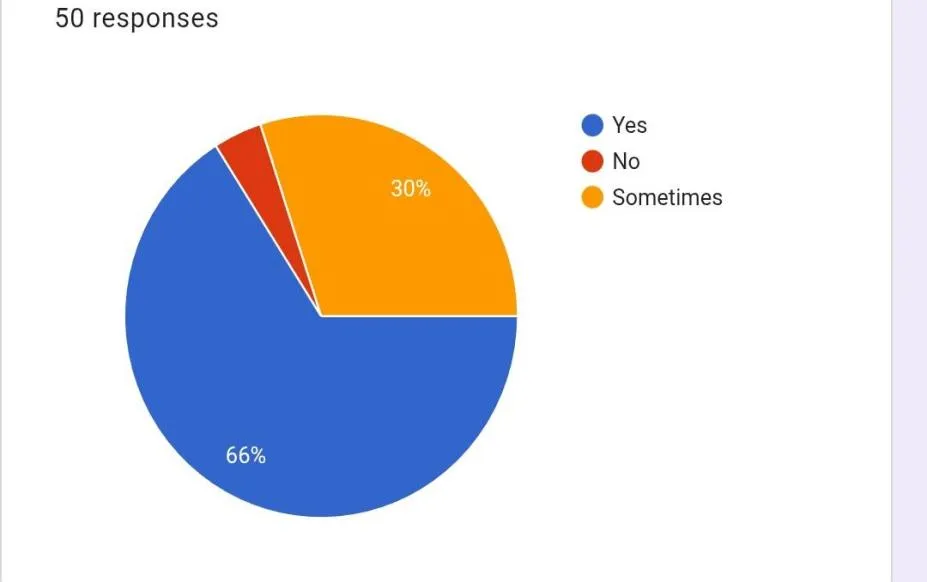
5.2.4 Do You Inform Patients About Side Effects?
Result: A majority of pharmacists reported that they inform patients about possible side effects.
Discussion: This reflects good professional practice; however, patient-side data suggests that awareness is still lacking, indicating a communication gap.
5.2.5 Frequency of BP Medicines Sold
Result: Antihypertensive medicines were reported to be sold frequently in most pharmacies.
Discussion: This highlights the high prevalence of hypertension and the need for long-term drug therapy, emphasizing the importance of pharmacovigilance.
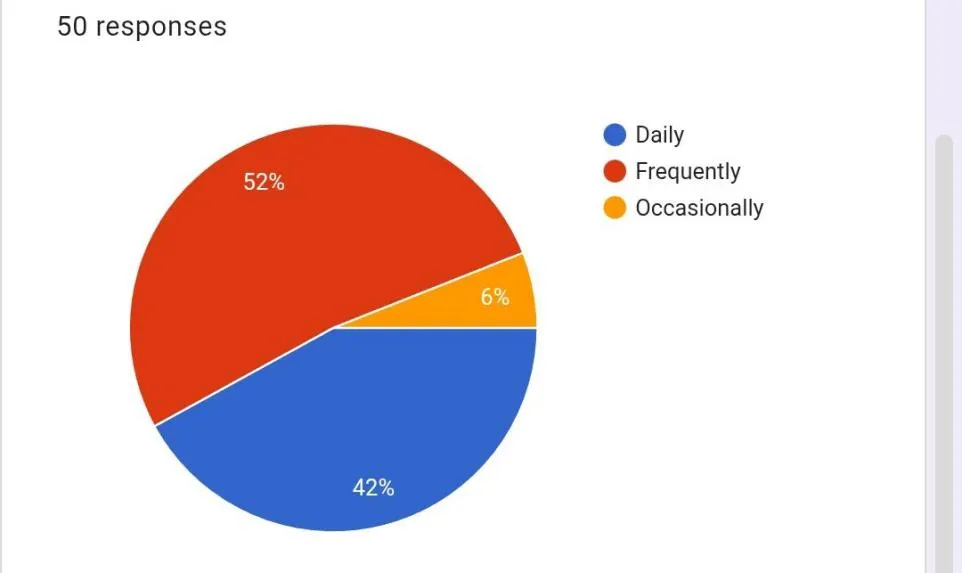
5.3 Patient-Based Analysis (n = 50)
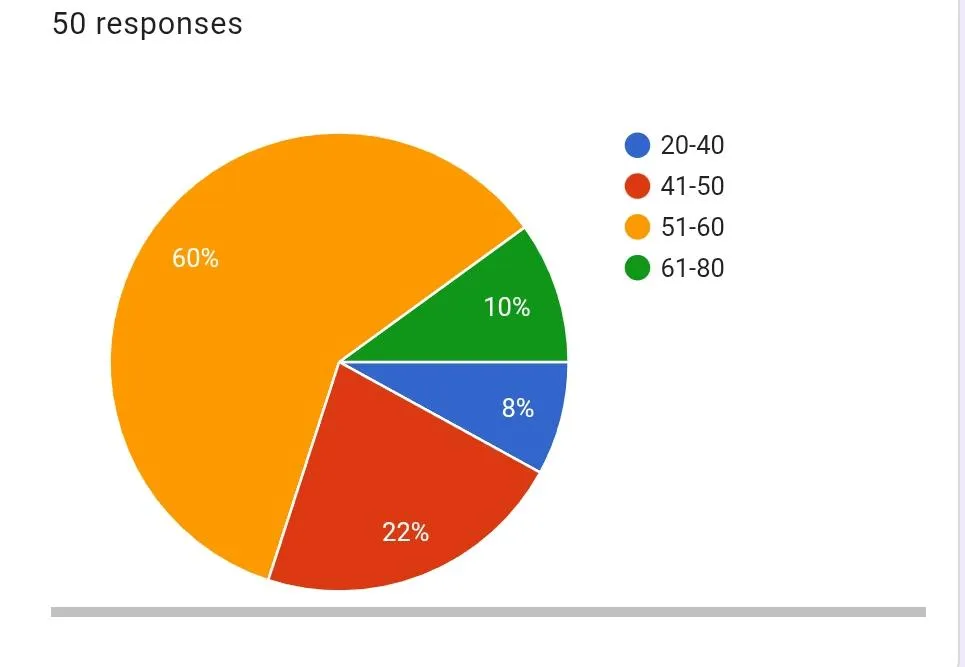
5.3.1 Age Distribution
Result: The study included patients from various age groups.
Discussion: Hypertension affects a wide age range, though it is more common in middle-aged and elderly populations.
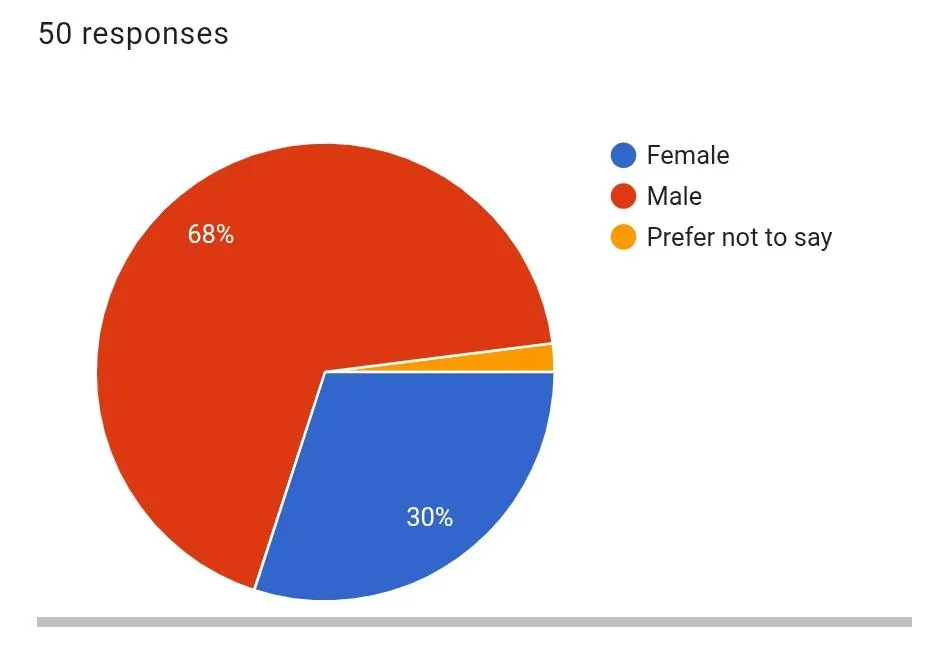
5.3.2 Gender Distribution
Result: Both male and female patients participated in the study.
Discussion: Inclusion of both genders ensures balanced representation and reduces bias.
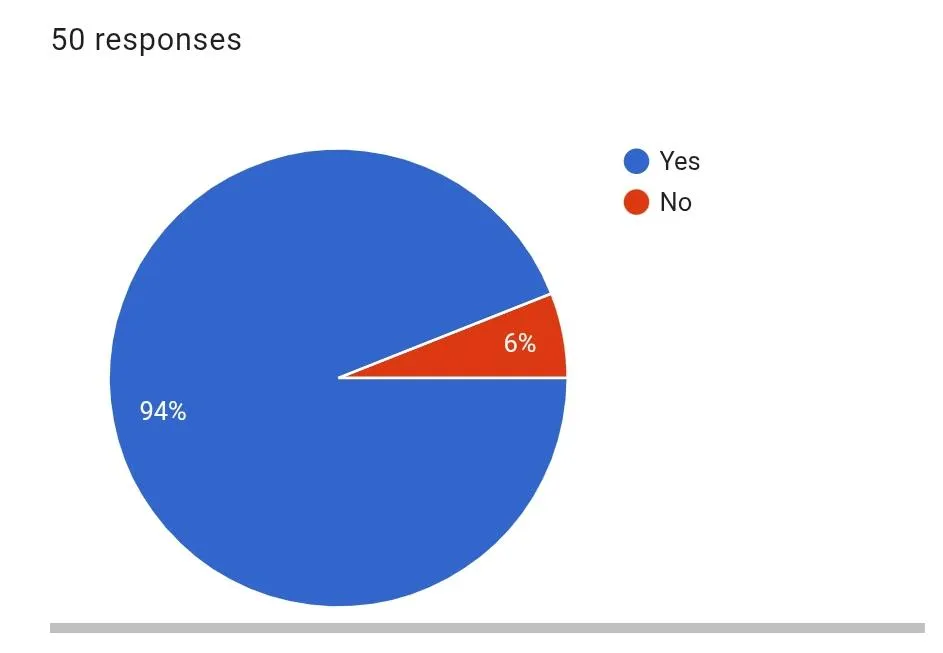
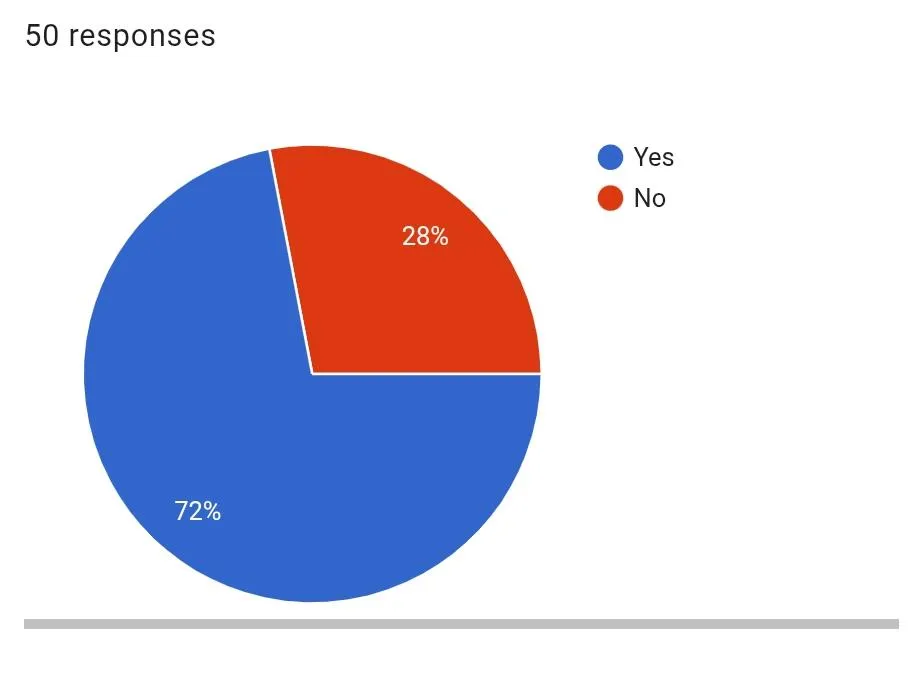
5.3.3 Are You Taking Medication for High BP?
Result: Approximately 64% of patients reported that they are currently taking medication for high blood pressure.
Discussion: This indicates a significant prevalence of hypertension requiring pharmacological management.
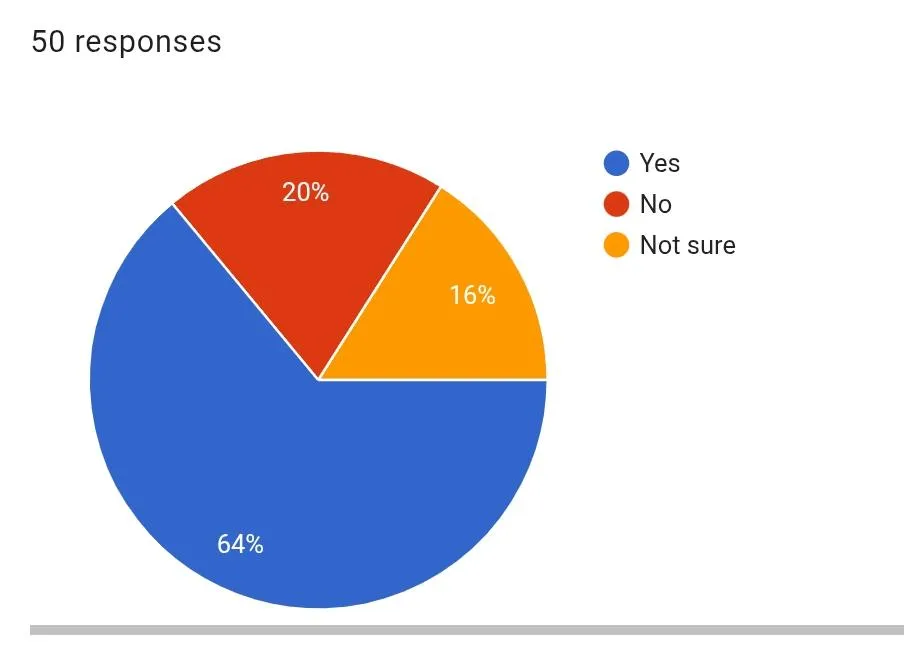
5.3.4 Are You Aware That Medicines Can Cause Side Effects?
Result: A portion of patients were aware that medicines can cause side effects, while others were not.
Discussion: Partial awareness indicates the need for better patient education regarding drug safety.
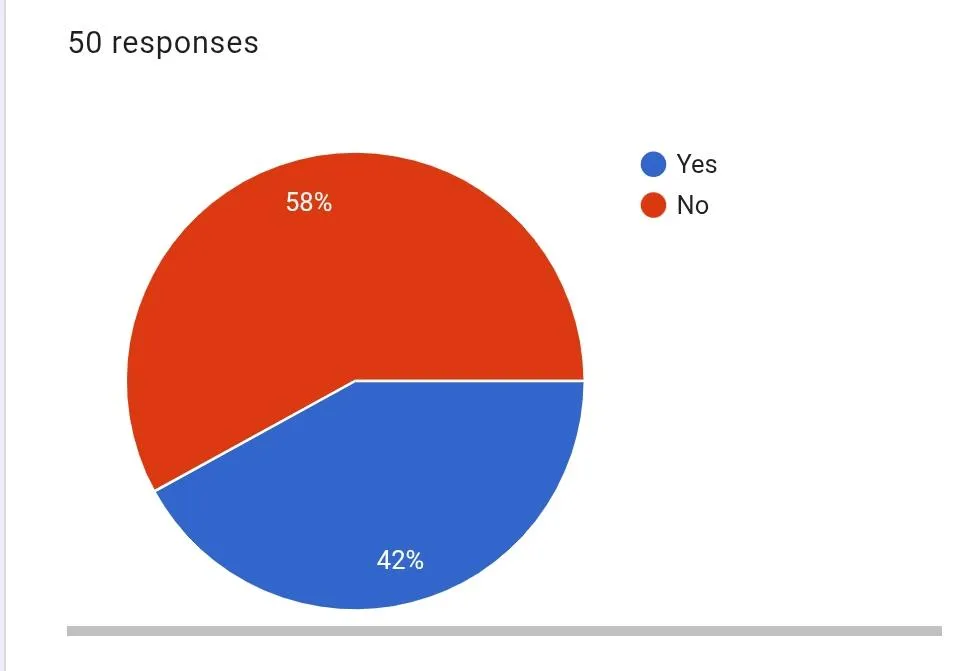
5.3.5 Have You Experienced Side Effects?
Result: Around 58% of patients reported experiencing side effects after taking medication.
Discussion: This suggests that ADRs are relatively common and should not be ignored in long-term therapy.
5.3.6 Did You Consult a Doctor/Pharmacist?
Result: Only a limited number of patients consulted healthcare professionals after experiencing side effects.
Discussion: This indicates that many patients neglect ADRs, which may lead to poor treatment outcomes.
5.3.7 Are You Aware That Side Effects Can Be Reported?
Result: A majority of patients were not aware that side effects can be formally reported.
Discussion: This clearly reflects a lack of awareness about pharmacovigilance systems.
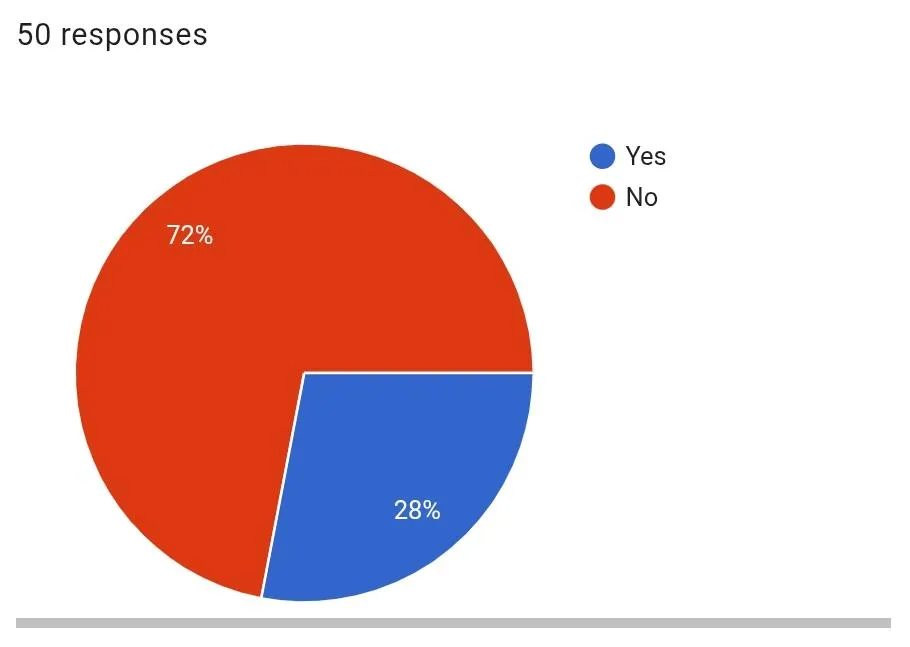
5.3.8 Have You Ever Reported Side Effects?
Result: About 62% of patients reported that they have never reported any side effects.
Discussion: This confirms significant underreporting of ADRs, which is a major concern in pharmacovigilance.
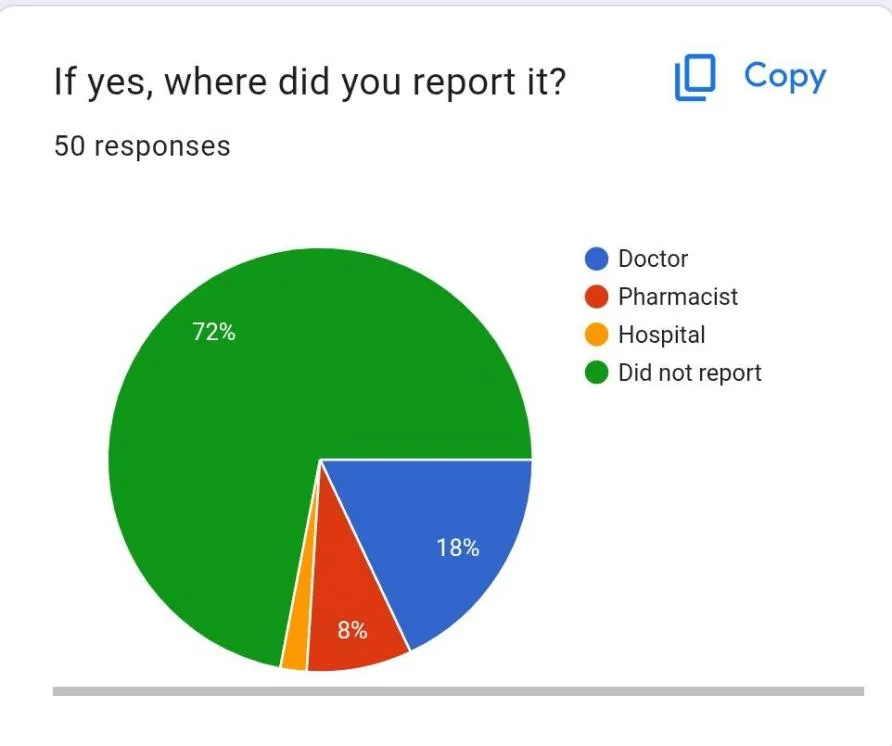
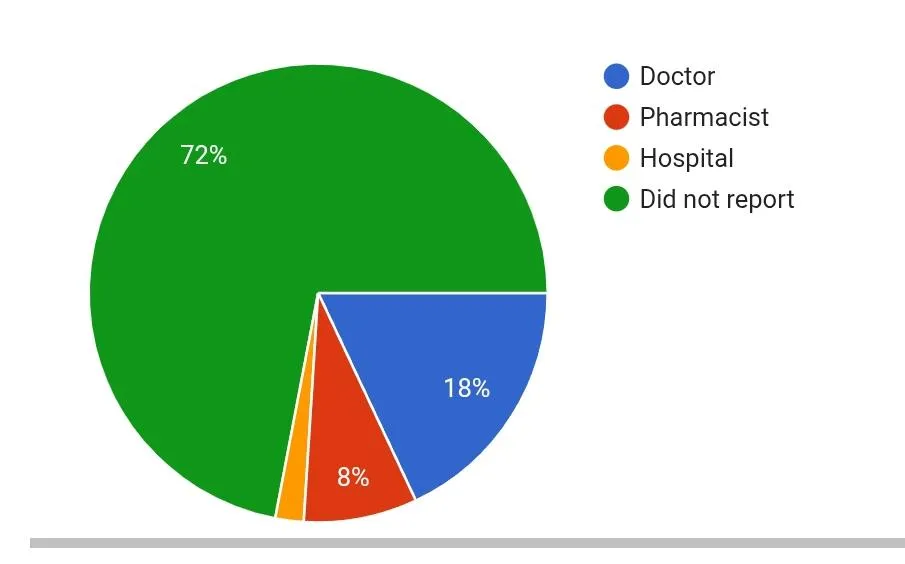
5.3.9 If Yes, Where Did You Report?
Result: Very few patients reported ADRs, and those who did mainly reported to doctors or pharmacists.
Discussion: Formal ADR reporting systems are underutilized, indicating lack of awareness and accessibility.
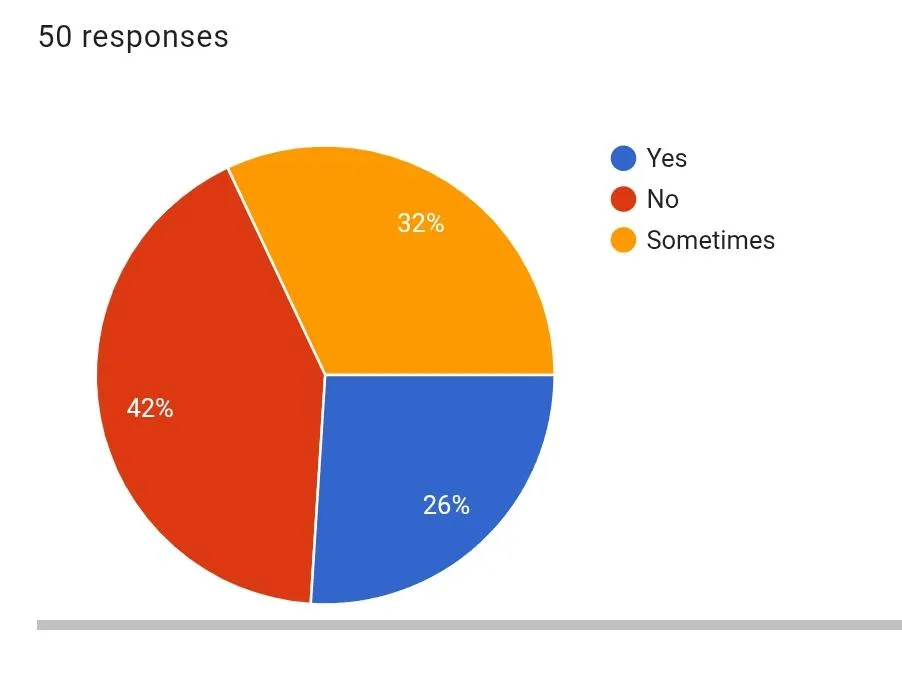
5.3.10 Do You Read or Ask About Side Effects?
Result: Some patients reported that they read or ask about side effects, while others do not.
Discussion: This variation shows inconsistency in patient behavior, emphasizing the need for better counseling.
CH 6: Conclusion, Limitations & Future Scope
CONCLUSION
The present study was carried out to evaluate adverse drug reactions (ADRs) associated with antihypertensive drugs and to assess awareness and reporting practices related to pharmacovigilance among pharmacists and patients in the management of Hypertension.
The findings of the study revealed that antihypertensive drugs such as telmisartan are widely used in clinical practice and are frequently dispensed in community pharmacies. A significant proportion of patients reported experiencing side effects during the course of treatment.
However, despite the occurrence of adverse drug reactions, the majority of patients did not report them. This was mainly due to lack of awareness regarding ADR reporting systems and the importance of pharmacovigilance. Although pharmacists were found to be aware and actively involved in patient counseling, this did not always result in proper reporting by patients.
Therefore, it can be concluded that while ADRs are common, there exists a substantial gap between occurrence and reporting. Strengthening awareness and promoting pharmacovigilance practices among patients and healthcare professionals is essential to ensure drug safety and improve therapeutic outcomes.
• The study was conducted on a limited sample size (n = 100), which may not fully represent the entire population.
• Data collection was based on self-reported responses, which may be subject to bias or inaccuracies.
• The study was limited to a specific geographic area, which may affect the generalizability of the findings.
• Detailed clinical verification of reported adverse drug reactions was not possible.
• Lack of awareness among participants may have influenced the accuracy of responses related to pharmacovigilance.
• Awareness programs and educational campaigns should be conducted to improve knowledge about pharmacovigilance among patients.
• Training programs for healthcare professionals can enhance ADR reporting practices.
• Larger-scale studies involving diverse populations can be carried out for more accurate analysis.
• Integration of digital tools and mobile applications can simplify ADR reporting.
• Collaboration between hospitals, pharmacies, and pharmacovigilance centers can strengthen drug safety monitoring systems.
• Patients should be encouraged to report any unusual side effects to healthcare professionals.
• Pharmacists should take an active role in educating patients about ADR reporting systems.
• Simple and accessible reporting mechanisms should be promoted.
• Awareness regarding national pharmacovigilance programs should be increased.
REFERENCES
of medicines. World Health Organ. 2004.
of medicines. World Health Organ. 2004.





Sakshi Jadhav, Dhanashri Mali, Gauri Chaudhari, Sakshi Dawange, Vaishali Rawal and Dr. M. R. N. Shaikh, A Pharmacovigilance Study of Antihypertensive Drugs with Reference to ADR Reporting and Patient Awareness in Hypertension, Int. J. of Pharm. Sci., 2026, Vol 4, Issue 6, 200-217, https://doi.org/10.5281/zenodo.20486646
 10.5281/zenodo.20486646