

We use cookies to ensure our website works properly and to personalise your experience. Cookies policy
Aakash institute of medical science nalagarh.
The growing awareness about the harmful effects of synthetic chemicals has increased interest in herbal-based personal care products. Herbal soaps, prepared using natural plant extracts, essential oils, and organic bases, have gained popularity due to their safety, effectiveness, and eco-friendly nature. This review article provides an overview of herbal soaps, including their composition, preparation methods, benefits, evaluation parameters, and limitations. Herbal soaps not only cleanse the skin but also provide therapeutic benefits such as antimicrobial, anti-inflammatory, and antioxidant effects. The article emphasizes the importance of herbal formulations in modern skincare and highlights their future potential
The skin acts as a protective barrier against environmental factors such as dust, microbes, and harmful chemicals. Maintaining skin hygiene is essential for overall health. Soaps are commonly used cleansing agents; however, most commercial soaps contain synthetic ingredients that may cause dryness, irritation, or allergic reactions in some individuals.
In recent years, there has been a shift toward natural and herbal products. Herbal soaps are made from plant-based ingredients and are considered safer and more compatible with the skin. These soaps are enriched with natural compounds that not only clean but also nourish and protect the skin (Sharma & Verma, 20)
Herbal Soap
Herbal soap preparation is a medicine it contain antibacterial, anti-ageing anti- oxidant, anti- septic properties which mainly uses of part of plant like seeds, rhizomes, nuts and pulps to treatment for an injury or disease or to achieve health. Herbal soap do not contain the artificial colours, flavours, fluorides etc., when compared to the content of commercial soap. Herbs are the natural products mostly found in the treatment of almost all diseases and skin problems owing to their high medicinal value, cost effectiveness, availability and compatibility Herbal soap preparation is a medicine or drug. it contain antimicrobial or anti oxidation property, agent Which are mainly use of part of plant such as like leave, stem, roots and fruits To treatment for a skin disease or to achieve To good health. A soap manufactory was uncovered in the ruins at Pompeii, and the Greek physician Mr. Galen wrote about soap in the second century. It's hard to believe that as recent as the last century, soap had to be labeled as to it's use. Also during this time, soap fell out of popularity as some modest Victorians believed "soap baths" as disgraceful and sinful. Some of the famous brand name soaps that you buy today are actually not soap at all Nowhere on the packages does the word "soap" appear, rather the products are labeled"beauty bars" or "deodorant bars". They are synthetic detergents. These "beauty bars" also contain chemical components called "builders" that increase the efficiency of the soap. Most of the money you pay for commercial bath products covers the costs of advertising, packaging and promoting the products, not for what's in them. You can make your own bath products at home and package them elegantly for fraction of the cost of store bought wares. Another advantage is knowing what's in your home made products many store bought products, including soaps, are not required to list their ingredient.
Soap
Soap is common cleansing agent well known to everyone. Many authors defined soap indifferent ways. Warra, 19 regarded it as any cleaning agent, manufactured in granules, bars, flakes, or liquid form obtained from by reacting salt of sodium or potassium of various fatty acids that are of natural origin (salt of non-volatile fatty acids).Soap can also be said to be any water-soluble salt of fatty acids containing eight or more carbon atoms. Soaps are produced for varieties of purpose ranging from washing, bathing, medication etc. The cleansing action of the soap is due to the negative ions on the hydrocarbon chain attached to the carboxylic group of the fatty acids. The affinity of the hydrocarbon chain to oil and grease, while carboxylic group to water is the main reason soap is being used mostly with water for cleaning purposes.In addition to basic raw materials, other substances are added to the composition in order to improve its application. For examples soap made for medicinal purposes other medicinal importance ingredients are added to it to produce medicated soaps. In addition to potassium and sodium salt, other metals such as calcium, magnesium and chromium are also used to produce metallic insoluble soap that are not used as cleaning agents, but are used for other purposes. Other properties of the soap such as hardness are function of the metallic element present in the salt.

Fig.1-SOAP
Composition of Herbal Soap
Herbal soaps are formulated using a combination of natural ingredients that provide both cleansing and therapeutic effects. The major components include.
Natural Oils
Oils such as coconut oil, olive oil, palm oil, and castor oil are commonly used. These oils act as the base material and help in the saponification rocess. They also provide moisturizing properties and improve the texture of the soap.
Herbal Extracts
Various plant extracts are added for their medicinal properties. Commonly used herbs include:
These extracts enhance the therapeutic value of the soap (Das et al., 2024).
Essential Oils
Essential oils are used for fragrance as well as therapeutic benefits. For example, lavender oil provides a calming effect, while tea tree oil has antimicrobial properties.
Alkali
An alkali such as sodium hydroxide is used in the saponification process to convert oils into soap.
Additives
Natural colorants, exfoliants (like oatmeal), and preservatives may also be added to improve the appearance and shelf life of the soap.
MATERIAL AND METHOD
Material :
Material of herbal soap.
|
Sr. No |
Material |
Quantity |
|
1 |
Neem |
10gm |
|
2 |
Hibiscus powder |
3.33gm |
|
3 |
Aloe vera |
6.6gm |
|
4 |
Vitamin E |
2.5gm |
|
5 |
Turmeric powder |
0.83gm |
|
6 |
Glycerin soap base |
20gm |
|
7 |
Rose water |
QS |
|
8 |
Orange oil |
1ml |

Fig no:1
1.Hibiscus
I.Synonym: Hibiscus rose -sinensis
II.Family: Mallows
V.Color: Red

Fig no:2
2.Neem
I.Synonym: Arishth
II.Family: Mellaceae
III.Chemical constituents: Nimbin, Nimbinene
IV. Use: Anti-bacterial
V.Color: Green
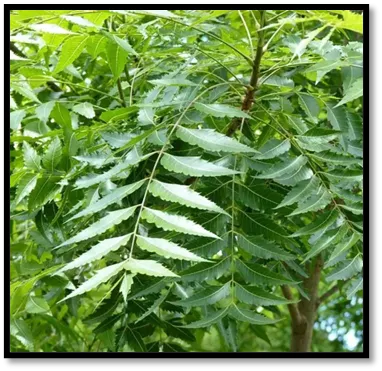
Fig no :3
3.Aloevera
4.Vitamin E: Use
Capsule Use-helps maintain healthy skin and eyes and strengthen the body's natural defense against illness and infection.
5.Turmeric powder
I.Synonym: Haldi.
V.Color: Yellow
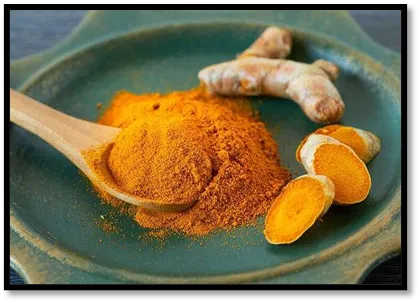
Fig no:4
6.Soap Base Use
7. Rose
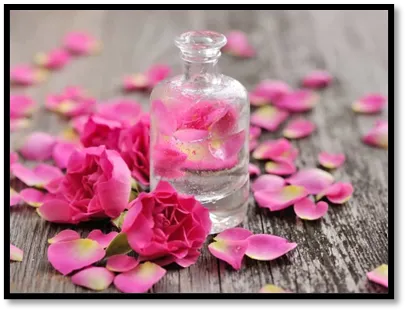
Fig no:5
8.Orange oil
I.Synonym: Beardless
II.Family: Rutaceae
III.Chemical constituents: D-imonene
IV.Use: Treat skin conditions such as acne.
V.Color: Orange
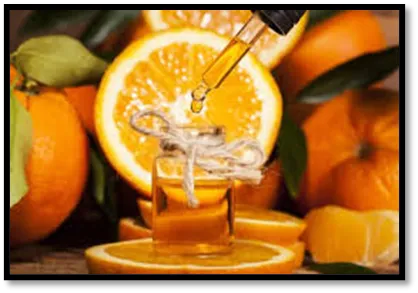
Fig no:6
Method of Preparation
The preparation of herbal soap mainly involves the process of saponification, where fats or oils react with an alkali to form soap and glycerin.
Cold Process Method
This is the most commonly used method. It involves mixing oils with an alkali solution at a controlled temperature. Herbal extracts and essential oils are added before pouring the mixture into molds. The soap is then allowed to cure for several weeks. This method preserves the natural properties of the ingredients (Sharma et al., 2022).
Hot Process Method
In this method, heat is applied to speed up the saponification process. Although faster, it may reduce the effectiveness of some herbal components.
This is a simple method where pre-made soap base is melted, and herbal ingredients are added before pouring into molds. It is commonly used for small-scale production.
Benefits of Herbal Soap
Gentle on Skin
Herbal soaps are free from harsh chemicals, making them suitable for sensitive skin. They help maintain the natural balance of the skin.
Antimicrobial Properties
Many herbal ingredients, such as neem and tea tree oil, possess antibacterial and antifungal properties that help prevent infections (Kowser et al., 2022).
Antioxidant Effects
Herbs like turmeric and aloe vera contain antioxidants that protect the skin from damage caused by free radicals.
Moisturizing Action
Natural oils and glycerin present in herbal soaps help retain moisture and prevent dryness.
Anti-Inflammatory Effects
Herbal ingredients reduce inflammation and soothe irritated skin.
Eco-Friendly and Sustainable
Herbal soaps are biodegradable and do not harm the environment, making them a sustainable alternative to synthetic soaps (Majumdar et al., n.d.).
Evaluation of Herbal Soap
To ensure quality and safety, herbal soaps are evaluated using various parameters:
Physical Properties
Chemical Properties
Foam Test
Foaming ability and stability are important for consumer acceptance.
Skin Irritation Test
This test ensures that the soap does not cause irritation or allergic reactions.
Stability Studies
These studies evaluate the shelf life and effectiveness of the soap under different conditions (Raj et al., 2025).
Applications of Herbal Soap
Herbal soaps are widely used for:
They are also used in cosmetic and therapeutic skincare products.
Limitations of Herbal Soap
Despite their advantages, herbal soaps have certain limitations:
FUTURE PROSPECTS
The demand for herbal and natural products is increasing globally. Advances in formulation techniques and quality control can improve the stability and effectiveness of herbal soaps. Research is also being conducted to explore new herbal ingredients with enhanced therapeutic properties.
With growing consumer awareness, herbal soaps are expected to play an important role in the future of skincare and cosmetic industries.
CONCLUSION
Herbal soaps represent a natural and effective alternative to synthetic soaps. They offer multiple benefits, including gentle cleansing, antimicrobial activity, and environmental safety.
these challenges. The increasing popularity of herbal products highlights the importance of integrating traditional knowledge with modern science for better skincare solutions.
REFERENCES


Deepshikha, Shameena, A Research Article on Herbal soap, Int. J. of Pharm. Sci., 2026, Vol 4, Issue 5, 7913-7918, https://doi.org/10.5281/zenodo.20444454
 10.5281/zenodo.20444454