

We use cookies to ensure our website works properly and to personalise your experience. Cookies policy
Pacific College of Pharmacy PAHER University , Udaipur, Rajasthan, 313001.
Plant-based remedies have long occupied a central place in traditional healing systems and remain an important wellspring for present-day drug development. Rising rates of cancer and disorders linked to oxidative stress have renewed interest in phytochemicals as therapeutic options that may offer a better safety profile than some conventional treatments. This review, covering fifteen medicinal plants — Catharanthus roseus, Curcuma longa, Withania somnifera, Ocimum tenuiflorum, Azadirachta indica, Phyllanthus emblica, Aloe vera, Tinospora cordifolia, Mangifera indica, Vitis vinifera, Allium sativum, Zingiber officinale, Bacopa monnieri, Rauvolfia serpentina and Syzygium aromaticum — examines their pharmacological relevance in cancer and oxidative-stress management. Each of these species contains bioactive groups such as alkaloids, flavonoids, phenolics, terpenoids and polyphenols, which contribute to antioxidant and anticancer effects through mechanisms that include scavenging of free radicals, moderation of oxidative stress, triggering of apoptosis, suppression of tumour growth and modulation of intracellular signalling pathways. Progress in phytochemical analysis, nanotechnology-based delivery platforms and pharmacological investigation has further strengthened the case for these plants as therapeutic candidates. By connecting long-standing traditional knowledge with current scientific evidence, this article underscores the role medicinal plants can play in the search for new antioxidant and anticancer agents, while noting that continued research, quality standardisation and clinical validation remain necessary before wider integration into mainstream healthcare
The term "Aushadhi", drawn from Sanskrit, denotes medicinal plants or natural remedies valued for their healing effects and used for millennia within traditional systems of care such as Ayurveda. Their therapeutic value stems largely from bioactive constituents — alkaloids, flavonoids, phenolics, terpenoids, glycosides and tannins among them.
Traditional plant-based knowledge has historically pointed the way toward numerous modern pharmaceuticals, illustrating the benefit of combining older observational wisdom with present-day pharmacological methods [1]. Ongoing scientific work continues to test and confirm the efficacy and safety of these plants, reinforcing their status as a valuable pool of candidates for new therapeutics.
ANTICANCER PROPERTIES OF MEDICINAL PLANTS
Cancer remains among the foremost causes of illness and death globally, marked by unchecked cellular proliferation and the spread of malignant cells [2]. While chemotherapy, radiotherapy and surgery have extended and improved patient survival, these approaches often carry significant side effects and can be undermined by resistance.
Medicinal plants offer an alternative reservoir of anticancer compounds. Substances such as vincristine, vinblastine, curcumin, withaferin A, resveratrol and eugenol restrain the growth of cancer cells via several routes, including triggering apoptosis, halting the cell cycle, blocking new blood vessel formation in tumours, and interfering with molecular signalling cascades [3]. A number of these plant-derived molecules have already been translated into approved anticancer medicines, underscoring the relevance of botanical sources to oncology drug development.
ANTIOXIDANT PROPERTIES OF MEDICINAL PANTS
Oxidative stress arises when reactive oxygen species are generated faster than the body's antioxidant defences can neutralise them, contributing to cell injury and chronic conditions including cancer, diabetes, cardiovascular disease and neurodegeneration [4]. Medicinal plants supply an array of natural antioxidants — flavonoids, polyphenols, vitamins and phenolic acids — capable of neutralising free radicals and limiting oxidative damage.
These constituents assist in preserving cellular balance, dampening inflammation, and supporting general health [5]. Because they tend to combine efficacy with comparatively low toxicity, plant-sourced antioxidants have attracted growing attention as candidates for preventing disease.
ANTICANCER AND ANTIOXIDANT DRUGS DERIVED FROM PLANTS
VINCA (Sadabahar / Madagascar Periwinkle)
Botanical name: Catharanthus roseus (L.) G. Don
Source: Vinca refers to the dried leaf and root material of Catharanthus roseus, a member of the Apocynaceae family.
Taxonomic placement: Genus Catharanthus, family Apocynaceae, species roseus.
Key antioxidant constituents: Flavonoids and phenolic constituents
Key anticancer constituents: Vincristine, vinblastine, vindoline and catharanthine
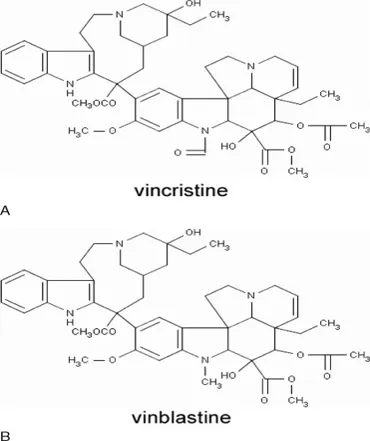
Uses: This plant is a cornerstone treatment in acute lymphoblastic leukaemia, Hodgkin's lymphoma, and breast and lung malignancies. Beyond oncology, it is credited with antioxidant, antidiabetic, blood pressure lowering, antimicrobial and anti-inflammatory effects. [6]
TURMERIC (Haldi)
Botanical name: Curcuma longa L.
Source: The dried rhizome of Curcuma longa, belonging to family Zingiberaceae, constitutes turmeric.
Taxonomic placement: Genus Curcuma, family Zingiberaceae, species longa
Key antioxidant constituents: Curcumin and demethoxycurcumin
Key anticancer constituents: Curcumin
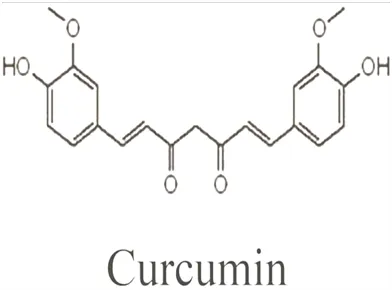
Uses: Turmeric is valued for antioxidant, anticancer, anti-inflammatory and antimicrobial actions, and is traditionally applied for wound repair and liver protection. [7]
ASHWAGANDHA (Winter Cherry / Indian Ginseng)
Botanical name: Withania somnifera (L.) Dunal
Source: Ashwagandha is prepared from the dried root of Withania somnifera, family Solanaceae.
Taxonomic placement: Genus Withania, family Solanaceae, species somnifera.
Key antioxidant constituents: Withanolides and flavonoids
Key anticancer constituents: Withaferin A and other withanolides
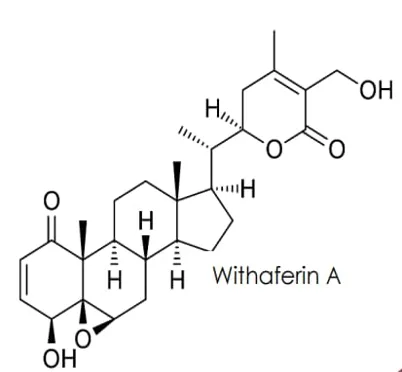
Uses: It functions as an adaptogen and is used for its antioxidant, anticancer, immune-modulating and anti-inflammatory properties. [8]
TULSI (Holy Basil)
Botanical name: Ocimum tenuiflorum L.
Source: Fresh or dried leaves of Ocimum tenuiflorum, family Lamiaceae, are used as tulsi.
Taxonomic placement: Genus Ocimum, family Lamiaceae, species tenuiflorum.
Key antioxidant constituents: Eugenol and rosmarinic acid
Key anticancer constituents: Eugenol and ursolic acid
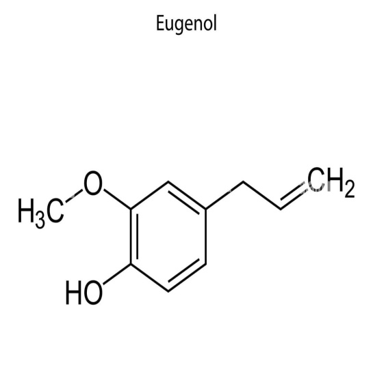
Uses: Tulsi is applied for its antioxidant, anticancer and antimicrobial activity, and is a common remedy for respiratory complaints. [9]
NEEM (Indian Lilac)
Botanical name: Azadirachta indica A. Juss.
Source: The leaves, bark and seeds of Azadirachta indica (family Meliaceae) provide the material used as neem.
Taxonomic placement: Genus Azadirachta, family Meliaceae, species indica.
Key antioxidant constituents: Quercetin and nimbin
Key anticancer constituents: Azadirachtin and nimbolide
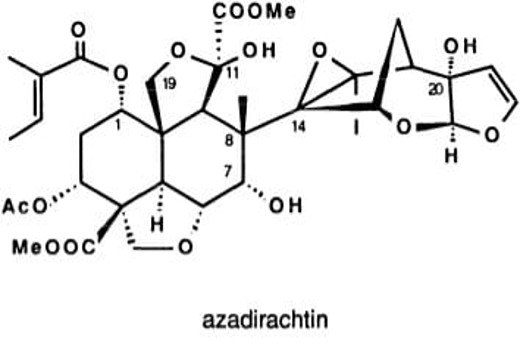
Uses: Neem serves as an antioxidant, anticancer, antimicrobial and antidiabetic agent, and is widely used for skin conditions. [10]
AMLA (Indian Gooseberry)
Botanical name: Phyllanthus emblica L.
Source: Fresh or dried fruits of Phyllanthus emblica,
family Phyllanthaceae, make up amla.
Taxonomic placement: Genus Phyllanthus, family Phyllanthaceae, species emblica.
Key antioxidant constituents: Vitamin C together with emblicanin A and B
Key anticancer constituents: Gallic acid and ellagic acid
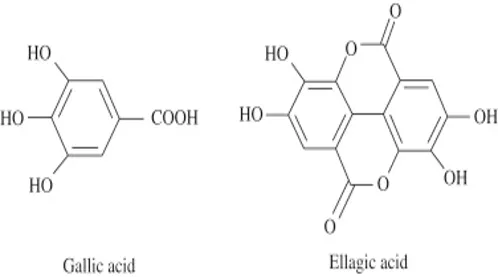
Uses: Amla acts as an antioxidant, anticancer and immune-supporting agent, and is traditionally used as a digestive tonic and liver protectant. [11]
ALOEVERA (Lily of the Desert)
Botanical name: Aloe barbadensis Miller
Source: The leaf gel and latex of Aloe barbadensis,
family Asphodelaceae,
are the sources of aloe vera.
Taxonomic placement: Genus Aloe, family Asphodelaceae, species barbadensis.
Key antioxidant constituents: Aloin along with vitamins C and E
Key anticancer constituents: Aloe-emodin
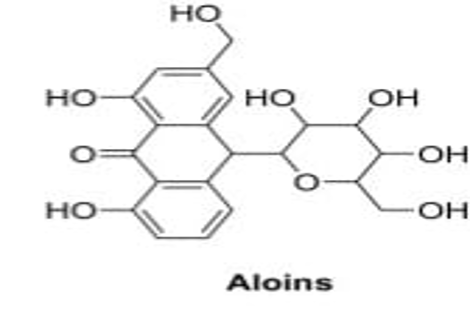
Uses: It is chiefly applied for wound healing, and also carries antioxidant and anticancer value, being used for various skin disorders and burns. [12]
GILOY (Guduchi)
Botanical name: Tinospora cordifolia (Willd.) Hook.f. & Thomson
Source: The dried stem of Tinospora cordifolia, family Menispermaceae, is used as giloy.
Taxonomic placement: Genus Tinospora, family Menispermaceae, species cordifolia.
Key antioxidant constituents: Berberine, tinosporaside and cordifolioside A
Key anticancer constituents: Berberine and magnoflorine
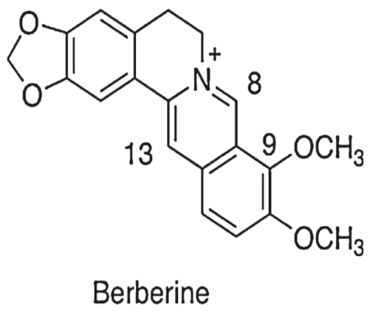
Uses: Giloy is used as an antioxidant, anticancer, immunomodulatory, antidiabetic, anti-inflammatory and antipyretic remedy. [13]
MANGO (Aam)
Botanical name: Mangifera indica L.
Source: The leaves, bark, fruit and seed of Mangifera indica, family Anacardiaceae, are all utilised.
Taxonomic placement: Genus Mangifera, family Anacardiaceae, species indica.
Key antioxidant constituents: Mangiferin and quercetin
Key anticancer constituents: Mangiferin and gallic acid
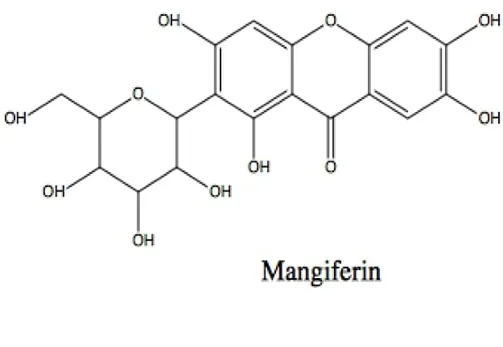
Uses: Mango parts are used for antioxidant, anticancer, antimicrobial, antidiabetic and liver-protective purposes. [14]
GRAPES (Angur)
Botanical name: Vitis vinifera L.
Source: Fresh fruit and seeds of Vitis vinifera, family Vitaceae, are the sources.
Taxonomic placement: Genus Vitis, family Vitaceae, species vinifera.
Key antioxidant constituents: Resveratrol and proanthocyanidins
Key anticancer constituents: Resveratrol and quercetin
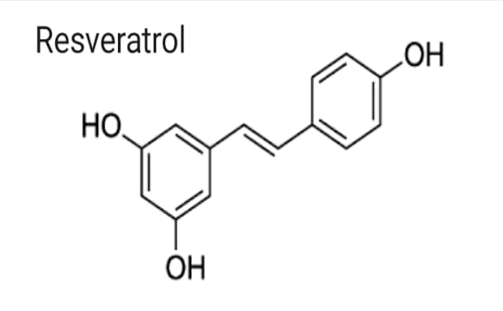
Uses: Grapes are known for antioxidant, anticancer, heart-protective, anti-inflammatory and anti-ageing effects. [15]
GARLIC (Lehsun)
Botanical name: Allium sativum L.
Source: The bulb of Allium sativum, family Amaryllidaceae, is used.
Taxonomic placement: Genus Allium, family Amaryllidaceae, species sativum.
Key antioxidant constituents: Allicin and S-allyl cysteine
Key anticancer constituents: Allicin and diallyl disulfide
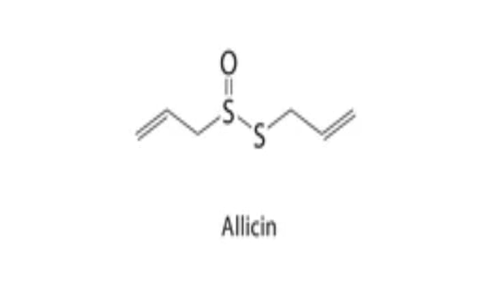
Uses: Garlic is employed as an antioxidant, anticancer, blood-pressure-lowering, lipid-lowering and antimicrobial agent. [16]
GINGER (Adrak)
Botanical name: Zingiber officinale Roscoe
Source: The dried rhizome of Zingiber officinale, family Zingiberaceae, is used.
Taxonomic placement: Genus Zingiber, family Zingiberaceae, species officinale.
Key antioxidant constituents: Gingerols and shogaols
Key anticancer constituents: 6-Gingerol and 6-shogaol
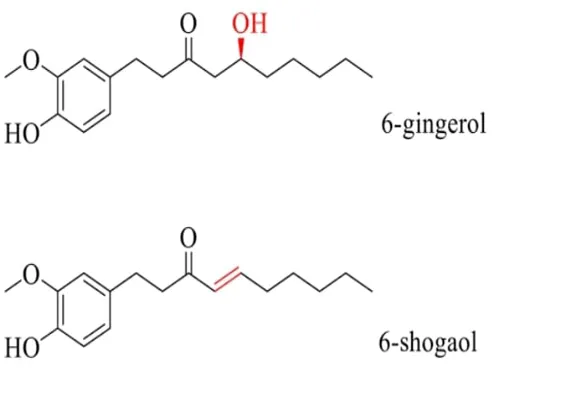
Uses: Ginger acts as an antioxidant, anticancer, anti-inflammatory, antiemetic and digestive stimulant. [17]
BRAHMI (Water Hyssop)
Botanical name: Bacopa monnieri (L.) Wettst.
Source: The entire plant of Bacopa monnieri, family Plantaginaceae, is used.
Taxonomic placement: Genus Bacopa, family Plantaginaceae, species monnieri.
Key antioxidant constituents: Bacosides and flavonoids
Key anticancer constituents: Bacoside A and betulinic acid
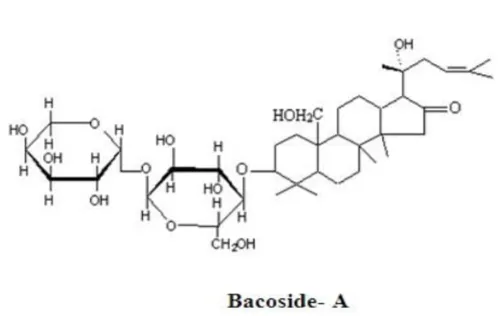
Uses: Brahmi is used as an antioxidant, memory-enhancing, neuroprotective, anxiety-reducing and anticancer agent. [18]
RAUWOLFIA(Sarpgandha)
Botanical name: Rauvolfia serpentina (L.) Benth. ex Kurz
Source: The dried root of Rauvolfia serpentina, family Apocynaceae, is used.
Taxonomic placement: Genus Rauvolfia, family Apocynaceae, species serpentina.
Key antioxidant constituents: Reserpine and flavonoids
Key anticancer constituents: Ajmaline and reserpine, as reported in experimental work
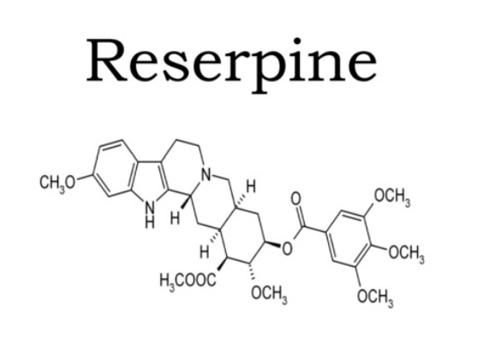
Uses: It is traditionally used for its antioxidant, antihypertensive and sedative effects, and has been explored against certain cancers and nervous disorders. [19]
CLOVE (Laung)
Botanical name: Syzygium aromaticum (L.) Merr. & L.M. Perry
Source: The dried flower bud of Syzygium aromaticum, family Myrtaceae, is used.
Taxonomic placement: Genus Syzygium, family Myrtaceae, species aromaticum.
Key antioxidant constituents: Eugenol and gallic acid
Key anticancer constituents: Eugenol and beta-caryophyllene
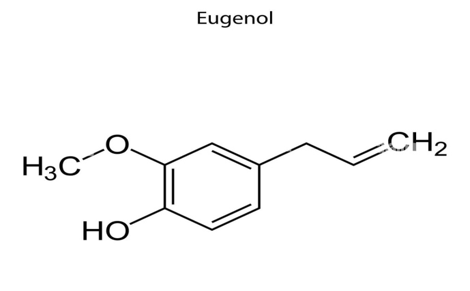
Uses: Clove is used as an antioxidant, anticancer, antimicrobial, anti-inflammatory and pain-relieving agent, and finds routine use in dental care. [20]
Table 1. Important Chemical Constituents of Anticancer and Antioxidants Aushadhi
|
Sr. No. |
Name of Aushadhi |
Active Chemical constituent |
Ref. No. |
|
|
Anticancer |
Antioxidant |
|||
|
1. |
Vinca |
Vincristine,Vinblastin |
Flavonoids , Phenolic constituents |
(6) |
|
2. |
Turmeric |
DemethoxyCurcumin Curcumin |
Curcumin |
(7) |
|
3. |
Ashwagandha |
Withaferin A |
Withanolides Flavonoids |
(8) |
|
4. |
Tulsi |
Eugenol , Ursolic acid |
Eugenol Rosmarinic Acid |
(9) |
|
5. |
Neem |
Azadirachtin, Nimbolide |
Quercetin Nimbin |
(10) |
|
6. |
Amla |
Gallic Acid ,Ellagic Acid |
Vitamin C,Emblicanin A and B |
(11) |
|
7. |
Aloe vera |
Aloe emodin |
Aloin, Vitamin C and E |
(12) |
|
8. |
Giloy |
Berberine, Magnoflorine |
Berberine,Tinosporaside |
(13) |
|
9. |
Mango |
Mangiferin , Gallic Acid |
Mangiferin, Quercetin |
(14) |
|
10. |
Grapes |
Resveratrol , Quercetin |
Resveratrol ,Proanthocyanidins |
(15) |
|
11. |
Garlic |
Allicin,Diallyl disulfide |
Allicin,S-allyl cysteine |
(16) |
|
12. |
Ginger |
6- Gingerol, 6-Shogaol |
Gingerol,Shogaol |
(17) |
|
13. |
Brahmi |
BacosideA,Betulinic Acid |
Bacocides,Flavonids |
(18) |
|
14. |
Rauwolfia |
Reserpine,Ajmaline |
Reserpine,Flavonids |
(19) |
|
15. |
Clove |
Eugenol,BetaCaryophyllene |
Eugenol,Gallic Acid |
(20) |
RECENT DEVELOPMENT
Progress across phytochemistry, pharmacology, biotechnology and nanotechnology has considerably expanded what medicinal plants can offer therapeutically. Improved analytical tools have made it possible to identify new bioactive molecules with strong antioxidant and anticancer effects [21].
Delivery systems built on nanotechnology — nanoparticles, liposomes and phytosomes among them — are being designed to improve the bioavailability, stability and site-specific delivery of compounds such as curcumin, vincristine, resveratrol, withaferin A and eugenol [22]. Plant tissue culture and metabolic engineering are likewise being used to boost the yield of valuable secondary metabolites.
Artificial intelligence and molecular docking are speeding up the identification of promising phytochemicals along with their likely molecular targets [23]. Continuing preclinical and clinical studies keep testing the safety and effectiveness of these plants, reinforcing their promise as affordable and sustainable sources of antioxidant and anticancer agents. Collectively, these developments help merge traditional Aushadhi practice with contemporary pharmacology and support the emergence of next-generation plant-based treatments [24].
SUMMARY
Medicinal plants remain a rich source of natural antioxidant and anticancer phytochemicals. Compounds such as curcumin, vincristine, vinblastine, withanolides, eugenol, resveratrol, allicin and mangiferin show notable therapeutic promise.
These phytoconstituents help lower oxidative stress, restrain the growth of cancer cells, trigger apoptosis and protect healthy tissue. Many of the same plants also display anti-inflammatory, antimicrobial, immunomodulatory and antidiabetic activity, adding to their overall value for health.
Advances in nanotechnology and standardised herbal preparations have improved how well these plant compounds are absorbed and how effectively they work. Although several are already used clinically, further preclinical and clinical research is still required to confirm long-term safety, efficacy and appropriate dosing.
Taken together, medicinal plants stand out as a promising, economical and sustainable source for developing the next generation of antioxidant and anticancer therapies.
REFERENCES





Akansha Sethiya, Himanshi Kalal, Prapti Tripathi, Puneet Parashar, Maya Sharma, A Review Article on Anticancer and Antioxidant Aushadhi: Bridging Traditional Wisdom and Modern Pharmacology, Int. J. of Pharm. Sci., 2026, Vol 4, Issue 8, 4215-4224. https://doi.org/10.5281/zenodo.22104890
 10.5281/zenodo.22104890