

We use cookies to ensure our website works properly and to personalise your experience. Cookies policy
1Assistant professor SIMS college of pharmacy.
2Principal, SIMS college of pharmacy.
3,4,5,6,7,8,9Student SIMS college of pharmacy.
one of the most common hormonal and metabolic disorders affecting women of reproductive age. It is mainly characterized by irregular menstrual cycles, hormonal imbalance, excessive hair growth, acne, weight gain, and difficulty in getting pregnant. The exact cause of PCOS is not fully understood, but genetic factors, insulin resistance, increased androgen levels, and lifestyle changes are believed to play important roles in its development. PCOS can affect a woman's reproductive, metabolic, and emotional health. If it is not properly managed, it may increase the risk of type 2 diabetes, obesity, infertility, cardiovascular problems, and psychological disturbances. Early diagnosis is important to identify the condition and prevent possible long-term complications. Diagnosis is generally based on menstrual history, clinical symptoms, hormone levels, and ultrasound examination. Treatment mainly focuses on managing symptoms through healthy eating habits, regular physical activity, weight management, and appropriate medications. In addition to conventional treatment, some medicinal plants and herbal products have shown potential benefits in managing PCOS symptoms. However, further scientific research is needed to confirm their safety and effectiveness. This review highlights the causes, risk factors, symptoms, pathophysiology, diagnosis, and treatment of PCOS, with special attention to lifestyle modifications and herbal approaches for better disease management.
One of the common conditions affecting the endocrine system in women who are of reproductive age is polycystic ovary syndrome also called hyperandrogenic anovulation or Stein–Leventhal syndrome. This long-term and varied condition shows up as periods trouble getting pregnant excess body hair, acne and weight gain. It describes a condition where at least one ovary has an ovarian volume greater than 10 mL and at least one ovary has an estimated ten small cysts, with diameters ranging from 2 to 9 mm, develop . It is usually only diagnosed when complications develop that significantly reduce a patient’s quality of life (e.g., hair loss, alopecia, acne, and infertility-related problems) . According to a systematic screening of women using the National Institutes of Health (NIH) diagnostic standards, 4–10% of reproductive-age women are predicted to have PCOS worldwide . The World Health Organization (WHO) estimates that in 2012 PCOS affected 116 million women (3.4%) globally. This high frequency, as well as its link with ovulation and menstruation abnormalities, infertility, hair loss, and metabolic issues, underscores PCOS’s significant financial burden . Although PCOS can occur at any age, beginning with menarche, the majority of instances are identified between the ages of 20 and 30 . I have read that PCOS affects 1.55 million women of age worldwide resulting in 0.43 million disability-adjusted life years (DALYs). The age-standardized incidence rate of PCOS in women of age was 82.44 per 100,000 in 2017, 1.45 percent higher than, in 2007 Recent research reveals that PCOS is a lifelong syndrome that first manifests during pregnancy, although it was traditionally thought to be a disorder that only affected adult women .
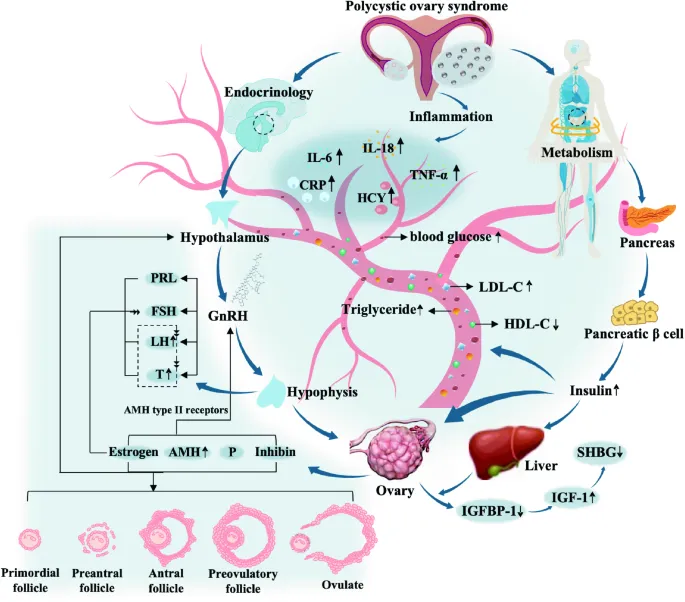
The exact cause of this disorder is not known.. It is believed that a mix of genetic and environmental influences plays a big part. The way PCOS works in the body mainly involves imbalances. There is also low-grade inflammation. Insulin resistance is another factor.. There is too much androgen, which is a male hormone.
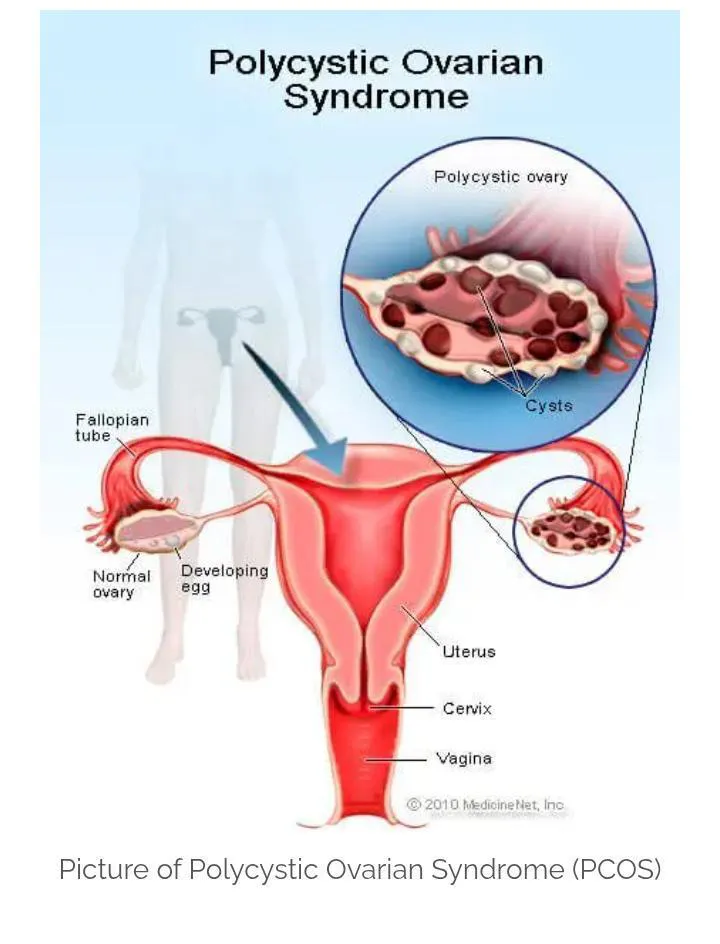
These problems affect the development of follicles. They also raise the chances of health issues. These include cancer and type II diabetes. According to international recommendations, the three main factors used to diagnose PCOS are hyperandrogenism, ovarian morphology, and anovulation . A range of environmental factors, including geography, diet and nutrition, socioeconomic status, and environmental pollutants, are possibly contributing to the development, occurrence, and management of PCOS . In recent years, the link between PCOS and the microbiome has been established, and it is believed to have contributed to the establishment of the syndrome. Dysbiosis of the gut microbial community, caused by environmental risk factors, might be a potential pathogenic factor in the development and progression of PCOS. Different pathogenic aspects of PCOS are caused by different microbiota, and essential routes linking their involvement in the onset of various clinical manifestations of PCOS bring up new therapy options for the condition .Many females in this antral follicle count are asymptomatic diagnosed via transvaginal transducers with frequencies of 8 MHz or higher. Many experts use the criteria of 25 antral follicles instead of 12 for greater specificity.
3.CAUSES AND RISK FACTORS
✓Causes of PCOS
1.Hormonal Imbalance: Changes in hormone levels can affect normal ovulation and cause irregular periods.
2.Insulin Resistance: The body cannot use insulin properly, which may increase male hormone levels.
3.Genetic Factors: PCOS may run in families.
4.Increased Androgens: High levels of male hormones can cause acne and excessive hair growth.
5.Inflammation: Long-term mild inflammation may contribute to hormonal imbalance.
✓Risk Factors of PCOS
1 Family history.Having a mother or sister with PCOS increases the risk.
2.Obesity: Excess body weight can worsen insulin resistance and hormonal imbalance.
3.Unhealthy Diet: Eating high amounts of processed foods, sugar, and unhealthy fats may contribute to metabolic problems.
4.Physical Inactivity: Lack of regular exercise may increase the risk of insulin resistance.
5.Insulin Resistance: Poor insulin sensitivity is commonly associated with PCOS.
6.Hormonal Changes: Abnormal levels of LH, FSH, and androgens may affect normal ovarian function.
Metabolic Problems: Increased blood sugar, abnormal cholesterol levels, and excess abdominal fat are commonly associated with PCOS.
4.PATHOPHYSIOLOGY
PCOS is a common hormonal disorder in women of reproductive age. It develops due to hormonal imbalance, insulin resistance, increased androgen production, and inflammation. These changes affect normal ovarian function and prevent regular ovulation.
1. Neuroendocrine Dysfunction
The normal hormonal balance between LH and FSH is disturbed.
LH levels may increase compared with FSH.
This imbalance affects the normal growth and development of ovarian follicles.
As a result, ovulation becomes irregular.
2. Ovarian Hyperandrogenism
The ovaries produce excess male hormones called androgens.
Increased androgen levels cause acne and unwanted hair growth.
Excess androgens disturb normal follicle development.
This may lead to the accumulation of immature follicles in the ovaries.
3. Insulin Resistance
The body does not respond properly to insulin.
As a result, insulin levels increase in the blood.
High insulin levels stimulate the ovaries to produce more androgens.
This can contribute to weight gain and menstrual irre
4.gularities. Chronic Inflammation and Oxidative Stress
PCOS is associated with low-grade inflammation in the body.
Inflammatory substances may affect normal ovarian function.
Oxidative stress can damage ovarian cells and affect egg development.
These changes may worsen insulin resistance.
5. Genetic and Epigenetic Factors
Genetic factors may increase the risk of developing PCOS.
Family history can play an important role.
Environmental and lifestyle factors may also influence the development of PCOS
.6 Adipose Tissue Dysfunction
In women with excess body fat, adipose tissue may release inflammatory substances and alter the production of hormones called adipokines. These changes can worsen insulin resistance and contribute to metabolic disturbances associated with PCOS.
Overall mechanism:
Genetic and environmental factors
↓
Hormonal imbalance and insulin resistance
↓
Increased LH secretion and hyperinsulinemia
↓
Increased ovarian androgen production
↓
Disrupted follicular development
↓
Follicular arrest and anovulation
↓
Irregular menstruation and infertility
.5.SYMPTOMS
1. Mensrual irregularities
.Irregular menstrual cycles.
.Fewer than 8 periods per year.
.Delayed or missed periods.
.Absence of menstruation for several months.
.Heavy or unpredictable menstrual bleeding.
2. Excess Androgen Effects
.Excessive hair growth on the face, chest, and abdomen.
.Acne and pimples.
Oily skin.
.Hair thinning or hair loss on the scalp.
3. Metabolic and Skin Changes
Insulin resistance.
.Weight gain, especially around the abdomen.
.Difficulty losing weight.
.Dark, thick skin patches on the neck, .armpits, and groin.
.Small skin growths called skin tags.
4. Reproductive Problems
.Difficulty in ovulation.
.Difficulty getting pregnant.
.Reduced fertility
6.COMPLICATIONS
•Endometrial Hyperplasia and Cancer: Long term exposure to estrogen without the balancing effect of progesterone due to not having regular periods can lead to endometrial cancer. This risk is higher in women with anovulation (Madnani et all: many as 10 percent of women with PCOS may develop Type 2 Diabetes by the time they reach age 40 (Stańczak et al., 2024).
Problems with cholesterol levels ongoing inflammation in the body and issues with the lining of blood vessels can raise the chances of high blood pressure and heart disease.
•Obstetric Complications: Women, with PCOS are more likely to have diabetes, pre-eclampsia and to give birth before their due date. is a higher chance of experiencing depression, anxiety and a lower sense of well being.
7.DIAGNOSIS
woman's symptoms, medical history, physical examination, and laboratory tests. There is no single test to confirm PCOS.
7.1 Medical History
The doctor collects information about menstrual cycle patterns, weight changes, acne, excessive hair growth, and difficulty getting pregnant. Family history of PCOS and diabetes may also be considered.
7.2 Physical Examination
A physical examination helps identify common signs of PCOS, such as increased body weight, excessive facial and body hair, acne, oily skin, hair thinning, and dark patches on the neck or armpits.
7.3 Blood Tests
Blood tests help identify hormonal and metabolic changes. Testosterone levels are checked to detect increased male hormones. LH, FSH, thyroid hormones, and prolactin may also be measured to evaluate hormonal balance and rule out other conditions. Blood glucose and cholesterol tests help assess the risk of diabetes and metabolic problems.
7.4 Ultrasound Examination
Ultrasound is used to examine the ovaries and identify multiple small follicles or increased ovarian volume. These follicles are not true cysts but immature follicles that have not developed normally. Ultrasound is not necessary in every case if other diagnostic features are already present.
7.5 Exclusion of Other Disorders
Some health conditions, such as thyroid disorders, increased prolactin levels, and congenital adrenal hyperplasia, can cause symptoms similar to PCOS. Doctors may perform additional tests to rule out these conditions.
7.6 Metabolic Assessment
Women with PCOS may also undergo blood glucose, cholesterol, blood pressure, and body weight assessments. These tests help identify metabolic problems and reduce the risk of future complications.
Overall, early diagnosis of PCOS helps doctors choose the right treatment and manage symptoms effectively. Regular medical check-ups and proper monitoring can also help prevent long-term health problems.
8.TREATMENT AND MANAGEMENT OF POLYCYSTIC OVARY SYNDROME (PCOS)
The treatment of Polycystic Ovary Syndrome (PCOS) mainly focuses on controlling symptoms, improving hormonal balance, regulating menstrual cycles and preventing long-term health complications. The treatment may differ from one woman to another depending on her symptoms, age, body weight and pregnancy plans. Although PCOS cannot be permanently cured, proper treatment and lifestyle changes can help women manage the condition and maintain better health.
8.1 Lifestyle Modifications
Lifestyle changes are considered the first step in managing PCOS. Maintaining a healthy body weight, following a balanced diet and doing regular physical activity can help improve insulin sensitivity and hormonal balance. Walking, cycling, yoga and other forms of exercise may also help reduce metabolic problems. Getting enough sleep and managing stress are equally important for overall health.
8.2 Dietary Management
A healthy and balanced diet plays an important role in PCOS management. Women are encouraged to include whole grains, fresh fruits, green leafy vegetables, pulses, nuts and protein-rich foods in their daily meals. Reducing excessive sugar, processed foods and unhealthy fats may help improve blood glucose levels and metabolic health. A balanced diet can also support healthy weight management.
8.3 Pharmacological Treatment
Medicines are prescribed according to the symptoms and individual treatment requirements.
A. Metformin
Metformin is commonly used in women with PCOS who have insulin resistance or metabolic problems. It helps improve the body's response to insulin and may support better blood glucose control. It may also help improve menstrual regularity in some women.
B. Combined Oral Contraceptive Pills
Combined oral contraceptive pills are commonly prescribed to manage irregular menstrual cycles and symptoms caused by increased androgen levels. They may help reduce acne and excessive facial hair growth while providing regular withdrawal bleeding.
C. Letrozole
Letrozole is mainly used in women with PCOS who experience infertility due to irregular or absent ovulation. It helps stimulate ovulation and is recommended as the first-line medicine for ovulation induction in suitable women with PCOS-related infertility.
D. Clomiphene Citrate
Clomiphene citrate is another medicine used to stimulate ovulation in women who have difficulty becoming pregnant due to PCOS. It helps the ovaries release an egg and may improve the chances of pregnancy.
E. Anti-Androgen Medicines
Medicines such as spironolactone may be prescribed to reduce excessive hair growth and other symptoms associated with increased androgen levels. These medicines require medical supervision and effective contraception because of potential risks during pregnancy..
DISCUSSION
Polycystic Ovary Syndrome (PCOS) is a common hormonal and metabolic disorder that affects women of reproductive age. It is mainly associated with hormonal imbalance, insulin resistance, increased androgen levels, and genetic factors. These changes can cause irregular menstrual cycles, acne, excessive hair growth, weight gain, and difficulty getting pregnant.
PCOS can also increase the risk of long-term complications such as type 2 diabetes, obesity, cardiovascular problems, and psychological disturbances. Early diagnosis through medical history, physical examination, blood tests, and ultrasound helps in proper disease management.
Lifestyle modifications, including a balanced diet, regular exercise, and weight management, play an important role in controlling PCOS symptoms. Medications such as metformin, oral contraceptive pills, and ovulation-inducing drugs are also used according to individual needs. Medicinal plants and herbal products may offer additional benefits, but further research is needed to confirm their safety and effectiveness.
Overall, early diagnosis, proper treatment, and regular monitoring can help women manage PCOS and improve their quality of life.
CONCLUSION
Polycystic Ovary Syndrome (PCOS) is a common hormonal and metabolic disorder that requires early diagnosis and proper treatment. Although there is no permanent cure for PCOS, its symptomsandlong-term complications can be controlled through lifestyle changes, medications, and regular medicalcare.Herbalmedicinesandplant-based treatments may also provide additional benefits when used along with standard treatment.Some studies suggest a possible relationship between PCOS and recurrent pregnancy loss, but the available evidence is limited and inconsistent. Further research is needed to understand how factors such as obesity, BMI, insulin resistance, hormonal imbalance, inflammation, and genetic conditions contribute to miscarriage risk in women with PCOS. More studies on these factors may help improve treatment approaches and pregnancy outcomes.
REFERENCES

Sudarsanam Nagarjuna, Dr. B. Thangabalan, J. Dwaraka, K. Pravallika, K. Sravani, L. Dibiya Devi, S. K. Naziya, S. Mohan, S. Uma Maheswari Bai, A Review Article on Polycystic Ovary Syndrome (Pcos), Int. J. of Pharm. Sci., 2026, Vol 4, Issue 11, 2381-2387. https://doi.org/10.5281/zenodo.24272062
 10.5281/zenodo.24272062