

We use cookies to ensure our website works properly and to personalise your experience. Cookies policy
Department of Pharmacology, University Institute of Pharmaceutical Sciences, Ibrahimpatnam, Hyderabad.
Chrononutrition is an evolving scientific discipline that integrates principles of chronobiology and nutritional science to elucidate the influence of meal timing on circadian regulation, metabolic homeostasis, and human health. Growing evidence indicates that the temporal distribution of food intake is an important determinant of metabolic function, complementing conventional dietary approaches that primarily emphasize nutrient composition and energy intake. Circadian misalignment resulting from irregular meal schedules, shift work, social jet lag, and late-night eating has been associated with an increased risk of obesity, type 2 diabetes mellitus, cardiovascular disease, metabolic dysfunction–associated steatotic liver disease (MASLD), and other chronic non-communicable diseases. This comprehensive review critically evaluates the molecular, physiological, and clinical evidence linking chrononutrition with health outcomes. Particular emphasis is placed on the coordinated regulation of central and peripheral circadian clocks, clock gene expression, endocrine signalling, glucose and lipid metabolism, mitochondrial function, inflammatory pathways, and gut microbiota dynamics. In addition, current evidence supporting chrononutrition-based interventions, including time-restricted eating, intermittent fasting, optimized meal timing, and earlier energy consumption, is discussed with respect to their effects on insulin sensitivity, glycaemic control, body weight regulation, lipid metabolism, and systemic inflammation. Emerging advances in personalized chrononutrition, chronopharmacology, digital health technologies, wearable biosensors, and artificial intelligence are also explored as promising tools for individualized nutritional management. Although the available evidence demonstrates considerable therapeutic potential, further multicentre, long-term randomized controlled trials are required to establish standardized clinical recommendations across diverse populations.
In the grand tapestry of human health, we have long been told that we are what we eat. However, a profound paradigm shift is underway, suggesting that the "when" of our eating is just as vital as the "what." This is the essence of chrononutrition, a discipline that seeks to understand the delicate interplay between our dietary habits and the rhythmic pulses of our internal biological clocks. As we navigate the complexities of the 21st century, we find ourselves in the midst of a global health crisis 1. Recent data from 2024 indicates that over 1 billion individuals worldwide are living with obesity or significant metabolic dysfunction. For decades, public health strategies have leaned heavily on the reductionist model of "calories in versus calories out," yet the modest success of these interventions has prompted scientists to look deeper. We are discovering that our bodies are not static machines but dynamic systems that operate on a rigorous 24-hour schedule. Every cell, every organ, and every metabolic pathway have a preferred window of operation, and when we ignore these windows, we invite physiological discord 2,3.
The story of chrononutrition began to gain formal recognition in 1986, when Dr. Alain Delabos introduced the concept to describe a lifestyle that honours the metabolic fluctuations of the human body. Today, the field has expanded into a sophisticated study of how timing, frequency, and regularity of meals influence everything from insulin sensitivity to mental health. Our modern environment, unfortunately, is a recipe for "chronodisruption." We live in a world of perpetual light, where blue-light-emitting devices trick our brains into thinking it is always daytime, and shift work forces millions to eat during the biological night.[4] This creates a state of "social jetlag," where our behavioural choices are at constant war with our evolutionary programming. This review aims to dissect this conflict, exploring how the misalignment between our lifestyle and our biological time serves as a primary driver for non-communicable diseases such as type 2 diabetes and cardiovascular disorders. By synthesizing current research, we can begin to see that chrononutrition offers more than just a diet; it offers a roadmap for harmonizing our lives with the ancient rhythms of the cosmos, providing a holistic and accessible tool for modern public health 5,6.
The Biological Clock: Central and Peripheral Synchronization
At the heart of our existence lies a complex timekeeping system that ensures every physiological process occurs at the most opportune moment. This system is led by a master conductor known as the suprachiasmatic nucleus (SCN), a small but mighty cluster of neurons located in the hypothalamus. The SCN is primarily entrained by light, sensing the transition from dawn to dusk through the eyes and signalling the rest of the body to prepare for activity or rest. However, the SCN does not act alone; it is the head of a vast hierarchy 7. Nearly every tissue in the human body from the liver and the pancreas to our skeletal muscle and adipose tissue possesses its own "peripheral clock." These clocks are governed by an elegant molecular machinery, a transcriptional-translational feedback loop where core clock genes like CLOCK and BMAL1 drive the production of proteins that eventually cycle back to inhibit their own expression. This creates a beautiful, rhythmic oscillation of gene activity that repeats every 24 hours, ensuring that our metabolism is "awake" when we are and "asleep" when we rest 8,9.
While the central clock in the brain responds to light, these peripheral clocks are uniquely sensitive to "zeitgebers," or time-givers, related to energy intake. The feeding-fasting cycle is arguably the most powerful signal for our metabolic organs. When we eat at regular intervals during the day, our central and peripheral clocks remain in perfect synchronization, like a well-rehearsed orchestra. However, when we engage in late-night snacking or irregular shift-work eating, we create a state of "internal desynchrony 10." In this scenario, the brain might think it is night because of the absence of light, while the liver, stimulated by incoming nutrients, thinks it is day. This "metabolic chaos" leads to a decoupling of our internal systems. The liver may attempt to store energy while the body’s overall hormonal state is geared toward repair and restoration. Over time, this chronic misalignment erodes our metabolic health, promoting inflammation and insulin resistance. Understanding this intricate dance between central and peripheral synchronization is essential, as it reveals that the timing of our meals is a fundamental biological signal that tells our body how to manage its resources and maintain long-term stability 11,12.
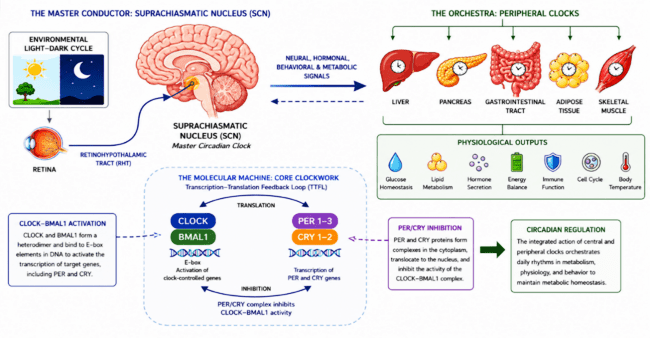
Figure 1: Central and Peripheral Circadian Clock System Regulating Metabolic Homeostasis
Chrononutrition: Concept and Scope
Chrononutrition is much more than a simple schedule for meals; it is a comprehensive framework that integrates the dimensions of timing, frequency, and regularity into a unified nutritional strategy. Since its inception in the mid-1980s, the scope of this field has widened to address the reciprocal relationship between what we consume and how our biological clocks function. It is not a one-way street where the clock simply dictates when we should eat; rather, the nutrients we ingest actively feed back into the clock's machinery, potentially shifting its phase or strengthening its amplitude 13. This means that our dietary choices can either act as a corrective force, helping to resynchronize a drifting clock, or as a disruptive one that further uncouples our systems. The three pillars of chrononutrition—timing (when we start and stop eating), frequency (how many times we eat), and regularity (the consistency of these patterns)—each play a unique role in determining our metabolic fate. Regularity, in particular, is emerging as a critical factor, as "metabolic unpredictability" can lead to a dampened circadian rhythm, making the body less efficient at processing energy 14,15 .
The importance of this field cannot be overstated in the context of personalized nutrition. By acknowledging that every individual may have a different internal "timing," chrononutrition allows for interventions that are tailored to a person's specific life circumstances and genetic makeup. It provides a scientific basis for why some people may struggle with weight gain even on a low-calorie diet if they are eating against their biological clock 16. Moreover, the scope of chrononutrition extends beyond weight management into the realms of mental health and gastrointestinal function. It recognizes that the timing of food intake influences the secretion of neurotransmitters and the diversity of our gut microbiome. By providing a framework that aligns our eating behaviour with our natural fluctuations, chrononutrition offers a pathway to reduce the burden of non-communicable diseases. It empowers individuals to take control of their health not just by restricting certain food groups, but by reclaiming the natural temporal structure of their lives. This holistic approach is vital for the development of modern public health guidelines that are both biologically sound and practically achievable in a fast-paced world 17,18.
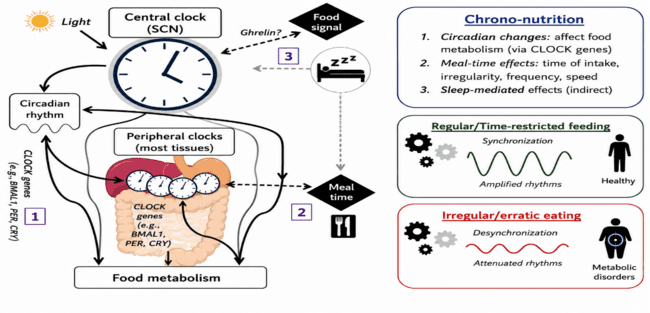
Figure 2: Interaction Between Circadian Clocks, Meal Timing, and Metabolic Regulation
Meal Timing and Circadian Regulation
The impact of meal timing on our physiological regulation is perhaps the most visible and well-studied aspect of chrononutrition. Our bodies are evolutionarily designed to be most metabolically efficient during the daylight hours, when insulin sensitivity is at its peak and our digestive enzymes are most active 19. Research consistently demonstrates that "front-loading" calories—consuming a hearty breakfast and a substantial lunch while tapering off in the evening—leads to significantly better glycaemic control and lower overall body mass index (BMI). Conversely, the habit of skipping breakfast, which has become increasingly common in modern society, is frequently linked to a higher risk of metabolic syndrome and obesity. When we delay our first meal, we often find ourselves overcompensating later in the day, leading to a "back-loaded" calorie intake that coincides with the body's natural decrease in metabolic rate. This misalignment essentially forces the body to process energy at a time when it is biologically prepared to conserve it 20,21.
A key breakthrough in this area is the implementation of Time-Restricted Eating (TRE), a strategy that limits the daily window of food consumption to a consistent period, such as 8 to 10 hours. Clinical trials have shown that TRE can lead to an average weight loss of 3% and a significant reduction in fat mass, often without the need for strict calorie counting. The benefits of TRE go beyond weight loss; it helps lower blood pressure and improves insulin sensitivity by providing the body with a predictable and sufficiently long fasting window 22. This fasting period is crucial because it allows the body to transition from "growth and storage" mode to "repair and maintenance" mode. On the other hand, late-night eating is particularly hazardous because it occurs when melatonin levels are rising. Melatonin, while essential for sleep, suppresses insulin secretion, meaning that a late-night meal results in higher and more prolonged blood sugar spikes. For shift workers, whose schedules inherently conflict with natural light-dark cycles, maintaining a consistent eating window can be a literal lifesaver, helping to mitigate the 23% increased risk of obesity associated with irregular nocturnal eating and restoring some semblance of order to their internal metabolic environment 23,24.
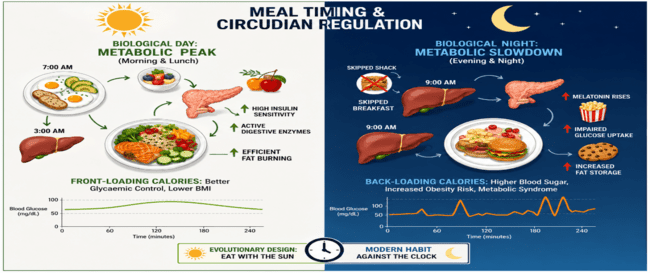
Figure 3: Impact of Meal Timing on Circadian Regulation and Metabolic Health
Food Quality and Circadian Synchronization
While the "when" of eating is paramount, it is inseparable from the "what." The quality of our food acts as a chemical signal that can either reinforce or disrupt our internal timing. For instance, our bodies exhibit a diurnal rhythm in how they handle different macronutrients; carbohydrate tolerance is significantly higher in the morning and wanes as the evening approaches. This suggests that the metabolic strain of a sugary or high-carb meal is far greater at 9:00 PM than at 9:00 AM 25. Furthermore, the type of fat we consume matters; high-fat diets, especially those heavy in saturated fats and processed oils, have been found to "dampen" the oscillations of our clock genes. This effectively makes the body's internal clock "weaker," leading to a blurred metabolic state where the body cannot distinguish clearly between the needs of the day and the needs of the night. This systemic confusion often results in low-grade inflammation and a heightened risk for chronic illness26.27.
In contrast, certain high-quality foods can act as "chrono biotics," nutrients that help resynchronize and strengthen our biological rhythms. Diets rich in whole plants, fibre, and polyphenols—hallmarks of the Mediterranean diet—are particularly effective. These foods support a healthy and diverse gut microbiome, which itself follows a strict diurnal rhythm. When we eat fibre-rich foods, our gut bacteria produce short-chain fatty acids (SCFAs) like butyrate and acetate. These SCFAs are not just waste products; they are signalling molecules that communicate with the peripheral clocks in our liver and brain, helping to entrain the host's molecular machinery28. Late-night consumption of highly processed, low-fibre foods can lead to "dysbiosis," an imbalance in gut bacteria that Favors pro-inflammatory species. This microbial shift can then feedback into the circadian system, further disrupting our sleep and metabolic health. Therefore, a successful chrononutrition approach must prioritize high-quality, nutrient-dense foods that work in synergy with our biological clocks. By choosing foods that support the microbiome and the molecular clock, we can create a virtuous cycle of health that reinforces our natural rhythms and protects us from the metabolic "chaos" of modern dietary habits29,30.
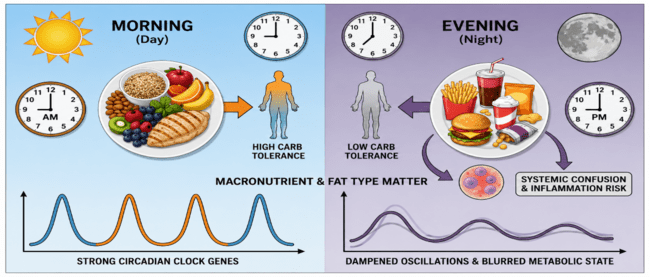
Figure 4: Influence of Food Quality and Meal Timing on Circadian Synchronization and Metabolic Health
Mechanistic Insights: Hormones and Epigenetics
To truly appreciate the power of chrononutrition, we must look at the cellular and hormonal mechanisms that drive these changes. Our metabolic health is governed by a carefully timed hormonal interplay. In the morning, cortisol levels surge to mobilize energy, while insulin sensitivity is at its highest, allowing us to utilize the fuel from our first meal efficiently. As night falls, the pineal gland begins to secrete melatonin, the "hormone of darkness," which signals to the body that it is time for rest. Crucially, melatonin also binds to receptors in the pancreas to suppress insulin production31. This is a brilliant evolutionary adaptation to prevent hypoglycaemia during our long overnight fast, but it becomes a liability when we eat late at night. Consuming food in the presence of high melatonin creates a "hormonal mismatch," leading to elevated blood sugar and increased fat storage. Similarly, the hunger-regulating hormones ghrelin and leptin follow their own rhythmic cycles; when our eating is irregular, these signals become scrambled, leading to increased cravings and a loss of satiety32.
Beyond hormones, chrononutrition influences our very genetic expression through epigenetics and a field known as "nutrimiromics." Our dietary patterns and the timing of our intake can actually change the "tags" on our DNA, specifically the methylation of clock gene promoters33.This means that by changing when we eat, we can turn certain genes on or off, effectively rewriting our metabolic destiny. For example, the fasting periods inherent in strategies like Time-Restricted Eating trigger a process called autophagy—the body’s way of clearing out damaged cells and proteins. This cellular "housecleaning" is regulated by genes like SIRT1, which is linked to longevity and DNA repair. Furthermore, consistent fasting windows have been shown to increase levels of Brain-Derived Neurotrophic Factor (BDNF), a protein that is essential for brain health and cognitive function. These deep molecular insights reveal that chrononutrition is not just about weight or vanity; it is about providing the correct temporal signals to our genes and hormones to ensure that our bodies remain resilient, repaired, and optimally functional at every stage of life34,35.
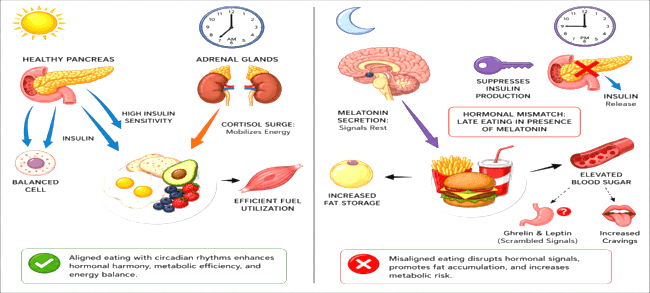
Figure 5: Hormonal Mechanisms Linking Chrononutrition to Circadian Regulation and Metabolic Homeostasis
Clinical and Practical Applications
The ultimate goal of chrononutrition is to move beyond the laboratory and into the lives of everyday people through personalized and practical applications. One of the most important clinical considerations is the concept of "chronotypes"—the natural inclination of an individual to be a "morning lark" or an "evening owl." An intervention that works for a lark, who naturally rises early and has high morning energy, might be completely counterproductive for an owl, whose biological processes are shifted later36. Research by Walton and Nelson (2022) also underscores the importance of sex differences in circadian rhythms, noting that men and women may respond differently to fasting windows and meal timings due to varying hormonal landscapes. Therefore, the future of nutrition lies in "precision chrononutrition," where a person’s genetic markers, chronotype, and sex are all used to create a bespoke eating schedule that maximizes their health and minimizes metabolic strain37,38.
Practical implementation often involves leveraging technology to help bridge the gap between biological needs and modern lifestyles. Digital health tools, such as mobile apps, allow individuals to track their feeding windows and receive reminders that help them align their eating with their internal clocks. Simple strategies, such as "front-loading" the majority of one's calories into the first 8 to 10 hours of the day and ensuring a consistent 12-to-14-hour overnight fast, are becoming standard recommendations in clinical settings39. Furthermore, addressing "social jetlag" the discrepancy between our internal clocks and our social obligations is a major focus. This might involve advocating for more flexible work hours or better lighting in workplaces to support natural rhythms. By making these strategies accessible and culturally relevant, we can begin to see real shifts in public health. While cultural norms and social pressures often make it difficult to adhere to a strict circadian schedule, the clinical evidence suggests that even small, consistent changes in meal timing can yield profound benefits for weight management, blood pressure, and mental well-being40,41.
Statistics
Chrononutrition is emerging as one of the most exciting areas in modern health science because it connects something we all do every day—eating—with the natural rhythms of our bodies. Around the world, more than 650 million adults are living with obesity and over 422 million people have diabetes, and researchers are finding that when we eat may be just as important as what we eat. For example, studies show that people who eat late at night have a 20–25% higher risk of obesity compared to those who eat earlier in the day. On the other hand, time-restricted eating, where meals are confined to a set window of 8–10 hours, has been linked to weight loss of 3–5 kilograms in just a few months, along with improvements in blood sugar, blood pressure, and cholesterol42,43.
The science behind this is rooted in our circadian rhythms—the internal clocks that regulate hormones, metabolism, and even the gut microbiome. At night, melatonin rises to prepare us for sleep, but it also suppresses insulin, meaning late-night meals can cause higher spikes in blood sugar44. Our gut bacteria also follow daily cycles, thriving when meals are aligned with daylight hours and becoming disrupted when we snack at odd times. Even genetics play a role: certain variants in clock-related genes make some people more vulnerable to weight gain if they eat late45.
What makes chrononutrition so powerful is that it doesn’t require complicated diets or calorie counting—it’s about rediscovering the natural cadence of eating in harmony with the day-night cycle. While short-term studies already show promising results, scientists emphasize the need for long-term trials to understand how meal timing affects aging and lifespan. If integrated into public health strategies, chrononutrition could help reshape how schools, workplaces, and even hospitals schedule meals, offering a sustainable way to combat obesity and metabolic disease. In essence, by respecting the “when” of eating, we can reclaim balance in our biology and move toward a healthier future46,47.
CONCLUSION
In conclusion, chrononutrition represents one of the most promising and holistic frontiers in modern medical science. It reminds us that we are biological beings deeply rooted in the temporal cycles of the earth. By synchronizing our dietary patterns with our innate biological rhythms, we can unlock a level of health that remains elusive through traditional dieting alone. We have seen how the synchronization of central and peripheral clocks is vital for metabolic order and how timing, frequency, and food quality all work together to maintain this harmony. The evidence is clear: when we eat is a powerful signal that dictates how our genes are expressed, how our hormones behave, and how our gut microbiome thrives. Whether it is through Time-Restricted Eating, front-loading our calories, or simply respecting the "hormone of darkness" by avoiding late-night meals, we have a wealth of tools at our disposal to combat the rising tide of obesity and metabolic disease.
However, the journey is far from over. Significant research gaps remain, particularly the need for long-term human trials that span years rather than months to truly understand the impact of chrononutrition on the aging process and lifespan. We must also continue to explore the role of individual genetic variants, or SNPs, to refine our personalized interventions. As we look to the future, the integration of chrononutrition into public health strategies will be essential. This requires not only scientific advancement but also a cultural shift—a recognition that our 24/7 society comes at a physiological cost. By re-establishing the "when" of eating as a pillar of health, we can provide a sustainable, biology-based approach to wellness that empowers individuals to live in harmony with their own internal clocks. In doing so, we don't just improve our metabolic markers; we reclaim a fundamental connection to our own biology, paving the way for a healthier, more vibrant future for generations to come.
Acknowledgments
The authors thank the Department of Pharmacology and the Management of Malla Reddy College of Pharmacy, Secunderabad, for institutional support, and the library and information resource centre for facilitating literature access.
Conflict of interest
The authors declare no conflict of interest, financial or otherwise.
REFERENCES


Dr. Pasham Uma, Kadapalla Preethi, Durgam Nikhil, Jasmine, Merugu Sandhya Rani, Chrononutrition and Circadian Rhythms in Human Health: Mechanisms, Clinical Evidence, and Therapeutic Perspectives, Int. J. of Pharm. Sci., 2026, Vol 4, Issue 11, 2275-2284. https://doi.org/10.5281/zenodo.24271087
 10.5281/zenodo.24271087