

We use cookies to ensure our website works properly and to personalise your experience. Cookies policy
Crescent college of Pharmaceutical Sciences, Kannur Kerala India.
The present study was undertaken to formulate and evaluate a peel-off face mask and complementary facial cream containing rambutan (Nephelium lappaceum) and kiwi (Actinidia deliciosa) fruit extracts. The fruit materials were dried, powdered and extracted separately using a 70:30 ethanol-water mixture by maceration for 48 hours. The prepared extracts were subjected to preliminary phytochemical screening and antioxidant activity was evaluated using the DPPH free-radical scavenging assay. Five peel-off mask formulations (F1–F5) and five facial cream formulations (F6–F10) were prepared using the selected extracts and evaluated for physicochemical characteristics. The phytochemical screening showed the presence of alkaloids in the rambutan extract, carbohydrates in the kiwi extract, while flavonoids, glycosides, saponins, phytosteroids and triterpenoids, tannins and phenolic compounds were detected in both the extracts. Both kiwi and rambutan extracts exhibited antioxidant activity in the DPPH assay. The peel-off mask formulations showed pH values ranging from 6.76 to 7.10, while the cream formulations showed pH values ranging from 6.5 to 7.0. Based on the overall evaluation, F1 and F3 were selected as the best peel-off mask formulations, while F8 and F9 as the best facial cream formulations. The study demonstrates the potential of rambutan and kiwi fruit extracts as natural antioxidant ingredients for cosmetic applications and provides an approach for utilizing fruit materials in value-added skincare products.
Cosmetics are products applied to the human body for cleansing, beautifying, protecting, and improving appearance. The term cosmetic is derived from the Greek word “Kosmetikos,” meaning adornment and preparation. Herbal cosmetics contain permitted cosmetic ingredients along with herbal ingredients to provide specific cosmetic benefits. [1]
Skin is the largest organ of the body and acts as a protective barrier against chemicals, microorganisms, radiation, and environmental changes. It also helps in temperature regulation, sensation, and tissue repair. The skin mainly consists of the epidermis, dermis, and hypodermis. [2]
FACIAL SKIN
The face extends from the front hairline to the ears and is limited by the jawline and chin. It is one of the most complex areas for cosmetic product development because it reflects a person’s appearance, personality, age, and health. Facial skin contains many glandular structures and is characterized by dryness in some areas and transitional skin around the eyes, nose, and mouth. It is also commonly affected by various skin disorders, which can make cosmetic formulation more difficult.
Anatomy and Physiology of Facial Skin
Facial skin is among the thinnest skin on the body, particularly around the eyelids. Because of its thinness, it can be easily injured but generally heals quickly. Facial skin undergoes relatively little movement and does not bear much mechanical load, which contributes to good healing after injury.
However, facial skin is highly sensitive to irritants and allergens. Its thin structure allows these substances to penetrate easily, making the development of suitable cosmetic products more challenging.
The face contains numerous hair follicles, sebaceous glands, pores, and sweat glands. Hair follicles are associated with sebaceous glands and form the characteristic surface texture of facial skin. The arrangement of follicles creates small elevations and depressions that influence the appearance and texture of the skin.
Cutaneous Formulation Issues
The skin around the pores and follicles can contribute to conditions such as acne and skin irritation. Improper shedding of skin cells may block follicles and create an environment suitable for acne. Irritating or allergenic cosmetic products can also cause redness, bumps, pustules, and other inflammatory reactions.
Sebaceous glands produce sebum, an oily substance that lubricates and protects the skin. Sebum can also provide nutrients for microorganisms such as Cutibacterium acnes and certain fungi. Their activity may contribute to inflammation, acne, and other skin problems.
Facial skin contains two main types of sweat glands:
Structure of Facial Skin
Although the face contains a greater variety of structures such as pores, hairs, sebaceous glands, and sweat glands, its basic structure is similar to that of other skin. The skin consists mainly of:
1. Epidermis – the outermost layer of the skin.
2. Dermis – the deeper, collagen-rich layer that provides strength and support.
3. Stratum corneum – the outermost part of the epidermis, made mainly of dead skin cells.
The stratum corneum acts as an important protective barrier. It controls which substances can enter or leave the skin and is therefore a major site of interaction with cosmetic products. The barrier is formed by corneocytes surrounded by intercellular lipids such as ceramides, cholesterol, and fatty acids. This arrangement is often compared to a “brick-and-mortar” structure, where the skin cells act as bricks and the lipids act as the mortar.[3]
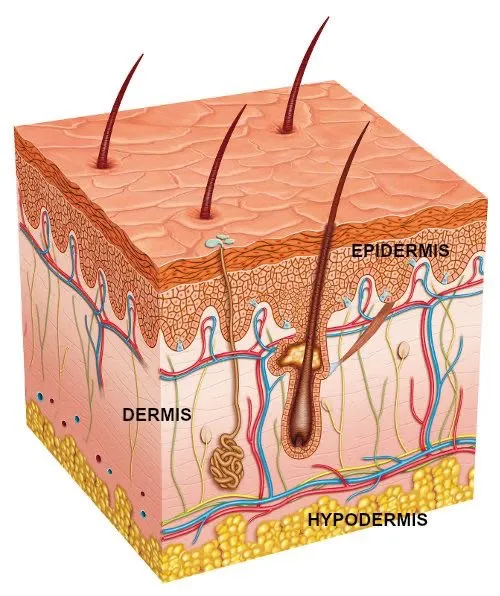
Figure 1: Structure of facial skin
Peel-off masks are topical cosmetic preparations that form a continuous film on the skin after drying. The dried film can be gently peeled away, helping remove superficial impurities, excess oil, and loosely attached dead skin cells. PVA is a commonly used film-forming polymer, while HPMC and other polymers may be used to modify viscosity, flexibility, and film strength. [4]
Facial creams are semisolid preparations intended for topical application and are widely used for cleansing, softening, moisturizing, and protecting the skin. Herbal creams contain plant extracts or oils incorporated into a suitable cream base and may provide beneficial cosmetic properties such as soothing, moisturizing, antioxidant, and skin-conditioning effects. [5]
MATERIALS AND METHODS
1.Plant used:
a)Rambutan (Nephelium lappaceum)
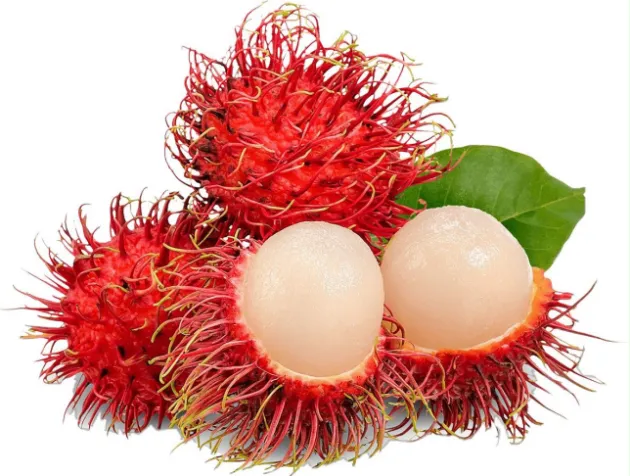
Figure 2: Rambutan
Rambutan consists of the dried or fresh peel and pulp of the ripe fruits of Nephelium lappaceum belonging to the family Sapindaceae. It is a tropical fruit native to Southeast Asia and is widely cultivated in tropical regions. The fruit is characterized by its red or yellow hairy outer skin, juicy edible pulp and a central seed. Rambutan is consumed as a fresh fruit and also processed into juices, jams, jellies and other food products.
The whole rambutan fruit contains various bioactive components, vitamins, minerals and dietary components. Different parts of the fruit including the peel, pulp and seed possess phytochemicals and antioxidant potential. The peel is particularly rich in phenolic compounds, flavonoids, ellagitannins and tannins, with important components such as geraniin, ellagic acid and corilagin.The pulp contains nutrients and vitamin C, while the seeds also contains flavonoids and phenolic constituents. These constituents contributed to reported antioxidant, antimicrobial and anti-inflammatory properties of the rambutan.
Uses:
Culinary: consumed fresh and used in juices, jams, jellies, desserts and other fruit preparations
Medicinal: antioxidant, antimicrobial, anti-inflammatory
Cosmetics: natural ingredient for skin protective cosmetic formulations[6]
b)Kiwi (Actinidia deliciosa)
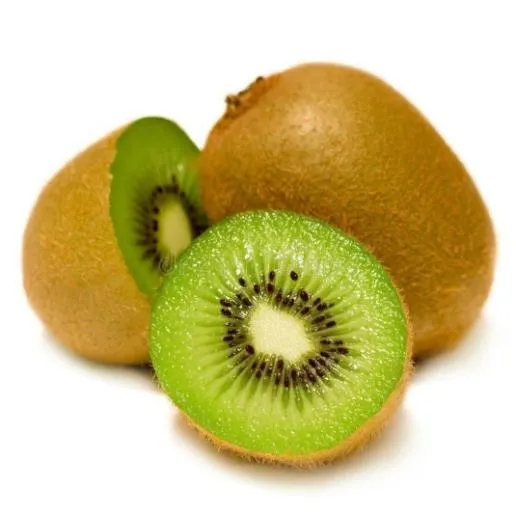
Figure 3: Kiwi
Kiwi consists of the fresh, ripe fruits of Actinidia deliciosa belonging to the family Actinidiaceae. It is a nutrient rich fruit characterized by brown, hairy skin and bright green flesh containing numerous black seeds. Kiwi is widely consumed as a fresh fruit and is also used in juices ,smoothies, desserts and other fruit preparations.
Kiwi fruit contains several vitamins C and E, minerals, dietary fibers and various bioactive phytochemicals. The phenolic constituents include catechin, epicatechin, chlorogenic acid, caffeic acid, p-coumaric acid, quercetin and rutin. The presence of vitamin C and E, carotenoids and polyphenols contribute to the antioxidant activity of kiwi. Kiwi derived compounds have potential anti-ageing, photoprotective, skin hydrating and skin- protective effect.
Uses:
Culinary: consumed fresh and used in fruit salad, juices and other preparations.
Medicinal: antioxidant, anti-inflammatory property.
Cosmetics: antioxidant, anti-aging and skin protective cosmetic formulation. [7][8]
2.Collection of Kiwi and Rambutan.
Fresh Kiwi (Actinidia deliciosa) and Rambutan (Nephelium lappaceum) fruits were procured from a local market. The fruits were selected based on their freshness and freedom from physical damage, fungal growth and spoilage. The collected fruits were authenticated and examined for their quality. They were thoroughly washed with distilled water to remove dirt and other impurities. The fruits were separated and shade-dried at room temperature until complete drying. The dried material was finely powdered using a mechanical grinder and stored in airtight containers for further use in the formulation and phytochemical screening.
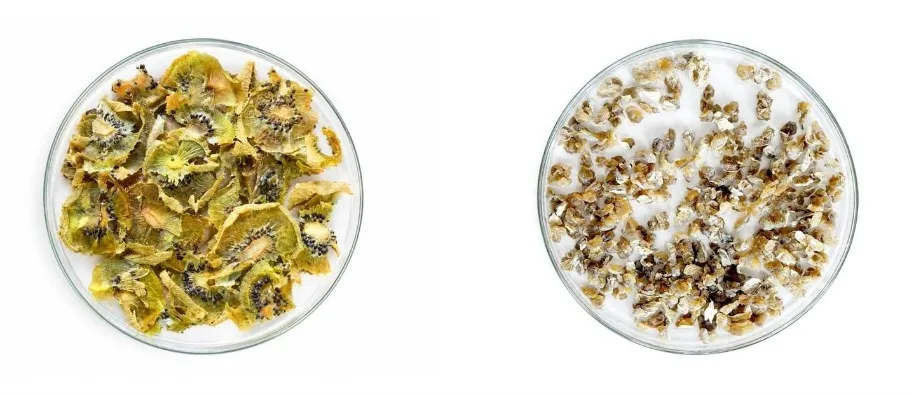
Figure 4: Dried kiwi and rambutan
3.Preparation of Fruit Extracts
The Kiwi and Rambutan extracts were prepared by weighing 10g of each dried and powdered material separately and soaking them in 100 ml of 70:30 ethanol:water mixture. The mixture was kept for 48 hours with occasional stirring to facilitate extraction of the bioactive constituents. After 48 hours, the extracts were filtered through a funnel using filter paper. The obtained filtrates were collected and stored in airtight containers for further phytochemical screening and formulation. [9][10][11]
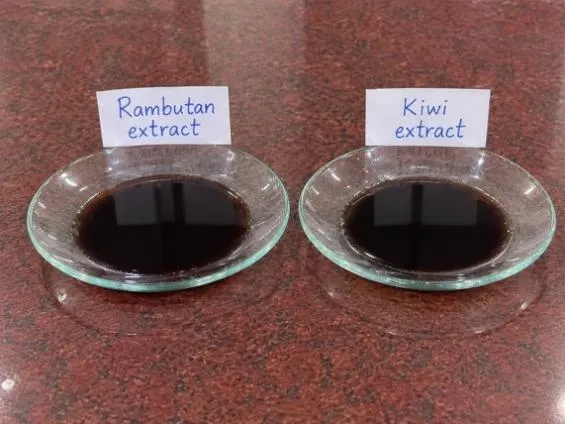
Figure 5: Extracts of rambutan and kiwi
4. Phytochemical Screening of Extracts
The prepared Kiwi and Rambutan extracts were subjected to qualitative phytochemical tests to detect the presence of flavonoids, phenolic compound, tannins, alkaloids, terpenoids, glycosides, saponins and carbohydrates.
i. Test for Alkaloids
ii. Test for Carbohydrates
To the test tube add 2ml of extract and few drops of Molisch reagent. The mixture was shaken well, 1ml of concentrated sulphuric acid is added slowly along the sides of the test tube. A violet ring at the junction of two liquids indicates the presence of carbohydrates.
1ml of extract was boiled with 1ml of Fehling’s solution A&B in a water bath. Appearance of red or brick precipitate indicates the presence of sugar.
iii. Test for Glycosides
To 2ml of extract 3ml of ethyl acetate is added and shaken, ethyl acetate layer is separated and 10% ammonia solution is added to it. Formation of pink color indicates the presence of anthraquinone glycosides.
About 2ml of extract is dissolved in pyridine. Sodium nitroprusside solution is added and made alkaline using 10% sodium hydroxide solution. Presence of pink color indicates the presence of glycoside.
iv. Test for Flavonoids
v. Test for Saponins
A small quantity of the extract is diluted with distilled water for 20ml. The suspension is shaken in a 100ml measuring cylinder for 15mins. 1cm of foam indicates the presence of saponins.
vi. Test for Phytosterols and Triterpenoids
A Few drops of concentrated sulphuric acid were added to the extract,and the mixture was shaken thoroughly upon standing,the appearance ofr red color in the lower layer indicates the presence of steroids ,while golden yellow color indicates the presence of triterpenoids.
vii. Test for Tannins and Phenolic Compounds
To 2ml of extract , add few ml of ferric chloride. Formation of blue color indicates the presence of phenolic compounds.
To a small quantity of extract, add 3ml of lead acetate. A bulky white precipitate indicates the presence of phenolic compounds.[12]
5.FORMULATION
Formulation of peel off mask
1) PVA was dispersed in distilled water and heated at 80°C with continuous stirring until a clear solution was obtained.
2) HPMC was gradually added to the PVA solution and stirred until uniformly dispersed.
3) Glycerin and propylene glycol were added and mixed thoroughly.
4) Methyl paraben was incorporated as a preservative.
5) Rambutan and kiwi extracts were added and mixed until a homogeneous formulation was obtained.
6) The final volume was adjusted with distilled water, and the formulation was allowed to cool to room temperature.
7) The prepared formulations were evaluated for appearance, homogeneity, pH, viscosity, spreadability and drying time.
Table 1: Formulation of peel off mask
| SI NO | Ingredients | F1 | F2 | F3 | F4 | F5 |
|---|---|---|---|---|---|---|
| 1 | PVA | 1.5g | 2g | 2.5g | 3g | 3.5g |
| 2 | HPMC | 0.6g | 0.4g | 0.45g | 0.45g | 0.4g |
| 3 | Glycerin | 0.9ml | 0.9ml | 0.9ml | 0.9ml | 0.9ml |
| 4 | Propylene glycol | 0.3ml | 0.3ml | 0.3ml | 0.3ml | 0.3ml |
| 5 | Methyl paraben | 0.03g | 0.03g | 0.03g | 0.03g | 0.03g |
| 6 | Rambutan extract | 1ml | 1ml | 1ml | 1ml | 1ml |
| 7 | Kiwi extract | 1ml | 1ml | 1ml | 1ml | 1ml |
| 8 | Water | qs | qs | qs | qs | qs |
| 9 | Rose oil | 1drop | 1drop | 1drop | 1drop | 1drop |
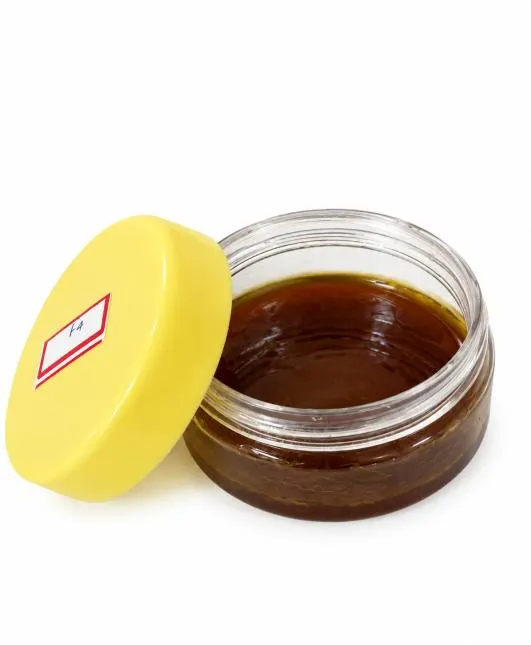
Figure 6: Formulated peel off mask
Formulation of complementary facial cream
1. Oil phase: The required quantities of beeswax and liquid paraffin were taken in a porcelain dish and heated on a water bath with continuous stirring until the beeswax was completely melted and a uniform oil phase was obtained.
2. Aqueous phase: The required quantity of distilled water was taken in a separate beaker and heated on a water bath. Borax and methyl paraben were added and dissolved with continuous stirring. Glycerin was then added and mixed thoroughly to obtain a uniform aqueous phase.
3. The aqueous phase was gradually added to the oily phase with continuous stirring to form a uniform cream.
4. Rambutan extract and kiwi extract were added gradually to the cream with continuous stirring to ensure uniform distribution of the extracts.
5. The preparation was allowed to cool gradually with continuous stirring. Rose oil was then added as a fragrance and mixed thoroughly.
6. Stirring was continued until a smooth, homogeneous and semisolid cream was obtained.
7. The prepared cream was transferred into a clean, dry, properly labelled container and stored for further evaluation.
Table 2: Formulation of facial cream
| SI NO. | Ingredients | F6 | F7 | F8 | F9 | F10 |
|---|---|---|---|---|---|---|
| 1 | Rambutan extract | 1ml | 1ml | 1ml | 1ml | 1ml |
| 2 | Kiwi extract | 1ml | 1ml | 1ml | 1ml | 1ml |
| 3 | Beeswax | 3g | 3.5g | 4g | 4.5g | 5g |
| 4 | Liquid paraffin | 20ml | 19.5ml | 19ml | 18.5ml | 18ml |
| 5 | Borax | 0.3g | 0.3g | 0.3g | 0.3g | 0.3g |
| 6 | Methyl paraben | 0.03g | 0.03g | 0.03g | 0.03g | 0.03g |
| 7 | Glycerin | 2ml | 2ml | 2ml | 2ml | 2ml |
| 8 | Water | 2.6ml | 2.6ml | 2.6ml | 2.6ml | 2.6ml |
| 9 | Rose oil | q.s | q.s | q.s | q.s | q.s |
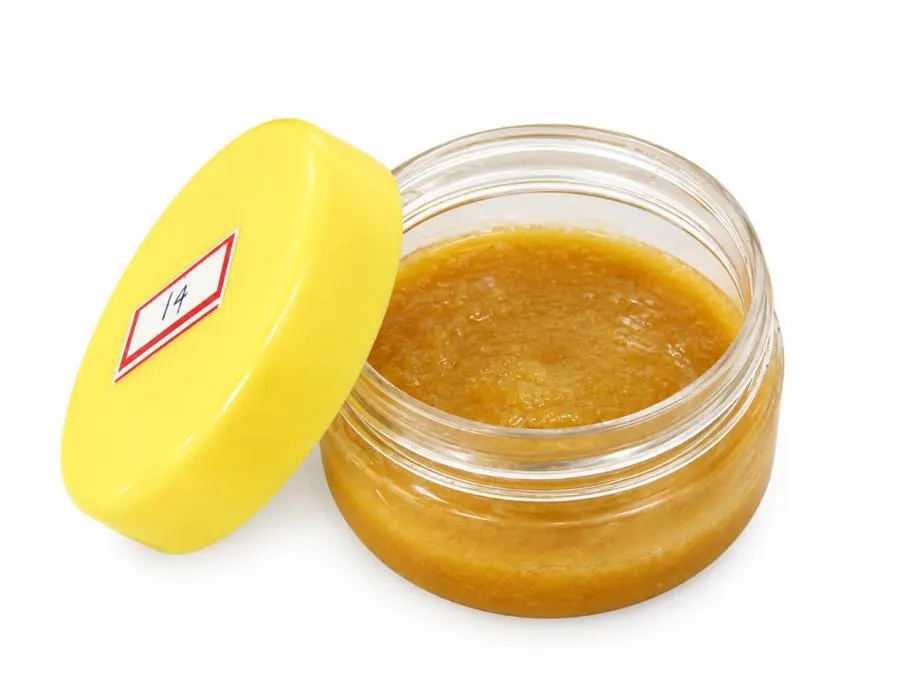
Figure 7: Formulated cream
6. Evaluation Tests
Various evaluation tests were performed to determine the physiochemical properties of the formulations.
A. Evaluation test for Peel Off Mask
i. Physical Appearance
Visual inspection of the peel off mask was performed. The colour, odour and homogeneity of the peel off mask were determined.
ii. Determination of pH
Approximately 1gm of gel was accurately weighed and dispersed in 10 ml of distilled water. The mixture was stirred thoroughly to obtain a uniform dispersion. The calibrated pH meter electrode was immersed into the prepared sample, and pH value was recorded. [13]
iii. Viscosity
The viscosity of the gel was determined using a Brookfield viscometer. The spindle was immersed into the gel preparation, , and the viscosity was measured at a rotational speed of 10 rpm using spindle no.64. [14]
iv. Drying Time
The prepared gel was spread evenly as a thin layer on glass plate and allowed to dry to room temperature. The formulation was monitored until it was completely dry and could be easily peeled off a thin film. [15]
v. Spreadability
The spreadability of the peel off mask was measured by spreading 0.5 g of the gel on a glass plate within a pre-marked circle of 2 cm diameter. A second glass plate was placed over the sample. A weight of 500grams was placed on the upper glass plate for 5 minutes, after which the spread diameter of the gel was measured. The spreadability (S) was calculated using the formula,[16]
S=ml/t
Where,
S: spreadability
m: weight on upper slide
l: moved length of gel on glass slide
t: time taken
.
B. Evaluation test for Cream
i) Physical evaluation
In this test, the cream was observed for colour, odour, texture, state.
ii)pH Determination
A standard buffer solution was used to calibrate the pH meter. Around 0.5 g of the cream was taken and dispersed in 50ml distilled water and then pH was measured by using digital meter. [17]
iii)Viscosity
The viscosity of the cream was determined using a Brookfield viscometer. The spindle was immersed into the cream preparation, and the viscosity was measured at a rotational speed of 10 rpm using spindle no.64. [18]
iv)Spreadability
The spreadability of the cream was measured by spreading 0.5g of the cream on a circle of 2cm diameter premarked on a glass plate was employed. A weight of 500g was placed on the upper glass plate for 5 minutes, after which the spread diameter of the cream was measured. The spreadability (S)can be measured by using the formula[19]
S=ml/t
Where,
S: spreadability
m: weight on upper slide
l: moved length of cream on glass slide
t: time taken
C. DPPH assay for antioxidant study of extracts
DPPH is a stable nitrogen-centered free radical that has a deep purple colour. When an antioxidant reacts with DPPH, the radical is reduced, causing the solution to change from purple to yellow. This colour change can be measured spectrophotometrically at 517 nm.To evaluate the antioxidant property using DPPH assay, following steps are followed.
DPPH (2,2-diphenyl-1-picrylhydrazyl) solution was prepared by dissolving 3.94 mg of DPPH in 100 mL of methanol to obtain approximately 0.1 mM DPPH solution.
The test extracts were prepared at different concentrations of 20,40,60,80and 100µg/ml.
Ascorbic acid was used as the reference antioxidant.
Standard solutions were prepared at concentrations of 20,40,60,80and 100µg/ml.
1.0 mL of the sample solution was mixed with 1.0 mL of freshly prepared DPPH solution.
Formula:
%Inhibition = (A₀ -A₁)/ A₀×100
A₀ = Absorbance of DPPH solution without sample.
A₁ = Absorbance of DPPH solution with sample.
Interpretation of Result:
Higher the %inhibition ,greater the antioxidant activity.
RESULTS AND DISCUSSION
Preliminary phytochemical screening
Preliminary phytochemical screening was perfomed, and the results are given in the table no. 3.
Table 3: Phytochemical screening of rambutan and kiwi extracts
| Phytochemicals in Extracts | Rambutan | Kiwi |
|---|---|---|
| Alkaloids | + | - |
| Carbohydrates | - | + |
| Glycosides | + | + |
| Flavonoids | + | + |
| Saponins | + | + |
| Phytosteroids&Triterpenoids | + | + |
| Tannins & Phenolic Compounds | + | + |
+Present , - Absent
Evaluation Tests
The following evaluation tests were performed on formulations
A. Evaluation of Peel Off Mask
i) Physical Appearance
The colour and odour of the formulated peel off mask were determined. Homogeneity of peel off mask was also determined.
Table 4: characteristics of peel off mask
| FORMULATION | CHARACTERISTICS | |
|---|---|---|
| Colour | Odour | |
| F1 | Dark Brown | Pleasant |
| F2 | Dark Brown | Pleasant |
| F3 | Dark Brown | Pleasant |
| F4 | Dark Brown | Pleasant |
| F5 | Dark Brown | Pleasant |
ii) Determination of pH
The pH of the formulation was determined using digital pH meter and the pH of the prepared formulations are shown in the below table.
Table 5: pH of the peel off mask
| FORMULATIONS | pH |
|---|---|
| F1 | 7.1 |
| F2 | 6.8 |
| F3 | 7.09 |
| F4 | 6.76 |
| F5 | 6.9 |
iii) Viscosity
The viscosity of the gel was determined using a Brookfield viscometer. The spindle was immersed into the gel preparation, and the viscosity was measured at a rotational speed of 10rpm using spindle no.64
Table 6: Viscosity of peel off mask
| FORMULATION | VISCOSITY (cP) |
|---|---|
| F1 | 20640 |
| F2 | 33280 |
| F3 | 18450 |
| F4 | 34160 |
| F5 | 31680 |
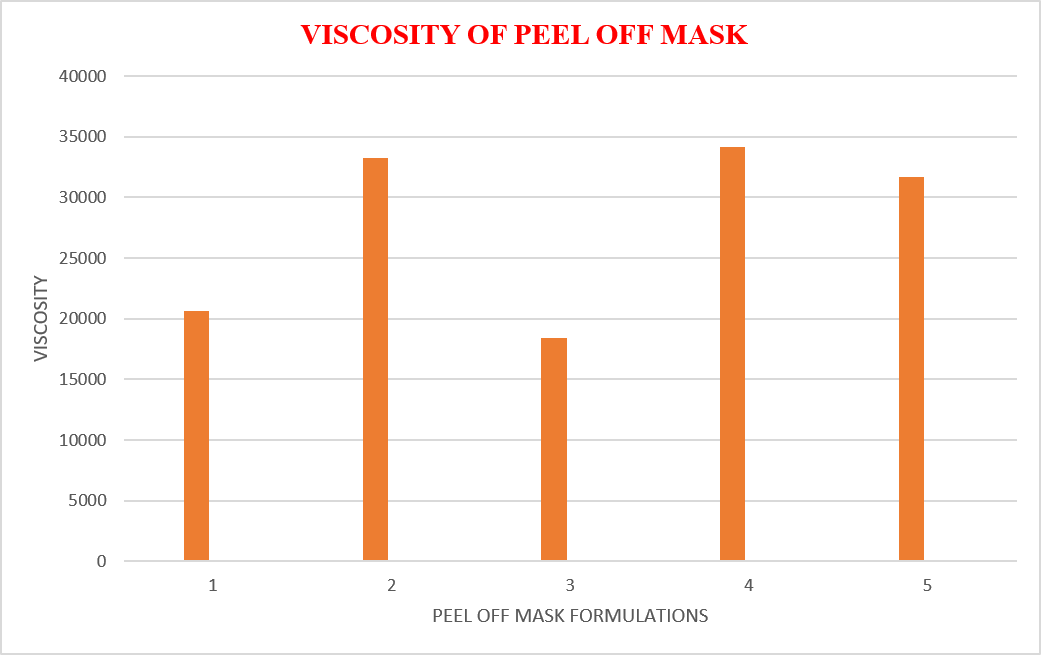
Figure 8: Bar graph for viscosity of peel off mask formulations
iv)Drying Time
Table 7: Drying time of peel off mask
| FORMULATION | DRYING TIME |
|---|---|
| F1 | 14min 33sec |
| F2 | 21min 55sec |
| F3 | 14min 45sec |
| F4 | 22min 55sec |
| F5 | 22min 58sec |
V) Spreadability
Spreadability of the formulated peel off mask was determined .
Table 8: spreadability of peel off mask
| FORMULATIONS | SPREADABILITY(gcm/s) |
|---|---|
| F1 | 10.4 |
| F2 | 11.2 |
| F3 | 11.6 |
| F4 | 11.8 |
| F5 | 11.98 |
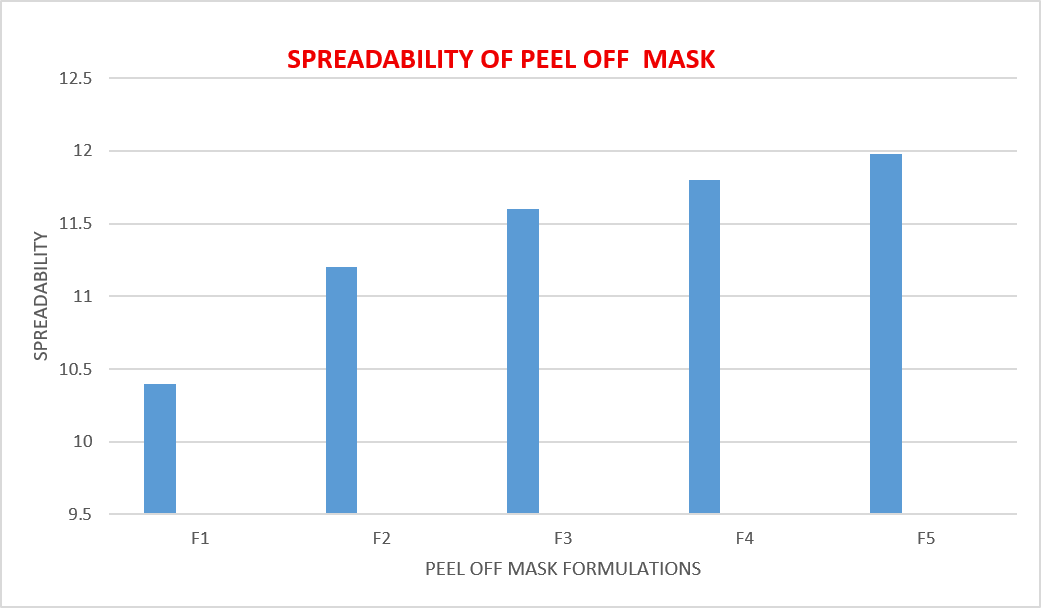
Figure 9: Bar graph for spreadability of peel off mask formulations
B. Evaluation of cream
i. Physical Appearance
The colour and odour of the formulated cream were determined. Homogeneity of the cream was also determined
Table 9: characteristics of cream
| FORMULATION | CHARACTERISTICS | |
|---|---|---|
| Colour | Odour | |
| F6 | Golden yellow | Pleasant |
| F7 | Golden yellow | Pleasant |
| F8 | Golden yellow | Pleasant |
| F9 | Golden yellow | Pleasant |
| F10 | Golden yellow | Pleasant |
ii) Determination of pH
The pH of the formulation was determined using digital pH meter and the pH of the prepared formulations are shown in the below tables.
Table 10: pH of the cream
| FORMULATIONS | pH |
|---|---|
| F6 | 7 |
| F7 | 6.8 |
| F8 | 6.6 |
| F9 | 6.5 |
| F10 | 6.7 |
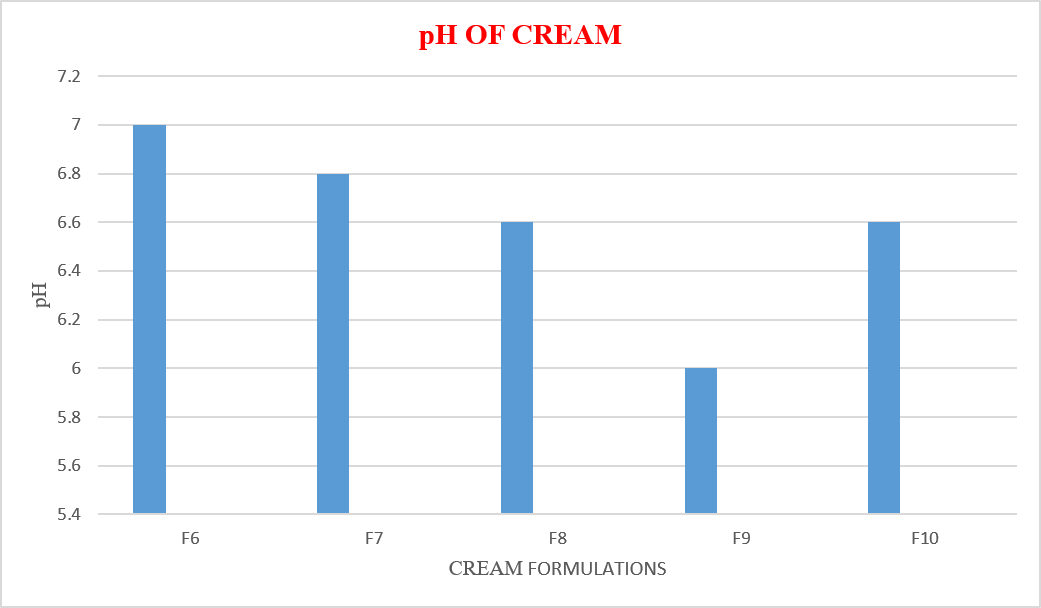
Figure 10: Bar graph for Ph of cream formulations
iii) Viscosity
Table 11: Viscosity of cream
| FORMULATION | VISCOSITY(cP) |
|---|---|
| F6 | 8100 |
| F7 | 5000 |
| F8 | 3200 |
| F9 | 3800 |
| F10 | 2400 |
iv)Spreadability
Spreadability of the formulated cream was determined
Table 12: Spreadability of cream
| FORMULATIONS | SPREADABILITY(gcm/s) |
|---|---|
| F6 | 6.6 |
| F7 | 6.8 |
| F8 | 7 |
| F9 | 7.2 |
| F10 | 6.7 |
C. Antioxidant study
Antioxidant activity refers to the ability of a compound or extract to inhibit oxidation. It is commonly expressed as the percentage inhibition of DPPH absorption The DPPH method is used to determine the free-radical scavenging ability of a compound. The antioxidant activity depends on the ability of the compound to donate electrons or hydrogen.
Antioxidant compounds donate an electron or hydrogen atom to DPPH radicals, causing a change in colour from purple to yellow.
The percentage of inhibition obtained is shown in the Table below,
Table 13: Percentage inhibition of DPPH radicals by rambutan and Kiwi extracts,using ascorbic acid as the standard
| Concentration (µg/ml) |
Ascorbic acid | Rambutan extract | Kiwi extract | |||
|---|---|---|---|---|---|---|
| Absorbance | % inhibition |
Absorbance | % inhibition |
Absorbance | % inhibition | |
| 20 | 0.180 | 74.18 | 0.620 | 11.17 | 0.610 | 12.60 |
| 40 | 0.165 | 76.33 | 0.570 | 18.33 | 0.560 | 19.70 |
| 60 | 0.155 | 77.76 | 0.548 | 21.49 | 0.480 | 31.23 |
| 80 | 0.128 | 81.64 | 0.420 | 39.83 | 0.400 | 42.69 |
| 100 | 0.112 | 83.93 | 0.350 | 49.86 | 0.346 | 50.43 |
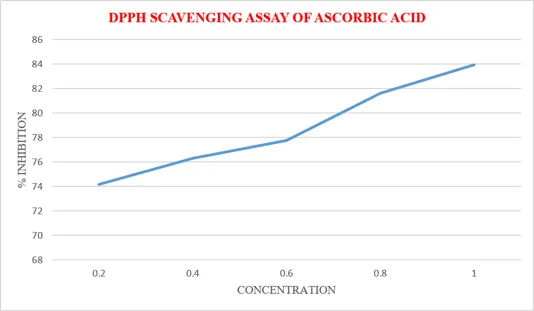
Figure 11: DPPH scavenging assay of ascorbic acid:
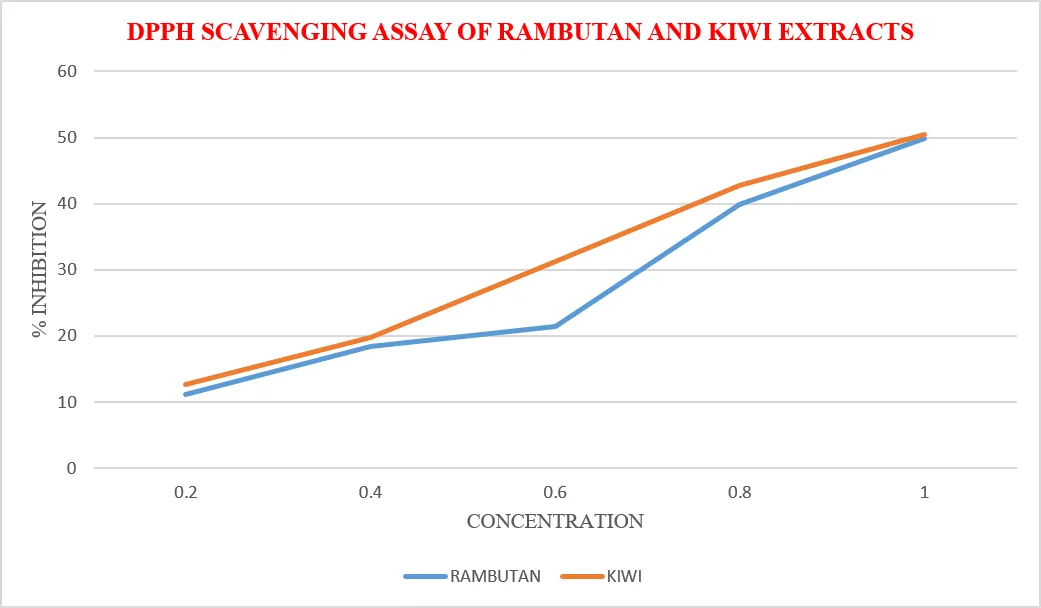
Figure 12: DPPH scavenging assay of rambutan and kiwi extracts
CONCLUSION
The present study aimed to formulate and evaluate natural antioxidant cosmetic preparations using rambutan (Nephelium lappaceum) and kiwi (Actinidia deliciosa) whole fruit extracts. The study was undertaken to explore the potential of these fruits as natural sources of bioactive compounds with antioxidant and skin-beneficial properties. The main objective was to develop two cosmetic preparations, namely a peel-off face mask and a post-application facial cream, using these natural extracts.
The whole fruits, including both pulp and peels of rambutan and kiwi, were subjected to hydroalcoholic extraction using ethanol and water in a ratio of 70:30. Phytochemical screening of the extracts revealed the presence of various bioactive constituents, particularly phenolic compounds and flavonoids, which may contribute to their antioxidant potential. The antioxidant activity of the extracts was evaluated using the DPPH free-radical scavenging assay, which demonstrated appreciable antioxidant activity. These findings indicate that rambutan and kiwi extracts can serve as promising natural sources of antioxidants for cosmetic applications.
Based on the obtained results, different formulations of peel-off face masks and post-application facial creams were developed using the prepared extracts. The formulations were evaluated for their physicochemical and other relevant formulation characteristics. Among the developed formulations, F1 and F3 were selected as the best peel off mask formulations, while F8 and F9 were selected as the best cream formulation based on their overall evaluation results and desirable characteristics.
The peel-off face mask offers potential benefits such as cleansing the skin, removing surface impurities and dead skin cells, and providing antioxidant support. The post-application facial cream was developed as a complentary skincare preparation with the potential to provide skin hydration and moisturization while offering additional antioxidant benefits. Together, these formulations provide a complementary skincare approach by combining cleansing, moisturization and antioxidant properties.
Overall, the study highlights the potential of rambutan and kiwi as valuable natural ingredients for cosmetic applications. An important aspect of this study is the utilization of both fruit pulp and peels. Since fruit peels are generally discarded as waste after fruit consumption, their incorporation along with the fruit pulp helps in the effective utilization of fruit waste, reduces waste generation and promotes sustainable and eco-friendly cosmetic product development. The developed formulations, F1 and F3 peel off mask and F8 and F9 cream, offer a promising and approach to natural skincare. Further studies involving formulation optimization, long-term stability testing, safety assessment, skin compatibility studies and clinical evaluation are necessary to establish their effectiveness and suitability. These investigations may also help improve product quality, explore large-scale production and assess their potential for future commercialization in the cosmetic market.
ACKNOWLEDGEMENT
At this moment of accomplishment, we would like to express our sincere thanks to our guide RAHANA P V, Associate Professor in Pharmaceutics, Crescent College of Pharmaceutical Sciences for her unstinted support, guidance, motivation and cooperation all along to this very moment of success.
We would also like to express our sincere gratitude to, Dr. Suja C, Principal and, Dr.Sreena K, Vice Principal and Professor of Crescent College of Pharmaceutical Sciences for their valuable help and providing necessary facilities to carry out this work.
REFERENCES

Rahana P. V., Fathima M. V., Fathimathu Shahda C. V., Wafa Abdul Khader, Formulation and Evaluation of Peel Off Mask and Complementary Facial Cream Containing Rambutan and Kiwi Fruit Extracts, Int. J. of Pharm. Sci., 2026, Vol 4, Issue 11, 2315-2327. https://doi.org/10.5281/zenodo.24271613
 10.5281/zenodo.24271613