

We use cookies to ensure our website works properly and to personalise your experience. Cookies policy
Department of Pharmaceutics, KMCH College of Pharmacy, Coimbatore- 641048
The benefits of transdermal drug delivery systems (TDDS) include better patient compliance and no first-pass metabolism, metabolism, but the stratum corneum acts as a barrier to most a drugs, particularly the macromolecules. Microstrip needles (DMNs) dissolved have become the method of minimally invasive delivery to break this barrier. These systems are made using water-soluble biocompatible polymers like polyvinylpyrrolidone, polyvinyl alcohol, alcohol, and hyaluronic acid, which entrap drugs and dissolve on skin insertion to bring drugs effectively without producing sharps waste. This review has covered the design, materials, fabrication methods, and the mechanisms of DMNs. Fabrication techniques such as micromolding and 3D printing, among others, are talked about. The mechanisms of drug delivery include skin penetration, polymer dissolution, and diffusion of the drug into the local tissues or the circulation. The critical evaluation parameters, including the mechanical strength, the release of the drug, and stability, are also pointed out. DMNs can be widely used in vaccination, insulin delivery, cancer treatment, and dermatology. Although some of these benefits comprise a painless administration and high level of bioavailability, there are still challenges such as limited drug loading, potential stability, and regulatory issues. On the whole, DMNs have a potential as an emerging next-generation transdermal drug delivery platform.
Transdermal drug delivery systems (TDDS) may enable regulated drug release, greater patient compliance, and avoidance of hepatic first-pass metabolism making them an appealing alternative to conventional oral and injectable methods. The skin is the largest organ of our human body and its surface area 2m2 and acts as both a possible gateway for systemic medication delivery. (1)
The stratum corneum, the outermost layer of the epidermis, has a highly organized structure that inhibits the entry of most therapeutic chemicals, notably hydrophilic medications and macromolecules, notwithstanding their advantages.(1) A few small, lipophilic, and potent medicines, including scopolamine, nitroglycerin, fentanyl, nicotine, and estradiol, have proven clinical success using conventional transdermal patches(2) However, peptides, proteins, vaccines, and many contemporary biotherapeutics are excluded due to the stratum corneum's intrinsic barrier properties, which limit drug candidates to molecules usually below 500 Da with optimal lipophilicity (1). To get around these restrictions, a variety of permeation enhancement techniques have been studied, such as chemical enhancers, iontophoresis, sonophoresis, electroporation, and microneedle-based systems (1).
Micro needle (MN) technology is one of such methods that received much attention as that is minimally invasive and rather patient-friendly.(5,6) The small needles have been shown in some cases to violate the stratum corneum temporarily to enhance drug delivery and they exist in a number of forms: solid, coated, hollow, hydrogel forming and dissolving microneedles. (7,8)
Micro needle (DMNs) dissolution is a true game changer in here in transdermal delivery. (9)They are constructed of biodegradable, water-soluble polymers like PVP, PVA, CMC, hyaluronic acid and sugars and the drug is literally carried within the needle mesh.(11) The needles dissolve or after biodegradation on inserting drug into the viable epidermis or upper dermis. This helps to rule out the issue of needlestick injuries and reuse of needles, which are sharp and biohazards that increase patient safety and acceptance. (10)
Such systems have been promising in various applications such as vaccination and insulin delivery, cancer therapy, dermatologic diseases, hormone replacement and biologics.(12) They are particularly appealing to large-scale immunization initiatives and the treatment of chronic diseases, because of their ability to coexist with the presence of temperature dependable molecules, and their ability to be self-administered.(13) Their optimization and development have been further enhanced by recent developments in micro-fabrication, polymer engineering and 3D printing.(8)
The significance of microneedle dissolution is that they induce temporary microchannels through the stratum corneum that allows penetration of drugs deeper without incurring a lot of pain or tissue damage.(15) The polymeric microneedles, as opposed to the traditional hypodermic needles, should be composed of biocompatible water-soluble polymers that dissolve upon insertion, eliminates sharps waste, and enhances safety concerns.(16)
As well, these polymer dissolving microneedles have drugs in a microarray design where rapid dissolution and enhanced bioavailability can be achieved upon administration. Their low invasiveness also enhances the complaisance of patients than conventional injectable routes.(17)
The main point of the review is to offer a general overview of the dissolving polymeric microneedle systems as a novel approach to transdermal drug delivery. The fabrication raw materials, structural characteristics, drug delivery mechanisms, and therapeutic uses of micro needle systems will be discussed in the review.(15)
In addition, this review will aim at examining the overcoming of the biological and physicochemical obstacles to conventional TDDS provided by the use of the microneedle mediated delivery ensuring a better drug absorption and therapeutic effect.(4)
MICRONEEDLES AND THEIR DEVELOPMENT IN HISTORY.
Microneedle Technology Development The microneedle technology has a very long historical development beginning in the early twentieth century when scientists started to consider micro-sized systems that could allow manipulating cells. Microcrystalline needles Proposals Transdermal delivery system Microneedles Formal proposals of microneedles as a transdermal delivery system have appeared in the 1970s, as micro-projections with the capability to penetrate the stratum corneum. Its use in practice was hindered by the inadequacy of methods of fabrication, and only in the late 1990s were solid microneedles experimentally demonstrated to work in percutaneous drug delivery.(15)
The initial type of MN was formed mainly of solid microneedles, which were made of silicon or metal. In these systems, the mechanism was known as the poke and patch systems in which they microchannels are designed in the skin, then a topical formulation applied. Although efficient in enhancing the permeability, solid MNs were raised with concerns, inconsistent dosing, may fracture needles, and require creation of bio-hazard waste sharps.(15)
TYPES OF MICRONEEDLE
Coated microneedles were later implemented in order to enhance efficiency in delivery. In this design, the administration of the drugs is applied directly to the surface of the needles and delivered when the needles are inserted (coat and poke approach).(16)Although the coated MNs were more precise in the dosing than the solid MNs, coated MNs had minimal loading capacity of drugs because of small surface area to be coated.(17,18)
Similar breakthroughs saw the development of hollow microneedles, the operation of which is comparable to hypodermic needles of a miniature scale. Such systems have an internal lumen in which liquid preparations may be infused directly in viable layers of the skin (poke-and-flow) mechanism.(19) Hollow MNs showed an improvement in the delivery of greater volumes and were one of the earliest types of MN to be regulated and translated into clinical practice.(20)
The biggest progress was the initiative of dissolving/degradable microneedles in the middle of the 2000s. Such systems are prepared using biocompatible, water-soluble polymers in which the drug is trapped in the polymer. When inserted the needles dissolve in interstitial fluid and deliver the drug in a slower fashion (poke-and-dissolve). Sharps waste was eliminated and risk of needle reuse was eliminated in this design and safety profiles more improved.(21)
Recently, an alternative and more advanced platform of microneedles to form gel has been developed. On insertion these swell, and create a hydrogel conduit between the drug reservoir and dermal tissue, which allows delivery of the drug to last while retaining mechanical properties (poke-and-release).(5)
All in all, microneedles have been the subject of historical developments since the time of its mere mechanic piercing systems to multifunctional, biodegradable, and clinically adjustable systems tackling multiple aspects of safety, dosage accuracy, and patient tolerability.
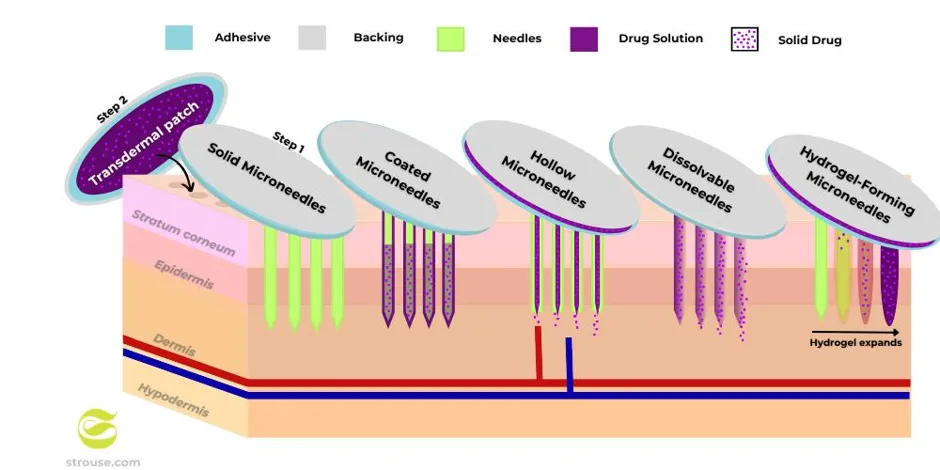
Fig 1: Classification of microneedle and image is created by AI visualization
2) Minimally Invasive Drug Delivery and Patient
Minimally Invasive Drug Delivery and Patient Compliance Advantages Microneedles are a 3 rd -generation transdermal delivery system created to address the barrier characteristics of the stratum corneum with a minimal amount of tissue trauma and pain.(5) They are the size of a micron (usually tens to a few thousand micrometres in length) resulting in their penetration of the outer most layer of the epidermis without any stimulation of deep-dermal nerve endings.(8) The above structural feature allows administration of drugs with greatly lesser pain than delivered by the normal hypodermic injection method.
The MNs make the risk of bleeding and the probability of infection lower by ignoring the superficial barrier and not penetrating the deep tissues. Also, transdermal administration circumvents the initial hepatic hepatic metabolism and gastrointestinal degradation and enhances bioavailability and therapeutic efficacy.(5) All these benefits have the effect of enhancing the effectiveness of the therapeutic process.
Microneedles appear to increase patient compliance since they are painless, convenient and may even be administered by the patient himself (9). In contrast to the conventional shot, MN patches reduce needle anxiety and the necessity to dispose of sharps that is particularly beneficial in dissolving systems (5). These benefits are excellent in the vaccination, treatment of chronic conditions, and taking care of children.
Additionally, hollow microneedles can be used to deliver drug in an intradermal manner, which offers accuracy, and dissolving systems regulate the launch of drugs, which can assist in enhancing the results and reducing side effects (5). Therefore, the microneedle platform manages to combine the advantages of transdermal patches and injections, resulting in a system that is easy to use and a hybrid system of drug delivery (5).
DEFINITION, CLASSIFICATION AND COMPARISON OF MICRONEEDLES DISSOLVING.
Definition
Dissolving microneedles (DMNs) are polymer-based systems that are biodegradable, and the drug is dispersed or covered uniformly within a water-soluble drug carrier. When pierced into the skin, they absorb water, dissolve and dump their contents into the system without creating a sharps waste (10). They are typically prepared using polysaccharides, proteins, polyvinyl alcohol or polyvinylpyrrolidone since this material is biocompatible and safe (21).
Classification
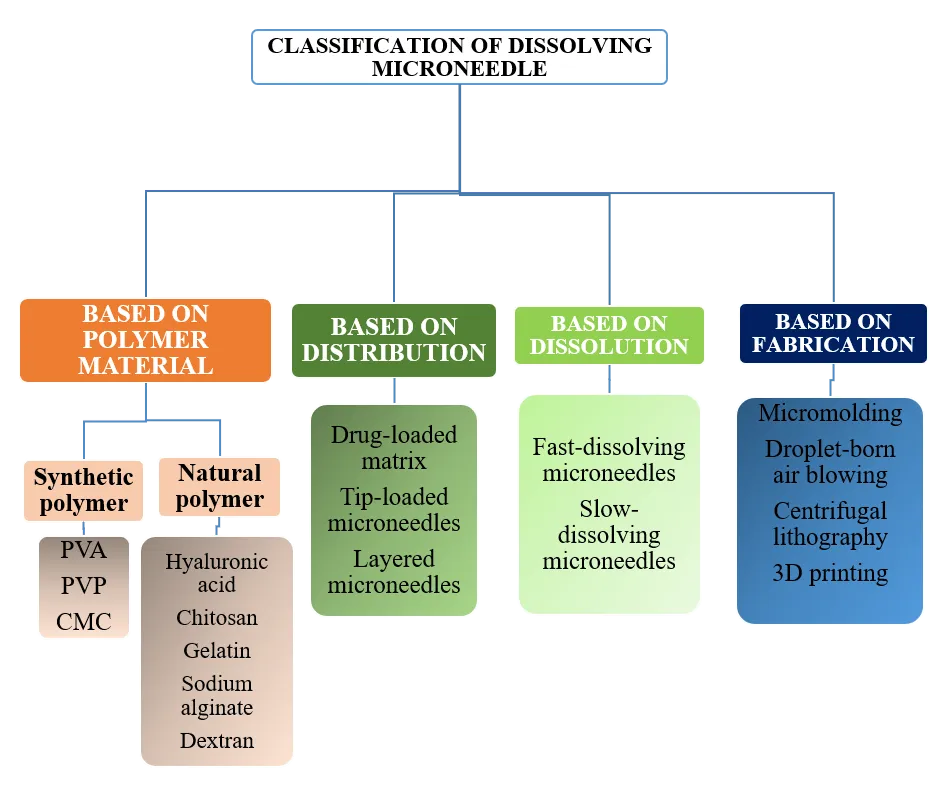
Compared with other types of the microneedles.
Dissolving MNs have fewer side effects than solid microneedles because they do not form a secondary patch and cause less risks of reuse or breakage (5). Compared to coated microneedles, DMNs allow the even distribution of the drug but have the same limitation as the drug volume that can be contained in the needle (5).
Specifically, by pipetting them in microneedles, dissolving systems ignore the complex in vivo infusion pumps, and are cheaper and less expensive to manufacture, although they tend to deliver less medication due to limits of the matrix volume (22).
DMNs are completely soluble compared to hydrogel forming microneedles systems which swell and maintain their integrity as the drug diffuses (5). Although it has not been easy to develop MNs because of low loading capacity, a high degree of variability in dosing, poor mechanical strength, and scaling, its safety and acceptability to patients continue to earn it the attention of researchers (22).
MATERIALS FOR DISSOLVING MICRONEEDLES
1. Introduction to the Uses of the Material Selection in Dissolving Microneedles.
The effectiveness of a DMN depends on the selection of the appropriate material that would be able to penetrate the skin yet dissolve easily and securely. Dissolving microneedles unlike standard hypodermic needles are made of polymer entirely to cover the drug and dissolve in the skin. So structural selection is concerned with release rate as well as structure.(23)
The optimal DMN substance must be biocompatible, biodegradable, non-toxic, mechanically strong, water-soluble, and compatible with the drug [24]. The manufacturers are concerned with the regulatory acceptance, and mass production as well [27].
The materials can be widely classified into:
- Biodegradable polymers are synthetic.
- Natural biopolymers
- Polymer m mixes and compounds.
- Bionic and intelligent materials.
There are strength and weaknesses attached to each category, and I will detail the same in the following.
a) BIOCOMPATIBLE AND BIODEGRADABLE POLYMERS
2. Synthetic Water-Soluble Polymers
2.1 Polyvinylpyrrolidone (PVP)
One of the most used polymers in dissolution of microneedle fabrication is PVP. It precipitates magnificent motion pictures, is water soluble and quickly dissolves in the water. The research demonstrates that PVP needles may seep through the stratum corneum without penetrating in case you select appropriate molecular weights and concentrations [28]. It is also used in preserving weak types of drugs, such as vaccines and proteins, and so it is convenient in preserving vaccinations [29]. However, dissolution can be slowed by using PVP of high-molecular-weight, and therefore you may have to adjust the polymer blend.
2.2 Polyvinyl Alcohol (PVA)
Another popular one is PVA which is strong and flexible. It is not as easily dissolved as PVP and is a better structural product. The integration of PVA and PVP would enable balancing the effects of penetration capacity and release times [30]. PVA needles were experimented on insulin, cancer drugs and vaccines, due to compatibility and stability [31].
2.3 Carboxymethyl cellulose (CMC)
CMC is a semi-synthetic cellulose derivative and is biocompatible and has a controllable release. Its concentration and its legal implications allow you to adjust its viscosity and mechanical properties by adjusting its concentration and substitution. CMC needles have potential of sustained release [32].
3. Natu ral Biopolymers
Natural polymers are more favored to be used since they are naturally biocompatible and less tumor in arousing immune reaction.
3.1 Hyaluronic Acid (HA)
HA is present in the extracellular matrix of the skin by nature. HA needles are well tolerated and effect hydration as well as does not result in severe inflammation [33]. They are also soluble in a few minutes thus can be applied to cosmetics and dermatology [34].
3.2 Chitosan
Chitosan is chitin-based and mucoadhesive immune-enhancement, which is only wonderful with vaccines. Chitosan needles have the capability to increase the immune response and antigen presentation [35]. The disadvantage is that chitosan itself is weak mechanically and therefore, it regularly requires to be combined with more robust polymers.
3.3 Dextran and Pullulan
Polysaccharides used in the stabilization of the protein drugs are dextran and pullulan. They are fast dissolving and least toxic. Pullulan needles are more stable to peptides [36].
4. Characteristics of Polymers that affect Performance.
DMNs rely on the performance of:
Increased concentration usually increases strength but it may slow down dissolution hence you must be able to strike the correct balance between penetration and release [37].
b) Emerging materials and composites
5. Polymer Blends
Mechanical performance of polymers can be enhanced by blending which does not reduce dissolution. Examples are PVP -PVA blends, HA -PVA composite and CMC -PVP, systems, which stay hydrophilic yet maintain structural stability [38].
6. Nanocomposite Microneedles
Recent innovations include the addition of nanoparticles to the polymer in order to make the needle stronger and enhance drug loading. These nanocomposite DMNs have demonstrated increased sustained release, enhance biologic stability and increased mechanics. That nanocomposites increase encapsulation of the drug, provide the ability to release drugs tightly [39].
7.Bioengineered Materials
7.1 Silk Fibroin
Silk fibroin is very impressive, frankly speaking, it is highly resistant and degrades at a regulated pace. As microneedles we make out of it, they are hard when you push them in, and spurt the drug out over time [40].
7.2 Gelatin Methacryloyl (GelMA)
GelMA is simply gelatin which is light crosslinkable. This allows us to control the density of the crosslinks, which subsequently modify its dissolution kinetics as well as its strength [40].
Smart Materials and Stimuli-Responsive Materials.
Sophisticated research is actually looking into things that respond to PH levels, heat, glucose, or enzymes.
Examples include:
Intravenous glucose responsive microneedles used in delivering insulin.
PH responsive tumor targeting polymers.
These kinds of smart materials can even deliver drugs at precise locations like where you desire them and also direct towards the future of microneedle technology [40].
FABRICATION TECHNOLOGIES OF MICRO NEEDLE DISSOLUTION.
Our dissolving microneedles (DMNs) consist of water-soluble biodegradable polymers, which have the ability to entrap drugs in their inner cavities. When you inject them into the skin, they diffuse in the interstitial and perithelium fluid and excrete the medicine into the epidermis or dermis, thus giving you local or even systemic. Researchers have developed a catalogue of approaches to make arrays of microneedles with the versatile strength, form and drug content [24].
Micromolding Technique
Micromolding is the preferred technique to use in the fabrication of dissolving microneedles since it is easy to execute, it can be repeated, and it can be employed to work with fragile biomolecules such as proteins, vaccines, and peptides [43]. It begins with the production of a master mold of the shape of the microneedles by photolithography or laser ablation.
To add the drug, a polymer -drug solution is cast into the mold cavities and centrifugation or vacuum is used to ensure that the tips are filled. When the solution has dried under monitored conditions, the solid needles are demolded to obtain a dissolving microneedle patch [45].
More common polymers that have been identified in micromolding are polyvinyl alcohol (PVA), polyvinylpyrrolidone (PVP), hyaluronic acid, dextran, gelatin, and carboxymethyl cellulose. They are so tough that they can puncture the skin, but that they can get dissolved easily after getting in contact [46,47].
Drawing Lithography
Drawing lithography is a stereolithographic type of technique that relies on the viscoelastic characteristics of polymer solutions that are used to form microneedles. Practically we drop polymer droplets on to the substrate and drag them up using a drawing plate thus shaping the droplets into long needle shapes which solidify as they dry [46]. This is a speedy and simple process to process but attaining 100 percent uniform needles is more difficult than micromolding.
Droplet‑Born Air Blowing (DAB)
Another cool technique that is moisture free is DAB. Polymer solution is added to a surface and controlled airflow is used to elongate the droplets into the form of a needle. That solvent is evaporated and solid arrays of microneedles are left behind [47]. It is quick and might move to the stage of an industrial production, yet the constant size of the needles and the distribution of drugs remains an issue.
Centrifugal Lithography
In centrifugal lithography, polymer droplets are forcibly pushed through a flowing fluid in the form of needles through spinning. We spin a substrate over which we have the droplets and then centrifugal forces stretch the droplets into microneedles that harden when evaporation or curing occurs [48]. This is associated with high-throughput fabrication and relatively uniform needles.
Photolithography
Photolithography is identical to the one we apply to PDMS molds except more precise. To create the microneedle microstructures, we spin a silicon wafer with photoresist, UV expose it with a mask and develop the exposed regions [49]. It is highly controllable and repeatable, though it requires the use of costly equipment and cleanroom area that can be very difficult to scale up.
Three-Dimensional (3D) printing
Three-Dimensional (3D) printing Three-dimensional (3D) printing is also accessible through the additive technique of printing, where models are constructed through the mere extrusion of various forms of plastics by 3D printers
We can currently 3D-print microneedles, due to the progress in additive manufacturing. Such methods as SLA, DLP and two-photon polymerization allow us to print in custom shapes with fine structural control [50]. It is excellent in the rapid prototyping of devices and custom designs, but its application is restricted by locating biocompatible printable materials.
Laser Ablation
The laser ablation involves a high-energy laser beam to cut the material off a substrate as a microneedle mould or make the needles directly. Polymer casting can then be done to these molds to prepare dissolving microneedles [51]. It is accurate and just needs special equipment and close adjustment of the laser.
Injection Molding
Micro-needle patch Big-volume production of diagnosis patches In the case of mini-needle patches, injection molding appears promising. High-pressure Injection is used to inject polymer into a mold in a micro needle, and it is cooled down. The last patch is demolded after demolding [52]. It is reproducible and scalable but the heat may destroy drugs (heat-sensitive ones) because of the high temperatures.
MECHANISM OF DRUG DELIVERY OF DISSOLVING MICRONEEDLES
The actual mechanism of dissolving microneedles (DMNs), which consist of simply poking holes in the upper layers of the skin and immediately dissolves afterwards, releasing the drug that is inside of it. The majority of them are produced with the help of biodegradable materials such as polyvinylpyrrolidone (PVP), polyvinyl alcohol (PVA) or hyaluronic acid. When they pierce the skin fluid, they easily dissolve to leave the medicine to burst right off leaving no trace of sharp garbage.(64,65)
1. Skin Penetration
On pressing a patch of a microneedle, the super-minuscule needles pass through the stratum corneum and into the viable epidermis/ upper dermis. This depth normally varies between 100 400 - mu deep enough to pass the barrier but shallow enough to remain painless or not bring about bleeding. These needles create microscopic holes which allow the drug to pass directly to the outer hard layer of the skin.(69)
2. Hydration by Interstitial Fluid
As soon as it is inserted, the hydrophilic polymer matrix is in contact with the interstitial fluid (ISF) located in the epidermal tissue. The polymer is hydrated by that fluid and the dissolution process is triggered. The step of hydration is very important as it softens the polymer and induces the needles to tear apart.(68)
3. Dissolution of the Microneedle Matrix
Since the hydration continues, the biodegradable polymer dissolves gradually in the skin. It is possible to all take just a few seconds to several minutes, depending on the polymer you are using and the weight of the molecules. It has been demonstrated that PVP - and PVA -based needles dissolve quickly; the height of the needles falls significantly in a few seconds, and the needles virtually disappear within roughly 100 s.(71)
4. Drug Release
The polymer is either filled or filled inside the drug. The needles dissolve and release the medicine into the epidermal tissue surrounding. The liberation occurs primarily in two pathways such as the polymer dissolution and the drug diffusion across the interstitial fluid. The rate at which the drug appears is affected by rate at which the polymer dissolves and the ease at which the drug could traverse the fluid.(72)
5. Diffusion and Absorption of drugs.
When it is liberated, the drug molecules diffuse in the interstitial fluid of the epidermis and dermis. They can subsequently:
(1) Remain local to target therapy or (2) this can occur when they enter dermal capillaries and lymphatic vessels to become systemic. Using this dual path allows you to produce an extremely broad range of therapeutic agents and applies to vaccines, peptides, proteins, and small drugs in an efficient distribution manner.(75)
6. Skin Recovery
Once they break up into needlets, you just get tiny pores, which seal up very quickly since the skin itself heals up again, and the function of the barrier is restored inside a few hours. Such self-healing will reduce the risk of infection and transform microneedles into less dangerous devices to be used.(77)
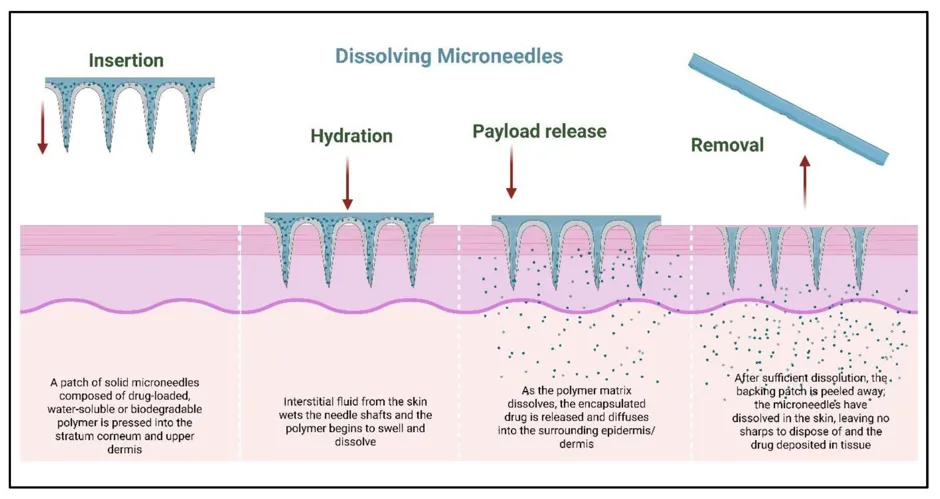
Fig:2 Mechanism of dissolving microneedle patch and image is created by AI visualization
EVALUATION DISSOLVING MICRONEEDLES
It is important to check such microneedles: researchers test their mechanical strengths, ability to penetrate the skin, efficiency in delivering drugs, and safety of such needles by conducting a combination of physical, mechanical, and biological tests.
5.1 Mechanical Strength
In this step, the mechanical strength is evaluated by measuring the impact dispersing roller and assessing the drop of a dropped ball.there the mechanical power is tested by measuring the impact dispersing roller and testing the drop of the dropped ball.(78)
Solid needles will be important in providing consistent penetration of the skin without fracture. Tests on microneedles are typically conducted using compressive force on the microneedles being tested by the researchers using texture analyzers or universal testing machines. They consider the breaking strength and the buckling or bending of needles. It has been observed that polymer composition, concentration, and geometry of the needles of interest influence the strength. With formulations optimized, good mechanical strength may be achieved at the time of reaching solubility - it is a balance between structural integrity and solubility.(73)
5.2 Studies on insertion and Penetration.
These experiments attest that actually the microneedles do penetrate the barrier. The most common techniques are:
Success is concerned with the microchannel being formed and the depth of penetration. There are data that address the effects of needle length, density, and strength on efficiency.(81)
5.3 Dissolution Behavior
Dissolution test verifies the speed at which the needles melt. They normally observe the amount of height loss in the course of time or observe dissolution of the needles in skin and simulated interstitial fluid. Cisco reports have indicated recently that the well-constructed dissolving needles can vanish within several minutes of time an average of 5-30 minutes depending on the polymer and the environment.(82)
5.4 Drug Content and Uniformity
Maintaining a uniform distribution of the drug in all needles will ensure the appropriate amount of drug. Some methods that are applied consist of UV -Visible spectroscopy and high-performance liquid chromatography (HPLC). Therapeutic uniformity implies the ability to achieve the same therapeutic outcomes and reproducible batches.(82)
5.5 In Vitro Drug Release Studies.
These experiments assess the rate of drug release out of the polymer. Techniques are the dissolution medium test and Franz diffusion cell apparatus. The release is determined by the process of polymer dissolution and diffusion. Higher systems involving nanoparticles or composites have the capability to generate sustained release properties.(84)
5.6 Ex Vivo Studies of Skin Permeation.
Ex vivo permeation involves the use of either animal or human skin that has been placed on diffusion apparatus. The major ones are the drug flux, permeability coefficient and cumulative permeation. These experiments replicate actual conditions of transdermal and validate increased drug delivery through microchannels formed with microneedles.(83)
5.7 In Vivo Evaluation
In-vivo Pharmacokinetics (absorption) Pharmacodynamics (effect) and safety/biocompatibility. In the animal studies, it has usually been established that needles dissolved assist in the delivery of small molecules in the system and is better than the traditional pathways.
5.8 Stability Studies
Stability testing occurs to determine the behavior of the needles in different environments, in different storage conditions- temperature, humidity, and storage time. Recent studies indicate the value of polymer selection and stabilizers to retain drug and mechanical characteristics after an extended duration.(86)
5.9 Safety and Skin Irritation Investigations.
Needles do not create skin problems, and safety checks are a solution to this. The techniques are histopathological analysis and visual irritation scoring. Also, needle dissolving reduces the chances of infection since no sharp trash is left behind, a major gain on the safety of the patient.(87).
6. APPLICATIONS.
The issue of dissolving microneedles (DMNs) is the new buzz since they can be injected into the skin with little to no pain and in a regulated manner. They are utilized in many places of treatment.(88)
Vaccine Delivery
DMNs are extremely convenient with vaccines as they identify antigens in the epidermis.
These needles are perfect in low dose potent biologics such as vaccines.
Delivery of Biologics (Proteins, Peptides, Insulin)
DMNs assist in the passage of big molecules across the skin barrier.
The pain assistance makes patients obedient.(89)
Cancer Therapy
DMNs are becoming popular to provide cancer care locally especially skin cancers like melanoma.
Recent research has demonstrated that they work with melanoma.(90)
Applications in antimicrobial and wound healing
DMNs are used in the treatment of chronic wounds and skin infections.
They work particularly well on biofilm related infections.(73)
Cosmetic and Dermatological Uses.
DMNs are also commonly used in cosmetology:
A cosmetic test data show there is an enhancement of skin appearance and an increase in collagen.(88)
Small Molecule Transdermal Drug Delivery.
Small molecules with low pharmacokinetic characteristics are forced out by DMNs.
They enhance bioavailability and permeation.
Emerging Applications
The latest moves include:
These advancements expand DMN possibilities in current treatment.(73)
7. Benefits of Microneedles Dissolving.
DMNs have a number of advantages with regard to traditional delivery.(91)
7.1 Minimalist and Just Painkillers.
7.2 No Sharps Waste
7.3 Better Patient Adherence.
7.4 Controlled Drug Release
7.5 Enhanced Drug Stability
7.6 Reduced Risk of Infection
8. LIMITATIONS.
DMNs have some setbacks despite the advantages.
8.1 Low Limited Drug Loading Capacity.
8.2 Mechanical Fragility
8.3 Variable Dissolution Behavior
The characteristics of the variability of the solution fluctuate irregularly.
8.4 Manufacturing Challenges
8.5 Dose Uniformity Issues
8.6 Stability Issues
8.7 Regulatory and Commercial barriers.
SUMMARY
Dissolving microneedles (DMNs) are the advanced transdermal drug delivery system that has the ability to penetrate the skin barrier for the increased bioavailability of drugs without causing pain and conventional injection. The polymers used to manufacture DMNs, being biodegradable and water-soluble, are dissolved after being inserted into the skin, and the drugs are released directly into the skin's epidermis or dermis. The paper summarizes the various types of microneedles, different fabrication processes (such as micromolding and 3D printing), drug release mechanisms, evaluation tests, and the therapeutic uses Despite the potential benefits of DMNs there are still a range of challenges (such as low drug loading capacity, stability, and manufacturing concerns). In conclusion, this may be regarded as a promising technology for future drug delivery, as the dissolving microneedles are safe and effective.Bottom of Form
FUTURE PROSPECTIVE
The dissolving microneedles (DMNs) are simply the new thing in the sphere of transdermal drug delivery, and we all are very excited about the way this type of needle might alter the field. The research community is primarily seeking to refine the materials, nail fabrication accuracy, and enhance the therapeutic effectiveness. The new kind of polymers that release drugs when they come in contact with triggers such as pH, temperature, or glucose spikes. A water pumping system is the chief thing. Furthermore, 3D printers and micro fabrication technology are turning those microneedle arrays into really fine and extensively customized ones, and that is a win over personalized medicine. Individuals are also experimenting with approaches that include loading nanoparticles, liposomes, and multilayer designs to extend the limit of drugs' capacity as far as it can be done currently. DMNs may be used in combination with wearable biosensors and digital health platforms to monitor and give feedback in real-time and dosing that is controlled by feedback. Naturally, scaling, long-term stability, regulatory hurdling, and clinical validation aren't easy stuff yet, but when these are included, these microneedles may completely revolutionize drug delivery methods.
CONCLUSION
The dissolution of microneedles is becoming a strongly promising transdermal drug delivery platform minimum invasiveness, non-painful with no drugs, and super patient-friendly with respect to traditional methods. They operate on the basis of poking into the skin and then dissolving a polymer matrix and releasing drugs at a regulated rate, which allows them to work both with small molecules and with vaccines and biologics. The lab has made a series of advancements in terms of improved fabrication methods, tougher materials, higher pharmaceutical mass content, and performance. Their contribution to vaccination, chronic disease management, oncology, and skin care only goes to demonstrate how much versatility and clinical implement ability they can have. Nevertheless, they find it difficult to scale to the market with big categories such as limited drug loadings, stability concerns, scaling production, and regulatory limitations. It will be essential to solve these problems using smarter polymers, the most advanced micro fabrication, and mass production. In case we continue to push in research and tech, the dissolution of the microneedles might also form the foundation of the next generation of drug delivery, as drugs entering the body will become much more convenient, and the therapy process will be more likely to adhere to and yield results.
REFERENCES

Dhanapriya S, Yokeshwaran S, Naresh kumar S, Sneha R, Sankar C, Advances in Dissolving Microneedles for Transdermal Drug Delivery: Materials, Mechanisms, and Clinical Applications, Int. J. of Pharm. Sci., 2026, Vol 4, Issue 9, 1865-1883. https://doi.org/10.5281/zenodo.22769239
 10.5281/zenodo.22769239