

We use cookies to ensure our website works properly and to personalise your experience. Cookies policy
Prasanna College of Pharmacy, Laila, Belthangady, Dakshina Kannada, Karnataka, India 574214.
Buccal films have emerged as a promising novel drug delivery system for both local and systemic therapeutic applications. These thin, flexible, and mucoadhesive dosage forms provide prolonged residence at the buccal mucosa and can improve drug absorption while reducing gastrointestinal degradation and first-pass metabolism. The present review provides an overview of the formulation, manufacturing, evaluation, advantages, limitations, and therapeutic applications of buccal films. Various formulation components, including active pharmaceutical ingredients, mucoadhesive polymers, penetration enhancers, plasticizers, surfactants, saliva-stimulating agents, flavouring agents, sweeteners, and colouring agents, are discussed with their roles in film performance and patient acceptability. Different manufacturing approaches, including solvent casting, hot-melt extrusion, rolling, semisolid casting, and electrospinning, are highlighted. The review also discusses important evaluation parameters such as physical characteristics, mechanical properties, swelling, surface pH, drug content, mucoadhesive strength, and in-vitro drug release. Buccal films have demonstrated potential in the management of oral ulcers, pain, cardiovascular disorders, infections, hormonal disorders, diabetes, and other systemic conditions. Recent advances in nanotechnology, smart polymers, multilayer films, and 3D printing are further expanding their therapeutic potential. Overall, buccal films represent a versatile and patient-friendly platform with significant potential for improving drug delivery and therapeutic outcomes.
Mucoadhesive buccal films are thin, flexible, transparent drug-loaded films designed to adhere to the buccal mucosa for localized or systemic drug delivery. Their mucoadhesive nature prolongs the residence time of the formulation, allowing controlled drug release and improved drug absorption. Compared with conventional dosage forms, buccal films offer greater flexibility, comfort, ease of administration, and improved patient compliance, making them a promising platform for effective drug delivery.[1]
Various mucoadhesive buccal dosage forms, including tablets, gels, ointments, and films, have been developed to improve drug delivery through the oral mucosa. Among these, mucoadhesive buccal films are preferred because of their flexibility, comfort, and prolonged residence time at the site of application. Unlike gels and ointments, which can be easily removed by saliva, buccal films remain adhered to the mucosal surface for longer periods, ensuring accurate drug dosing, sustained drug release, and improved patient compliance.[2]
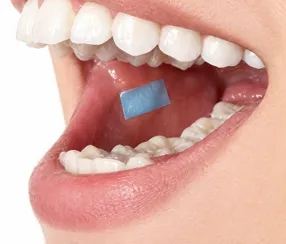
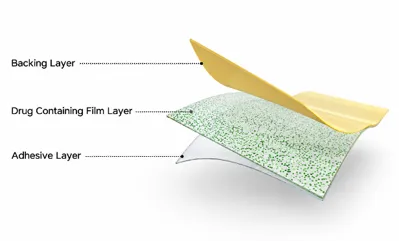
Figure 1. Buccal Film
Advantages of Buccal Films
Disadvantages of Buccal Films
Ideal Characteristics of Buccal Films
An ideal mucoadhesive buccal film should possess the following characteristics:
Anatomy and physiology of the Buccal cavity
The oral mucosa is a convenient, patient-friendly route for drug delivery because of its ease of administration and high patient acceptance. Unlike conventional routes, it protects drugs from degradation in the gastrointestinal tract. Because of its good blood supply and adequate surface area, the oral mucosa allows efficient drug absorption, making it a suitable pathway for both local and systemic therapeutic applications
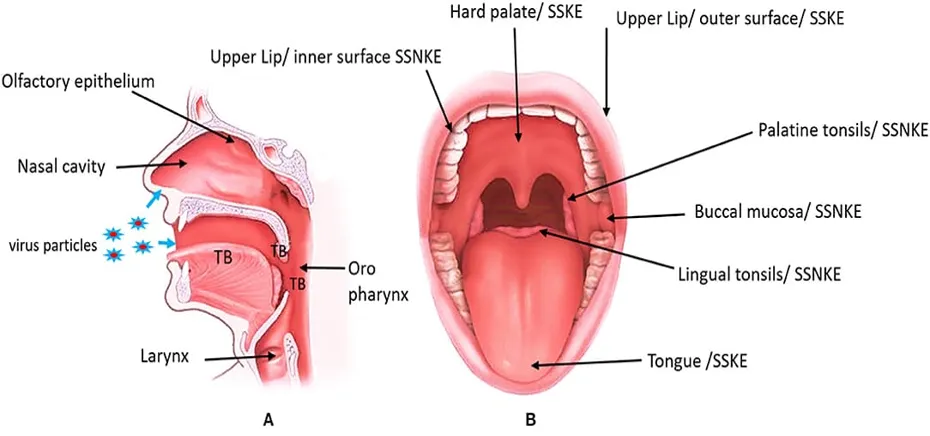
Figure 2. Mucosal region of Oral cavity.
The oral cavity is bounded by the lips, cheeks, floor of the mouth, hard palate, and soft palate. It is one of the most commonly used routes for drug administration because it is easily accessible, highly vascularized, and can bypass hepatic first-pass metabolism, thereby improving drug bioavailability. The oral mucosa covers a surface area of approximately 170 cm² and consists of two main layers: the superficial stratified squamous epithelium and the underlying lamina propria.[8]
Role of Saliva
Saliva is composed of approximately 99% water, along with electrolytes, enzymes, proteins, immunoglobulins, antimicrobial substances, and mucosal glycoproteins. It plays an important role in maintaining oral health and supporting the performance of buccal drug delivery systems. Its major functions include buffering, digestion, cleansing, lubrication, and protection of the oral tissues and teeth.
Role and Functions of Mucus in Mucoadhesion
Mucus is mainly composed of negatively charged mucin glycoproteins containing a protein core rich in carbohydrates. It forms a protective and hydrated layer over the oral mucosa and plays an important role in mucoadhesion. Mucoadhesive polymers can interact and become entangled with mucin chains, helping the dosage form remain attached to the mucosal surface. Mucus also provides lubrication, reduces friction, protects the oral mucosa from physical and chemical damage, supports cell–cell interactions, and helps maintain the moisture and integrity of the oral cavity.[9]
Mechanism of Mucoadhesion
Mucoadhesion is the ability of a dosage form to adhere to the mucosal surface for a prolonged period, thereby enhancing drug retention and absorption. It is primarily explained by the diffusion of polymer chains into the mucus layer, the formation of intermolecular bonds, and mechanical interlocking between the polymer and mucosal surface. The strength of mucoadhesion depends on the type of polymer, its molecular weight, and chemical properties. Polymers such as pectin exhibit strong adhesion under mildly acidic to neutral pH conditions, while chemically modified polymers, such as thiolated polymers, further improve adhesion by forming disulfide bonds with mucin. These properties prolong the residence time of buccal formulations and enhance their therapeutic effectiveness.[10]
Factors affecting Bioadhesion
Buccal drug absorption
Buccal drug absorption occurs mainly by passive diffusion of the non-ionized drug across the buccal epithelium. The process is driven by a concentration gradient, allowing the drug to diffuse through the intercellular spaces of the mucosa. The buccal mucosa acts as a lipoidal barrier, influencing drug permeability.
Mechanism of drug absorption through buccal mucosa
Drug permeation through the buccal mucosa mainly occurs through two pathways:
Lipophilic, unionized, and low-molecular-weight drugs generally favour the transcellular pathway, whereas hydrophilic drugs tend to use the paracellular route. Drug properties such as molecular weight, lipophilicity, pKa, and degree of ionization influence the extent of buccal absorption. Generally, drugs with a molecular weight below 500 Da, moderate lipophilicity, and suitable ionization at buccal pH (5.5–7.0) show better absorption.[13]
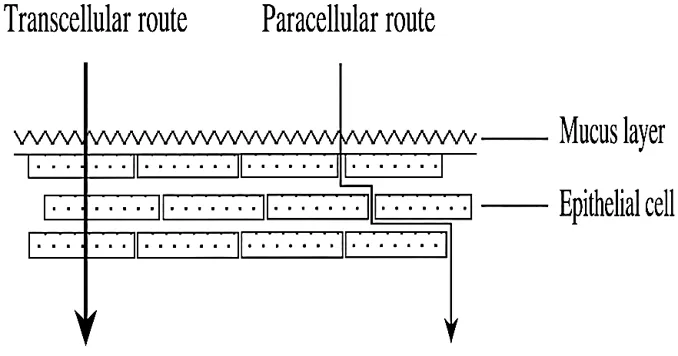
Figure 3. Image of Buccal absorption pathways.
Factors Affecting Buccal Absorption
Buccal Drug Delivery System
Buccal drug delivery systems utilize the oral cavity for effective drug administration, bypassing gastrointestinal degradation and first-pass hepatic metabolism to enhance bioavailability. The mucoadhesive properties of the buccal mucosa prolong drug residence time, improve absorption, and maintain drug stability, resulting in enhanced therapeutic efficacy.[15]
Advantages of Buccal Drug Delivery System
Limitations of Buccal Drug Delivery System
Classification of Buccal films
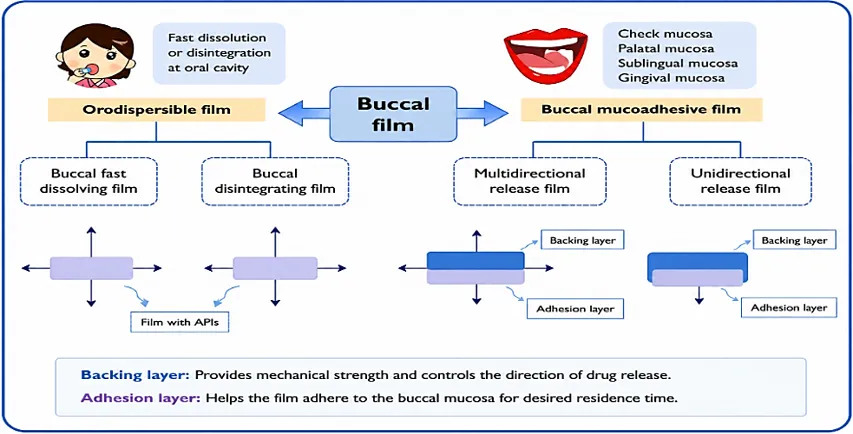
Figure 4. Classification and drug release direction of Buccal films.
Fast dissolving buccal films (FDDS)
Fast dissolving drug delivery systems are dosage forms that rapidly dissolve or disintegrate in the mouth without water or chewing, improving convenience and patient compliance. Fast dissolving oral films are thin polymeric strips that hydrate and dissolve quickly after administration, releasing the drug for absorption. They offer easy administration, accurate dosing, portability, and rapid drug release. Successful film development requires a balance between rapid dissolution, adequate mechanical strength, and good taste masking to ensure patient acceptability. [19,20]
Oral Disintegrating Films (ODFs)
Oral Disintegrating Films (ODFs), also known as fast-dissolving or Oro dispersible films, are thin polymeric dosage forms that rapidly dissolve or disintegrate on the tongue without water or chewing. They provide convenient drug administration and may offer rapid drug release and absorption. ODFs are generally prepared using film-forming polymers, plasticizers, active pharmaceutical ingredients, sweeteners, flavouring agents, saliva stimulants, surfactants, and other suitable excipients. They are particularly useful for pediatric, geriatric, bedridden, and dysphagic patients and can improve patient compliance compared with conventional tablets and capsules.[21]
Unidirectional Release Buccal Mucoadhesive Films (BMFs)
Unidirectional buccal mucoadhesive films (BMFs) consist of a drug-loaded mucoadhesive layer and an impermeable backing layer, directing drug release toward the buccal mucosa while minimizing drug loss into the oral cavity. Ethyl cellulose (EC) is commonly used as the backing layer due to its hydrophobic and water-insoluble nature, while polymers such as HPMC, PVA, and chitosan provide mucoadhesion. This design can improve drug absorption and bioavailability and is suitable for both local and systemic drug delivery, including the management of oral ulcers.
Multidirectional Release Buccal Mucoadhesive Films (BMFs)
Multidirectional buccal mucoadhesive films (BMFs) consist of a drug-loaded mucoadhesive layer and a backing layer, with drug release occurring in multiple directions within the oral cavity. Polymers such as HPMC, sodium carboxymethyl cellulose (CMC-Na), HPC, PVA, and PVP are commonly used for the mucoadhesive layer, while ethyl cellulose (EC) is used as the backing layer. These polymers promote adhesion, flexibility, swelling, and sustained drug release, with the release profile influenced by their viscosity and composition. Multidirectional BMFs can provide prolonged drug retention and are suitable for both local and systemic drug delivery.[22]
Components of Buccal Film
Buccal films generally contain 5–30% (w/w) API based on polymer weight, with the drug dose preferably below 20 mg/day. Water-soluble drugs can be incorporated in dissolved or solid-solution form, while poorly soluble drugs are dispersed in the film and may be solubilized using cyclodextrins. APIs can be used in milled, micronized, nanocrystalline, or particulate forms. Micronized drugs improve film texture, dissolution, and content uniformity. Buccal films can deliver various orally active drugs, including those used for oral ulcers and allergic conditions.[23]
Polymer hydration and swelling promote mucoadhesion by allowing the polymer to become flexible and interact with mucin chains. Mucoadhesion is explained by wetting, fracture, diffusion, electronic, adsorption, and dehydration theories. Common mucoadhesive polymers include PVA, chitosan, sodium alginate, gelatin, carrageenan, hyaluronic acid, NaCMC, HPC, HPMC, poly (acrylic acid), and Eudragit® RS 100. Among these, chitosan is widely studied because of its biocompatibility, biodegradability, and positive charge, which enhances its interaction with negatively charged mucin and improves mucoadhesion.[24]
Penetration enhancers are used to temporarily and reversibly improve drug permeation through the buccal mucosa. They enhance drug transport by increasing diffusion, drug partitioning, and interaction with the epithelial membrane. They are especially useful for proteins, peptides, and hydrophilic drugs. Common enhancers include surfactants, bile salts, fatty acids, cyclodextrins, alcohols, glycols, and azone derivatives. However, excessive use may cause irritation or tissue damage. Therefore, an ideal enhancer should be safe, non-irritant, physiologically compatible, and effective at an optimized concentration.[25]
Plasticizers are added to buccal films to improve flexibility, strength, and resistance to brittleness by reducing polymer rigidity and lowering the glass transition temperature. Common plasticizers include glycerol, propylene glycol, and PEG 400. They are generally used at 10–30% of total solids, and their concentration should be optimized. Excessive plasticizer may cause stickiness, poor moisture resistance, and reduced stability.
Surfactants are added to buccal films as wetting agents, dispersants, and solubilizers to improve drug distribution, disintegration, drug release, and mucosal permeation. Common examples include Tween 80, poloxamers, and sodium lauryl sulfate (SLS). Their concentration should be optimized to ensure uniform drug distribution and suitable drug release.[26]
Saliva-stimulating agents are added to buccal films to increase saliva production, thereby improving film wetting, disintegration, dissolution, and drug release. Common agents include citric acid, malic acid, lactic acid, ascorbic acid, and tartaric acid. Among these, citric acid is commonly preferred for effective salivary stimulation. They may be used alone or in combination at about 2–6% w/w of the total film weight.
Cooling agents are incorporated into buccal film formulations to improve flavour strength and enhance the mouthfeel effect of the film.
Cooling agents such as monomethyl succinate, WS3, WS23, and Utracoll II are used in film formulations to provide a cooling sensation and can be used in combination with flavouring agents to improve the overall mouthfeel and palatability.[27]
Flavouring agents improve the palatability and acceptability of buccal films by masking unpleasant drug tastes. Common examples include peppermint, cinnamon, spearmint, vanilla, cocoa, coffee, chocolate, and fruit flavours. They may be used alone or in combination, generally up to 10% w/w. Cooling agents such as monomethyl succinate can also improve flavour and mouthfeel.[28]
Sweeteners are added to buccal films to mask unpleasant tastes and improve patient acceptability. Common sweeteners include sucrose, dextrose, fructose, sorbitol, and mannitol. Natural sweeteners such as Stevia (Rebiana), glycyrrhizin, xylitol, thaumatin provide intense sweetness, while artificial sweeteners such as sodium saccharin are also used in buccal film formulations.[29]
Colouring agents are added to buccal films to improve their appearance and patient acceptability. Commonly used agents include natural colours and pigments such as titanium dioxide. They are generally used in low concentrations, usually not exceeding 1% w/w. In pediatric formulations, colours should be carefully selected to avoid candy-like appearance and accidental consumption.[30]
Stabilizing and thickening agents are added to the film-forming solution or dispersion before casting to improve its consistency and viscosity. Examples of naturally occurring stabilizers and thickeners include cellulose derivatives and carrageenan, which may be used at a concentration of 5% w/w. [31]
Manufacturing Methods of Buccal Film
Buccal film formulation is mainly prepared by the following methods
In the solvent casting method, dissolve the required quantity of polymer in distilled water to prepare a uniform polymeric solution. The required amount of active pharmaceutical ingredient (API) is then added gradually and mixed thoroughly. Suitable plasticizer is added, and the solution is stirred well to obtain a homogeneous casting solution. The solution is then cast onto a Petri plate and dried in a hot air oven at 40°C. After drying, the film is carefully removed from the Petri plate using a blade and kept in a desiccator for 24 hours. Finally, the dried film is cut into the required size and shape containing the desired amount of drug. Advantages include better film clarity and thickness uniformity, fine gloss without die lines, and improved flexibility and physical properties; disadvantages include the need for polymers soluble in volatile solvents, difficulty in achieving suitable solution viscosity and solid content, and the need for homogeneous film formation with proper drug release from the casting support.
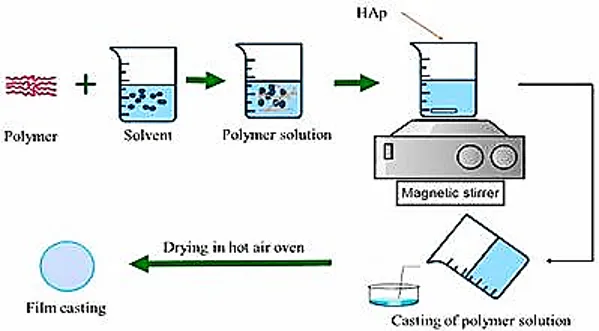
Figure 5. Solvent casting method.
In hot melt extrusion, the drug is mixed with solid carriers, and the mixture is heated and melted in an extruder. The molten mixture is then forced through a suitable die to form films of the desired shape and thickness. This method provides a homogeneous drug–polymer matrix and is useful for preparing drug-loaded films. Advantages include fewer processing steps, no need for solvents or water, lower energy requirements, uniform dispersion of fine particles, and no dependence on drug compressibility; disadvantages include limited polymer selection, the need for suitable polymer flow properties, and potential drug/polymer stability problems due to the thermal process. [32,33]
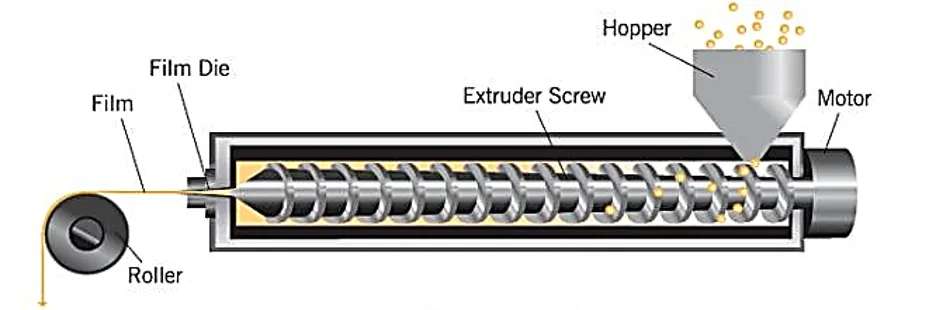
Figure 6. Diagram of a Film Extrusion System.
First, prepare a solution of water-soluble film-forming polymer by a semi-solid casting method. The resulting solution is then added to insoluble polymers, such as cellulose acetate butyrate, cellulose acetate phthalate, etc., which are made with sodium hydroxide or ammonium hydroxide. Then add the correct amount of plasticizer to make a gel. Finally, a temperature-controlled barrel is used to shape the gel mass into a film. The thickness of the film is about 0.015- 0.05 mm. [34]
A pre-mix of the film-forming polymer, polar solvent, and other excipients was prepared without the drug and transferred to the master batch feed tank. The pre-mix was pumped into the mixer, where the required amount of drug was added and mixed until a homogeneous matrix was obtained. The uniform matrix was then transferred to the casting pan through a metering pump and formed into a film over the base material using a support roller. Finally, the wet film was dried under controlled bottom-drying conditions until complete dehydration. [35,36]
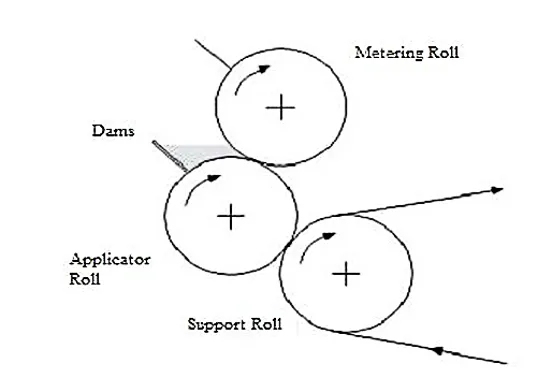
Figure 7. Three rolling coating units.
The electrospinning process is facilitated using a high-voltage direct-current power supply generator with a maximum voltage of 10 kV. The drug-polymer solutions were filled into 10 mL plastic disposable syringes fitted with a 22G tip, which was connected to flat needles mounted on a horizontally positioned syringe pump; the distance between the needle and collector was 12 cm, and the flow rate was 1 mL/min. The fibers were deposited on aluminium foil covering the rotating drum collector at 200 rpm. The temperature and relative humidity were set at 25 ± 2 °C and 35 ± 1%, respectively.[37]
Evaluation parameters of Buccal Film
Buccal films should have pleasant taste, flavour, odour, and an attractive, uniform colour to improve patient acceptability. Colour can be evaluated by visual inspection, while suitable flavouring agents can mask the unpleasant taste and odour of the drug, polymer, and excipients. Attractive formulations are particularly important for pediatric use.[38]
The folding endurance of the oral thin films was determined by repeatedly folding a 2 × 2 cm² strip at the same location until it broke. Folding endurance was expressed as the number of times the film could be folded at the same point without breaking. The test was performed in triplicate, and the results were reported as the mean ± standard deviation.[39]
Film thickness was measured using a calibrated digital micrometer or micrometer screw gauge at five points on the film, including the center and four corners. At least five films from each formulation were tested, and results were expressed as mean ± SD. Thickness uniformity is important for consistent drug distribution. Oral thin films generally range from 5–200 µm, while buccal films may range from 50–1000 µm.[40]
The weight variation of the oral thin films was determined by weighing each film individually, followed by the calculation of the average weight of all the films. The individual weight of each film was then compared with the average weight to assess weight variation. Significant variation in the weight of the films indicates inconsistency in the manufacturing process and may suggest non-uniform distribution of the drug within the formulation.[41]
Tack refers to the adhesive property of the film, which is determined by its ability to adhere to a surface, such as a piece of paper, upon contact. Dryness is a measure of the residual solvent or water content present in the film. The drying process of oral films is generally classified into eight stages: set-to-touch, dust-free, tack-free, dry-to-touch, dry-hard, dry-through, dry-to-recoat, and dry print-free. These characteristics can be evaluated using various instruments; at the laboratory scale, tackiness was evaluated by pressing the strip between layers of aluminum foil. The observations were recorded as tack-free, slightly tacky, tacky, or very tacky based on the degree of adhesion of the strip to the aluminum foil.[42]
Percentage elongation indicates the flexibility and elasticity of an oral thin film when subjected to tensile force. It is commonly measured using a texture analyzer or tensile testing instrument. During the test, the increase in the film's length before breaking is measured and expressed as a percentage of its original length. It is calculated using the following equation:
Percent Elongation=L-L0L0×100

Where:
L0 = Initial length of the film
L = Final length of the film after stretching.[43]
The pH of the film formulation is determined to ensure compatibility with the physiological environment of the oral cavity and to minimize the risk of mucosal irritation. The film was dissolved in a suitable volume of distilled water, and the pH was measured using a calibrated digital pH meter. Alternatively, pH indicator paper may also be used for preliminary assessment. A pH close to that of the oral mucosa is generally considered suitable for buccal application.[44]
Drug content uniformity is evaluated by analyzing multiple film samples using suitable spectrophotometric or chromatographic methods. The measured drug content is compared with the intended drug content of the formulation. This test helps to ensure uniform drug distribution among individual film units and provides consistent dosing and product quality. The acceptance limits may vary depending on the applicable pharmacopoeial or regulatory requirements.[45]
The swelling index of the buccal films is determined by measuring the increase in film weight after hydration. The weight and diameter of the films were recorded. The films are then placed on the surface of an agar plate and incubated at 37 ± 0.2°C to simulate physiological conditions. At predetermined time intervals (1–5 h), the swollen films (n = 3) are carefully removed, gently blotted to remove excess surface moisture, and weighed. The percentage swelling (%S) is calculated using the following equation:
S. I=Wt-W0W0×100
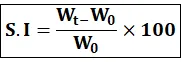
where:
(Wt)= Weight of the swollen film at time t
(Wo) = Initial weight of the film at time zero
All measurements were performed in triplicate, and the mean values were calculated.[46]
The percentage moisture loss of the films is determined to evaluate the stability of buccal films under dry storage conditions. The film samples measuring 2 × 2 cm² are accurately weighed and placed in a desiccator containing anhydrous calcium chloride as a desiccant. After 3 days, the films are removed and reweighed. The percentage moisture loss is calculated using the following equation [47]
Percent moisture loss =Initial weight - Final weightInitial weight x 100

Moisture uptake capacity of the films is evaluated by exposing them to a humid environment. Pre-weighed film samples (2 × 2 cm²) are placed in a desiccator containing a saturated potassium chloride (KCl) solution, which maintains a relative humidity of approximately 84%, at room temperature. After 24 h, the films were removed and reweighed. The percentage moisture uptake is calculated using the following equation:
Percent moisture uptake =Final weight - Initial weightInitial weight X 100

All measurements were performed in triplicate, and the results were expressed as mean ± standard deviation.[48]
The tensile strength of the oral thin film is defined as the maximum force required to cause deformation and break the film. Film strips of a specified size are secured between two clamps separated by a fixed distance, and a tensile load is applied until the film ruptures. The tensile strength is calculated by dividing the breaking force by the cross-sectional area of the film using the following equation:
Tensile Strength (N/mm2)=Breaking Force (N)Cross-sectional Area (mm2)

Where:
Breaking force = force required to break the film (N)
Cross-sectional area = width × thickness of the film (mm²)
It is expressed in N/mm².[49]
In vitro disintegration time is determined by placing the film in a Petri dish containing distilled water and gently swirling it at regular intervals. The time required for the film to disintegrate or break is recorded as the in vitro disintegration time.[50]
In vitro drug release studies are carried out using a Franz diffusion cell assembly consisting of donor and receptor compartments separated by a suitable membrane. The receptor compartment contains an appropriate buffer medium, while the drug-loaded film is placed in the donor compartment. The membrane is pre-treated with the receptor medium before use, and care is taken to avoid air bubbles between the membrane and the liquid surface. The system is maintained at a controlled temperature, and samples are withdrawn from the receptor compartment at predetermined time intervals and replaced with fresh buffer. The amount of drug released is determined using a suitable analytical method, and the drug release flux is calculated.[51]
Ex vivo mucoadhesive strength is evaluated using a modified physical balance method with fresh chicken pouch mucosa. The mucosa is rinsed with phosphate buffer (pH 6.8), mounted in a Petri dish, and kept hydrated with the same buffer. A 2 × 2 cm film is attached to a glass stopper and brought into contact with the mucosa under a 10-min preload. Water is gradually added to the opposite side of the balance until the film detaches. The required weight is recorded, and adhesion force and bond strength are calculated using the respective formulas. The test was performed in triplicate (n = 3).[52]
F=W×g1000
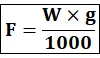
Where:
F = Mucoadhesive force (N)
W = Weight required for detachment (g)
g = Acceleration due to gravity (9.81 m/s²
It is a measure of the stiffness of a film. It is defined as the ratio of applied stress to strain within the elastic limit.
Hard and brittle films generally exhibit high tensile strength and high Young’s modulus but show low elongation before breaking.[53]
Young's modulus=Slope×100Stripthickness×Crossheadspace

Permeation studies evaluate drug movement across the mucosal membrane. The mucosal surface is placed in contact with the film and moistened with a few drops of simulated saliva fluid to study the interaction between the film and the mucosa. Simulated saliva fluid (1 ml, pH 6.8) is placed in the donor compartment. Samples are withdrawn at predetermined time intervals and replaced with an equal volume of fresh medium. The amount or percentage of drug permeated is then determined using a suitable analytical method.[54]
Stability studies are performed to evaluate the ability of the formulation to withstand storage conditions and environmental stresses over time. These studies are generally carried out under controlled temperature and humidity conditions according to relevant regulatory guidelines to
assess product shelf-life. Additional evaluations may be conducted to confirm the physical stability, uniformity, and integrity of the formulation during storage.[55]
Factors Affecting Buccal Film Performance
Applications of Mucoadhesive Buccal Drug Delivery Systems
1. Oral Ulcer Treatment
Fast-dissolving oral films have been investigated as a localized drug-delivery approach for the management of oral ulcers. In one study, oral films containing extracts of Ocimum sanctum and Glycyrrhiza glabra were developed for the treatment of mouth ulcers. The herbal extracts were incorporated into fast-dissolving films prepared by the solvent-casting method using HPMC E5, HPMC E15, sodium alginate and PVA as film-forming polymers. The developed films demonstrated satisfactory physical characteristics, rapid disintegration and drug release. The study indicated that incorporating these herbal extracts into an oral film may provide a convenient localized dosage form for the management of mouth-ulcer conditions and their associated inflammation and discomfort.[60]
2. Analgesic Therapy
Buccal films provide an effective route for systemic pain management, particularly with buprenorphine. The mucoadhesive film allows prolonged residence and direct absorption through the buccal mucosa, while avoiding first-pass metabolism. Buprenorphine buccal films have been used for persistent chronic pain, including cancer-related, musculoskeletal, and neuropathic pain. They also offer rapid absorption, improved compliance, and convenience for patients with swallowing difficulties.[61]
3. Anti-inflammatory Therapy
Inflammation is a common factor associated with several oral diseases. Mucoadhesive buccal systems can provide prolonged local delivery of anti-inflammatory drugs such as flurbiprofen, flufenamic acid, and ibuprofen. Sustained-release bilayered buccal tablets containing flurbiprofen have been developed using mucoadhesive polymers and hydrotalcite. An optimized formulation containing 20 mg of flurbiprofen provided sustained anti-inflammatory activity for approximately 12 hours, while potentially reducing the required daily dose.
4. Antiemetic Therapy
Buccal films have potential application in the management of nausea and vomiting, particularly when swallowing conventional tablets is difficult. Rapid hydration and dissolution of the film in the oral cavity facilitates drug release and mucosal absorption, while buccal administration can reduce gastrointestinal exposure and first-pass metabolism. Antiemetic drugs such as metoclopramide, palonosetron hydrochloride, prochlorperazine maleate, domperidone, aprepitant, granisetron hydrochloride and dimenhydrinate have been investigated in fast-dissolving film formulations, demonstrating the potential of film-based delivery as a convenient alternative to conventional oral dosage forms.[62]
5. Hormone Delivery
Mucoadhesive buccal films have been explored for estradiol delivery in hormone replacement therapy for menopausal symptoms. Buccal administration can bypass first-pass metabolism and improve estradiol bioavailability. A nano-emulsion-based estradiol film showed about 80% drug release within 6 min and 15% buccal mucosal permeation over 10 h. These findings indicate its potential as an alternative system for hormonal therapy.[63]
6. Antidiabetic Therapy
Mouth-dissolving films offer a convenient approach for diabetes management by rapidly dissolving in the oral cavity and enabling quick drug absorption. They can be administered without water, improving patient compliance, especially in those with swallowing difficulties. Buccal absorption may also reduce first-pass metabolism and enhance drug bioavailability, making these films a promising alternative to conventional oral dosage forms.[64]
7. Vaccines and Peptides
Buccal mucoadhesive films offer a promising, needle-free approach for mucosal vaccine delivery by providing prolonged contact with the buccal mucosa and avoiding gastrointestinal degradation. A two-layered film containing pullulan, trehalose, sucrose, and an ethyl-cellulose backing layer was developed for delivery of DNA, viral vectors, and mRNA/LNP vaccines. SARS-CoV-2 mRNA/LNP films remained stable and produced immune responses comparable to intramuscular vaccination, with additional mucosal IgA responses, demonstrating their potential for mucosal vaccination.[65]
Emerging Trends in Buccal Film Technology
CONCLUSION
Buccal film technology has emerged as a promising and versatile drug delivery approach for both local and systemic therapy. Using suitable polymers, plasticizers, penetration enhancers, surfactants, and other functional excipients allows optimization of mucoadhesion, flexibility, drug release, permeation, stability, and patient acceptability. Different manufacturing techniques, including solvent casting, hot-melt extrusion, rolling, semisolid casting, and electrospinning, further expand their formulation possibilities.
The ability of buccal films to provide prolonged residence, controlled drug release, improved bioavailability, and convenient administration makes them attractive alternatives to conventional oral dosage forms. Their applications extend to oral ulcers, pain management, cardiovascular therapy, antimicrobial treatment, hormones, peptides, proteins, and vaccines. However, challenges such as limited absorption area, mucosal permeability, taste, saliva wash-off, dose limitations, and possible irritation from certain excipients must be carefully addressed. Overall, continued advances in mucoadhesive polymers, nanotechnology, smart formulations, and personalized manufacturing are expected to further improve the therapeutic potential and clinical application of buccal films.
REFERENCES

Jalajakshi, Jayashree. B, Chandana. S, Pratibha, Jeevitha. P, Vidyashree S P, Dr. M. Mallikarjuna Gowda, Buccal Films as an Advanced Drug Delivery System: A Review of Formulation, Manufacturing, Evaluation and Therapeutic Applications, Int. J. of Pharm. Sci., 2026, Vol 4, Issue 10, 643-663. https://doi.org/10.5281/zenodo.23169275
 10.5281/zenodo.23169275