

We use cookies to ensure our website works properly and to personalise your experience. Cookies policy
Matoshri Institute of Pharmacy Dhanore, Yeola
Adverse effects are undesired, potentially harmful outcomes that can arise from medications or other medical interventions, ranging from mild symptoms to life- threatening conditions. These effects may occur despite correct dosing, may be predictable or idiosyncratic, and often necessitate modification or cessation of therapy. Drug interactions whether between medications, foods, or supplements—can modify efficacy or safety, sometimes precipitating adverse effects. Herbal products can interact with conventional drugs, particularly anticoagulants and drugs with narrow therapeutic indices, and can themselves cause organ toxicity or bleeding risks. Preoperative use of herbs requires careful history-taking and potential discontinuation to minimize perioperative risk. Effective management includes thorough medication reconciliation, patient education, prudent use of interaction checkers, monitoring, and, when necessary, consultation with specialists.
Adverse Effects :
An adverse effect is an undesired, harmful, or negative effect resulting from a medication or other types of treatment or intervention such as surgery. These effects can vary in severity from mild to life-threatening and may include symptoms like nausea, rashes, organ damage, or severe allergic reactions. Adverse effects often occur despite taking medications as prescribed and can sometimes be unpredictable or due to drug interactions [1][3][6].
Key Points About Adverse Effects :
Examples Of Adverse Effects :
In summary, an adverse effect is a harmful outcome caused by medication or treatment, ranging from mild to severe, and is distinct from beneficial effects or neutral side effects [1][3][5].
Common Types of Adverse Effects :
Common types of adverse effects to watch for include a wide range of symptoms and conditions that can vary depending on the medication or treatment used. Some of the most frequently observed adverse effects are:
Drug Interactions :
Drug interactions are changes in a drug's effects due to the concurrent use of another drug, food, beverage, or supplement. These interactions may increase or decrease the effects of one or both drugs and can sometimes cause adverse effects or therapeutic failures. There are three main types of drug interactions:
Drug interactions can be additive, synergistic, or antagonistic. Management includes knowing all patient medications, monitoring effects, and prescribing the fewest drugs at the lowest effective doses. Some essential drugs prone to interaction include warfarin, digoxin, and certain statins. Also, interactions may occur through pharmacodynamic (receptor-level effects) or pharmacokinetic (absorption, metabolism) mechanisms.
Examples Of Notable Drug Interactions:
For precise management, clinicians often use drug interaction checkers to evaluate potential risks and adjust therapy accordingly [13][14][15].
Medications Increases Bleeding Risk With NSAIDs :
NSAIDs increase the risk of bleeding, especially when taken with medications that affect blood clotting. The main medications that increase bleeding risk with NSAIDs include:
NSAIDs increase the risk of bleeding, especially when taken with medications that affect blood clotting. The main medications that increase bleeding risk with NSAIDs include:
NSAIDs alone increase the risk of gastrointestinal bleeding and this effect is amplified by these drugs. The risk increases further in older adults, high NSAID doses, and prolonged use.
If you are on any of these medications, caution and consultation with a healthcare professional before taking NSAIDs is important to reduce dangerous bleeding risks. [16][17][18][19][20][21]
Drug Interactions of Commonly Used Herbal Product :
Commonly used herbal products include Echinacea, Ginseng (Asian and American types), Ginkgo biloba, Elderberry, St. John's wort, Turmeric, and Ginger. These herbs are often used for various health benefits such as boosting immunity, reducing inflammation, improving brain function, and treating colds or depression [1][3].
Regarding drug interactions, some commonly used herbs have significant potential interactions with prescription medications:
Herbal supplements can interact with medications used to treat heart and blood vessel diseases, among others, sometimes with potentially life-threatening consequences. Patients are advised to consult healthcare providers before using herbal supplements, especially if they are on prescription medications [23][25].
Many herb-drug interactions are inferred from animal or cellular studies and are not always confirmed in clinical trials, but caution is warranted for drugs with a narrow therapeutic index like warfarin, digoxin, and cancer chemotherapeutics [25].
In summary, commonly used herbal products have various potential drug interactions, predominantly related to blood thinning, enzyme induction, and effects on drug metabolism, making healthcare provider consultation important prior to their use with medications.
If more specific herb-drug interaction details are needed, those can be provided too.
Herbal products, though widely used for health, can pose significant risks including adverse effects and dangerous drug interactions, especially when combined with prescription medications or when ingredients are misidentified or contaminated [27][28][29][30].
Adverse Effects of Common Herbal Products :
Many herbal products can produce severe adverse reactions such as liver or kidney damage, carcinoma, coma, or even death [30][32].
Drug-Herbal Interactions :
Herbal supplements can interact with drugs by altering their absorption, metabolism, or pharmacodynamic properties, occasionally resulting in dangerous outcomes [28][29].
Safety Concerns with Herbal Products :
In summary, it is important for healthcare providers and patients to recognize that commonly used herbal products can produce severe adverse effects and/or interact dangerously with prescription medicines[28][29][30]. Proper consultation and caution are necessary when considering herbal supplementation in conjunction with other medications.
How to check for herb–drug interactions before surgery :
To check for herb–drug interactions before surgery, patients and healthcare providers should take several important steps to reduce the risk of adverse effects during and after the procedure [34][35][36][37].
Steps to Identify Herb–Drug Interactions :
Patient Disclosure :
Patients must provide a complete list of all herbal products, supplements, and conventional medications they are using during the preoperative evaluation [36][34]. Many patients do not disclose herbal use unless directly asked [35].
Healthcare Provider Inquiry :
Physicians and anesthesiologists should routinely ask about herbal medicine and supplement use during preoperative assessment [36]. Understanding why a patient is taking a particular herbal product helps identify potential risks and interactions [34].
Risk Assessment :
Review patient-specific factors such as age, pregnancy/breastfeeding status, liver or kidney function, and chronic health conditions like cancer, cardiac disease, epilepsy, or HIV. High-risk patients may be advised to avoid all herbal products [34].
Medication Review :
Evaluate the full list of medications for drugs with a high risk of interaction (e.g., anticoagulants, drugs with a narrow therapeutic index like warfarin, digoxin)[34][37]. Herbal products can affect protein binding, liver enzymes, and drug absorption, which may require adjustment or discontinuation of either the herb or the drug.
Use Verified Interaction Databases :
Consult reputable interaction resources and clinical guidelines specific to herbal products [34]. Some hospitals have policies and checklists for herbal medicine use in the perioperative period.
Preoperative Safety Recommendations :
Stop Herbal Products Before Surgery :
Most guidelines (e.g., American Society of Anesthesiologists, American Association of Nurse Anesthetists) recommend discontinuing all herbal products at least 1–2 weeks before surgery [35][36][39]. This is because herbal medicines can prolong bleeding, increase sedation, interact with anesthesia, and cause cardiovascular instability [38][39][37].
Target Specific High-Risk Herbs :
Herbs with known surgical risks include:
Monitoring and Postoperative Care :
Check Baseline Organ Function:
Laboratory tests (liver, kidney, coagulation parameters) may be required before surgery if herbal medicine use is suspected[34].In summary, a careful preoperative evaluation—including a complete medication history, inquiry about herbal use, and temporary discontinuation of herbs—can significantly reduce perioperative risk from herb–drug interactions[34][35][36][37][39].
Which common herbs increase bleeding risk with anticoagulants.
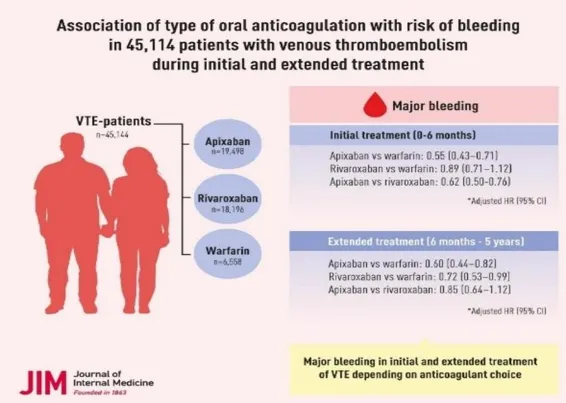
Several common herbs can increase bleeding risk when taken with anticoagulants such as warfarin, aspirin, or clopidogrel, and should therefore be avoided or closely monitored during such therapies [40][41][42][43][44][46].
Common Herbs That Increase Bleeding Risk :
Ginkgo biloba : Associated with increased risk of major bleeding events, especially when combined with warfarin or other blood thinners[40][41][43].
Garlic : Increases bleeding risk, particularly during surgery or when taken with anticoagulants [40][41][43].
Chamomile : Consumption has been linked to serious bleeding, particularly with warfarin therapy [40][44][46].
Turmeric : Can enhance bleeding effects of anticoagulants [40].
Dong quai (Angelica sinensis): Contains coumarin derivatives that potentially worsen bleeding in patients on blood thinners [42][43].
Evening primrose : Increases risk of bleeding when taken with blood thinners[ 41].
Fenugreek : Associated with an increased risk of bleeding when combined with anticoagulants [40].
Bilberry: May raise bleeding risk alongside anticoagulant use [40].
Milk thistle, peppermint, and chondroitin-glucosamine : Found to increase bleeding potential in patients on anticoagulants[40].
St. John’s wort ,ginger, and cranberry : Scientific evidence is conflicting, but they are best avoided or used cautiously with anticoagulants[40][42][46].
Saw palmetto: May increase bleeding risk if combined with blood thinners [41].
Other potential herbs : Dong quai, feverfew, and danshen also possess blood-thinning properties and may increase risk when used with anticoagulants [43].
Practical Recommendations :
Patients should always provide a complete list of herbs and supplements to their healthcare providers before starting anticoagulant therapy or undergoing surgery, to ensure safe management and minimize risk of serious bleeding events [40][41][45][46].
Management of bleeding when patient used herbal supplements :
Management of bleeding in patients who have used herbal supplements centers on prompt assessment, supportive care, and modification of treatments that may further increase bleeding risk[47][48][50].
Immediate Steps :
Discontinue Herbal Supplements :
All herbal supplements suspected of increased bleeding risk should be stopped immediately upon the onset of bleeding [47][49].
Detailed History :
Collect a comprehensive history to identify which supplements the patient was using, their doses, and duration. Focus especially on garlic, ginkgo biloba, chamomile, ginger, turmeric, dong quai, and others associated with bleeding [47][48][50].
Assess Extent and Cause of Bleeding :
Evaluate the site, volume, and severity of bleeding, and consider laboratory evaluation (coagulation profile, platelet count, liver/kidney function) to rule out additional coagulopathies or underlying disorders [47].
Supportive and Specific Interventions :
Supportive Measures :
Initiate standard bleeding management—apply pressure, use local hemostatic agents, administer intravenous fluids or blood products if indicated, and provide cardiovascular support as needed [47][50].
Reverse Interacting Drugs if Necessary :
If the patient is also taking anticoagulant drugs (such as warfarin), reversal with vitamin K, fresh frozen plasma, or prothrombin complex concentrates may be needed, based on clinical assessment[47][50].For antiplatelet agents, platelet transfusions may be required in severe cases [50].
Monitor Closely
Continuous monitoring for recurrent or worsening bleeding is essential, particularly if long- acting herbal compounds have been ingested [47].
Consult Specialists :
Seek hematology or surgical consultation for uncontrolled or unexplained bleeding, and if invasive procedures or surgery may be necessary [47][50].
Prevention and Follow-up :
Patient and Provider Education :
Emphasize the importance of disclosing all herbal and supplement use prior to surgeries, dental work, or when starting prescription medications [47][50].
Preoperative Management :
Discontinue known pro-bleeding herbal supplements at least two weeks before elective surgeries or other invasive procedures[47][49].
A multidisciplinary, proactive approach ensures optimal safety and effective management of bleeding caused or worsened by herbal supplement use[47][48][50][49].
Recommended lab tests to assess bleeding risk after herbal supplement use include coagulation screening and platelet assessment, as well as organ function panels to detect effects on the liver and kidneys [52][51][54].
Key Lab Tests for Bleeding Risk :
Platelet Count :
Evaluates for thrombocytopenia or abnormalities in platelets that can contribute to increased bleeding risk [52].
Prothrombin Time (PT) and International Normalized Ratio (INR) :
Measures the time it takes for plasma to clot, which helps assess the extrinsic coagulation pathway and is especially important for those on warfarin or affected by herbs altering vitamin K metabolism [52][53].
Activated Partial Thromboplastin Time (aPTT) :
Assesses the intrinsic pathway of coagulation, useful for identifying effects on clotting factors that can be disturbed by herbal supplements [52].
Liver and Kidney Function Tests :
Herbal products can occasionally induce hepatotoxicity or nephrotoxicity, both of which may indirectly alter coagulation and bleeding risk [54].
Additional Coagulation Tests :
If initial screening is abnormal, follow-up testing for specific coagulation factors, fibrinogen levels, or platelet function assays may be indicated [52].These tests help clinicians evaluate bleeding risk in patients with recent herbal supplement use, especially before surgery or dental procedures [51][52][54].
Which supplements prolong INR or aPTT and by how much ?
Certain herbal supplements and dietary supplements are known to prolong INR and aPTT, thereby increasing bleeding risk, though the exact degree of prolongation can vary based on dosage, individual patient factors, and concurrent medications.
Herbal Supplements That Prolong INR and/or aPTT :
Ginkgo biloba, garlic, and ginseng : These can prolong aPTT and sometimes INR by inhibiting platelet aggregation and affecting coagulation pathways, contributing to increased bleeding risk [59][57].
Coumarin-containing herbs (e.g., dong quai): These inhibit vitamin K-dependent clotting factors (II, VII, IX, X), prolonging both PT/INR and sometimes aPTT [55].
Vitamin E (high doses):Acts similarly to warfarin through vitamin K depletion, causing prolongation of INR and increasing bleeding risk [58].
Turmeric, ginger, and feverfew: May have mild effects on coagulation tests and bleeding, though evidence is less consistent [58].
Extent of Prolongation :
The prolongation degree is not uniform and is influenced by the herbal dose and patient's metabolic response. For example, ginkgo biloba taken at common supplement doses may cause mild to moderate prolongation of aPTT and increase bleeding tendency but usually does not cause extreme INR shifts unless combined with anticoagulants[57][59].Coumarin-like herbal supplements can cause more significant INR prolongation, often in a similar manner to low- dose warfarin, but herb contents and potency vary widely, making precise quantification difficult[55][60].High doses of vitamin E have been associated with clinically significant increases in INR, especially when combined with warfarin [58].
Monitoring Recommendations :
Patients taking such supplements along with anticoagulants require close monitoring of INR and aPTT to adjust medication doses as needed and reduce bleeding risk[55][58]. The degree of prolongation may not always correspond directly to clinical bleeding risk, so patient symptoms and comprehensive assessment remain critical[56].
In summary, supplements like ginkgo biloba, garlic, ginseng, coumarin-containing herbs, and high-dose vitamin E are known to prolong INR and/or aPTT, with variable impact depending on dose and patient factors. Careful monitoring and physician guidance are essential for safe use[55][56][57][58][59].
Which supplements most strongly raise INR and typical effect those that interfere with vitamin K metabolism or platelet function, and the typical effect size varies based on herb type, dose, and individual patient response.
Supplements Most Strongly Raising INR :
Coumarin-containing herbs (e.g., dong quai, sweet clover): These contain natural coumarins that act similarly to warfarin by inhibiting vitamin K activity, causing significant INR prolongation. The exact increase can be comparable to low-dose warfarin. However, variability due to herb potency makes quantification challenging [63].
Ginkgo biloba and garlic : These herbs have antiplatelet effects and may moderately increase INR and bleeding risk, generally causing mild to moderate INR elevation but more prominently affecting bleeding risk than INR values directly [62][64].
High doses of Vitamin E : Vitamin E acts as a vitamin K antagonist, with studies showing it can raise INR moderately, especially when combined with warfarin. The typical increase in INR can be enough to cause clinical concern, especially at doses above 400 IU daily [65].
Turmeric (curcumin), ginger, and feverfew : These may cause mild to moderate INR increases mainly through platelet inhibition, with variable effects depending on the dose and concurrent medications [62].
Typical Effect Sizes :
In patients on warfarin, low-dose oral vitamin K1 (1-2 mg) can reduce a high INR (>4-10) within 24 hours, indicating that absence or inhibition of vitamin K can markedly elevate INR [61].
The extent of INR elevation by herbs is less precisely defined in clinical trials due to variable herb preparations and patient factors. Case reports suggest coumarin-containing herbs may raise INR to levels associated with increased bleeding risk (>3-4), while others may cause smaller increases (0.5 to 1.5 INR units) [63][62].
Summary :
Supplements that most strongly raise INR include coumarin-containing herbs, high-dose vitamin E, ginkgo biloba, and garlic, with coumarin herbs having the greatest and most clinically significant INR elevation typically comparable to warfarin effects. The precise magnitude of increase depends on multiple factors, necessitating careful monitoring [61][62][63][64].
If patients are taking these supplements with anticoagulants, regular INR monitoring and dose adjustment are crucial to avoid bleeding complications.
Recommended INR monitoring schedule when patients use these supplements :
When patients use supplements that can affect INR, especially those known to increase bleeding risk, the recommended INR monitoring schedule should be more frequent and individualized compared to routine anticoagulation management.
Recommended INR Monitoring Schedule :
Initiation or change of herbal supplements:
INR should be checked frequently, ideally every 2 to 3 days initially, to detect any rapid changes due to supplement interactions [67][68].
Stable INR period with new supplements or dosage changes:
After INR is stable for 1 to 2 weeks, testing intervals can be extended to weekly, with continued careful observation [66][67].
Once stable for 8 weeks :
Monitoring can be reduced to every 4 weeks for most patients, but this schedule should be individualized[66].
If INR variability or elevated bleeding risk persists
Recheck INR every 1 to 2 weeks or more often, especially if the patient experiences symptoms of bleeding or if additional interacting drugs or supplements are started/stopped [66][69].
Patient education:
Patients should be educated to report any new supplements, changes in diet, or symptoms like unusual bleeding immediately, prompting urgent INR recheck[66].
Summary For INR Monitoring Frequency with Herb Use :
Clinical Scenario = INR Monitoring Frequency
Starting or changing herbal supplements = Every 2-3 days initially
Stable INR with stable supplements = For 1-2 weeks Weekly
Stable INR for 8+ weeks with no changes = Every 4 Weeks
INR outside target or bleeding symptoms = Every 1-2 weeks or as clinically needed
Close collaboration between patients and healthcare providers is essential to safely manage INR when herbal supplements are involved, minimizing the risk of bleeding complications [66][67][69].
What mechanisms cause supplements to raise INR
Supplements can raise INR primarily through mechanisms that interfere with the body's blood clotting process, especially by affecting vitamin K levels, function, or drug metabolism pathways [70][71][72][73].
Mechanisms by Which Supplements Increase INR :
Vitamin K Content or Mimicry :
Supplements like danshen ,dong quai, and high-dose vitamin E contain or act like vitamin K, antagonizing warfarin’s effect. For example, danshen may induce CYP enzymes or bind to plasma proteins, affecting warfarin’s activity and promoting over-anticoagulation[70][71].
Inhibition of Platelet Aggregation :
Herbs such as ginseng , ginger, ginkgo biloba, feverfew and coenzyme Q10 can inhibit platelet function, which enhances anticoagulation effects and prolongs INR[70][71].
Alteration of Drug Pharmacokinetics :
Some supplements modify warfarin absorption or metabolism :
Ginseng and ginkgo : may inhibit cytochrome P450 enzymes (like CYP2C9), affecting warfarin clearance [70][71].
Coenzyme Q10 : may have vitamin K-like activity, reducing INR [71][70].
Flaxseed and fiber : can impair warfarin absorption, leading to variable INR effects [70].
Dietary Vitamin K Variations :Changes in dietary vitamin K intake (e.g., increased consumption of leafy greens or vitamin K-rich supplements) directly antagonize warfarin, causing INR to rise [72][70].
Indirect Effects via Other Pathways : Some supplements may influence coagulation indirectly by affecting endothelial function, coagulation factor synthesis, or liver enzyme activity, leading to increased INR [72][70].
Summary :
Supplements like danshen , dong quai, Ginkgo biloba, ginseng and high-dose vitamin E most strongly raise INR, often through vitamin K mimicry, inhibition of platelet aggregation, or alteration of warfarin metabolism, leading to an increased bleeding risk [70][71][72]. The extent of INR increase varies widely depending on the supplement dose, individual response, and concurrent drugs [70].Regular INR monitoring and communication with healthcare providers are essential when using these supplements alongside anticoagulant therapy.
How do vitamin K–containing herbs lower warfarin effect :
Vitamin K–containing herbs lower the effect of warfarin by increasing the availability of vitamin K, which is essential for the activation of clotting factors that warfarin aims to inhibit. Warfarin works by blocking the vitamin K cycle, specifically inhibiting vitamin K epoxide reductase, which reduces the regeneration of active vitamin K needed for carboxylation of clotting factors II, VII, IX, and X. When herbs high in vitamin K are consumed, they provide more substrate (vitamin K) for clotting factor synthesis, thus bypassing or overcoming warfarin’s anticoagulant action and lowering the INR[74][75][77].
Mechanism Details :
Vitamin K and clotting factors : Vitamin K acts as a cofactor for an enzyme that carboxylates glutamic acid residues on clotting factors, enabling their activation. Warfarin inhibits this vitamin K recycling process, reducing active clotting factors and prolonging INR[75].
Herbal vitamin K supply : Herbs containing high levels of vitamin K, such as green tea, danshen, and some leafy plants, replete vitamin K levels, restoring clotting factor activation and effectively reducing warfarin’s anticoagulant effect. The result is a decreased INR, putting patients at risk for thrombosis if warfarin becomes ineffective[74][76].
Clinical evidence : Cases have documented significant INR decreases and loss of anticoagulation control after patients consume large quantities of vitamin K–rich herbs or foods like green/black tea[74].
Consistency in intake : Because warfarin dosing is calibrated based on stable vitamin K intake, fluctuations caused by herbal supplements with vitamin K content affect warfarin’s efficacy[75][76].
In summary, vitamin K–containing herbs counteract warfarin by replenishing vitamin K, restoring clotting factor function, and lowering INR, necessitating careful monitoring and dosage adjustments during concurrent use[74][75][77].
Which herbs have clinically significant vitamin K levels :
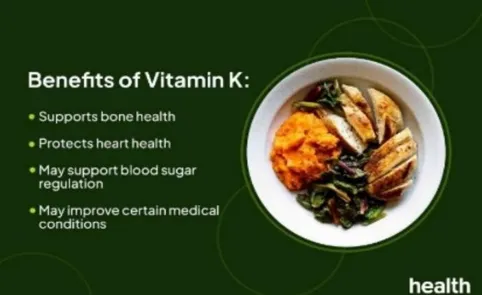
Fig : Benefits Of Vitamin K
Herbs with clinically significant vitamin K levels include those that provide high amounts of phylloquinone (vitamin K1), which can substantially impact blood clotting and interfere with anticoagulants like warfarin.
Herbs High in Vitamin K :
Fresh Parsley : Approximately 1640 mcg per 100 g, very rich in vitamin K and can significantly lower warfarin effect [78][79].
Dried Basil, Sage, Thyme : Each contains over 1700 mcg per 100 g, very high vitamin K content that is clinically relevant for patients on anticoagulants [78][79].
Dried Marjoram and Oregano: Around 620 mcg per 100 g, notable sources of vitamin K [79].
Dried Coriander Leaf: Approximately 1359 mcg per 100 g [79].
Culinary herbs such as Mint and Savory : have also been reported with vitamin K contents reaching over 1200 μg/100 g when fresh and over 3000 μg/100 g in dried forms [80].
Additional Notes :
The vitamin K content varies with the form (fresh vs. dried), preparation, and growing conditions .Even small quantities of these herbs (e.g., a couple of tablespoons of fresh parsley) can provide more than the daily recommended vitamin K intake, sufficient to counteract warfarin effects [78][79]. Leafy green vegetables and some herbal spices are notable natural sources of vitamin K and should be considered in anticoagulant management [78][79]. Thus, patients on warfarin or similar anticoagulants should be cautious about consuming these vitamin K–rich herbs due to their potential to significantly lower INR and reduce anticoagulant efficacy [78][79][80].
REFERENCES


Shraddha Wagh, Prathamesh Kumbhakarna, Varad Gosavi, Swapnil Harishchandre, Rasika Bhalke, Adverse Effects and Drug Interactions of Commonly Used Herbal Products, Int. J. of Pharm. Sci., 2026, Vol 4, Issue 6, 928-943. https://doi.org/10.5281/zenodo.20531968
 10.5281/zenodo.20531968