

We use cookies to ensure our website works properly and to personalise your experience. Cookies policy
1Department of Regulatory Affairs, Anand Pharmacy College, Anand, Gujarat, India.
2,3,4Department of Pharmaceutical Quality Assurance, Anand Pharmacy College, Anand, Gujarat, India.
Integrating Artificial Intelligence (AI) solutions into healthcare systems is revolutionizing medical technology, particularly within pharmaceutical regulatory oversight. This paradigm shift offers innovative clinical benefits—such as elevated diagnostic accuracy, tailored therapy regimens, and superior patient results—while simultaneously introducing intricate ethical and legal governance dilemmas. The ongoing acceleration of AI integration poses distinct regulatory hurdles, especially across regions with contrasting healthcare infrastructures like India and the United States. Furthermore, AI tools hold immense promise for optimizing therapeutic development workflows through modernized regulatory administration and data-backed decision frameworks. While the USFDA enforces rigorous standards centered on exhaustive pre-market evaluation, real-world monitoring, and algorithmic transparency, India's regulatory landscape remains in its initial adaptive phase. Because of India's demographic diversity and varying levels of clinical access, establishing equal distribution of advanced AI-driven medical devices remains a pressing challenge. Likewise, ethical questions surrounding AI implementation require immediate attention, particularly regarding patient data governance, informed consent protocols, and preventing systemic healthcare disparities. Both jurisdictions must guarantee that intelligent medical technologies are not only clinically safe and reliable, but also accessible and unbiased. Achieving this balance necessitates global cooperative initiatives to craft standards that safeguard patient rights while keeping pace with rapid computational progress. This study provides a comparative assessment to advance ongoing global discourse regarding responsible AI adoption in modern medicine.
The U.S. Food and Drug Administration (FDA) characterizes AI-infused medical tools as specialized software platforms that leverage machine learning models, natural language processing routines, or computational reasoning to aid in medical diagnosis, treatment planning, or preventive care. Such tools encompass computer-aided imaging tools, risk-prediction algorithms, and continuous patient surveillance platforms that harness smart computation to guide clinical decisions [1].
Growing Importance in Healthcare
1. Enhanced Diagnostics and Imaging: Machine learning models integrated into medical imaging swiftly analyze complex scans (such as MRIs, CT scans, and X-rays) with remarkable accuracy, frequently uncovering subtle pathological features easily overlooked during routine manual checks. This capability accelerates the detection of critical conditions like oncological diseases, cardiovascular conditions, and neurological issues [2,3].
2. Personalized Medicine: Smart software systems evaluate complex patient data profiles to assist in formulating personalized treatment strategies. For instance, predictive models can forecast individual drug responses, enabling tailored and highly effective medical interventions [4].
3. Remote Monitoring and Wearables: AI-powered wearable sensors and smartwatches provide real-time tracking of physiological parameters. This ongoing data stream alerts clinical teams to early physiological deterioration, facilitating timely clinical intervention and improving overall outcomes [5].
4. Surgical Robotics and Automation: Smart algorithms integrated into surgical systems boost spatial precision, reduce complication rates, and accelerate post-operative recovery. Moreover, automating repetitive tasks allows healthcare personnel to focus on critical clinical care [6].
5. Administrative Efficiency: Intelligent operational tools optimize healthcare administrative tasks including patient scheduling, documentation management, and medical billing. Reducing operational burdens allows clinical staff to focus more on direct patient management [7].
6. Clinical Decision Support Systems: Advanced algorithmic platforms process individual patient indicators alongside extensive medical research libraries, offering clinicians real-world evidence to make sound diagnostic decisions [8].
Importance of Regulatory Frameworks and Ethical Considerations for AI in Healthcare
1. Ensuring Safety and Efficacy: Regulatory bodies, including the USFDA and the European Medicines Agency (EMA), establish stringent benchmarks to ensure intelligent healthcare platforms fulfill strict requirements for patient safety and clinical efficacy. This rigorous oversight prevents adverse events resulting from inaccurate diagnostic output or flawed treatment suggestions [9].
2. Maintaining Patient Trust and Privacy: Robust ethical standards guard patient data confidentiality, mitigate algorithmic bias, and promote open decision-making processes. Upholding these standards is vital for maintaining public trust in intelligent health tools [10,11].
3. Promoting Fairness and Accessibility: Preventing intelligent algorithms from magnifying existing health disparities or exhibiting systemic bias against marginalized demographics remains crucial. Regulatory oversight paired with ethical directives guarantees that digital health innovations are implemented equitably across all patient communities [12].
4. Facilitating Innovation and Adoption: Standardized regulatory pathways offer clear expectations for technology developers and medical institutions, promoting continuous technical innovation alongside regulatory compliance. This balance facilitates the safe integration of advanced technology into clinical workflows [13].
Significance
1. Navigating Regulatory Landscapes: Every jurisdiction enforces distinct regulatory codes, compliance benchmarks, and reporting standards. A deep understanding of these legal frameworks helps medical device companies prevent legal non-compliance, financial penalties, or product suspensions while ensuring smooth operations across global markets [14].
2. Building Trust and Credibility: Aligning operations with high ethical standards is essential for building brand integrity. Modern healthcare stakeholders place strong emphasis on responsible business practices, such as transparent data governance, labor equity, and corporate responsibility. Demonstrating compliance with established ethical frameworks strengthens brand reputation and customer loyalty [15].
3. Mitigating Risks: Thorough knowledge of regional regulatory environments allows organizations to identify and navigate risks related to socio-political shifts, cultural variances, economic instability, and market fluctuations. This knowledge informs market entry models, whether through direct investment, local partnerships, or distribution networks [16].
4. Maximizing Market Opportunities: Familiarity with international market access standards helps enterprises select optimal expansion paths, such as identifying effective distribution channels, negotiating favorable commercial terms, and serving patient segments aligned with their core technologies [17].
5. Ensuring Competitive Advantage: Entities well-versed in both domestic and international compliance frameworks act with greater speed and efficiency than less prepared competitors [18]. This operational flexibility offers a distinct market advantage within dynamic healthcare sectors.
6. Facilitating Cultural Integration: Grasping local socio-cultural dynamics and regional ethical expectations is key to successfully launching products internationally [19].This understanding ensures products, user interfaces, and customer engagement models resonate with local user needs, driving adoption and sustained market presence.
REGULATORY FRAMEWORKS: INDIA & US
Regulatory Framework in India [20,14,15]
The Central Drugs Standard Control Organization (CDSCO) serves as India's primary governing authority for medical devices and pharmaceuticals. Operating under the Ministry of Health and Family Welfare and led by the Drugs Controller General of India (DCGI), CDSCO evaluates new drug approvals, oversees clinical trial protocols, checks the quality of imported medical items, and coordinates state-level drug control authorities.
Under the Medical Device Rules (MDR), 2017 (updated 2020), CDSCO classifies medical equipment and digital systems based on potential operational risk to establish manufacturing, import, distribution, and commercial sales guidelines:
1. Class A: Low risk (e.g., surgical dressings)
2. Class B: Low-to-moderate risk (e.g., hypodermic syringes)
3. Class C: Moderate-to-high risk (e.g., blood glucose monitoring systems)
4. Class D: High risk (e.g., implantable devices, life-sustaining machines)
AI-driven medical devices are classified according to risk levels determined by the degree of harm a patient might experience in the event of software failure or algorithmic inaccuracy.
Regulatory Requirements (India)
1. Essential Principles of Safety and Performance: Intelligent medical devices must comply with core safety and performance guidelines under MDR, 2017. These guidelines dictate structural design, software architecture, functional reliability, and clinical utility to ensure end-user safety.
2. Clinical Evaluation: AI platforms—particularly those in higher-risk categories (Class C and D)—must undergo clinical evaluation to prove diagnostic safety and efficacy. Clinical trials must adhere strictly to established ethical codes and national protocols.
3. Approval Process (Registration & Licensing): Manufacturers and importers must obtain valid registration and distribution licenses from CDSCO before marketing AI devices in India. High-risk systems undergo thorough scrutiny, including mandatory local clinical trials and detailed technical audits.
4. Post-Market Surveillance: Following product launch, companies must maintain post-market surveillance programs to track real-world device performance and report software errors, diagnostic failures, or adverse events to CDSCO.
5. Quality Management System (QMS) Requirements: Medical device manufacturers must establish a compliant Quality Management System (such as ISO 13485) to guarantee consistent manufacturing quality and steady product performance [21].
6. Labeling and Packaging Requirements: AI device labeling must clearly state intended clinical uses, operational guidance, safety precautions, and risk warnings. For software tools, labels must specify software versions, patch details, and cybersecurity protocols.
7. Software as a Medical Device (SaMD): Standalone software designed for diagnostic or therapeutic tasks is classified as Software as a Medical Device (SaMD). Regulatory compliance for SaMD mandates thorough software validation, clinical evidence verification, and robust cybersecurity defenses [9,24].
8. Artificial Intelligence and Machine Learning (AI/ML) Guidelines: While specialized AI/ML regulatory frameworks in India continue to evolve, CDSCO expects developers to demonstrate software explainability, algorithmic transparency, and continuous performance tracking to manage the risks of adaptive software models.
9. Data Protection and Privacy: While dedicated healthcare AI data regulations are still emerging, developers must comply with data privacy requirements outlined in the Information Technology Act, 2000 [15].
10. Emerging Policies: India is actively refining its national AI policies, guided by strategic policy recommendations from NITI Aayog (National Strategy for AI). However, regulatory standards tailored explicitly to medical device software are still developing [15].
Regulatory Frameworks in USA
The U.S. Food and Drug Administration (FDA) serves as the primary federal agency regulating AI-driven medical tools [22].
Device Class and Regulatory Controls:
1. Class I General Controls: With Exemptions / Without Exemptions
2. Class II General Controls and Special Controls: With Exemptions / Without Exemptions
3. Class III General Controls and Premarket Approval: High-risk devices requiring comprehensive pre-market approval.
AI-based devices often fall under Class II or III due to their potential impact on patient health [22,23].
Artificial intelligence (AI) covers computational systems designed to complete tasks requiring advanced cognitive processing. Machine learning, a core subset of AI, enables algorithms to learn independently from training datasets to formulate predictions. In recent years, artificial intelligence has made great progress in the detection, diagnosis, and management of diseases. Most AI developments in health care cater to the needs of high-income countries (HICs), where the majority of research is conducted. The majority of AI software for medicine are also developed in HICs, using data from individuals from HICs.
Premarket Notification (510 (k)) or Premarket Approval (PMA): Most AI devices require either 510 (k) clearance (substantial equivalence to a predicate device) or PMA (demonstration of safety and efficacy through clinical trials). The 510 (k) software modifications guidance focuses on the risk to users/patients resulting from the software change. Categories of software modifications that may require a premarket submission include [24]:
1. A change that introduces a new risk or modifies an existing risk that could result in significant harm;
2. A change to risk controls to prevent significant harm; and
3. A change that significantly affects clinical functionality or performance specifications of the device.
Software as a Medical Device (SaMD) Guidelines:
The FDA provides specific guidance for SaMD, including AI-based products, focusing on risk-based classification and validation requirements. The International Medical Device Regulators Forum (IMDRF) defines 'Software as a Medical Device (SaMD)' as software intended to be used for one or more medical purposes that perform these purposes without being part of a hardware medical device. FDA, under the Federal Food, Drug, and Cosmetic Act (FD&C Act) considers medical purpose as those purposes that are intended to treat, diagnose, cure, mitigate, or prevent disease or other conditions.
The IMDRF SaMD risk categorization framework takes a risk-based approach to categorize SaMD based on intended use, similar to traditional risk-based approaches used by the FDA. The IMDRF risk framework identifies two major factors providing a description of the intended use of the SaMD: Significance of information provided by the SaMD to the healthcare decision (treat or diagnose; drive clinical management; inform clinical management) and State of healthcare situation or condition (critical; serious; non-serious), as given in Table 1 [9,24].
Table 1: IMDRF SaMD Risk Categorization
| State of healthcare situation or condition | Treat or diagnose | Drive clinical management | Inform clinical management |
|---|---|---|---|
| Critical | IV | III | II |
| Serious | III | II | I |
| Non-serious | II | I | I |
Software Development & LMIC Evaluation Framework
It is acknowledged that AI has the potential to improve medical outcomes in LMICs, where workforce shortages and limited resources constrain access and quality of care. Some evidence is now being generated regarding use of AI algorithms for disease detection in these settings, for example in the detection of TB using chest X-rays. Framework For Evaluation is given in Table 2 [4,9,24].
Table 2: Framework for Evaluation
| Evaluation Stage | Framework Components and Methodological Guidelines |
|---|---|
| Define how the product works (intended use) | 1. Model/flow chart to illustrate device's intended use, desired benefits, operating principle and anticipated risks 2. Define and highlight the hypothesis, assumptions and barriers in LMIC contexts |
| Design the evaluation | 1. Design of evaluation - clinical trial, clinical study or clinical investigation to illustrate safety and benefit of the AI-SaMD 2. Research ethics - check for bias/fairness in design stage |
| Choose clinical evaluation methods | 1. Clinical studies: a. Descriptive: retrospective analysis of routinely collected data/audit/user feedback b. Comparative: retrospective, prospective, reader studies, RCTs c. Qualitative: usability, cost-effectiveness, benefit-risk analysis |
| Execution of evaluation | 1. Steering group featuring a multi-disciplinary team (all stakeholders) 2. Pre-specified study protocol, data governance, research governance, feasibility checking and piloting, monitoring (e.g. of recruitment) |
| Analyzing data | 1. Analysing qualitative data 2. Preparing quantitative data: (pseudo) anonymization / outliers / missing data / sensitivity analysis 3. Analysing quantitative data: descriptive and inferential statistics |
| Reporting results | 1. Based on reporting guidelines and standards 2. Ensure explainability of AI; Peer-review of publications 3. Include recommendations on: Anticipated risks (LMIC context), Future evaluation studies, Quality improvement, Implementation (deployment), Post-deployment monitoring and surveillance |
Model Development and Training for Clinical Evaluation
The evidence generation pathway for AI-SaMD begins from model development, i.e. training of the algorithm that is tasked with predicting an output/outcome. Inconsistent and incomplete reporting of evidence remains one of the barriers to the assessment of impact of all digital health interventions, especially in the LMIC context. Using frameworks to set out the objectives of the evidence generation process enables robust collection of data throughout the product life cycle of an AI-SaMD shown in Figure 1 [4,5].
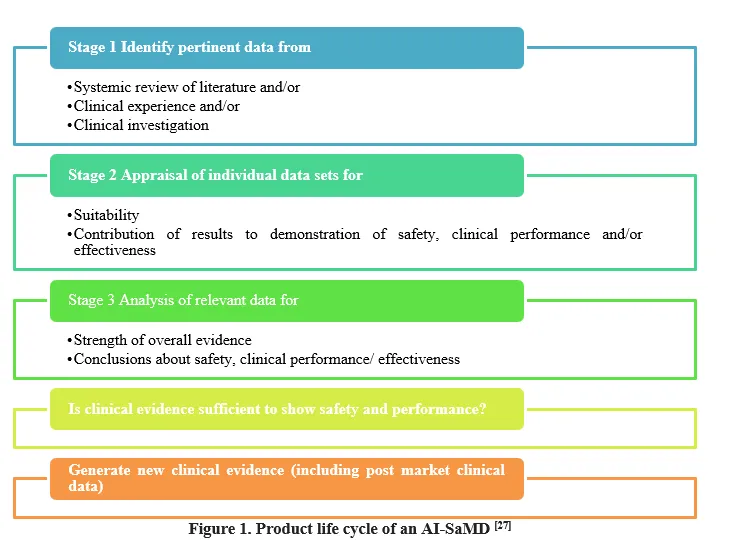
Figure 1: Product Life Cycle of an AI-SaMD [27]
Designing an AI-based Model
Once the intended use has been defined, development of an AI model requires the 'training' of the algorithm using input data that is representative of the population for which the AI-SaMD is to be deployed. The phases of clinical trials required to demonstrate feasibility, capability, effectiveness, and durability in post-market surveillance are shown in Figure 2.
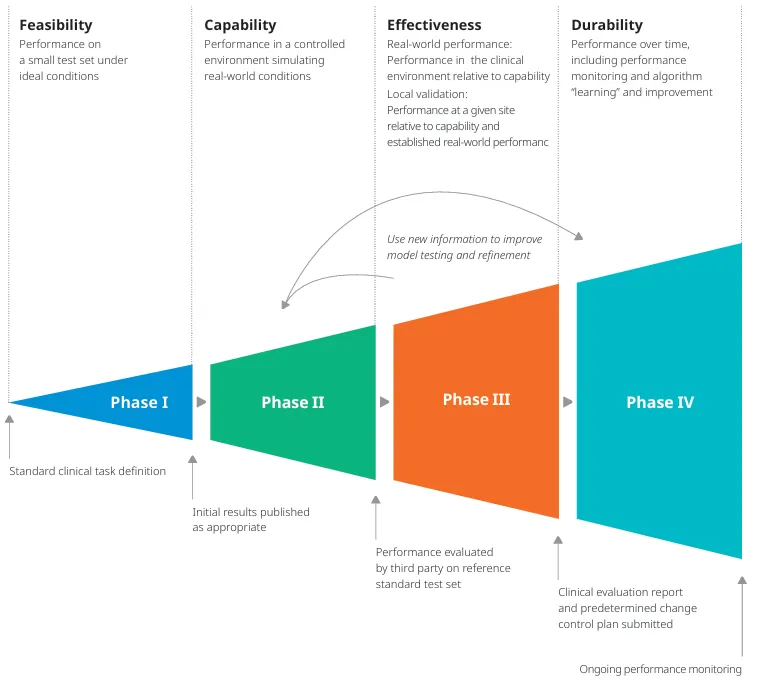
Figure 2: Phases of Clinical Trials for AI-SaMD [28]
Types of AI/ML-based SaMD Modifications & Real-World Performance
1. Performance: Clinical and analytical performance; inputs used by the algorithm and their clinical association to the SaMD output; and/or Intended use—the intended use of the SaMD as outlined in the IMDRF risk categorization framework.
2. Real-World Performance Monitoring [22]: The FDA supports a Total Product Lifecycle (TPLC) approach to evaluate AI products post-market to ensure continuous performance. As shown in Figure 3, the TPLC approach enables the evaluation and monitoring of a software product from its premarket development to postmarket performance, along with continued demonstration of the organization's excellence.
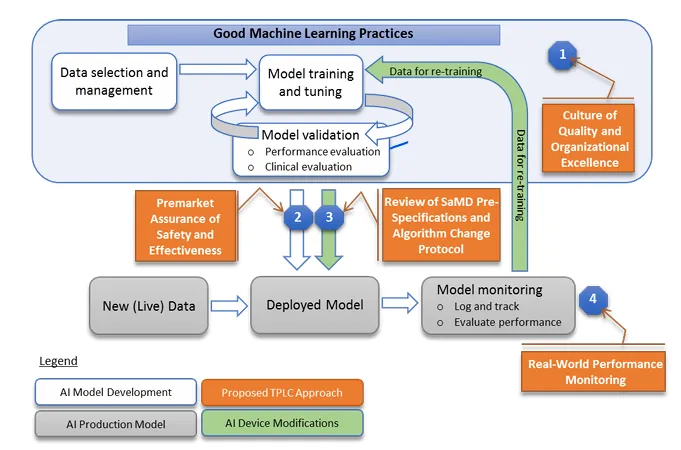
Figure 3: Overlay of FDA's TPLC Approach on AI/ml Workflow [29]
Good Machine Learning Practices (GMLP) & TPLC Expectations:
1. Establish clear expectations on quality systems and good ML practices (GMLP);
2. Conduct premarket review for those SaMD that require premarket submission to demonstrate reasonable assurance of safety and effectiveness;
3. Expect manufacturers to monitor the AI/ML device and incorporate a risk management approach outlined in FDA software change guidance in the execution of algorithm changes (SaMD Pre-Specifications and Algorithm Change Protocol);
4. Enable increased transparency to users and FDA using postmarket real-world performance reporting for maintaining continued assurance of safety and effectiveness.
A. Quality Systems and Good Machine Learning Practices (GMLP) [22]
For AI/ML-based SaMD, developers are expected to embrace culture of quality and organizational excellence. Devices relying on AI/ML must demonstrate analytical and clinical validation, as described in the SaMD: Clinical Evaluation guidance shown in Figure 4.
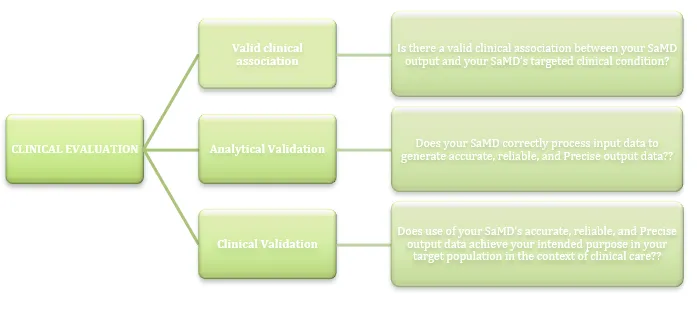
Figure 4: Clinical Evaluation [30]
B. Initial Premarket Assurance & Algorithm Change Control
This framework for modifications to AI/ML-based SaMD relies on the principle of a 'Predetermined Change Control Plan'. The plan includes:
1. SaMD Pre-Specifications (SPS): Anticipated modifications to 'performance', 'inputs', or 'intended use' based on retraining strategies. The SPS defines 'what' the algorithm is intended to become as it learns.
2. Algorithm Change Protocol (ACP): Specific methods in place to achieve and appropriately control the risks of modifications outlined in the SPS. The ACP delineates 'how' the algorithm will learn and change while remaining safe and effective, as specified in Table 3.
Table 3: Algorithm Control Protocol (ACP)
| Category | Description and Governance Protocols |
|---|---|
| Data Management | For new training & test data: 1. Collection protocols & quality assurance 2. Reference standard determination 3. Auditing and sequestration of training and test sets |
| Re-training | 1. Re-training objectives 2. Changes related to ML methods (architecture and parameters) & data pre-processing 3. Criteria to initiate performance evaluation |
| Performance Evaluation | 1. Assessment metrics & statistical analysis plans 2. Frequency and triggers for evaluation & performance targets 3. Methods for testing with 'clinicians in the loop' when necessary |
| Update Procedures | 1. Software verification and validation 2. When and how updates will be implemented 3. Plans for global and local updates 4. Communication and transparency to users |
C. Approach for Modifications After Initial Review
Depending on the modification type, software modification guidance results in either submission of a new 510 (k) for premarket review or internal documentation in risk management files. Manufacturers engage with the FDA on SPS and ACP via pre-submissions or focused reviews, as illustrated in Figure 5.
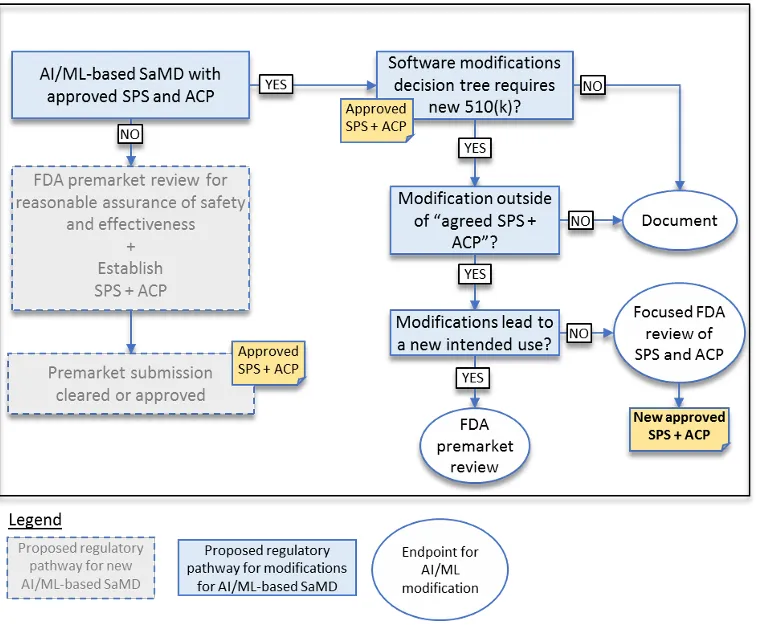
Figure 5: Approach for Modifications After Initial Review with an Established SPS and ACP [31]
D. Transparency, Data Protection, and Privacy
Transparency includes clear labeling updates describing rationales, input changes, and updated performance. Compliance with the Health Insurance Portability and Accountability Act (HIPAA) [28] for Data protection and privacy is mandatory. The Food and Drug Administration’s (FDA’s) Center for Biologics Evaluation and Research (CBER), Center for Drug Evaluation and Research (CDER), Center for Devices and Radiological Health (CDRH), and Office of Combination Products (OCP) are jointly working to provide greater transparency regarding how FDA’s medical product Centers are collaborating to safeguard public health while fostering responsible and ethical innovation.
Four areas of focus for CBER, CDER, CDRH, and OCP regarding the development and use of AI across the medical product life cycle:
1. Foster Collaboration to Safeguard Public Health;
2. Advance the Development of Regulatory Approaches That Support Innovation;
3. Promote the Development of Standards, Guidelines, Best Practices, and Tools;
4. Support Research Related to the Evaluation and Monitoring of AI Performance.
Evidence generated for validation should document the procedure used to acquire and select input data, since the performance of an AI-SaMD may be critically dependent on the nature and quality of the input data. This is particularly important for AI-based devices that have been developed in HICs specifically for use in LMICs. The completeness and transparency of this evidence is integral to the feasibility assessment, and to successful replication of safety and performance metrics beyond the study being evaluated. At a minimum, evidence for data management should be provided on and given in [Figure 6] [25]:
i. Access to and handling of data
ii. Acquisition of data, including data sources
iii. Data selection, including inclusion and exclusion criteria
iv. Data de-identification (anonymization), pre-processing and augmentation
v. Data analysis, including for missing and poor-quality data
vi. Data labelling
Data management evidence requirements for AI-SaMD validation are illustrated in Figure 6 [25]:
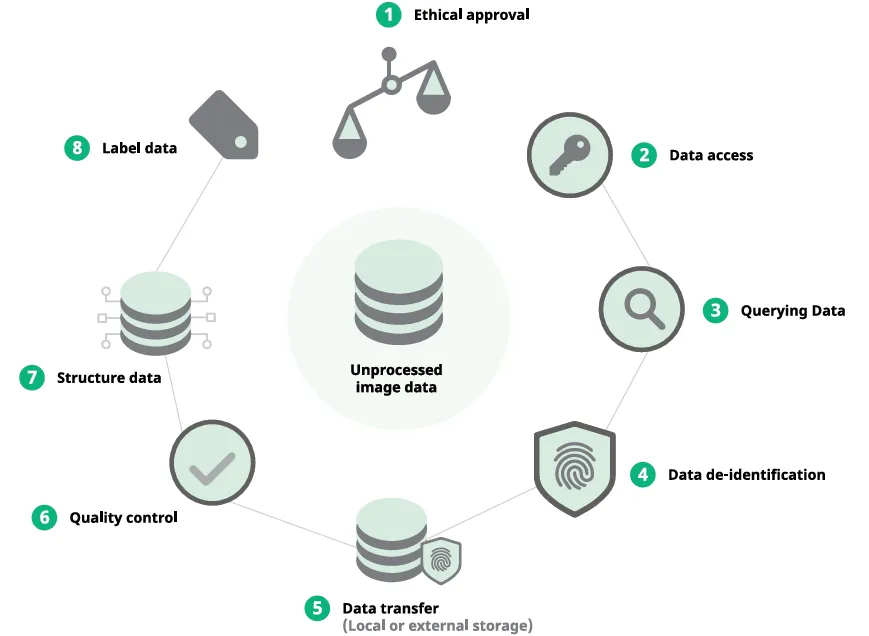
Figure 6: Evidence for Data Management [32]
Table 4: Comparative Analysis of Regulatory Frameworks
| Criteria | United States (FDA) | India (CDSCO) |
|---|---|---|
| Regulatory Body | FDA (Food and Drug Administration) | CDSCO (Central Drugs Standard Control Organization) |
| Classification System | Risk-based (Class I to III) | Risk-based (Classes A to D) |
| Specific AI/ML Regulations | Proposed framework for AI/ML with 'Predetermined Change Plan' | No specific AI regulations; regulated under Medical Device Rules, 2017 |
| Guidance and Standards | GMLP principles; Digital Health Center of Excellence | BIS standards; NDHM digital health strategy in progress |
| Approval Process | Pre-market notification (510(k)), De Novo, or PMA depending on risk | Registration based on risk class; higher scrutiny for higher-risk devices |
| Post-Market Surveillance | Required for all classes; rigorous for high-risk devices | Required, but framework is less developed compared to the US |
ETHICAL CONSIDERATIONS [11,12]
Ethical Challenges
1. Informed Consent to Use: To what extent do clinicians have a responsibility to educate the patient around the complexities of AI, including the form (s) of ML used by the system, the kind of data inputs, and the possibility of biases or other shortcomings in the data that is being used? Under what circumstances must a clinician notify the patient that AI is being used at all? [12]
2. Safety and Transparency: AI developers need to ensure dataset reliability ('garbage in, garbage out') and maintain transparency while balancing intellectual property protection and cybersecurity risks. Third-party or governmental auditing represents a viable strategy [4,5,6].
3. Algorithmic Fairness and Biases: Privacy breaches, such as the UK ICO ruling on the NHS Royal Free Trust and Google DeepMind data transfer, highlight that digital innovation must not erode privacy rights. Developers must carefully select training ML technologies and diverse datasets to mitigate bias [11].
Table 5: Comparative Ethical Insights
| Criteria | United States | India |
|---|---|---|
| Privacy and Data Protection | Governed by HIPAA; strict standards | Governed by IT Act, 2000; PDP Bill pending |
| Bias and Fairness | Established guidelines; efforts to reduce bias in AI | Limited guidelines; concerns about fairness and inclusivity |
| Accountability and Liability | Evolving legal framework; case-specific considerations | Relies on general laws; underdeveloped framework |
| Informed Consent | Strict consent requirements | Developing standards; challenges due to digital literacy gaps |
CONCLUSION
The regulatory frameworks and ethical issues for AI-powered medical devices differ greatly in the United States and India. The US regulatory and ethical context is more developed, with particular requirements for AI-powered medical devices and a focus on transparency, accountability, and fairness. In contrast, India is still working on strengthening its legal framework and ethical standards, as well as integrating AI/ML technology into its healthcare ecosystem.
Key recommendations include developing specific regulatory guidelines for AI-based medical devices (including risk management, data protection, and algorithmic fairness), strengthening post-market surveillance, establishing clear legal liability frameworks, and enhancing international collaboration to harmonize AI regulatory frameworks globally.
REFERENCES




J. R. Vasava, Dr. G. S. Patel, Dr. K. G. Patel, Dr. T. R. Gandhi, Ai-Based Medical Devices: A Comparative Study of Regulatory Frameworks and Ethical Considerations in India and the Us, Int. J. of Pharm. Sci., 2026, Vol 4, Issue 11, 35-46. https://doi.org/10.5281/zenodo.23876363
 10.5281/zenodo.23876363