

We use cookies to ensure our website works properly and to personalise your experience. Cookies policy
Rameshwaram Institute of Technology and Management, Lucknow, India-227202.
Topical drug delivery is widely used for the treatment of localized skin disorders, but effective drug delivery is often restricted by the strong barrier properties of the stratum corneum, inadequate drug solubility, limited residence time, and uncontrolled drug release from conventional formulations. Amphiphilogels have emerged as specialized surfactant-based semisolid systems in which amphiphilic components undergo self-assembly to produce a three-dimensional network capable of immobilizing a liquid phase. This structural organization provides a combination of solubilization capacity, suitable rheological characteristics, prolonged skin contact, and potential modulation of drug–skin interactions. This review provides a comprehensive overview of amphiphilogels as topical drug delivery platforms, covering their concept, classification, composition, molecular organization, formulation methods, and factors governing gel formation. Particular emphasis is placed on the roles of surfactant type, gelator concentration, hydrophilic–lipophilic balance, molecular structure, liquid-phase viscosity, drug concentration, and processing temperature in determining formulation performance. The mechanisms responsible for drug solubilization, skin partitioning, stratum corneum modification, hydration, penetration enhancement, and controlled drug release are also discussed. Various methods for evaluating amphiphilogels, including rheological characterization, gelation temperature, microstructural analysis, drug content, in vitro release, ex vivo permeation, dermal retention, irritation, and stability studies, are described. Their potential applications in antifungal, anti-inflammatory, analgesic, psoriasis, antiviral, and localized anticancer therapy are considered. Recent developments involving nanogels, microemulsion-loaded gels, organogels, nanoparticles, liposomes, nanoemulsions, solid lipid nanoparticles, and nanostructured lipid carriers are discussed as opportunities for developing hybrid amphiphilogel systems. Finally, the review highlights challenges related to surfactant-associated irritation, thermal sensitivity, drug loading, scale-up, long-term stability, regulatory requirements, and clinical translation. Future development should focus on quality-by-design, dermatokinetic evaluation, advanced microstructural characterization, hybrid nanocarriers, patient acceptability, and reproducible manufacturing to establish amphiphilogels as clinically relevant topical delivery systems.
Topical drug delivery is an important pharmaceutical approach for treating diseases affecting the skin and underlying tissues. Unlike oral or parenteral administration, topical therapy can deliver an active pharmaceutical ingredient directly to the site of disease while potentially minimizing systemic exposure. This feature is particularly valuable in dermatological disorders such as fungal infections, inflammatory skin diseases, psoriasis, acne, localized pain and certain cutaneous cancers. [1] Modern topical and transdermal research have therefore moved beyond conventional creams and ointments toward engineered systems capable of improving drug solubilization, retention, release and penetration. Recent reviews emphasize the growing role of advanced gel systems and nanoformulations in improving topical delivery. The skin, however, is not simply a passive surface. [2] It is a complex biological barrier composed of the stratum corneum, viable epidermis, dermis and underlying tissues. The stratum corneum represents the principal barrier to most exogenous compounds and is frequently described as a highly organized lipid–protein structure. The intercellular lipids, corneocyte organization, skin hydration, appendageal structures and physicochemical characteristics of the drug collectively influence cutaneous transport. Consequently, a successful topical formulation must provide sufficient drug release while simultaneously establishing an appropriate concentration gradient and maintaining intimate contact with the skin. [3] Current understanding of skin structure and physiology continues to influence the design of topical and transdermal delivery systems. Conventional semisolid formulations including ointments, creams, lotions and hydrogels remain widely used because of their simplicity and established manufacturing processes. Nevertheless, these systems may suffer from inadequate solubilization of hydrophobic drugs, poor physical stability, limited drug loading, rapid removal from the application site and undesirable greasiness. [4] Hydrophobic drugs may particularly present formulation difficulties because their aqueous solubility is low while the skin barrier is itself highly lipophilic. Advanced gel systems have therefore been investigated to simultaneously address drug solubility and skin transport. [5]
Amphiphilogels are an interesting member of this broader family of advanced topical gels. The term refers to gels in which amphiphilic components, particularly surfactants, participate in the formation of the gel network. Unlike conventional hydrogels, which primarily depend on aqueous polymeric networks, amphiphilogels can be generated by combinations of solid and liquid surfactants. [6] Foundational studies demonstrated that mixtures of solid sorbitan esters and liquid surfactants can be heated to produce an isotropic sol and subsequently cooled to form a semisolid gel. Microscopic investigations revealed tubular aggregates of gelator molecules forming a three-dimensional network throughout the continuous phase. The relevance of amphiphilogels to topical delivery arises from their unusual combination of semisolid behavior and surfactant functionality. [7] The gel can provide residence at the application site, whereas the amphiphilic constituents can improve drug solubilization and influence drug partitioning into the skin. In a notable study involving cyclosporine, amphiphilic gels prepared from nonionic surfactants enhanced drug accumulation in the dermal region while producing relatively low systemic permeation during the initial period of application. Although the original amphiphilogel literature is comparatively small, the scientific principles underlying these systems remain highly relevant to contemporary topical formulation research. [8] Current research on organogels, nanogels, microemulsion gels and other amphiphilic systems demonstrate continuing interest in combining drug solubilization, controlled release and skin penetration within a single formulation platform. Therefore, the present review focuses specifically on amphiphilogels as topical drug delivery systems while placing them within the modern context of advanced gel-based delivery. [9] The review examines their formulation principles, molecular structure, mechanisms of topical action, characterization, therapeutic applications, limitations and future development opportunities.
2. Skin as a Biological Barrier to Topical Drug Delivery
2.1 Structure of the skin
The skin consists principally of the epidermis, dermis and subcutaneous tissue. The epidermis contains keratinocytes at different stages of differentiation, while the dermis contains connective tissue, blood vessels, nerves, hair follicles and sebaceous and sweat glands. The outermost stratum corneum is particularly important from a drug-delivery perspective because it restricts penetration of most exogenous molecules. [10] The stratum corneum is composed primarily of flattened corneocytes embedded within an organized lipid matrix. Ceramides, cholesterol and free fatty acids are major components of this extracellular lipid domain. The resulting structure provides protection against environmental exposure and prevents excessive water loss, but simultaneously creates a substantial barrier to pharmaceutical transport. [11]
2.2 Routes of drug penetration
Topically administered drugs can interact with the skin through three principal pathways: [12]
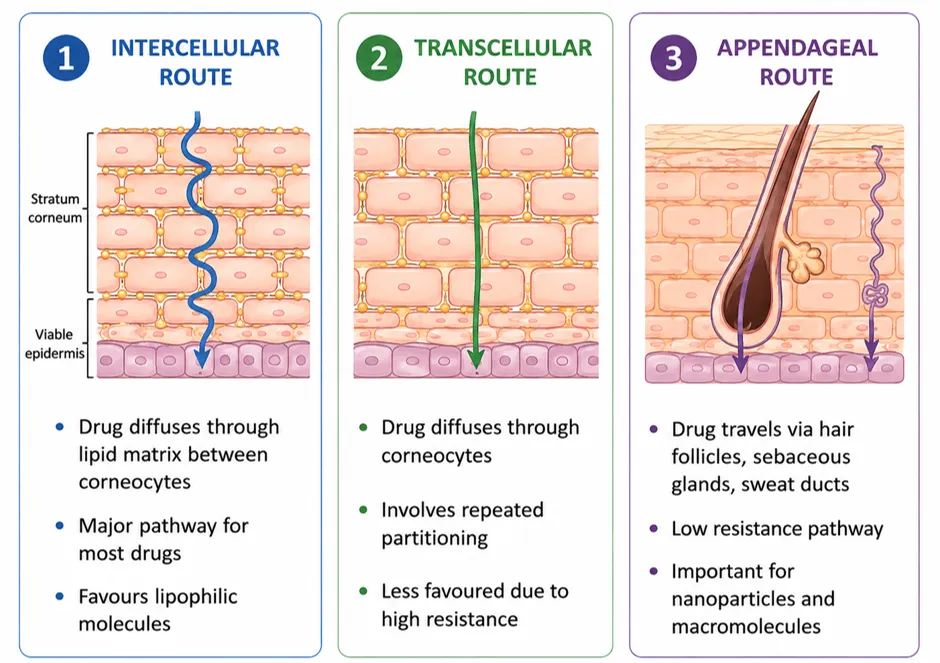
Fig 1: Routes of drug Administration
2.2.1 Intercellular Pathway
The intercellular pathway involves the movement of drug molecules through the lipid-rich regions surrounding the corneocytes of the stratum corneum. These intercellular lipids mainly contain ceramides, cholesterol, and free fatty acids and provide a tortuous pathway for drug diffusion. This route is particularly suitable for moderately lipophilic molecules capable of partitioning into skin lipids. [13] Drug transport depends on molecular size, lipophilicity, ionization, and interactions with the lipid matrix. Surfactants and amphiphilic excipients may modify lipid organization and influence drug permeation. [14]
2.2.2 Transcellular Pathway
The transcellular pathway involves drug movement directly through the corneocytes and the surrounding lipid layers. During this process, drug molecules undergo repeated partitioning between relatively hydrophilic intracellular regions and lipophilic intercellular domains. Therefore, considerable resistance may be encountered during transport. The contribution of this pathway depends on molecular size, polarity, hydrogen-bonding capacity, and ionization. Formulation components such as surfactants, cosolvents, and penetration enhancers may modify the barrier and facilitate transcellular movement. However, excessive enhancement may increase irritation or systemic drug absorption. [14]
2.2.3 Appendageal Pathway
The appendageal pathway involves drug transport through hair follicles, sebaceous glands, and sweat ducts. Although these structures occupy only a small portion of the skin surface, they can provide alternative pathways for drug deposition into deeper skin regions. This route is particularly important for particulate systems, nanoparticles, and drugs intended to target pilosebaceous structures. Formulation viscosity, particle size, surface characteristics, and drug properties influence appendageal deposition. Amphiphilic formulations may improve follicular residence by maintaining prolonged contact with the skin and facilitating drug accumulation around follicular openings. [15]
3. Need for Advanced Topical Drug Delivery Systems
Conventional topical formulations frequently provide inadequate control over drug disposition within the skin. Several challenges justify the development of advanced systems.
4. Amphiphilogels: Concept and Definition
Amphiphilogels can be considered a specialized type of surfactant-based gel in which amphiphilic molecules organize into a three-dimensional structure capable of immobilizing a liquid phase. The original pharmaceutical investigations used nonionic surfactants as both gel-forming and liquid components. Solid gelators such as sorbitan monostearate or sorbitan monopalmitate were combined with liquid sorbitan esters or polysorbates and heated to produce a clear or homogeneous sol. [18] Cooling resulted in formation of a semisolid gel. The gel structure is not primarily dependent on covalent crosslinking. Instead, molecular aggregation, hydrogen bonding, hydrophobic interactions and van der Waals forces contribute to the self-assembly of surfactant molecules. Microscopic and scattering investigations have demonstrated tubular structures and clusters that form a continuous network. This molecular organization distinguishes amphiphilogels from many conventional polymeric hydrogels. Their network is generated by surfactant self-assembly rather than predominantly by polymer chain entanglement or chemical crosslinking. [19]
5. Classification of Amphiphilic and Related Gel Systems
Amphiphilogels should be distinguished from related systems because the terminology is often used inconsistently.
6. Composition of Amphiphilogels
6.1 Solid Gelators
Solid gelators are the principal structural components responsible for forming the three-dimensional network of classical amphiphilogels. Common examples include sorbitan monostearate (Span 60), sorbitan monopalmitate (Span 40), and glyceryl monostearate. These amphiphilic molecules undergo self-assembly during cooling and generate an interconnected network that immobilizes the liquid phase and provides the required semisolid consistency. [26]
6.2 Liquid Surfactants
Liquid surfactants generally constitute the continuous phase of amphiphilogels and contribute significantly to drug solubilization and formulation structure. Common examples include polysorbates 20, 40, 60, and 80, as well as liquid sorbitan esters and related surfactants. Their selection influences HLB, viscosity, drug solubility, gel strength, drug diffusion, and overall release characteristics. [26]
6.3 Co-solvents
Co-solvents are incorporated primarily to improve the solubility of drugs that show inadequate solubility in the selected surfactant system. Commonly used examples include ethanol, propylene glycol, polyethylene glycol, and related hydrophilic solvents. By increasing the solvent capacity of the formulation, co-solvents can improve drug incorporation and promote uniform distribution throughout the amphiphilogel matrix. [26]
6.4 Penetration Enhancers
Penetration enhancers are incorporated to improve drug transport across the stratum corneum and increase drug availability within the skin. They may act by modifying intercellular lipid organization, increasing skin hydration, or improving drug partitioning from the formulation into the skin. Common examples include selected surfactants, fatty acids, alcohols, and terpenes, although their concentration requires careful optimization. [26]
6.5 Antioxidants and Stabilizers
Antioxidants and stabilizing agents may be incorporated to maintain the physical and chemical stability of amphiphilogel formulations during storage. Antioxidants such as tocopherol or butylated hydroxytoluene can protect oxidation-sensitive drugs and lipidic components. Chelating agents and suitable preservatives may also be used when required to minimize degradation and maintain formulation quality throughout its intended shelf life. [27]
6.6 Active Pharmaceutical Ingredient
The active pharmaceutical ingredient (API) is the therapeutic component incorporated into the amphiphilogel system. Both hydrophilic and lipophilic drugs can potentially be formulated, although poorly water-soluble drugs are particularly attractive because amphiphilic surfactants can improve their apparent solubility. Drug properties such as molecular size, lipophilicity, dose, melting point, and stability strongly influence loading, release, and skin permeation. [27]
7. Molecular Mechanism of Amphiphilogel Formation
The formation of an amphiphilogel is fundamentally associated with surfactant self-assembly. [27]
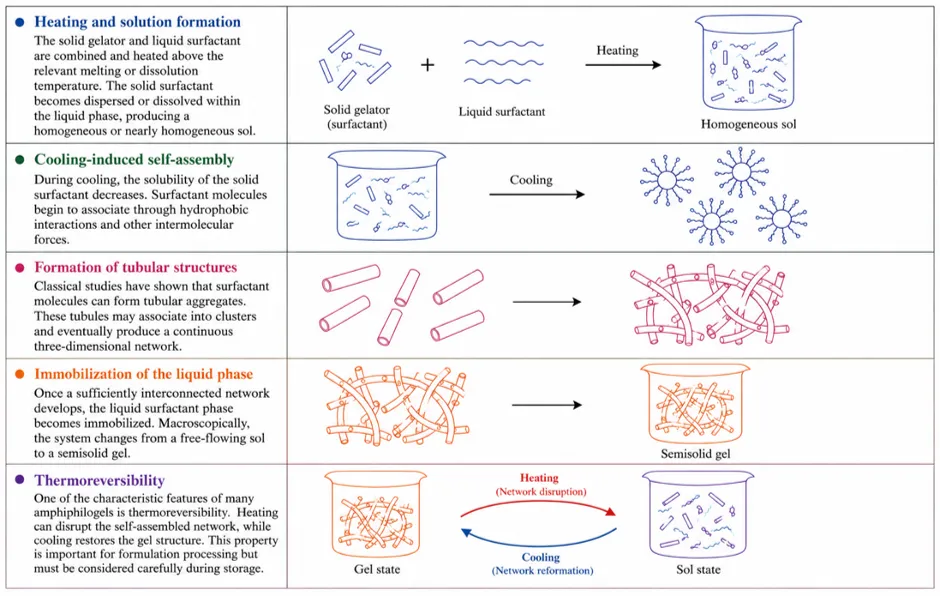
Fig 2: Mechanism of Amphiphilogel Formation
8. Factors Affecting Amphiphilogel Formation
9. Methods of Formulation of Amphiphilogels
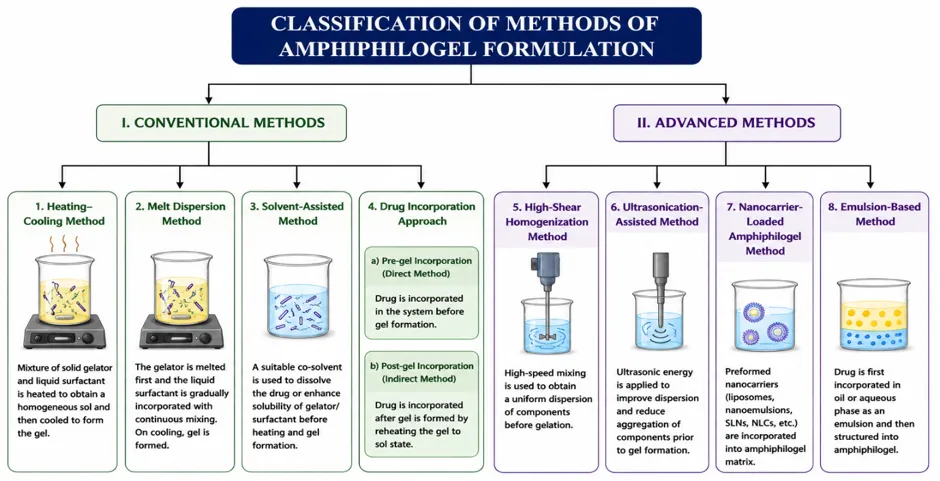
Fig 3: Methods of Formulation of Amphiphilogels
9.1 Heating–Cooling Method
The heating–cooling method is the classical and most commonly described technique for preparing amphiphilogels. The solid gelator and liquid surfactant are accurately weighed and mixed, followed by heating above the melting or dissolution temperature of the gelator. Continuous stirring is used to obtain a homogeneous sol. The hot mixture is then cooled to room temperature, allowing surfactant molecules to self-assemble and form the three-dimensional gel network. [31]
9.2 Direct Drug Incorporation Method
In the direct drug incorporation method, the drug is incorporated into the formulation during preparation of the amphiphilogel. The drug is first dissolved or uniformly dispersed in the selected liquid surfactant or surfactant mixture. The solid gelator is subsequently added, and the formulation is heated with continuous mixing until a uniform system is obtained. Controlled cooling then produces the final drug-loaded amphiphilogel. [31]
9.3 Solvent-Assisted Method
The solvent-assisted method is useful for drugs having poor solubility in the selected surfactant system. The drug is initially dissolved in a suitable solvent or co-solvent such as ethanol, propylene glycol, or polyethylene glycol. The drug solution is then incorporated into the surfactant phase, followed by addition of the gelator and controlled heating. After homogenization, the system is cooled to form the amphiphilogel. The solvent concentration should be optimized because excessive solvent may alter gel strength and drug release. [32]
9.4 Post-Incorporation Method
In this method, the blank amphiphilogel is prepared initially and the drug is incorporated after gel formation. The preformed gel may be gently heated to convert it into a sol, followed by addition and mixing of the drug. The formulation is subsequently cooled to regenerate the gel network. This approach can be particularly useful for thermolabile drugs because it can minimize prolonged exposure of the drug to elevated temperatures. [33]
9.5 Melt Dispersion Method
The melt dispersion method involves melting the solid gelator followed by gradual incorporation of the liquid surfactant. The drug may be dissolved or dispersed within the molten phase depending on its thermal stability and solubility. Continuous mixing is maintained to ensure uniform distribution. The formulation is then cooled under controlled conditions, allowing the molten surfactant components to organize into a three-dimensional network and produce the final amphiphilogel. [33]
9.6 High-Shear Homogenization Method
High-shear homogenization can be employed when improved dispersion of the drug or formulation components is required. The gelator and liquid surfactant are initially combined under controlled heating, followed by high-speed mixing to obtain a uniform dispersion. Drug incorporation can be performed during or after homogenization depending on its properties. Subsequent cooling promotes gel formation. This method may improve uniformity but requires careful control of temperature and shear. [33]
9.7 Ultrasonication-Assisted Method
Ultrasonication can be used as an auxiliary technique to improve dispersion and reduce aggregation of formulation components. After combining the gelator, liquid surfactant, and drug, ultrasonic energy is applied for a controlled period. Sonication can improve molecular dispersion and facilitate the formation of a homogeneous system. The formulation is subsequently cooled to allow self-assembly of the amphiphilic components. Excessive sonication should be avoided because it may generate heat or affect sensitive drugs. [34]
9.8 Nanocarrier-Loaded Amphiphilogel Method
In an advanced approach, a preformed nanocarrier such as a liposome, nanoemulsion, solid lipid nanoparticle, or nanostructured lipid carrier can be incorporated into the amphiphilogel. The nanocarrier is first prepared separately and characterized for particle size, drug loading, and stability. It is then gently dispersed into the amphiphilogel precursor or blank gel under controlled conditions. This approach combines nanocarrier-based drug delivery with the prolonged residence and convenient application of a semisolid gel. [34]
9.9 Emulsion-Based Method
An emulsion-based approach can be used when the drug requires incorporation into an oil or aqueous phase before gel formation. The drug is first dissolved or dispersed in the appropriate phase, followed by addition of surfactants and homogenization. The resulting emulsion is subsequently incorporated with the gel-forming components. Controlled cooling or structuring of the system produces the final amphiphilic gel. This approach may improve incorporation of drugs with limited solubility in a single formulation phase. [35]
9.10 Design-of-Experiments-Based Formulation
Design of Experiments (DoE) is not a physical preparation method but a systematic approach for optimizing amphiphilogel composition. Variables such as gelator concentration, surfactant concentration, gelator-to-surfactant ratio, drug concentration, and co-solvent concentration can be selected as independent variables. Responses such as viscosity, gelation temperature, spreadability, drug content, drug release, and skin permeation can then be evaluated statistically to identify the optimized formulation. [36]
10. Mechanisms of Topical Drug Delivery from Amphiphilogels [37]
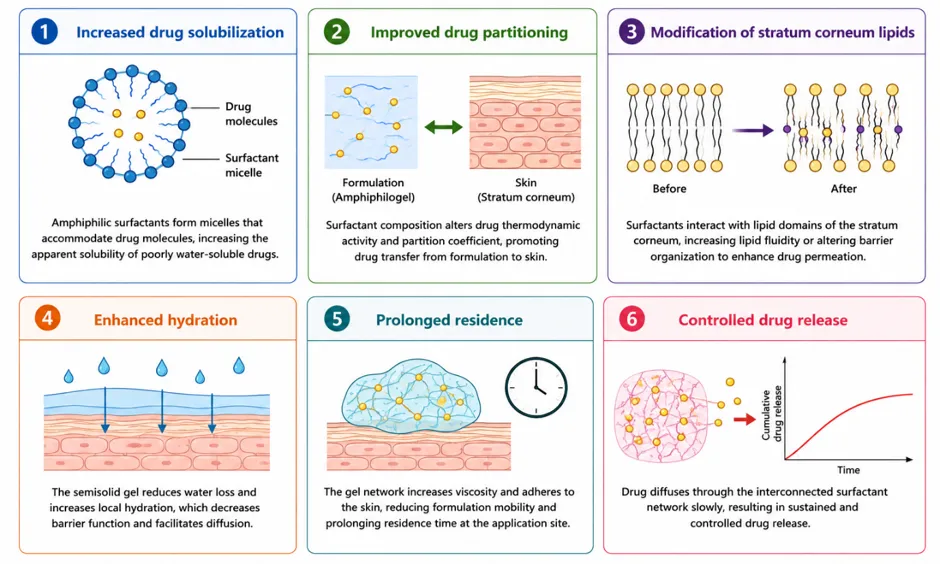
Fig 4: Mechanisms of Topical Drug Delivery from Amphiphilogels
11. Role of Surfactants in Skin Penetration
Surfactants are important functional components of amphiphilogels because they can simultaneously influence drug solubilization, formulation structure, drug–skin partitioning, and skin permeability. [38]
1. Enhancement of Drug Solubilization
Surfactants can incorporate poorly water-soluble drug molecules within micellar or other amphiphilic structures, thereby increasing their apparent solubility in the formulation. This is particularly useful for hydrophobic drugs that show limited solubility in conventional aqueous gels. However, excessive micellar solubilization may sometimes reduce the thermodynamic activity of the drug and consequently decrease its release toward the skin. [38]
2. Modification of Stratum Corneum Lipids
The stratum corneum contains highly organized lipid domains that provide the major barrier to drug penetration. Surfactants can interact with these lipid structures and modify their packing and fluidity. Such interactions may temporarily increase lipid mobility and create a less ordered environment, facilitating drug diffusion through the skin. The extent of this effect depends on surfactant structure, concentration, and exposure time. [38]
3. Improvement of Drug–Skin Partitioning
For topical delivery, the drug must partition from the formulation into the stratum corneum before moving toward deeper skin layers. Surfactants can modify the interfacial environment and influence the partitioning of drug molecules between the vehicle and skin. The resulting effect depends strongly on the chemical nature of both the drug and surfactant. Therefore, surfactant selection should be based on the desired balance between formulation solubilization and skin deposition. [39]
4. Influence on Skin Hydration
Surfactant-containing semisolid formulations can maintain close contact with the skin and may influence water movement at the skin surface. Increased hydration of the stratum corneum can increase molecular mobility and reduce its barrier resistance, thereby facilitating drug diffusion. However, hydration alone does not determine penetration; it acts together with lipid modification, drug partitioning, formulation viscosity, and other physicochemical factors. [39]
5. Concentration-Dependent Penetration Enhancement
The effect of a surfactant is strongly concentration dependent. At an optimized concentration, it may improve drug transport without producing substantial barrier damage. At excessive concentrations or prolonged exposure, surfactants may disturb lipid and protein structures and increase skin permeability excessively. Studies have demonstrated that the chemical nature and concentration of the surfactant substantially influence both enhancement efficiency and barrier impairment. [40]
6. Importance of Surfactant Structure
The penetration-enhancing ability of surfactants depends on structural characteristics such as hydrophilic head group, hydrocarbon chain length, molecular geometry, and HLB. Different surfactants can therefore produce markedly different effects even when used at similar concentrations. Recent research emphasizes that rational selection of surfactant structure is important for obtaining effective permeation enhancement while controlling irritation and cytotoxicity. [40]
7. Role of Nonionic Surfactants
Nonionic surfactants are particularly relevant to amphiphilogel systems because of their formulation versatility and comparatively favorable skin compatibility. Polysorbates and sorbitan esters can participate in amphiphilogel formation while also influencing skin permeability. Experimental studies have demonstrated that nonionic surfactants can interact with stratum corneum lipid models and modify their molecular organization. [41]
12. Drug Release from Amphiphilogels
Drug release from amphiphilogels is influenced by several formulation and drug-related factors, including drug solubility, drug concentration, gelator concentration, network density, viscosity, diffusion coefficient, drug–surfactant interactions, temperature, and receptor-phase conditions. [41]
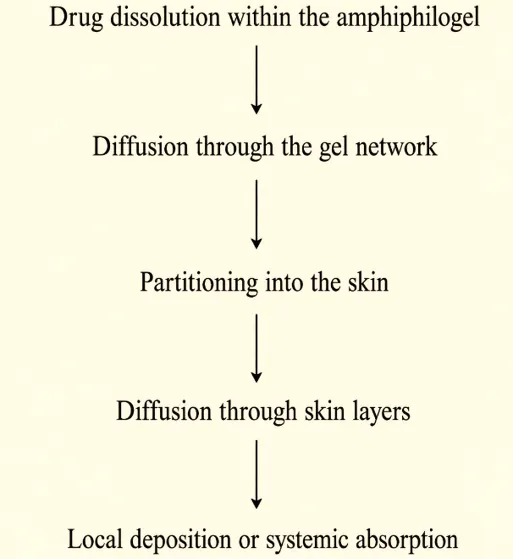
Fig 5: Drug release from amphiphilogels
The drug must first remain adequately dissolved or uniformly dispersed within the formulation before diffusing through the interconnected surfactant network. The density and strength of this network can control molecular movement and consequently influence the rate and extent of drug release. The nature of the liquid surfactant also plays an important role. Hydrophilic surfactants may provide greater solvent capacity for certain poorly water-soluble drugs compared with more hydrophobic surfactants, thereby influencing drug loading and release. Increasing gelator concentration generally produces a denser network and may retard drug diffusion, whereas excessive gelator levels can result in very slow release. Similarly, strong drug–surfactant interactions may further delay drug liberation. Temperature can alter viscosity, molecular mobility, and gel structure, while appropriate sink conditions are essential for reliable release testing. Earlier studies demonstrated that both the liquid component and drug concentration significantly influence drug release from amphiphilogels. [42]
13. Skin Permeation and Dermal Retention
Topical drug delivery should not be assessed only by the amount of drug reaching the receptor compartment. For many dermatological conditions, the therapeutic target is located within the stratum corneum, epidermis, or dermis. Therefore, an ideal amphiphilogel should provide sufficient drug concentration at the intended skin site while minimizing unnecessary systemic absorption. Dermal retention is consequently an important parameter for evaluating the effectiveness of topical formulations. A study on cyclosporine-loaded amphiphilic gels prepared using glyceryl monostearate and polysorbates demonstrated enhanced drug accumulation within the skin. [43] The formulation containing glyceryl monostearate and Tween 80 produced considerably higher cyclosporine levels in the dermis than in the stratum corneum, while very little drug reached the receptor phase during the initial 12 h. This finding indicates the potential of amphiphilic gels to promote localized dermal delivery. The enhanced dermal retention may result from improved drug solubilization, favorable drug–skin partitioning, surfactant interaction with stratum corneum lipids, and prolonged formulation residence. The semisolid gel network maintains close contact with the skin and can provide a sustained drug concentration gradient, thereby supporting prolonged drug availability at the application site. [28]
13.1 Importance of Dermatokinetics
Dermatokinetics evaluates the concentration and distribution of a drug within different skin layers over time. Unlike conventional permeation studies that mainly measure drug appearing in the receptor compartment, dermatokinetic studies provide information about drug levels in the stratum corneum, viable epidermis, and dermis. This information is particularly valuable when the desired therapeutic effect is localized within the skin. [34]
13.2 Important Parameters
14. Characterization of Amphiphilogels
A comprehensive characterization program is essential for establishing formulation quality.
14.1 Appearance
The prepared amphiphilogel should be visually examined for color, clarity, homogeneity, texture, and presence of visible particles. The formulation should remain uniform without phase separation, cracking, or sedimentation. Changes in appearance during storage may indicate physical instability, drug precipitation, surfactant separation, or degradation of formulation components. [45]
14.2 pH
The pH of the amphiphilogel should be determined using a calibrated digital pH meter. The formulation should possess a pH compatible with the intended skin site to minimize irritation and maintain skin integrity. Changes in pH during storage may indicate chemical degradation, interaction among formulation components, or instability of the incorporated drug. [45]
14.3 Viscosity
Viscosity is an important parameter affecting spreadability, residence time, drug diffusion, and application characteristics. It should be measured using a suitable viscometer or rheometer at controlled temperature. Measurements at different shear rates are useful because amphiphilogels may exhibit non-Newtonian behavior. Excessively high viscosity can reduce spreadability and drug release. [45]
14.4 Rheological Behavior
Rheological evaluation provides information about the flow and structural properties of amphiphilogels. Parameters such as storage modulus, loss modulus, yield stress, thixotropy, and viscoelasticity can be determined using oscillatory and rotational measurements. These properties help predict spreading, skin residence, structural strength, and recovery of the gel after application or mechanical stress. [46]
14.5 Gelation Temperature
Gelation temperature is particularly important for thermoreversible amphiphilogels because it indicates the temperature at which the system changes between sol and gel states. It can be evaluated using rheological temperature sweeps, hot-stage microscopy, differential scanning calorimetry, or suitable thermal methods. Gelation temperature influences preparation, storage, application, and formulation stability. [46]
14.6 Microstructural Characterization
Microstructural characterization helps understand the organization of surfactant molecules and formation of the gel network. Polarized light microscopy, phase-contrast microscopy, SEM, TEM, cryo-electron microscopy, and scattering techniques may be used. These methods can provide information regarding tubular aggregates, fibrous structures, particle distribution, and the overall organization of the amphiphilogel network. [47]
14.7 Drug Content
Drug content determines the amount and uniformity of active pharmaceutical ingredient present in the formulation. A suitable quantity of amphiphilogel is accurately weighed, extracted using an appropriate solvent, and analyzed using a validated analytical method such as UV-visible spectrophotometry or HPLC. Uniform drug content indicates proper drug distribution and reproducibility of the formulation. [47]
14.8 In Vitro Drug Release
In vitro drug release studies are performed to determine the rate and extent of drug liberation from the amphiphilogel. Franz diffusion cells or suitable membrane-based diffusion systems may be used with an appropriate receptor medium. Samples are withdrawn at predetermined intervals and analyzed for drug concentration. Release data can subsequently be fitted to suitable kinetic models. [47]
14.9 Ex Vivo Permeation
Ex vivo permeation studies evaluate drug movement through biological skin membranes under controlled conditions. Excised human, porcine, or suitable animal skin may be mounted on Franz diffusion cells. Parameters such as cumulative drug permeation, steady-state flux, permeability coefficient, lag time, and drug retained within different skin layers can be determined. [48]
14.10 Skin Irritation
Skin irritation assessment is essential for determining the safety and tolerability of amphiphilogel formulations, particularly because surfactants may interact with the skin barrier. Appropriate validated methods may include reconstructed human epidermis models and other non-animal approaches. Evaluation should consider visible irritation, barrier damage, and cellular responses following formulation exposure. [48]
14.11 Stability
Stability studies determine whether the amphiphilogel maintains its physical, chemical, and functional characteristics during storage. Parameters including appearance, drug content, pH, viscosity, gelation temperature, phase separation, drug release, and microbial quality should be monitored at predetermined intervals. Stability testing helps establish suitable storage conditions and estimate the formulation's potential shelf life. [48]
15. Evaluation of Skin Permeation
Skin permeation studies are important for determining the ability of an amphiphilogel to deliver a drug through different layers of the skin. Franz diffusion cells are commonly used for this purpose. The skin membrane is placed between the donor and receptor compartments, while the formulation is applied to the donor side. The receptor compartment is maintained at a controlled temperature, generally close to skin temperature, with continuous stirring. [49]
15.1 Cumulative Amount Permeated
The cumulative amount permeated represents the quantity of drug that passes through the skin and reaches the receptor medium per unit area over a specific period. It is generally expressed as µg/cm² and plotted against time. The resulting profile provides information about the overall extent and rate of drug transport through the skin. [49]
15.2 Steady-State Flux
Steady-state flux represents the rate of drug permeation across the skin after a constant diffusion gradient has been established. It is calculated from the slope of the linear portion of the cumulative amount permeated versus time plot and is commonly expressed as µg/cm²/h. A higher flux indicates faster transport through the skin under the experimental conditions. [49]
15.3 Permeability Coefficient
The permeability coefficient provides an indication of the ability of the drug to cross the skin membrane. It can be calculated from the steady-state flux and the concentration gradient between the donor and receptor compartments. A higher permeability coefficient indicates greater membrane transport efficiency. However, for topical therapy, maximum permeability is not always desirable. [50]
15.4 Lag Time
Lag time is the period required for the drug to establish steady-state diffusion through the skin before measurable constant flux is achieved. It is generally determined by extrapolating the linear portion of the permeation curve to the time axis. A shorter lag time indicates faster initial penetration, whereas a longer lag time may indicate greater resistance to drug movement through the skin. [50]
15.5 Dermal Retention
Dermal retention represents the amount of drug remaining within the skin after completion of the permeation experiment. Following the study, the skin can be carefully removed, washed, separated into appropriate layers, and extracted for drug analysis. This parameter is particularly important for topical amphiphilogels because high drug retention within the target skin layer may be more therapeutically desirable than high systemic permeation. [50]
16. Therapeutic Applications of Amphiphilogels
Amphiphilogels may be useful for topical antifungal therapy because many antifungal drugs require adequate concentration within superficial skin layers. Their amphiphilic environment can improve solubilization of poorly water-soluble drugs, while the gel network can prolong residence and provide controlled release. Potential candidates include terbinafine, ketoconazole, clotrimazole, and miconazole. Formulations should primarily promote drug retention within infected skin rather than excessive transdermal transport. [51]
16.1 Anti-inflammatory Therapy
Amphiphilogels may improve topical delivery of corticosteroids and non-steroidal anti-inflammatory drugs by enhancing drug solubilization, skin partitioning, and local residence. Sustained release from the gel network may help maintain therapeutic concentrations and potentially reduce frequent application. However, penetration should be carefully controlled because excessive corticosteroid absorption may increase systemic exposure and local adverse effects. Appropriate surfactant concentration and formulation composition are therefore essential. [51]
16.2 Psoriasis
Psoriasis is a chronic inflammatory skin disorder requiring prolonged and localized treatment. Poorly water-soluble drugs such as cyclosporine present challenges for conventional topical formulations. Classical studies of cyclosporine-loaded amphiphilic gels demonstrated enhanced drug accumulation within the dermis with limited early receptor-phase permeation. This finding highlights the potential of amphiphilogels to improve localized drug delivery and supports the principle that dermal retention may be more important than maximizing transdermal flux. [51]
16.3 Analgesic Therapy
Topical analgesic therapy aims to provide drug concentrations at painful tissues while reducing systemic exposure. Amphiphilogels may improve the solubilization, release, and local retention of poorly water-soluble analgesics. Drugs such as diclofenac, ketoprofen, ibuprofen, and related NSAIDs may be considered potential candidates. The semisolid network can prolong skin contact and provide controlled drug delivery, potentially improving therapeutic duration and reducing the need for frequent application. [51]
16.4 Anticancer Therapy
Topical anticancer therapy requires adequate drug concentration at the affected skin site while minimizing systemic exposure. Amphiphilogels may provide advantages through improved solubilization, prolonged residence, and controlled drug release. Their surfactant-based structure may also influence drug partitioning into the skin. Although direct amphiphilogel evidence remains limited, related organogel systems have demonstrated potential for dermatological applications involving skin cancer and other localized disorders. [52]
16.5 Antiviral Therapy
Amphiphilogels may provide opportunities for localized treatment of viral infections affecting the skin or mucosal surfaces. Their amphiphilic components can improve the solubilization of poorly water-soluble antiviral drugs, while the gel structure may prolong residence at the application site. Sustained drug release could help maintain local therapeutic concentrations. Potential applications include localized viral skin infections where prolonged contact and controlled drug availability are desirable. [52]
17. Comparison with Conventional Topical Formulations
Table 1: Comparison Between Conventional Topical Formulation and Amphiphilogel
|
Property [53] |
Conventional cream [53] |
Hydrogel [53] |
Organogel [53] |
Amphiphilogel [53] |
|
Main continuous phase |
Aqueous/ oily |
Aqueous |
Organic/non-aqueous |
Amphiphilic surfactant phase |
|
Hydrophobic drug solubilization |
Moderate |
Often limited |
High |
Potentially high |
|
Skin residence |
Moderate |
Moderate |
High |
High |
|
Surfactant-mediated penetration |
Variable |
Usually low/ moderate |
Variable |
Important feature |
|
Thermoreversibility |
Usually, absent |
Variable |
Variable |
Common in classical systems |
|
Network formation |
Emulsion/ Semisolid |
Polymer network |
Gelator network |
Surfactant self-assembly |
|
Greasiness |
Variable |
Low |
Potentially high |
Can be optimized |
|
Topical potential |
Established |
Established |
High |
Promising |
|
Research maturity |
High |
High |
High |
Emerging/niche |
18. Advantages of Amphiphilogels
18.1 Improved Solubilization
The amphiphilic environment of amphiphilogels can accommodate drugs with different polarity and improve the apparent solubility of poorly water-soluble compounds. Surfactant molecules can provide suitable microenvironments for drug incorporation and maintain the active ingredient in a dispersed or solubilized state. This can facilitate uniform drug distribution and improve availability for topical delivery. [54]
18.2 Potential Penetration Enhancement
Amphiphilic surfactants can influence the interaction between the formulation and the stratum corneum. They may modify lipid organization, improve drug partitioning, and facilitate movement of suitable drug molecules into the skin. This potential penetration-enhancing effect can increase drug availability within the epidermis or dermis. However, surfactant concentration must be optimized to avoid excessive barrier disruption. [54]
18.3 Prolonged Residence
The semisolid nature and relatively high viscosity of amphiphilogels can improve their residence time at the application site. Unlike low-viscosity solutions, they are less likely to spread excessively, run off, or be removed rapidly from the skin surface. Prolonged contact can maintain drug availability near the application site and support sustained delivery over an extended period. [54]
18.4 Controlled Drug Release
The interconnected three-dimensional network of an amphiphilogel can provide resistance to drug diffusion and thereby control the rate of drug release. Drug movement depends on network density, gelator concentration, viscosity, drug solubility, and drug–surfactant interactions. Proper formulation optimization can produce sustained drug release and maintain therapeutic drug concentrations at the application site. [55]
18.5 Thermoreversible Behavior
Many classical amphiphilogels exhibit thermoreversible behavior, allowing conversion between sol and gel states through changes in temperature. Heating can disrupt the organized surfactant network and produce a fluid sol, whereas cooling promotes self-assembly and gel formation. This property facilitates formulation processing and may provide useful handling characteristics, although storage temperature must be carefully controlled. [55]
18.6 Simple Preparation
Classical amphiphilogels can generally be prepared using a relatively simple heating–cooling technique. The solid gelator and liquid surfactant are combined and heated until a homogeneous sol is obtained, followed by controlled cooling to produce the gel. The method requires comparatively simple equipment and can be adapted for laboratory-scale formulation development and optimization. [55]
18.7 Potential for Localized Delivery
Amphiphilogels can be designed to promote drug retention within specific skin layers rather than maximizing systemic permeation. Their surfactant composition, viscosity, network structure, and drug-release properties can be optimized to enhance local deposition. This characteristic may be particularly beneficial for dermatological conditions where the therapeutic target is located within the epidermis or dermis. [56]
18.8 Compatibility with Poorly Soluble Drugs
Many pharmaceutical compounds exhibit poor aqueous solubility, creating difficulties during development of conventional topical formulations. Amphiphilogels offer an amphiphilic environment that can improve incorporation of such drugs through surfactant-mediated solubilization. This makes them particularly attractive for poorly water-soluble therapeutic agents requiring localized skin delivery, controlled release, and prolonged formulation residence. [56]
19. Limitations and Challenges
Although amphiphilogels have demonstrated promising physicochemical and drug-delivery properties, clinical evidence remains limited compared with conventional creams, hydrogels, patches, and other advanced topical systems. Most available studies are laboratory-based or involve experimental models. More clinical investigations are required to establish their therapeutic superiority, long-term safety, patient acceptability, and practical advantages over established topical formulations. [56]
19.1 Surfactant-Associated Irritation
Surfactants are essential components of amphiphilogels but may affect skin barrier integrity at higher concentrations. Excessive surfactant levels can disturb stratum corneum lipids, increase permeability, and potentially cause irritation or dryness. Although nonionic surfactants are generally preferred for topical applications, their concentration and exposure time should be carefully optimized to maintain an appropriate balance between penetration enhancement and skin compatibility. [49]
19.2 Thermal Sensitivity
Many classical amphiphilogels exhibit thermoreversible behavior and can undergo structural changes when exposed to different temperatures. High temperatures may disrupt the gel network, whereas low temperatures may alter viscosity or formulation consistency. Therefore, environmental temperature can influence storage stability, handling, drug release, and application characteristics. Appropriate packaging and controlled storage conditions are necessary to maintain formulation performance. [57]
19.3 Drug Instability
The heating step used during conventional amphiphilogel preparation may create difficulties when incorporating thermolabile drugs. Prolonged exposure to elevated temperatures can cause chemical degradation, loss of potency, or changes in drug properties. Therefore, drug thermal stability should be evaluated before formulation. Alternative approaches, such as post-incorporation or solvent-assisted methods, may be considered for temperature-sensitive active ingredients. [57]
19.4 Limited Drug Loading
Although amphiphilic surfactants can improve the solubility of poorly water-soluble drugs, drug-loading capacity remains dependent on the physicochemical characteristics of both the drug and formulation components. Excessive drug loading may exceed the solubilization capacity and result in precipitation or crystallization. Such changes can affect dose uniformity, drug release, and stability. Therefore, drug concentration must be carefully optimized during formulation development. [57]
19.5 Scale-Up
Preparation of amphiphilogels at laboratory scale may not directly translate to industrial manufacturing. Heating rate, mixing efficiency, temperature distribution, cooling rate, and equipment geometry can influence surfactant self-assembly and final gel microstructure. Small changes in these parameters may affect viscosity, gelation temperature, and drug release. Therefore, appropriate process controls and scale-up studies are essential for achieving reproducible large-scale production. [58]
19.6 Long-Term Stability
Long-term stability is an important challenge because changes in surfactant organization may occur during storage. Such structural changes can affect gel strength, viscosity, appearance, drug distribution, and release characteristics. Temperature fluctuations may further influence the organization of thermoreversible systems. Stability studies should therefore monitor physical appearance, drug content, rheology, gelation temperature, phase separation, drug release, and microbial quality over the intended storage period. [58]
19.7 Regulatory Uncertainty
Amphiphilogels represent a relatively specialized class of topical delivery systems and may combine characteristics of conventional semisolids and advanced drug-delivery platforms. Consequently, standardized regulatory expectations specifically addressing their critical quality attributes are limited. Future development should establish reproducible manufacturing processes, validated characterization methods, appropriate safety assessments, and clearly defined quality specifications to facilitate regulatory acceptance and eventual clinical translation. [59]
20. Recent Advances Relevant to Amphiphilogel Development
Although the term amphiphilogel is used less frequently in recent pharmaceutical literature, the principles underlying these systems remain highly relevant to modern topical drug delivery. Recent advances in nanogels, microemulsion gels, organogels, lipid-based carriers, and stimuli-responsive systems provide opportunities to improve the solubilization, controlled release, skin deposition, and therapeutic performance of amphiphilogel-based formulations. [59]
20.1 Nanostructured Gels
Nanostructured gels and nanogels combine a nanoscale network with the advantages of a semisolid delivery system. Their small structural dimensions can provide high surface area, improved drug incorporation, and tunable interactions with biological tissues. Importantly, both surface amphiphilicity and network rigidity can influence drug transport through the skin. These properties provide useful design principles for developing amphiphilogel systems with controlled drug release and improved dermal deposition. [59]
20.2 Microemulsion-Loaded Gels
Microemulsion-loaded gels combine the high solubilization capacity of microemulsions with the prolonged residence and convenient application properties of a gel. The presence of oil, surfactant, cosurfactant, and aqueous components can improve incorporation of poorly water-soluble drugs, while conversion into a gel increases viscosity and reduces rapid removal from the skin. Such systems have gained attention for improving drug release and transdermal delivery and provide a useful model for future amphiphilogel development. [60]
20.3 Advanced Organogels
Modern organogels provide an important related platform for amphiphilogel research because they can incorporate hydrophobic drugs within nonaqueous three-dimensional networks. Recent research has focused on improving drug solubility, controlled release, skin permeation, and application characteristics. The development of less greasy and more patient-acceptable organogels may provide useful approaches for improving the practical performance of amphiphilogels, particularly for poorly water-soluble dermatological drugs. [61]
20.4 Nanoformulation-Containing Gels
Incorporation of nanosized carriers into a gel matrix represents another important advancement in topical delivery. Nanoparticles, liposomes, nanoemulsions, solid lipid nanoparticles, and nanostructured lipid carriers can provide enhanced drug solubilization, protection from degradation, controlled release, and improved skin deposition. Incorporating these carriers into an amphiphilogel could additionally provide prolonged residence and improved application properties, creating a multifunctional hybrid delivery system. [61]
20.5 Stimuli-Responsive Systems
Stimuli-responsive amphiphilic gels represent a potential future direction in which drug release is influenced by environmental conditions such as temperature, pH, enzymes, ionic strength, or other biological stimuli. Such systems could potentially provide more controlled drug release at specific sites. Thermoresponsive systems may be particularly attractive for topical application because the formulation could exhibit suitable flow during application and subsequently develop greater structural integrity at skin temperature. [61]
21. Amphiphilogels and Nanoformulation-Based Topical Delivery
The integration of amphiphilogels with nanotechnology represents one of the most promising strategies for extending the application of classical amphiphilogel systems. Nanocarriers can address several limitations associated with conventional topical formulations, including poor aqueous solubility, low drug loading, rapid drug release, inadequate skin penetration, and degradation of sensitive drugs. The amphiphilogel matrix can subsequently provide a semisolid environment that improves residence time, spreadability, and controlled release. [61]
Nanocarriers can provide several complementary advantages, including increased surface area, improved drug solubilization, controlled drug release, enhanced dermal deposition, and protection of unstable active ingredients. Their performance can be further modified through particle size, surface charge, surface composition, and lipid or polymer selection. When incorporated into an amphiphilogel, these characteristics may be combined with the structural properties of the gel network. [61]
21.1 Nanoparticle-in-Amphiphilogel
Polymeric or inorganic nanoparticles can be dispersed within an amphiphilogel matrix to provide controlled drug release and improved localization. The nanoparticles can protect the incorporated drug and regulate its release, while the surrounding gel maintains prolonged contact with the skin. This approach may be useful for drugs requiring sustained local exposure. [62]
21.2 Nanoemulsion-in-Amphiphilogel
Nanoemulsions can improve the solubilization of lipophilic drugs through their finely dispersed oil phase. Incorporation into an amphiphilogel can increase formulation viscosity and reduce rapid spreading or removal from the skin. The combination may therefore provide enhanced drug solubilization together with prolonged residence and controlled release. [62]
21.3 Liposome-in-Amphiphilogel
Liposomes are phospholipid vesicles capable of incorporating both hydrophilic and lipophilic drugs. Their incorporation into an amphiphilogel may improve vesicle residence at the skin surface while providing controlled drug release. The lipidic nature of liposomes may also facilitate interactions with skin lipids, making this combination potentially useful for localized dermal delivery. [53]
21.4 Niosome-in-Amphiphilogel
Niosomes are vesicular systems generally composed of nonionic surfactants and cholesterol. Their combination with amphiphilogels is particularly interesting because both systems involve amphiphilic components. Niosomes can improve drug encapsulation and controlled release, whereas the gel matrix can increase formulation residence and provide convenient topical application. This hybrid approach may be suitable for both hydrophilic and poorly soluble drugs. [53]
21.5 Solid Lipid Nanoparticle-in-Amphiphilogel
Solid lipid nanoparticles can provide controlled drug release, protection of incorporated drugs, and enhanced interaction with the skin. When incorporated into an amphiphilogel, the nanoparticles can remain dispersed within a structured semisolid matrix. This may improve physical residence while maintaining the drug-loading and release characteristics of the lipid nanoparticles. [53]
21.6 Nanostructured Lipid Carrier-in-Amphiphilogel
Nanostructured lipid carriers contain a mixture of solid and liquid lipids and can provide improved drug-loading capacity compared with some solid lipid systems. Incorporation into an amphiphilogel may combine their lipid-based skin interaction with the prolonged residence of a semisolid formulation. Such systems could be particularly useful for poorly water-soluble drugs requiring sustained dermal delivery. [62
22. Safety and Biocompatibility Considerations
Safety and biocompatibility are essential during the development of amphiphilogels because these systems may contain considerable amounts of surfactants that directly interact with the skin. Although surfactants can improve drug solubilization and skin penetration, excessive concentrations may disturb the organization of stratum corneum lipids and compromise barrier integrity. Therefore, formulation development should focus on achieving sufficient drug delivery without producing unnecessary skin damage or systemic exposure. The safety profile depends on surfactant type, concentration, molecular structure, exposure duration, drug properties, and the condition of the skin. [63]
Important safety considerations include:
Safety evaluation should therefore include appropriate physicochemical characterization, irritation testing, skin-barrier assessment, and, where appropriate, systemic exposure studies. Modern development increasingly favours reconstructed human epidermis models and validated in vitro irritation methods before progressing to further biological or clinical evaluation. The surfactant concentration should be optimized rather than simply increased to maximize penetration, ensuring an appropriate balance between drug delivery, therapeutic efficacy, skin integrity, and patient safety. [64]
23. Regulatory and Manufacturing Considerations
The translation of amphiphilogels from laboratory formulations to commercially viable topical products requires careful consideration of raw material quality, manufacturing processes, product specifications, packaging, stability, and scale-up. Since amphiphilogels depend strongly on surfactant self-assembly and thermal processing, relatively small changes in materials or processing conditions may influence their microstructure, viscosity, gelation temperature, drug release, and skin delivery. Therefore, a well-controlled manufacturing strategy is essential for obtaining consistent product quality and therapeutic performance. [64]
23.1 Raw Material Control
The quality and physicochemical characteristics of raw materials can significantly affect amphiphilogel performance. Surfactant purity, fatty acid composition, HLB value, melting characteristics, moisture content, and impurity levels should be controlled. Variations between suppliers or batches may alter gel formation and drug solubilization. Appropriate specifications and qualified suppliers should therefore be established for all critical excipients and active pharmaceutical ingredients. [64]
23.2 Process Control
Heating, mixing, and cooling are critical manufacturing parameters because amphiphilogel formation depends on controlled surfactant self-assembly. Temperature, heating duration, mixing speed, and cooling rate should be standardized. Excessive heating may degrade thermolabile ingredients, whereas inadequate heating may produce incomplete dispersion. Similarly, uncontrolled cooling may result in differences in network structure and gel properties. [23]
23.3 Batch-to-Batch Consistency
Reproducibility is essential for pharmaceutical manufacturing. Each batch should meet predefined specifications for appearance, drug content, viscosity, gelation temperature, rheological behavior, and drug-release characteristics. Appropriate in-process controls and validated analytical methods should be established to identify variations during production. Consistent control of these parameters is particularly important because changes in gel microstructure can directly influence topical drug delivery. [23]
23.4 Packaging
Packaging should protect the amphiphilogel from environmental factors that may affect its physical and chemical stability. The container should minimize exposure to excessive temperature variation, light, oxygen, and moisture where relevant. Appropriate packaging should also prevent microbial contamination and maintain the formulation's consistency during repeated use. Compatibility between the formulation and packaging material should be evaluated to avoid adsorption, leaching, or chemical interaction. [64]
23.5 Stability
Stability studies should demonstrate that the amphiphilogel maintains its quality, safety, and performance throughout the proposed shelf life. Important parameters include appearance, pH, drug content, viscosity, gelation temperature, rheological properties, phase separation, microbial quality, and drug-release behavior. Both physical and chemical stability should be evaluated under appropriate storage conditions, with particular attention to temperature-dependent changes in thermoreversible formulations. [64]
23.6 Scale-Up
Scale-up is a major challenge because laboratory preparation may not reproduce the same heating, mixing, and cooling conditions at industrial scale. Differences in equipment geometry, heat-transfer efficiency, mixing intensity, and cooling rate can alter surfactant self-assembly and the resulting gel microstructure. Therefore, scale-up studies should establish critical process parameters and demonstrate that the optimized laboratory formulation can be manufactured reproducibly while maintaining its critical quality attributes. [64]
24. Future Perspectives
The future development of amphiphilogels will depend on shifting from conventional proof-of-concept formulations toward mechanistically designed, reproducible, and clinically relevant topical delivery systems. Greater emphasis should be placed on establishing clear structure–property relationships between surfactant molecular structure, HLB, gelator concentration, network morphology, drug solubility, release, and skin permeation. Future investigations should also prioritize dermatokinetic evaluation, including drug distribution and retention within the stratum corneum, epidermis, and dermis, rather than relying only on cumulative in vitro drug release or transdermal flux. [62] Application of Quality by Design (QbD) and Design of Experiments (DoE) can reduce empirical formulation development and help identify critical material and process variables. Advanced imaging and analytical techniques may further clarify drug localization and interactions between amphiphilogels and the skin barrier. Another promising direction is the development of hybrid amphiphilogels incorporating nanoparticles, liposomes, nanoemulsions, solid lipid nanoparticles, or nanostructured lipid carriers to achieve improved drug loading and controlled skin delivery. Environmentally acceptable surfactants, biodegradable materials, and sustainable manufacturing approaches should also receive greater attention. Finally, successful translation will require systematic assessment of long-term stability, manufacturing reproducibility, skin safety, patient acceptability, and clinical efficacy. These developments could establish amphiphilogels as versatile platforms for localized and controlled topical drug delivery. Recent advances in physical penetration enhancement and nanotechnology further support the potential for developing more sophisticated topical and transdermal systems. [65]
CONCLUSION
Amphiphilogels represent a promising specialized platform for topical drug delivery, combining the structural advantages of semisolid gels with the solubilizing and skin-interacting properties of amphiphilic surfactants. Their three-dimensional self-assembled network can prolong residence at the application site, regulate drug diffusion, and improve incorporation of poorly water-soluble drugs. These characteristics make amphiphilogels particularly relevant for localized therapy where drug accumulation within the epidermis or dermis is preferred over extensive systemic permeation. The performance of amphiphilogels depends strongly on formulation composition and processing conditions. Gelator concentration, surfactant structure, hydrophilic–lipophilic balance, liquid-phase viscosity, drug concentration, temperature, and network organization can influence gelation, rheology, drug release, skin permeation, and dermal retention. Therefore, formulation optimization should achieve an appropriate balance between solubilization, structural stability, controlled release, penetration enhancement, and skin compatibility. Comprehensive evaluation should extend beyond conventional in vitro drug-release studies. Parameters such as rheological behavior, gelation temperature, microstructure, drug content, ex vivo permeation, dermal retention, skin-layer distribution, irritation, and stability are important for understanding formulation performance. Dermatokinetic assessment is particularly valuable when localized drug retention within specific skin layers is the intended therapeutic objective. Despite their potential, amphiphilogels face challenges including limited clinical evidence, surfactant-associated irritation, thermal sensitivity, limited drug-loading capacity, scale-up difficulties, long-term stability concerns, and regulatory uncertainty. Future research should therefore emphasize quality-by-design, reproducible manufacturing, advanced characterization, safety assessment, and clinically relevant evaluation. Integration with nanoparticles, nanoemulsions, liposomes, niosomes, solid lipid nanoparticles, and nanostructured lipid carriers may further enhance their performance. Overall, amphiphilogels offer a versatile approach for localized and controlled topical drug delivery, although further mechanistic, dermatokinetic, safety, and clinical studies are required to establish their broader pharmaceutical application.
REFERENCES

Shresth Shukla, Umesh Pratap Singh, Nidhi Srivastava, Amphiphilogels in Topical Drug Delivery: Recent Advances, Formulation Approaches and Therapeutic Perspectives, Int. J. of Pharm. Sci., 2026, Vol 4, Issue 9, 1907-1935. https://doi.org/10.5281/zenodo.22770036
 10.5281/zenodo.22770036