

We use cookies to ensure our website works properly and to personalise your experience. Cookies policy
Department of Pharmaceutical Chemistry, Al Shifa college of pharmacy, Kizhattur, Perinthalmanna
Ulcerative colitis (UC) remains a major and growing global health burden, and mesalamine (5-aminosalicylic acid, 5-ASA) continues to be the first-line therapy for mild-to-moderate disease. However, its poor aqueous solubility, low intestinal permeability, and rapid proximal absorption necessitate colon-targeted delivery strategies to achieve adequate mucosal concentrations. This review synthesizes recent literature, largely from 2023-2026, across three converging domains of pharmaceutical innovation. First, optimized clinical formulations, including Multi Matrix System (MMX) technology and high-dose oral or combined oral-rectal regimens, are examined for their continued and currently underused potential in moderately active disease. Second, we comprehensively survey novel chemical conjugates and mutual prodrugs in which 5-ASA is covalently coupled to hyaluronic acid, coumarins, fatty acids, NSAIDs, amino acids, bile acids, and natural products to achieve inflammation-selective release and reduced systemic exposure. Third, we review advanced nanocarrier and hydrogel platforms, including nanoparticles, mucoadhesive nanoassemblies, and microsponges, engineered around the electrostatic, enzymatic, and cellular features of inflamed colonic mucosa. We also examine combination approaches, the persistent translational gap in Crohn’s disease, and the mechanistic rationale for NLRP3 inflammasome-directed hybridization strategies. While several next-generation platforms show compelling preclinical efficacy and inflammation-targeted pharmacokinetics, most remain confined to rodent colitis models, and substantial manufacturing, safety-profiling, and regulatory work is required before clinical translation. We conclude by outlining priority research directions, including robust Crohn’s disease models and scalable, reproducible manufacturing, needed to advance next generation mesalamine therapeutics toward clinical practice.
Inflammatory bowel disease (IBD) including ulcerative colitis (UC) and Crohn’s disease (CD) is an increasing global health burden. Modern epidemiological modeling suggests that IBD is moving thru identifiable epidemiologic stages—emergence, accelerating incidence, compounding prevalence and prevalence equilibrium—with early-industrialized countries expected to surpass 1% population prevalence within the next decade, while newly industrialized areas of Asia, Africa and South America are entering the acceleration phase1,2. These estimates were based on population-based analyzes, which suggested that more than five million individuals worldwide have been diagnosed with UC and that the incidence has continued to increase in formerly low burden regions3. UC is defined by continuous, contiguous mucosal inflammation starting in the rectum and extending proximally, leading to bloody diarrhea, urgency and abdominal pain, and an increased lifetime risk of colorectal neoplasia and colectomy4,5.
The pathogenesis of UC is a convergence of epithelial barrier breakdown, dysregulated innate and adaptive immunity and microbial dysbiosis in genetically susceptible hosts4,5. Beside the classical cyclooxygenase (COX) and nuclear factor-kappa B (NF-κB) axes, growing mechanistic evidence implicates the NLRP3 inflammasome as a major amplifier of colonic injury: assembly of NLRP3 with ASC and pro-caspase-1 drives maturation of interleukin (IL)-1β and IL-18, propagating neutrophil recruitment, barrier disruption and gasdermin-D-mediated pyroptosis6,7. Interestingly, NLRP3 signaling seems to be context-dependent, with protective epithelial-regenerative roles in some models but pathogenic roles in others, exemplifying the complexity of therapeutic targeting of this pathway7.
In this setting, mesalamine (5-aminosalicylic acid, 5-ASA) continues to be the mainstay first-line therapy for mild-to-moderate UC because of its excellent safety profile, topical anti-inflammatory effects and a wealth of clinical data accumulated over decades8,9. Mechanistically, mesalamine inhibits NF-κB activation, suppresses pro-inflammatory cytokines including tumor necrosis factor-alpha (TNF-α) and IL-1β, activates peroxisome proliferator-activated receptor-gamma (PPAR-γ), scavenges reactive oxygen species and moderately attenuates NLRP3 priming6,8. However, intrinsic pharmaceutical limitations limit its clinical utility: mesalamine is a Biopharmaceutics Classification System (BCS) class IV compound with poor permeability and aqueous solubility. It is also quickly absorbed and N-acetylated in the proximal gastrointestinal (GI) tract, necessitating colon-targeted delivery strategies to achieve sufficient mucosal concentrations9,10. These pharmacokinetic limitations, combined with variable efficacy in moderate to severe disease and limited benefit in Crohn’s disease, have led to three converging lines of innovation: (i) optimization of existing oral formulations and dosing strategies (e.g. Multi Matrix System [MMX] technology and high-dose regimens); (ii) rational medicinal chemistry approaches for mutual prodrugs and molecular hybrids where 5-ASA is covalently coupled to complementary pharmacophores (NSAIDs, fatty acids, bile acids, natural products, fluorophores) and (iii) new nanotechnological delivery systems, such as nanoparticles, hydrogels, microsponges and mucoadhesive nanoassemblies, designed to take advantage of the peculiar physicochemical and immunological microenvironment of inflamed colonic mucosa. These three converging strategies are summarized in Figure 1.
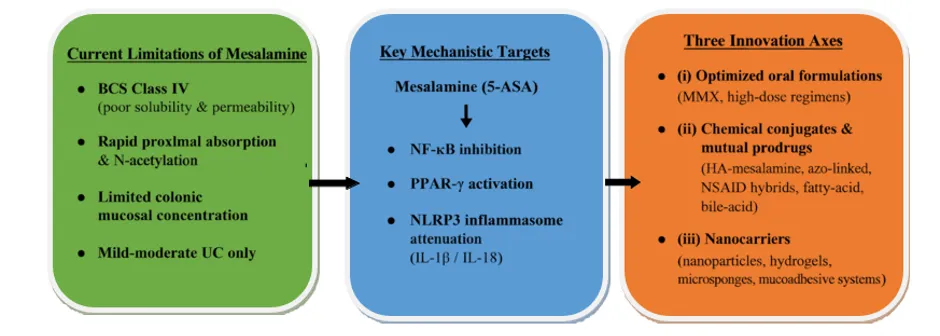
Figure 1. Conceptual overview of mesalamine’s pharmaceutical limitations, key mechanistic targets, and the three converging innovation axes for next-generation ulcerative colitis therapy.
This review synthesizes recent (largely 2023-2026) original research and high-quality reviews on these three domains. We firstly describe the chemistry and mechanism of mesalamine, then review optimized clinical formulations, and finally present a comprehensive survey of novel chemical conjugates and mutual prodrugs including hyaluronic acid (HA)-mesalamine conjugates, azo-linked theranostic and fatty-acid prodrugs, mesalamine-NSAID hybrids, amino-acid azo prodrugs, bile-acid conjugates and natural-product co-therapies. Next, we discuss advanced nanocarrier platforms, combination strategies, and critically appraise translational gaps, particularly the lack of data in Crohn’s disease and the challenges in scaling up laboratory-stage conjugates and nanomedicines for clinical practice. Finally, we discuss future perspectives.
2. Chemistry and Biological Overview of Mesalamine
Mesalamine (5-amino-2-hydroxybenzoic acid) is a small amphoteric aromatic molecule having a carboxylic acid and a primary aromatic amine ortho to a phenolic hydroxyl. This trifunctional architecture underlies both its pharmacology and synthetic versatility: the carboxylic acid allows ester/amide conjugation, the aromatic amine is the classical site for diazotization and azo-bond formation, and the phenolic hydroxyl and amine offer radical-scavenging (hydrogen-atom transfer/single-electron transfer) antioxidant capacity9,11. As a BCS class IV drug, mesalamine is characterized by low aqueous solubility and low intestinal permeability, and unprotected oral dosing results in extensive absorption and NAT1-mediated acetylation in the proximal small bowel, leaving insufficient unmetabolised drug to reach the distal colon9,10. In terms of mechanisms, mesalamine exhibits topical anti-inflammatory effects thru inhibition of NF-κB and 5-lipoxygenase, activation of PPAR-γ, scavenging of reactive oxygen species, and modulation of phosphoinositide 3-kinase signaling in mucosal progenitor cells, which collectively work to dampen cytokine output and facilitate epithelial regeneration8,12. Contemporary structural biology further supports the partial modulation of the NLRP3–caspase-1–IL-1β/IL-18 axis thus providing rational grounds for hybridization strategies that combine mesalamine with dedicated inflammasome-targeting moieties11.
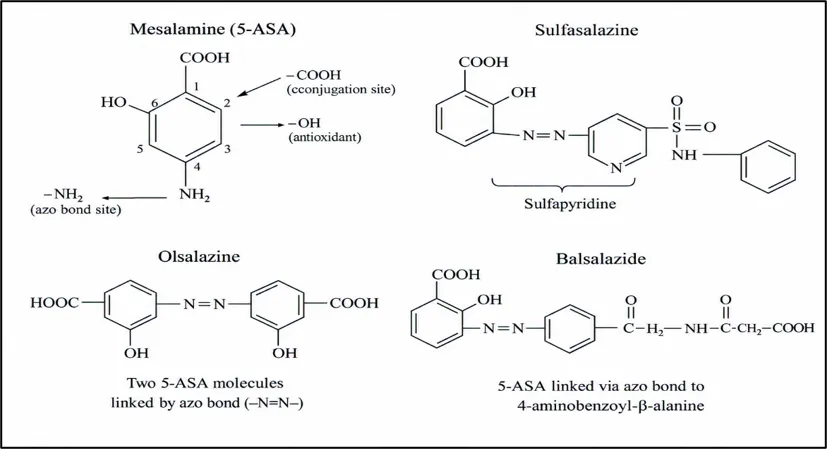
Figure 2: Structures of mesalamine and representative azo-bonded 5-ASA prodrugs.
The historical solution to mesalamine’s absorption problem was azo-bond conjugation: sulfasalazine (5-ASA conjugated to sulfapyridine), and subsequently olsalazine (a 5-ASA dimer) and balsalazide (5-ASA conjugated to an inert 4-aminobenzoyl-β-alanine carrier), taking advantage of the fact that azoreductase enzymes are essentially confined to colonic anaerobic flora, so that the azo bond survives transit thru the stomach and small intestine, and is cleaved only in the colon, liberating active 5-ASA at the site of disease9. Clinically sulfapyridine is the basis of sulphasalazine, which causes idiosyncratic reactions, and this led to the development of the non-sulfa carriers olsalazine and balsalazide, and, more recently, an extensive family of rationally engineered mutual prodrugs and conjugates that are discussed in Section 4.
3. Optimized Clinical Formulations and Dose Strategies
In addition to first-generation azo-prodrugs, pharmaceutical engineering has been targeted to pH-dependent, time-dependent and matrix-based delayed-release systems, designed to protect mesalamine thru the upper GI tract and release it progressively across the colon9. The most clinically relevant of these is Multi Matrix System (MMX) mesalamine, an oral, high-strength (1.2 g/tablet), once-daily formulation, in which a lipophilic inner matrix embedded in a hydrophilic outer matrix and a pH-sensitive (Eudragit S) outer coating control a delayed, extended release starting in the terminal ileum and continuing throughout the colon13. Randomized phase III trials of MMX mesalamine 2.4 and 4.8 g/day have demonstrated strong induction of clinical and endoscopic remission and durable maintenance of remission in mild-to-moderate UC, with efficacy attributed to both the colon-targeted release profile and the feasibility of once-daily high-strength dosing13,14. D’Amico et al recently performed a large scale review confirming the main advantages of MMX mesalamine versus conventional pH-dependent or time-dependent mesalamine formulations is due to specific drug-delivery kinetics in the colon, the high dosage of each tablet allowing for a once-daily regimen, and the uniformity of clinical/endoscopic remission data across studies13. In real life pharmacovigilance however, some MMX tablets are excreted macroscopically unchanged. This “insoluble excretion” is associated with looser stools and a higher risk of relapse, and illustrates that matrix-based release remains not a perfect system in the face of changing colonic transit and microbial conditions15.
Systematic reviews and meta-analyses have consistently demonstrated that once-daily dosing strategies (whether with MMX, Eudragit-coated, or granule formulations) are non-inferior to multiple-daily dosing for both induction and maintenance of remission, with no significant differences in adherence or adverse events, although pragmatic effectiveness studies suggest adherence benefits may only be realized outside of the closely monitored trial setting16-19. Nevertheless, clinical non-adherence to oral mesalamine in the real world is of clinical relevance and consistently associated with relapse20.
High-dose oral mesalamine (≥4 g/day) has re-emerged as an important strategy specifically for moderately active UC, a population historically defaulted toward corticosteroids or advanced biologic/small-molecule therapy. In their 2024 analysis, Paridaens, Freddi and Travis reconfirmed that mesalazine, optimized to ≥4 g/day (with adjunctive 1 g/day rectal mesalazine if feasible), induces remission with a tolerability profile essentially indistinguishable from placebo, a striking contrast to the toxicity burden of systemic corticosteroids and anti-TNF agents, with substantial cost savings, supporting its continued positioning as first-line therapy even in moderately active disease before escalation to more complex therapies21. Meta-analysis work confirms similar efficacy of oral extended-release mesalazine for mild-to-moderate disease severity22. The American Gastroenterological Association (AGA) guidelines formalize combination oral–rectal strategies. In patients with extensive or left-sided disease, addition of rectal mesalamine to oral 5-ASA is recommended, and randomized evidence shows that combined oral-plus-rectal mesalamine results in earlier resolution of rectal bleeding and better six-week disease activity index improvement compared with either route alone, an effect attributed to higher effective colonic 5-ASA concentrations at the distal disease-active segment23,24. Rectal mesalamine suppositories are still preferred to oral therapy alone for isolated proctitis23,25. Table 1 summarizes the evolution of mesalamine formulation and delivery strategies discussed in this section, from early azo-bond prodrugs to contemporary conjugates and nanocarriers.
Table 1. Summary of mesalamine formulation and delivery strategies
|
Formulation / technology |
Key design / mechanism |
Release site |
Dosing |
Major advantages |
Limitations / Status |
Ref. |
|
Sulfasalazine (1970s) |
5-ASA–sulfapyridine azo prodrug; bacterial azoreductase cleavage |
Colon |
Multiple daily |
First colon-specific 5-ASA delivery |
Sulfapyridine toxicity; multiple dosing |
9 |
|
Olsalazine / Balsalazide |
Non-sulfa azo prodrugs (dimer or inert carrier) |
Colon |
Multiple daily |
Avoids sulfapyridine side-effects |
Still requires multiple daily dosing |
9 |
|
pH dependent (Eudragit) systems |
pH-sensitive enteric coating (Eudragit S) |
Terminal ileum → colon |
Multiple daily |
Delayed release; improved localization |
Sensitive to GI pH and transit |
9,13 |
|
Time-dependent (ethyl cellulose) |
Rate-controlling polymer matrix/coating |
Terminal ileum / colon |
Multiple daily |
Prolonged local delivery |
Transit-dependent; multiple dosing often needed |
9 |
|
MMX Multi Matrix technology |
Lipophilic + hydrophilic matrices + pH-sensitive coat |
Terminal ileum → entire colon |
Once daily (1.2 g) |
High-strength once-daily dosing; strong clinical data |
Complex formulation; occasional insoluble excretion |
13-15 |
|
Contempoary conjugates & nanocarriers |
HA conjugates, azo-theranostics, mucoadhesive nanoparticles |
Inflamed colonic mucosa |
Once daily / site-specific |
Inflammation-targeted delivery; reduced systemic exposure |
Mostly preclinical; clinical translation pending |
26-29 |
The evidence base for mesalamine in Crohn’s disease is far less strong than for UC. Cochrane reviews conclude that aminosalicylates are no better than placebo in inducing remission in active Crohn’s disease at conventional dosages and conflicting data even at high dosages (3.2-4.5 g/day) against active comparators30. Moderate-certainty evidence suggests a modest benefit of mesalamine 4.0 g/day for maintenance of surgically induced remission, but effects on endoscopic recurrence are uncertain. Older meta-analyses restricted any benefit mainly to the post-surgical, ileitis-predominant subgroup31,32. Section 7 returns to this enduring efficacy gap in Crohn’s disease.
4. Novel Chemical Conjugates and Mutual Prodrugs
4.1 Hyaluronic Acid–Mesalamine (HA-MES) Conjugates
Hyaluronic acid, a major glycosaminoglycan of the intestinal extracellular matrix, with intrinsic mucosal barrier-supporting and anti-inflammatory properties, has been found to be a particularly attractive carrier for inflammation-targeted 5-ASA delivery because inflamed colonic epithelium overexpresses CD44 and has a positively charged, damaged mucosal surface that preferentially binds the strongly anionic HA backbone26. Hou and co-workers recently reported a water-based carbodiimide-mediated HA-MES conjugate, where approximately 11% of the repeating disaccharide units of HA were covalently amidated with mesalamine, resulting in a construct with a significantly more negative zeta potential (−92.0 mV) than native HA26. Orally administered fluorescently labeled HA-MES showed colitis-specific retention up to 24 h after the dose in both the acetic-acid and dextran sulfate sodium (DSS) colitis models, with the fluorescence intensity around 7-fold higher in the inflamed colon than in the healthy colon, and systemic exposure of 5-ASA was significantly lower (lower Cmax and AUC) than that of free mesalamine or a simple physical mixture of HA + mesalamine, confirming that inflammation-specific pharmacokinetics were driven by covalent conjugation and not simply co-administration26.
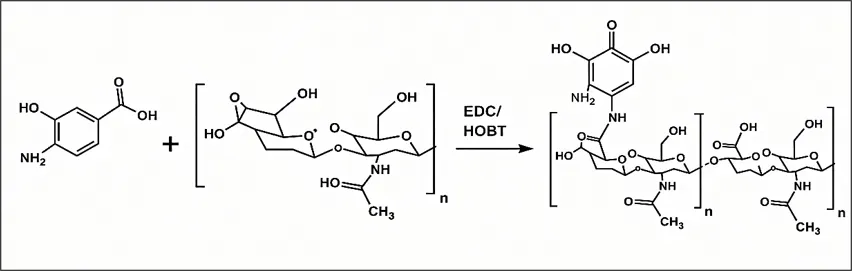
Figure 3: Synthesis of the hyaluronic acid–mesalamine (HA-MES) conjugate
In a DSS-induced acute colitis model, HA-MES was more potent than a threefold higher dose of free mesalamine to reduce myeloperoxidase (MPO) and TNF-α/IL-1β, while increasing IL-10 and restoring tight-junction protein zonula occludens-1 (ZO-1), indicating a stable inflammatory “reservoir” effect26. Several groups are independently extending and validating this conjugation approach. In a previous proof-of-concept, HA was combined with mesalamine (as IBD98-M) and showed improved mucosal adhesion and decreased MPO activity in trinitrobenzenesulfonic acid (TNBS)-induced colitis33. Most recently, Kuo et al. designed a thermo-responsive hydrogel, composed of HA-mesalamine conjugates (grafting ratio 12.45%) and methylcellulose, and employed a lower critical solution temperature of 36.7-37.7 °C for in situ gelation in rectum at body temperature, which prolonged the intestinal retention and mucoadhesion compared to liquid HA-MES conjugates27. These HA-based strategies are conceptually a continuation of previous inflammation-targeting hydrogel platforms that utilized electrostatic adhesion to the positively charged, damaged inflamed epithelium34. They also fall within the broader receptor-mediated (CD44-targeted) delivery paradigms for IBD, such as that of HA-bilirubin nanomedicines that restore epithelial barrier integrity in colitis models35,36.
4.2 Azo-Linked and Theranostic Prodrugs (5-ASA–Coumarin)
Coumarins are redox-active, fluorescent heterocycles with intrinsic anti-inflammatory and antioxidant properties, which make them attractive as therapeutic partners and also as built-in reporters for real-time monitoring of drug-release. Rath and colleagues synthesized mesalamine–coumarin conjugate (MS-CU) by diazotization coupling of mesalamine with 7-hydroxy-4-methylcoumarin . The resulting azo-linked hybrid showed significantly stronger binding affinity than mesalamine alone toward COX-2, myeloperoxidase (MPO), matrix metalloproteinase-9 (MMP-9) and TNF-α on molecular docking, and molecular dynamics simulations confirmed the stability of the complexes over 50 ns35.
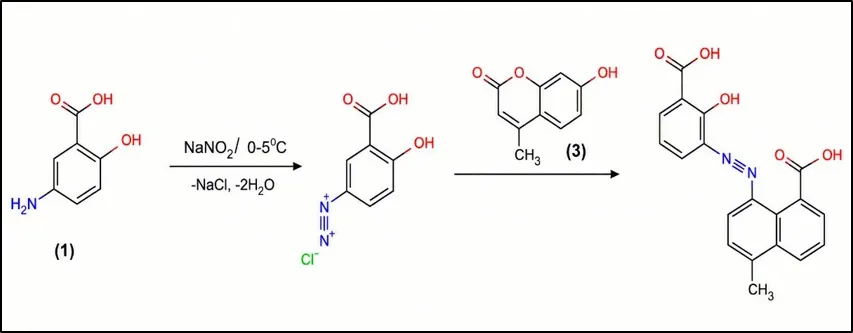
Figure 4: Synthesis of the mesalamine–coumarin (MS-CU) azo conjugate.
In the acetic acid-induced rat colitis model, MS-CU showed improved histopathological healing, greater return of body weight and greater reduction of colonic malondialdehyde, with increases in superoxide dismutase activity compared to mesalamine alone, and no signs of acute toxicity up to 2000 mg/kg28.
Most recently, Wang and co-workers explicitly built on the coumarin-fluorophore concept by reporting an azo-linked 5-ASA-coumarin theranostic prodrug (P1), which was synthesized following diazotization of 7-amino-4-methylcoumarin and subsequent coupling with salicylic acid. This prodrug, upon colonic azoreductase cleavage, releases simultaneously 5-ASA and unmasks coumarin fluorescence, enabling non-invasive, real-time tracking of colonic drug release and biodistribution together with anti-inflammatory efficacy comparable to free 5-ASA in murine colitis29. Similarly, another closely related reduction-responsive naphthalimide-based fluorescent prodrug (NPD) couples 5-ASA release to a fluorescence “switch-on” signal, providing another route to visualize azoreductase-triggered activation in situ while retaining reactive-oxygen-species-scavenging and anti-inflammatory activity37. In addition to these small molecules theranostics, azoreductase-responsive amphiphilic polymeric micelles (~13.5 nm) with azo-linked 5-ASA prodrug motifs have demonstrated sustained 24 h colonic release, prolonged retention in inflamed tissues, and 77–97% suppression of inflammatory markers at a ~60% dose reduction compared to conventional 5-ASA therapy38. This logic of azo-bond mutual prodrugs has been extended to non-NSAID partners: dapsone azo-bonded to two moieties of mesalazine (“AS-DpS-AS”) has been designed as a “me-better” alternative of sulfasalazine with comparable colon-specificity39 whereas an azo-bond conjugate of the antipsychotic with prokinetic, anti-colitic properties, amisulpride, to 5-ASA, led to efficient colonic 5-ASA delivery with negligible systemic amisulpride exposure and superior anti-colitic efficacy to sulfasalazine in rat models40.
4.3 Fatty-Acid and Short-Chain Fatty-Acid Conjugates
Short-chain fatty acids, especially butyrate, which are the physiological fuels of colonocytes, endowed with intrinsic anti-inflammatory and epithelial-barrier-supportive activity, provide rational bases for mutual prodrug design. Yan et al. synthesized four colon-targeted mutual prodrugs by linking 5-ASA (or olsalazine) with butyrate by ester and azo linkages (5-ASB, 5-ASDB, Ols-DB, Ols-DBP),
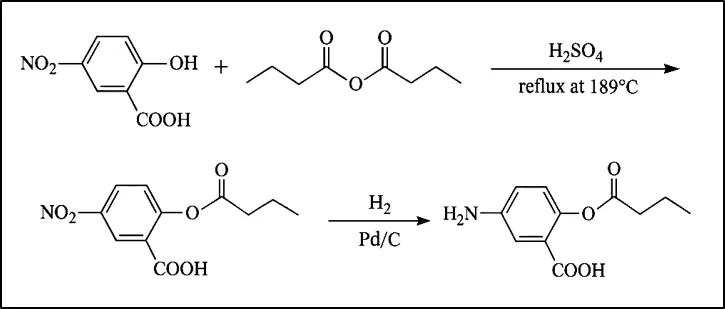
Figure 5: Synthesis of 5-aminosalicylic acid butyrate (5-ASB)
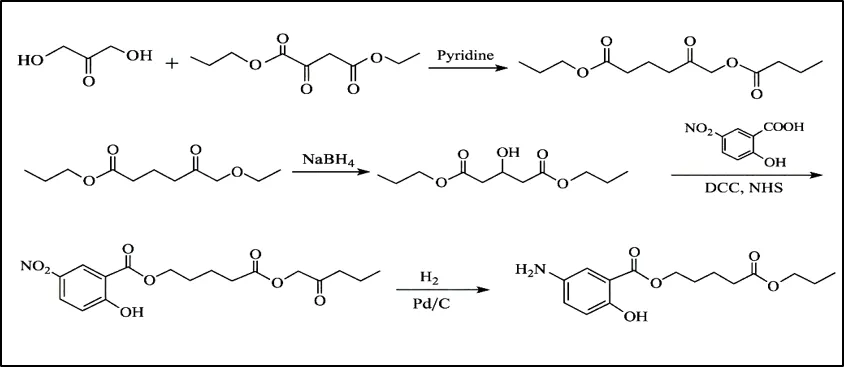
Figure 6: Multi-step synthesis of 2-(1,3-dibutyroxypropyl)-5-aminosalicylate (5-ASDB).
and found that the 5-ASDB and Ols-DBP showed better colon-targeting stability and induced much better improvements in disease activity index, colonic MPO and oxidative-stress markers (superoxide dismutase, malondialdehyde, glutathione, glutathione peroxidase) when orally administered to colitic mice, compared with an equivalent physical mixture of free 5-ASA and sodium butyrate41. CLX-103 is a patented triple-conjugate of mesalamine, eicosapentaenoic acid (EPA) and caprylic (octanoic) acid, and is a structurally distinct approach, developed by Kandula and colleagues as a next-generation prodrug to overcome the non-response seen in ∼30% of patients on conventional 5-ASA therapy42. In vitro and in vivo characterization showed gastric-fluid stability with enzymatic hydrolysis in the small and large intestine, extended retention of the active moiety in ileal and colonic tissue versus sulfasalazine, and better disease-activity-index and histological results in an acute DSS colitis model42. Medium-chain fatty acids such as octanoic acid further enhance intestinal barrier function independently via histone-deacetylase inhibition and defensin induction, providing a mechanistic rationale for fatty-acid conjugation to synergize with mesalamine’s anti-inflammatory action rather than simply serving as an inert carrier43.
4.4 NSAID Hybrids (Mesalamine–Diclofenac and Related Conjugates)
The molecular hybridization of mesalamine with classical NSAIDs is aimed at the simultaneous inhibition of prostaglandin- and inflammasome-mediated inflammatory pathways, masking the ulcerogenic carboxylic-acid moiety of the NSAID through ester/amide conjugation. Recently, a series of mesalamine–diclofenac hybrids (D1–D4) synthesized by sequential esterification, DCC-mediated coupling and amidation with diverse terminal pharmacophores (benzylamine, nitroaniline, methyl-mesalamine and para-aminobenzoic acid [PABA] esters) has been reported by Yahya et al.11.
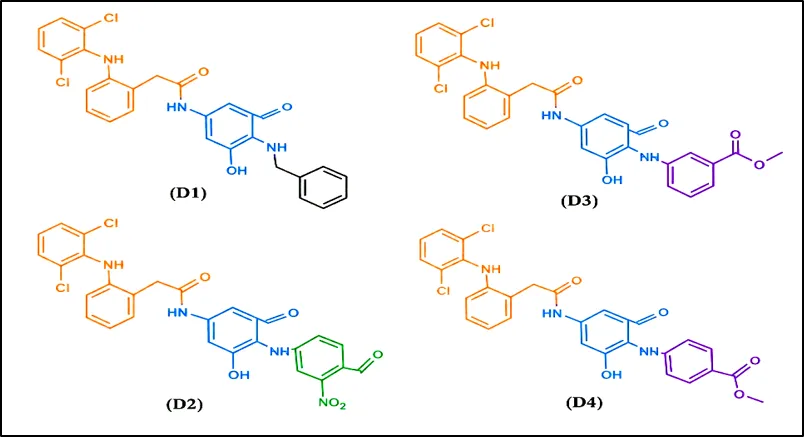
Figure 7: Structures of mesalamine–diclofenac hybrid compounds D1–D4
Molecular docking against COX-2, caspase-1, TNF-α and NLRP3 revealed compound-specific selectivity profiles, with D1 having the highest COX-2 affinity (−11.43 kcal/mol, better than mesalamine), D4 approaching the benchmark NLRP3 inhibitor MCC950 in NLRP3 binding affinity, and D3, containing a methyl-mesalamine terminal group, exhibiting the most balanced multi-target profile11. Importantly, cytotoxicity testing in U937 monocytic cells showed that D1 exhibited significant concentration-dependent toxicity (viability < 50% above 10 µg/mL), making it unsuitable for further immunomodulatory testing. D3 and D4, however, retained excellent biocompatibility up to 250 µg/mL11. In LPS stimulated macrophages, D3 significantly down-regulated NLRP3, IL1B and caspase-1, sharply attenuated the aberrant IL-18 and caspase-8 up-regulation observed with mesalamine alone, and also possessed the lowest DPPH IC50 (19.20 µg/mL) among tested hybrids and broad spectrum antibacterial activity making D3 a dual action anti-inflammatory/antioxidant lead candidate for in vivo colitis validation11.
This diclofenac-hybridisation approach is an extension of a well established chimeric-conjugate paradigm. Bansal et al. previously conjugated ibuprofen and mesalamine with benzimidazole (BZ) and 2-aminobenzimidazole (ABZ) nuclei, pharmacophores independently associated with immunomodulatory activity, to obtain BZ–NSAID chimeric conjugates and ABZ–NSAID hybrid conjugates44. All the conjugates were found to exhibit comparable or slightly better anti-inflammatory activity than the parent NSAIDs in carrageenan induced paw edema , whilst BZ conjugates were immunostimulatory and ABZ conjugates immunosuppressive, with a 5-benzoyl substituent maximizing immunostimulation and a 5-nitro maximizing immunosuppression; docking analysis verified selectivity toward COX-2 over COX-1, in agreement with the significantly reduced gastric ulcerogenicity detected for lead compounds relative to indomethacin44. In summary, these NSAID-hybridisation programs represent a maturing structure-activity framework where terminal-group electronics and lipophilicity can be tuned to bias hybrids toward COX inhibition, inflammasome suppression, antioxidant capacity or immunomodulation.
4.5 Amino-Acid Azo Prodrugs
Non-toxic azo-linked carriers have been investigated as naturally occurring amino acids with inherent anti-inflammatory activity. Nagpal et al. conjugated salicylic acid to L-histidine, an essential amino acid with anti-inflammatory properties, via an azo bond to form a mutual prodrug that released 5-ASA in the rat caecal contents almost entirely (85.6%) after limited release in simulated gastric and small-intestinal conditions, and was as effective as sulfasalazine in TNBS-induced colitis, but with significantly less gastric ulceration on Rainsford's cold-stress assay45.
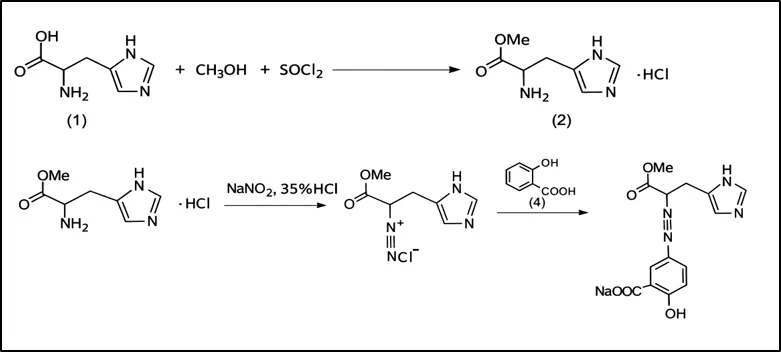
Figure 8: Synthesis of the 5-ASA–L-histidine azo-linked mutual prodrug
Colon-specific release kinetics and anti-colitic efficacy in experimental models were also shown for a structurally analogous benzoxazole-based mutual azo prodrug combining 5-ASA with a 2-phenylbenzoxazole-2-yl-5-acetic acid NSAID analog46 reinforcing amino-acid and heteroaryl-acetic-acid azo linkages as a viable, low-toxicity alternative carrier chemistry to sulfapyridine.
4.6 UDCA–5-ASA and Other Polymer Conjugates
Batta et al. conjugated a hydrophilic secondary bile acid (ursodeoxycholic acid, UDCA) with independent cytoprotective and anti-inflammatory properties to 5-ASA using a mixed-anhydride amide-coupling route, producing a compound that was poorly absorbed in the duodenum, avoided premature biliary secretion and was selectively deconjugated by colonic bacterial enzymes (cholylglycine hydrolase, Clostridium perfringens) to co-liberate UDCA and 5-ASA specifically in the colon47.
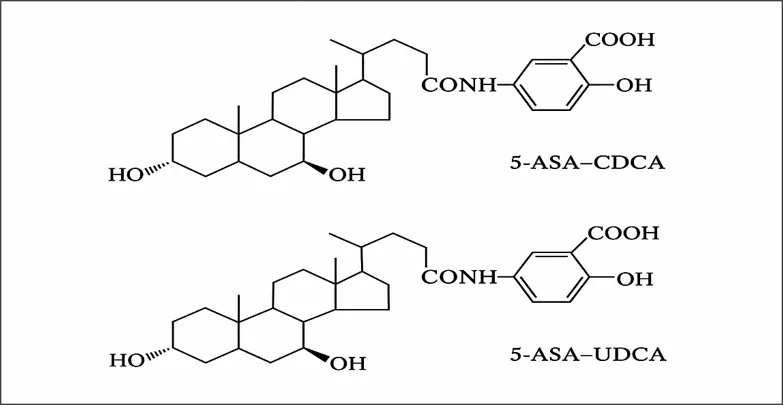
Figure 9: Chemical structure of the UDCA–5-ASA conjugate
Additional chemopreventive studies revealed that the UDCA-5-ASA conjugate strongly inhibited N-methylnitrosourea-induced colon carcinogenesis in F344 rats, with about half of the ingested conjugate being cleaved intracolonically into its constituent parts48. A comparable bile-acid conjugation strategy of 5-ASA with chenodeoxycholic acid or UDCA resulted in delayed deconjugation and marked reduction in caecal and colonic ulceration in carrageenan induced colitis in guinea pigs49. In clinical trials, adjunctive (non-conjugated) UDCA given with mesalazine resulted in significantly better Mayo and IBD Questionnaire scores than mesalazine alone in a prospective randomized trial, with favorable changes in the IL-23/IL-17 axis and gut microbial composition—supporting the biological rationale for chemically linking these two agents50. Besides the specific conjugation with bile acids, the concept of broader polymer-conjugate platforms has been also investigated, including a novel mesalamine polymeric conjugate with controlled release and preferable biodistribution by preparation,
4.7 Natural Product Approaches (Berberine, Curcumin, and Resveratrol Co-Delivery)
The combination of mesalamine with redox-active phytochemicals, which is a pragmatic strategy largely based on combination rather than covalent conjugates, already has clinical trial data to support it. In 2024, Li et al. conducted a systematic review and meta-analysis of 10 RCTs (952 patients) and found that adjunctive berberine significantly increased clinical efficacy rate (RR 1.22), lowered Baron endoscopic scores and disease activity index scores over 5-ASA alone, with an acceptable safety profile52. This clinical evidence is supported by independent studies showing that berberine-loaded PLGA nanoparticles are effective in DSS-induced colitis by modulating the IL-6/IL-6R axis, suggesting a common pharmaceutical interest in this alkaloid53. A landmark randomized controlled trial by Lang et al. for curcumin demonstrated that the addition of curcumin to standard mesalamine induced significantly more often clinical and endoscopic remission in mild-to-moderate UC than mesalamine plus placebo54. This finding has since catalyzed formulation-level co-delivery research, such as pH-sensitive Eudragit S-100-coated alginate/chitosan beads co-loaded with curcumin and mesalamine, with an entrapment efficiency up to 97.9%, which was effective in acetic-acid-induced rat colitis55, and nanostructured lipid carriers co-loaded with mesalamine and curcumin designed to overcome the poor aqueous solubility common to both agents56. Resveratrol has followed a similar path with a multicentre randomized trial of a Mediterranean diet with curcumin or resveratrol supplementation in mesalamine/azathioprine treated mild-to-moderate UC patients showing meaningful adjunctive benefit57. Recently, engineered HA-functionalised, resveratrol-crosslinked polyphosphazene nanocarriers co-encapsulating mesalazine have been designed to achieve spatiotemporally coordinated antioxidant, anti-inflammatory and gut-microbiota-modulating effects based on the same electrostatic HA-mediated inflamed-tissue targeting principle discussed in Section 4.158.
5. Advanced Nanocarriers and Delivery Systems
In addition to covalent conjugation, nanoparticulate and hydrogel platforms utilize physical entrapment, surface charge, and mucoadhesion for colon-specific mesalamine delivery. A landmark 2024 contribution by Park et al. in ACS Nano engineered mucoadhesive mesalamine prodrug nanoassemblies solely of a 5-ASA prodrug conjugated to a mucoadhesive, cathepsin B-cleavable peptide59. The orally administered nanoassemblies exploited the intrinsic mucoadhesiveness, as well as the epithelial enhanced permeability and retention (eEPR) effect, to achieve a sustained GI retention, enabling an efficient uptake by the cathepsin-B-high pro-inflammatory intestinal macrophages and an enzyme-responsive burst release of 5-ASA specifically at the inflamed site, thus directly targeting the macrophage population most implicated in perpetuating mucosal inflammation59. A second major thrust involves polymeric and lipid based nanoparticle platforms. Ethyl-cellulose mesalamine nanoparticles (~ 142 nm, polydispersity index 0.226) prepared with enhanced antioxidant potential have shown good in vivo efficacy in ulcerative colitis models60. Hybrid nanoparticle-in-microparticle systems combine nanoscale drug carriers with microparticulate protective shells for better colon targeting61. Chitosan and sodium carboxymethylcellulose-based optimized polyelectrolyte complex nanoparticles, followed by coating with Eudragit S-100, displayed encapsulation efficiencies of over 62% and tunable, pH-responsive release, specifically overcoming mesalamine’s BCS class IV solubility/permeability limitations62. Mesalazine has also been conjugated to polyamidoamine (PAMAM) dendrimers to facilitate transporter independent intracellular uptake with demonstrated anti-inflammatory activity63. Thiol-functionalised biomucoadhesive hybrid nanoliposomes are another recent platform for localized colitis therapy64. Polysaccharide-based systems complement synthetic polymers, such as Tremella polysaccharide drug-carrying hydrogels that restore local immune and microbial homeostasis65 and synbiotic (probiotic-co-administered) polysaccharide-coated mesalamine microspheres66, representing an intersection of colon-targeted delivery engineering and microbiome-directed therapeutic rationale. Active targeting of nanoparticles decorated with anti-MUC5AC antibodies results in selective adhesion to inflamed epithelium expressing this mucin, improving therapeutic efficacy in experimental colitis independent of passive charge-based mechanisms67. Enteric-coated gelatin nanoparticles and aminocellulose-grafted polycaprolactone core–shell nanoparticles represent additional validated 5-ASA nanocarrier chemistries with demonstrated efficacy in DSS-colitis models68,69.
The third major delivery category consists of hydrogel, microsponge and thermo-responsive systems. Mesalamine loaded microsponges were prepared via quasi-emulsion solvent diffusion method using mixtures of Eudragit S100/L100/RL100/RS100 and showed pH triggered release in the colon with good entrapment efficiency and particle morphology70,71. pH-sensitive hydrogels based on hyaluronic acid crosslinked with methacrylic and acrylic acids provide further site-specific mesalamine release platform validated by FTIR confirmed network formation72. Thermo-responsive in situ gelling systems, such as the methylcellulose/HA-mesalamine hydrogel mentioned in Section 4.127 and similar poloxamer-based rectal in situ gels developed for other IBD-active agents, overcome the low patient acceptability and retention limitations associated with conventional enemas and suppositories by changing from a liquid to a mucoadhesive gel at body temperature, which increases colonic residence time and does not require fixed positioning during administration27.
6. Combination Approaches and Clinical Optimization
Clinically validated combination strategies for mesalamine—oral plus rectal co-administration, and adjunctive natural-product or bile-acid co-therapy—have already been discussed in Sections 3, 4.6, and 4.7 and collectively demonstrate that pharmacological synergy need not always require covalent conjugation. AGA and European guidance increasingly favour combined oral-plus-topical 5-ASA over oral monotherapy for extensive or left-sided disease, reflecting robust randomised evidence for earlier symptomatic resolution and improved remission rates23,24. At the formulation-optimisation level, the evidence-supported, low-risk optimization pathway includes dose escalation to ≥4 g/day, once-daily administration to improve real-world adherence, and judicious addition of adjunctive agents (berberine, curcumin, UDCA), all of which can be implemented prior to escalation to corticosteroids or biologics in moderately active disease16,21,50,52,54. Conversely, the integration of mesalamine hybrids with inorganic nanomaterials (e.g., cerium oxide, silver ferrite, or magnesium oxide nanoparticles), although still hypothetical, is an unvalidated but mechanistically plausible future direction11. These “supported” strategies are called such because they rely on completed clinical or strong preclinical pharmacodynamic data.
7. Challenges, Limitations, And Translational Gaps
Despite the scope of innovation reviewed above, several translational gaps temper immediate clinical applicability. The evidence basis for nearly all the conjugates, hybrids and nanocarriers mentioned in Sections 4 and 5 comes from in vitro assays and rodent colitis models (acetic acid, TNBS, or DSS-induced); direct clinical data are available for very few platforms outside of MMX mesalamine, oral berberine or curcumin co-administration and UDCA co-therapy11,26,28,41,42,52,54. Second, the therapeutic and pharmacokinetic behavior of mesalamine is markedly different in Crohn’s disease compared with UC; high-dose mesalamine does not provide a consistent benefit over placebo in achieving remission in active Crohn’s disease, and maintenance benefit after surgical resection is largely restricted to ileitis-predominant, post-operative subgroups30-32. This means that most conjugate and nanocarrier innovation, optimized for colitis models, may not directly translate to the transmural, often small-bowel-predominant pathology of Crohn’s disease. Third, scale-up and manufacturing reproducibility is a persistent barrier: covalent HA-, coumarin-, and fatty-acid-conjugation chemistries require robust and GMP-compatible synthetic and purification routes, and even a clinically established platform such as MMX mesalamine exhibits real-world variability in “insoluble excretion” linked to individual colonic transit and stool consistency15. Fourth, the nanomedicine-specific translational reviews systematically point out the main barriers that impede the bench-to-bedside translation of the nanocarrier platforms surveyed in Section 5, including long-term biosafety, reproducible structural stability of nanoparticles, good manufacturing practice (GMP)-compliant manufacturing, and the discrepancy between rodent colitis models and heterogeneous human disease phenotypes73-76. Finally, some theranostic and multi-pharmacophore hybrids (e.g., the mesalamine–NSAID hybrids of Section 4.4) show compound-specific toxicity, which can only be revealed by systematic viability screening (e.g. the cytotoxic D1 diclofenac hybrid), demonstrating that increased target engagement does not automatically imply a better therapeutic index and that thorough in vitro/in vivo safety profiling must be performed before any translational progress11.
8. Future Perspectives
The next generation of mesalamine-based therapeutics will likely be driven by multiple converging trajectories. Theranostic azo-prodrug platforms, linking therapeutic release to a real-time fluorescent or otherwise detectable signal (Section 4.2), provide a route toward personalized dose titration, enabling clinicians to non-invasively confirm colonic drug activation, reducing both under- and over-treatment29,37. Second, multi-pharmacophoric hybrids specifically designed against the COX-2/NLRP3 axis, such as the mesalamine–diclofenac series, represent a rational progression from single-target 5-ASA therapy toward truly disease-modifying, dual-mechanism agents, provided that structure–toxicity relationships (e.g. terminal-group lipophilicity leading to mitochondrial/oxidative toxicity) are systematically mapped during lead optimization11. Third, the combination of well-established colon-targeting conjugation chemistries (HA, fatty-acid, bile-acid) with biopolymer-based nanocarriers—chitosan mucoadhesive systems, thermo-responsive hydrogels, and cathepsin-responsive nanoassemblies—is expected to provide hybrid “conjugate-in-nanocarrier” platforms that merge the target selectivity of molecular conjugation with the payload capacity and adjustable release kinetics of nanotechnology11,26,27,59. Fourth, adjunctive natural-product co-therapy (berberine, curcumin, resveratrol) is moving from empirical combination to rationally co-formulated delivery systems exploiting shared solubility-enhancement and colon-targeting strategies, a paradigm supported by existing randomized trial data for curcumin and meta-analytic data for berberine52,54-58. Finally, the translation of colon-targeted mesalamine hybridization strategies to Crohn’s disease, which may involve more proximal (jejunoileal) release triggers rather than strictly colonic azoreductase- or microbiota-dependent mechanisms, is a significant and underexplored opportunity given the current dominance of UC-focused preclinical models30-32.
CONCLUSION
Mesalamine remains the pharmaceutical mainstay of mild-to-moderate ulcerative colitis and the last few years have witnessed great innovation along the entire translational spectrum-from incremental clinical optimization of existing oral and combination regimens, through rationally engineered mutual prodrugs and molecular hybrids exploiting azo, ester and amide chemistry to couple 5-ASA with hyaluronic acid, coumarins, fatty acids, NSAIDs, amino acids, bile acids and natural products, to sophisticated nanocarrier and hydrogel platforms engineered around the unique electrostatic, enzymatic and cellular features of inflamed colonic mucosa. Current evidence suggests that MMX and high-dose mesalamine regimens still have significant unused clinical potential even in patients with moderately active disease, while the recent development of HA-mesalamine conjugates, theranostic azo-coumarin prodrugs, mucoadhesive prodrug nanoassemblies and multi-target NSAID hybrids together demonstrate that inflammation-selective delivery with reduced systemic exposure is now a mechanistic reality. However, the majority of these advances are still limited to preclinical rodent colitis models, the evidence base in Crohn's disease is relatively weak, and substantial manufacturing, safety-profiling and regulatory work is needed before these platforms can be translated into clinical practice. Further interdisciplinary cooperation between medicinal chemists, pharmaceutical technologists and clinical gastroenterologists will be essential to translate these promising next-generation mesalamine strategy into validated, safe and scalable therapies for inflammatory bowel disease.
CONFLICT OF INTEREST
The authors declare that they have no conflicts of interest to disclose in relation to the publication of this manuscript.
REFERENCES


Hiba Abdul Razak, Arun Rasheed, Megha Santhosh M, Fathima C O, Alagha K, Amrutha P Anil, Artha Rajagopal K, Recent Advances in Mesalamine (5-ASA) for Inflammatory Bowel Disease: From Optimized Formulations and Clinical Strategies to Novel Prodrugs, Conjugates, and Nanocarriers, Int. J. of Pharm. Sci., 2026, Vol 4, Issue 10, 549-568. https://doi.org/10.5281/zenodo.23164924
 10.5281/zenodo.23164924