

We use cookies to ensure our website works properly and to personalise your experience. Cookies policy
Womens College Of pharmacy peth vadgaon,Kolhapur,Maharashtra.
Cancer remains one of the leading causes of mortality worldwide despite substantial advances in diagnosis and therapeutic interventions. Conventional chemotherapy often suffers from poor selectivity, multidrug resistance, systemic toxicity, and inadequate bioavailability of anticancer agents. Nanotechnology has emerged as a promising strategy to overcome these limitations. Among various nanocarriers, carbon nanotubes (CNTs) possess unique physicochemical properties including high surface area, excellent cellular penetration, tunable functionalization capability, and remarkable drug-loading efficiency. Quercetin, a naturally occurring flavonoid widely distributed in fruits and vegetables, exhibits potent antioxidant, anti-inflammatory, antiproliferative, and pro-apoptotic activities against several cancers. However, its clinical application is limited due to poor aqueous solubility, rapid metabolism, low bioavailability, and instability. CNT-mediated drug delivery systems have shown considerable potential in enhancing the therapeutic efficacy of quercetin by improving solubility, targeted delivery, sustained release, and intracellular uptake. Functionalized CNTs conjugated with quercetin demonstrate enhanced cytotoxicity against various cancer cell lines including breast, lung, colon, prostate, and liver cancers. This review discusses the structure and properties of CNTs, pharmacological activities of quercetin, mechanisms of anticancer action, methods of CNT functionalization, quercetin-loaded CNT formulations, therapeutic applications, toxicity concerns, current challenges, and future perspectives in cancer treatment. The review highlights recent advances in CNT-based quercetin nanocarriers as a promising platform for targeted and effective cancer therapy.
Cancer is one of the most serious global health challenges and remains a leading cause of morbidity and mortality worldwide. It is characterized by uncontrolled cell proliferation, evasion of apoptosis, angiogenesis, tissue invasion, and metastasis. Conventional cancer treatment strategies such as chemotherapy, radiotherapy, and surgical interventions have significantly improved patient survival; however, these approaches are often associated with severe adverse effects, poor selectivity, multidrug resistance, and damage to healthy tissues. Therefore, the development of novel and targeted therapeutic systems has become an important focus in modern oncology research [1,2].
In recent years, nanotechnology has emerged as a revolutionary field in cancer diagnosis and therapy. Nanomaterials possess unique physicochemical characteristics such as nanoscale size, high surface area, tunable surface properties, and enhanced permeability, which make them highly suitable for biomedical applications. Among the various nanomaterials investigated, carbon nanotubes (CNTs) have attracted substantial scientific attention because of their extraordinary mechanical strength, electrical conductivity, thermal stability, and remarkable drug-loading capacity [3]. CNTs are cylindrical carbon nanostructures composed of rolled graphene sheets and are generally classified into single-walled carbon nanotubes (SWCNTs) and multi-walled carbon nanotubes (MWCNTs). Their needle-like morphology facilitates efficient penetration through biological membranes, making them promising carriers for targeted drug delivery systems [4].
The use of CNTs in cancer therapy offers several advantages including enhanced cellular uptake, prolonged circulation time, controlled drug release, and targeted delivery to tumor tissues. Furthermore, surface functionalization of CNTs with polymers, antibodies, peptides, or ligands significantly improves their solubility, biocompatibility, and therapeutic efficiency while reducing toxicity [5]. Functionalized CNTs have been widely explored for the delivery of chemotherapeutic agents, genes, proteins, and natural bioactive compounds.
Among natural phytochemicals, quercetin has gained considerable interest because of its potent pharmacological and anticancer activities. Quercetin is a naturally occurring polyphenolic flavonoid abundantly found in fruits, vegetables, tea, onions, apples, and medicinal plants. It possesses antioxidant, anti-inflammatory, antiviral, antimicrobial, cardioprotective, and anticancer properties [6]. Numerous studies have demonstrated that quercetin can inhibit cancer progression through multiple molecular mechanisms including induction of apoptosis, inhibition of cell proliferation, suppression of angiogenesis, modulation of signaling pathways, and prevention of metastasis [7].
Despite its promising therapeutic potential, the clinical application of quercetin is limited due to poor aqueous solubility, low bioavailability, rapid metabolism, instability under physiological conditions, and limited absorption in the gastrointestinal tract [8]. These limitations reduce its therapeutic efficacy and hinder its successful translation into clinical practice. Consequently, the development of efficient nanocarrier systems capable of improving quercetin delivery has become an important area of pharmaceutical research.
Carbon nanotube-mediated drug delivery systems have shown significant potential in overcoming the limitations associated with quercetin therapy. CNTs can effectively adsorb or conjugate quercetin through π–π stacking interactions and hydrophobic forces, thereby improving its solubility, stability, and intracellular uptake [9]. Moreover, CNT-based quercetin formulations can achieve targeted drug delivery, sustained release, enhanced accumulation in tumor tissues, and improved anticancer efficacy. Recent studies have demonstrated enhanced cytotoxic effects of quercetin-loaded CNTs against various cancer cell lines including breast, lung, colon, prostate, and liver cancers [10].
CNTs also possess unique photothermal and imaging properties that can be utilized for theranostic applications in cancer management. Combination approaches involving CNT-mediated chemotherapy and photothermal therapy have shown promising outcomes in preclinical studies [11].
2. CARBON NANOTUBES: STRUCTURE AND CLASSIFICATION
Carbon nanotubes (CNTs) are cylindrical nanostructures composed entirely of carbon atoms arranged in a hexagonal lattice similar to graphene. These nanomaterials are considered one of the most important discoveries in nanotechnology because of their exceptional mechanical, thermal, electrical, and physicochemical properties. CNTs are formed by rolling one or more graphene sheets into seamless hollow cylinders with diameters in the nanometer range and lengths extending up to several micrometers. Due to their unique structure, CNTs possess remarkable strength, high aspect ratio, excellent conductivity, and large surface area, making them highly suitable for biomedical applications including drug delivery, tissue engineering, biosensing, and cancer therapy [12].
The structural arrangement of carbon atoms in CNTs determines their electronic and mechanical properties. Carbon atoms in CNTs are bonded through strong sp² hybridized covalent bonds, which provide extraordinary tensile strength and chemical stability. The cylindrical geometry and high surface-to-volume ratio allow CNTs to adsorb or conjugate a large amount of therapeutic molecules such as anticancer drugs, proteins, peptides, and phytochemicals including quercetin [13]. Their hollow inner core and external surface provide multiple sites for drug loading, thereby improving delivery efficiency.
CNTs are generally synthesized using methods such as arc discharge, laser ablation, and chemical vapor deposition (CVD). Among these methods, CVD is widely preferred because it allows controlled synthesis, high yield, and better purity of CNTs suitable for biomedical applications [14]. Depending on the number of graphene layers present, CNTs are mainly classified into single-walled carbon nanotubes (SWCNTs) and multi-walled carbon nanotubes (MWCNTs). These classifications differ in structure, diameter, mechanical properties, electrical conductivity, and biomedical utility.
2.1 Single-Walled Carbon Nanotubes (SWCNTs)
Single-walled carbon nanotubes consist of a single graphene sheet rolled into a cylindrical tube. They usually possess diameters ranging from 0.4 to 2 nm and exhibit high flexibility and superior electrical conductivity. SWCNTs are characterized by their uniform structure, high aspect ratio, and enhanced surface area, which make them highly effective drug delivery carriers. The electronic behavior of SWCNTs depends on their chirality and diameter, enabling them to act either as metallic or semiconducting materials [15].
In biomedical applications, SWCNTs demonstrate efficient penetration across biological membranes due to their small diameter and needle-like structure. Functionalized SWCNTs have shown excellent performance in targeted drug delivery systems, especially in cancer therapy. Their high drug-loading capacity enables efficient adsorption of hydrophobic drugs such as quercetin through π–π interactions. Additionally, SWCNTs exhibit strong near-infrared absorption properties, which can be utilized in photothermal cancer therapy [16].
Table 1: Characteristics of Single-Walled Carbon Nanotubes
| Parameter | Description |
|---|---|
| Structure | Single graphene cylinder |
| Diameter Range | 0.4–2 nm |
| Electrical Property | Metallic or semiconducting |
| Surface Area | Very high |
| Flexibility | High |
| Drug Loading Capacity | Excellent |
| Biomedical Applications | Drug delivery, imaging, photothermal therapy |
2.2 Multi-Walled Carbon Nanotubes (MWCNTs)
Multi-walled carbon nanotubes consist of multiple concentric graphene cylinders arranged around a central hollow core. The individual layers are separated by van der Waals forces, with interlayer spacing similar to graphite. MWCNTs generally possess diameters ranging from 2 to 100 nm and exhibit superior mechanical strength and chemical stability compared to SWCNTs [17].
The multilayered structure of MWCNTs provides increased surface area and enhanced durability, making them suitable for loading larger quantities of therapeutic agents. Their structural stability allows easier surface modification and functionalization with polymers, antibodies, ligands, and targeting moieties. Functionalized MWCNTs have been extensively investigated as nanocarriers for anticancer drugs due to their improved dispersibility and controlled release characteristics [18].
MWCNTs also possess remarkable thermal conductivity and photothermal conversion efficiency, which contribute to their applications in combined chemo-photothermal cancer therapy. However, due to their larger size and rigidity, MWCNTs may exhibit higher toxicity than SWCNTs if not properly functionalized. Therefore, surface modification is essential to improve their biocompatibility and reduce adverse biological effects [19].
Table 2: Characteristics of Multi-Walled Carbon Nanotubes
| Parameter | Description |
|---|---|
| Structure | Multiple concentric graphene cylinders |
| Diameter Range | 2–100 nm |
| Mechanical Strength | Very high |
| Chemical Stability | Excellent |
| Surface Area | Large |
| Drug Loading Capacity | High |
| Biomedical Applications | Drug delivery, biosensors, photothermal therapy |
2.3 Comparison Between SWCNTs and MWCNTs
Although both SWCNTs and MWCNTs possess unique advantages, their physicochemical properties differ significantly. SWCNTs offer higher flexibility, smaller diameter, and superior electrical properties, making them suitable for intracellular delivery and imaging applications. In contrast, MWCNTs exhibit better structural stability, easier synthesis, and higher mechanical strength, which are advantageous for sustained drug release systems and multifunctional therapeutic platforms [20].
Table 3: Comparison Between SWCNTs and MWCNTs
| Feature | SWCNTs | MWCNTs |
|---|---|---|
| Number of Layers | Single | Multiple |
| Diameter | Smaller | Larger |
| Flexibility | Higher | Lower |
| Mechanical Strength | Moderate | Higher |
| Surface Area | Very high | High |
| Electrical Conductivity | Excellent | Good |
| Cost of Production | High | Relatively lower |
| Toxicity | Lower | Comparatively higher |
| Drug Delivery Efficiency | Excellent | High |
The remarkable structural features and versatile physicochemical properties of CNTs have established them as promising nanocarriers in modern nanomedicine. Their ability to encapsulate, adsorb, and deliver bioactive molecules with enhanced precision makes them particularly valuable in cancer treatment. In quercetin-based therapy, CNTs significantly improve drug solubility, stability, bioavailability, and targeted delivery, thereby enhancing therapeutic efficacy while minimizing systemic toxicity.
3. PHYSICOCHEMICAL PROPERTIES OF CARBON NANOTUBES
Carbon nanotubes (CNTs) possess extraordinary physicochemical properties that distinguish them from conventional nanomaterials and make them highly suitable for biomedical and pharmaceutical applications. Their unique structural arrangement, nanoscale dimensions, high aspect ratio, and sp² hybridized carbon framework contribute to remarkable mechanical, thermal, optical, and electrical characteristics. These properties play a crucial role in enhancing drug delivery efficiency, cellular uptake, targeting ability, and therapeutic performance in cancer treatment. In quercetin-based nanomedicine, the physicochemical features of CNTs significantly improve the stability, solubility, and bioavailability of quercetin while facilitating controlled and targeted drug delivery [21].
One of the most important physicochemical properties of CNTs is their exceptionally high surface area. CNTs provide a large external and internal surface capable of adsorbing substantial quantities of therapeutic molecules through hydrophobic interactions, electrostatic attraction, and π–π stacking mechanisms. This high loading capacity is particularly advantageous for hydrophobic phytochemicals such as quercetin, which exhibit poor aqueous solubility. The extensive surface area also enables functionalization with polymers, ligands, antibodies, and targeting moieties to improve biocompatibility and selective tumor targeting [22].
CNTs also exhibit extraordinary mechanical strength due to the presence of strong carbon-carbon covalent bonds arranged in a hexagonal lattice. Their tensile strength is significantly higher than that of steel while maintaining lightweight characteristics. This mechanical stability ensures structural integrity during drug loading, circulation, and intracellular delivery processes. Moreover, the flexibility and elasticity of CNTs facilitate efficient penetration through biological membranes and cellular barriers, enhancing intracellular drug accumulation [23].
Another significant property of CNTs is their excellent electrical conductivity. Depending on their chirality and diameter, CNTs may behave as metallic or semiconducting materials. This electrical behavior has important applications in biosensors, bioelectronics, and imaging systems. In cancer nanomedicine, electrically conductive CNTs can be utilized for electrically responsive drug release and diagnostic applications [24].
CNTs possess remarkable thermal conductivity and photothermal conversion efficiency. They can efficiently absorb near-infrared (NIR) radiation and convert it into heat energy. This property is highly beneficial in photothermal therapy, where localized heating induces cancer cell destruction while minimizing damage to surrounding healthy tissues. Quercetin-loaded CNTs integrated with photothermal therapy have demonstrated enhanced anticancer activity through synergistic therapeutic mechanisms [25].
The optical properties of CNTs are also of great biomedical importance. CNTs exhibit strong optical absorption in the near-infrared region, fluorescence characteristics, and Raman scattering properties. These features enable their application in imaging, diagnostics, and theranostic systems. Functionalized CNTs can simultaneously deliver anticancer agents and facilitate tumor imaging, thereby improving treatment monitoring and therapeutic precision [26].
The needle-like morphology and nanoscale dimensions of CNTs contribute significantly to their cellular uptake efficiency. CNTs can easily penetrate biological membranes through endocytosis, passive diffusion, or direct membrane translocation. Their high aspect ratio enhances interaction with cellular surfaces and facilitates intracellular transport of therapeutic agents. This property is especially useful in delivering quercetin into tumor cells where enhanced intracellular concentration is required for effective anticancer activity [27].
Chemical functionalization is another essential physicochemical characteristic of CNTs. Pristine CNTs are generally hydrophobic and poorly dispersible in aqueous media, which limits their biomedical application. Functionalization involves modification of CNT surfaces with hydrophilic groups such as carboxyl, hydroxyl, amino, or polyethylene glycol (PEG). Surface functionalization significantly improves water dispersibility, stability, biocompatibility, and drug conjugation efficiency while reducing toxicity [28].
CNTs also exhibit high chemical stability and resistance to degradation under physiological conditions. This stability allows sustained drug release and prolonged circulation time in the bloodstream. However, excessive persistence within biological systems may lead to bioaccumulation and toxicity concerns. Therefore, optimization of CNT size, purity, and surface modification is essential to achieve safe biomedical applications [29].
The adsorption behavior of CNTs is another important property in drug delivery systems. CNTs interact strongly with aromatic compounds such as quercetin through π–π stacking interactions between graphene surfaces and aromatic rings. This interaction enhances drug loading efficiency and protects quercetin from premature degradation. Additionally, CNT-based formulations can be designed to achieve pH-responsive or stimuli-responsive drug release in the acidic tumor microenvironment [30].
Table 4: Physicochemical Properties of Carbon Nanotubes and Their Biomedical Significance
| Property | Description | Biomedical Significance |
|---|---|---|
| High Surface Area | Large internal and external surface | Enhanced drug loading capacity |
| Mechanical Strength | Strong sp² carbon bonds | Structural stability during delivery |
| Electrical Conductivity | Metallic or semiconducting behavior | Biosensors and controlled drug release |
| Thermal Conductivity | Efficient heat transfer | Photothermal cancer therapy |
| Optical Properties | NIR absorption and Raman activity | Imaging and diagnostics |
| Needle-like Morphology | High aspect ratio cylindrical structure | Improved cellular penetration |
| Chemical Stability | Resistance to degradation | Sustained drug release |
| Functionalization Ability | Surface modification capability | Improved biocompatibility and targeting |
Table 5: Role of CNT Physicochemical Properties in Quercetin Delivery
| CNT Property | Effect on Quercetin Delivery |
|---|---|
| High Surface Area | Increased quercetin adsorption |
| Hydrophobic Surface | Strong π–π interaction with quercetin |
| Nanoscale Size | Enhanced tumor penetration |
| Functionalization | Improved solubility and stability |
| Thermal Property | Combined chemo-photothermal therapy |
| Controlled Release Behavior | Sustained quercetin release |
| Cellular Penetration | Increased intracellular uptake |
The unique physicochemical properties of CNTs have established them as highly efficient nanocarriers in cancer nanomedicine. Their multifunctional nature enables simultaneous drug delivery, imaging, targeting, and photothermal therapy. In quercetin-based cancer treatment, these properties significantly improve therapeutic efficacy by enhancing drug solubility, stability, bioavailability, and tumor-specific delivery. Nevertheless, careful optimization of CNT physicochemical characteristics remains essential to minimize toxicity and ensure safe clinical application.
4. QUERCETIN: CHEMISTRY AND PHARMACOLOGICAL PROPERTIES
Quercetin is a naturally occurring polyphenolic flavonoid belonging to the flavonol subclass of flavonoids. It is one of the most abundant dietary antioxidants widely distributed in fruits, vegetables, medicinal plants, seeds, tea, and red wine. Quercetin has attracted significant scientific attention because of its broad spectrum of pharmacological activities including antioxidant, anti-inflammatory, antiviral, antimicrobial, cardioprotective, neuroprotective, and anticancer effects. In recent years, quercetin has emerged as a promising bioactive compound in cancer prevention and treatment due to its ability to modulate multiple molecular signaling pathways associated with tumor initiation, progression, angiogenesis, and metastasis [31].
Chemically, quercetin is identified as 3,3′,4′,5,7-pentahydroxyflavone and possesses the molecular formula:
C15H10O7
The molecular structure of quercetin consists of two benzene rings (A and B) linked through a heterocyclic pyrone ring (C), forming a typical flavonoid backbone. The presence of five hydroxyl groups contributes significantly to its strong antioxidant and free radical scavenging activity. These hydroxyl groups can donate hydrogen atoms to neutralize reactive oxygen species (ROS) and reactive nitrogen species (RNS), thereby protecting cells from oxidative damage [32].
Quercetin exists in both free aglycone form and glycosidic forms, where sugar moieties such as glucose, rutinose, or rhamnose are attached to the flavonoid nucleus. Glycosylation influences the solubility, absorption, metabolism, and bioavailability of quercetin. Among its derivatives, rutin (quercetin-3-rutinoside) is one of the most commonly occurring glycosides in plants [33]. Dietary sources rich in quercetin include onions, apples, berries, grapes, citrus fruits, broccoli, kale, spinach, tea, and medicinal herbs.
Table 6: Natural Sources of Quercetin
| Source | Quercetin Content/Occurrence |
|---|---|
| Onions | Rich source |
| Apples | High concentration in peel |
| Grapes | Moderate amount |
| Tea | Significant flavonoid content |
| Broccoli | Natural dietary source |
| Citrus fruits | Contains quercetin glycosides |
| Berries | Rich antioxidant source |
| Medicinal herbs | Therapeutic phytochemical constituent |
One of the most important pharmacological properties of quercetin is its potent antioxidant activity. Oxidative stress plays a crucial role in the pathogenesis of cancer, cardiovascular diseases, neurodegenerative disorders, and inflammation. Quercetin neutralizes free radicals, inhibits lipid peroxidation, chelates transition metal ions, and enhances endogenous antioxidant defense systems such as superoxide dismutase (SOD), catalase, and glutathione peroxidase [34]. Through these mechanisms, quercetin protects cellular macromolecules including DNA, proteins, and lipids from oxidative injury.
Quercetin also exhibits remarkable anti-inflammatory activity by suppressing inflammatory mediators and signaling pathways. It inhibits the production of pro-inflammatory cytokines such as tumor necrosis factor-alpha (TNF-α), interleukin-6 (IL-6), and interleukin-1β (IL-1β). Additionally, quercetin suppresses cyclooxygenase (COX) and lipoxygenase (LOX) enzymes involved in inflammatory responses. The compound further modulates nuclear factor-kappa B (NF-κB) signaling, thereby reducing inflammation-associated carcinogenesis [35].
The anticancer activity of quercetin has been extensively investigated against various cancers including breast, lung, prostate, colon, liver, ovarian, and pancreatic cancers. Quercetin exerts anticancer effects through multiple molecular mechanisms such as induction of apoptosis, inhibition of cell proliferation, suppression of angiogenesis, modulation of tumor suppressor genes, and inhibition of metastasis [36]. It can activate intrinsic mitochondrial apoptotic pathways by increasing Bax expression, decreasing Bcl-2 levels, and activating caspase enzymes. Furthermore, quercetin induces cell cycle arrest at G1/S and G2/M phases by regulating cyclins and cyclin-dependent kinases.
Quercetin also demonstrates anti-angiogenic properties by suppressing vascular endothelial growth factor (VEGF) expression and inhibiting endothelial cell proliferation. Since angiogenesis is essential for tumor growth and metastasis, inhibition of neovascularization contributes significantly to its anticancer potential [37]. Moreover, quercetin inhibits matrix metalloproteinases (MMPs), thereby preventing tumor invasion and metastasis.
In addition to its anticancer properties, quercetin exhibits antiviral and antimicrobial activities against several pathogens. It interferes with viral replication, inhibits bacterial growth, and modulates immune responses. Quercetin has shown inhibitory activity against influenza viruses, hepatitis viruses, coronaviruses, and various bacterial strains [38]. These activities are mainly attributed to its antioxidant and enzyme inhibitory properties.
Quercetin also provides cardioprotective benefits by reducing oxidative stress, improving endothelial function, inhibiting platelet aggregation, and lowering blood pressure. It protects against atherosclerosis and ischemic injury through anti-inflammatory and antioxidant mechanisms [39]. Neuroprotective effects of quercetin have also been reported in neurodegenerative disorders such as Alzheimer’s disease and Parkinson’s disease, where it reduces neuronal oxidative damage and neuroinflammation.
Despite its broad pharmacological potential, quercetin faces several limitations that hinder its clinical application. Quercetin exhibits poor aqueous solubility, low permeability, rapid metabolism, short biological half-life, and poor oral bioavailability. After oral administration, quercetin undergoes extensive first-pass metabolism in the intestine and liver, resulting in rapid elimination and reduced systemic availability [40]. These limitations significantly reduce its therapeutic efficacy, particularly in cancer treatment where sustained and targeted drug concentrations are required.
Nanotechnology-based drug delivery systems have emerged as an effective strategy to overcome these drawbacks. Carbon nanotubes, liposomes, polymeric nanoparticles, and other nanocarriers can improve quercetin solubility, stability, absorption, and targeted delivery. CNT-mediated quercetin delivery systems are especially promising because they enhance intracellular uptake and prolong circulation time while enabling controlled release in tumor tissues [41].
Table 7: Pharmacological Activities of Quercetin
| Pharmacological Activity | Mechanism of Action |
|---|---|
| Antioxidant | Scavenges free radicals and ROS |
| Anti-inflammatory | Inhibits cytokines and NF-κB signaling |
| Anticancer | Induces apoptosis and cell cycle arrest |
| Anti-angiogenic | Suppresses VEGF expression |
| Antimicrobial | Inhibits microbial growth |
| Antiviral | Prevents viral replication |
| Cardioprotective | Reduces oxidative stress and platelet aggregation |
| Neuroprotective | Protects neurons from oxidative injury |
5. ANTICANCER MECHANISMS OF QUERCETIN
Quercetin exhibits potent anticancer activity through multiple molecular and cellular mechanisms that interfere with tumor initiation, progression, angiogenesis, and metastasis. Its ability to modulate various signaling pathways makes it a promising natural compound for cancer prevention and therapy. Quercetin acts selectively on cancer cells while causing comparatively lower toxicity to normal cells, which increases its therapeutic importance in oncology [42].
One of the major anticancer mechanisms of quercetin is the induction of apoptosis or programmed cell death. Quercetin activates both intrinsic and extrinsic apoptotic pathways by regulating pro-apoptotic and anti-apoptotic proteins. It increases the expression of Bax and caspase enzymes while suppressing Bcl-2 protein expression, ultimately leading to mitochondrial dysfunction and cancer cell death [43]. Activation of caspase-3 and caspase-9 plays an important role in quercetin-mediated apoptosis.
Quercetin also inhibits uncontrolled cancer cell proliferation by inducing cell cycle arrest. It interferes with cyclins and cyclin-dependent kinases (CDKs), thereby blocking progression of the cell cycle at G1/S or G2/M phases. This mechanism prevents DNA replication and tumor growth in several cancer cell lines including breast, colon, lung, and prostate cancers [44].
Oxidative stress is closely associated with carcinogenesis, and quercetin exhibits strong antioxidant activity that contributes to its anticancer potential. Quercetin scavenges reactive oxygen species (ROS), inhibits lipid peroxidation, and enhances endogenous antioxidant enzymes such as superoxide dismutase and catalase. By reducing oxidative DNA damage, quercetin helps prevent mutation and tumor development [45].
Another important mechanism involves inhibition of angiogenesis, the process by which tumors develop new blood vessels for growth and metastasis. Quercetin suppresses vascular endothelial growth factor (VEGF) and inhibits endothelial cell proliferation, thereby restricting nutrient and oxygen supply to tumors [46]. This anti-angiogenic effect significantly reduces tumor progression.
Quercetin further inhibits cancer metastasis and invasion by suppressing matrix metalloproteinases (MMPs), particularly MMP-2 and MMP-9, which are responsible for degradation of the extracellular matrix. Inhibition of these enzymes reduces migration and spread of cancer cells to distant organs [47].
Additionally, quercetin modulates several signaling pathways involved in cancer progression, including PI3K/Akt, MAPK, NF-κB, and p53 pathways. Through regulation of these pathways, quercetin suppresses inflammation, promotes apoptosis, and enhances tumor suppressor activity [48].
Table 9: Anticancer Mechanisms of Quercetin
| Mechanism | Action |
|---|---|
| Induction of apoptosis | Activates caspases and Bax proteins |
| Cell cycle arrest | Blocks G1/S and G2/M phases |
| Antioxidant activity | Scavenges ROS and prevents DNA damage |
| Anti-angiogenic effect | Inhibits VEGF and blood vessel formation |
| Anti-metastatic activity | Suppresses MMP-2 and MMP-9 |
| Signal pathway modulation | Regulates PI3K/Akt, NF-κB, MAPK pathways |
quercetin acts through multiple synergistic mechanisms to inhibit cancer growth and progression. However, its poor bioavailability and limited cellular uptake reduce its therapeutic efficiency. Nanocarrier systems such as carbon nanotubes can significantly enhance quercetin delivery and improve its anticancer performance.
6. LIMITATIONS OF QUERCETIN IN CANCER THERAPY
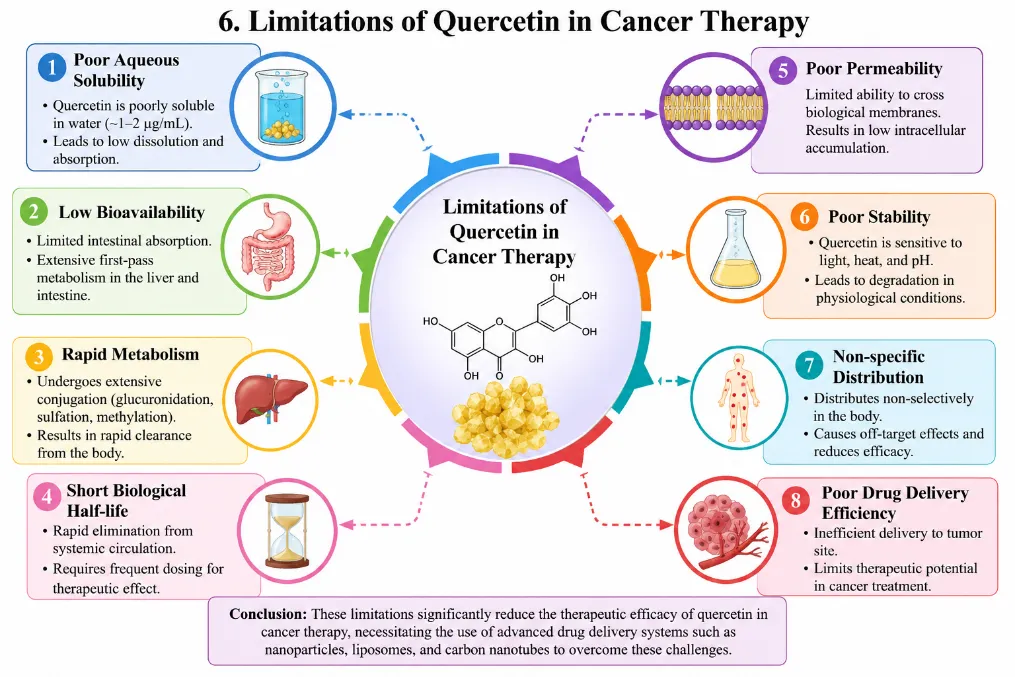
Figure 1: Major Limitations of Quercetin in Cancer Therapy and the Need for Advanced Nanocarrier-Based Drug Delivery Systems
7. FUNCTIONALIZATION OF CARBON NANOTUBES
Functionalization of carbon nanotubes (CNTs) is an essential strategy used to improve their solubility, dispersibility, biocompatibility, stability, and targeting efficiency for biomedical applications. Pristine CNTs are highly hydrophobic and tend to aggregate due to strong van der Waals interactions, which limits their application in drug delivery systems. Moreover, unmodified CNTs may exhibit cytotoxicity and poor compatibility with biological environments. Surface functionalization overcomes these limitations by introducing chemical groups or biomolecules onto the CNT surface, thereby enhancing their pharmaceutical and therapeutic performance [49].
Functionalization also plays a crucial role in improving the loading and delivery of anticancer agents such as quercetin. Modified CNTs provide better aqueous dispersibility and increased interaction with biological membranes, leading to enhanced cellular uptake and controlled drug release. In cancer therapy, functionalized CNTs can be engineered for passive or active targeting of tumor tissues while minimizing toxicity to healthy cells [50].
CNT functionalization is mainly classified into two major types: covalent functionalization and non-covalent functionalization.
7.1 Covalent Functionalization
Covalent functionalization involves the formation of stable covalent bonds between CNT surfaces and functional groups such as carboxyl (-COOH), hydroxyl (-OH), amino (-NH₂), and polyethylene glycol (PEG). This process generally begins with oxidation of CNTs using strong acids, which introduces oxygen-containing functional groups onto the nanotube surface [51].
The presence of these functional groups improves water solubility and provides active sites for conjugation with drugs, polymers, antibodies, peptides, and targeting ligands. PEGylation is one of the most widely used covalent modifications because it enhances circulation time, reduces immunogenicity, and improves biocompatibility. Covalently functionalized CNTs exhibit improved stability and controlled release behavior for quercetin delivery systems [52].
However, excessive covalent modification may disrupt the electronic structure and intrinsic properties of CNTs. Therefore, careful optimization of the functionalization process is necessary to preserve their desirable physicochemical characteristics.
7.2 Non-Covalent Functionalization
Non-covalent functionalization involves adsorption of biomolecules, surfactants, polymers, or drugs onto CNT surfaces through weak interactions such as π–π stacking, hydrophobic interactions, electrostatic attraction, and van der Waals forces. Unlike covalent methods, non-covalent functionalization preserves the structural and electronic integrity of CNTs [53].
In quercetin delivery, non-covalent interactions are particularly important because quercetin contains aromatic rings that strongly interact with graphene surfaces of CNTs through π–π stacking. This method allows efficient drug loading without damaging the nanotube structure. Various biocompatible polymers such as chitosan, polyethylene glycol, and polysaccharides are commonly used for non-covalent coating of CNTs to improve dispersibility and reduce toxicity [54].
Non-covalently functionalized CNTs exhibit enhanced drug release behavior, high loading efficiency, and better preservation of thermal and optical properties. These systems are widely investigated in targeted cancer therapy and photothermal applications.
Functionalized CNTs can also be conjugated with targeting ligands such as antibodies, folic acid, peptides, and aptamers for active targeting of cancer cells. These targeted systems recognize specific receptors overexpressed on tumor cells and enhance selective drug accumulation at the tumor site [55]. Such modifications improve therapeutic efficacy while reducing systemic toxicity.
8. QUERCETIN-LOADED CARBON NANOTUBE DRUG DELIVERY SYSTEMS
Quercetin-loaded carbon nanotube (CNT) drug delivery systems have emerged as promising nanotechnological platforms for enhancing the therapeutic efficacy of quercetin in cancer treatment. Although quercetin possesses potent anticancer, antioxidant, and anti-inflammatory properties, its clinical application is significantly limited due to poor aqueous solubility, low bioavailability, rapid metabolism, and inadequate cellular uptake. CNT-based drug delivery systems help overcome these limitations by improving quercetin stability, solubility, targeted delivery, and sustained release behavior [56].
CNTs possess a large surface area and unique π-electron-rich structure, which facilitate efficient adsorption and conjugation of quercetin molecules through π–π stacking interactions and hydrophobic forces. Both single-walled carbon nanotubes (SWCNTs) and multi-walled carbon nanotubes (MWCNTs) have been extensively investigated as nanocarriers for quercetin delivery. Functionalization of CNTs with polymers, surfactants, and hydrophilic groups further improves their dispersibility and biocompatibility, enabling efficient transport of quercetin to tumor tissues [57].
The loading of quercetin onto CNTs can occur through covalent or non-covalent methods. Non-covalent loading is more commonly employed because it preserves the structural integrity and physicochemical properties of CNTs. In this approach, aromatic rings of quercetin interact strongly with graphene surfaces of CNTs through π–π stacking interactions. Covalent conjugation may also be used to achieve stable attachment and controlled release profiles [58].
8.1 Mechanism of Drug Loading
Drug loading onto CNTs primarily depends on hydrophobic interactions, electrostatic attraction, and π–π stacking between quercetin molecules and CNT surfaces. The high surface area of CNTs allows adsorption of a substantial quantity of quercetin, thereby increasing drug-loading efficiency. Functionalized CNTs containing carboxyl or amino groups can further improve quercetin attachment and stability [59].
Table 12: Mechanisms of Quercetin Loading onto CNTs
| Loading Mechanism | Description |
|---|---|
| π–π Stacking | Interaction between aromatic rings of quercetin and graphene surface |
| Hydrophobic Interaction | Adsorption of hydrophobic quercetin molecules |
| Electrostatic Interaction | Attraction between charged functional groups |
| Covalent Conjugation | Stable chemical bonding with functionalized CNTs |
8.2 Drug Release Mechanism
Quercetin-loaded CNT systems are designed to achieve controlled and targeted drug release. Drug release generally occurs through diffusion, desorption, enzymatic degradation, or pH-responsive mechanisms. Since tumor tissues exhibit an acidic microenvironment compared to normal tissues, pH-sensitive CNT formulations can selectively release quercetin at tumor sites [60].
Controlled release behavior prolongs drug circulation time and maintains therapeutic concentrations for extended periods. This minimizes frequent dosing and reduces systemic toxicity. Functionalized CNTs also enhance intracellular release of quercetin after endocytosis into cancer cells.
8.3 Targeted Drug Delivery
Targeted delivery is one of the major advantages of CNT-mediated quercetin therapy. Functionalized CNTs can be conjugated with targeting ligands such as folic acid, antibodies, peptides, or aptamers that recognize overexpressed receptors on cancer cells. These targeted nanocarriers enhance selective accumulation of quercetin within tumor tissues while minimizing exposure to healthy cells [61].
Passive targeting through the enhanced permeability and retention (EPR) effect also contributes to tumor-specific accumulation of CNT formulations. Due to their nanoscale dimensions, CNTs preferentially accumulate in tumor tissues with leaky vasculature.
Several studies have demonstrated enhanced anticancer activity of quercetin-loaded CNT systems against different cancer cell lines including breast, lung, liver, prostate, and colon cancers. These nanocarriers improve apoptosis induction, inhibit tumor proliferation, and enhance oxidative stress within cancer cells [62]. Combination approaches involving CNT-mediated quercetin delivery and photothermal therapy have also shown synergistic anticancer effects.
Despite promising therapeutic outcomes, certain challenges remain associated with CNT-based drug delivery systems, including toxicity concerns, biodegradability issues, and large-scale production limitations. Proper functionalization and purification of CNTs are essential to improve safety and clinical applicability [63].Overall, quercetin-loaded CNT drug delivery systems represent an advanced and efficient approach for targeted cancer therapy. Their ability to improve quercetin solubility, stability, bioavailability, and tumor-specific delivery highlights their potential as multifunctional nanocarriers in modern oncology.
9. APPLICATIONS IN CANCER TREATMENT
Quercetin-loaded carbon nanotube (CNT) formulations have demonstrated significant potential in the treatment of various cancers due to their enhanced drug delivery efficiency, targeted action, and improved intracellular uptake. CNT-mediated delivery systems increase the therapeutic effectiveness of quercetin by improving its bioavailability, stability, and accumulation within tumor tissues. These nanocarriers also facilitate controlled drug release and minimize toxicity to healthy cells, making them promising candidates for modern cancer therapy [64].
9.1 Breast Cancer
Breast cancer is one of the most common malignancies affecting women worldwide. Studies have shown that quercetin-loaded CNTs exhibit enhanced cytotoxicity against breast cancer cell lines such as MCF-7 and MDA-MB-231. CNT-mediated delivery improves intracellular uptake of quercetin, leading to increased apoptosis, reactive oxygen species (ROS) generation, and inhibition of tumor cell proliferation [65]. Functionalized CNTs also enhance targeted delivery to breast tumor tissues and improve therapeutic efficacy.
9.2 Lung Cancer
Lung cancer remains a leading cause of cancer-related mortality globally. Quercetin possesses strong antiproliferative activity against lung carcinoma cells; however, poor bioavailability limits its therapeutic application. CNT-based delivery systems improve quercetin transport into lung cancer cells and enhance apoptosis induction through mitochondrial pathways. Additionally, CNT-mediated photothermal therapy combined with quercetin delivery has shown synergistic anticancer effects against lung tumors [66].
9.3 Colon Cancer
Quercetin-loaded CNTs have shown promising activity against colon cancer by inhibiting cell proliferation and inducing programmed cell death. Functionalized CNT formulations improve quercetin stability and allow sustained drug release within tumor tissues. Quercetin suppresses colon cancer progression by modulating signaling pathways such as Wnt/β-catenin, PI3K/Akt, and NF-κB pathways [67].
9.4 Liver Cancer
Hepatocellular carcinoma is one of the most aggressive forms of cancer with limited treatment options. CNT-mediated quercetin delivery enhances drug accumulation in liver tumor cells and improves therapeutic outcomes. Studies indicate that quercetin-loaded CNTs induce mitochondrial dysfunction, oxidative stress, and apoptosis in hepatocellular carcinoma cells while reducing systemic toxicity [68].
9.5 Prostate Cancer
In prostate cancer therapy, quercetin-loaded CNTs have demonstrated the ability to inhibit cancer cell growth and metastasis. Targeted CNT systems improve selective delivery of quercetin to prostate tumor cells and suppress androgen receptor signaling pathways associated with tumor progression. Enhanced cellular uptake and sustained release contribute to improved anticancer activity [69].
9.6 Ovarian and Pancreatic Cancer
Emerging studies have also explored the application of CNT-mediated quercetin delivery in ovarian and pancreatic cancers. Quercetin-loaded CNTs inhibit tumor growth, angiogenesis, and metastatic progression in these cancers by inducing apoptosis and suppressing inflammatory signaling pathways. Combination therapy involving quercetin and conventional chemotherapeutic drugs has shown enhanced therapeutic efficacy [70].
Table 14: Applications of Quercetin-Loaded CNTs in Different Cancers
| Cancer Type | Therapeutic Effects of Quercetin-Loaded CNTs |
|---|---|
| Breast Cancer | Induces apoptosis and inhibits proliferation |
| Lung Cancer | Enhances intracellular uptake and photothermal therapy |
| Colon Cancer | Suppresses tumor growth and signaling pathways |
| Liver Cancer | Promotes oxidative stress and mitochondrial apoptosis |
| Prostate Cancer | Inhibits metastasis and androgen signaling |
| Ovarian Cancer | Reduces angiogenesis and tumor progression |
| Pancreatic Cancer | Enhances combined therapeutic efficacy |
In addition to chemotherapy, CNT-based systems are also being investigated for multimodal cancer therapy involving photothermal therapy, gene delivery, and imaging applications. Their multifunctional properties allow simultaneous diagnosis and treatment, making them promising theranostic platforms in oncology [71].
Despite these advantages, concerns related to CNT toxicity, biodegradation, and long-term safety remain important challenges for clinical translation. Continued research focusing on biocompatible functionalization and targeted delivery strategies is necessary for the development of safe and effective CNT-based cancer therapeutics.
CONCLUSION
Carbon nanotubes represent a highly promising nanocarrier system for quercetin-based cancer therapy. Their exceptional physicochemical properties enable efficient drug loading, targeted delivery, enhanced bioavailability, and controlled release of quercetin. Functionalized CNTs significantly improve the therapeutic potential of quercetin against various cancers while minimizing systemic toxicity. Although challenges related to safety, toxicity, and regulatory approval remain, ongoing advancements in nanotechnology and surface engineering are expected to facilitate the clinical translation of CNT-based quercetin formulations. Future investigations focusing on biocompatibility, targeted delivery, and large-scale production may establish CNT-quercetin systems as effective and safer alternatives for cancer treatment.
REFERENCES

Pragati Patil, Sakshi Mali, Arpita Bhatane, Amruta Bhat, Samiksha Gaikwad, Dhanaraj Jadage, Carbon Nanotubes in Quercetin-Based Cancer Treatment: A Comprehensive Review, Int. J. of Pharm. Sci., 2026, Vol 4, Issue 11, 269-284. https://doi.org/10.5281/zenodo.23914049
 10.5281/zenodo.23914049