
View Article

  • Comparative Analysis of Stimuli-Responsive Nanocarriers Activated by Light, Magnetic Field, Ultrasound, and Temperature for Targeted Gene Delivery: Efficiency, Safety, and Design

  • IPS Academy College of Pharmacy, Indore M.P.; India.

Abstract

Stimuli-responsive nanocarriers are redefining gene delivery by using external triggers such as ultrasound, light, magnetic fields, and temperature to control when and where the genetic material is released. This targeted, on-demand delivery contrasts traditional gene therapy, which often suffers from systemic exposure and off-target effects. Ultrasound-responsive systems like PSP@MB demonstrate strong quantitative results, achieving an 18.41% transfection rate and 32.62% apoptosis in ovarian cancer stem cells following stimulation. Although light-, magnetic-, and temperature-responsive carriers show improved targeting and safety, most evidence remains qualitative rather than numerical. All four nanocarrier categories show good biocompatibility, low toxicity, and adaptable designs suited to their triggering mechanisms, such as microbubbles for ultrasound or magnetic nanoparticles for magnetic systems. Overall, stimuli-responsive nanocarriers provide a promising and safer platform for efficient gene delivery. Future research should generate additional quantitative data for non-ultrasound systems and advance these platforms toward clinical translation and patient use

Keywords

Smart Stimuli, Nanocarrier, Gene Delivery

Introduction

× Popup Image

Comparative analysis of Stimuli-Responsive Nanocarriers Activated by means of light, Magnetic field, Ultrasound, and Temperature for focused Gene shipping: performance, safety, and design Creation assessment Stimuli-responsive nanocarriers represent a transformative method in targeted gene delivery, imparting specific manage over the release of genetic fabric in reaction to specific outside triggers together with light, magnetic fields, ultrasound, and temperature. those structures are engineered to beautify the performance and protection of gene remedy by enabling spatiotemporal manage, minimizing off-target results, and improving healing results [4,6].

The clinical translation of gene remedy is frequently hindered through demanding situations which includes terrible focused on, inefficient cellular uptake, and systemic toxicity [7-11]. Stimuli-responsive nanocarriers deal with those problems with the aid of leveraging the unique physicochemical houses of nanomaterials to reply to outside cues, thereby allowing on-call for, site-precise gene release [4,6]. This record synthesizes records from latest research to examine the performance, protection, and design considerations of nanocarriers activated by normally used outside stimuli—light, magnetic discipline, ultrasound, and temperature—within the context of focused gene delivery.
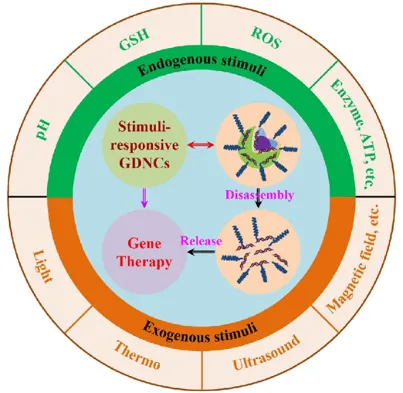


Fig1: - Stimuli Responsive Nanocarrier for Gene Delivery


II.        SUMMARY OF RECENT FINDINGS

1.         Performance of Stimuli-Responsive Nanocarriers

Efficiency in gene transport is commonly measured by transfection prices, gene expression tiers, and healing effects. the following table summarizes key facts points on performance for nanocarriers activated by means of distinctive external stimuli


Stimulus

Nanocarrier Kind & Mechanism

Target Ailment/Cells

Gene Transfection Charge / Outcome

Key Facts/Findings

Reference

Ultrasound

PSP@MB (PEG-disulfide-PEI microbubble) + UTMD

Ovarian Cancer Stem Cells

18.41 ± 2.41% (transfection); 32.62 ± 2.36% (apoptosis)

Ultrasound-precipitated, GSH-responsive, superior sonoporation and endocytosis; local gene delivery

[1-2]

Ultrasound

MLipsiBcl-2 (Ultrasound-sensitive liposome)

Hepatocellular Carcinoma

High in vitro/in vivo efficacy (quantitative information no longer precise)

Ultrasound-induced ROS era, liposome rupture, lysosomal get away, excessive biocompatibility

[4]

Light

Various (e.g., light-sensitive polymers, nanoparticles)

Glioblastoma, Cancer Models

Enhanced gene/drug release (quantitative data not unique)

Light triggers hydrophobic/hydrophilic transitions, controlled release, stepped forward BBB penetration

[4,6]

Magnetic Field

Magnetic-responsive nanoparticles

Glioblastoma, Cancer Models

Enhanced targeting and accumulation (quantitative information now not distinct)

Magnetic field guides nanocarrier accumulation, triggers launch, improves targeting

[4,6]

Temperature

Thermo-responsive nanoparticles

Glioblastoma, Cancer Models

Controlled release, stepped forward efficacy (quantitative records no longer specified)

Temperature triggers segment transition, on-call for release, minimal off-target outcomes

[4,6]


2.         Protection Profiles Assessment

Protection is assessed through biocompatibility, toxicity, and unfavorable outcomes. the following table summarizes safety records:


Table 2. Protection Profiles of Stimuli-Responsive Nanocarriers

Stimulus

Nanocarrier Kind & Mechanism

Protection Findings

Reference

Ultrasound

PSP@MB, MLipsiBcl-2

High biocompatibility, minimal negative outcomes

[1-2],[7]

Mild

Mild-sensitive polymers/nanoparticles

Minimum off-target toxicity, specific control

[4,6]

Magnetic Field

Magnetic-responsive nanoparticles

Low systemic toxicity, more desirable concentrated on reduces facet results

[4,6]

Temperature

Thermo-responsive nanoparticles

Safe, controlled release minimizes systemic exposure

[4,6]


3.         Layout considerations

Layout factors consist of nanocarrier composition, cause mechanism, balance, and targeting capability.


Table 3. design features of Stimuli-Responsive Nanocarriers

Stimulus

Nanocarrier Design Features

Targeting Strategy

Stability & Cause Mechanism

Reference

Ultrasound

Microbubbles, liposomes, GSH-sensitive polymers

Ligand modification, nearby US

Stable in circulation, ruptures upon US

[1-2],[7]

Mild

Mild-sensitive polymers, nanoparticles

Ligand amendment, mild attention

Solid until light exposure, triggers release

[4,6]

Magnetic Field

Magnetic nanoparticles, surface modification

Magnetic steering, ligand targeting

Stable, release upon magnetic subject software

[4,6]

Temperature

Thermo-responsive polymers, liposomes

Ligand change

Stable at body temp, releases at better temp

[4,6]


III.      CRITICAL ANALYSIS OF MAJOR SYSTEMS

Designated analysis

Efficiency

•           Ultrasound-Responsive Nanocarriers: The PSP@MB system executed a gene transfection charge of 18.41 ± 2. forty-one% and an apoptosis fee of 32.62 ± 2.36% in ovarian most cancers stem cells, demonstrating powerful gene transport and healing impact [1-2]. MLipsiBcl-2 liposomes showed excessive efficacy in hepatocellular carcinoma models, with ultrasound-brought on release and lysosomal get away, despite the fact that unique transfection prices had been now not furnished [3].

•           Light-Responsive Nanocarriers: Mild-caused systems allow particular spatial and temporal manipulate, enhancing gene/drug launch and BBB penetration in glioblastoma fashions [4,6]. Quantitative transfection quotes aren't distinctive, however superior healing results are mentioned.

•           Magnetic subject-Responsive Nanocarriers: Magnetic steerage improves focused on and accumulation at tumor websites, main to more suitable gene transport efficiency [4,6]. Quantitative records are confined, but advanced outcomes are consistently noted.

•           Temperature-Responsive Nanocarriers: Thermo-responsive systems provide managed, on-demand release, enhancing efficacy and minimizing off-goal outcomes [4,6]

Safety

•           Ultrasound-Responsive structures: Each PSP@MB and MLipsiBcl-2 tested high biocompatibility and minimum damaging results in vitro and in vivo [1-3].

•           Mild, Magnetic, and Temperature-Responsive systems: Those systems are designed for minimum systemic toxicity, with particular control lowering off-goal outcomes [4,6]


Design

•           Ultrasound: Utilizes microbubbles or liposomes with GSH-touchy or ROS-generating components for twin responsiveness and greater launch [1-2], [7].

•           mild: Employs mild-touchy polymers or nanoparticles, frequently mixed with focused on ligands for improved specificity [4,6].

•           Magnetic discipline: Carries magnetic nanoparticles, taking into consideration outside guidance and centered accumulation [4,6].

•           Temperature: Uses thermo-responsive polymers or liposomes that go through segment transitions at increased temperatures for controlled launch [4,6].

Patterns and Discrepancies

•           Patterns: All stimuli-responsive systems show advanced targeting, controlled release, and reduced systemic toxicity in comparison to standard vendors [4-6].

•           Discrepancies: Quantitative performance facts are extra strong for ultrasound-responsive structures, even as light, magnetic, and temperature-responsive structures often report qualitative upgrades without unique transfection rates [30-35].

DISCUSSION

Contextualizing records

The information suggests that stimuli-responsive nanocarriers, regardless of the external trigger, provide massive advantages in focused gene transport, together with greater performance, safety, and design flexibility [4-6], [36-40]. Ultrasound-responsive systems offer the maximum distinct quantitative evidence of efficiency, with transfection and apoptosis quotes at once measured in most cancers stem cell models [1-2]. mild, magnetic, and temperature-responsive structures show stepped forward focused on and managed launch, although quantitative statistics are much less frequently reported.

Insights

•           Ultrasound: Offers actual-time, non-invasive control and deep tissue penetration, with sturdy facts supporting its efficiency and safety [1,2,7].

•           Mild: Allows specific spatial manipulate however can be restrained by means of tissue penetration intensity [4,6].

•           Magnetic discipline: Allows for outside guidance and accumulation but requires specialized equipment [4,6].

•           Temperature: Offers on-demand release with minimum off-goal outcomes, appropriate for localized hyperthermia programs [4,6].

Gaps and Future outlooks

•           Quantitative statistics: Extra direct comparative studies with quantitative transfection and healing final results records are needed for light, magnetic, and temperature-responsive structures [20-26].

•           Scientific Translation: While preclinical records are promising, in addition research is needed to deal with scalability, reproducibility, and regulatory challenges for scientific application [50-55].

V.        GENE DELIVERY APPLICATIONS

1.1       Types of Genetic Cargo

Smart nanocarriers have verified the capability to deliver a large range of genetic substances, permitting each transient and lengthy-term modulation of cellular feature.

•           Messenger RNA (mRNA)

mRNA-primarily based delivery systems offer transient genetic expression, commonly lasting from several days to weeks within goal cells. mRNA instructs host cells to synthesize specific healing proteins with out integrating into the host genome, thereby putting off the chance of permanent genetic alteration. This safety profile makes mRNA mainly attractive for vaccines and protein replacement therapies.[24,25] Lipid nanoparticles (LNPs) constitute the present day gold widespread for mRNA delivery, a declare substantiated via their a achievement clinical deployment in COVID-19 vaccines. Lipid nanoparticles (LNPs) constitute the present day gold widespread for mRNA delivery, a declare substantiated via their a achievement clinical deployment in COVID-19 vaccines.[25]

•           Small Interfering RNA (siRNA)

SiRNA mediates put up-transcriptional gene silencing through selectively inhibiting the expression of sickness-causing genes. This method is specifically beneficial for suppressing oncogenes or aberrant signaling pathways. in contrast to DNA-based totally procedures, siRNA calls for repeated administration due to its temporary effect. both polymeric and lipid-based totally nanocarriers have proven high performance in siRNA delivery. Clinically and preclinically, siRNA nanocarriers have been widely applied in cancer remedy to inhibit genes that sell tumor growth and survival.[26]

•           DNA

DNA transport enables lengthy-time period or permanent genetic change, furnished the genetic cloth effectively enters the nucleus. This approach is generally used to introduce purposeful copies of faulty genes in inherited problems. but, DNA shipping stays more hard than RNA transport due to its larger length, lower cytoplasmic hobby, and issue in nuclear shipping and managed launch. therefore, DNA-based nanocarrier systems are usually reserved for specialised therapeutic applications.[22,23]

•           Gene-Editing Tools (CRISPR Systems)

CRISPR-based totally gene editing represents an emerging and transformative application of clever nanocarriers. these structures deliver both the Cas9 nuclease and guide RNA to reap precise correction of genetic mutations. whilst nonetheless in developmental and medical trial phases, CRISPR nanocarrier systems preserve tremendous promise for curative therapies in genetic and oncological illnesses.

1.2       Cancer Treatment Applications

•           Direct Cancer Cell Targeting

Smart nanocarriers exploit the tumor microenvironment, specially its acidic nature, to attain selective accumulation and controlled drug launch.

Basis of Tumor Acidity

Tumors exhibit a lower pH due to:

         Accelerated cell metabolism

         Immoderate manufacture of lactate and carbon dioxide

         extraordinary and inefficient tumor vasculature

This outcomes in a pH gradient from physiological pH (7.4) in blood to ~6.5 in tumor tissue and ~5.0 within intracellular compartments of cancer cells.[27]

•           Silencing Cancer-Associated Gene

Smart nanocarriers permit efficient intracellular transport of siRNA for oncogene suppression.

         VEGFR2 Silencing

Vascular Endothelial growth issue Receptor-2 (VEGFR2) performs a crucial function in tumor angiogenesis. targeted shipping of siRNA towards VEGFR2 the use of PEGylated polyethyleneimine nanoparticles functionalized with RGD peptides led to approximately 60% discount in target protein expression, leading to suppressed tumor vascularization and behind schedule tumor progression.[28]

         Redox-Responsive siRNA Systems

Redox-responsive nanocarriers exploit the extended intracellular glutathione (GSH) stages in cancer cells, which can be 50–a hundred instances better than in everyday cells. Disulfide-related polyplexes continue to be strong in move but disassemble in the reductive tumor environment, enabling intracellular siRNA launch. those systems have verified extra than 70% gene knockdown performance with minimal off-target consequences.

•           Enhancement of Cancer Immunotherapy

Smart nanocarriers are more and more used to enlarge anti-tumor immune responses.

         Lymph Node Targeting

Lymph nodes function important hubs for immune activation. Lipid nanoparticles engineered for lymphatic trafficking had been employed to supply mRNA encoding tumor antigens at once to antigen-offering cells. This method elicited robust CD8⁺ T-cell responses and ended in powerful tumor control in preclinical fashions.[29]

1.3       Inherited Genetic Problems

Smart nanocarriers provide novel therapeutic strategies for genetic contamination.

•           Protein Replacement Therapy

For problems because of lacking or dysfunctional proteins, mRNA shipping permits endogenous protein production by way of affected person cells. This approach lets in periodic dosing without permanent genomic alteration. Lipid nanoparticle-primarily based mRNA treatments are already advancing through medical trials for numerous inherited conditions.[30]

CONCLUSION 

Stimuli-responsive nanocarriers activated by external triggers which include ultrasound, light, magnetic discipline, and temperature exhibit more advantageous efficiency, safety, and design versatility for centered gene shipping. Ultrasound-responsive systems offer the sturdiest quantitative facts, reaching transfection charges of 18.41 ± 2.41% and apoptosis fees of 32.62 ± 2.36% in cancer stem cell models, with high biocompatibility and minimum destructive consequences [1-3]. light, magnetic, and temperature-responsive structures provide specific control and progressed concentrated on, even though quantitative performance records are less regularly pronounced [4,6].

REFERENCES

  1. Liufu C, Li Y, Lin Y, Yu J, Du M, Chen Y, et al. Synergistic ultrasonic biophysical effect-responsive nanoparticles for enhanced gene delivery to ovarian cancer stem cells. Drug Deliv. 2020;27(1):1018–33. doi:10.1080/10717544.2020.1785583
  2. Chen Y, Du M, Yu J, et al. Nano biohybrids: a synergistic integration of bacteria and nanomaterials in cancer therapy. BIO Integer. 2020; 1:25–36.
  3. Wang G, Lu H, Pan Y, Qi Y, Huang Y. Ultrasound‐sensitive targeted liposomes as a gene delivery system for the synergistic treatment of hepatocellular carcinoma. Small. 2024;20(47). doi:10.1002/smll.202406182
  4. Ismail M, Wang Y, Li Y, Liu J, Zheng M, Zou Y. Stimuli-responsive polymeric nanocarriers accelerate on-demand drug release to combat glioblastoma. Biomacromolecules. 2024;25(10):6250–82. doi:10.1021/acs.biomac.4c00722
  5. Gong Z, Peng S, Cao J, Tan H, Zhao H, Bai J. Advances in the variations and biomedical applications of stimuli-responsive nanodrug delivery systems. Nanotechnology. 2024;35(13):132001. doi:10.1088/1361-6528/ad170b
  6. Karimi M, Ghasemi A, Sahandi Zangabad P, Rahighi R, Moosavi Basri SM, Mirshekari H, et al. Smart micro/nanoparticles in stimulus-responsive drug/gene delivery systems. Chem Soc Rev. 2016;45(5):1457–501. doi:10.1039/c5cs00798d
  7. Jiang T, Gonzalez KM, Cordova LE, Lu J. Nanotechnology-enabled gene delivery for cancer and other genetic diseases. Expert Opin Drug Deliv. 2023;20(4):523–40. doi:10.1080/17425247.2023.2200246
  8. Cheng Q, Wei T, Farbriak L, et al. Selective organ targeting (SORT) nanoparticles for tissue-specific mRNA delivery and CRISPR-Cas gene editing. Nat Nanotechnol. 2020;15(4):313–20. PMID:32251383
  9. Van der Meel R. Nanotechnology for organ-tunable gene editing. Nat Nanotechnol. 2020;15(4):253–5.
  10. Wei T, Cheng Q, Min YL, et al. Systemic nanoparticle delivery of CRISPR-Cas9 ribonucleoproteins for effective tissue specific genome editing. Nat Commun. 2020;11(1):3232. PMID:32591530
  11. Zou Y, Sun X, Yang Q, et al. Blood-brain barrier-penetrating single CRISPR-Cas9 nanocapsules for effective and safe glioblastoma gene therapy. Sci Adv. 2022;8(16): eabm8011.
  12. Zhang D, Wang G, Yu X, et al. Enhancing CRISPR/Cas gene editing through modulating cellular mechanical properties for cancer therapy. Nat Nanotechnol. 2022;17(7):777–87. PMID:35551240
  13. Tan CP, Sinigaglia L, Gomez V, et al. RNA activation: a novel approach to therapeutically upregulate gene transcription. Molecules. 2021;26(21).
  14. Khan A, Aljarbou AN, Aldebasi YH, et al. Fatty acid synthase (FASN) siRNA encapsulated-Her-2 targeted Fab’-immunoliposomes for gene silencing in breast cancer cells. Int J Nanomedicine. 2020; 15:5575–89. PMID:32801705
  15. Miller T, Cudkowicz M, Shaw PJ, et al. Phase 1–2 trial of antisense oligonucleotide tofersen for SOD1 ALS. N Engl J Med. 2020;383(2):109–19. PMID:32640130
  16. Tan X, Jia F, Wang P, et al. Nucleic acid-based drug delivery strategies. J Control Release. 2020; 323:240–52. PMID:32272123
  17. Yue L, Yang K, Wei J, et al. Supramolecular vesicles based on gold nanorods for precise control of gene therapy and deferred photothermal therapy. CCS Chem. 2022;4(5):1745–57.
  18. Ilhami FB, Bayle EA, Cheng CC. Complementary nucleobase interactions drive coassembly of drugs and nanocarriers for selective cancer chemotherapy. Pharmaceutics. 2021;13(11):1929. PMID:34834344
  19. Yue L, Sun T, Yang K, et al. Supramolecular nanovesicles for synergistic glucose starvation and hypoxia-activated gene therapy of cancer. Nanoscale. 2021;13(21):9570-6. PMID: 34008688.
  20. Lebron JA, Lopez-Lopez M, Garcia-Calderon CB, et al. Multivalent Calixarene-based liposomes as platforms for gene and drug delivery. Pharmaceutics. 2021;13(8):1250. PMID: 34452211.
  21. Lebron JA, Lopez-Cornejo P, Ostos FJ. Supramolecular systems for gene and drug delivery. Pharmaceutics. 2022;14(3):471. PMID: 35335848.
  22. Mohammadinajad R, Dehshahri A, Madamsetty VS, et al. In vivo gene delivery mediated by non-viral vectors for cancer therapy. J Control Release. 2020; 325:249-75. PMID: 32634464.
  23. Shirley JL, De Jong YP, Terhorst C, et al. Immune responses to viral gene therapy vectors. Mol Ther. 2020;28(3):709-22. PMID: 31968213.
  24. Aghi M, Hochberg F, Breakefield XO. Prodrug activation enzymes in cancer gene therapy. J Gene Med. 2000;2(3):148-64. PMID: 10894261.
  25. Wang Y, Bruggeman KF, Franks S, et al. Is viral vector gene delivery more effective using biomaterials? Adv Healthc Mater. 2021;10(1):2001238.
  26. Mitchell MJ, Billingsley MM, Haley RM, et al. Engineering precision nanoparticles for drug delivery. Nat Rev Drug Discov. 2021;20(2):101-24. PMID: 33277608.
  27. Wang G, Zhu D, Zhou Z, Piao Y, Tang J, Shen Y. Glutathione-specific and intracellularly labile polymeric nanocarrier for efficient and safe cancer gene delivery. ACS Appl Mater Interfaces. 2020;12(13):14825–38. doi:10.1021/acsami.9b22394
  28. Dai X, Li W, Xie D, Liu B, Gong L, Han H. Stimuli‐responsive nano drug delivery systems for the treatment of neurological diseases. Small. 2025;21(9). doi:10.1002/smll.202410030
  29. Devnarain N, Osman N, Fasiku VO, et al. Intrinsic stimuli-responsive nanocarriers for smart drug delivery of antibacterial agents—an in-depth review of the last two decades. WIREs Nanomed Nanobiotechnol. 2021;13(1): e1664. doi:10.1002/wnan.1664.
  30. Abousalman-Rezvani Z, Refaat A, Dehghankelishadi P, et al. Insights into targeted and stimulus-responsive nanocarriers for brain cancer treatment. Adv Healthc Mater. 2024;13(12):e2302902. doi:10.1002/adhm.202302902.
  31. Rawal SU, Patel BM, Patel MM. New drug delivery systems developed for brain targeting. Drugs. 2022; 82:749-92. doi:10.1007/s40265-022-01717-z.
  32. Barani M, Bilal M, Sabir F, et al. Nanotechnology in ovarian cancer: diagnosis and treatment. Life Sci. 2021; 266:118914. doi:10.1016/j.lfs.2020.118914. PMID: 33340527.
  33. Quader S, Kataoka K, Cabral H. Nanomedicine for brain cancer. Adv Drug Deliv Rev. 2022; 182:114115. doi:10.1016/j.addr.2022.114115. PMID: 35077821.
  34. Palmisciano P, El Ahmadieh TY, Haider AS, et al. Thalamic gliomas in adults: a systematic review of clinical characteristics, treatment strategies, and survival outcomes. J Neurooncol. 2021;155(3):215-24. doi:10.1007/s11060-021-03898-1. PMID: 34797525.
  35. Voisin MR, Oliver K, Farrimond S, et al. Brain tumors and COVID-19: the patient and caregiver experience. Neurooncol Adv. 2020;2(1): vdaa104. doi:10.1093/noajnl/vdaa104. PMID: 32989433.
  36. Pirovano G, Jannetti SA, Carter LM, et al. Targeted brain tumor radiotherapy using an Auger emitter. Clin Cancer Res. 2020;26(12):2871-80. doi:10.1158/1078-0432.CCR-19-2440. PMID: 32066626.
  37. Weber DC, Lim PS, Tran S, et al. Proton therapy for brain tumours in the area of evidence-based medicine. Br J Radiol. 2020;93(1107):20190237. doi:10.1259/bjr.20190237. PMID: 31067074.
  38. Shaw C, Baldwin A, Anderson C. Cognitive effects of chemotherapy: an integrative review. Eur J Oncol Nurs. 2021;54:102042. doi:10.1016/j.ejon.2021.102042. PMID: 34607177.
  39. Yang J, Xu Y, Fu Z, et al. Progress in research and development of temozolomide brain-targeted preparations: a review. J Drug Target. 2023;31(2):119-33. doi:10.1080/1061186X.2022.2119243. PMID: 36039767.
  40. Singh N, Miner A, Hennis L, et al. Mechanisms of temozolomide resistance in glioblastoma: a comprehensive review. Cancer Drug Resist. 2021;4(1):17-43. doi:10.20517/cdr.2020.79. PMID: 34337348.
  41. Arvanitis CD, Ferraro GB, Jain RK. The blood-brain barrier and blood-tumour barrier in brain tumours and metastases. Nat Rev Cancer. 2020;20(1):26-41. doi:10.1038/s41568-019-0205-x. PMID: 31601988.
  42. Han S, Wang JT, Yavuz E, et al. Spatiotemporal tracking of gold nanorods after intranasal administration for brain targeting. J Control Release. 2023;357:606-19. doi:10.1016/j.jconrel.2023.04.022. PMID: 37061195.
  43. Zhang J, Lin Y, Lin Z, et al. Stimuli-responsive nanoparticles for controlled drug delivery in synergistic cancer immunotherapy. Adv Sci (Weinh). 2022;9(5):e2103444. doi:10.1002/advs.202103444. PMID: 34927373.
  44. Spellerberg R, Benli-Hoppe T, Kitzberger C, et al. Dual EGFR- and TfR-targeted gene transfer for sodium iodide symporter gene therapy of glioblastoma. Mol Ther Oncolytics. 2022;27:272-87. doi:10.1016/j.omto.2022.10.013. PMID: 36458201.
  45. Tutter M, Schug C, Schmohl KA, et al. Effective control of tumor growth through spatial and temporal control of theranostic sodium iodide symporter (NIS) gene expression using a heat-inducible promoter in engineered mesenchymal stem cells. Theranostics. 2020;10(10):4490-506. doi:10.7150/thno.41489. PMID: 32435169.
  46. Min HS, Kim HJ, Naito M, et al. Systemic brain delivery of antisense oligonucleotides across the blood-brain barrier with a glucose-coated polymeric nanocarrier. Angew Chem Int Ed Engl. 2020;59(21):8173-80. doi:10.1002/anie.201914751. PMID: 31995252.
  47. Martins C, Araújo M, Malfanti A, et al. Stimuli-responsive multifunctional nanomedicine for enhanced glioblastoma chemotherapy augments blood-to-brain trafficking and tumor targeting. Small. 2023;19(22):e2300029. doi:10.1002/smll.202300029. PMID: 36852650.
  48. Zheng T, Wang W, Mohammadniaei M, et al. Anti-microRNA-21 oligonucleotide loaded spermine-modified acetalated dextran nanoparticles for B1 receptor-targeted gene and antiangiogenesis therapy. Adv Sci (Weinh). 2022;9(5):e2103812. doi:10.1002/advs.202103812. PMID: 34936240.
  49. Caraway CA, Gaitsch H, Wicks EE, et al. Polymeric nanoparticles in brain cancer therapy: a review of current approaches. Polymers (Basel). 2022;14(14):2963. doi:10.3390/polym14142963. PMID: 35890738.
  50. Stawicki B, Schacher T, Cho H. Nanogels as a versatile drug delivery system for brain cancer. Gels. 2021;7(2):63. doi:10.3390/gels7020063. PMID: 34073626.
  51. Tenchov R, Bird R, Curtze AE, et al. Lipid nanoparticles: from liposomes to mRNA vaccine delivery. ACS Nano. 2021;15(11):16982-17015. doi:10.1021/acsnano.1c04996. PMID: 34181394.
  52. Mojarad-Jabali S, Farshbaf M, Walker PR, et al. An update on actively targeted liposomes in advanced drug delivery to glioma. Int J Pharm. 2021;602:120645. doi:10.1016/j.ijpharm.2021.120645. PMID: 33915182.
  53. Rosenblum D, Gutkin A, Kedmi R, et al. CRISPR-Cas9 genome editing using targeted lipid nanoparticles for cancer therapy. Sci Adv. 2020;6(47):eabc9450. doi:10.1126/sciadv.abc9450. PMID: 33208369.
  54. Soares GA, Faria JVC, Pinto LA, et al. Long-term clearance and biodistribution of magnetic nanoparticles assessed by AC biosusceptometry. Materials (Basel). 2022;15(6):2121. doi:10.3390/ma15062121. PMID: 35329574.
  55. Li J, Xi A, Qiao H, et al. Ultrasound-mediated diagnostic imaging and advanced treatment with multifunctional micro/nanobubbles. Cancer Lett. 2020;475:92-8. doi:10.1016/j.canlet.2020.01.028. PMID: 32032678.
  56. Parekh K, LeBlang S, Nazarian J, et al. Past, present and future of focused ultrasound as an adjunct to DIPG/DMG therapy: a consensus of the 2021 FUSF DIPG meeting. Neoplasia. 2023;37:100876. doi:10.1016/j.neo.2023.100876. PMID: 36709715.
  57. Guo Y, Lee H, Fang Z, et al. Single-cell analysis reveals effective siRNA delivery in brain tumors with microbubble-enhanced ultrasound and cationic nanoparticles. Sci Adv. 2021;7(18):eabf7390. doi:10.1126/sciadv.abf7390. PMID: 33931452.
  58. Mukherjee S, Liang L, Veiseh O. Recent advancements of magnetic nanomaterials in cancer therapy. Pharmaceutics. 2020;12(2):147. doi:10.3390/pharmaceutics12020147. PMID: 32053995.
  59. Giesen B, Nickel AC, Barthel J, et al. Augmented therapeutic potential of glutaminase inhibitor CB839 in glioblastoma stem cells using gold nanoparticle delivery. Pharmaceutics. 2021;13(2):295. doi:10.3390/pharmaceutics13020295. PMID: 33672398.
  60. Pandey A, Kulkarni S, Vincent AP, et al. Hyaluronic acid-drug conjugate modified core-shell MOFs as pH-responsive nanoplatform for multimodal therapy of glioblastoma. Int J Pharm. 2020;588:119735. doi:10.1016/j.ijpharm.2020.119735. PMID: 32763386.

Reference

  1. Liufu C, Li Y, Lin Y, Yu J, Du M, Chen Y, et al. Synergistic ultrasonic biophysical effect-responsive nanoparticles for enhanced gene delivery to ovarian cancer stem cells. Drug Deliv. 2020;27(1):1018–33. doi:10.1080/10717544.2020.1785583
  2. Chen Y, Du M, Yu J, et al. Nano biohybrids: a synergistic integration of bacteria and nanomaterials in cancer therapy. BIO Integer. 2020; 1:25–36.
  3. Wang G, Lu H, Pan Y, Qi Y, Huang Y. Ultrasound?sensitive targeted liposomes as a gene delivery system for the synergistic treatment of hepatocellular carcinoma. Small. 2024;20(47). doi:10.1002/smll.202406182
  4. Ismail M, Wang Y, Li Y, Liu J, Zheng M, Zou Y. Stimuli-responsive polymeric nanocarriers accelerate on-demand drug release to combat glioblastoma. Biomacromolecules. 2024;25(10):6250–82. doi:10.1021/acs.biomac.4c00722
  5. Gong Z, Peng S, Cao J, Tan H, Zhao H, Bai J. Advances in the variations and biomedical applications of stimuli-responsive nanodrug delivery systems. Nanotechnology. 2024;35(13):132001. doi:10.1088/1361-6528/ad170b
  6. Karimi M, Ghasemi A, Sahandi Zangabad P, Rahighi R, Moosavi Basri SM, Mirshekari H, et al. Smart micro/nanoparticles in stimulus-responsive drug/gene delivery systems. Chem Soc Rev. 2016;45(5):1457–501. doi:10.1039/c5cs00798d
  7. Jiang T, Gonzalez KM, Cordova LE, Lu J. Nanotechnology-enabled gene delivery for cancer and other genetic diseases. Expert Opin Drug Deliv. 2023;20(4):523–40. doi:10.1080/17425247.2023.2200246
  8. Cheng Q, Wei T, Farbriak L, et al. Selective organ targeting (SORT) nanoparticles for tissue-specific mRNA delivery and CRISPR-Cas gene editing. Nat Nanotechnol. 2020;15(4):313–20. PMID:32251383
  9. Van der Meel R. Nanotechnology for organ-tunable gene editing. Nat Nanotechnol. 2020;15(4):253–5.
  10. Wei T, Cheng Q, Min YL, et al. Systemic nanoparticle delivery of CRISPR-Cas9 ribonucleoproteins for effective tissue specific genome editing. Nat Commun. 2020;11(1):3232. PMID:32591530
  11. Zou Y, Sun X, Yang Q, et al. Blood-brain barrier-penetrating single CRISPR-Cas9 nanocapsules for effective and safe glioblastoma gene therapy. Sci Adv. 2022;8(16): eabm8011.
  12. Zhang D, Wang G, Yu X, et al. Enhancing CRISPR/Cas gene editing through modulating cellular mechanical properties for cancer therapy. Nat Nanotechnol. 2022;17(7):777–87. PMID:35551240
  13. Tan CP, Sinigaglia L, Gomez V, et al. RNA activation: a novel approach to therapeutically upregulate gene transcription. Molecules. 2021;26(21).
  14. Khan A, Aljarbou AN, Aldebasi YH, et al. Fatty acid synthase (FASN) siRNA encapsulated-Her-2 targeted Fab’-immunoliposomes for gene silencing in breast cancer cells. Int J Nanomedicine. 2020; 15:5575–89. PMID:32801705
  15. Miller T, Cudkowicz M, Shaw PJ, et al. Phase 1–2 trial of antisense oligonucleotide tofersen for SOD1 ALS. N Engl J Med. 2020;383(2):109–19. PMID:32640130
  16. Tan X, Jia F, Wang P, et al. Nucleic acid-based drug delivery strategies. J Control Release. 2020; 323:240–52. PMID:32272123
  17. Yue L, Yang K, Wei J, et al. Supramolecular vesicles based on gold nanorods for precise control of gene therapy and deferred photothermal therapy. CCS Chem. 2022;4(5):1745–57.
  18. Ilhami FB, Bayle EA, Cheng CC. Complementary nucleobase interactions drive coassembly of drugs and nanocarriers for selective cancer chemotherapy. Pharmaceutics. 2021;13(11):1929. PMID:34834344
  19. Yue L, Sun T, Yang K, et al. Supramolecular nanovesicles for synergistic glucose starvation and hypoxia-activated gene therapy of cancer. Nanoscale. 2021;13(21):9570-6. PMID: 34008688.
  20. Lebron JA, Lopez-Lopez M, Garcia-Calderon CB, et al. Multivalent Calixarene-based liposomes as platforms for gene and drug delivery. Pharmaceutics. 2021;13(8):1250. PMID: 34452211.
  21. Lebron JA, Lopez-Cornejo P, Ostos FJ. Supramolecular systems for gene and drug delivery. Pharmaceutics. 2022;14(3):471. PMID: 35335848.
  22. Mohammadinajad R, Dehshahri A, Madamsetty VS, et al. In vivo gene delivery mediated by non-viral vectors for cancer therapy. J Control Release. 2020; 325:249-75. PMID: 32634464.
  23. Shirley JL, De Jong YP, Terhorst C, et al. Immune responses to viral gene therapy vectors. Mol Ther. 2020;28(3):709-22. PMID: 31968213.
  24. Aghi M, Hochberg F, Breakefield XO. Prodrug activation enzymes in cancer gene therapy. J Gene Med. 2000;2(3):148-64. PMID: 10894261.
  25. Wang Y, Bruggeman KF, Franks S, et al. Is viral vector gene delivery more effective using biomaterials? Adv Healthc Mater. 2021;10(1):2001238.
  26. Mitchell MJ, Billingsley MM, Haley RM, et al. Engineering precision nanoparticles for drug delivery. Nat Rev Drug Discov. 2021;20(2):101-24. PMID: 33277608.
  27. Wang G, Zhu D, Zhou Z, Piao Y, Tang J, Shen Y. Glutathione-specific and intracellularly labile polymeric nanocarrier for efficient and safe cancer gene delivery. ACS Appl Mater Interfaces. 2020;12(13):14825–38. doi:10.1021/acsami.9b22394
  28. Dai X, Li W, Xie D, Liu B, Gong L, Han H. Stimuli?responsive nano drug delivery systems for the treatment of neurological diseases. Small. 2025;21(9). doi:10.1002/smll.202410030
  29. Devnarain N, Osman N, Fasiku VO, et al. Intrinsic stimuli-responsive nanocarriers for smart drug delivery of antibacterial agents—an in-depth review of the last two decades. WIREs Nanomed Nanobiotechnol. 2021;13(1): e1664. doi:10.1002/wnan.1664.
  30. Abousalman-Rezvani Z, Refaat A, Dehghankelishadi P, et al. Insights into targeted and stimulus-responsive nanocarriers for brain cancer treatment. Adv Healthc Mater. 2024;13(12):e2302902. doi:10.1002/adhm.202302902.
  31. Rawal SU, Patel BM, Patel MM. New drug delivery systems developed for brain targeting. Drugs. 2022; 82:749-92. doi:10.1007/s40265-022-01717-z.
  32. Barani M, Bilal M, Sabir F, et al. Nanotechnology in ovarian cancer: diagnosis and treatment. Life Sci. 2021; 266:118914. doi:10.1016/j.lfs.2020.118914. PMID: 33340527.
  33. Quader S, Kataoka K, Cabral H. Nanomedicine for brain cancer. Adv Drug Deliv Rev. 2022; 182:114115. doi:10.1016/j.addr.2022.114115. PMID: 35077821.
  34. Palmisciano P, El Ahmadieh TY, Haider AS, et al. Thalamic gliomas in adults: a systematic review of clinical characteristics, treatment strategies, and survival outcomes. J Neurooncol. 2021;155(3):215-24. doi:10.1007/s11060-021-03898-1. PMID: 34797525.
  35. Voisin MR, Oliver K, Farrimond S, et al. Brain tumors and COVID-19: the patient and caregiver experience. Neurooncol Adv. 2020;2(1): vdaa104. doi:10.1093/noajnl/vdaa104. PMID: 32989433.
  36. Pirovano G, Jannetti SA, Carter LM, et al. Targeted brain tumor radiotherapy using an Auger emitter. Clin Cancer Res. 2020;26(12):2871-80. doi:10.1158/1078-0432.CCR-19-2440. PMID: 32066626.
  37. Weber DC, Lim PS, Tran S, et al. Proton therapy for brain tumours in the area of evidence-based medicine. Br J Radiol. 2020;93(1107):20190237. doi:10.1259/bjr.20190237. PMID: 31067074.
  38. Shaw C, Baldwin A, Anderson C. Cognitive effects of chemotherapy: an integrative review. Eur J Oncol Nurs. 2021;54:102042. doi:10.1016/j.ejon.2021.102042. PMID: 34607177.
  39. Yang J, Xu Y, Fu Z, et al. Progress in research and development of temozolomide brain-targeted preparations: a review. J Drug Target. 2023;31(2):119-33. doi:10.1080/1061186X.2022.2119243. PMID: 36039767.
  40. Singh N, Miner A, Hennis L, et al. Mechanisms of temozolomide resistance in glioblastoma: a comprehensive review. Cancer Drug Resist. 2021;4(1):17-43. doi:10.20517/cdr.2020.79. PMID: 34337348.
  41. Arvanitis CD, Ferraro GB, Jain RK. The blood-brain barrier and blood-tumour barrier in brain tumours and metastases. Nat Rev Cancer. 2020;20(1):26-41. doi:10.1038/s41568-019-0205-x. PMID: 31601988.
  42. Han S, Wang JT, Yavuz E, et al. Spatiotemporal tracking of gold nanorods after intranasal administration for brain targeting. J Control Release. 2023;357:606-19. doi:10.1016/j.jconrel.2023.04.022. PMID: 37061195.
  43. Zhang J, Lin Y, Lin Z, et al. Stimuli-responsive nanoparticles for controlled drug delivery in synergistic cancer immunotherapy. Adv Sci (Weinh). 2022;9(5):e2103444. doi:10.1002/advs.202103444. PMID: 34927373.
  44. Spellerberg R, Benli-Hoppe T, Kitzberger C, et al. Dual EGFR- and TfR-targeted gene transfer for sodium iodide symporter gene therapy of glioblastoma. Mol Ther Oncolytics. 2022;27:272-87. doi:10.1016/j.omto.2022.10.013. PMID: 36458201.
  45. Tutter M, Schug C, Schmohl KA, et al. Effective control of tumor growth through spatial and temporal control of theranostic sodium iodide symporter (NIS) gene expression using a heat-inducible promoter in engineered mesenchymal stem cells. Theranostics. 2020;10(10):4490-506. doi:10.7150/thno.41489. PMID: 32435169.
  46. Min HS, Kim HJ, Naito M, et al. Systemic brain delivery of antisense oligonucleotides across the blood-brain barrier with a glucose-coated polymeric nanocarrier. Angew Chem Int Ed Engl. 2020;59(21):8173-80. doi:10.1002/anie.201914751. PMID: 31995252.
  47. Martins C, Araújo M, Malfanti A, et al. Stimuli-responsive multifunctional nanomedicine for enhanced glioblastoma chemotherapy augments blood-to-brain trafficking and tumor targeting. Small. 2023;19(22):e2300029. doi:10.1002/smll.202300029. PMID: 36852650.
  48. Zheng T, Wang W, Mohammadniaei M, et al. Anti-microRNA-21 oligonucleotide loaded spermine-modified acetalated dextran nanoparticles for B1 receptor-targeted gene and antiangiogenesis therapy. Adv Sci (Weinh). 2022;9(5):e2103812. doi:10.1002/advs.202103812. PMID: 34936240.
  49. Caraway CA, Gaitsch H, Wicks EE, et al. Polymeric nanoparticles in brain cancer therapy: a review of current approaches. Polymers (Basel). 2022;14(14):2963. doi:10.3390/polym14142963. PMID: 35890738.
  50. Stawicki B, Schacher T, Cho H. Nanogels as a versatile drug delivery system for brain cancer. Gels. 2021;7(2):63. doi:10.3390/gels7020063. PMID: 34073626.
  51. Tenchov R, Bird R, Curtze AE, et al. Lipid nanoparticles: from liposomes to mRNA vaccine delivery. ACS Nano. 2021;15(11):16982-17015. doi:10.1021/acsnano.1c04996. PMID: 34181394.
  52. Mojarad-Jabali S, Farshbaf M, Walker PR, et al. An update on actively targeted liposomes in advanced drug delivery to glioma. Int J Pharm. 2021;602:120645. doi:10.1016/j.ijpharm.2021.120645. PMID: 33915182.
  53. Rosenblum D, Gutkin A, Kedmi R, et al. CRISPR-Cas9 genome editing using targeted lipid nanoparticles for cancer therapy. Sci Adv. 2020;6(47):eabc9450. doi:10.1126/sciadv.abc9450. PMID: 33208369.
  54. Soares GA, Faria JVC, Pinto LA, et al. Long-term clearance and biodistribution of magnetic nanoparticles assessed by AC biosusceptometry. Materials (Basel). 2022;15(6):2121. doi:10.3390/ma15062121. PMID: 35329574.
  55. Li J, Xi A, Qiao H, et al. Ultrasound-mediated diagnostic imaging and advanced treatment with multifunctional micro/nanobubbles. Cancer Lett. 2020;475:92-8. doi:10.1016/j.canlet.2020.01.028. PMID: 32032678.
  56. Parekh K, LeBlang S, Nazarian J, et al. Past, present and future of focused ultrasound as an adjunct to DIPG/DMG therapy: a consensus of the 2021 FUSF DIPG meeting. Neoplasia. 2023;37:100876. doi:10.1016/j.neo.2023.100876. PMID: 36709715.
  57. Guo Y, Lee H, Fang Z, et al. Single-cell analysis reveals effective siRNA delivery in brain tumors with microbubble-enhanced ultrasound and cationic nanoparticles. Sci Adv. 2021;7(18):eabf7390. doi:10.1126/sciadv.abf7390. PMID: 33931452.
  58. Mukherjee S, Liang L, Veiseh O. Recent advancements of magnetic nanomaterials in cancer therapy. Pharmaceutics. 2020;12(2):147. doi:10.3390/pharmaceutics12020147. PMID: 32053995.
  59. Giesen B, Nickel AC, Barthel J, et al. Augmented therapeutic potential of glutaminase inhibitor CB839 in glioblastoma stem cells using gold nanoparticle delivery. Pharmaceutics. 2021;13(2):295. doi:10.3390/pharmaceutics13020295. PMID: 33672398.
  60. Pandey A, Kulkarni S, Vincent AP, et al. Hyaluronic acid-drug conjugate modified core-shell MOFs as pH-responsive nanoplatform for multimodal therapy of glioblastoma. Int J Pharm. 2020;588:119735. doi:10.1016/j.ijpharm.2020.119735. PMID: 32763386.

Photo
Aastha Jain
Corresponding author

IPS Academy College of Pharmacy, Indore M.P.; India.

Photo
Dinesh Kumar Jain
Co-author

IPS Academy College of Pharmacy, Indore M.P.; India.

Aastha Jain, Dinesh Kumar Jain,Comparative Analysis of Stimuli-Responsive Nanocarriers Activated by Light, Magnetic Field, Ultrasound, and Temperature for Targeted Gene Delivery: Efficiency, Safety, and Design, Int. J. of Pharm. Sci., 2026, Vol 4, Issue 8, 4172-4182, https://doi.org/10.5281/zenodo.22095679

More related articles
Therapeutic Potential of Various Medicinal Plants ...
Devika K V, Prathuish T, Malavika P R, Arya R, Anjana T V, Arun ...
An Extensive Review Of Validation In The Pharmaceu...
Ravi Vaishnov, Mahesh Senghani, Vishal Pathak, Prajapati Shravan...
Formulation and Evaluation of Herbal Anti-Inflamma...
Mayur Partole , Priyanka Sadgir, Somnath Lature, Dipak Thorat, Ha...
Biosimilar Orphan Drugs For Rare Diseases: A Comparative Review Of Regulatory Fr...
Neha Meshram, Dr. Milind Umekar, Pranjali Patil, Kunal Kamdi...
Development and Characterization of Anti-Dandruff Shampoo Using Onion Peel Extra...
Shruti Narayankar , Priyanka Bandicchot, K. Kamalapurkar...
Unveiling the Antioxidant and Antibacterial Potential of Moringa oleifera and Cl...
Shashi Ranjan Singh, Dharmendra Kumar, Laliteshwar Pratap Singh, Shankul Kumar, Lovely Kumari...
Related Articles
Diet and Lifestyle Modifications in the Prevention and Management of Stroke: A C...
Shivam Pawar, Sawandkar Shivshankar, Potdar Sukrut, Awale Prathamesh, Kelgaonkar Prajakta...
Knowledge, Attitude, And Practices of Caregivers in Pediatrics Epilepsy Manageme...
Arjun S, Ashad Ullah , Arun, Ardra Sudheesh, J. S. Venkatesh, Dr. Santhosh Uttangi...
Nanoparticle Loaded Hydrogels For Targeted Delivery Of Tofacitinib In Rheumatoid...
Arya Rathnakaran, Prathuish T, Malavika P R, Devika K V, Anjana T V, Santhosh Kumar Chinnayyan...
Therapeutic Potential of Various Medicinal Plants in Wound Management: A Compreh...
Devika K V, Prathuish T, Malavika P R, Arya R, Anjana T V, Arun Kumar K V...
More related articles
Therapeutic Potential of Various Medicinal Plants in Wound Management: A Compreh...
Devika K V, Prathuish T, Malavika P R, Arya R, Anjana T V, Arun Kumar K V...
An Extensive Review Of Validation In The Pharmaceutical Industry: Principles, Ap...
Ravi Vaishnov, Mahesh Senghani, Vishal Pathak, Prajapati Shravan Kumar Y. K....
Formulation and Evaluation of Herbal Anti-Inflammatory Cream by using Pomegranat...
Mayur Partole , Priyanka Sadgir, Somnath Lature, Dipak Thorat, Harsh Khare ...
Therapeutic Potential of Various Medicinal Plants in Wound Management: A Compreh...
Devika K V, Prathuish T, Malavika P R, Arya R, Anjana T V, Arun Kumar K V...
An Extensive Review Of Validation In The Pharmaceutical Industry: Principles, Ap...
Ravi Vaishnov, Mahesh Senghani, Vishal Pathak, Prajapati Shravan Kumar Y. K....
Formulation and Evaluation of Herbal Anti-Inflammatory Cream by using Pomegranat...
Mayur Partole , Priyanka Sadgir, Somnath Lature, Dipak Thorat, Harsh Khare ...