

We use cookies to ensure our website works properly and to personalise your experience. Cookies policy
1Department of Pharmacy Practice, Spurthy College of Pharmacy, Rajiv Gandhi University of Health Sciences, Bengaluru, Karnataka.
Assistant Professor, Department of Pharmacy Practice, Spurthy College of Pharmacy, Rajiv Gandhi University of Health Sciences, Bengaluru, Karnataka
Hormonal contraceptives are among the most effective methods used to prevent unintended pregnancies and improve women's reproductive health. The most common hormonal contraceptive methods include subdermal implants, hormone-releasing intrauterine devices (IUDs), and oral contraceptive pills. Each method differs in how it is used, how long it works, and its effectiveness, allowing women to choose an option that best suits their health and lifestyle. Subdermal implants are small rods placed under the skin of the upper arm that slowly release a hormone called progestin, providing contraception for several years. Hormonal IUDs are small T-shaped devices inserted into the uterus that release levonorgestrel and offer long-term pregnancy prevention while also reducing heavy menstrual bleeding and menstrual pain. Oral contraceptive pills, which contain either estrogen and progestin or progestin alone, are widely used but require daily intake for maximum effectiveness. Although these contraceptives are highly effective and generally safe, some women may experience side effects such as irregular bleeding, headache, nausea, breast tenderness, mood changes, acne, or weight changes. Rare but serious complications, including blood clots or IUD-related complications, can also occur. Therefore, monitoring their safety is important. Pharmacovigilance is the science of detecting, assessing, and preventing adverse drug reactions. It helps healthcare professionals identify side effects, improve patient safety, update treatment guidelines, and ensure that hormonal contraceptives continue to be used safely and effectively. This project focuses on the pharmacovigilance of hormonal contraceptives by reviewing the mechanism of action,effectiveness, adverse drug reactions, and safety profiles of subdermal implants, hormonal IUDs, and oral contraceptive pills. The overall goal is to highlight the importance of continuous safety monitoring to improve women's health and support informed clinical decision-making
Hormonal-releasing contraceptives have revolutionized reproductive healthcare by providing women with safe, effective, and reversible methods of preventing unintended pregnancies. Family planning is an essential component of maternal and child health, allowing individuals and couples to make informed decisions regarding the timing and spacing of pregnancies. Among the various contraceptive methods available, hormonal contraceptives are widely preferred because of their high efficacy, convenience, and additional therapeutic benefits. These methods have significantly reduced the incidence of unintended pregnancies, unsafe abortions, and pregnancy-related complications, thereby improving women's health and quality of life worldwide.
Hormonal contraceptives function by releasing synthetic forms of naturally occurring female hormones, primarily progesterone (progestin) and, in some formulations, estrogen. These hormones regulate the reproductive cycle and prevent conception through multiple mechanisms. Depending on the formulation and route of administration, hormonal contraceptives may be delivered continuously over several years, monthly, weekly, or daily. Long-acting reversible contraceptives, such as subdermal implants and hormonal intrauterine devices (IUDs), provide prolonged protection without requiring frequent user intervention, whereas oral contraceptive pills require consistent daily intakes.
TYPES OF HORMONAL-RELEASING CONTRACEPTIVES
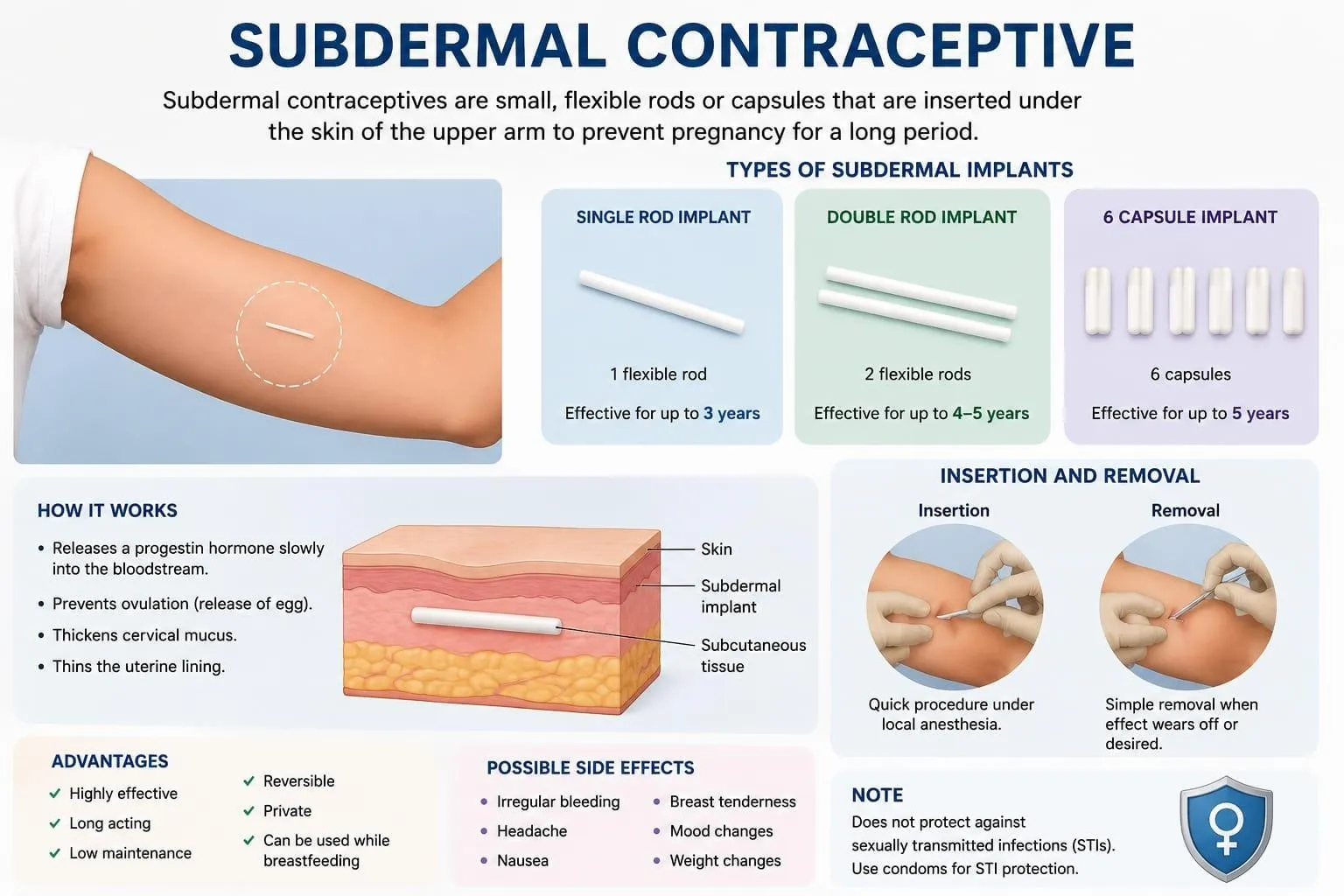
Fig 1: Subdermal Contraceptive Implant.
1.1 Types of Subdermal Contraceptive Implants: (fig 2)
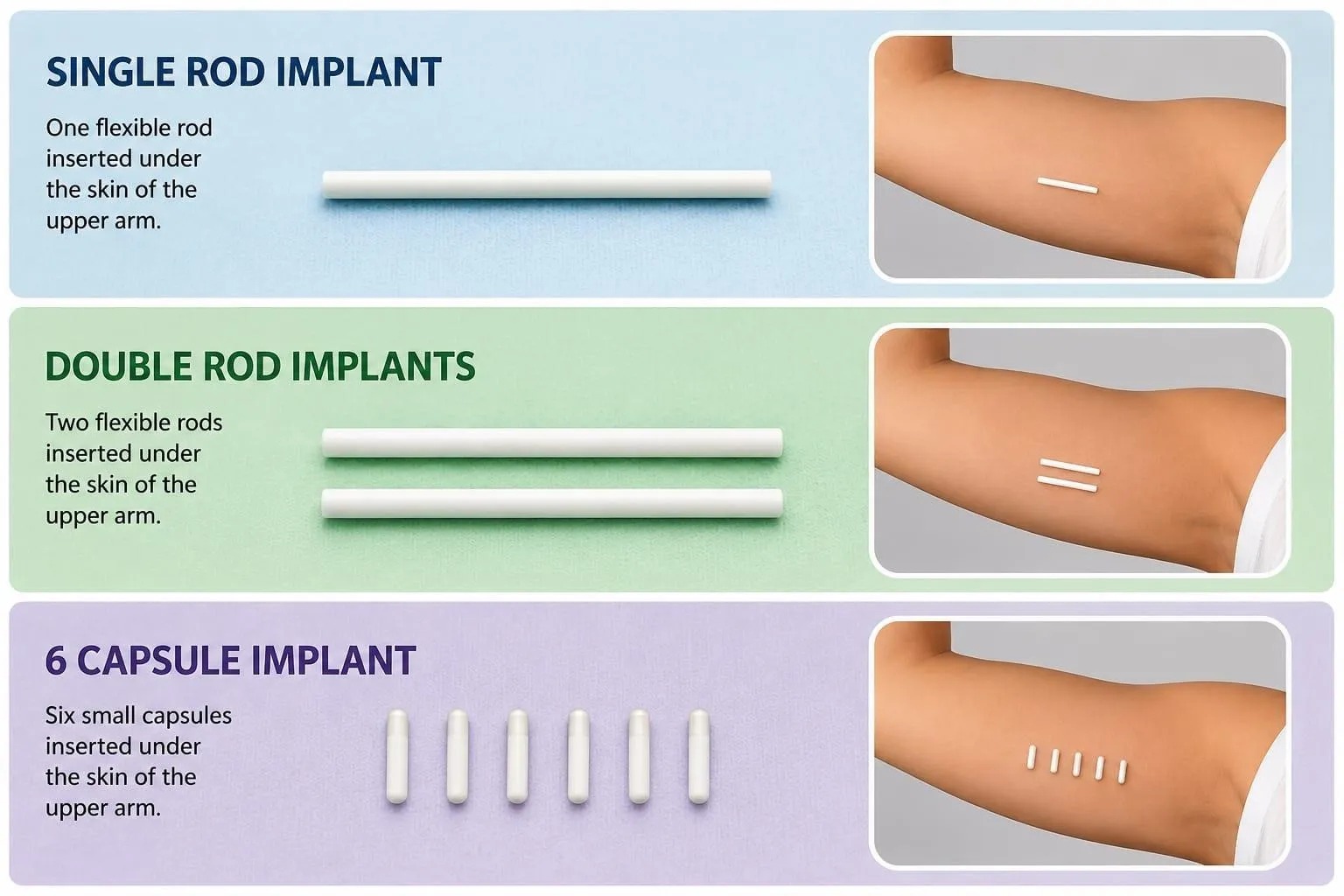
Fig 2: Types of Subdermal Contraceptive Implants.
1.2 Advantages
1.3 Limitations
1.4 Disadvantages
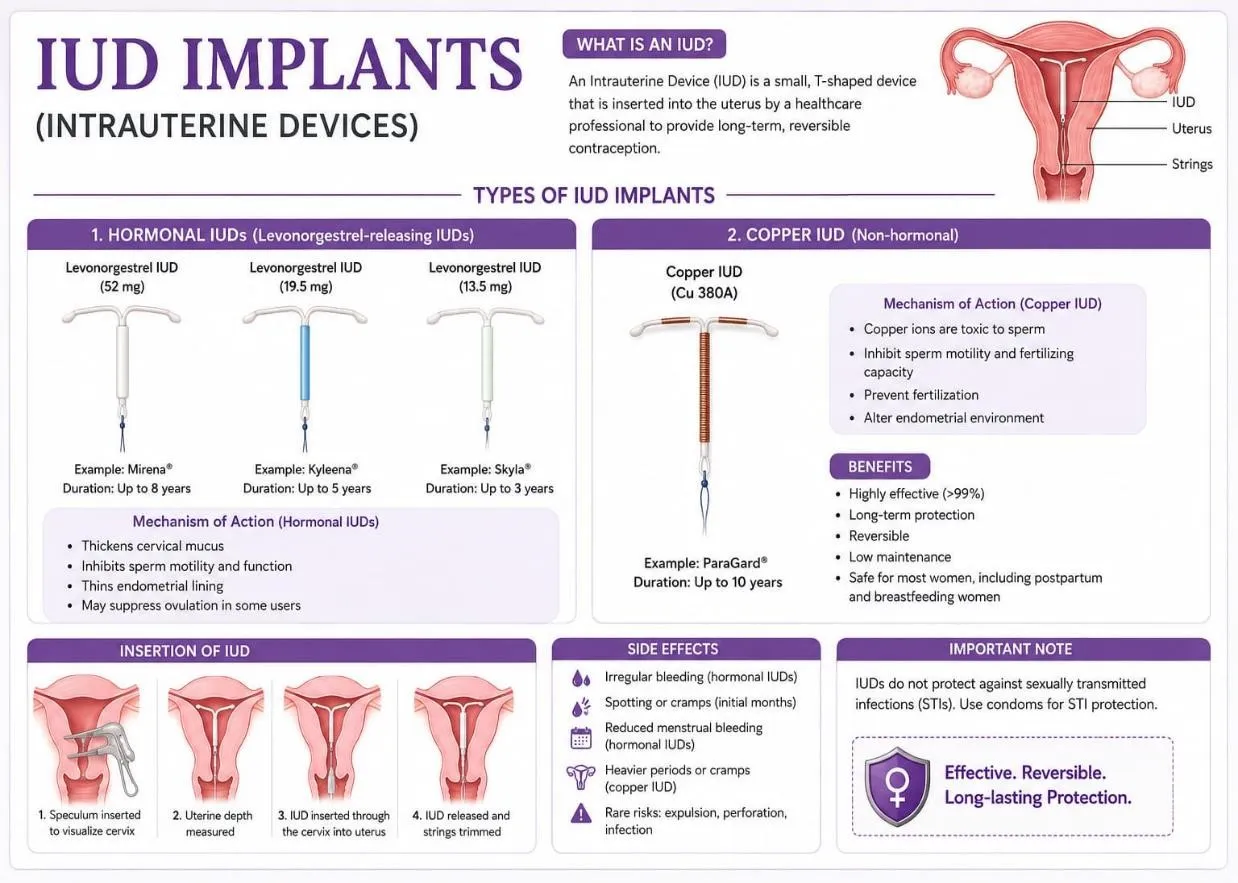
2.1 Types of Hormonal Intrauterine Devices: (fig 4)
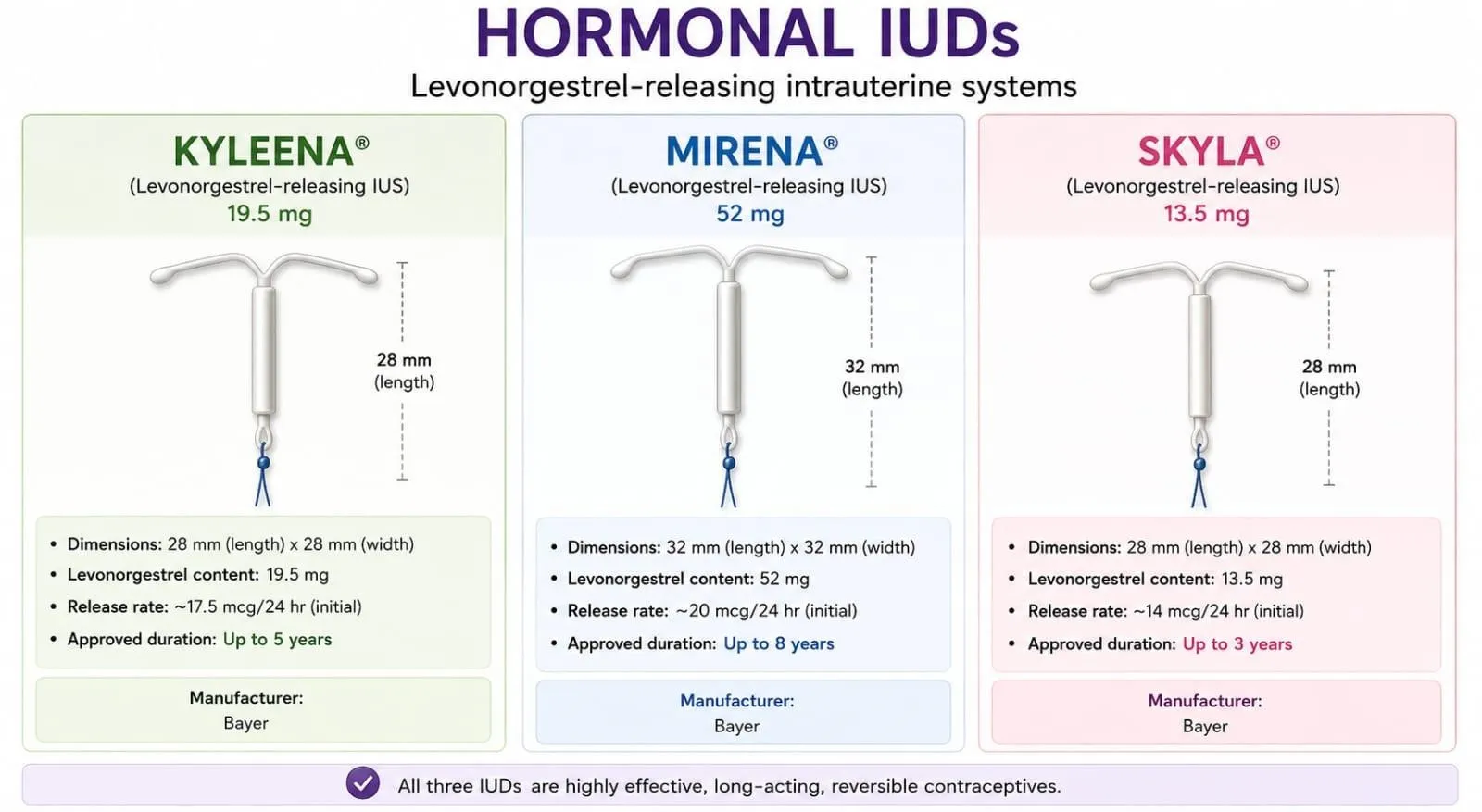
Fig 4: Types of Hormonal IUDs: a. Kyleena b. Mirena c. Skyla
2.2 Advantages
2.3 Limitations
2.4 Disadvantages
3. Hormonal contraceptive pills, commonly known as birth control pills or oral contraceptive pills (OCPs) remain one of the most widely used contraceptive methods globally. These oral medications are available as combined oral contraceptive pills containing both estrogen and progestin or as progestin-only pills (fig 5). When taken correctly every day, oral contraceptives are highly effective in preventing pregnancy. They primarily inhibit ovulation while also thickening cervical mucus and altering the endometrium. In addition to contraception, oral pills are frequently prescribed for the management of menstrual disorders, polycystic ovary syndrome (PCOS), endometriosis, acne, and premenstrual syndrome, highlighting their broad therapeutic value.
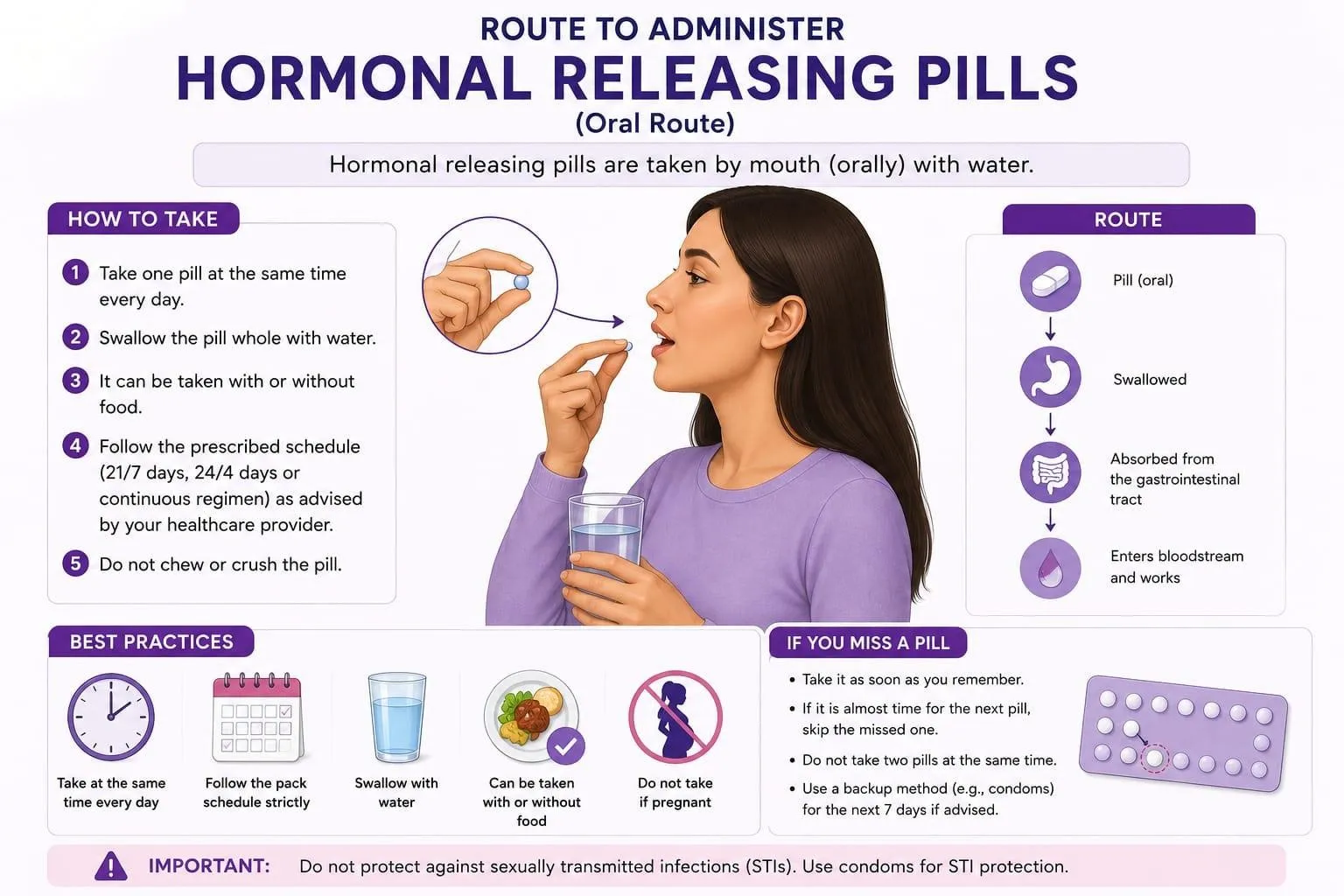
Fig 5: Oral Contraceptive Pills (OCPs).
3.1 Types of Hormonal Contraceptive Pills: (fig 6)
Combined oral contraceptive pills contain two hormones: estrogen (usually ethinyl estradiol) and a progestin. They primarily prevent ovulation and also thicken cervical mucus while altering the uterine lining.
Examples:
These pills are generally taken daily for 21 days, followed by a 7-day pill-free or placebo period, or as 24 active pills with 4 placebo pills, depending on the formulation.
Progestin-only pills, also called mini-pills, contain only a progestin hormone. They are recommended for women who cannot use estrogen-containing contraceptives, such as breastfeeding mothers or women with certain cardiovascular risk factors.
These pills mainly work by thickening cervical mucus and changing the endometrium. In some women, they also suppress ovulation. Unlike combined pills, they must be taken at the same time every day to maintain effectiveness.
Examples:
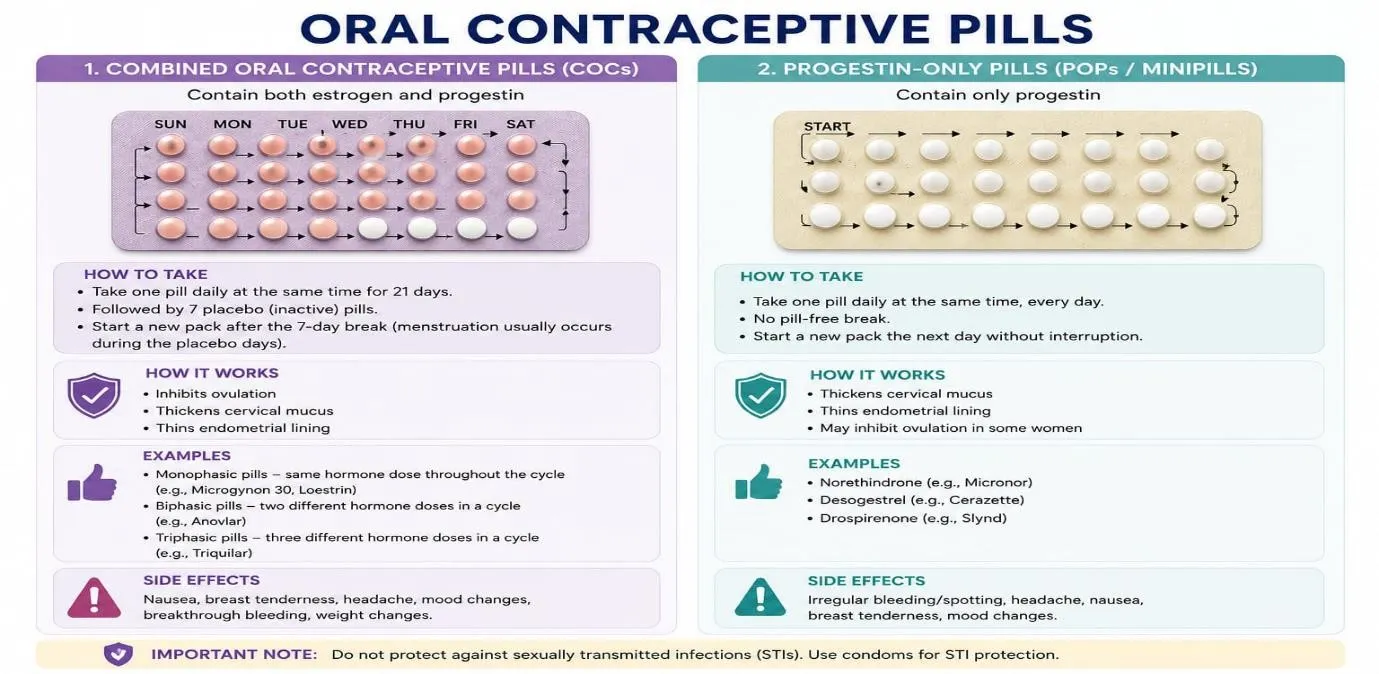
Fig 6: Types of OCPs: a. Combined OCPs b. Progestin-only pills
3.1 Advantages
3.2 Limitations
3.3 Disadvantages
Aim
To evaluate and compare the adverse drug reactions (ADRs), safety profile, and effectiveness of hormonal-releasing contraceptives including: subdermal implants, hormonal IUDs, and hormonal contraceptive pills, through pharmacovigilance monitoring in a hospital setting.
Objectives
To promote ADR reporting and improve safe contraceptive use.
MATERIALS AND METHODLOGY
Study Design
Study site
Study Duration
Sample Size
Inclusion Criteria
Exclusion Criteria
Data Collection
Data were collected from hospital records, ADR reporting forms, and participant interviews at Sri Sai Hospitals and Sri Leela Sai Hospital, and the collected information included demographic details, medical and medication history, type ,duration , indication, and details of ADRs, including causuality and severity assessment.
Additionally, a literature search was conducted using PubMed, Google Scholar and other relevant journals for studies published between 2018 and 2026. Relevant published case reports and observational studies were reviewed to extract information on adverse effect associated with Subdermal contraceptive implants, Hormonal Intrauterine devices (IUDs) and Oral contraceptive pills (OCPs).
Review of Literature on Subdermal Contraceptive Implants
Luis Bahamondes et al., (2025); review explains the effectiveness, safety, and clinical benefits of contraceptive implants, which are among the most reliable long-acting reversible contraceptives (LARCs) used worldwide. More than 700 million women currently use modern contraceptive methods, helping to reduce unintended pregnancies (UPs), particularly in low- and middle-income countries. The two most widely used implants are the etonogestrel (ENG) implant, containing 68 mg of hormone and approved for 3 years (with evidence supporting effectiveness for up to 5 years), and the levonorgestrel (LNG) implant, consisting of two rods containing 75 mg each, approved for 5 years of use. The implants begin preventing pregnancy within 8 hours of insertion, and fertility usually returns within 6 weeks after removal.
Contraceptive implants are highly effective because their success does not depend on user compliance. A WHO multicentre study reported a cumulative pregnancy rate of only 0.4 per 100 women-years (W-Ys) during the first 3 years, with similar protection extending to 5 years. Other studies reported an extremely low pregnancy rate of 0.00 (95% CI: 0.00–0.09) over 53,530 menstrual cycles (4,103 W-Ys), while pooled data from 11 clinical trials (1,755 W-Ys) showed a failure rate of
0.34 (95% CI: 0.13–0.74). In practical terms, the chance of pregnancy is approximately 4 in every 1,000 users.
The review also discusses common adverse effects. Abnormal uterine bleeding (AUB) is the most frequent reason for discontinuation. In a U.S. study involving 825 adolescents and young women, 27% experienced bothersome bleeding, and women requiring treatment for AUB were nearly twice as likely (HR 1.98) to discontinue the implant. Around 50% of users continued using the implant after 3 years. Among adolescents, nearly 30% developed amenorrhoea, while reported side effects included acne (10–14%), mood changes (10%), and weight gain (9%).
The review highlights additional benefits of implants in adolescents and postpartum women. Free access to LARC methods in Colorado resulted in a 29% reduction in birth rates, a 34% reduction in abortion rates, a 90% increase in LARC use, and a 36% reduction in pregnancy rates among adolescents. Immediate postpartum insertion was also highly successful, with 49.5% of eligible women choosing the implant and 80.9% continuing its use after one year.
Overall, the review concludes that contraceptive implants are safe, highly effective, reversible, and cost-effective. Although irregular bleeding is the most common side effect, serious complications are uncommon. The authors emphasize that wider access, proper counselling, and trained healthcare providers can improve implant acceptance and further reduce unintended pregnancies while supporting women's reproductive health.
Oparanma Florence Uche., (2024); "Subdermal Contraceptive Device: The Implications for Reproductive Health" explains how subdermal contraceptive implants are a safe, long-acting, and highly effective method of preventing unintended pregnancy. These implants are small, flexible plastic rods, about the size of a matchstick, that are inserted under the skin of a woman's upper arm. They slowly release the hormone etonogestrel (68 mg) or levonorgestrel, which prevents pregnancy by stopping ovulation, thickening cervical mucus to block sperm, and thinning the uterine lining to reduce implantation. Depending on the type, implants provide protection for 3–5 years and fertility usually returns within 3–6 weeks after removal.
The article highlights that contraceptive implants are more than 99% effective when used correctly. Around 30% of users experience irregular menstrual bleeding, while approximately 20% may stop having periods (amenorrhea). About 20% of women may also experience weight gain. Common side effects include headache, acne, mood changes, and irregular bleeding, but these are generally manageable. Importantly, implants do not protect against sexually transmitted infections (STIs), so condom use is still recommended for STI prevention.
It also discusses the benefits of implants for reproductive health. They help reduce unintended pregnancies, unsafe abortions, maternal deaths, iron-deficiency anaemia, and the risk of ectopic pregnancy. They are considered safe for women aged 14–49 years, including breastfeeding mothers, and can improve birth spacing, allowing women and families to plan pregnancies more effectively.
In Nigeria, Although the overall contraceptive prevalence is 15.1%, implant use is only 0.4%. The major reasons for low uptake include lack of awareness (60%), cultural or religious beliefs (20%), limited access to healthcare providers (10%), cost (5%), and other factors (5%).
Overall, the authors conclude that subdermal contraceptive implants are a reliable and reversible family planning method that significantly improves women's reproductive health. They recommend increasing public awareness, providing proper contraceptive counselling, training healthcare providers, and making implants more affordable to encourage wider acceptance and improve maternal and family health outcomes.
Luo et al., (2026) ; “evaluated the cost-effectiveness of four contraceptive methods for preventing unintended pregnancies among adolescents in China”. The methods compared were combined oral contraceptive pills (COC), copper intrauterine device (Cu-IUD), levonorgestrel intrauterine system (LNG-IUS), and subdermal implants. The researchers developed a decision-tree model to analyze data from approximately 14.88 million women aged 15–24 years who required contraception over a 5-year period (2023–2028).
The study highlights that adolescent pregnancy remains a major public health concern . Globally, around 21 million girls aged 15–19 years become pregnant every year, and nearly 12 million give birth. In China, 51.2% of adolescents have sexual intercourse without contraception, and more than 40% of all abortions each year occur among unmarried women younger than 24 years, with about 20% experiencing repeat abortions.
Among the four methods, the Cu-IUD was the most economical option, costing only RMB 369.67 to prevent one unintended pregnancy. The LNG-IUS required RMB 1,603.88, the subdermal implant RMB 1,965.30, while COC cost RMB 1,200.62 per pregnancy prevented. Over five years, Cu-IUD prevented 14.76 million unintended pregnancies, LNG-IUS prevented 14.78 million, subdermal implants prevented 14.87 million, and COC prevented 13.84 million pregnancies. Although subdermal implants prevented the highest number of pregnancies, their overall cost was higher than Cu-IUD.
The analysis also showed that long-acting reversible contraceptives (LARC), including Cu-IUD, LNGIUS, and subdermal implants, were more cost-effective than oral contraceptive pills. Compared with
COC, the incremental cost-effectiveness ratio (ICER) was RMB 7,556.78 for LNG-IUS and RMB 12,271.85 for subdermal implants, both of which were below China's GDP per capita of RMB 89,538, indicating good economic value. At a willingness-to-pay threshold of three times GDP per capita, the probability of Cu-IUD being the best strategy was 52.7%, followed by 31.2% for subdermal implants and 16.1% for LNG-IUS.
Overall, the study concludes that long-acting reversible contraceptives are more effective and economically beneficial than oral contraceptive pills. The authors recommend increasing access to LARC methods, improving sexual health education, and providing proper counselling to adolescents to reduce unintended pregnancies, repeat abortions, and improve reproductive health outcomes.
Eka R. Gunardi et al., (2021) ; “evaluated whether a one-rod levonorgestrel (LNG) implant (Monoplant®) affects blood chemistry in women using this long-acting contraceptive”. The researchers wanted to determine if the implant changes important health indicators such as haemoglobin (Hb), random blood glucose (RBG), liver enzymes (AST and ALT), and lipid profile (total cholesterol, HDL, LDL, and triglycerides).
The research was a prospective cohort study conducted at Raden Saleh Clinic, Jakarta, Indonesia, from 2010 to 2012. A total of 30 women aged 20–40 years participated in the study. The implant was inserted under the skin of the upper arm, and the participants were followed for 24 months, with blood tests performed before insertion and at 6, 12, 18, and 24 months. The study was designed with a 5% level of significance (p < 0.05) and 80% statistical power. Importantly, none of the 30 women became pregnant, and no participants dropped out during the study, showing excellent contraceptive effectiveness.
After 6 months, some blood parameters changed slightly. The average haemoglobin (Hb) decreased from 13.5 to 12.8 g/dL (p = 0.005). AST increased from 22.4 to 30.5 mU/mL (p = 0.006), while LDL cholesterol decreased from 105.9 to 95.8 mg/dL (p = 0.023). HDL cholesterol increased from 47.5 to 61.4 mg/dL (p < 0.001). However, random blood glucose, ALT, total cholesterol, and triglycerides did not show statistically significant changes. Most importantly, all these values remained within the normal clinical range, indicating that the changes were not harmful.
Throughout the 2-year follow-up, Hb remained between 12–14 g/dL, RBG stayed below 160 mg/dL, AST and ALT remained below 31 mU/mL, total cholesterol stayed below 200 mg/dL, LDL remained below 155 mg/dL, HDL stayed above 35 mg/dL, and triglycerides remained within the normal range.
Overall, the study concludes that the one-rod levonorgestrel implant is a safe and effective longacting contraceptive. Although minor changes in blood chemistry occurred during follow-up, they were not clinically significant, and all laboratory values remained within normal limits. Therefore, the implant can be considered a reliable contraceptive method with minimal impact on metabolic and liver function over two years of use.
Review of Literature on Hormonal IUDs
Vanessa Perez Patel et al., (2025); “His study evaluated the effectiveness and cost effectiveness of the etonogestrel implant when inserted immediately after childbirth (postpartum)”. Researchers developed a Markov economic model to compare 8 hormonal contraceptive methods among 1,000 women aged 18–49 years over a 1-year period. The methods included the etonogestrel implant, 3year and 5-year hormonal IUDs, oral contraceptive pills, injectable contraceptives, vaginal ring, and transdermal patch.
The Etonogestrel implant was the most effective method, resulting in only 8 short-interval pregnancies among 1,000 women. In comparison, the 3-year IUD resulted in 49 pregnancies, the 5year IUD in 47 pregnancies, while short-acting contraceptive methods caused 59–167 pregnancies. The implant also had the lowest failure rate of 0.1% per year, compared with approximately 7% for oral pills, patches, and vaginal rings.
Although the implant has a higher initial cost, it proved to be the most economical option because it prevented unintended pregnancies and reduced healthcare expenses. The average cost per woman was $1,650 for women with commercial insurance and $1,535 for Medicaid users, which was lower than all other contraceptive methods. A budget impact analysis further showed that shifting just 0.5% of women to the etonogestrel implant could prevent 8 additional pregnancies and save $83,397 for commercial payers and $42,146 for Medicaid within one year.
Overall, the study concludes that immediate postpartum insertion of the etonogestrel implant is a highly effective and cost-saving strategy. It offers long-term pregnancy protection, reduces repeat pregnancies after childbirth, and supports better maternal and healthcare outcomes.
Jeffrey T. Jensen et al., (2022); “This study, known as the Mirena Extension Trial, evaluated whether the 52-mg levonorgestrel-releasing intrauterine system (LNG-IUS) remains effective and safe beyond its approved 5-year duration”. A total of 501 women were enrolled, and 362 women entered the extended study from years 6 to 8. Among them, 223 women completed the full 8 years of follow-up. The average participant age was 29.4 years, and the total exposure reached 827.2 women-years.
The results showed that the Mirena IUD continued to provide excellent contraceptive protection during years 6–8. Only 2 pregnancies occurred during the extended period, giving a 3-year Pearl Index of 0.28 and a cumulative failure rate of 0.68%, confirming that the device remains highly effective even after the initial 5 years of use.
The study also demonstrated a good safety profile. Although 68.8% of women experienced treatment-emergent adverse events (TEAEs), only 18.0% were considered related to the LNG-IUS. Serious device-related adverse events were uncommon (1.1%) and included 2 uterine perforations, 1 embedded device, and 1 ectopic pregnancy. Device expulsion occurred in only 1.4% of women, and importantly, no cases of pelvic inflammatory disease (PID) were reported. Bleeding generally improved over time, with the proportion of women experiencing amenorrhea increasing from 18.3% to 33.6% by the end of the study.
Patient satisfaction remained very high throughout the trial. At the end of 8 years, 92.8% of women who completed the study reported being very satisfied with Mirena. Additionally, among women who removed the device to become pregnant, 24 of 31 (77.4%) conceived within 12 months, showing that fertility returned quickly after removal. Overall, the study concludes that the 52-mg LNG-IUS is a highly effective, safe, and well-tolerated contraceptive for up to 8 years of use, making it a reliable long-term option for women who wish to continue contraception.
Lin Chen et al., (2024); “His study evaluated the safety profile of the levonorgestrel-releasing intrauterine system (LNG-IUS) using data from the FDA Adverse Event Reporting System (FAERS)”. As it is a Retrospective study,The researchers identified several reported adverse events (AEs), including Standardized MedDRA Queries (SMQs) and preferred term (PT)-level reports of increased heart rate. However, the study found no clinically significant cardiovascular events during the 1-year follow-up after 52-mg LNG-IUS insertion in women with pre-existing cardiovascular disease. This suggests that although some cardiac-related safety signals were detected, there is currently no strong evidence that the LNG-IUS causes serious heart complications. The authors emphasized that further clinical studies are needed to better understand this possible association.
The researchers also discussed several important limitations. They did not consider factors such as the patients' underlying medical conditions, concomitant medications, or liver and kidney function, all of which may influence the safety of the LNG-IUS. In addition, the FAERS database only contains reports of adverse events, making it impossible to calculate the actual incidence rate of these events. Around 34.63% of the reported cases had unknown age, which may affect the
representativeness of the results. Furthermore, 50.80% of the adverse event reports were submitted by consumers or non-health professionals, raising concerns about the reliability and completeness of the information. The database may also contain duplicate reports, underreporting, and missing data, which can influence the study findings.
Overall, the study highlights the value of FAERS signal detection in identifying potential safety concerns related to the 52-mg LNG-IUS. However, the authors conclude that long-term observational studies are necessary to confirm these safety signals, improve understanding of the device's long.
Aurelie Brunie et al., (2022): “The research concept was about "What are the prospects for the hormonal IUD in the public sector? A mixed-method study of the user population in Zambia" (Brunie et al., 2022) evaluated the acceptance, user characteristics, and experiences of women choosing the levonorgestrel-releasing intrauterine device (LNG-IUD) in Zambia's public healthcare sector. The study aimed to understand whether the hormonal IUD could become an effective longacting reversible contraceptive (LARC) option and improve contraceptive choices for women.
The study included 710 women who received contraception from 21 public health facilities in two provinces of Zambia. Among them, 153 women chose the hormonal IUD, 168 the copper IUD, 286 contraceptive implants, and 103 injectable contraceptives. In addition, 29 women participated in detailed interviews to better understand their experiences.
Most women selected the hormonal IUD because it is long-acting, highly effective, convenient, and suitable for their body. Other important reasons included fewer or manageable side effects, discreet use, and relief from heavy or painful menstrual bleeding. Around 17% specifically chose the hormonal IUD for treatment of heavy or painful periods.
The study also highlighted the importance of counselling. Between 83% and 95% of women reported receiving counselling about menstrual changes or possible side effects. Among hormonal IUD users, 88% remembered being informed about lighter menstrual bleeding, while only 43% recalled counselling regarding amenorrhea (absence of menstruation). This indicates that counselling on menstrual changes should be strengthened to improve patient understanding and satisfaction.
Women generally expressed high satisfaction with the hormonal IUD because it reduced clinic visits, allowed them to focus on education, work, and family, and provided confidence in long-term pregnancy prevention. However, some women were initially worried about the insertion procedure or the possibility of not having menstrual periods. Proper education from healthcare providers helped reduce these concerns.
Over all, this study emphasizes the need for continuous monitoring of adverse effects, menstrual changes, counselling quality, and patient satisfaction after hormonal IUD insertion. The findings support wider use of the hormonal IUD in public health programs while highlighting that effective counselling and post-insertion follow-up are essential to ensure safe use, early detection of adverse events, and improved continuation rates.
Review of Literature on Oral Contraceptive Pills (OCPs)
Danielle B. Copper et al.,(2024); “Oral Contraceptive Pills (OCPs) are one of the most widely used hormonal contraceptive methods for preventing unintended pregnancy”. According to the StatPearls review, OCPs are broadly classified into three types: Combined Oral Contraceptive Pills (COCs) containing estrogen and progestin, Progestin-Only Pills (POPs), and continuous or extendedcycle pills. The hormone progestin primarily prevents pregnancy by suppressing ovulation, thickening cervical mucus to block sperm, and making the uterine lining unsuitable for implantation. Estrogen mainly helps regulate the menstrual cycle and reduces irregular bleeding.
In the United States, approximately 25% of women aged 15–44 years who use contraception choose oral contraceptive pills. When taken correctly every day (perfect use), the failure rate is less than 1 pregnancy per 100 women in the first year. However, with typical use, mainly due to missed pills or incorrect use, about 9 out of 100 women may become pregnant during the first year. Around 14% of women also use OCPs for non-contraceptive benefits, including treatment of painful or irregular menstruation, endometriosis, acne, and heavy menstrual bleeding.
OCPs also provide important long-term health benefits. Studies have shown that combined oral contraceptives can reduce the risk of endometrial cancer by about 50%, ovarian cancer by 27%, and colon cancer by 18%. These protective effects may continue for several years even after discontinuing the pills.
Overall perspective, monitoring the safety of OCPs is essential. The most commonly reported adverse drug reactions (ADRs) include breakthrough bleeding, nausea, headache, breast tenderness, abdominal cramps, mood changes, and decreased libido. More serious but less common risks include venous thromboembolism (VTE), hypertension, ischemic stroke, and myocardial infarction, particularly in women who smoke, have cardiovascular disease, or use high-dose estrogen formulations. Regular monitoring of blood pressure, medication history, and patient counselling helps identify and prevent these adverse events early. Importantly, OCPs do not protect against sexually transmitted infections (STIs), so condom use is still recommended when STI protection is needed. Overall, pharmacovigilance plays a vital role in ensuring the safe, effective, and appropriate use of oral contraceptive pills while improving patient outcomes.
Mai Alsayed Mahmoud Kotb et al.,(2022); The study "Oral Contraceptive Pills Use and Adverse Effects" (2022) was conducted to evaluate the pattern of oral contraceptive pill (OCP) use and the adverse effects experienced by women. It was a cross-sectional study involving 350 married women aged 19–49 years attending family health centers in Abo Hammad District, Egypt. The aim was to understand how women use OCPs and identify the most common side effects, providing useful information for pharmacovigilance (PV).
Among the 350 women, 62.9% were current users of oral contraceptive pills, while 37.1% had used them previously. The majority (81.1%) used combined oral contraceptive pills (estrogen + progestin), whereas 18.9% used progestin-only (mini) pills. About 75.2% had been taking OCPs for less than 5 years, while 24.8% had used them for 5 years or more. Most women (82.6%) believed that the benefits of oral contraceptive pills outweighed their potential risks, and 56% considered the pills to be moderately effective in preventing pregnancy.
The study also highlighted several common adverse effects associated with OCP use. The most frequently reported side effect was depression (63.7%), followed by breast pain and inflammation (57.7%), weight gain (56.6%), and abnormal vaginal discharge (56.3%). Other adverse effects included headache, nausea, abnormal vaginal bleeding, back pain, dysmenorrhea, breast tenderness, and mood changes. These findings show that although oral contraceptive pills are effective, many women experience side effects that may influence treatment adherence and satisfaction.
Overall , this study emphasizes the importance of continuously monitoring the safety of oral contraceptive pills. Healthcare professionals should educate women about possible adverse drug reactions (ADRs), encourage them to report any unusual symptoms, and provide regular follow-up to ensure safe and effective use. Early identification and reporting of ADRs can improve patient care, reduce unnecessary discontinuation of therapy, and contribute to a better understanding of the long-term safety profile of oral contraceptive pills. Overall, this study supports the essential role of pharmacovigilance in promoting the rational and safe use of hormonal contraceptives.
Teal S, Edelman A et al.,(2025); “Oral contraceptive pills (OCPs) are one of the most effective and widely used methods of preventing unintended pregnancy”. According to the WHO, there are two main types of oral contraceptive pills: Combined Oral Contraceptives (COCs), which contain two hormones (estrogen and progestin), and Progestin-Only Pills (POPs), also known as the mini-pill, which contain only one hormone (progestin). Both methods are controlled by the woman, easy to start and stop, and fertility returns quickly after discontinuation without any delay.
The effectiveness of oral contraceptive pills depends on regular and correct use. With typical use, about 4–7 pregnancies occur per 100 women each year, whereas with correct and consistent use, only 1 pregnancy per 100 women is reported annually. The mini-pill is equally effective when taken at the same time every day, but missing or delaying a dose increases the risk of pregnancy. However, neither COCs nor POPs protect against sexually transmitted infections (STIs), including HIV, so the use of condoms is recommended when STI protection is needed.
In addition to preventing pregnancy, oral contraceptive pills provide several important health benefits. They help reduce the risk of ovarian and endometrial cancers, improve symptoms of polycystic ovarian syndrome (PCOS) and endometriosis, decrease menstrual cramps, heavy menstrual bleeding, ovulation pain, and anaemia. The mini-pill is considered safe during breastfeeding because it does not affect breast milk production and can be started immediately after childbirth.
From a pharmacovigilance (PV) perspective, continuous monitoring of oral contraceptive pills is essential to ensure their safe use. Common adverse drug reactions (ADRs) include irregular or absent menstrual bleeding, headache, nausea, dizziness, breast tenderness, mood changes, and acne. Although serious adverse effects are very rare, combined oral contraceptives may increase the risk of blood clots, stroke, and heart attack, especially in women with additional risk factors. The mini-pill does not carry these estrogen-related risks, making it a safer option for women who cannot use estrogen-containing contraceptives.
Overall, oral contraceptive pills have significantly improved women's reproductive health and reduced unintended pregnancies. Effective patient counselling, regular follow-up, and timely reporting of adverse drug reactions through pharmacovigilance help maximize the benefits of these contraceptives while ensuring their long-term safety and appropriate use.
Emma Willcocks et al.,(2026); “This study evaluated women's attitudes toward the newly approved over-the-counter (OTC) oral contraceptive pill, norgestrel 0.075 mg, which became the first OTC oral contraceptive pill in the United States”. The main objective was to understand whether women supported its availability without a prescription and whether they were willing to use or recommend it. These findings are important for pharmacovigilance (PV) because public acceptance influences medicine use, adherence, and the reporting of adverse drug reactions (ADRs).
The study found that 85% of women supported the policy of making the oral contraceptive pill available over the counter, indicating strong public approval for easier access to contraception. However, support for the policy did not translate into actual willingness to use the product. Only 43% of women said they would personally use the OTC pill, while 45% stated that they would recommend it to others. This clear difference highlights that increasing availability alone does not guarantee that women will choose the medicine.
The lower willingness to use the OTC pill may be influenced by concerns about safety, possible side effects, correct usage without medical supervision, or a preference for professional counselling before starting hormonal contraception. These findings suggest that education and counselling remain essential even when contraceptives are available without a prescription.
From a pharmacovigilance perspective, the introduction of OTC oral contraceptives increases the importance of monitoring their safety in real-world settings. Without routine healthcare visits, women may be less likely to receive information about proper use, contraindications, or adverse drug reactions. Common ADRs associated with oral contraceptive pills include headache, nausea, breast tenderness, mood changes, and irregular menstrual bleeding, while rare but serious events such as blood clots and stroke require prompt medical attention.
Overall, this study demonstrates that although 85% of women support OTC access, only 43–45% are willing to use or recommend the product. These findings emphasize that successful implementation of OTC contraceptives requires not only regulatory approval but also effective patient education, counselling, and continuous pharmacovigilance to ensure safe use, encourage ADR reporting, and improve confidence in hormonal contraceptive therapy.
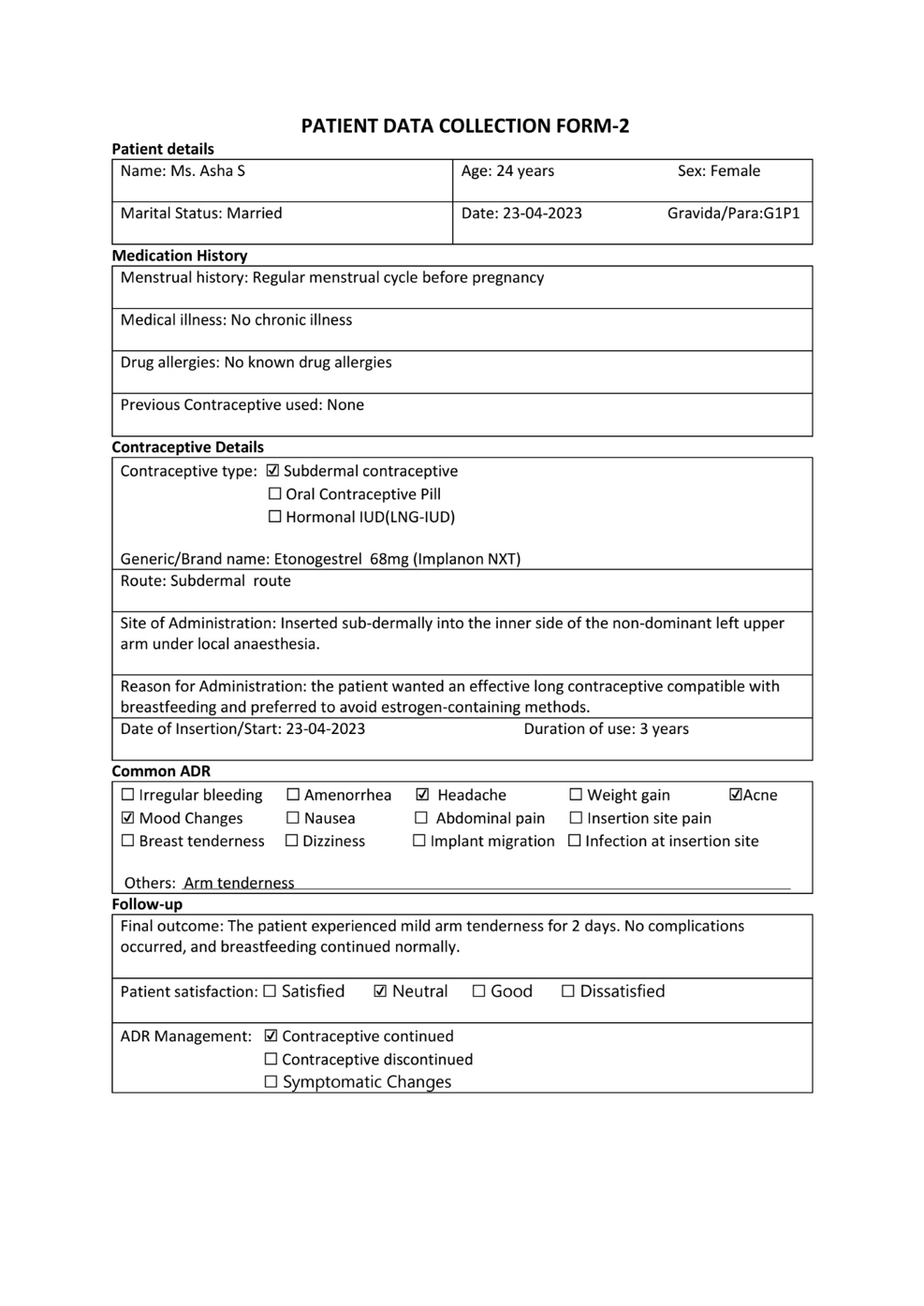
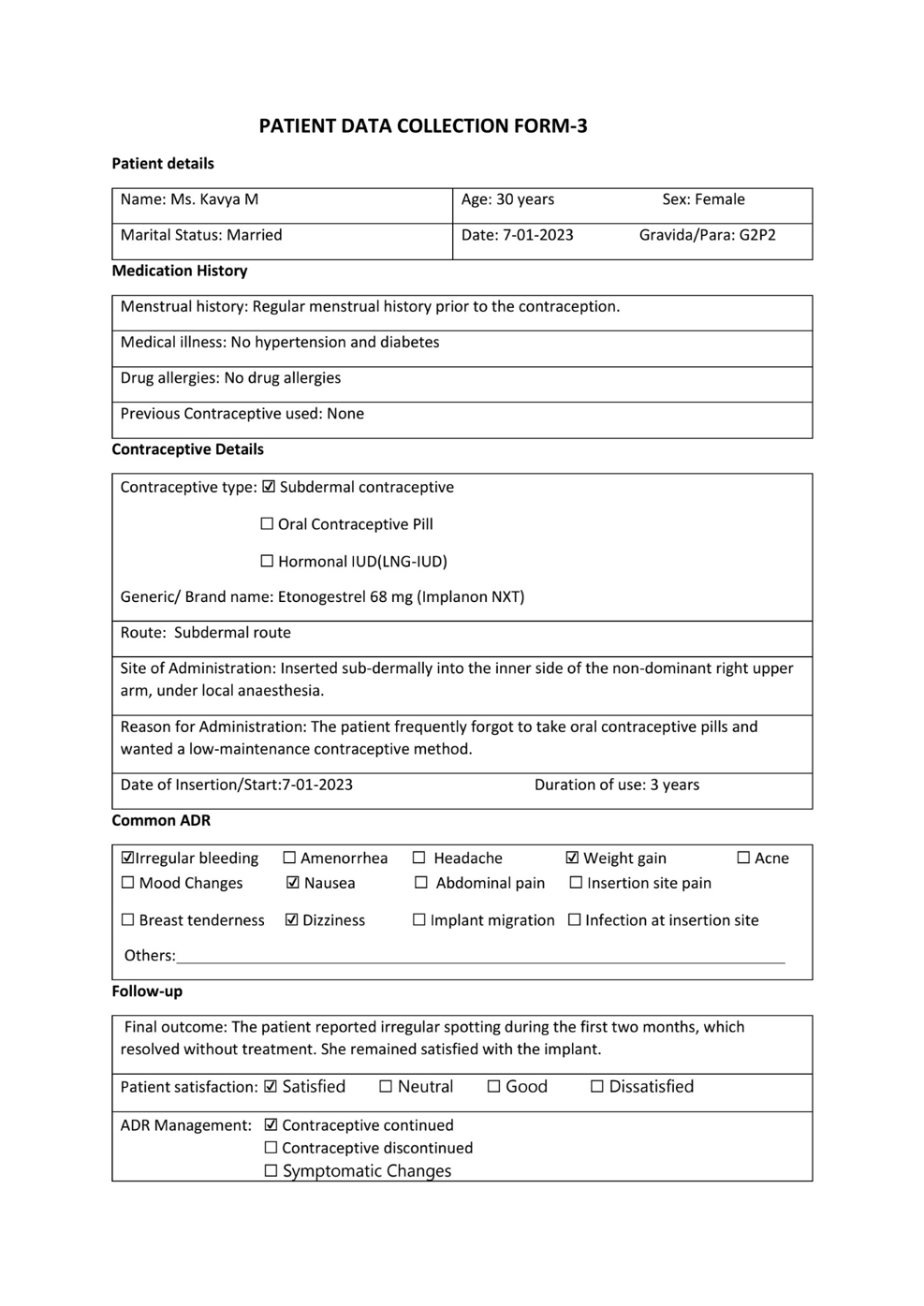
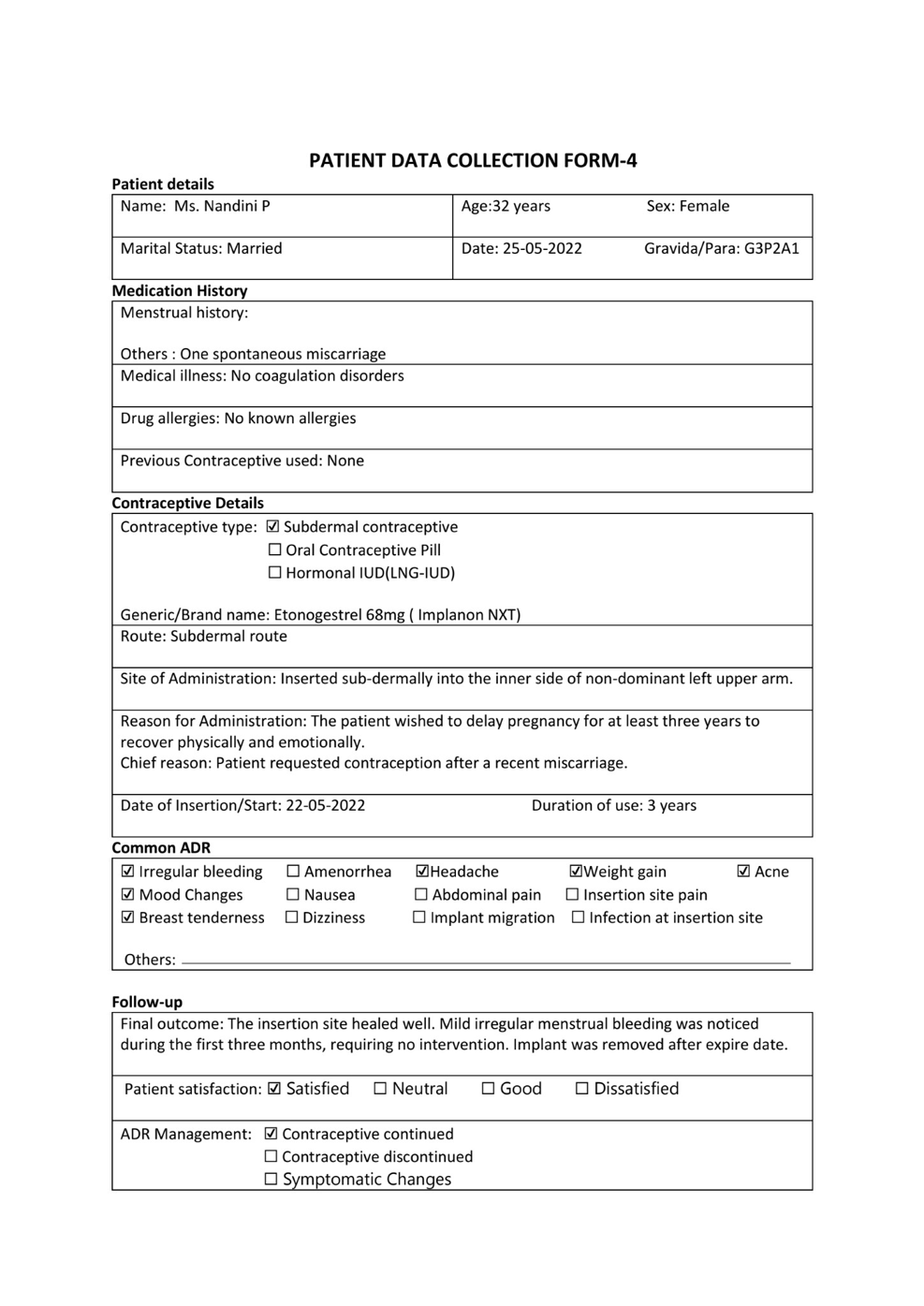
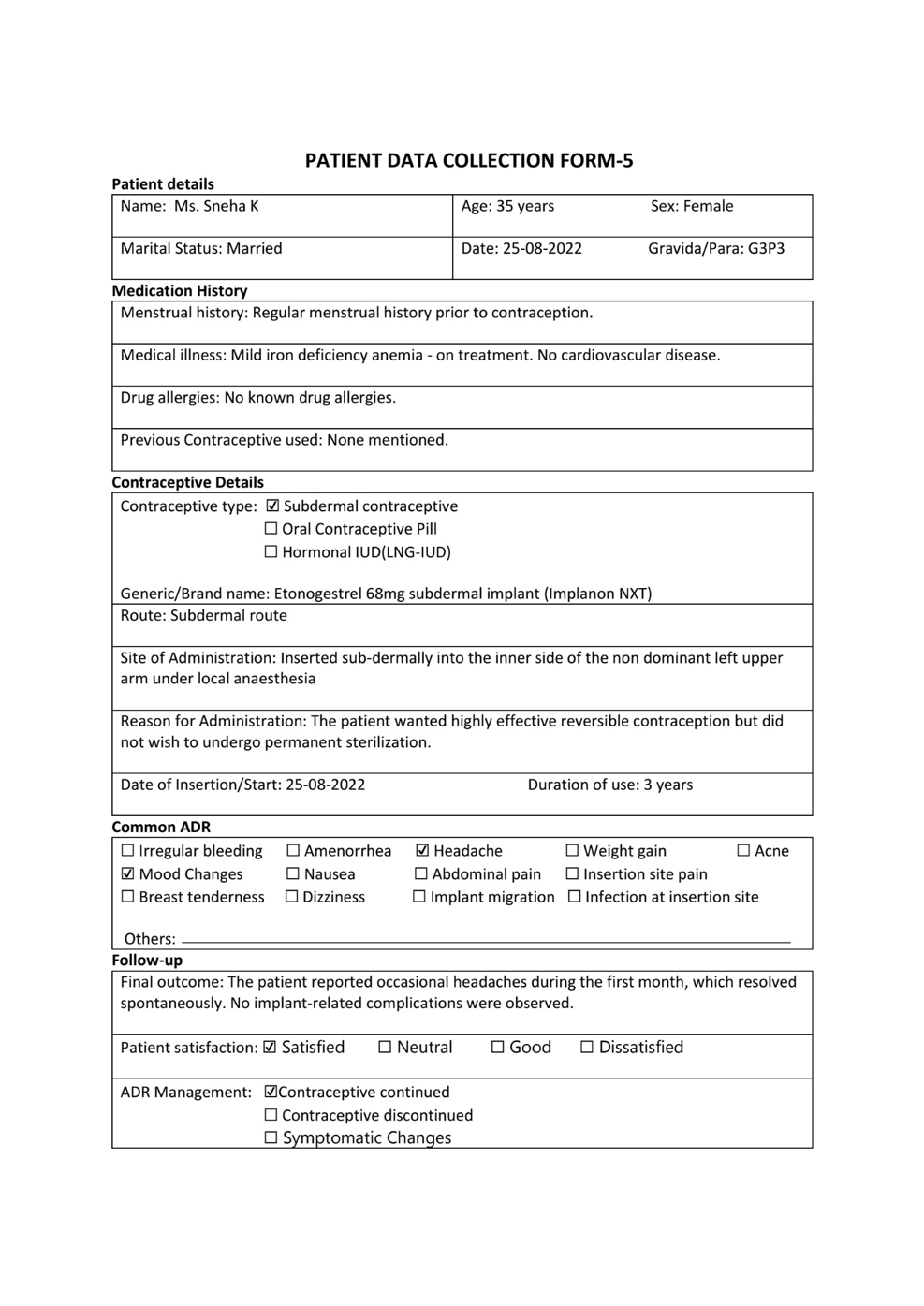
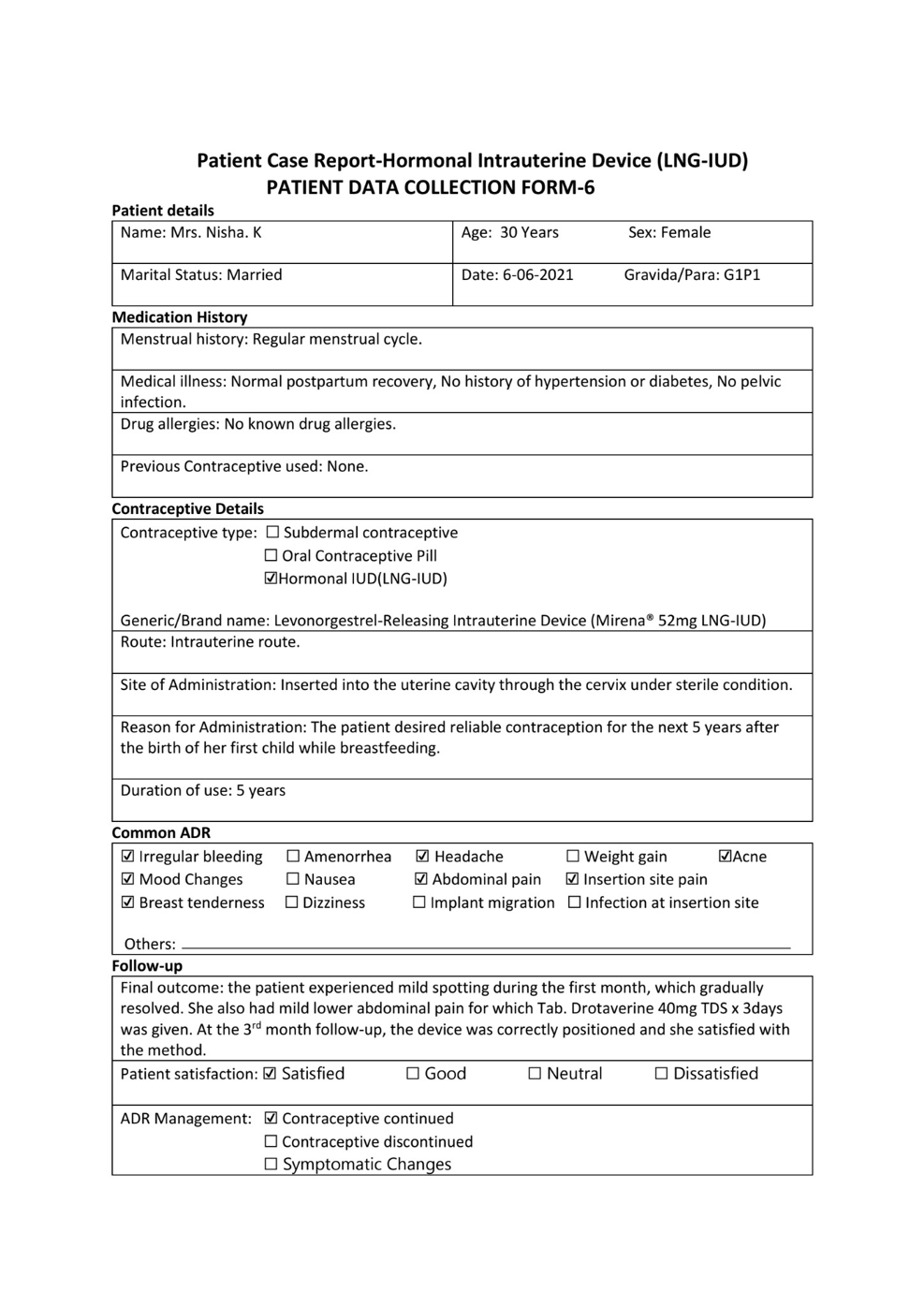
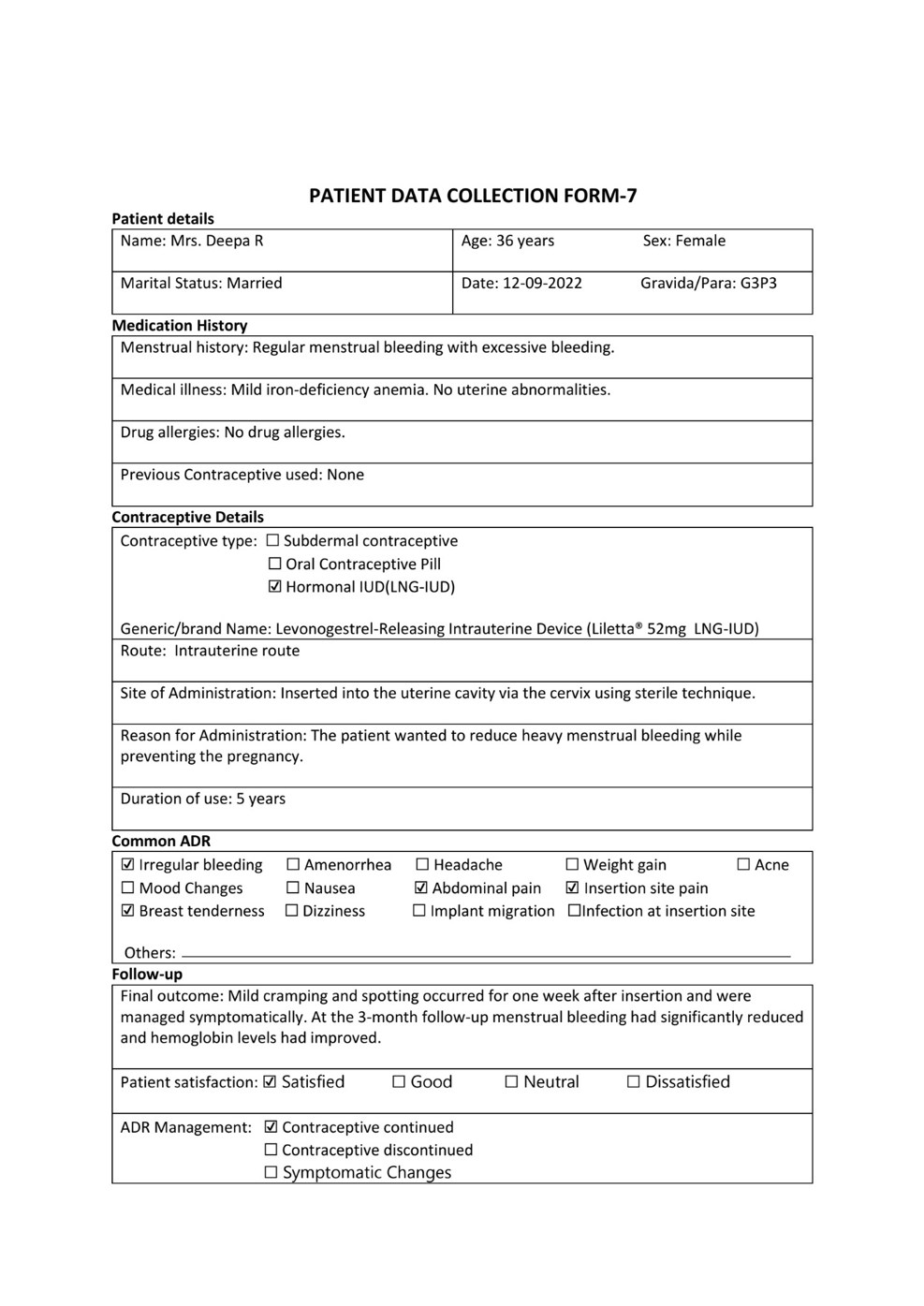
COMPARISON
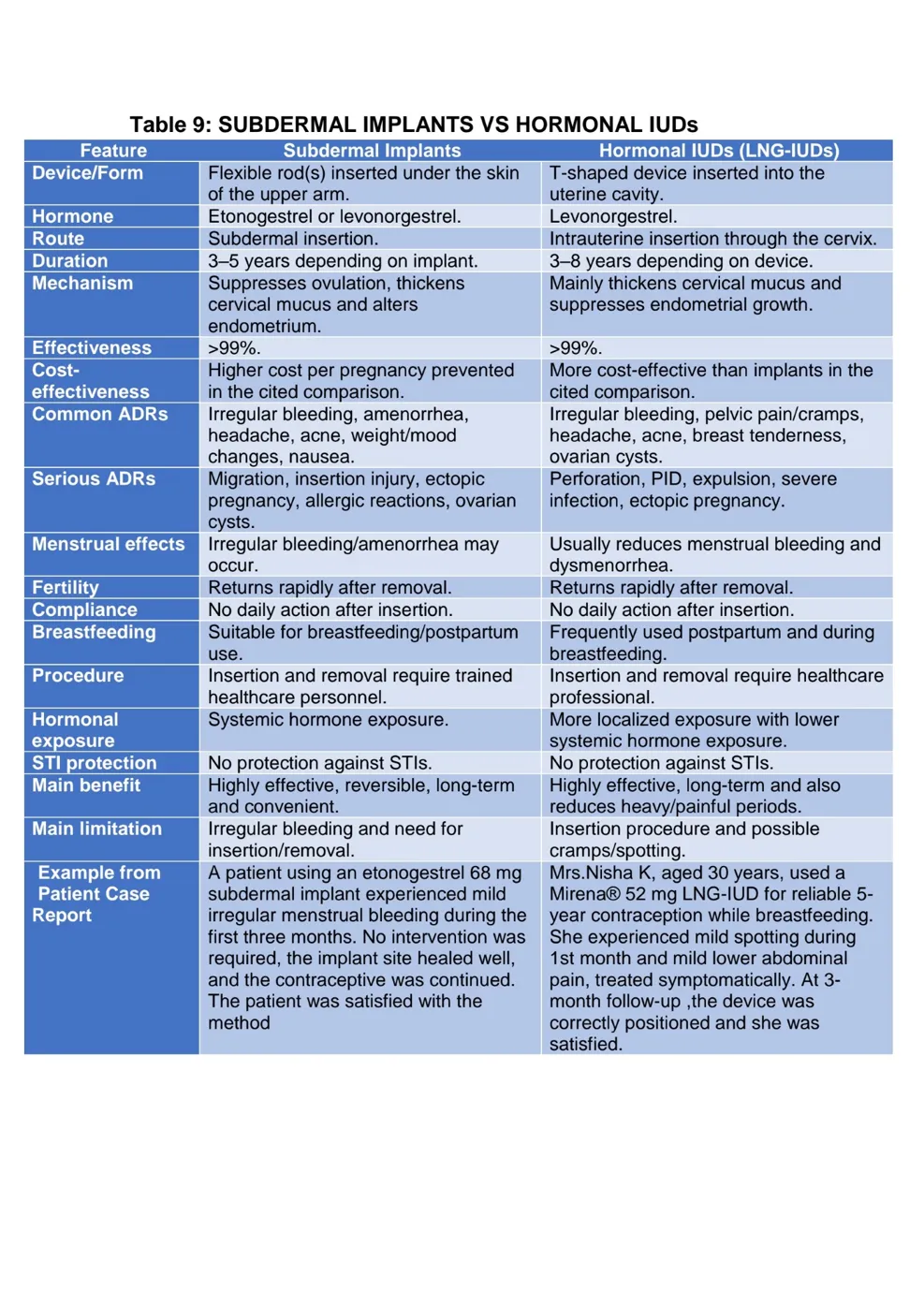
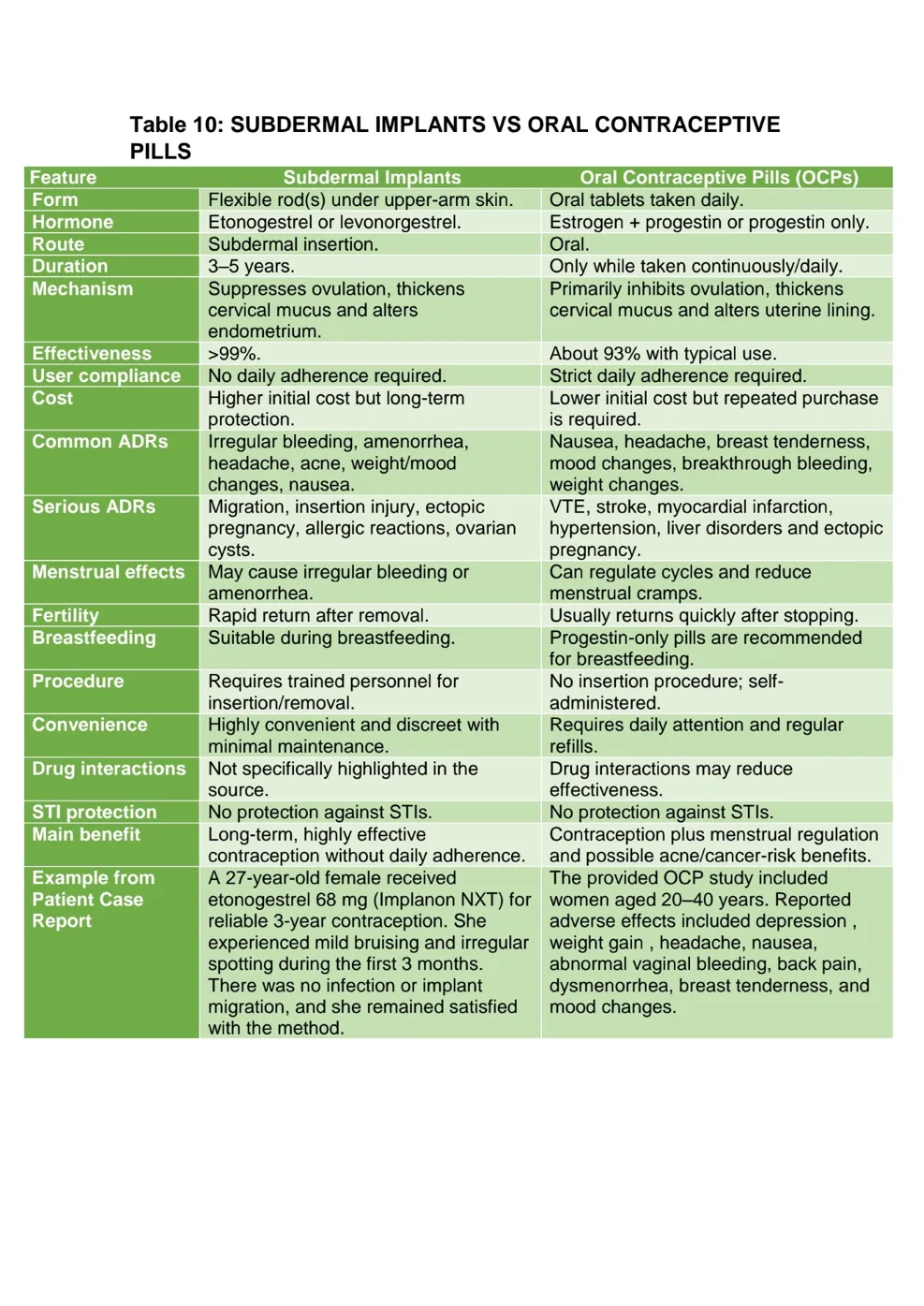
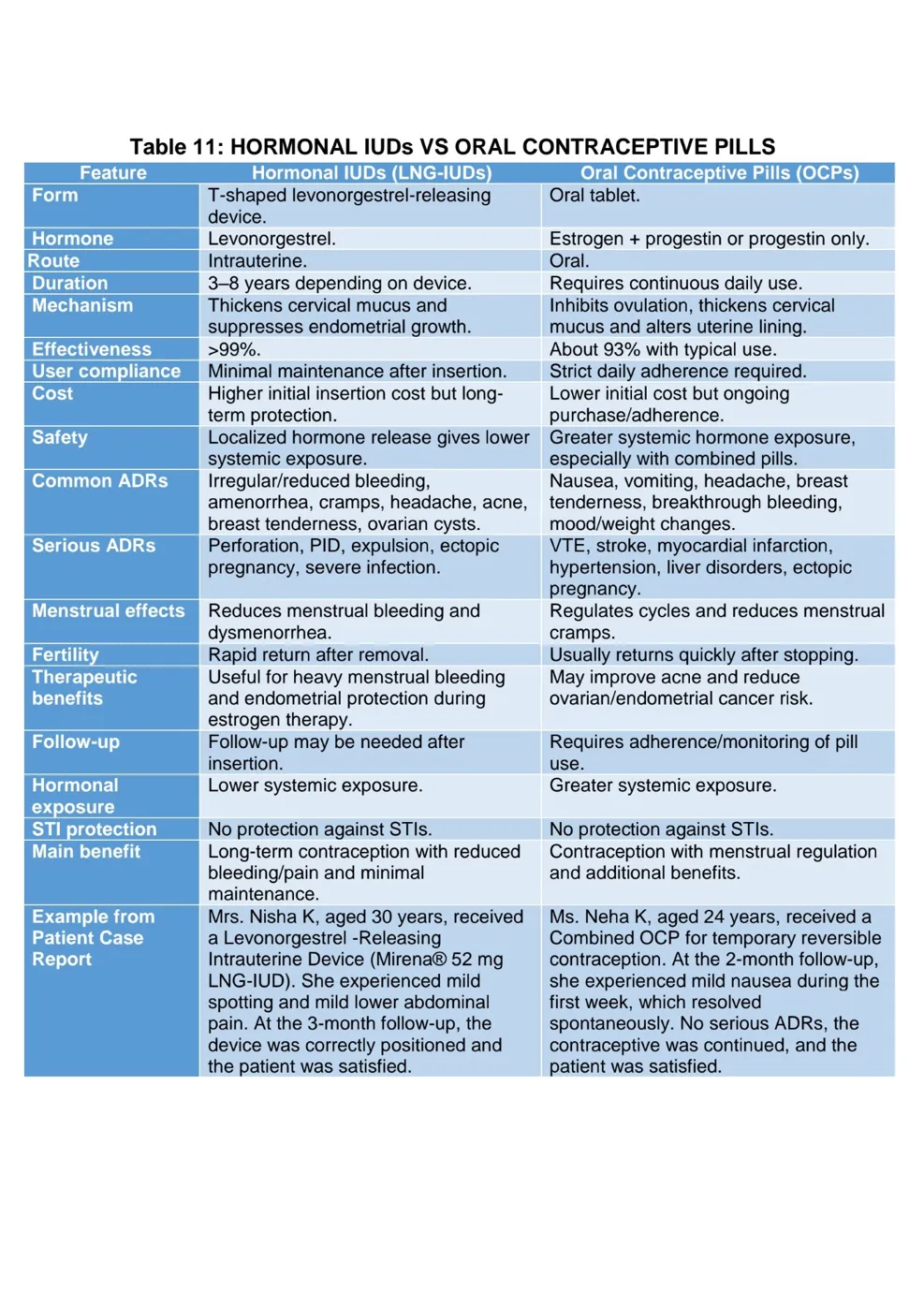
DISCUSSION
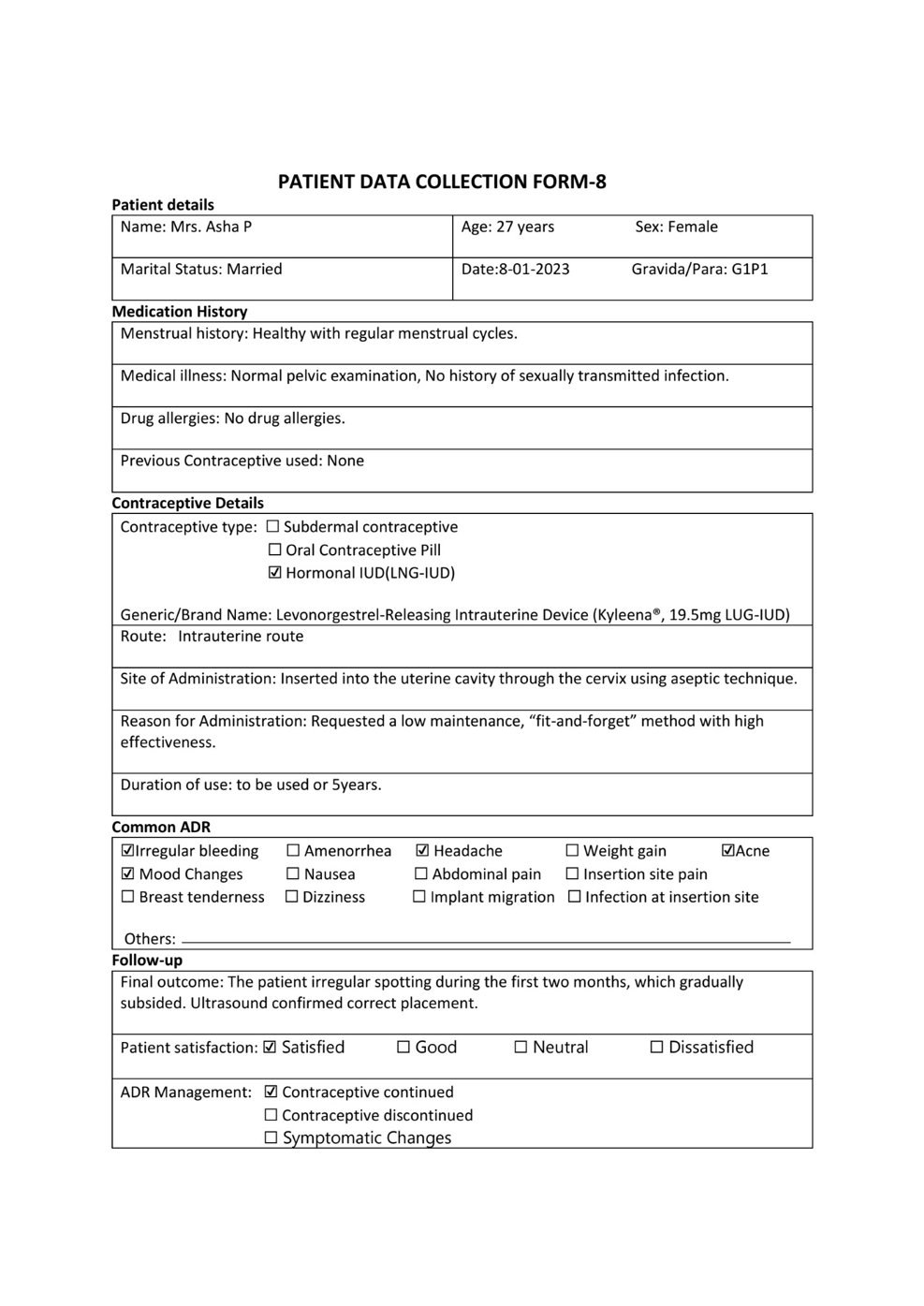
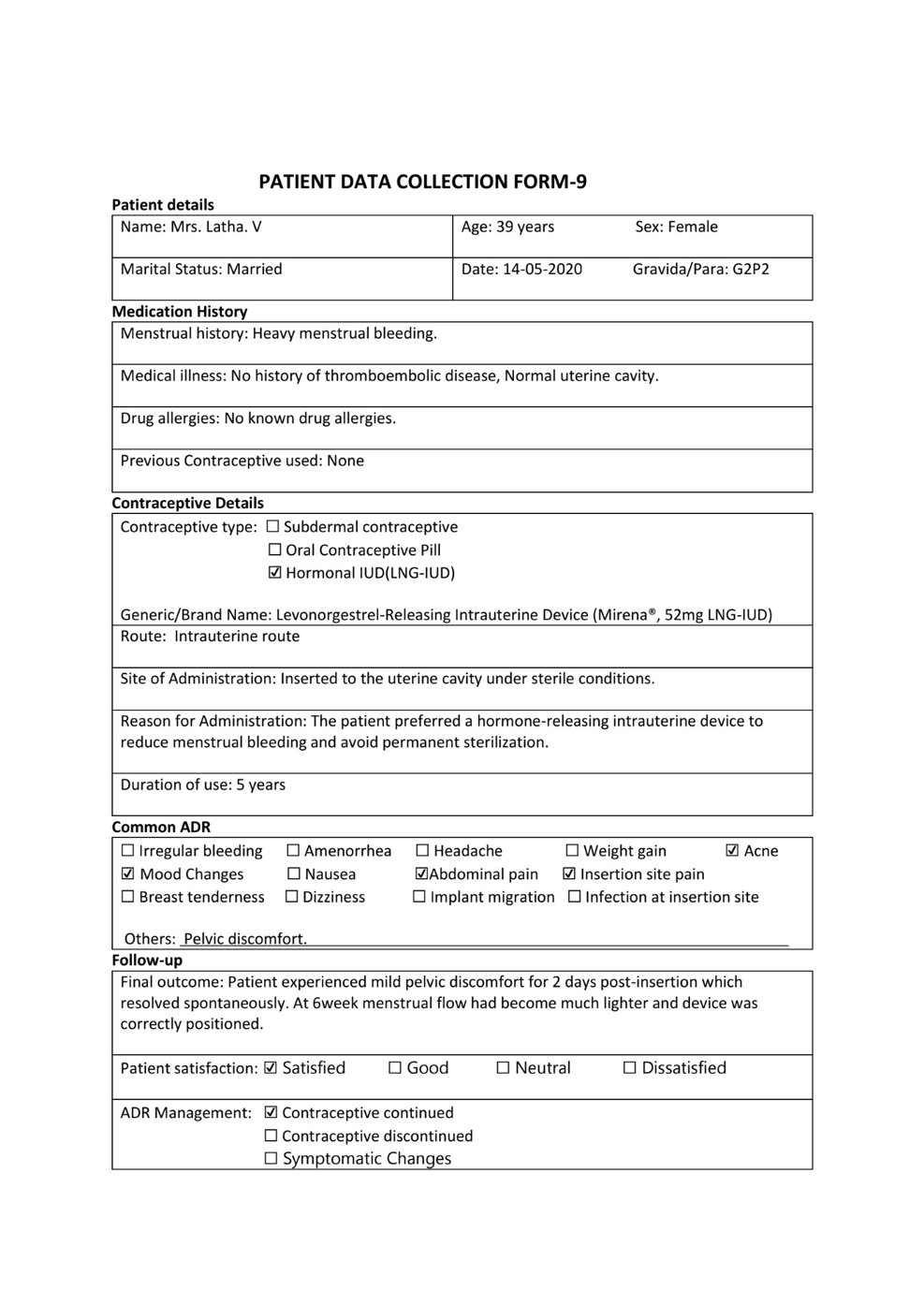
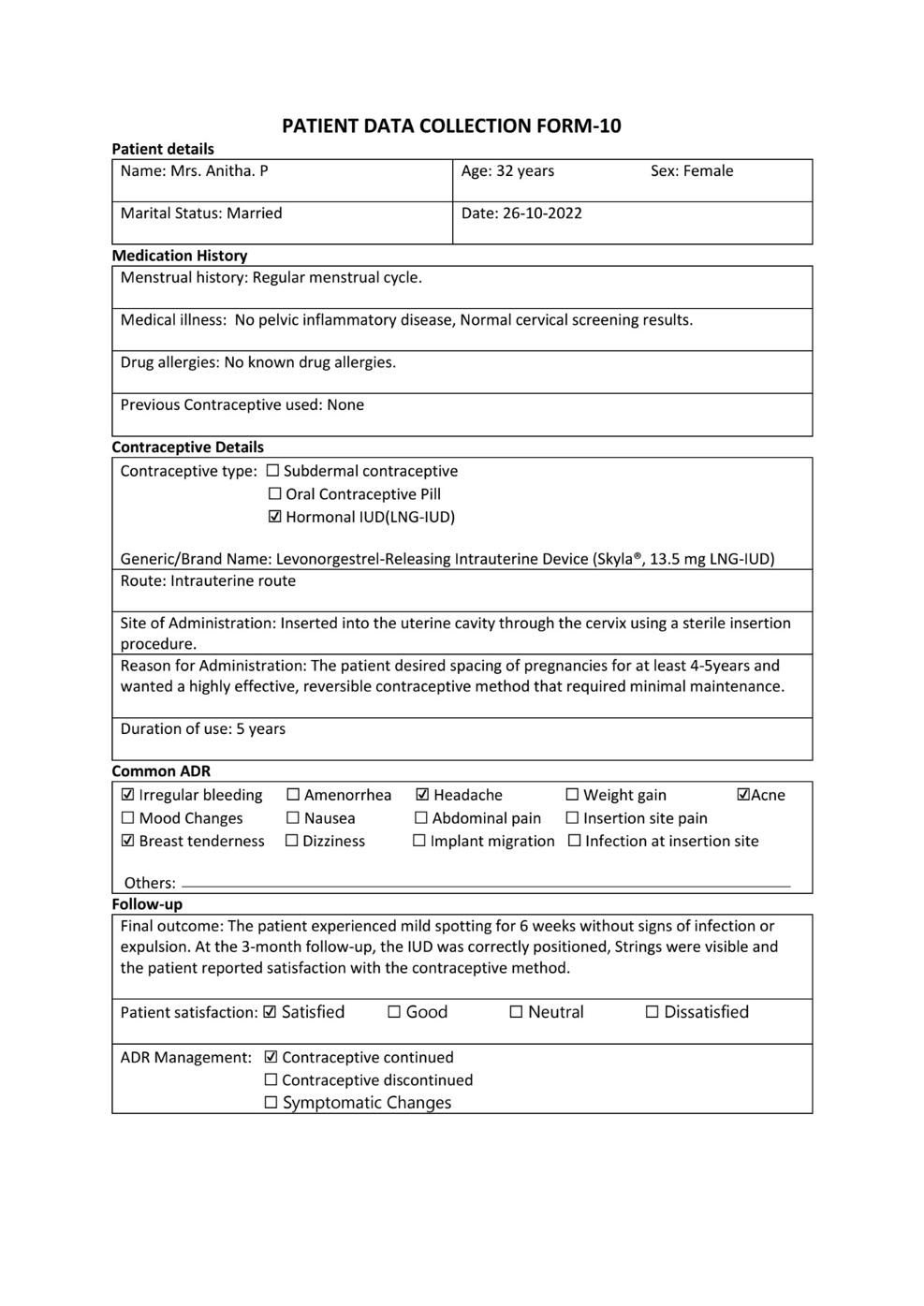
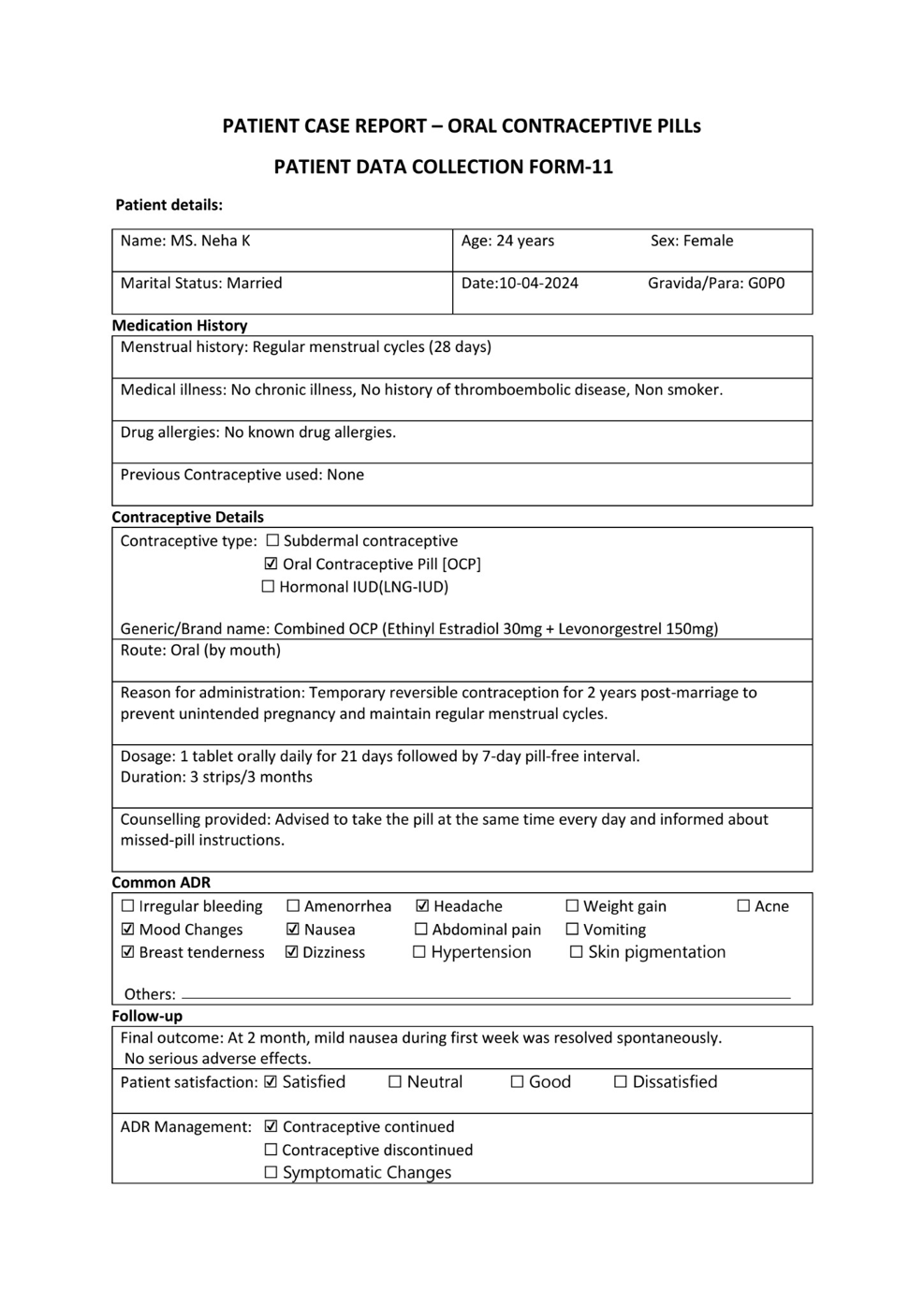
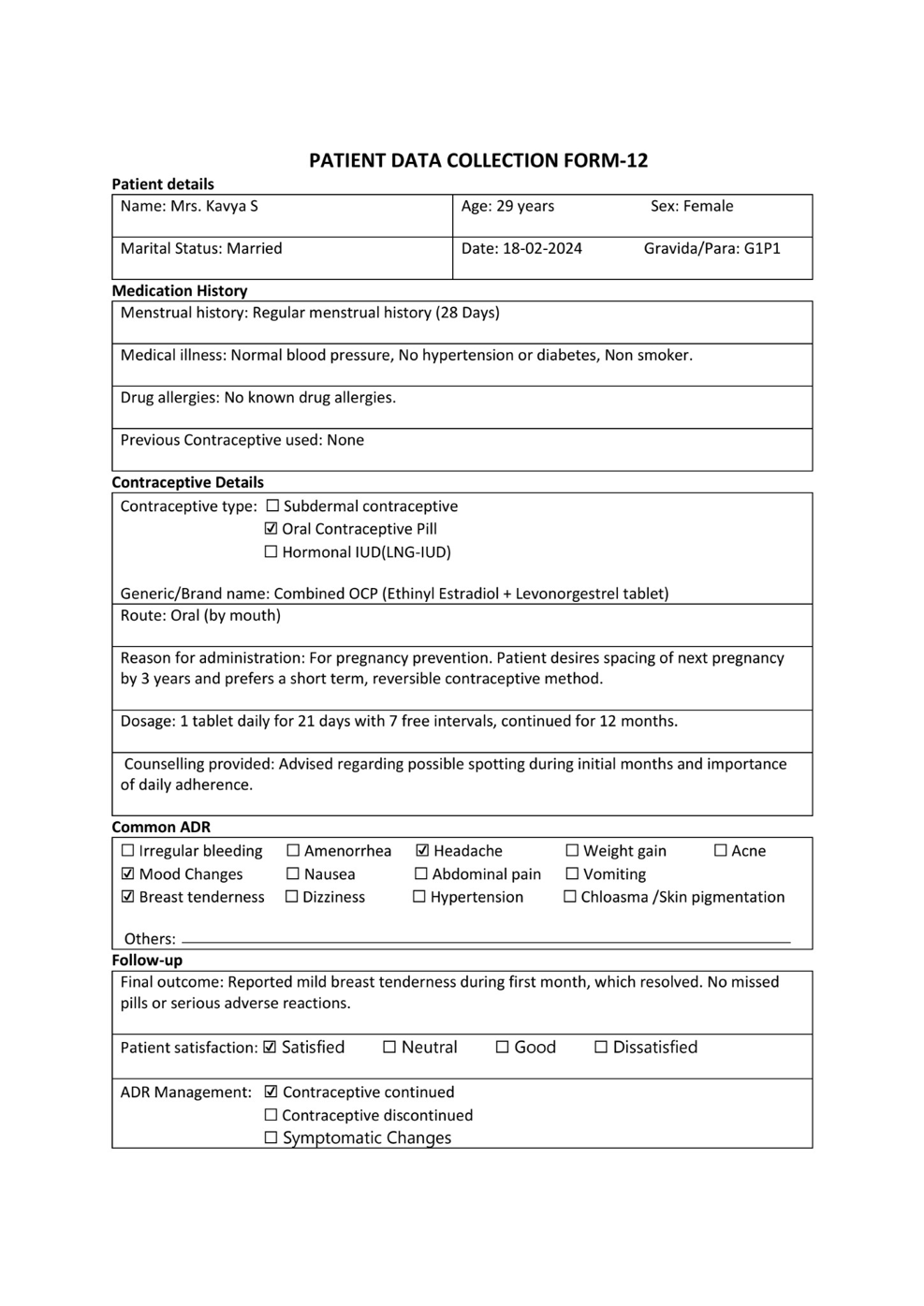
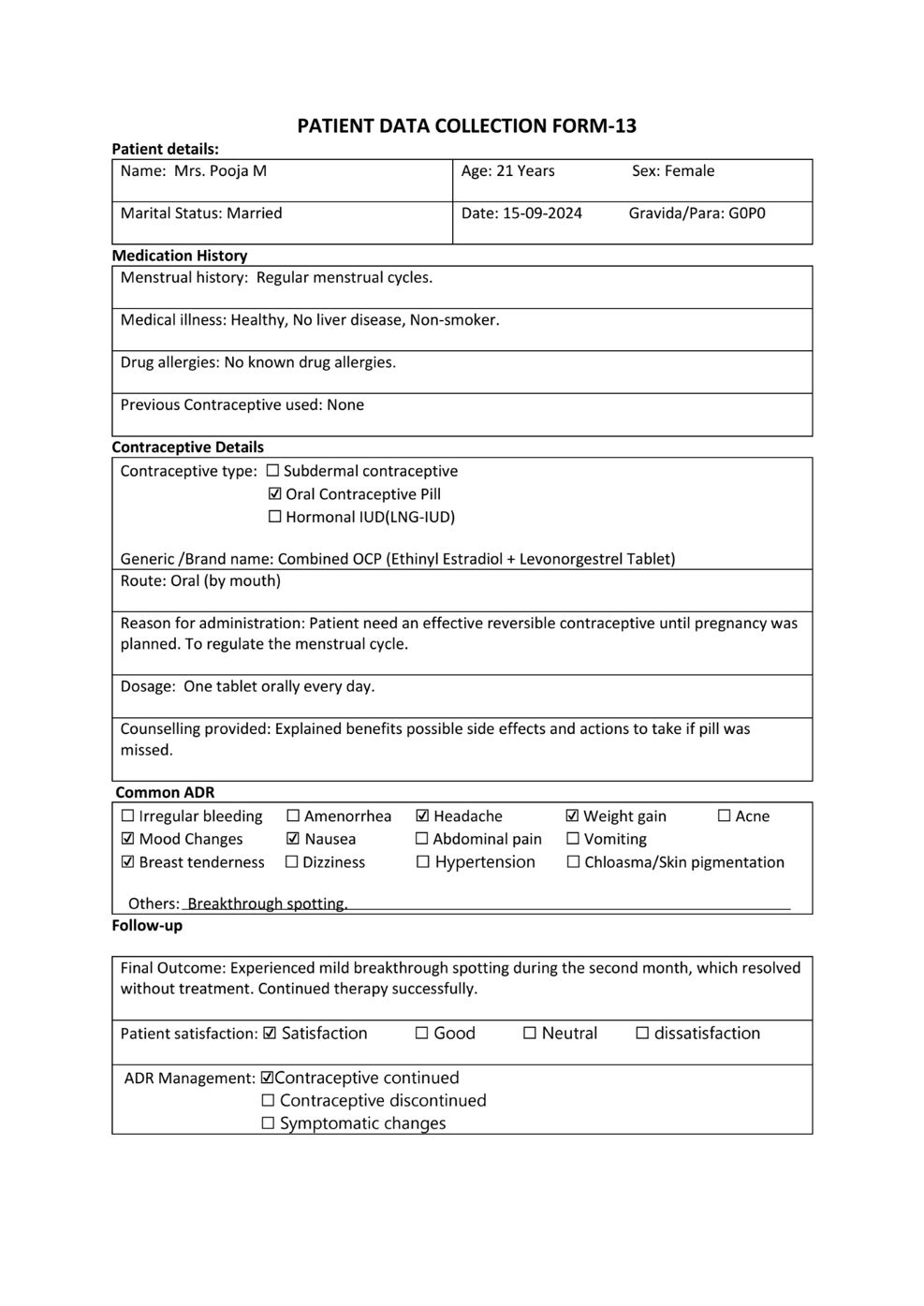
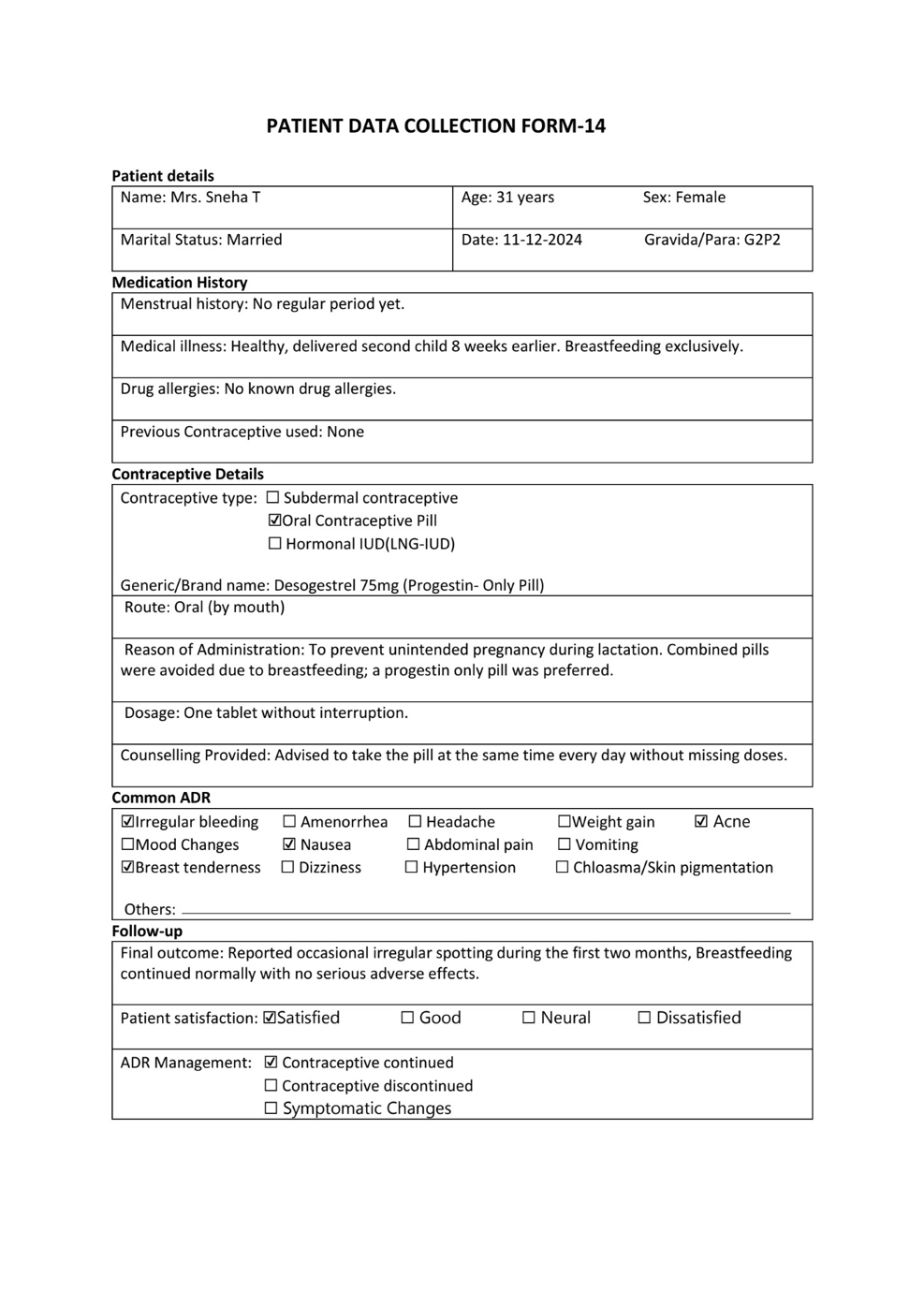
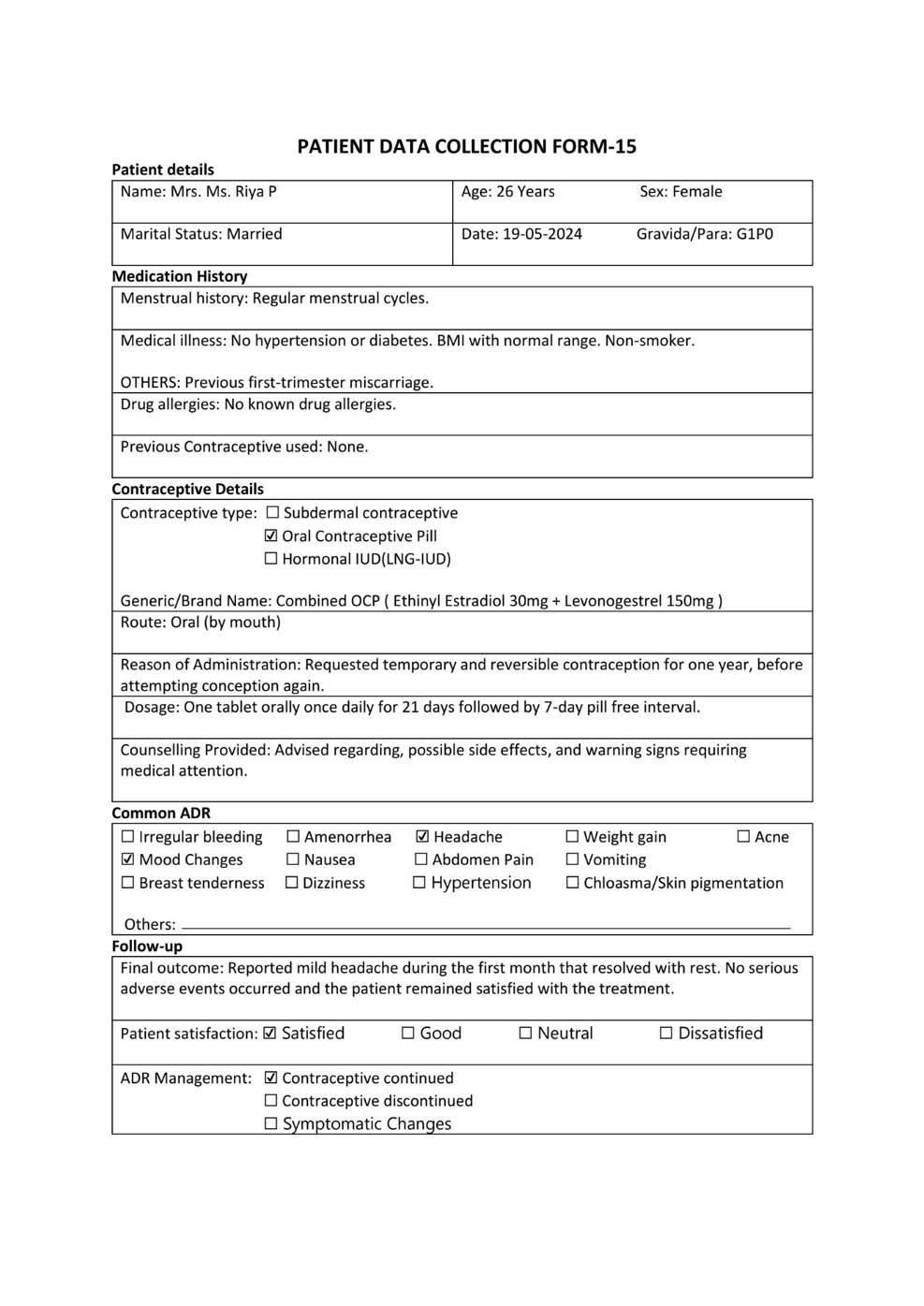
This hospital-based study (N = 15) found results broadly consistent with the published literature, though the small sample size means findings are descriptive and exploratory rather than population-level estimates. Most participants (40.0%) were aged 26–30 years; implants and OCPs were preferred by younger women, while the hormonal IUD was more common above 31 years, mirroring the general pattern of younger women choosing shorter-duration, reversible methods and older, parous women choosing long-acting, low maintenance protection. No pregnancies occurred among the 15 participants, consistent with the very low failure rates reported in the literature (Bahamondes et al., 2025; Jensen et al., 2022).
Irregular bleeding was the main ADR overall, most associated with the LNG-IUD (4/5 users) and, to a lesser extent, the implant (2/5), against only 1/5 OCP users — consistent with abnormal uterine bleeding being the leading cause of implant discontinuation and with IUD-related spotting typically resolving with continued use. Headache and mood changes were distributed fairly evenly across all three groups, matching published safety data. Acne was most frequent with the LNG-IUD. Insertion-site pain and pelvic discomfort occurred only with the implant and IUD, as expected given the absence of an insertion procedure for OCPs, and no device migration or insertion-site infection was recorded, supporting the safety of insertion under aseptic conditions by trained personnel. All 15 participants continued their method, with ADR management symptomatic throughout, comparable to continuation and satisfaction rates reported in the literature (Renke et al., 2023; Jensen et al., 2022) and confirming that ADRs across all three methods were predominantly mild and self-limiting, with bleeding-type reactions more prominent for the implant/IUD and systemic/breast-related reactions more prominent for the OCP.
This project set out to evaluate and compare the ADRs, safety profile and tolerability of subdermal implants, hormonal IUDs and hormonal contraceptive pills through pharmacovigilance monitoring, and the results address each of these areas. ADRs associated with each method were identified, with irregular bleeding, headache, mood changes and acne the most frequent, while implant migration, amenorrhoea and insertion-site infection were not observed. Incidence was compared across methods, showing bleeding- and procedure-related ADRs clustering with the device-based methods and breast tenderness/nausea more frequent with the OCP. Patient-related risk factors were captured, including preexisting heavy menstrual bleeding influencing LNG-IUD choice, mild iron-deficiency anaemia alongside implant use. Overall safety and tolerability were confirmed, with 0 discontinuations and 14 of 15 patients (93.3%) reporting satisfaction and the remaining patient reporting a neutral outcome. Finally, the structured Patient Data Collection Form used at every visit created a documented ADR record for all 15 participants, promoting ADR reporting and supporting stronger pre-insertion counselling on the expected pattern and timing of bleeding changes, with patients advised never to stop a method abruptly on their own but to report side effects to their clinician or pharmacist for assessment.
CONCLUSION
The present B.Pharm project on “Pharmacovigilance of Hormonal-Releasing Contraceptives” evaluated and compared the adverse drug reactions (ADRs), safety profile, effectiveness and tolerability of subdermal contraceptive implants, hormonal intrauterine devices (LNG-IUDs) and oral contraceptive pills (OCPs). The project combined a review of published evidence with hospital-based pharmacovigilance data and focused on identification of ADRs, comparison of their patterns, recognition of patient-related factors and promotion of safe contraceptive use and ADR reporting.
The hospital-based findings were based on 15 participants and are therefore descriptive and exploratory rather than population-level estimates. No pregnancy was reported among the participants. Irregular bleeding was the principal ADR overall and was particularly prominent among LNG-IUD users (4/5) and implant users (2/5), compared with 1/5 OCP users. Headache and mood changes occurred across the three groups, while acne was more frequent with LNG-IUDs and implants and breast tenderness and nausea were more prominent among OCP users. Procedure-related discomfort was confined to the devicebased methods.
The observed reactions were predominantly mild and self-limiting. No implant migration or insertion-site infection was recorded, and no participant discontinued the contraceptive method because of an ADR. All 15 participants continued their selected method, with symptomatic management used where required. Fourteen of the 15 participants (93.3%) reported satisfaction, while one reported a neutral outcome.
The project also identified patient-related factors relevant to contraceptive selection and safety monitoring. Pre-existing heavy menstrual bleeding influenced LNG-IUD choice, mild iron-deficiency anaemia was present in an implant user, and breastfeeding status influenced avoidance of estrogen-containing contraception. These observations reinforce the importance of considering medical history, reproductive needs and individual risk factors when selecting hormonal contraception.
From a pharmacovigilance perspective, the project demonstrates the value of structured
ADR documentation, patient interviews, follow-up and counselling. The Patient Data Collection Form provided a systematic record of contraceptive exposure, clinical characteristics, ADRs and outcomes. Patients should be encouraged to report suspected ADRs to healthcare professionals rather than discontinuing contraception abruptly without assessment.
The study objectives were addressed by identifying ADRs, comparing their distribution among implants, hormonal IUDs and OCPs, considering patient-related factors, and evaluating safety and tolerability. However, the small sample size and the absence of separately documented formal severity grading limit generalization and statistical comparison. The findings should therefore be interpreted as supportive hospital-based observations rather than definitive population risk estimates.
In conclusion, subdermal implants, hormonal IUDs and OCPs remain important and effective reversible contraceptive options, with different ADR patterns related to their route of administration, hormone exposure and adherence requirements. Continuous safety monitoring, accurate ADR reporting, individualized contraceptive selection, trained insertion and follow-up, and clear patient counselling are essential to maximize benefits and minimize risks. The project therefore supports an integrated pharmacovigilance approach as an important component of rational, safe and patient-centred contraceptive care.
In conclusion, subdermal implants, hormonal IUD and OCPs remains important components of family planning. While their ADR patterns differ due to route of administration and hormone exposure, all three are safe and effective when used with proper patient selection, continuous safety monitoring, and comprehensive counselling. Strengthening pharmacovigilance practices and patient awareness will be key to minimizing risks of hormonal contraceptive use.
REFERENCES






Asmitha B., Bhavya S.*, Deeksha R., Hrushitha Minchu K .S., Srushti K. V., Jiji K., Comparative Assessment Of Hormonal Contraceptive Methods: Subdermal Implants, Hormonal Intrauterine Devices And Oral Contraceptive Pills, Int. J. of Pharm. Sci., 2026, Vol 4, Issue 9, 3299-3337. https://doi.org/10.5281/zenodo.22959320
 10.5281/zenodo.22959320