

We use cookies to ensure our website works properly and to personalise your experience. Cookies policy
Sanskar College of Pharmacy and Research, Ghaziabad-201001, Uttar Pradesh, India.
Oral mucosal diseases (OMDs), including oral mucositis, recurrent aphthous stomatitis, oral lichen planus, oral candidiasis, oral submucous fibrosis, leukoplakia, and oral squamous cell carcinoma, represent a significant global healthcare burden owing to their high prevalence, chronicity, and impact on patients' quality of life. Conventional therapeutic approaches, such as corticosteroids, antifungal agents, immunosuppressants, and analgesics, primarily provide symptomatic relief but are often associated with poor mucosal retention, limited therapeutic efficacy, systemic adverse effects, and frequent disease recurrence. Curcuma longa L. (turmeric) and its principal bioactive constituent, curcumin, have gained considerable attention because of their potent anti-inflammatory, antioxidant, antimicrobial, antifibrotic, wound-healing, and anticancer properties. Curcumin modulates multiple molecular signaling pathways, including NF-?B, MAPK, PI3K/Akt, JAK/STAT, TGF-?, and Nrf2/HO-1, thereby targeting the multifactorial pathogenesis of oral mucosal diseases. However, its clinical application remains limited by poor aqueous solubility, low oral bioavailability, chemical instability, and rapid metabolism. Recent advances in nanotechnology have led to the development of curcumin-based novel drug delivery systems, including nanoparticles, liposomes, solid lipid nanoparticles, nanostructured lipid carriers, polymeric nanoparticles, nanoemulsions, hydrogels, buccal films, electrospun nanofibers, micelles, dendrimers, and exosome-based carriers, which significantly enhance curcumin stability, controlled release, mucosal adhesion, and targeted drug delivery. This review comprehensively summarizes the pharmacological profile of C. longa, discusses the limitations of conventional curcumin therapy, critically evaluates emerging nanoformulations and their therapeutic applications in major oral mucosal diseases, and highlights recent preclinical and clinical evidence. Furthermore, the review addresses safety, regulatory, and commercialization challenges while exploring future perspectives, including artificial intelligence-driven formulation design and personalized drug delivery.
Oral mucosal diseases (OMDs) comprise a heterogeneous group of inflammatory, infectious, autoimmune, traumatic, and potentially malignant disorders affecting the oral epithelium and underlying connective tissues. Common conditions include recurrent aphthous stomatitis (RAS), oral lichen planus (OLP), oral mucositis (OM), oral candidiasis (OC), oral submucous fibrosis (OSMF), leukoplakia, and oral squamous cell carcinoma (OSCC). Despite their diverse etiologies, these disorders share common pathological mechanisms involving chronic inflammation, oxidative stress, immune dysregulation, microbial imbalance, and impaired epithelial repair [1]. Clinically, OMDs are characterized by pain, erythema, ulceration, burning sensation, dysphagia, xerostomia, and compromised mastication and speech, which substantially diminish patients' quality of life. Moreover, persistent or recurrent lesions frequently require prolonged treatment and regular clinical monitoring, placing considerable economic and healthcare burdens on patients and healthcare systems. As the prevalence of chronic diseases, aging populations, tobacco use, alcohol consumption, and cancer therapies continues to increase worldwide, the incidence and complexity of oral mucosal disorders are also expected to rise. Consequently, there is an urgent need for safe, effective, and targeted therapeutic approaches capable of promoting mucosal healing while minimizing adverse effects [2].
Oral diseases are among the most prevalent non-communicable diseases globally. According to the World Health Organization (WHO), approximately 3.5-3.7 billion people are affected by oral diseases worldwide, accounting for nearly half of the global population. The burden is disproportionately higher in low- and middle-income countries due to inadequate access to oral healthcare, delayed diagnosis, and limited preventive strategies. The prevalence of oral diseases has continued to increase over the last three decades, driven by population growth, increased life expectancy, unhealthy dietary habits, tobacco use, alcohol consumption, and systemic diseases such as diabetes and cancer [3].
Oral mucosal diseases constitute a significant proportion of oral healthcare visits. Recurrent aphthous stomatitis affects approximately 5-25% of the general population, making it the most common ulcerative lesion of the oral cavity. Oral lichen planus affects nearly 1-2% of adults worldwide and is considered a chronic immune-mediated disorder with a malignant transformation risk of approximately 0.5-2%. Oral mucositis occurs in 40-80% of patients receiving chemotherapy and in up to 90-100% of patients undergoing radiotherapy for head and neck cancers [4]. Oral candidiasis is one of the most prevalent opportunistic fungal infections among immunocompromised patients, denture wearers, and elderly individuals. Oral submucous fibrosis is predominantly observed in South and Southeast Asia because of areca nut chewing and demonstrates malignant transformation rates ranging from 1.5% to 15%. Furthermore, oral squamous cell carcinoma accounts for nearly 90% of oral malignancies, with approximately 390,000 new cases and 188,000 deaths reported globally each year [5].Beyond clinical manifestations, oral mucosal diseases significantly impair nutrition, speech, swallowing, oral hygiene, and psychosocial well-being. Persistent pain frequently results in reduced food intake, weight loss, sleep disturbances, anxiety, and depression. Consequently, these disorders impose a substantial socioeconomic burden through increased healthcare utilization, reduced productivity, and diminished quality of life [6].
Current management strategies for oral mucosal diseases include topical corticosteroids, systemic corticosteroids, non-steroidal anti-inflammatory drugs (NSAIDs), topical anesthetics, antifungal agents, antibiotics, immunosuppressants, antiseptic mouthwashes, laser therapy, cryotherapy, and surgical interventions. Although these therapies effectively relieve symptoms in many patients, they often fail to provide long-term disease control because they primarily target symptoms rather than the underlying pathological mechanisms [7]. The oral cavity presents unique physiological barriers that limit drug effectiveness. Continuous salivary secretion, enzymatic degradation, mastication, swallowing, and rapid epithelial turnover significantly reduce drug residence time on the oral mucosa, resulting in poor absorption and inadequate local drug concentrations. Consequently, patients require frequent drug administration, which negatively affects treatment adherence [8].Long-term corticosteroid therapy, considered the gold standard for several inflammatory oral mucosal diseases, is associated with adverse effects such as oral candidiasis, mucosal atrophy, delayed wound healing, adrenal suppression, and local immunosuppression. Similarly, prolonged administration of antibiotics and antifungal drugs contributes to antimicrobial resistance and disruption of the normal oral microbiota. Existing treatments for oral mucositis mainly provide symptomatic relief without effectively preventing epithelial injury or accelerating tissue regeneration. These limitations highlight the urgent need for multifunctional therapeutic agents capable of simultaneously reducing inflammation, oxidative stress, microbial infection, and tissue damage while improving patient compliance [9].
Curcuma longa L. (turmeric), a perennial herb belonging to the family Zingiberaceae, has been extensively used in Ayurvedic, Chinese, and traditional medicine for centuries. The rhizome contains more than 200 bioactive compounds, including curcuminoids, volatile oils, polysaccharides, proteins, and phenolic constituents. Curcumin (diferuloylmethane) is the principal curcuminoid responsible for most of turmeric's therapeutic activities and typically constitutes 2-8% of the dried rhizome [10].
Curcumin exhibits diverse pharmacological properties, including anti-inflammatory, antioxidant, antimicrobial, antifungal, antiviral, immunomodulatory, wound-healing, anti-fibrotic, and anticancer activities. At the molecular level, curcumin inhibits multiple inflammatory signaling pathways, including NF-κB, MAPK, JAK/STAT, PI3K/Akt, COX-2, LOX, TNF-α, IL-1β, IL-6, IL-8, TGF-β, and matrix metalloproteinases, while activating antioxidant pathways such as Nrf2/HO-1. These mechanisms collectively suppress inflammation, reduce oxidative stress, inhibit microbial growth, enhance collagen synthesis, promote angiogenesis, and accelerate epithelial regeneration [11].Numerous preclinical and clinical studies have demonstrated promising therapeutic outcomes of curcumin in recurrent aphthous stomatitis, oral lichen planus, oral mucositis, oral candidiasis, oral submucous fibrosis, periodontal inflammation, and oral squamous cell carcinoma. However, despite its remarkable pharmacological potential, curcumin exhibits poor aqueous solubility, limited gastrointestinal absorption, rapid metabolism, chemical instability, and low systemic bioavailability, restricting its clinical application [12].To overcome these challenges, researchers have developed a variety of novel drug delivery systems, including nanoparticles, liposomes, polymeric nanoparticles, solid lipid nanoparticles (SLNs), nanostructured lipid carriers (NLCs), nanoemulsions, hydrogels, micelles, electrospun nanofibers, buccal films, and mucoadhesive patches. These advanced formulations significantly improve curcumin stability, enhance mucosal penetration, prolong drug retention at the target site, enable sustained drug release, and increase therapeutic efficacy while minimizing systemic adverse effects [13].
This review comprehensively summarizes the current knowledge regarding Curcuma longa and curcumin-based novel drug delivery systems for the treatment of oral mucosal diseases. It discusses the epidemiology, pathophysiology, and limitations of existing therapies before highlighting the phytochemistry, pharmacological properties, and molecular mechanisms of curcumin. Particular emphasis is placed on recent advances in nanotechnology-based drug delivery platforms including polymeric nanoparticles, lipid-based nanocarriers, liposomes, hydrogels, nanoemulsions, electrospun nanofibers, and mucoadhesive formulations and their therapeutic applications in oral mucosal disorders. Finally, the review critically evaluates available preclinical and clinical evidence, safety profiles, regulatory considerations, translational challenges, and future research directions. By integrating advances in phytopharmacology and nanomedicine, this review aims to provide a comprehensive resource for researchers and clinicians developing effective curcumin-based therapies for oral mucosal diseases.
Oral mucosal diseases (OMDs) encompass a broad spectrum of inflammatory, infectious, autoimmune, traumatic, and potentially malignant disorders affecting the oral mucosa. These conditions arise from complex interactions among genetic susceptibility, immune dysregulation, microbial colonization, oxidative stress, environmental exposures, and systemic diseases. Despite their diverse etiologies, most oral mucosal diseases share common pathological features, including epithelial damage, chronic inflammation, excessive production of reactive oxygen species (ROS), cytokine-mediated tissue injury, extracellular matrix remodeling, and impaired wound healing [14]. The oral mucosa is continuously exposed to mechanical forces, saliva, microorganisms, dietary irritants, tobacco, alcohol, and various chemical agents, making it highly susceptible to disease development. Clinically, oral mucosal disorders present with pain, erythema, ulceration, burning sensation, fibrosis, white plaques, or fungal overgrowth, significantly affecting eating, speaking, swallowing, and overall quality of life. Understanding the pathophysiological basis of these diseases is essential for developing targeted therapeutic interventions and advanced drug delivery systems capable of overcoming the limitations of conventional therapies [15].
Oral Ulcers: Oral ulcers are among the most common lesions affecting the oral mucosa and are characterized by localized epithelial breakdown resulting in painful ulcerative defects. The most prevalent form is recurrent aphthous stomatitis (RAS), which affects approximately 5-25% of the global population. The etiology of oral ulcers is multifactorial and includes genetic predisposition, nutritional deficiencies (vitamin B12, folate, iron), stress, food hypersensitivity, trauma, hormonal changes, and immune dysfunction [16]. Histopathologically, ulcers exhibit epithelial destruction accompanied by infiltration of neutrophils, macrophages, and activated T lymphocytes. Elevated concentrations of inflammatory mediators such as tumor necrosis factor-alpha (TNF-α), interleukin (IL)-1β, IL-6, and IL-8 contribute to tissue damage and delayed healing. Conventional treatment primarily focuses on pain relief and inflammation control using topical corticosteroids and analgesics; however, recurrence remains common [17].
Oral Lichen Planus: Oral lichen planus (OLP) is a chronic immune-mediated inflammatory disease affecting approximately 1–2% of the adult population, with a higher prevalence among middle-aged women. The disease is characterized by a T-cell-mediated autoimmune response directed against basal epithelial keratinocytes. Cytotoxic CD8+ T lymphocytes induce apoptosis through perforin-granzyme and Fas-Fas ligand pathways, resulting in degeneration of the basal epithelial layer [18]. Clinically, OLP presents as reticular, erosive, atrophic, papular, plaque-like, or bullous lesions, with erosive forms causing severe pain and functional impairment. Persistent activation of NF-κB signaling and increased expression of TNF-α, interferon-gamma (IFN-γ), IL-6, and matrix metalloproteinases contribute to chronic inflammation and epithelial destruction. OLP is recognized as an oral potentially malignant disorder with an estimated malignant transformation rate of approximately 0.5-2% [19].
Oral Mucositis: Oral mucositis is a debilitating inflammatory complication commonly associated with chemotherapy, radiotherapy, and hematopoietic stem cell transplantation. The incidence ranges from 40-80% among patients receiving chemotherapy and exceeds 90% in individuals undergoing radiotherapy for head and neck cancers [20]. The pathogenesis involves a cascade of biological events beginning with direct DNA damage and reactive oxygen species generation, followed by activation of transcription factors such as NF-κB, release of pro-inflammatory cytokines, epithelial apoptosis, ulcer formation, and secondary microbial colonization. Severe oral mucositis leads to intense pain, dysphagia, malnutrition, increased risk of systemic infections, interruption of cancer treatment, and prolonged hospitalization. Current therapies remain largely supportive and include mouth rinses, analgesics, cryotherapy, and growth factors, with limited efficacy in preventing disease progression [21].
Leukoplakia: Leukoplakia is the most common oral potentially malignant disorder and is clinically defined as a persistent white plaque that cannot be characterized as any other identifiable lesion. Tobacco smoking, smokeless tobacco, alcohol consumption, chronic irritation, and human papillomavirus infection are major risk factors. Histologically, leukoplakia ranges from simple hyperkeratosis to varying degrees of epithelial dysplasia. Molecular alterations include mutations in TP53, dysregulation of epidermal growth factor receptor (EGFR), increased oxidative stress, chronic inflammation, and abnormal cellular proliferation. The malignant transformation rate varies considerably depending on lesion type and degree of dysplasia, generally ranging from 1% to 20%. Early diagnosis and continuous monitoring are therefore essential [22].
Oral Candidiasis: Oral candidiasis is an opportunistic fungal infection predominantly caused by Candida albicans, although non-albicans Candida species are increasingly reported. The disease commonly affects immunocompromised individuals, elderly patients, denture wearers, diabetic patients, and those receiving prolonged antibiotic or corticosteroid therapy. Candida adheres to oral epithelial cells, forms biofilms, secretes hydrolytic enzymes, and invades host tissues, triggering inflammatory responses. Clinical manifestations include pseudomembranous, erythematous, hyperplastic, and angular cheilitis forms. Resistance to conventional antifungal agents and recurrent infections remain significant clinical concerns, emphasizing the need for alternative therapeutic strategies [23].
Oral Submucous Fibrosis: Oral submucous fibrosis (OSMF) is a chronic, progressive, and irreversible fibrotic disorder predominantly affecting populations in South and Southeast Asia due to habitual areca nut chewing. The disease is characterized by excessive collagen deposition, epithelial atrophy, reduced vascularity, and progressive fibrosis of the oral mucosa, resulting in restricted mouth opening, burning sensation, dysphagia, and impaired speech. Transforming growth factor-beta (TGF-β), connective tissue growth factor (CTGF), lysyl oxidase, and oxidative stress play central roles in stimulating fibroblast proliferation and collagen synthesis while reducing collagen degradation. OSMF is recognized as an oral potentially malignant disorder with reported malignant transformation rates ranging from 1.5% to 15% [24].
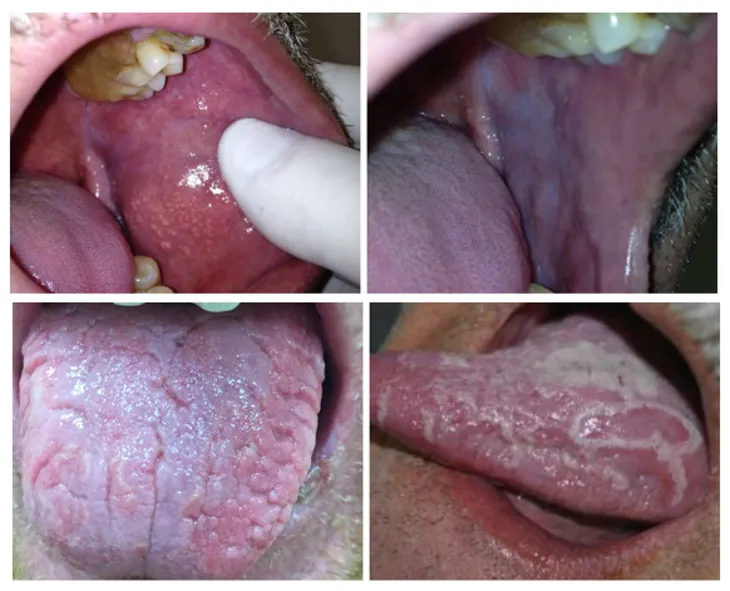
Fig 2: Anatomical variations of Oral Mucosal Diseases
Although oral mucosal diseases differ in etiology and clinical presentation, several interconnected molecular pathways contribute to disease initiation and progression. Chronic inflammation is considered the central pathogenic mechanism, driven by persistent activation of nuclear factor-kappa B (NF-κB), mitogen-activated protein kinase (MAPK), Janus kinase/signal transducer and activator of transcription (JAK/STAT), phosphoinositide 3-kinase/protein kinase B (PI3K/Akt), and transforming growth factor-beta (TGF-β) signaling pathways. Activation of these pathways induces the release of pro-inflammatory cytokines, including TNF-α, IL-1β, IL-6, IL-8, and interferon-gamma, which amplify inflammatory responses and promote tissue destruction [25].
Oxidative stress further exacerbates disease progression through excessive production of reactive oxygen species (ROS) and reactive nitrogen species (RNS). Elevated oxidative stress damages cellular lipids, proteins, and DNA, impairs mitochondrial function, activates apoptotic pathways, and delays wound healing. In addition, microbial biofilms produced by pathogens such as Candida albicans stimulate persistent inflammatory responses, increase epithelial permeability, and enhance tissue invasion [26].Matrix metalloproteinases (MMP-2 and MMP-9) degrade extracellular matrix proteins and basement membranes, facilitating epithelial breakdown and ulcer formation. Dysregulated apoptosis of epithelial cells, impaired fibroblast function, excessive collagen deposition, angiogenic imbalance, and immune cell infiltration collectively contribute to chronic disease progression. In potentially malignant disorders such as leukoplakia and oral submucous fibrosis, sustained oxidative stress, chronic inflammation, genetic mutations, and epigenetic alterations promote epithelial dysplasia and malignant transformation into oral squamous cell carcinoma [27].
Effective treatment of oral mucosal diseases is complicated by the unique physiological and anatomical characteristics of the oral cavity. Unlike skin, the oral mucosa is continuously exposed to saliva, mechanical stress from mastication and tongue movement, swallowing, fluctuating pH, enzymatic degradation, and microbial colonization, all of which reduce drug retention and therapeutic efficacy. One of the major challenges is the short residence time of conventional formulations. Salivary flow rapidly dilutes and removes topically administered drugs before sufficient absorption occurs, necessitating repeated dosing. In addition, the multilayered epithelial barrier limits penetration of many hydrophilic and high-molecular-weight therapeutic agents, resulting in inadequate drug concentrations at the target site [28].The oral environment also presents formulation stability issues. Variations in temperature, pH, and salivary enzymes can degrade active pharmaceutical ingredients, reducing their therapeutic effectiveness. Moreover, patient-related factors such as eating, drinking, speaking, and oral hygiene practices frequently interrupt drug contact with diseased tissues, further compromising treatment outcomes. Many conventional formulations, including mouthwashes, gels, creams, and ointments, exhibit poor mucoadhesion and uncontrolled drug release, leading to rapid clearance and low bioavailability. Systemically administered drugs may require higher doses to achieve therapeutic concentrations in oral tissues, increasing the risk of systemic toxicity and adverse effects [29].These limitations have stimulated considerable interest in advanced drug delivery technologies. Nanoparticles, liposomes, nanostructured lipid carriers, polymeric nanoparticles, hydrogels, buccal films, micelles, electrospun nanofibers, and mucoadhesive patches have demonstrated significant potential to enhance drug stability, prolong mucosal residence time, improve epithelial penetration, provide controlled and sustained drug release, and achieve targeted delivery to diseased tissues. Such novel delivery systems are particularly promising for poorly soluble phytochemicals such as curcumin, offering enhanced bioavailability and improved therapeutic outcomes in the management of oral mucosal diseases [30].
Curcuma longa L. (turmeric), a perennial herb belonging to the family Zingiberaceae, is one of the most extensively investigated medicinal plants owing to its diverse phytochemical composition and broad pharmacological activities. The rhizome contains more than 200 bioactive compounds, including curcuminoids, volatile oils, sesquiterpenes, monoterpenes, polysaccharides, proteins, alkaloids, flavonoids, and phenolic compounds [31]. Curcuminoids constitute approximately 2–8% of the dried rhizome and include curcumin (diferuloylmethane), demethoxycurcumin (DMC), and bisdemethoxycurcumin (BDMC), with curcumin accounting for nearly 70–80% of the total curcuminoid fraction. Essential oils such as ar-turmerone, α-turmerone, β-turmerone, zingiberene, curlone, and atlantone contribute significantly to the antimicrobial and anti-inflammatory properties of turmeric. The synergistic interactions among these phytochemicals are responsible for the plant's antioxidant, antimicrobial, immunomodulatory, wound-healing, and anticancer activities, making C. longa an attractive candidate for the development of advanced therapeutic formulations [32].
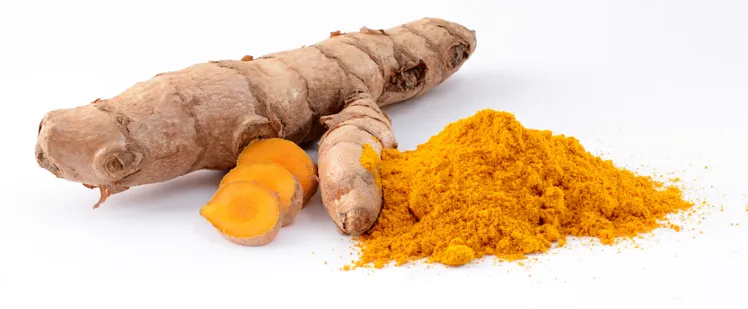
Fig 3: Curcuma longa
Curcumin is recognized as one of the most potent naturally occurring anti-inflammatory phytochemicals because it simultaneously regulates multiple inflammatory signaling pathways rather than targeting a single mediator. At the molecular level, curcumin suppresses activation of nuclear factor-kappa B (NF-κB), mitogen-activated protein kinase (MAPK), Janus kinase/signal transducer and activator of transcription (JAK/STAT), and PI3K/Akt pathways, thereby reducing transcription of numerous pro-inflammatory genes [33]. Consequently, curcumin inhibits the production of inflammatory cytokines including TNF-α, IL-1β, IL-6, IL-8, IFN-γ, as well as inflammatory enzymes such as cyclooxygenase-2 (COX-2), lipoxygenase (LOX), and inducible nitric oxide synthase (iNOS). Additionally, curcumin decreases leukocyte infiltration, inhibits activation of macrophages and neutrophils, and suppresses prostaglandin and nitric oxide synthesis. These pleiotropic mechanisms contribute to reduced inflammation, decreased tissue destruction, and accelerated recovery in inflammatory oral mucosal diseases [34].
Oxidative stress plays a fundamental role in the initiation and progression of oral mucosal diseases by promoting lipid peroxidation, DNA damage, mitochondrial dysfunction, and chronic inflammation. Curcumin exhibits powerful antioxidant activity through both direct and indirect mechanisms. Its phenolic hydroxyl groups enable efficient scavenging of reactive oxygen species (ROS) and reactive nitrogen species (RNS), including superoxide radicals, hydroxyl radicals, and hydrogen peroxide. Furthermore, curcumin activates the Nrf2/ARE signaling pathway, resulting in increased expression of endogenous antioxidant enzymes such as superoxide dismutase (SOD), catalase (CAT), glutathione peroxidase (GPx), glutathione reductase, and heme oxygenase-1 (HO-1). By restoring intracellular redox balance, curcumin protects epithelial cells from oxidative injury, prevents mitochondrial dysfunction, reduces inflammatory signaling, and promotes tissue repair, making it particularly beneficial in oral mucositis, oral lichen planus, and oral submucous fibrosis [35].
Curcumin demonstrates broad-spectrum antimicrobial activity against numerous bacterial, fungal, and viral pathogens associated with oral diseases. It inhibits the growth of important oral bacteria such as Streptococcus mutans, Porphyromonas gingivalis, Fusobacterium nucleatum, Aggregatibacter actinomycetemcomitans, and Staphylococcus aureus by disrupting bacterial cell membranes, inhibiting nucleic acid synthesis, interfering with quorum sensing, and preventing biofilm formation. Curcumin also exhibits potent antifungal activity against Candida albicans, the principal pathogen responsible for oral candidiasis, by damaging fungal cell membranes, inhibiting ergosterol biosynthesis, suppressing hyphal transformation, and reducing biofilm development. Furthermore, curcumin enhances the efficacy of conventional antimicrobial agents and may help overcome emerging antimicrobial resistance, making it an attractive adjunctive therapy for infectious oral mucosal disorders [36].
Curcumin promotes wound healing by influencing multiple stages of the tissue repair process, including inflammation, proliferation, angiogenesis, collagen deposition, and tissue remodeling. During the inflammatory phase, curcumin reduces excessive cytokine production while maintaining an appropriate immune response. It subsequently stimulates fibroblast proliferation, enhances collagen synthesis, promotes extracellular matrix remodeling, and accelerates re-epithelialization of damaged mucosal tissues. Curcumin also upregulates angiogenic mediators such as vascular endothelial growth factor (VEGF) and transforming growth factor-beta (TGF-β), thereby improving blood vessel formation and nutrient supply to healing tissues. In addition, its antioxidant and antimicrobial properties minimize secondary infections and oxidative damage, facilitating rapid mucosal regeneration. These multifaceted effects make curcumin a promising therapeutic agent for recurrent aphthous ulcers, oral mucositis, traumatic ulcers, and postoperative wound healing [37].
Extensive experimental and clinical evidence indicates that curcumin possesses significant anticancer and chemopreventive properties, particularly against oral potentially malignant disorders and oral squamous cell carcinoma (OSCC). Curcumin inhibits multiple stages of carcinogenesis by suppressing cellular proliferation, inducing apoptosis, arresting the cell cycle, inhibiting angiogenesis, and preventing tumor invasion and metastasis [38]. These effects are mediated through modulation of numerous molecular targets, including p53, Bcl-2, Bax, caspases, EGFR, VEGF, STAT3, NF-κB, Wnt/β-catenin, PI3K/Akt, and mTOR signaling pathways. Curcumin also reduces oxidative DNA damage and chronic inflammation, two critical contributors to malignant transformation in disorders such as leukoplakia and oral submucous fibrosis. Moreover, several studies have demonstrated that curcumin enhances the sensitivity of cancer cells to chemotherapy and radiotherapy while protecting normal tissues from treatment-induced toxicity, highlighting its potential as both a chemopreventive and adjuvant therapeutic agent [39].
Table 1: Major Bioactive Constituents of Curcuma longa and Their Pharmacological Activities
|
Bioactive Constituent |
Chemical Class |
Major Pharmacological Activities |
Molecular Targets/Mechanisms |
Therapeutic Relevance in Oral Mucosal Diseases |
|
Curcumin |
Polyphenolic curcuminoid |
Anti-inflammatory, antioxidant, antimicrobial, anticancer |
NF-κB, MAPK, PI3K/Akt, JAK/STAT, Nrf2, COX-2, TNF-α |
Oral ulcers, oral mucositis, OLP, OSMF, OSCC [40] |
|
Demethoxycurcumin (DMC) |
Curcuminoid |
Antioxidant, anti-inflammatory, anticancer |
ROS scavenging, NF-κB inhibition |
Oral inflammation, chemoprevention |
|
Bisdemethoxycurcumin (BDMC) |
Curcuminoid |
Antioxidant, antimicrobial, anti-inflammatory |
Cytokine suppression, antioxidant enzyme activation |
Oral candidiasis, inflammatory lesions |
|
Ar-turmerone |
Sesquiterpene |
Anti-inflammatory, antimicrobial |
Cytokine inhibition, immune modulation |
Oral infections and wound healing [41] |
|
α-Turmerone |
Essential oil |
Antimicrobial, antioxidant |
Membrane disruption, ROS inhibition |
Oral microbial infections |
|
β-Turmerone |
Essential oil |
Anti-inflammatory, antimicrobial |
Immune regulation |
Oral inflammatory disorders |
|
Zingiberene |
Sesquiterpene |
Antioxidant, antimicrobial |
Free radical scavenging |
Protection against oxidative stress |
|
Curlone |
Sesquiterpene |
Anti-inflammatory |
Suppression of inflammatory mediators |
Oral mucosal inflammation |
|
Polysaccharides |
Carbohydrate |
Immunomodulatory, wound healing |
Macrophage activation, collagen synthesis |
Tissue regeneration [42] |
|
Flavonoids & Phenolics |
Polyphenols |
Antioxidant, antimicrobial |
ROS scavenging, membrane stabilization |
Prevention of epithelial damage |
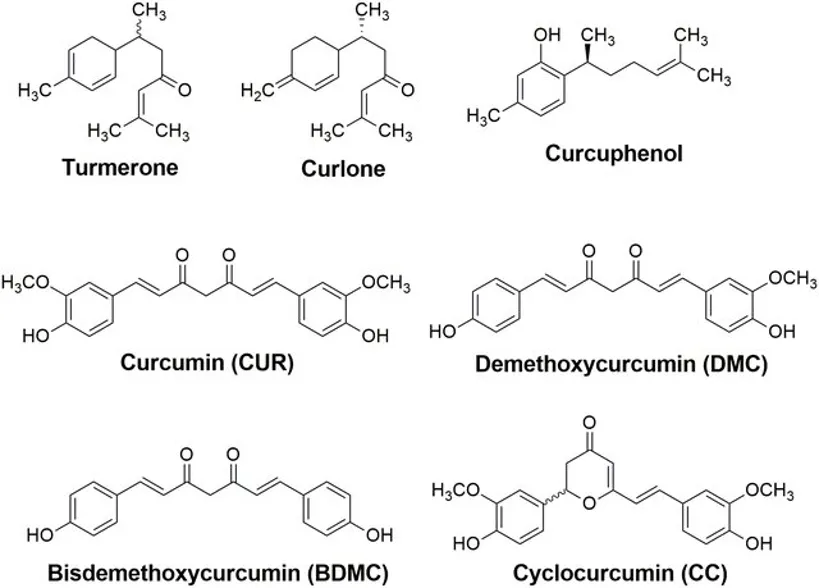
Fig 4: Structures of the main chemical constituents from Curcuma longa
Despite the remarkable pharmacological properties of curcumin, including its anti-inflammatory, antioxidant, antimicrobial, wound-healing, and anticancer activities, its clinical translation remains significantly limited by unfavorable physicochemical and pharmacokinetic characteristics [43]. Curcumin is classified as a Biopharmaceutics Classification System (BCS) Class IV compound, exhibiting both poor aqueous solubility and low intestinal permeability. Following oral administration, only a small fraction of curcumin reaches systemic circulation because of poor dissolution, limited absorption, rapid metabolism, and extensive elimination. Moreover, its chemical instability under physiological conditions further reduces its therapeutic effectiveness. Consequently, despite promising preclinical findings, conventional curcumin formulations often fail to achieve adequate therapeutic concentrations at disease sites. Addressing these challenges has become a major focus of pharmaceutical research, leading to the development of advanced drug delivery systems designed to enhance curcumin stability, bioavailability, targeted delivery, and clinical efficacy [44].
One of the primary limitations of curcumin is its extremely low aqueous solubility, which is reported to be approximately 11 ng/mL at neutral pH. The highly hydrophobic structure of curcumin, characterized by aromatic phenyl rings and conjugated double bonds, limits its dissolution in biological fluids, thereby reducing its absorption across biological membranes. In the aqueous environment of the gastrointestinal tract and oral cavity, undissolved curcumin exhibits poor contact with epithelial surfaces, resulting in inadequate local and systemic drug concentrations. Poor water solubility also complicates formulation development, restricts uniform drug distribution, and contributes to highly variable therapeutic responses. Consequently, improving curcumin solubility remains one of the foremost objectives in pharmaceutical formulation research [45].
Although curcumin demonstrates excellent pharmacological activity in vitro, its oral bioavailability is extremely low, with only trace amounts detected in plasma following oral administration. This limited bioavailability results from a combination of poor aqueous solubility, limited intestinal permeability, rapid intestinal metabolism, and extensive first-pass hepatic metabolism. Furthermore, curcumin is actively transported out of intestinal epithelial cells by efflux transporters such as P-glycoprotein (P-gp), further reducing systemic absorption. Clinical studies have shown that even gram-level oral doses produce relatively low plasma concentrations, thereby limiting therapeutic efficacy. As a result, frequent administration of high doses is often required, increasing treatment costs while providing inconsistent clinical outcomes [46].
Curcumin is chemically unstable under physiological and alkaline conditions, which significantly limits its therapeutic application. It undergoes rapid hydrolytic degradation when exposed to neutral or alkaline pH, light, oxygen, and elevated temperatures, producing degradation products such as ferulic acid, vanillin, feruloylmethane, and bicyclopentadione. These degradation processes substantially reduce the amount of pharmacologically active curcumin available at the target site. In addition, curcumin is highly susceptible to oxidation, leading to further loss of biological activity during storage and after administration. The poor physicochemical stability of curcumin not only shortens its shelf life but also limits formulation flexibility, necessitating protective delivery systems capable of shielding the molecule from environmental degradation [47].
Another major obstacle to curcumin therapy is its rapid biotransformation and elimination from the body. Following absorption, curcumin undergoes extensive phase I reduction and phase II conjugation in the intestinal mucosa and liver. It is rapidly converted into metabolites such as dihydrocurcumin, tetrahydrocurcumin, curcumin glucuronides, and curcumin sulfates, many of which possess lower pharmacological activity than the parent compound. These metabolites are subsequently excreted through bile and urine, resulting in a short biological half-life and minimal systemic exposure. The rapid metabolic clearance of curcumin reduces its therapeutic window and limits sustained drug concentrations at diseased tissues, particularly in chronic inflammatory conditions requiring prolonged treatment [48].
To overcome these pharmacokinetic and physicochemical limitations, numerous formulation strategies have been developed to enhance the therapeutic performance of curcumin. Nanotechnology-based drug delivery systems, including polymeric nanoparticles, liposomes, solid lipid nanoparticles (SLNs), nanostructured lipid carriers (NLCs), nanoemulsions, polymeric micelles, dendrimers, hydrogels, nanofibers, and mucoadhesive buccal films, have demonstrated considerable success in improving curcumin solubility, protecting it from chemical degradation, prolonging systemic circulation, and enabling controlled drug release [49]. Surface modification with polymers such as polyethylene glycol (PEG) and chitosan further enhances stability, mucoadhesion, and tissue penetration. In addition, co-administration with bioenhancers such as piperine, phospholipid complex formation (phytosomes), cyclodextrin inclusion complexes, and stimuli-responsive nanocarriers has significantly increased curcumin absorption and bioavailability. These advanced delivery platforms not only improve pharmacokinetic performance but also facilitate targeted drug delivery to oral mucosal lesions, thereby maximizing therapeutic efficacy while minimizing systemic toxicity [50].
Table 2: Major Challenges Associated with Curcumin Therapy and Formulation Strategies
|
Challenge |
Underlying Cause |
Impact on Therapy |
Formulation Strategies |
|
Poor water solubility |
Hydrophobic polyphenolic structure |
Low dissolution, poor absorption |
Nanoemulsions, micelles, cyclodextrin complexes, solid dispersions |
|
Low oral bioavailability |
Poor solubility, limited permeability, P-gp efflux, first-pass metabolism |
Low plasma concentration, reduced therapeutic efficacy |
Nanoparticles, liposomes, phytosomes, piperine co-administration [51] |
|
Chemical instability |
Degradation by light, oxygen, alkaline pH, and heat |
Reduced biological activity and shelf life |
Polymeric encapsulation, lipid nanocarriers, lyophilization, antioxidant stabilizers |
|
Rapid metabolism |
Glucuronidation, sulfation, reduction in intestine and liver |
Short half-life, rapid clearance |
Sustained-release nanoparticles, PEGylation, targeted delivery systems [52] |
|
Rapid elimination |
Biliary and urinary excretion |
Frequent dosing required |
Controlled-release formulations, mucoadhesive systems, depot formulations |
|
Poor permeability |
Limited epithelial penetration |
Inadequate drug delivery to target tissues |
Penetration enhancers, chitosan-coated nanoparticles, nanofibers |
|
Low retention at oral mucosa |
Saliva washout, mastication, swallowing |
Reduced local therapeutic concentration |
Mucoadhesive hydrogels, buccal films, in situ gels, patches [53] |
The therapeutic application of curcumin in oral mucosal diseases has been significantly hindered by its poor aqueous solubility, low bioavailability, rapid metabolism, and chemical instability. To overcome these limitations, considerable research has focused on the development of novel drug delivery systems (NDDS) capable of improving curcumin stability, enhancing mucosal penetration, prolonging residence time, enabling controlled drug release, and increasing therapeutic efficacy [54]. Nanotechnology-based carriers have emerged as promising platforms owing to their ability to encapsulate hydrophobic compounds, protect them from degradation, and facilitate targeted delivery to diseased oral tissues. Furthermore, mucoadhesive formulations such as hydrogels, buccal films, and patches improve local drug retention by resisting salivary washout and mechanical clearance within the oral cavity. Recent advances in biomaterials, lipid nanocarriers, polymeric systems, and stimuli-responsive nanoplatforms have expanded the clinical potential of curcumin for the treatment of recurrent aphthous ulcers, oral mucositis, oral lichen planus, oral candidiasis, oral submucous fibrosis, leukoplakia, and oral squamous cell carcinoma. The following sections summarize the major curcumin-based drug delivery systems and their therapeutic relevance in oral mucosal diseases [55].
Nanoparticle-based delivery systems represent one of the most extensively investigated approaches for improving curcumin therapy. Owing to their nanoscale dimensions (typically 10–500 nm), these carriers exhibit enhanced mucosal penetration, prolonged drug residence time, improved cellular uptake, and controlled drug release. Conventional nanoparticles effectively encapsulate curcumin, protecting it from hydrolysis and enzymatic degradation while increasing its apparent solubility. Liposomes, composed of phospholipid bilayers surrounding an aqueous core, efficiently encapsulate both hydrophilic and lipophilic compounds and closely resemble biological membranes, thereby promoting fusion with epithelial cells and enhancing intracellular drug delivery. Solid lipid nanoparticles (SLNs) employ physiologically compatible solid lipids to provide sustained drug release, high biocompatibility, and protection against oxidative degradation, although their relatively ordered crystalline structure may limit drug loading [56]. To address this limitation, nanostructured lipid carriers (NLCs) combine solid and liquid lipids to create an imperfect lipid matrix that accommodates greater quantities of curcumin while reducing drug leakage and improving long-term stability. Polymeric nanoparticles, commonly fabricated from biodegradable polymers such as PLGA, chitosan, alginate, gelatin, and polycaprolactone, further enhance therapeutic performance through excellent encapsulation efficiency, sustained release profiles, and surface functionalization for targeted delivery. Chitosan-coated nanoparticles additionally exhibit strong mucoadhesive properties, increasing contact time with oral lesions. Collectively, these nanoparticulate systems have demonstrated superior anti-inflammatory, antioxidant, antimicrobial, and wound-healing activities compared with free curcumin in experimental models of oral mucositis, oral ulcers, oral candidiasis, oral lichen planus, oral submucous fibrosis, and oral squamous cell carcinoma [57].
Localized delivery systems have gained considerale attention because they provide prolonged retention of curcumin directly at diseased oral tissues while minimizing systemic exposure. Nanoemulsions are kinetically stable oil-in-water dispersions with droplet sizes generally below 200 nm, whereas microemulsions are thermodynamically stable isotropic systems formed by oils, surfactants, and co-surfactants. Both formulations markedly improve curcumin solubilization, epithelial permeability, and drug absorption while facilitating homogeneous distribution over the oral mucosa. Hydrogels and in situ gels consist of three-dimensional polymeric networks capable of retaining large quantities of water and adhering strongly to mucosal surfaces [58]. These formulations provide sustained drug release, maintain a moist wound environment, reduce local inflammation, and accelerate epithelial regeneration. Thermosensitive or pH-sensitive in situ gels further enhance patient compliance by transforming into viscous gels following administration, thereby resisting salivary clearance. Similarly, buccal films and mucoadhesive patches fabricated using polymers such as chitosan, hydroxypropyl methylcellulose (HPMC), sodium alginate, carbopol, and polyvinyl alcohol provide controlled drug release over extended periods while protecting lesions from mechanical irritation. Their prolonged residence time, ease of administration, minimal systemic toxicity, and improved patient compliance make these delivery platforms particularly suitable for recurrent aphthous stomatitis, oral lichen planus, oral mucositis, periodontal lesions, and traumatic oral ulcers [59].
Emerging nanotechnology platforms have further expanded the therapeutic potential of curcumin for oral mucosal diseases. Electrospun nanofibers and nanofibrous scaffolds closely mimic the extracellular matrix owing to their high surface area, interconnected porous structure, and excellent mechanical properties. These scaffolds facilitate sustained drug release, promote fibroblast proliferation, enhance collagen deposition, stimulate angiogenesis, and accelerate wound healing, making them promising biomaterials for oral ulcer repair and postoperative tissue regeneration [60]. Polymeric micelles, self-assembled amphiphilic nanostructures possessing hydrophobic cores and hydrophilic shells, substantially increase curcumin solubility while protecting it from premature degradation and improving intracellular uptake. Dendrimers, highly branched nanoscale polymers with numerous surface functional groups, exhibit high drug-loading capacity, excellent tissue penetration, and opportunities for ligand-mediated targeted delivery. More recently, exosome-based drug delivery systems have emerged as highly biocompatible natural nanovesicles capable of transporting curcumin across biological barriers while reducing immunogenicity and improving cellular internalization [61]. Furthermore, stimuli-responsive nanocarriers, designed to respond to pH, temperature, reactive oxygen species, enzymes, ultrasound, magnetic fields, or light, enable site-specific and on-demand drug release within inflamed or diseased oral tissues. These intelligent delivery systems maximize local therapeutic concentrations while minimizing systemic adverse effects and represent the next generation of precision nanomedicine for oral inflammatory disorders, potentially malignant lesions, and oral squamous cell carcinoma [62].
Table 3: Curcumin-Based Novel Drug Delivery Systems for Oral Mucosal Diseases
|
Drug Delivery System |
Major Advantages |
Limitations |
Oral Mucosal Applications |
|
Nanoparticles |
Enhanced solubility, stability, cellular uptake, sustained release |
Possible aggregation, manufacturing complexity |
Oral ulcers, mucositis, OLP, OSMF |
|
Liposomes |
Biocompatible, excellent encapsulation, targeted delivery |
Leakage, limited stability |
Oral candidiasis, oral ulcers, OSCC [63] |
|
Solid Lipid Nanoparticles (SLNs) |
Controlled release, protection from degradation, high stability |
Lower drug loading |
Oral mucositis, oral ulcers |
|
Nanostructured Lipid Carriers (NLCs) |
High drug loading, excellent stability, sustained release |
More complex formulation |
OLP, OSMF, oral cancer |
|
Polymeric Nanoparticles |
Biodegradable, mucoadhesive, controlled release |
Polymer cost, scale-up challenges |
Oral ulcers, OLP, periodontal lesions [64] |
|
Nanoemulsions |
Increased solubility and permeability |
Surfactant-related irritation |
Oral candidiasis, oral inflammation |
|
Microemulsions |
Thermodynamically stable, rapid absorption |
High surfactant requirement |
Oral infections, ulcers |
|
Hydrogels/In Situ Gels |
Moist wound healing, prolonged retention |
Lower mechanical strength |
Oral mucositis, aphthous ulcers |
|
Buccal Films/Mucoadhesive Patches |
Localized delivery, improved patient compliance |
Limited drug loading |
OLP, oral ulcers, mucositis |
|
Nanofibers/Electrospun Scaffolds |
ECM mimicry, tissue regeneration |
Specialized fabrication |
Oral wound healing, tissue engineering |
|
Micelles |
Improved solubility and intracellular uptake |
Dilution instability |
Oral inflammation, oral cancer [65] |
|
Dendrimers |
High drug loading, targeted delivery |
Potential cytotoxicity at higher generations |
Oral cancer, targeted therapy |
|
Exosome-Based Systems |
Natural targeting, high biocompatibility |
Difficult large-scale production |
Precision therapy, tissue regeneration |
|
Stimuli-Responsive Systems |
Site-specific, controlled drug release |
High development cost |
Advanced oral cancer and chronic inflammatory lesions [66] |
Curcumin-loaded nanoformulations have emerged as promising therapeutic strategies for the management of oral mucosal diseases owing to their enhanced solubility, improved bioavailability, prolonged mucosal retention, controlled drug release, and targeted delivery. Unlike conventional curcumin preparations, nanocarriers protect curcumin from degradation while facilitating efficient penetration across the oral epithelium and sustained therapeutic concentrations at diseased sites. These advantages significantly enhance the anti-inflammatory, antioxidant, antimicrobial, antifibrotic, wound-healing, and anticancer properties of curcumin. Consequently, various nanoformulations including polymeric nanoparticles, liposomes, nanostructured lipid carriers (NLCs), solid lipid nanoparticles (SLNs), nanoemulsions, hydrogels, electrospun nanofibers, buccal films, and exosome-based systems have demonstrated encouraging therapeutic outcomes in numerous oral mucosal disorders [67].
Oral mucositis is one of the most debilitating complications of chemotherapy and radiotherapy, characterized by severe inflammation, ulceration, pain, and secondary microbial infection. Curcumin nanoformulations effectively attenuate mucosal injury by suppressing inflammatory mediators such as NF-κB, TNF-α, IL-1β, IL-6, COX-2, and iNOS, while simultaneously enhancing antioxidant defenses through activation of the Nrf2/HO-1 pathway. Nanoparticles, liposomes, hydrogels, and mucoadhesive films improve curcumin retention on ulcerated tissues, promote epithelial regeneration, stimulate collagen synthesis, and accelerate wound healing. Controlled drug release from these formulations reduces pain, shortens healing time, minimizes treatment interruptions during cancer therapy, and improves patient quality of life. Several preclinical and clinical studies have demonstrated superior efficacy of curcumin nanoformulations compared with conventional topical preparations [68].
Recurrent aphthous stomatitis (RAS) is a chronic inflammatory disorder characterized by recurrent painful ulcers that interfere with eating, speaking, and oral hygiene. Curcumin nanoformulations reduce ulcer severity by inhibiting inflammatory cytokine production, decreasing oxidative stress, and promoting epithelial repair. Mucoadhesive hydrogels, buccal films, chitosan nanoparticles, and nanoemulsions prolong drug residence time at ulcer sites, thereby enhancing local therapeutic concentrations while minimizing systemic exposure. Clinical investigations have reported significant reductions in pain intensity, ulcer size, erythema, and healing duration following topical administration of curcumin-loaded formulations, with efficacy comparable to corticosteroids but with fewer adverse effects [69].
Oral lichen planus (OLP) is a chronic T-cell-mediated autoimmune disease characterized by persistent inflammation and epithelial destruction. Curcumin nanoformulations exert therapeutic effects by suppressing NF-κB, STAT3, and pro-inflammatory cytokines while reducing oxidative stress and immune-mediated tissue injury. Nanoparticle- and liposome-based systems improve mucosal penetration and sustain curcumin release, resulting in prolonged anti-inflammatory activity. Clinical studies have demonstrated reductions in burning sensation, erythema, ulceration, and lesion size following treatment with curcumin gels, nanogels, and mucoadhesive formulations. Furthermore, curcumin exhibits an excellent safety profile, making it an attractive long-term alternative or adjunct to topical corticosteroids [70].
Oral submucous fibrosis (OSMF) is a chronic progressive fibrotic disorder associated with excessive collagen deposition and restricted mouth opening. Curcumin nanoformulations inhibit fibroblast activation and collagen synthesis by downregulating transforming growth factor-beta (TGF-β), connective tissue growth factor (CTGF), and other profibrotic mediators. Simultaneously, their antioxidant activity reduces oxidative stress induced by areca nut alkaloids and reactive oxygen species. Nanostructured lipid carriers, polymeric nanoparticles, and hydrogels enhance curcumin bioavailability within fibrotic tissues, resulting in improved mouth opening, reduced burning sensation, decreased inflammation, and delayed disease progression. These formulations may also reduce the risk of malignant transformation by suppressing chronic inflammation and oxidative DNA damage [71].
Oral leukoplakia is the most common oral potentially malignant disorder and carries a variable risk of progression to oral squamous cell carcinoma. Curcumin nanoformulations demonstrate significant chemopreventive potential by inhibiting epithelial dysplasia, oxidative stress, chronic inflammation, and abnormal cellular proliferation. Through modulation of p53, EGFR, NF-κB, PI3K/Akt, Wnt/β-catenin, and apoptotic pathways, curcumin suppresses precancerous cellular changes while promoting apoptosis of dysplastic cells. Nanoencapsulation enhances tissue penetration and prolonged retention of curcumin within leukoplakic lesions, increasing therapeutic effectiveness. Although clinical evidence remains limited, available studies suggest that curcumin-based formulations may serve as valuable adjunctive therapies for preventing malignant transformation [72].
Oral candidiasis is an opportunistic fungal infection predominantly caused by Candida albicans. Curcumin nanoformulations possess potent antifungal activity by disrupting fungal cell membranes, inhibiting ergosterol biosynthesis, suppressing hyphal formation, and preventing biofilm development. Liposomes, polymeric nanoparticles, nanoemulsions, and hydrogels improve curcumin solubility and facilitate sustained antifungal drug release within infected mucosal tissues. Combination therapy with conventional antifungal agents has demonstrated synergistic effects, reduced fungal resistance and improved treatment outcomes. These nanoformulations also decrease local inflammation and accelerate healing of infected oral mucosal lesions [73].
Oral squamous cell carcinoma (OSCC) accounts for approximately 90% of oral malignancies and remains associated with poor survival rates despite advances in surgery, radiotherapy, and chemotherapy. Curcumin nanoformulations exhibit promising anticancer activity by inducing apoptosis, inhibiting tumor proliferation, suppressing angiogenesis, preventing metastasis, and enhancing chemosensitivity. Nanoparticles, liposomes, dendrimers, polymeric micelles, and exosome-based systems improve intracellular delivery of curcumin to tumor cells while minimizing toxicity to normal tissues. Curcumin modulates multiple oncogenic signaling pathways, including NF-κB, STAT3, EGFR, PI3K/Akt/mTOR, Wnt/β-catenin, VEGF, and Bcl-2/Bax, thereby inhibiting tumor progression. Combination nanoformulations containing curcumin with conventional chemotherapeutic agents have shown enhanced anticancer efficacy and reduced drug resistance in preclinical studies [74].
Periodontal diseases and peri-implant mucosal disorders are chronic inflammatory conditions initiated by bacterial biofilms that ultimately result in connective tissue destruction and alveolar bone loss. Curcumin nanoformulations reduce periodontal inflammation by suppressing pro-inflammatory cytokines, decreasing oxidative stress, inhibiting osteoclastogenesis, and limiting bacterial biofilm formation. Nanoemulsions, chitosan nanoparticles, hydrogels, and mucoadhesive local delivery systems enable sustained release of curcumin within periodontal pockets and peri-implant tissues, improving local drug concentrations while minimizing systemic exposure. In addition to reducing gingival inflammation and bleeding, these formulations promote fibroblast proliferation, collagen synthesis, angiogenesis, and periodontal tissue regeneration, making them promising adjuncts to conventional scaling, root planing, and peri-implant maintenance therapy [75].
Table 4: Therapeutic Applications of Curcumin Nanoformulations in Oral Mucosal Diseases
|
Oral Mucosal Disease |
Pathological Features |
Curcumin Nanoformulations Investigated |
Major Therapeutic Effects |
Principal Molecular Targets |
|
Oral Mucositis |
Ulceration, inflammation, oxidative stress |
Nanoparticles, liposomes, hydrogels, buccal films |
Reduced pain, accelerated healing, epithelial regeneration |
NF-κB, TNF-α, IL-6, Nrf2 |
|
Recurrent Aphthous Stomatitis |
Recurrent ulcers, inflammation |
Nanogels, hydrogels, chitosan nanoparticles |
Reduced ulcer size, pain relief, faster healing |
TNF-α, IL-1β, COX-2 [76] |
|
Oral Lichen Planus |
Autoimmune inflammation |
Liposomes, nanoparticles, mucoadhesive gels |
Reduced erythema, burning sensation, lesion regression |
NF-κB, STAT3, IFN-γ |
|
Oral Submucous Fibrosis |
Fibrosis, collagen deposition |
NLCs, polymeric nanoparticles, hydrogels |
Reduced fibrosis, improved mouth opening |
TGF-β, CTGF, ROS |
|
Oral Leukoplakia |
Dysplasia, malignant potential |
Nanoparticles, liposomes |
Chemoprevention, apoptosis induction |
p53, EGFR, PI3K/Akt [77] |
|
Oral Candidiasis |
Fungal infection, biofilm formation |
Nanoemulsions, liposomes, hydrogels |
Antifungal activity, biofilm inhibition |
Ergosterol synthesis, ROS |
|
Oral Squamous Cell Carcinoma |
Tumor growth, angiogenesis |
Polymeric nanoparticles, dendrimers, micelles, exosomes |
Apoptosis, antiangiogenesis, chemosensitization |
NF-κB, VEGF, mTOR, STAT3 |
|
Periodontal & Peri-implant Disorders |
Biofilm-induced inflammation |
Chitosan nanoparticles, hydrogels, nanoemulsions |
Reduced inflammation, periodontal regeneration |
TNF-α, IL-6, MMPs, RANKL [78] |
The translation of curcumin nanoformulations from laboratory research to clinical practice has accelerated considerably over the past decade owing to advances in nanotechnology, biomaterials, and pharmaceutical engineering. More than 500 clinical studies involving curcumin have been registered or reported across various diseases, including cancer, inflammatory disorders, metabolic diseases, and oral conditions, highlighting the growing clinical interest in this natural polyphenol [79]. However, despite strong pharmacological evidence, only a limited number of nanoformulations have progressed to late-stage clinical evaluation because of challenges related to formulation standardization, pharmacokinetic variability, regulatory approval, and large-scale manufacturing. For oral mucosal diseases, current evidence indicates that nanoformulations significantly improve curcumin solubility, mucosal retention, tissue penetration, and therapeutic efficacy compared with conventional preparations, making them promising candidates for next-generation oral therapeutics. Nevertheless, further high-quality clinical studies, harmonized regulatory frameworks, and cost-effective manufacturing strategies are required before these formulations can become part of routine clinical practice [80].
Extensive in vitro and in vivo studies have demonstrated that curcumin nanoformulations possess potent anti-inflammatory, antioxidant, antimicrobial, wound-healing, antifibrotic, and anticancer activities. Experimental studies consistently report significant reductions in inflammatory cytokines (TNF-α, IL-1β, IL-6), oxidative stress markers, microbial biofilms, and epithelial injury following treatment with curcumin-loaded nanoparticles, liposomes, hydrogels, and nanostructured lipid carriers. Animal models of oral mucositis, oral ulcers, oral candidiasis, oral submucous fibrosis, and oral squamous cell carcinoma have further demonstrated accelerated wound healing, enhanced collagen organization, improved epithelial regeneration, and reduced fibrosis compared with free curcumin [81].
Clinical evidence, although still limited, is increasingly encouraging. A recent systematic review evaluating curcumin in oral diseases identified 21 clinical studies, demonstrating significant reductions in lesion severity, pain scores, burning sensation, ulcer size, and inflammatory markers across oral submucous fibrosis, recurrent aphthous stomatitis, oral lichen planus, oral leukoplakia, oral mucositis, and denture stomatitis. Combination therapy with curcumin and black pepper (piperine) produced significant improvements in mouth opening, tongue protrusion, cheek flexibility, and antioxidant enzyme (SOD) levels in patients with oral submucous fibrosis [82].
Similarly, a 2025 meta-analysis including six randomized clinical trials involving 159 cancer patients reported that curcumin formulations administered as capsules, mouthwash, or gel significantly reduced the severity of oral mucositis, decreased oral pain, and lowered mucositis incidence. Curcumin-containing mouthwash reduced oral mucositis incidence by approximately 37% in patients receiving radiotherapy, while overall mucositis incidence decreased by 6% compared with placebo. A Phase III randomized clinical trial (ClinicalTrials.gov: NCT04896164) evaluating curcumin lozenges for chemotherapy-induced oral mucositis enrolled approximately 190 participants and demonstrated favorable oral bioavailability with a peak plasma concentration of 41 ng/mL at the highest dose (4 g), while reporting excellent tolerability and no serious adverse events [83].
Curcumin has been extensively investigated for its safety and is generally regarded as a compound with an excellent toxicological profile. Human clinical studies have shown that oral doses ranging from 200 mg/day to 8,000 mg/day are generally well tolerated without serious adverse events. Phase I clinical trials have reported peak plasma concentrations ranging from 47 ng/mL to 1,380 ng/mL, depending on dose and formulation, while maintaining an excellent safety profile. Furthermore, the U.S. Food and Drug Administration (FDA) recognizes curcumin as Generally Recognized as Safe (GRAS) for approved food applications, further supporting its clinical safety [84].
Although native curcumin is considered safe, nanoformulations require additional toxicological evaluation because nanocarriers may exhibit different biological behaviors depending on particle size, morphology, surface charge, composition, and degradation characteristics. Certain nanomaterials have the potential to induce oxidative stress, complement activation, immunogenicity, or unintended accumulation in healthy tissues if not adequately characterized. Consequently, regulatory agencies recommend comprehensive investigations of biodistribution, pharmacokinetics, immunotoxicity, genotoxicity, reproductive toxicity, and long-term biocompatibility before clinical approval. Long-term surveillance studies and standardized nanotoxicology protocols will therefore be essential to ensure the safe translation of curcumin nanomedicines [85].
Despite substantial scientific progress, regulatory approval of curcumin nanoformulations remains relatively limited. Unlike conventional pharmaceutical products, nanomedicines possess highly complex physicochemical characteristics, including particle size distribution, surface modification, encapsulation efficiency, drug release behavior, and colloidal stability, all of which influence therapeutic performance. Small manufacturing variations may substantially alter biological activity, making regulatory evaluation considerably more challenging [86].
Another significant issue is the lack of internationally harmonized regulatory guidelines specifically addressing phytochemical-based nanomedicines. Regulatory agencies such as the FDA, European Medicines Agency (EMA), and other national authorities currently evaluate nanoformulations using different quality standards, resulting in prolonged approval timelines. Furthermore, botanical variability associated with Curcuma longa cultivation, extraction methods, and curcuminoid composition complicates product standardization. Future regulatory frameworks should incorporate standardized characterization techniques, validated analytical methods, Good Manufacturing Practice (GMP), Quality-by-Design (QbD) principles, and internationally accepted quality specifications to facilitate global commercialization of curcumin nanoformulations [87].
Although laboratory-scale production of curcumin nanocarriers has been highly successful, industrial-scale manufacturing remains a major bottleneck. Techniques such as nanoprecipitation, solvent evaporation, high-pressure homogenization, liposomal hydration, electrospinning, and emulsification often produce highly reproducible formulations at laboratory scale but become technically challenging during commercial production because maintaining consistent particle size, drug loading, encapsulation efficiency, and release characteristics becomes increasingly difficult [88].
Commercialization is further complicated by high production costs, expensive pharmaceutical-grade polymers and lipids, specialized manufacturing equipment, sterilization requirements, stability during storage, and stringent quality control procedures. To achieve successful industrial translation, manufacturers must develop scalable production technologies capable of maintaining batch-to-batch reproducibility while minimizing production costs. Emerging manufacturing strategies, including continuous manufacturing, Process Analytical Technology (PAT), automated nanoparticle synthesis, and Quality-by-Design (QbD), are expected to improve manufacturing efficiency and facilitate commercialization. Partnerships among academic institutions, biotechnology companies, pharmaceutical industries, and regulatory agencies will be essential for accelerating market approval and widespread clinical adoption [89].
Artificial intelligence (AI) is increasingly transforming pharmaceutical development by enabling rapid optimization of formulation design, prediction of physicochemical behavior, and individualized therapeutic strategies. Machine learning algorithms can analyze thousands of formulation variables simultaneously to predict optimal nanoparticle composition, particle size, encapsulation efficiency, release kinetics, stability, and pharmacokinetic performance, thereby substantially reducing formulation development time and experimental costs [90].
AI also supports precision medicine through integration of patient-specific information such as genetic polymorphisms, salivary biomarkers, oral microbiome composition, immune status, disease severity, and imaging data. Combined with biosensors, wearable diagnostic devices, and digital oral health technologies, AI can facilitate real-time monitoring of disease progression and optimize personalized dosing schedules. Emerging technologies such as 3D-printed buccal dosage forms, smart hydrogels, stimuli-responsive nanoparticles, and AI-guided nanocarrier design are expected to enable highly individualized curcumin therapy with improved therapeutic efficacy and minimal adverse effects. The convergence of nanotechnology, artificial intelligence, and precision medicine therefore represents one of the most promising directions for future oral healthcare [91].
Although substantial progress has been achieved, several scientific and clinical challenges remain before curcumin nanoformulations can be routinely incorporated into oral healthcare. Future investigations should prioritize the development of multifunctional nanocarriers capable of simultaneously delivering curcumin together with antibiotics, antifungal agents, growth factors, nucleic acids, or immunomodulatory molecules to achieve synergistic therapeutic effects. Smart biomaterials possessing pH-responsive, enzyme-responsive, reactive oxygen species-responsive, or temperature-responsive properties should be further optimized for site-specific drug release within diseased oral tissues [92].
Future clinical research should emphasize large multicenter randomized controlled trials with standardized formulations, appropriate dose optimization, extended follow-up periods, and internationally accepted clinical endpoints. Comprehensive pharmacokinetic, pharmacodynamic, biodistribution, and long-term safety studies remain necessary to establish evidence-based therapeutic guidelines. Furthermore, integrating nanotechnology with regenerative medicine, tissue engineering, exosome-based drug delivery, CRISPR-mediated therapeutics, artificial intelligence, and digital health technologies may revolutionize the management of oral mucosal diseases over the next decade. Such multidisciplinary approaches are expected to facilitate the development of safe, effective, patient-specific, and commercially viable curcumin-based therapies capable of significantly improving clinical outcomes and quality of life for patients with oral mucosal disorders [93].
CONCLUSION
Curcuma longa and its principal bioactive constituent, curcumin, have emerged as highly promising therapeutic agents for the management of oral mucosal diseases owing to their broad-spectrum pharmacological activities, including anti-inflammatory, antioxidant, antimicrobial, antifungal, wound-healing, antifibrotic, and anticancer properties. Extensive preclinical investigations and an increasing number of clinical studies have demonstrated the potential of curcumin to modulate multiple molecular pathways involved in the pathogenesis of oral mucositis, recurrent aphthous stomatitis, oral lichen planus, oral submucous fibrosis, leukoplakia, oral candidiasis, periodontal disorders, and oral squamous cell carcinoma. However, the clinical application of free curcumin has been significantly constrained by its poor aqueous solubility, limited bioavailability, rapid metabolism, and chemical instability. The advent of nanotechnology-based drug delivery systems including nanoparticles, liposomes, solid lipid nanoparticles, nanostructured lipid carriers, polymeric nanoparticles, nanoemulsions, hydrogels, buccal films, electrospun nanofibers, micelles, dendrimers, exosome-based carriers, and stimuli-responsive systems has successfully addressed many of these limitations by enhancing drug stability, improving mucosal penetration, prolonging local residence time, enabling controlled drug release, and increasing therapeutic efficacy. Collectively, these advanced formulations have demonstrated superior pharmacokinetic and pharmacodynamic performance compared with conventional curcumin formulations, highlighting their considerable potential as next-generation therapeutic platforms for oral mucosal disorders.
Despite these encouraging advances, several scientific, clinical, and regulatory challenges must still be addressed before curcumin nanoformulations can be fully integrated into routine clinical practice. Large-scale, multicenter randomized clinical trials employing standardized formulations, optimized dosing regimens, and long-term follow-up are essential to establish definitive evidence of efficacy and safety across different oral mucosal diseases. Equally important are the development of harmonized regulatory guidelines, scalable manufacturing processes, robust quality control measures, and comprehensive nanotoxicological evaluations to facilitate successful commercialization. Future innovations integrating artificial intelligence, precision medicine, smart biomaterials, three-dimensional printing, exosome-mediated delivery, regenerative medicine, and stimuli-responsive nanocarriers are expected to further enhance the therapeutic performance and personalization of curcumin-based formulations. As pharmaceutical nanotechnology continues to evolve, curcumin is likely to transition from a traditional phytochemical to a clinically validated nanotherapeutic capable of providing safe, targeted, and effective management of complex oral mucosal diseases. Continued interdisciplinary collaboration among pharmaceutical scientists, clinicians, biomaterial engineers, regulatory agencies, and industry will be pivotal in translating these promising laboratory discoveries into accessible, evidence-based therapies that improve patient outcomes and redefine the future of oral healthcare.
REFERENCES

Sahil Goswami, Dr. Shabnam Ain, Babita Kumari, Qurratul Ain, Curcuma Longa and Curcumin-Based Novel Drug Delivery Systems for Oral Mucosal Diseases: A Comprehensive Review, Int. J. of Pharm. Sci., 2026, Vol 4, Issue 9, 2106-2134, https://doi.org/10.5281/zenodo.22829226
 10.5281/zenodo.22829226