

We use cookies to ensure our website works properly and to personalise your experience. Cookies policy
Centre for Research and Innovation (CRI), Amritsar Group of Colleges, Amritsar, Punjab, India.
The characterization of xenobiotic–target engagement within well-annotated protein interaction networks remains the primary foundation of conventional pharmacodynamic theory. However, this conventional perspective is unable to reconcile the ongoing differences in clinical outcomes, especially the non-linear efficacy profiles, drug-resistant phenotypes, and those peculiar toxicities that existing predictive algorithms are unable to capture. These anomalies reveal a vast, little understood pharmacological landscape where the regulatory intricacy found in the non-canonical genome cannot be sufficiently explained by the conventional ligand-receptor paradigm. A thorough re-evaluation of our molecular taxonomy is now necessary due to the steady accumulation of high-resolution multi-omic datasets, particularly with regard to the functional involvement of non-canonical genomic and transcriptomic constituents—namely, pseudogenic loci, ncRNA species, and cryptic proteoforms derived from non-standard translational initiation—in governing pharmacodynamic variance. Despite their proven ability to regulate cellular flux and xenobiotic sensitivity, these regulatory substrates are still severely understudied and are often confined to isolated research units that are not part of the current pharmaceutical infrastructure. Here, we outline the conceptual framework of "Dark Pharmacology," a paradigm characterized by functional disruptions caused by xenobiotics that are mediated by molecular substrates that lie largely outside traditional ligand–protein interaction networks. In order to describe the functional intercalation of pseudogenic loci and related non-canonical transcriptomic regulators in regulating drug action, we synthesize evidence from emerging multi-omic studies and methodically pinpoint the precise gaps in their contributions to ADME/PK trajectories, pharmacodynamic profiles, and the stochasticity of interindividual phenotypic variance. Additionally, we examine the scientific and structural limitations of modern drug development and safety-assessment frameworks that essentially prevent these non-canonical regulatory processes from being resolved. Finally, we present a multi-modal integrative framework for the methodical integration of dark pharmacological drivers into computational modeling systems and high-throughput experimental procedures. In order to overcome existing limitations in mechanistic drug-action elucidation, enable the precise recalibration of therapeutic intervention regimes, and advance the clinical implementation of personalized pharmacotherapy, it is imperative that this non-canonical landscape be formalized.
Classical pharmacology predicates systemic drug action on biophysical analysis of xenobiotic-proteomic interactions. It characterizes ligand binding kinetics and efficacy in receptors, enzymes, and transporters. Although lead-to-ligand discovery has been enhanced by this proteocentric approach, its predictive fidelity is insufficient to reconcile the multifaceted complexity of clinical response profiles. Because the model relies on binary occupancy kinetics, it misses systemic flow that causes non-linear efficacy, refractory resistance, and unique toxicological consequences, such as compensatory signaling [1, 2]. These resistant phenotypic variations highlight the presence of mysterious biophysical factors and regulatory structures that are not included in the pharmacodynamic algorithms that are now in use. These findings imply that the higher-order molecular synergies and systems-level perturbations that determine unique treatment trajectories are not adequately captured by the current stoichiometric framework [3]. A wide range of non-canonical molecular effectors that go beyond the conventional limits of annotated protein-coding loci have been revealed by emerging high-resolution multi-omic throughput. Bioactive genomic components and non-template-derived substrates that alter cellular homeodynamic through intricate, higher-order interactomes are included in this broader regulatory framework [4]. Pseudogenic loci, non-coding RNA species, and aberrant proteoforms—derived from non-canonical biosynthetic trajectories—have all been shown by functional characterisation as powerful modulators of cellular homeodynamics. These diverse molecular effectors have the latent ability to alter the intracellular environment, controlling the proteome's pharmacodynamic sensitivity and stoichiometric susceptibility to xenobiotic exposure [5]. These non-canonical effectors are still inadequately incorporated into pharmacokinetic and toxicological matrices despite their regulatory importance, revealing a crucial structural flaw in current ligand-receptor-centric algorithms. The continued existence of this analytical exclusion emphasizes how reductionist stoichiometric models are insufficient to capture the numerous molecular factors that determine xenobiotic disposition and systemic safety [6]. Although several empirical datasets link non-canonical genetic and transcriptomic substrates to pharmacodynamic variation, these findings are nonetheless isolated within disciplinary silos. This systemic disjunction represents a significant epistemic weakness. Because the existing literature lacks the coherent nomenclature required to include these multidimensional molecular determinants into well-established models of xenobiotic response, such fragmentation prevents the synthesis of a unified pharmacological framework [7]. As a result, current computational pipelines for drug discovery and prediction show inadequate resolution to capture the multifaceted regulatory architecture controlling therapeutic efficacy and unfavorable toxicological profiles. Modern lead-optimization matrices are unable to replicate the non-linear molecular synergies that determine systemic pharmacodynamic results and clinical safety margins because to this analytical shortcoming [8]. In this synthesis, we characterize Dark Pharmacology as a robust analytical paradigm that goes beyond conventional proteocentric interactomes to describe functional drug-induced modulations mediated by molecular substrates. Non-canonical genomic and transcriptomic effectors that function as crucial but hitherto unmodeled determinants of systemic pharmacodynamic and toxicological output must be examined in light of this paradigm change [9]. We compile emerging empirical data on the regulatory role of cryptic proteoforms, non-canonical RNA species, and pseudogenic loci in controlling xenobiotic-induced homeodynamics. We also outline quantitative approaches to include these diverse molecular effectors into translational modeling frameworks and high-fidelity pharmacodynamic structures [10, 11]. The introduction has been condensed in (Figure 1) for more clarification.
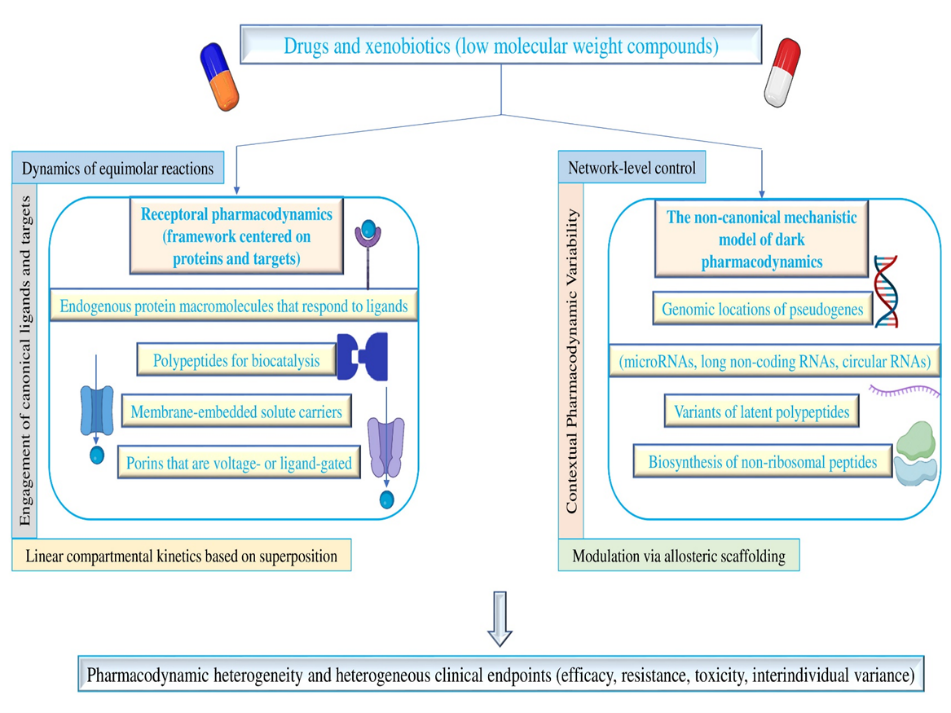
Figure 1. According to orthosteric pharmacodynamic paradigms, linear, first-order kinetic equilibria and stoichiometric ligand-receptor sequestration control xenobiotic-induced perturbations.
On the other hand, "dark" pharmacodynamics describes a complex, non-canonical regulatory topography in which the cellular interactome is pleiotropically controlled by pseudogenic transcripts, non-coding RNA (ncRNA) species, and cryptic translation products. Refractory phenotypes, idiosyncratic toxicities, and the stochastic heterogeneity seen in clinical treatment indices are all caused by these biological determinants that reset homeostatic set-points.
2. DEFINING “DARK PHARMACOLOGY”: A NEW CONCEPT
According to the conventional pharmacological paradigm, therapeutic bioactivity is essentially based on the distinct molecular recognition between known proteomic scaffolds and foreign ligands. In this paradigm, fractional receptor occupancy and the ensuing kinetic amplification of downstream signal transduction cascades are directly correlated with the size of the pharmacodynamic profile [12]. Although successful therapeutic development has historically been supported by this reductionist approach, it is nevertheless insufficient to explain a growing corpus of repeatable pharmacological abnormalities. These include non-monotonic dose-response trajectories, temporal lags or paradoxical physiological inversions, context-dependent efficacy influenced by microenvironmental flux, and peculiar toxicities that appear through pathways completely orthogonal to the stoichiometric engagement of identified canonical substrates [13]. We define "dark pharmacology" as the subset of bioactivity controlled by non-canonical molecular substrates that avoid known ligand–proteome interactomes in order to get over these conceptual limitations. Despite being left out of conventional structural models, these mysterious connections put deterministic regulatory pressure on global pharmacodynamic topographies [14]. Pseudogenic transcripts, non-coding RNA species, cryptic proteoform variants, and under-annotated molecular interactants that alter cellular homeodynamics through systemic regulatory architectures instead of discrete enzymatic catalysis or traditional receptor-mediated ligation are examples of such substrates [15]. Off-target pharmacology and dark pharmacology differ philosophically and mechanistically. While off-target effects result from accidental ligations with auxiliary protein substrates located within the established biochemical taxonomy—detectable, a priori, through high-throughput affinity profiling—dark pharmacology functions through mechanisms completely disconnected from such identified proteomic scaffolds [16]. On the other hand, non-canonical translational products, competitive endogenous RNA (ceRNA) networks, and RNA-directed sequestration are examples of regulatory strata that are often invisible to traditional screening platforms. As a result, these events are still difficult to explain by simply extending protein-centric interactome mapping or conventional affinity-based identification [17]. Importantly, the term "dark" refers to a systematic gap in current pharmacological paradigms rather than stochastic noise or non-specific bioactivity. It describes a regime of biologically limited, repeatable drug-substrate interactions involving molecular species that are either physically excluded or under-annotated in current pharmacokinetic and pharmacodynamic modeling frameworks [18]. These modalities function through observable molecular heuristics, but because of deeply rooted methodological and conceptual biases toward protein-centric interactomes, they fall below the analytical resolution threshold [19]. (Figure 2) outlines the taxonomic boundaries and essential characteristics of dark pharmacology, specifying the framework's exclusion criteria and contrasting conventional modalities with non-canonical mechanisms. A unified architecture for incorporating non-canonical genomic and transcriptomic modulators into high-fidelity predictive models of xenobiotic response is made possible by codifying this latent regulatory stratum. This helps to reconcile persistent differences in therapeutic efficacy, acquired resistance, and toxicological profiles that are resistant to traditional pharmacological interpretation [20].
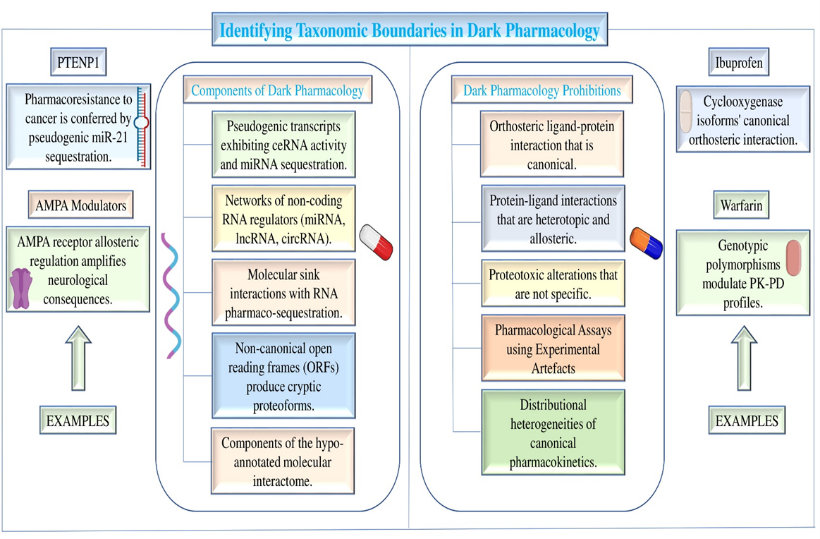
Figure 2. Pseudogene-derived transcripts, cryptic proteoforms, and non-coding RNA interactomes are examples of hidden regulatory circuits that are highlighted in this diagram of Dark Pharmacology.
It illustrates the relevance of these hidden genetic components in therapeutic evasion and systemic homeostasis by contrasting them with conventional pharmaceutical targets including Warfarin, Ibuprofen, and AMPA modulators [13, 16]
3.1 Pseudogene Biology Relevant to Drug Action
Pseudogenes are non-canonical genomic sites that have significant detrimental mutations or segmental deletions that prevent proteome translation, despite having substantial sequence homology to functioning orthologs. These elements, which were once thought of as vestigial sequences in the eukaryotic landscape, are being examined as by-products of retrotranspositional decay and purifying selection rather than as inert evolutionary artifacts [21]. Pseudogenes are complex transcriptional landscape modulators that orchestrate signal transduction cascades and impact pharmacogenomic profiles, according to recent empirical findings. Through competitive endogenous RNA (ceRNA) interaction and epigenetic sequestering, these loci apply regulatory pressure that determines cellular phenotypic plasticity and unique reactions to xenobiotic substances [22]. By altering translational efficiency, alternative splicing dynamics, and mRNA half-life, these sequences dramatically affect pharmacodynamic trajectories. These loci function as vital rheostats for cellular proteostasis, controlling the stoichiometry of gene expression by subtle transcriptional interference and post-transcriptional attenuation of their parental orthologs [23]. The competitive endogenous RNA (ceRNA) networks that determine the threshold for chemosensitivity and acquired chemoresistance are made possible by the sequestration of microRNA (miRNA) species by these loci. Beyond being categorized as redundant paralogs, pseudogenes control the signal transduction flux that may influence pharmacodynamic (PD) variance by orchestrating the transcriptome's flexibility in response to xenobiotic stress [24].
3.2 Effects of Competitive Endogenous RNA (ceRNA)
One of the primary ways pseudogenes affect pharmacogenomic outcomes is by their integration into competitive endogenous RNA (ceRNA) structures. Pseudogenes act as molecular decoys, or "sponges," in these distributive networks, sequestering particular miRNA (miRNA) cohorts and reducing the microRNA-mediated suppression of their corresponding parental transcripts [25]. Pseudogenes recalibrate the cellular stoichiometric balance by derepressing parental transcript expression through the competitive sequestration of microRNA (miRNA) species intended for orthologous silencing. The potency of therapeutic medicines and the emergence of refractory phenotypes are ultimately determined by the significant changes in pharmacodynamic thresholds caused by this titration of post-transcriptional repressive factors [26]. Examples show that pseudogenes increase target bioavailability and improve treatment sensitivity by competitively opposing microRNA (miRNA) cohorts as shown in (Figure 3) that are otherwise planned for the post-transcriptional suppression of crucial pharmaceutical targets. By titrating out miRNAs that aid in the proteasomal or lysosomal degradation of tumor-suppressive transcripts, these sequences protect their integrity in a distinctive manner and strengthen refractory barriers against oncogenic growth [27]. Understanding these competitive endogenous RNA (ceRNA) crosstalk dynamics creates new paradigms for target hit-to-lead validation and pharmacological intervention, but these non-canonical regulatory circuits significantly hinder current high-throughput screening (HTS) techniques. Predictive modeling of drug-target kinetics within a comprehensive genomic landscape is complicated by the significant lack of parameterization of these multi-layered molecular interdependencies in current evaluation frameworks [28].
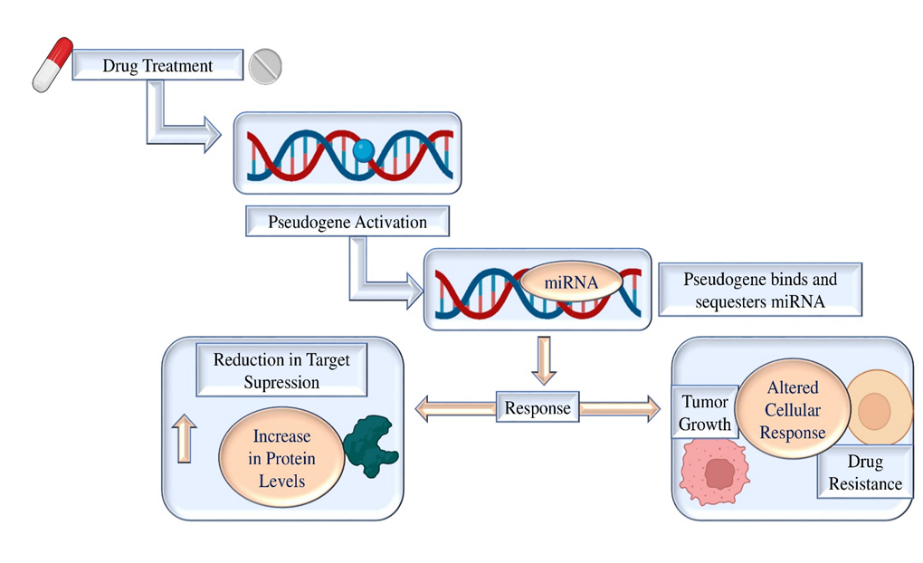
Figure 3. Pseudogenes, which act as "molecular sponges" to sequester particular microRNAs (miRNAs), are transcriptionally activated by pharmacotherapeutic intervention.
By reducing the natural silencing of downstream mRNA transcripts, this competitive sequestration promotes the upregulation of target protein production. As a result, catastrophic cellular changes are orchestrated by this pseudogene-mediated dysregulation, which essentially drives faster neoplastic proliferation and the development of chemoresistant phenotypes.
3.3 Drug-Induced Pseudogene Expression Changes
High levels of plasticity are seen in pseudogene transcriptional activity, which is subject to spatiotemporal modification in response to pharmacologic provocation and xenobiotic exposure. Pseudogene loci may be strongly induced or epigenetically silenced by such drugs, changing the intracellular molecular environment and determining the resulting phenotypic sensitivity or resistance to therapeutic intervention [29]. For example, certain cytotoxic chemotherapeutics cause pseudogene loci integrated into refractory signaling axes to be transcriptionally up-regulated, while different pharmacological moieties may disrupt the stoichiometric integrity or kinetic equilibrium of competitive endogenous RNA (ceRNA) networks [30]. Additionally, by competitively sequestering regulatory microRNA (miRNA) populations, these non-canonical loci control the production of pharmacologically important genes. Because pseudogenes can cause drug-induced transcriptome changes, complex integrative models that integrate pseudogene-mediated regulation into current pharmacokinetic (PK) and pharmacodynamic (PD) analytical frameworks must be developed [31].
3.4 Clinical Relevance (Oncology, Drug Resistance)
The emergence of resistant phenotypes and oncological paradigms are fundamental to the clinical necessity of pseudogenes. Dysregulated expression of pseudogenes, which facilitates chemoresistance and catalyzes oncogenesis, is often involved in malignant changes. In particular, abnormal overexpression of carcinogenic transcripts or efflux transporters is facilitated by pseudogene-driven microRNA (miRNA) sequestration, which leads to therapeutic evasion. On the other hand, by blocking drug-resistance signaling pathways, the epigenetic or transcriptional silencing of particular pseudogene loci can make cancerous cells more susceptible to lethal substances [32]. Pseudogenes play important roles in neoplastic progression and the homeostatic calibration of the tumor microenvironment (TME) in addition to their role in pharmacoresistance. Their ability to modulate immunomodulatory loci and therapeutically relevant signaling cascades stoichiometrically confirms the clinical relevance as shown in (Table 1) of pseudogene-centric frameworks in improving patient stratification and precision medicine [33]. The development of novel therapeutic approaches intended to reduce refractory signaling and improve clinical prognostic indices depends on understanding the molecular foundations of pseudogene-mediated regulatory flux in malignant phenotypes. In order to improve predictive accuracy, these non-canonical determinants must be rigorously included into complex pharmacometric and clinical pharmacological frameworks due to their lack of characterization [34]. These examples are schematic and intended for conceptual illustration, not individual clinical trials.
Table 1. Representative conceptual examples illustrating pseudogene-mediated pharmacodynamic variability.
|
Drug |
Pseudogene |
Mechanism |
Disease |
Evidence Level |
|
Chemotherapy A |
Pseudogene X |
Through transcriptome disinhibition, microRNA sequestration causes oncogene derepression. |
Cancer (Breast) |
High |
|
Drug B |
Pseudogene Y |
Target gene expressivity is disrupted post-transcriptionally. |
Cancer (Lung) |
Moderate |
|
Immunotherapy C |
Pseudogene Z |
Reduction of signals that suppresses the immunological response. |
Autoimmune Disease |
Low |
Emerging but Under-Reviewed Area
A thorough examination of the ribonucleic acid (RNA)-ligand interactome, a field that radically recalibrates the molecular determinants of pharmacodynamics, is replacing the conventional fixation on the proteome. The development of chemoresistant phenotypes, the expression of unique toxicological profiles, and systemic treatment efficacy are all crucially regulated by these non-canonical molecular linkages. These interactions are the main forces for cellular adaptation and treatment variability by modifying the structural and functional integrity of the transcriptome. Transcriptome-targeted screening techniques must be urgently integrated to improve therapeutic precision because these ribonucleic interfaces are still largely underrepresented in existing high-throughput discovery designs, despite their major influence on clinical outcomes. This calls for a complex recalibration of existing drug-screening architectures to take the structural complexity of the transcriptome into account [35].
4.1 Direct Drug Binding to RNA
Certain pharmaceuticals bind to ribonucleic motifs with high affinity, causing conformational changes that disrupt the target transcript's spatial and functional integrity. This direct ligation recalibrates the drug's downstream effect on homeostatic cellular circuitry by coordinating the post-transcriptional control of mRNA stability, alternative splicing kinetics, and translational efficiency. As a result, the overall treatment trajectory and clinical efficacy are determined by these RNA-ligand interactions [36, 37].
4.2 ncRNA Structural Modulation
MicroRNAs, long non-coding RNAs, and circular RNAs are examples of non-coding RNA (ncRNA) species whose regulatory ability can be compromised by ligand-induced conformational changes. Cellular networks are recalibrated as a result of these pharmacologically induced alterations that disturb the equilibrium of ncRNA-protein interactomes. In the end, these structural changes affect therapeutic sensitivity and the overall pharmacological response, although they are still poorly understood [38].
4.3 RNA as Pharmacological Sinks
Ribonucleic species serve as high-capacity pharmacological sinks in certain physiological situations, enabling the competitive sequestration of bioactive ligands and significantly reducing their systemic bioavailability. This event, which is mainly found in RNA-dense subcellular compartments, causes a considerable drop in effective solute concentration, which disrupts the pharmacodynamic potency and kinetic landscape of drug distribution. As a result, by diverting small molecules from their intended proteomic targets, these transcriptional reservoirs orchestrate a non-canonical method of therapeutic attenuation [39].
4.4 Knowledge Gap
Despite their increasing physiological significance, ribonucleic acid (RNA)-ligand interactomes are still significantly underrepresented in contemporary pharmacological screening frameworks. There is a systemic gap in our understanding of the transcriptome's overall function in regulating xenobiotic kinetics and therapeutic trajectories since current drug development approaches continue to prioritize proteocentric targets. The prediction accuracy of current models addressing systemic drug behavior and clinical efficacy is limited by the failure to incorporate RNA-binding affinities into high-throughput pipelines as shown in (Figure 4), which ignores a basic layer of molecular regulation [40].
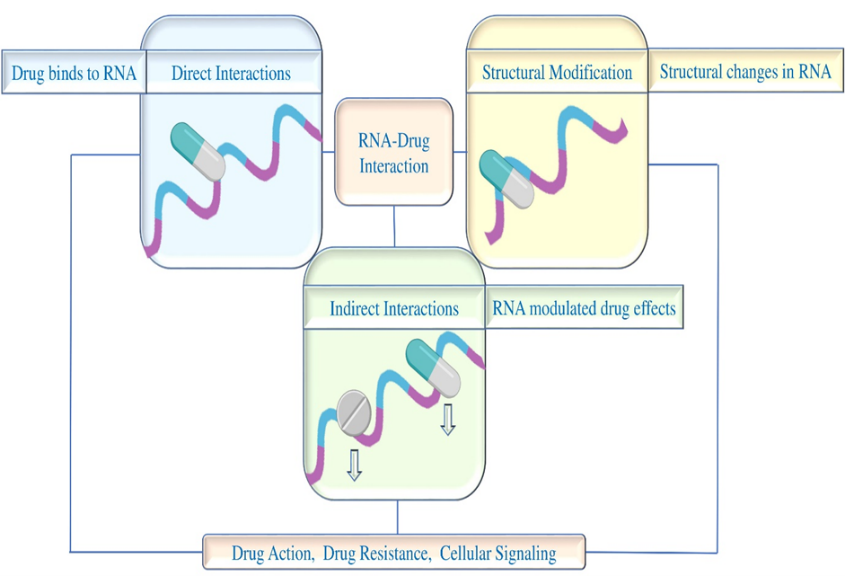
Figure 4. The provided schematic divides the RNA-ligand interactome into three categories of regulatory engagement: conformational modulation, which involves small molecules causing allosteric structural reconfigurations; direct ligation, which involves site-specific stoichiometric association with ribonucleic motifs; and indirect orchestration, which is characterized by ligand-mediated transcriptomic perturbations that recalibrate downstream pharmacodynamic flux.
This concept emphasizes how important these interfaces are for the acquisition of chemoresistant phenotypes, the systemic control of intracellular signaling cascades, and the kinetic topography of treatment efficacy. This figure conceptually links RNA–ligand interaction mechanisms with their implications for expanded pharmacokinetic–pharmacodynamic modeling.
5. CRYPTIC PROTEIN ISOFORMS AND UNDER-ANNOTATED TARGETS
Bridges Genomics and Pharmacology
A hidden proteomic landscape that is often ignored by traditional pharmacological screening architectures is made up of cryptic proteoforms and under-annotated molecular targets, particularly those resulting from alternative splicing events, non-canonical short open reading frames (sORFs), and stress-induced translational variants. Although these non-canonical polypeptides have unique structural topologies that differ from reference sequences, traditional discovery processes consistently ignore their function in facilitating ligand-target engagement. As a result, a crucial layer of cellular control is hidden by this failure to examine the dark proteome, which may reveal new therapeutic vulnerabilities and drug evasion strategies [41].
These marginalized polypeptides influence the kinetic landscape of pharmacotherapeutic response and exercise crucial regulatory control over cellular homeostatic balance. By methodically examining these non-canonical molecular targets, functional genomics and pharmacological research may be synthesized at high resolution, opening up new possibilities for ligand discovery and precision medicine framework optimization. We can find previously unreachable therapeutic vulnerabilities within the intricate architecture of human disease by defining the interactome of these mysterious proteoforms [42].
5.1 Alternative Splicing
One genetic locus can encode structurally distinct isoforms with distinct functional characteristics thanks to alternative splicing, which promotes the combinatorial expansion of the proteome. The threshold of systemic efficacy and the formation of chemoresistant phenotypes are determined by these proteoforms' varying binding affinities for pharmacological ligands. In particular, a splice-variant may enable therapeutic evasion by rearranging the catalytic domain or sequestering the target within sequestered subcellular compartments, thereby avoiding conventional inhibitory mechanisms, while a canonical isoform may contain a high-affinity orthosteric site for drug ligation [43].
5.2 Short ORFs
A marginalized genomic fraction known as non-canonical short open reading frames (sORFs) encodes bioactive micropeptides that coordinate critical changes in cellular proteostasis and disease development. These translationally active regions have a major regulatory impact during metabolic stress and neoplastic transformation, despite being typically left out of conventional proteomic annotations. The formation of chemoresistant phenotypes is facilitated by sORF-encoded polypeptides through modulation of intracellular signaling flow. This makes them high-priority, novel therapeutic vulnerabilities for the treatment of systemic metabolic dysregulation and refractory cancers [44].
5.3 Stress-Induced Protein Variants
Stress-induced proteoforms, which differ from their constitutive counterparts, are produced by pathological stressors such as oxidative flux, chemotherapeutic insult, and inflammatory signaling. The emergence of chemoresistance or abnormal metabolic processing is mostly caused by these structural variations, which often show recalibrated pharmacokinetic profiles and changed binding kinetics. A powerful method for improving treatment effectiveness is the deliberate examination of these non-canonical polypeptides, particularly in the case of cancers with dysregulated stress-response pathways [45]. High-resolution bioanalytical systems are required for definitive structural characterization and functional mapping of non-canonical proteomic landscapes, which include splice-specific isoforms, sORF-encoded polypeptides (SEPs), and aberrant proteoforms. Table 2 outlines the systemic implications of this deep-proteome variability, which presents substantial challenges for pharmacological profiling.
Table 2. There are significant bioanalytical challenges in the identification and pharmacologic investigation of cryptic proteoforms, sORF-derived peptides, and alternative splice isoforms. Along with ligand-target stoichiometries, these under annotated entities control resistance trajectories, cause threshold recalibrations, and disturb homeostatic setpoints.
|
Target Pharmacology |
Obstacles in Assay Detection |
Pharmacodynamic Consequences |
|
Variants of Splices |
Barriers to Isoform Activity Detection |
Isoform-Specific Ligand Requirement |
|
sORFs |
Bias in sORF Detection |
Druggability of sORF in Dysregulated Pathways |
|
Proteoforms that are cryptic |
Poor annotation and detection |
Affects drug response and resistance |
|
Stress Variants |
Expression depends on cellular stress conditions |
Alters therapeutic sensitivity under stress |
6. IMPLICATIONS FOR PHARMACOKINETICS AND PHARMACODYNAMICS
Canonical pharmacostatistical paradigms require a deterministic correlation in which stoichiometric relationships with structurally specified proteomic substrates tightly mediate xenobiotic biotransformation and subsequent therapeutic modulation. Systemic bioavailability and pharmacologic potency are intrinsically dependent on the precise molecular interaction of exogenous ligands with validated biomolecular effectors, according to established PK/PD techniques [46]. A restrictive proteocentric heuristic is used in these modeling frameworks to parse coefficients that define transepithelial transport, apparent distribution volumes, metabolic clearance, and ligand-receptor saturation. While this simplified approach makes it easier to precisely calibrate different pharmacotherapies, it naturally ignores non-traditional molecular components that offer stochastic but deterministic modulation of localized drug flux, chrono pharmacological profiles, and global pharmacodynamic efficacy [47]. The rise of dark pharmacology reveals a basic structural shortcoming in current PK/PD modeling, wherein traditional paradigms fail to account for the impact of transcriptome-driven redistribution processes, biochemical buffering interfaces, and regulatory sequestration sites. These complex processes coordinate non-canonical pharmacokinetic changes and modified pharmacodynamic paths that occur independently of localized receptor saturation or conventional ligand-protein docking [48].
6.1 Drug Distribution into RNA-Rich Compartments
A growing body of empirical data indicates that xenobiotic partitioning within the cytoarchitecture goes beyond the straightforward factors of proteome saturation and transmembrane flux. According to new research, ribonucleic acid-dense microdomains, such as transcriptionally active chromatin scaffolds, nucleolar sub compartments, and ribonucleoprotein condensates, are high-affinity sequestration reservoirs that significantly sequester bioactive small molecules and alter their localized stoichiometric availability [49]. The preferential compartmentalization of small-molecule therapies into these distinct microdomains is made possible by a variety of RNA-ligand interactions, which reorganize intracellular distributive kinetics regardless of systemic plasma equilibrium. Localized pharmacodynamic engagement and macro-scale pharmacokinetic parameters differ as a result of this transcriptome-mediated sequestration, which creates significant spatial variability within the cytosolic milieu [50]. As a result, extrapolations based on canonical compartmental pharmacokinetics, which lack the necessary granularity to resolve transcriptome-driven distributive flux, may differ considerably from cytological phenotypic responses. The present modeling paradigms' lack of spatiotemporal precision makes it unable to accurately evaluate how RNA-mediated sequestration modifies intracellular pharmacological environment [51].
6.2 Hidden Pharmacological Sinks and Effective Dose Distortion
Pseudogene transcripts, long non-coding RNA (lncRNA) isoforms, and highly ordered, high-abundance ribotypes are examples of atypical molecular substrates that function as high-capacity pharmacodynamic sinks. These transcriptome species reduce the stoichiometric fraction available for canonical proteomic effector engagement by attenuating the effective molar concentration of unbound, bioavailable xenobiotics through distributive sequestration or reversible ligand-substrate interactions [52]. Importantly, this buffering effect is a reversible transfer of xenobiotic mass inside the intracellular cytoarchitecture rather than catabolic biotransformation or systemic clearance. As a result, compared to the total intracellular concentration or the gross given dosage, the localized stoichiometric flux available to functional proteomic effectors may be significantly reduced [53]. In addition to explaining sudden threshold phenomena, this mechanistic paradigm clarifies the cause of reported non-linearities between increased dosage regimens and phenotypic responses. These key transitions happen when small changes in transcriptome expression profiles lead to disproportionate changes in pharmacologic potency or toxicological consequences, which are caused by the release or saturation of RNA-sequestered xenobiotic reservoirs [54].
6.3 Misinterpretation of Dose–Response Relationships
Traditional dose-response sigmoidality needs to be fundamentally re-evaluated in light of the advent of non-canonical pharmacological processes. Strictly proteocentric theories typically attribute reported non-linearities to homeostatic feedback loops, allosteric cooperativity, or ligand-receptor saturation kinetics, ignoring the regulatory impact of transcriptome buffering [55]. However, documented pharmacodynamic correlations are obscured by complicated, unparameterized non-linearities caused by transcriptome-mediated sequestration, competitive endogenous RNA (ceRNA) network buffering, and non-canonical proteoform engagement. Non-monotonic dose-response trajectories, delayed pharmacologic start, counter-clockwise hysteresis, and paradoxical phenotypic results that are incompatible with solitary receptor-occupancy paradigms are all made possible by these covert regulatory strata [56]. Consequently, under the impact of dark pharmacological factors, pharmacodynamic coefficients such as EC50, Emax, and the therapeutic index are vulnerable to systemic underestimation, leading to inadequate dose-calibration. Due to the incapacity of existing models to address transcriptome-mediated drug sequestration, this prediction failure results in increased risk of peculiar toxicological consequences or catastrophic therapeutic attrition [57].
6.4 Structural Gaps in Contemporary PK/PD Modeling
The underlying assumption of current pharmacostatistical architectures is that stoichiometric relationships with proteomic effectors with potentially regulated or unchanging kinetic profiles rigorously regulate pharmacological efficacy. Transcriptome-mediated buffering, non-canonical molecular sequestration, and occult regulatory layers that dynamically modify xenobiotic bioavailability and subsequent phenotypic output cannot be resolved by such a reductionist premise [58]. A significant conceptual gap that severely limits the predictive accuracy of translational and clinical pharmacometric frameworks is the exclusion of transcriptomic-mediated connections and pseudogene-dependent regulation. Even high-fidelity physiologically based pharmacokinetic (PBPK) models serve as inadequate stand-ins for the numerous intricacies of in vivo xenobiotic flow if these covert pharmacological layers are not integrated [59].
6.5 Toward an Expanded PK/PD Architecture Incorporating Dark Pharmacology
Therefore, non-canonical molecular strata must be included in an enhanced pharmacostatistical architecture as constitutive determinants of xenobiotic biophase distribution and subsequent pharmacologic output. This calls for the stochastic control of proteome effector availability mediated by pseudogene-driven regulatory networks, reversible ligand sequestration by transcriptomic sinks, and rigorous quantification of ribonucleic acid-dense compartmentalization [60]. A schematic extension of canonical pharmacostatistical paradigms is shown in Figure 4, which clarifies the connections between concealed pharmacological strata and conventional ADME-target engagement axis. The resolution of resistant pharmacodynamic anomalies, the formalization of precision dosing regimens that capture the comprehensive molecular stoichiometry of xenobiotic modulation, and the high-fidelity modeling of interindividual phenotypic variance all depend on the integration of these latent regulatory dimensions [61].
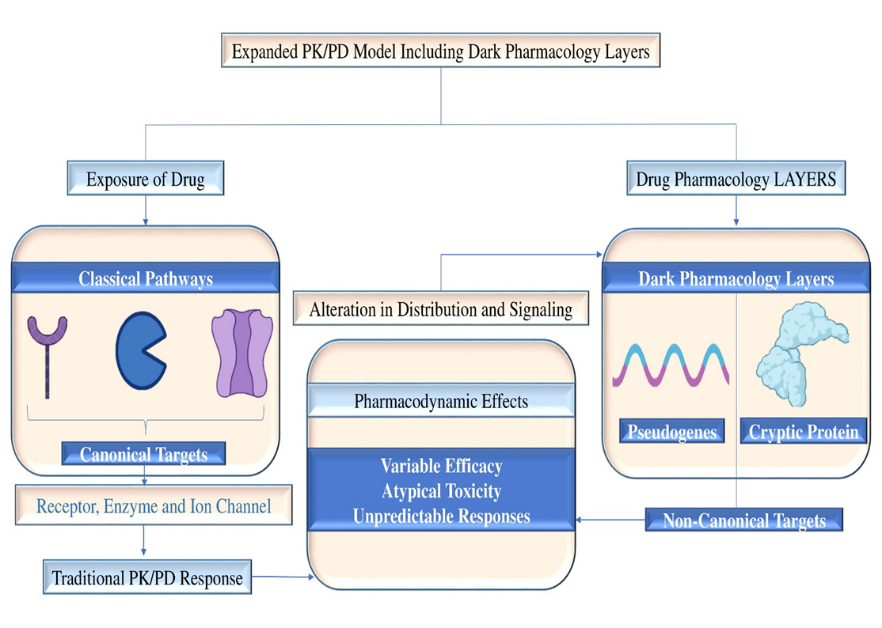
Figure 5. The diagram illustrates a divided terrain of xenobiotic interaction in which systemic exposure requires balancing the emerging "dark" pharmacological layers with high-affinity canonical proteomic axes.
Beyond the saturation of annotated proteomic receptors, the architectural interaction of xenobiotic agents takes the shape of a complicated titration against "dark" pharmacological substrates, such as translation products produced from pseudogenes and unmapped cryptic proteoforms. These non-canonical binding events have a significant mechanical impact, changing distributive flux and recalibrating homeostatic signaling topographies in ways that differ from expected biochemical equilibria. A more detailed, multi-layered approach to predictive pharmacology is required because such heterodox interactions lead to peculiar toxicological profiles and stochastic pharmacodynamic oscillations, making these phenotypic outcomes essentially resistant to conventional, deterministic pharmacokinetic modeling.
7. DARK PHARMACOLOGY IN SAFETY AND DRUG DISCOVERY
7.1 Translational Impact
Despite advanced advancements in structure-based pharmacophore optimization and ligand-target elucidation, a widespread attrition rate remains in the drug development process, often due to idiosyncratic side effects or late-stage clinical desensitization. These shortcomings are caused by non-linear interindividual differences and heterogeneous toxicological profiles that presently elude predictive algorithms. These pharmacodynamic discrepancies highlight a crucial mismatch between modern rational design and the complex, frequently stochastic physiological reality of human xenobiotic processing, where deterministic pharmacokinetic projections are frequently superseded by occult molecular interactions [62]. Despite confirmed orthosteric engagement, clinical attrition often continues, suggesting that adjunctive regulatory topographies dominate emergent therapeutic phenotypes. By describing the biomolecular flux mediated through non-canonical substrates—occult entities that consistently evade the detection thresholds of modern high-throughput screening and conventional safety assays—the dark pharmacology framework acts as a strict mechanistic heuristic to address these translational gaps. We may start deciphering the sub-cellular noise and stochastic signaling perturbations that compromise the predicted accuracy of conventional, target-centric discovery processes by incorporating these covert interaction networks as shown in Figure 7 [63, 64].
7.2 Drug Repurposing: Hidden Mechanisms of Success and Failure
In divergent diseases where classical protein expression profiles stay constant, therapeutic repositioning frequently produces strong clinical results that are strangely disconnected from known ligand-receptor interactomes. These achievements highlight a mechanistic gap, indicating that annotated target modification and clinical effectiveness are often unrelated. These empirical findings suggest the existence of mysterious pharmacodynamic drivers—clandestine molecular interfaces—that enable phenotypic changes across unrelated physiological states, circumventing the limitations of target-centric drug design and requiring a more comprehensive reassessment of systemic xenobiotic reactivity [65]. Pseudogene-mediated competitive endogenous RNA (ceRNA) sequestration, RNA-directed modulation of transcriptional architectures, and direct engagement of non-annotated cryptic proteoforms are examples of subterranean pharmacological modalities that probably serve as the mechanistic basis for these coincidental clinical outcomes. These non-canonical pathways coordinate a recalibration of the cellular homeostatic state in which xenobiotic signals are intercepted by occult protein variations and misleading molecular decoys, resulting in therapeutic phenotypes that are not detectable by traditional receptor-based assays [66]. On the other hand, a context-specific degradation of efficacy may be caused by the heterogeneous distribution of non-canonical regulatory topographies across disparate histological or pathological landscapes, which could explain the attrition of therapeutic repositioning initiatives. These failures highlight the shortcomings of protein-centric, monistic algorithms that do not take into consideration the stochastic flux of secondary molecular networks. Therefore, when using traditional modeling that ignores the tissue-specific variability of the hidden interactome, the lack of spatial and temporal conservation in these "dark" interaction layers makes clinical outcomes intrinsically unpredictable [67, 68].
7.3 Idiosyncratic Toxicity and Safety Liabilities
As these harmful manifestations often show a significant deviation from recognized dose-response linearities, idiosyncratic medication toxicities represent a significant bottleneck in modern pharmacovigilance and preclinical toxicological profiling. These unfavorable phenotypic events only appear in distinct patient cohorts with large interindividual variability, indicating a significant lack of translatability across phylogenetically different animal models. The intrinsic resistance of such stochastic safety signals to existing predictive heuristics highlights the shortcomings of conventional toxicological screening in identifying the intricate, host-specific physiological disruptions that cause late-stage clinical attrition [69, 70]. By identifying transcriptome topographies and post-transcriptional sequestration processes as covert determinants of intracellular xenobiotic flux, the dark pharmacology paradigm offers a strict molecular rationale for these occurrences. These buffering systems, which are frequently disregarded in deterministic models, act as occult molecular sinks that modify the kinetic availability of ligands at the cellular level by recalibrating effective cytosolic concentrations. It is possible to explain why phenotypic results often deviate from expected exposure levels based only on systemic plasma concentrations by taking into consideration these hidden regulatory layers, which effectively control the bio-available dose [71]. Pseudogene-derived transcripts, non-annotated binding interfaces, and transcriptomic-dense microenvironments may function as covert pharmacological reservoirs or amplifiers, causing a random intracellular redistribution of xenobiotics. Even in the context of clinically acceptable systemic exposure profiles, these non-canonical sequestration loci cause organ-specific toxicological symptoms by recalibrating localized sub-cellular kinetics [72, 73, 74].
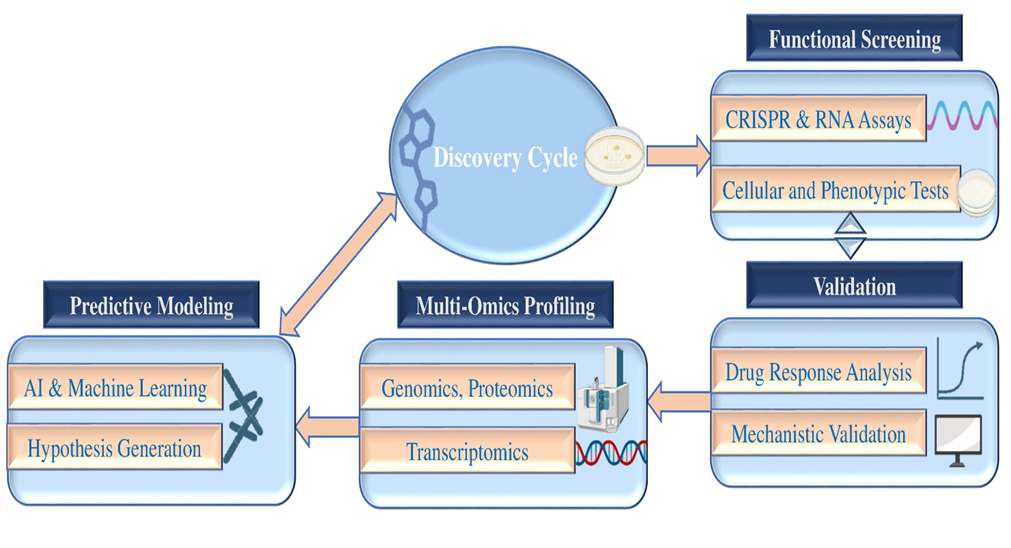
Figure 6. The systematic deconvolution of the "dark" pharmacopeia is made possible by the iterative integration of predictive analytics and empirical validation through the use of a high-throughput, multi-omic discovery loop.
In order to identify latent molecular targets, this closed-loop design uses deep-learning architectures to synthesis diverse datasets from deep-mass spectrometry-based proteomics, high-resolution transcriptomics, and germline genomics. In order to clarify polypharmacology and improve therapeutic response profiles, the framework combines these prediction outputs with reliable functional assays and exacting mechanistic verification to create a self-optimizing cycle.
7.4 Implications for Precision Medicine
Initiatives in precision medicine are beginning to recognize that the wide diversity seen in drug reactions cannot be explained by genomic variation alone. The developing field of dark pharmacology highlights the crucial role of non-canonical regulatory networks, such as pseudogene expression patterns, competitive endogenous RNA (ceRNA) buffering, and the translation of cryptic proteoforms, as primary determinants of therapeutic sensitivity and resistance, whereas traditional pharmacogenomics has focused on protein-coding variants [75]. By incorporating these non-canonical strata into clinical stratification algorithms, it will be possible to predict therapy efficacy more accurately and identify cohorts that are more likely to have idiosyncratic adverse events in advance. Clinicians can overcome the limitations of deterministic pharmacokinetic modeling and design precision dosing regimens that take into consideration the stochastic molecular flux within individual physiological landscapes by methodically mapping these underground interactomes [76, 77, 78]. In summary, a large reduction in late-stage clinical attrition is made possible by the methodical integration of non-canonical pharmacological heuristics into the three-pronged nexus of toxicological characterisation, proteochemometric repositioning, and de novo discovery. Researchers improve the accuracy of treatment index estimates and the translational fidelity of preclinical surrogates by meticulously characterizing off-target molecular structures. The predictive accuracy of xenobiotic safety and efficacy profiles within heterogeneous biological landscapes is eventually improved by this integrative method, which enables a more robust reconciliation between isolated biochemical assays and systemic physiological outcomes [79, 80].
Box 1. Why Dark Pharmacology Matters for Clinical Translation
Even with the development of target-directed discovery models, a strong class of lead candidates loses their way due to late-stage attrition, which can be caused by unique toxicities, sub-therapeutic efficacy, or inconsistent pharmacodynamic patterns. Emerging evidence points to a non-canonical molecular stratum, whereas orthodox pharmacokinetics ascribes these failures to metabolic flow and orthosteric engagement. This underground interactome, which includes cryptic proteoform structures, non-coding RNA circuitries, and pseudogene transcripts, essentially regulates divergent signal transduction, stoichiometric target occupancy, and intracellular sequester. Idiosyncratic toxicities within genetically stratified cohorts, non-monotonic or context-variant dose-response kinetics, clinical failure despite confirmed orthosteric engagement, and the stochastic success of repositioning efforts that cannot be predicted by canonical proteochemometrics are the mechanistic foundations of persistent translational incongruities that are outlined by the dark pharmacology heuristic. These non-canonical substrates function as molecular sinks, competitive decoys, or epigenetic modulators, which modify xenobiotic stoichiometry and reconfigure pharmacodynamic signaling regardless of systemic pharmacokinetic changes.
Precision medicine will be significantly impacted by the incorporation of dark pharmacological strata into translational pipelines. Granular patient classification, optimal posology, and increased predictive accuracy with respect to treatment indices and safety profiles are made possible by high-throughput study of pseudogene transcription, RNA-mediated regulatory circuitries, and non-canonical proteoform landscapes. More importantly, deciphering these mysterious regulatory layers enables the reconciliation of clinical phenotypes and molecular pharmacodynamics, hence accelerating the shift toward mechanism-informed drug development and customized therapeutic approaches.
8. Computational and Experimental Methods for Clarifying Dark Pharmacology
In order to fully understand the non-canonical pharmacological interactome, high-resolution experimental techniques and in silico architectures that are specifically designed to solve cryptic molecular strata that are difficult to detect using traditional, proteocentric bioanalytical pipelines must be combined [81]. Single analytical techniques and monolithic modeling paradigms are inadequate due to the multi-scalar regulatory dominance exhibited by pseudogenic transcripts, non-coding RNA circuitries, RNA–ligand relationships, and idiosyncratic proteoforms. A multimodal orchestration is required for the thorough topographic mapping of non-canonical pharmacodynamics, combining functional perturbation screens, high-resolution molecular characterisation, and prediction in silico frameworks to resolve these intricate interactomes [82, 83]. Single analytical techniques and monolithic modeling paradigms are inadequate due to the multi-scalar regulatory dominance exhibited by pseudogenic transcripts, non-coding RNA circuitries, RNA–ligand relationships, and idiosyncratic proteoforms. A multimodal orchestration is required for the thorough topographic mapping of non-canonical pharmacodynamics, combining functional perturbation screens, high-resolution molecular characterisation, and prediction in silico frameworks to resolve these intricate interactomes [84].
8.1 Multi-omics Integration
A fundamental strategy for the topographic mapping of dark pharmaceutical strata is the coordination of multi-omic integration. The discovery of pseudogenic transcripts, aberrant splice variants, and non-canonical ribonucleic species that alter phenotypic drug sensitivity is made easier by transcriptomic architectures, which include total RNA-seq, short RNA-seq, and third-generation long-read sequencing [85, 86]. By using top-down and targeted mass spectrometry platforms, high-resolution proteome profiling makes it easier to identify cryptic proteoforms, stress-contingent isoforms, and sORF-encoded micropeptides that are not included in canonical reference databases. The regulatory structures controlling the transcriptional deployment of these non-canonical substrates are outlined by concurrent epigenomic characterisation and chromatin accessibility maps [87, 88]. The mapping of molecular topographies to functional signal transduction and pharmacodynamic phenotypes is made possible by the synergistic convergence of these multidimensional datasets with metabolomic and phosphoproteomic profiles. Moreover, using longitudinal and perturbation-based multi-omic structures makes it easier to distinguish causal regulatory layers from random correlates, enabling mechanistic inference that goes beyond simple descriptive classifications [89].
8.2 RNA-Centric Screening Assays
RNA-centric screening techniques must be used in conjunction with traditional proteocentric bioassays in order to experimentally investigate ribonucleic-mediated pharmacological regulation. Both proximal and distal RNA–xenobiotic interfaces are clarified by techniques that include transcriptome-scale ligand-binding tests, structure-variant chemical probing, and small-molecule–RNA interactome analysis. Using CRISPR-mediated transcriptional interference or steric-blocking antisense oligonucleotides, functional perturbation screens that target pseudogenic transcripts, lncRNA scaffolds, circRNA species, or miRNA networks simultaneously identify regulatory RNA architectures that control phenotypic drug susceptibility, refractory trajectories, or idiosyncratic toxicological profiles [90, 91]. Subcellular fractionation paradigms and high-resolution cytometric imaging make it easier to examine ribonucleoprotein-enriched compartments as potential pharmaceutical reservoirs. These techniques enable the exact measurement of non-canonical sequestration kinetics, which alter stoichiometric intracellular drug concentrations and demonstrate a causal relationship between emergent phenotypic responses and molecular interaction topographies [92, 93].
8.3 Artificial Intelligence: Opportunities, Pitfalls, and Validation Needs
Robust frameworks for the algorithmic creation of heterotypic multi-omic datasets and the predictive modeling of non-canonical drug–substrate interactomes are offered by in silico architectures that make use of machine learning and neural network topologies. However, these computational paradigms are still vulnerable to spurious statistical artifacts, hyper-parameter overfitting, and systematic stochastic bias, particularly when training manifolds are skewed toward historically privileged, protein-centric annotations or restricted by sparsity [94]. As a result, in silico heuristics in the field of dark pharmacology require close integration with empirical validation, with an emphasis on algorithmic interpretability, Bayesian uncertainty measurement, and comparison across orthogonal biological systems. This guarantees that instead of acting as independent stand-ins for conclusive mechanistic characterisation, computational architectures serve as high-throughput engines for hypothesis development [95].
8.4 Toward an Integrated Discovery Pipeline
Multi-omic profiling, RNA-directed functional screening, and in silico modelling must iteratively converge inside a closed-loop architecture in order to achieve a high-fidelity discovery paradigm for dark pharmacology. This integrated process is illustrated in Figure 5, where high-dimensional molecular landscapes parameterize models and generate hypotheses for empirical investigation through targeted perturbation and interactome tests, which in turn optimize experimental parameters and computational architectures [96]. By providing a scalable path for the methodical clarification of latent pharmacological mechanisms, this recursive stratagem makes it easier to integrate them into frameworks for precision medicine, toxicological characterization, and next-generation drug discovery. This method guarantees the incorporation of non-canonical molecular strata into more resilient, mechanism-informed treatment approaches by iteratively improving the interface between high-dimensional data and clinical phenotypes [97, 98].
9. FUTURE DIRECTIONS AND UNANSWERED QUESTIONS
It is necessary to move beyond canonical, protein-restricted modalities in order to characterize the dark pharmacopeia and investigate non-classical regulatory strata. Even though there is growing evidence that non-coding RNA species, divergent proteoforms, direct RNA-ligand sequestering, and pseudogene-derived transcripts are important factors influencing pharmacodynamic variability, these complex layers are not fully mapped and are not adequately incorporated into the translational discovery pipelines that are currently in use [99]. The shift from observational correlations to the synthesis of causal, mechanistically defined structures is the main constraint in modern pharmacology. Toxicological profiling, precision therapeutic intervention optimization, and the rigorous operationalization of dark molecular targets in pharmaceutical development all depend on the establishment of such deterministic frameworks [100, 101]. The creation of high-resolution, multi-omic reference landscapes that distinguish non-canonical regulation topographies across various histological niches, clinical conditions, and xenobiotic perturbations must be given top priority in future imperatives. To separate context-specific dark pharmaceutical signals from random biological noise and homeostatic oscillations, it is essential to curate such granular libraries [102]. In order to enable high-fidelity detection and validation of RNA-ligand sequestering, pseudogene-orchestrated control, and non-canonical proteoform interaction, the field must concurrently give priority to the establishment of standardized experimental platforms and computational benchmarks. Inter-study meta-analysis and the conversion of dark pharmacological targets into clinical value will continue to be severely limited in the absence of these standardized measures [103]. The integration of dark pharmacological topographies into toxicological profiling, patient stratification, and pharmacokinetic–pharmacodynamic architectures presents a crucial chance to improve predictive accuracy within a translational framework. The key to reducing late-stage clinical attrition is to reconcile reported phenotypic variability with non-canonical biochemical topographies [104]. However, this integration leads to challenging scientific and regulatory questions about the therapeutic value of dark targets, the interpretability of high-dimensional designs, and the threshold of evidentiary substantiation. A highly coordinated, interdisciplinary combination of quantitative pharmacology, systems biology, computational heuristics, and regulatory science is required to address these obstacles [105]. The transformation of dark pharmacology's conceptual landscapes into falsifiable hypotheses, high-fidelity empirical assays, and clinically actionable decision architectures is necessary for the field to mature into a recognized field. Box 3 outlines the main investigative imperatives that will drive this shift.
10. CONCLUSION
In this paper, the "dark pharmacology" is formalized to describe a mysterious, functionally important layer of xenobiotic regulation that goes beyond conventional, protein-restricted target paradigms. We present a regulatory topography that clarifies stubborn differences in therapeutic efficacy, acquired resistance, and idiosyncratic toxicity that are currently intractable using traditional pharmacological models by combining new data on pseudogene-orchestrated regulation, non-coding RNA–ligand sequestering, transcriptome-mediated buffering, and non-canonical proteoform engagement [106]. A significant heuristic deficiency in modern pharmacological modeling is revealed by the increasing resolution of deep-coverage proteomics, high-dimensional transcriptomics, and multi-omic integration. The non-canonical regulatory structures that cause heterogeneous pharmacokinetics and different interindividual toxicities, such as ncRNA-ligand sequestration and pseudogene-mediated interference, cannot be taken into consideration by continuing to adhere to purely proteocentric paradigms. Current screening pipelines need to shift toward a comprehensive systems-pharmacology approach in order to reduce the ongoing attrition rates in clinical translation. It is now mechanically necessary to incorporate these underground regulatory layers into model-informed dosing in order to maximize the safety profiles and predictive accuracy of next-generation medications [107, 108]. An analytical shift from binary ligand-receptor docking models to a comprehensive quantification of systems-level interactomes is required for operationalizing dark pharmacology. Deciphering the homeostatic buffering and stochastic noise that influence pharmacodynamic resilience and acquired refractory phenotypes requires the formalization of non-canonical molecular topographies. The field can go from aggregate population metrics to high-fidelity, patient-specific treatment designs by incorporating these latent regulatory axes into predictive algorithms [109].
REFERENCES

Saajan Kumar Sharma, Dark Pharmacology and Non-Canonical Mediators of Drug Action: Beyond the Known Drug Targetome, Int. J. of Pharm. Sci., 2026, Vol 4, Issue 3, 1887-1913. https://doi.org/10.5281/zenodo.19072812
 10.5281/zenodo.19072812