

We use cookies to ensure our website works properly and to personalise your experience. Cookies policy
Loknete Dr. J. D. Pawar College of Pharmacy, Manur, Kalwan, Maharashtra, India. 423501
Pharmacovigilance is crucial for ensuring the safety and efficacy of pharmaceuticals because it identifies, assesses, and avoids adverse drug reactions (ADRs). New possibilities for enhancing medication safety monitoring have been made possible by artificial intelligence (AI) and the exponential growth of digital data. Despite their usefulness, traditional pharmacovigilance systems sometimes have shortcomings, including underreporting, delayed signal detection, and issues with large datasets. By combining AI approaches and big data analytics, these challenges can be addressed through real-time monitoring, early signal recognition, and predictive analysis of potential drug-related hazards. Automating the processing of adverse drug reaction (ADR) reports, identifying hidden trends, and predicting patient-specific risks based on clinical history and demographics are all made possible by machine learning and natural language processing (NLP) algorithms. Despite these advantages, several problems persist, including algorithmic and data privacy difficulties. transparency, ethical considerations, and adherence to the law. AI and pharmacovigilance are transforming drug safety systems into proactive, data-driven frameworks that are transforming modern healthcare. AI-powered pharmacovigilance eventually has the potential to lower prescription risks, enhance patient outcomes, and boost public trust in pharmaceutical care by making judgments more rapidly, precisely, and empirically. In order to enable real-time surveillance, early ADR identification, and predictive analytics, this study examines how AI-driven tools can close significant gaps in current pharmacovigilance methods. The study concludes by emphasizing that integrating AI into pharmacovigilance frameworks promises more proactive, accurate, and effective pharmaceutical safety monitoring, with the goal of better protecting public health, as new therapeutic agents are developed and real-world data becomes more accessible.
Pharmacovigilance, which includes ongoing monitoring of adverse drug reactions (ADRs) to currently available medications, is an essential area of healthcare. Its primary objective is to ensure the security of patients and effectiveness when using pharmaceutical items. This entails the gathering, evaluation, comprehension, and avoidance of negative consequences, whether they are known or unknown. Reducing dangers and optimizing the advantages of medical interventions are the goals. (6) Before being registered and put on the market, all recently released medications must pass clinical trials. These clinical trials provide important insights into the effectiveness of the medications as well as their physiological and idiosyncratic side effects. Drugs are only approved for sale if their advantages outweigh their potential drawbacks. But the negative consequences that follow extended use, the uncommon to guarantee drug safety, a constant post-marketing surveillance is required since Premarketing trials may not detect harmful effects that manifest in subgroups (1 in 10,000). This led to the creation of a pharmacovigilance program (PvP), which allows regulatory bodies to quickly obtain information from consumers, pharmaceutical corporations, and medical professionals regarding adverse medication events (both pre- and post-marketing), and vice versa. Pharmacovigilance is the science and practice of identifying, assessing, understanding, and averting adverse drug reactions or other drug-related problems. The following phases make up the three-stage, linked risk management approach that assesses medication safety: a) A description of a medicine's safety profile based on details about the known and unknown, b) pharmacovigilance initiatives to find novel hazards and advance understanding, and c) developing and implementing risk-reduction plans and evaluating their effectiveness (9) With the creation of the WHO Programmed for International medication Monitoring (WHO PIDM) in 1968, the World Health Organization (WHO) recognized the importance of medication and vaccine safety as a crucial aspect of global health care. To involve members of the international pharmacovigilance community, WHO and the Swedish government established the Uppsala Monitoring Center in 1978. It is a self-funded, nonprofit organization. PvP gathers information about adverse drug events, drug safety, and drug efficacy globally, evaluates the information, draws conclusions to suggest regulations, and, when necessary, alerts the risks to the public and healthcare providers. The necessity for PvP has been brought to light by the COVID-19 pandemic, which has raised concerns about the safety of vaccines and antiviral drugs in a warlike setting. (1). To ensure the safety of pharmaceutical products at every stage of their lifecycle, pharmacovigilance is crucial, from development to post-market surveillance. Historically, spontaneous reporting systems—in which patients and healthcare providers alert the European Medicines Agency (EMA) or the U.S. Food and Drug Administration (FDA about adverse drug reactions (ADRs)—have been the foundation of pharmacovigilance. Despite providing crucial data, this approach has drawbacks, including delayed data gathering, underreporting, and a lack of predictive power. The digital era presents several chances to improve pharmacovigilance procedures because of the exponential expansion of data and developments in artificial intelligence (AI). AI and big data could enhance medication safety by facilitating predictive modeling, early ADR detection, and real-time monitoring to evaluate risks before they spread. The application of AI and Big Data to enhance drug safety and pharmacovigilance is examined in this research. The difficulties and moral dilemmas involved in incorporating these technologies within the current pharmacovigilance frameworks are also emphasized. (3)
1.1 Basics of Pharmacovigilance
Fundamental of Pharmacovigilance is the practice of monitoring the safety of all pharmaceuticals, including biological agents, vaccines, and complementary and alternative medicine. Pharmacovigilance is termed to describe the methods and studies pertaining to the identification, assessment, understanding, and prevention of adverse drug reactions or other problems. Taking care of patients and using prescription medications responsibly are crucial. (5) It is a crucial component of drug safety, with the goals of preventing patient damage, optimizing the benefit-risk ratio, and promoting the safe use of medications in medical treatment. In pharmacovigilance, adverse medication reactions are systematically collected and evaluated. (ADR) and side effects data from clinical trials and everyday use. Because many dangers only become noticeable when medications are taken by larger, more diverse populations, post-marketing surveillance is essential. Collaboration between regulatory bodies, pharmaceutical corporations, medical practitioners, and patients is necessary for effective pharmacovigilance. (5)
1.2 Pharmacovigilance's goals
1. To prevent medication-related harm and monitor for adverse drug reactions to ensure patient safety
2. To help preserve public health by identifying and reducing potential risks associated with the use of medications
3. To evaluate how well the benefits and drawbacks of medications are balanced to maximize their use and promote prudent decision-making
4. Promote the prudent and cost-effective use of medications to maximize treatment outcomes while reducing risks.
5. More chances should be provided for healthcare professionals and the public to understand, learn about, and obtain training in pharmacovigilance approaches to increase their understanding and proficiency in reporting and monitoring drug safety. (7)
6. To help patients, medical professionals, and the public manage risks and make educated decisions by making sure that medication safety information is provided to them in a timely and correct manner.
7. To coordinate pharmacovigilance programs internationally in order to recognize and address the ways that globalization and free trade impact the accessibility and distribution of pharmaceuticals.
8. The procedure of pharmacovigilance (5)
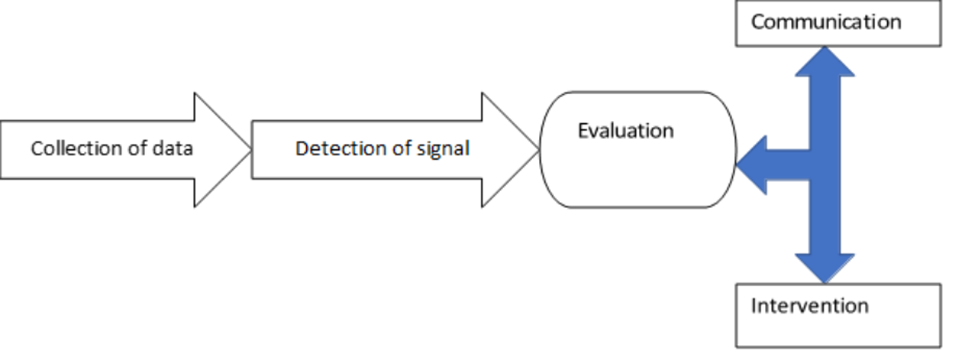
Figure 1: Pharmacovigilance process
1.3 Advantages of using AI in pharmacovigilance
1. AI integration makes it easier to get reports on pharmaceutical side effects from a variety of sources. We can have a more thorough grasp of the possible hazards and advantages of a medication because of collecting information from multiple sources.
2. It enables us to swiftly process vast volumes of data. As a result, we might go over a lot of information and spot trends or patterns more quickly.
3. AI makes it easier to organize and comprehend the data we gather. This helps us find links or trends in the data to help us make better decisions about drug safety.
4. Integrated artificial intelligence systems guarantee information security and loss prevention. Additionally, they ensure that only authorized individuals can access private patient information. (5)
5. As AI has been integrated, less labor is needed for data entry and processing. Voices and handwriting may be detected, and templates for often used data can be generated. Consequently, Employees may focus on more important tasks and devote less time to repetitive tasks.
6. AI can help us predict potential safety hazards by analyzing historical data and finding patterns. This allows us to deal with problems before they become out of control. (5)
Disadvantages
1. Insufficient Model Transparency: Many artificial intelligence (AI) systems operate as "black boxes," making it difficult to understand how they reach results. Trust between medical practitioners and regulatory bodies may be hampered by this ambiguity.
2. Barriers related to ethics and regulations: AI systems might not always comply with current drug safety laws. Furthermore, ethical issues that can cause problems in therapeutic contexts include algorithmic bias, data exploitation, and ambiguous accountability for mistakes.
3. Biased and Inconsistent Data: The caliber of the data used to train AI has a significant impact on its efficacy. False safety alerts or the inability to identify actual hazards are only two examples of the misleading outputs that can arise from inaccurate, partial, or biased data.
4. Less Human Supervision: Expert judgment may become less important if automated systems are heavily relied upon. This could result in the omission of intricate details in patient safety scenarios that need expert interpretation. (5)
5. Operational and Technical Difficulties It can be difficult and time-consuming to incorporate AI technologies into existing pharmacovigilance operations. Perhaps new infrastructure is needed.
6. High expenses and demands for resources: It takes a large financial commitment to develop, install, and maintain AI solutions. New safety data must also be regularly updated and retrained in the model.
7. Limited Validation in Real Life: Many AI pharmacovigilance tools are still in the experimental stage. The accuracy and dependability of these in practical applications are not well supported by long-term, solid evidence. (7)
2. LITRATRUE SURVEY
|
Sr. No |
Author Name |
Investigation |
|
1 |
Sasidharanpillai, et al (2025)
|
Modern medicine has been successful in protecting humanity from numerous deadly infections and other illnesses with the development of an increasing number of medications. The number of reported adverse drug occurrences rises along with the introduction of newer medications. Careful Drug safety protocols include things like thorough preventing prescription to administration problems, conducting premarketing studies, monitoring after the sale, and guaranteeing that medical facilities have access to high-quality medications. |
|
2 |
Komi LS, et al. (2025) |
Pharmacovigilance, which detects, evaluates, and reduces adverse drug reactions (ADRs), is essential to maintaining medication safety and safeguarding the public's health. By addressing the shortcomings of conventional techniques, the incorporation Pharmacovigilance has been greatly improved utilizing real-world data (RWD) from electronic health records, patient registries, and social media. To improve signal recognition and proactive risk management, innovative technology like predictive analytics, machine learning, and artificial intelligence are being integrated. this article examines the structure of pharmacovigilance systems. |
|
3 |
Jai Bhagvan, et al. (2025) |
Pharmacovigilance refers to the methods and science used to detect, assess, understand, and avoid negative effects or other drug-related issues. The development of digital technologies, especially those pertaining to big data and artificial intelligence (AI), has opened up new opportunities to enhance pharmacovigilance initiatives. This study looks at how big data and artificial intelligence (AI) can enhance drug safety by facilitating real-time monitoring, predictive modeling, and more effective and precise adverse drug reaction (ADR) detection. |
|
4 |
Rashmi, et al. (2024) |
Pharmacovigilance—the study of The use of machine learning algorithms has revolutionized pharmaceutical product safety and adverse drug reaction (ADR) monitoring. The value of machine learning in advancing pharmacovigilance programs, enhancing early detection of adverse events, bolstering risk assessment and signal detection, and expediting drug safety monitoring procedures is examined in this research. The application of machine learning enables early intervention, quick notifications, and real-time monitoring of ADRs, which drastically lowers healthcare expenses and shields patients from harm. The precision of risk assessment is increased by machine learning models' exceptional ability to identify intricate patterns and nuanced signals that may be missed by conventional techniques. |
|
5 |
Yogesh S Ahire., et al (2024)
|
Pharmacovigilance, the foundation of public health, aims to ensure patient safety by monitoring and assessing adverse medication responses. Traditional methods have scalability issues, inefficiencies, and biases related to human error. Artificial intelligence (AI), which promises extensive data analysis, automated processes, and improved safety signal detection, is ushering in a new age in pharmacovigilance. Artificial intelligence technologies offer unmatched speed, precision, and scalability, which enhance adverse event detection and signal identification. They are skilled in extracting information use sophisticated algorithms, machine learning models, and natural language processing to extract information from unstructured data sources, including as patient narratives, clinical notes, and regulatory reports. |
|
6 |
Potter, et al. (2023) |
The application of machine learning techniques has revolutionized pharmacovigilance, the science of tracking ensuring pharmaceutical product safety and preventing adverse drug reactions (ADRs). According to this study, machine learning can enhance signal detection and risk assessment, advance pharmacovigilance efforts, improve early adverse event identification, and streamline medication safety monitoring procedures. Real-time ADR monitoring, quick alerts, and early response are made possible by machine learning, which also lowers healthcare costs and protects patients. The accuracy of risk assessment is increased by machine learning models' exceptional ability to identify intricate patterns and subtle signals that may be missed by conventional technique. |
|
7 |
Pandey Vishal, et al. (2023) |
The use of artificial intelligence (AI) in pharmacovigilance, which is the monitoring and evaluation of the safety of pharmaceuticals—is examined in this article. AI in pharmacovigilance can increase the effectiveness and precision of risk management, signal identification, and adverse drug event detection. |
|
8 |
Oluchukwu Obinna Ogbuagu , et al, (2023)
|
Clinical pharmacy is quickly being transformed by artificial intelligence (AI) through improving patient-centered care, medication adherence, and drug safety. The use of AI in clinical pharmacy is examined in this research, along with how it might transform pharmacy procedures by enhancing patient outcomes. Through advances in pharmacovigilance and predictive analytics for the detection and prevention of adverse medication events, it showcases AI-driven developments in drug safety. |
|
9 |
Javed Zohaib, et al. (2020) |
Pharmacovigilance is essential to guaranteeing drug safety, particularly given the broad usage of pharmaceutical goods by a variety of patient demographics. The field includes drug-related issues, including adverse drug reactions (ADRs), should be evaluated, comprehended, and prevented. A comprehensive examination of pharmacovigilance's contribution to medication safety. We examine several pharmacovigilance techniques, such as tool for risk assessment, regulatory frameworks, and spontaneous reporting systems. Additionally, the paper looks at the field's changing problems, such as the need to harmonize pharmacovigilance efforts globally and the effect of digital health technologies on monitoring of drug safety. With this research, we intend to emphasize the importance of pharmacovigilance as a crucial element of therapeutic decision-making and public health safety. |
|
10 |
Basile, et al. (2019) |
One of the most effective tools that medicine must combat illness is interventional pharmacology. However, these medications need to be constantly watched because they can have harmful side effects. Pharmacovigilance is the scientific discipline that keeps an eye on, identifies, and guards against negative medication effects. Safety efforts start with in vitro and in vivo research during the development phase, continue with clinical trials, and culminate with post-marketing monitoring of adverse drug reactions in real populations. |
|
11 |
Peter J. Pitts, et al. (2018) |
In a comparatively short time, a lot has changed. The amount of proof required to There is a contentious debate over whether to first prescribe a treatment to patients based on smaller, more adaptable data sets. Others call for less data followed by post approval follow-up, while others support more flexible clinical trial designs and endpoint change driven by patient-focused pharmaceutical development and the application of real-world evidence. We are witnessing the real-time transformation in the post-marketing and review regulatory frameworks. |
|
12 |
Linda Härmark , et al. (2016) |
The new EU pharmacovigilance law recognized the importance of patients as contributors to pharmacovigilance. This includes several initiatives to boost public participation, such as requiring patient mechanisms for reporting adverse drug reactions (ADRs) in patients. Since the law was first established three years ago, the main query is whether pharmacovigilance still yields the best results. use of safety data reported by patients? Patients unquestionably contribute significantly to the identification of pharmacovigilance signals, according to independent studies. |
|
13 |
Joan-Ramon Laporte, et al (2016) |
Fifty years of pharmacovigilance–medicines safety
|
|
14 |
Jennifer A. Gershman, et al (2014) |
For medications that have just received approval as well as those that have been available for a while, pharmacovigilance is essential to guaranteeing patient safety. Despite the strict regulation of pharmaceutical compliance procedures Adverse event reporting after marketing is not sufficiently established or enforced in clinical trial settings. Because of this, 90% of adverse occurrences involving commercially accessible drugs are thought to be unreported. As a result, identifying drug safety hazards in individuals with many comorbidities and complicated conditions may be very challenging. Due to their end-stage renal illness, dialysis patients often have significant treatment challenges. concomitant comorbidities such diabetes, hypertension, and cardiovascular disease. |
|
15 |
Jacob, Dalia, et al. (2013) |
Whether pharmacovigilance still utilizes patient-reported safety information to its fullest potential is the key question in the three years since the legislation was introduced. Patient involvement in pharmacovigilance signal identification has been clearly shown by independent study. ADR reporting systems for patients are now required under the new EU pharmacovigilance law, which acknowledges patients as important participants in pharmacovigilance and includes many initiatives to boost public participation. |
|
16 |
van Grootheest A, et al, (2008) |
Pharmacovigilance is defined by the World Health Organization as "the science and activities relating to the detection, assessment, understanding and prevention of adverse effects or any other drug-related problem." The importance of pharmacovigilance in ensuring that patients receive safe medications. We can learn more about a drug's side effects by a variety of methods, such as database research, close observation, and unplanned reporting. To improve pharmacovigilance, new procedures are being created on both a scientific and regulatory level. |
3. Big Data's Function in Pharmacovigilance
The vast and quickly expanding amounts of organized and unstructured data produced by sources like clinical research, social media, electronic health records (EHRs), and automated pharmaceutical databases are collectively referred to as "big data." Big Data is a potent tool in pharmacovigilance, providing a comprehensive and up-to-date view of medication safety across sizable and heterogeneous populations—far beyond the bounds of traditional reporting methods. Pharmacovigilance has been transformed by the integration of big data technologies, which allow for more immediate and scalable monitoring of drug-related risks. (3) The ability to handle large datasets improves the efficacy of pharmacovigilance, which is focused on the identification, assessment, interpretation, and prevention of adverse drug reactions (ADRs). the ability to process vast datasets enhances its effectiveness. These technologies facilitate the identification of safety signals, improve the accuracy of risk assessments, and allow for quicker interventions in response to potential safety threats. As a result, Big Data is reshaping the way drug safety is managed, making surveillance efforts more proactive and data-drive. (3)
4. Artificial Intelligence's Function in Pharmacovigilance
The ability of machines to simulate human cognitive processes through data processing, Artificial intelligence (AI) is the ability to learn and make decisions). AI is a potent tool in pharmacovigilance that can improve drug safety supervision, expedite workflows, and reveal intricate patterns that conventional analytical methods can miss. (3)
4.1 Finding signals
The technique of identifying potential safety concerns or adverse drug reactions (ADRs) before they become widespread is known as signal detection. Artificial intelligence (AI) considerably improves this process by examining big datasets to uncover hidden patterns or links that might not be immediately obvious. Because AI-driven systems learn from past data and adjust to new safety information, they can detect more subtle signals than traditional statistical methods. (3)
4.2 Machine Learning Algorithms:
ADR signals can be automatically detected by supervised, unsupervised, and deep learning methods in machine learning algorithms, by using preset parameters and historical data. An AI model might, for example, identify a recently discovered side effect linked to a particular drug if more people start reporting it, which could point to an unidentified safety concern. (3)
4.3 Forecasting Models:
AI can also be used to develop forecasting Model that calculate the danger of adverse drug reactions (ADRs) in particular patient groups. These models consider variables like age, genetic factors, comorbidities, and concurrent medications. By analyzing large volumes of historical health data, AI can identify trends and anticipate which individuals may be more vulnerable to adverse reactions, thus enabling more personalized and preventative approaches to drug safety. (3)
4.4 Real-Time Pharmacovigilance Monitoring
AI analyzes data from several dynamic sources, such as worldwide regulatory databases, wearable medical equipment, social media activity, and electronic health records (EHRs), to provide continuous, real-time drug safety monitoring. Comparing this capability to traditional post-marketing surveillance, it allows for the earlier detection of safety risks. High streaming data volumes enable AI systems to quickly detect any bad medication responses and automatically notify the appropriate parties, such as regulatory bodies and healthcare professionals. This rapid response can significantly reduce the time between signal detection and intervention. (3)
4.5 ADR Detection Using Interpretation of Natural Language (NLP)
Pharmacovigilance relies on (NLP), a subfield of (AI), to read and analyze unstructured human language data. It makes it possible to effectively collect information on Various causes of adverse drug reactions (ADRs), such as social media and online forms conversations, patient narratives, and clinical documentation. (3) NLP techniques can process and scan electronic medical records, published research, and user-generated content to identify references to adverse effects. This expands the reach of pharmacovigilance by capturing events that may not have been formally reported through traditional channels, thereby improving early detection and response.
4.6 Automation of ADR Reporting and Case Processing
AI also enhances pharmacovigilance workflows by automating the processing of adverse drug reaction reports. It can extract and categorize critical information from individual reports, such as drug names, symptoms, patient demographics, and clinical outcomes. This automation reduces the manual workload on pharmacovigilance teams, increases the speed and consistency of report handling, and improves the accuracy of data classification. Additionally, such systems can help uncover rare or previously unknown safety issues by analyzing patterns across a broad range of cases. (3)
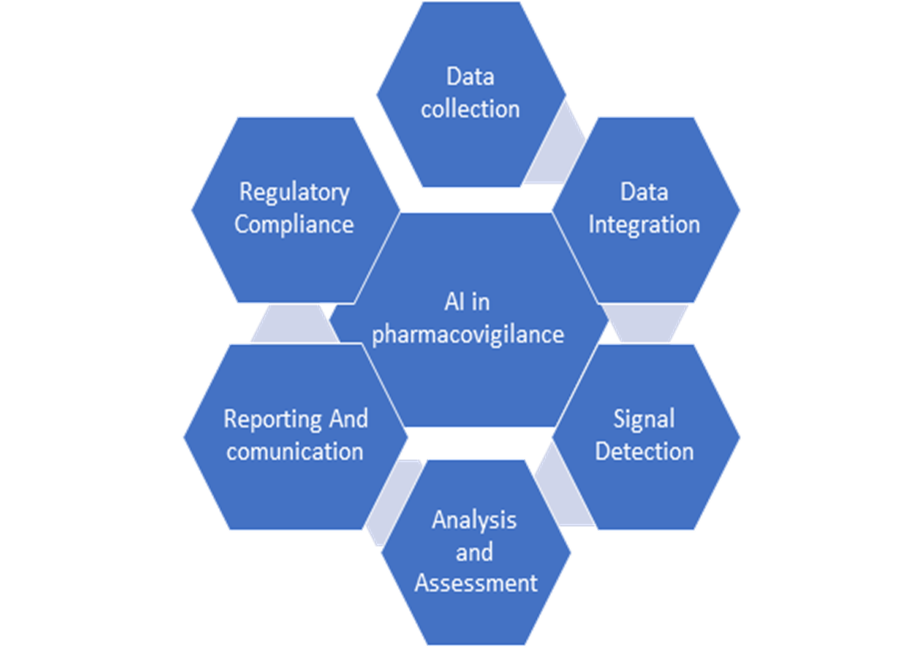
Figure 2: Role of AI in Pharmacovigilance
5. The Importance of AI in pharmacovigilance
AI's significance in pharmacovigilance Interest in using artificial intelligence (AI) to enhance drug development and management is expanding. This includes crucial fields like pharmacovigilance (PV), which entails monitoring the security of pharmaceuticals after they are put on the market. USDA (Food and Drug Administration) as "all scientific and data collection activities related to the detection, evaluation and understanding of adverse events." Pharmacovigilance, as defined by the FDA, includes a wide range of scientific research techniques, clinical pharmacology studies, registries, individual case safety reports (ICSRs), and other approaches. (7) The FDA is looking into how artificial intelligence might be used in a number of these fields, but the research in these areas is not yet advanced enough to warrant broad legislation. The following factors led us to select this intriguing subject. (7)
a) ICSRs continue to provide vital new security information and have a long history of revealing security threats. After a medication is licensed, new safety issues frequently surface. (7)
b) As the number of data sources that need to be reviewed for safety information increases and changes, industry and regulatory bodies process, decrease, and update the number of ICSRs for safety signals. This puts more strain on the few security experts and raises expenses. This overall tendency has been brought to light by an increase in the reporting of medications used to prevent and treat coronavirus illness 2019 (COVID-19) (7)
c) Regulatory bodies around the world demand ICSR delivery, and standardization techniques boost productivity.
d) ICSRs will undoubtedly remain a crucial early warning mechanism for drug safety signals, especially for rare events, and will remain important in the solar environment sector for some time to come, even though safety assessment and recognition are becoming more popular. indications derived from population-based data sources' estimates.
e) The current ICSR reporting methods have been modified, but it seems unclear that these modifications will be enough on their own. (7)
6. Adverse Drug Reaction, Side Effect, and Adverse Event
Any undesirable medical event that may occur when taking medication but does not always have a direct link to the therapy is considered an adverse event, So the World Health Organization says. Any unintended result a pharmaceutical product that arises at dosages typically utilized by a patient and is associated with the drug's pharmacological characteristics is referred to as a side effect. The World Health Organization has suggested that the word "adverse drug reaction" be used to refer to "a noxious and unintended reaction to a medicine, which occurs at doses normally used in man." According to the preceding descriptions, adverse drug occurrences might involve a variety of circumstances, ranging from medication errors to side effects and unanticipated drug reactions. This can include events that occur during therapy but aren't directly brought on by the drug. (1)
6.1. Procedure for Determining Causation in Adverse Drug Reactions
The process of figuring out the likelihood that a specific medication was the cause of an observed adverse event is known as causation evaluation. Frequently employed instruments for this purpose include the ALDEN algorithm, the Naranjo Adverse Drug Reaction Probability Scale, and the WHO-UMC Causality Scale, which is specific to drug-induced epidermal necrolysis. In addition to causality assessment, there are specialized tools to evaluate the preventability (like the Thornton and Shamrock scale) and the intensity of adverse drug responses (ADRs) (like the Hartwig and Siegel's scale). In pharmacovigilance programs (PvP), We commonly employ the WHO-UMC causality scale in pharmacovigilance programs (PvP). The latent period—the interval between beginning medication and the onset of symptoms—is used to establish the temporal association between drug intakes. Additionally, the negative response is credible, implausible, or reasonable. The latency period can differ greatly according on the type of reaction, according to dermatologists. Angioedema and urticaria, for instance, can appear minutes to hours later. A drug response accompanied by eosinophilia and systemic symptoms (DRESS) may occur weeks or months later. Drug-induced vasculitis can take years to manifest. The delay times listed in Table 1 are only applicable to the first exposure. Upon re-exposure, reactions may occur more rapidly (within 24 hours), regardless of the type of reaction.(1) In cases of polypharmacy (patients taking multiple drugs), the suspected drug can often be identified by analyzing the timing between drug administration and symptom onset. For example, although a medication that Although the patient's sudden urticaria is unlikely to be caused by the medication they have been taking for weeks, it could be the cause of a reaction with a longer latency period, such as DRESS. The situation becomes more complex when multiple new drugs are started at the same time, and the patient develops an ADR. In such cases, the gold standard for identifying the causative drug is a rechallenge test—where the drug is reintroduced to observe recurrence of symptoms. However, this is usually unethical unless the medication is life saving and no suitable alternatives exist When multiple drugs are plausible causes, one can prioritize based on the known frequency of specific ADRs associated with each medication. This information is available on platforms like: Ephorates Micromedex. (1) While the others are labeled as "possible," the medicine with the greatest known frequency of generating the reaction that was observed may be rated as "probable." It's also critical to consider drug interactions, which can have negative consequences even when individual medications are well tolerated. Febuxostat, for instance, can increase the toxicity of azathioprine by inhibiting xanthine oxidase, leading to elevated blood levels of azathioprine. Information about such interactions can also be found on Ephorates or Micromedex. Finally, pharmacovigilance programs encourage the reporting of all suspected ADRs, regardless of severity. Such reporting is essential for identifying new patterns of drug reactions and detecting rare adverse effects. (1)
Table 1: The average amount of time that passes between starting a medication and experiencing an adverse medication effect on the skin
|
Adverse medication reaction
Urticaria Fixed Drug-related symmetrical intertriginous and flexural exanthem Acute exanthematous pustulosis in the whole-body Drug-related maculopapular rash Stevens-Johnson Syndrome—Toxic Necrolysis Skin Eosinophilia and systemic symptoms associated with a drug reaction Drug?induced vasculitis |
The period between beginning drug use and cutaneous adverse medication reaction
Less than a day from thirty minutes to several hours (perhaps two weeks in advance) hours to a few days 2–5 days 5–21 days 5–28 days 2–6 weeks (varies from one to six months)
Very erratic (hours to years) |
Table 2: Typical medication linked to skin-related adverse medication response
|
Skin adverse medication reaction
Urticaria Maculopapular Eruptions Resolved drug eruption Drug-Related Symmetrical Intertriginous and Flexural Exanthem Toxic Epidermal Necrolysis and Stevens-Johnson Syndrome Acute Exanthematous Pustulosis in the Whole Body Drug Reaction with Systemic Symptoms and Eosinophilia Vasculitis Induced by Drugs |
Common Drugs
Antibiotics, NSAIDs NSAIDs, sulfonamides, aromatic anticonvulsants, and allopurinol. Trimethoprim, tetracyclines, barbiturates, NSAIDs, phenolphthalein, azithromycin, and quinolone antibiotics. Antibiotics, NSAIDs, lamotrigine, sulfasalazine, cephalosporins, aromatic Anticonvulsants antibiotics, NSAIDs, lamotrigine, sulfasalazine, allopurinol, Terbinafine, hydroxychloroquine, quinolones, aminopenicillins, macrolides, sulfonamides, diltiazem. Vancomycin, abacavir, isoniazid, lamotrigine, minocycline, dapsone, sulfasalazine.
|
7. Clinical trials
Randomized controlled trials (RCTs) have at times revealed serious and unexpe Table 1: Typical medications linked to cutaneous adverse drug reactions cted adverse effects of medications. For instance, the 1991 CAST trial showed that using antiarrhythmic drugs preventively after a heart attack increased death rates—contrary to prior assumptions. This finding was later supported by a systematic review. Other notable RCTs also uncovered harms: the ALLHAT trial found that doxazocin increased heart failure risk, while the SEAS trial linked ezetimibe to higher cancer mortality. In 2002, high doses of poetics were shown to raise mortality by 22% compared to lower doses. That same year, two large publicly funded RCTs on hormone replacement therapy (HRT) were halted early due to a higher incidence of breast cancer, strokes, and heart attacks in the HRT group. Despite weak supporting evidence, HRT had been widely prescribed for nearly a decade—leading to estimates of tens of thousands of breast cancer cases in the UK and hundreds of thousands in the U.S.(12) over a 10-year span In 2004, following the withdrawal of Vioxx, meta-analyses revealed that other COX-2 selective NSAIDs like celecoxib and diclofenac also raised cardiovascular risk, possibly causing thousands of deaths annually in Europe. These examples highlight the urgent need for ongoing cumulative meta-analyses of individual patient data from both new and existing RCTs, as well as the importance of transparent and unbiased clinical research. Given the prevalence of selective reporting and scientific misconduct, it's argued that the European Medicines Agency (EMA) should be legally required to conduct such analyses. Since 2004, further adverse effects have been detected through meta-analyses of RCTs. (12) These include increased suicidal thoughts and behaviors in children and adolescents taking SSRIs, suicide attempts with paroxetine in adults, heart attacks linked to rosiglitazone, and stroke and death in elderly patients using neuroleptics. Meta analyses of RCTs can also help confirm drug safety when safety signals emerge from other data sources. However, real-world risks are likely to be even higher than those observed in trials. These findings typically relate to widely used medications and serious health conditions, underlining their significant impact on public health. In this context, the meta-analysis of clinical trials represents a "third generation" approach to pharmacovigilance and has greatly advanced our understanding of the widespread harm medications can cause. (12)
8. Pharmacovigilance: past and present:
Regulatory agencies such as the US Food and Drug Administration (FDA) and the European Medicines Agency (EMA) have numerous duties, one of which is to safeguard and promote public health by evaluating and supervising medications intended for human use. These regulatory bodies' responsibilities have changed over the past century to put patient safety and consumer protection first. (15) The FDA (Bureau of Chemistry) in the early 1900s concentrated its regulation efforts on foods due to the belief that they were more dangerous to the public than tainted or mislabeled medications. Nonetheless, the 1938 Food, Medicine, and Cosmetic Act required that pharmaceutical labels have adequate directions for safe use and controlled cosmetics and medical equipment. The changes made to this statute have allowed for the by regulating medications for human use, the FDA will keep improving its capacity to safeguard the public's health. A decentralized agency of The European Medicines Agency (EMA) was established in 1995 by the European Union (EU) To protect and improve the health of both humans and animals, Its primary duty is to supervise the assessment and administration of drugs meant for human and veterinary use. A European pharmaceutical network comprising the European Commission, the European Parliament, over 40 national competent authorities, and several other decentralized EU entities is centered on the European Medicines Agency (EMA). To protect its citizens' health and establish the best possible pharmaceutical regulatory environment, the Agency collaborates closely with its European partners. The primary objective of pharmacovigilance was to guarantee that summaries and individual case safety reports were processed and submitted up to this point. When proactive detection of safety concerns (also known as "signals") and implementation of measures to reduce or mitigate patient risk are the main goals of pharmacovigilance. This change occurred particularly quickly during the early 2000s. (15) \
9. Possible effects of incorporating artificial intelligence into safety surveillance.
By altering how adverse events are recognized, investigated, and managed throughout the pharmaceutical product development process, Drug safety surveillance could be greatly impacted by artificial intelligence (AI). Recent developments demonstrate the various ways in which artificial intelligence (AI) technology can be used to enhance the effectiveness, accuracy, and lucidity of pharmacovigilance protocols. Artificial intelligence (AI) algorithms can evaluate vast amounts of organized and unstructured data from a range of sources, such as social media, wearable technologies, medical literature, and electronic health records (EHRs). To assess real-world data and find potential signs of (ADRs), for instance Artificial intelligence (AI) is used more successfully by IBM Watson for Drug Safety than by conventional techniques. Interpretable Deep Learning for Liver Damage Caused by Drugs is one example of an explainable AI architecture that provides lucid insights into predictions made by AI boost stakeholder trust. To predict drug-induced liver injury events, Stanford University researchers developed the IDILI framework. (5) The researchers use observable attributes derived from molecular structures and biological pathways to explain the model's predictions. By offering information on drug safety profiles and patient outcomes in practical settings, the FDA's Sentinel Initiative is one instance of how the inclusion of real-world data (RWD) enhances traditional clinical trial data. The FDA’s Sentinel Initiative uses AI and machine learning algorithms to evaluate RWD from electronic health databases to track pharmaceutical safety and identify potential side effects in real time. Records of adverse events from databases, including the FDA Adverse Event Reporting System can be subjected to temporal pattern mining approaches. to uncover long-term patterns and new safety concerns. (5) Research published in Pharmacological Safety used temporal pattern mining algorithms to analyze FAERS adverse event data and identify temporal clusters of adverse events associated with specific medications or pharmacological classes. Distributed AI frameworks preserve data privacy while enabling secure collaboration and knowledge sharing. Federated learning platforms, such as the Pharm AI consortium, are instances of these systems. The Pharm AI cooperation developed a federated learning platform that protects sensitive patient data while allowing pharmaceutical companies, regulatory agencies, and healthcare providers to collaborate on training AI models on distributed datasets. (5) Finding predictive biomarkers for pharmaceutical safety with machine learning algorithms enables personalized risk assessment and treatment approaches. Machine learning algorithms were used in a study to identify genetic variants associated with assess patients' risk of liver damage brought on by drugs and create predictive biomarker panels. undergoing specific therapeutic interventions. NLP systems for adverse event report analysis are the best examples of how natural language understanding (NLU) techniques facilitate automated case processing and signal detection. A study team developed A system that uses Analysis using natural language processing and summarize adverse data event that are sent to regulatory agencies to speed up the identification of potential safety signals. (5) There is an improvement in the evaluation of the causal relationship to drugs and adverse outcomes. Employing causal graph models and empirical data, the approach predicts the causative impact of pharmaceuticals on specific adverse occurrences, enabling more accurate assessments of drug safety profiles. By using semi-supervised and active learning techniques, data labeling is optimized, and AI models for adverse event detection are built more quickly. Active learning approaches that rank adverse event reports according to their possible relevance and i improve the performance of AI-based signal detection systems. (5)
10. Limitations:
Accessibility and data quality
Transparency and Explain ability
Bias and Equity Issues
Regulatory, Ethical, and Privacy Concerns
11. COVID?19 AND CHALLENGES
The efficiency of PvP has grown during the past few decades because of the digitization of medical data and information. Nevertheless, the COVID-19 pandemic presented unexpected difficulties in the field of pharmacovigilance. The physicians were forced to use both new medications (remdesivir) and repurposed ones (hydroxychloroquine and lopinavir/ritonavir). During the pandemic, many medications were authorized for emergency use, and post-marketing pharmacovigilance played a crucial role in guaranteeing long-term patient safety. Observational data must be used to make choices in the absence of proof from carefully carried out randomized controlled studies. Vaccines against COVID-19 required a similar strategy. (1) The epidemic has brought to light the importance of analyzing real-world data more quickly and efficiently to create evidence that can direct regulatory actions. Integration, privacy, and data quality challenges need to be addressed, though, if Big Data is to reach its full potential in enhancing prescription safety monitoring. As the industry advances, pharmacovigilance will need to include big data as a crucial tool to guarantee pharmaceutical products' efficacy and safety. Big data has many benefits for pharmacovigilance, but there are still obstacles in the way of its efficient application The consistency and quality of the data are among the primary problems since it might be difficult to effectively gather and assess the information from various data sources since they may utilize different formats. Patient privacy concerns also raise moral and legal questions, particularly when it comes to unstructured data from social media and other sources. Making sure laws such as the Regulation of General Data Protection are followed is crucial for preserving patient anonymity and trust in pharmacovigilance data. Moreover, another challenge is data integration. Pharmacovigilance requires the seamless integration of data from various sources for Big Data to be useful. (1) To accomplish this, regulatory bodies, healthcare providers, and pharmaceutical firms should guarantee system compatibility and standardize data formats. (4) Artificial intelligence (AI) can be used in pharmacies to improve patient outcomes and pharmaceutical safety monitoring. Issues with data quality and availability are the most significant since they directly affect the accuracy and dependability of AI-driven forecasts and analysis. Inaccuracies, biases, data silos, and insufficient data reporting make it difficult to conduct the thorough analysis needed for efficient pharmacovigilance. Issues with data availability and quality might negatively impact patient outcomes and postpone regulatory action. (1) The occurrences with Essure and Vioxx (forecoxa) are instances of real-world encounters. Furthermore, interpretability and transparency present serious difficulties; intricate AI models can occasionally function being "black boxes," which makes it challenging for interested parties to understand the decisions made These issues are complicated by regulatory compliance absence of established assessment instruments, algorithmic bias, and call for substantial thought and systematic procedures. Compatibility issues, data fragmentation, and standardization must be fixed if artificial intelligence is to be used in pharmacovigilance to its fullest extent. It is essential to support cooperation between stakeholders, technology developers, and regulators to enhance data quality, promote transparency, and satisfy legal responsibilities. By overcoming these obstacles and constraints, pharmacovigilance powered by AI might improve healthcare outcomes and patient safety globally by the choices made. Regulatory compliance, a lack of standardized evaluation tools, and algorithmic bias all make these problems more challenging. which necessitate methodical processes and careful consideration. Standardization, technology compatibility, and data fragmentation issues need to be fixed if artificial intelligence in pharmacovigilance is to reach its full potential. Encouraging cooperation between stakeholders, technology developers, and regulators is essential to upholding legal requirements, fostering transparency, and improving data quality. Pharmacovigilance powered by AI can enhance patient safety and medical results globally by overcoming these obstacles. (1)
12. Prospects for the future and suggestions for further study and advancement in AI integration with medication safety
Prospects for the Future: The future of PvP seems bright with the groundbreaking advent of artificial intelligence. The FDA, or in the US, the Food and Drug Administration has accurately noted that the assistance of specialists in drug safety should be employed sparingly when dealing with complex pharmacovigilance issues that affect public health.(1) Effective machine learning systems can save The amount of time an expert spent compiling and arranging information from each case safety report as well as detecting, validating, analyzing, and prioritizing signals. Finding and eliminating duplicate data can be the first step. Furthermore, disproportionality analysis classifies drug-event pairings, as well as identifying risk factors and drug-drug interactions. can be aided by artificial intelligence. Programs for machine learning can create statistics prediction models for signal detection and additional support for regulatory information language processing. (1) Despite the fact that the present PvP algorithms do not meet the reliability requirements for complete automation, the field has made remarkable strides. By empowering them to make better decisions, accurate health data can help physicians, patients, and other stakeholders enhance their quality of life. Better technologies, such natural language processing (NLP) software that can analyze unstructured patient records, have made it possible for artificial intelligence (AI) to collect patient data more effectively. This has provided us with a wealth of information to evaluate quality, enhance methods, and enhance patient outcomes. AI also facilitates pharmacovigilance (PV) by cutting cycle times and case processing expenses. Pharmacovigilance can benefit greatly from machine learning and artificial intelligence. What started off as information sharing and data gathering for regulatory bodies is now developing into a system that enhances the risk-benefit profiles of medications, enabling (7) Future outlooks and suggestions for further study and advancements in the combination of AI and pharmacovigilance AI in pharmacovigilance offers promising prospects that will revolutionize drug safety management and monitoring in the future. AI technology can increase the efficacy and accuracy monitoring and analyzing large datasets in real time from multiple sources. These systems' quicker and more precise recognition of patterns, trends, and potential risks than more traditional methods enable proactive measures to lessen harm. Moreover, AI-driven predictive analytics may enable regulatory bodies and medical professionals to respond quickly and forcefully to escalating safety concerns (5) Additionally, integrating AI could improve pharmacovigilance reporting requirements and speed up regulatory processes for compliance All things considered, pharmacovigilance using AI offers a ground-breaking approach to enhance medication safety monitoring and safeguard the general public's health. The following recommendations have been put up for additional research and development to successfully apply AI in pharmacovigilance. By following these recommendations, pharmacovigilance stakeholders can take advantage of the ground-breaking potential of artificial intelligence technology to enhance FDA decision-making, medication safety monitoring, and patient care. As safer and more efficient medications become available, these efforts will improve public health worldwide. (5)
13. CONCLUSION
Pharmacovigilance is essential for preserving drug safety and safeguarding the general public's health, particularly considering the quick development of new medications. The detection, analysis, and prevention of adverse medication responses have changed dramatically results of the combination of artificial intelligence (AI) and big data. Real-time monitoring, predictive analysis, and more precise risk identification before patients are harmed are all made feasible by these technologies. Nevertheless, problems including data quality, privacy concerns, ethical dilemmas, and the requirement for uniform international standards still exist despite these developments. To effectively utilize AI's potential in pharmacovigilance, these constraints must be addressed. Collaboration between researchers, regulatory bodies, technology developers, and healthcare professionals will be essential going forward. Pharmacovigilance can be made more effective by fusing AI-driven solutions with human expertise. Pharmacovigilance can be made more effective, transparent, and proactive with AI-driven solutions, guaranteeing safer pharmaceutical use and better patient outcomes everywhere. An important development in drug safety monitoring is the incorporation of artificial intelligence into pharmacovigilance, which improves the accuracy of adverse event identification and allows for earlier risk detection. AI-driven solutions are increasing the effectiveness, scalability, and precision of pharmaceutical product monitoring across a range of populations by leveraging massive data resources and automation. Notwithstanding these developments, there are still issues with data quality, openness, interoperability, and regulatory alignment that call for constant cooperation between oversight organizations, digital entrepreneurs, and stakeholders. By addressing these constraints, AI's full potential can be realized, resulting in safer medical procedures and improved public health protection. AI-powered pharmacovigilance will continue to be a fundamental pillar for medication safety and patient care worldwide as the area develops thanks to ongoing research and system improvement.
REFERENCES


Sneha Deshmukh, Akanksha Gangurde, Prachi Divate, Mitesh Sonawane, Development of Pharmacovigilance in AI Tool: Drug Safety Monitoring, Int. J. of Pharm. Sci., 2026, Vol 4, Issue 1, 2274-2291. https://doi.org/10.5281/zenodo.18336552
 10.5281/zenodo.18336552