

We use cookies to ensure our website works properly and to personalise your experience. Cookies policy
1,2,3,4Department of M.Pharmacy, Dr.Babasaheb Ambedkar Technological University, Lonere, 402103
5Shree Saraswati Institute of Pharmacy, Tondavali, 416602.
Lip skin has no sebaceous or sweat glands, which leaves it more prone to dryness, chapping and cracking than the surrounding facial skin, particularly under wind, sun and low-humidity conditions. This makes the lip balm one of the most widely used personal care products, and it has pushed formulators toward natural and marine-derived alternatives to petroleum-based occlusives. Seashells discarded along the Konkan coast after fishing and shellfish processing are a largely wasted resource that contains a protein-chitin matrix suitable for chitosan extraction. In this study, seashells collected from Tondavali, Sindhudurg district, Maharashtra, were cleaned, boiled and powdered, then processed through demineralisation with acetic acid, deproteinisation with dilute sodium hydroxide and deacetylation with concentrated sodium hydroxide to obtain chitosan. The chitosan was incorporated into a lip balm base of beeswax, shea butter, coconut oil, cetyl alcohol, rose oil and beetroot powder. The balm was evaluated for organoleptic properties, pH, spreadability, washability, melting point, breaking point, texture and short-term storage stability. It had a red colour, a rose-like odour and a smooth texture; pH remained steady at 6 over 30 days of storage; the melting point was 62°C and the breaking point 32 g; spreadability and washability were both good, with no visible phase separation at room temperature. These results indicate that chitosan recovered from seashell waste is compatible with a conventional wax-oil lip balm base and can be processed into a stable, non-irritating formulation, offering one route to convert a coastal by-product into a usable cosmetic raw material.
Lip skin lacks the sebaceous and sweat glands present in the surrounding facial skin, and the epithelium at the vermilion border is thinner and only lightly keratinised1. This leaves lips with almost no independent moisture barrier, so they dry out, chap and crack far more readily than the rest of the face, especially with wind, sun exposure or low ambient humidity. Lip balms address this by depositing a wax-oil film that slows moisture loss and shields the surface, and they remain one of the most frequently repurchased personal care products worldwide.
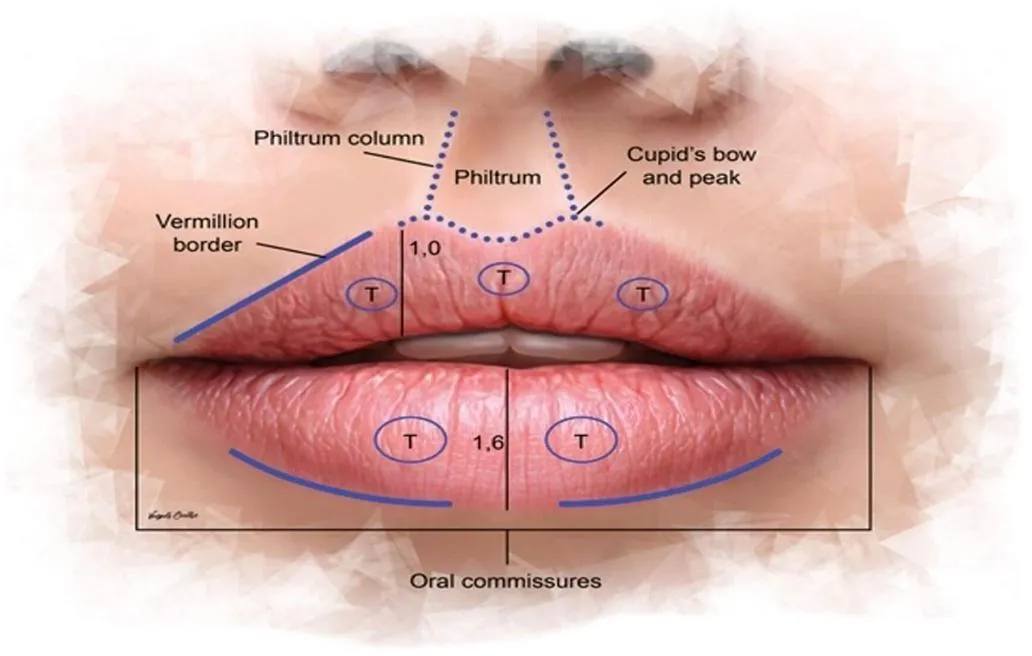
Figure 1. Cross-sectional anatomy of the lip. The vermilion border lacks sebaceous and sweat glands, which is why it is more prone to dryness than adjacent facial skin.
Most commercial lip balms still rely on petroleum-derived occlusives such as petrolatum and mineral oil. Consumer preference has been shifting toward plant- and marine-derived ingredients, partly on perceived safety grounds and partly for sustainability2, and this has encouraged formulators to look at underused natural resources as functional additives rather than filler ingredients.
Seashells are one such resource. Along the Konkan coast of Maharashtra, including Sindhudurg district, fishing and shellfish processing generate large quantities of shell waste that is mostly discarded or, at best, crushed for use as a soil amendment. Seashells are composed largely of calcium carbonate bound to a protein-chitin matrix, and this chitin can be converted to chitosan through the standard demineralisation-deproteinisation-deacetylation sequence3. Chitosan is already used in wound dressings and skin-care formulations for its film-forming, moisture-retentive and mild antimicrobial behaviour, including specifically as a marine-derived cosmeceutical ingredient4. Marine-derived actives more broadly have found use across several cosmeceutical categories, from photoprotection to pigmentation control and functional additives in nutraceutical-cosmetic crossover products5,6. Chitin for cosmetic use is usually sourced from crustacean shells; bivalve seashell waste is a comparatively unexplored alternative supply.
This study formulated a lip balm using chitosan extracted from locally collected seashell waste and evaluated its physicochemical and organoleptic properties — pH, spreadability, washability, melting point, breaking point, texture, perfume stability and short-term storage stability — to assess whether this coastal by-product can be converted into a usable lip-care ingredient.
MATERIALS AND METHODS
Materials
Beeswax, shea butter, virgin coconut oil, cetyl alcohol and rose oil were procured from a local pharmaceutical raw-material supplier. Beetroot powder was used as a natural colourant. Glacial acetic acid and sodium hydroxide, both of laboratory grade, were used for chitosan extraction. Seashells (Figure 2) were hand-collected from the Tondavali coastline, Sindhudurg district, Maharashtra, in May 2025.
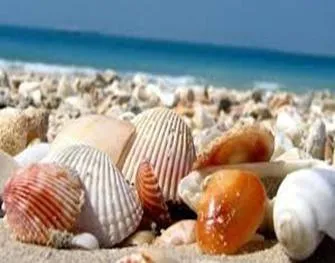
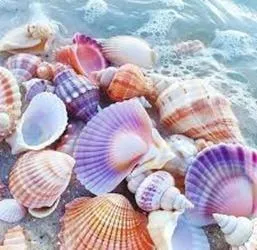
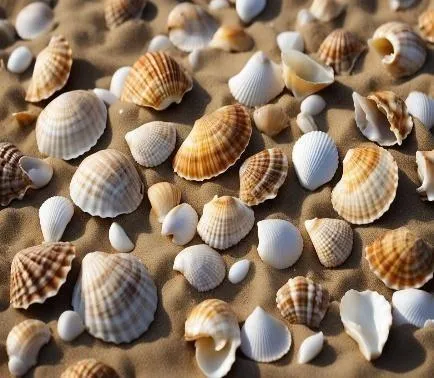
Figure 2. Seashells collected from the Tondavali coastline used as the starting material for chitosan extraction.
Site and Period of Work
The work was carried out at Shree Saraswati Institute of Pharmacy, Tondavali, Kankavli, Sindhudurg, Maharashtra, between May and June 2025.
Extraction of Chitosan from Seashell Waste
Seashell powder was prepared by washing the shells, boiling them for 30–45 minutes, then drying and crushing them (Figure 3).
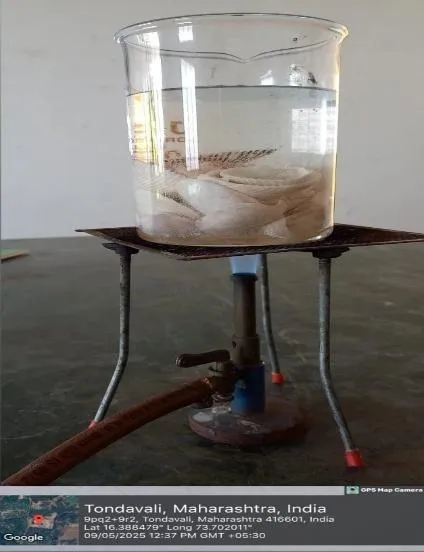
Figure 3. Seashells being boiled prior to drying and crushing into powder.
Demineralisation was carried out by covering the crushed shell powder in glacial acetic acid and leaving it to stand for 24 hours; effervescence from carbon dioxide release indicated dissolution of calcium carbonate, after which the residue was rinsed with water until a neutral pH was reached (Figure 4).
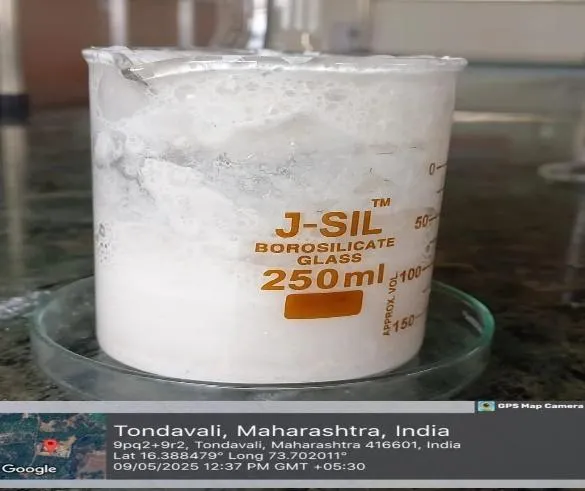
Figure 4. Demineralisation of seashell powder in acetic acid; the calcium carbonate fraction is progressively removed.
Deproteinisation followed, using an approximately 1 M sodium hydroxide solution with gentle heating for 1–2 hours, then filtering and washing to neutral pH; the solid recovered at this stage was chitin (Figure 5).
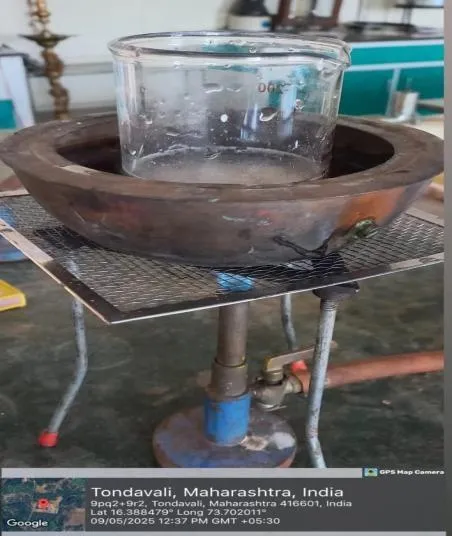
Figure 5. Deproteinisation of the demineralised shell residue in dilute sodium hydroxide under gentle heat.
Chitin was then deacetylated in 50% sodium hydroxide at 80–100°C for 4–6 hours with occasional stirring, which removes the acetyl groups to yield chitosan. The product was filtered under vacuum, washed to neutral pH and dried at 50–60°C (Figure 6).
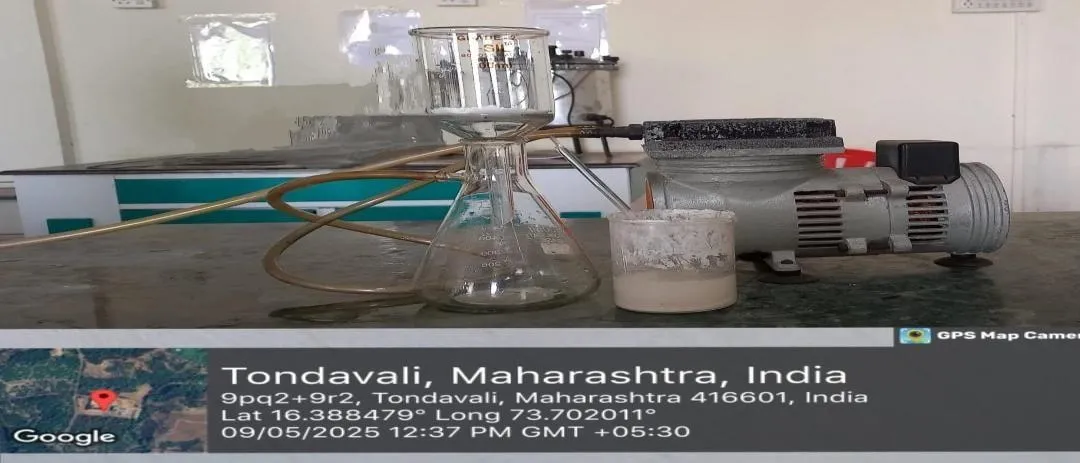
Figure 6. Vacuum filtration of the deacetylated product; the retained solid is chitosan.
Preparation of the Lip Balm
The master formula is given in Table 1. Beeswax was weighed and melted at 82–88°C, after which coconut oil was added for its emollient and skin-conditioning action7. The chitosan extract and beetroot powder were then incorporated and mixed until uniform, rose oil was added for fragrance, and the melt was poured into containers and left to cool and solidify undisturbed to avoid cracking or clouding (Figure 7).
Table 1: Master Formula
|
Ingredient |
Quantity |
Role |
|
Beeswax |
2.5 g |
Thickener |
|
Shea butter |
1.67 g |
Moisturizer |
|
Coconut oil |
2 mL |
Emollient carrier, anti-inflammatory |
|
Chitosan powder |
0.5 g |
Antioxidant, active ingredient |
|
Cetyl alcohol |
0.83 g |
Emulsifier |
|
Rose oil |
5–6 drops |
Fragrance |
|
Beetroot powder |
q.s. |
Colouring agent, nourishment |
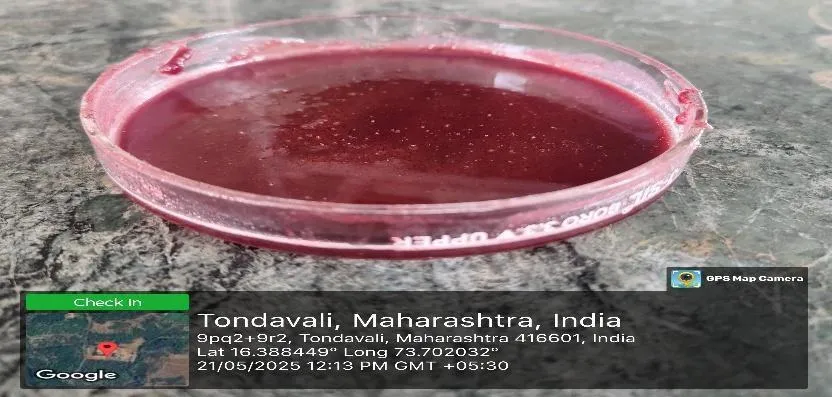
Figure 7. The finished lip balm after cooling and solidification.
Evaluation of the Lip Balm
Organoleptic evaluation: Colour, odour and texture were assessed visually and by smell.
pH determination: 2 g of lip balm was dispersed in distilled water to a final volume of 40 mL and the pH was measured using a digital pH meter; measurements were repeated after 10, 20 and 30 days of storage at room temperature.
Spreadability: A small amount of balm was applied to a glass slide at room temperature and assessed for uniform, even spreading.
Washability: The balm was applied to the skin and rinsed under running water, checking for residue.
Melting point: Determined using a capillary-tube melting point apparatus.
Breaking point: The weight required to fracture a stick of the balm, supported horizontally, was recorded.
Texture analysis: Consistency and skin feel were assessed by finger application.
Perfume stability: The fragrance was checked periodically at room temperature over the storage period.
Stability studies: Samples were stored at room temperature and monitored over 30 days for phase separation, colour change or textural change1,7.
RESULTS AND DISCUSSION
The lip balm containing seashell-derived chitosan was prepared successfully and evaluated for organoleptic, physicochemical and short-term stability parameters; results are summarised in Tables 2–5 and Figures 8–12.
Organoleptic Properties
The balm was red in colour with a rose-like odour and a smooth, uniform texture (Table 2, Figure 8), consistent with the beetroot powder and rose oil included in the formula.
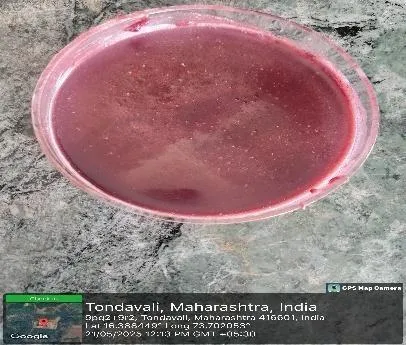
Figure 8. Appearance of the finished lip balm — red colour, smooth consistency.
Table 2: Organoleptic Properties
|
Sr. No. |
Test |
Observation |
|
1 |
Colour |
Red |
|
2 |
Odour |
Rose-like |
|
3 |
Texture |
Smooth |
pH
pH was measured immediately after preparation and again after 10, 20 and 30 days of storage at room temperature (Table 3, Figure 9). It remained steady at 6 across all time points, close to the mildly acidic pH of intact skin and unlikely to cause irritation on repeated lip application.
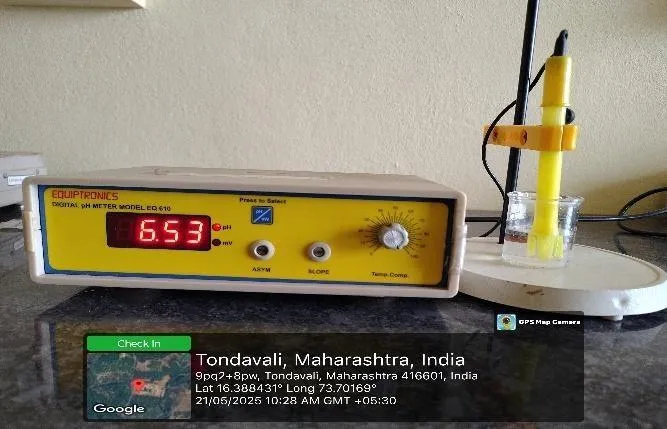
Figure 9. pH measurement of the lip balm dispersion using a digital pH meter.
Table 3: pH on Storage
|
Day |
pH Observed |
|
Day 10 |
6 |
|
Day 20 |
6 |
|
Day 30 |
6 |
Spreadability and Washability
The balm spread evenly on a glass slide at room temperature without dragging or clumping (Figure 10), and it rinsed off the skin cleanly without leaving residue, indicating a workable consistency for a stick- or pot-applied product.
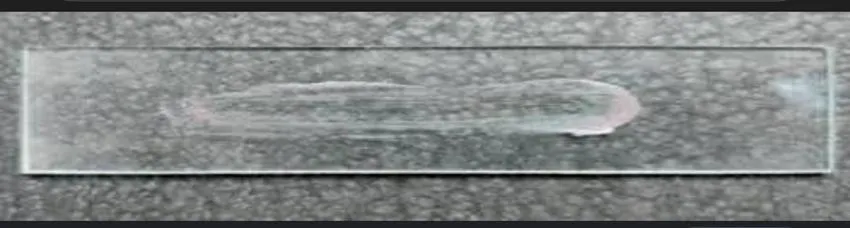
Figure 10. Spreadability of the lip balm on a glass slide.
Melting Point and Breaking Point
The melting point was 62°C (Table 4, Figure 11), comfortably above typical storage and handling temperatures, so the balm should hold its shape during transport and everyday use even in warm weather. The breaking point — the load at which a stick of the balm fractures — was 32 g (Table 5), suggesting adequate mechanical strength for normal handling.
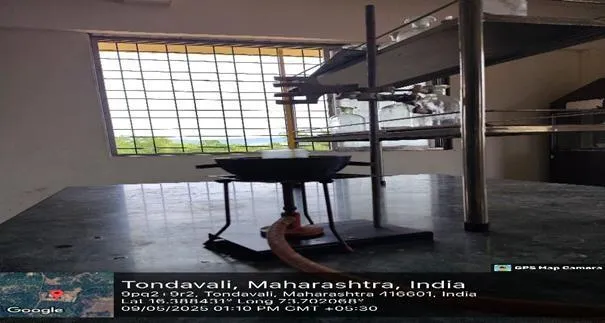
Figure 11. Melting-point determination of the lip balm.
Table 4: Melting Point
|
Test |
Observation |
|
Melting point |
62°C |
Table 5: Breaking Point
|
Test |
Observation |
|
Breaking point |
32 g |
Texture and Stability
The balm felt soft and smooth on application (Figure 12). No colour change, odour change or phase separation was observed over 30 days of storage at room temperature, and the fragrance remained detectable throughout, suggesting reasonable short-term stability under ambient conditions. Longer-term and accelerated stability data would be needed to confirm shelf life beyond this period.
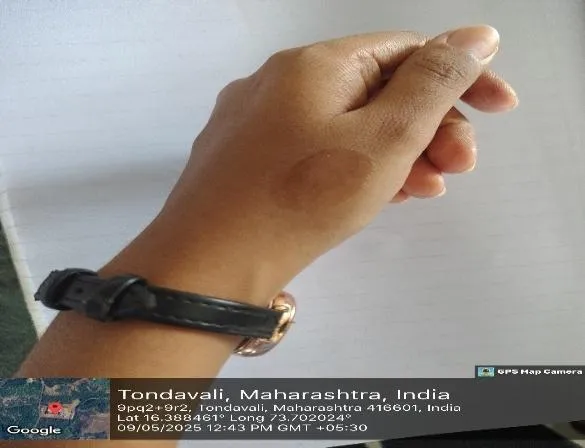
Figure 12. Texture assessment of the lip balm by application to the skin.
Overall, incorporating chitosan derived from seashell waste did not compromise the basic performance expected of a lip balm — pH, spreadability, melting behaviour and mechanical strength were all within workable ranges for a stick-type product7. This suggests seashell waste, ordinarily discarded along the Konkan coast, can be processed into a usable cosmetic raw material rather than being treated purely as waste, in keeping with a wider interest in marine by-products as cosmeceutical ingredients4,5. The evaluation here was limited to physicochemical and short-term stability parameters; irritation, microbial and long-term stability testing, along with structural confirmation of the extracted chitosan (for example by FTIR or degree-of-deacetylation analysis), would be needed before the formulation could be taken further.
CONCLUSION
Chitosan extracted from seashell waste collected along the Tondavali coast was successfully incorporated into a wax-oil lip balm base. The resulting formulation had acceptable organoleptic properties, a stable pH over 30 days, a melting point and breaking point suited to normal handling, and no visible instability at room temperature. This points to seashell waste as a workable, low-cost source of cosmetic-grade chitosan and a route to divert coastal shell waste toward a functional use. Confirming the identity and degree of deacetylation of the extracted chitosan, along with irritation and longer-term stability testing, would be the logical next step before the formulation is developed further.
ACKNOWLEDGEMENT
The authors thank Dr. Tukaram Kedar, Principal, Shree Saraswati Institute of Pharmacy, for institutional support, and the teaching, library and laboratory staff of the institute for their assistance during this work.
REFERENCES

Abhijit Jankar, Aarti Jagtap, Mohini Patil, Tanuja Ghadage, Vaibhavi Pandit, Formulation And Evaluation of a Lip Balm Prepared Using Chitosan Extracted from Marine Seashell Waste, Int. J. of Pharm. Sci., 2026, Vol 4, Issue 9, 3252-3258, https://doi.org/10.5281/zenodo.22955629
 10.5281/zenodo.22955629