

We use cookies to ensure our website works properly and to personalise your experience. Cookies policy
1,2,3 Department of Pharmaceutics, Shri Sharanabasaveshwar College of Pharmacy, Vijayapura 586103, Karnataka.
4 Department of Pharmaceutical Chemistry, Shri Sharanabasaveshwar College of Pharmacy, Vijayapura 586103, Karnataka.
5,6,7 Department of Pharmacology, Shri Sharanabasaveshwar College of Pharmacy, Vijayapura 586103, Karnataka
The present study aimed to formulate and evaluate a multipurpose herbal cream containing Aloe vera gel and Neem extracts, both well known for their antifungal, antioxidant, anti-inflammatory, and skin-moisturizing properties. The cream formulations were prepared using the emulsification method, and five formulations (F1–F5) were developed by varying the concentrations of active ingredients and excipients. All formulations were evaluated for key physicochemical parameters, including pH, viscosity, spreadability, homogeneity, washability, and skin irritancy. Among the developed formulations, F3 demonstrated the most favorable characteristics, exhibiting a smooth and uniform texture, appropriate viscosity, stable pH, excellent spreadability, easy washability, and no signs of skin irritation. Stability studies further confirmed that F3 retained its physical appearance, consistency, and viscosity throughout the storage period, whereas the remaining formulations showed slight changes in pH and spreadability. These findings suggest that Formulation F3 is the most stable, effective, and patient-friendly formulation, highlighting the potential of Aloe vera gel and Neem extracts as safe, natural ingredients for topical skincare applications.
The word cosmetic is derived from the Greek term kosmētikos, which means to adorn or to beautify. Over time, the meaning of the term has broadened to include a wide range of products designed to enhance, maintain, and improve an individual's physical appearance. In modern practice, cosmetics are defined as substances applied externally to the body for the purpose of cleansing, beautifying, protecting, or maintaining the health and appearance of the skin.
Creams are semi-solid dosage forms prepared as emulsions consisting of oil and water phases. They are widely used for topical application in both pharmaceutical and cosmetic formulations to provide therapeutic, protective, or aesthetic benefits. Creams can be applied to various parts of the body, including the skin, eyes, nasal mucosa, and other sensitive areas such as the genital and anal regions. Their primary functions include moisturizing, protecting, soothing, and cleansing the skin. Depending on their intended use, creams are available in several formulations, including
Types of Creams Based on Emulsion Type
1. Oil-in-Water (O/W) Creams
2. Water-in-Oil (W/O) Creams
Ideal characterstics of cream
An effective topical cream should possess several important qualities to ensure both safety and performance.
Herbal Cream
Herbal creams are topical formulations prepared using naturally derived plant extracts, medicinal herbs, and essential oils. These products are intended to maintain and improve skin health through natural ingredients rather than relying on synthetic chemicals. Since ancient times, medicinal plants have been extensively utilized in traditional healthcare systems for their healing and cosmetic benefits. Herbal ingredients such as Aloe vera, neem, chamomile, turmeric, and lavender are widely recognized for their soothing, moisturizing, antioxidant, and skin-protective properties. Incorporation of these botanical ingredients into cream formulations helps provide hydration, nourishment, protection against environmental damage, and overall enhancement of skin condition.[1]
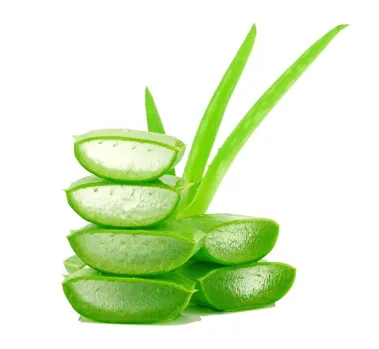
Figure 1 : Aloevera
Medicinal plants have played a significant role in traditional medicine for centuries because of their broad range of therapeutic activities. Among the most extensively studied herbs are Aloevera and neem (Azadirachta indica), both of which possess remarkable medicinal properties. These botanicals are frequently incorporated into topical formulations due to their antimicrobial, anti-inflammatory, wound-healing, antioxidant, and moisturizing effects. Their ability to protect the skin from microbial infections, reduce inflammation, promote tissue repair, and maintain skin hydration makes them valuable ingredients in modern herbal skincare products.[2]
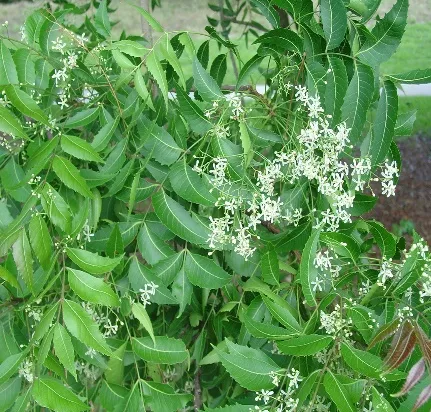
Figure 2 : Neem
Types of Herbal Creams
Herbal creams are available in different formulations, each designed to fulfill a specific skincare function. Depending on their intended application, they can be classified into the following categories:
Advantages of Herbal Cream [3]
Disadvantages of Herbal Creams [4]
MATERIALS AND METHODS
Materials
The formulation of the herbal cream was developed using Aloevera gel and Neem extract, which were sourced from the Department of Pharmaceutics, Shri Sharanabasaveshwar College of Pharmacy, Vijayapura. Additional formulation ingredients, namely beeswax, liquid paraffin, borax, methylparaben, and rose oil were supplied by Research-Lab Fine Chem Industries, Mumbai.
Methods
Extraction of Herbal Materials
The therapeutic effectiveness of herbal creams is largely influenced by the quality and purity of the plant extracts incorporated into the formulation. Therefore, the extraction procedure should be carefully performed to retain the phytoconstituents responsible for the medicinal and cosmetic properties of the final product.
Extraction of Aloevera Gel: Fresh, mature, and disease-free Aloevera leaves were collected and thoroughly washed with distilled water to remove adhering dust and impurities. The leaves were then cut longitudinally using a sterile knife, and the outer rind was carefully removed to separate the inner colourless parenchymatous gel. The extracted gel was filtered through sterile muslin cloth to eliminate fibrous material and other unwanted particles. The resulting clear and homogeneous Aloevera gel was collected and used for the preparation of the herbal cream formulation. [5]
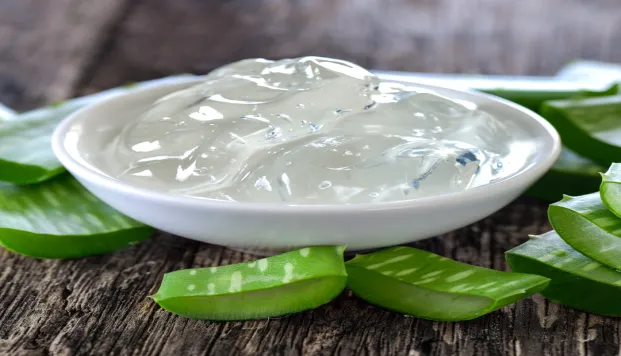
Figure 3 : Aloevera Extract
Extraction of Neem (Azadirachta indica) Leaves: Fresh neem leaves were collected, thoroughly washed with distilled water to remove adhering impurities, and dried in a hot air oven until a constant weight was achieved. The dried leaves were then finely powdered using a suitable grinder. Approximately 5g of the powdered neem leaves was mixed with 50ml of distilled water and heated in a water bath at 70–100°C to facilitate the extraction of the bioactive constituents. The resulting extract was filtered through sterile muslin cloth to remove insoluble plant residues and other particulate matter. The clear aqueous filtrate obtained was collected and subsequently used in the formulation of the herbal cream.
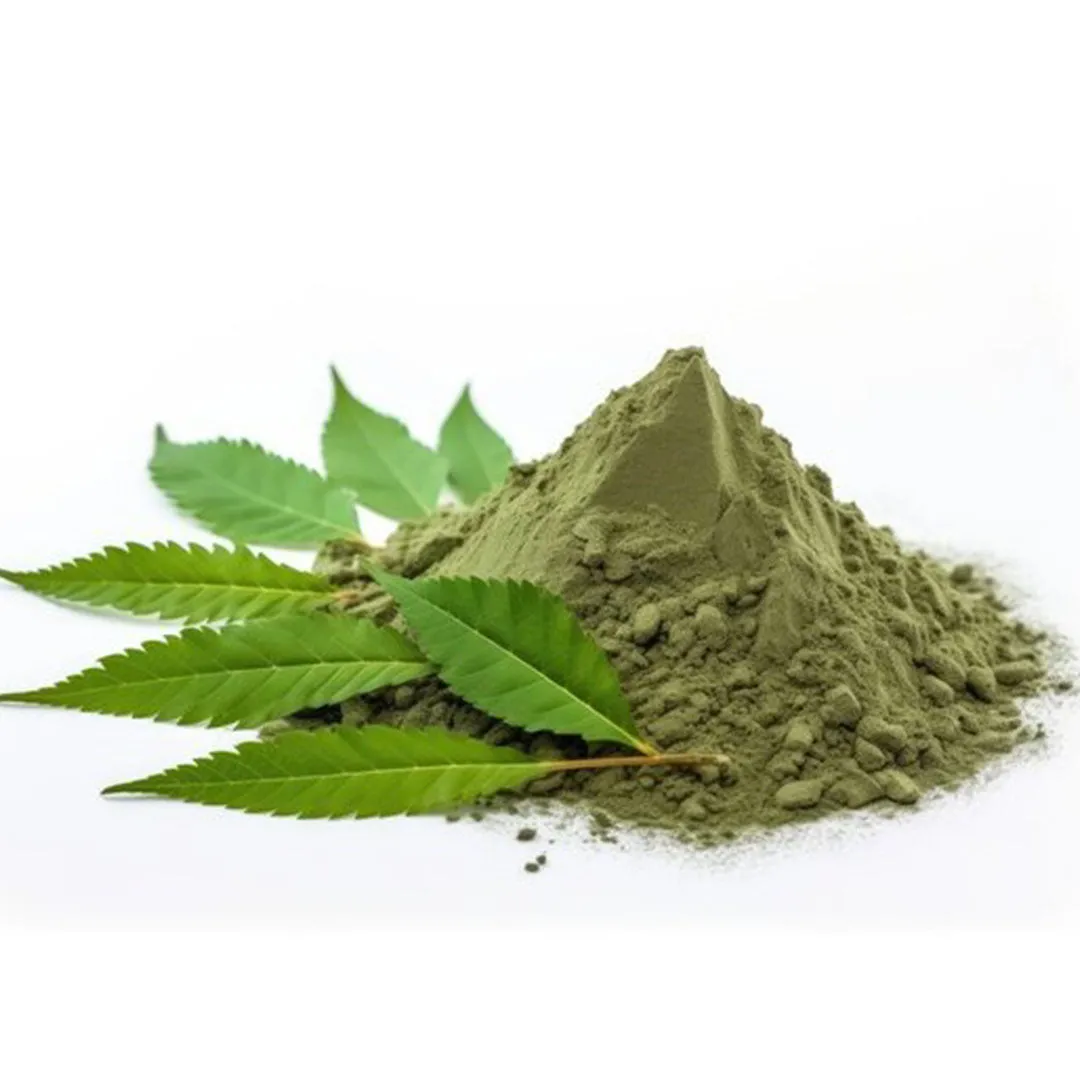
Figure 4 : Neem Extract
Preparation of Herbal Cream (Emulsification Method)
The herbal cream was prepared using the emulsification technique. Initially, the oil phase was prepared by accurately weighing and heating beeswax and liquid paraffin together in a borosilicate glass beaker at 75°C until a clear, uniform mixture was obtained. Simultaneously, the aqueous phase was prepared by dissolving borax and methylparaben in the required quantity of distilled water and heating the solution to the same temperature (75°C).
The hot aqueous phase was then added gradually to the oil phase with continuous mechanical stirring to produce a stable emulsion. As the emulsion cooled to room temperature, predetermined quantities of Aloevera gel and Neem leaf extract were incorporated with constant stirring to ensure their uniform distribution throughout the formulation. Finally, the prepared cream was homogenized by geometric mixing on a clean compounding slab until a smooth, homogeneous, and uniform consistency was achieved. The finished herbal cream was transferred to suitable containers and stored for further evaluation.
Evaluation Parameter
1. Physical Parameters
The prepared herbal cream was visually examined for its colour, odour, appearance, and overall consistency. These characteristics were assessed to ensure uniformity and acceptable aesthetic quality of the formulation.
2. Determination of pH
The pH of the cream was determined using a calibrated digital pH meter. Prior to measurement, the instrument was standardized with appropriate buffer solutions. Approximately 0.5 g of the cream was dispersed in 50 ml of distilled water to obtain a uniform dispersion, after which the pH was recorded. The pH was maintained within the normal physiological range of the skin to minimize the possibility of irritation. [6]
3. Determination of Viscosity
The viscosity of the prepared cream was measured using a Brookfield viscometer. Approximately 10 g of the formulation was transferred into a clean beaker, and the selected spindle was immersed in the sample. After allowing the spindle to equilibrate for about 5 min, the viscosity was measured and recorded under the specified operating conditions. [7]
4. Determination of Spreadability
Spreadability was evaluated to determine the ease with which the cream could be uniformly applied over the skin surface. Approximately 2 g of the cream was placed between two glass slides, and a 1000 g weight was placed over the assembly for 5 min to obtain a film of uniform thickness. Subsequently, a 10 g weight was attached to the upper slide through a string, and the time required for the upper slide to travel a distance of 10 cm over the lower slide was noted. Spreadability was calculated using the following equation: [8]
Spreadability= m×l÷t
where:
S = Spreadability (g·cm/s)
M = Weight tied to the upper slide (g)
L = Length moved by the upper slide (cm)
T = Time taken to separate the slides (s)
5. Washability
The washability of the cream was evaluated by applying a small quantity of the formulation to the skin and rinsing it under running tap water. The ease with which the formulation could be removed from the skin was observed and recorded. [9]
6. Homogeneity
The prepared formulation was examined for homogeneity through visual inspection and tactile evaluation. The cream was checked for uniform texture, smoothness, and the absence of lumps, coarse particles, or phase separation.[10]
7. Skin Irritation Test
The irritancy potential of the formulation was assessed by applying the cream to a marked area of approximately 1 cm² on the dorsal surface of the left hand. The application time was recorded, and the test site was observed periodically over 24 hours for any signs of erythema, itching, edema, burning sensation, or other adverse skin reactions.[11]
8. Determination of Emulsion Type
The type of emulsion was identified using the scarlet red dye test. A small quantity of the cream was mixed with scarlet red dye, placed on a clean microscopic slide, covered with a cover slip, and examined under a microscope. In an oil-in-water (O/W) emulsion, the dispersed oil globules appear red against a colourless background, whereas in a water-in-oil (W/O) emulsion, the continuous phase appears red and the dispersed aqueous globules remain colourless.[12]
RESULTS
Physicochemical Evaluation of multipurpose Herbal cream
Table 1: Physicochemical Evaluation of multipurpose Herbal cream
|
Parametres |
F1 |
F2 |
F3 |
F4 |
F5 |
|
Appearance |
Good |
Good |
Excellent |
Good |
Good |
|
Colour |
uniform |
Uniform |
Uniform |
Uniform |
Uniform |
|
Odour |
Pleasant |
Pleasant |
Pleasant |
Pleasant |
Pleasant |
|
State |
Semi-solid cream |
Semi-solid cream |
Semi-solid cream |
Semi-solid cream |
Semi-solid cream |
|
pH |
6.5 |
6.5 |
6.6 |
6.7 |
6.8 |
|
Viscocity |
30,500 cp |
34,800 cp |
39,200 cp |
42,700 cp |
46,300 cp |
|
Spreadability |
Good Spreadability |
Good Spreadability |
Excellent spreadability.
|
Moderate Spreadability.
|
Moderate Spreadability.
|
|
Washability |
Slightly difficult to wash |
Moderatly washable |
Good \Easily washable with plain water |
Washable but requires more rinsing |
Poor washability |
|
Homogeneity |
Slightly grainy not full uniform |
Smooth with minor irregularities |
Good – Smooth and uniform |
Fairly smooth, small variation seen |
Non – uniform, little lumps observed |
|
Irritancy |
Nil |
Nil |
Nil |
Nil |
Nil |
DISCUSSIONS
The present study was undertaken to formulate and evaluate a multipurpose herbal cream containing Aloevera gel and neem (Azadirachta indica) extract. These medicinal plants were selected because of their well-documented antifungal, anti-inflammatory, moisturizing, antimicrobial, and skin-protective properties, which make them suitable candidates for topical skincare formulations. The emulsification method was successfully employed to prepare five different formulations (F1–F5) using varying proportions of the herbal extracts and excipients.
The physicochemical evaluation demonstrated that all the formulations possessed acceptable organoleptic characteristics, including uniform appearance, pleasant odour, smooth texture, and good homogeneity. No evidence of phase separation or instability was observed, indicating that the selected excipients, namely beeswax, liquid paraffin, borax, methylparaben, and rose oil, were compatible and capable of producing stable cream formulations.
The pH values of all formulations ranged from 6.5 to 6.8 which closely corresponds to the normal physiological pH of human skin. This finding suggests that the prepared creams are unlikely to disturb the skin's natural acid mantle and are therefore suitable for topical application. The absence of erythema, itching, or other signs of irritation during the irritancy study further confirmed the dermatological safety of the formulations.
Viscosity and spreadability are important quality attributes that influence the ease of application and patient acceptability of topical formulations. The prepared creams exhibited satisfactory viscosity and spreadability, ensuring uniform application and adequate retention on the skin surface. Among all the formulations, F3 showed the most desirable balance between viscosity and spreadability, with a viscosity of 39,200 cp, providing a smooth texture and excellent consistency without compromising ease of application. In addition, F3 demonstrated good washability and excellent homogeneity, indicating desirable physical stability and cosmetic elegance.
The improved performance of Formulation F3 may be attributed to the optimized proportion of Aloevera gel and neem extract, together with the appropriate concentration of formulation excipients. Aloevera contributes moisturizing, soothing, and wound-healing properties, whereas neem provides antimicrobial, antifungal, and anti-inflammatory activities. The combined action of these herbal ingredients is expected to enhance the overall therapeutic effectiveness of the cream while maintaining favorable physicochemical properties.
Overall, the findings of this investigation indicate that herbal creams formulated with Aloevera gel and neem extract possess satisfactory physicochemical characteristics and are safe for topical application. Among the developed formulations, F3 exhibited the best overall performance and can be considered the optimized formulation. Further investigations involving stability studies, microbiological evaluation, in vivo efficacy, and clinical assessment are recommended to establish its long-term safety, therapeutic effectiveness, and potential for commercial development.
CONCLUSION
The present study successfully formulated and evaluated a multipurpose herbal cream containing Aloevera gel and neem (Azadirachta indica) extract. All formulations exhibited acceptable physicochemical properties, skin-friendly pH, and were found to be non-irritant. Among the five formulations, F3 showed the best overall performance with optimum viscosity, good spreadability, excellent homogeneity, and satisfactory washability. Therefore, F3 was identified as the optimized formulation and can be considered a promising, safe, stable, and effective herbal cream for topical application. Further stability and clinical studies are recommended to confirm its therapeutic potential.
ACKNOWLEDGEMENT
The authors express their sincere gratitude to the Management and Principal of Shri Sharanabasaveshwar College of Pharmacy, Vijayapura, Karnataka, for providing the necessary facilities and continuous support to carry out this research work. The authors also acknowledge the Departments of Pharmaceutics, Pharmaceutical Chemistry, and Pharmacology for their valuable guidance, encouragement, and laboratory facilities throughout the study. Special appreciation is extended to all the co-authors for their cooperation, technical assistance, and constructive suggestions during the course of this research.
REFERENCES


Vinod Babaleshwar*, Rashmi Kolli , Vitthal Vijapure , Sanjeev Mali , Siddharam Bagalkote , Akshay Kumar S. N., Sanjana Kamatagi , Formulation And Evaluation Of A Multipurpose Herbal Cream Containing Aloevera Gel And Neem Extracts , Int. J. of Pharm. Sci., 2026, Vol 4, Issue 7, 4592-4601. https://doi.org/ 10.5281/zenodo.21492780
 10.5281/zenodo.21492780