

We use cookies to ensure our website works properly and to personalise your experience. Cookies policy
Department of Pharmaceutics, Shantha College of Pharmacy, Peresandra, Chikkabalapur-562104, Karnataka, India.
Background: Facial powders are widely used cosmetic preparations intended to improve skin appearance, reduce surface oiliness and provide a smooth finish. The use of botanical ingredients in cosmetic formulations has increased because of their natural origin and the presence of phytochemicals such as polyphenols, flavonoids and natural pigments. The present study was undertaken to formulate a polyherbal facial powder containing dragon fruit, green tea, red grape and pomegranate powders.Methods: A 50 g polyherbal facial powder was prepared using dragon fruit powder (2.5 g), green tea powder (2.5 g), red grape powder (2.5 g), pomegranate powder (2.5 g), talc (37.5 g) and magnesium stearate (2.5 g). The individual herbal powders were passed through Sieve No. 80 and mixed by geometric dilution. The final formulation was evaluated for bulk density, tapped density, Carr’s index, Hausner’s ratio, angle of repose, moisture content, oil absorption capacity and pH.Results: The bulk density and tapped density were found to be 0.45 g/mL and 0.58 g/mL, respectively. Carr’s index was 21.21%, Hausner’s ratio was 1.27 and angle of repose was 40.60°, indicating fair flowability. The moisture content was 4.9% w/w. The oil absorption capacity was 0.919 g/g, while the pH of the aqueous dispersion was 6.38.Conclusion: The formulated polyherbal facial powder demonstrated acceptable preliminary physicochemical properties, fair flowability, measurable oil absorption capacity and a slightly acidic-to-near-neutral pH. The formulation may be suitable for further development as a botanical facial cosmetic. However, microbial-limit testing, stability studies, skin-irritation testing and biological activity evaluation are required in future studies before establishing its safety and cosmetic efficacy.
Cosmetic preparations are widely used for cleansing, beautifying and improving the appearance and feel of the skin. Facial powders are particulate cosmetic preparations designed to provide a smooth and uniform appearance while absorbing excess surface oil and improving the sensory characteristics of the skin.[1] Important characteristics of a facial powder include appropriate particle size, good flowability, acceptable moisture content, adequate oil absorption, good spreadability and compatibility with the skin.[2,3]
The growing demand for naturally derived cosmetic products has increased interest in herbal ingredients. Plant-derived materials contain a variety of phytochemicals, including phenolic acids, flavonoids, tannins, anthocyanins, betalains and other compounds that may contribute to antioxidant and skin-conditioning properties.[4] Polyphenols are particularly interesting in cosmetic research because their antioxidant, anti-inflammatory and photoprotective properties have been investigated in relation to skin health.[5]
Green tea (Camellia sinensis) is rich in catechins, particularly epigallocatechin-3-gallate (EGCG).[6,7] Experimental and review literature has investigated green-tea polyphenols for antioxidant, anti-inflammatory and photoprotective effects in skin.[8,9]
Red grapes contain several polyphenolic compounds, including flavonoids and resveratrol-related constituents.[10] Grape-derived polyphenols have been investigated for antioxidant and potential dermatological applications.[11,12]
Pomegranate (Punica granatum) is another important source of polyphenolic constituents. Ellagic acid, ellagitannins and related compounds have been investigated for antioxidant and skin-protective properties.[13,14] Experimental studies have reported effects of pomegranate-derived constituents in models of UV-associated oxidative and inflammatory damage.[15]
Dragon fruit, belonging to the genera Hylocereus and Selenicereus, contains pigments such as betalains along with phenolic compounds and flavonoids. Recent reviews have highlighted the phytochemical and antioxidant potential of dragon fruit.[16,17]
Although individual botanical ingredients have been investigated extensively, their incorporation as powdered botanical materials into a simple facial powder formulation provides an interesting approach for preliminary cosmetic formulation research.[18,19] Therefore, the present study was undertaken to formulate a polyherbal facial powder containing dragon fruit, green tea, red grape and pomegranate powders and to evaluate its preliminary physicochemical properties.[20]
2. MATERIALS AND METHODS
2.1 Materials
Dragon fruit powder, green tea powder, red grape powder, pomegranate powder, talc and magnesium stearate were used for formulation development. Distilled water was used for preparation of the aqueous dispersion for pH determination.
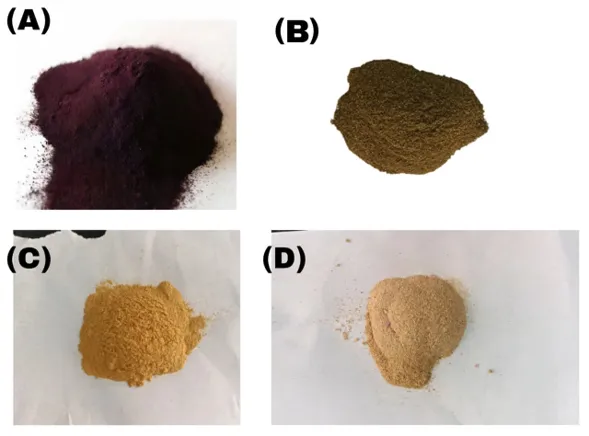
Figure 1. Herbal ingredients used in the formulation (A) Red graph powder (B) Green tea powder (C) Dragon Fruit powder (D) Pomegranate powder
2.2 Formulation Composition[21]
A 100 g batch of the polyherbal facial powder was prepared according to the composition shown in Table 1.
Table 1. Composition of the polyherbal facial powder
|
S. No. |
Ingredients |
Quantity |
Percentage |
|
1 |
Dragon Fruit Powder |
2.5g |
5% |
|
2 |
Green Tea Powder |
2.5g |
5% |
|
3 |
Red Grape Powder |
2.5g |
5% |
|
4 |
Pomegranate Powder |
2.5g |
5% |
|
5 |
Talc |
37.5g |
75% |
|
6 |
Magnesium Stearate |
2.5g |
5% |
|
Total |
|
50g |
100% |
2.3 Function of Ingredients[21]
Table 2. Function of ingredients used in the formulation
|
Ingredients |
Functions |
|
Dragon Fruit Powder |
Botanical ingredient and source of natural pigments and phytochemicals |
|
Green Tea Powder |
Botanical ingredient containing tea polyphenols |
|
Red Grape Powder |
Botanical ingredient containing grape polyphenols |
|
Pomegranate Powder |
Botanical ingredient containing pomegranate polyphenols |
|
Talc |
Powder base and absorbent |
|
Magnesium Stearate |
Adhesion-promoting agent and glidant |
2.4 Preparation of Polyherbal Facial Powder
The individual herbal powders were first inspected for visible foreign matter and abnormal odour. Each ingredient was accurately weighed according to the formulation.
The individual herbal powders were passed through Sieve No. 80 to improve uniformity and remove coarse particles. The four herbal powders were then mixed thoroughly. Talc was incorporated gradually using the geometric dilution method to obtain a uniform blend. Magnesium stearate was subsequently added and mixed thoroughly.
The final powder blend was passed through Sieve No. 80 and transferred into a clean, dry and airtight container. The formulation was protected from excessive moisture and direct sunlight.
2.5 EVALUATION OF THE FORMULATION
2.5.1 Organoleptic Evaluation
The formulated powder was visually examined for colour, odour, appearance, texture and uniformity. The presence of visible lumps or foreign particles was also assessed.
2.5.2 Bulk Density[21]
A clean, dry measuring cylinder was weighed, and a known quantity of powder was transferred into it without tapping. The volume occupied by the powder was recorded as the bulk volume. Bulk density was calculated using:
Bulk Density=WeightBulk Volume

2.5.3 Tapped Density[22]
A known quantity of powder was transferred into a measuring cylinder. The cylinder was tapped mechanically until a constant volume was obtained. The final volume was recorded as the tapped volume. Tapped density was calculated using:
Tapped Density=WeightTapped Volume

2.5.4 Carr's Compressibility Index[23]
Carr’s compressibility index was calculated using the bulk density and tapped density values:
Carr's Index=Tapped Density-Bulk DensityTapped Desity ×100

2.5.5 Hausner’s Ratio[24]
Hausner’s ratio was calculated using:
Hausner's ratio=Tapped DensityBulk Density

2.5.6 Angle of Repose[21,22]
The powder was allowed to flow through a funnel onto a flat surface to form a conical heap. The height and radius of the heap were measured. The angle of repose was calculated using:
tanθhr

Where:


2.5.7 Moisture Content
A known quantity of the powder was accurately weighed and transferred to a suitable container. The sample was dried in a hot-air oven at 105 °C until a constant weight was obtained.[2,3] The sample was then cooled and weighed again. The percentage moisture content was calculated using the following equation:
%Moisture contentInitial weight-final weightInitial weight×100

2.5.8 pH of Aqueous Dispersion
A suitable aqueous dispersion of each formulation was prepared using distilled water. The dispersion was allowed to equilibrate, and its pH was measured using a previously calibrated digital pH meter. The pH value of formulation was recorded.
2.5.9 Oil Absorption Capacity
The oil absorption capacity of the prepared powder was determined using liquid paraffin. A known quantity of the powder was accurately weighed, and liquid paraffin was added gradually with continuous mixing until the powder absorbed the oil and a uniform, cohesive mass was obtained.[25] The amount of liquid paraffin absorbed was recorded. Oil absorption capacity was calculated using the following equation:
Oil absorption capacity=Weight of oil absorbedWeight of powder

2.5.10 Washability
A small quantity of each formulation was applied to a suitable surface and removed using water. The ease of removal and any visible residue were observed and recorded.
2.5.11 Stability Study
The prepared formulations were packed in clean, dry and airtight containers and stored under selected conditions. The samples were examined at predetermined intervals for changes in colour, odour, texture, flow properties and other selected evaluation parameters.
3. Results
3.1 Organoleptic Evaluation
Table 3. Organoleptic characteristics
|
Parameters |
Observation |
|
Colour |
Light greyish-white |
|
Odour |
Characteristic herbal odour |
|
Appearance |
Fine |
|
Texture |
Soft and finely divided |
|
Uniformity |
Relatively uniform |
|
Lumps |
No visible Lumps |
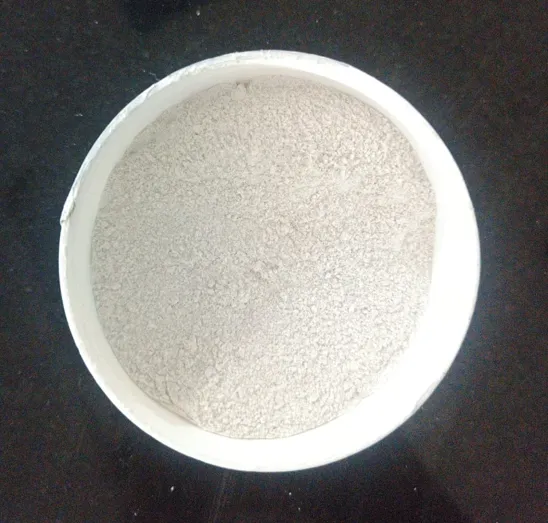
Figure 2. Photograph of the prepared polyherbal facial powder.
3.2 Bulk Density
The bulk density of the prepared polyherbal facial powder was found to be 0.45 g/mL. The value was obtained using 15 g of powder, which occupied a bulk volume of 33 mL.
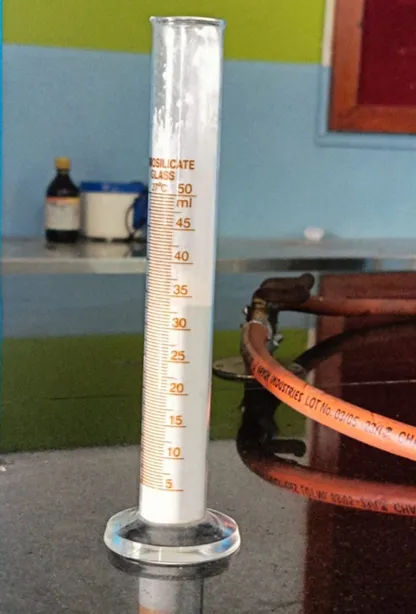
Figure 3. Determination of bulk density of the prepared polyherbal facial powder.
3.3 Tapped Density
The tapped density of the prepared powder was found to be 0.58 g/mL. After tapping, the volume of 15 g of powder was reduced to 26 mL.
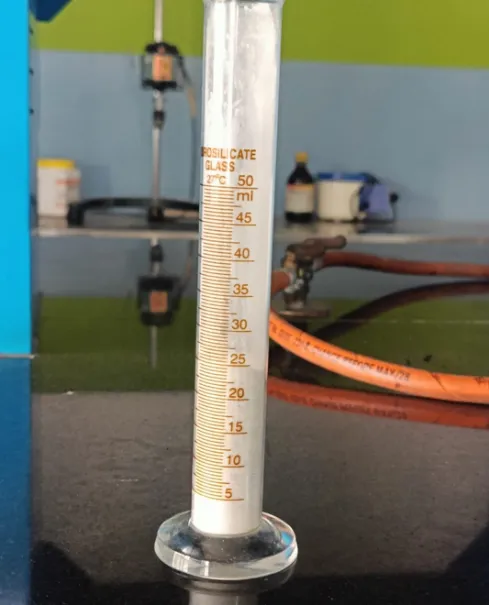
Figure 4. Determination of tapped density of the prepared polyherbal facial powder.
3.4 Carr’s Compressibility Index
The Carr’s compressibility index of the prepared powder was found to be 21.21%. This value indicated fair compressibility and fair flowability of the powder.
3.5 Hausner’s Ratio
The Hausner’s ratio of the prepared powder was found to be 1.27. The observed value indicated fair flow characteristics of the formulation.
3.6 Angle of Repose
The height and radius of the powder cone were found to be 3 cm and 3.5 cm, respectively. The diameter of the cone was 7 cm. Using these values, the angle of repose was calculated as 40.60°. The result indicated fair flowability and moderate resistance to powder flow.
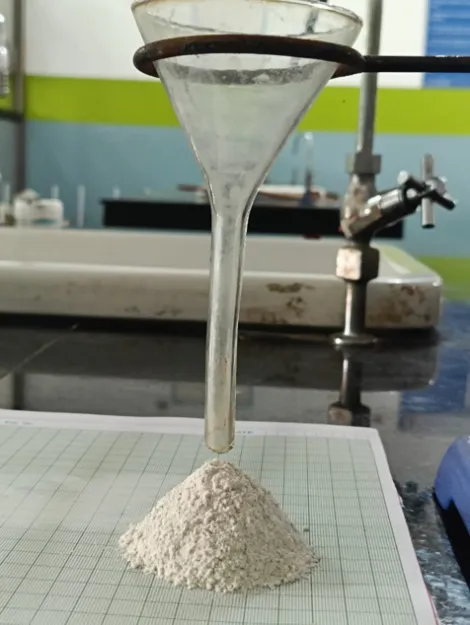
Figure 5. Determination of angle of repose of the prepared polyherbal facial powder.
3.7 Moisture Content
The moisture content of the prepared polyherbal facial powder was found to be 4.9% w/w. The result indicated a relatively low level of residual moisture in the formulation.
3.8 pH of Aqueous Dispersion
The pH of the 10% w/v aqueous dispersion of the prepared powder was found to be 6.38. The result indicated that the formulation was slightly acidic and close to the pH generally considered suitable for topical cosmetic preparations.
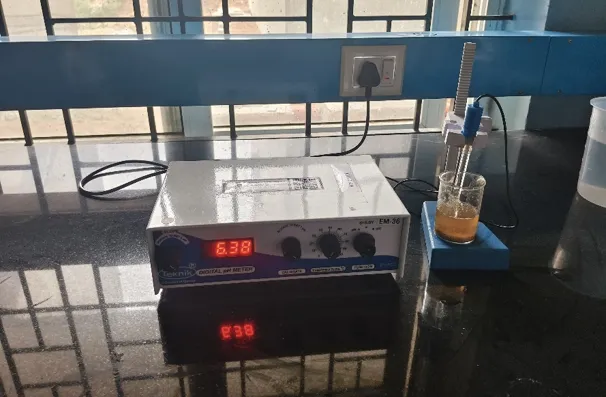
Figure 6. pH determination of the prepared polyherbal facial powder.
3.9 Oil Absorption Capacity
The oil absorption capacity of the prepared powder was found to be 0.919 g/g. This result demonstrated that the formulation was capable of absorbing oil, which may be useful in reducing surface oiliness during cosmetic application.
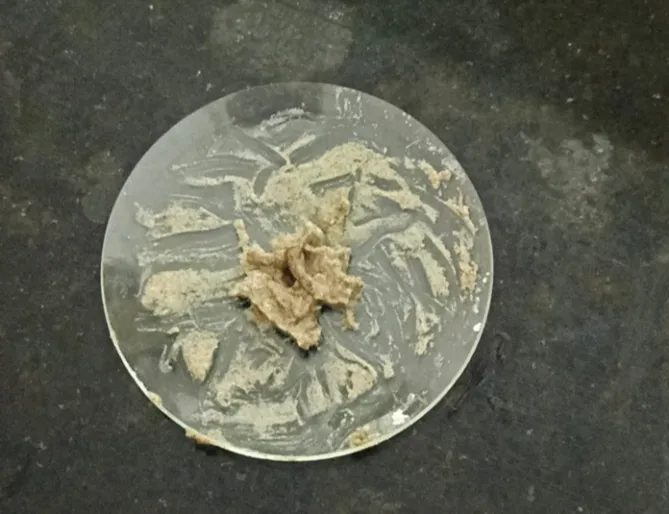
Figure 7. Determination of oil absorption capacity of the prepared polyherbal facial powder.
3.10 Washability
The formulation was easily removed with water, and no significant visible residue was observed.
3.11 Stability Study
The prepared formulation was stored in clean, dry and airtight containers under the selected storage conditions. The samples were examined at predetermined intervals for changes in colour, odour, texture, flow properties and other selected parameters.
No significant changes in colour, odour, texture or appearance were observed during the study period.
DISCUSSION
The present study focused on the formulation and preliminary physicochemical evaluation of a polyherbal facial powder containing dragon fruit, green tea, red grape and pomegranate powders. Talc was used as the principal base and absorbent, while magnesium stearate was incorporated to improve powder adhesion and flow properties.
The prepared formulation showed a bulk density of 0.45 g/mL and a tapped density of 0.58 g/mL. The difference between these values indicated that the powder underwent volume reduction after tapping. The Carr’s compressibility index was 21.21%, and the Hausner’s ratio was 1.27. These values suggested fair compressibility and fair flowability of the formulation.
The angle of repose was found to be 40.60°, using a powder-cone height of 3 cm and radius of 3.5 cm. This result indicated fair flowability and moderate resistance to powder flow. The observed flow properties may be related to the particle size, particle shape, moisture content and composition of the powder blend.
The moisture content was found to be 4.9% w/w. Moisture content is an important quality parameter for powdered cosmetic formulations because excessive moisture may influence flowability, powder handling and physical stability. However, the present result represents the moisture content under the conditions used during evaluation and does not establish long-term stability.
The oil absorption capacity was found to be 0.919 g/g, indicating that the formulation was capable of absorbing a measurable quantity of oil. This property may be useful in a facial powder intended to reduce the appearance of surface oiliness. Nevertheless, oil absorption capacity alone does not establish clinical effectiveness in controlling facial sebum.
The pH of the aqueous dispersion was 6.38, indicating a slightly acidic-to-near-neutral character. This value provides preliminary information about the formulation’s aqueous dispersion, but it does not independently establish skin compatibility or safety.
The formulation showed acceptable preliminary physicochemical characteristics and may be considered for further development as a botanical facial cosmetic. However, microbial testing, formal stability studies, particle-size characterization, skin-irritation testing, sensory evaluation and validated biological assays were not performed in the present study. Therefore, no definitive claims regarding microbial quality, long-term stability, skin safety, antioxidant activity, anti-ageing activity, anti-acne activity, skin-lightening activity or photoprotective activity can be made based on the present findings.
CONCLUSION
A polyherbal facial powder containing dragon fruit, green tea, red grape and pomegranate powders was successfully formulated using talc and magnesium stearate. The prepared formulation exhibited a bulk density of 0.45 g/mL, tapped density of 0.58 g/mL, Carr’s compressibility index of 21.21%, Hausner’s ratio of 1.27 and an angle of repose of 40.60°. The moisture content was 4.9% w/w, the oil absorption capacity was 0.919 g/g and the pH value was 6.38.
The findings demonstrated acceptable preliminary physicochemical characteristics, fair flowability and measurable oil absorption capacity. The formulation may be suitable for further development as a botanical facial cosmetic. However, microbial testing, formal stability studies, particle-size characterization, skin-irritation testing, sensory evaluation and validated biological assays were not performed in the present study and are required before making safety or cosmetic efficacy claims.
DECLARATIONS
Funding
No external funding was received for the present study.
Conflict of Interest
The authors declare that they have no conflict of interest.
REFERENCES





Mukthiyar Ahamed, Manohar KM, Ajay Kumar SN, Abhishek AB, Dr. E Gopinath, Formulation and Evaluation of a Polyherbal Facial Powder Containing Dragon Fruit, Green Tea, Red Grape and Pomegranate Powders, Int. J. of Pharm. Sci., 2026, Vol 4, Issue 9, 2347-2356, https://doi.org/10.5281/zenodo.22867999
 10.5281/zenodo.22867999