

We use cookies to ensure our website works properly and to personalise your experience. Cookies policy
Dr Kolpe institute of pharmacy Kolpewadi.
Herbal shampoos have gained significant attention as safer and milder alternatives to synthetic hair care products. The present study focused on the formulation and evaluation of a herbal shampoo using bael (Aegle marmelos) extract as the primary active ingredient, along with reetha, shikakai, amla, and aloe vera. These herbs are traditionally known for their cleansing, nourishing, antimicrobial, and scalp-protective properties. The shampoo was prepared using aqueous herbal extracts and evaluated for various physicochemical parameters, including appearance, color, odor, pH, foam stability, viscosity, wetting time, dirt dispersion, and stability.The formulated shampoo exhibited good cleansing efficiency, satisfactory foaming ability, acceptable viscosity, and a pH suitable for scalp application. Stability studies indicated that the formulation remained stable under storage conditions without significant changes in its properties. Bael extract contributed additional benefits due to its antibacterial and antifungal activities, which may help reduce scalp infections, strengthen hair roots, and promote healthy hair growth. The incorporation of natural ingredients enhanced scalp nourishment while minimizing the risk of irritation associated with synthetic chemicals.Overall, the study demonstrated that the formulated bael herbal shampoo is a safe, effective, and eco-friendly hair care product suitable for regular use. The results suggest that it can serve as a promising natural alternative to conventional synthetic shampoos while meeting consumer demand for herbal cosmetic products.
Hair care is an important aspect of personal hygiene and appearance. Shampoo is commonly used to clean the hair and scalp by removing dirt, excess oil, dandruff, and other impurities. However, prolonged use of synthetic shampoos
containing chemical surfactants, preservatives, and additives may cause scalp irritation, dryness, and hair damage. As a result, there has been growing interest in herbal shampoos, which are considered safer and more natural alternatives. [1] Herbal shampoos are formulated using plant-based ingredients that provide cleansing, conditioning, nourishment, and protection to the hair while maintaining the natural balance of the scalp. Their increasing popularity has encouraged the development of formulations using medicinal plants with proven therapeutic benefits. [2]
Bael (Aegle marmelos) is a medicinal plant known for its antibacterial, antifungal, antioxidant, and anti-inflammatory properties. Its leaves contain bioactive compounds that help improve scalp health, strengthen hair roots, and support healthy hair growth. These properties make bael a valuable ingredient in herbal hair care formulations. [3]
In the present study, a herbal shampoo was formulated using bael extract as the primary ingredient along with reetha, shikakai, amla, and aloe vera. Reetha acts as a natural cleanser, shikakai improves hair texture, amla provides nourishment and antioxidant benefits, while aloe vera moisturizes and conditions the hair and scalp. The formulated shampoo was evaluated for physicochemical parameters such as pH, viscosity, foam stability, wetting time, dirt dispersion, and cleansing ability to assess its quality, safety, and effectiveness. Herbal shampoos offer a gentle and natural approach to hair care and may be particularly beneficial for individuals seeking alternatives to chemical-based products. [4]
CLASSIFICATION OF SHAMPOO:
A]. Based on use or Function
Conditioning shampoo
Antidandruff shampoo
Baby shampoo
Clarifying shampoo
B]. Based on Appearance
Powder shampoo
Liquid shampoo
Gel shampoo
Oil shampoo
FUNCTIONS OF HERBAL SHAMPOO:
It have not make the hand rough and chapped.
It’s not give any side effects or causes irritation to the eye.
It produces a good amount of foam to satisfy the psychological requirements.
IDEAL CHARACTERISTIC OF HERBAL SHAMPOO:
Should effectively and completely remove the dust, excessive sebum.
Should effectively wash hair.
Should leave the hair non dry, soft, lustrous with good, manageability.
It should impart a pleasant fragrance to the hair.
It should not have any side effects or causes irritation to the skin and eye.[5]
ADVANTAGES OF HERBAL SHAMPOO:-
Natural Ingredients: Made from pure, organic sources.
Reduced Side Effects: Gentle on the scalp and skin.
Eco-Friendly: Biodegradable and sustainably produced.
Cost-Effective: Long-term hair health reduces additional treatment costs.
Treats Hair Conditions: Addresses dandruff, hair loss, and scalp issues.
No Artificial Additives: Free from synthetic colors, fragrances, and preservatives.
DISADVANTAGES OF HERBAL SHAMPOO:-
Odor Issues: Natural ingredients may have distinct smells.
Slower Results: Requires consistent use for noticeable effects.
Variability: Seasonal changes can affect ingredient quality.
Potential Sensitivities: Certain herbs can cause reactions in sensitive individuals.[6]
HAIR ANATOMY: -
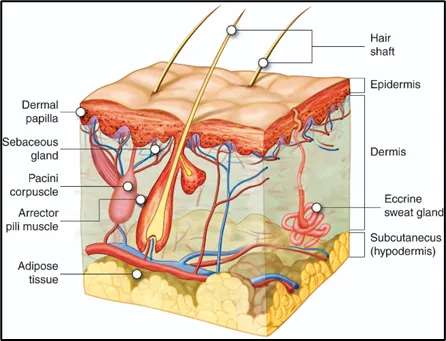
Figure 1:Anatomy of Hair
HAIR PROBLEMS:
Hair Loss: Hair loss is caused by stress, hormonal imbalance, poor diet, and improper hair care.
Dandruff: Dandruff is a scalp condition characterized by flaky skin, often caused by dry scalp, excess oil, poor diet, or product sensitivity.
Hair Colour Damage: Frequent hair coloring can cause dryness, breakage, split ends, and dandruff due to chemical exposure.
Oily Scalp: An oily scalp may result from genetics, hormonal changes, poor diet, or excessive washing, leading to excess oil production. [7]
BAEL:
Bael, also known as Shivaduma, is a sacred and medicinal plant widely used in traditional Indian medicine. Various parts of the plant, including the roots, leaves, fruits, seeds, and trunk, are used for treating different health conditions. [8]
Bael leaves help strengthen hair roots and promote hair growth due to their nourishing properties. The antifungal properties of bael help reduce dandruff and keep the scalp clean. Its anti-inflammatory activity helps soothe scalp irritation, itching, and redness. Bael leaves act as a natural conditioner, improving hair softness and manageability. [9]
Bael leaves contain nutrients such as calcium, phosphorus, and iron, which support healthy hair growth and scalp nourishment. Topical application of bael leaf paste or oil provides direct nourishment to the scalp and hair follicles. [10]
How Bael Leaves Support Hair Growth ?
Bael leaves are traditionally used in Ayurveda to promote healthy hair growth and maintain scalp health. They nourish the scalp and strengthen hair roots. Their antibacterial and antifungal properties help reduce dandruff, itching, and scalp infections, which can contribute to hair fall. [11]
Bael leaves possess antioxidant activity that protects hair follicles from oxidative stress and environmental damage. Regular use of bael-based preparations may improve scalp blood circulation, support hair growth, reduce hair breakage, and enhance hair texture. [12]
Bael leaves contain limonene, a bioactive compound with antimicrobial, anti-inflammatory, and antioxidant properties that helps nourish and strengthen hair follicles. [13]
Benefits of Bael for Hair:
AIM AND OBJECTIVE:
Aim:
Formulation and Evaluation of Herbal Shampoo From Bael (Aegle marmelos) Extract.
Objectives:
PLANT PROFILE: -
BAEL FRUIT: - Main ingredient of formulation
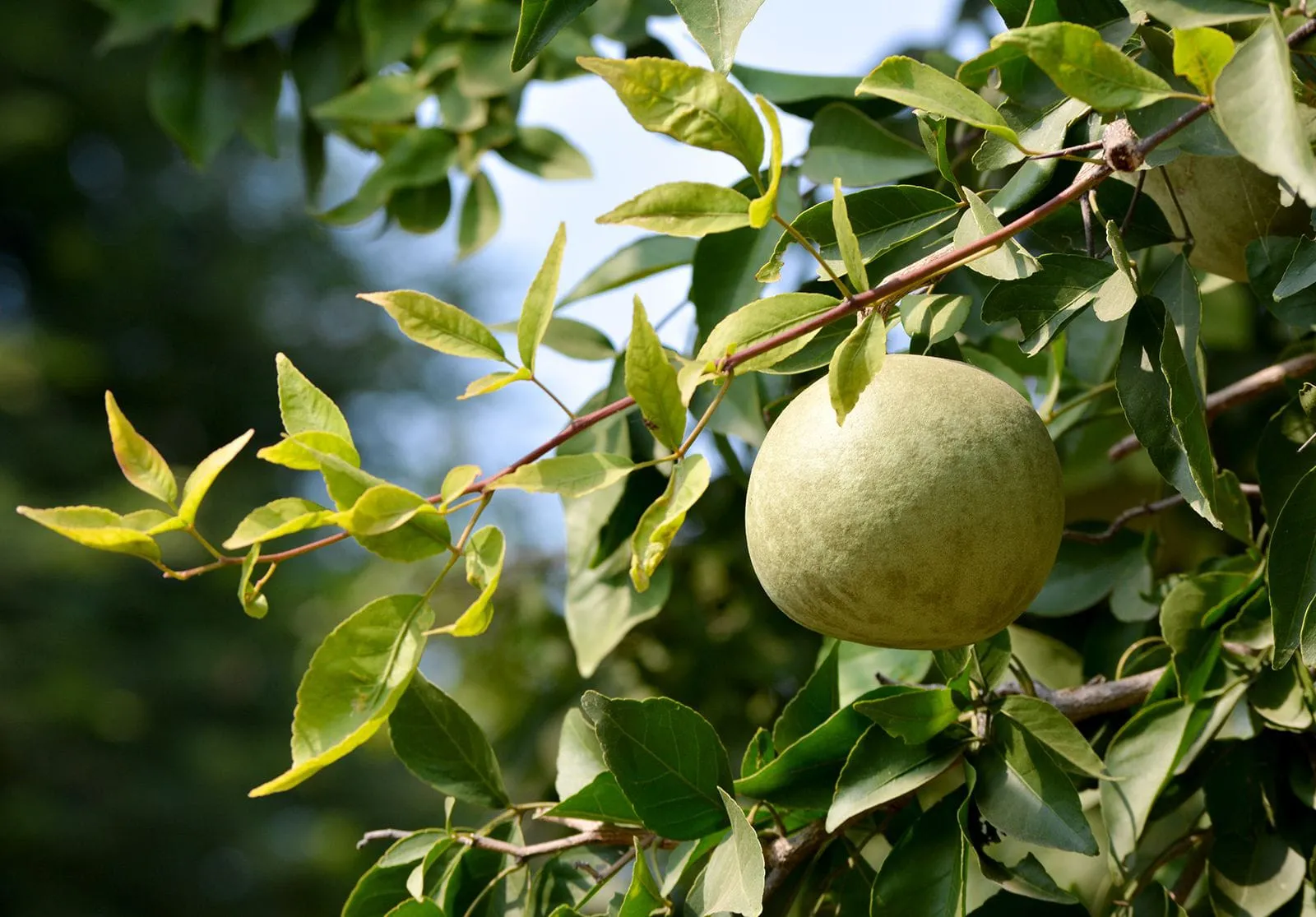
Figure 2:- Aegle marmelos
Synonyms: Bael
Botanical Name: Aegle Marmelos
Biological source: Bail also known as golden apple, Japanese bitter orange, stone apple, wood apple & found in Himalayan tract and throughout India.
Family: Rutaceae
Chemical constitutent:
Uses:
Part Use: Fruit pulp powder
Category: Promotinghair Growth.
ALOVERA:
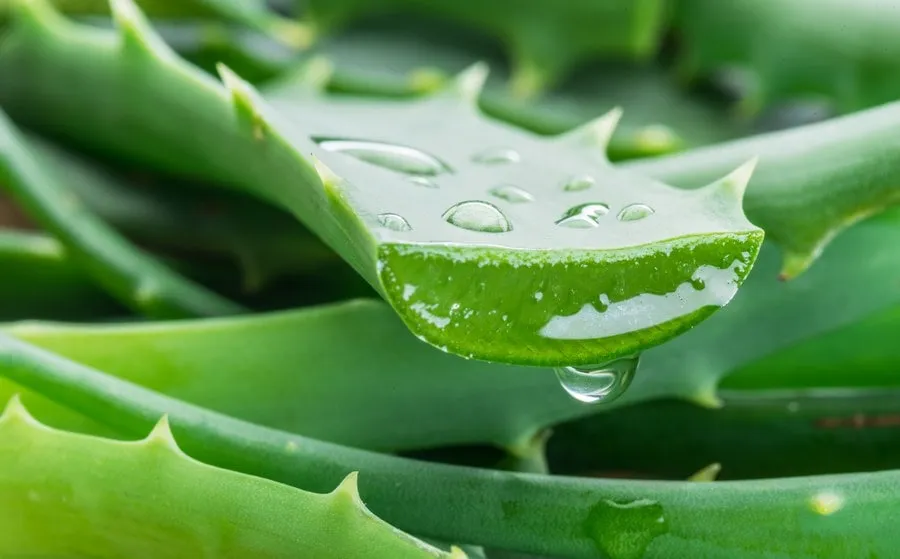
Figure 3: Alovera
Synonyms: Alovera
Botanical Name: Aloe Barbadensis
Biological Source: Dried juice of the leaves of various species of the genus Aloe & Aloe
Barbadensis
Family: liliaceae
Chemical Constituents: Anthraquinones and chromones
Uses:
Part Use: Pulp
Category: Smoothing Agent & pH balance.
SHIKAKAI:
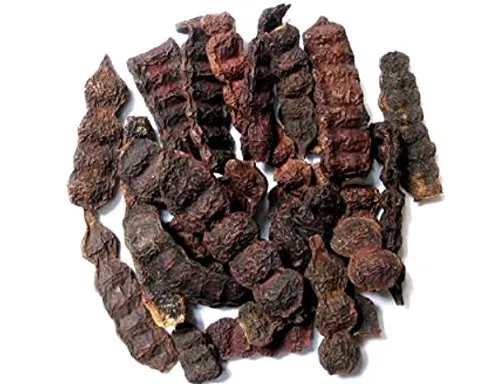
Figure 4: Shikakai
Synonyms: Shikakai, sap-pod
Botanical Name: Acacia concinna
Biological Source: It consists of dried fruit of Acacia Concinna
Family: Leguminosae
Chemical Constituents: Lupeol, Spinasterol, Acacic Acid, Lactones, Glucose, Arabinose,
Rhamnose and Ascorbic acid
Uses:
Foaming
Antidandruff
Antifungal
Antibacterial & Anthelmentic
Part Use: pod powder
Category: Antifungal, Nourish, Follicles, Curb Dandruff.
REETHA:
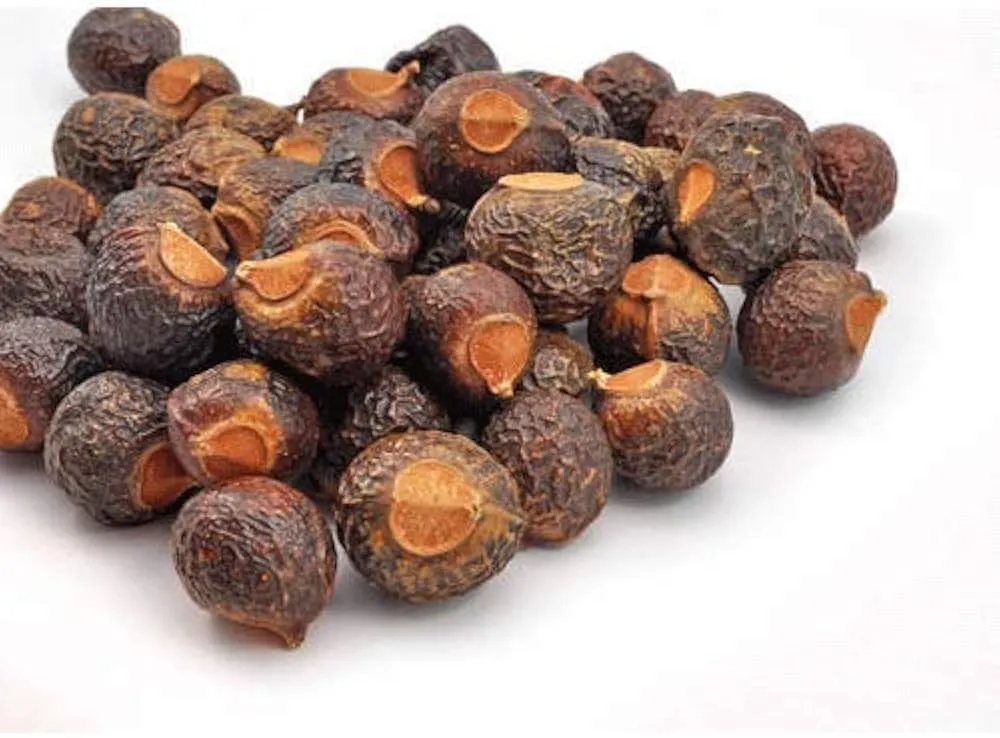
Figure 5: Reetha
Synonyms: Aritha, arishta, Soapnut, washnut, Kumbhabeeja
Botanical Name: Sapindusmukorossi
Biological Source: It consist of dried fruits of Spindus Mukorossi
Family: Sapindaceae
Chemical Constitution: Soponins, Hedera-genin, Oleanelic acid, Sopindic acid
Uses:
Part Use: Fruit powder
Category: soapberry, Soapnut, Washnut, Aritha.[16]
AMLA:-
Scientific name: Phyllanthus emblica Linn.
Synonym: Emblica officinalis Gaertn.
Common name: Amla / Indian Gooseberry
Family: Phyllanthaceae
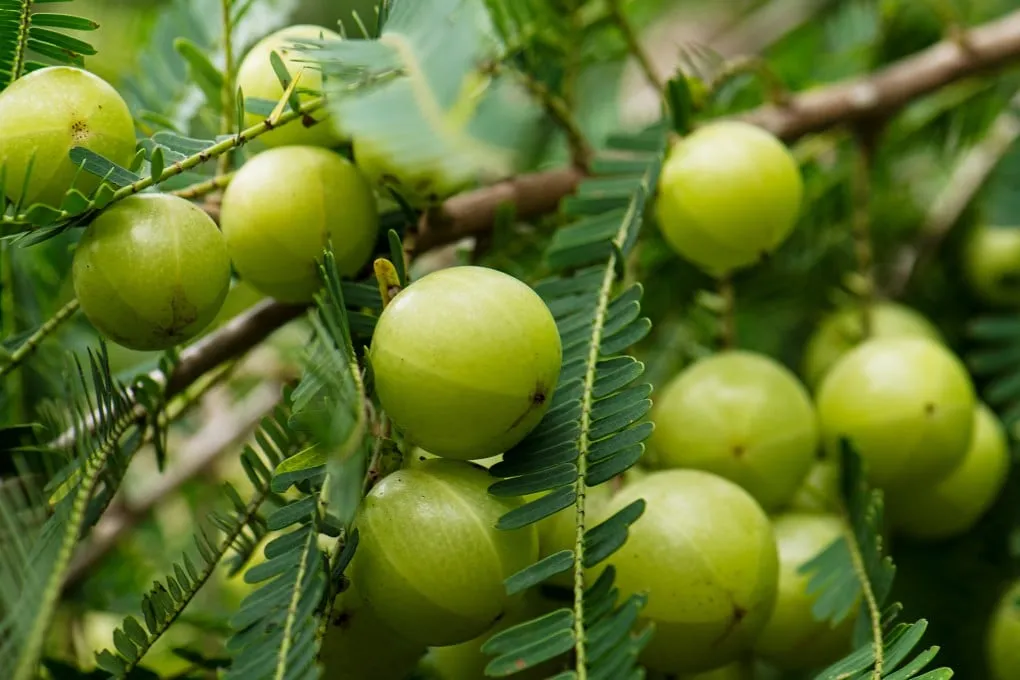
Figure 6: Amla
Chemical Constituents
Amla contains:
Uses of Amla:
PLAN OF WORK:
Selection and authentication of Bael leaves / fruit pulp
Collection and washing of plant material
Drying (shade drying) of Bael parts
Powdering of dried material
Preparation of aqueous / hydroalcoholic extract
Filtration and concentration of extract
Selection of shampoo base ingredients (surfactants, preservatives, thickener)
Formulation of herbal shampoo by mixing Bael extract with base
Evaluation of shampoo (pH, viscosity, foaming ability, cleansing action, stability)
Packaging and labeling of final product[18]
MATERIAL AND MRTHOD:
Materials:
The materials used for the formulation of herbal shampoo from Bael are listed in the table below.
Table 1: Formulation Table of Heral Shampoo
|
Sr No |
Ingredients |
Quantity |
Role |
|
1. |
Bael Fruit Pulp Extract |
10ml |
Main herbal ingredient |
|
2. |
Reeta extract |
25ml |
Natural cleansing agent |
|
3. |
Shikakai extract |
15ml |
Hair conditioning agent |
|
4. |
Amla extract |
10ml |
Hair nourishing agent |
|
5. |
Aloe vera gel |
10ml |
Moisturizing and smoothing agent |
|
6. |
Glycerin |
5ml |
Humectant |
|
7. |
Sodium benzoate |
0.5g |
Preservative |
|
8. |
Citric acid solution (1%) |
q.s |
pH adjustment |
|
9. |
Distilled water |
q.s to 100ml |
Vehical |
|
10. |
Essevtial oil |
3-5 drops |
Fragrance |
Method of Preparation of Herbal Shampoo:
Preparation of Herbal Extracts:
Preparation of Herbal Shampoo:
Evaluation Parameters of Herbal Shampoo :
Organoleptic Evaluation:
The shampoo was evaluated for colour, odour, appearance, texture, and consistency. The formulation showed brown colour, pleasant odour, smooth texture, and uniform appearance without phase separation or foreign particles.
Determination of pH:
A 10% shampoo solution was prepared and its pH was measured using pH paper or a digital pH meter. The pH was found to be 5–6, which is suitable for maintaining scalp and hair health and helps prevent irritation and dryness.
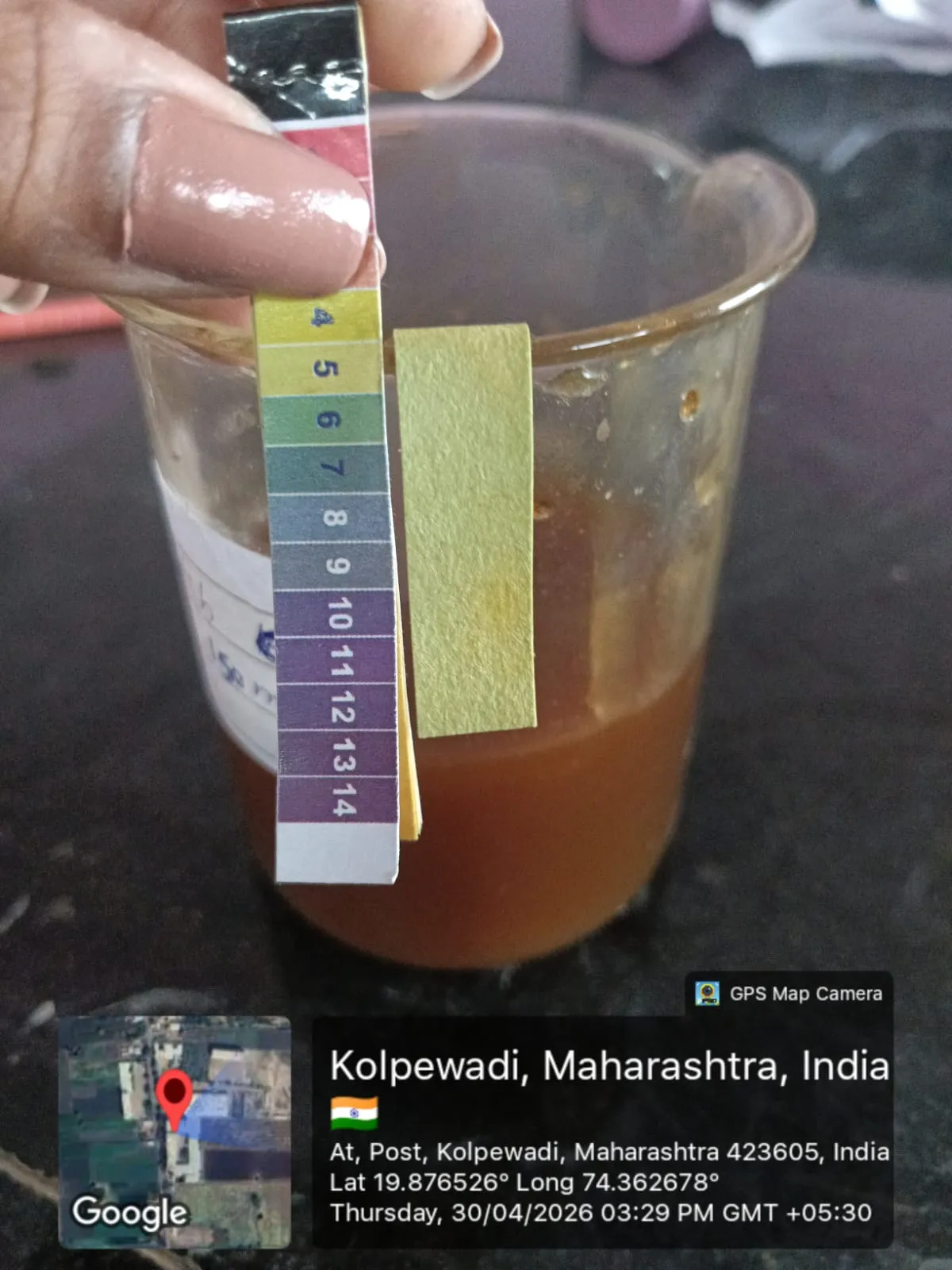
Figure 7: Determination of pH of Prepared Herbal Shampoo
Foamability and Foam Stability Test:
A 1% shampoo solution was shaken vigorously, and the foam volume was measured immediately and after a few minutes. The prepared herbal shampoo showed good foamability and satisfactory foam stability, indicating effective cleansing performance.
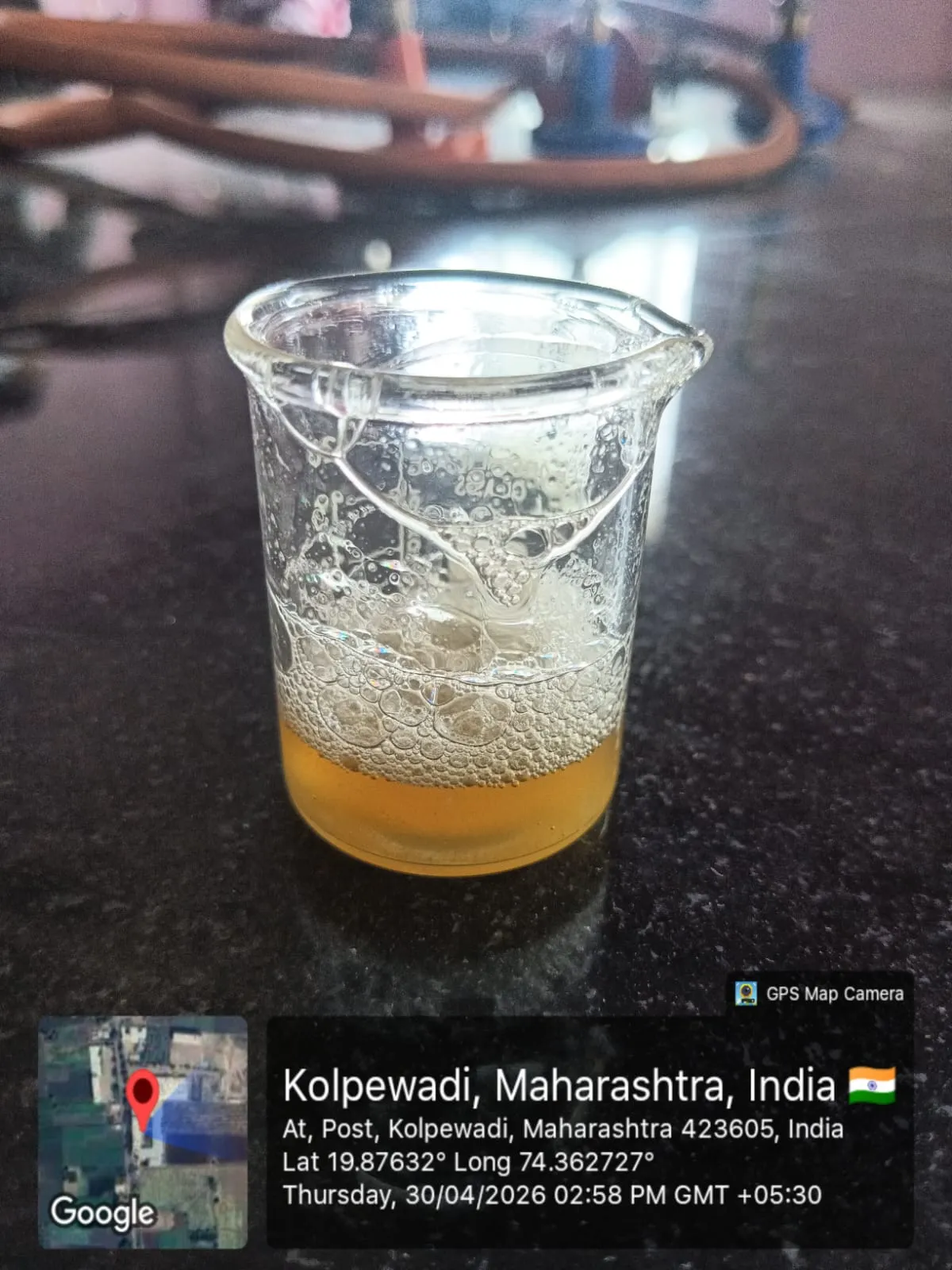
Figure 8: Foamability Test of Herbal Shampoo
Viscosity Determination:
The viscosity of the herbal shampoo was measured using a Brookfield viscometer at room temperature to assess its consistency and ease of application. The prepared shampoo exhibited acceptable viscosity and good consistency, making it suitable for use.
Dirt Dispersion Test:
India ink was added to the shampoo solution, and the distribution of ink in the foam and water was observed. The prepared herbal shampoo demonstrated good dirt dispersion and satisfactory cleansing ability, indicating effective removal of impurities.
Cleansing Action:
The cleansing ability of the shampoo was evaluated on hair strands containing oil and dirt. The prepared herbal shampoo effectively removed dirt and oil, leaving the hair clean, soft, and smooth after washing.
Stability Study:
The formulated shampoo was stored at room temperature and monitored for changes in colour, odour, pH, and consistency. No significant changes were observed during the study period, indicating good stability of the formulation. [20]
RESULT
The formulated herbal shampoo prepared using Bael extract was evaluated for various physicochemical parameters. The prepared shampoo showed satisfactory characteristics such as good cleansing action, adequate foam formation, and acceptable consistency. The pH of the formulation was found to be in the range suitable for scalp application, indicating it is mild and non-irritating in nature. The product also showed good stability during the observation period with no phase separation.
CONCLUSION
This study shows that the herbal shampoo prepared using Bael extract is effective and suitable for use. The shampoo has good cleansing ability and produces adequate foam. It also has a smooth and acceptable consistency, making it easy to apply. The pH of the shampoo is suitable for the scalp, so it is mild and does not cause irritation. During storage, no phase separation was observed, which shows that the formulation is stable. The natural compounds present in Bael are helpful for maintaining scalp health. Overall, this herbal shampoo is a safe, natural, and better alternative to synthetic shampoos.
REFERENCES
Sharma R.M., et al. “Preparation and Evaluation of Herbal Shampoo.” Journal of Pharmacognosy and Phytochemistry.

Sachin Hodgar, More Prajakta, Chindhe Pooja, Kamble Payal, Formulation and Evaluation of Heral Shampoo from Bael Extract, Int. J. of Pharm. Sci., 2026, Vol 4, Issue 7, 2423-2431, https://doi.org/10.5281/zenodo.21337419
 10.5281/zenodo.21337419