

We use cookies to ensure our website works properly and to personalise your experience. Cookies policy
Dr. Shivajirao Kadam College of Pharmacy, Kasabe Digraj, Sangli, Maharashtra, India 416305.
Herbal chocolate is an innovative and palatable dosage form that integrates the therapeutic properties of medicinal herbs with the widespread acceptability of chocolate. This concept has been developed to address the limitations associated with conventional herbal formulations such as syrups, tablets, and capsules, which often suffer from unpleasant taste and poor patient compliance. By incorporating herbal extracts into a chocolate base, this formulation significantly enhances taste, ease of administration, and overall patient acceptance, particularly among pediatric and geriatric populations. Herbal chocolate serves as an effective carrier system for delivering bioactive phytoconstituents while preserving their pharmacological activity. Depending on the type of herbs used, herbal chocolate can offer a wide range of therapeutic benefits, including antioxidant, immunomodulatory, digestive, anti-stress, and general nutraceutical effects. In addition, it provides several advantages such as improved palatability, convenient dosing, better patient compliance, and the potential for enhanced bioavailability compared to traditional dosage forms. With the growing consumer preference for natural products, functional foods, and nutraceuticals, herbal chocolate holds significant promise in both the pharmaceutical and food industries. Future research should focus on the optimization of formulation techniques, stability studies, standardization of herbal extracts, and clinical evaluation to establish safety and therapeutic efficacy. Overall, herbal chocolate represents a promising, patient-friendly, and innovative approach for herbal drug delivery, offering substantial potential for both research and commercial applications
Chocolate is adaptable food that can be combined to create completely different taste and texture sensations. Also, chocolate is an anhydrous medium that resist microbial growth and to hydrolysis of water-sensitive active agents. [1]Chocolate abundantly contains compounds such as saturated fat. polyphenols, sterols, di and triterpenes, aliphatic alcohols, and methylxanthines". Phenyl ethylamine that naturally occurs in the brain and it is termed as "the love drug' which produces the feeling of well-being and contentment and also present in chocolate that raises blood pressure and blood sugar level that gives the feeling of wellness. There are five basic human taste qualities i.e., sweet, sour, bitter, salty, savory. Sweet taste is one of the most pleasurable senses. The goal of the sweet taste is to detect the highly calorific saccharides for ingestion.[2,3]
Herbal chocolate is prepared by using chocolate base and the drug is incorporated into prepared chocolate base. As the drug is incorporated within the chocolate and the drug is released from the chocolate, it is called as Chocolate drug delivery system It is a best drug- delivery system specifically for children. [4]
For GI regulation, cinnamon powder, nutmeg powder, clove powder, fennel powder, dry ginger powder, cardamom powder, almond and cashew etc. were incorporated in chocolate base.
The aim of the present study was to prepare Herbal Chocolate. Furthermore, to evaluate the physiochemical parameters of the prepared formulations so that they can be further standardized and used commercially.
Herbal chocolate is a novel delivery system in which medicinal herbs are incorporated into a chocolate base to combine therapeutic efficacy with an enjoyable taste. Chocolate, due to its smooth texture and pleasant flavor, has been used for centuries and is well- accepted by patients of all ages. [5]
Incorporating herbs into chocolate forms a palatable and effective nutraceutical product that is particularly useful for children, geriatric patients, and individuals who have difficulty swallowing conventional dosage forms.
Herbal chocolates are primarily designed to deliver bioactive compound with carminative, antitussive, and gastrointestinal regulating properties. These formulations can also be used for various therapeutic conditions, such as digestive disorders, flatulence, cough, and more. [6,7]
Need of herbal chocolate- Herbal chocolate address common challenges in administering herbal medicines, especially for children and elderly patients who have difficulty swallowing pills or syrups. The bitter taste of herbal drugs often reduces herbal with the enjoyable taste of chocolate, improving adherence to treatment. [8] This chocolate can target gastrointestinal issues lick bloating and flatulence with herbs such as fennel and ginger, and provide relief from cough with ingredients like licorice and Tulsi. Due to their ease of consumption, herbal chocolate are particularly beneficial for pediatric use and serve as nutraceuticals for overall well- being. [9
MATERIAL & METHODS
Table no.01: List of ingredients
|
Sr. no. |
Name of ingredient |
Scientific name |
Chemical constituent |
Pharmacological action |
Uses or Role |
References |
|
1 |
Black pepper |
Piper nigrum |
Piperine (5-9%), piperidine, pungent resin (6%) |
Digestive stimulant, Antioxidant, Antibacterial.
|
Aromatic, stimulant, stomachic & carminative |
[10,11] |
|
2 |
Cardamom |
Elettaria cardamomum |
Terpeniol and borneol |
Digestive aid, Anti-inflammatory, Antimicrobial. |
Aromatic, stimulant, carminative & flavoring agent |
[12,13] |
|
3 |
Cinnamon |
Cinnamomum zeylanicum |
Cinnamaldehyde, eugenol, caryophyllene, mannitol |
Antioxidant, Anti-inflammatory, Hypoglycemic, Antimicrobial |
Carminative, stomachic, mild astringent, flavoring agent |
[14,15] |
|
4 |
Clove |
Eugenia caryophyllus |
Eugenol, isoeugenol, methyl furfural, caryophylline |
Analgesic, Antioxidant, Antimicrobial, Anti-inflammatory |
Carminative, aromatic, stimulant, flavoring agent, dental analgesic oil |
[16,17] |
|
5 |
Fennel |
Foeniculum vulgare |
Fenchone, anethole |
Digestive aid, Antioxidant, Antimicrobial. |
Carminative, aromatic, stimulant, expectorant & flavoring agent |
[18,19] |
|
6 |
Ginger |
Zingiber officinale |
Zingiberene, gingerol, shogaol |
Antiemetic, Analgesic, Anti-inflammatory, |
Stomachic, aromatic, carminative, stimulant, flavoring agent |
[20,21] |
|
7 |
Nutmeg |
Myrestica fragrans |
Myristicin, elemicin, saffrole |
Antioxidant, Antimicrobial, Anti-inflammatory |
Aromatic, stimulant, flavoring agent |
[22,23] |
|
8 |
Cashew |
Anacardium occidentale |
Oleic acid, anacardic acid, lignoceric acid, alanine |
Cardioprotective, Antioxidant, Antimicrobial. |
Diabetes, high cholesterol, heart disease, GI ailments |
[24,25] |
|
9 |
Almond |
Prunus dulcis |
Oleic acid, alanine, histidine, benzaldehyde |
Nutrient booster, Cardioprotective Antioxidant, Anti-inflammatory. |
Lowers systolic BP, full of nutrients, improve digestion, reduce cholesterol level
|
[26,27] |
|
10 |
Mentha |
Mentha arvensis |
Menthol, cineole, camphene |
Digestive aid, Antioxidant, Antimicrobial. |
Carminative, stimulant, aromatic, counter irritant, flavoring agent |
[28,29] |
|
11 |
Tulsi (Holy basil) |
Ocimum tenuiflorum |
Oleanolic acid, ursolic acid, rosmarinic acid, linalol |
Immunomodulatory, Adaptogenic, Antibacterial. |
Antitussive, relieves cold cough, natural immunity booster |
[30,31] |
|
12 |
Chocolate base |
Theobroma cacao |
Caffeine, theobromine |
Cardiovascular, Mood enhancement, Cognitive function |
Antioxidant, reduce high BP, anti-inflammatory |
[32] |
Methods of Formulation:
Properties
Method of preparation: The formulation of herbal chocolate begins with accurately weighing all the ingredients. The chocolate base is then melted using the double boiler method, ensuring that it reaches a smooth and uniform consistency. Once the chocolate has completely melted, the herbal ingredient is added in powdered form, while almonds and cashews are incorporated in chopped form for added texture. After thoroughly mixing the ingredients to ensure an even distribution of the herbs, the mixture is poured into chocolate molds. The filled molds are placed in the freezer at a cold temperature for 6-8 hours, allowing the chocolate to solidify once the chocolate has hardened, it is carefully demolded, wrapped in chocolate wrappers, and stored in airtight containers in the refrigerator to maintain freshness and preserve its therapeutic properties.
Table no.02: List of Ingredients of Formulation-I
|
Sr. no. |
Ingredients |
Quantity taken |
|
1 |
Black pepper powder |
1 gm |
|
2 |
Cinnamon powder |
1 gm |
|
3 |
Clove powder |
1 gm |
|
4 |
Dry ginger powder |
1 gm |
|
5 |
Green cardamom powder |
1 gm |
|
6 |
Fennel powder |
1 gm |
|
7 |
Nutmeg powder |
1 gm |
|
8 |
Almond |
Q.S. |
|
9 |
Cashew |
Q.S. |
|
10 |
Chocolate base |
100 gm |
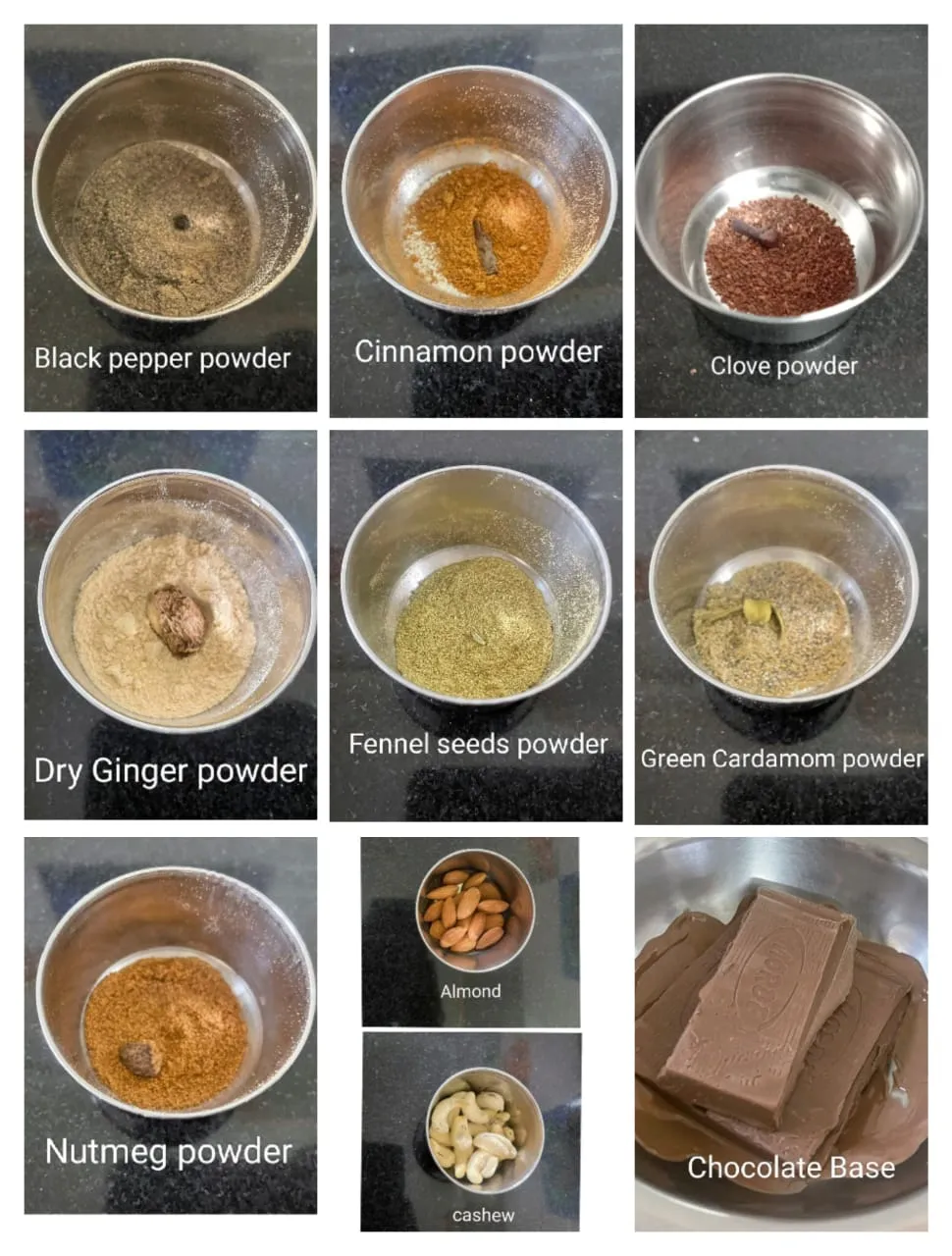
Figure 01: Formulation-I ingredients
Formulation no-II: Herbal chocolate with antitussive property
Method of preparation:
The preparation of herbal chocolate begins by grinding fresh tulsi leaves and mint leaves using a mixer grinder to obtain a fine paste, the juice from these leaves is then extracted through muslin cloth to ensure a clen and smooth extract, afterward, all ingredients are carefully weighed to ensure accuracy. The chocolate base is melted using the double boiler method, allowing it to achieve a smooth consistency. Once the chocolate base has fully melted, the herbal extracts are added and thoroughly mixed to ensure an even distribution of the active ingredient. The mixture is then poured into chocolate molds and placed in the freezer at a cold temperature for 6-8 hours to solidity. Once the herbal chocolate has set it is demolded, wrapped in chocolate wrappers and stored in airtight containers in the refrigerator to maintain its freshness and preserve its therapeutic properties. [33,34]
Table no.02: List of Ingredients of Formulation-II
|
Sr. no. |
Ingredients |
Quantity taken |
|
1 |
Tulsi (Ocimum tenuiflorum) |
5 ml |
|
2 |
Mint (Mentha arvensis) |
10 ml |
|
3 |
Chocolate base (White) |
100 gm |
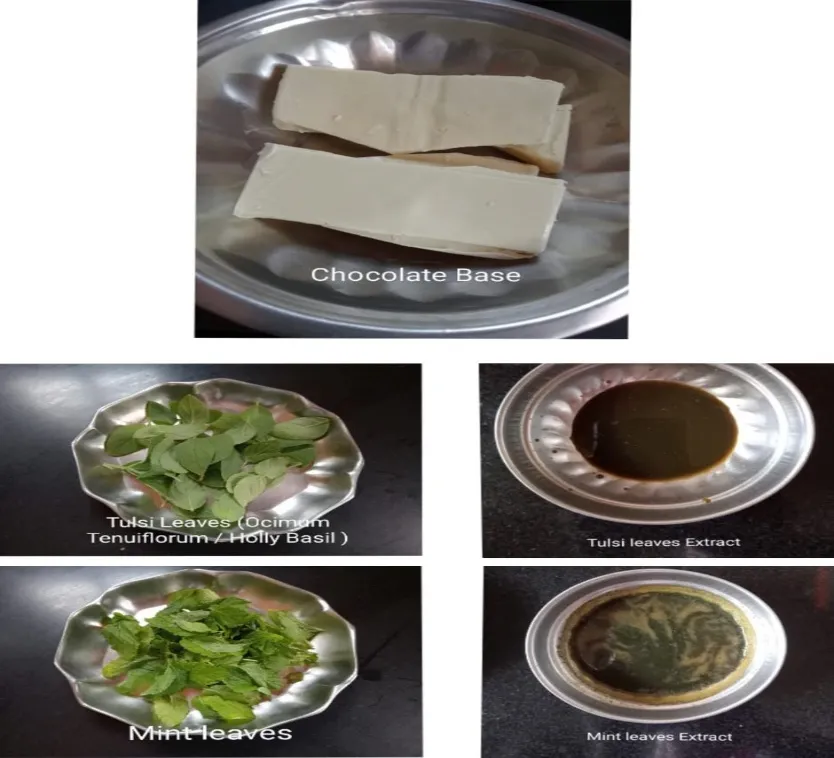
Figure 3: Formulation-II ingredients
RESULT AND DISCUSSION:
3.1 Evaluation Parameters:
1.General appearance
2.Blooming Test
a. Sugar bloom
b. Flat bloom
3.Stability Test
4.Dimension
5.Hardness
1. General Appearance:
Table no.04: General appearance of Herbal Chocolate Formulation
|
Sr.no. |
Parameters |
Observation for formulation 1 |
Observation for formulation 2 |
|
1 |
Color |
Light Brown |
Light Green |
|
2 |
Odour |
Chocolaty |
Chocolaty |
|
3 |
Taste |
Sweet, slightly spicy |
Sweet |
|
4 |
Mouth feel |
Smooth, pleasant |
Smooth, soothing |
|
5 |
Appearance |
Glossy |
Glossy |
Both formulations showed acceptable general appearance. Formulation 1 saw light brown with a chocolate odour, sweet slightly spicy taste, smooth pleasant mouthfeet, and glossy appearance, whilw formulation 2 was light green with a chocolate odour,sweet taste, smooth soothing mouthfell, and glossy appearance.[35,36]
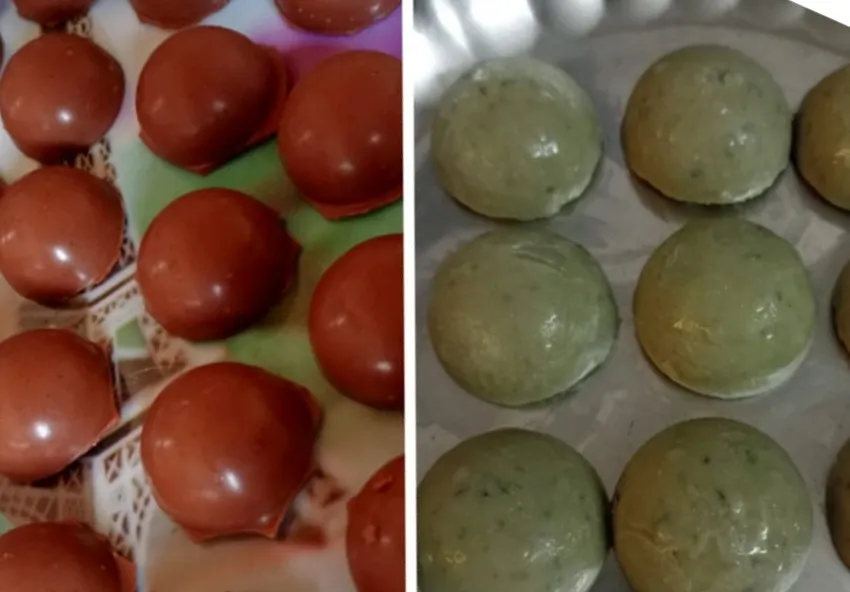
Figure 05: General appearance of Herbal Chocolate Formulation
2. Blooming Test:
This is rough and irregular layer on top of chocolate formulation. This is caused by condensation (when chocolate is taken out of the refrigerator). This moisture will dissolve the sugar in the chocolate. When the water evaporates, sugar recrystallizes into rough, irregular crystals on surface. This results into unpleasant look.[37]
When the thin layer of fat crystals forms on the surface of chocolate formulation. This will cause the chocolate to lose its gloss and a soft white layer will appear, giving the finished article an unappetizing look Fat bloom is caused by the recrystallization of fat and/or a migration of a filling fat to the chocolate layer. Storage at a constant temperature will delay the appearance of fat bloom. [38,39]
Table no.05: Observation table for blooming test
|
Sr.no. |
Blooming test |
Observation |
|
1 |
Sugar bloom |
No bloom |
|
2 |
Fat bloom |
No bloom |
The formulation and preparation of any product is incomplete without proper stability studies of prepared product. A general method for predicting the stability of any product is accelerated stability studies, where the product is subjected to elevated temperatures as per ICH guidelines. A short term accelerated stability study was carried out for the period of 3 months for the prepared formulation. [40,41]
Table no.06: Observation table for stability test
|
Parameter |
Storage condition |
At the time of preparation |
After one month |
|
Color, Odour, Taste, Appearance, Mouth feel |
2- 80C, 300C |
Light brown/ creamy white Chocolaty & pungent, Sweet & slight spicy, Glossy, Smooth & pleasant/soothing |
No change |
Dimensions were measured by Vernier’s caliper and Pfizer hardness tester.[42]
Table no. 07: Observation table for dimension
|
Sr.no. |
Formulation |
Diameter |
Height |
|
1 |
Formulation1 |
2.5 cm |
1.9 cm |
|
2 |
Formulation1 |
2.5 cm |
1.9 cm |
|
3 |
Formulation1 |
2.5 cm |
1.9 cm |
|
Average |
2.5 cm |
1.9 cm |
|
|
1 |
Formulation2 |
2.5 cm |
1.9 cm |
|
2 |
Formulation2 |
2.5 cm |
1.9 cm |
|
3 |
Formulation2 |
2.5 cm |
1.9 cm |
|
Average |
2.5 cm |
1.9 cm |
|
Hardness was measured by Pfizer hardness tester.[43]
Formulation I: 1.9 Pa
Formulation II: 1.2 Pa
3.2 Advantages of herbal chocolate: [44]
Herbal chocolate combines the palatability of chocolate with the therapeutic benefits of medicinal herbs. It is increasingly used as a Nutraceuticals dosage form, especially in pediatric, geriatric, and general wellness applications. Key advantages include:
1. Improved Patient Compliance
The pleasant taste of chocolate masks the bitter or unpleasant taste of many herbal drugs, making it easier for children and sensitive patients to consume.
2. Enhanced Palatability
Unlike traditional herbal formulations (like decoctions or powders), herbal chocolate offers a convenient and enjoyable dosage form.
3. Better Stability
Chocolate provides a relatively stable matrix that can protect certain herbal constituents from degradation due to environmental factors like light and air.
4. Ease of Administration
No need for water or preparation can be consumed directly, making it ideal for on-the-go use.
5. Nutritional Benefits
Chocolate itself contains beneficial compounds such as flavonoids, which may provide antioxidant effects, complementing herbal activity.
6. Suitable for Wide Population
Useful for:
Pediatric patients (taste masking)
Geriatric patients (easy to chew/swallow)
General population as a health supplement
8. Reduced Gastric Irritation
Some herbs that may cause gastric irritation in raw form are better tolerated when incorporated into chocolate.
9. Commercial and Marketing Advantage
Attractive dosage form increases acceptability and marketability compared to conventional herbal preparations.
3.3 Future prospects and research scope:
The development of herbal chocolate holds immense promise in the field of nutraceuticals. With increasing consumer interest in functional food and natural remedies, herbal chocolate is poised to become a popular alternative to traditional pharmaceutical formulations, future research should focus on:
4. DISCUSSION:
Chocolate was selected as the vehicle for the preparation of herbal chocolate due to its inherent health benefits and its ability to act as an effective and adaptable carrier for active herbal agents. Chocolate is a complex and palatable food matrix that allows incorporation of various herbal ingredients while providing desirable taste and consistency. Its excellent organoleptic properties, such as pleasant taste, smooth texture, and creamy mouth feel, help in masking the bitter and unpleasant flavors associated with many herbal actives, thereby improving patient compliance. Additionally, chocolate serves as an efficient delivery system for active agents by enhancing acceptability and ease of consumption.
The primary objective of the present study was to formulate and evaluate a herbal chocolate possessing carminative properties, which help in expelling gaseous contents from the gastrointestinal tract, and antitussive properties for the relief of cough symptoms, without producing any adverse reactions. Chocolate is widely accepted by all age groups, particularly children, making it an ideal medium for administering herbal ingredients. Since children often avoid conventional nutritious foods and medicines due to taste issues, the incorporation of herbal actives into chocolate can serve as an effective and palatable alternative for delivering nutrition and therapeutic benefits.
The sweetness of chocolate plays a significant role in masking the bitterness of herbal ingredients, thereby enhancing palatability and acceptability. The development of herbal chocolate aims to encourage a shift from the consumption of regular chocolates to healthier alternatives that offer additional therapeutic benefits. Furthermore, the formulation is intended to provide a safer and healthier substitute to commonly consumed post-meal digestive products such as betel leaf (paan), which is associated with serious health risks, and carbonated soft drinks that may have harmful effects on the gastrointestinal system, especially in children.
By offering carminative properties, the herbal chocolate may serve as a healthier alternative to such beverages and digestive habits, supporting improved digestion and gastrointestinal comfort. The study also aligns with the concept of promoting pharmaceutical awareness among the population, emphasizing the role of pharmacists not only in dispensing medicines but also in guiding individuals toward healthier lifestyle choices.
Market survey findings indicate limited availability of herbal chocolates, highlighting the novelty and potential significance of this formulation. The developed herbal chocolate may fulfill an unmet market need and has the potential to emerge as a viable and innovative product with future startup and commercial prospects.
We conducted a survey by providing our herbal chocolate to people. Most participants consumed chocolate regularly, mainly for taste. Awareness about herbal chocolate was moderate, but a large number preferred it after trying. The chocolate showed positive effects such as stress relief, digestive benefits, and overall well-being. Most participants found our herbal chocolate better than marketed ones and rated it as good to best. Overall, the product was well accepted and showed good potential.
The response of people was as follows,
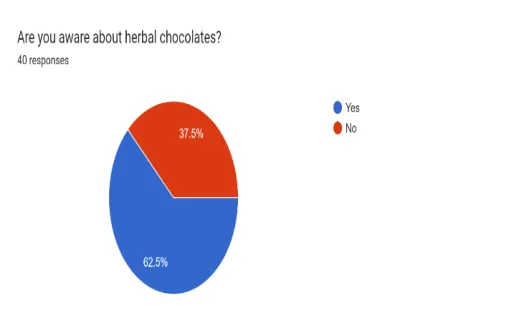
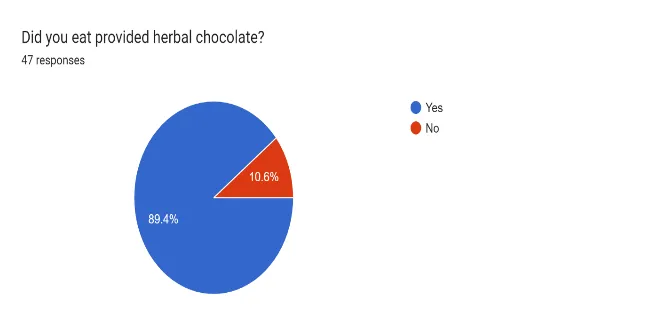
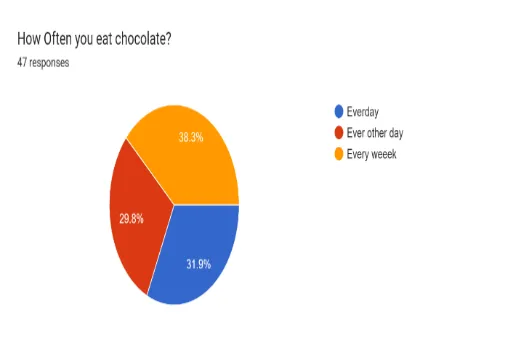
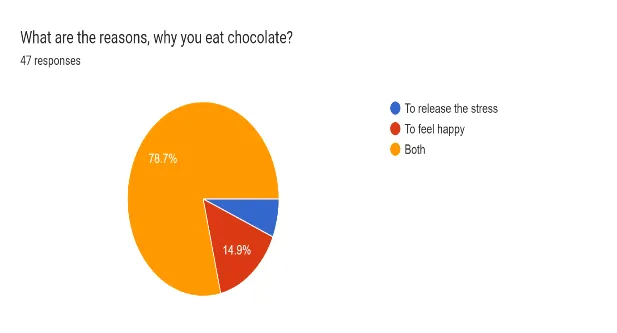
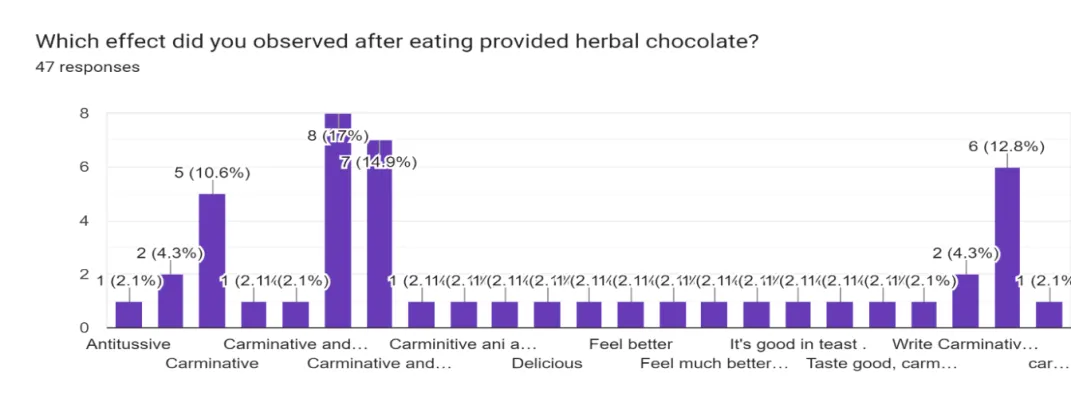
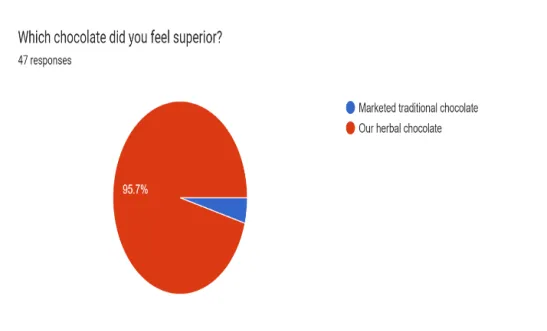
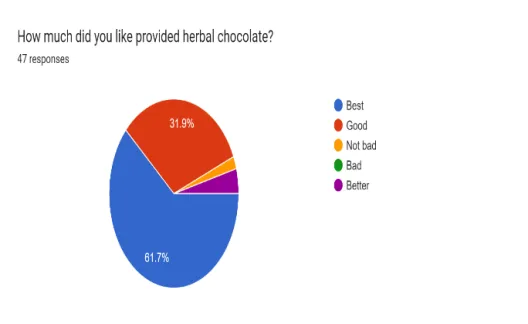
Figure 05: Peoples reviews on Herbal Chocolate Formulation
CONCLUSION
Acknowledgement
We are grateful to Dr. Kiran Wadkar, Principal of Dr. Shivajirao Kadam College of Pharmacy in Kasabe Digraj, Sangli, Maharashtra, for providing the research facilities required to complete the study.
Conflict Of Interest
The authors declare no conflict of interest.
REFERENCES


Suhas Awati, Manasi Ambi, Sanket Aitawade, Komal Adsul, Tayyaba Ansari Vaishnavi Savale, Sofiya Tamboli, Formulation and Evaluation of Herbal Chocolate for Enhanced Therapeutic Acceptability, Int. J. of Pharm. Sci., 2026, Vol 4, Issue 6, 1518-1530, https://doi.org/10.5281/zenodo.20567492
 10.5281/zenodo.20567492