

We use cookies to ensure our website works properly and to personalise your experience. Cookies policy
Kasturi Shikshan Sanstha College of Pharmacy, Shikrapur, Pune-412208.
Herbal cosmetics have gained significant importance in recent years due to increasing awareness regarding the harmful effects of synthetic cosmetic products. Hair dyes are widely used cosmetic preparations for coloring hair and improving appearance; however, synthetic hair dyes contain chemicals such as ammonia, paraphenylenediamine, and hydrogen peroxide that may cause scalp irritation, hair damage, allergic reactions, and other toxic effects. Therefore, there is a growing demand for safe, natural, and eco-friendly herbal alternatives. The present study focuses on the formulation and evaluation of an herbal hair dye using Eclipta alba as the major active ingredient. Eclipta alba, commonly known as Bhringraj, is a well-known medicinal herb traditionally used in Ayurveda for promoting hair growth, preventing premature greying, and improving scalp health.The herbal hair dye was prepared using Eclipta alba along with other natural ingredients possessing coloring and conditioning properties. The formulation was evaluated for various physicochemical parameters such as color, odor, texture, pH, spreadability, washability, stability, and dyeing ability. The prepared formulation showed satisfactory coloring effects along with good consistency, smooth texture, and acceptable stability. The herbal ingredients also provided conditioning and nourishing effects to the hair and scalp. The formulation was found to be safe, non-irritating, and suitable for topical application.The study concluded that Eclipta alba possesses excellent potential as a natural ingredient in herbal hair dye formulations. Herbal hair dyes can serve as safer and economical alternatives to synthetic dyes while providing additional therapeutic benefits. The present work supports the growing trend toward herbal cosmetics and sustainable beauty products
Hair plays an important role in human appearance, personality, confidence, and social identity. Since ancient times, healthy, black, shiny, and thick hair has been considered a symbol of beauty and good health in many cultures. With increasing age, environmental pollution, stress, poor lifestyle, nutritional deficiencies, and excessive use of chemical-based cosmetic products, problems such as premature greying, hair fall, dandruff, scalp irritation, dryness, and damaged hair have become very common. Among these problems, premature greying of hair is one of the major cosmetic concerns affecting both men and women. This condition leads to psychological stress, lowered self-esteem, and reduced confidence. To overcome this issue, people frequently use hair dyes to restore the natural color of hair and improve appearance.
Hair dyes are cosmetic preparations used to color hair either temporarily or permanently. Synthetic hair dyes are widely available in the market because they provide quick coloring effects and long-lasting shades. However, continuous use of synthetic dyes can produce harmful side effects due to the presence of chemicals such as ammonia, paraphenylenediamine (PPD), hydrogen peroxide, and resorcinol. These chemicals may cause allergic reactions, scalp irritation, itching, redness, dermatitis, hair breakage, dryness, and even long-term health hazards. Some synthetic coloring agents are also associated with carcinogenic effects and environmental toxicity. Due to these adverse effects, consumers are increasingly shifting toward natural and herbal cosmetic products.
Herbal cosmetics are preparations containing natural ingredients derived from plants, herbs, and botanical sources. These products are considered safer, eco-friendly, biodegradable, economical, and less toxic compared to synthetic cosmetics. Herbal hair dyes have gained tremendous popularity because they provide natural coloring along with nourishment and protection to the scalp and hair shaft. Herbal formulations usually contain medicinal plants rich in pigments, antioxidants, vitamins, minerals, and phytoconstituents that help improve hair health while imparting color. The growing awareness regarding natural products and the harmful effects of chemicals has increased the demand for herbal hair care preparations worldwide.
Among various medicinal plants used in herbal cosmetics, Eclipta alba occupies an important place because of its excellent medicinal and hair care properties. Eclipta alba, commonly
|
INTRODUCTION |
Eclipta alba is a small annual herb with white flowers and opposite leaves. Different parts of the plant including leaves, stems, and roots possess therapeutic properties. The plant contains several important phytochemicals such as wedelolactone, ecliptine, flavonoids, alkaloids, polyacetylenes, triterpenes, luteolin, and coumestans. These bioactive compounds exhibit antioxidant, antimicrobial, anti-inflammatory, hepatoprotective, and hair growth-promoting activities. The dark green pigment present in Eclipta alba also contributes to natural hair coloring properties, making it suitable for herbal hair dye formulations.
The use of Eclipta alba in hair care preparations is well documented in traditional systems of medicine. Ayurvedic texts describe Bhringraj as an effective herb for preventing premature greying and maintaining natural black hair color. The plant is believed to nourish hair roots, improve blood circulation to the scalp, strengthen hair follicles, and stimulate healthy hair growth. It also helps in reducing dandruff, scalp infections, and hair thinning. Due to these beneficial properties, Eclipta alba is widely incorporated into herbal cosmetic formulations.
Herbal hair dyes prepared using Eclipta alba offer several advantages over synthetic hair dyes. These formulations are generally free from harsh chemicals and provide mild coloring effects with minimal side effects. They improve hair texture, shine, softness, and overall scalp health. Herbal dyes also act as conditioning agents and help repair damaged hair. Moreover, they are biodegradable and environmentally safe. Because of these benefits, herbal hair dyes are becoming increasingly popular among health-conscious consumers.
The formulation of herbal hair dye requires careful selection of ingredients to ensure effective coloring, stability, safety, and cosmetic acceptability. Along with Eclipta alba, other herbal ingredients such as henna, amla, hibiscus, coffee, indigo, curry leaves, bhringraj oil, aloe vera, and shikakai may be incorporated to enhance color intensity and hair nourishing properties. Natural binders, preservatives, and fragrance agents may also be added to improve product quality. The prepared formulation should possess good spreadability, smooth texture, acceptable odor, stability, and easy washability.
Evaluation of herbal hair dye is an important step to ensure the quality, efficacy, and safety of the formulation. Various physicochemical and cosmetic parameters are evaluated including color, odor, texture, pH, viscosity, stability, dyeing effect, spreadability, irritation test, sensitivity test, washability, and conditioning performance. Stability studies are conducted to determine the shelf life and storage conditions of the formulation. Phytochemical analysis may also be performed to identify active constituents present in the herbal extract. These evaluation tests help in standardization and quality control of the final product.
In recent years, the global market for herbal cosmetics has experienced rapid growth due to increased consumer awareness regarding natural and sustainable products. Herbal hair dyes occupy a significant segment in the cosmetic industry because consumers prefer safer alternatives to synthetic products. The demand for plant-based cosmetic products is especially high among young adults and individuals with sensitive skin. Herbal formulations are also gaining attention because of their compatibility with traditional medicine systems and eco-friendly nature.
The concept of green cosmetics and sustainable beauty has further promoted the development of herbal hair care products. Modern consumers are more concerned about ingredient transparency, environmental impact, and long-term safety of cosmetic products. Herbal hair dyes prepared using medicinal plants like Eclipta alba align with these consumer preferences because they are naturally derived and less harmful to the environment. The use of renewable plant resources also supports sustainable development and biodiversity conservation.
The mechanism of hair coloring by herbal dyes differs from synthetic dyes. Synthetic dyes penetrate deeply into the hair shaft and chemically alter hair pigments, whereas herbal dyes generally coat the outer surface of the hair shaft and impart natural shades. The coloring effect depends on the concentration of herbal pigments, duration of application, pH, and interaction with hair proteins. Herbal dyes usually provide shades ranging from brown to black depending on the ingredients used. Although herbal dyes may not provide instant intense coloration like synthetic dyes, they offer long-term hair health benefits and reduced toxicity.
|
INTRODUCTION |
Pharmacognostical and phytochemical studies of Eclipta alba are essential for authentication and standardization of the plant material. Microscopic and macroscopic evaluation helps identify the genuine plant and detect adulteration. Phytochemical screening confirms the presence of active compounds such as flavonoids, tannins, alkaloids, saponins, and phenolic compounds. These constituents contribute to the antioxidant and hair-protective properties of the formulation.
Antioxidants present in Eclipta alba play a significant role in protecting hair from oxidative stress and environmental damage. Oxidative stress caused by free radicals can damage hair follicles and contribute to premature greying and hair fall. The antioxidant compounds present in herbal extracts help neutralize free radicals and maintain healthy hair pigmentation. This property further supports the use of Eclipta alba in herbal hair dye formulations.
Another important advantage of herbal hair dye is its compatibility with sensitive scalp conditions. Many individuals experience allergic reactions and irritation due to chemical hair dyes. Herbal formulations prepared using Eclipta alba are generally milder and safer for regular use. However, proper safety and dermatological testing are still necessary to ensure absence of adverse effects. Patch testing and skin irritation studies help confirm the safety profile of the formulation.
The use of herbal products in cosmetology is deeply rooted in traditional Indian medicine systems such as Ayurveda and Siddha. Ayurveda describes several herbs beneficial for hair care and rejuvenation. Eclipta alba is categorized as a Rasayana herb with rejuvenating properties. Traditional Ayurvedic formulations often combine Bhringraj with other herbs like amla and brahmi to improve hair strength and pigmentation. Modern research studies have validated many of these traditional claims through scientific investigations.
|
INTRODUCTION |
The development of herbal hair dye formulations also requires consideration of consumer acceptability and aesthetic appeal. Factors such as fragrance, texture, consistency, ease of application, rinsing properties, and packaging influence market success. Consumers prefer products that are convenient to use and provide satisfactory cosmetic performance. Therefore, formulation scientists focus on optimizing both therapeutic and cosmetic characteristics of the product.
Modern cosmetic science integrates traditional herbal knowledge with advanced formulation technologies to develop effective herbal products. Novel techniques such as nanoformulations, encapsulation, and controlled release systems are being explored to improve stability and efficacy of herbal ingredients. Incorporation of Eclipta alba extracts into innovative delivery systems may further enhance hair penetration and coloring efficiency in the future.
Quality control is a major challenge in herbal cosmetic formulations because plant materials may show variations in phytochemical composition depending on geographical source, climate, harvesting season, and storage conditions. Standardization of raw materials and manufacturing processes is necessary to maintain consistency and efficacy of the final product. Regulatory guidelines for herbal cosmetics emphasize safety, labeling, stability, and microbiological quality of formulations.
The present study on “Formulation and Evaluation of Eclipta alba Herbal Hair Dye” aims to develop a safe, effective, and natural alternative to synthetic hair dyes. The study focuses on the preparation of herbal hair dye using Eclipta alba and evaluation of various physicochemical and cosmetic parameters. The formulation is expected to provide natural hair coloring along with nourishment and protection to the scalp and hair. The study also highlights the importance of herbal cosmetics in promoting safer and eco-friendly beauty care practices.
The increasing demand for herbal and organic cosmetic products provides a strong scope for the development of Eclipta alba-based hair dye formulations. Consumers are becoming more aware of the benefits of natural products and are willing to adopt safer alternatives for personal care. Herbal hair dyes not only fulfill cosmetic needs but also contribute to hair health and environmental sustainability. Therefore, research in this area has significant commercial and therapeutic potential.
In conclusion, Eclipta alba is a valuable medicinal herb with excellent potential for use in herbal hair dye formulations. Its traditional reputation as a hair tonic, combined with scientifically proven pharmacological properties, makes it an ideal ingredient for natural hair care products. Herbal hair dyes prepared using Eclipta alba offer a safer, economical, and environmentally friendly alternative to synthetic dyes. The formulation and evaluation of such products contribute to the advancement of herbal cosmetology and support the growing trend toward natural healthcare and beauty solutions.
PLANT PROFILE OF ECLIPTA ALBA
Table.1: Scientific Classification
|
Parameter |
Details |
|
Scientific Name |
Eclipta alba |
|
Synonym |
Eclipta prostrata |
|
Common Name |
Bhringraj |
|
Family |
Asteraceae |
|
Kingdom |
Plantae |
|
Division |
Magnoliophyta |
|
Class |
Magnoliopsida |
|
Order |
Asterales |
|
Genus |
Eclipta |
|
Species |
alba |
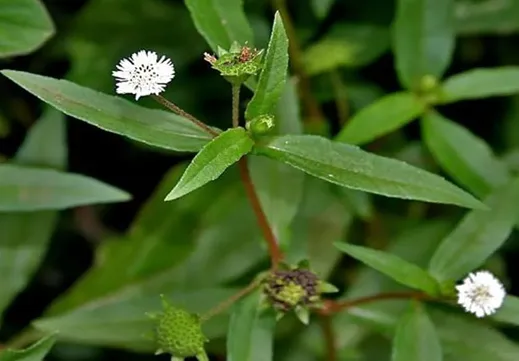
Fig.1: ECLIPTA ALBA
Table.2: Vernacular Names
|
Language |
Name |
|
English |
False Daisy |
|
Hindi |
Bhringraj |
|
Sanskrit |
Bhringaraja |
|
Marathi |
Maka |
|
Tamil |
Karisalankanni |
|
Telugu |
Guntagalagara |
|
Malayalam |
Kayyonni |
|
Bengali |
Kesuriya |
|
Gujarati |
Bhangaro |
Hair is considered one of the most important parts of the human body that contributes significantly to beauty, personality, and self-confidence. Healthy, shiny, and naturally colored hair is associated with youthfulness and good health. In modern society, both men and women are highly conscious about their appearance, and hair plays a major role in enhancing physical attractiveness. However, due to changing lifestyles, environmental pollution, nutritional deficiencies, stress, hormonal imbalance, and excessive use of chemical products, various hair-related problems such as dandruff, hair fall, split ends, scalp infections, and premature greying have become increasingly common. Premature greying of hair is one of the most noticeable cosmetic concerns that affects people emotionally and psychologically. As a result, the use of hair care products and hair coloring agents has increased rapidly worldwide. Hair dyes are cosmetic products used to impart color to hair and improve overall appearance.
Hair dyeing has been practiced since ancient times using natural substances obtained from plants, minerals, and animal sources. Ancient civilizations such as Egyptians, Greeks, Romans, Indians, and Chinese used herbal materials to color hair naturally. Traditional herbal preparations made from henna, indigo, walnut shells, tea leaves, and medicinal herbs were commonly used for hair coloring and conditioning. With the advancement of industrialization and cosmetic science, synthetic hair dyes became popular because they provide instant and long-lasting color effects. These dyes are available in different shades and formulations such as permanent, semi-permanent, temporary, and bleaching dyes. Despite their popularity, synthetic hair dyes contain harmful chemicals such as ammonia, paraphenylenediamine, hydrogen peroxide, and resorcinol, which may produce side effects including scalp irritation, allergic reactions, dermatitis, dryness, hair breakage, and eye irritation. Continuous exposure to these chemicals may also cause long-term toxic and carcinogenic effects.
The growing awareness regarding the harmful effects of synthetic cosmetic products has increased the demand for herbal and natural alternatives. Herbal cosmetics are preparations containing natural ingredients derived from medicinal plants and botanical sources. These products are generally considered safer, eco-friendly, biodegradable, and less toxic compared to synthetic cosmetics. Herbal hair dyes have gained significant attention because they provide natural coloring while simultaneously nourishing the scalp and hair. Unlike synthetic dyes, herbal formulations contain bioactive compounds such as flavonoids, tannins, alkaloids, vitamins, proteins, and antioxidants that improve hair health. Herbal dyes are less likely to produce irritation and can be safely used for longer durations. The increasing consumer preference for chemical-free and sustainable beauty products has promoted the development of herbal hair care formulations worldwide.
Among the various medicinal plants used in herbal cosmetics, Eclipta alba occupies an important position due to its excellent therapeutic and hair care properties. Eclipta alba, commonly known as Bhringraj or False Daisy, belongs to the family Asteraceae. It is a well-known medicinal herb extensively used in Ayurveda and traditional systems of medicine. In Ayurveda, Bhringraj is referred to as the “King of Hair” because of its remarkable effects on hair growth and pigmentation. The plant is widely distributed throughout India and other tropical countries and grows abundantly in moist and marshy areas. Different parts of the plant including leaves, stems, flowers, and roots possess medicinal properties. Traditionally, Eclipta alba has been used for the treatment of liver disorders, skin diseases, respiratory problems, and hair-related conditions such as hair fall and premature greying.
The phytochemical composition of Eclipta alba contributes significantly to its medicinal and cosmetic applications. The plant contains important bioactive constituents such as wedelolactone, ecliptine, luteolin, flavonoids, alkaloids, triterpenoids, tannins, saponins, and phenolic compounds. These constituents exhibit antioxidant, antimicrobial, anti-inflammatory, hepatoprotective, and hair growth-promoting activities. The natural pigments and phenolic compounds present in the plant also contribute to its hair coloring properties. Antioxidants present in Eclipta alba help reduce oxidative stress and protect hair follicles from damage caused by free radicals. Oxidative stress is considered one of the major causes of premature greying and hair loss. Therefore, the use of Eclipta alba in herbal hair dye formulations provides both coloring and therapeutic benefits.
Herbal hair dye formulations containing Eclipta alba offer several advantages over synthetic dyes. These preparations provide mild and natural shades while improving hair texture, softness, shine, and strength. Herbal dyes also act as natural conditioners that nourish the scalp and hair shaft. In addition, they reduce scalp irritation and allergic reactions commonly associated with chemical dyes. Herbal formulations are biodegradable and environmentally friendly, making them suitable for sustainable cosmetic practices. Consumers increasingly prefer herbal products because they are perceived as safer and healthier alternatives. Moreover, herbal hair dyes are economical and can be prepared using easily available plant materials. The incorporation of Eclipta alba into hair dye formulations enhances the medicinal value and effectiveness of the final product.
The formulation of herbal hair dye involves careful selection of natural ingredients to achieve desired coloring, stability, safety, and cosmetic acceptability. Along with Eclipta alba, several herbal ingredients such as henna, indigo, amla, hibiscus, curry leaves, coffee, tea extract, aloe vera, and shikakai may be used to improve color intensity and hair nourishing properties. These ingredients provide additional therapeutic benefits including scalp cleansing, dandruff control, conditioning, and strengthening of hair roots. Herbal extracts are generally prepared using solvents such as water, ethanol, or hydroalcoholic mixtures to obtain maximum phytoconstituents. The prepared extracts are then incorporated into suitable dosage forms such as powders, pastes, creams, or gels. Proper formulation techniques are essential to maintain consistency, stability, and efficacy of the product.
Evaluation of herbal hair dye formulations is necessary to ensure product quality, effectiveness, and safety. Various evaluation parameters are studied including organoleptic properties, pH, viscosity, spreadability, washability, dyeing ability, texture, stability, and irritation potential. Stability studies are performed under different storage conditions to determine shelf life and physical stability of the formulation. Patch tests and skin irritation studies help evaluate the safety profile of the product. Phytochemical screening is also conducted to identify active constituents responsible for therapeutic activity. Standardization and quality control of herbal formulations are important because plant materials may show variations in chemical composition due to geographical location, climatic conditions, harvesting season, and processing methods. Therefore, scientific evaluation helps ensure reproducibility and consumer safety.
The global market for herbal cosmetics has shown remarkable growth in recent years due to increasing awareness regarding natural health care and beauty products. Herbal hair care products such as shampoos, oils, conditioners, and hair dyes are highly demanded by consumers seeking safer alternatives to chemical cosmetics. The concept of green cosmetics and sustainable beauty has further encouraged research and development in herbal formulations. Modern consumers are increasingly concerned about environmental pollution, ingredient safety, and long-term health effects of cosmetic products. Herbal hair dyes prepared using medicinal plants like Eclipta alba align with these consumer preferences because they are natural, biodegradable, and eco-friendly. This has created significant opportunities for the development and commercialization of herbal hair care products.
Traditional systems of medicine such as Ayurveda have long emphasized the importance of herbal remedies for hair care and rejuvenation. Ayurvedic texts describe several herbs beneficial for maintaining healthy hair, preventing premature greying, and improving scalp condition. Eclipta alba is categorized as a Rasayana herb in Ayurveda, meaning it possesses rejuvenating and restorative properties. Ayurvedic formulations containing Bhringraj are believed to nourish the scalp, improve blood circulation, strengthen hair follicles, and promote healthy hair growth. Modern scientific studies have validated many of these traditional claims through pharmacological investigations and experimental studies. Research has shown that topical application of Eclipta alba extracts stimulates hair growth and prolongs the anagen phase of the hair cycle. These findings support its use in herbal hair dye formulations and other cosmetic preparations.
The present study entitled “Formulation and Evaluation of Eclipta alba Herbal Hair Dye” focuses on the development of a safe, effective, and natural herbal hair dye using Eclipta alba as the major ingredient. The study aims to formulate a herbal preparation capable of imparting natural color to hair while simultaneously promoting scalp health and hair nourishment. The prepared formulation is evaluated using various physicochemical and cosmetic parameters to determine its quality and effectiveness. The research also highlights the importance of herbal cosmetics in reducing the harmful effects associated with synthetic products. The development of such herbal formulations contributes to the advancement of natural cosmetology and promotes safer, economical, and environmentally sustainable approaches in personal care and beauty management.
LITERATURE SURVEY:
1. Roy RK and Thakur M (2019)
Roy RK and Thakur M (2019) conducted a detailed study on the hair growth-promoting activity of Eclipta alba and its potential application in herbal cosmetic formulations. The authors emphasized that Eclipta alba, commonly known as Bhringraj, is widely used in Ayurvedic medicine for treating hair-related disorders such as alopecia, dandruff, and premature greying. Their study evaluated the phytochemical composition of the plant and reported the presence of wedelolactone, flavonoids, tannins, and alkaloids responsible for antioxidant and hair nourishing activities. The researchers observed that the herbal extract stimulated hair follicles and improved scalp circulation, thereby enhancing hair growth and pigmentation. The study also highlighted the role of antioxidants in reducing oxidative stress associated with hair damage and greying. The authors concluded that Eclipta alba possesses significant potential as a natural ingredient in herbal hair dye formulations because of its coloring and conditioning effects. The research suggested that regular application of formulations containing Eclipta alba can strengthen hair roots, improve hair texture, and provide natural black coloration without harmful side effects associated with synthetic dyes.
2. Sharma A and Gupta R (2020)
Sharma A and Gupta R (2020) developed and evaluated a herbal hair dye formulation containing Eclipta alba and Lawsonia inermis (Henna). The study focused on preparing a safe and effective natural hair dye alternative to synthetic chemical dyes. Various herbal ingredients were selected for their coloring, conditioning, and therapeutic properties. The prepared formulation was evaluated for physicochemical parameters such as pH, texture, spreadability, stability, and color intensity. The authors reported that the herbal hair dye exhibited satisfactory coloring properties along with improved smoothness and shine of hair. Skin irritation and sensitivity tests indicated that the formulation was safe and non-irritating for topical application. The researchers emphasized that the natural pigments present in Eclipta alba and henna contributed to effective hair coloring while simultaneously nourishing the scalp. The study concluded that herbal hair dyes can provide safe cosmetic benefits without causing allergic reactions or hair damage commonly observed with synthetic dyes. The authors recommended further studies to improve color retention and shelf life of herbal dye formulations.
3. Patel D and Jain S (2018)
Patel D and Jain S (2018) carried out a study on the formulation and evaluation of herbal hair dye using Eclipta alba extract. The objective of the study was to prepare a natural hair dye formulation capable of providing hair coloring along with scalp protection. The researchers prepared herbal extracts using suitable solvents and incorporated them into a hair dye base. Evaluation parameters included organoleptic properties, pH determination, dyeing ability, washability, spreadability, and stability studies. The findings demonstrated that the formulation possessed good consistency, acceptable odor, smooth texture, and effective coloring ability. The study also reported that Eclipta alba extract exhibited antioxidant and antimicrobial properties beneficial for scalp health. The authors emphasized that herbal hair dyes are becoming increasingly popular due to rising consumer awareness regarding harmful effects of synthetic dyes. They concluded that Eclipta alba can serve as an effective natural ingredient for developing safe and eco-friendly herbal cosmetic products. The research highlighted the importance of standardization and quality control in herbal formulation development.
4. Kaur P and Arora S (2017)
Kaur P and Arora S (2017) investigated the preparation and evaluation of a polyherbal hair dye formulation using medicinal plants including Eclipta alba, hibiscus, amla, and indigo. The study aimed to develop a herbal hair dye capable of providing natural color and nourishment to hair. The authors selected herbal ingredients based on their traditional use in hair care and pigmentation enhancement. The prepared formulation was evaluated for color intensity, pH, texture, spreadability, sensitivity, and stability. Results showed that the formulation provided satisfactory hair coloration with improved softness and shine. The herbal ingredients also reduced scalp dryness and irritation. The study highlighted that polyherbal combinations improve overall efficacy due to synergistic effects of phytoconstituents. The researchers concluded that herbal hair dye formulations can be used as safer alternatives to synthetic dyes because they minimize adverse reactions and provide therapeutic benefits. The study also emphasized the growing market demand for natural cosmetic products and the need for further research in herbal cosmetology.
5. Singh V and Kumar R (2016)
Singh V and Kumar R (2016) reviewed the traditional uses and pharmacological properties of Eclipta alba. The authors discussed the medicinal importance of the plant in Ayurveda and other traditional systems of medicine. The review highlighted various pharmacological activities such as antioxidant, antimicrobial, anti-inflammatory, hepatoprotective, and hair growth-promoting properties. The researchers explained that the plant contains bioactive compounds including wedelolactone, flavonoids, and triterpenoids responsible for its therapeutic effects. The study particularly emphasized the role of Eclipta alba in hair care applications, where it is traditionally used to prevent premature greying, strengthen hair roots, and promote hair growth. According to the authors, antioxidants present in the plant help protect hair follicles from oxidative damage and improve scalp health. The review concluded that Eclipta alba possesses immense potential in herbal cosmetic formulations, especially herbal hair dyes and oils. The authors recommended scientific validation and standardization of traditional herbal preparations for better acceptance in modern cosmetology.
6. Meena AK and Rao MM (2019)
Meena AK and Rao MM (2019) reviewed current trends in herbal cosmetic formulations with special emphasis on herbal hair dyes. The study discussed the increasing popularity of herbal cosmetics due to rising awareness regarding chemical toxicity associated with synthetic products. The authors described different medicinal plants commonly used in herbal hair dyes, including Eclipta alba, henna, amla, hibiscus, and indigo. The review highlighted that herbal formulations not only color hair naturally but also provide nourishment and protection to the scalp. The researchers explained that herbal dyes are rich in antioxidants, vitamins, and phytoconstituents that improve hair texture and prevent hair damage. The article also discussed challenges associated with herbal formulations such as stability, standardization, and color retention. The authors concluded that herbal cosmetics have a promising future in the global market because of increasing consumer preference for eco-friendly and natural products. They recommended advanced formulation techniques and quality control methods to improve the efficacy and shelf life of herbal hair dye preparations.
7. Bhatia H and Sharma Y (2021)
|
LITERATURE SURVEY |
|
Chapter 2 |
8. Deshmukh P and Patil S (2018)
Deshmukh P and Patil S (2018) conducted stability studies on herbal hair dye formulations prepared using natural plant extracts. The study focused on evaluating physical and chemical stability of herbal cosmetic preparations under different storage conditions. Parameters such as color, odor, consistency, pH, microbial growth, and phase separation were observed periodically during storage. The authors reported that proper selection of excipients and storage conditions significantly influenced the stability of herbal hair dyes. The study highlighted that herbal ingredients may undergo degradation due to temperature, humidity, and exposure to light. Therefore, suitable packaging and preservatives are essential to maintain product quality and shelf life. The researchers concluded that stability studies are important for ensuring safety, efficacy, and consumer acceptability of herbal cosmetic formulations. The findings provided valuable guidance for formulation scientists working on herbal hair dye development using Eclipta alba and other medicinal plants.
9. Verma S and Yadav P (2019)
Verma S and Yadav P (2019) performed phytochemical screening of Eclipta alba extracts intended for cosmetic applications. The study aimed to identify bioactive compounds responsible for therapeutic and hair coloring properties of the plant. Different extraction methods and solvents were used to obtain phytoconstituents from the plant material. The analysis confirmed the presence of flavonoids, alkaloids, tannins, phenolic compounds, and saponins. The authors emphasized that these compounds contribute to antioxidant, antimicrobial, and anti-inflammatory activities beneficial for scalp health. The study also reported that phenolic compounds present in Eclipta alba help in imparting natural coloration to hair strands. According to the researchers, phytochemical evaluation is essential for standardization and quality control of herbal formulations. The study concluded that Eclipta alba possesses significant potential as an active ingredient in herbal cosmetics, particularly herbal hair dyes and conditioners. The authors recommended further investigations on isolation and characterization of active compounds.
10. Chandra S and Kumari A (2020)
Chandra S and Kumari A (2020) formulated a herbal hair dye using Eclipta alba and Hibiscus rosa-sinensis extracts. The objective of the study was to prepare a natural cosmetic product capable of coloring hair and improving scalp condition. The formulation was evaluated for physicochemical properties including pH, texture, spreadability, washability, dyeing effect, and stability. The authors observed that the herbal dye produced satisfactory coloration and improved hair softness and manageability. The formulation also exhibited conditioning and anti-dandruff properties due to the presence of herbal bioactive compounds. Skin irritation studies indicated that the preparation was safe and non-toxic for topical use. The researchers concluded that herbal hair dyes provide multiple cosmetic and therapeutic benefits compared to synthetic dyes. The study highlighted the importance of medicinal plants in modern cosmetology and suggested further research to enhance color retention and commercial acceptability of herbal formulations.
11. Ali M and Qureshi NA (2017)
Ali M and Qureshi NA (2017) presented a comprehensive overview of herbal hair cosmetics and their applications in modern cosmetology. The study focused on the growing popularity of herbal hair products due to increasing awareness regarding the side effects of synthetic cosmetic agents. The authors discussed various medicinal plants used in herbal hair preparations such as Eclipta alba, henna, hibiscus, amla, brahmi, and neem. According to the researchers, these plants contain bioactive compounds including flavonoids, tannins, alkaloids, vitamins, and antioxidants that improve scalp health and promote hair nourishment. The review
|
LITERATURE SURVEY |
12. Gupta N and Sharma PK (2018)
Gupta N and Sharma PK (2018) conducted a study on the standardization of herbal hair dye formulations prepared using medicinal plant extracts. The authors emphasized the importance of maintaining consistency, quality, and stability in herbal cosmetic products. The research focused on evaluation parameters such as organoleptic characteristics, pH, viscosity, spreadability, color intensity, and microbial contamination. The study reported that herbal formulations containing Eclipta alba showed satisfactory stability and natural coloring properties. The authors also highlighted the importance of phytochemical analysis for identifying active constituents responsible for therapeutic and cosmetic activities. According to the researchers, herbal hair dyes provide conditioning effects and reduce scalp irritation commonly associated with synthetic dyes. The study concluded that proper standardization methods are essential for ensuring efficacy and safety of herbal cosmetic products. The authors recommended advanced analytical techniques and regulatory guidelines to improve the quality assurance of herbal hair dye formulations intended for commercial applications.
13. Rao K and Devi P (2017)
Rao K and Devi P (2017) investigated the antimicrobial activity of Eclipta alba extract and its relevance in herbal cosmetic formulations. The study aimed to evaluate the effectiveness of the plant extract against microorganisms responsible for scalp infections and dandruff. Various microbial strains were tested using standard microbiological methods. The results demonstrated significant antimicrobial activity of Eclipta alba extract against bacterial and fungal organisms. The authors explained that flavonoids, tannins, and phenolic compounds present in the plant contributed to its antimicrobial effects. The study highlighted that scalp infections and dandruff are major causes of hair fall and scalp irritation. Therefore, incorporation of Eclipta alba into herbal hair dye formulations can provide additional
|
LITERATURE SURVEY |
14. Kapoor VP (2005)
Kapoor VP (2005) reviewed the role of herbal cosmetics in skin and hair care with special emphasis on medicinal plants used for natural beauty enhancement. The author discussed the advantages of herbal products over synthetic cosmetics and highlighted their safety, efficacy, and environmental compatibility. The study described several herbs commonly used in hair care formulations including Eclipta alba, henna, neem, hibiscus, and amla. According to the review, herbal hair dyes provide natural coloring along with nourishment and protection to hair follicles. The author explained that herbal ingredients contain vitamins, minerals, antioxidants, and phytochemicals beneficial for maintaining healthy scalp and hair. The study also emphasized that consumers increasingly prefer natural products because of rising concerns regarding chemical toxicity and allergic reactions associated with synthetic cosmetics. Kapoor concluded that herbal cosmetics have excellent market potential and play an important role in promoting holistic health and beauty. The review recommended further scientific research for development and standardization of herbal cosmetic products.
15. Joshi LS and Pawar HA (2015)
Joshi LS and Pawar HA (2015) provided an overview of herbal cosmetics and cosmeceuticals with emphasis on their therapeutic applications. The authors discussed the growing demand for herbal products in the cosmetic industry and highlighted the importance of medicinal plants in modern beauty care formulations. The review explained that herbal hair dyes are gaining popularity because they provide natural coloration without damaging hair structure. Eclipta alba was identified as one of the most effective herbs for promoting hair growth and preventing premature greying. The authors described the phytochemical constituents of the plant and their beneficial effects on scalp health. The study also highlighted challenges associated with herbal formulations such as stability, standardization, microbial contamination, and shelf-life determination. According to the researchers, scientific validation and quality control are necessary to ensure efficacy and consumer safety. The review concluded that herbal cosmetics represent a promising field in pharmaceutical and cosmetic research and recommended further studies on novel formulation approaches and advanced delivery systems.
16. Draelos ZD (2011)
Draelos ZD (2011) discussed cosmetic-related dermatological problems and solutions associated with hair care products. The study highlighted the adverse effects of synthetic hair dyes including allergic dermatitis, scalp irritation, hair dryness, and hypersensitivity reactions. The author emphasized that chemical ingredients such as paraphenylenediamine and ammonia are major causes of hair damage and allergic responses. The review suggested that herbal hair dyes may serve as safer alternatives because they contain natural pigments and therapeutic phytochemicals. The study also discussed the importance of selecting mild and non-irritating ingredients in cosmetic formulations. According to the author, medicinal plants such as Eclipta alba possess antioxidant and conditioning properties beneficial for hair and scalp health. The review concluded that increasing consumer awareness regarding cosmetic safety has created greater demand for herbal hair care products. The author recommended further dermatological and safety studies to establish the long-term safety profile of herbal cosmetic preparations.
17. Harry RG (2000)
Harry RG (2000) explained the scientific principles involved in cosmetic formulation and manufacturing processes. The book provided detailed information regarding cosmetic ingredients, formulation techniques, quality control, and evaluation methods. The author discussed various types of hair dyes including temporary, semi-permanent, permanent, and herbal dyes. Herbal hair dyes were described as safer alternatives due to the absence of harsh chemicals and synthetic coloring agents. The text highlighted the importance of natural ingredients such as Eclipta alba in improving hair texture, pigmentation, and scalp health. According to the author, herbal formulations require proper selection of excipients, preservatives, and stabilizers to ensure product stability and shelf life. The study also emphasized the role of quality control tests such as pH determination, viscosity measurement, microbial analysis, and stability studies in cosmetic formulation development. The book concluded that herbal cosmetics represent an important area of modern cosmetology with increasing commercial significance worldwide.
18. Thorat RM and Jadhav SL (2020)
Thorat RM and Jadhav SL (2020) developed and evaluated a herbal hair oil formulation containing Eclipta alba extract. The study aimed to investigate the hair growth-promoting and scalp conditioning properties of the plant. The prepared herbal oil was evaluated for parameters such as viscosity, pH, appearance, spreadability, stability, and irritation potential. The results demonstrated that the formulation improved hair texture, reduced hair fall, and enhanced scalp nourishment. The authors reported that antioxidants and phytoconstituents present in Eclipta alba protected hair follicles from oxidative stress and environmental damage. The study also highlighted that regular application of the herbal oil improved hair strength and natural pigmentation. According to the researchers, formulations containing Eclipta alba may be useful in preventing premature greying and maintaining healthy hair. The study concluded that the plant possesses excellent potential for incorporation into herbal cosmetic products including hair dyes, oils, and conditioners.
19. Kumar A and Singh HP (2019)
Kumar A and Singh HP (2019) reviewed natural dyes and their applications in herbal cosmetics. The authors discussed various plant-derived coloring agents used in hair care products and emphasized the advantages of natural dyes over synthetic colorants. The study highlighted that herbal dyes are biodegradable, non-toxic, and environmentally friendly. Medicinal plants such as Eclipta alba, henna, indigo, and walnut shells were identified as important natural coloring agents used in hair dye formulations. According to the review, natural pigments present in these plants impart shades ranging from brown to black while simultaneously conditioning the hair. The authors also discussed challenges associated with herbal dyes including poor color retention and variability in plant composition. The study concluded that herbal hair dyes have significant potential in the cosmetic industry because of increasing consumer preference for natural products. The authors recommended further research on formulation optimization and enhancement of dye stability and coloring efficiency.
20. Patil MV and Pawar SP (2018)
Patil MV and Pawar SP (2018) conducted a comparative evaluation of herbal and synthetic hair dyes to assess their safety and cosmetic performance. The study compared parameters such as coloring efficiency, scalp irritation, hair texture, stability, and consumer acceptability. The
|
LITERATURE SURVEY |
21. Yadav N and Dixit VK (2013)
Yadav N and Dixit VK (2013) reviewed recent approaches in herbal cosmetics and highlighted the importance of medicinal plants in cosmetic science. The authors emphasized that increasing awareness regarding harmful effects of synthetic products has shifted consumer preference toward herbal alternatives. The study discussed various herbal ingredients used in hair care preparations such as Eclipta alba, henna, aloe vera, amla, and hibiscus. According to the researchers, these medicinal plants possess antioxidant, antimicrobial, and conditioning properties beneficial for maintaining healthy hair and scalp. The review also described the role of herbal dyes in preventing hair damage caused by chemical-based coloring agents. The authors highlighted that Eclipta alba promotes hair growth, reduces hair fall, and prevents premature greying due to the presence of bioactive phytoconstituents. The study concluded that herbal cosmetics are safer, eco-friendly, and suitable for long-term use. The authors recommended scientific evaluation and standardization of herbal formulations to improve their effectiveness, stability, and market acceptance in the cosmetic industry.
22. Chaudhary G and Goyal S (2014)
Chaudhary G and Goyal S (2014) discussed the practical uses of cosmeceuticals and herbal drugs in modern cosmetic science. The study highlighted the growing demand for herbal products because of their therapeutic benefits and lower risk of adverse effects. The authors explained that herbal hair dyes provide natural coloring while simultaneously nourishing the scalp and hair follicles. Medicinal plants such as Eclipta alba, henna, brahmi, and neem were identified as important ingredients in herbal hair care formulations. The review emphasized that phytochemicals present in these plants contribute to antioxidant, anti-inflammatory, and antimicrobial activities. According to the authors, herbal formulations improve hair texture, prevent scalp infections, and reduce oxidative stress associated with hair damage. The study also highlighted the need for quality control, stability studies, and safety testing in herbal cosmetic development. The authors concluded that herbal cosmeceuticals have significant potential in the cosmetic market and recommended further scientific research to validate traditional claims and improve formulation technology.
23. Mukherjee PK (2007)
Mukherjee PK (2007) explained the importance of quality control and standardization in herbal drug and cosmetic formulations. The study discussed various analytical methods used for authentication and evaluation of medicinal plants. The author emphasized that herbal products may show variation in phytochemical composition due to differences in climate, geographical conditions, harvesting time, and processing methods. Therefore, proper quality control is essential for ensuring consistency and safety of herbal cosmetic formulations. The book highlighted the use of medicinal plants such as Eclipta alba in hair care products because of their therapeutic and coloring properties. According to the author, standardization parameters including organoleptic evaluation, microscopic analysis, phytochemical screening, and stability testing are necessary for developing effective herbal products. The study concluded that scientific validation of herbal formulations enhances consumer confidence and regulatory acceptance. The author also recommended the use of modern analytical techniques for maintaining quality standards in herbal cosmetics and pharmaceutical preparations.
24. Evans D (2002)
Evans D (2002) described the pharmacognostic aspects of medicinal plants used in herbal medicine and cosmetics. The study provided detailed information regarding identification, chemical constituents, and therapeutic applications of medicinal herbs including Eclipta alba. The author emphasized that Eclipta alba has been traditionally used in Ayurvedic medicine for promoting hair growth and preventing premature greying. The review highlighted the presence of flavonoids, alkaloids, tannins, and coumestans responsible for the medicinal properties of the plant. According to the author, these phytoconstituents exhibit antioxidant and anti-inflammatory activities beneficial for scalp protection and hair nourishment. The study also discussed the importance of pharmacognostic evaluation for authentication and detection of adulteration in herbal raw materials. The author concluded that medicinal plants play an important role in the development of safe and effective herbal cosmetic products. The book recommended proper identification and standardization methods to ensure purity and efficacy of herbal formulations.
25. Khare CP (2007)
Khare CP (2007) compiled detailed information regarding Indian medicinal plants and their therapeutic applications. The study included extensive data on Eclipta alba and its traditional use in Ayurvedic hair care formulations. The author explained that the plant is commonly known as Bhringraj and is widely used for preventing hair loss, improving hair pigmentation, and enhancing scalp health. According to the review, the plant contains important phytochemicals such as wedelolactone, flavonoids, and triterpenes responsible for hair growth-promoting activity. The study highlighted that Eclipta alba also possesses antimicrobial and antioxidant properties that help maintain healthy scalp conditions. The author discussed the preparation of herbal oils, dyes, and hair tonics using the plant extract. The review concluded that Eclipta alba is one of the most valuable medicinal herbs used in herbal cosmetics and traditional medicine. The study recommended further pharmacological investigations and clinical studies for validation of its therapeutic effects.
26. Nadkarni KM (2009)
Nadkarni KM (2009) described the medicinal importance and traditional applications of Indian medicinal plants in Ayurvedic practice. The study provided detailed information regarding Eclipta alba and its role in hair care and rejuvenation therapies. The author stated that the plant has been used for centuries as a hair tonic and natural coloring agent. According to the review, regular application of Eclipta alba preparations improves hair growth, strengthens hair roots, and prevents premature greying. The study highlighted the cooling, rejuvenating, and nourishing properties of the plant. The author also discussed the use of the herb in treating liver disorders, skin diseases, and scalp infections. The review emphasized that herbal formulations prepared using Eclipta alba are safer and more beneficial compared to synthetic cosmetic products. The study concluded that the plant possesses significant therapeutic and cosmetic value and continues to play an important role in traditional herbal medicine systems.
|
LITERATURE SURVEY |
Anonymous (2001) in The Ayurvedic Pharmacopoeia of India provided official standards and quality parameters for medicinal plants used in Ayurvedic formulations. The publication included monographs on Eclipta alba covering botanical description, microscopic characteristics, chemical constituents, and therapeutic uses. The document emphasized the importance of proper identification and quality evaluation of raw plant materials for ensuring safety and efficacy of herbal products. According to the pharmacopoeia, Eclipta alba is widely used in Ayurvedic formulations for hair growth promotion and prevention of premature greying. The study also described standard analytical parameters such as moisture content, ash value, extractive value, and phytochemical constituents. These standards help maintain consistency and purity of herbal formulations. The pharmacopoeia concluded that adherence to quality control guidelines is essential for manufacturing safe and effective herbal cosmetics and medicinal preparations using Eclipta alba and other medicinal plants.
28. Anonymous (2002)
Anonymous (2002) in the Indian Herbal Pharmacopoeia documented the pharmacognostic and phytochemical characteristics of various medicinal plants including Eclipta alba. The study highlighted the traditional and therapeutic importance of the plant in Ayurvedic medicine. The monograph described morphological features, microscopic evaluation, chemical constituents, and medicinal applications of Eclipta alba. According to the document, the plant possesses hair growth-promoting, antimicrobial, antioxidant, and anti-inflammatory activities. The pharmacopoeia also discussed methods for quality control and standardization of herbal raw materials. The study emphasized that herbal cosmetic products prepared using standardized plant extracts provide better efficacy and consumer safety. The authors concluded that proper authentication and evaluation of herbal ingredients are essential for the successful development of herbal cosmetic formulations. The publication serves as an important reference source for researchers working on herbal hair dyes and other medicinal plant-based products.
29. Upton R (2010)
Upton R (2010) reviewed the Ayurvedic and cosmetic applications of Bhringraj (Eclipta alba) in herbal formulations. The study emphasized the historical importance of the plant in traditional Indian medicine for maintaining healthy hair and scalp. According to the author, Bhringraj is commonly used in herbal oils, shampoos, conditioners, and hair dyes due to its hair rejuvenating properties. The review highlighted that the plant stimulates hair follicles, improves blood circulation to the scalp, and prevents hair thinning and premature greying. The author also discussed the antioxidant and antimicrobial activities of Eclipta alba, which help protect hair from environmental damage and scalp infections. The study concluded that herbal formulations containing Bhringraj provide multiple cosmetic and therapeutic benefits without producing harmful side effects associated with chemical hair products. The author recommended further clinical studies to validate the efficacy and safety of Eclipta alba in modern cosmetic applications.
30. Sahu AN and Jha S (2016)
Sahu AN and Jha S (2016) studied the formulation development and evaluation of herbal cosmetic preparations with emphasis on hair care products. The authors discussed the importance of selecting suitable herbal ingredients and formulation techniques for achieving stable and effective cosmetic products. The study highlighted that herbal hair dyes prepared using medicinal plants such as Eclipta alba provide natural coloring and conditioning effects. Evaluation parameters including pH, viscosity, spreadability, washability, stability, and irritation testing were described in detail. According to the researchers, antioxidants and phytoconstituents present in herbal extracts improve scalp health and reduce hair damage caused by environmental stress. The study concluded that herbal cosmetic formulations are gaining popularity due to their safety, eco-friendliness, and therapeutic benefits. The authors recommended further research on novel delivery systems and advanced extraction methods to improve the stability, color retention, and consumer acceptability of herbal hair dye formulations.
|
AIM & OBJECTIVES |
Aim
To formulate and evaluate a safe, effective, and eco-friendly herbal hair dye using Eclipta alba for natural hair colouring and nourishment.
Objectives
NEED OF WORK:
In recent years, the use of synthetic hair dyes has increased rapidly due to changing fashion trends and growing cosmetic awareness among people. However, chemical-based hair dyes contain harmful substances such as ammonia, paraphenylenediamine, hydrogen peroxide, and resorcinol, which may cause scalp irritation, allergic reactions, hair damage, dryness, dermatitis, and other toxic effects. Continuous use of synthetic dyes may also lead to long-term health hazards and environmental pollution. Therefore, there is an increasing demand for natural, safe, and eco-friendly alternatives in the cosmetic industry.
Herbal hair dyes have gained importance because they are prepared from natural plant sources and provide fewer side effects compared to synthetic products. Herbal formulations not only color the hair naturally but also nourish the scalp and improve hair health. Eclipta alba is a well-known medicinal herb traditionally used in Ayurveda for promoting hair growth, preventing premature greying, and strengthening hair roots. The plant contains bioactive constituents such as flavonoids, tannins, alkaloids, and antioxidants that contribute to hair nourishment and natural pigmentation.
The present work is therefore necessary to develop an herbal hair dye using Eclipta alba as a safer alternative to synthetic dyes. The formulation is expected to provide natural hair coloring along with therapeutic benefits such as scalp protection, conditioning, reduction of hair fall, and prevention of premature greying. This study also supports the growing interest in herbal cosmetics and sustainable beauty products. The work may contribute to the development of economical, biodegradable, and consumer-friendly herbal cosmetic formulations with minimal adverse effects.
PLAN OF WORK:
RESEARCH METHADOLOGY:
1. Selection of Topic
The topic entitled “Formulation and Evaluation of Eclipta alba Herbal Hair Dye” was selected to develop a safe, natural, and effective herbal alternative to synthetic hair dyes. The study aimed to formulate a herbal hair dye with coloring, conditioning, and hair nourishing properties using Eclipta alba as the major ingredient.
2. Literature Survey
A detailed literature survey was carried out using textbooks, research papers, review articles, Ayurvedic literature, journals, and online databases. Information regarding herbal cosmetics, herbal hair dyes, medicinal properties of Eclipta alba, formulation techniques, and evaluation methods was collected and studied thoroughly.
3. Materials Required
Table.3: List of Materials Used
|
Sr. No. |
Material |
Category |
Role in Formulation |
|
1 |
Eclipta alba powder |
Herbal ingredient |
Natural coloring agent |
|
2 |
Henna powder |
Herbal ingredient |
Hair coloring |
|
3 |
Amla powder |
Herbal ingredient |
Hair conditioner |
|
4 |
Hibiscus powder |
Herbal ingredient |
Hair nourishment |
|
5 |
Shikakai powder |
Herbal ingredient |
Cleansing agent |
|
6 |
Aloe vera gel |
Herbal ingredient |
Moisturizer |
|
7 |
Coffee powder |
Natural additive |
Color enhancer |
|
8 |
Tea extract |
Natural additive |
Color enhancer |
|
9 |
Distilled water |
Vehicle |
Solvent |
|
10 |
Ethanol |
Solvent |
Extraction medium |
|
11 |
Rose water |
Fragrance agent |
Pleasant odor |
|
12 |
Gum acacia |
Binder |
Consistency enhancer |
4. Equipment Required
Table.4: List of Equipment Used
|
Sr. No. |
Equipment |
Use |
|
1 |
Beaker |
Mixing and preparation |
|
2 |
Measuring cylinder |
Measurement of liquids |
|
3 |
Glass rod |
Stirring |
|
4 |
Mortar and pestle |
Powdering |
|
5 |
Electronic balance |
Accurate weighing |
|
6 |
Hot plate |
Heating |
|
7 |
Water bath |
Controlled heating |
|
8 |
pH meter |
pH determination |
|
9 |
Sieve |
Particle size separation |
|
10 |
Muslin cloth |
Filtration |
|
11 |
Grinder |
Powder preparation |
|
12 |
Airtight containers |
Storage of formulation |
5. Collection and Authentication of Plant Material
Fresh Eclipta alba plants and other herbal ingredients were collected from local herbal gardens and authenticated sources. The plant material was authenticated by a pharmacognosist or botanist based on macroscopic and microscopic characteristics. The authenticated plant material was cleaned thoroughly to remove dust, soil, and foreign particles.
6. Drying and Powdering of Plant Material
The collected plant material was shade dried at room temperature for 7–10 days to preserve active phytoconstituents. Direct sunlight was avoided because it may degrade thermolabile constituents and natural pigments. After complete drying, the plant material was powdered using a grinder. The powdered material was passed through sieve no. 80 to obtain fine and uniform powder. The powder was stored in airtight containers until further use.
7. Preparation of Eclipta alba Extract
Procedure
8. Formulation Table
Table.5: Formulation of Herbal Hair Dye
|
Ingredients |
F1 (g) |
F2 (g) |
F3 (g) |
|
Eclipta alba powder |
20 |
25 |
30 |
|
Henna powder |
15 |
15 |
15 |
|
Amla powder |
10 |
10 |
10 |
|
Hibiscus powder |
5 |
7 |
10 |
|
Shikakai powder |
5 |
5 |
5 |
|
Coffee powder |
3 |
5 |
7 |
|
Aloe vera gel |
10 |
10 |
10 |
|
Gum acacia |
2 |
2 |
2 |
|
Rose water |
q.s. |
q.s. |
q.s. |
|
Distilled water |
q.s. |
q.s. |
q.s. |
Detailed Procedure for Formulation of Herbal Hair Dye
Step 1: Weighing of Ingredients
All herbal ingredients including Eclipta alba powder, henna powder, amla powder, hibiscus powder, shikakai powder, coffee powder, gum acacia, and aloe vera gel were weighed accurately using an electronic balance according to formulation batches F1, F2, and F3.
Step 2: Sieving of Powders
All powdered ingredients were separately passed through sieve no. 80 to obtain fine and uniform particle size. Sieving helps in improving mixing efficiency, smooth texture, and spreadability of the formulation.
Step 3: Preparation of Herbal Base
The required quantity of Eclipta alba powder was transferred into a clean beaker. To this, henna powder, amla powder, hibiscus powder, coffee powder, and shikakai powder were added gradually. The powders were mixed uniformly using a glass rod to obtain a homogeneous dry mixture.
Step 4: Preparation of Binder Solution
Gum acacia was dissolved in a small quantity of distilled water to prepare a smooth binder solution. The solution was stirred continuously to avoid lump formation.
Step 5: Addition of Aloe Vera Gel
Aloe vera gel was added slowly to the dry herbal powder mixture with continuous stirring. Aloe vera acts as a moisturizing and conditioning agent that improves texture and scalp nourishment.
Step 6: Incorporation of Extract and Vehicle
Prepared Eclipta alba extract and required quantity of distilled water were added slowly to the mixture while stirring continuously to obtain smooth paste consistency. Rose water was added to provide pleasant fragrance and improve cosmetic acceptability.
Step 7: Homogenization
The complete mixture was triturated properly using mortar and pestle to ensure uniform distribution of ingredients. Homogenization was continued until a smooth, lump-free, and homogeneous herbal hair dye paste was obtained.
Step 8: Filling and Packaging
The prepared herbal hair dye formulations were transferred into clean, dry, airtight containers. The containers were labelled properly with formulation batch number and date of preparation.
Step 9: Storage
The formulations were stored at room temperature away from direct sunlight and moisture to maintain stability and prevent degradation of active constituents.
Selection of Research Topic
↓
Literature Survey and Collection of Information
↓
Collection of Eclipta alba and Other Herbal Ingredients
↓
Authentication of Plant Material
↓
Washing and Cleaning of Plant Materials
↓
Shade Drying of Herbal Materials
↓
Grinding and Powdering of Dried Materials
↓
Sieving of Powder Through Sieve No. 80
↓
Preparation of Eclipta alba Extract by Maceration Method
↓
Filtration of Extract Using Muslin Cloth and Filter Paper
↓
Concentration of Extract Using Water Bath
↓
Accurate Weighing of All Ingredients
↓
Uniform Mixing of Herbal Powders
↓
Preparation of Binder Solution Using Gum Acacia
↓
Addition of Aloe Vera Gel and Herbal Extract
↓
Addition of Distilled Water and Rose Water
↓
Homogenization and Preparation of Smooth Herbal Hair Dye Paste
↓
Filling of Formulation into Airtight Containers
↓
Evaluation of Herbal Hair Dye Formulation
↓
Stability Study of Formulation
↓
Result and Discussion
↓
Conclusion
EVALUATION PARAMETERS:
1. Organoleptic Evaluation
Organoleptic evaluation is one of the most basic and important tests performed for herbal cosmetic formulations. This test involves examination of the formulation using sensory organs such as eyes, nose, and touch to evaluate characteristics like color, odor, appearance, texture, and consistency. The prepared Eclipta alba herbal hair dye was visually inspected for its overall appearance and cosmetic acceptability. The formulation exhibited a dark greenish-black color due to the presence of herbal pigments obtained from Eclipta alba, henna, coffee, and hibiscus. The odor of the formulation was characteristic and pleasant because of the herbal ingredients and rose water incorporated into the preparation. Texture evaluation showed that the formulation was smooth, homogeneous, and free from coarse particles or lumps. Consistency was also examined manually by pressing the formulation between fingers to determine smoothness and ease of application. Organoleptic evaluation is essential because consumers generally prefer products with pleasant appearance, acceptable fragrance, and smooth texture. These parameters directly influence consumer acceptance and market value of cosmetic products. Poor appearance, unpleasant odor, or gritty texture may reduce user satisfaction and commercial acceptability. Therefore, organoleptic evaluation helps ensure that the herbal hair dye possesses good aesthetic quality and user-friendly characteristics suitable for topical application.
2. PH Determination
The pH of a herbal hair dye formulation is an important parameter because it determines compatibility of the product with scalp and hair. Human scalp normally possesses slightly acidic pH ranging from 5 to 7. If the formulation is highly acidic or alkaline, it may damage hair proteins, irritate the scalp, or cause dryness and itching. Therefore, maintaining suitable pH is essential for safety and effectiveness of herbal cosmetic preparations. In this study, pH of the prepared Eclipta alba herbal hair dye was determined using a calibrated digital pH meter. A small quantity of formulation was dispersed in distilled water and mixed thoroughly to obtain uniform solution before measurement. The prepared formulation showed pH within acceptable range suitable for topical application. Proper pH helps maintain scalp health, prevents irritation, and improves stability of herbal constituents present in the formulation. It also helps preserve
|
Chapter 7 |
3. Spreadability Test
Spreadability is an important parameter used to evaluate the ease with which the formulation spreads uniformly on the surface of hair and scalp. A good herbal hair dye should spread easily without excessive rubbing or pressure because uniform spreading ensures proper distribution of coloring agents and active herbal ingredients. In this test, a fixed amount of formulation was placed between two glass slides and compressed using a specified weight. The diameter or movement of the formulation between the slides was measured to determine spreadability. The prepared Eclipta alba herbal hair dye showed satisfactory spreadability with smooth application. Proper spreadability improves user convenience and ensures that the dye reaches all hair strands evenly for uniform coloration. Formulations with poor spreadability may result in patchy coloring, difficult application, and wastage of product. Spreadability also reflects consistency and rheological behavior of the formulation. Ingredients such as aloe vera gel and gum acacia contributed to improved spreadability and smooth texture of the preparation. Therefore, spreadability testing is necessary to ensure easy handling, effective application, and better cosmetic performance of herbal hair dye formulations.
4. Consistency Test
Consistency refers to the thickness, smoothness, and uniformity of the herbal hair dye formulation. Evaluation of consistency is important because it determines ease of application, retention on hair strands, and overall cosmetic quality of the product. The consistency of the prepared formulation was evaluated visually and manually by pressing the formulation between fingers. The herbal hair dye exhibited smooth, semisolid, and homogeneous consistency without formation of lumps or coarse particles. Proper consistency is essential because very thin formulations may flow away during application, whereas excessively thick preparations may become difficult to spread uniformly. A balanced consistency helps the formulation remain in contact with hair strands for sufficient time, thereby improving coloring efficiency
|
EVALUATION PARAMETERS |
5. Washability Test
Washability test is performed to determine the ease with which the herbal hair dye can be removed from hair after application. An ideal hair dye formulation should provide good coloring effect while remaining easy to wash off without leaving excessive residue or stickiness. In this test, the prepared formulation was applied on hair strands and allowed to dry for specified time. The hair strands were then washed using plain water and ease of removal was observed visually. The prepared Eclipta alba herbal hair dye was found to be easily washable and did not leave sticky residue after rinsing. Good washability improves user convenience and prevents discomfort during cleaning. It also indicates that the formulation contains appropriate balance of binders, herbal powders, and moisturizing agents. Poor washability may lead to accumulation of residues on scalp and hair, causing dullness and discomfort. Washability testing therefore helps evaluate practical usability and consumer acceptability of herbal cosmetic formulations intended for regular application.
6. Dyeing Effect Test
Dyeing effect test is one of the most important evaluation parameters for herbal hair dye formulations because it determines the actual coloring ability of the preparation. The test evaluates intensity, uniformity, and durability of color produced on hair strands. In this procedure, grey or white hair strands were selected and cleaned properly before application of the herbal hair dye. The formulation was applied uniformly over the hair strands and allowed to remain for a specified period. After drying, the strands were washed and observed for color development. The prepared Eclipta alba herbal hair dye produced natural dark brown to black coloration due to the presence of coloring pigments in Eclipta alba, henna, coffee, and tea extract. Uniform color distribution was observed on the hair strands, indicating effective spreadability and coloring performance of the formulation. Dyeing effect testing is important because the primary purpose of hair dye is to impart natural and attractive color to hair. This test also helps compare performance of different formulation batches and optimize ingredient concentrations for better results. Herbal hair dyes generally provide mild and natural shades compared to synthetic dyes, but they offer additional benefits such as nourishment and scalp protection.
7. Skin Irritation Test
Skin irritation test is carried out to evaluate safety of the herbal hair dye formulation for topical application. Synthetic hair dyes often cause allergic reactions, itching, redness, and inflammation due to presence of harsh chemicals such as paraphenylenediamine and ammonia. Herbal formulations are generally considered safer; however, irritation testing is still necessary to confirm absence of adverse effects. In this test, small quantity of the prepared herbal hair dye was applied on a small area of skin, usually behind the ear or on forearm. The area was observed for 24 hours for signs of redness, swelling, itching, burning sensation, or irritation. The prepared Eclipta alba herbal hair dye did not produce significant irritation or allergic reactions, indicating good safety profile. Skin irritation testing is essential because the formulation comes into direct contact with scalp and skin during application. Safe formulations improve consumer confidence and reduce risk of dermatological complications. Herbal ingredients such as aloe vera and amla also contribute soothing and anti-inflammatory effects, further enhancing safety of the formulation.
8. Stability Study
Stability study is performed to determine the physical, chemical, and microbiological stability of the herbal hair dye formulation during storage. Stability testing helps predict shelf life and identify suitable storage conditions for maintaining quality of the product. In this study, the prepared formulation was stored under different temperature and humidity conditions for specified period. The samples were periodically evaluated for changes in color, odor, texture, pH, consistency, phase separation, and microbial growth. The prepared Eclipta alba herbal hair dye remained stable without significant changes during the storage period. Stability studies are important because herbal formulations may undergo degradation due to environmental factors such as heat, moisture, and light exposure. Changes in stability may affect coloring ability, safety, and overall performance of the product. Proper stability evaluation ensures that the formulation retains its quality and effectiveness throughout its shelf life. This parameter is therefore essential for quality control, standardization, packaging selection, and commercial development of herbal cosmetic formulations.
RESULT & DISCUSSION:
The present study was carried out to formulate and evaluate an herbal hair dye using Eclipta alba as the major active ingredient along with other herbal ingredients such as henna, amla, hibiscus, shikakai, coffee powder, and aloe vera gel. Three different formulation batches (F1, F2, and F3) were prepared and evaluated for various physicochemical and cosmetic parameters including color, odor, texture, pH, spreadability, washability, dyeing effect, stability, and skin irritation. The obtained results demonstrated that the prepared formulations possessed satisfactory cosmetic properties and were suitable for topical application on hair and scalp.
1. Organoleptic Evaluation
Table.6: Organoleptic Evaluation of Herbal Hair Dye
|
Parameter |
F1 |
F2 |
F3 |
|
Color |
Dark brown |
Dark brownish-black |
Greenish-black |
|
Odor |
Herbal |
Pleasant herbal |
Pleasant herbal |
|
Texture |
Smooth |
Smooth |
Smooth and uniform |
|
Appearance |
Homogeneous |
Homogeneous |
Homogeneous |
|
Consistency |
Good |
Better |
Excellent |
DISCUSSION
Organoleptic evaluation showed that all three formulations possessed acceptable physical appearance and cosmetic quality. The color of the formulations varied slightly depending on concentration of Eclipta alba and coffee powder. F3 exhibited the darkest shade due to higher concentration of herbal coloring ingredients. All formulations showed characteristic herbal odor because of natural plant materials and rose water used in the preparation. Texture and consistency of the formulations were smooth and homogeneous without formation of lumps or coarse particles. Among all batches, F3 showed the best consistency and appearance because of optimum balance of herbal powders and binding agents. These findings indicate that the prepared herbal formulations possessed satisfactory aesthetic and sensory characteristics suitable for consumer use.
2. PH Determination
Table.7: pH of Formulations
|
Formulation |
pH |
|
F1 |
6.2 |
|
F2 |
6.5 |
|
F3 |
6.8 |
Discussion
The pH values of all formulations were found within acceptable range suitable for scalp and hair application. Human scalp generally possesses slightly acidic pH; therefore, maintaining proper pH is necessary to avoid irritation and hair damage. The pH values obtained indicated that the formulations were mild and compatible with scalp physiology. F3 showed pH closer to neutral range, which may contribute to better scalp compatibility and reduced irritation potential. Presence of herbal ingredients such as aloe vera and amla helped maintain balanced pH in the formulations. Proper pH also improves stability of herbal constituents and enhances conditioning effects on hair strands.
3. Spreadability Test
Table.8: Spreadability of Formulations
|
Formulation |
Spreadability |
|
F1 |
Good |
|
F2 |
Very good |
|
F3 |
Excellent |
Discussion
Spreadability testing revealed that all formulations spread easily over the applied surface. F3 showed maximum spreadability due to smooth texture and optimum viscosity. Good spreadability ensures uniform distribution of coloring agents on hair strands, thereby improving dyeing efficiency. Formulations with poor spreadability may produce uneven coloration and difficulty during application. Presence of aloe vera gel and gum acacia contributed to improved spreadability and smooth application. These results suggest that the prepared formulations possessed suitable rheological properties required for effective topical application.
4. Consistency Evaluation
Table.9: Consistency of Formulations
|
Formulation |
Observation |
|
F1 |
Semisolid |
|
F2 |
Smooth semisolid |
|
F3 |
Smooth homogeneous semisolid |
Discussion
Consistency evaluation showed that all formulations possessed semisolid nature suitable for hair dye application. F3 exhibited superior consistency with smooth and homogeneous texture. Proper consistency is essential to ensure retention of the formulation on hair strands without dripping or flowing away during application. Uniform consistency also improves stability and prevents phase separation during storage. The use of gum acacia and aloe vera gel helped improve consistency and texture of the formulations.
5. Washability Test
Table.10: Washability of Formulations
|
Formulation |
Observation |
|
F1 |
Easily washable |
|
F2 |
Easily washable |
|
F3 |
Easily washable |
Discussion
All formulations were easily washable with plain water after application. No excessive residue or stickiness was observed after rinsing. Easy washability improves consumer convenience and prevents accumulation of residues on scalp and hair. Proper balance of herbal powders and moisturizing agents contributed to good cleansing properties of the formulations. The presence of shikakai also enhanced cleansing action and easy removal of dye paste from hair strands.
6. Dyeing Effect Test
Table.11: Dyeing Effect of Formulations
|
Formulation |
Color Produced |
|
F1 |
Light brown |
|
F2 |
Dark brown |
|
F3 |
Dark brownish-black |
Discussion
The dyeing effect test demonstrated that all formulations were capable of imparting natural coloration to grey hair strands. F1 produced light brown color due to lower concentration of coloring ingredients. F2 showed darker shade, whereas F3 produced the most intense dark brownish-black coloration because of higher quantity of Eclipta alba and coffee powder. Uniform color distribution was observed in all formulations. The results indicate that Eclipta alba possesses significant natural coloring potential and can effectively be used in herbal hair dye formulations. Unlike synthetic dyes, the prepared formulations also provided conditioning and nourishing effects to hair.
7. Skin Irritation Test
Table.12: Skin Irritation Study
|
Formulation |
Irritation |
|
F1 |
No irritation |
|
F2 |
No irritation |
|
F3 |
No irritation |
Discussion
Skin irritation testing showed that none of the formulations produced redness, itching, inflammation, or allergic reactions upon topical application. The absence of irritation indicates that the formulations are safe for scalp application. Herbal ingredients such as aloe vera, amla, and Eclipta alba possess soothing and anti-inflammatory properties that help reduce irritation potential. These findings suggest that herbal hair dyes are safer alternatives to synthetic dyes, which often cause hypersensitivity and scalp irritation due to harsh chemical ingredients.
8. Stability Study
Table.13: Stability Study of Formulations
|
Parameter |
F1 |
F2 |
F3 |
|
Color change |
No significant change |
No significant change |
Stable |
|
Odor change |
Slight change |
No change |
No change |
|
Consistency |
Stable |
Stable |
Stable |
|
Phase separation |
Absent |
Absent |
Absent |
Discussion
Stability studies revealed that all formulations remained physically stable during storage period. No significant changes in color, odor, texture, or consistency were observed. No microbial growth or phase separation was detected. F3 exhibited maximum stability among all batches due to better consistency and optimized ingredient composition. Stability studies confirmed that the formulations possess suitable shelf-life characteristics under normal storage conditions. Proper storage in airtight containers away from sunlight helped maintain quality and stability of herbal constituents.
DISCUSSION
The results obtained from evaluation studies demonstrated that the prepared Eclipta alba herbal hair dye formulations possessed satisfactory physicochemical and cosmetic properties. Among all batches, F3 showed the best performance in terms of color intensity, spreadability, consistency, stability, and overall cosmetic acceptability. The natural pigments and phytoconstituents present in Eclipta alba contributed significantly to hair coloring and conditioning effects. Herbal ingredients such as henna, hibiscus, amla, and aloe vera enhanced therapeutic benefits and improved scalp nourishment.
The study confirmed that herbal hair dyes can serve as safer and eco-friendly alternatives to synthetic chemical dyes. Unlike synthetic formulations, the prepared herbal dye did not produce irritation or harmful effects on scalp and hair. The antioxidant and antimicrobial properties of Eclipta alba may also help protect hair follicles from environmental damage and microbial infections. The findings support traditional Ayurvedic claims regarding the beneficial effects of Eclipta alba on hair growth and pigmentation.Overall, the formulated herbal hair dye was found to be stable, safe, effective, and cosmetically acceptable for natural hair coloring applications.
FUTURE SCOPE OF STUDY:
The present study on “Formulation and Evaluation of Eclipta alba Herbal Hair Dye” demonstrates the significant potential of herbal cosmetics as safer and eco-friendly alternatives to synthetic hair dye formulations. With increasing consumer awareness regarding the harmful effects of chemical-based cosmetic products, herbal hair care products are gaining considerable attention in both pharmaceutical and cosmetic industries. The future scope of this study is broad because herbal formulations provide natural coloring along with therapeutic and protective benefits for hair and scalp. Further research and development can help improve formulation quality, stability, effectiveness, and commercial applicability of herbal hair dye products.
One of the major future scopes of this study lies in the development of completely chemical-free herbal hair dye formulations. Most commercially available hair dyes contain harmful chemicals such as ammonia, hydrogen peroxide, and paraphenylenediamine that can cause allergic reactions, scalp irritation, hair damage, and long-term toxic effects. Future research can focus on replacing synthetic additives, preservatives, and stabilizers with natural herbal alternatives to produce fully organic and biodegradable hair dye formulations. Such products would be safer for long-term use and environmentally sustainable.
Further studies can also be conducted to improve the color intensity and long-lasting effect of herbal hair dyes. Although herbal formulations are safer than synthetic dyes, one limitation is their comparatively lower color retention and slower coloring action. Advanced extraction methods and optimized formulation techniques may help increase the concentration of natural pigments and improve penetration of coloring agents into hair shafts. Combination of Eclipta alba with other herbal coloring agents such as indigo, walnut shell, tea extract, beetroot, and coffee may help produce different shades and improve durability of coloration.
Another important future scope is the development of different dosage forms of herbal hair dye formulations. In the present study, a paste formulation was prepared; however, future researchers may develop herbal hair dye in the form of creams, gels, shampoos, sprays, powders, and ready-to-use liquid formulations. Such dosage forms may improve convenience, ease of application, consumer compliance, and commercial value. Modern cosmetic industries prefer user-friendly formulations with better packaging and attractive appearance, which can be achieved through advanced formulation technologies.
The incorporation of nanotechnology and novel drug delivery systems in herbal cosmetic formulations also offers promising future opportunities. Nanoformulations such as nanoemulsions, liposomes, nanoparticles, and phytosomes may improve penetration of herbal constituents into hair follicles and scalp tissues. These advanced delivery systems may enhance stability, coloring efficiency, bioavailability, and therapeutic effects of Eclipta alba extracts. Nanotechnology-based herbal hair dyes may therefore represent a new direction in herbal cosmetology research.
Further pharmacological and clinical studies can also be performed to scientifically validate the therapeutic claims associated with Eclipta alba. Traditional Ayurvedic medicine describes Eclipta alba as an effective herb for promoting hair growth, preventing premature greying, and improving scalp health. Future animal studies and human clinical trials can help establish its efficacy, safety, and mechanism of action more scientifically. Clinical evaluation on larger populations may also help improve regulatory approval and global acceptance of herbal cosmetic products.
Standardization and quality control of herbal formulations remain important challenges in herbal cosmetic research. The phytochemical composition of medicinal plants may vary depending on geographical location, climate, soil conditions, harvesting season, and processing methods. Future studies may focus on development of standardized extraction procedures, analytical methods, and quality control parameters for maintaining consistency and reproducibility of herbal hair dye formulations. Advanced analytical techniques such as HPTLC, HPLC, GC-MS, and spectroscopic methods may be used for identification and quantification of active phytoconstituents present in Eclipta alba.
Another significant future scope is the evaluation of additional therapeutic properties of herbal hair dye formulations. Apart from hair coloring, Eclipta alba possesses antioxidant, antimicrobial, anti-inflammatory, and hair growth-promoting activities. Future research can investigate the role of herbal hair dye formulations in reducing dandruff, scalp infections, hair thinning, split ends, and oxidative hair damage. Multifunctional herbal cosmetic products that combine coloring, conditioning, anti-dandruff, and hair growth-promoting properties may have excellent commercial demand in the future.
Future studies can also focus on accelerated stability testing and shelf-life improvement of herbal formulations. Herbal products are often susceptible to microbial contamination, moisture absorption, and degradation of active constituents during storage. Use of suitable natural preservatives, advanced packaging materials, and optimized storage conditions may improve stability and shelf life of herbal hair dyes. Detailed stability studies under different environmental conditions can help establish expiration period and storage recommendations for commercial manufacturing.
Toxicological and dermatological evaluation is another important area for future investigation. Although herbal formulations are generally safer than synthetic products, certain herbal ingredients may still cause hypersensitivity or allergic reactions in sensitive individuals. Future studies may include detailed skin sensitivity tests, patch tests, ocular irritation studies, and toxicity profiling to confirm long-term safety of herbal hair dye formulations. Such studies will increase consumer confidence and support regulatory approval.
Commercialization and industrial-scale production of Eclipta alba herbal hair dye also present promising future opportunities. With growing demand for herbal and organic cosmetic products worldwide, pharmaceutical and cosmetic industries can explore large-scale manufacturing and marketing of herbal hair dyes. Proper formulation optimization, attractive packaging, branding, and regulatory compliance may help establish successful herbal cosmetic products in domestic and international markets. The increasing trend toward green cosmetics and sustainable beauty products further supports commercial potential of herbal hair dye formulations.
The future scope of this study also extends to integration of traditional Ayurvedic knowledge with modern cosmetic science. Ayurveda describes several medicinal plants beneficial for hair care and rejuvenation. Future research can focus on developing polyherbal formulations containing Eclipta alba along with other Ayurvedic herbs such as brahmi, bhringraj, neem, hibiscus, fenugreek, curry leaves, and aloe vera. Such combinations may produce synergistic herapeutic effects and improved cosmetic performance.
Research can additionally focus on development of customized herbal hair dyes for different hair types, age groups, and cosmetic preferences. Formulations may be designed specifically for dry hair, oily scalp, sensitive skin, damaged hair, or premature greying conditions. Personalized herbal cosmetic products may represent an emerging area in future cosmetic and pharmaceutical industries.
Environmental sustainability is another major future aspect associated with herbal cosmetic products. Synthetic hair dyes contribute to environmental pollution because of toxic chemical residues and non-biodegradable substances. Herbal formulations prepared from natural plant materials are biodegradable and environmentally friendly. Future studies can explore sustainable cultivation, harvesting, and processing of medicinal plants used in herbal cosmetics. Eco-friendly manufacturing practices and recyclable packaging materials may further support green cosmetic development.
The present study also provides opportunities for academic and industrial collaboration in the field of herbal cosmetology. Universities, research institutes, pharmaceutical companies, and cosmetic industries can collaborate for advanced research, clinical validation, formulation optimization, and commercialization of herbal hair dye products. Such collaborative efforts may contribute significantly to the development of innovative and scientifically validated herbal cosmetic products.
The future scope of Eclipta alba herbal hair dye research is extensive and promising. Further advancements in formulation technology, phytochemical standardization, nanotechnology, clinical evaluation, and commercialization may help establish herbal hair dyes as effective, safe, and sustainable alternatives to synthetic cosmetic products. The increasing demand for natural beauty products and consumer preference for herbal cosmetics strongly support continued research and development in this field.
SUMMARY & CONCLSUION:
The present study entitled “Formulation and Evaluation of Eclipta alba Herbal Hair Dye” was carried out with the objective of developing a safe, natural, and effective herbal alternative to synthetic hair dyes. Hair plays an important role in human appearance and personality, and the use of hair coloring products has increased significantly due to changing lifestyle patterns and growing cosmetic awareness. However, synthetic hair dyes contain harmful chemicals such as ammonia, paraphenylenediamine, hydrogen peroxide, and resorcinol, which may cause scalp irritation, allergic reactions, hair damage, dermatitis, and long-term toxic effects. Therefore, there is a growing need for herbal cosmetic formulations that provide natural coloring along with therapeutic benefits and minimal side effects.
The study focused on the use of Eclipta alba (Bhringraj), a well-known medicinal herb widely used in Ayurveda for promoting hair growth, preventing premature greying, and improving scalp health. The plant contains several important phytoconstituents such as flavonoids, alkaloids, tannins, phenolic compounds, and wedelolactone, which possess antioxidant, antimicrobial, anti-inflammatory, and hair nourishing activities. Due to these beneficial properties, Eclipta alba was selected as the major active ingredient in the herbal hair dye formulation.
A detailed literature survey was carried out to collect information regarding herbal cosmetics, medicinal properties of Eclipta alba, herbal hair dyes, formulation methods, and evaluation parameters. Fresh plant materials and other herbal ingredients such as henna, amla, hibiscus, coffee powder, shikakai, aloe vera gel, and rose water were collected and authenticated. The plant materials were shade dried, powdered, and extracted using suitable extraction methods. Three different formulation batches (F1, F2, and F3) were prepared using varying concentrations of herbal ingredients.
The prepared herbal hair dye formulations were evaluated for various physicochemical and cosmetic parameters including organoleptic properties, pH, spreadability, consistency, washability, dyeing effect, viscosity, homogeneity, skin irritation, and stability studies. Organoleptic evaluation revealed that all formulations possessed acceptable color, odor, texture, and appearance. The pH of the formulations was found within suitable range for scalp application, indicating compatibility and reduced irritation potential. Spreadability and consistency tests showed that the formulations possessed smooth texture and easy application characteristics.
The dyeing effect study demonstrated that the formulations produced natural brown to black coloration on grey hair strands. Among all batches, formulation F3 showed superior coloring effect, consistency, spreadability, and overall cosmetic acceptability due to higher concentration of Eclipta alba and coloring ingredients. Washability studies confirmed that the formulations could be removed easily without leaving excessive residue. Skin irritation studies indicated that the prepared herbal hair dye formulations were safe and non-irritating for topical use. Stability studies showed that the formulations remained physically and chemically stable under normal storage conditions without significant changes in color, odor, texture, or phase separation.
The study highlighted that herbal hair dyes provide several advantages over synthetic chemical dyes. In addition to natural hair coloring, herbal formulations offer therapeutic benefits such as scalp nourishment, hair conditioning, dandruff reduction, antioxidant protection, and prevention of hair damage. The presence of herbal ingredients such as aloe vera, hibiscus, and amla further improved the conditioning and nourishing properties of the formulation. The study also emphasized the importance of herbal cosmetics in promoting environmentally friendly and sustainable beauty care practices.
The future scope of the study was also discussed in detail. Future research may focus on improving color retention, stability, and shelf life of herbal formulations using advanced formulation techniques and novel delivery systems such as nanoformulations. Clinical studies, toxicological evaluations, phytochemical standardization, and industrial-scale production may further support commercialization and global acceptance of Eclipta alba herbal hair dye formulations. The study also opens opportunities for development of completely chemical-free and eco-friendly cosmetic products.
Overall, the study successfully demonstrated the formulation and evaluation of an effective herbal hair dye using Eclipta alba. The prepared formulation was found to be safe, stable, economical, and cosmetically acceptable. The research supports the growing demand for herbal cosmetic products and highlights the potential of medicinal plants in modern cosmetology and hair care applications.
CONCLUSION
The present study on “Formulation and Evaluation of Eclipta alba Herbal Hair Dye” successfully demonstrated the development of a safe, natural, and effective herbal hair dye formulation using Eclipta alba as the primary active ingredient. The study was undertaken to provide a safer alternative to synthetic hair dyes that are associated with several adverse effects such as scalp irritation, allergic reactions, hair damage, and toxicological concerns due to the presence of harsh chemical ingredients.
The herbal hair dye was formulated using various natural ingredients including Eclipta alba, henna, amla, hibiscus, coffee powder, shikakai, aloe vera gel, and rose water, each contributing coloring, conditioning, and therapeutic properties to the final preparation. The formulation process involved collection and authentication of plant materials, drying, powdering, extraction, preparation of formulation batches, and detailed evaluation of physicochemical and cosmetic parameters.
Evaluation studies showed that all prepared formulations possessed satisfactory organoleptic properties such as acceptable color, pleasant herbal odor, smooth texture, and homogeneous consistency. The pH values of the formulations were found suitable for scalp application, indicating safety and compatibility with hair and skin. Spreadability and washability studies confirmed ease of application and removal of the formulations. The dyeing effect test demonstrated that the formulations were capable of producing natural brown to black coloration on grey hair strands.
Among the prepared batches, formulation F3 exhibited the best overall performance in terms of coloring effect, consistency, spreadability, stability, and cosmetic acceptability. Stability studies indicated that the formulations remained stable without significant changes in color, odor, texture, or phase separation during storage. Skin irritation studies confirmed that the prepared herbal hair dye formulations were safe and non-irritating for topical use.
The study also highlighted the therapeutic benefits of Eclipta alba, including antioxidant, antimicrobial, anti-inflammatory, scalp nourishing, and hair growth-promoting activities. These properties make the herbal hair dye not only a cosmetic preparation but also a beneficial hair care product capable of improving scalp health and reducing hair-related problems such as dandruff, premature greying, and hair fall.
From the overall results, it can be concluded that Eclipta alba possesses excellent potential as a natural coloring and hair nourishing agent in herbal cosmetic formulations. The prepared herbal hair dye can serve as a safer, economical, eco-friendly, and effective alternative to synthetic chemical hair dyes. The study supports the increasing global demand for herbal cosmetics and sustainable beauty products.
Therefore, the formulated Eclipta alba herbal hair dye can be recommended for further advanced research, clinical evaluation, and commercial development as a natural hair care and coloring product with minimal side effects and multiple therapeutic benefits.
REFERENCES

Dr. Mahesh Thakare, Shivtej Barve, Rajratna Shinde, Dr. Vijaykumar Kale, Vaibhav Narwade, Formulation And Evaluation of Herbal Hair Dye, Int. J. of Pharm. Sci., 2026, Vol 4, Issue 6, 4549-4582, https://doi.org/10.5281/zenodo.20747890
 10.5281/zenodo.20747890