

We use cookies to ensure our website works properly and to personalise your experience. Cookies policy
Department of Pharmacognosy, AISSMS College of Pharmacy, Pune, Maharashtra, India.
Hair loss is a common problem today because of increased stress levels, pollution and an imbalanced diet. Various marketed formulations exist to treat hair loss, but these mostly contain synthetic chemicals, are oil based and expensive. Oil based serums give a greasy appearance to the scalp and hair, leading to consumer dissatisfaction, while synthetic chemicals can cause scalp irritation and itching. Hence there is a need for herbal formulations that offer fewer side effects with a non-sticky, non-greasy feel. The present study aimed to formulate a water based herbal gel serum. The optimized formulation contains hibiscus, amla, green tea and linseed gel, ingredients rich in antioxidants, flavonoids, glycosides and tannins that support hair growth while reducing hair loss. Three formulations (F1, F2, F3) were prepared and evaluated; F3 showed the best gelling property, viscosity and overall stability. Stability studies showed that the formulation remained physically and chemically stable under various storage conditions, with no phase separation or significant change in appearance or pH. Antimicrobial activity, assessed using the zone of inhibition method, showed significant effectiveness with a zone of inhibition of 19.32 mm. Additional microbial and preservative efficacy studies confirmed the formulation's safety and stability. The findings indicate that the developed herbal hair serum gel can serve as a safe, stable and cost-effective alternative to synthetic hair care products.
Hair fall
Alopecia, or hair loss, is a complex condition common among individuals worldwide, often leading to substantial psychological and social difficulties. Alopecia can be classified as cicatricial (scarring) or non-cicatricial (non-scarring), depending on pathogenesis caused by autoimmune disease, androgenetic conditions and environmental factors. Advances in diagnostic techniques include the use of AI imagery and biomarkers enabling more personalised diagnostics and treatment strategies. Newer treatment approaches include LDOM, 5-alpha reductase inhibitors and JAK inhibitors, alongside adjunct methods such as LLLT and PRP injections. Modern surgical techniques involve AI assisted robot-assisted FUE procedures. Future directions in hair restoration include regenerative medicine using stem cells and further AI integration.
Hair Physiology
Hair is a protein filament growing from a follicle in the dermis. The body has different hair types, such as vellus and androgenic hair, each serving purposes like warmth and protection. Hair grows through anagen, catagen and telogen phases, after which the cycle repeats. Common hair problems include hair fall, thinning, dandruff and infection, driven by pollution, hormonal changes, stress, poor nutrition and excessive chemical product use, hence the rising demand for herbal formulations valued for their safety, affordability, biodegradability and minimal side effects.
The optimized formulation contains a multi-herb blend of hibiscus, amla, green tea and linseed, rich in antioxidants, flavonoids, polyphenols, tannins, vitamins, amino acids, gallic acid and omega fatty acids that support healthy hair. During the anagen (growth) phase, hair cells proliferate from the follicle; the catagen phase is a transitional period marked by cessation of growth and follicle shrinkage; the telogen phase is a resting period in which hair sheds as new hair forms beneath it. Excessive entry of follicles into the telogen phase is a major cause of hair loss. Active herbal compounds are believed to extend the anagen phase and delay early hair loss.
Hibiscus helps extend the hair follicle lifespan through its mucilage, flavonoid, amino acid and antioxidant content, improving nutrient supply, blood circulation, dandruff reduction and follicle stimulation. Amla, rich in vitamin C and tannins, strengthens hair, inhibits ageing of hair fibres and helps prevent premature greying. Green tea, containing catechins and polyphenols, acts as a potent antioxidant that reduces scalp inflammation and counters DHT activity.
A synergistic polyherbal formula was developed by combining these actives. Three formulations (F1, F2, F3) were prepared and evaluated, and F3 exhibited the best gelling property, viscosity and stability. The blend of hibiscus, green tea, amla and linseed gel supports scalp nutrition, follicle stimulation, microcirculation and antioxidant protection against oxidative stress.
Herbal formulations, rooted in traditional systems such as Ayurveda, enjoy high consumer acceptance due to their natural origin and low side-effect profile, and hold significant importance in the modern cosmetic industry. The optimized formulation developed in this study is proposed as an efficient and safe option for achieving healthier, stronger hair.
2. MATERIALS AND METHODS
2.1 Materials
The materials used in the study, along with their function, are listed in Table 1.
Table 1. Materials used and their function
|
Material |
Function |
|
Amla powder (Emblica officinalis) |
Hair strengthening, antioxidant |
|
Green tea powder (Camellia sinensis) |
Antioxidant, scalp protection |
|
Hibiscus flowers (Hibiscus rosa-sinensis) |
Conditioning, soothing |
|
Linseed seeds (Linum usitatissimum) |
Gelling / mucilage base |
|
Carbopol (Grade – 940) |
Gelling agent |
|
Methyl paraben |
Preservative |
|
Propyl paraben |
Preservative |
|
PEG 400 |
Solvent for preservatives |
|
Distilled water |
Vehicle |
2.1.2 Preparation of Green Tea Extract
Green tea extract was obtained by hot water extraction:
2.1.3 Preparation of Hibiscus Powder Extract
Dried or fresh flowers of Hibiscus rosa-sinensis were used:
2.1.4 Preparation of Flaxseed Mucilage (Base)
3. FORMULATION PROCEDURE
Table 3.1. Formulation composition
|
Ingredient |
Characteristic |
Quantity |
|
Hibiscus |
Promotes hair growth, reduces hair fall |
0.4 mL |
|
Amla |
Rich in vitamin C, prevents dandruff |
0.4 mL |
|
Green tea |
Antioxidant, reduces scalp irritation |
0.4 mL |
|
Linseed gel |
Gelling agent, hair conditioning |
6 mL |
|
Methyl paraben |
Preservative |
0.4 g |
|
Propyl paraben |
Preservative |
0.1 g |
|
Carbopol |
Thickening agent |
0.4 g |
|
Water |
Base |
Q.S. |
Step 1 – Carbopol gel base
Carbopol 940 (1% w/w) was weighed and dispersed in a small quantity of distilled water with continuous stirring to avoid lumps, then hydrated for 30–45 minutes to form a uniform gel base.
Step 2 – Preservative solution
Methyl and propyl paraben (0.1% w/w) were dissolved in warm distilled water.
Step 3 – Flaxseed gel
Linseed was slowly added to warm water and stirred continuously for 30 minutes to obtain a viscous gel, then filtered through muslin cloth. Carbopol was added to this gel to increase viscosity.
Step 4 – Addition of herbs
Hibiscus, green tea and amla extracts were added to the gel base with continuous stirring.
Step 5 – Addition of excipients
Preservatives were added to extend shelf life by limiting microbial growth.
Step 6 – Homogenisation
The formulation was mixed with a mortar and pestle for 15 minutes until a homogeneous, lump-free, viscous gel was obtained.
Chemical Tests
1) Vitamin C (DCPIP test): Amla extract was treated dropwise with DCPIP solution; oxidation converts the coloured reagent to a colourless compound, indicating vitamin C content.
2) Tannins from amla (Ferric chloride test): 1 mL of diluted amla extract treated with 2–3 drops of 5% aqueous ferric chloride gives a blue-black colour (gallic tannins) or green-black colour (catechol tannins).
3) Polyphenols from green tea (Ferric chloride test): 1 mL of diluted green tea extract treated with 2–3 drops of 2.5% aqueous ferric chloride forms a dark blue complex due to reaction of the hydroxyl group with Fe3+.
4) Flavonoids from hibiscus (Shinoda test): Hibiscus extract with magnesium ribbon and dropwise concentrated HCl gives a pink colour, indicating flavonoids.
5) Amino acids from hibiscus (Ninhydrin test): Hibiscus extract with ninhydrin reagent gives a deep blue colour, indicating alpha amino acids.
6) Anthocyanins from hibiscus (pH test): Hibiscus extract turns red with HCl and blue with NaOH, confirming anthocyanins.
4. CHROMATOGRAPHIC ANALYSIS
4.1 Amla TLC
Analysed under a UV chamber (reference method [9]).
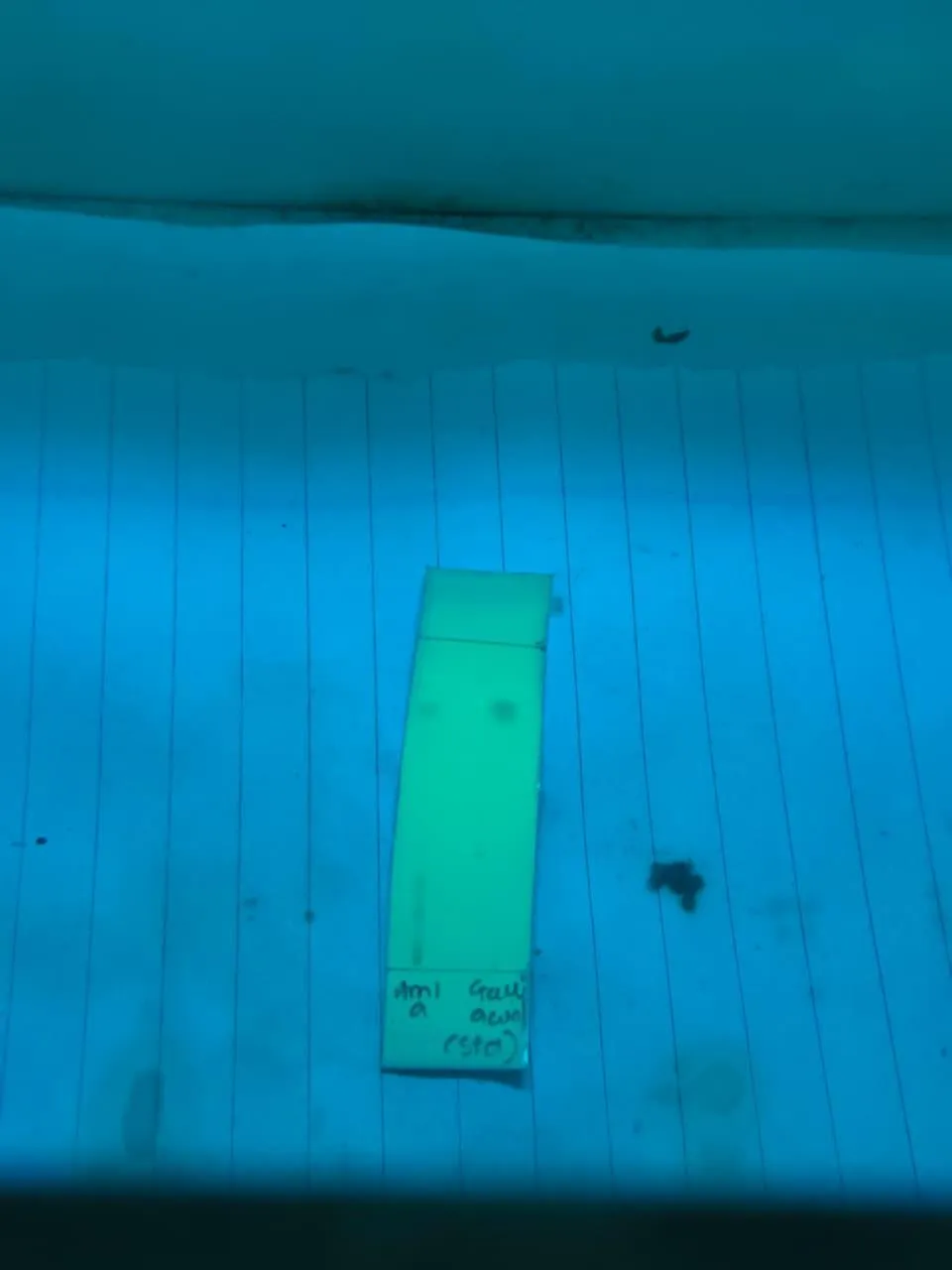
Fig 3.1.1 Amla TLC Under UV Chamber
4.2 Hibiscus TLC
Stationary phase: silica gel 60 F254, 10×10 cm. Mobile phase: ethyl acetate : formic acid : glacial acetic acid : water (10:11:11:26, v/v/v/v). Detection: UV cabinet at 254 and 366 nm [10,11].
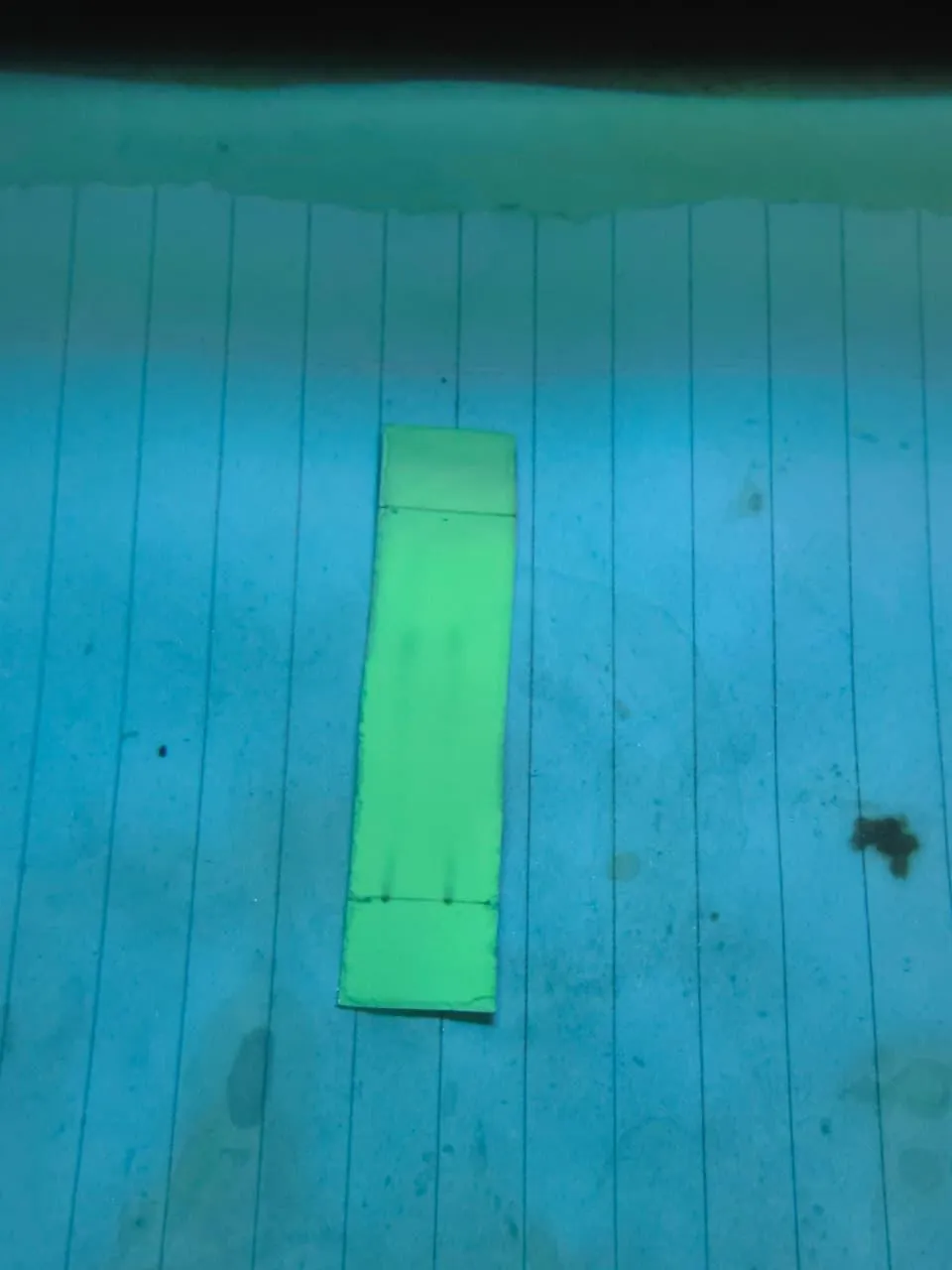
Fig 3.1.2 Hibiscus TLC under UV Cabinet
4.3 Green Tea TLC
Separation performed on silica gel 60 F254 TLC plate (10–12 µm particle size, aluminium support), differing from the USP monograph (5 µm HPTLC). Mobile phase: acetone : toluene : formic acid (9:9:2, v/v/v); examined under white light after dipping in immersion reagent [12,13].
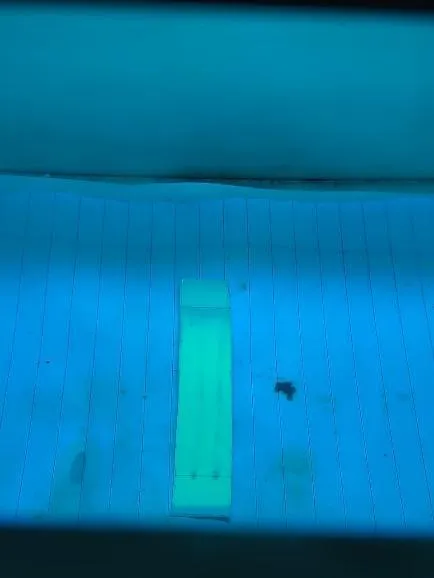
Fig 3.1.3 Green Tea TLC under UV cabinet
4.4 Viscosity
Viscosity was measured using a Brookfield DV-II+ Pro Viscometer at 25°C with the RV-2 spindle set (suitable for moderate-viscosity gels). About 100 mL of serum was placed in a 100 mL beaker with the spindle submerged to 60%. Viscosity (cP) was recorded at 5, 10, 20, 50 and 100 rpm (60 seconds each), with torque maintained between 10–80%. Decreasing viscosity with increasing rpm indicated shear-thinning (pseudoplastic) behaviour (Table 3.2).
Table 3.2. Viscosity and % torque at varying spindle speed
|
Spindle speed (rpm) |
10 |
20 |
50 |
100 |
|
% Torque |
4.7 |
10 |
13.1 |
25.5 |
|
Viscosity (cP) |
180 |
122 |
104.8 |
102 |
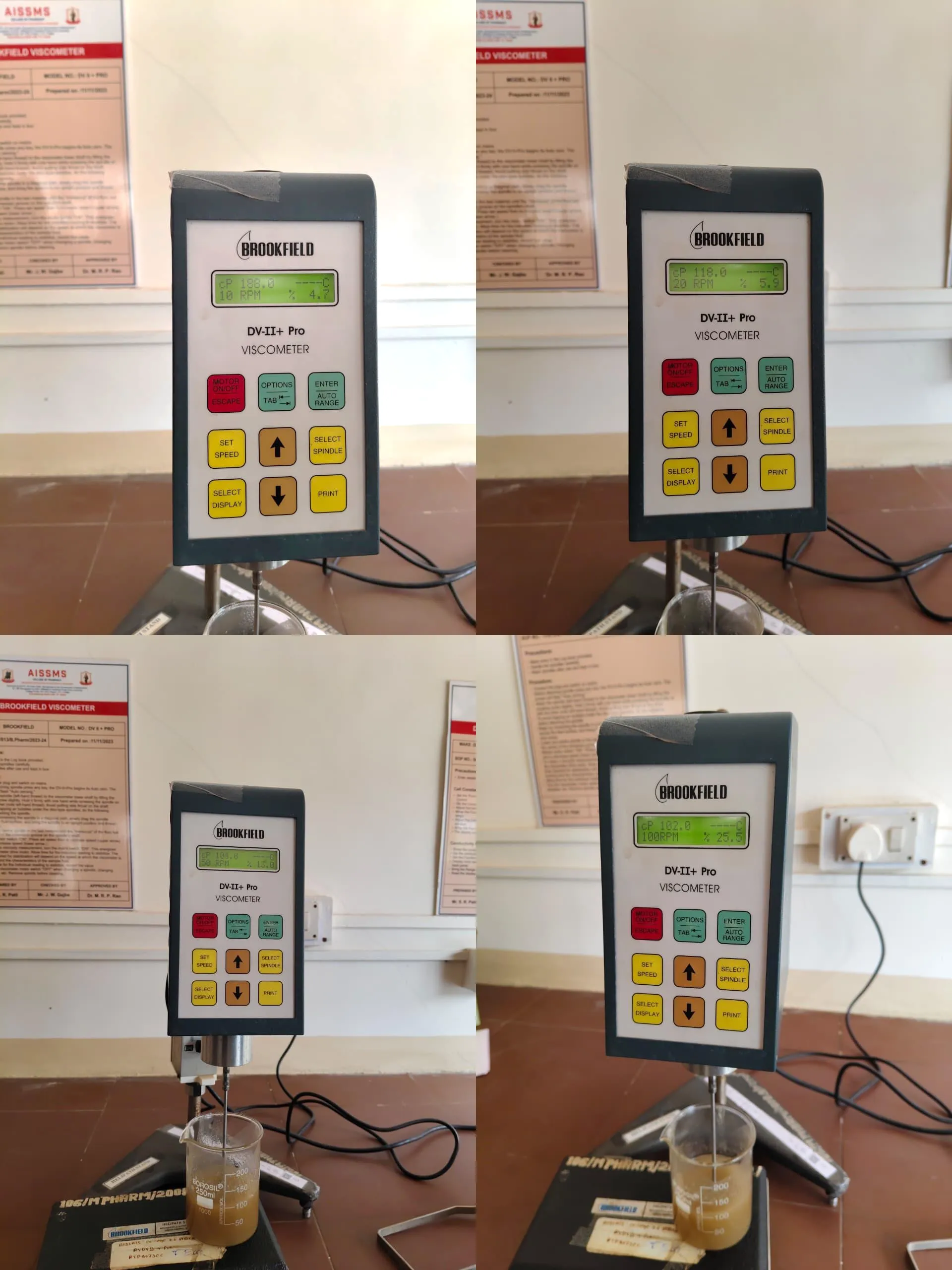
Fig. 3.2 Brookfield Viscometer DV II Pro
5. ORGANOLEPTIC PROPERTIES
The optimized formulation F3 was evaluated for colour, odour, appearance, consistency and texture. F3 showed a smooth texture, pleasing odour, consistent appearance and excellent homogeneity, with no grittiness or phase separation.
5.1 Washability
F3 was applied to the skin surface and rinsed with water; it was found highly washable with no residue, indicating ease of use.
5.2 pH Determination
A digital pH meter was used to measure the pH of F3, which was found to lie within a skin-friendly range that minimises irritation risk [3].
5.3 Spreadability Test
Spreadability was determined to assess ease of application on the hair, using the formula:
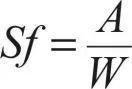
where S = spreadability, M = mass on the upper slide, L = distance travelled by the glass slide, T = time required to separate the slides.
6. EVALUATION OF OPTIMUM FORMULATION F3
F3 was evaluated for appearance, pH, viscosity, spreadability, washability and stability, giving satisfactory results across all tests.
6.2 Antimicrobial Activity
Table 4.2. Zone of inhibition against Pseudomonas aeruginosa
|
Sr. No. |
Sample |
Zone of inhibition (mm) |
|
1 |
Control |
NA |
|
2 |
Standard (Streptomycin) |
22.54 |
|
3 |
T2 |
19.35 |
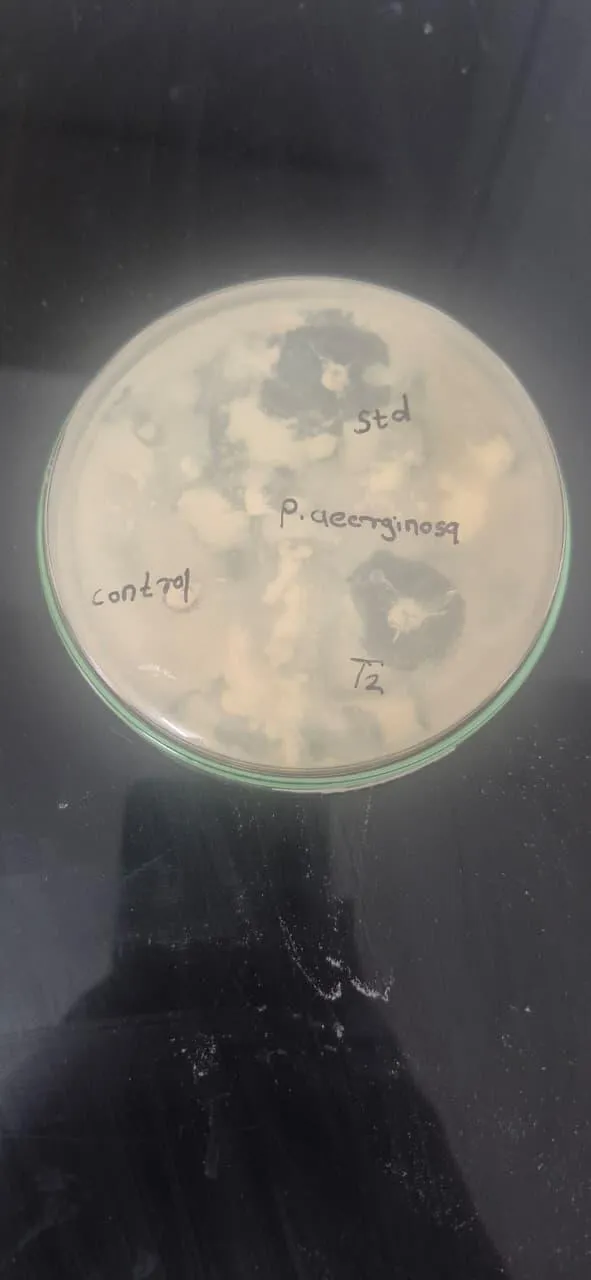
Fig. 4.2 T2 against Pseudomonas aeruginosa
6.3 Stability Studies
Stability studies were carried out for two months under accelerated conditions (40°C, ~70% RH). Two storage conditions were used:
At least three batches were used, with three containers per batch per storage condition (one container consumed per sampling time). Roll-on HDPE/PET bottles with a stainless-steel ball were used, protected from light unless a photostability study was being performed.
6.3.1 Physical appearance: No significant change in colour, odour, texture or phase separation was observed during accelerated stability testing.
6.3.2 pH stability: The formulation maintained an acceptable pH range throughout the study, indicating good stability and compatibility.
6.3.3 Viscosity stability: Viscosity remained consistent over time, indicating stable rheological properties.
6.3.4 Microbial stability: No microbial growth was observed under accelerated conditions, confirming formulation stability.
7. DIFFUSION STUDY
In-vitro diffusion of the herbal hair serum was studied using a Franz diffusion cell with a hydrophilic nylon membrane filter (0.45 µm, 47 mm), hydrated prior to use. Phosphate buffer was used in the receptor compartment under stirring at controlled temperature, and the formulation was loaded into the donor compartment. Samples were withdrawn from the receptor side at 0, 30, 60, 120 and 150 minutes, with fresh medium replacing the withdrawn volume, and analysed by UV-visible spectrophotometry [14].
Table 7.1. UV spectroscopy diffusion data
|
Time (min) |
Absorbance |
|
0 |
0.0109 |
|
30 |
0.0242 |
|
60 |
0.0813 |
|
120 |
0.0424 |
|
150 |
0.0144 |
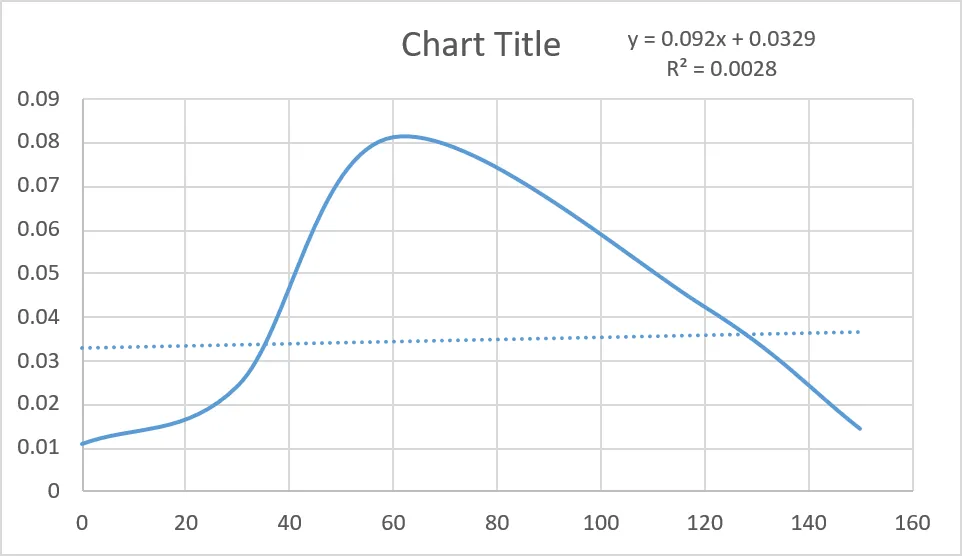
Chart 7.1 In-vitro diffusion profile of the herbal hair serum
RESULTS AND DISCUSSION
In-vitro diffusion results revealed a gradual release of active principles through the nylon membrane over time, with absorbance rising steadily from 0 to 60 minutes and peaking at 60 minutes (0.0813), indicating slow release from the preparation. Absorbance then declined at 120 and 150 minutes, forming a bell-shaped release curve, likely due to a decreasing concentration gradient and depletion of diffusing substances in the donor phase. Overall, the formulation showed acceptable diffusion behaviour and controlled release characteristics.
CONCLUSION
Overall, the results suggest that T2 possesses significant antibacterial activity, though slightly lower than the streptomycin standard, making it a promising candidate for further study. The herbal roll-on serum showed excellent stability and consistency without adverse changes in colour, odour, texture or microbial load, indicating good formulation stability and a longer shelf life.
ACKNOWLEDGEMENTS
The authors acknowledge Mrs. Amruta A. Avalaskar for valuable guidance during this research, and thank the All India Shri Shivaji Memorial Society's College of Pharmacy, Pune, for laboratory assistance and equipment. No external funding was received.
REFERENCES


Amruta Avalaskar, Shreyash Kadam, Chetan Gaikwad, Tejaswini Koshti, Sneha Jagtap, Sanika Mechkar, Formulation And Evaluation Of Herbal Serum For Hair Growth, Int. J. of Pharm. Sci., 2026, Vol 4, Issue 7, 2533-2541, https://doi.org/10.5281/zenodo.21338717
 10.5281/zenodo.21338717