

We use cookies to ensure our website works properly and to personalise your experience. Cookies policy
The present study focuses on the formulation and evaluation of an herbal sunscreen cream containing Blueberry extract, Aloe vera extract, and zinc oxide as active ingredients. The main objective of the study was to develop a safe, effective, and stable herbal sunscreen formulation capable of protecting the skin from harmful ultraviolet (UV) radiation. Herbal ingredients rich in antioxidants and photoprotective compounds were selected to enhance skin protection while minimizing the side effects associated with synthetic sunscreen agents.The sunscreen cream was prepared by emulsification method using stearic acid, cetyl alcohol, glycerin, almond oil, liquid paraffin, triethanolamine, preservatives, rose water, and distilled water. The prepared formulation was evaluated for various physicochemical and pharmaceutical parameters including colour, odour, texture, consistency, pH, viscosity, spreadability, SPF value, UV absorbance, skin irritation, washability, stability, and antioxidant activity.The formulation showed satisfactory organoleptic properties with good consistency and pleasant appearance. The pH of the formulation was found to be suitable for skin application. The sunscreen cream demonstrated good spreadability, acceptable viscosity, stability, and non-irritant behavior on the skin. UV spectrophotometric analysis indicated moderate sun protection activity and broad-spectrum UV absorption characteristics. The antioxidant activity of blueberry extracts further enhanced the protective effect of the formulation against oxidative stress caused by UV radiation.
The skin is the body’s outer covering and the largest organ, consisting of three layers: epidermis, dermis, and hypodermis. It acts as the first protective barrier against pathogens, ultraviolet radiation, chemicals, and physical injury. The skin also helps regulate body temperature and water loss. Skin thickness varies in different parts of the body. The palms and soles have the thickest skin due to the presence of an additional epidermal layer called the stratum lucidum, while other regions are considered thin skin. Because of its barrier function, the skin is vulnerable to inflammatory and infectious conditions.
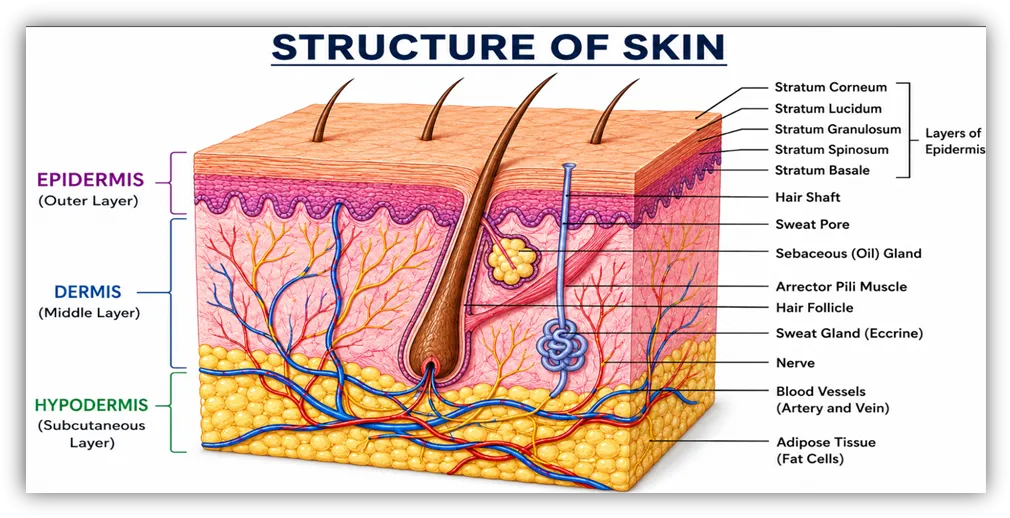
Figure No. 1
The epidermis is the outermost layer of the skin and consists of several layers: stratum basale, stratum spinosum, stratum granulosum, stratum lucidum, and stratum corneum. The stratum basale is the deepest layer and contains actively dividing cells that produce new keratinocytes, along with melanocytes responsible for skin pigmentation. Above it is the stratum spinosum, also known as the prickle cell layer, which contains multiple layers of cells that provide strength and support to the epidermis. The dermis lies beneath the epidermis and is connected to it by the basement membrane. It consists of two layers: the papillary layer and the reticular layer. The papillary layer is the upper, thinner layer made of loose connective tissue, while the reticular layer is the deeper and thicker layer composed of dense collagen-rich connective tissue.
FUNCTIONS OF SKIN
Barrier Function: The skin acts as a protective barrier against water loss, microorganisms, chemicals, mechanical injury, and ultraviolet (UV) radiation.
Immunological Défense: The skin plays an important role in immunity by helping protect the body from infections through adaptive and innate immune responses.
Regulation of Homeostasis: The skin helps maintain body temperature and water balance through the action of sweat glands and blood vessels.
Endocrine and Exocrine Functions: The skin produces vitamin D under UV exposure and secretes sweat and sebum for temperature regulation and protection.
Sensory Functions: Sensory receptors in the skin detect touch, heat, cold, and pain, enabling interaction with the environment.
Diagnostic Indicator: Skin characteristics such as colour, elasticity, and texture can provide important information about overall health.
Introduction To Sunscreen
Sunscreens are an organic defence mechanism that protects the skin, the body’s outermost layer, from harmful UV rays. Its ability to absorb, reflect, or scatter some of the UV radiation emitted by the sun onto exposed skin that has been over sunned with UV radiation UVA and UVB radiation can lead to skin melanoma, sunburn, Photo-aging, pigmentation, and other uncomfortable or hazardous effects.
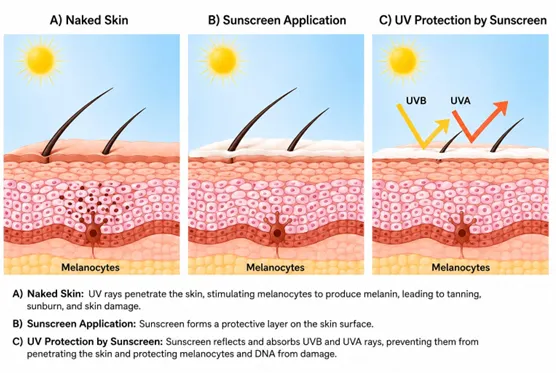
Fig no.2 Sun protection
Since flavonoids, phenolic compounds, or plant oils are capable of absorbing UV radiation in the UV-A range, they are important constituents of UV protection and have been proven to exhibit anti-oxidant, wound healing, antifungal, premature aging, moisturizing, anti-inflammatory, and antiproliferative activities. Most of the sunscreen products available on the market are designed to protect the skin from sunburn and skin cancer. Sunscreens are substances that block, scatter, or absorb ultraviolet light. It regulates harmful consequences such as accelerated aging, which can result in wrinkles, sagging, and UV-induced hyperplasia. Sunscreen is increasingly being used as a photo protective agent to defend against UV rays. A formulation that prevents sunburn on the treated region when applied topically is called a sunscreen preparation. The purpose of sunscreens is to support the body's resistance against the sun's damaging UV rays. The term “Blueberry” refers to broad category of perennial blooming plants that bear blue or purple berries. They are including in the section cynococus North America is the native home of commercial blueberries, both cultivated (highbush) and wild (lowbush). Blueberry contain broad variety of phytochemical associated with both therapeutic and cosmetic uses.
BENEFITS OF SUNSCREEN
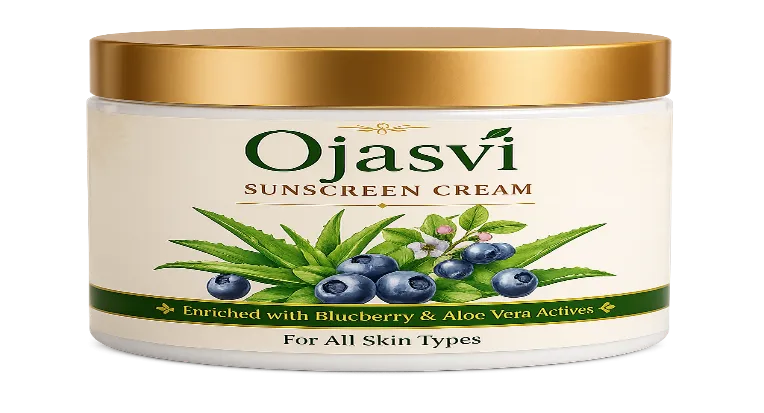
Fig.no.3 sunscreen cream
KEY HERBAL COMPONENT
Blueberry
Blueberry is a perennial shrub from the genus Vaccinium, native to North America. It produces small, round, blue-purple berries that are prized for their sweet-tart flavour and high antioxidant content.
The plant grows best in acidic, well-drained soil with full sun, and needs cold winters to fruit properly. Most commercial types are “highbush” varieties that reach 1.8-3.6 m tall, though dwarf and lowbush types also exist. Berries ripen in summer and are eaten fresh,
frozen, or used in jams, desserts, and health foods. Beyond taste, blueberries are known as a “superfood” rich in vitamin C, fibre, and anthocyanins that support heart and brain health.
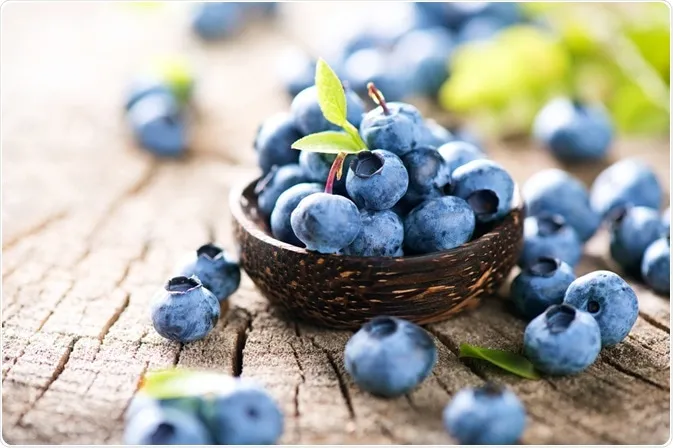
Figure No.4
BOTANICAL CLASSIFICATION
COMMON NAMES
GEOGRAPHICAL SOURCES
Native origin Blueberries are native to North America. They evolved in the acidic, temperate forests of the eastern and northeastern U.S. and southeastern Canada.
Global distribution Now cultivated in temperate to subtropical regions worldwide with acidic soils: North & South America, Europe, parts of Asia-Pacific, and Africa.
Major distribution
USA: Michigan, Oregon, Washington, Georgia - largest producer.
MORPHOLOGY
|
Part |
Description |
|
Plant Habit |
Perennial deciduous shrub, 0.3–3.6 m tall. |
|
Root |
Shallow, fibrous root system without a taproot. |
|
Stem |
Woody stems with multiple canes; young stems green to reddish, older stems Gray-brown. |
|
Leaf |
Simple, oval leaves with smooth or finely toothed margins; turn red or purple in autumn. |
|
Flower |
Small white to pink bell-shaped flowers arranged in clusters; bloom in spring. |
|
Fruit |
Blue-purple berry with waxy coating containing small seeds. |
|
Buds |
Vegetative buds produce leaves, while flower buds produce fruit clusters. Plant |
CHEMICAL CONSTITUENTS
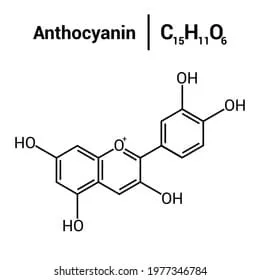
1. Anthocyanins - V. corymbosum fruit extract
Function: Strong antioxidant, protects against UV/blue light damage, reduces redness
Used in: Anti-aging serums, sunscreens, eye creams, toners
Main types: Malvidin-3-glucoside, delphinidin-3-galactoside
2. Vitamin C (Ascorbic acid)
Function: Brightening, collagen synthesis, fades dark spots
Used in: Brightening serums, masks, vitamin C creams.
3. Vitamin E (Tocopherols)
Function: Emollient, lipid-barrier repair, antioxidant synergy with Vitamin C
Used in: Moisturizers, lip balms, overnight creams
4. Polyphenols & Flavonoids - Quercetin, myricetin, chlorogenic acid
Function: Anti-inflammatory, soothing, anti-pollution, reduces ROS
Used in: Sensitive skin lines, city-proof serums, calming gels
5. Proanthocyanidi (OPCs)
Function: Strengthen capillaries, reduce puffiness, improve microcirculation
Used in: Eye creams for dark circles, anti-redness products.
6. AHA - Alpha Hydroxy Acids - Citric, malic acid
Function: Gentle exfoliation, improve texture, enhance penetration
Used in: Exfoliating peels, cleansers, enzyme masks
7. Resveratrol & Pterostilbene
Function: Potent antioxidants, anti-glycation, firming
Used in: Premium anti-aging creams, night repair serums
8. Seed Oil - from Vaccinium seeds
Rich in: Omega-3 (α-linolenic acid), Omega-6, Omega-9 fatty acids
Function: Barrier repair, non-comedogenic moisture, skin softening
Used in: Facial oils, balms, dry skin moisturizers.
COSMETIC USES OF BLUEBERRY
Anti-aging
Brightening & pigmentation
UV & blue light protection
Soothing & anti-redness
Exfoliation
Eye care
ALOE VERA
Aloe vera is a well-known medicinal plant that has been used for centuries for its therapeutic, cosmetic, and health-related benefits. The name Aloe vera is derived from the Arabic word “Alloeh,” meaning a shining bitter substance, and the Latin word “vera,” meaning true.This plant is widely valued for its diverse pharmacological
properties, including:
BOTANICAL CLASSIFICATION
The scientific classification of Aloe vera is as follows:
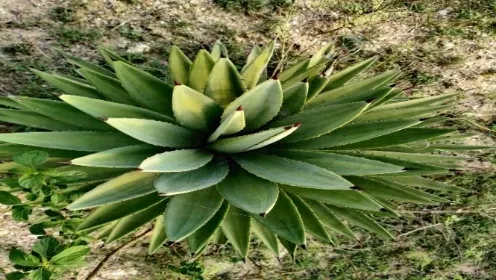
Figure No.5
GEOGRAPHICAL SOURCE
Aloe vera is believed to have originated from the Arabian Peninsula, particularly Oman, and regions of Northeast Africa such as Sudan and Ethiopia
MORPHOLOGY
|
Plant Part |
Description |
|
General Habit |
Perennial, succulent xerophytic herb with a very short stem or stemless habit. |
|
Leaves |
Thick, fleshy, lance-shaped leaves arranged in a rosette pattern. |
|
Leaf Features |
Green to grey-green with small white spiny teeth along the margins and an acute apex. |
|
Internal Structure |
Leaves contain mucilaginous gel tissue. |
|
Roots |
Fibrous and shallow root system. |
|
Inflorescence |
Raceme borne on a long scape. |
|
Flowers |
Yellow to orange tubular flowers. |
|
Fruit |
Triangular capsule containing numerous seeds. |
Chemical Constituents
Enzymes: Amylase, Lipase, Bradykinase, Alkaline phosphatase
Vitamins: Vitamin A, C, E, B1, B2, B6, B12, Folic acid
Minerals:Calcium, Magnesium, Zinc, Iron, Potassium, Sodium, Copper, Manganese
Amino Acids:20 out of 22 amino acids (including 7 essential amino acids)
COSMETICS USES OF ALOE VERA
Moisturizer: Keeps skin soft, smooth, and hydrated.
Sunscreen Agent: Protects skin from UV damage and soothes sunburn.
Anti-Aging: Reduces wrinkles and fine lines due to antioxidant activity.
Anti-Acne: Helps reduce pimples, redness, and inflammation.
Wound Healing: Promotes healing of cuts, burns, and damaged skin.
Face Cleanser: Used in face washes for gentle cleansing.
Hair Care: Reduces dandruff and improves scalp health.
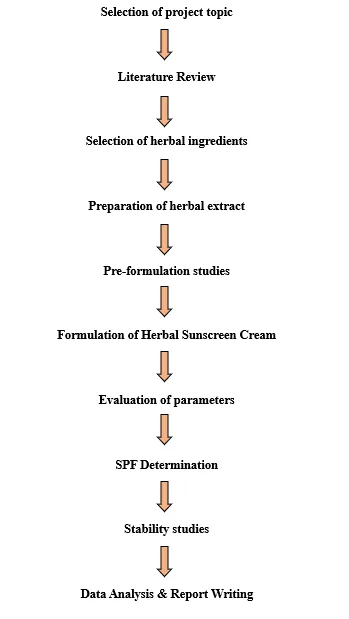
AIM AND OBJECTIVE
AIM Formulation and Evaluation of Herbal Sunscreen Cream.
OBJECTIVE
MARKETED FORMULATION
We firstly found out various marketed preparation. These preparations are given here.
MATERIAL AND APPARATUS
The apparatus used during the preparation of the herbal sunscreen cream included beakers, measuring cylinders, stirrer, burner, conical flask, water bath, petri plates, test tubes, mortar and pestle, glass rod, and spatula. These apparatuses were used for measuring, mixing, heating, grinding, stirring, and handling the ingredients during formulation preparation and evaluation procedures.
The instruments used in the study were Digital pH Meter, Weighing Balance, and UV Spectrophotometer. The digital pH meter was used to determine the pH of the sunscreen formulation, the weighing balance was used for accurate measurement of ingredients, and the UV spectrophotometer was used for SPF determination and UV absorbance studies.
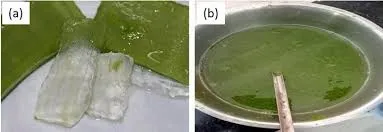
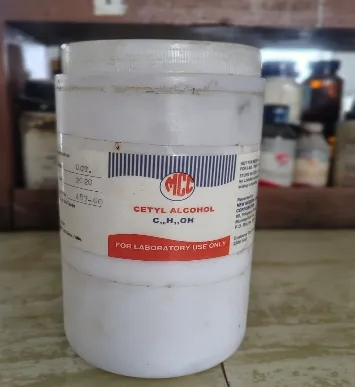
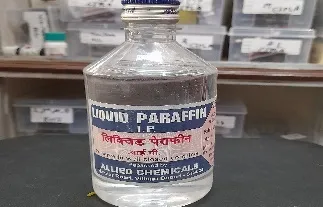
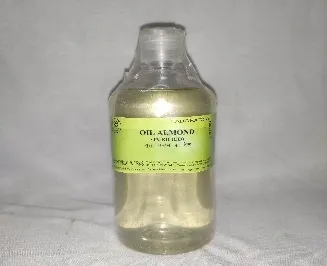
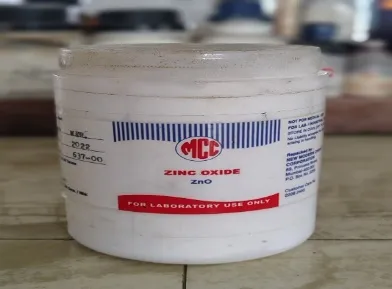
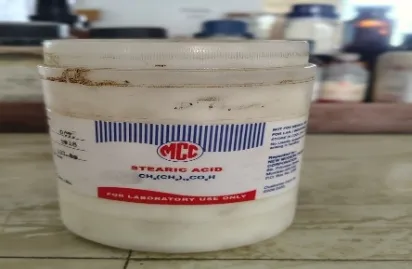
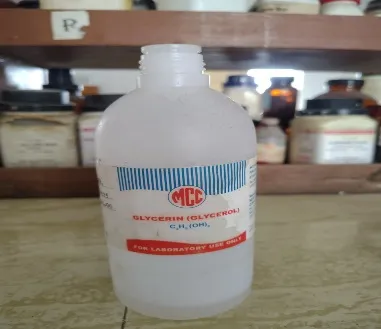
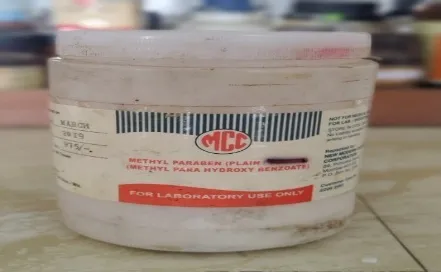
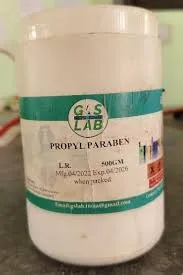
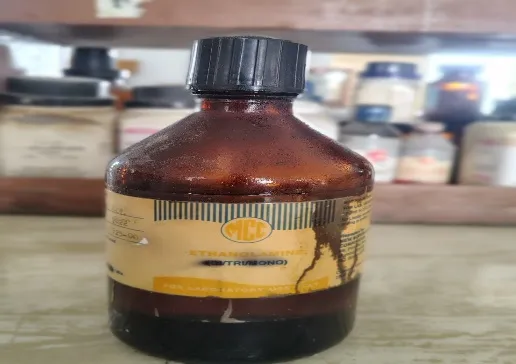
The ingredients used in the formulation of the herbal sunscreen cream were Blueberry Extract, Aloe vera Extract, Cetyl Alcohol, Liquid Paraffin, Almond Oil, Zinc Oxide, Stearic Acid, Glycerine, Methyl Paraben, Propyl Paraben, Triethanolamine, Rose Water, and Distilled Water. These ingredients were selected for their photoprotective, moisturizing, emulsifying, preservative, soothing, and stabilizing properties, which helped in the preparation of an effective and stable herbal sunscreen cream formulation.
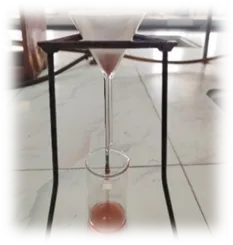
Fresh blueberry pulp
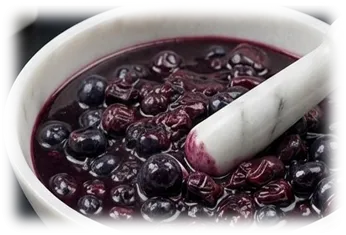
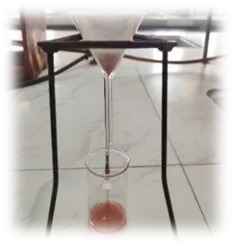
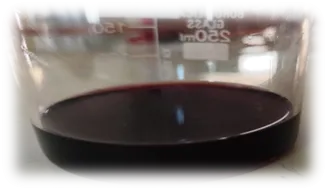
Evaporate blueberry extrac
ETHANOLIC EXTRACTION
FILTRATION
CONCENTRATIONThe filtrate was concentrated using Rotary evaporator (preferred), or Water bath at <40°C. This step removes ethanol and yields a semi-solid extract.
STORAGE
Ingredient
Table No 1- List of Ingredients
|
Sr. No. |
Name of Ingredient |
Source / Supplier |
Picture |
|
1. |
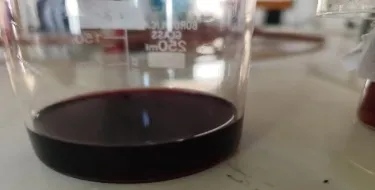
Blueberry Extract |
Extracted from blueberry fruit |
|
|
2. |
Aloe vera Extract |
Extracted from Aloe vera gel |
|
|
3. |
Cetyl Alcohol |
Laboratory |
|
|
4. |
Liquid Paraffin |
Laboratory |
|
|
5. |
Almond Oil |
Purchased from market |
|
|
6. |
Zinc Oxide |
Laboratory |
|
|
7. |
StearicAcid |
Laboratory |
|
|
8. |
Glycerin |
Purchased from market |
|
|
9. |
Methyl Paraben |
Laboratory |
|
|
10. |
Propyl Paraben |
Laboratory |
|
|
11. |
Triethanolamine |
Laboratory |
|
|
12. |
Rose Water |
Purchased from market |
|
|
13. |
Distilled Water |
Laboratory |
|
11. PHYTOCHEMICAL INVESTIGATION
|
Sr. No. |
Phytochemical Test |
Procedure |
Observation |
Inference (Role in Sunscreen) |
|
1 |
Flavonoids (Shinoda Test) |
Extract + Mg ribbon + conc. HCl |
Pink color |
Presence of flavonoids → UV absorption, increases SPF |
|
2 |
Phenolic Compounds |
Add Ferric chloride solution |
Blue color |
Presence of phenols → Antioxidant, protects skin from UV damage |
|
3 |
Anthocyanins |
Add NaOH to extract |
Bluish-green color |
Presence of anthocyanins → Natural UV filter, anti-aging |
|
4 |
Tannins |
Add gelatin solution + NaCl |
White precipitate |
Presence of tannins → Astringent, forms protective layer |
|
5 |
Saponins (Foam Test) |
Shake with distilled water |
Persistent foam |
Presence of saponins → Helps in emulsification (formulation stability) |
|
6 |
Glycosides |
Add acetic acid + FeCl₃ + conc. H₂SO₄ |
Brown ring formation |
Presence of glycosides → Skin protective effect |
|
7 |
Carbohydrates (Molisch Test) |
Add Molisch reagent + H₂SO₄ |
Violet ring |
Helps in formulation consistency |
|
8 |
Proteins (Biuret Test) |
Add NaOH + CuSO₄ |
Violet color |
Minor role in formulation |
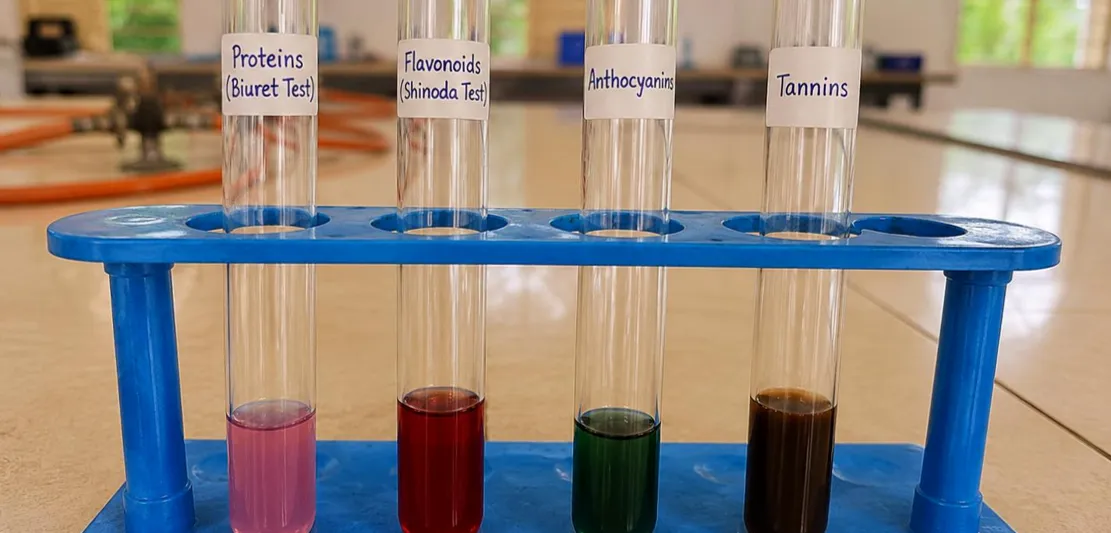
12. METHOD OF PREPARATION
FORMULA required for BLUE BERRY SUNSCREEN preparation.
|
Sr.no |
Ingredients |
Quantity Taken(50gram) |
Roles |
|
|
Blue berry extract |
2.5g |
Active Ingredients |
|
|
Aloe vera extract |
5g |
Active Ingredients |
|
|
Zinc oxide |
5g |
Active Ingredients |
|
|
Stearic acid |
4g |
Gelling Agent |
|
|
Glycerine |
2.5g |
Humectant |
|
|
Methyl paraben |
0.1g |
Preservatives |
|
|
Propyl paraben |
0.05g |
Preservatives |
|
|
Triethanolamine |
0.5g |
Neutralizer |
|
|
Cetyl alcohol |
1.5g |
Thickener |
|
|
Liquid paraffin |
3.5g |
Emollient |
|
|
Almond oil |
2.5g |
Nourishing agent |
|
|
Rose water |
5g |
Perfuming Agent |
|
|
Distilled water |
q.s to 50g (17.85g) |
Solvent / vehicle |
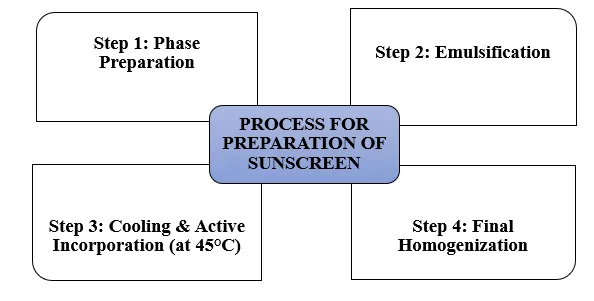
Step 1: Phase Preparation (Heat to 75°C)
Step 2: Emulsification
Step 3: Cooling & Active Incorporation/Phase C (at 45°C)
Step 4: Final Homogenization
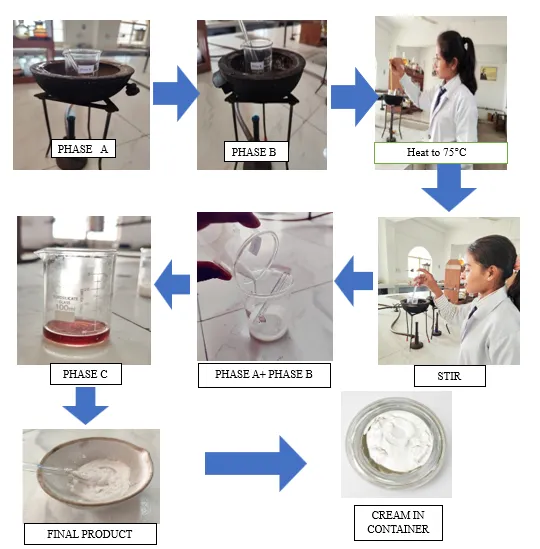
Method Of Preparation Of Sunscreen Cream
14. Evaluation Parameter
1. ORGANOLEPTIC CHARACTERS
The prepared sunscreen formulation was inspected visually for their colour, odour, texture and consistency.
2. PH OF SUNSCREEN:
pH measurement the digital pH meter was used to measure the pH of herbal sunscreens. After dispersing 1 g of the formulation in 100 ml of freshly prepared distilled water for two hours, the pH was determined. The pH of sunscreens created in this study was to ensure that, and the day of use, the pH of the herbal sunscreen would be comparable to the pH of the skin. The outcomes were documented and double-checked.
3. SPREADABILITY TEST:
Weigh 0.5 g of the cream sample precisely, place it between two slides, and let it sit for about five minutes, or until no more spreading is seen.
The spreader circle's diameter, expressed in centimeters, served as a benchmark for spreadability.
Formula: S=ML/T
Where, M = weight of upper slide
L = length of circle
T = time in minute
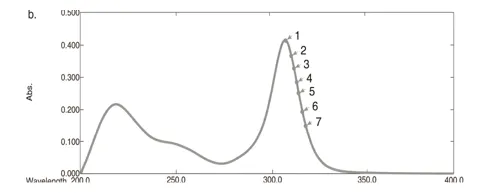
The percentage of sunburn that is caused by the sun is measured by the sun protection factor (SPF). The duration of time that the product shields the skin from the damaging effects of UV radiation should be indicated by these SPF numbers. The UV-spectrophotometric approach added to the final volume to make 10 ml. The sample (1 g of cream) were precisely weighed using 90% ethanol solution as a blank. The absorbance values of each produced aliquot were measured at 5 nm intervals from 290 nm to 320 nm.
The following formula was used to determine the SPF:
Formula:
SPF spectrophotometric = Σ (λ) x I (λ) Abs (λ) x CF
Where, CF = Correction factor (10)
EE = Erythrogenic effect of radiation with wavelength
Abs (A) = Spectrophotometric absorbance values at wavelength the value of EE*I constant (as shown in table)
7. SKIN IRRITATION TEST
This test assesses the safety of the formulation when applied to the skin. A small amount is applied to a specific area (usually the forearm), and the site is observed for redness, itching, or inflammation over 24 hours. A non-irritant formulation is considered safe for topical use
8. WASHABILITY
Washability determines how easily the sunscreen can be removed from the skin using water. This test is important for user convenience. A formulation should be easy to wash off without leaving excessive residue while still maintaining adequate adherence during use.
9. STABILITY STUDY
Stability testing evaluates how the formulation performs over time under different storage conditions. The sunscreen is stored at room temperature and elevated temperatures, and observed for changes in color, phase separation, pH, and consistency. This ensures the product remains effective and safe throughout its shelf life.
Stability Testing:
The formulation’s stability studies were conducted in accordance with ICH guidelines. The formulation's color, odor, pH, and microbiological growth were evaluated.
15. RESULT
1) Physical Appearance:
|
Sr. No |
Parameter |
Result |
|
1 |
Color |
Light brown |
|
2 |
Oduor |
Pleasant Oduor |
|
3 |
Texture |
Gritty, smooth |
|
4 |
Consistency |
Semi solid in state |
2) PH of sunscreen:
|
Evaluation Parameter |
Procedure |
Observation / Result |
|
pH Determination |
1 g of herbal sunscreen formulation was dispersed in 100 ml of freshly prepared distilled water and kept for 2 hours. The pH was measured using a digital pH meter. |
The pH of the formulation was found to be 6.5–7.0, which is suitable for skin application. |
3) Spreadability test:
Formula Used
S=ML/T
Where:
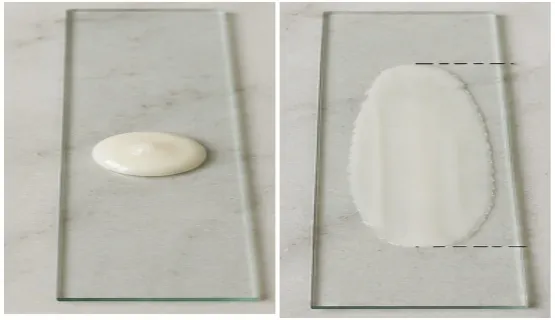
Given Data
|
Parameter |
Value |
|
M |
5.2g |
|
L |
4cm |
|
T |
5 min |
Calculation
S=.52×4/5=4.16g cm/min
Result
|
Evaluation Parameter |
Observation |
|
Spreadability |
The spread ability of the prepared blueberry sunscreen formulation was found to be 3.35 g cm/min, indicating good spreading property and ease of application on the skin surface. |
5) Determination of sun protection factor by using UV Spectrophotometer (SPF):
Formula:
SPF spectrophotometric = Σ (λ) x I (λ) Abs (λ) x CF
Calculation of Total SPF Value
Absorbance
Table No.8 Value of EE*I at different wavelength
|
Wavelength (λ nm) |
EE×I Value (Normalized) |
Absorbance Sample (A) |
EE×I×Abs |
|
290 |
0.0150 |
1.450 |
0.0218 |
|
295 |
0.0817 |
2.100 |
0.1716 |
|
300 |
0.2874 |
3.420 |
0.9829 |
|
305 |
0.3278 |
3.750 |
1.2293 |
|
310 |
0.1864 |
2.550 |
0.4753 |
|
315 |
0.0837 |
1.120 |
0.0937 |
|
320 |
0.0180 |
0.690 |
0.0124 |
|
Total Sum ($\sum$) |
2.9870 |
Calculation
Total = 0.0218 + 0.1716 + 0.9829 + 1.2293 + 0.4753 + 0.0937 + 0.0124 = 2.9870
SPF=0.2987×10=29.87
Result
|
Evaluation Parameter |
Observation |
|
SPF Value |
The SPF value of the prepared blueberry sunscreen formulation was determined to be 29.87, indicating high protection against UV radiation. |
|
Evaluation Parameter |
Description |
|
Skin Irritation Test |
This test assesses the safety of the formulation when applied to the skin. A small amount of the sunscreen was applied on a specific area of the skin (usually the forearm) and observed for redness, itching, or inflammation for 24 hours. The formulation showed no signs of irritation and was considered safe for topical application. |
8) Washability:
|
Evaluation Parameter |
Description |
|
Washability Test |
This test determines how easily the sunscreen formulation can be removed from the skin using water. It is important for user convenience and product acceptability. The prepared formulation was easily washable without leaving excessive residue while still maintaining adequate adherence during application. |
9) Stability Testing:
|
Evaluation Parameter |
Description |
|
Stability Test |
Stability testing evaluates the performance of the sunscreen formulation over time under different storage conditions. The formulation was stored at room temperature and elevated temperatures and observed for changes in color, phase separation, pH, and consistency. No significant changes were observed, indicating that the formulation remained stable, effective, and safe throughout the study period. |
15. DISCUSSION
The present study successfully formulated and evaluated an herbal sunscreen cream containing Blueberry extract, Aloe vera extract, and zinc oxide. The prepared formulation showed satisfactory organoleptic properties with good consistency, pleasant odour, and smooth texture. The pH of the cream was found to be suitable for skin application, indicating safety and compatibility with skin pH. The formulation exhibited spread ability, ensuring easy application on the skin surface. UV spectrophotometric analysis confirmed the presence of photoprotective activity with moderate SPF value. The sunscreen also showed good UV absorbance, antioxidant activity, and stability under different storage conditions. Skin irritation studies indicated that the formulation was non-irritant and safe for topical use. Overall, the developed herbal sunscreen cream demonstrated satisfactory pharmaceutical and cosmetic properties with potential for effective skin protection.
16. CONCLUSION & SUMMARY
CONCLUSION
The present study successfully formulated and evaluated an herbal sunscreen cream containing Blueberry extract, Aloe vera extract, and zinc oxide. The prepared formulation showed satisfactory physicochemical properties such as suitable pH, spread ability, stability, and acceptable appearance. The sunscreen exhibited photoprotective and antioxidant activity with good skin compatibility and no signs of irritation. Overall, the developed herbal sunscreen cream was found to be safe, stable, and effective for topical application and may serve as a natural alternative to synthetic sunscreen products.
SUMMARY
In the present work, an herbal sunscreen cream was prepared using blueberry extract, aloe vera extract, zinc oxide, stearic acid, glycerin, almond oil, and other excipients. The formulation was evaluated for organoleptic properties, pH, viscosity, spread ability, SPF value, UV absorbance, washability, skin irritation, stability, and antioxidant activity. The results indicated that the formulation possessed good consistency, suitable pH, satisfactory spread ability, and moderate sun protection activity. Stability studies confirmed that the formulation remained stable under different storage conditions. The study demonstrated that herbal ingredients can be effectively incorporated into sunscreen formulations to provide safe and beneficial skin protection against harmful UV radiation.
REFERENCES




Shraddha Patle, Praju mangar, Sneha Gorde, Nitin Indurwade, Formulation And Evaluation of Herbal Sunscreen Cream, Int. J. of Pharm. Sci., 2026, Vol 4, Issue 7, 4834-4858. https://doi.org/10.5281/zenodo.21557755
 10.5281/zenodo.21557755