

We use cookies to ensure our website works properly and to personalise your experience. Cookies policy
S.N.D College of Pharmacy, SPPU University, Maharashtra, India.
Selaginella bryopteris (L.) Baker, widely known as Sanjeevani or Sanjeevani Booti, is a medicinal plant from the family Selaginellaceae. It has long been valued in traditional Indian medicine because of its unusual ability to survive drying out and revive when water becomes available again. This review covers its botanical features, traditional uses, phytochemical components, pharmacological effects, possible mechanisms of action, and potential use in pharmaceuticals. The plant contains several bioactive compounds, including flavonoids, phenolic compounds, alkaloids, tannins, and the biflavonoid amentoflavone. These constituents may be responsible for many of its reported biological effects. Laboratory and animal studies have explored its antioxidant, anti-inflammatory, antimicrobial, and wound-healing properties. Findings indicate that some extracts may lower oxidative stress, affect inflammatory mediators, and help tissue repair under experimental conditions. Its ability to tolerate desiccation has also drawn scientific attention, especially for understanding the physiological and biochemical processes behind stress adaptation and cellular protection. Modern analytical methods, including gas chromatography–mass spectrometry (GC–MS) and liquid chromatography–mass spectrometry (LC–MS), have supported the identification and characterization of its phytochemicals. However, despite its importance in traditional medicine, most of the current evidence comes from laboratory and animal research. More studies are therefore needed to confirm its safety, therapeutic value, and mechanisms of action. Standardizing the plant material, improving extraction methods, and carrying out detailed toxicological and clinical studies will be important for future development. Overall, S. bryopteris is a promising plant for medicinal research and may offer opportunities to discover new bioactive compounds and develop pharmaceutical formulations.
1.1 Background of Medicinal Plants
Herbal preparations have been used for centuries around the world as medicines, preventive remedies, and ways to support overall health. The use of plants and their active compounds in primary health care has a long history, going back to the earliest stages of human civilization. Many medicinal plants have shown valuable therapeutic potential in health management through their antioxidant, anti-inflammatory, antidiabetic, and other biological activities. It is hard to imagine human life on Earth without plants. People have depended on plants since the earliest periods of human existence, and medicinal plants have continued to serve as an important source of medicines. There is strong evidence that herbs were used in ancient systems of medicine, including Ayurveda, Unani, and traditional Chinese medicine, both to treat illnesses and to restore and strengthen the body’s natural systems. [13,14,15,16]
1.2 Selaginella brayopteris
It is a perennial, herbaceous lithophytic plant that grows in shallow soil on the rocky slopes of small hills, usually in direct sunlight in humid tropical regions. For centuries, it has held an important place in Indian tradition and mythology as Sanjeevani, meaning “one that infuses life,” because of its remarkable ability to revive after drying out. S. bryopteris is a poikilohydric lithophyte, which means it can survive extreme drying and regain its normal functions once water becomes available again. It is commonly found in mountainous regions and is sold in different parts of India because of its unique properties, especially in pilgrimage places such as Rishikesh, Haridwar, and Varanasi. Since Selaginella species are found across the world, people in many regions have traditionally used these plants for various purposes. Their most common use is in ethnomedicine, where they are valued for their healing effects in different health conditions. These include fever, jaundice, diarrhea, cholecystitis, cirrhosis, dysentery, leukorrhea, sore throat, cough, lung-related problems, silicosis, hematemesis, hemoptysis, epistaxis, and wound healing. [1,8,10]

Figure 1.1: Historical Evidence
1.3 Historical and Mythological Significance:
When traditional knowledge is combined with modern scientific research, plants such as Selaginella bryopteris can open new possibilities for drug discovery. The story of this herb is deeply connected with Indian mythology, especially the Ramayana, the ancient Indian epic written by sage Valmiki between 500 BCE and 100 BCE. According to the Ramayana, during the battle between Lord Rama and Ravana, Ravana attacked Lakshmana, the brother of Lord Rama, with a powerful weapon after Lakshmana killed his son Indrajit. To save Lakshmana’s life, Hanuman approached Sushena, the royal physician of Lanka, for guidance. Sushena told him to go to the Dronagiri Hills and bring back four special herbs, one of which was Sanjeevani, the life-restoring herb. The healing value of S. bryopteris has also been mentioned in ancient Indian medical texts such as the Charaka Samhita and the Sushruta Samhita. These classical works describe the herb’s traditional use in treating several ailments. In traditional Chinese medicine, Selaginella is believed to have sweet, pungent, bitter, and cooling properties, and is associated with the liver, stomach, and lung meridians. The poet Tulsidas also described Sanjeevani in his version of the Ramayana, presenting it as a miraculous herb with the ability to cure serious illnesses and restore life. This long-standing cultural and medicinal importance makes S. bryopteris an interesting subject for further pharmacological study. [8,13,14,15]

Figure 1.2: Mount Dronagiri
1.4 Ethnomedicinal Significance:
The ethnomedicinal importance of S. bryopteris has also been reported for treating heat stroke and jaundice. In India, the local people of ‘Songhati’ take its paste orally along with cow milk to treat beri-beri and dysentery, and also use it as a rejuvenating remedy. Since Selaginella species are found in different parts of the world, people across various regions have traditionally used these plants for many purposes. The most common use of this plant group is in ethnomedicine because of its healing benefits in several health problems. These include fever, jaundice, diarrhea, cholecystitis, cirrhosis, dysentery, leukorrhea, sore throat, cough, lung-related problems, silicosis, hematemesis, hemoptysis, epistaxis, and wound healing. It has also been traditionally used for diabetes, chronic and acute hepatitis, urinary tract infections, antimutagenic gastritis, skin diseases, cancer, and cardiovascular problems. In addition, Selaginella species are known for their anti-inflammatory, cytotoxic, immunostimulant, RNA reverse transcriptase inhibitory, anti-nociceptive, and anti-spasmodic properties. S. bryopteris is also used as a traditional remedy for epilepsy and liver-related problems. In the state of Chhattisgarh, India, women of the ‘Bastar’ region use the dried powder of this herb to manage menstrual irregularities, leucorrhoea, and to reduce labour pain. [8,13,14,15]
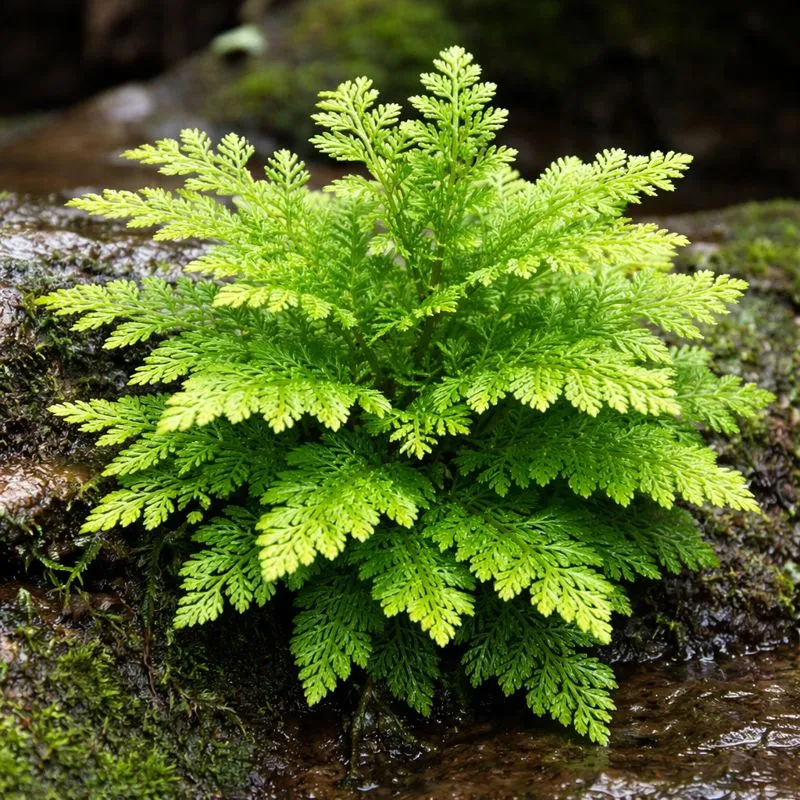
Figure 1.3: Selaginella Bryopteris Herb
2. Taxonomic Classification:
| Taxonomic Rank | Classification |
|---|---|
| Kingdom | Plantae |
| Division/Phylum | Sreptophyta |
| Class | Equisetopsida |
| Order | Selaginellales |
| Family | Selaginellaceae |
Taxonomic classification is the systematic arrangement of plants into different groups based on their similarities, characteristics, and relationships. It helps in the scientific identification and study of plants. Selaginella bryopteris is classified under the family Selaginellaceae and the order Selaginellales. It is a vascular, spore-producing plant that belongs to the group of lycophytes. Each taxonomic category, from kingdom to species, shows its position in the plant classification system. [1,2,3,28]
3.Botanical Nomenclature and Vernacular Names:
Selaginella bryopteris (L.) Baker is the accepted scientific name of this plant, which belongs to the family Selaginellaceae. The name was published by J. G. Baker in 1884 in the Journal of Botany. Over time, the species has also been recorded under several scientific synonyms, such as Lycopodium bryopteris L., Lycopodioides bryopteris (L.) Kuntze, and Stachygynandrum bryopteris (L.) P. Beauv. These different names show how the botanical classification of the species has changed over the years. In India, the plant is commonly known as Sanjeevani or Sanjeevani Booti. Other recorded local names include Sanjiwani and Sanjivenibuti. The name Sanjeevani is linked to the plant’s remarkable ability to revive after dehydration once it comes in contact with water. However, since the name Sanjeevani is also used for other plants, proper botanical identification is essential while carrying out scientific research. [1,2,3,28]
4. Geographical Distribution:
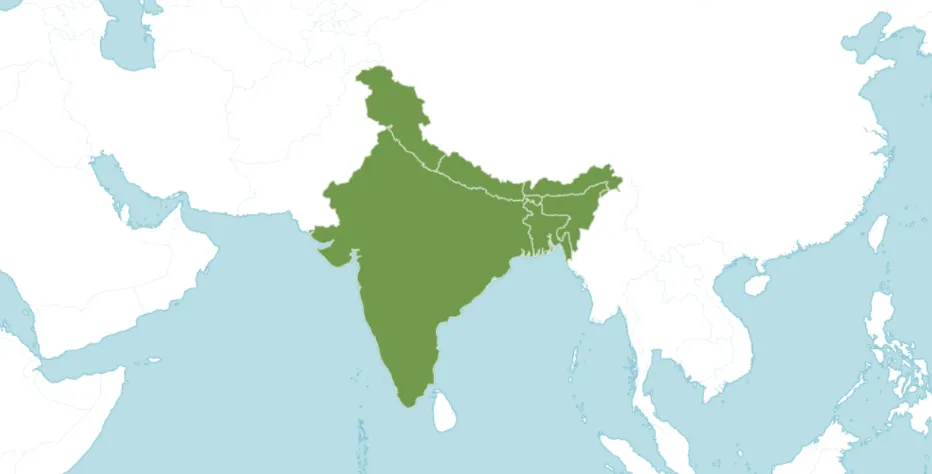
Figure 2: Geographical Distribution
In India, Selaginella bryopteris is mainly found in the central and northern parts of the country, especially in the states of Madhya Pradesh, Jharkhand, Bihar, and Uttar Pradesh. The species shows a distinct geographical distribution, largely limited to certain regions of South Asia, with important occurrences in India and Nepal. In Nepal, S. bryopteris is mainly restricted to the southern regions, which have ecological conditions similar to those of northern India, including comparable climate and topography. These habitats are generally found at elevations between 400 and 1,200 meters above sea level, showing the plant’s adaptation to moderate altitudes where water availability often changes. This distribution pattern highlights the species’ dependence on specific environmental factors such as elevation, type of substrate, and moisture availability, all of which together affect its presence across its known range. [1,2,3,28]
4.1 Morphological Characteristics
Selaginella bryopteris (L.) Baker, commonly known as spike moss, is a pteridophytic plant belonging to the family Selaginellaceae. It usually grows in rock crevices and obtains nutrients from moss, rainwater, leaf litter, and even its own dead tissue. The plant generally has dichotomously branched stems and small leaves known as microphylls. These microphylls may be arranged alternately, oppositely, or in whorls and usually contain a single vein. In some cases, they are dimorphic, meaning they occur in two different sizes. A characteristic feature of the plant is the presence of ligules, which are small scale-like structures found near the base of the upper surface of each microphyll and sporophyll. Unlike many other lycopods, each microphyll contains a branching vascular trace. The roots arise from wiry structures called rhizophores. The life cycle of S. bryopteris includes different stages involving microsporangia and megasporangia. Microspores are small and produced in large numbers, while megaspores are comparatively large, with usually one megaspore per megasporangium. The female gametophyte develops within the megaspore. [1,3,4]
1.General Habit
The plant is terrestrial or grows on rocky surfaces. It has a creeping or prostrate stem, with aerial branches that become highly branched towards the upper region. Under moist conditions, the plant usually appears green, but during dry periods it may turn brown and curl up. [1,8,10]
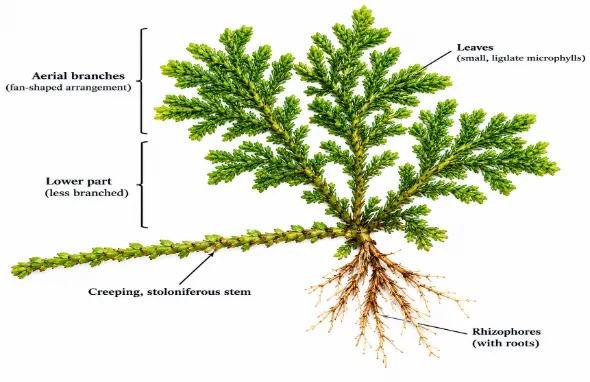
Figure 3.1: General Habit
2. Roots
The roots develop from specialized structures called rhizophores. They help anchor the plant to the soil or rocky surface and also absorb water and mineral nutrients. The roots may branch dichotomously, which means the growing tip divides into two branches. Roots play an important role in water absorption and providing support to the plant. [1,8,10]
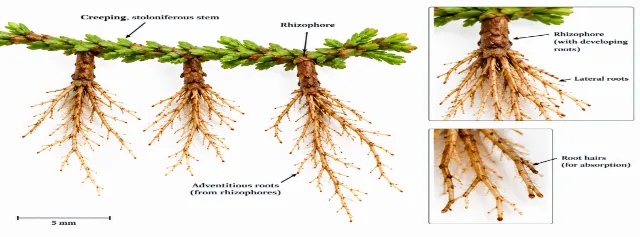
Figure 3.2: Roots of S.Bryopteris
3. Rhizophores
Rhizophores are specialized, leafless structures that develop from the stem, usually near the branching points in Selaginella. In S. bryopteris, they are mainly restricted to the basal part of the stem. They grow downwards and produce roots at their tips. During their early development, rhizophores are different from true roots. [1,8,10]
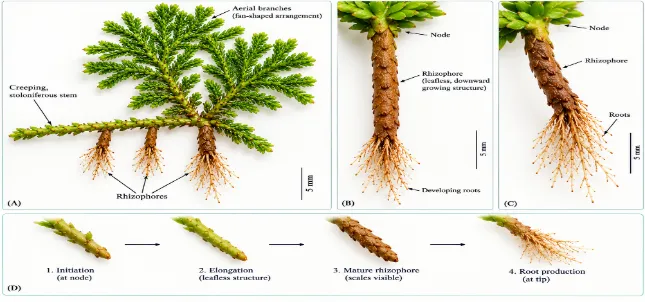
Figure 3.3: Rhizophores of S.Bryopteris
4.Leaves
The leaves are small, simple structures known as microphylls. Each leaf has a single vascular strand and a ligule near the base of its upper surface. The shape and size of the leaves vary depending on their position on the main stem and lateral branches. The main stem bears fairly uniform leaves, whereas the branches carry leaves of different sizes and shapes. [1,8,10]
4.1 Lateral leaves
The lateral leaves are about 2.5 × 1 mm in size. They are oblique and unequal in shape, with a larger semi-ovate half and a smaller lanceolate half. Their tips are elongated, and their margins may be smooth or toothed. [1,8,10]
4.2 Axillary leaves
The axillary leaves are found at the branching points of the stem. They are ovate and oblique in shape, with a cordate base and an acute apex. Their margins are ciliate near the base and dentate towards the tip. [1,8,10]
4.3 Median leaves
The median leaves are smaller than the lateral leaves and are approximately 2 mm long. They are ovate in shape, with ciliate margins and elongated tips. These leaves give the branches their characteristic appearance. [1,8,10]
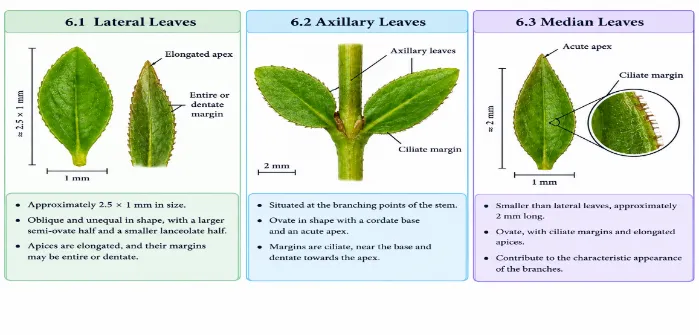
Figure 3.4: Leaves of S.Bryopteris
5. Reproductive Structures
The reproductive structures of Selaginella bryopteris (L.) Baker are mainly found at the tips of the branches, where they form compact, cone-like structures known as strobili. These strobili are made up of closely arranged, modified leaves called sporophylls, which bear sporangia. The sporophylls are usually small and ovate, with pointed tips and margins that may be smooth or slightly toothed. The plant is heterosporous, meaning it produces two types of spores: microspores and megaspores. The microsporangia contain numerous small microspores, which develop into male gametophytes, while the megasporangia contain large megaspores, usually four in each sporangium, which give rise to female gametophytes. Microspores are generally round in shape and have a papillate or granular surface, whereas megaspores are larger, round, and have a wart-like or verrucate surface. These reproductive structures play an important role in the sexual reproduction and life cycle of the plant. [1,8,10]
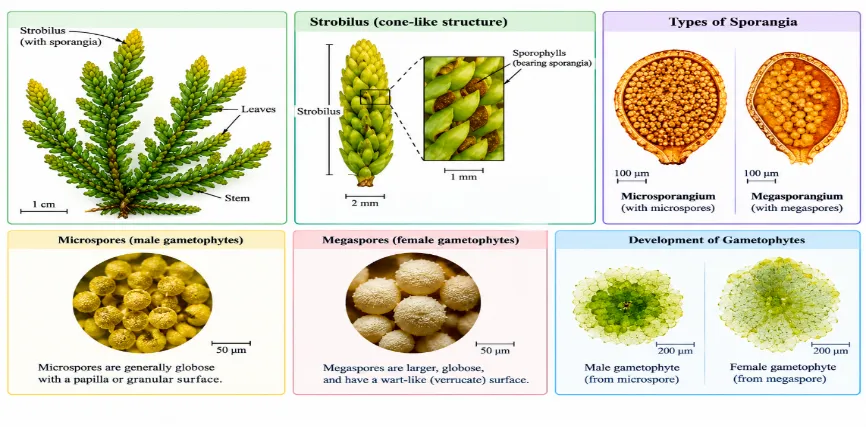
Figure 3.5: Reproductive Structure of S.Bryopteris
| Sr.no. | Plant Part | Morphological Characteristics |
|---|---|---|
| 1. | General Habit | A perennial, spore-producing plant that belongs to the group of lycophytes. |
| 2. | Roots | Adventitious roots arise from rhizophores and help anchor the plant as well as absorb water. |
| 3. | Stem | The stem is branched and helps support the leaves and other parts of the plant. |
| 4. | Rhizophores | Rhizophores are leafless structures that produce roots and help keep the plant firmly anchored. |
| 5. | Leaves | Strobili are found at the tips of the branches and contain sporophylls that bear sporangia. |
| 6. | Reproductive Structures | Strobili occur at the tips of the branches and consist of sporophylls that bear sporangia. |
4.3 Reproduction and Life Cycle:
Reproduction:
Selaginella bryopteris (L.) Baker reproduces through spores and is a heterosporous plant, producing two types of spores: microspores and megaspores. These spores are formed in microsporangia and megasporangia, respectively, which are borne on sporophylls arranged in cone-like structures called strobili at the tips of the branches. Microspores are small and produced in large numbers, whereas megaspores are larger and usually occur four per megasporangium. The microspores develop into male gametophytes, while the megaspores develop into female gametophytes. [1,3,4]
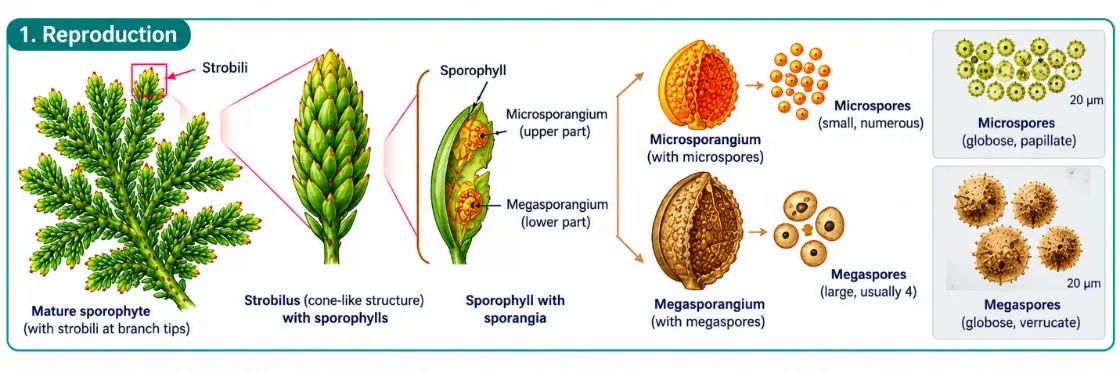
Figure 3.6: Reproduction of S.Bryopteris
Life Cycle:
The life cycle of Selaginella bryopteris begins with the mature sporophyte, which produces strobili at the tips of its branches. These strobili contain microsporangia and megasporangia, which release microspores and megaspores, respectively. The microspores develop into male gametophytes, while the megaspores develop into female gametophytes. The male gametophyte produces male gametes, whereas the female gametophyte forms archegonia that contain eggs. In the presence of water, the male gametes swim towards the egg, and fertilization takes place, resulting in the formation of a diploid zygote. The zygote then develops into an embryo, which grows into a young sporophyte. This young sporophyte gradually matures into a new plant, thereby completing the life cycle. [1,3,4]
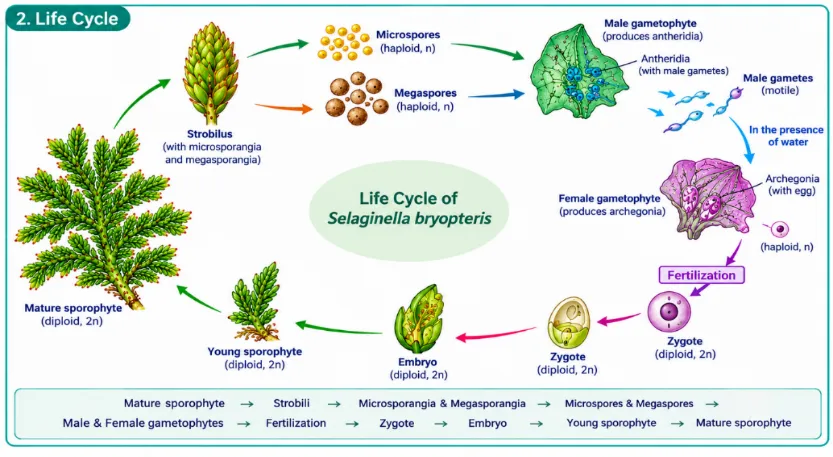
Figure 3.7: Life Cycle of S.Bryopteris
5. Ethnobotanical and Traditional Uses:
5.1 Traditional Medicinal Uses
Selaginella bryopteris (L.) Baker, commonly known as Sanjeevani, is a medicinal plant associated with traditional Indian medicine. Ethnomedicinal literature reports its traditional use in various health conditions, including fever, constipation, colitis, urinary disorders, and certain reproductive health problems. In some tribal communities, the plant has also been used as a tonic to improve strength and overall well-being. These uses are based on traditional practices; however, they cannot be considered clinically proven treatments unless supported by adequate scientific evidence. [8,13,14,15]
5.2 Ethnomedicinal Significance
Selaginella bryopteris holds considerable cultural and ethnomedicinal importance in India because of its association with the traditional Sanjeevani herb. Its remarkable ability to regain its green appearance after rehydration has added to its reputation as a resurrection plant. This traditional knowledge has encouraged scientific studies on its phytochemical composition and pharmacological properties. However, while evaluating its therapeutic potential, traditional importance and experimentally proven biological activity should be considered separately. [8,13,14,15]
5.3 Traditional Preparations and Their Uses
Traditional preparations of Selaginella bryopteris reported in ethnomedicinal literature include the use of fresh plant paste and dried plant material. One ethnobotanical report mentions the oral use of fresh leaf paste in traditional practices related to certain reproductive health conditions. The plant has also been discussed in the literature in connection with traditional herbal formulations. The method of preparation, plant part used, route of administration, and intended purpose should always be recorded according to the original source. These reports describe traditional practices and do not establish that such preparations are safe or effective as treatments. [8,13,14,15]
6. Phytochemical Profile:
Selaginella bryopteris (L.) Baker, commonly known as Sanjeevani, contains various chemical constituents that may contribute to its biological activities. Phytochemical studies have reported the presence of flavonoids, phenolic compounds, alkaloids, tannins, carbohydrates, proteins, amino acids, and other metabolites. The chemical composition of the plant may vary depending on its geographical location, environmental conditions, and the solvent used for extraction. Recent studies have also identified several compounds using analytical techniques such as GC–MS and LC–MS. [8,10,11,17,18,19,27]
6.1 Primary Metabolites
Primary metabolites are compounds required for the normal growth, development, and maintenance of plants. Phytochemical investigations of S. bryopteris have reported the presence of carbohydrates, reducing sugars, proteins, and amino acids. These compounds are important for energy production, cellular structure, and various metabolic processes. However, their exact quantities and distribution within the plant still require further study. [8,10,11,17,18,19,27]
6.2 Secondary Metabolites
Secondary metabolites are naturally occurring compounds that help protect plants and may also show biological activities. Studies on S. bryopteris have reported flavonoids, phenolic compounds, alkaloids, tannins, steroids, and terpenoid-related constituents. Flavonoids and phenolic compounds are especially important because of their potential antioxidant properties. The presence and amount of these constituents may vary according to the plant’s geographical origin and the extraction conditions used. [8,10,11,17,18,19]
6.3 Major Bioactive Compounds
Among the compounds reported in S. bryopteris, amentoflavone is an important biflavonoid that has been studied for its potential biological activities. Phytochemical studies have also reported other constituents, including ginkgetin, sciadopitysin, and eugenol. Amentoflavone was identified in a study involving the isolation and characterization of compounds from the whole plant, while sciadopitysin and ginkgetin were reported through LC–MS-based profiling. Eugenol was tentatively identified during GC–MS analysis of plant samples collected from different geographical locations. These findings provide a basis for further research on these compounds and their possible pharmacological roles. However, the mere presence of a compound does not prove its therapeutic effectiveness in humans. [1,8,10]
7. Extraction and Phytochemical Analysis:
Extraction and phytochemical analysis are important steps in identifying the chemical constituents of Selaginella bryopteris (L.) Baker. Extraction helps separate chemical compounds from the plant material using suitable solvents, while phytochemical analysis helps identify and characterize these compounds. Various studies have examined the chemical composition of the plant using preliminary phytochemical tests as well as advanced analytical techniques. These investigations provide useful information about the plant’s bioactive constituents and their potential pharmacological activities. [8,10,11,17,18,19]
7.1 Plant Collection and Authentication
Plant collection and authentication are essential for obtaining reliable results in phytochemical research. The plant material is collected from selected geographical locations and identified by a qualified botanist. After collection, the material is cleaned, dried, and prepared for further analysis. Proper authentication confirms the identity of the plant and helps avoid errors during research. Studies have also suggested that geographical variation may affect the phytochemical composition of S. bryopteris. Therefore, accurate identification and proper documentation of plant samples are important for reproducible research. [10,11,17,18,20]
7.2 Extraction Methods
Extraction is the process of separating chemical constituents from plant material using suitable solvents. Generally, the collected plant material is dried, powdered, and treated with an appropriate solvent to obtain an extract. Different solvents extract different groups of compounds depending on their chemical properties. Studies on S. bryopteris have used solvents such as methanol, ethanol, water, and ethyl acetate. The resulting extracts are then filtered and concentrated before further analysis. Choosing the right extraction method is important because it affects both the quantity and type of compounds obtained from the plant. [10,11,17,18,20]
7.3 Phytochemical Screening and Characterization
Phytochemical screening helps identify the different groups of chemical constituents present in plant extracts. Investigations of S. bryopteris have reported compounds belonging to groups such as flavonoids, phenolics, alkaloids, and tannins. Further characterization can be carried out using analytical techniques such as gas chromatography–mass spectrometry (GC–MS) and liquid chromatography–mass spectrometry (LC–MS). These methods help study the chemical composition of plant extracts and identify individual compounds. Amentoflavone has also been reported in phytochemical research on S. bryopteris. Such studies provide a foundation for further research on the plant’s antioxidant and other potential pharmacological activities. [8,10,11,17,18,19]
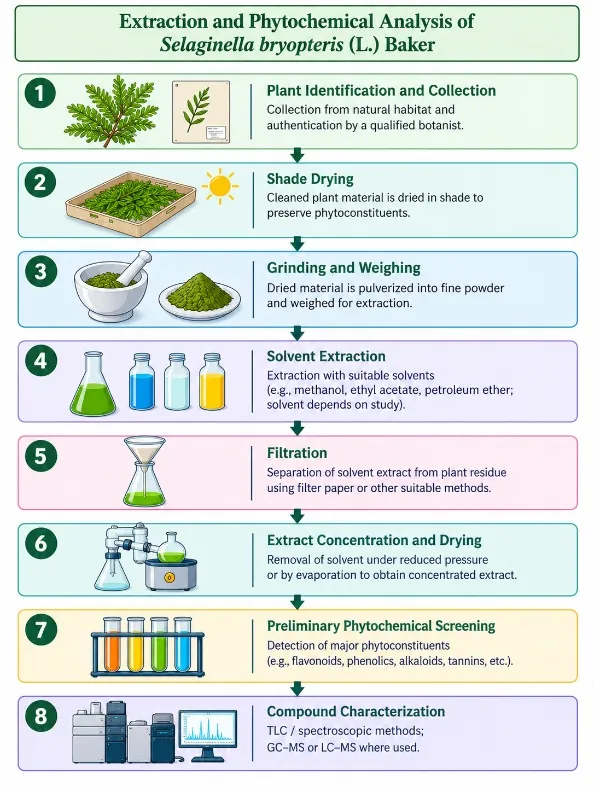
Figure 4: Extraction and Phytochemical Analysis of S.Bryopteris (L.) Baker
8. Pharmacological Activities:
Selaginella bryopteris (L.) Baker, traditionally known as Sanjeevani, is a medicinal plant whose pharmacological properties have been studied through various experimental investigations. These include antioxidant, wound-healing, anti-inflammatory, and antimicrobial activities. Such effects may be linked to the phytochemicals present in the plant, especially flavonoids and phenolic compounds. However, most of the available evidence comes from laboratory and animal studies, and more research is needed to confirm its therapeutic potential in humans. [8,9,10,21,22,23,26]
8.1 Antioxidant Activity
The antioxidant activity of S. bryopteris has been studied because its extracts may contain phenolic compounds and flavonoids that can contribute to antioxidant effects. These compounds may help neutralize free radicals and reduce oxidative stress under experimental conditions. Studies on the plant’s wound-healing activity have also examined antioxidant-related parameters, including superoxide dismutase (SOD), catalase (CAT), reduced glutathione (GSH), and lipid peroxidation (LPO). These findings support the need for further research into its antioxidant potential. [8,9,10,21,22,23,26]
8.2 Wound-Healing Activity
The wound-healing activity of S. bryopteris has been evaluated using in-vitro and animal models. Paswan et al. studied an ethanolic plant extract formulated as 5% and 10% ointments in an excision wound model in rats. The treated groups showed better wound contraction than the untreated control, with the 10% ointment group showing the greatest healing by the end of the study. Another study reported wound-gap closure in laboratory assays and assessed wound tensile strength using an animal model. These results suggest possible wound-healing activity, although clinical studies in humans are still needed. [8,9,10,21,22,23,26]
8.3 Antimicrobial Activity
Antimicrobial activity is another important area of research on S. bryopteris. A study on herbal patches containing plant extracts evaluated their antibacterial properties against organisms such as Staphylococcus aureus, Bacillus subtilis, and Pseudomonas aeruginosa. The results showed antibacterial activity under the tested laboratory conditions. However, laboratory findings alone do not prove that the plant extract can safely or effectively treat infections in humans. Further studies are needed to identify the active constituents, effective concentrations, and safety profile. [8,9,10,21,22,23,26]
8.4 Anti-inflammatory Activity
The anti-inflammatory activity of S. bryopteris was studied by Paswan et al. using experimental models of skin inflammation. The researchers applied aqueous and methanolic fractions topically to observe inflammation-related changes. The non-polar methanolic fraction significantly reduced skin redness, swelling, lipid peroxidation, and nitric oxide levels. The study also reported a decrease in pro-inflammatory cytokines, including TNF-α, IL-1β, and IL-6. These findings suggest that certain plant fractions may have anti-inflammatory effects in experimental models, but their effectiveness in human inflammatory skin conditions has not yet been established. [8,9,10,21,22,23,26]
8.5 Antidiabetic Activity
The antidiabetic potential of S. bryopteris has been discussed in reviews of its medicinal properties. Some reports suggest possible antihyperglycemic effects, indicating that the plant may be worth further investigation for its role in glucose regulation. However, the available evidence is not enough to establish its mechanism of action, effective dose, or clinical efficacy. Well-designed experimental studies and human clinical trials are needed before any therapeutic conclusions can be made. [8,9,10,21,22,23,26]
| Sr.no. | Acitivity | Key Findings |
|---|---|---|
| 1. | Antioxidant | Potential free radical scavenging activity. |
| 2. | Wound Healing | 10% ointment showed the greatest wound healing in rats. |
| 3. | Antimicrobial | Antibacterial activity against three bacterial species. |
| 4. | Anti inflammatory | Reduced skin inflammation and pro-inflammatory cytokines in experimental models. |
| 5. | Antidiabetic | Possible antihyperglycemic effects; further studies are needed. |
8.6 Other Reported Pharmacological Activities
Apart from the activities discussed above, reviews have also described other possible pharmacological effects of S. bryopteris, including effects related to stress responses, memory, and certain neurological functions. These reports show that the plant has been studied in several areas of biological research. However, the strength of evidence varies between activities, and some findings may be preliminary or based only on experimental models. Therefore, each proposed activity needs further investigation to identify the responsible compounds, understand the mechanisms involved, and evaluate safety and efficacy. [8,9,10,21,22,23,26]
9. Mechanisms of Pharmacological Action:
The pharmacological activities of Selaginella bryopteris may be related to its phytochemical constituents, particularly flavonoids and other phenolic compounds. Experimental studies have examined its antioxidant and anti-inflammatory properties, as well as its possible role in cellular protection and wound healing. However, the exact mechanisms behind these activities are not yet fully understood. [8,9,10,21,22,23,26]
9.1 Antioxidant and Anti-inflammatory Mechanisms
Oxidative stress occurs when reactive oxygen species (ROS) build up and damage cellular components. Antioxidant compounds may help reduce this damage by neutralizing free radicals. In an experimental study, S. bryopteris extract showed antioxidant-related effects and reduced lipid peroxidation. Paswan et al. (2017) reported that topical application of the non-polar methanolic fraction reduced inflammation-related ear redness and swelling in an experimental animal model. The treatment also lowered lipid peroxidation (LPO), nitric oxide (NO), and pro-inflammatory cytokines such as TNF-α, IL-1β, and IL-6. These findings suggest that the extract’s anti-inflammatory activity may be linked to reduced oxidative stress and suppression of inflammatory mediators. [8,9,10,21,22,23,26]
9.2 Cellular Protection and Tissue Repair
Cellular protection involves maintaining cell integrity and reducing damage caused by oxidative stress. Research has shown that aqueous extracts of S. bryopteris protected cultured cells against experimentally induced oxidative and heat stress. These observations suggest a possible protective effect under specific experimental conditions. The plant’s potential role in tissue repair has also been studied. Paswan et al. (2020) evaluated an ethanolic extract in a rat wound model and reported increased wound contraction, changes in antioxidant enzyme levels, and histological findings consistent with tissue repair. A later study also examined wound-gap closure and wound tensile strength. However, these experimental findings do not establish clinical effectiveness in humans. [6,7,8,9,21,22]
9.3 Relationship Between Phytochemicals and Biological Activities
The biological activities of S. bryopteris may be connected to its chemical constituents, especially flavonoids and other phenolic compounds. These compounds are being studied for their potential antioxidant and anti-inflammatory effects. A study on a flavonoid-rich fraction of S. bryopteris reported cytoprotective, antioxidant, and anti-inflammatory effects in experimental systems. However, the contribution of each individual compound and the exact mechanisms behind the observed effects still need further investigation. Overall, the available findings suggest a possible relationship between the plant’s phytochemical composition, antioxidant effects, inflammatory mediators, and tissue repair. Further studies are required to identify the active compounds and establish their precise mechanisms of action. [8,10,11,17,18,19]
10. Desiccation Tolerance and Stress Adaptation:
Selaginella bryopteris is known as a resurrection plant because it can tolerate significant water loss and recover once water becomes available again. During dehydration, its fronds curl inward and become tightly folded. This structural response reduces the exposed leaf surface and may help protect the plant from water loss and damage caused by light. Research has also shown that the plant undergoes physiological and biochemical changes that help it survive dehydration and recover after rehydration. [6,7]
10.1 Desiccation Tolerance
Desiccation tolerance is the ability of a plant to survive severe dehydration and resume its normal functions after rehydration. In S. bryopteris, the fronds curl inward as they lose water. In an experimental study, the relative water content of detached fronds decreased from about 90% to 10% during six hours of drying. After rehydration, the fronds regained their water content and largely recovered their original shape and appearance. The study also reported that the plant retained its chlorophyll content relatively well during dehydration, which supports the recovery of photosynthetic activity. These observations indicate that desiccation tolerance involves both structural changes and physiological protection. However, the plant’s ability to recover depends on the severity and duration of dehydration. [6,7]
10.2 Physiological and Biochemical Adaptations
During dehydration, S. bryopteris undergoes changes in photosynthesis, respiration, antioxidant activity, and amino acid metabolism. Pandey et al. (2010) reported that net photosynthesis and the maximum photochemical efficiency of photosystem II decreased during desiccation. At the same time, proline content increased about eleven-fold, and the activities of antioxidant enzymes, including superoxide dismutase (SOD), ascorbate peroxidase (APX), and catalase (CAT), also increased. These changes may help the plant manage oxidative stress caused by dehydration. A later study by Singh et al. (2021) examined nitrogen metabolism during dehydration and rehydration. Proline content increased about two-fold after 24 hours of dehydration and returned close to its original level after rehydration. The researchers also observed changes in glutamine synthetase (GS), glutamate synthase (GOGAT), and glutamate dehydrogenase (GDH), suggesting that nitrogen metabolism plays a role in the plant’s response to dehydration stress. [1,8,10]
10.3 Rehydration and Recovery
Rehydration helps S. bryopteris restore its water content, frond structure, and photosynthetic activity. Pandey et al. (2010) reported a rapid recovery of photosystem II efficiency after rehydration, indicating that the photosynthetic apparatus was able to regain its function following dehydration. Proteomic research by Pandey et al. (2016) also identified changes in proteins related to stress defence, energy metabolism, protein turnover, and photosynthesis during dehydration and recovery. In that study, the plants returned to normal conditions within 24 hours of rewatering after seven days without water under the experimental conditions. However, recovery is not unlimited. Research published in Plant, Cell & Environment reported that prolonged desiccation can weaken antioxidant protection and increase reactive oxygen species (ROS), which may damage cells and reduce the plant’s ability to recover. This suggests that the duration of dehydration is an important factor affecting the survival of S. bryopteris. [6,7,27]
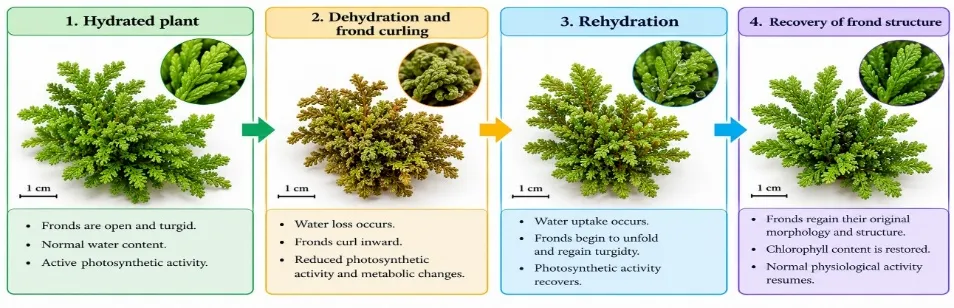
Figure 5: Rehydration and Recovery of S.Bryopetris
11. Molecular and Biotechnological Perspectives:
Molecular and biotechnological studies of Selaginella bryopteris help researchers understand the genes involved in flavonoid production and explore ways to produce bioactive compounds under laboratory conditions. Research in this area has focused on gene expression, flavonoid biosynthesis, and genetic transformation. These studies provide a foundation for understanding the plant’s medicinal potential and its future biotechnological applications. [5,7]
11.1 Molecular Characterization and Gene Expression
Singh et al. (2018) carried out transcriptome analysis of the fronds and roots of S. bryopteris to identify genes involved in flavonoid biosynthesis. The researchers identified several candidate genes, including SbCHS, SbCHI, SbF3H, and SbDFR. Many of these genes showed higher expression in the fronds than in the roots, suggesting that they may play an important role in flavonoid production. [5,7]
11.2 Genetic Transformation and Biotechnology
A study published in 2020 reported the successful induction of hairy roots in S. bryopteris using Agrobacterium rhizogenes. The researchers optimized the culture conditions and confirmed genetic transformation using molecular techniques. This method may help future researchers study secondary metabolite production and gene function in the plant. However, more research is needed to determine whether it is suitable for large-scale production. [1,8,10]
11.3 Future Biotechnological Applications
Transcriptome analysis and hairy-root culture provide useful tools for studying flavonoid biosynthesis in S. bryopteris. Further research could help identify important genes, improve the production of bioactive compounds, and explore potential pharmaceutical applications. However, these possibilities still require additional experimental validation. [5,7]
12. Toxicity and Safety:
The safety of Selaginella bryopteris (L.) Baker is an important consideration for its potential use in medicine. Although the plant has been used in traditional medicine, its safety must be scientifically evaluated before it can be recommended for therapeutic purposes. [8,9,24,25]
12.1 Acute Toxicity Studies
Paswan et al. (2017) evaluated the acute oral toxicity of S. bryopteris extract in mice at doses ranging from 250 to 2,000 mg/kg body weight. No deaths were observed during the study. However, slight dullness and reduced movement were reported in some animals that received the highest dose. These findings suggest that the extract showed limited acute toxicity under the experimental conditions, but they do not confirm its safety in humans. [8,9,24,25]
12.2 Subacute Toxicity and Safety Evaluation
A toxicological study by Paswan et al. examined S. bryopteris extracts in rats over periods of 18 and 28 days. The researchers reported no treatment-related abnormalities in clinical observations, blood parameters, or histopathological examinations at the tested doses. However, further studies are needed to establish long-term safety and identify any possible adverse effects. [8,9,24,25]
12.3 Limitations of Safety Studies
Although preliminary animal studies have shown encouraging safety results, the available evidence is not enough to confirm the safety of S. bryopteris in humans. Further research is needed to evaluate long-term toxicity, reproductive safety, possible adverse effects, and the safety of different extracts and formulations. [8,9,24,25]
13. Pharmaceutical Applications:
Selaginella bryopteris (L.) Baker is a medicinal plant traditionally used in various herbal preparations. Research studies have explored its potential pharmaceutical applications, especially in wound healing, anti-inflammatory activity, and cellular protection. However, further research is needed before these findings can be developed into established medicines. [9,16,17,18,19,20]
13.1 Wound-Healing Applications
Research by Paswan et al. (2023) studied S. bryopteris extract in ointment formulations. Animal experiments showed improvement in wound-healing parameters, including wound tensile strength. These findings suggest the possibility of developing topical herbal formulations, although clinical studies in humans are still required. [8,9,10,21,22,23,26]
13.2 Anti-inflammatory Formulations
Paswan et al. (2017) investigated different extracts of S. bryopteris in an experimental model of skin inflammation. The non-polar methanolic fraction reduced inflammation-related redness, swelling, and certain inflammatory mediators. These findings support further research on the plant for the development of topical anti-inflammatory formulations. [8,9,10,21,22,23,26]
14. Standardization and Quality Control:
Standardization and quality control are essential for ensuring the identity, purity, consistency, and quality of medicinal plants. For Selaginella bryopteris (L.) Baker, pharmacognostical, physicochemical, and phytochemical evaluations can help establish parameters for identifying and assessing the quality of plant material. Differences in geographical location and environmental conditions may also affect its chemical composition. [9,16,17,18,19,20]
14.1 Pharmacognostical Standardization
Pharmacognostical evaluation involves studying the morphological and microscopic characteristics of the plant. These features help confirm the identity of the plant and distinguish it from other similar species. Proper identification is an important first step in maintaining the quality of herbal raw materials. [9,16,17,18,19,20]
14.2 Physicochemical Evaluation
Physicochemical parameters help assess the quality and purity of plant material. Parameters such as moisture content, ash values, and extractive values can be evaluated to support quality assessment. These measurements should be established and validated specifically for S. bryopteris rather than assumed to be universal standards. [1,8,10]
14.3 Phytochemical Profiling
Phytochemical screening and chromatographic techniques such as GC–MS can be used to study the chemical constituents of S. bryopteris. Srivastava and Mathur (2025) compared plant samples collected from Maharashtra, Karnataka, and Tamil Nadu. Their findings showed differences in chromatographic profiles between geographical sources, highlighting the importance of chemical profiling in quality control. [8,10,11,17,18,19]
15. Future Perspectives:
Future research on Selaginella bryopteris should focus on identifying, isolating, and characterizing the bioactive compounds responsible for its various pharmacological activities. Advanced analytical techniques such as High-Performance Liquid Chromatography (HPLC), Gas Chromatography–Mass Spectrometry (GC–MS), and Liquid Chromatography–Mass Spectrometry (LC–MS) may help identify its phytochemical constituents and improve their standardization. Further studies are needed to understand the mechanisms of action of its active compounds and evaluate their potential therapeutic applications. Detailed pharmacological research may help confirm its antioxidant, anti-inflammatory, antimicrobial, and other reported biological activities. However, these effects need proper scientific validation before any definite therapeutic conclusions can be made. Toxicity studies and safety evaluations are also important to determine the safe use of S. bryopteris. Future research should examine its effective dose, possible adverse effects, and interactions with other substances. Well-designed experimental studies are necessary to establish its safety profile and therapeutic potential. Modern biotechnological approaches may offer opportunities to improve the propagation, cultivation, and conservation of this plant. Research on tissue culture and suitable cultivation methods could support the sustainable production of plant material for scientific and pharmaceutical purposes. Standardizing extraction methods and herbal formulations may also improve the consistency, quality, and reproducibility of research findings. In addition, studies on the stability, bioavailability, and formulation of its bioactive constituents could help explore its potential use in pharmaceutical preparations. Collaboration among researchers in pharmacognosy, phytochemistry, pharmacology, and biotechnology may lead to a better understanding of this medicinal plant. Overall, Selaginella bryopteris is an interesting subject for future medicinal plant research. However, further phytochemical, pharmacological, toxicological, and clinical studies are needed before its potential applications in modern medicine can be established. [5,6,7,8,9,10,11]
CONCLUSION:
Selaginella bryopteris (L.) Baker, commonly known as Sanjeevani, is an important medicinal plant with considerable traditional, phytochemical, and pharmacological significance. Its remarkable ability to survive dehydration and recover after rehydration makes it a unique resurrection plant. Phytochemical studies have reported the presence of flavonoids, phenolic compounds, alkaloids, tannins, and other bioactive constituents, including amentoflavone. These compounds may contribute to the plant’s reported antioxidant, anti-inflammatory, antimicrobial, and wound-healing activities. Experimental studies have shown promising results, especially in wound healing and the reduction of inflammation. However, most of the available evidence is based on laboratory and animal studies, and its therapeutic effectiveness in humans has not yet been established. Further research is needed to identify and characterize the active compounds, understand their mechanisms of action, and evaluate their toxicity, long-term safety, and clinical efficacy. Standardization of plant material, extraction methods, and phytochemical analysis is also essential to ensure consistent quality and reproducible results. Modern biotechnological approaches may further support the conservation and sustainable production of this plant. Overall, S. bryopteris represents a promising subject for medicinal plant research. However, comprehensive pharmacological, toxicological, and clinical studies are necessary before its potential applications in modern medicine can be confirmed. [5,6,7,8,9,10,11]
REFERENCES


Aditya Pawar, Amol Darwade, Aditi Dhepe, Snehal Mavachi, Dinesh Raut, Siddhesh Nadanvar, Selaginella Bryopteris (L.) Baker: A Comprehensive Review of Its Phytochemistry, Pharmacological Activities, and Therapeutic Potential, Int. J. of Pharm. Sci., 2026, Vol 4, Issue 11, 2237-2252. https://doi.org/10.5281/zenodo.24270835
 10.5281/zenodo.24270835