
View Article

Abstract

The present study aimed to formulate and evaluate a poly-herbal shampoo using natural herbal ingredients with cleansing, conditioning, and hair-nourishing properties. The shampoo was prepared using extracts of neem (Azadirachta indica), hibiscus (Hibiscus rosa-sinensis), fenugreek (Trigonella foenum-graecum), rosemary (Rosmarinus officinalis), and amla (Emblica officinalis), which are traditionally used for hair care. The formulation was evaluated for various physicochemical parameters including appearance, pH, viscosity, foamability, foam stability, dirt dispersion, wetting time, and stability. The prepared shampoo exhibited good cleansing action, satisfactory foaming ability, acceptable viscosity, and a pH suitable for scalp application. The herbal constituents present in the formulation help in reducing dandruff, strengthening hair roots, promoting hair growth, and improving overall hair health. The study concluded that the developed poly-herbal shampoo is a safe, effective, and economical alternative to synthetic shampoos and can be used for regular hair care without causing significant side effects.

Keywords

Poly-herbal shampoo, Herbal formulation, Neem, Hibiscus, Dandruff control, Physicochemical evaluation, Natural cosmetics.

Introduction

× Popup Image

Hair is an important part of the human body that contributes significantly to physical appearance and self-confidence. Exposure to environmental pollutants, stress, poor the frequent use of chemical-based hair care products can lead to various hair problems Relevant conflicts of interest/financial disclosures: The authors declare that the research was conducted in the absence of any commercial or financial relationships that could be construed as a potential conflict of interest. Herbal shampoos have gained considerable attention as safer and more effective alternatives to conventional synthetic shampoos. These formulations utilize natural plant-based ingredients that possess cleansing, conditioning, antimicrobial, and nourishing properties. Herbal products are generally considered less harmful, biodegradable, and compatible with the natural physiology of the scalp and hair. Poly-herbal shampoo refers to a formulation containing extracts of multiple medicinal plants that work synergistically to improve hair health. The combination of herbal ingredients enhances the overall therapeutic and cosmetic benefits of the product. In the present study, herbal ingredients such as Shikakai (Acacia concinna), Reetha (Sapindus mukorossi), Neem (Azadirachta indica), and Hibiscus (Hibiscus rosa-sinensis) were selected due to their well- known benefits in hair care. Shikakai and Reetha act as natural cleansing agents, while Neem exhibits antimicrobial properties that help maintain scalp health. Hibiscus is known to promote hair growth and improve hair texture. The objective of the present research was to formulate and evaluate a poly-herbal shampoo using selected herbal ingredients and to assess its physic

{2} Aim & objectives:

Need of study:

Hair plays a vital role in an individual's appearance and self-confidence. Due to increasing environmental pollution, unhealthy lifestyle habits, stress, and the frequent use of chemical-based hair care products, various hair- related problems such as dandruff, hair fall, scalp irritation, dryness, and loss of hair strength have become increasingly common. Conventional shampoos often contain synthetic surfactants, preservatives, fragrances, and coloring agents that may provide effective cleansing but can also lead to adverse effects on the hair and scalp with prolonged use. In recent years, there has been a growing interest in herbal cosmetic products due to their safety, effectiveness, and minimal side effects. Herbal shampoos formulated from medicinal plants offer natural cleansing and conditioning properties while maintaining the health of the scalp and hair. Plant-based ingredients contain bioactive compounds such as flavonoids, alkaloids, tannins, saponins, and essential oils that contribute to hair nourishment, scalp

Drawback of synthetic shampoo :

  • Risk of microbial contamination during storage.
  • Possible allergic reactions in sensitive individuals. Time-consuming formulation and extraction process
  • Risk of microbial contamination during storage.
  • Possible allergic reactions in sensitive individuals.
  • Time-consuming formulation and extraction process

Importance of Poly-Herbal :

  • Provides natural and safe hair cleansing.
  • Helps reduce hair fall and dandruff.
  • Nourishes the scalp and promotes healthy hair growth.
  • Contains fewer harmful chemicals than synthetic shampoos.
  • Suitable for regular use with minimal side effects.
  • Uses medicinal herbs with antimicrobial and conditioning properties.
  • Eco-friendly and biodegradable in nature

Advantages of Herbal Shampoo :

  • Prepared from natural herbal ingredients.
  • Provides effective cleansing of hair and scalp.
  • Helps reduce dandruff and scalp infections.
  • Promotes healthy hair growth.
  • Nourishes and conditions the hair naturally.
  • Causes fewer side effects compared to synthetic shampoos.
  • Suitable for regular use.
  • Environment-friendly and biodegradable.
  • Improves hair texture, shine, and manageability.
  • Economical and easily acceptable by consumers.

Role of Herbal Ingredients in poly herbal shampoo:

Herbal ingredients are the key functional components of herbal shampoo formulations as they provide cleansing, conditioning, antimicrobial, and nourishing effects to the hair and scalp. Each plant contributes specific bioactive compounds that improve overall hair health and reduce dependency on synthetic chemicals.

NEEM (Azadirachta indica)

Neem is one of the most important medicinal plants used in herbal shampoos due to its strong antimicrobial, antifungal, and antibacterial properties. It helps in controlling dandruff, scalp infections, and itching. Neem contains compounds such as nimbidin, azadirachtin, and flavonoids, which help in purifying the scalp, reducing inflammation, and promoting a healthy scalp environment. Regular use of neem-based shampoo can help in maintaining scalp hygiene and preventing recurrent infections.
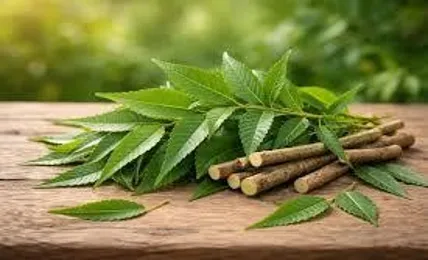
Fig :1

REETA(soapnut):

Reetha, also known as soapnut, is a cleansing agent due to its high saponin content. It produces mild foam and effectively removes dirt, excess oil, and impurities from the hair and scalp without stripping natural oils. Reetha is gentle in nature and suitable for regular use. It also helps in improving hair softness and shine while maintaining the natural pH balance of the scalp.
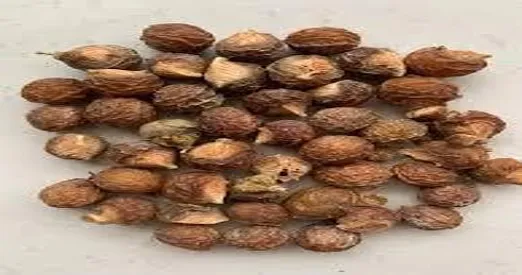
 

Fig 2

 FICUS RELIGIOSA (Peepal)

Ficus religiosa, commonly known as Peepal, has significant medicinal value in traditional systems of medicine. It possesses antioxidant, anti-inflammatory, and antimicrobial properties. In herbal shampoo formulations, it helps in soothing the scalp, reducing irritation, and improving overall scalp health. The bioactive compounds present in Peepal leaves support hair strengthening and may help in reducing hair fall by improving follicle health.
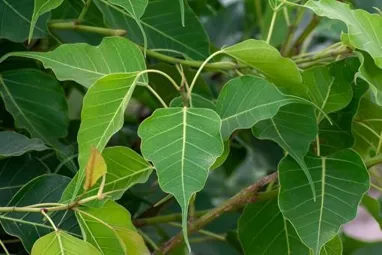
Fig 3

Hibiscus (Hibiscus rosa-sinensis) :
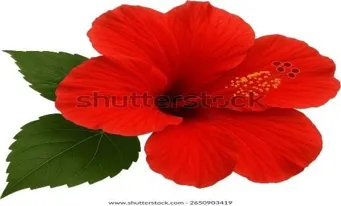
fig 4

Hibiscus possesses antimicrobial, antioxidant, and conditioning properties that help in promoting healthy hair growth and preventing hair damage. It is widely used in herbal hair oil formulations to reduce hair fall, control dandruff, prevent premature graying, and strengthen hair roots. The natural conditioning effect of hibiscus helps make hair soft, shiny, and manageable.

{3} Method & material:

table 1

Sr no.

Material

1

Neem

2

Hibiscus flower

3

Reeta

4

Peepal

5

SLS

6

Methyl paraben

7

Citric Acid

8

Rose water

9

Water

10

Aloe vera

11

Methyl cellulose

  • Equipment used :

Table 2

Sr no

Euipement

1

Beaker

2

Glass rod

3

Measuring cyclinder

4

Weighing balance

5

Morter pestle

8

Storage bottle

Formulation table :

Sr

no.

Material

quantity

1

Hibiscus flower extract

5gm

2

Soapnut

10gm

3

Neem

5gm

4

Aloe vera

5gm

5

Methyl cellulose

2gm

6

Methyl paraben

0.2 gm

7

SLS

8ml

8

water

100ml

9

Citric acid

0.5 ml

10

Rose water

3 drops

11

Ficus reliogues

powdwe

3gm

Method of prepartion :

  1. Measure all the dry ingredients accurately.
  2. Warm up cetyl alcohol and add half of the required water.
  3. Place sodium lauryl sulphate in a beaker.
  4. Gradually pour the aqueous phase into constantly. the beaker while stirring
  5. Gradually pour the aqueous phase into constantly. the beaker while stirring
  6. Allow the mixture to cool down to rrom temperature while stiring
  7. Blend in frangrance and presertive until evenly combined
  8. Pour the cream shampoo into the the suitable container

[4] Evaluation Parameters :

1. Organoleptic Evaluation

The prepared polyherbal shampoo was evaluated for colour, odour, appearance, texture, and consistency by visual inspection.

Procedure:

  1. A small quantity of shampoo was taken in a clean beaker.
  2. The colour and appearance were observed under normal daylight.
  3. The odour was evaluated by smelling the formulation.
  4. The texture and consistency were checked by rubbing the shampoo between fingers.
  5. Observations were recorded.

2. pH Determination

Procedure:

  1. A 10% shampoo solution was prepared using
  2. distilled water.
  3. The digital pH meter was calibrated using standard buffer solutions.
  4. The electrode was immersed in the shampoo solution.
  5. The pH was recorded after stabilization of the reading.

3.Foamability Test

Procedure:

  1. 50 mL of 1% shampoo solution was taken in
  2. a 100 mL measuring cylinder.
  3. The cylinder was shaken 10 times.
  4. The total volume of foam produced was measured immediately.
  5. The foam height was recorded.

4. Foam Stability Test

Procedure:

  1. The foam produced during the foamability test was retained.
  2. Foam height was measured immediately and after 1, 3, and 5 minutes.
  3. The decrease in foam volume was noted.
  4. Foam stability was evaluated.

5. Wetting Time Test

Procedure:

  1. A canvas disc was placed on the surface of a 1% shampoo solution.
  2. The time required for the disc to sink completely was recorded using a stopwatch.
  3. The test was repeated and the average wetting time was calculated.

6.Dirt Dispersion Test

Procedure:

  1. Two drops of India ink were added to 10 mL of shampoo solution.
  2. The mixture was shaken gently.
  3. The distribution of ink in the water and foam was observed.
  4. Lesser ink in the foam indicated better cleansing action.

7. Percentage Solid Content

Procedure:

  1. About 4 g of shampoo was accurately weighed.
  2. It was placed in a pre-weighed evaporating dish.
  3. The sample was dried until constant weight was obtained.
  4. The percentage solid content was calculated.

8.Viscosity Determination

Procedure:

  1. The shampoo sample was placed in a viscometer.
  2. The spindle was immersed in the formulation.
  3. The instrument was operated at a specified speed.
  4. The viscosity reading was recorded at room temperature.

9.Stability Study

Procedure:

  1. The prepared shampoo was filled into a clean airtight container.
  2. The formulation was stored at room temperature for one month.
  3. Samples were observed periodically.
  4. Colour, odour, appearance, pH, viscosity, and phase separation were evaluated.
  5. Any physical changes were recorded.
  6. The formulation was considered stable if no significant changes were observed.

[5] Result:

a) Organoleptic Evaluation

The prepared polyherbal shampoo was evaluated for its organoleptic characteristics such as colour, odour, appearance, texture, and consistency. The formulation showed acceptable physical characteristics suitable for cosmetic application.

Parameters

Observation

Colour

Dark brown

odour

Pleasant Herbal

texture

Smooth

consitancy

Moderate

Appearance

Smooth and Homogeneous

b) Physicochemical Evaluation

pH Determination :

The pH of the prepared polyherbal shampoo was found to be suitable for scalp application.

Parameter

Result

pH

4.5

  1. Foamability Test :

The shampoo exhibited good foam-producing ability.

Parameters

Result

Foam height

145 ml

  1. Foam Stability Test :

The foam remained stable for a considerable period .

parameters

results

Foam stability

Stable for 5 min

  1. Wetting time test :

Parameters

Results

Wetting time

30 s

  1. Dirt dispersion test :

Parameters

Results

Dirt dispersion

good

  1. Percentage solid content :

Parameters

Result

Solid content

24 %

  1. Viscosity determination test :

Parameters

Result

viscosity

Moderate

c) Stability Study:

The prepared polyherbal shampoo remained stable throughout the storage period of one month. No significant changes were observed in colour, odour, appearance, pH, or viscosity.

Parameters

Initial observation

After one month

Colour

Dark brown

No significant

change

Odour

Pleasant

herbal

No significant

change

Appearance

Smooth &

homogenous

No significant

change

Ph

6.5

6.5

Viscosity

Moderate

No significant

change

Phase

separation

Absent

Absent

[5] Discussion :

The poly-herbal shampoo was formulated using Neem, Reetha, Shikakai, and Hibiscus, which provided good cleansing and conditioning properties. The presence of natural saponins contributed to effective foaming and detergency. The pH of the formulation was suitable for scalp application and indicated mildness. The stability study showed no significant changes in color, odor, pH, or phase separation, confirming that the formulation was stable under storage conditions. Overall, the shampoo demonstrated good physicochemical properties and satisfactory performance, making it suitable for regular use.

CONCLUSION:

The formulated poly-herbal shampoo using Neem, Reetha, Shikakai, and Hibiscus wassuccessfully prepared and evaluated. The shampoo showed good cleansing, foaming, and conditioning properties with a suitable pH for scalp application. Stability studies confirmed that the formulation remained stable without any significant physical changes. Overall, the prepared herbal shampoo was found to be effective, safe, and suitable for regular use.
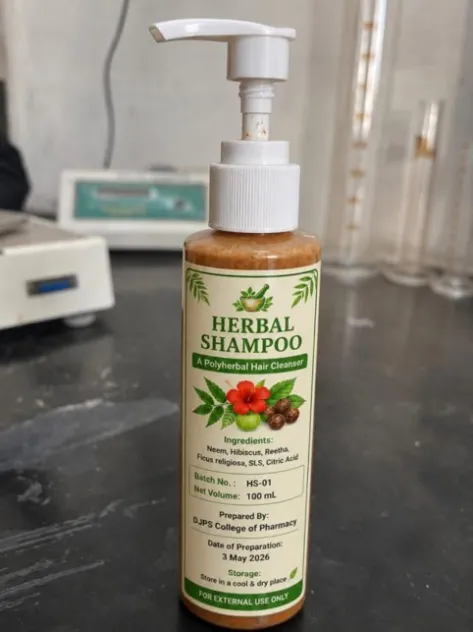
Fig 5

Formulation of poly herbal shampoo

REFERENCES

  1. Singh P. Formulation and Evaluation of Polyherbal Shampoo to Promote Hair Growth and Antidandruff Action. Int J Med Sci   Diagn   Res.   2025;9(2):1–10. DOI:10.32553/ijmsdr.v9i2.1051
  2. Jaiswal N, Singh AK, Kumari K, et al. Formulation & Evaluation of Polyherbal Shampoo.   Int        J          Pharm  Sci       Res. 2024;15(3):120–128. DOI:10.13040/IJPSR.0975-8232
  3. BG, Chavan DK, Chavan SB, Bhoye SR. Formulation   and              Evaluation          of Herbal Shampoo. Int J Sci Res Sci Technol. 2025;12(2):973–980. DOI:10.32628/IJSRST251222645
  4. Tegeli VS, Satpute SS. Formulation and Evaluation of Polyherbal Shampoo Containing Herbal Extracts. Res J Topical Cosmet              Sci. 2022;13(2):87–91. DOI:10.52711/2321-5844.2022.00014
  5. Waghole V, Divekar V, Gawai N. A Review: Formulation and Evaluation of Herbal Shampoo. Int J Res Anal Rev. 2025;12(1):45–52.
  6. Gaikwad PD, Mulay KV, Borade MD. Formulation and Evaluation of Herbal Shampoo Using Medicinal Plants. Int J Sci Res Sci Technol. 2020;9(3):29–31. DOI:10.21275/ART20203315
  7. Dhanure VA, Dhotre BG, Nalawade PP, Burange PS. Formulation and Evaluation of Polyherbal Shampoo from Household Herbs. Int J Sci Innov Eng. 2024;2(6):252–266. DOI:10.70849/IJSCI
  8. Patil S, Deshmukh R. Development of Herbal Anti-Dandruff Shampoo. Int J Pharm Res Appl. 2023;11(4):102–108.
  9. Verma N, Sharma P. Herbal Shampoo Formulation Using Natural Plant Extracts. Int J Green Pharm. 2022;16(3):145–150.
  10. Rathi B, Jain A. Comparative Study of Herbal and Synthetic Shampoo. Asian J Pharm Clin Res. 2023;16(2):88–93.
  11. Gupta M, Yadav S. Antifungal Activity of Polyherbal Shampoo. Int J Pharm Biol Sci. 2024;14(1):55–60.
  12. Kumar A, Singh R. Cosmetic Development of Polyherbal Shampoo. Int J Pharm Sci Rev Res. 2023;5(6):1–6.
  13.  Chakradhari GP, Sahu T, Patel D. Preparation and Evaluation of Herbal Shampoo Formulation. Int J Prog Res Sci Eng. 2024;5(2):24–30. DOI:10.53771/ijprse.2024.0073
  14. Pal SK, Tiwari S. Evaluation of Herbal Shampoo Physicochemical Properties. Int J Life Sci Res Arch. 2024;7(2):43–57.
  15. Chavan D, More P. Stability Study of Herbal Shampoo Formulation. Int J Pharm Educ Res. 2024;10(2):99–105.
  16. Newar A, Barman D. Polyherbal Shampoo Formulation and Comparative Study. J Drug Deliv Ther. 2025;15(6):71–78.
  17. Tegeli VS, Satpute SS. Evaluation of Herbal Shampoo Containing Natural Extracts. Res J Topical Cosmet Sci. 2022;13():87–91. DOI:10.52711/2321-5844.2022.00014
  18. Shelar BG, Chavan DK. Herbal Shampoo Formulation and Physicochemical Evaluation. Int J Sci Res Sci Technol. 2025;12(2):973–980. DOI:10.32628/IJSRST251222645
  19. Singh P. Polyherbal Shampoo for Hair Growth and Dandruff Control. Int J Med Sci Diagn        Res.     2025;9(2):1–10. DOI:10.32553/ijmsdr.v9i2.1051
  20. ngh P. Formulation and Evaluation of Polyherbal Shampoo to Promote Hair Growth and Antidandruff Action. Int J Med Sci   Diagn   Res. 2025;9(2):1–10. DOI:10.32553/ijmsdr.v9i2.1051
  21. Jaiswal N, Singh AK, Kumari K, et al. Formulation & Evaluation of Polyherbal Shampoo.   Int        J          Pharm  Sci       Res. 2024;15(3):120–128. DOI:10.13040/IJPSR.0975-8232
  22. Shelar    BG,                     Chavan            DK, Bhoye      SR. Formulation          and Evaluation of Herbal Shampoo. Int J Sci Res Sci Technol. 2025;12(2):973–980. DOI:10.32628/IJSRST251222645
  23. Tegeli VS, Satpute SS. Polyherbal Shampoo Formulation and Evaluation. Res J Topical Cosmet            Sci.      2022;13(2):87–91. DOI:10.52711/2321-5844.2022.00014
  24. Newar A, Barman D, Pegu P, et al. Formulation, Evaluation and Comparative Study of Polyherbal Shampoo. J Drug Deliv Ther.              2025;15(6):71–78. DOI:10.70849/IJSCI
  25. Chakradhari GP, Sahu T, Patel D, Kushwaha K. Preparation and Evaluation of Polyherbal Shampoo.         Int        J          Prog              Res          Sci Eng. 2024;5(2):24–30. DOI:10.53771/ijprse.2024.0073
  26. Pal SK, Tiwari S, Mishra S. Formulation and Evaluation of Herbal Shampoo. Int J Life Sci Res         Arch.   2024;7(2):43–57. DOI:10.53771/ijlsra.2024.7.2.0073
  27. Kumar A, Singh R. Development of Polyherbal Cosmetic Shampoo. Int J Pharm Sci Rev Res. 2023;5(6):1–2.
  28. Verma N, Sharma P. Herbal Shampoo Formulation Using Medicinal Plants. Int J Green Pharm. 2022;16(3):145–150.
  29. Rathi B, Jain A. Evaluation of Herbal Shampoo and Comparison with Synthetic Shampoo. Asian J Pharm Clin Res. 2023;16(2):88–93.
  30. Gupta M, Yadav S. Antidandruff Activity of Polyherbal Shampoo. Int J Pharm Biol Sci. 2024;14(1):55–60.

Reference

  1. Singh P. Formulation and Evaluation of Polyherbal Shampoo to Promote Hair Growth and Antidandruff Action. Int J Med Sci   Diagn   Res.   2025;9(2):1–10. DOI:10.32553/ijmsdr.v9i2.1051
  2. Jaiswal N, Singh AK, Kumari K, et al. Formulation & Evaluation of Polyherbal Shampoo.   Int        J          Pharm  Sci       Res. 2024;15(3):120–128. DOI:10.13040/IJPSR.0975-8232
  3. BG, Chavan DK, Chavan SB, Bhoye SR. Formulation   and              Evaluation          of Herbal Shampoo. Int J Sci Res Sci Technol. 2025;12(2):973–980. DOI:10.32628/IJSRST251222645
  4. Tegeli VS, Satpute SS. Formulation and Evaluation of Polyherbal Shampoo Containing Herbal Extracts. Res J Topical Cosmet              Sci. 2022;13(2):87–91. DOI:10.52711/2321-5844.2022.00014
  5. Waghole V, Divekar V, Gawai N. A Review: Formulation and Evaluation of Herbal Shampoo. Int J Res Anal Rev. 2025;12(1):45–52.
  6. Gaikwad PD, Mulay KV, Borade MD. Formulation and Evaluation of Herbal Shampoo Using Medicinal Plants. Int J Sci Res Sci Technol. 2020;9(3):29–31. DOI:10.21275/ART20203315
  7. Dhanure VA, Dhotre BG, Nalawade PP, Burange PS. Formulation and Evaluation of Polyherbal Shampoo from Household Herbs. Int J Sci Innov Eng. 2024;2(6):252–266. DOI:10.70849/IJSCI
  8. Patil S, Deshmukh R. Development of Herbal Anti-Dandruff Shampoo. Int J Pharm Res Appl. 2023;11(4):102–108.
  9. Verma N, Sharma P. Herbal Shampoo Formulation Using Natural Plant Extracts. Int J Green Pharm. 2022;16(3):145–150.
  10. Rathi B, Jain A. Comparative Study of Herbal and Synthetic Shampoo. Asian J Pharm Clin Res. 2023;16(2):88–93.
  11. Gupta M, Yadav S. Antifungal Activity of Polyherbal Shampoo. Int J Pharm Biol Sci. 2024;14(1):55–60.
  12. Kumar A, Singh R. Cosmetic Development of Polyherbal Shampoo. Int J Pharm Sci Rev Res. 2023;5(6):1–6.
  13.  Chakradhari GP, Sahu T, Patel D. Preparation and Evaluation of Herbal Shampoo Formulation. Int J Prog Res Sci Eng. 2024;5(2):24–30. DOI:10.53771/ijprse.2024.0073
  14. Pal SK, Tiwari S. Evaluation of Herbal Shampoo Physicochemical Properties. Int J Life Sci Res Arch. 2024;7(2):43–57.
  15. Chavan D, More P. Stability Study of Herbal Shampoo Formulation. Int J Pharm Educ Res. 2024;10(2):99–105.
  16. Newar A, Barman D. Polyherbal Shampoo Formulation and Comparative Study. J Drug Deliv Ther. 2025;15(6):71–78.
  17. Tegeli VS, Satpute SS. Evaluation of Herbal Shampoo Containing Natural Extracts. Res J Topical Cosmet Sci. 2022;13():87–91. DOI:10.52711/2321-5844.2022.00014
  18. Shelar BG, Chavan DK. Herbal Shampoo Formulation and Physicochemical Evaluation. Int J Sci Res Sci Technol. 2025;12(2):973–980. DOI:10.32628/IJSRST251222645
  19. Singh P. Polyherbal Shampoo for Hair Growth and Dandruff Control. Int J Med Sci Diagn        Res.     2025;9(2):1–10. DOI:10.32553/ijmsdr.v9i2.1051
  20. ngh P. Formulation and Evaluation of Polyherbal Shampoo to Promote Hair Growth and Antidandruff Action. Int J Med Sci   Diagn   Res. 2025;9(2):1–10. DOI:10.32553/ijmsdr.v9i2.1051
  21. Jaiswal N, Singh AK, Kumari K, et al. Formulation & Evaluation of Polyherbal Shampoo.   Int        J          Pharm  Sci       Res. 2024;15(3):120–128. DOI:10.13040/IJPSR.0975-8232
  22. Shelar    BG,                     Chavan            DK, Bhoye      SR. Formulation          and Evaluation of Herbal Shampoo. Int J Sci Res Sci Technol. 2025;12(2):973–980. DOI:10.32628/IJSRST251222645
  23. Tegeli VS, Satpute SS. Polyherbal Shampoo Formulation and Evaluation. Res J Topical Cosmet            Sci.      2022;13(2):87–91. DOI:10.52711/2321-5844.2022.00014
  24. Newar A, Barman D, Pegu P, et al. Formulation, Evaluation and Comparative Study of Polyherbal Shampoo. J Drug Deliv Ther.              2025;15(6):71–78. DOI:10.70849/IJSCI
  25. Chakradhari GP, Sahu T, Patel D, Kushwaha K. Preparation and Evaluation of Polyherbal Shampoo.         Int        J          Prog              Res          Sci Eng. 2024;5(2):24–30. DOI:10.53771/ijprse.2024.0073
  26. Pal SK, Tiwari S, Mishra S. Formulation and Evaluation of Herbal Shampoo. Int J Life Sci Res         Arch.   2024;7(2):43–57. DOI:10.53771/ijlsra.2024.7.2.0073
  27. Kumar A, Singh R. Development of Polyherbal Cosmetic Shampoo. Int J Pharm Sci Rev Res. 2023;5(6):1–2.
  28. Verma N, Sharma P. Herbal Shampoo Formulation Using Medicinal Plants. Int J Green Pharm. 2022;16(3):145–150.
  29. Rathi B, Jain A. Evaluation of Herbal Shampoo and Comparison with Synthetic Shampoo. Asian J Pharm Clin Res. 2023;16(2):88–93.
  30. Gupta M, Yadav S. Antidandruff Activity of Polyherbal Shampoo. Int J Pharm Biol Sci. 2024;14(1):55–60.

Photo
Krushna Zagade
Corresponding author

DJP’s College of Pharmacy, Pohetakli, Parhri Dist. Parbhani, Maharashtra. India 431506

Photo
Aarati Jamkar
Co-author

DJP’s College of Pharmacy, Pohetakli, Parhri Dist. Parbhani, Maharashtra. India 431506

Photo
Swapnali Kale
Co-author

DJP’s College of Pharmacy, Pohetakli, Parhri Dist. Parbhani, Maharashtra. India 431506

Photo
Shyam Aawchar
Co-author

DJP’s College of Pharmacy, Pohetakli, Parhri Dist. Parbhani, Maharashtra. India 431506

Photo
DR. Ramesh Ingole
Co-author

DJP’s College of Pharmacy, Pohetakli, Parhri Dist. Parbhani, Maharashtra. India 431506

Krushna Zagade*, Aarati Jamkar, Swapnali Kale, Shyam Aawchar, DR. Ramesh Ingole, Formulation and Evaluation of Poly-Hebal shampoo., Int. J. of Pharm. Sci., 2026, Vol 4, Issue 6, 3591-3599. https://doi.org/10.5281/zenodo.20701510

More related articles
Awareness Regarding the Role of Diet in the Preven...
Md Sayeed Anwar, Abel B., Asad Raza, Khushi Gupta, Supriya Mehta,...
Hepatotoxicity: Comprehensive Review...
Mahesh Manke , Padmaja Giram, Smita Shirale, Madhuri Shinde, Saba...
Comprehensive Review on Cinnamon Essential Oil-Loaded Microcapsules and Their An...
Abhisekh Koiri, Dr. Nidhi Srivastava, Lokendra Kumar Pandey...
Recent Advances in Nanostructured Lipid Carriers for Ketoconazole Delivery: Form...
Shallu, Priya, Aniketa, Gurpreet kaur, Maninder Pal Singh...
Recent Advances in Microneedle Technology for Transdermal Drug Delivery: A Compr...
Apurva Khandare, H. Sawarkar, N. Wakchaware, Vaishnavi Deshmukh , Sakshi Dindokar...
Related Articles
The Next Frontier Mucoadhesive and Mucus-Penetrating Nanoparticles: Overcoming t...
Pallavi Bilwe, Ayush Papadkar, Gayatri Badode, Samiksha Sonwal...
Microsphere-Based Drug Delivery Systems: An Overview...
Pathlavath Nithin, Dr. K. Anie Vijetha, Dr. M. Sunitha Reddy ...
Impurity Profiling in Pharmaceuticals: An Overview...
Kanmani S, Varshya M, Yashica C, Swetha P...
Awareness Regarding the Role of Diet in the Prevention of Iron and Vitamin D Def...
Md Sayeed Anwar, Abel B., Asad Raza, Khushi Gupta, Supriya Mehta, Himanshu Roy, Sushil Raj, Md Musab...
More related articles
Awareness Regarding the Role of Diet in the Prevention of Iron and Vitamin D Def...
Md Sayeed Anwar, Abel B., Asad Raza, Khushi Gupta, Supriya Mehta, Himanshu Roy, Sushil Raj, Md Musab...
Hepatotoxicity: Comprehensive Review...
Mahesh Manke , Padmaja Giram, Smita Shirale, Madhuri Shinde, Saba Shaikh...
Awareness Regarding the Role of Diet in the Prevention of Iron and Vitamin D Def...
Md Sayeed Anwar, Abel B., Asad Raza, Khushi Gupta, Supriya Mehta, Himanshu Roy, Sushil Raj, Md Musab...
Hepatotoxicity: Comprehensive Review...
Mahesh Manke , Padmaja Giram, Smita Shirale, Madhuri Shinde, Saba Shaikh...
