

We use cookies to ensure our website works properly and to personalise your experience. Cookies policy
Dr. R. G. Bhoyar Institute of Pharmaceutical Education & Research, Wardha, Maharashtra
Hydrogels are semisolid topical formulations widely used in pharmaceutical and cosmetic applications because of their excellent Spreadability, soothing effect, and enhanced patient compliance. The present study focuses on the formulation and evaluation of a polyherbal antioxidant hydrogel using Moringa extract for skin protection and wound healing support. Moringa is rich in flavonoids, phenolic compounds, vitamins, and natural antioxidants that help reduce oxidative stress and protect the skin from free radical damage. The hydrogel was prepared using a suitable gelling polymer such as Carbopol 934/940, along with humectants, preservatives, neutralizers, and purified water. The herbal extract was incorporated into the gel base under controlled stirring conditions to obtain a smooth and homogeneous formulation. The prepared hydrogel was evaluated for physical appearance, pH, viscosity, Spreadability, homogeneity, washability, extrudability, and stability. Antioxidant activity was assessed by suitable in vitro methods such as DPPH radical scavenging assay. The developed hydrogel showed good consistency, acceptable pH for skin application, excellent Spreadability, and satisfactory stability, indicating its suitability for topical use. The presence of herbal antioxidants provides additional benefits such as skin nourishment, moisturization, and protection against environmental stress. The study concludes that the formulated polyherbal antioxidant hydrogel is a promising, safe, and effective herbal topical preparation for cosmetic and pharmaceutical applications.
Introduction to Skin
The skin is the largest organ in the human body, and it represents the exterior protective cover of the body. The skin carries out various essential roles such as protection, sensation, temperature regulation, elimination of waste, immune response, and prevention of water loss from the body. The skin provides the first line of defense against any pathogens, UV rays, chemicals, and environmental pollutants. The skin plays a key role in maintaining internal homeostasis in addition to being a route for the penetration of drugs into the body.
Structure of Skin
The skin structure is divided into three primary layers; epidermis, dermis, and hypodermis (subcutaneous tissue). The epidermis is the outer protective layer that consists of keratinized cells protecting the body from pathogens, chemicals, ultraviolet radiation, and water loss. Under the epidermis is the dermis, a thick layer consisting of connective tissue containing collagen and elastic fibers, which include nerves, blood vessels, sweat glands, hair follicles, and sebaceous glands to provide strength, flexibility, nourishment, and sensory innervations to the skin. Lastly, there is the hypodermis, consisting primarily of fatty tissue (adipose tissue), providing shock absorption, insulation from cold temperatures, and an energy storage depot. These layers play a role in the protection, sensations, regulation of temperature, and absorption of topical preparations such as hydrogels and creams
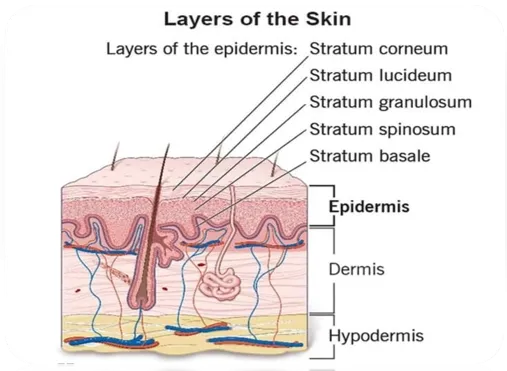
Fig no.1: - Structure of Skin
Introduction to Skin Cosmetics
Skin cosmetics are special formulations that are used to apply on the skin surface for cleansing, moisturizing, protecting, beautifying, and improving skin appearance. These cosmetics have great significance in keeping the skin healthy as they prevent drying of skin, make the skin soft, and protect the skin from external influences like dust, pollution, ultraviolet radiations, etc. Some examples of skin cosmetics are creams, lotions, gels, ointments, serums, face packs, hydrogels, etc. which usually consist of moisturizers, emollients, antioxidants, extracts of herbs, vitamins, sunscreens, etc. Herbal skin cosmetics have gained popularity over chemical cosmetics due to the reasons that they are safer, provide natural nourishment, and cause fewer side effects.
Polyherbal antioxidant hydrogel
Polyherbal antioxidant hydrogel can be described as a sophisticated semi-solid topical preparation formulated by incorporating one or more herbal extracts with antioxidative properties in a hydrogel matrix. Polyherbal antioxidant hydrogel has various uses in pharmaceutical as well as cosmeceutical products for protecting the skin, moisturizing, wound healing, anti-aging effect, and scavenging of free radicals. A hydrogel matrix is usually composed of synthetic or natural polymers such as Carbopol 940 that creates a clear, smooth, and non-oily hydrogel system that retains a high percentage of moisture. Antioxidants in the herbs like moringa and aloe vera help neutralize free radicals in the body, reduce oxidative stress, and protect skin from harmful effects of ultraviolet rays, pollutants, and aging effects. Hydrogels are very ideal carriers of such herbal ingredients due to spreadability, cooling effect, easy removal from the skin, extended contact with skin, and enhanced patient compliance. With hydrophilic and biocompatible properties, polyherbal antioxidant hydrogels have promising potential as topical skin care as well as herbal cosmetics preparations.
Choosing the Right Hydrogel for Your Skin Type
Benefits of antioxidant hydrogel
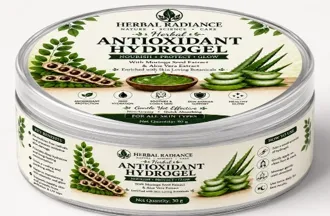
Fig no.2: - Hydrogel
2. PLANT PROFILE
Moringa oleifera, commonly known as Moringa or Drumstick tree, is a highly valued medicinal plant used in Ayurveda and traditional medicine systems. The seeds of moringa are rich in bioactive compounds and are widely used for their antioxidant, antimicrobial, and anti-inflammatory properties.
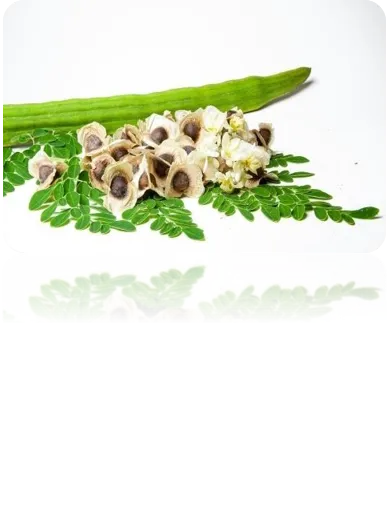
Fig no. 3: -Moringa seed
Its seeds are obtained from long pods and are known for their oil content (Ben oil) and therapeutic benefits. In traditional medicine, moringa is considered a “miracle tree” due to its multiple health benefits. The seeds are used for skin care, water purification, and pharmaceutical formulations, especially in antioxidant hydrogels
Botanical classification: -
Kingdom: Plantae
Division: Magnoliophyte
Class: Magnoliopsida
Order: Capparales
Family: Moringaceae
Genus: Moringa
Species: Moringa oleifera Lam
Common Name:
English: Drumstick Seed, Ben oil Seed
Hindi: Sahjan ke Beej, Munaha ke Beej
Marathi: Shevgyachya Biya, Shevga beej
Geographic Source of Moringa:
Native Region: Sub-Himalayan tracts of North-Western India mainly the foothills of the Himalayas in present-day Uttar Pradesh, Uttarakhand, and parts of Bihar.
Global Distribution: Moringa is now cultivated and naturalized in tropical and subtropical regions worldwide, mainly in Asia, Africa, America and ither regions like Hawaii, Oceania and parts of the Arabian Peninsula.
Major Geographic Sources:
India: By far the largest producer of moringa globally. Major producing states include Tamil Nadu, Karnataka, Kerala, and Andhra Pradesh.
Africa: Countries like Kenya, Nigeria, Senegal, Zambia, and Zimbabwe are major producers.
Southeast Asia: The Philippines and Indonesia Are prominent for leaf production.
Other Producers: Taiwan, Nicaragua, and Brazil are growing commercial producers.
Morphology:
Stem:
Leaves:
Flowers:
Seeds:
Root System:
Chemical Constituents:
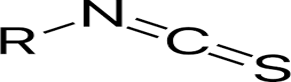
Isothiocyanates
Medicinal use:
Other uses of Moringa:
Marketed formulation
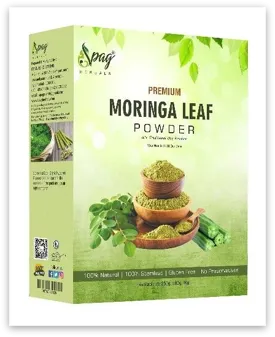
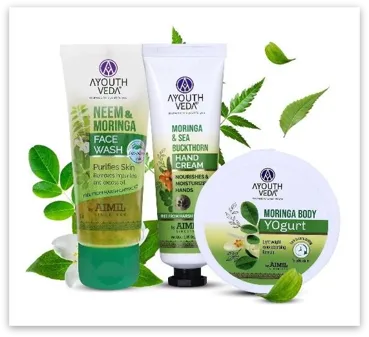
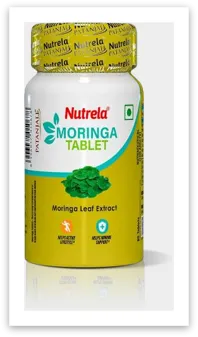
Fig no 4: -Natural Moringa Powder Fig no 5: -Moringa &Neem face wash Fig no 6: - Moringa Tablet
The Aloe vera plant has been known and used for centuries for its health, beauty, medicinal and skin care properties. The name Aloe vera is derived from the Arabic word “Alloeh” meaning “meaning shining bitter substance, ”while “vera” in Latin means “true” The properties includes- Healing properties, Protective effects against radiation damage to the skin, Anti-inflammatory action, Laxative effect, Anti-tumor activity, Moisturizing, Anti-aging effect and Antiseptic effect.
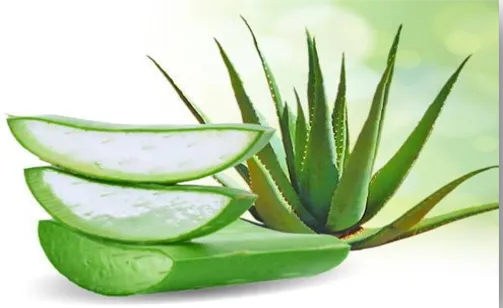
Fig no.7: -Aloe vera
Botanical Classification:
Geographical source:
Asia: India - Rajasthan, Gujarat, Maharashtra, Tamil Nadu; China, Pakistan
Americas: Mexico, Dominican Republic, Venezuela, USA - Texas, Florida,
California Africa: South Africa, Kenya,
Mediterranean: Spain, Greece
Australia: Northern regions
Morphology:
Growth Habit: Perennial, succulent xerophytic herb with short stem or stemless
Leaves: Rosette arrangement at base
Roots: Fibrous, shallow root system
Inflorescence: Raceme on long scape 60-90 cm, flowers yellow/orange, tubular
Fruit: Triangular capsule containing numerous seeds.
Chemical constituents:
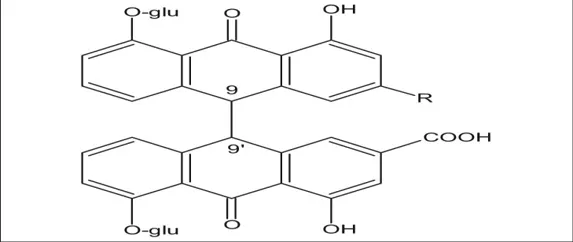
Anthraquinone glycosides
Medicinal uses:
Gel - inner mucilage:
Latex - yellow sap:
EXPERIMENTAL WORK
Requirements:
Apparatus: Beaker, Mortar pestle, Spatula, Stirrer, Measuring cylinder, Conical flask, Iodine flask, Water bath, Funnel, Petri plate.
Instrument: Weighing balance, pH meter, Mixer.
Chemicals: Triethanolamine, Carbopol 940, methyl paraben.
Formula :
Table no 1 :- Ingredients for polyherbal antioxidant hydrogel
|
Sr. no |
Ingredients |
Quantity Taken (50 gram) |
Roles |
|
|
Moringa extract |
2.5gm |
Active Ingredients |
|
|
Aloe vera extract |
2.5gm |
Active Ingredients |
|
|
Carbopol 940 |
0.5gm |
Gelling Agent |
|
|
Glycerin |
4gm |
Humectant |
|
|
Methyl paraben |
0.1gm |
Preservatives |
|
|
Triethanolamine |
q. s. |
Neutralizer |
|
|
Rose water |
2.5 ml |
Perfuming Agent |
|
|
Distilled water |
q. s. to 50 gm |
Solvent / vehicle |
3. METHODOLOGY:
Extraction:
Extraction Procedure (Maceration Technique):
1. A weighed quantity of powdered seeds material (e.g., 50g) was transferred into clean, dry conical flask.
2. To this, an adequate volume of prepared solvent (approximately 250-300 mL, maintaining a 1:5 ratio) was added.
3. The flask was tightly sealed to prevent solvent loss and kept at room temperature for a period of 48-72 hours.
4. During this period, the mixture was intermittently shaken to ensure proper interaction between the solvent and plant material, facilitating efficient extraction.
Filtration:
After completion of the extraction period, the mixture was filtered through Whatman filter paper to separate liquid extract from solid residue.
Concentration of Extract:
The obtained filtrate was subjected to solvent removal using water bath maintaining at temperature not exceeding 40-50°C to avoid degradation of active constituents.
Storage:
The final extract was transferred into an airtight container and stored under refrigerated conditions (4–8°C) to maintain its stability and prevent microbial contamination or oxidative degradation.
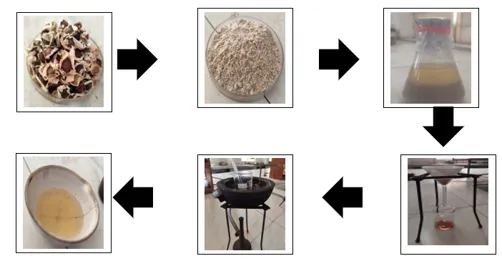
Fig no.8: - Extraction from moringa seed
Methodology for preparation of polyherbal antioxidant hydrogel:
Collection of Materials:
Carbopol, moringa seed extract, propylene glycol, preservatives, triethanolamine, distilled water
⬇
Preparation of gel base:
Carbopol weighed → Slowly added to distilled water with continuous stirring → Allowed to swell for 1–2 hours
⬇
Addition of additives:
Add glycerin slowly with stirring
Dissolve methyl paraben, propyl paraben in small amount of warm water and add.
⬇
Incorporation of extract:
Add moringa extract and aloe vera extract with continuous stirring
⬇
Neutralization
Add triethanolamine dropwise to reaches pH ~6-7
⬇
Final adjustment :
Make up weight to 50g with distilled water
Mix gently to avoid air bubbles.
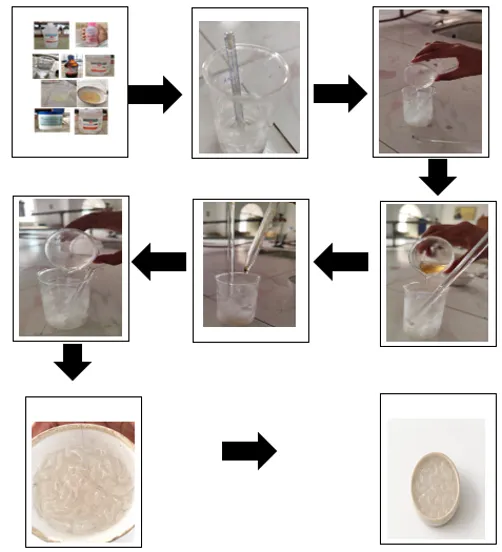
Fig no.9: - preparation of polyherbal antioxidant hydrogel
4. EVALUATION PARAMETERS
1. Organoleptic Properties:
2. pH Determination
3. Spreadability
4. Washability
5. Skin Irritation Test
6. Stability Study
7. Viscosity measurement
8. Antioxidant Activity
1g of hydrogel was placed between two glass slides. A weight of 500 g was placed on the upper slide for 1 minute. The diameter of the spread hydrogel was measured in cm.
S=ML/T
Where: M = Weight of upper slide
L = Length of glass slide
T = Time take
A measured quantity of hydrogel (around 1–2 g) was applied uniformly on a clean glass slide. The glass slide was held under running tap water for 1–2 minutes without rubbing.
It was observed whether the hydrogel was removed completely, partially, or left any residue.
The hydrogel was applied on a small area of skin. The site was observed for redness, swelling or irritation over 24–72 hours.
The formulation was subjected to stability testing under different conditions:
Room Temperature (25°C) Accelerated conditions (40°C ± 2°C / 75% RH ± 5%)
Samples were evaluated periodically for changes in pH, viscosity, color, and drug content.
The viscosity of hydrogel was determined using a Brookfield viscometer with spindle no. 64
At 10 rpm. 10 g of hydrogel was taken in a beaker and the spindle was immersed in it.
The reading was recorded after 1 minute of rotation at 25°C and expressed in centipoise (cps).
The antioxidant activity of hydrogel was evaluated using the DPPH free radical scavenging assay. A known concentration of gel extract was mixed with DPPH solution and the decrease in absorbance was measured at 517 nm.
5. RESULT
Antioxidant hydrogel containing moringa seed was formulated and evaluated successfully.
Table No. 2 : Organoleptic properties of hydrogel
|
Sr. No. |
Parameter |
Observation |
|
1 |
Color |
Light Green |
|
2 |
Odor |
Mild Characteristic Herbal |
|
3 |
Consistency |
Semi-solid gel |
|
4 |
Clarity |
clear |
|
5 |
Homogeneity |
Uniform |
|
6 |
Appearance |
Smooth gel |
2. pH Determination:-
Observation: pH was found to be 6.25
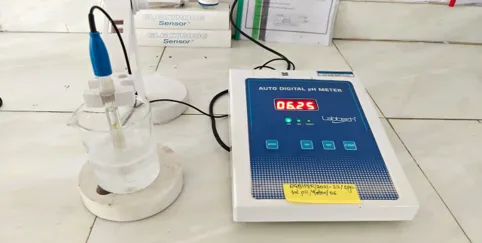
Fig no.10: - pH testing of Hydrogel using pH meter
3. Spreadability:-
S=ML/T
Where: M = Weight of upper slide
L = Length of glass slide
T = Time taken
S= 20 × 10/6= 33.3
Observation: Spreadability was found to be 33.3.
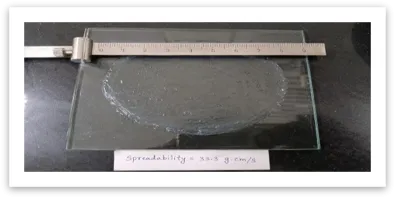
Fig no. 11: - Result of Spreadability test
4. Washability
Observation:- Completely Washable (Easily washable with water)
5. Skin Irritation Test:
Observations: - There is no irritation, redness, or itching was observed on skin.
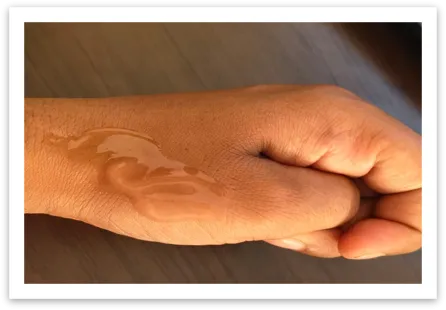
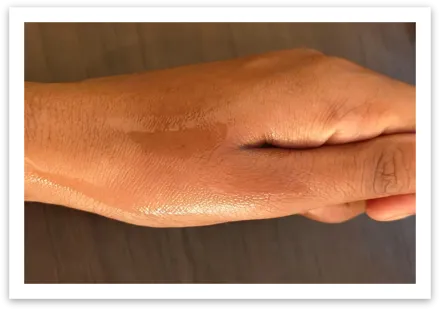
Fig no.12: - Result of skin irritancy test
6. Stability:
Table no 3 : Results of stability test
|
Parameter |
Initial |
After 15 days |
After 30 days |
Remark/Observation |
|
color |
Light Green |
NO Change |
NO Change |
Stable |
|
PH |
6.5 |
6.4 |
6.5 |
Stable |
|
Viscosity |
32,500 |
32,500 |
32,800 |
Slightly Changes |
7. Viscosity
Table no 4: Results of viscosity test
|
Trial |
RPM |
Viscosity(cPs) |
|
1 |
10 |
32,500 |
|
2 |
10 |
32,500 |
|
3 |
10 |
32,800 |
Average viscosity = 32,500+32,500+32,800
3
= 97,800
3
= 32,600
Observation - Viscosity was found to be 32,600.
8. Antioxidant Activity test:
Table no 5 : Results of antioxidant activity test
|
Sr. no |
Concentration (µg/mL) |
Absorbance (517 nm) |
% Inibition |
|
1 |
20 |
0.682 |
24.2 |
|
2 |
40 |
0.516 |
37.6 |
|
3 |
60 |
0.438 |
51.3 |
|
4 |
80 |
0.312 |
65.4 |
|
5 |
100 |
0.198 |
78.0 |
Control absorbance (A0) = 0.900
%Inhibition = A0-A1 X 100
A0
Example ( for 20 (µg/mL): =
0.900 – 0.682 X 100 = 24.2%
0.900
Observation: The percentage inhibition of DPPH free radicals increased with increase in concentration of the hydrogel. The formulation exhibited maximum inhibition of 78.0% at 100 µg/mL, indicating significant antioxidant activity due to the presence of bioactive constituents in Moringa oleifera extract.
10. DISCUSSION:
Present research work is conducted to develop topical formulation of herbal antioxidant hydrogel containing Moringa oleifera seed extract which prevents oxidative skin damage. Hydrogel specifically targets the common skin problems related to free radicals and UV exposure by providing antioxidant protection to skin, also helps to prevent premature ageing. Antioxidant activity of Moringa oleifera seed extract is due to presence of flavonoids like quercetin, kaempferol, and phenolic acids which also act as natural skin protectants. Strength and moisturizing activity of Carbopol 940 with Glycerin provides good consistency to hydrogel so there is no problem of phase separation, homogeneous formulation with good texture is formulated.
In this formulation all ingredients are hydrophilic in nature so there is no problem of phase separation, homogeneous formulation with good consistency is formulated. The resulting hydrogel is light green in color and its evaluation like- characteristic odor, smooth texture, pH and Homogeneity indicating its quality. The formulation was satisfactory with respect to pharmaceutical elegance, Spreadability, washability and pH indicating its suitability for topical application. Thus, formulation was evaluated for antioxidant activity by DPPH assay which revealed that overall activity of hydrogel showed significant free radical scavenging property. Therefore, the result of herbal antioxidant hydrogel study revealed that overall activity of formulation was comparable to marketed antioxidant gels and found to be stable, safe and effective.
SUMMARY AND CONCLUSION:
REFERENCES





Atharv Mashankar, Anjali Upadhyay, Tanvi Gulghane, Sneha Gorde, Nitin Indurwade, Formulation and Evaluation of Polyherbal Antioxidant Hydrogel from Moringa, Int. J. of Pharm. Sci., 2026, Vol 4, Issue 7, 2959-2973. https://doi.org/10.5281/zenodo.21364356
 10.5281/zenodo.21364356