

We use cookies to ensure our website works properly and to personalise your experience. Cookies policy
Late Laxmibai Phadtare College of Pharmacy A/P-Kalamb-Walchandnagar,Tal : Indapur Dist : Pune
Background: Diabetic wound healing is a complex and challenging clinical problem, characterized by a self-perpetuating cycle of oxidative stress, chronic inflammation, impaired angiogenesis, and defective extracellular matrix (ECM) remodeling. Conventional wound dressings often provide passive care and fail to address this multifactorial pathophysiology.Objective: This review outlines the scientific rationale, formulation design, and comprehensive evaluation strategy for a polyherbal hydrogel containing standardized extracts of Aloe vera, curcumin (Curcuma longa), and Centella asiatica. The objective is to create a bioactive dressing that synergistically targets multiple pathways to accelerate diabetic wound repair.Methods: We review the pathophysiology of diabetic wounds and the pharmacological actions of the selected herbs. A detailed experimental methodology is provided, covering pre-formulation studies, hydrogel development using modern polymer science (e.g., Carbopol/HPMC), Quality-by-Design (QbD) principles, and advanced evaluation techniques. This includes physicochemical characterization (rheology, bio-adhesion), in vitro release kinetics, and biological assays (antioxidant, antimicrobial, cell migration). A robust in vivo protocol using a streptozotocin (STZ)-induced diabetic rat excision wound model is detailed, with endpoints including wound contraction rate, histopathology (collagen, angiogenesis via CD31/VEGF), and biochemical markers (hydroxyproline, MDA, TNF-?). Expected Outcomes: The proposed polyherbal hydrogel is expected to maintain a moist wound environment while actively promoting healing. Aloe vera will provide hydration and support re-epithelialization; curcumin will offer potent antioxidant and anti-inflammatory effects; and Centella asiatica will stimulate fibroblast proliferation and collagen synthesis. This multi-pronged approach is hypothesized to lead to faster wound closure, enhanced tissue quality, and reduced infection risk compared to untreated or single-agent controls. Conclusion: A well-formulated and rigorously evaluated polyherbal hydrogel represents a promising, next-generation therapeutic strategy for managing chronic diabetic wounds. This manuscript provides a complete framework to guide its development from concept to preclinical validation
Diabetes mellitus has reached pandemic proportions, and its complications represent a significant global health burden. Among the most debilitating of these is the diabetic foot ulcer (DFU), a chronic, non-healing wound that is a leading cause of non-traumatic lower-limb amputations [1]. The pathophysiology of diabetic wounds is notoriously complex, involving a vicious cycle of hyperglycemia, peripheral neuropathy, vascular insufficiency, oxidative stress, and a persistent, non-resolving inflammatory state [2]. This hostile microenvironment impairs all phases of the normal wound healing cascade, from cell proliferation and migration to angiogenesis and matrix remodeling [3].
Conventional wound dressings, such as gauze or films, primarily offer a passive protective barrier. While advanced dressings (e.g., foams, alginates) provide better moisture management, they do not actively intervene in the underlying biological defects of the diabetic wound [4]. There is a critical unmet need for "active" or "bioactive" dressings that can modulate the wound environment to promote healing.
Hydrogels—three-dimensional, hydrophilic polymer networks—are exceptional platforms for modern wound care. They can donate moisture to dry wounds, absorb excess exudate, are biocompatible, and can be designed to provide sustained, localized delivery of therapeutic agents [5]. This makes them ideal vehicles for delivering phytochemicals with known wound-healing properties.
This review focuses on the development of a sophisticated polyherbal hydrogel combining three powerhouse botanicals: Aloe vera, curcumin (from Curcuma longa), and Centella asiatica (Gotu Kola).
By combining these three agents in a single hydrogel formulation, we hypothesize a synergistic effect that addresses multiple facets of diabetic wound pathology simultaneously (Figure 1). This manuscript provides a comprehensive scientific framework for the formulation, characterization, and pharmacological evaluation of this novel polyherbal therapeutic system.
FIGURE 1: DUAL MECHANISM OF DIABETIC WOUNDS AND HYDROGEL THERAPY
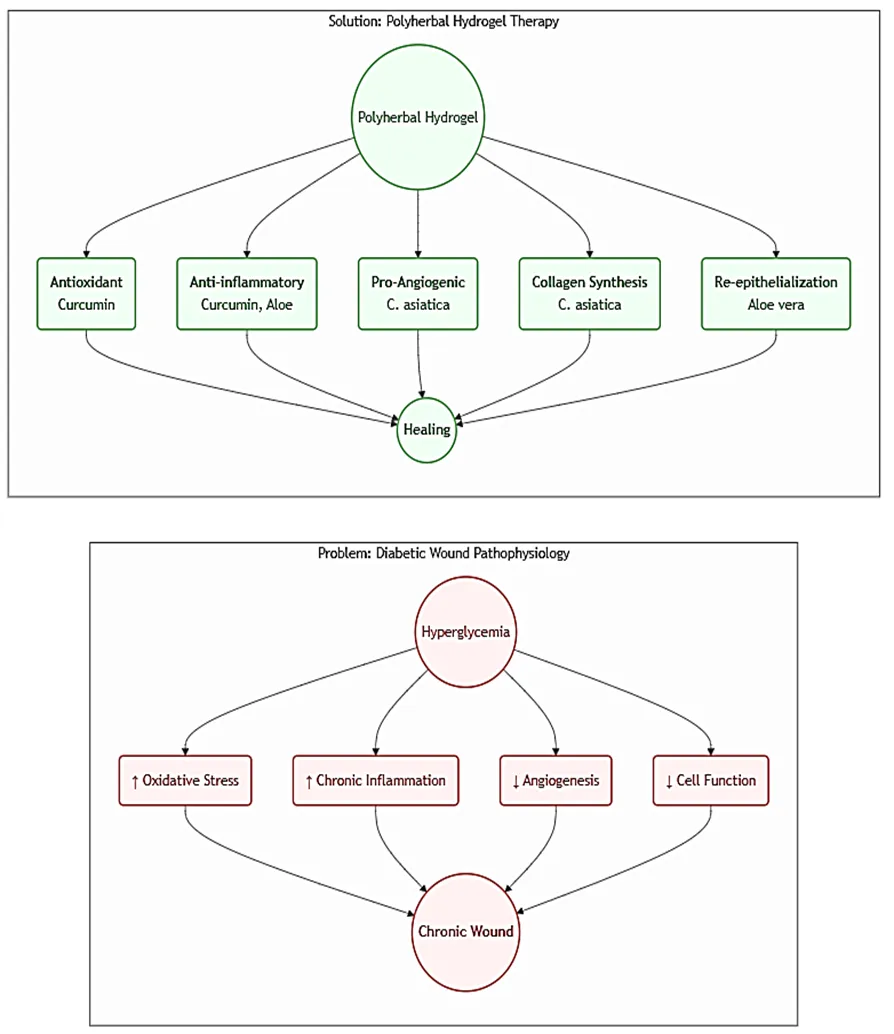
Figure 1: Pathophysiology vs. Therapeutic Action
This diagram illustrates how the polyherbal hydrogel is designed to counteract the key pathological defects present in a chronic diabetic wound.
2. RATIONALE FOR THE POLYHERBAL APPROACH
A single-agent therapy is often insufficient to overcome the multifaceted barriers in diabetic wound healing. A polyherbal approach, as summarized in Table 1, allows for a synergistic, multi-pronged attack on the wound's pathophysiology.
TABLE 1: PATHOPHYSIOLOGY OF DIABETIC WOUNDS AND CORRESPONDING HERBAL ACTIONS
|
Pathological Feature in Diabetic Wound |
Pharmacological Action of Herbal Component |
|
↑ Oxidative Stress & ROS Damage |
Curcumin: Potent ROS scavenger, upregulates antioxidant enzymes (e.g., Nrf2 pathway). |
|
↑ Chronic Inflammation (High TNF-α, IL-6) |
Curcumin & Aloe vera: Inhibit NF-κB signaling, reducing pro-inflammatory cytokine production. |
|
↓ Impaired Angiogenesis |
Centella asiatica & Curcumin: Stimulate Vascular Endothelial Growth Factor (VEGF) production, promoting new blood vessel formation. |
|
↓ Defective Collagen Synthesis & ECM |
Centella asiatica: Triterpenes (asiaticoside) directly stimulate fibroblast proliferation and Type I collagen synthesis. |
|
↓ Impaired Re-epithelialization |
Aloe vera: Acemannan stimulates keratinocyte migration and proliferation. |
|
High Risk of Microbial Colonization |
Hydrogel Barrier, Curcumin, & Aloe vera: Provide a physical barrier and possess intrinsic antimicrobial properties. |
|
Wound Dehydration / Excessive Exudate |
Hydrogel Base: Maintains optimal moisture balance by donating or absorbing water. |
3. FORMULATION DESIGN AND METHODOLOGY
The successful development of the hydrogel relies on rational selection of excipients and a carefully controlled manufacturing process (Figure 2).
FIGURE 2: FORMULATION AND EVALUATION WORKFLOW
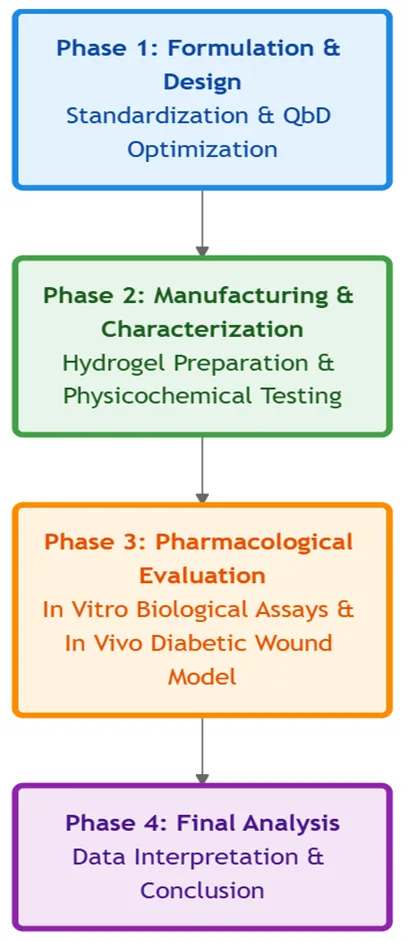
Figure 2: Comprehensive Development Workflow
This workflow diagram outlines the systematic steps from raw material selection to final preclinical evaluation, incorporating modern pharmaceutical development principles like Quality-by-Design (QbD) and Design of Experiments (DoE).
3.1. MATERIALS AND METHODS
3.1.1. Materials
Standardized extracts of Aloe vera (≥10% acemannan), Curcuma longa (≥95% curcuminoids), and Centella asiatica (≥40% triterpenes) will be procured. Pharmaceutical-grade polymers (Carbopol 940, HPMC K100M), humectants (propylene glycol), neutralizers (triethanolamine), and solubilizers for curcumin (e.g., Polysorbate 80, HP-β-Cyclodextrin) will be used.
3.1.2. Pre-formulation Studies
Solubility of extracts in various solvents will be determined. Drug-excipient compatibility will be assessed using Fourier-Transform Infrared Spectroscopy (FTIR) and Differential Scanning Calorimetry (DSC) to detect any potential interactions.
3.1.3. Formulation of the Hydrogel
A detailed breakdown of components is provided in Table 2. The hydrogel will be prepared by dispersing the gelling agent (e.g., Carbopol 940) in purified water, followed by the addition of other polymers and humectants. The herbal extracts and solubilized curcumin will be incorporated with gentle mixing. Finally, the pH will be adjusted to ~6.0 using triethanolamine to induce gelation.
4. PHARMACOLOGICAL EVALUATION (IN VIVO)
4.1. Experimental Animals
Healthy adult Wistar rats (180–220 g) of either sex will be used. The study protocol will be approved by the Institutional Animal Ethics Committee (IAEC).
4.2. Induction of Diabetes
Diabetes will be induced by a single intraperitoneal (i.p.) injection of Streptozotocin (STZ) at a dose of 55 mg/kg, dissolved in cold citrate buffer (pH 4.5). Animals with fasting blood glucose levels >250 mg/dL after 72 hours will be considered diabetic and selected for the study.
4.3. Excision Wound Model
The diabetic rats will be anesthetized, and the dorsal thoracic region will be shaved. A circular, full-thickness excision wound of approximately 200 mm² will be created using a sterile biopsy punch.
TABLE 2: COMPONENTS AND RATIONALE FOR THE POLYHERBAL HYDROGEL FORMULATION
|
Component |
Example |
Concentration (% w/w) |
Rationale / Function |
|
Gelling Agent |
Carbopol® 940 |
0.5 – 1.5 |
Creates the primary hydrogel network; provides viscosity. |
|
Viscosity Modifier |
HPMC K100M |
0.5 – 2.0 |
Modulates viscosity, improves bio-adhesion and controls release. |
|
Humectant |
Propylene Glycol |
5 – 10 |
Prevents the dressing from drying out; acts as a co-solvent. |
|
Curcumin Solubilizer |
HP-β-Cyclodextrin or Polysorbate 80 |
1:2 molar ratio or 1-5% |
Enhances solubility and stability of poorly soluble curcumin. |
|
Active 1 |
Aloe vera extract |
1 – 5 |
Provides healing polysaccharides (acemannan) and hydration. |
|
Active 2 |
Curcumin |
0.1 – 0.5 |
Serves as the primary antioxidant and anti-inflammatory agent. |
|
Active 3 |
Centella asiatica extract |
0.5 – 2 |
Delivers triterpenes to stimulate collagen and angiogenesis. |
|
Neutralizing Agent |
Triethanolamine (TEA) |
q.s. to pH 6.0 |
Neutralizes Carbopol to form the viscous gel structure. |
|
Vehicle |
Purified Water |
q.s. to 100 |
The primary solvent and hydrating medium. |
3.2. Evaluation of the Polyherbal Hydrogel
A comprehensive set of evaluation parameters (Table 3) will be used to ensure the quality, safety, and efficacy of the final formulation.
TABLE 3: COMPREHENSIVE EVALUATION PARAMETERS FOR THE HYDROGEL
|
Category |
Parameter |
Method / Instrument |
Acceptance Criteria |
|
Physicochemical |
Appearance & Homogeneity |
Visual Inspection |
Homogeneous, smooth, free of lumps |
|
pH |
pH meter |
5.5 – 6.5 (skin compatible) |
|
|
Viscosity & Rheology |
Brookfield Viscometer / Rheometer |
Appropriate viscosity for topical application (e.g., 20,000-50,000 cP) |
|
|
Spreadability |
Parallel Plate Method |
Good spreadability circle diameter |
|
|
Bio-adhesion |
Texture Analyzer |
Adequate force of detachment |
|
|
Performance |
Drug Content Uniformity |
HPLC |
90% – 110% of label claim |
|
In Vitro Release Test |
Franz Diffusion Cell |
Sustained release over 8-12 hours |
|
|
Biological |
In Vitro Antioxidant Activity |
DPPH/ABTS Assay |
Significant radical scavenging activity |
|
In Vitro Antimicrobial Activity |
Agar Well Diffusion |
Zone of inhibition against S. aureus, P. aeruginosa |
|
|
In Vivo Efficacy |
Wound Contraction Rate |
Digital Planimetry |
Significantly faster closure vs. control |
|
Histopathology |
H&E and Masson's Trichrome Staining |
Enhanced collagen deposition, re-epithelialization, angiogenesis |
|
|
Biochemical Markers |
ELISA / Colorimetric Assays |
↑ Hydroxyproline, ↓ MDA, ↓ TNF-α |
|
|
Safety |
Dermal Irritation Test |
OECD Guideline 404 (Rabbit model) |
Non-irritant |
|
Stability |
ICH Stability Studies |
Stability Chamber |
Stable for at least 6 months under accelerated conditions |
4.4. Experimental Groups
The animals will be divided into the following groups (n=6 per group):
4.5. Treatment and Evaluation
The formulations will be applied topically to the wound area once daily for 21 days. Wound contraction will be measured every 3rd day by tracing the wound boundary on a transparent sheet and calculating the area. The period of epithelialization will be noted as the number of days required for the scar to fall off completely.
On day 21, animals will be euthanized, and wound tissue will be collected for:
FIGURE 3: PROPOSED MECHANISM OF ACTION OF INDIVIDUAL HERBAL COMPONENTS
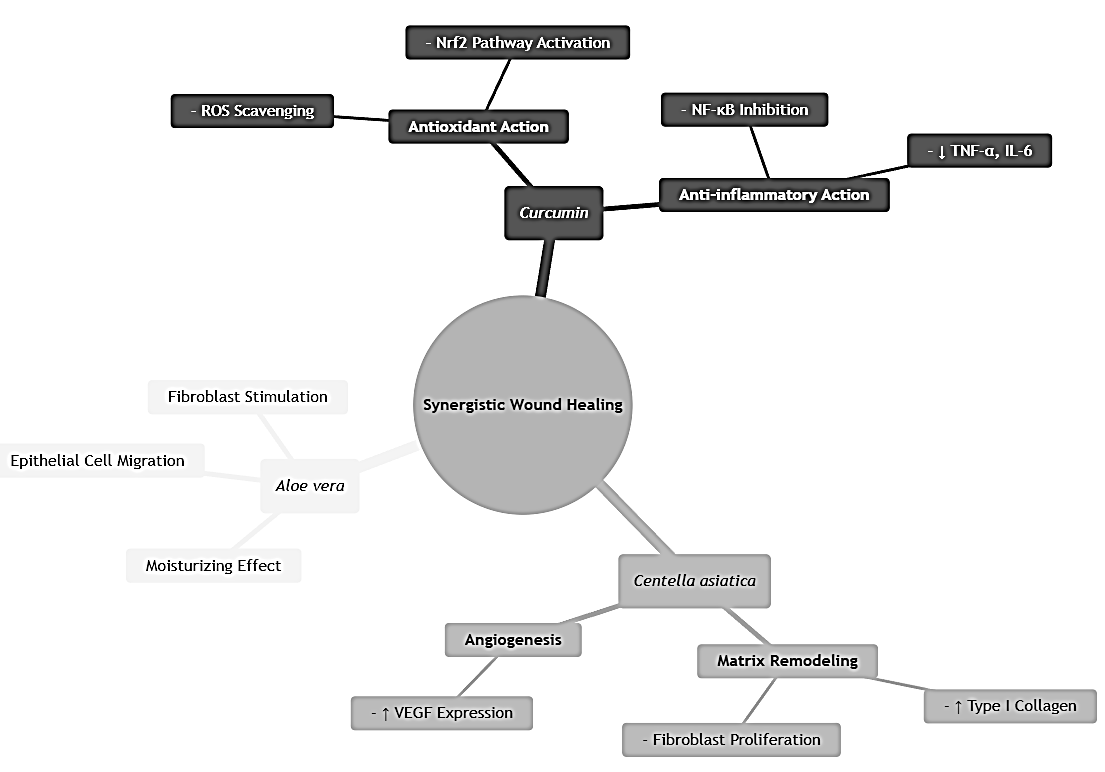
Figure 3: Multi-Target Action of Herbal Components
This mind map illustrates how the three herbal actives work on distinct yet complementary pathways to promote holistic wound repair.
CONCLUSION
The development of a polyherbal hydrogel containing Aloe vera, curcumin, and Centella asiatica presents a scientifically robust and highly promising strategy for the management of chronic diabetic wounds. By combining the hydrating and sustained-release benefits of a hydrogel vehicle with the synergistic, multi-target pharmacological actions of the selected botanicals, this formulation is poised to address the core pathological defects that hinder healing in diabetic patients. The comprehensive methodological framework outlined in this review, from QbD-based formulation to rigorous in vivo evaluation, provides a clear roadmap for translating this concept from the laboratory bench to a potential clinical application. Successful validation would mark a significant advancement in active wound care, offering a safer, more effective, and plant-based alternative for this major unmet medical need.
REFERENCES

Sanskruti Pandekar, Ulka Mote, Dr. Pravin Uttekar, Sagar Daitkar, Formulation and Pharmacological Evaluation of a Polyherbal Hydrogel Containing Aloe vera, Curcumin, and Centella asiatica for Diabetic Wound Healing Activity: A Comprehensive Review and Methodological Framework, Int. J. of Pharm. Sci., 2026, Vol 4, Issue 6, 2297-2304, https://doi.org/10.5281/zenodo.20609791
 10.5281/zenodo.20609791