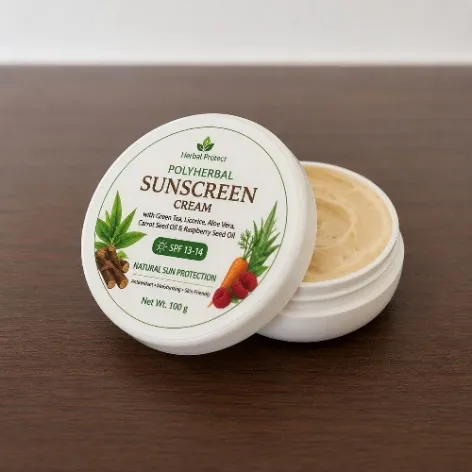
View Article

Abstract

The present study focuses on the development and evaluation of a herbal sunscreen formulation prepared using plant-derived bioactive ingredients such as Green tea (Camellia sinensis), Licorice (Glycyrrhiza glabra), Aloe vera (Aloe barbadensis), Carrot seed oil, and Raspberry seed oil. In recent years, growing awareness regarding the adverse effects and environmental impact of synthetic sunscreen agents has encouraged researchers to explore safer herbal alternatives. In this work, an oil-in-water emulsion-based sunscreen cream was formulated and evaluated for its physicochemical characteristics, stability, antioxidant potential, phytochemical composition, and in-vitro sun protection factor (SPF) using UV spectrophotometric analysis. The results indicated that the formulation exhibited moderate SPF values ranging approximately between 10 and 18, along with good physical stability and enhanced antioxidant activity due to the synergistic effect of the incorporated plant extracts and oils. The study concludes that polyherbal sunscreen formulations can serve as effective, safe, and eco-friendly alternatives or adjuncts to conventional chemical-based sunscreens.

Keywords

Herbal sunscreen, Licorice Extract, Green tea Extract, Aloe vera , Raspberry seed oil, Carrot seed oil, Sun Protection Factor (SPF), Ultra Voilet Radiation (UV)

Introduction

× Popup Image

India has a rich traditional heritage in herbal medicine, where plants have long been used for treating various skin disorders and improving complexion. Ancient Ayurvedic texts such as Charaka Samhita describe numerous medicinal plants that were traditionally used for enhancing skin glow and treating dermatological conditions.[1-2] In modern times, plant-derived extracts, oils, and powders have found extensive applications in cosmetic and skincare formulations either as active ingredients or supportive excipients. Herbal ingredients are increasingly gaining attention because they contain a wide range of bioactive phytochemicals that can improve skin health naturally without significant side effects.[3] Human skin is continuously exposed to ultraviolet (UV) radiation from sunlight, which can lead to several harmful effects such as premature aging, sunburn, pigmentation, and even DNA damage. Among UV radiations, UVB rays (280–320 nm) are particularly responsible for erythema and skin burning. Plants, being naturally exposed to sunlight, have developed protective mechanisms against UV-induced damage, mainly through the synthesis of phenolic compounds and antioxidants. These natural defense systems have inspired the development of herbal sunscreen formulations that can help protect human skin from harmful UV radiation.[4-6]

Various Plants Having Sunscreen Activities

Licorice (Glycyrrhiza Glabra)[7]
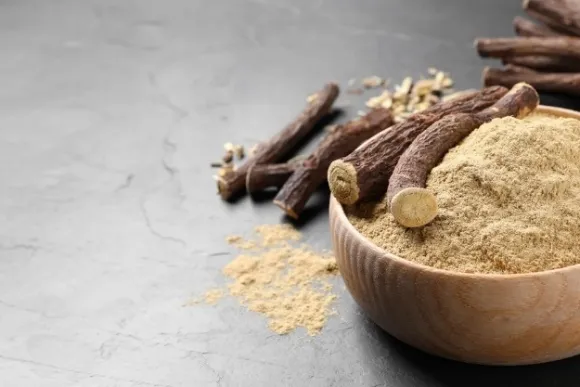
Licorice (Glycyrrhiza glabra) is well known for its strong skin-protective properties due to the presence of active constituents such as glycyrrhizin and glycyrrhetinic acid. These compounds exhibit anti-inflammatory, antioxidant, and depigmenting effects, making licorice effective in reducing UV-induced skin damage, pigmentation, and irritation. It also helps in inhibiting melanin synthesis, thereby reducing dark spots and uneven skin tone. [8-11].

Green Tea (Thea viridis) [12]
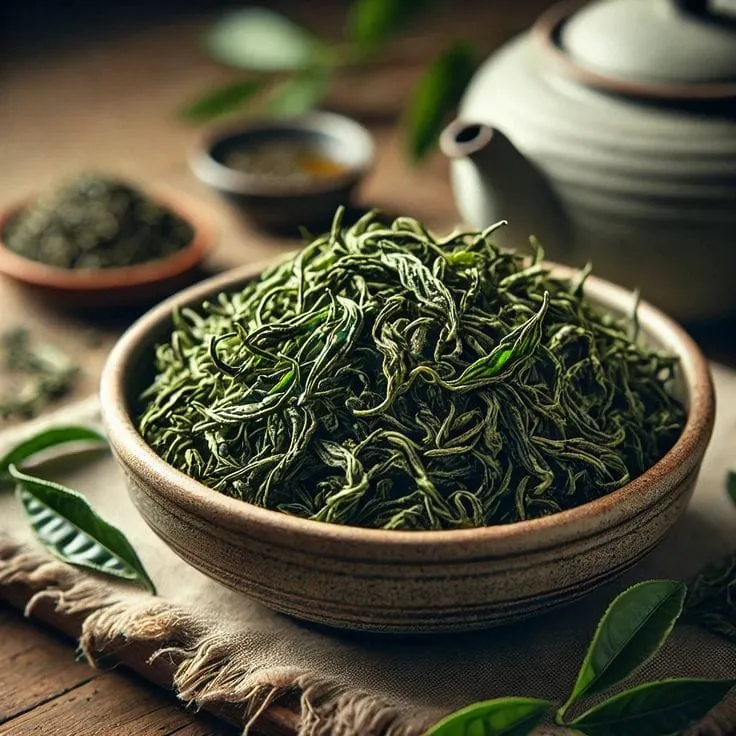
Green tea (Camellia sinensis) is another powerful herbal ingredient widely recognized for its antioxidant properties. It contains epigallocatechin gallate (EGCG), which provides significant protection against UV-induced oxidative stress, DNA damage, and inflammation. Regular topical application of green tea extracts has been reported to reduce photoaging effects and may also help in preventing UV-induced skin cancers by neutralizing free radicals generated during sun exposure. [13-16]

Aloe Vera (Aloe barbadensis ) [17]
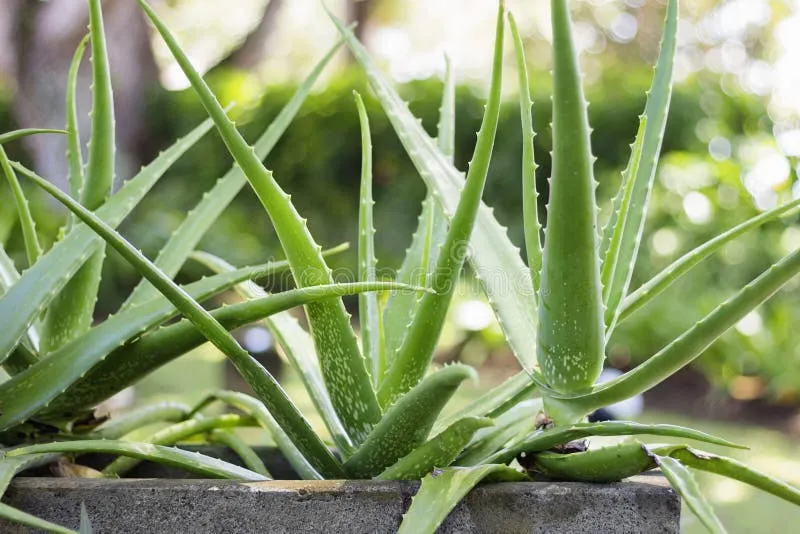
Aloe vera (Aloe barbadensis) is widely used in skincare formulations due to its soothing, moisturizing, and healing properties. It contains various bioactive compounds such as aloin, barbaloin, and emodin. The gel extracted from Aloe vera leaves is commonly used to treat burns, inflammation, and skin irritation. It also helps in hydrating the skin and supporting the repair of damaged skin tissues, making it an ideal base for sunscreen formulations. [18-19]

Carrot Seed Oil (Daucus carota)[20]
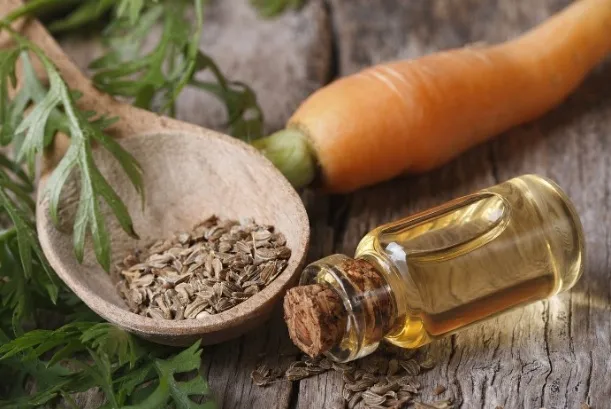
Carrot seed oil (Daucus carota) is rich in beta-carotene, a precursor of vitamin A, which provides strong antioxidant activity. It helps in protecting the skin from oxidative stress caused by UV radiation and supports skin regeneration. It is also known to improve skin tone and provide mild natural photoprotection, making it a useful ingredient in herbal sunscreen preparations.[21]

Raspberry Seed Oil (Rubus Idaeus L)[22]


Raspberry seed oil (Rubus idaeus) contains essential fatty acids such as omega-3 and omega-6, along with vitamin E, carotenoids, and phytosterols. These components contribute to its antioxidant, anti-inflammatory, and moisturizing properties. Although it may offer slight UV absorption, its primary role in sunscreen formulations is to enhance skin hydration, improve barrier function, and support overall skin protection rather than acting as a primary UV filter..[23-24]

Table no. 01- Plants used for sunscreen.

Sr. No.

Plant

Botanical name

Part Used

Active Chemical Constituent

1.

Liquorice

Glycyrrhiza Glabra

Root

Glycyrrhizin & Glycyrrhetinic acid

2.

Green tea

Thea viridis

Leaves

Epigallacto catachin3O gallate(EGCG)

3.

Aloe Vera

Aloe barbadensis

Leaves

Barbaloin, isobarbaloin & anthraquinones

4.

Carrot Seed Oil

Daucus carota

Seeds

BetaCarotene

5.

Raspberry Seed Oil

Rubus Idaeus L

Seeds

Linoleic acid, Alpha-Linolenic acid & Oleic acid

Review of Literature

1. Katiyar SK et al.[¹⁴,²⁷] reviewed the photoprotective effects of green tea polyphenols on the skin. Green tea contains catechins, particularly epigallocatechin gallate (EGCG), which exhibit strong antioxidant and anti-inflammatory activities. The study reported that green tea polyphenols reduce UV-induced oxidative stress, erythema, collagen degradation, and DNA damage, thereby providing significant protection against photoaging and skin cancer. Current Drug Targets - Immune, Endocrine & Metabolic Disorders. 2003;3(3):234-242.

2. Yusuf N et al.[²⁶,⁴⁰] investigated the photoprotective effects of green tea polyphenols against ultraviolet radiation. Their findings demonstrated that green tea extracts effectively neutralize reactive oxygen species (ROS) generated during UV exposure and reduce inflammatory responses in skin tissues. The study highlighted the potential use of green tea as a natural sunscreen ingredient. Photodermatology, Photoimmunology & Photomedicine. 2007;23(1):48-56.

3.Ahmad N and Mukhtar H[²⁹,⁴¹] reviewed the role of green tea in cutaneous photochemoprotection. The authors concluded that topical application of green tea extract helps prevent UV-induced skin damage through antioxidant mechanisms and supports skin repair processes. Green tea was suggested as a promising herbal ingredient for sunscreen formulations. Skin Pharmacology and Applied Skin Physiology. 2001;14(2):69-76.

4. Korac RR and Khambholja KM[⁴⁹] reviewed the potential of herbal ingredients in skin protection against ultraviolet radiation. The authors reported that plant-derived compounds such as flavonoids, polyphenols, carotenoids, and vitamins provide antioxidant and photoprotective effects. Herbal formulations were found to be safer alternatives to synthetic sunscreens with reduced adverse effects. Pharmacognosy Reviews. 2011;5(10):164-173.

5. Saewan N and Jimtaisong A[⁴⁵] reviewed various natural products used for photoprotection. The study highlighted the importance of herbal antioxidants in preventing UV-induced oxidative damage and inflammation. The authors suggested that natural extracts can enhance sunscreen efficacy when incorporated into topical formulations. Journal of Cosmetic Dermatology. 2015;14(1):47-63.

6. Nichols JA and Katiyar SK[⁴⁴] discussed the mechanisms of skin photoprotection by natural polyphenols. The review explained that polyphenolic compounds provide anti-inflammatory, antioxidant, and DNA repair activities, thereby reducing the harmful effects of UV radiation. The study supported the use of plant-based ingredients in sunscreen preparations. Archives of Dermatological Research. 2010;302(2):71-83.

7. Ghosh D and Dhandha MM[²³] investigated the Sun Protection Factor (SPF) of raspberry seed oil in combination with niacinamide and zinc oxide. The study demonstrated that raspberry seed oil contributes antioxidant activity and enhances overall photoprotection when combined with other sunscreen agents. SKIN Journal of Cutaneous Medicine. 2024;8(5):1807-1814.

8. Oomah BD et al.[²⁴] evaluated the characteristics of raspberry seed oil and reported that it contains essential fatty acids, tocopherols, carotenoids, and polyphenols. These bioactive compounds provide antioxidant activity, improve skin hydration, and support skin barrier protection, making raspberry seed oil a useful ingredient in cosmetic formulations. Food Chemistry. 2000;69(2):187-193.

Aim and Objectives

The aim of this study is to formulate and evaluate a herbal sunscreen cream using natural plant extracts such as Green tea, Licorice, Aloe vera, Carrot seed oil, and Raspberry seed oil.

Objectives

  • The main objective is to assess the physicochemical properties, stability, and photoprotective activity of the developed formulation.
  • The study also aims to prepare herbal extracts from selected plants and incorporate them into an oil-in-water emulsion system.
  • Further objectives include evaluating parameters such as color, odor, pH, spreadability, and texture, as well as determining the in-vitro SPF using UV spectrophotometric methods.
  • Additionally, the study focuses on analyzing the contribution of natural oils in enhancing antioxidant and photoprotective activity, performing stability studies under different conditions, and comparing the formulation with existing herbal sunscreen systems.
  • Ultimately, the goal is to evaluate the potential of the formulation as a safer and more natural alternative to synthetic sunscreen products.

Materials and Methods

Herbal ingredients :

  • Green tea leaves (dried)
  • Licorice root powder
  • Fresh Aloe vera leaves
  • Carrot seed oil
  • Raspberry seed oil

Chemical / Excipients

  • Stearic acid
  • Cetyl alcohol
  • Beewax
  • Liquid paraffin
  • Glycerin
  • Potassium hydroxide
  • Methyl paraben
  • Propyl paraben
  • Distilled water

Equipments

  • Beakers
  • Hot plate or water bath
  • Mechanical stirrer / magnetic stirrer
  • Thermometer
  • Mortar & pestle
  • pH meter
  • Weighing balance
  • Muslin cloth
  • Glass rods

Extractions

Licorice extraction (hydroalcoholic method)

The extraction of Licorice was carried out using a hydroalcoholic maceration method, where powdered root was soaked in 70% ethanol for 24–48 hours, followed by filtration and concentration..[32-33]
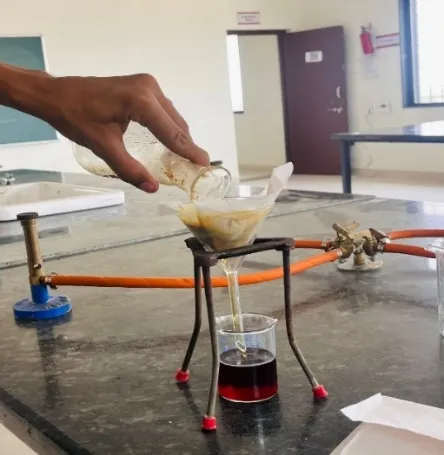
Fig. no.06: Licorice extraction

Green tea extraction (ethanolic method)

Green tea extract was prepared by macerating powdered leaves in ethanol solution for 24 hours, followed by filtration and evaporation at low temperature. [34-35]
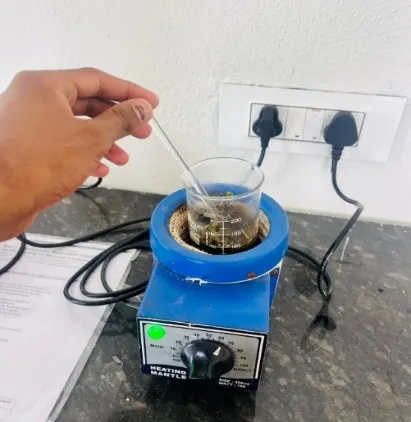
Fig. no.07: Green Tea Extraction

Aloe vera extraction (fresh gel method)

Aloe vera gel was obtained by collecting fresh inner gel from leaves, followed by blending and filtration to obtain a uniform gel..[36]
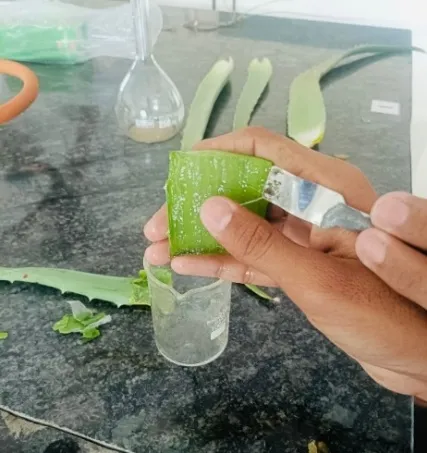
Fig. no.08: Aloe vera Extraction

Material Required

Table no.02: Final Formula Table

Sr.no.

Ingredient

Quantity

Function

1.

Licorice extract

5ml

Anti-pigmentation

2.

Green tea extract

10ml

Antioxidant

3.

Aloe vera gel

25ml

Moisturizer / Base

4.

Raspberry seed oil

5ml

Photoprotection

5.

Carrot seed oil

3ml

Skin Repair

6.

Stearic Acid

6g

Thickener

7.

Cetyl Alcohol

3g

Emollient

8.

Beeswax

4g

Stabilizer

9.

Liquid paraffin

8ml

Oil Phase

10.

Glycerin

4ml

Humectant

11.

Potassium Hydroxide

0.25g

pH Adjustment

12.

Methyl Paraben

0.2g

Preservative

13.

Propyl Paraben

0.1g

Preservative

14.

Vitamin E

1ml

Preservative

15.

Distilled Water

q.s. to 100g

Vehicle

Method of Preparation

Oil Phase

The oil phase consisting of stearic acid, cetyl alcohol, beeswax, liquid paraffin, carrot seed oil, and raspberry seed oil was heated until a uniform melt was obtained..[37-40]

Liquid Phase

The aqueous phase containing distilled water, Aloe vera gel, herbal extracts, glycerin, and preservatives was prepared separately under controlled heating with continuous stirring. The oil phase was then slowly added to the aqueous phase with constant stirring to form an oil-in-water emulsion.[41-45]

Storage

Potassium hydroxide solution was added to adjust the pH, and the formulation was allowed to cool gradually with continuous stirring to obtain a smooth cream. The final product was stored in airtight containers under cool conditions for further evaluation..[46-50]

Observation

Sr. no.

Evaluation Parameters

Standard Range

Observation

1.

Physical appearance

Smooth, homogenous semisolid without phase separation

Smooth homogenous semisolid cream obtained

2.

Color

Light green to pale cream color

Light caramel cream obtained

3.

Odor

Mild pleasant herbal odor

Mild pleasant, pungent and woody odor

4.

pH

5.5- 6.5 ( Skin compatible range )

pH found 5.92

5.

Texture

Smooth and non gritty

Smooth and non gritty texture obtained

6.

Spreadability

Easily spreadable with good film formation

Good spreadability with uniform application 

7.

SPF value

Minimum SPF 10-15 for moderate herbal photoprotection 

Estimated SPF was observed in range of 13 -14

8.

UV absorbance

Significant absorbance in UV-B region 

Good absorbance observed between 290-320nm

9.

Stability

No phase separation, color change, or odor change during storage

Stable under room and refrigerated condiions

10.

Phase Separation

No visible separation

No phase separation observed

11.

Irritation test

No redness or irritation on applied

No irritation observed

12.

Homogeneity

Unform distribution of ingredients

Formulation showed good homogeneity

13.

Storage stability

Stable for at least 1-3 months

Stable for approximately 2-3 months under proper stoerge

Fig.no.09:- Final Product

RESULT 

The prepared herbal sunscreen cream exhibited a smooth, homogeneous, and stable semisolid appearance with a light caramel color and mild herbal odor. The pH of the formulation was found to be around 5.9, which lies within the skin-compatible range. The cream showed good spreadability and uniform application on the skin without any gritty texture or phase separation. UV spectrophotometric analysis indicated significant absorbance in the UV-B region (290–320 nm), with an estimated SPF value ranging between 13 and 14, indicating moderate photoprotective ability. Stability studies revealed that the formulation remained physically stable under both room temperature and refrigerated conditions without any noticeable changes in color, odor, or consistency. No signs of skin irritation or adverse reactions were observed during testing, indicating that the formulation is safe for topical application.

CONCLUSION

The present study successfully demonstrated the formulation of a stable and effective polyherbal sunscreen cream using natural plant-based ingredients. The combination of Green tea, Licorice, Aloe vera, Carrot seed oil, and Raspberry seed oil provided synergistic antioxidant, moisturizing, and photoprotective effects. The developed formulation showed acceptable physicochemical properties, good skin compatibility, and moderate SPF activity, suggesting its potential as a natural alternative to synthetic sunscreen products. Overall, this work supports the growing interest in herbal cosmetics and highlights the feasibility of developing safe, eco-friendly, and effective sunscreen formulations from plant-derived materials.

REFERENCES
  1. Edlich RF, Winters KL, Lim HW et al. Photoprotection by sunscreens with topical antioxidants and systemic antioxidants to reduce sun exposure. J Long Term Eff Med Implants. 2004; 14(4):317¬340.
  2. Rai R, Srinivas CR. Photoprotection. Indian J Dermatol Venereol Leprol 2007; 73:73¬79.
  3. Kole PL, Jadnav HR, Thakurdesai P, Nagappa AN. Cosmetic Potential of Herbal Extracts. Natural Product Radiance 2005; 4:315¬321.
  4. Kapoor VP. Herbal cosmetics for Skin and Hair Care.Natural Product Radiance 2005; 4:306-314.
  5. Svobodova A, Psotova J, Walterova D. Natural Phenolics in the Prevention of UV Induced Skin Damage. Biomed Papers 2003; 147:137¬145.
  6. Singh S, Garg G, Garg VK, Sharma PK. Review on herbal plants having sunscreen and antioxidant activity. Pharmacologyonline. 2009;3:244-267.
  7. https://share.google/yui8Od5AhovLYrRxi .
  8. Saxena S.  Medicine over the Millenium. Natural Product Radiance 2005; 4:358367.
  9. Ashwat MS, Saraf S, Saraf S. In Vitro Antioxidant Activity of Ethanolic Extracts of ! . Research Journal of Medicinal Plant 2007; 1:1316.
  10. Joyal SV. The Sunscreen Paradox Popular Misconceptions about Skin Cancer Prevention. LE Magazine 2006; 56. 
  11. Dweck AC. Functional Botanicals Their Chemistry and Effects. International Cosmetic Expo 2000, Florida, USA.
  12. https://pin.it/5izraVrc5 .
  13. Dweck AC. Article for Soap, Perfumery and Cosmetics Botanical Detoxification 1999; 72:4248. 
  14. Katiyar SK. Skin Photoprotection by Green Tea Antioxidant and Immunomodulatory Effects. Curr Drug Targets Immune Endocr Metabol Disord 2003; 3:234242.
  15. Katiyar SK. Green Tea and Skin Arch Dermatol Case Western Reserve University, Cleveland, Ohio 2000;136:989994
  16. Zhou BO, Yang Li, Wu LongMin. Evidence for Alpha Tocopherol Regeneration Reaction of Green Tea Polyphenols in SDS Micelles Free Radical Biol Med 2005;38:77884.
  17. https://thumbs.dreamstime.com/b/aloe-vera-plant-close-up-outdoor-pots57459567.jpg?w=992.
  18. Devi R, Rao YM. Cosmaceutical Application of Aloe Gel. Natural Product Radiance 2005; 4:322327.
  19. Dweck AC. Functional Botanicals Their Chemistry and Effects. International Cosmetic Expo 2000, Florida, USA
  20. https://media.istockphoto.com/id/507488811/photo/oil-of-carrot-seeds-in-a-bottle-closeup-topview.jpg?s=612x612&w=0&k=20&c=90bYKeMnc5V1d0xtqqi8tbCbSqbHdG07U2iu_ul1m8U= .
  21. Natural sunscreen Available from http://wakeup-world.com/2012/05/14/naturalsunscreen/ .
  22. https://www.dreamstime.com/photos-images/raspberry-seed-oil.html .
  23. Ghosh D, Dhandha MM. Investigation of Sun Protection Factor (SPF) of Raspberry Seed Oil, Niacinamide and Zinc Oxide in Combination for their Possible Use in a Sunscreen Formulation. SKIN J Cutan Med. 2024;8(5):1807-1814.
  24. Oomah BD, Ladet S, Godfrey DV, Liang J, Girard B. Characteristics of raspberry (Rubus idaeus L.) seed oil. Food Chem. 2000;69(2):187-193.
  25. Ng SY, Suk VRE, Gew LT. Plant polyphenols as green sunscreen ingredients: a systematic review. Journal of Cosmetic Dermatology. 2022;21(11):5409-5444. doi:10.1111/jocd.15170.
  26. Yusuf N, Irby C, Katiyar SK, Elmets CA. Photoprotective effects of green tea polyphenols. Photodermatology, Photoimmunology & Photomedicine. 2007;23(1):48-56. doi:10.1111/j.1600-0781.2007.00262.x.
  27. Santosh K Katiyar. Skin photoprotection by green tea: antioxidant and immunomodulatory effects. Current Drug Targets - Immune, Endocrine & Metabolic Disorders. 2003;3(3):234-242. doi:10.2174/1568008033340171.
  28. Monico G, Leo M, Ma B, Johal RS, Ma T, Sivamani RK. The use of botanical products and vitamins in sunscreens. Dermatology Online Journal. 2015;21(11). PMID: 26632925.
  29. Ahmad N, Mukhtar H. Cutaneous photochemoprotection by green tea: a brief review. Skin Pharmacology and Applied Skin Physiology. 2001;14(2):69-76. doi:10.1159/000056336.
  30. Czerniewicz P, et al. Green tea catechin association with ultraviolet radiation-induced erythema: a systematic review and meta-analysis. Nutrients. 2021;13(6).
  31. Prajapati M, Kumar D, Gupta V, Tanwar R. PhytoGlow: advanced herbal sunscreen infused with antioxidant-rich plant extracts. Current Pharmaceutical Biotechnology. 2026. doi:10.2174/0126667797414057251207103735.
  32. Yu L, Jin W, Li X, Zhang Y. Optimization of bioactive ingredient extraction from Glycyrrhiza glabra. Evid Based Complement Alternat Med. 2018;2018:6391414.
  33. Damjanović-Vratnica B, et al. Glycerolic licorice extracts as active cosmeceutical ingredients. Antioxidants. 2019;8(10):445.
  34. Putri M, et al. Sunscreen cream formulation from green tea extract and SPF test. Int J Health Sci. 2025.
  35. Martinović M, et al. Plant-based sunscreen emulgel: UV boosting effect of green tea extracts. Gels. 2024;10(12):825.
  36. Jeszka-Skowron M, Zgoła-Grześkowiak A. Analysis of antioxidant activity of Camellia sinensis infusions. Food Anal Methods. 2014;7:2033–2041.
  37. Kaur, H., & Garg, A. (2018). Herbal sunscreens: A review. International Journal of Research in Pharmaceutical Sciences, 9(4), 1232–1238.
  38. Katiyar, S. K., & Mukhtar, H. (2001). Green tea antioxidants and skin photoprotection. International Journal of Oncology, 18(6), 1307–1313.
  39. Bahekar SD, Theng MA. Development and evaluation of herbal sunscreen lotion. Int J Adv Res Sci Commun Technol. 2025;5(2):873-879. doi:10.48175/568.
  40. Yusuf N, Irby C, Katiyar SK, Elmets CA. Photoprotective effects of green tea polyphenols. Photodermatology Photoimmunology & Photomedicine. 2007;23(1):48-56. doi:10.1111/j.1600-0781.2007.00262.x.
  41. Ahmad N, Mukhtar H. Cutaneous photochemoprotection by green tea: a brief review. Skin Pharmacology and Applied Skin Physiology. 2001;14(2):69-76. doi:10.1159/000056336.
  42. Katiyar SK. Skin photoprotection by green tea: antioxidant and immunomodulatory effects. Current Drug Targets - Immune, Endocrine & Metabolic Disorders. 2003;3(3):234-242. doi:10.2174/1568008033340171.
  43. Svobodová A, Psotová J, Walterová D. Natural phenolics in the prevention of UV-induced skin damage. Biomedical Papers. 2003;147(2):137-145.
  44. Nichols JA, Katiyar SK. Skin photoprotection by natural polyphenols: anti-inflammatory, antioxidant and DNA repair mechanisms. Archives of Dermatological Research. 2010;302(2):71-83. doi:10.1007/s00403-009-1001-3.
  45. Saewan N, Jimtaisong A. Natural products as photoprotection. Journal of Cosmetic Dermatology. 2015;14(1):47-63. doi:10.1111/jocd.12123.
  46. Harry's Cosmeticology. 8th ed. New York: Chemical Publishing Co.; 2000.
  47. Remington: The Science and Practice of Pharmacy. 22nd ed. London: Pharmaceutical Press; 2012.
  48. D’Orazio J, Jarrett S, Amaro-Ortiz A, Scott T. UV radiation and the skin. International Journal of Molecular Sciences. 2013;14(6):12222-12248. doi:10.3390/ijms140612222.
  49. Korac RR, Khambholja KM. Potential of herbs in skin protection from ultraviolet radiation. Pharmacognosy Reviews. 2011;5(10):164-173. doi:10.4103/0973-7847.91114.
  50. Sharma OP. Plant extracts for photoprotection and anti-photoaging applications: a review. Indian Journal of Natural Products and Resources. 2012;3(2):164-178.

Reference

  1. Edlich RF, Winters KL, Lim HW et al. Photoprotection by sunscreens with topical antioxidants and systemic antioxidants to reduce sun exposure. J Long Term Eff Med Implants. 2004; 14(4):317¬340.
  2. Rai R, Srinivas CR. Photoprotection. Indian J Dermatol Venereol Leprol 2007; 73:73¬79.
  3. Kole PL, Jadnav HR, Thakurdesai P, Nagappa AN. Cosmetic Potential of Herbal Extracts. Natural Product Radiance 2005; 4:315¬321.
  4. Kapoor VP. Herbal cosmetics for Skin and Hair Care.Natural Product Radiance 2005; 4:306-314.
  5. Svobodova A, Psotova J, Walterova D. Natural Phenolics in the Prevention of UV Induced Skin Damage. Biomed Papers 2003; 147:137¬145.
  6. Singh S, Garg G, Garg VK, Sharma PK. Review on herbal plants having sunscreen and antioxidant activity. Pharmacologyonline. 2009;3:244-267.
  7. https://share.google/yui8Od5AhovLYrRxi .
  8. Saxena S.  Medicine over the Millenium. Natural Product Radiance 2005; 4:358367.
  9. Ashwat MS, Saraf S, Saraf S. In Vitro Antioxidant Activity of Ethanolic Extracts of ! . Research Journal of Medicinal Plant 2007; 1:1316.
  10. Joyal SV. The Sunscreen Paradox Popular Misconceptions about Skin Cancer Prevention. LE Magazine 2006; 56. 
  11. Dweck AC. Functional Botanicals Their Chemistry and Effects. International Cosmetic Expo 2000, Florida, USA.
  12. https://pin.it/5izraVrc5 .
  13. Dweck AC. Article for Soap, Perfumery and Cosmetics Botanical Detoxification 1999; 72:4248. 
  14. Katiyar SK. Skin Photoprotection by Green Tea Antioxidant and Immunomodulatory Effects. Curr Drug Targets Immune Endocr Metabol Disord 2003; 3:234242.
  15. Katiyar SK. Green Tea and Skin Arch Dermatol Case Western Reserve University, Cleveland, Ohio 2000;136:989994
  16. Zhou BO, Yang Li, Wu LongMin. Evidence for Alpha Tocopherol Regeneration Reaction of Green Tea Polyphenols in SDS Micelles Free Radical Biol Med 2005;38:77884.
  17. https://thumbs.dreamstime.com/b/aloe-vera-plant-close-up-outdoor-pots57459567.jpg?w=992.
  18. Devi R, Rao YM. Cosmaceutical Application of Aloe Gel. Natural Product Radiance 2005; 4:322327.
  19. Dweck AC. Functional Botanicals Their Chemistry and Effects. International Cosmetic Expo 2000, Florida, USA
  20. https://media.istockphoto.com/id/507488811/photo/oil-of-carrot-seeds-in-a-bottle-closeup-topview.jpg?s=612x612&w=0&k=20&c=90bYKeMnc5V1d0xtqqi8tbCbSqbHdG07U2iu_ul1m8U= .
  21. Natural sunscreen Available from http://wakeup-world.com/2012/05/14/naturalsunscreen/ .
  22. https://www.dreamstime.com/photos-images/raspberry-seed-oil.html .
  23. Ghosh D, Dhandha MM. Investigation of Sun Protection Factor (SPF) of Raspberry Seed Oil, Niacinamide and Zinc Oxide in Combination for their Possible Use in a Sunscreen Formulation. SKIN J Cutan Med. 2024;8(5):1807-1814.
  24. Oomah BD, Ladet S, Godfrey DV, Liang J, Girard B. Characteristics of raspberry (Rubus idaeus L.) seed oil. Food Chem. 2000;69(2):187-193.
  25. Ng SY, Suk VRE, Gew LT. Plant polyphenols as green sunscreen ingredients: a systematic review. Journal of Cosmetic Dermatology. 2022;21(11):5409-5444. doi:10.1111/jocd.15170.
  26. Yusuf N, Irby C, Katiyar SK, Elmets CA. Photoprotective effects of green tea polyphenols. Photodermatology, Photoimmunology & Photomedicine. 2007;23(1):48-56. doi:10.1111/j.1600-0781.2007.00262.x.
  27. Santosh K Katiyar. Skin photoprotection by green tea: antioxidant and immunomodulatory effects. Current Drug Targets - Immune, Endocrine & Metabolic Disorders. 2003;3(3):234-242. doi:10.2174/1568008033340171.
  28. Monico G, Leo M, Ma B, Johal RS, Ma T, Sivamani RK. The use of botanical products and vitamins in sunscreens. Dermatology Online Journal. 2015;21(11). PMID: 26632925.
  29. Ahmad N, Mukhtar H. Cutaneous photochemoprotection by green tea: a brief review. Skin Pharmacology and Applied Skin Physiology. 2001;14(2):69-76. doi:10.1159/000056336.
  30. Czerniewicz P, et al. Green tea catechin association with ultraviolet radiation-induced erythema: a systematic review and meta-analysis. Nutrients. 2021;13(6).
  31. Prajapati M, Kumar D, Gupta V, Tanwar R. PhytoGlow: advanced herbal sunscreen infused with antioxidant-rich plant extracts. Current Pharmaceutical Biotechnology. 2026. doi:10.2174/0126667797414057251207103735.
  32. Yu L, Jin W, Li X, Zhang Y. Optimization of bioactive ingredient extraction from Glycyrrhiza glabra. Evid Based Complement Alternat Med. 2018;2018:6391414.
  33. Damjanovi?-Vratnica B, et al. Glycerolic licorice extracts as active cosmeceutical ingredients. Antioxidants. 2019;8(10):445.
  34. Putri M, et al. Sunscreen cream formulation from green tea extract and SPF test. Int J Health Sci. 2025.
  35. Martinovi? M, et al. Plant-based sunscreen emulgel: UV boosting effect of green tea extracts. Gels. 2024;10(12):825.
  36. Jeszka-Skowron M, Zgo?a-Grze?kowiak A. Analysis of antioxidant activity of Camellia sinensis infusions. Food Anal Methods. 2014;7:2033–2041.
  37. Kaur, H., & Garg, A. (2018). Herbal sunscreens: A review. International Journal of Research in Pharmaceutical Sciences, 9(4), 1232–1238.
  38. Katiyar, S. K., & Mukhtar, H. (2001). Green tea antioxidants and skin photoprotection. International Journal of Oncology, 18(6), 1307–1313.
  39. Bahekar SD, Theng MA. Development and evaluation of herbal sunscreen lotion. Int J Adv Res Sci Commun Technol. 2025;5(2):873-879. doi:10.48175/568.
  40. Yusuf N, Irby C, Katiyar SK, Elmets CA. Photoprotective effects of green tea polyphenols. Photodermatology Photoimmunology & Photomedicine. 2007;23(1):48-56. doi:10.1111/j.1600-0781.2007.00262.x.
  41. Ahmad N, Mukhtar H. Cutaneous photochemoprotection by green tea: a brief review. Skin Pharmacology and Applied Skin Physiology. 2001;14(2):69-76. doi:10.1159/000056336.
  42. Katiyar SK. Skin photoprotection by green tea: antioxidant and immunomodulatory effects. Current Drug Targets - Immune, Endocrine & Metabolic Disorders. 2003;3(3):234-242. doi:10.2174/1568008033340171.
  43. Svobodová A, Psotová J, Walterová D. Natural phenolics in the prevention of UV-induced skin damage. Biomedical Papers. 2003;147(2):137-145.
  44. Nichols JA, Katiyar SK. Skin photoprotection by natural polyphenols: anti-inflammatory, antioxidant and DNA repair mechanisms. Archives of Dermatological Research. 2010;302(2):71-83. doi:10.1007/s00403-009-1001-3.
  45. Saewan N, Jimtaisong A. Natural products as photoprotection. Journal of Cosmetic Dermatology. 2015;14(1):47-63. doi:10.1111/jocd.12123.
  46. Harry's Cosmeticology. 8th ed. New York: Chemical Publishing Co.; 2000.
  47. Remington: The Science and Practice of Pharmacy. 22nd ed. London: Pharmaceutical Press; 2012.
  48. D’Orazio J, Jarrett S, Amaro-Ortiz A, Scott T. UV radiation and the skin. International Journal of Molecular Sciences. 2013;14(6):12222-12248. doi:10.3390/ijms140612222.
  49. Korac RR, Khambholja KM. Potential of herbs in skin protection from ultraviolet radiation. Pharmacognosy Reviews. 2011;5(10):164-173. doi:10.4103/0973-7847.91114.
  50. Sharma OP. Plant extracts for photoprotection and anti-photoaging applications: a review. Indian Journal of Natural Products and Resources. 2012;3(2):164-178.

Photo
Sagar Jawale
Corresponding author

Usha Dwarkadas Pathrikar Institute of Pharmacy (Dongargaon Kawad), Phulambri, Chatrapati Sambhajingar-431111.

Photo
Rajkanya Ranher
Co-author

Assistant Professor, Usha Dwarkadas Pathrikar Institute of Pharmacy (Dongargaon Kawad), Phulambri, Chatrapati Sambhajingar-431111.

Photo
Dr. Y. R. Girbhane
Co-author

Principal, Usha Dwarkadas Pathrikar Institute of Pharmacy (Dongargaon Kawad), Phulambri, Chatrapati Sambhajingar-431111.

Photo
Gaurav Chavan
Co-author

Usha Dwarkadas Pathrikar Institute of Pharmacy (Dongargaon Kawad), Phulambri, Chatrapati Sambhajingar-431111.

Photo
Satish Gore
Co-author

Usha Dwarkadas Pathrikar Institute of Pharmacy (Dongargaon Kawad), Phulambri, Chatrapati Sambhajingar-431111.

Photo
Swaraj Rasal
Co-author

Usha Dwarkadas Pathrikar Institute of Pharmacy (Dongargaon Kawad), Phulambri, Chatrapati Sambhajingar-431111.

Photo
Datta Bambarde
Co-author

Usha Dwarkadas Pathrikar Institute of Pharmacy (Dongargaon Kawad), Phulambri, Chatrapati Sambhajingar-431111.

Gaurav Chavan, Swaraj Rasal, Satish Gore, Sagar Jawale*, Datta Bambarde, Rajkanya Ranher, Dr. Y. R. Girbhane, Formulation of a Polyherbal Sunscreen Cream, Int. J. of Pharm. Sci., 2026, Vol 4, Issue 6, 3999-4009. https://doi.org/10.5281/zenodo.20725941

More related articles
Microwave Assisted Synthesis of Phenytoin...
Pranav Gaikwad, Dr. Rasika Devale...
Microsponge Drug Delivery Systems: Formulation App...
Pratiksha Kalganche , Hrushikesh Joshi ...
Method Development and Validation of Netupitant and Palonosetron in Bulk and Cap...
Chandra sekhar Naik.D., M. Ramakrishna Reddy, Kampalli Triveni...
Formulation And Evaluation of Herbal Face Serum...
Vishakha Borkar, Bhakti Putta, Vaishnavi Ture, Shubham Kakde, Vidya Waghamare...
Guillain–Barré Syndrome Presenting as Acute Flaccid Paralysis in a Child A Ca...
Adarsh G.S., Venkatrao Kulkani, Preeti Kulkarni , Shivananda Illalu, Janaki Torvi , Megha Hiremath...
Related Articles
In-Silico ADMET Prediction and Anti-Diabetic Potential of Morus alba Phytoconsti...
Harshvardhan Bendre, Dhanashree Khurange, Arman Kerotagi, Abhijeet Kulkarni, Aniket Patil...
Investigation of In Vitro Inhibitory Activity of Clitoria Ternatea (L.) Extract...
Dr. V. Suresh, E. Deivamani, P. Chandrika, A. Aziza, C. Asma, R. Asharaf Ali, Dr. S. K. Senthilkuma...
Formulation and Evaluation of an Anti-Microbial Activity Anti-Acne Gel Containin...
Lokendra Kumar Pandey, Ankita Mishra, Dr. Sugat Kumar Shukla, Abhisekh Koiri...
Microwave Assisted Synthesis of Phenytoin...
Pranav Gaikwad, Dr. Rasika Devale...