

We use cookies to ensure our website works properly and to personalise your experience. Cookies policy
1Shree Santkrupa College of Pharmacy, Ghogaon, Karad. Dist. Satara, SUK Maharashtra-415 111, India.
2Shree Santkrupa College of Pharmacy, Ghogaon, Karad. Dist. Satara, SUK Maharashtra-415 111, India.
3Shree Santkrupa College of Pharmacy, Ghogaon, Karad. Dist. Satara, SUK Maharashtra-415 111, India
Background: Due to growing consumer demand for safe, natural, and environmentally friendly personal care products, herbal cosmetics have become a major component of the global cosmetics industry. Plant-derived bioactive substances having both medical and cosmetic properties, such as flavonoids, phenolic compounds, terpenoids, alkaloids, essential oils, and fatty acids, are attractive substitutes for synthetic cosmetic additives. The increased awareness of the negative consequences of synthetic chemicals is also driving up demand for herbal cosmetic formulations. Objective: To thoroughly examine the phytochemical constituents, biological activities, formulation methods, extraction procedures, safety considerations, quality control measures, and regulatory concerns of herbal cosmetics used for skin and hair care. Methods: To evaluate medicinal plants and their phytochemical components used in herbal cosmetics, a comprehensive review of the literature was conducted. The therapeutic and cosmetic potential of the available data on extraction techniques, innovative formulation technologies, approaches for stability enhancement, biological activities, safety evaluation, toxicity assessment, standardization, quality control, and regulatory requirements was critically examined. Results: According to the reviewed literature, herbal cosmetics provide a variety of biological advantages, such as antioxidant, anti-inflammatory, antibacterial, moisturizing, skin-whitening, anti-aging, photoprotective, and hair-growth-promoting qualities. The stability, bioavailability, and efficacy of botanical chemicals have been significantly improved by recent advancements in extraction techniques and novel formulation strategies including nanotechnology-based delivery systems. The efficacy and consistency of herbal cosmetic products also depend on safety assessment, toxicity profiling, quality control, and standardization. Due to consumer preferences for natural products and growing environmental awareness, the global herbal cosmetics market is expanding quickly.conclusion: herbal cosmetics successfully combine modern pharmacological and cosmetic technology with traditional medical expertise. Their eco-friendliness, excellent safety profile, and multipurpose biological qualities make them viable substitutes for the synthetic cosmetics used today. However, greater clinical validation, standardized manufacturing processes, advanced formulation methods, and harmonized regulatory standards are required for their long-term safety, efficacy, and global acceptance
The herbal cosmetic is also a significant factor in the advancement of a natural revolution. For thousands of years, herbs have been utilised in cosmetics and ancient traditional systems of medicine, including Ayurveda, Unani, "Siddha," and TCM (Traditional Chinese Medicine). The value of herbs is derived from their ability to cleanse, beautify, and protect the skin and hair.1 CosNature: Aimed primarily for Herbal Cosmetics. Herbal cosmetics are composed of similar material elements to common drugs, including crude elements, extracts, essential oils, resin, and purified phytochemicals that possess cosmetic and healing properties.2
Finally, as a final resort, the world is gradually transitioning to the use of natural cosmetics and plants. One of the causes for this is the growing awareness of the negative price of "synthetic cosmetic products" in recent years.3 A few of the most recent additions to this list are artificial colourants, fragrances, parabens, and preservatives. When used for an extended period, these substances can become irritating, allergenic, and even toxic. Consequently, consumers are becoming more inclined to opt for cosmetics that are increasingly standardised and made from natural ingredients, as they are more environmentally friendly, skin-friendly, and safer. The sustainable and ecological consumer habits are well-suited to herbal cosmetics, which are biodegradable.4
The prevalence of herbal products is attributed to the fact that they contain herbs that are highly concentrated in phytochemicals, including flavonoids, phenolic compounds, terpenoids, alkaloids, essential oils, and fatty acids. Additionally, they are extensively utilised in contemporary cosmetology. The phytochemical has demonstrated a variety of biological activities, including antioxidant, anti-inflammatory, antimicrobial, anti-aging, solar protection, and moisturising. She also hand-picks several of the herbs she works with, including aloe vera, neem, turmeric, green tea, sandalwood, and chamomile, from her NYC garden. These herbs are commonly used in cosmetic formulations and have been found to have healthy skin- and hair-enhancing properties, as determined by research studies.5
1.1. Background of Herbal Cosmetics:
Herbal cosmetics are cosmetic products that contain active national ingredients as a fundamental component. These ingredients may be essential oils, plant extracts, or phytochemicals that can be extracted from natural plants.2 These have a therapeutic effect, working to improve the health of both the epidermis and hair, as well as the physical body. For centuries, herbal cosmetics have been utilised in traditional Ayurvedic, Unani, and Siddha methods, as well as in Traditional Chinese, where the divine herbal plants are cited as the primary source responsible for the beautification, purification, and protection of the skin.6
Throughout the ages, medicinal plants such as Neem (Azadirachta indica), Aloe Vera (Aloe barbadensis), Turmeric (Curcuma longa), Henna (Lawsonia inermis), Sandalwood (Santalum album), and Chamomilla (Matricaria chamomilla) have been extensively employed in daily life for personal care. Consequently, the antimicrobial, anti-inflammatory, antioxidant, soothing, and rejuvenating properties were regarded as essential for maintaining the integrity of the epidermis, which in turn prevents infections, stimulates hair growth, and slows down the ageing process.5
In decades, natural herbal-based cosmetics have been in high demand due to their less price responsiveness than synthetic products and significantly less negative environmental impact. These products have been considered a gift from God. In contrast to conventional cosmetics, which treat the uppermost layer of skin and hair with a beautifying effect, herbal cosmetics integrate a diverse array of methods that not only provide decorative items but also nourish and maintain the normal function of skin and hair.3 Acne vulgaris, psoriasis vulgaris, and skin carcinoma are significant contributors to the disease burden in the context of cosmetic therapeutic hypothesis, which includes bioactive phytoconstituents such as flavonoids, phenolics, terpenes, alkaloids, and essential oils of vegetables and lipids.4
1.2. Importance of Natural Ingredients in Modern Cosmetology
In recent years, there has been a significant shift in the field of cosmetology, particularly in the beauty industry. There has been a greater emphasis on the use of natural ingredients in contrast to synthetic ones, which have been exposed as harmful in numerous cosmetic production processes. Many skin cosmetic products are artificial products that are manufactured by petroleum-based industries. They contain preservatives and numerous ingredients that are known to be detrimental to the skin, including colour, inflammation, skin contact reaction, and chronic toxicity. This resulted in a value proposition of increased demand for products containing natural and herbal product ingredients, as a consequence of the active demand from consumers for skin-compatible and safer products.7Herbal cosmetics are typically composed of active and non-active phytochemicals, including phenolic compounds, flavonoids, terpenoid, essential oils, and fatty acids, which are derived from the vegetable kingdom. In addition to the aforementioned antioxidant, antiinflamatory, and antimicrobial protection, as well as the skin's moisturization, the overall functional properties of the product are synergised with the skin both before and after application, resulting in an overall enhancement of the skin.4
The initial benefit of Cosmology cosmetics is that the natural ingredients are non-toxic. These compounds are akin to common compounds found in the skin and are much more tolerable and reusable in the long term, as they are of natural origin. Natural oils and lipids are essential for the prevention of TEWL (transepidermal water loss), barrier repair, and skin hydration. Additionally, there are 64 distinct active components that have been recognised in botanicals. These components have the potential to promote skin replication and mitigate the effects of oxidative stress caused by ultraviolet radiation, which also accelerates the ageing process.8
1.3. Objectives of the Review
The objective of this review is to conduct a comprehensive examination of the therapeutic potential, manufacturing techniques, safety profile, phytochemical characterisation, and future prospects of herbal cosmetics. The objectives of this review are to comprehensively collect and analyse all available information on a variety of medicinal plants that have been used in skin and hair formulations via herbal cosmetic products since ancient times. Additionally, the review will discuss the current state of development of the same plant respondents in relation to skin and hair formulations.
2. HERBAL HISTORY OF COSMETICS:
2.1. Traditional Use of Plants in Skin and Hair Care
Throughout the centuries, a variety of traditional medicines, including Ayurvedic, Unani, Siddha system of medicine, and traditional Chinese medicine, have utilised and recommended medicinal plants for skin and hair care. A hair growth tonic derived from botanicals is referenced in ancient medical literature as an antidote for baths and bathing oils for moisturising, as well as for wounds, hair colouring, and hair growth.5 The foul remedy was combined with ancient botanicals used in ayurveda, such as Neem, Turmeric, Sandalwood, Aloe Vera, and Henna, when applied to the affected area and mixed with all of the skin-pampering ingredients. The primary uses of herb-infused lubricants were to promote hair growth, remove dandruff, and control early greying (Figure1).6
In Ayurvedic philosophy, it is believed that a balanced body is a result of a balanced epidermis and hair. The appropriation of medicinal plant drugs has enabled the improvement of community well-being in the past decade. These drugs possess a variety of distinct and multifaceted activities, with minimal adverse effects. It accomplished this feat by employing Unani medicine, which encompassed the treatment of hair and epidermis through the use of plant extracts, natural fats, and plant pastes. This composition has an amplification effect and maintains the elasticity of the skin, allowing cosmeticians to achieve a youthful appearance. It is not available in China. These systems would be passed down by communities and developed based on the limited testing of the effects of certain substances on the skin and hair of a few individuals.2
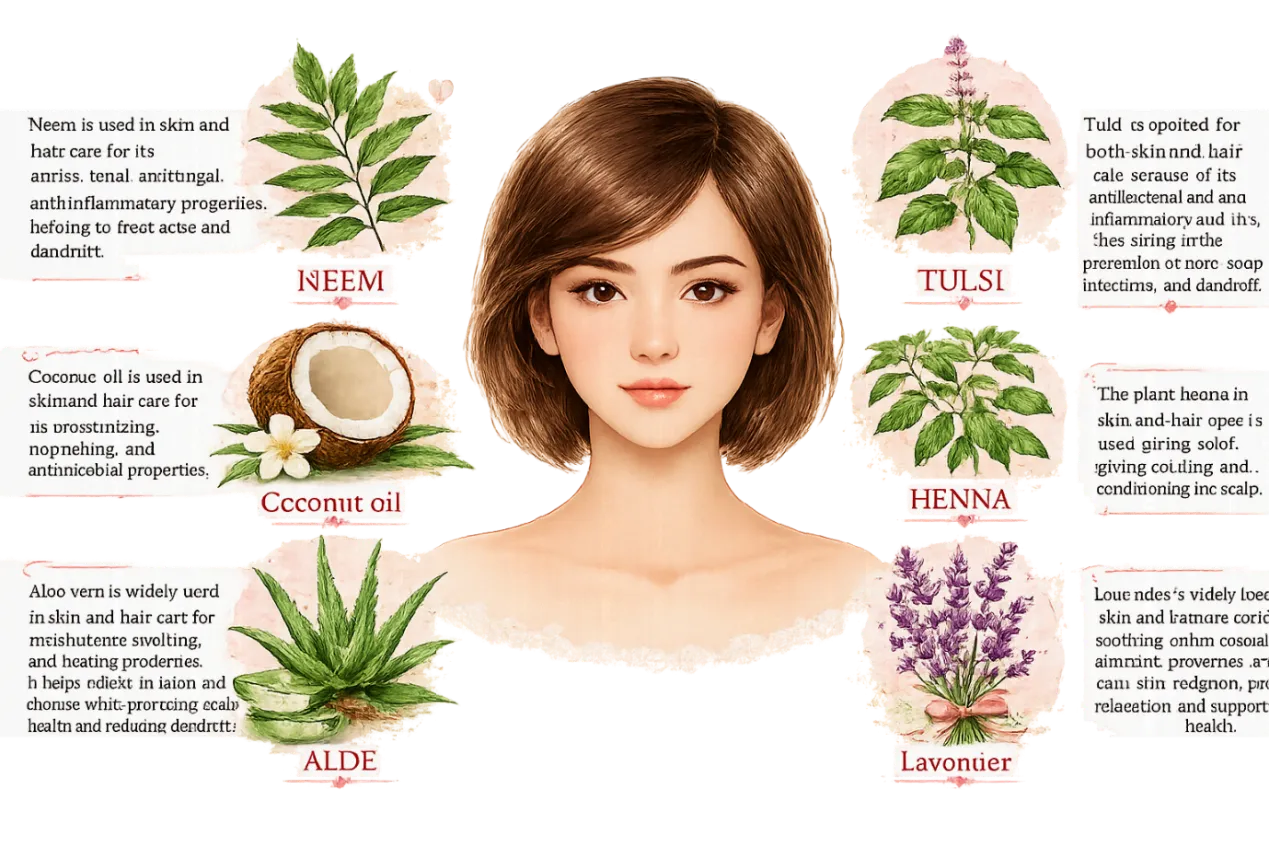
Figure 1: Traditional Use of Plants in Skin and Hair Care
2.2. Global Practices and Cultural Significance
In numerous cultures and other regions of the globe, traditional personal care has been characterised by the impregnation of herbal cosmetics, which demonstrates the love of nature and humanity. Herbal plants utilised by various cultures and the impact of various cosmetics on the cosmetic industry naturally in humans.5
Herbal cosmetics have been a significant aspect of Indian culture throughout history, and the Indians considered it a religious and cultural social activity to adorn themselves in cosmetics. As per Ayurveda, the practice of applying ubtan (a herbal powder used to exfoliate the skin), oil massage, and nourishing paste to the hair, in addition to the application of plant-rich pastes, has been practiced since ancient times.2 This is due to the fact that the philosophy of Ayurveda practice emphasises the importance of maintaining equilibrium between the three objectives of the body, mind, and external environment. The use of herbal cosmetics, Neem and turmeric, Sandalwood, and Aloe Vera as beautification and cures is a reflection of culture.9
In the Middle East and Africa, the aforementioned climatic conditions were addressed through the use of natural, non-toxic cosmetics derived from vegetation. Organic plant oils, including sesame, are used to moisturise the epidermis and skin, including coconut and almond ones. In addition, the multifunctionality of herbal cosmetics was demonstrated by the numerous applications of herbal essential oils and extracts as fragrances and some protection from infectious diseases in these cultures.10 The utilisation of herbs in the production of cosmetics and their traditional use in Europe were both beginning to emerge. Hair preparations, ointments, lotions, and soaps themselves are the most unexpected applications of the soothing, purifying, and protective medicinal properties of plants. Later in the 19th and 20th centuries, the study of the properties and efficacy of plant materials evolved into an intelligent investigation of these practices in Europe.11
3. PHYTOCHEMICAL CONSTITUENTS IN HERBAL COSMETICS
The effectiveness of herbal cosmetics is contingent upon the bioactive phytochemical constituents of these medicinal plants that are naturally present in these cultivars in their natural form.2 The secondary metabolites include a diverse range of biological activities, including Phytochemicals, which are primarily used for skin and hair care and are characterised by protective or favourable properties.3 Some of the functions of herbal cosmetic products included antioxidant, anti-inflammatory, anti-microbial, pigmentation control, and moisture and anti-aging.12
The compounds found in plants that are used as constituents in cosmetics are known as phytochemicals. These compounds include flavonoids, alkaloids, terpenoids, phenolics (including gallic acid), essential oils, and fatty acids. These compounds can offer cosmetically enhanced efficiency due to their high efficiency and extended duration of action, while also being low in toxicity. In reality, they primarily affect the health of our skin and hair in a variety of ways that are associated with biology, whereas artificial ingredients only affect the biological facet of health in one way.13
3.1. Flavonoids
Flavonoids are among the main groups of phytochemicals that are utilised in herbal cosmetics due to their significant anti-oxidant and photo-protective properties.8 The fruits, foliage, flowers, and seeds of medicinal plants contain a significant number of species and are capable of serving as free radical skin protectors and UV preventive agents. Pigmentation disorders and loss of elasticity are among the factors that contribute to premature skin ageing. While these factors are undoubtedly significant in the development of wrinkles, it is likely that oxidative stress is the most significant factor. The most significant application of phytochemical classes is in herbal cosmetic products; however, flavonoids are of the utmost importance due to their remarkable antioxidant and photoprotective properties.14 Fruits, flowers, leaves, and seeds are among the numerous medicinal plants that have been demonstrated to have a beneficial impact on local tissues in response to the harmful effects of free radicals and UV radiation. Oxidative stress is also linked to wrinkles, skin elasticity loss, and pigmentation disorders.15
The formulation of inflammatory and sensitive skin products could be advantageous due to the low inflammatory activity of flavonoids-rich vegetation. This could be attributed to the presence of quercetin and other flavonoids in Calendula, Chamomile, and Aloe Vera, which facilitate wound healing in rodents by modulating bleomycin-induced skin ulcers. Flavonoids are involved in the production of collagen and inhibit an enzyme that contributes to collagen degradation. This leads to an increase in skin flexibility and the development of some creases.10,12 Some of the primary functions of the flavonoids that constitute a significant portion of the active constituents in hair care products are to strengthen roots, prevent damage, reduce oxidative stress, and enhance microcirculation in the scalp. In the cosmetic industry, flavonoids are a class of polyphenolic compounds that are abundantly present in a variety of plants. They are an extremely important raw material in the formulation of effective herbal cosmetic products.8
3.2. Alkaloids
Botanical materials, which are frequently commercialised for medicinal purposes, contain an abundance of metabolic wastes (SEC) containing nitrogen. These wastes are recognised for their use in many activities on skills, such as medicinal plants used for garters. They play various physiological roles. The presence of alkaloids has been linked to a variety of robust biological activities, including antimicrobial, anti-inflammatory, and antioxidant properties. Additionally, they have been reported to provide protection. Consequently, the number of biological active substances, which was anticipated to increase, became increasingly significant in cosmetic/cosmeceutical products, thereby making them the primary focus of interest as the number of active substances increased.2
Conversely, it serves as a critical element in the purification and protection of the epidermis in cosmetics. Several plants that contain alcoholic compounds exhibit antimicrobial activity against fungi and bacteria that are responsible for at least two skin pathologies (acne and foul scalp) .16 Lawsonia inermis (Henna) has been widely used in the production of hair and skin care products as a result of its significant hair care and skin care properties. These properties are primarily attributed to the active alkaloid derivative, Lawzone, which possesses potent antifungal and antimicrobial properties. Therefore, the pharmacological use of an alkaloid is a suitable method for the formulation of a medication for the control of acne and scalp cleaning.17 Furthermore, these alkaloids regulate the hypersensitization of selected epidermis, particularly in the presence of irritation, and inhibit inflammatory cytokines, which are linked to swelling and pain.10
3.3. Terpenoids
Terpenoids are a class of secondary metabolites that are very abundant and ubiquitous, originating from plants. They are of great importance in the cosmetic industry due to their aroma, antioxidant, anti-inflammatory, antimicrobial, and rejuvenating property. They are employed in cosmetics as components of essential oils, resins, and plant extractsThey were prescribed for the formulation of cosmetic products, particularly through paint extracts for skin care and hair treatment products, to improve the fragrance and formulation of skin care products. Terpenoids must not only serve as topical cosmetic enhancers, but they must also be cosmetics in terms of their attractiveness and palatability (i.e., the majority of them have a pleasing scent).18 In the health and beauty sector, terpenoids are evident in their topical application, where they inhibit inflammation and prevent skin damage caused by oxidations. This form of inflammation is observed in a variety of skin inflammation in health and beauty products.10 Protection from pollution and harmful UV radiation that contribute to the premature ageing of the skin.19
They are also a substantial contributor to the anti-aging and regeneration characteristics of the epidermis, as they are saturated with terpeneoids, similar to their counterparts. Certain sesquiterpenes and triterpenoids promote the synthesis of collagen, the correlation between the dermis and epidermis, and the improvement of the epidermis' barrier. The anti-cancer properties of the terpenoids present in the botanical extracts can be employed in the formulation of anti-aging creams, serums, and lotions.12 They are also available for the inhibition of skin pathogen proliferation, which is used in the formulation of sensitive skin and acne.20
3.4. Phenolic Compounds
Phenolic compounds are among the most critical phytochemicals utilised in herbal cosmetics due to their antioxidant, anti-inflammatory, and photoprotective properties. Simple phenols, phenolic acids, tannins, and polyphenols are among the substances that are primarily found in medicinal plants.8 The products' most noteworthy feature is their abundance of free radicals, which are essential for the regulation of oxidative stress, the pigmentation of skin cells, and the ageing of the skin.21 A skin care product is appropriate for use due to the antioxidant property and UV stress prevention capability of phenolic compounds on the epidermis.8 It has been discovered that the polypeptes, which are compounds present in green tea and pomegranate, are capable of inhibiting lipid peroxidation, inflammation, and environmental-induced DNA damage.22
Additionally, phenolic compounds are used extensively as anti-melanogenic agents in the cosmetics, skin whitening, and skin brightening sectors. Maligni et al. have demonstrated that certain phenolics are capable of inhibiting the melanin production enzyme (tyrosinase), thereby reducing the hyperpigmented areas. Conventional hyperpigmentation treatments, such as the naturally occurring phenolic compound arbutin, can also be used to produce fenyliopropionic acids and derivatives.11 The phenolics were discovered to be antimicrobial and anti-inflammatory in this study. Additionally, they have the potential to be used in cosmetics for sensitive skin and acne-prone skin. It has been determined that all phenolic extracts from plants, such as Calendula officinalis, Phyllanthus emblica, and green tea, are effective in their anti-inflammatory properties, which reduce bacterial burdens and facilitate skin healing in conjunction with other medications.23
4.THERAPEUTIC APPLICATIONS OF HERBAL COSMETICS
However, the prevalence of herbal cosmetics is not solely due to their skin and hair care properties; they are also in vogue for all of these topics due to their therapeutic properties. Herbal cosmetics- The majority of herbal formulations contain biologically active phytochemicals, including flavonoids, phenolic compounds, terpenoids, alkaloids, essential oils, and fatty acids, which have the potential to demonstrate multiple pharmacological effects.4These actions include the promotion of hair growth, antioxidant, anti-inflammatory, antimicrobial, moisturising, and depigmenting properties, which qualify herbal cosmetics as modern cosmeceuticals.12See Table 1 for the therapeutic applications of herbal cosmetics.
Table 2 contains the formulation of cosmetics with herbs that are designed to address various hair attractiveness concerns.
|
Sr. No.
|
Therapeutic Application
|
Common Herbal Ingredients |
Major Phytochemicals |
Key Cosmetic Benefits |
Ref.No |
|
1. |
Skin Whiting & brightening |
Arbutin-containing plants, Aloe vera |
Phenolics, Flavonoids |
Inhibition of melanin synthesis, skin lightening |
11 |
|
2. |
Anti-aging & wrinkle reduction |
Green tea Ashwagandha |
Polyphenols, Flavonoids |
Antioxidant effect |
14 |
|
3. |
Moisturization & Hydration
|
Coconut oil, Almond oil, Aloe vera |
Fatty acids, Mucilage |
Skin hydration, barrier repair |
18 |
|
4. |
Anti- Inflammatory & Antioxidant
|
Neem, Green tea, Calendula |
Flavonoids, Terpenoids, Phenolics |
oxidative stress Reduction of redness |
19 |
|
5. |
Hair growth & scalp care |
Shikakai, Henna, Neem, Aloe vera |
Alkaloids, Saponins, Flavonoids |
Hair strengthening, dandruff control |
14 |
|
6. |
Antimicrobial & acne prevention |
Neem, Henna, Turmeric, Essential oils |
Alkaloids, Phenolics, Terpenoids |
Acne control, microbial inhibition |
18 |
4.1. Brightening Agents
From a cosmetic standpoint, the most appealing outcomes are skin whitening and brightening whitening (depigmentation in hyperpigmentation, melasma, and photo-damaged skin). The depigmenting compounds related to plant extracts that are used in herbal cosmetics are based on two mechanisms: the inhibition of melanin synthesis and the regulation of the enzyme tyrosinase, which is involved in melanin biosynthesis. It was discovered that Arbutin, a naturally occurring phenolic derivative, was capable of inhibiting the activation of melanocytes and the accumulation of melanin that occurred as a result of exposure, resulting in whitening.12 Furthermore, pigmentation disorders are associated with oxidative damage and inflammation. These conditions can be alleviated by incorporating extracts from plant species that are abundant in phenolics and flavonoids, such as aloe vera, liquorice, and pomegranate, which have a skin-whitening effect.20
Herbs are also utilised in cosmetic formulations and herbal remedies to enhance the aspect of the skin, as they are anti-inflammatory and antioxidant. Melanogenesis has been demonstrated to be facilitated by inflammation and oxidative stress. However, plant polyphenols and flavonoids both possess antioxidant and anti-inflammatory properties that contribute to the reduction of free radical levels, which in turn reduces the production of pro-inflammatory molecules. Consequently, melanin production is reduced. This type of skin protection activity has been observed in pomegranate, green tea, and aloe vera extract, which has been shown to color-match and enhance the skin.21
4.2. Hair Growth and Scalp Care
Alma is a herbal cosmetic that is employed in a variety of hair preparations to promote hair growth, scalp epidermis, and hair loss. Nurturing Agents: Natural ingredients, including Shikakai, Henna, Neem, and Aloe Vera, are used to address hair roots and provide them with rejuvenating properties by controlling dandruff and increasing blood circulation in the hair. The regular and natural process of hair follicle growth is crucial for the health of the epidermis, the density of hair, and the length of hair. The hair follicles undergo an additional maturation stage, which is a continuous process that involves numerous stages: the Telogen (Resting phase), Catagen (Regression phase), and Anagen (or Growth phase) phases of hair growth (Fig.). 2) and (Table 2). These stages are of great importance, and the duration and regulation of each stage are essential for the rate of hair growth, hair periphery, and hair discharge patterns, respectively.31
Table 2: Phases of Hair Growth
|
Phase of Hair Growth
|
Duration |
Physiological Characteristics
|
Percentage of Scalp Hair
|
Reference No. |
|
Anagen Phase (Growth Phase) |
2–6 years
|
The hair is in an active growth phase; a very fast process of division of hair follicle cells takes place; the hair shaft is continuously elongated; all of these factors determine the length and thickness of hair. |
~85–90% |
31 |
|
Catagen Phase (Transition Phase) |
2–3 weeks |
A short regression phase, which cell division ceased, hair follicles shrank, and gradual degeneration of the lower follicle occurred. |
~1–2% |
31 |
|
Telogen Phase (Resting Phase) |
2–4 months |
Resting state; growth phase slow down; follicle inactive; hair shaft 'retained' but not growing |
~10–15% |
31 |
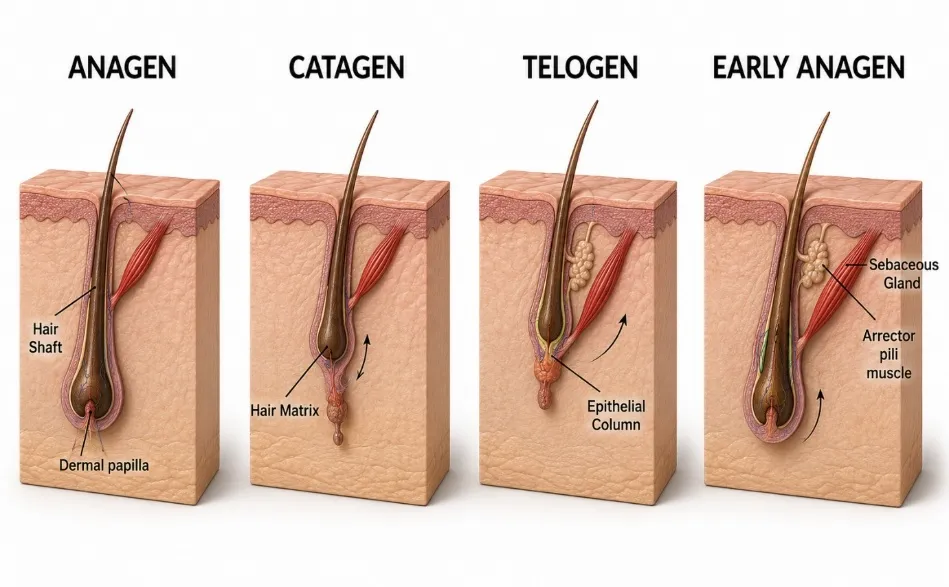
Figure 2: Hair Growth Cycle
4.3. Protecting against acne and bacteria
Bacteria and fungi can lead to acne and other skin infections. She also created herbal cosmetics (neem, turmeric, henna, and essential oils) that function as universal antimicrobial agents and contribute to skin purification and acne prevention. In addition to their antiinflammatory and antisebum-producing properties, these botanicals are also antimicrobial, providing a nontoxic alternative to synthetic-based cosmetics.32
The natural metabolites, including alkaloid, phenolic compound, terpenoid, and essential oil, derived from botanicals used in bioformulation, have demonstrated a diverse range of antimicrobial activity against pathogenic bacteria and fungi that are responsible for acne and other skin infections. It is important to mention that Azadirachta indica (neem) is one of the most frequently used herbal constituents in anti-acne products due to its high antibacterial, antifungal, and anti-inflammatory activity.26 To prevent and protect against skin infections, the Henna (Lawsonia inermis) Tradition is implemented. This is undoubtedly guaranteed by the primary compound of Henna, lawsone. The primary compound of Henna possesses an active anti-fungal and anti-bacterial property. In a situation where the affected areas of the skin that are susceptible to acne emerge with annoying and infection areas of the skin, the characteristics outlined below are likely to make henna progressively better.16
5 Formulation Strategies: Herbal Cosmetics
Herbal cosmetics: The selection of raw materials, the methods of extraction, the compatibility of the constituents, the stability and delivery of the active phytochemicals in the formulation. Natural cosmetic products (herbal) are blends of a variety of natural constituents that are susceptible to light, heat, oxygen, and pH, in contrast. There, it is not only essential to develop the appropriate strategy for the design of herbal cosmetics that are safe, effective, and ultimately accepted by consumers.3
5.1. Methods of Extraction
The purity, concentration, and biological activity of the phytochemicals in the herbal cosmetics are all influenced by the extraction process, which is another critical step in the manufacturing process (Fig. 3). Additionally, traditional extraction methods, including maceration infusion, decoction, and Soxhlet extraction, have been employed to extract bioactive compounds from plant material for routine purposes. There are numerous opportunities to extract, and it may be necessary to monitor temperatures to prevent the burning of specific heat-sensitive components. This process is relatively straightforward and inexpensive, but it may require more time. Steam distillation/hydrodistillation is the process of separating and extracting the volatile component of the essence. The primary application of the majority of the methods described in this document is the removal of aromatics, such as those found in hair products, hair lotions, and perfumes. Furthermore, the extraction of different phytochemicals can be achieved through a variety of methodologies. Polar phenolics are compatible with only a limited number of solvents, whereas non-polar terpenoids can be extracted using two to four organic solvents.10
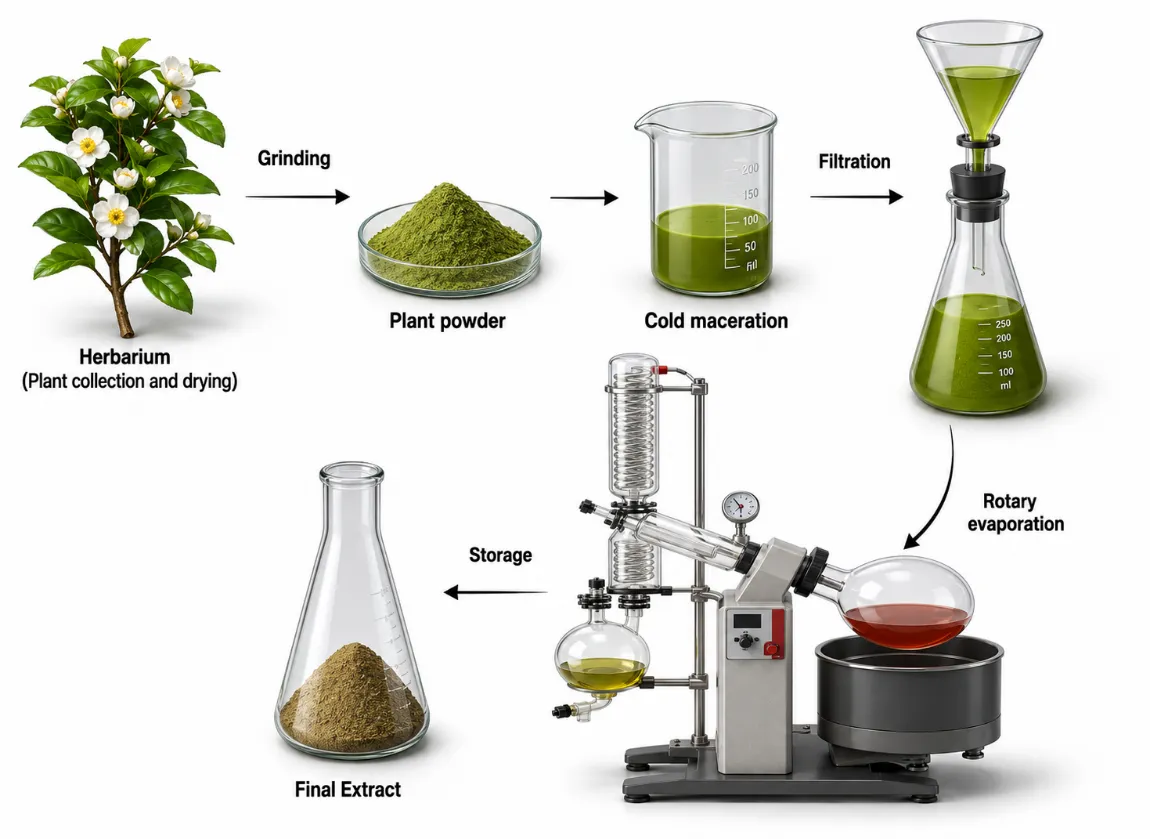
Figure 3: Extraction Techniques of herbal cosmetics
5.2. Incorporation into Creams, Lotions, and Serums
The herbals are subsequently extracted and encapsulated in the most appropriate cosmetics base, including creams, moisturisers, gels, serums, shampoos, and oils. The emulsion is presented as a herbal extract in an Oil in Water (O/W) or a Water in Oil (W/O) emulsion. The physical and chemical properties of the emulsion are customised to the sensorial properties and intended use of the product for cutaneous application.18 In general, it removes lipophilics (extracts + essential oils) to the oil phase and hydrophilic extracts to the water phase. Formulations should be designed to maintain a uniform dispersion of herbal actives for stability, utilising appropriate emulsifiers, stabilisers, and humectants according to their characteristics. The concentrated active constituents in herbal serums and gels facilitate increased skin penetration in comparison to other forms. Additionally, these preparations may be less oily than their oilier counterparts.4
5.3. Stability and Bioavailability Considerations
The development of herbal cosmetic products presents numerous obstacles, one of which is the importance of stability. This is due to the potential instability of phytochemicals. Oxidation, hydrolysis, and/or photo degradation may have a detrimental impact on the activity and shelf life of numerous herb components. Factors such as pH, temperature, microorganisms, and light significantly influence product stability.33
Antioxidants, appropriate preservatives, and protective packaging are frequently implemented to enhance stability. Also, the Extract is standardised and subsequently stored appropriately to ensure the highest level of quality control for the final product. Additionally, the bioavailability is influenced by the fact that the phytochemicals employed in the production of cosmetic products must be able to penetrate the target and exert their effects.3
5.4. Nanotechnology and Advanced Delivery Systems
I would like to emphasise that a new segment in cosmetic technology has emerged, which can be summarised as "Absorption – stability and controlled release." This segment is associated with the new application of nanotechnology and "Herbal actives" in cosmetic products. Additionally, the solubility and bioavailability of phytochemicals may be enhanced by the use of various nanocarriers, including liposomes, nanoemulsions, and polymeric nanoparticels, which are influenced by the environment. The ability to penetrate is enhanced by nanocarriers, which bind to the SC and release the active over time. It is capable of delivering the most therapeutic and least irritating effect with the least amount/percentage of herbal materials. In the production of next-generation cosmeceuticals, herbal cosmetics can be utilised in an optimal nanotechnology setting, and they can also be more acceptable to consumers.34
6. MARKET TRENDS AND FUTURE PROSPECTS
In the current global mental model, the focus is on safety, sustainability, and durability. This paradigm shift has been advantageous to cosmetic products in general, and herbals in particular. The new fit cosmetics category has experienced a rapid rise in the skin care industry as a result of its biological foundation, manifestation house capability, and numerous favourable cultural humorous alternatives. The herbal cosmetics industry is brimming with potential, as it is characterised by scientifically validated botanicals, a viable regulatory framework, and evolving consumer preferences.9
6.1. GLOBAL MARKET OVERVIEW.
While the average rate of growth of botanical cosmetics over the past decade was not particularly high, it has been on the rise in recent years. Natural and herbal products that are certified organic and/or green are in high demand in both developed and developing countries. Increased awareness of detrimental chemicals in cosmetic products, preference for cosmetics that are gentler on the skin, and an increase in disposable income (more money to spend on cosmetics).4
Traditional Chinese medicine (TCM) is a renowned herbal system of medicine in China, and India is the primary country in the Asia Pacific herbal cosmetics market. The same is true for Europe and North America, where there is a steadily increasing demand for herbal and botanical cosmetic products as a result of the regulation of hazardous chemicals and the general appreciation for clean label products.11
7. ACKNOWLEDGEMENT:
The authors express their sincere gratitude to Shree Santkrupa College of Pharmacy, Ghogaon, Karad, Dist. Satara, SUK Maharashtra-415111, India, for providing the necessary facilities, infrastructure, and academic support for the successful completion of this research work.
AUTHOR CONTRIBUTIONS
Conceptualization and Study Design:
Ekata Nivas Desai, Sakshi Suresh Shewale
Experimental Work and Data Collection:
Ekata Nivas Desai
Data Analysis and Interpretation:
Ekata Nivas Desai, Sakshi Suresh Shewale and Shailesh Shantaram Jadhav
Manuscript Preparation:
Ekata Nivas Desai
Critical Review and Intellectual Content Revision:
Sakshi Suresh Shewale and Shailesh Shantaram Jadhav
Final Approval of the Manuscript:
Ekata Nivas Desai, Sakshi Suresh Shewale and Shailesh Shantaram Jadhav
AUTHORS AND AFFILIATIONS:
Ekata Nivas Desai¹.
¹Shree Santkrupa College of Pharmacy, Ghogaon, Karad, Dist. Satara, SUK Maharashtra-415111, India.
Sakshi Suresh Shewale²
²Shree Santkrupa College of Pharmacy, Ghogaon, Karad, Dist. Satara, SUK Maharashtra-415111, India.
Shailesh Shantaram Jadhav³.
³Shree Santkrupa College of Pharmacy, Ghogaon, Karad, Dist. Satara, SUK Maharashtra-415111, India.
CONFLICT OF INTEREST:
The authors declare that there are no conflicts of interest regarding the publication of this research work.
FUNDING SUPPORT:
The authors declare that no external funding was received for this study. The research was conducted using the facilities, resources, and institutional support available at Shree Santkrupa College of Pharmacy, Ghogaon, Karad, Dist. Satara, SUK Maharashtra-415111, India.
REFERENCES:



Ekata Desai, Sakshi Shewale, Shailesh Jadhav, Herbal Cosmetics: Phytochemical Insights and Therapeutic Applications, Int. J. of Pharm. Sci., 2026, Vol 4, Issue 7, 911-926. https://doi.org/10.5281/zenodo.21192480
 10.5281/zenodo.21192480