

We use cookies to ensure our website works properly and to personalise your experience. Cookies policy
1 Professor & Deputy Director, Department of Pharmaceutics, Amity Institute of Pharmacy, Amity University, Math (Kharora), Raipur–Baloda Bazar Road, Chhattisgarh 493225, India
2 Principal, Department of Pharmacology, Global Pharmacy College, Station Road, Kuchaman City, Rajasthan, India
3 Associate Professor, Department of Pharmacology, Vaageswari College of Pharmacy, Karimnagar, Telangana, India 505527
4 Professor, Department of Pharmaceutics, Gangamai College of Pharmacy, Nagaon, Dhule, Maharashtra, India
5 Associate Professor, Department of Pharmaceutics, Rajeev Gandhi College of Pharmacy, Nautanwa, Maharajganj, Uttar Pradesh, India
6 Assistant Professor, Department of Pharmaceutical Sciences, Mohanlal Sukhadia University, Udaipur, Rajasthan, India 313001
7 Assistant Professor, Department of Pharmaceutical Sciences, HNB Garhwal University, Chauras Campus, Uttarakhand, India
8 Lecturer, Department of Pharmacy, Kamarajar College of Pharmacy, Thiruppaninatham, Chidambaram, Cuddalore District, Tamil Nadu, India
9 Research Scholar, M.Pharm (Pharmaceutics), Department of Pharmacy, Shri Ram Murti Smarak College of Engineering and Technology (Pharmacy), Bareilly, Uttar Pradesh, India
Background: Triple-negative breast cancer (TNBC) is one of the most aggressive and therapeutically challenging subtypes of breast cancer due to the absence of estrogen receptor (ER), progesterone receptor (PR), and human epidermal growth factor receptor-2 (HER2). Its marked intratumoral heterogeneity, genomic instability, epigenomic remodeling, tumor microenvironment (TME) complexity, and rapid development of adaptive drug resistance significantly limit the effectiveness of conventional therapeutic approaches. Recent advances in systems pharmacology and polypharmacology have introduced network-based strategies that simultaneously target multiple interconnected molecular pathways, providing new opportunities for precision oncology. Objective: This review aims to comprehensively summarize the molecular landscape of TNBC by integrating current knowledge on intratumoral heterogeneity, epigenomic rewiring, tumor microenvironment crosstalk, adaptive drug resistance mechanisms, and emerging systems pharmacology approaches. It further highlights recent translational advances in multi-target therapeutics, computational drug discovery, and personalized medicine for improving clinical outcomes. Methods: A comprehensive literature review was conducted using peer-reviewed articles published in major scientific databases, including PubMed, Scopus, Web of Science, and Google Scholar. Relevant studies focusing on TNBC molecular biology, systems pharmacology, network pharmacology, multi-omics technologies, artificial intelligence, tumor microenvironment interactions, targeted therapeutics, immunotherapy, epigenetic regulation, and clinical translation were critically evaluated and synthesized. Results: Current evidence demonstrates that TNBC is characterized by extensive molecular heterogeneity driven by genetic alterations, epigenetic dysregulation, metabolic reprogramming, and dynamic interactions within the tumor microenvironment. Multiple signaling pathways—including PI3K/AKT/mTOR, MAPK, JAK/STAT, NF-?B, Wnt/?-catenin, Notch, and Hedgehog—cooperatively regulate tumor progression, metastasis, and therapeutic resistance. Systems pharmacology integrates genomics, transcriptomics, proteomics, metabolomics, phosphoproteomics, and computational modeling to identify network hubs and actionable therapeutic targets. Emerging therapeutic strategies, including multi-target small molecules, rational combination therapies, targeted protein degradation technologies (PROTACs and molecular glues), immunotherapy-based combinations, epigenetic therapeutics, nanotechnology-enabled drug delivery, AI-driven drug repurposing, and biomarker-guided precision medicine, demonstrate considerable promise for overcoming adaptive drug resistance and improving individualized treatment. Conclusion: The convergence of systems pharmacology, network medicine, artificial intelligence, and multi-omics technologies is transforming the therapeutic landscape of TNBC from reductionist single-target approaches toward personalized polypharmacological interventions. Integrative network-based therapeutic strategies offer significant potential to overcome tumor heterogeneity, adaptive drug resistance, and therapeutic failure. Continued translational research, biomarker validation, and prospective clinical studies will be essential for translating these innovative approaches into routine precision oncology and improving long-term survival in patients with triple-negative breast cancer.
Triple-negative breast cancer (TNBC) represents one of the most aggressive and clinically challenging subtypes of breast cancer, accounting for approximately 15–20% of all breast cancer cases worldwide. It is characterized by the absence of estrogen receptor (ER), progesterone receptor (PR), and human epidermal growth factor receptor-2 (HER2), thereby limiting the applicability of endocrine and HER2-targeted therapies. TNBC exhibits a high degree of molecular complexity, rapid tumor progression, early recurrence, visceral metastasis, and poor overall survival compared with other breast cancer subtypes (Bianchini et al., 2016; Denkert et al., 2017). Globally, breast cancer remains the most frequently diagnosed malignancy among women, with more than 2.3 million new cases and approximately 670,000 deaths reported annually, while TNBC contributes disproportionately to breast cancer-related mortality due to its aggressive biological behavior and therapeutic resistance (Sung et al., 2021).
Unlike other molecular subtypes of breast cancer, TNBC demonstrates remarkable genomic instability and extensive intratumoral heterogeneity. Comprehensive molecular profiling has identified several biologically distinct TNBC subtypes, including basal-like, mesenchymal, luminal androgen receptor, and immunomodulatory phenotypes, each possessing unique genomic, transcriptomic, metabolic, and immune characteristics that influence therapeutic response and clinical outcomes (Lehmann et al., 2021). Frequent alterations in genes such as TP53, BRCA1, PIK3CA, PTEN, and MYC, together with epigenetic dysregulation, contribute to tumor plasticity, metastatic dissemination, and adaptive evolution under therapeutic pressure (Curtis et al., 2012; Denkert et al., 2017).
Despite substantial advances in surgery, chemotherapy, radiotherapy, immunotherapy, and targeted therapies, the clinical management of TNBC remains unsatisfactory. Conventional cytotoxic chemotherapy continues to serve as the primary treatment modality; however, intrinsic and acquired drug resistance, systemic toxicity, lack of durable responses, and tumor relapse substantially reduce long-term therapeutic success. Although immune checkpoint inhibitors, PARP inhibitors, and antibody-drug conjugates have demonstrated encouraging clinical outcomes in selected patient populations, their efficacy is frequently limited by biomarker heterogeneity, dynamic tumor evolution, and compensatory signaling network activation (Schmid et al., 2020; Cortes et al., 2022).
The increasing recognition of cancer as a dynamic and interconnected biological network has shifted drug discovery paradigms toward systems pharmacology and polypharmacology. Systems pharmacology integrates pharmacology, systems biology, computational modeling, artificial intelligence, and multi-omics technologies to investigate complex drug–target–pathway interactions across biological networks. Simultaneously, polypharmacology emphasizes the rational modulation of multiple molecular targets rather than single proteins, thereby improving therapeutic efficacy while minimizing compensatory resistance mechanisms. These integrative approaches enable a comprehensive understanding of tumor biology by combining genomic, transcriptomic, proteomic, metabolomic, and pharmacodynamic data to facilitate precision oncology and personalized therapeutic interventions (Hopkins, 2008; van der Graaf & Benson, 2011).
Given the extraordinary biological complexity of TNBC, characterized by intratumoral heterogeneity, epigenomic rewiring, extensive tumor microenvironment interactions, and adaptive drug resistance, conventional reductionist therapeutic strategies are increasingly inadequate. An integrated systems pharmacology framework offers an opportunity to decipher these multidimensional interactions and identify novel multi-target therapeutic strategies capable of overcoming therapeutic resistance. Therefore, this review comprehensively summarizes the current understanding of TNBC heterogeneity, molecular signaling networks, epigenetic regulation, tumor microenvironment crosstalk, and adaptive resistance mechanisms while highlighting recent advances in systems pharmacology, network medicine, and polypharmacological approaches that may facilitate the development of next-generation precision therapies for TNBC.
2. Molecular Landscape and Intratumoral Heterogeneity in Triple-Negative Breast Cancer
Triple-negative breast cancer (TNBC) is a highly heterogeneous malignancy characterized by remarkable genomic instability, transcriptional diversity, and phenotypic plasticity. Unlike hormone receptor-positive and HER2-positive breast cancers, TNBC lacks estrogen receptor (ER), progesterone receptor (PR), and HER2 expression, making it a biologically complex disease with limited therapeutic targets. Advances in next-generation sequencing (NGS), transcriptomics, and multi-omics profiling have demonstrated that TNBC comprises several molecularly distinct subgroups with unique signaling pathways, metabolic dependencies, immune landscapes, and clinical behaviors (Bianchini et al., 2016; Lehmann et al., 2021). This extensive heterogeneity contributes to differential therapeutic responses, metastatic potential, and the rapid emergence of drug resistance. Consequently, understanding the molecular architecture of TNBC is essential for developing precision medicine strategies and identifying novel therapeutic targets.
2.1 Molecular Subtypes of TNBC
Gene expression profiling has revolutionized the understanding of TNBC by demonstrating that it is not a single disease but rather a collection of biologically diverse molecular subtypes. The refined molecular classification proposed by Lehmann and colleagues identifies six principal TNBC subtypes, each characterized by distinct molecular signatures, activated signaling pathways, and therapeutic vulnerabilities (Lehmann et al., 2021).
The Basal-like 1 (BL1) subtype is characterized by high cellular proliferation, enhanced DNA damage response, elevated expression of cell-cycle regulatory genes, and increased activity of DNA replication pathways. BL1 tumors frequently harbor BRCA1 dysfunction and exhibit defects in homologous recombination repair, making them particularly sensitive to platinum-based chemotherapy and poly(ADP-ribose) polymerase (PARP) inhibitors. High Ki-67 expression and elevated genomic instability further distinguish this aggressive subtype (Bianchini et al., 2016).
The Basal-like 2 (BL2) subtype demonstrates activation of multiple growth factor signaling pathways, including epidermal growth factor receptor (EGFR), insulin-like growth factor receptor (IGF1R), MET, and Wnt/β-catenin signaling. BL2 tumors possess enhanced glycolytic metabolism and growth factor-mediated proliferation, contributing to aggressive tumor growth and resistance to conventional chemotherapy. Their complex signaling network makes them attractive candidates for multi-target kinase inhibition (Lehmann et al., 2021).
The Mesenchymal (M) subtype exhibits enrichment of epithelial-to-mesenchymal transition (EMT), extracellular matrix remodeling, focal adhesion signaling, and stemness-associated pathways. Activation of transforming growth factor-β (TGF-β), PI3K/AKT/mTOR, and Src signaling promotes cellular migration, invasion, and metastatic dissemination. These tumors display increased resistance to apoptosis and enhanced cellular plasticity, which contribute to poor clinical outcomes (Denkert et al., 2017).
The Mesenchymal Stem-like (MSL) subtype shares many characteristics with the mesenchymal subtype but possesses additional stem-cell-associated features, angiogenic signaling, and extensive interactions with stromal fibroblasts and immune cells. MSL tumors exhibit reduced proliferative activity but increased expression of genes involved in adipogenesis, angiogenesis, cytokine signaling, and immune modulation. Their tumor microenvironment-rich phenotype highlights the importance of stromal-targeted therapeutic approaches (Lehmann et al., 2021).
The Luminal Androgen Receptor (LAR) subtype is distinguished by strong androgen receptor (AR) signaling despite lacking estrogen and progesterone receptors. LAR tumors frequently harbor mutations in PIK3CA, exhibit luminal gene expression patterns, and rely on steroid hormone metabolism for survival. Compared with basal-like tumors, LAR cancers generally demonstrate slower proliferation but reduced sensitivity to conventional chemotherapy. Consequently, anti-androgen therapy and PI3K inhibitors have emerged as promising targeted treatment options for this subtype (Lehmann et al., 2021; Bianchini et al., 2016).
The Immunomodulatory (IM) subtype is characterized by high expression of immune-related genes involved in antigen presentation, interferon signaling, cytokine production, T-cell activation, and immune checkpoint regulation. These tumors often contain abundant tumor-infiltrating lymphocytes (TILs), increased programmed death-ligand 1 (PD-L1) expression, and an inflamed tumor microenvironment. The presence of active immune signaling makes this subtype particularly responsive to immune checkpoint inhibitors and combination immunotherapy strategies (Schmid et al., 2020).
Collectively, these molecular subtypes illustrate the remarkable biological diversity of TNBC and emphasize that individualized therapeutic approaches should be guided by molecular profiling rather than histopathological diagnosis alone.
2.2 Genetic and Genomic Alterations
TNBC exhibits one of the highest levels of genomic instability among breast cancer subtypes. Whole-genome and whole-exome sequencing studies have revealed numerous somatic mutations, chromosomal rearrangements, copy number alterations, and structural genomic abnormalities that collectively drive tumor initiation, progression, metastasis, and therapeutic resistance (Curtis et al., 2012).
Among inherited susceptibility genes, BRCA1 and BRCA2 mutations represent the most clinically significant genetic alterations. Approximately 15–20% of TNBC patients carry germline or somatic mutations in these genes, resulting in defective homologous recombination DNA repair. Consequently, BRCA-mutated tumors accumulate extensive DNA damage, rendering them highly susceptible to platinum compounds and PARP inhibitors through synthetic lethality (Lord & Ashworth, 2017).
Mutations in TP53 constitute the most frequent genomic alteration in TNBC, occurring in nearly 80% of cases. TP53 functions as a critical tumor suppressor by regulating DNA repair, apoptosis, and cell-cycle arrest. Loss of TP53 function promotes chromosomal instability, uncontrolled proliferation, and resistance to chemotherapy, thereby contributing significantly to the aggressive clinical behavior of TNBC (Denkert et al., 2017).
Alterations in the PIK3CA gene are particularly enriched in the Luminal Androgen Receptor subtype. Activating mutations stimulate the PI3K/AKT/mTOR signaling cascade, enhancing tumor cell proliferation, survival, metabolic reprogramming, and resistance to apoptosis. Targeting this pathway has become an important therapeutic strategy in selected TNBC populations (Bianchini et al., 2016).
Amplification of the MYC oncogene further contributes to TNBC progression by promoting cell-cycle progression, ribosome biogenesis, metabolic adaptation, and immune evasion. MYC overexpression cooperates with TP53 dysfunction and PI3K pathway activation to accelerate tumor growth and metastatic potential while simultaneously increasing therapeutic resistance (Curtis et al., 2012).
Another hallmark of TNBC is the widespread occurrence of copy number variations (CNVs). Frequent chromosomal gains involving 1q, 3q, 8q, and 10p, together with deletions of 5q, 8p, 10q, and 17p, alter the dosage of numerous oncogenes and tumor suppressor genes. These structural genomic abnormalities reshape signaling networks, promote tumor evolution, and generate extensive intratumoral heterogeneity, ultimately complicating treatment selection and contributing to disease relapse (Curtis et al., 2012; Denkert et al., 2017).
Overall, the complex genomic architecture of TNBC highlights the necessity of integrating genomic profiling into clinical decision-making to identify actionable alterations and optimize personalized therapeutic strategies.
Table 1. Molecular Subtypes of Triple-Negative Breast Cancer and Their Major Characteristics
|
TNBC Subtype |
Major Molecular Features |
Dominant Signaling Pathways |
Potential Therapeutic Strategies |
|
Basal-like 1 (BL1) |
High proliferation, DNA damage response, BRCA deficiency |
Cell cycle, ATR/CHK1, DNA repair |
Platinum agents, PARP inhibitors |
|
Basal-like 2 (BL2) |
Growth factor signaling, glycolytic metabolism |
EGFR, IGF1R, MET, Wnt/β-catenin |
EGFR inhibitors, multi-kinase inhibitors |
|
Mesenchymal (M) |
EMT, invasion, extracellular matrix remodeling |
PI3K/AKT, TGF-β, Src |
PI3K inhibitors, TGF-β inhibitors |
|
Mesenchymal Stem-like (MSL) |
Stemness, angiogenesis, stromal interactions |
VEGF, cytokine signaling, EMT |
Anti-angiogenic therapy, stromal-targeted therapy |
|
Luminal Androgen Receptor (LAR) |
Androgen receptor expression, PIK3CA mutations |
AR signaling, PI3K/AKT/mTOR |
AR antagonists, PI3K inhibitors |
|
Immunomodulatory (IM) |
Immune activation, PD-L1 expression, abundant TILs |
IFN signaling, JAK/STAT, immune checkpoints |
Immune checkpoint inhibitors, combination immunotherapy |
Adapted from Lehmann et al. (2021), Bianchini et al. (2016), and Denkert et al. (2017).
2.3 Epigenetic Drivers of Tumor Plasticity
Beyond genetic alterations, epigenetic dysregulation plays a pivotal role in TNBC progression by regulating gene expression without altering the underlying DNA sequence. Epigenetic modifications contribute to tumor plasticity, cellular dedifferentiation, metastatic dissemination, immune escape, and adaptive drug resistance. Unlike permanent genetic mutations, epigenetic alterations are dynamic and reversible, making them attractive therapeutic targets (Sharma et al., 2010; Baylin & Jones, 2016).
DNA Methylation
DNA methylation is one of the most extensively studied epigenetic mechanisms in TNBC. Aberrant hypermethylation of CpG islands within promoter regions leads to transcriptional silencing of tumor suppressor genes, whereas global DNA hypomethylation promotes chromosomal instability and oncogene activation. Genes involved in DNA repair, apoptosis, and cell-cycle regulation, including BRCA1, RASSF1A, CDKN2A, and PTEN, are frequently hypermethylated in TNBC, facilitating tumor progression and therapeutic resistance (Baylin & Jones, 2016). Conversely, widespread hypomethylation contributes to transposable element activation, genomic instability, and increased metastatic potential.
Histone Modifications
Histone acetylation, methylation, phosphorylation, ubiquitination, and sumoylation collectively regulate chromatin accessibility and transcriptional activity. In TNBC, increased activity of histone deacetylases (HDACs) and dysregulated histone methyltransferases alter the expression of genes controlling proliferation, epithelial–mesenchymal transition (EMT), stemness, and apoptosis. Overexpression of enhancer of zeste homolog 2 (EZH2), the catalytic component of Polycomb Repressive Complex 2 (PRC2), promotes trimethylation of histone H3 lysine 27 (H3K27me3), resulting in transcriptional repression of multiple tumor suppressor genes and aggressive tumor behavior (Kim & Roberts, 2016). These findings have stimulated interest in HDAC and EZH2 inhibitors as potential therapeutic agents.
Chromatin Remodeling
Chromatin remodeling complexes dynamically regulate nucleosome organization, thereby controlling DNA accessibility for transcription factors and DNA repair machinery. Dysregulation of ATP-dependent chromatin remodeling complexes such as SWI/SNF, NuRD, and INO80 has been reported in TNBC, contributing to uncontrolled proliferation, genomic instability, and treatment resistance. Mutations affecting components such as ARID1A, SMARCA4, and BRG1 further enhance tumor heterogeneity and facilitate adaptive evolution under therapeutic stress (Mittal & Roberts, 2020).
Non-Coding RNAs
Non-coding RNAs (ncRNAs), including microRNAs (miRNAs), long non-coding RNAs (lncRNAs), and circular RNAs (circRNAs), constitute another major epigenetic regulatory layer in TNBC. Dysregulated miRNAs such as miR-21, miR-155, and miR-10b promote proliferation, invasion, angiogenesis, and immune evasion, whereas tumor suppressor miRNAs including miR-34a and the let-7 family are frequently downregulated (Peng & Croce, 2016). Similarly, oncogenic lncRNAs such as HOTAIR, MALAT1, and NEAT1 regulate chromatin organization, transcriptional programs, and signaling pathways associated with metastasis and drug resistance. These epigenetic regulators collectively contribute to remarkable tumor plasticity and represent promising biomarkers and therapeutic targets.
2.4 Single-Cell and Spatial Multi-Omics Approaches
Traditional bulk sequencing averages molecular signals across millions of cells, often masking clinically significant cellular diversity. Recent advances in single-cell sequencing and spatial multi-omics technologies have transformed the understanding of TNBC heterogeneity by enabling high-resolution characterization of individual tumor cells and their surrounding microenvironment (Wu et al., 2021).
Single-cell RNA sequencing (scRNA-seq) has revealed substantial diversity among malignant epithelial cells, immune infiltrates, stromal fibroblasts, endothelial cells, and cancer stem cells within individual tumors. These analyses demonstrate that multiple transcriptional states coexist simultaneously, allowing subsets of cells to survive chemotherapy and subsequently drive tumor recurrence (Wu et al., 2021).
Spatial transcriptomics complements single-cell sequencing by preserving tissue architecture while mapping gene expression within intact tumor sections. This technology enables visualization of cellular interactions between tumor cells and components of the tumor microenvironment, including tumor-associated macrophages, cancer-associated fibroblasts, cytotoxic T lymphocytes, and endothelial cells. Integration of transcriptomics, proteomics, metabolomics, epigenomics, and spatial imaging now provides a multidimensional atlas of TNBC biology, facilitating biomarker discovery and precision therapeutic development (Bassez et al., 2021).
Collectively, these multi-omics approaches have become indispensable tools for identifying rare cell populations, reconstructing tumor evolution, predicting treatment response, and discovering novel therapeutic vulnerabilities.
2.5 Clonal Evolution and Intratumoral Heterogeneity
TNBC continuously evolves through the accumulation of genetic, epigenetic, and phenotypic alterations during disease progression. According to the principles of clonal evolution, individual tumor cells acquire advantageous mutations that undergo positive selection under environmental and therapeutic pressures, generating multiple genetically distinct subclones within a single tumor (Greaves & Maley, 2012).
Intratumoral heterogeneity develops through several complementary mechanisms, including genomic instability, defective DNA repair, chromosomal rearrangements, epigenetic remodeling, metabolic adaptation, and interactions with the tumor microenvironment. As treatment proceeds, sensitive clones are eliminated whereas resistant clones survive and expand, ultimately leading to disease relapse and metastatic dissemination.
Cancer stem cells further contribute to this dynamic evolutionary process by maintaining self-renewal capacity and generating diverse cellular progeny with distinct molecular characteristics. Additionally, epithelial–mesenchymal transition enables epithelial tumor cells to acquire mesenchymal phenotypes associated with enhanced migration, invasion, immune escape, and chemotherapy resistance (Denkert et al., 2017).
Recent phylogenetic analyses suggest that metastatic lesions often originate from pre-existing minor subclones present within the primary tumor rather than evolving independently after dissemination. This finding emphasizes the importance of early identification of resistant subpopulations before therapeutic intervention.
2.6 Clinical Implications of Tumor Heterogeneity
The extraordinary molecular diversity of TNBC has profound implications for clinical management. Significant variability in genomic alterations, signaling pathways, immune infiltration, and metabolic phenotypes results in heterogeneous responses to chemotherapy, targeted therapy, immunotherapy, and antibody-drug conjugates. Consequently, patients with histologically similar tumors frequently exhibit markedly different clinical outcomes (Bianchini et al., 2016).
Molecular stratification based on genomic and transcriptomic profiling has enabled identification of patient populations likely to benefit from specific therapeutic approaches. For example, BRCA1/2-mutated tumors respond favorably to PARP inhibitors, while tumors exhibiting elevated PD-L1 expression and abundant tumor-infiltrating lymphocytes demonstrate improved responses to immune checkpoint blockade (Schmid et al., 2020). Likewise, PIK3CA-mutated Luminal Androgen Receptor tumors may benefit from PI3K-targeted therapies combined with androgen receptor inhibition.
The emergence of systems pharmacology, artificial intelligence, and integrative multi-omics now provides unprecedented opportunities to combine genomic, transcriptomic, proteomic, metabolomic, and clinical data into predictive therapeutic models. Such approaches facilitate personalized treatment selection, early detection of resistance mechanisms, and rational design of combination therapies capable of simultaneously targeting multiple oncogenic networks.
Overall, understanding molecular heterogeneity represents a fundamental prerequisite for achieving precision oncology in TNBC and provides the scientific foundation for developing more effective, individualized therapeutic strategies.
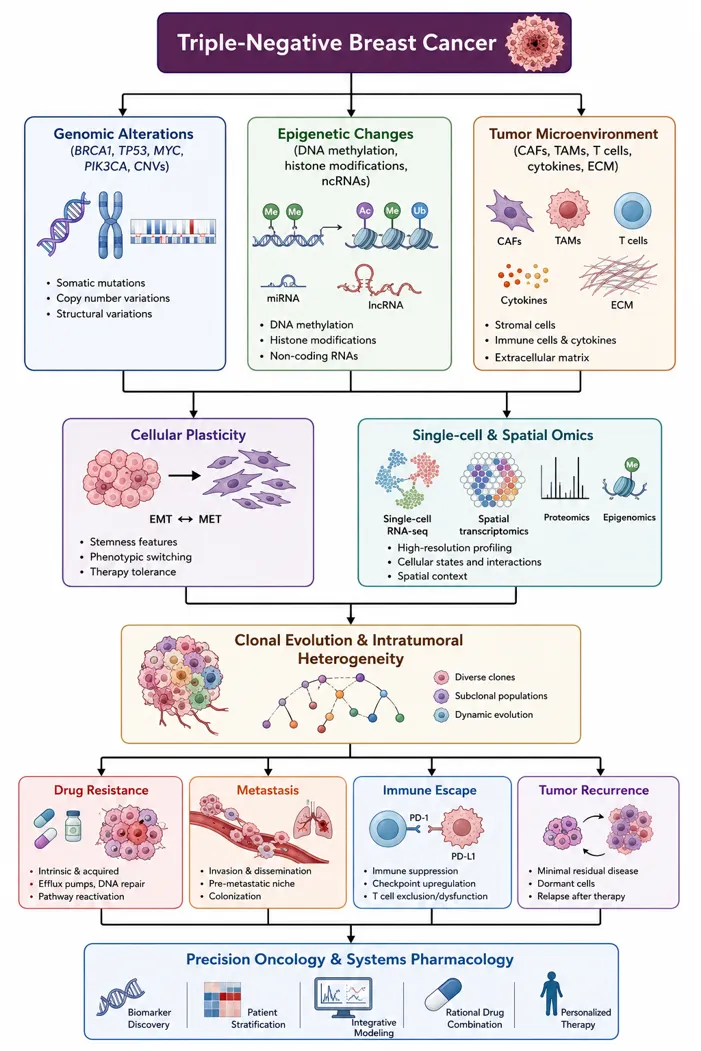
Figure 1. Molecular Landscape and Intratumoral Heterogeneity of Triple-Negative Breast Cancer
3. Systems Pharmacology and Polypharmacological Network Modulation
The complexity of triple-negative breast cancer (TNBC) extends far beyond single-gene mutations or isolated signaling pathways. The disease is governed by highly interconnected molecular networks involving genomic alterations, epigenetic remodeling, metabolic adaptation, immune interactions, and dynamic tumor microenvironment crosstalk. Consequently, traditional "one drug–one target–one disease" approaches often fail to produce durable clinical responses due to compensatory pathway activation and adaptive drug resistance. Systems pharmacology has emerged as a multidisciplinary framework integrating pharmacology, systems biology, computational modeling, and multi-omics technologies to understand drug actions at the network level. Simultaneously, polypharmacology emphasizes rational modulation of multiple therapeutic targets to improve efficacy while minimizing resistance and toxicity (Hopkins, 2008; van der Graaf & Benson, 2011).
3.1 Principles of Systems Pharmacology
Systems pharmacology integrates experimental pharmacology with systems biology, computational sciences, bioinformatics, and mathematical modeling to investigate drug responses across complex biological systems. Unlike conventional pharmacology, which focuses primarily on individual molecular targets, systems pharmacology evaluates interactions among genes, proteins, signaling pathways, metabolic networks, and cellular phenotypes that collectively determine therapeutic outcomes (van der Graaf & Benson, 2011).
In TNBC, systems pharmacology enables comprehensive characterization of signaling pathways including PI3K/AKT/mTOR, MAPK, JAK/STAT, NF-κB, Notch, Wnt/β-catenin, and TGF-β, which interact extensively to regulate proliferation, metastasis, angiogenesis, immune evasion, and therapeutic resistance. Integrating these pathways into network models facilitates identification of master regulatory nodes and potential synergistic therapeutic combinations (Zhao & Iyengar, 2012).
3.2 Polypharmacology: Concept and Therapeutic Significance
Polypharmacology refers to the ability of a single therapeutic agent or drug combination to simultaneously modulate multiple molecular targets involved in disease progression. Since cancer represents a network disease rather than a single-gene disorder, targeting multiple interconnected pathways often provides greater therapeutic benefit than selective inhibition of a single protein (Hopkins, 2008).
In TNBC, simultaneous inhibition of DNA repair mechanisms, growth factor signaling, immune checkpoints, metabolic pathways, and epigenetic regulators has demonstrated superior antitumor efficacy compared with monotherapy. Combination strategies involving PARP inhibitors with immune checkpoint inhibitors, PI3K inhibitors with androgen receptor antagonists, or chemotherapy combined with immunotherapy exemplify successful polypharmacological approaches currently under clinical evaluation (Schmid et al., 2020).
Furthermore, network-based drug repurposing has identified several approved drugs capable of modulating multiple oncogenic pathways simultaneously, thereby accelerating therapeutic development while reducing cost and toxicity.
3.3 Network Pharmacology in Drug Discovery
Network pharmacology has transformed modern drug discovery by replacing reductionist target-based approaches with systems-level analysis of disease-associated molecular networks. Drug-target interactions are represented as interconnected biological networks linking genes, proteins, signaling pathways, metabolites, and disease phenotypes.
Protein-protein interaction (PPI) networks, gene regulatory networks, metabolic interaction maps, and signaling pathway analyses enable identification of critical network hubs responsible for disease progression. Targeting these highly connected "hub" proteins often produces broader therapeutic effects than inhibiting peripheral pathway components (Hopkins, 2008).
For TNBC, network pharmacology integrates databases such as STRING, KEGG, Reactome, DrugBank, TCGA, and Gene Ontology to identify candidate therapeutic targets, predict synergistic drug combinations, and evaluate off-target effects before clinical validation. These approaches substantially improve the efficiency of precision drug discovery while reducing experimental costs.
3.4 Systems Biology Integration
Systems pharmacology relies heavily on the integration of multiple omics technologies to construct comprehensive molecular landscapes of TNBC. Multi-omics combines genomic, epigenomic, transcriptomic, proteomic, phosphoproteomic, and metabolomic datasets into unified biological networks capable of revealing molecular interactions underlying tumor progression (Hasin et al., 2017). Transcriptomics characterizes global gene expression patterns and identifies transcriptional programs associated with proliferation, immune activation, epithelial–mesenchymal transition, and drug resistance. RNA sequencing has become indispensable for molecular classification of TNBC subtypes and biomarker discovery. Proteomics complements transcriptomics by directly quantifying protein abundance, post-translational modifications, and protein-protein interactions that cannot be inferred solely from RNA expression. Proteomic analyses have identified numerous dysregulated signaling proteins involved in TNBC metastasis and therapeutic resistance. Metabolomics investigates dynamic alterations in cellular metabolites that reflect tumor metabolic reprogramming. Enhanced glycolysis, glutamine metabolism, lipid biosynthesis, and oxidative phosphorylation have all been implicated in TNBC progression and resistance to therapy. Phosphoproteomics examines phosphorylation-dependent signaling events that regulate kinase activity, intracellular communication, and therapeutic responses. Since many anticancer drugs target kinases, phosphoproteomics provides valuable insight into signaling pathway activation and compensatory network rewiring following treatment (Mertins et al., 2016).
3.5 Computational Approaches
Rapid advances in computational biology have dramatically expanded the capabilities of systems pharmacology.
Artificial intelligence (AI) and machine learning (ML) algorithms analyze enormous multidimensional datasets to identify hidden molecular patterns, predict therapeutic responses, discover biomarkers, and optimize personalized treatment strategies. Deep learning models increasingly assist drug repurposing, molecular target identification, and prediction of combination therapies (Zhavoronkov et al., 2019).
Network analysis employs graph theory and systems modeling to identify highly connected regulatory nodes, signaling hubs, and critical molecular bottlenecks suitable for therapeutic intervention. Centrality analysis, module detection, and pathway enrichment analyses have become standard tools in cancer systems biology.
Digital twin models represent virtual computational replicas of individual patients by integrating genomic, clinical, imaging, pharmacokinetic, and physiological data. These personalized simulations enable prediction of disease progression and optimization of individualized therapeutic regimens before clinical administration.
Predictive pharmacology combines pharmacokinetic, pharmacodynamic, systems biology, and AI-based models to forecast drug efficacy, toxicity, resistance development, and optimal dosing schedules, thereby accelerating precision medicine.
3.6 Multi-Target Drug Design Strategies
Modern anticancer drug development increasingly focuses on rational design of compounds capable of modulating multiple disease-associated targets simultaneously. Multi-target drug design reduces compensatory pathway activation, delays emergence of resistance, and improves overall therapeutic efficacy. Strategies include hybrid molecule synthesis, multitarget kinase inhibitors, bifunctional molecules, proteolysis-targeting chimeras (PROTACs), molecular glues, and rational combination therapies. In TNBC, simultaneous inhibition of PARP, PI3K, mTOR, EGFR, VEGF, immune checkpoints, and epigenetic regulators has demonstrated encouraging preclinical and clinical outcomes (Hopkins, 2008; Schmid et al., 2020). Nanotechnology-based delivery systems further enhance multi-target therapy by improving drug stability, tumor-specific accumulation, controlled release, and reduced systemic toxicity.
3.7 Precision Systems Pharmacology for Personalized Medicine
Precision systems pharmacology integrates multi-omics profiling, computational modeling, artificial intelligence, pharmacogenomics, and clinical data to tailor individualized therapeutic strategies according to each patient's molecular characteristics. Rather than relying solely on histopathological diagnosis, personalized systems pharmacology considers genomic mutations, transcriptomic signatures, proteomic profiles, immune landscapes, metabolic phenotypes, and pharmacokinetic variability to predict therapeutic responses. Such comprehensive integration enables identification of predictive biomarkers, optimization of drug combinations, early detection of resistance mechanisms, and continuous adaptation of treatment strategies throughout disease progression (Hasin et al., 2017). As single-cell sequencing, spatial transcriptomics, AI-driven analytics, and digital twin technologies continue to mature, precision systems pharmacology is expected to become a cornerstone of individualized TNBC management and next-generation oncology.
Table 2. Systems Pharmacology Technologies and Their Applications in Triple-Negative Breast Cancer
|
Technology/ Approach |
Primary Function |
Application in TNBC |
|
Multi-omics Integration |
Combines genomic, transcriptomic, proteomic and metabolomic data |
Molecular subtype identification and biomarker discovery |
|
Transcriptomics |
Gene expression profiling |
Identification of therapeutic targets and resistance mechanisms |
|
Proteomics |
Protein quantification and signaling analysis |
Detection of activated oncogenic pathways |
|
Metabolomics |
Analysis of metabolic pathways |
Identification of metabolic vulnerabilities |
|
Phosphoproteomics |
Kinase signaling characterization |
Drug response prediction and pathway rewiring |
|
AI & Machine Learning |
Pattern recognition and predictive modeling |
Personalized treatment prediction and drug repurposing |
|
Network Pharmacology |
Drug–target interaction analysis |
Multi-target drug discovery |
|
Digital Twin Models |
Patient-specific computational simulation |
Personalized therapeutic optimization |
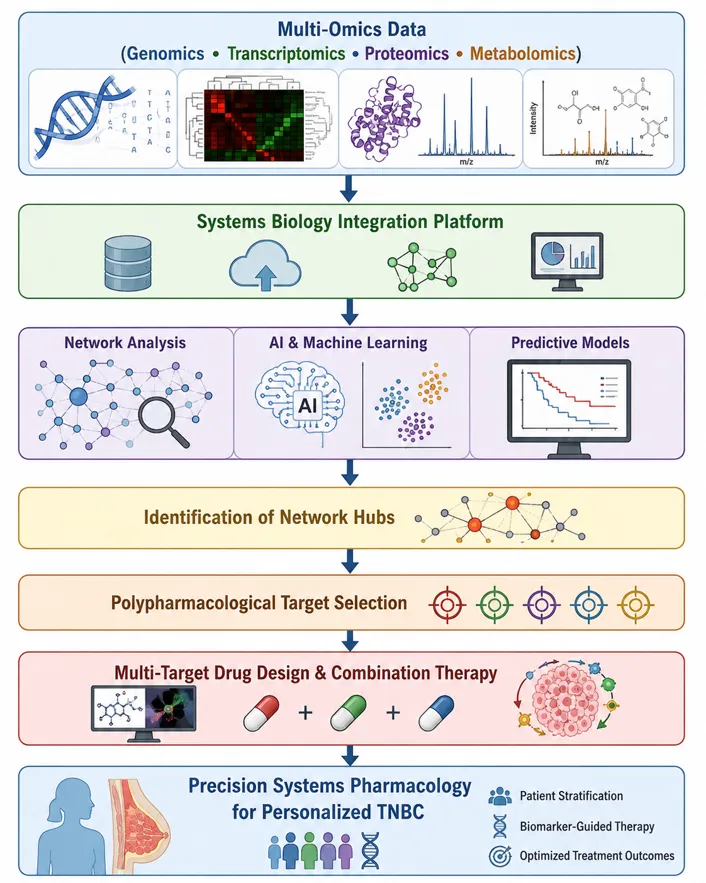
Figure 2. Integrative Systems Pharmacology Framework for Precision Therapy in TNBC
4. Epigenomic Rewiring and Tumor Microenvironment Crosstalk
The progression of triple-negative breast cancer (TNBC) is driven not only by genetic mutations but also by dynamic epigenomic remodeling and extensive interactions with the tumor microenvironment (TME). The TME is a highly organized ecosystem comprising stromal cells, immune cells, extracellular matrix (ECM), cytokines, blood vessels, and soluble mediators that collectively regulate tumor growth, metastasis, immune escape, and therapeutic resistance. Simultaneously, epigenetic modifications continuously reshape gene expression programs, allowing tumor cells to adapt to environmental stress and therapeutic pressure. These reciprocal interactions create a self-sustaining network that promotes disease progression and presents multiple opportunities for therapeutic intervention (Baylin & Jones, 2016; Quail & Joyce, 2013).
4.1 Epigenomic Remodeling in TNBC Progression
Epigenomic remodeling represents a fundamental mechanism driving TNBC initiation, progression, and therapeutic resistance. Unlike irreversible genetic mutations, epigenetic modifications—including DNA methylation, histone modifications, chromatin remodeling, and non-coding RNA regulation—are reversible and highly responsive to environmental stimuli. Aberrant promoter hypermethylation silences tumor suppressor genes such as BRCA1, PTEN, and CDKN2A, whereas global DNA hypomethylation promotes chromosomal instability and oncogene activation (Baylin & Jones, 2016).
Histone-modifying enzymes including histone deacetylases (HDACs), histone acetyltransferases (HATs), and enhancer of zeste homolog 2 (EZH2) dynamically regulate chromatin accessibility and transcriptional activity. Overexpression of EZH2 is frequently observed in TNBC and contributes to epithelial–mesenchymal transition (EMT), stemness, metastasis, and immune evasion. Additionally, dysregulated microRNAs and long non-coding RNAs alter signaling pathways controlling proliferation, apoptosis, angiogenesis, and drug resistance, thereby enhancing tumor adaptability (Kim & Roberts, 2016).
4.2 Cancer Stem Cells and Cellular Plasticity
Cancer stem cells (CSCs) constitute a small but highly tumorigenic subpopulation capable of self-renewal, multilineage differentiation, and tumor initiation. In TNBC, CSCs are commonly identified by CD44^high/CD24^low expression or elevated aldehyde dehydrogenase (ALDH1) activity. These cells exhibit remarkable resistance to chemotherapy, radiotherapy, and targeted therapies due to enhanced DNA repair, drug efflux mechanisms, antioxidant capacity, and cellular quiescence (Batlle & Clevers, 2017).
Cellular plasticity enables differentiated tumor cells to reversibly transition between epithelial and mesenchymal phenotypes through epithelial–mesenchymal transition (EMT) and mesenchymal–epithelial transition (MET). This dynamic process facilitates invasion, metastatic colonization, immune escape, and adaptation to therapeutic stress. Activation of signaling pathways including TGF-β, Notch, Wnt/β-catenin, Hedgehog, and PI3K/AKT maintains CSC populations and promotes phenotypic switching, contributing substantially to tumor heterogeneity and recurrence.
4.3 Tumor Microenvironment Components
The TNBC tumor microenvironment consists of diverse stromal and immune cell populations that communicate continuously with malignant cells through direct contact and soluble signaling molecules. Cancer-associated fibroblasts (CAFs) are major stromal components responsible for extracellular matrix remodeling, secretion of growth factors, angiogenic mediators, and inflammatory cytokines. CAF-derived transforming growth factor-β (TGF-β), interleukin-6 (IL-6), and vascular endothelial growth factor (VEGF) stimulate tumor proliferation, invasion, angiogenesis, and therapeutic resistance (Quail & Joyce, 2013). Tumor-associated macrophages (TAMs) predominantly acquire an immunosuppressive M2 phenotype that promotes tumor progression through secretion of IL-10, TGF-β, epidermal growth factor (EGF), and matrix metalloproteinases (MMPs). High TAM infiltration is associated with poor prognosis, enhanced angiogenesis, and increased metastatic potential. Myeloid-derived suppressor cells (MDSCs) inhibit cytotoxic T-cell activation, suppress natural killer (NK) cell function, and promote regulatory T-cell expansion through production of arginase-1, nitric oxide, and reactive oxygen species. Their accumulation contributes significantly to immune evasion and reduced immunotherapy efficacy. Regulatory T cells (Tregs) suppress antitumor immune responses through secretion of IL-10 and TGF-β while inhibiting effector T-cell proliferation. Elevated Treg infiltration correlates with advanced disease stage and poor clinical outcomes. Natural killer (NK) cells represent essential innate immune effectors capable of eliminating transformed cells independently of antigen presentation. However, chronic exposure to immunosuppressive cytokines within the TNBC microenvironment significantly impairs NK-cell cytotoxicity and cytokine production. Endothelial cells facilitate tumor angiogenesis through VEGF-mediated neovascularization, supplying nutrients and oxygen required for rapid tumor expansion while providing routes for metastatic dissemination.
4.4 Cytokine and Chemokine Signaling Networks
Cytokines and chemokines establish complex communication networks linking malignant cells with stromal and immune components of the tumor microenvironment. Pro-inflammatory cytokines including IL-6, IL-8, TNF-α, TGF-β, and CXCL12 activate signaling pathways such as JAK/STAT3, NF-κB, and PI3K/AKT, promoting proliferation, EMT, angiogenesis, immune suppression, and metastatic progression (Hanahan, 2022). Chemokine receptors including CXCR4, CCR5, and CCR7 regulate tumor cell migration toward distant metastatic sites. Persistent activation of these inflammatory signaling networks further enhances resistance to chemotherapy and immune checkpoint inhibitors.
4.5 Extracellular Matrix Remodeling
The extracellular matrix (ECM) provides structural support while regulating biochemical signaling within the tumor microenvironment. During TNBC progression, excessive deposition of collagen, fibronectin, laminin, and hyaluronic acid increases tissue stiffness, facilitating tumor invasion and mechanotransduction. Matrix metalloproteinases (MMP-2, MMP-9, and MMP-14) degrade basement membrane components, allowing tumor cells to invade surrounding tissues and enter the circulation. Simultaneously, lysyl oxidase (LOX)-mediated collagen crosslinking promotes metastatic colonization by remodeling distant pre-metastatic niches (Lu et al., 2012).
4.6 Hypoxia and Metabolic Reprogramming
Rapid tumor growth frequently exceeds vascular supply, creating hypoxic microenvironments that activate hypoxia-inducible factor-1α (HIF-1α). HIF-1α induces expression of VEGF, glucose transporter-1 (GLUT1), carbonic anhydrase IX, and glycolytic enzymes, thereby promoting angiogenesis, metabolic adaptation, and tumor survival under oxygen deprivation (Semenza, 2012). TNBC cells preferentially utilize aerobic glycolysis (Warburg effect), glutamine metabolism, and lipid biosynthesis to satisfy increased energy demands. These metabolic alterations also influence immune cell function, contributing to an immunosuppressive microenvironment that supports tumor progression and therapeutic resistance.
4.7 Exosome-Mediated Intercellular Communication
Exosomes are nanoscale extracellular vesicles (30–150 nm) released by tumor cells, stromal cells, and immune cells that mediate long-distance intercellular communication. They transport proteins, lipids, messenger RNAs, microRNAs, long non-coding RNAs, and DNA fragments capable of reprogramming recipient cells (Kalluri & LeBleu, 2020). In TNBC, tumor-derived exosomes promote angiogenesis, immune suppression, epithelial–mesenchymal transition, metastatic niche formation, and chemotherapy resistance. Exosomal microRNAs such as miR-21, miR-155, and miR-222 regulate macrophage polarization, fibroblast activation, and endothelial cell function, thereby facilitating coordinated tumor progression.
4.8 Therapeutic Opportunities Targeting the Tumor Microenvironment
Recognition of the TME as an active participant in tumor progression has generated numerous therapeutic opportunities beyond direct tumor cell targeting. Immune checkpoint inhibitors targeting PD-1/PD-L1 restore cytotoxic T-cell activity and have demonstrated clinical benefit in selected TNBC patients (Schmid et al., 2020). Additional strategies include inhibition of CAF activation, CSF-1R-mediated macrophage recruitment, CXCR4/CXCL12 signaling, VEGF-mediated angiogenesis, TGF-β signaling, and ECM remodeling enzymes. Epigenetic therapies including HDAC inhibitors and EZH2 inhibitors may further enhance immunotherapy by reversing immune suppression and restoring tumor antigen presentation. Future precision therapies will likely combine systems pharmacology, multi-omics profiling, nanotechnology, immunotherapy, and microenvironment-targeted interventions to simultaneously disrupt multiple interconnected pathways driving TNBC progression.
Table 3. Major Components of the Tumor Microenvironment and Their Roles in Triple-Negative Breast Cancer
|
TME Component |
Major Secreted Factors |
Biological Functions |
Potential Therapeutic Targets |
|
Cancer-associated fibroblasts (CAFs) |
TGF-β, IL-6, VEGF, CXCL12 |
ECM remodeling, angiogenesis, invasion |
TGF-β inhibitors, FAP inhibitors |
|
Tumor-associated macrophages (TAMs) |
IL-10, TGF-β, EGF, MMPs |
Immune suppression, angiogenesis, metastasis |
CSF-1R inhibitors, macrophage reprogramming |
|
Myeloid-derived suppressor cells (MDSCs) |
Arginase-1, ROS, NO |
T-cell inhibition, immune evasion |
CXCR2 inhibitors, MDSC depletion |
|
Regulatory T cells (Tregs) |
IL-10, TGF-β |
Suppression of antitumor immunity |
CTLA-4 inhibitors, Treg depletion |
|
Natural killer (NK) cells |
IFN-γ, perforin, granzyme B |
Direct tumor cell killing |
NK-cell activation therapy |
|
Endothelial cells |
VEGF, PDGF |
Angiogenesis and metastasis |
Anti-VEGF therapy |
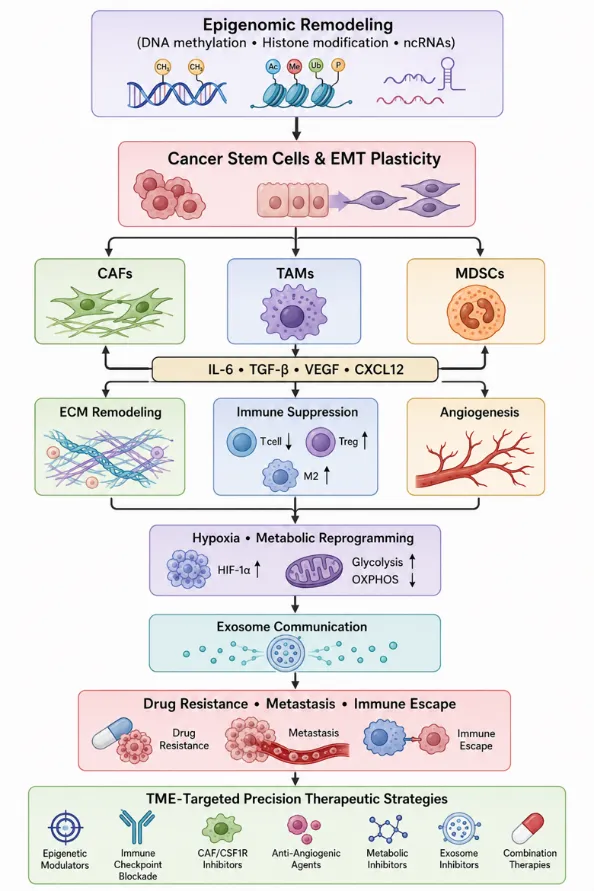
Figure 3. Crosstalk Between Epigenomic Remodeling and the Tumor Microenvironment in TNBC
5. Adaptive Drug Resistance and Therapeutic Network Reprogramming
Adaptive drug resistance remains one of the greatest obstacles to successful treatment of triple-negative breast cancer (TNBC). Although many patients initially respond to chemotherapy, immune checkpoint inhibitors, PARP inhibitors, or antibody–drug conjugates (ADCs), most eventually develop disease recurrence due to dynamic molecular adaptation. Rather than arising solely from new genetic mutations, drug resistance results from coordinated reprogramming of signaling pathways, epigenetic remodeling, metabolic adaptation, tumor microenvironment interactions, and phenotypic plasticity. These interconnected processes enable tumor cells to survive therapeutic stress while maintaining proliferative and metastatic potential (Holohan et al., 2013; Hanahan, 2022). Consequently, understanding resistance as a systems-level network phenomenon has become central to developing durable therapeutic strategies.
5.1 Mechanisms of Intrinsic Drug Resistance
Intrinsic (primary) drug resistance exists before treatment initiation and is largely determined by the molecular characteristics of the tumor. TNBC exhibits remarkable genomic instability, high intratumoral heterogeneity, defective DNA repair, and constitutive activation of multiple survival pathways, all of which contribute to poor therapeutic responsiveness.
Frequent TP53 mutations, PIK3CA activation, PTEN loss, and MYC amplification enhance proliferation and suppress apoptosis, reducing sensitivity to cytotoxic agents. Increased expression of ATP-binding cassette (ABC) transporters such as ABCB1 (P-glycoprotein) actively exports chemotherapeutic drugs from cancer cells, decreasing intracellular drug concentrations. Additionally, elevated antioxidant capacity, enhanced DNA damage repair, and pre-existing cancer stem cell populations further contribute to innate resistance against chemotherapy and targeted therapies (Bianchini et al., 2016).
5.2 Mechanisms of Acquired Drug Resistance
Acquired resistance develops after prolonged therapeutic exposure through continuous tumor evolution and selective pressure. Initially sensitive tumor cells undergo genomic, epigenetic, transcriptional, and metabolic alterations that allow survival despite ongoing treatment.
Secondary mutations restoring homologous recombination repair can reduce the effectiveness of PARP inhibitors in BRCA1/2-mutated tumors. Epigenetic remodeling modifies transcriptional programs associated with cell survival, while metabolic reprogramming enhances glucose utilization, lipid synthesis, and oxidative phosphorylation to support resistant phenotypes. Furthermore, persistent interactions with stromal cells and immune components within the tumor microenvironment reinforce adaptive survival mechanisms, promoting disease recurrence and metastasis (Holohan et al., 2013).
5.3 Signaling Pathway Rewiring
Therapeutic pressure induces extensive rewiring of intracellular signaling networks, allowing tumor cells to activate compensatory survival pathways when primary targets are inhibited. The PI3K/AKT/mTOR pathway regulates cell growth, protein synthesis, metabolism, and apoptosis. Activation through PIK3CA mutations, PTEN deletion, or receptor tyrosine kinase signaling promotes resistance to chemotherapy, endocrine-independent survival, and immune evasion (Mayer & Arteaga, 2016). The MAPK pathway (RAS–RAF–MEK–ERK) enhances proliferation, differentiation, and stress adaptation. Hyperactivation of MAPK signaling frequently compensates for inhibition of PI3K signaling, limiting therapeutic efficacy. Persistent activation of the JAK/STAT pathway, particularly STAT3, stimulates inflammatory signaling, stemness, angiogenesis, and immune suppression. Elevated IL-6/JAK/STAT3 signaling is strongly associated with poor prognosis in TNBC. The NF-κB signaling pathway regulates inflammatory cytokine production, anti-apoptotic proteins, and immune modulation. Chronic NF-κB activation promotes resistance to chemotherapy by increasing expression of BCL-2, XIAP, and multidrug resistance proteins. The Wnt/β-catenin pathway maintains cancer stem cell populations and supports epithelial–mesenchymal transition (EMT). Aberrant activation contributes to metastatic dissemination and resistance to immune checkpoint inhibitors. Similarly, Notch signaling preserves stem cell self-renewal and promotes differentiation plasticity, whereas Hedgehog signaling regulates tumor initiation, angiogenesis, and maintenance of resistant cancer stem cells. Simultaneous activation of these developmental pathways creates highly adaptable cellular networks capable of surviving multiple therapeutic interventions (Takebe et al., 2015).
5.4 Epithelial–Mesenchymal Transition (EMT)
EMT is a reversible biological process in which epithelial tumor cells lose cell–cell adhesion and acquire mesenchymal characteristics including increased motility, invasiveness, and resistance to apoptosis. During EMT, expression of epithelial markers such as E-cadherin decreases, whereas mesenchymal markers including N-cadherin, vimentin, Snail, Slug, and Twist become upregulated. Activation of TGF-β, Wnt, Notch, and NF-κB signaling promotes EMT and facilitates dissemination of circulating tumor cells. EMT also generates stem-like phenotypes characterized by enhanced drug resistance and metastatic competence, making it a critical therapeutic target in TNBC (Nieto et al., 2016).
5.5 Autophagy, Ferroptosis, and Cell Death Escape Mechanisms
Autophagy enables tumor cells to recycle damaged organelles and intracellular macromolecules under nutrient deprivation and therapeutic stress. Although autophagy may initially suppress tumorigenesis, established cancers frequently exploit this process to survive chemotherapy and hypoxia. Ferroptosis is an iron-dependent form of regulated cell death driven by lipid peroxidation. TNBC demonstrates increased susceptibility to ferroptosis because of elevated iron metabolism and oxidative stress; however, resistant tumors often upregulate antioxidant systems including GPX4, SLC7A11, and glutathione synthesis, thereby suppressing ferroptotic cell death (Dixon et al., 2012). Simultaneously, overexpression of anti-apoptotic proteins such as BCL-2, MCL-1, and survivin enables tumor cells to evade apoptosis despite extensive DNA damage, contributing significantly to therapeutic failure.
5.6 Drug-Tolerant Persister Cells
Drug-tolerant persister (DTP) cells represent a transient, non-mutational population capable of surviving high-dose anticancer therapy. Unlike genetically resistant clones, DTPs remain largely quiescent and undergo reversible epigenetic and metabolic adaptations that permit survival under therapeutic pressure (Sharma et al., 2010). Following treatment cessation, persister cells can re-enter the cell cycle and regenerate heterogeneous tumor populations, ultimately driving relapse. These cells exhibit altered chromatin organization, enhanced oxidative phosphorylation, increased autophagy, and dependence on stress-response pathways, making them promising therapeutic targets for preventing recurrence.
5.7 Resistance to Chemotherapy, PARP Inhibitors, Immunotherapy, and Antibody–Drug Conjugates
Resistance to chemotherapy commonly involves increased drug efflux, enhanced DNA repair, metabolic adaptation, EMT, and cancer stem cell enrichment. Resistance to PARP inhibitors frequently develops through restoration of homologous recombination repair via secondary BRCA1/2 mutations, stabilization of replication forks, and reduced PARP trapping (Lord & Ashworth, 2017). Resistance to immune checkpoint inhibitors results from reduced antigen presentation, impaired interferon signaling, increased PD-L1 heterogeneity, accumulation of immunosuppressive macrophages and regulatory T cells, and activation of Wnt/β-catenin signaling. Similarly, resistance to antibody–drug conjugates (ADCs) may arise through antigen downregulation, impaired intracellular trafficking, lysosomal dysfunction, altered payload metabolism, and multidrug transporter activation, reducing intracellular drug delivery.
5.8 Systems-Level Strategies to Overcome Drug Resistance
Modern therapeutic strategies increasingly recognize that overcoming resistance requires simultaneous disruption of multiple interconnected molecular networks rather than inhibition of single targets. Systems pharmacology integrates multi-omics, network pharmacology, artificial intelligence, single-cell sequencing, and computational modeling to identify network vulnerabilities and predict optimal drug combinations. Rational therapeutic approaches combining PARP inhibitors, PI3K inhibitors, immune checkpoint inhibitors, epigenetic drugs, autophagy inhibitors, ferroptosis inducers, and anti-angiogenic agents have demonstrated encouraging preclinical and clinical results (Hanahan, 2022). Future precision oncology will likely rely on adaptive treatment strategies guided by longitudinal molecular monitoring, digital twin technologies, and AI-assisted prediction models to continuously modify therapy according to evolving tumor biology.
Table 4. Major Mechanisms of Adaptive Drug Resistance in Triple-Negative Breast Cancer
|
Resistance Mechanism |
Major Molecular Drivers |
Clinical Consequences |
Potential Therapeutic Strategies |
|
Intrinsic resistance |
TP53 mutation, PTEN loss, ABC transporters |
Poor initial treatment response |
Multi-target therapy, biomarker-guided treatment |
|
Acquired resistance |
Secondary mutations, epigenetic remodeling |
Tumor relapse |
Combination therapy, adaptive treatment |
|
Signaling rewiring |
PI3K/AKT, MAPK, JAK/STAT, NF-κB |
Compensatory survival pathways |
Dual-pathway inhibition |
|
EMT |
TGF-β, Wnt, Notch |
Metastasis, stemness |
EMT inhibitors |
|
Autophagy & ferroptosis escape |
GPX4, SLC7A11, BCL-2 |
Cell survival under stress |
Ferroptosis inducers, autophagy inhibitors |
|
Drug-tolerant persister cells |
Epigenetic plasticity, metabolic adaptation |
Disease recurrence |
Epigenetic therapy, metabolic targeting |
|
Immunotherapy resistance |
PD-L1 heterogeneity, immune suppression |
Reduced immunotherapy efficacy |
Combination immunotherapy |
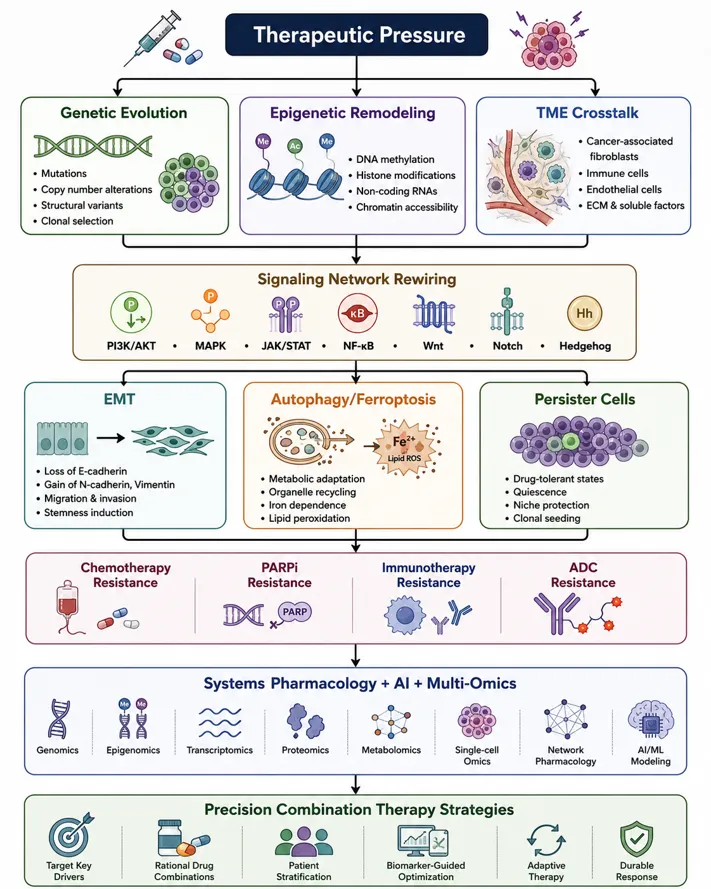
Figure 4. Systems-Level Mechanisms of Adaptive Drug Resistance in TNBC
6. Emerging Therapeutic Strategies and Translational Perspectives
The growing understanding of the molecular complexity of triple-negative breast cancer (TNBC) has transformed therapeutic development from conventional cytotoxic chemotherapy toward precision, systems-based interventions. Modern treatment strategies increasingly integrate multi-target pharmacology, immunotherapy, epigenetic modulation, nanotechnology, artificial intelligence (AI), and biomarker-guided precision medicine to overcome tumor heterogeneity and adaptive drug resistance. Rather than targeting single oncogenic pathways, emerging therapeutic paradigms seek to simultaneously modulate interconnected molecular networks that regulate tumor proliferation, immune evasion, metabolism, and metastatic progression (Hanahan, 2022; Hopkins, 2008).
6.1 Multi-Target Small Molecules
Multi-target small molecules represent an important advancement beyond conventional single-target inhibitors. These compounds are rationally designed to simultaneously inhibit multiple signaling pathways involved in TNBC progression, thereby reducing compensatory pathway activation and delaying resistance development.
Several investigational agents simultaneously inhibit PI3K/mTOR, EGFR/HER2, VEGFR, Src, and cyclin-dependent kinases (CDKs), producing synergistic antitumor activity. Multi-kinase inhibitors also suppress angiogenesis, invasion, and tumor metabolism while minimizing pathway redundancy. Because TNBC exhibits extensive signaling crosstalk, polypharmacological small molecules provide broader therapeutic coverage than highly selective inhibitors (Hopkins, 2008).
6.2 Combination Therapy Strategies
Combination therapy has become a cornerstone of TNBC management by targeting complementary biological mechanisms simultaneously. Rational combinations improve therapeutic efficacy, reduce resistance, and permit lower doses of individual drugs, thereby minimizing toxicity.
Current strategies include chemotherapy combined with immune checkpoint inhibitors, PARP inhibitors, anti-angiogenic agents, PI3K inhibitors, or epigenetic modulators. Simultaneous targeting of DNA repair, immune regulation, tumor metabolism, and angiogenesis disrupts multiple interconnected signaling networks responsible for tumor survival. Systems pharmacology and computational network analysis increasingly guide the selection of synergistic drug combinations based on molecular profiling (Schmid et al., 2020).
6.3 Targeted Protein Degradation Technologies
Unlike conventional inhibitors that temporarily suppress protein activity, targeted protein degradation technologies permanently eliminate disease-causing proteins by exploiting endogenous cellular degradation pathways.
Proteolysis-targeting chimeras (PROTACs) are bifunctional molecules that recruit E3 ubiquitin ligases to target proteins, promoting ubiquitination and subsequent degradation by the proteasome. PROTACs can eliminate proteins previously considered "undruggable," including transcription factors and scaffold proteins involved in TNBC progression (Békés et al., 2022).
Molecular glues function by stabilizing interactions between target proteins and ubiquitin ligases, facilitating selective protein degradation without requiring bifunctional molecular architecture. These emerging technologies offer promising opportunities for degrading oncogenic proteins such as MYC, BRD4, and mutant TP53 that contribute to therapeutic resistance.
6.4 Immunotherapy-Based Combination Approaches
Immunotherapy has significantly expanded therapeutic options for TNBC, particularly through inhibition of the programmed death receptor-1 (PD-1) and programmed death ligand-1 (PD-L1) immune checkpoint axis. Nevertheless, only a subset of patients achieves durable responses because of immune heterogeneity and adaptive resistance. Current clinical research focuses on combining immune checkpoint inhibitors with chemotherapy, PARP inhibitors, anti-angiogenic agents, radiotherapy, cancer vaccines, adoptive cell therapies, and epigenetic drugs. These combinations enhance tumor antigen presentation, increase immune cell infiltration, reverse immune suppression, and improve cytotoxic T-cell activation (Schmid et al., 2020). Additional investigational approaches include CAR-NK cells, CAR-T cells, bispecific antibodies, personalized neoantigen vaccines, and macrophage-targeted immunotherapies that aim to further improve antitumor immune responses.
6.5 Epigenetic Therapeutics
Because epigenetic alterations are reversible, they represent highly attractive therapeutic targets in TNBC. Epigenetic drugs restore expression of silenced tumor suppressor genes, reverse cellular plasticity, and sensitize resistant tumors to chemotherapy and immunotherapy. Histone deacetylase (HDAC) inhibitors, DNA methyltransferase (DNMT) inhibitors, bromodomain and extraterminal domain (BET) inhibitors, and enhancer of zeste homolog 2 (EZH2) inhibitors are currently under active clinical investigation. These agents regulate chromatin accessibility, inflammatory signaling, DNA repair, and immune recognition, thereby improving therapeutic responsiveness (Baylin & Jones, 2016). Combination of epigenetic therapy with immune checkpoint blockade represents one of the most promising translational strategies for overcoming immune resistance in TNBC.
6.6 Nanotechnology-Enabled Drug Delivery
Nanotechnology has revolutionized targeted drug delivery by improving pharmacokinetics, reducing systemic toxicity, and enhancing selective accumulation within tumors through passive and active targeting mechanisms. Nanocarriers including liposomes, polymeric nanoparticles, dendrimers, solid lipid nanoparticles, micelles, and exosome-inspired vesicles enable co-delivery of chemotherapeutic agents, nucleic acids, proteins, and immunomodulators directly to tumor tissue. Surface modification with antibodies, peptides, or aptamers further improves tumor specificity while minimizing off-target toxicity (Shi et al., 2017).
Smart nanoplatforms capable of pH-sensitive, enzyme-responsive, or hypoxia-triggered drug release provide additional opportunities for precision delivery in the heterogeneous TNBC microenvironment.
6.7 AI-Driven Drug Repurposing
Artificial intelligence has emerged as a transformative tool for accelerating oncology drug discovery. Machine learning algorithms integrate genomic, transcriptomic, proteomic, chemical, and clinical datasets to identify previously unrecognized therapeutic targets and predict effective drug combinations. AI-driven drug repurposing identifies approved drugs with previously unknown anticancer properties, substantially reducing development time and financial cost compared with de novo drug discovery. Deep learning models also predict drug-target interactions, toxicity profiles, pharmacokinetic behavior, and patient-specific therapeutic responses, facilitating rapid translation into clinical practice (Zhavoronkov et al., 2019).
6.8 Biomarker Discovery for Precision Oncology
Reliable biomarkers are essential for personalized TNBC management because of extensive molecular heterogeneity. Advances in multi-omics technologies have enabled identification of genomic, transcriptomic, proteomic, metabolomic, and immune biomarkers capable of predicting prognosis and therapeutic response. Clinically relevant biomarkers include BRCA1/2 mutations, PD-L1 expression, tumor mutational burden, tumor-infiltrating lymphocytes (TILs), PIK3CA mutations, circulating tumor DNA (ctDNA), circulating tumor cells (CTCs), and exosomal microRNAs. Integration of these biomarkers with AI-assisted computational analysis improves patient stratification and facilitates individualized therapeutic decision-making (Hasin et al., 2017).
6.9 Clinical Trials and Translational Advances
Recent clinical trials have substantially expanded therapeutic options for TNBC through integration of targeted therapies and immunotherapy. Landmark studies including KEYNOTE-355, KEYNOTE-522, OlympiA, and ASCENT have demonstrated improved progression-free and overall survival using immune checkpoint inhibitors, PARP inhibitors, and antibody–drug conjugates in selected patient populations (Schmid et al., 2020; Cortes et al., 2021). Translational oncology increasingly incorporates single-cell sequencing, spatial transcriptomics, liquid biopsy, pharmacogenomics, and systems pharmacology into clinical trial design. Adaptive platform trials and biomarker-guided precision medicine approaches are expected to accelerate therapeutic optimization while reducing unnecessary treatment exposure.
6.10 Future Perspectives Toward Personalized Polypharmacology
Future TNBC treatment will likely transition from empirical therapy toward individualized network-based interventions guided by systems pharmacology. Integration of multi-omics, single-cell analysis, digital twin technologies, AI-assisted prediction, real-time liquid biopsy monitoring, and network pharmacology will enable continuous assessment of tumor evolution and adaptive therapeutic modification.
Personalized polypharmacology aims to simultaneously target multiple interconnected signaling pathways according to each patient's unique molecular profile, thereby minimizing adaptive resistance and maximizing durable clinical responses. Advances in protein degradation technologies, nanomedicine, immunotherapy, and computational biology are expected to establish precision systems pharmacology as the next-generation paradigm for TNBC management.
Table 5. Emerging Therapeutic Strategies for Triple-Negative Breast Cancer
|
Therapeutic Strategy |
Primary Target/ Technology |
Major Clinical Advantages |
|
Multi-target small molecules |
PI3K, mTOR, EGFR, VEGFR, CDKs |
Simultaneous inhibition of multiple pathways |
|
Combination therapy |
Chemotherapy + immunotherapy + targeted therapy |
Reduced resistance and synergistic efficacy |
|
PROTACs & molecular glues |
Targeted protein degradation |
Elimination of previously undruggable proteins |
|
Epigenetic therapeutics |
HDAC, DNMT, BET, EZH2 |
Reversal of epigenetic dysregulation |
|
Nanotechnology |
Liposomes, polymeric nanoparticles, exosomes |
Improved tumor-specific drug delivery |
|
AI-driven drug repurposing |
Machine learning algorithms |
Rapid identification of novel therapeutic candidates |
|
Biomarker-guided therapy |
Multi-omics and liquid biopsy |
Precision patient stratification |
|
Precision systems pharmacology |
AI + multi-omics + network biology |
Personalized polypharmacological treatment |
CONCLUSION
Triple-negative breast cancer (TNBC) remains one of the most biologically complex and therapeutically challenging malignancies because of its remarkable molecular heterogeneity, extensive genomic instability, dynamic epigenomic remodeling, and highly interactive tumor microenvironment. Unlike other breast cancer subtypes, the absence of estrogen receptor (ER), progesterone receptor (PR), and HER2 expression restricts the availability of targeted therapeutic options, making conventional chemotherapy the primary treatment modality for many patients. However, the frequent emergence of intrinsic and acquired drug resistance, coupled with extensive signaling pathway redundancy and tumor plasticity, substantially limits long-term clinical success (Bianchini et al., 2016; Denkert et al., 2017).
Recent advances in high-throughput sequencing, single-cell transcriptomics, spatial multi-omics, proteogenomics, and systems biology have significantly improved our understanding of TNBC pathophysiology. These technologies have demonstrated that tumor progression is regulated by complex interactions among genomic alterations, epigenetic modifications, metabolic reprogramming, immune regulation, extracellular matrix remodeling, and intercellular communication rather than isolated molecular abnormalities. Consequently, TNBC should be regarded as a dynamic network disease requiring network-oriented therapeutic strategies instead of conventional single-target interventions (Hasin et al., 2017).
Systems pharmacology and polypharmacology have emerged as transformative paradigms capable of addressing this biological complexity by integrating pharmacology, computational biology, artificial intelligence (AI), and multi-omics data into comprehensive predictive models. Through simultaneous modulation of multiple interconnected signaling pathways—including PI3K/AKT/mTOR, MAPK, JAK/STAT, NF-κB, Wnt/β-catenin, Notch, and Hedgehog—polypharmacological approaches offer greater therapeutic efficacy while minimizing compensatory pathway activation and adaptive resistance (Hopkins, 2008; van der Graaf & Benson, 2011). The integration of network pharmacology with AI-assisted computational modeling further facilitates identification of synergistic drug combinations, novel therapeutic targets, and individualized treatment strategies.
The development of innovative therapeutic technologies, including targeted protein degradation (PROTACs and molecular glues), epigenetic modulators, nanotechnology-enabled drug delivery systems, AI-driven drug repurposing, biomarker-guided precision oncology, and immunotherapy-based combination approaches, represents a significant advancement toward personalized TNBC management. Simultaneously, emerging biomarkers derived from genomics, transcriptomics, proteomics, metabolomics, circulating tumor DNA, exosomes, and single-cell analyses are expected to improve patient stratification and enable dynamic monitoring of therapeutic responses throughout disease progression (Békés et al., 2022; Hanahan, 2022).
Despite these advances, several important challenges remain. Standardization of multi-omics data integration, validation of predictive biomarkers, optimization of computational models, management of interpatient heterogeneity, and translation of laboratory discoveries into routine clinical practice require continued interdisciplinary collaboration. Future research should emphasize longitudinal molecular monitoring, digital twin technologies, adaptive clinical trial designs, and systems-level therapeutic optimization to overcome the limitations of current treatment paradigms.
In conclusion, the convergence of systems pharmacology, network medicine, artificial intelligence, and precision oncology has fundamentally reshaped the conceptual framework for understanding and treating TNBC. By integrating molecular profiling with multi-target therapeutic strategies and personalized computational modeling, precision polypharmacology offers a promising pathway toward durable clinical responses, improved survival outcomes, and individualized patient care. Continued translational research and clinical validation will be essential for transforming these innovative approaches into routine precision medicine for patients with triple-negative breast cancer.
REFERENCES

Mahalakshmi Kodadi, Jitendra Chobdar, M. Naveen Kumar, Vinod Tukaram Wagh, Ajit Kumar Varma, Mukesh Kumar Meena, Lalatendu Mohanty, Hilma Dora J., Chirayu Sharma, Integrative Systems Pharmacology and Polypharmacological Network Modulation in Triple-Negative Breast Cancer: Deciphering Intratumoral Heterogeneity, Epigenomic Rewiring, Tumor Microenvironment Crosstalk, and Adaptive Drug Resistance Dynamics, Int. J. of Pharm. Sci., 2026, Vol 4, Issue 7, 3786-3812. https://doi.org/10.5281/zenodo.21443252
 10.5281/zenodo.21443252