

We use cookies to ensure our website works properly and to personalise your experience. Cookies policy
¹Student, Department of Pharmaceutical Regulatory Affairs, Dadasaheb Balpande College of Pharmacy, Nagpur, Maharashtra, India.
²Guide, Department of Pharmaceutical Regulatory Affairs, Dadasaheb Balpande College of Pharmacy, Nagpur, Maharashtra, India.
Dietary supplements have emerged as a rapidly expanding sector within the global healthcare and wellness industry, driven by increasing public interest in preventive healthcare and self-medication practices. In many developing countries, the growing consumption of herbal and nutritional supplements has not been accompanied by equally robust regulatory oversight, particularly with respect to product labeling and health-related claims. Inadequate regulatory enforcement, ambiguous labeling practices, and scientifically unsupported claims continue to raise substantial concerns regarding consumer safety, product authenticity, and informed decision-making. This review critically examines the regulatory complexities associated with labeling standards and health claims of dietary supplements in developing nations. Key labeling components, including ingredient identification, dosage recommendations, safety warnings, nutritional declarations, manufacturer information, batch details, and expiration dating, are discussed in relation to their role in ensuring transparency and regulatory compliance. The review further categorizes health claims into nutritional, functional, and disease-risk reduction claims, with emphasis on the scientific substantiation necessary for regulatory approval.
The use of dietary supplements has increased globally due to growing awareness regarding health, nutrition, and disease prevention. Dietary supplements include vitamins, minerals, herbal products, amino acids, and other bioactive substances used to support overall health and wellness. Rapid market expansion, particularly in developing countries, has raised concerns regarding product safety, quality, labeling accuracy, and misleading health claims.
Regulatory oversight is essential to ensure that dietary supplements are safe, properly labeled, and supported by scientific evidence. However, many developing countries face challenges such as weak regulatory systems, inadequate monitoring, counterfeit products, and poor enforcement of labeling standards. Misleading health claims and incomplete product information may adversely affect consumer safety and public health.
This review focuses on the regulatory challenges associated with labeling and health claims of dietary supplements in developing countries. It further examines the importance of proper labeling, scientific substantiation of claims, and the need for stronger regulatory frameworks to enhance consumer protection and product transparency.[1]
1.1 Background of Dietary Supplements
Dietary supplements are products intended to supplement the diet by providing nutrients or biologically active substances such as vitamins, minerals, herbs, and probiotics. These products are commonly used for health maintenance, disease prevention, and wellness support.[1]
1.2 Global Market Growth of Dietary Supplements
The global dietary supplement market has expanded rapidly due to increased health awareness, rising chronic diseases, and growing consumer interest in preventive healthcare. Developing countries have become major markets for herbal and nutritional supplements.[1]
1.3 Importance of Regulatory Oversight
Regulatory oversight helps ensure the safety, quality, and efficacy of dietary supplements. Effective regulations are necessary to control manufacturing standards, labeling practices, and health claims while protecting consumers from misleading information and unsafe products.[2]
1.4 Need for Proper Labeling and Health Claim Regulation
Proper labeling provides essential information regarding ingredients, dosage, warnings, and storage conditions. Regulation of health claims is necessary to prevent false or unverified claims that may mislead consumers and affect public health.[2]
1.5 SCOPE AND OBJECTIVES OF THE REVIEW
This review examines the regulatory challenges related to labeling and health claims of dietary supplements in developing countries. It also highlights current regulatory gaps, consumer safety concerns, and the need for harmonized and evidence-based regulatory frameworks.[2]
2. MATERIALS AND METHODS
The present review was developed through an extensive assessment of scientific publications, regulatory documents, and official reports concerning dietary supplements, labeling practices, and health-related claims. Relevant information was obtained from electronic databases such as PubMed, Google Scholar, and ScienceDirect, in addition to regulatory resources provided by organizations including the World Health Organization, Food and Drug Administration, and Food Safety and Standards Authority of India.
The retrieved literature was critically examined and organized into thematic areas covering labeling standards, classification of health claims, regulatory policies, consumer safety issues, and major regulatory challenges in developing countries. A comparative evaluation of regulatory approaches and supporting scientific evidence was also conducted to identify existing limitations and potential strategies for improving regulatory control and consumer safety in the dietary supplement sector.
3. RESULTS AND DISCUSSION
3.1 CONSUMER TRENDS AND USAGE IN DEVELOPING COUNTRIES
The utilization of dietary supplements has risen markedly across developing countries, largely driven by increasing public awareness of preventive healthcare, nutritional wellbeing, and lifestyle-related disorders. Rapid urbanization, changing dietary patterns, and growing health consciousness have contributed substantially to the expanding demand for herbal and nutritional products. Consumers commonly use dietary supplements for immune support, stress reduction, energy enhancement, weight management, and overall health maintenance.[3]
3.2. IMPORTANCE OF PRODUCT LABELING IN DIETARY SUPPLEMENTS
Product labeling is essential for ensuring the safe and appropriate use of dietary supplements. It provides critical information regarding ingredients, dosage, storage conditions, expiry details, and safety warnings, thereby supporting informed consumer decisions. Accurate labeling also promotes product transparency, regulatory compliance, and quality assurance while reducing the risk of misleading claims and improper product use. In developing countries, inadequate labeling practices and weak regulatory enforcement remain significant challenges affecting consumer safety and public health.[4]
Purpose of label of Supplements components of label of Supplements
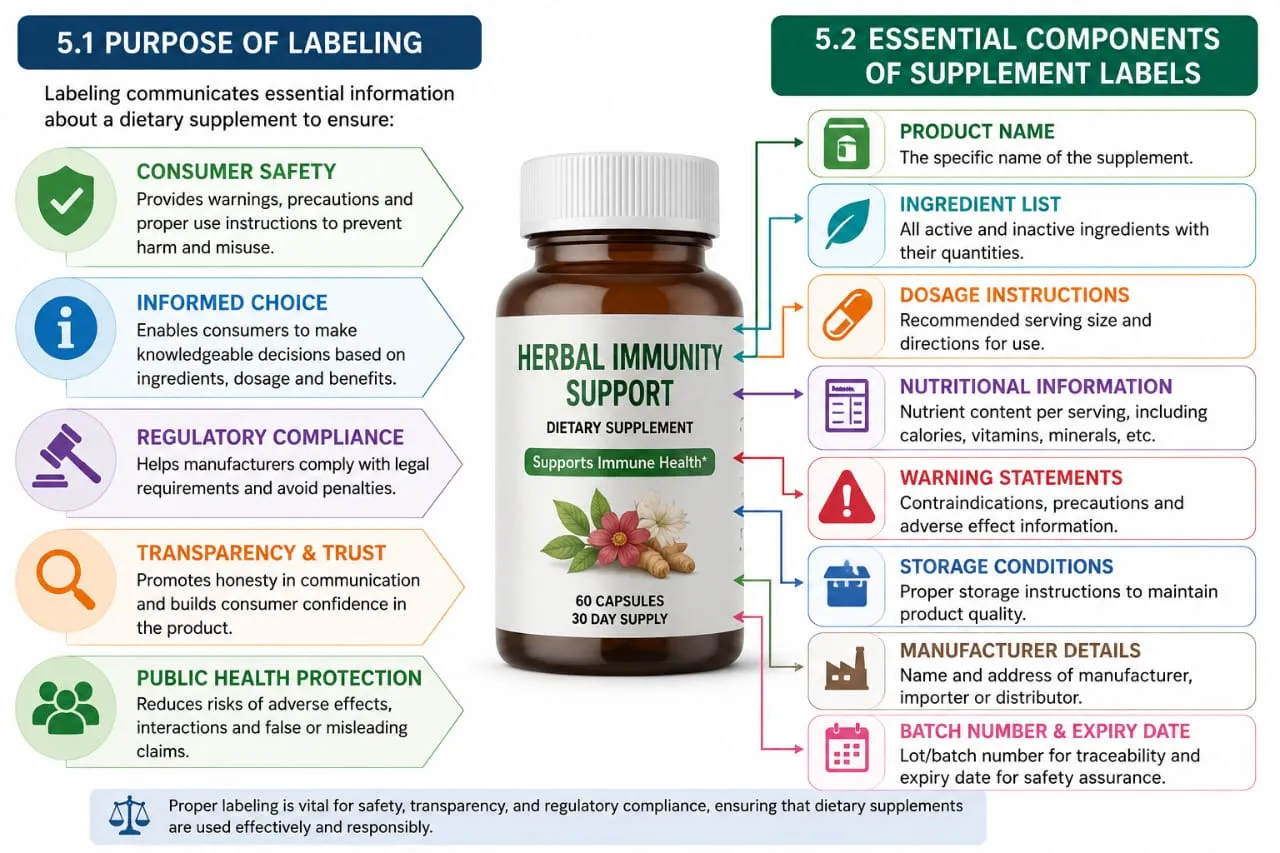
Fig. 1. Purpose And Components of Label of Supplements Labelling
3.3. Health Claims Associated with Dietary Supplements
Health claims are statements used on dietary supplement labels or advertisements to describe the relationship between a product and its potential health benefits. These claims influence consumer perception and play an important role in product marketing. However, improper or scientifically unsupported claims may mislead consumers and create significant public health concerns. Therefore, health claims should be supported by reliable scientific evidence and regulated by appropriate authorities.[5]
3.3.1 Definition of Health Claims
Health claims refer to statements suggesting that a dietary supplement or one of its ingredients may provide specific health benefits, support normal body functions, or reduce the risk of certain diseases. These claims are intended to inform consumers about the physiological or nutritional role of a product.[6]
3.3.2 Categories of Health Claims
Nutrient Content Claims
These claims describe the level of a nutrient present in a product, such as “high in vitamin C” or “low fat.”
Functional Claims
Functional claims indicate the role of a nutrient or ingredient in maintaining normal physiological functions, such as supporting immunity or energy production.
Structure/Function Claims
These claims describe the effect of a product on the normal structure or function of the human body, for example, “supports bone health” or “helps maintain joint flexibility.”
Disease Risk Reduction Claims
These claims suggest that consumption of a product may reduce the risk of developing a specific disease or health condition when supported by scientific evidence.[6]
3.3.3 Scientific Evidence Required for Health Claims
Health claims associated with dietary supplements should be supported by adequate scientific evidence to ensure accuracy and consumer safety. Clinical studies, laboratory research, published scientific literature, and regulatory evaluations are commonly used to substantiate such claims. Scientific validation helps prevent misleading information and promotes evidence-based product marketing.[7]
3.3.4 Misleading and Unsubstantiated Claims
Misleading or unsubstantiated claims refer to health-related statements that lack sufficient scientific support or exaggerate product benefits. Such claims may deceive consumers, encourage inappropriate self-medication, and increase potential health risks. Weak regulatory oversight in developing countries often contributes to the circulation of products with inaccurate or false promotional claims.[8]
3.4. Regulatory Framework for Dietary Supplements [9]
|
Section |
Key Regulatory Aspects |
Purpose |
|
General Regulatory Principles |
Safety assessment, quality assurance, product classification, consumer protection, regulatory compliance |
To ensure dietary supplements are safe, effective, and properly regulated before marketing |
|
Labeling Regulations |
Ingredient disclosure, dosage instructions, warning statements, nutritional information, manufacturer details, expiry date |
To provide accurate product information and prevent misleading claims |
|
Approval and Registration Requirements |
Product registration, submission of technical documents, safety data, formulation details, labeling review |
To evaluate product quality, safety, and regulatory compliance before market authorization |
|
Good Manufacturing Practices (GMP) |
Standardized manufacturing procedures, hygiene control, quality testing, documentation, personnel training |
To maintain consistency, purity, and quality of dietary supplement products |
|
Post-Marketing Surveillance |
Adverse event monitoring, product recall systems, consumer complaints, market inspection, pharmacovigilance |
To monitor product safety and identify risks after commercialization |
3.5. REGULATORY CHALLENGES IN DEVELOPING COUNTRIES
3.5.1 Weak Regulatory Infrastructure
Regulatory systems governing dietary supplements in many developing nations remain insufficiently developed and inadequately equipped to ensure effective product oversight. Limitations in institutional capacity, regulatory policies, and surveillance frameworks frequently compromise the monitoring of product quality, safety, and labeling compliance.
3.5.2 Inadequate Enforcement Mechanisms
Despite the existence of regulatory guidelines in several countries, enforcement activities are often inconsistent due to limited inspections, weak legal implementation, and poor inter-agency coordination. Consequently, non-compliant and misleading products continue to circulate within the market.
3.5.3 Limited Technical and Financial Resources
The effectiveness of dietary supplement regulation is significantly constrained by inadequate financial investment, shortage of trained professionals, and limited access to advanced analytical laboratories. These deficiencies hinder efficient product evaluation, quality testing, and post-marketing surveillance activities.
3.5.4 Counterfeit and Substandard Products
The widespread distribution of counterfeit, adulterated, and substandard dietary supplements represents a major public health concern in developing regions. Weak market surveillance and insufficient regulatory control contribute substantially to the availability of unsafe and poor-quality products.
3.5.5 Lack of Scientific Validation of Claims
A considerable number of dietary supplements are promoted using exaggerated or scientifically unsupported health claims. The absence of rigorous evidence-based evaluation and insufficient regulatory scrutiny may result in consumer misinformation and inappropriate product usage.[10]
3.5.6 Poor Consumer Awareness
Limited awareness regarding dietary supplement labeling, recommended usage, and potential adverse effects remains prevalent among consumers in developing countries. Reliance on self-medication practices and promotional advertisements further increases the risk of irrational supplement consumption.
3.5.7 Challenges in Online Marketing and Advertising
The rapid expansion of digital commerce and social media marketing has significantly increased the online promotion of dietary supplements. However, inadequate regulatory monitoring of internet-based advertisements facilitates the dissemination of misleading claims, unauthorized promotions, and unregistered products, thereby posing challenges to consumer safety and regulatory compliance.
3.6. Public Health and Consumer Safety Concerns
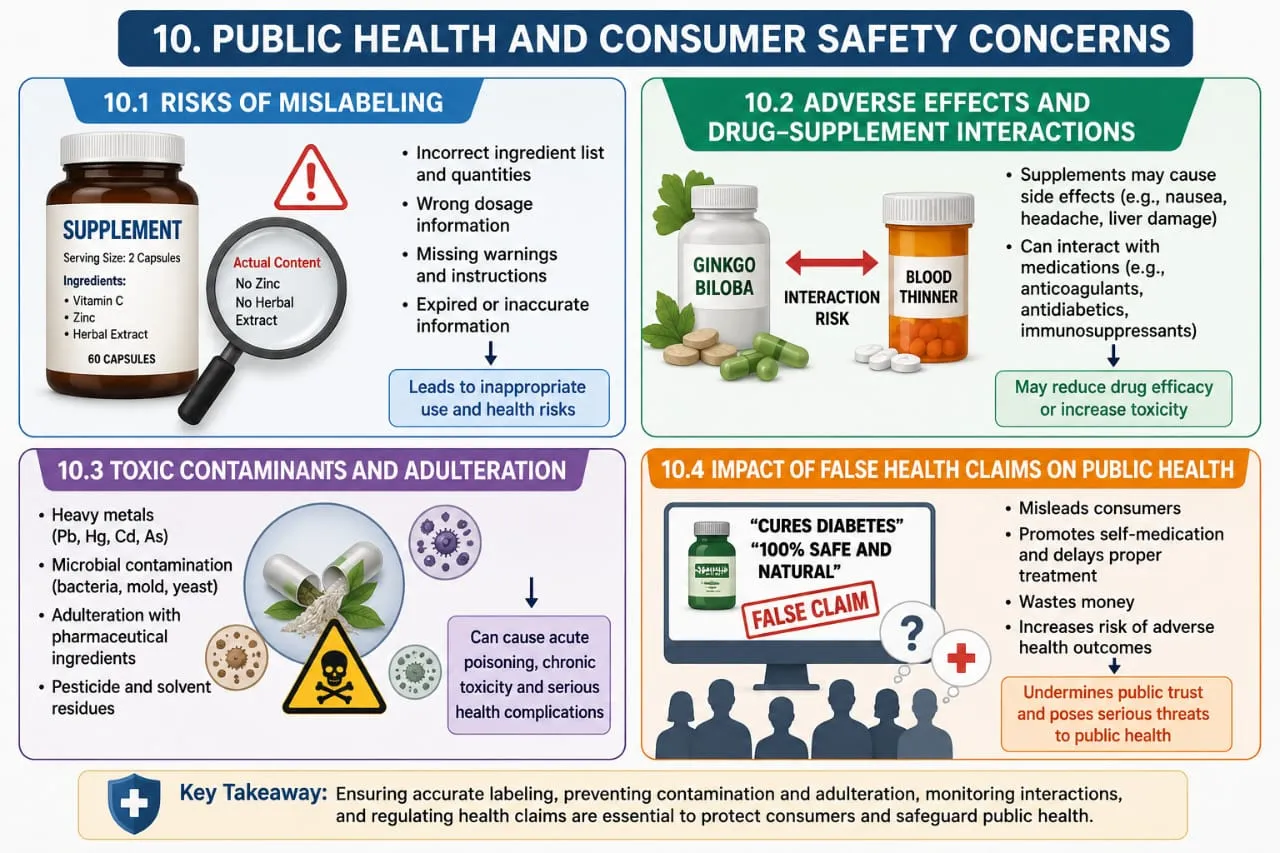
Fig.2.Public Health and Consumer Safety Concerns
3.7. Current Advances and Future Perspectives
3.7.1 Digital Labeling and Traceability Systems
Digital technologies such as QR codes, blockchain systems, and electronic labeling have improved product traceability and transparency within the dietary supplement industry. These technologies enable consumers and regulatory authorities to access product information, authenticity records, and safety data more efficiently.
3.7.2 International Regulatory Harmonization
International regulatory harmonization aims to establish consistent standards for dietary supplement labeling, safety evaluation, and health claim approval across different countries. Harmonized regulations may improve global trade, strengthen regulatory cooperation, and enhance consumer protection.
3.7.3 Strengthening Pharmacovigilance Systems
Effective pharmacovigilance systems are essential for monitoring adverse effects and ensuring post-marketing safety of dietary supplements. Improved adverse event reporting systems, surveillance programs, and regulatory monitoring can support early identification of safety concerns.[11]
3.7.4 Consumer Education and Awareness Programs
Public education initiatives play an important role in promoting safe dietary supplement use. Awareness programs can help consumers understand product labeling, health claims, dosage instructions, and potential risks associated with inappropriate supplement consumption.
3.7.5 Recommendations for Developing Countries
Developing countries should strengthen regulatory infrastructure, improve laboratory facilities, implement stricter labeling regulations, and enhance post-marketing surveillance systems. Increased international collaboration, scientific research, and consumer awareness are also necessary to improve dietary supplement safety and regulatory compliance.[12]
4. CONCLUSION
The growing use of dietary supplements has highlighted the importance of effective regulatory oversight, particularly regarding product labeling and health claims. In many developing countries, weak regulatory systems, inadequate enforcement, misleading claims, and poor post-marketing surveillance continue to create significant challenges related to consumer safety and product quality. Accurate labeling and scientifically validated health claims are essential to ensure transparency, informed consumer decisions, and safe product use. Strengthening regulatory frameworks through improved surveillance systems, harmonized international guidelines, digital traceability technologies, and consumer awareness programs may significantly enhance public health protection and regulatory compliance.
Overall, the development of evidence-based and well-structured regulatory systems is crucial for ensuring the safety, quality, and responsible marketing of dietary supplements in developing countries.
5. ACKNOWLEDGEMENT
I express my sincere gratitude to Dr. Ajay Pise for his valuable guidance, constant support, and encouragement throughout the preparation of this review article. I am also thankful to Dr. Ujwala Mahajan, Principal of Dadasaheb Balpande College of Pharmacy, for providing the necessary academic support and facilities to complete this work successfully.
REFERENCES


Vaishnavi Kanampelliwar, Ajay Pise, Labelling and Health Claims of Dietary Supplements: Regulatory Challenges in Developing Countries, Int. J. of Pharm. Sci., 2026, Vol 4, Issue 6, 1102-1109. https://doi.org/ 10.5281/zenodo.20539726
 10.5281/zenodo.20539726