

We use cookies to ensure our website works properly and to personalise your experience. Cookies policy
Department of Pharmaceutics, The Erode College of Pharmacy, Erode, Tamil Nadu, India 638112
The pH of the human body differs in various tissues and is more acidic in diseased conditions like tumors and inflamed tissues. These pH differences provide an opportunity to design pH responsive drug delivery systems that can selectively release drugs at the target sites. Some mechanisms initiate drug release, including polymer ionisation and swelling, chemical bond cleavage and nanocarrier destabilisation. pH-responsive systems can be categorised based on their mode of action and site of drug delivery. Among the nanocarriers that have shown great promise for improving drug stability, bioavailability and targeting efficiency are liposomes, micelles, hydrogels and nanoparticles. More sophisticated systems with pH sensitivity combined with other stimuli (e.g. temperature, enzymes) provide improved control over drug release. These smart delivery platforms have important application in cancer treatment, gastrointestinal targeting, intracellular drug delivery and inflammatory disease therapy. pH-sensitive systems for controlled and site-specific drug release enhance therapeutic efficacy and minimise side effects. Therefore, microenvironment-activated and pH-responsive drug delivery systems will be novel strategies for the future of precision medicine and targeted therapeutics.
The biological environment around in the body plays a significant role in determining how the medicines work [13]. It includes factors like acidic or basic, how much oxygen is present, and the strength of the tiny particles, all of which affect how the medicine works and if the body can utilize it [15]. Among these factors, the difference in acidity is one of the key triggers when creating smart medicine delivery systems because it varies greatly in healthy and sick parts of the body [7]. In the body, the acidity level is kept steady under normal conditions, with blood and healthy parts maintaining a near-neutral acidity level of around 7.4[23]. There are significant differences in some areas, such as the digestive tract, inside cells, and in sick parts like tumors, swollen tissues, and areas with low blood flow [14]. These differences in acidity provide an opportunity to design medicine delivery systems that can selectively target where they work [25]. Medicine delivery systems that respond to acidity are designed to be stable when all is normal, but they change when they are in an acidic or basic environment. These changes can involve the medicine breaking down, swelling up, or falling apart, which allows the medicine to be released in a controlled manner. This enhances the effectiveness of the medicine. New technological developments have bolstered this field by creating tiny carriers like bubbles, balls, and gels that can target the appropriate areas and release the medicine in a controlled way. Additionally, making these systems responsive to factors like acidity and temperature has led to the creation of systems that can respond to two or more triggers, increasing their precision [1]. This review will provide an overview of medicine delivery systems that respond to the biological environment and acidity. Focusing on how they work, what types are available, how they utilize tiny carriers, and new methods that employ multiple triggers, along with their significant uses in medicine and the human body and how these medicine delivery systems interact with the human body and acidity levels [2,7,15].
2. BIOLOGICAL MICROENVIRONMENT & pH GRADIENT
2.1 Introduction to biological microenvironment
The biological microenvironment is the area around cells and tissues where things like chemicals and other stuff come together. This environment includes things like how acidic or basic it is, how much oxygen is around, and how strong the chemicals are. All these things can affect how well drugs work and what happens when we take them. One thing that really affects how drugs work is the acidity level.
The acidity level is different in sick parts of the body. This difference is used to make drug delivery systems that can tell when they are in a sick part of the body. These systems can release drugs in the spot so the drugs can work better and are less likely to hurt other parts of the body. Some of these systems are good at getting drugs to where they need to go, especially when it comes to cancer and other diseases where the biological microenvironment is different. The biological microenvironment and its acidity level are very important in these drug delivery systems [1,16].
2.2 Physiological pH gradients in the human body
The human body has levels of acidity in various parts. This difference in acidity can be used to deliver medicine to areas of the body. The human body is made up of different parts, and each part has its own level of acidity. This is important to know when we want to give people medicine because we can use this information to deliver the medicine to the part of the human body [1,22].
2.2.1 Systemic and tissue pH
Blood and normal tissues keep a pH of 7.4. Even a little change in pH can affect how stable a drug is, how well it dissolves and how well it passes through tissues. This is important, for Blood and drug treatments.
2.2.2 Intracellular pH compartments
Within cells, organelles have acidic environments.
These acidic parts are important for creating drug delivery systems that function inside cells. They help drugs escape from endosomes and get released from lysosomes. Endosomes and lysosomes play a role in this process. The acidic environments of endosomes and lysosomes are critical for designing drug delivery systems. This aids in enabling escape and lysosomal drug release from both lysosomes and endosomes [22].
2.3 Pathological pH gradients
2.3.1 Tumor Microenvironment
Cancer cells have something called tumor tissues. These tumor tissues are special because they have an acidic environment outside the cells. This environment is acidic because the cells produce a lot of acid. They do this even when they have oxygen, which is unusual. The pH level outside the cells is relatively low, between 6.5 and 6.9 [14]. Inside the cells, the pH level is normal.
This significant difference in levels between the inside and outside of cancer cells is very important. It is something that cancer cells have that normal cells do not. People are trying to use this difference to deliver drugs to cancer cells.
Table 1. Gastrointestinal pH gradient of region [1,18]
|
REGION |
AVERAGE pH LEVEL |
PRIMARY FUNCTION OF ENVIRONMENT |
|
Stomach |
1.5-3.5 |
Activates digestive enzymes (pepsin). |
|
Duodenum |
5.0-6.0 |
Neutralizes incoming gastric acid via bile and pancreatic secretions. |
|
Jejunum & ileum |
6.5-7.5 |
Peak environment of nutrient absorption. |
|
Cecum |
5.5-6.5 |
colonic bacteria generate short-chain fatty acids (SCFAs). |
|
Colon & Rectum |
6.5-7.5 |
Further water and electrolyte absorption. |
2.3.2 Inflammation and infection sites
Inflamed and infected tissues also (pH 5.5–7.0) due to:
Ischemic tissues, like those from a stroke or a heart attack, have a pH change because of anaerobic metabolism. This makes PH- sensitive delivery systems more useful for these tissues.
3. MECHANISMS OF pH-RESPONSIVE DRUG RELEASE
3.1 Fundamental Mechanistic Framework
These drug delivery systems work in a special way. They are affected by the environment around them. They can detect when the acidity level is different. This is important because the acidity level is not the same in our body. The systems are designed to be stable when everything's normal. When they are in a place with a different acidity level, they change in a controlled way. The acidity level in our body is usually 7.4. In some areas, it can be more acidic or more alkaline. These systems are made to respond to these changes. They do this through a few processes. The polymer in the system can become ionized. Bonds can break. The carrier can become unstable. The system can swell up because of osmosis. The drug can be taken into cells. All these factors together control how the drug is released and how well it works. Drug delivery systems like this are very effective at getting the drug to the target location. The drug delivery systems are designed to work with the microenvironment. The microenvironment is like a set of conditions found in different parts of the body.
The drug delivery systems are influenced by the microenvironment. The microenvironment can vary in different areas of the body. The microenvironment can be acidic or alkaline. The drug delivery systems can detect when the microenvironment changes. They can respond to the microenvironment in a controlled manner. This is very important for delivering the drug to the target location and ensuring it works properly [16-19].
3.2 Ionization-Driven Mechanisms
3.2.1 Protonation-Induced Activation
Polymers that have basic groups like amines or imidazole parts will protonate when they are in an acidic environment. This means they become more hydrophilic, and they have electrostatic repulsion, causing the polymer chains to grow larger. This change helps drugs escape from the polymer and enter the body [22].
Mechanistic highlights:
This process works well in places like tumours and in the parts of cells called endosomal compartments, where the environment is acidic. The polymers are very effective at releasing drugs in these are because the acidic conditions are just right for them. The polymers that have basic groups are very useful for this.
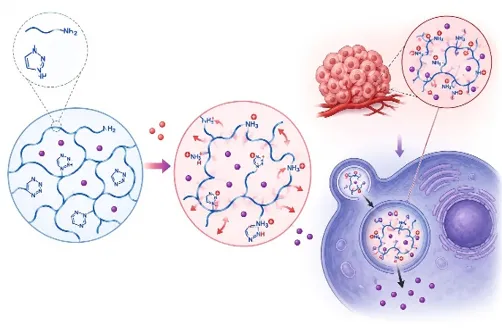
Figure1: Mechanism of drug release with protonation induced activation
3.2.2 Deprotonation-Induced Solubilization
The polymers with parts, like carboxyl groups, they do something interesting at higher pH levels and They start to ionize, which means they gain a charge. This charge makes the polymers push away from each other because they have the charge. so, the polymers can swell up [23].
Key outcomes:
Polymers with parts are used a lot in these systems because of the way they behave at different pH levels. The polymers can help get the drugs to the place in the body, like the colon, without releasing them too early.
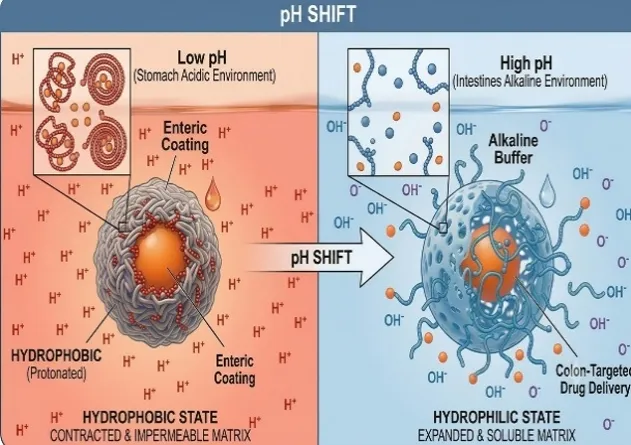
Figure 2: Mechanism of drug release with deprotonation - induced solubilization
3.3 Structural destabilization of nanocarriers
Liposomes that are sensitive to the level of acid in their surroundings are made with types of fats. The fat molecules pick up particles that give them a positive charge. This makes the outer layer of the liposomes more fluid and wobblier. The layer that holds everything together starts to fall, and the medicine inside leaks out. This process is good for delivering medicine to tumours and inside cells. There are also particles called micelles that are sensitive to the level of acid in their surroundings. They are made with blocks that change when they are in an acidic environment. When the micelles are in an environment, the core of the micelle changes from being water-repelling to being water-attracting. The micelle starts to break. The medicine that is trapped inside the micelle is released quickly. This helps the medicine work better inside the cells where it's acidic. Liposomes that are sensitive to the level of acid and polymeric micelles are effective at delivering medicine to where it needs to go [2-3].
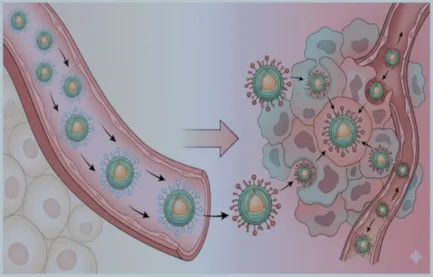
Figure 3: Mechanisms of drug release with structural destabilization of nanocarriers
3.4 Intracellular trafficking and endosomal escape
The proton sponge effect helps drugs get into cells. It works like this: the polymeric carrier gets protons in the endosome; more protons and counter ions come into the endosomal vesicle. Then it ruptures, releasing the drug into the cell. This is especially important for gene delivery and nucleic acid therapeutics because they can get broken down in lysosomes. Some systems use peptides or structures that help break down endosomal membranes, releasing the drug. This approach has some benefits, including getting more of the drug into the cell, protecting it from being broken down, and making the treatment work better. The proton sponge effect and gene delivery and nucleic acid therapeutics are important [16].
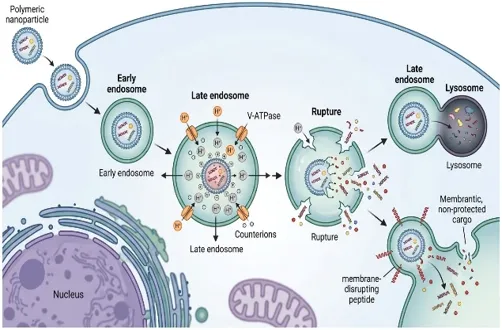
Figure 4: intracellular trafficking and endosomal escape [21]
3.5 Charge conversion mechanisms
Nanocarriers are designed to change the way they work when they meet different levels of acidity. This means that at the acidity level in the body, nanocarriers have a neutral or negative charge, which helps them remain in the body for a longer time. When they reach areas with higher levels of acidity, such as tumours, nanocarriers become positively charged, which aids in their interaction with the cells and facilitates their entry into them. In this way, nanocarriers can easily penetrate tumours and function more effectively, which is crucial for treating disease like cancer. The use of nanocarriers in this manner can significantly enhance their ability to enter cells and assist with treatment [2].
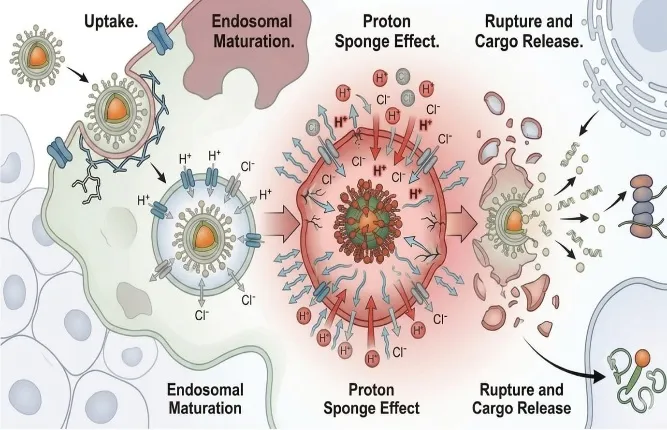
Figure 5: mechanisms of drug release with charge conversion
4. CLASSIFICATION OF pH – RESPONSIVE SYSTEM
The pH-responsive drug delivery system is a smart pharmaceutical technology that releases drugs based on the change in environmental pH. This system can be classified based on the response mechanism, material types, site of action, and ionic nature of polymers. The systems classified based on the response mechanism are the swelling-controlled system where there is swelling of polymers at a specific pH to release drugs, the dissolution-controlled system whereby the carrier is dissolved under some pH, the bond cleavage system where acid-sensitive bonds such as hydrazone or Schiff base bonds cleave to cause the release of drugs, and the charge conversion system where there is a change in surface charge depending on the pH to increase cellular uptake. Classification based on material types gives polymeric nanoparticles, liposomes, micelles, hydrogels, and inorganic nanoparticles like silica or zinc oxide nanoparticles. Depending on the site of action, they include the systems targeting acidic tumor environment, acidic intracellular organelles such as endosomes and lysosomes, or some areas of the gastrointestinal tract for oral drug delivery. Based on the ionic nature of the polymer, they are classified as anionic and cationic polymers, responding to high and low pH respectively [7].
These pH responsive hydrogels may be either anionic or cationic. The anionic hydrogels become ionized and therefore swollen when their pH level is above the pKa of the polymer network .The intestinal drug delivery systems offer protection against the drug denaturation and degradation in the acidic environment and then release them in certain places like the upper small intestine and colon deeper within the GI tract using the principle of pH-responsive anionic hydrogels. The ionic strength of the solution will affect the swelling of the hydrogels. When the pH of the solution is below the pKa, the hydrogels will be in the collapsed state and therefore ionic strength will not affect the swelling of the hydrogels. When the ionic strength increases, the swelling of the anionic hydrogels at a pH above the pKa of the polymer network will decrease. Increase in the ionic strength leads to ion shielding, which lowers the electrostatic repulsion of the negative carboxylic acid groups. Unlike anionic hydrogels, the cationic hydrogels will be ionized when the pH is below the pKa of the polymer network.
Cationic hydrogels are ideal for those drugs which are released in the stomach or intracellular conditions. Cationic polymers have amino acid groups which show high solubility in acidic medium and low solubility in neutral medium. Drugs get protected from cationic polymers in the mouth (pH range 5.8 to 7.4) but are released in the stomach (pH range 1 to 3.5) through oral administration. Due to low solubility in neutral pH media, preventing the release of drug, cationic polymers are used as taste masking [8-13].
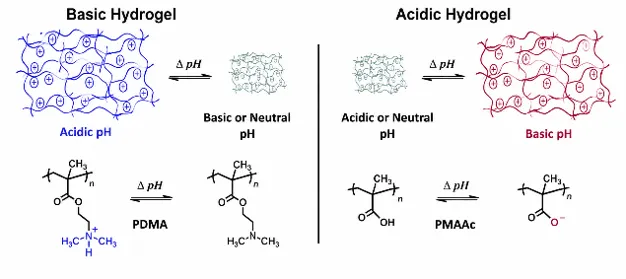
Figure 6: Mechanism of pH-Responsive Hydrogel Swelling and Deswelling Under Different pH Conditions
In general, the drug delivery systems can be described as responsive to different physical and chemical stimuli such as pH, temperature, reactive oxygen species, and light. In this context, pH-responsive systems can be classified as part of the broader group of stimuli-responsive systems. Moreover, dual responsiveness to stimuli such as block copolymers, micelles, or nanoparticles that are thermos responsive and pH-sensitive can be noted. This implies a classification of drug delivery systems according to whether they are single or multi-responsive to stimuli. Additionally, a mechanism-based classification can be identified, considering the example of acid-mediated cleavage of acetal groups, thus ensuring the specificity of drug delivery. Also, the pH environment-dependent disintegration of nanoparticles under acidic pH (approximately 5.0) and stability of nanoparticles under physiological pH (7.4) provides another classification criterion based on the environment. Thus, even though no specific classification is provided, several types of classifications can be proposed based on the criteria of stimulus type, response mechanism, pH environment, and dual stimulus response (Figure 7).
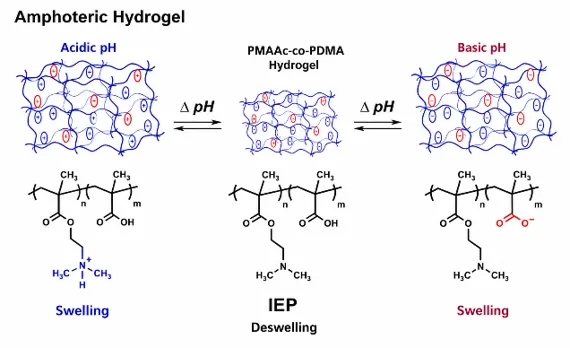
Figure 7: pH-Responsive Swelling and Deswelling Behaviour of Amphoteric Hydrogels Under Different pH Conditions
pH responsive systems are one type of intelligent drug delivery systems that are influenced by changes in pH values of the surroundings and fall under chemical stimulus-responsive systems. Generally, there can be three types of smart polymers used for drug delivery depending upon the nature of the stimulus applied that alters their structure: physical stimuli like temperature, ultrasound, light, and stress; chemical stimuli like pH value and ionic strength; and biological stimuli like enzymes and biomolecules. Among them, pH responsive drug delivery systems are of immense importance because the pH value varies widely in various parts of the human body. These drug delivery systems have been specifically developed to deliver drugs selectively at target organs, tissue, or disease sites where unusual pH value prevails. Polymers used in these drug delivery systems, popularly referred to as polyacids or polyanions, have ionizable functional groups in their molecular structure like carboxylic acid group or sulfonic acid groups that help them respond to changes in pH value.
pH-sensitive hydrogels are an example of stimulus-responsive hydrogels that fall under smart biomaterials as they can respond to external stimuli as well as changes in environment, such as pH, temperature, electromagnetic fields, light, and concentration of biomolecules like increased ROS, glucose, and enzymes. This feature gives the ability for the hydrogels to release drugs on demand and in a controlled manner from the system. pH-sensitive hydrogels comprise a polymer matrix having ionizable moieties that can respond to the changes in pH within the surroundings via conformational and solubility changes or by changing their swelling state. These features help these hydrogels in the delivery of drugs in a targeted and controlled way. Furthermore, these hydrogels can be tailored to respond to certain ranges of pH found in the body for the delivery of drugs at specific sites.
5.NANOCARRIER SYSTEM
Nanocarriers involved in the development of drug delivery systems include micelles, vesicles, solid lipid nanoparticles, and liposomes, which assist in the delivery of drugs. The use of nanocarriers assists in the improvement of dispersibility of hydrophobic drugs within the human body [3-10].
The well-designed nanocarrier-based delivery systems would improve efficacy and decrease the adverse effect by (1) ensuring protection of the cargo against degradation and increasing its circulating half-life, (2) increasing the selectivity of drug uptake by tumor cells and decreasing its uptake by non-cancerous cells, and (3) releasing the therapeutic cargo only when triggered by the proper stimulation. In general, the efficacy of the DDS and its safety would be improved due to better control over timing and location of release of the drug. Consequently, efforts to increase the accumulation and uptake of nanocarriers within the target tissue while minimizing the process elsewhere in the body are important. Such approaches can be generally categorized into three major types: (1) passive targeting, (2) ligand-based targeting, and (3) stimuli-responsive targeting. Nanocarriers should be capable of being delivered to the targeted tissue or cells and release the cargo only under the condition of cancer-specific physiological environment. Moreover, apart from small molecule drugs, there is also a need for delivery systems that could deliver macromolecule biologics. These emerging demands have stimulated the development of novel nanoplatforms and targeting methods as well as application of both exogenous and endogenous stimuli for controlling drug release [15].
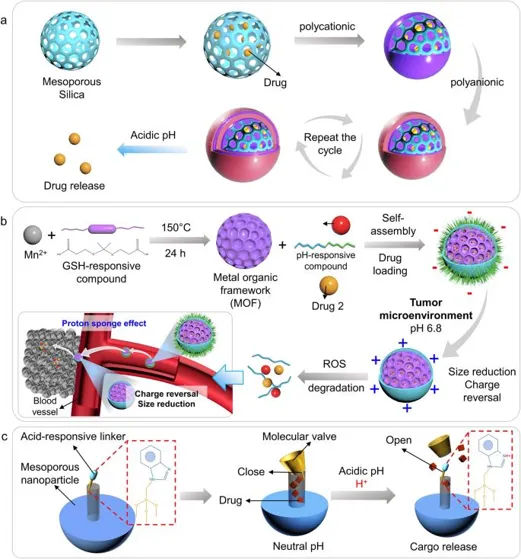
Figure 8: Schematic representation of stimuli-responsive nanocarrier systems, including mesoporous silica nanoparticles, metal–organic frameworks (MOFs)
Nanocarriers that are pH-responsive are synthesized in such a way that they can stay circulating in the blood for long periods of time, thereby accumulating drugs in the cancer site without any premature drug release until it reaches the target area.35 The types of pH-responsive nanomaterials include organic nanomaterials, inorganic nanomaterials, and composite nanomaterials. The crosslinked polymer networks are mostly used as pH-responsive polymers in controlled drug delivery systems. Hydrogels have porous structures and high water-swelling ability. Mostly, the dual pH- and redox-responsive polymers that contain disulfide or ketal cross-linkers are used in controlled drug delivery systems since they have cleavable bonds in different pH gradients. It is important to consider the physicochemical properties of pH-sensitive polymers and their complex role in different body tissues in developing efficient nanocarriers. These factors play an important role in cellular interaction, cellular uptake, tissue and organ specific metabolism, and release mechanisms in different routes such as per oral, buccal, gastric, nasal, pulmonary, vaginal, rectal, and tumor microenvironment [15].
6. DUAL & MULTI – STIMULI RESPONSIVE SYSTEM
Dual and multi stimuli responsive nanocarriers are a step forward in the field of microenvironment activated drug delivery systems. This is especially true for cancer treatment. We need to control when and where the drug is released. Tumor tissues are different from tissues in many ways. They have a pH level, which means they are more acidic. They also have reducing agents like glutathione. These differences give us a chance to design delivery systems that can stay stable in the bloodstream. They release the drug quickly when they reach the tumor. One type of nanocarrier that shows a lot of promise is the dual responsive nanogel. These nanogels are special because they can change their structure and release the drug when they encounter tumor stimuli. We can make these nanogels using a method called polymerization. This method allows us to control the size and structure of the nanogels. We use a combination of monomers and a photo initiator to create the nanogels. The monomers we use are N, N-dimethylacrylamide, cystamine bisacrylamide and N N'-methylenebisacrylamide. The cystamine bisacrylamide gives the nanogels their sensitivity. This means they can respond to changes in the level of reducing agents. The nanogels we make are small only 90 nanometres in size. This is perfect for accumulating in tumours. They are also very stable. Can carry a lot of drugs. We can load the drug into the nanogels using interactions. This means that the drug is attracted to the nanogel because of its charge. One of the drugs we can use with these nanogels is doxorubicin. Doxorubicin is an effective drug against cancer. It can be toxic to healthy tissues. By loading it into the nanogels we can reduce its toxicity. Make it more effective. The nanogels can also help to stabilize the drug. This means it does not aggregate or precipitate out of solution.
The dual responsiveness of the nanogels is very important. It means that they can respond to changes in the redox levels in the tumor. When they encounter these changes, they release the drug. This ensures that the drug is released in the place and at the right time. Dual and multi stimuli nanocarriers like these nanogels are very important. We can also make nanogels that respond to stimuli, like temperature or light. These multi responsive nanocarriers are very promising for cancer treatment. They can be designed to release the drug on demand. We can also make nanogels that respond to enzymes. These nanogels can release the drug when they encounter enzymes that are found in tumours. Dual and multi stimuli nanocarriers like these nanogels are an exciting area of research.
About dual and multi stimuli nanocarriers:
7. APPLICATION
7.1 Precision Oncology: Exploiting Tumor Acidosis for Targeted Therapy, the tumor microenvironment is a very special place. It has levels of oxygen, and the pH is lower than that of the rest of the body. This makes it a good place to deliver drugs that can target the tumor. Responsive drug delivery systems are very good at this. They can release the drug right where it is needed. These systems use carriers like polymeric micelles and liposomes. They are stable in the bloodstream and break down when they reach the tumor. This is because the tumor has a different pH than the rest of the body. The carriers are designed to release the drug when they break down. One way to make these carriers even better is to give them a coating. This coating makes them invisible to the system. When they reach the tumor, the coating comes off, and the carrier can deliver the drug. This is an effective way to get the drug right to the tumor [14].
7.2 Intracellular Targeting and Endosomal Escape Mechanisms, getting drugs into the cells is very hard. The cells have walls that keep things out. pH -responsive systems can help. They can release the drug inside the cell. The endosomes in the cells are like containers. They help keep things out of the cell. pH -responsive systems can break out of these containers. They use mechanisms like swelling and breaking down the container wall.
This is very beneficial for delivering things like gene therapy and proteins. It is also good for delivering chemotherapy drugs right to the cancer cells [16].
7.3 Gastrointestinal Site-Specific Drug Delivery, the gastrointestinal tract is a tube that food goes through. It has varying levels of acidity in different parts. The stomach is very acidic, while the intestine is not. Responsive systems can use this to deliver drugs to specific parts of the tract. For example, they can apply a coating to a pill that keeps it from breaking down in the stomach. When it reaches the intestine, the coating comes off, and the pill can deliver the drug. This is very effective for delivering drugs to the intestine. It can help treat diseases like bowel disease [1,18].
7.4 Targeting Inflammatory and Infectious Microenvironments, When the body gets injured or infected, it can become inflamed. This inflammation can cause the pH to drop. Responsive systems can utilize this to deliver drugs right to the inflamed area. They can release the drug when they encounter the low pH. This can help reduce the inflammation and treat the infection [14].
7.5 Therapeutic Intervention in Ischemic and Hypoxic Disorders, Sometimes the body can get injured and lack oxygen. This can cause the pH to drop. Responsive systems can leverage this to deliver drugs right to the injured area. They can release the drug when they reach the low pH. This can help treat the injury and minimize damage. This is very effective for treating diseases like heart attacks and strokes. It can help reduce damage and improve the patient’s wellbeing.
7.6 Nanocarrier-Mediated Precision Drug Delivery, Nanocarriers are small particles that can carry drugs. They are very good at delivering drugs to targeted parts of the body. Responsive systems can use these nanocarriers to deliver drugs right to the tumor. The nanocarriers can be designed to release the drug when they encounter the low pH. This can help treat the tumor and alleviate symptoms. This is very effective for treating diseases like cancer [3].
7.7 Dual and Multi-Stimuli Responsive Platforms for Next-Generation Therapy- responsive systems are very good, but they can be even better if combined with other stimuli. For example, they can be combined with temperature or light. This can help deliver drugs to specific parts of the body. It can also help alleviate symptoms and improve the patient wellbeing. For example, a pH-responsive system can be combined with a temperature-responsive system. This can help deliver a drug to a body part when it reaches a certain temperature [5].
8. COMPARATIVE ANALYSIS [2,7,14-16]
|
Parameter |
pH- Responsive systems |
Nanocarrier – Based systems |
Dual/Multi – Stimuli systems |
|
Mechanism |
Drug release triggered by pH variation |
Drug delivered via nano- sized carriers |
Drug release triggered by multiple stimuli |
|
Target specificity |
Moderate |
high |
Very high |
|
Drug stability |
Limited protection |
High protection of drug molecules |
Multi-level targeting control |
|
Release control |
Controlled but single trigger dependent |
Sustained and controlled release |
Highly precise and programmable release |
|
Complexity |
Simple formulation |
Moderate complexity |
High complex system |
|
Clinical application |
Colon targeting |
Cancer therapy & gene delivery |
Advanced cancer therapy |
|
Limitation |
pH variation not sufficient in all cases |
Possible toxicity & scalability issues |
High cost & difficult manufacturing |
9. COUNCLUSION
Microenvironment-activated drug delivery system is a big step forward in modern medicine. The human body has levels of acidity, and this is used to deliver drugs to the right place at the right time. This review talks about how important it's to understand what is going on in our body like the changes in acidity in tumours and inflamed tissues to make drug delivery systems work well. Drug delivery systems need to be smart to work properly. They change shape. Break down when they touch certain environments. This is a way to deliver drugs, especially to the gut and to tumours. But these systems have a problem they only respond to one thing, which may not be enough in parts of the body. We use things like liposomes, micelles and nanoparticles to carry drugs. These carriers make drugs are more stable and easier to deliver to the place. Also protect the drugs from breaking down quickly. This makes the treatment work better. Reduces bad side effects. Now we have systems that can respond to things like acidity, temperature and enzymes. These systems are very promising for treating cancer. Cancer treatment needs drugs to be delivered precisely and in a way that's right, for each person. Drug delivery systems that respond to triggers are a good way to do this. With all these advancements, there are still many challenges to overcome. These include making the systems more complex, manufacturing them at scale, potential toxicity, and cost. To address challenges, researchers from various fields need to work together to develop new materials, ensuring to safe for the body and can be used in real-world applications. In conclusion, microenvironment-activated drug delivery system - those that use acidity and multiple triggers-have the potential to revolutionize targeted therapy. They can make treatments more precise, reduce side effects, and support the medicine. This makes them a crucial part of the next generation of pharmaceutical development. Microenvironment-activated drug delivery system will be very important in the future of medicine [7,16].
REFERENCES







Vanitha S, Balan A, Nishi mol. V.N, Sarojini. M, Naveen S, Sri Joshini S, Revathi S, Microenvironment-Activated Smart Drug Delivery System: An Integrated Review of pH-Responsive Polymers, Nanocarriers and Dual-Stimuli Innovation, Int. J. of Pharm. Sci., 2026, Vol 4, Issue 6, 6219-6233. https://doi.org/10.5281/zenodo.20839251
 10.5281/zenodo.20839251