
View Article

Abstract

Alzheimer’s disease (AD) is characterized as a neurodegenerative disorder, commonly seen in elderly people. In India around 3.7 million elderly people are suffering from dementia and it might be raised to increase two-fold by 2030 and threefold by 2050. Recently herbal therapy of Alzheimer’s is gaining the popularity & it allows the researcher to find the better plant-oriented drugs for the treatment of Alzheimer’s disease as current research highlights the usefulness of herbal drugs in management of Alzheimer’s disease. This review collective evidence of Anti-Alzheimer’s potential of medicinal plants. Comprehensive review was done through the data collected through different scientific data bases Pub Med, Science Direct, Google Scholar, SCOPUS & google search engine. The search was done using different key words like Plants, extracts, Alzheimer’s disease, Anti-Alzheimer’s activity, Anti-Alzheimer’s Effect. Result demonstrates extraction was performed using solvents like ethanol, methanol, aqueous, chloroform, n-Hexane. Ethanol was found to be preferred solvent in most of the investigations. Maceration method for the extraction was preferred in extraction. Different in vivo & in vitro methods employed to investigate anti-Alzheimer’s activity of medicinal plants. Possible mechanism of action for the plant is found to inhibit the enzyme cholinesterase, anti-inflammatory action, antioxidant action & affecting A? plaques.

Keywords

Alzheimer’s disease, Anti-Alzheimer’s activity, Anti-Alzheimer’s Effect, In vivo, In vitro

Introduction

× Popup Image

Alzheimer’s disease (AD) is characterized as a neurodegenerative disorder, commonly seen in elderly people1. The primarily hallmarks which can be seen are like neuronal loss, senile plaques and neurofibrillary tangles etc2. The disease spreading rate is increasing approximately 5% in age of individuals 65-74, 13.1% in age of 75-84 and 33.3% in people of age 85 or older3. In India around 3.7 million elderly people are suffering from dementia and it might be raised to increase two fold by 2030 and three fold by 20504.Currently in the year  2021, Asia experienced a 250.44% increase in prevalent cases, a 297.34% rise in mortality, and a 249.54%  for AD and other dementias compared to 19905.Mainly three cases can be observed in Alzheimer’s disease case A: related to genetics, case B: related to a language variant of Alzheimer’s disease, Case C: related to typical amnestic variant6. Main identical symptoms of AD are like forgetfulness, difficulty in concentration, language difficulties, issues related to planning and problem solving, difficulty in performing previously familiar tasks, problems in social behaviour, and complexity in spatial relationships in their day to day routine7. Basic pathology may be seen particularly in the hippocampus, amygdala and cortical association areas of the frontal, temporal and parietal cortices, it can also associated with subcortical nuclei such as the serotonergic dorsal raphe and the cholinergic basal nucleus8.

In macroscopic examination there is the atrophy of the hippocampus and cerebral cortex, which can be appeared in AD more sharply due to age9. The pathogenesis of amyloid starts with different cleavage of amyloid precursor protein (APP), which synthesize insoluble Aβ fibrils. Aβ then oligomerizes in different forms and, diffuses into synaptic clefts, and interferes with synaptic signalling in brain10. Inflammation plays a crucial role in the pathogenesis of AD, and the chronic inflammation in the brain, often referred to as neuro inflammation, is mainly observed in AD patients and has been leading in disease progression & neuronal damage. Intracellular aggregations contain abnormally configured, excessively phosphorylated tau protein also causes AD11,12.

Hypothesis of AD:

The amyloid cascade hypothesis states that Alzheimer's disease is a condition which begins with abnormal cleavage of the  protein i.e. amyloid precursor protein (APP),  which causes leading excessive formation of amyloid-beta (Aβ)-which are especially Aβ form which are toxic in nature13. The tau hypothesis states that causative agents of Alzheimer’s disease includes abnormalities in the tau protein, responsible for stabilization microtubules in neurons. During AD, tau abnormality causes disruption of the microtubule network, impairs cell transport, affects synapses, and damages mitochondria, leading to neurodegeneration conditions in patients14. The cholinergic type of hypothesis of Alzheimer's disease (AD) shows that cognitive decline is mainly occurring and it is linked to the loss of cholinergic neurons and reduced acetylcholine neurotransmission, specifically from the basal forebrain15. The presenilin hypothesis generally consisting of loss of PS1 function, which is not just amyloid-beta (Aβ) build up, but it also causing the neurodegeneration in Alzheimer’s disease16. Oxidative stress type of hypothesis in Alzheimer’s disease is mainly causing due to imbalance between free radicals and antioxidant defenses, rising the condition of neurodegeneration, specifically in the cortex and hippocampus17.

Treatment of AD:

Certain drugs like Donepezil, belongs to a selective cholinesterase inhibitor, which beneficial for some patients of AD in case of symptomatic treatment ranging from mild-to-moderate Alzheimer disease. Currently one third of AD patients are continuing to take donepezil 5mg and showing clinical improvement after everything 6 months of therapy18. Memantine is another drug which is used to treat moderate to severe Alzheimer’s disease. This drug basically works  on the principle of blocking a brain chemical called as glutamate at its exited state it becomes too active, which helps to protect brain cells19. Donanemab and Lecanemab are monoclonal antibody drug targeting N3pG (Pyroglutamate-modified amyloid-beta plaques) and novel Alzheimer’s disease therapy targeting amyloid beta respectively20. Some other biofabrication of silver nanoparticles (AgNPs) using Erythrina variegata leaf extract are useful in treatment of Alzheimer’s disease hence their antioxidant and anti-inflammatory properties, which reduces oxidative stress and neuronal damage. This extract-stabilized AgNPs may inhibit amyloid-beta aggregation, a key factor of pathological hallmark of Alzheimer’s disease, hence thereby protecting neuronal functions. Also, the nanoparticles' small size and crystalline nature which results in enhancing their bioavailability and cellular uptake, increasing their therapeutic efficacy in Alzheimer’s models21.

Medicinal Plants in AD:

Drugs used currently in the Alzheimer’s disease are targeting the elevation of neurotransmission in the synapse through various mechanism by inhibiting the acetyl-cholinesterase enzyme, blocking NMDA receptor or other cerebro-active agents22,23. The dietary supplements & antioxidants also found to have the proper antioxidant activity which may be helpful in Alzheimer’s disease22,24,25. Recently herbal therapy of Alzheimer’s is gaining the popularity & it allow the researcher to find the better plant oriented drugs for the treatment of Alzheimer’s disease26,27. The current research highlights the usefulness of herbal drugs in management of Alzheimer’s disease28. Some of the medicinal plants proved to have anti Alzheimer’s activity are Garcinia hanburyi29, Murraya koenigi30, Citrus maxima31, Salvia officinalis32, Piper nigrum33, Echium amoenum34, Rosa damascene35, Streblus asper36.

METHODOLOGY:

Comprehensive review was done through the data collected through different scientific data bases Pub Med, Science Direct, Google Scholar, SCOPUS & google search engine. The search was done using different key words like Plants, extracts, Alzheimer’s disease, Anti-Alzheimer’s activity, Anti-Alzheimer’s Effect. The published articles were screened for the Anti-Alzheimer’s activity & selected articles were included based on the relevance & need of the review. Fig.1 shows graphical presentation of methodology implemented.
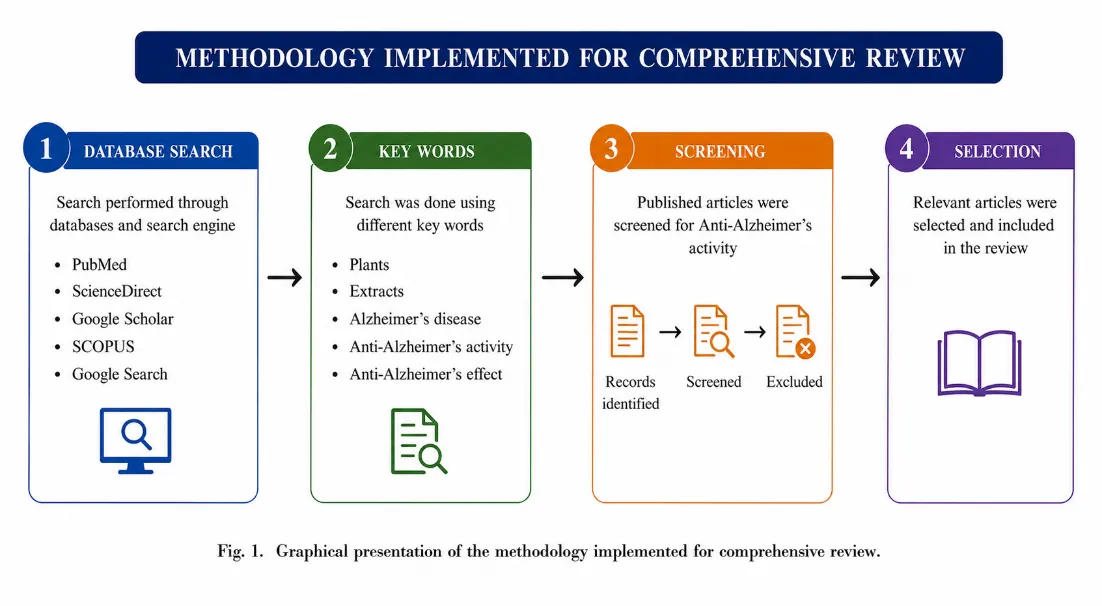
Fig. 1. Methodology for exploring the Anti-Alzheimer’s Potential of Medicinal Plants

RESULT & DISCUSSION:

Extraction of Medicinal Plants:

As shown in Fig. 2 anti-Alzheimer’s activity of medicinal plants performed using different plant parts, solvents & extraction methods. Different parts of the plants can be used for activity study reveals leaves are most commonly used plant part while other parts like Arial part, flower, whole plant, and fruit are also used. Extraction was performed using solvents like ethanol, methanol, aqueous, chloroform, n-Hexane. Ethanol was found to be preferred solvent in most of the investigations. Maceration method for the extraction was preferred in extraction as it have advantages like suitable for heat sensitive compounds, low cost, energy efficient.


Fig. 2. a) Parts used for extraction b) Solvent used for extraction


Table 1. Plants with Potential Anti Alzheimer’s Activity

Plant Name

Family

Part

Extraction

Solvent

Method of Activity

Chemical Constituent

Result

Ref.

Salvia officinalis

Lamiaceae

Aerial parts

Counter-Current Extraction

Ethanol

Conditioned Avoidance Test, Y-maze Spontaneous Alternation Test, Elevated Plus Maze, Morris Water Maze

Rosmarinic acid,  Carnosic acid & Carnosol

Extract shown dose dependent effect in all models

32

Piper nigrum

Piperaceae

Fruits

Maceration

Methanol

Y-Maze Task,  Radial Arm-maze Task

-

The antioxidant brain status was restored by methanolic extract of P. nigrum fruits

33

Echium amoenum

Boraginaceae

Petals

Lyophilized extracts

Aqueous

Morris Water Maze Task

-

Plant extract improved AD biochemical and pathophysiological

signs significantly

34

Rosa damascena

Rosaceae

Petals

Maceration

Aqueous

Single-trial Passive Avoidance Test,  Morris Water Maze,

Furfural, Quinic Acid, Geraniol,  Citronellal

After administration of extract reduction in escape latency was observed. The plant found to useful as antioxidant

35

Streblus asper

Moraceae

Leaves

Maceration

Aqueous

T-maze Test,  Inhibitory Avoidance Test

Isoquercetin, Rutin, Catechin,  gallic acid, quercetin, rutin, catechin

SA at different doses had significantly increased latency time,

SA extract increase memory impairment

36

Aquilaria subintegra

Thymelaeceae

leaves and stem

Hot Solvent Extraction

Chloroform

AChE Inhibitory Activity Assay

Phenols, Flavonoids, Terpenoids, Alkaloids

The extract may be a potent natural AChE inhibitor

37

Citrus medica L. cv.

Rutaceae

Fruits

Maceration

n-hexane

Bioassay for Anticholinesterase Activity

18 Monoterpenes and 8 Sesquiterpenes

Mono terpenes in plant extract have activity against AchE with IC50 value of 621 μg/mL

38

Phagnalon saxatile (L.) Cass.

Asteraceae

Flowering aerial parts

Maceration

Petrolium Ether, Chloroform, Methanol

Cholinesterase Inhibition Assay

Terpenoids, Flavonoids, Hydroquinone Glycosides, and Caffeoylquinic Acid derivatives

BChE wa inhibited by methanolic extract with IC50 523.75  μg /mL, while AchE was unaffected


39

Potentilla fragarioides var. major

Rosaceae

Whole plant

Electric Extractor

Ethanol

Passive Avoidance Test (PAT),  Y-maze test,  Morris Water Maze Test,

In vitro Aβ aggregation assay

Neochlorogenic Acid, Chlorogenic Acid, Polydatin, Isochlorogenic

acid A, and Buddleoside

Extract significantly inhibited memory impairment in in vivo study.  EEPF inhibited Aβ aggregation in concentration-dependent manner

40

Orthosiphon stamineus

 Benth.

Lamiaceae 

Leaves

-


Ethanol

Elevated Plus Maze

Phenols, Flavonoids, Coumarins, Sesquiterpenoi, Cinnamic acid

Extract Improved memory retention as evidenced by the improved inflexion ratio & increase in the step-through latency

41

Cyperus rotundus

Cyperaceae

Rhizomes

Percolation

Ethanol

Morris Water Maze Test

-

Morris test  confirmed  protective effect of C. rotundus on memory impairment

42

Sapindus emarginatus Vahl

Sapindaceae

Seed

Maceration


Ethanol

Elevated Plus Maze,  Radial Arm Maze,  Y- Maze Test

-

Result showed seed extract involved in sustained memory formation in mice with scopolamine treatment

43

Amaranthus viridis Linn.

Amaranthaceae

Leaves

Soxhlet Extraction

Methanol

Elevated Plus Maze Test,  Morris Water Maze Test

-

Significant (p<0.01) decrease in transfer latency & escape latency at 200mg/kg & 400mg/kg on day 21.

44

Monsonia angustifolia

Geraniaceae

Aerial parts

Agitation

Ethanol

Morris Water Maze Test,  Novel Object Recognition Test

Cell Viability Measurement, Aβ Peptide Assay

Justicidin A, 5-methoxyjusticidin A, Chinensinaphthol

Justicidin found to reduce

Aβ formation, study proved potential of extract in treatment of AD

45

Rheum Ribes

Polygonacea

Roots and Rhizomes

Maceration

Methanol and Water

Passive Avoidance Test, Water Maze Test.

Antioxidant Assays

-

Study revealed Rheum ribes extract rescue spatial and passive avoidance memory impairments

46

Dracocephalum moldavica

Lamiaceae

Aerial parts

Maceration

Ethanol

Radial Arm Water Maze, Hisptopathology

Rosmarinic Acid and Quercetin

Extract revelled through behavioural & histopathological study to decrease cognitive dysfunction

47

Asparagus racemosus Linn.

Asparagaceae

Roots

Maceration

Ethanol

Elevated Plus Maze, Passive Avoidance, Novel Object Recognition Test, Morris Water Maze Test.

Acetylcholinesterase (AChE) activity

-

Extract significantly (P<0.05, P<0.01) decreased retention transfer latency decreased escape latency. significantly (P<0.05, P<0.01) decreases the AChE activity in the brain

48

Annona atemoya

annonaceae

Leaves

Electric Extractor

Ethanol

Passive Avoidance Test, Y-Maze Test. Free Radical Scavenging Activity,  Aβ  Aggregation Assay

Rutin, acetogenins, alkaloids, flavonoids, terpenes

Considering its biological activity and compound profile, Rutin may serve as a promising bioactive agent in AD

49


Orthosiphon stamineus


Lamiaceae

Leaves

Maceration

Ethanol

Elevated Plus Maze, Passive Avoidance

-

study demonstrated that extract effective in AD

50

Enhydra fluctuans

Asteraceae

Stems and Leaves

Cold Extraction

Methanol

Estimation of Anticholinesterase Activity,

Antioxidant activity

Tannins, Phenolics, Flavonoids, Phytosterols, Saponins

Greater inhibition of acetylcholinesterase & butyrylcholinesterase enzymes was observed with chloroform extract & also it shown highest antioxidant activity

51

Bacopa monnieri (L)


Scrophulariaceae


Aerial parts


Percolation

Ethanol


Morris Water Maze Test, Choline Acetyltransferase and Immunohistochemistry, Histopathology


-

Bacopa monnieri extract

could mitigate the memory impairment and the degeneration

of neurons, improved the escape latency time in Morris water maze test

52

Euonymus alatus


Celastraceae


Leaves

Maceration


Ethanol

Passive Avoidance Test, Morris Water Maze Task, Y-Maze Task

-

Different behavioural deficit upgraded by extract, reflected in all tests

53

Kigelia africana

Bignoniaceae

leaves

Maceration

Methanol

Rotor-rod Test, T-Maze Test, Wire Hang Test

Gallic acid, Catechin, Chlorogenic Acid, Caffeic Acid, Ellagic Acid, Rosmarinic Acid, Rutin

Extract produced improvement in neurobehavioral abnormalities, cerebral oxidative stress, neurochemical disturbances Induced by AlCl3.

54

Echinacea purpurea

Asteraceae

Flower

Maceration

Ethanol

Y-Maze Test, Forced Swim Test, Novel Object Recognition Test,

Anticholinesterase Activity

-


Aqueous & Alcoholic extracts of EP inhibited cholinesterase, restored oxidative balance, also postpone neuronal damage when regularly administered.

55


In Vivo Studies:

Different in vivo methods employed to investigate anti-Alzheimer’s activity of medicinal plants are highlighted in Table1. In vivo models are Conditioned Avoidance Test, Y-maze spontaneous alternation test, elevated plus maze, Morris water maze, T-maze test, passive avoidance test, novel object recognition test, rotor-rod test. Scopolamine32, aluminium hydroxide35, streptozotocin47 used to induce the Alzheimer’s disease & activity evaluated using different behavioural tests and found to have significant activity in terms of cognition and memory.

In Vitro Studies:

Anti-Alzheimer’s activity of medicinal plants emphasised in table 1 revels the use of in vitro methods & its effectiveness. Medicinal plant Aquilaria subintegra37, Citrus medica L. cv.38, Phagnalon saxatile (L.) Cass.39, Asparagus racemosus Linn.48, Enhydra fluctuans51, Echinacea purpurea55 revealed the acetyl cholinesterase inhibitory activity. Potentilla fragarioides var. major40, Monsonia angustifolia45 and Annona atemoya49 revelled the effect on Aβ aggregation by in vitro method. Many of the plants in table 1 found to have the potential antioxidant activity evaluated by different in vitro methods which support the protective antioxidant effect of the plant on neurons.

Possible Mechanism of Actions:

Medicinal plants evaluated for the Anti-Alzheimer’s activity shown significant effect on the cognition and memory evaluated by different behavioural tests42-47.

Possible mechanism of action for the plant is found to inhibit the enzyme cholinesterase which play key role in breaking down of acetylcholine required for learning and memory. Level of acetylcholine in Alzheimer’s disease is increased leading to improvement in learning & memory. Bahrani et al.37 investigated the effectiveness of the plant Aquilaria subintegra in inhibition of acetyl cholinesterase containing kaempferol with ability to inhibit enzyme through probable binding with anionic or esteratic site on enzyme.  Another reason for neuronal degeneration in AD is inflammation of the neurons, many plants found to exhibit anti-inflammatory activity resulting in to neuronal protection & improvement of AD condition.  F. Conforti et al.39 demonstrated anti-inflammatory effect & ability of the plant Phagnalon saxatile (L.) Cass. to inhibit the NO as mediator of inflammation in macrophages.

Pathogenesis of AD revels involvement of Amyloid-beta (Aβ) plaques and neurofibrillary tangles, medicinal plants study reveals the ability of the plants to prevent the formation of these contributors. E. Sohn et al.40 observed dose dependent effectiveness of Potentilla fragarioides var. major to prevent aggregation of Aβ plaques. Antioxidant activity also supports the ability of plant to prevent oxidative stress due to aggregation of Aβ. Presence of antioxidant components in medicinal plants plays significant role as protective role. Plants with additional antioxidant activity are found to have protective effects on the neuronal degeneration in AD. Reactive oxygen species plays important role in pathogenesis of AD and its related complications affecting memory & learning. Plant with antioxidant activity are proved to effective in improvement of AD. Lalitha Vivekanandan et. al.43 demonstrated antioxidant potential of Sapindus emarginatus Vahl in dose dependent manner affecting enzymatic and non-enzymatic antioxidant.

Toxicity Study of Medicinal Plant:

Toxicity study of the plants having Anti-Alzheimer’s activity are summarized in table 2 with its LD50. The plants Vigna radiate, Vigna pilosa, Salvia officinalis, Salvia officinalis, Asparagus racemosus Linn. Found to have the LD50 value greater than 2000 mg/kg27,28,32,48 while Solanum lycopersicum shown LD50 value greater than 2000 mg/kg24. Two plants Cyperus rotundus and Dracocephalum moldavica shown LD50 value greater than 5000 mg/kg while Cucurbita pepo shown LD50 value greater than 2 g/kg.

Table 2. Toxicity study of plants having Anti-Alzheimer’s activity

Name of Plant

LD50 (mg/kg)

Reference

Cucurbita pepo

˃ 2 g/kg

22

Solanum lycopersicum

˃3000

24

Vigna radiate and Vigna pilosa

˃2000

27

Salvia officinalis

˃2000

28

Salvia officinalis

˃2000

32

Cyperus rotundus

˃5000

42

Dracocephalum moldavica

˃5000

47

Asparagus racemosus Linn.

˃2000

48


Photochemistry of Medicinal Plants:

Phytochemical study reveals the presence of polyphenol, flavonoids, monoterpenes, sesquiterpenes are most prominently accountable for the Anti-Alzheimer’s activity in different plant extracts. Polyphenols and flavonoids are considered to be prominent phytoconstituents responsible for neuroprotective action in AD. Tannins, phenolic, flavonoids, phytosterols, saponins may responsible for its effectiveness in AD35-41. The polyphenol quinic acid might be responsible for the antioxidant & acetyl choline esterase inhibitory property protecting neurons, also geraniol is one of the approved Antioxidant35. The oxidative stress in AD may be reduced by some favonoids quercetin, isoquercetin, and rutin as these are antioxidant36. Some flavonoids like luteolin found to have inhibitory activity on the enzyme acetyl choline esterase39. The other flavonoid like kaempferol may acts by the inhibitory effect on the acetyl choline esterase enzyme37. Monoterpenes also seems to play crucial role as antioxidant which prevent oxidative damage to the neurons in AD, monoterpenes, particularly to limonene, γ-terpinene, geraniol, nerol may be responsible for its effectiveness as antioxidants in AD [38]. Chlorogenic acid may be responsible for its ability to inhibit Aβ aggregation protecting the neuronal damage & progression of AD40.

CONCLUSION:

The medicinal plant due to its relative safety, affordability and broad action attracts researchers to explore its therapeutic benefits. Many medicinal plants demonstrated the cognitive enhancement and neuroprotective effect in animal models including scopolamine-induced amnesia, aluminum chloride-induced neurotoxicity. Limitations for in vitro study highlights a critical gap in mechanistic understanding. Potential of medicinal plants as treasured reservoir highlighted from its important phytoconstituents such as polyphenol, flavonoids, monoterpenes, sesquiterpenes. Phytoconstituents were found to exhibit activity thorugh attenuation of oxidative stress, acetylcholinesterase inhibition, and interference with amyloid-beta aggregation pathways.

To advance their clinical relevance, future research must emphasize isolation and structural characterization of active compounds, supported by robust in vitro and in vivo evaluations. Additionally, comprehensive toxicological and pharmacokinetic assessments are essential to ensure safety and therapeutic viability. Ultimately, well-structured clinical trials will be pivotal in translating these phytotherapeutic candidates into effective, evidence-based interventions for Alzheimer’s disease.

CONFLICT OF INTEREST:

The authors have no conflicts of interest regarding this investigation.

ACKNOWLEDGEMENTS:

Authors are thankful to Yashwantrao Bhonsale College of Pharmacy, Sawantwadi, Maharashtra, India for providing necessary facilities.

REFERENCES

  1. Uabundit N, Wattanathorn J, Mucimapura S, Ingkaninan K. Cognitive enhancement and          neuroprotective effects of Bacopa monnieri in Alzheimer’s disease model. Journal of Ethnopharmacology. 2010; 127(1):26-31.
  2. Wu CR, Lin HC, Su MH. Reversal by aqueous extracts of Cistanche tubulosa from behavioral deficits in Alzheimer’s disease-like rat model: relevance for amyloid deposition and central neurotransmitter function, Wu et al. BMC Complementary and Alternative Medicine 2014, 14:202.
  3. Cummings J, Zhou Y, Lee G, Zhong K, Fonseca J, Cheng F. Alzheimer’s diseasedrugdevelopmentpipeline:2024. Alzheimer’s Dement. 2024;10: e12465.
  4. Mehla J, Gupta P, Pahuja M, Diwan D, Diksha D. Indian Medicinal Herbs and Formulations for Alzheimer’s Disease, from Traditional Knowledge to Scientific Assessment. Brain Sci. 2020; 10(12):964.
  5. He Z, Zhang H, Hu G, Qiao Y, Yin C, Li J, et al. The current status, trends, and challenges of Alzheimer’s disease and other dementias in Asia (1990–2036). Front Public Health. 2025; 13:1583339.
  6. Scheltens P, De Strooper B, Kivipelto M, Holstege H, Chetelat G, Teunissen CE, Cummings J, van der Flier WM. Alzheimer’s disease. Lancet. 2021;397(10284):1577–1590.
  7. Nangare S, Patil P. Prevalence, distribution, treatment, and modern methods for in vitro diagnosis of Alzheimer's disease in India: challenges and future prospective. Thai J Pharm Sci. 2022;46(2):149–160.
  8. Thakur AK, Kamboj P, Goswami K, Ahuja K. Pathophysiology and management of Alzheimer’s disease: an overview. J Anal Pharm Res. 2018;7(2):226–235.
  9. Dos Santos Picanço LC, Ozela PF, Brito MF, Pinheiro AA, Padilha EC, Braga FS, de Paula da Silva CHT, dos Santos CBR, Campos Rosa JM, Hage-Melim LI. Alzheimer’s disease: a review from the pathophysiology to diagnosis, new perspectives for pharmacological treatment. Curr Med Chem. 2017;24(1):1–19.
  10. Tiwari S, Atluri V, Kaushik A, Yndart A, Nair M. Alzheimer’s disease: pathogenesis, diagnostics, and therapeutics. Int J Nanomedicine. 2019;14:5541–5554.
  11. Kamatham PT, Shukla R, Khatri DK, Vora LK. Pathogenesis, diagnostics, and therapeutics for Alzheimer's disease: Breaking the memory barrier. Ageing Res Rev. 2024; 101:102481.
  12. Swerdlow RH. Pathogenesis of Alzheimer’s disease. Clin Interv Aging. 2007;2(3):347–359.
  13. Kametani F, Hasegawa M. Reconsideration of amyloid hypothesis and tau hypothesis in Alzheimer’s disease. Front Neurosci. 2018; 12:25. doi: 10.3389/fnins.2018.00025
  14. Thakur AK, Kamboj P, Goswami K, Ahuja K. Pathophysiology and management of Alzheimer’s disease: an overview. J Anal Pharm Res. 2018;7(2):226–235.
  15. Sohn E, Lim H-S, Kim YJ, Kim B-Y, Yoon J, Kim J-H, Jeong S-J. Exploring the therapeutic potential of Potentilla fragarioides var. major (Rosaceae) extract in Alzheimer's disease using in vitro and in vivo models: A multi-faceted approach. Neuroscience. 2024; 559:77–90.
  16. Kurkinen M, Fułek M, Fułek K, Beszłej JA, Kurpas D, Leszek J. The amyloid cascade hypothesis in Alzheimer's disease: Should we change our thinking? Biomolecules. 2023;13(3):453.
  17. Schwab ED, Queiroz R, Fiebrantz AK, Bastos M, Bonini JS, Silva WC. Hypothesis on ontogenesis and pathophysiology of Alzheimer's disease. einstein (São Paulo). 2022; 20: eRW0170.
  18. Barner EL, Gray SL. Donepezil use in Alzheimer disease. Annals of Pharmacotherapy. 1998;32(1):70–77.
  19. Tang B-C, Wang Y-T, Ren J. Basic information about memantine and its treatment of Alzheimer's disease and other clinical applications. Ibrain. 2023;9(3):340–348.
  20. Xing H, Yue S, Qin R, Du X, Wu Y, Zhangsun D, Luo S. Recent advances in drug development for Alzheimer's disease: A comprehensive review. International Journal of Molecular Sciences. 2025;26(8):3905.
  21. Kodiyala G, Yelamanda Rao K, Chapati VP, Meenugula K, Nadimikeri J, Salkapuram S, Nambi R, Amoorub GD, Mekapogu M. Phyto-mediated synthesis of silver nanoparticles using Erythrina variegata L. leaf extract and evaluation of their anti-bacterial, anti-Alzheimer, antioxidant and cytotoxic activities. Next Nanotechnology. 2025; 7:100157.
  22. Yadav RSP, Shenoy BV, Kumar N, Prasanna Kumar G, Naveen Kumar S. In vivo acetylcholinesterase activity and antioxidant property of Cucurbita pepo ethanolic extract in Alzheimer's disease induced by aluminium chloride in Sprague Dawley rat model. Research Journal of Pharmacy and Technology. 2023;16(3):1065–1071.
  23. Akram M, Nawaz A. Effects of medicinal plants on Alzheimer's disease and memory deficits. Neural Regeneration Research. 2017;12(4):660–670.
  24. Bakhsh HT, Abdelhafez OH, Elmaidomy AH, Aly HF, Younis EA, Alzubaidi MA, Algehainy NA, Altemani FH, Majrashi M, Alsenani F, Bringmann G, Abdelmohsen UR, Mokhtar FA. Anti-Alzheimer potential of Solanum lycopersicum seeds: in vitro, in vivo, metabolomic, and computational investigations. Beni-Suef University Journal of Basic and Applied Sciences. 2024; 13:1.
  25. Kumari N, Jeyabalan S, Rajangam J, Gopinathan N, Ramakrishnan SR, Reddy VJ. Neuroprotective potential of total extract of Ulva lactuca: an in vitro study. Research Journal of Pharmacy and Technology. 2023;16(12):5948–5953.
  26. Mathew M, Subramanian S. In vitro evaluation of anti-Alzheimer effects of dry ginger (Zingiber officinale Roscoe) extract. Indian Journal of Experimental Biology. 2014;52(6):606–612.
  27. Prasanth NV, Pandian P, Balasubramanian T. Evaluation of in vivo anti-Alzheimer's activity of Vigna radiata and Vigna pilosa using beta amyloid-induced neurotoxicity in rats. Pharmacognosy Journal. 2024;16(3):519–526.
  28. Datta S, Patil S. Evaluation of traditional herb extract Salvia officinalis in treatment of Alzheimer's disease. Pharmacognosy Journal. 2020;12(1):131–143.
  29. Chitra V, Narayanan J. In vitro screening for anti-cholinesterase and antioxidant activity of extract of Garcinia hanburyi. Research Journal of Pharmacy and Technology. 2018;11(7):2918–2921.
  30. Reddy BM, Dhanapal CK, Lakshmi BVS. Anti-Alzheimer's activity of aqueous extract of leaves of Murraya koenigii in aluminium chloride-induced neurotoxicity in rats. Research Journal of Pharmacy and Technology. 2019;12(4):1927–1934.
  31. Vijayalakshmi P, Radha R. In vitro anti-Alzheimer and antioxidant activity of the peels of Citrus maxima fruits. Research Journal of Pharmacology and Pharmacodynamics. 2016;8(1):17–22.
  32. Datta S, Patil S. Evaluation of traditional herb extract Salvia officinalis in treatment of Alzheimer's disease. Pharmacognosy Journal. 2020;12(1):131–143.
  33. Hritcu L, Noumedem JA, Cioanca O, Hancianu M, Kuete V, Mihasan M. Methanolic extract of Piper nigrum fruits improves memory impairment by decreasing brain oxidative stress in amyloid beta (1-42) rat model of Alzheimer's disease. Cellular and Molecular Neurobiology. 2014;34(3):437–449.
  34. Sadeghi L, Babadi VY, Tanwir F. Improving effects of Echium amoenum aqueous extract on rat model of Alzheimer's disease. Journal of Integrative Neuroscience. 2018;17(3):1–9.
  35. Hejaziyan LB, Hosseini SM, Taravati A, Asadi M, Bakhshi M, Moshaei Nezhad P, Gol M, Mououdi M. Effect of Rosa damascena extract on rat model Alzheimer's disease: A histopathological, behavioral, enzyme activities, and oxidative stress study. Evidence-Based Complementary and Alternative Medicine. 2023; 2023:4926151.
  36. Singsai K, Ladpala N, Dangja N, Boonchuen T, Jaikhamfu N, Fakthong P. Effect of Streblus asper leaf extract on scopolamine-induced memory deficits in zebrafish: the model of Alzheimer's disease. Advances in Pharmacological and Pharmaceutical Sciences. 2021; 2021:6666726.
  37. Beigom Hejaziyan L, Hosseini SM, Taravati A, Asadi M, Bakhshi M, Moshaei Nezhad P, Gol M, Mououdi M. Effect of Rosa damascena extract on rat model Alzheimer's disease: A histopathological, behavioral, enzyme activities, and oxidative stress study. Evidence-Based Complementary and Alternative Medicine. 2023; 2023:4926151.
  38. Conforti F, Statti GA, Tundis R, Loizzo MR, Menichini F. In vitro activities of Citrus medica L. cv. Diamante (Diamante citron) relevant to treatment of diabetes and Alzheimer’s disease. Phytotherapy Research. 2007; 21(5):427–433.
  39. Conforti F, Rigano D, Formisano C, Bruno M, Loizzo MR, Menichini F, Senatore F. Metabolite profile and in vitro activities of Phagnalon saxatile (L.) Cass. relevant to treatment of Alzheimer's disease. Journal of Enzyme Inhibition and Medicinal Chemistry. 2010;25(1):97–104.
  40. Sohn E, Lim H-S, Kim YJ, Kim B-Y, Yoon J, Kim J-H, Jeong S-J. Exploring the therapeutic potential of Potentilla fragarioides var. major (Rosaceae) extract in Alzheimer's disease using in vitro and in vivo models: A multi-faceted approach. Neuroscience. 2024; 559:77–90.
  41. Retinasamy T, Shaikh MF, Kumari Y, Zainal Abidin SA, Othman I. Orthosiphon stamineus standardized extract reverses streptozotocin-induced Alzheimer’s disease-like condition in a rat model. Biomedicines. 2020; 8(5):104.
  42. Shakerin Z, Esfandiari E, Razavi S, Alaei H, Ghanadian M, Dashti G. Effects of Cyperus rotundus extract on spatial memory impairment and neuronal differentiation in rat model of Alzheimer’s disease. Advanced Biomedical Research. 2020; 9:17.
  43. Vivekanandan L, Sri Bharathi GS, Murugesan J, Natarajan K, Thangavel S. Anti-Alzheimer's and antioxidant activity of ethanolic seed extract of Sapindus emarginatus Vahl on scopolamine-induced cognitive impairment in mice. Advances in Pharmacology and Pharmacy. 2022; 10(3):190–198.
  44. Nawghare SM, Shrirao AV, Chandewar AV. Pharmacological evaluation of Amaranthus viridis Linn leaves extract for anti-Alzheimer's activity in rat models. Research Journal of Pharmacology and Pharmacodynamics. 2024; 16(3):161–167.
  45. Chun YS, Kim J, Chung S, Khorombi E, Naidoo D, Nthambeleni R, Harding N, Maharaj V, Fouche G, Yang HO. Protective roles of Monsonia angustifolia and its active compounds in experimental models of Alzheimer’s disease. Journal of Agricultural and Food Chemistry. 2017; 65(15):3133–3140.
  46. Zahedi M, Hojjati MR, Fathpour H, Rabiei Z, Alibabaei Z, Basim A. Effect of Rheum ribes hydro-alcoholic extract on memory impairments in rat model of Alzheimer’s disease. Iranian Journal of Pharmaceutical Research. 2015; 14(4):1197–1206
  47. Talebi M, Ayatollahi SA, As’Habi MA, Kobarfard F, Khoramjouy M, Boroujeni FN, Faizi M, Ghassempour A. Investigating the neuroprotective effects of Dracocephalum moldavica extract and its effect on metabolomic profile of rat model of sporadic Alzheimer’s disease. Heliyon. 2025; 11:e42412.
  48. Uddin MS, Asaduzzaman M, Mamun AA, Iqbal MA, Wahid F, Rony RK. Neuroprotective activity of Asparagus racemosus Linn. against ethanol-induced cognitive impairment and oxidative stress in rat brain: auspicious for controlling the risk of Alzheimer’s disease. Journal of Alzheimer’s Disease & Parkinsonism. 2016; 6(4):245.
  49. Lim HS, Kim YJ, Sohn E, Yoon J, Kim BY, Jeong SJ. Annona atemoya leaf extract ameliorates cognitive impairment in amyloid-β injected Alzheimer’s disease-like mouse model. Experimental Biology and Medicine. 2019; 244(12):1665–1679.
  50. Retinasamy T, Shaikh MF, Kumari Y, Zainal Abidin SA, Othman I. Orthosiphon stamineus standardized extract reverses streptozotocin-induced Alzheimer’s disease-like condition in a rat model. Biomedicines. 2020; 8(5):104.
  51. Lopa SS, Al-Amin MY, Hasan MK, Ahammed MS, Islam KM, Alam AHMK, Tanaka T, Sadik MG. Phytochemical analysis and cholinesterase inhibitory and antioxidant activities of Enhydra fluctuans relevant in the management of Alzheimer’s disease. International Journal of Food Science. 2021; Article ID 8862025:1–8.
  52. Uabundit N, Wattanathorn J, Mucimapura S, Ingkaninan K. Cognitive enhancement and neuroprotective effects of Bacopa monnieri in Alzheimer’s disease model. Journal of Ethnopharmacology. 2010; 127(1):26–31.
  53. Kim Y, Cho M, Jang CH, Lee JS, Kim JS, Oh J, Lim J. Oral administration of Euonymus alatus leaf extract ameliorates Alzheimer’s disease phenotypes in 5xFAD transgenic mice. Foods. 2024; 13(5):682.
  54. Falode JA, Akinmoladun AC, Olaleye MT, Akindahunsi AA. Sausage tree (Kigelia africana) flavonoid extract is neuroprotective in AlCl₃-induced experimental Alzheimer’s disease. Pathophysiology. 2017; 24(4):203–215.
  55. Mohamed SM, Shalaby MA, Al-Mokaddem AK, El-Banna AH, EL-Banna HA, Nabila G. Evaluation of anti-Alzheimer activity of Echinacea purpurea extracts in aluminum chloride-induced neurotoxicity in rat model. Journal of Chemical Neuroanatomy. 2023; 128:102234

Reference

  1. Uabundit N, Wattanathorn J, Mucimapura S, Ingkaninan K. Cognitive enhancement and          neuroprotective effects of Bacopa monnieri in Alzheimer’s disease model. Journal of Ethnopharmacology. 2010; 127(1):26-31.
  2. Wu CR, Lin HC, Su MH. Reversal by aqueous extracts of Cistanche tubulosa from behavioral deficits in Alzheimer’s disease-like rat model: relevance for amyloid deposition and central neurotransmitter function, Wu et al. BMC Complementary and Alternative Medicine 2014, 14:202.
  3. Cummings J, Zhou Y, Lee G, Zhong K, Fonseca J, Cheng F. Alzheimer’s diseasedrugdevelopmentpipeline:2024. Alzheimer’s Dement. 2024;10: e12465.
  4. Mehla J, Gupta P, Pahuja M, Diwan D, Diksha D. Indian Medicinal Herbs and Formulations for Alzheimer’s Disease, from Traditional Knowledge to Scientific Assessment. Brain Sci. 2020; 10(12):964.
  5. He Z, Zhang H, Hu G, Qiao Y, Yin C, Li J, et al. The current status, trends, and challenges of Alzheimer’s disease and other dementias in Asia (1990–2036). Front Public Health. 2025; 13:1583339.
  6. Scheltens P, De Strooper B, Kivipelto M, Holstege H, Chetelat G, Teunissen CE, Cummings J, van der Flier WM. Alzheimer’s disease. Lancet. 2021;397(10284):1577–1590.
  7. Nangare S, Patil P. Prevalence, distribution, treatment, and modern methods for in vitro diagnosis of Alzheimer's disease in India: challenges and future prospective. Thai J Pharm Sci. 2022;46(2):149–160.
  8. Thakur AK, Kamboj P, Goswami K, Ahuja K. Pathophysiology and management of Alzheimer’s disease: an overview. J Anal Pharm Res. 2018;7(2):226–235.
  9. Dos Santos Picanço LC, Ozela PF, Brito MF, Pinheiro AA, Padilha EC, Braga FS, de Paula da Silva CHT, dos Santos CBR, Campos Rosa JM, Hage-Melim LI. Alzheimer’s disease: a review from the pathophysiology to diagnosis, new perspectives for pharmacological treatment. Curr Med Chem. 2017;24(1):1–19.
  10. Tiwari S, Atluri V, Kaushik A, Yndart A, Nair M. Alzheimer’s disease: pathogenesis, diagnostics, and therapeutics. Int J Nanomedicine. 2019;14:5541–5554.
  11. Kamatham PT, Shukla R, Khatri DK, Vora LK. Pathogenesis, diagnostics, and therapeutics for Alzheimer's disease: Breaking the memory barrier. Ageing Res Rev. 2024; 101:102481.
  12. Swerdlow RH. Pathogenesis of Alzheimer’s disease. Clin Interv Aging. 2007;2(3):347–359.
  13. Kametani F, Hasegawa M. Reconsideration of amyloid hypothesis and tau hypothesis in Alzheimer’s disease. Front Neurosci. 2018; 12:25. doi: 10.3389/fnins.2018.00025
  14. Thakur AK, Kamboj P, Goswami K, Ahuja K. Pathophysiology and management of Alzheimer’s disease: an overview. J Anal Pharm Res. 2018;7(2):226–235.
  15. Sohn E, Lim H-S, Kim YJ, Kim B-Y, Yoon J, Kim J-H, Jeong S-J. Exploring the therapeutic potential of Potentilla fragarioides var. major (Rosaceae) extract in Alzheimer's disease using in vitro and in vivo models: A multi-faceted approach. Neuroscience. 2024; 559:77–90.
  16. Kurkinen M, Fu?ek M, Fu?ek K, Besz?ej JA, Kurpas D, Leszek J. The amyloid cascade hypothesis in Alzheimer's disease: Should we change our thinking? Biomolecules. 2023;13(3):453.
  17. Schwab ED, Queiroz R, Fiebrantz AK, Bastos M, Bonini JS, Silva WC. Hypothesis on ontogenesis and pathophysiology of Alzheimer's disease. einstein (São Paulo). 2022; 20: eRW0170.
  18. Barner EL, Gray SL. Donepezil use in Alzheimer disease. Annals of Pharmacotherapy. 1998;32(1):70–77.
  19. Tang B-C, Wang Y-T, Ren J. Basic information about memantine and its treatment of Alzheimer's disease and other clinical applications. Ibrain. 2023;9(3):340–348.
  20. Xing H, Yue S, Qin R, Du X, Wu Y, Zhangsun D, Luo S. Recent advances in drug development for Alzheimer's disease: A comprehensive review. International Journal of Molecular Sciences. 2025;26(8):3905.
  21. Kodiyala G, Yelamanda Rao K, Chapati VP, Meenugula K, Nadimikeri J, Salkapuram S, Nambi R, Amoorub GD, Mekapogu M. Phyto-mediated synthesis of silver nanoparticles using Erythrina variegata L. leaf extract and evaluation of their anti-bacterial, anti-Alzheimer, antioxidant and cytotoxic activities. Next Nanotechnology. 2025; 7:100157.
  22. Yadav RSP, Shenoy BV, Kumar N, Prasanna Kumar G, Naveen Kumar S. In vivo acetylcholinesterase activity and antioxidant property of Cucurbita pepo ethanolic extract in Alzheimer's disease induced by aluminium chloride in Sprague Dawley rat model. Research Journal of Pharmacy and Technology. 2023;16(3):1065–1071.
  23. Akram M, Nawaz A. Effects of medicinal plants on Alzheimer's disease and memory deficits. Neural Regeneration Research. 2017;12(4):660–670.
  24. Bakhsh HT, Abdelhafez OH, Elmaidomy AH, Aly HF, Younis EA, Alzubaidi MA, Algehainy NA, Altemani FH, Majrashi M, Alsenani F, Bringmann G, Abdelmohsen UR, Mokhtar FA. Anti-Alzheimer potential of Solanum lycopersicum seeds: in vitro, in vivo, metabolomic, and computational investigations. Beni-Suef University Journal of Basic and Applied Sciences. 2024; 13:1.
  25. Kumari N, Jeyabalan S, Rajangam J, Gopinathan N, Ramakrishnan SR, Reddy VJ. Neuroprotective potential of total extract of Ulva lactuca: an in vitro study. Research Journal of Pharmacy and Technology. 2023;16(12):5948–5953.
  26. Mathew M, Subramanian S. In vitro evaluation of anti-Alzheimer effects of dry ginger (Zingiber officinale Roscoe) extract. Indian Journal of Experimental Biology. 2014;52(6):606–612.
  27. Prasanth NV, Pandian P, Balasubramanian T. Evaluation of in vivo anti-Alzheimer's activity of Vigna radiata and Vigna pilosa using beta amyloid-induced neurotoxicity in rats. Pharmacognosy Journal. 2024;16(3):519–526.
  28. Datta S, Patil S. Evaluation of traditional herb extract Salvia officinalis in treatment of Alzheimer's disease. Pharmacognosy Journal. 2020;12(1):131–143.
  29. Chitra V, Narayanan J. In vitro screening for anti-cholinesterase and antioxidant activity of extract of Garcinia hanburyi. Research Journal of Pharmacy and Technology. 2018;11(7):2918–2921.
  30. Reddy BM, Dhanapal CK, Lakshmi BVS. Anti-Alzheimer's activity of aqueous extract of leaves of Murraya koenigii in aluminium chloride-induced neurotoxicity in rats. Research Journal of Pharmacy and Technology. 2019;12(4):1927–1934.
  31. Vijayalakshmi P, Radha R. In vitro anti-Alzheimer and antioxidant activity of the peels of Citrus maxima fruits. Research Journal of Pharmacology and Pharmacodynamics. 2016;8(1):17–22.
  32. Datta S, Patil S. Evaluation of traditional herb extract Salvia officinalis in treatment of Alzheimer's disease. Pharmacognosy Journal. 2020;12(1):131–143.
  33. Hritcu L, Noumedem JA, Cioanca O, Hancianu M, Kuete V, Mihasan M. Methanolic extract of Piper nigrum fruits improves memory impairment by decreasing brain oxidative stress in amyloid beta (1-42) rat model of Alzheimer's disease. Cellular and Molecular Neurobiology. 2014;34(3):437–449.
  34. Sadeghi L, Babadi VY, Tanwir F. Improving effects of Echium amoenum aqueous extract on rat model of Alzheimer's disease. Journal of Integrative Neuroscience. 2018;17(3):1–9.
  35. Hejaziyan LB, Hosseini SM, Taravati A, Asadi M, Bakhshi M, Moshaei Nezhad P, Gol M, Mououdi M. Effect of Rosa damascena extract on rat model Alzheimer's disease: A histopathological, behavioral, enzyme activities, and oxidative stress study. Evidence-Based Complementary and Alternative Medicine. 2023; 2023:4926151.
  36. Singsai K, Ladpala N, Dangja N, Boonchuen T, Jaikhamfu N, Fakthong P. Effect of Streblus asper leaf extract on scopolamine-induced memory deficits in zebrafish: the model of Alzheimer's disease. Advances in Pharmacological and Pharmaceutical Sciences. 2021; 2021:6666726.
  37. Beigom Hejaziyan L, Hosseini SM, Taravati A, Asadi M, Bakhshi M, Moshaei Nezhad P, Gol M, Mououdi M. Effect of Rosa damascena extract on rat model Alzheimer's disease: A histopathological, behavioral, enzyme activities, and oxidative stress study. Evidence-Based Complementary and Alternative Medicine. 2023; 2023:4926151.
  38. Conforti F, Statti GA, Tundis R, Loizzo MR, Menichini F. In vitro activities of Citrus medica L. cv. Diamante (Diamante citron) relevant to treatment of diabetes and Alzheimer’s disease. Phytotherapy Research. 2007; 21(5):427–433.
  39. Conforti F, Rigano D, Formisano C, Bruno M, Loizzo MR, Menichini F, Senatore F. Metabolite profile and in vitro activities of Phagnalon saxatile (L.) Cass. relevant to treatment of Alzheimer's disease. Journal of Enzyme Inhibition and Medicinal Chemistry. 2010;25(1):97–104.
  40. Sohn E, Lim H-S, Kim YJ, Kim B-Y, Yoon J, Kim J-H, Jeong S-J. Exploring the therapeutic potential of Potentilla fragarioides var. major (Rosaceae) extract in Alzheimer's disease using in vitro and in vivo models: A multi-faceted approach. Neuroscience. 2024; 559:77–90.
  41. Retinasamy T, Shaikh MF, Kumari Y, Zainal Abidin SA, Othman I. Orthosiphon stamineus standardized extract reverses streptozotocin-induced Alzheimer’s disease-like condition in a rat model. Biomedicines. 2020; 8(5):104.
  42. Shakerin Z, Esfandiari E, Razavi S, Alaei H, Ghanadian M, Dashti G. Effects of Cyperus rotundus extract on spatial memory impairment and neuronal differentiation in rat model of Alzheimer’s disease. Advanced Biomedical Research. 2020; 9:17.
  43. Vivekanandan L, Sri Bharathi GS, Murugesan J, Natarajan K, Thangavel S. Anti-Alzheimer's and antioxidant activity of ethanolic seed extract of Sapindus emarginatus Vahl on scopolamine-induced cognitive impairment in mice. Advances in Pharmacology and Pharmacy. 2022; 10(3):190–198.
  44. Nawghare SM, Shrirao AV, Chandewar AV. Pharmacological evaluation of Amaranthus viridis Linn leaves extract for anti-Alzheimer's activity in rat models. Research Journal of Pharmacology and Pharmacodynamics. 2024; 16(3):161–167.
  45. Chun YS, Kim J, Chung S, Khorombi E, Naidoo D, Nthambeleni R, Harding N, Maharaj V, Fouche G, Yang HO. Protective roles of Monsonia angustifolia and its active compounds in experimental models of Alzheimer’s disease. Journal of Agricultural and Food Chemistry. 2017; 65(15):3133–3140.
  46. Zahedi M, Hojjati MR, Fathpour H, Rabiei Z, Alibabaei Z, Basim A. Effect of Rheum ribes hydro-alcoholic extract on memory impairments in rat model of Alzheimer’s disease. Iranian Journal of Pharmaceutical Research. 2015; 14(4):1197–1206
  47. Talebi M, Ayatollahi SA, As’Habi MA, Kobarfard F, Khoramjouy M, Boroujeni FN, Faizi M, Ghassempour A. Investigating the neuroprotective effects of Dracocephalum moldavica extract and its effect on metabolomic profile of rat model of sporadic Alzheimer’s disease. Heliyon. 2025; 11:e42412.
  48. Uddin MS, Asaduzzaman M, Mamun AA, Iqbal MA, Wahid F, Rony RK. Neuroprotective activity of Asparagus racemosus Linn. against ethanol-induced cognitive impairment and oxidative stress in rat brain: auspicious for controlling the risk of Alzheimer’s disease. Journal of Alzheimer’s Disease & Parkinsonism. 2016; 6(4):245.
  49. Lim HS, Kim YJ, Sohn E, Yoon J, Kim BY, Jeong SJ. Annona atemoya leaf extract ameliorates cognitive impairment in amyloid-β injected Alzheimer’s disease-like mouse model. Experimental Biology and Medicine. 2019; 244(12):1665–1679.
  50. Retinasamy T, Shaikh MF, Kumari Y, Zainal Abidin SA, Othman I. Orthosiphon stamineus standardized extract reverses streptozotocin-induced Alzheimer’s disease-like condition in a rat model. Biomedicines. 2020; 8(5):104.
  51. Lopa SS, Al-Amin MY, Hasan MK, Ahammed MS, Islam KM, Alam AHMK, Tanaka T, Sadik MG. Phytochemical analysis and cholinesterase inhibitory and antioxidant activities of Enhydra fluctuans relevant in the management of Alzheimer’s disease. International Journal of Food Science. 2021; Article ID 8862025:1–8.
  52. Uabundit N, Wattanathorn J, Mucimapura S, Ingkaninan K. Cognitive enhancement and neuroprotective effects of Bacopa monnieri in Alzheimer’s disease model. Journal of Ethnopharmacology. 2010; 127(1):26–31.
  53. Kim Y, Cho M, Jang CH, Lee JS, Kim JS, Oh J, Lim J. Oral administration of Euonymus alatus leaf extract ameliorates Alzheimer’s disease phenotypes in 5xFAD transgenic mice. Foods. 2024; 13(5):682.
  54. Falode JA, Akinmoladun AC, Olaleye MT, Akindahunsi AA. Sausage tree (Kigelia africana) flavonoid extract is neuroprotective in AlCl?-induced experimental Alzheimer’s disease. Pathophysiology. 2017; 24(4):203–215.
  55. Mohamed SM, Shalaby MA, Al-Mokaddem AK, El-Banna AH, EL-Banna HA, Nabila G. Evaluation of anti-Alzheimer activity of Echinacea purpurea extracts in aluminum chloride-induced neurotoxicity in rat model. Journal of Chemical Neuroanatomy. 2023; 128:102234

Photo
Mule V. S.
Corresponding author

Department of Pharmacology, Yashwantrao Bhonsale College of Pharmacy, Sawantwadi, Maharashtra, India

Photo
Sawant P. S.
Co-author

Department of Pharmacology, Yashwantrao Bhonsale College of Pharmacy, Sawantwadi, Maharashtra, India

Photo
Mahale P. A.
Co-author

Department of Pharmacology, Yashwantrao Bhonsale College of Pharmacy, Sawantwadi, Maharashtra, India

Photo
Bhagat P. P.
Co-author

Department of Pharmacology, Yashwantrao Bhonsale College of Pharmacy, Sawantwadi, Maharashtra, India

Photo
Sawant J. S.
Co-author

Department of Pharmacology, Yashwantrao Bhonsale College of Pharmacy, Sawantwadi, Maharashtra, India

Photo
Naik R. R.
Co-author

Department of Pharmacology, Yashwantrao Bhonsale College of Pharmacy, Sawantwadi, Maharashtra, India

Photo
Jagtap V.A.
Co-author

Department of Pharmacology, Yashwantrao Bhonsale College of Pharmacy, Sawantwadi, Maharashtra, India

Mule V. S.*, Sawant P. S., Mahale P. A., Bhagat P. P., Sawant J. S., Naik R. R., Jagtap V.A., Neuroprotective Promise of Medicinal Plants: A Systematic Study of Anti-Alzheimer’s Potential, Int. J. of Pharm. Sci., 2026, Vol 4, Issue 6, 928-943. https://doi.org/ 10.5281/zenodo.20532008

More related articles
Formulation and Development of Foot Healing Cream ...
Nikhil Jagtap, Vaishnavi Dawalbaje, Shivani Bamne...
Formulation, Optimization and Evaluation of Herbal...
Pranjal Shinde, Ashlesha Nikam, Sahil Gunjal, Vanita Katore...
Formulation and Evaluation of Pulsatile Delivery S...
Azad Singh, Jitendra Banweer, Praveen Tahilani...
Adverse Effects and Drug Interactions of Commonly Used Herbal Products...
Varad Gosavi, Swapnil Harishchandre, Rasika Bhalke, Shraddha Wagh, Prathamesh Kumbhakarna...
A Novel Development of Eco-Friendly Herbal Perfume Using Natural Floral Extracts...
Kanchan jamkar, Ramesh Ingole, Adnan Rasul Shaikh , Rushikesh Gonge, Pratiksha Rathod, Vaibhav Kadam...
Review On Diabetes Mellitus: Pathogenesis, Oxidative Stress, Inflammation And He...
Priyanka Wadkar, Madhuri Shinde, Padmaja Giram, Srushti Umbare, Balaji Ajgunde...
Related Articles
Anticoronary Activity of Lens culinaris (Lentils) Natural Extract...
Shubhangi Deshpande, Nikhil Kunjir, Prajakta Sangale, Neha Mangnale, Vedanti Sonone, Sanika Chartha...
Formulation and Development of Foot Healing Cream with Calendula Oil...
Nikhil Jagtap, Vaishnavi Dawalbaje, Shivani Bamne...
More related articles
Formulation and Development of Foot Healing Cream with Calendula Oil...
Nikhil Jagtap, Vaishnavi Dawalbaje, Shivani Bamne...
Formulation, Optimization and Evaluation of Herbal Face Pack Containing Multani ...
Pranjal Shinde, Ashlesha Nikam, Sahil Gunjal, Vanita Katore...