

We use cookies to ensure our website works properly and to personalise your experience. Cookies policy
School of Pharmacy & Research Centre, Sanskriti University.
Background: Curcumin has gained considerable attention as a potential anticancer agent due to its multitargeted pharmacological activities. However, poor aqueous solubility, chemical instability, rapid metabolism, and low systemic bioavailability restrict the therapeutic application of native curcumin.Objective: The present study aimed to investigate the pharmaceutical potential of curcumin-derived molecules as anticancer agents, focusing on their structural optimization, anticancer mechanisms, pharmacological properties, molecular interactions, pharmacokinetic limitations, and advanced drug-delivery approaches.Methods: A qualitative, analytical, and integrative secondary research design was adopted. Relevant peer-reviewed literature was identified through databases including PubMed, ScienceDirect, SpringerLink, Wiley Online Library, Elsevier, and Google Scholar. Evidence from in-vitro, in-vivo, in-silico, pharmacokinetic, and drug-delivery studies was comparatively analyzed. Particular emphasis was placed on cytotoxicity, apoptosis, cell-cycle regulation, oxidative stress, angiogenesis, metastasis, multidrug resistance, structure–activity relationships, molecular docking, and ADME characteristics.Results: The reviewed evidence indicates that structurally modified curcumin derivatives generally demonstrate improved stability, cellular activity, target specificity, and anticancer potency compared with native curcumin. Derivatives including monocarbonyl analogues and other synthetic molecules showed enhanced modulation of pathways associated with NF-?B, PI3K/Akt, MAPK/ERK, Bcl-2, and VEGF. Curcumin-derived molecules also demonstrated potential to overcome multidrug resistance and enhance the effects of conventional anticancer agents. Nanotechnology-based delivery systems further improved solubility, stability, cellular uptake, and tumor-targeting potential.Conclusion: Curcumin-derived molecules represent promising candidates for multitargeted anticancer therapy. Nevertheless, limited clinical evidence, pharmacokinetic variability, formulation challenges, and tumor heterogeneity necessitate further standardized preclinical and clinical investigations to establish their therapeutic efficacy and safety.
Cancer is a multifactorial disease characterized by genetic alterations, dysregulated cellular signaling, immune evasion, metabolic reprogramming, chronic inflammation, and uncontrolled cellular proliferation. Although conventional chemotherapeutic agents remain central to cancer treatment, their limited selectivity toward malignant cells can result in substantial systemic toxicity and treatment-related adverse effects. Furthermore, prolonged treatment may contribute to multidrug resistance, reducing therapeutic effectiveness. These limitations have increased interest in therapeutic approaches capable of simultaneously modulating multiple mechanisms involved in cancer development and progression [1].
Curcumin, a naturally occurring polyphenolic compound, has emerged as a promising candidate because of its broad pharmacological activity and multitargeted mechanism of action. Evidence summarized in the thesis indicates that curcumin can influence several molecular targets involved in carcinogenesis, including transcription factors, cytokines, growth factors, enzymes, and cell-survival proteins. Aggarwal and Sung (2009) emphasized its pleiotropic activity, while Anand et al. (2007) reported its ability to regulate pathways such as NF-κB, AP-1, and STAT3. Curcumin has also been associated with induction of apoptosis through intrinsic and extrinsic pathways, regulation of Bcl-2 family proteins, and modulation of pathways involved in cancer-cell survival and proliferation [2].
Beyond apoptosis, curcumin demonstrates activity against several processes contributing to tumor progression, including cell-cycle dysregulation, angiogenesis, metastasis, oxidative stress, and inflammation. Its effects on PI3K/Akt/mTOR, MAPK, and JAK/STAT signaling further support its potential as a multitargeted anticancer molecule. Kunnumakkara et al. (2017) highlighted the relevance of these pathways to cancer-cell survival, proliferation, angiogenesis, metastasis, and therapeutic resistance. Curcumin has additionally been reported to regulate inflammatory mediators and oxidative processes associated with tumor development, thereby potentially influencing both cancer cells and the tumor microenvironment [3].
Despite its promising pharmacological profile, the therapeutic translation of native curcumin is substantially constrained by its unfavorable physicochemical and pharmacokinetic characteristics. Its poor aqueous solubility, chemical instability under physiological conditions, extensive intestinal and hepatic metabolism, and low systemic bioavailability can limit its ability to achieve therapeutically relevant concentrations in vivo. These limitations have created a major pharmaceutical challenge: improving curcumin's stability, bioavailability, potency, and target specificity without compromising its biological activity [4].
Consequently, considerable pharmaceutical research has focused on the rational design of curcumin-derived molecules and structural analogues. Modification of the β-diketone moiety, substitution of functional groups on the aromatic rings, and development of monocarbonyl analogues represent important strategies for improving the stability and biological performance of curcumin. Derivatives such as EF24 have demonstrated enhanced anticancer potency and improved pharmacological characteristics compared with native curcumin, while diarylidenylpiperidone derivatives have also shown promising activity across cancer models [5].
In parallel, advanced drug-delivery technologies have been explored to overcome the limitations of curcumin and its derivatives. Polymeric nanoparticles, liposomes, solid lipid nanoparticles, micelles, dendrimers, and nanogels have been investigated to improve solubility, stability, cellular uptake, circulation time, and tumor accumulation. Such approaches may enhance therapeutic exposure while potentially reducing systemic toxicity. However, despite encouraging preclinical findings, substantial challenges remain concerning pharmacokinetic variability, formulation standardization, dosage optimization, long-term safety, manufacturing scalability, and clinical translation [6].
Therefore, a consolidated pharmaceutical assessment of curcumin-derived molecules is warranted to understand how structural modification, molecular mechanisms, pharmacokinetic optimization, and advanced delivery strategies collectively influence their anticancer potential. The present study critically examines the available evidence on curcumin-derived molecules, with particular emphasis on their anticancer activity, structure–activity relationships, molecular mechanisms, pharmacological advantages, delivery approaches, and translational challenges [7].
The aim of the study is to investigate curcumin-derived molecules as potential anticancer agents by examining their pharmaceutical properties, mechanisms of anticancer action, pharmacological potential, structural modifications, and prospects for therapeutic application in cancer treatment.
Early research established curcumin as a biologically active polyphenolic compound with antioxidant and anti-inflammatory properties, providing the foundation for subsequent investigations into its anticancer potential. The relationship between chronic inflammation, oxidative stress, and carcinogenesis contributed to growing interest in curcumin as a potential chemopreventive and therapeutic molecule. Over time, research progressed from its traditional medicinal relevance toward systematic investigation of its molecular mechanisms and therapeutic applications in cancer [8].
Anand et al. (2007) provided important evidence regarding the anticancer potential of curcumin, particularly its ability to inhibit cancer-cell proliferation and induce programmed cell death. Their findings indicated that curcumin can influence both intrinsic and extrinsic apoptotic pathways. The intrinsic pathway involves mitochondrial dysfunction, cytochrome-c release, and caspase activation, while regulation of Bcl-2 family proteins, including increased Bax and decreased Bcl-2, contributes to restoration of apoptotic balance in cancer cells [9].
Aggarwal and Sung (2009) subsequently emphasized the pleiotropic nature of curcumin, demonstrating that its anticancer activity cannot be attributed to a single molecular target. Curcumin was reported to interact with multiple transcription factors, cytokines, enzymes, and growth factors involved in tumor initiation and progression, including NF-κB, AP-1, STAT3, and COX-2. This multitargeted activity was considered particularly relevant to cancer therapy because simultaneous modulation of several pathways may reduce the likelihood of resistance associated with single-target approaches [10].
Subsequent investigations expanded the understanding of curcumin's molecular activity by demonstrating its effects on several signaling cascades involved in cancer-cell survival, proliferation, angiogenesis, and metastasis. Kunnumakkara et al. (2017) highlighted the involvement of PI3K/Akt/mTOR, MAPK, and JAK/STAT pathways, supporting the characterization of curcumin as a pleiotropic molecule capable of simultaneously modulating multiple dysregulated oncogenic pathways. Curcumin has also been investigated for its effects on oxidative stress and inflammatory signaling. The dissertation reports that curcumin can influence reactive oxygen and nitrogen species while modulating inflammatory mediators including TNF-α, IL-1, IL-6, iNOS, and COX-2. These activities are relevant because persistent oxidative stress and inflammation can contribute to DNA damage, tumor initiation, and progression [11].
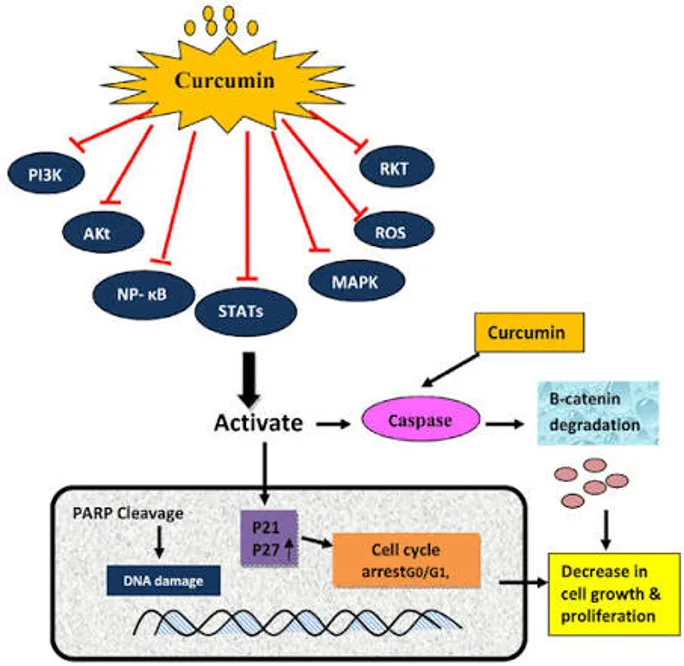
Fig 2: Molecular Mechanisms of Curcumin Action
The anticancer effects of curcumin have been associated with the induction of apoptosis and regulation of cellular proliferation. Studies reviewed in the dissertation indicate that curcumin can influence mitochondrial and death-receptor-mediated apoptotic mechanisms through regulation of caspases and Bcl-2 family proteins. Increased pro-apoptotic signaling and suppression of anti-apoptotic mechanisms contribute to elimination of malignant cells. In addition to apoptosis, curcumin-derived molecules have been associated with suppression of tumor growth through modulation of pathways regulating cell survival and proliferation. The dissertation identifies inhibition of NF-κB and downregulation of PI3K/Akt as important mechanisms, together with anti-angiogenic and anti-metastatic effects involving VEGF, MMP-2, MMP-9, and epithelial–mesenchymal transition pathways [12].
Despite its broad biological activity, poor bioavailability remains one of the major barriers to the therapeutic development of curcumin. The dissertation reports that oral curcumin undergoes rapid metabolism in the intestinal mucosa and liver, resulting in conjugated metabolites such as glucuronides and sulfates. Its low aqueous solubility and chemical instability under physiological conditions further restrict absorption and systemic circulation. These limitations create a substantial gap between the promising pharmacological activity observed experimentally and the concentration required for effective systemic therapy. Consequently, pharmaceutical research has increasingly focused on structural modification of curcumin and the development of delivery systems capable of improving its stability, absorption, bioavailability, and therapeutic exposure [13].
The limitations of native curcumin stimulated the development of structurally modified molecules designed to retain its biological activity while improving pharmaceutical characteristics. The dissertation identifies several classes of derivatives, including demethoxycurcumin (DMC), bisdemethoxycurcumin (BDMC), synthetic monocarbonyl analogues, EF24, GO-Y030, and diarylidenyl piperidones. Structural modification has focused particularly on improving stability and anticancer potency. Modification of the central structural region and development of monocarbonyl analogues have emerged as important approaches. The reviewed evidence indicates that certain derivatives demonstrate enhanced cytotoxicity and improved activity against cancer-related molecular targets compared with native curcumin [14].
EF24 is identified in the dissertation as an important synthetic monocarbonyl curcumin analogue with high anticancer potency. Other derivatives, including GO-Y030 and diarylidenyl piperidones, have also attracted attention because of their enhanced cytotoxic activity and potential activity against specific cancer-related processes. The development of these analogues reflects a shift from studying curcumin as a naturally occurring compound toward rational pharmaceutical optimization. The objective is not merely to increase cytotoxicity but also to improve molecular stability, target interaction, pharmacokinetic behavior, and therapeutic selectivity [15].
Nanotechnology has emerged as an important strategy for addressing the pharmaceutical limitations of curcumin. The dissertation identifies liposomes, polymeric nanoparticles, nanoemulsions, micelles, and solid lipid nanoparticles as delivery approaches investigated for curcumin-based therapy. These systems are intended to improve drug stability, solubility, controlled release, tumor penetration, and targeting. The dissertation further reports that nanoparticle-based delivery systems can improve bioavailability, stability, and targeted accumulation at tumor sites. The enhanced permeability and retention (EPR) effect is identified as one mechanism contributing to improved tumor localization. Nevertheless, rapid metabolism and poor absorption remain challenges even with advanced formulations, indicating the need for continued optimization of delivery systems [16].
Multidrug resistance represents an important challenge in cancer treatment and has encouraged investigation of curcumin and its derivatives as potential chemosensitizing agents. The dissertation identifies the multitargeted nature of curcumin as potentially advantageous because simultaneous modulation of several signaling pathways may reduce mechanisms responsible for treatment resistance. Combination strategies involving curcumin derivatives and conventional anticancer agents have therefore been explored to achieve synergistic effects and improve therapeutic response. The dissertation identifies combination therapy as an important future direction, particularly for overcoming drug resistance and enhancing the effectiveness of established chemotherapeutic agents [17].
Although extensive preclinical evidence supports the anticancer potential of curcumin and its derivatives, translation into clinical application remains limited. The dissertation identifies poor systemic bioavailability, pharmacokinetic challenges, lack of standardized protocols, formulation variability, and limited clinical evidence as important barriers. The available evidence therefore supports continued investigation rather than definitive clinical conclusions. Recent research has moved toward more stable analogues, targeted nano-delivery systems, personalized treatment strategies, and combination therapies. However, the dissertation emphasizes the need for larger clinical studies and standardized protocols before curcumin-derived molecules can be fully established as therapeutic anticancer agents [18].
The present study adopted a qualitative, descriptive, analytical, and integrative secondary research design to evaluate the anticancer potential of curcumin and its derived molecules. The investigation integrated evidence from pharmaceutical chemistry, molecular pharmacology, in-vitro and in-vivo pharmacological studies, computational investigations, pharmacokinetic evaluations, and drug-delivery research. No primary laboratory experimentation or clinical trial was conducted as part of the present investigation; instead, previously published scientific evidence was systematically examined and comparatively interpreted [19].
The methodology was designed to examine curcumin-derived molecules from molecular-level mechanisms through preclinical evaluation and ultimately toward clinical translation. This included assessment of anticancer mechanisms, structural modifications, molecular interactions, pharmacokinetic characteristics, nanoformulations, and reported clinical evidence [20].
Relevant scientific literature was retrieved from major authenticated scientific databases, including PubMed, ScienceDirect, SpringerLink, Wiley Online Library, Elsevier, and Google Scholar. The search strategy focused on literature addressing the anticancer activity, molecular mechanisms, structural modification, pharmacokinetics, computational evaluation, and delivery systems associated with curcumin and its derivatives [21].
The principal search terms included:
Peer-reviewed research articles, review articles, experimental studies, pharmacological investigations, and clinical reports were considered for the analysis.
The retrieved literature was categorized according to the major research domains relevant to curcumin-based anticancer development. These included:
This categorization enabled the evidence to be examined progressively from molecular mechanisms and cellular activity to preclinical efficacy and clinical translation. The in-vitro evidence included studies involving cancer cell lines such as MCF-7, A549, HeLa, HT-29, PC-3, and HepG2. Reported experimental endpoints included cell viability, IC₅₀ values, apoptosis, cell-cycle arrest, caspase activation, mitochondrial membrane disruption, and reactive oxygen species generation. Standard experimental approaches reported across the literature included MTT and SRB assays, flow cytometry, annexin V staining, and caspase activity analysis [22].
A comparative structure–activity relationship (SAR) analysis was undertaken to understand how structural modifications of curcumin influence its biological and pharmacological properties. Particular attention was given to modification of the β-diketone moiety, incorporation of electron-donating and electron-withdrawing groups, and development of monocarbonyl analogues [23]. The structural modifications were interpreted in relation to their effects on:
The analysis indicated that structural modification can improve the pharmacological performance of curcumin-derived molecules compared with natural curcumin.
The methodology incorporated analysis of previously reported in-silico molecular docking and computational chemistry studies. Docking investigations were examined to determine the interactions between curcumin-derived ligands and cancer-associated molecular targets [24]. The principal molecular targets considered were:
Reported docking outcomes were interpreted in terms of binding affinity, hydrogen-bond interactions, hydrophobic interactions, ligand orientation, and ligand stability within target binding sites. The computational evidence was particularly useful for understanding how structural modifications may alter target interactions and contribute to the enhanced anticancer activity of synthetic curcumin analogues [25].
The pharmacokinetic and pharmacodynamic characteristics of natural curcumin and its derivatives were comparatively assessed using evidence reported in the literature. The analysis focused on absorption, distribution, metabolism, and excretion (ADME), bioavailability, metabolic stability, cellular uptake, systemic circulation, and therapeutic effectiveness. The dissertation identifies poor bioavailability as a major limitation of natural curcumin because of its rapid metabolism and elimination. Conversely, structural modification and nanoformulation were associated with improvements in pharmacokinetic parameters including Cmax, Tmax, AUC, and half-life. A particularly notable quantitative finding reported in the dissertation concerns EF24, which demonstrated approximately 10–20-fold lower IC₅₀ values than curcumin across several cancer models, including breast, lung, prostate, and colon cancer [26].
The study also evaluated pharmaceutical strategies developed to overcome the poor solubility, instability, metabolism, and systemic bioavailability of curcumin [27]. The principal delivery systems examined were:
The analysis focused on their ability to improve solubility, stability, enzymatic protection, systemic circulation, cellular uptake, controlled release, and tumor targeting. Nanoparticle-based systems were particularly considered for their potential to improve bioavailability and tumor accumulation through the enhanced permeability and retention (EPR) effect. The dissertation reports that such systems have demonstrated improvements in stability, targeted delivery, and therapeutic efficiency, although clinical translation remains under investigation [28].
Natural curcumin was compared with synthetic derivatives and conventional anticancer drugs based on reported evidence. The comparative assessment considered:
Table 1: Comparative Pharmacological Evaluation
|
Parameter |
Comparative assessment |
|
Anticancer efficacy |
Natural curcumin vs. derivatives |
|
Potency |
IC₅₀ and reported cytotoxic effects |
|
Selectivity |
Activity toward cancer cells |
|
Pharmacokinetics |
Bioavailability, stability and systemic exposure |
|
Toxicity |
Reported adverse effects and safety |
|
Molecular activity |
Number and type of affected pathways |
|
Drug-delivery performance |
Conventional vs. nanoformulated curcumin |
The study’s comparative analysis suggests that synthetic derivatives can demonstrate enhanced potency and pharmacokinetic characteristics, whereas conventional anticancer agents may demonstrate greater absolute cytotoxic potency but are frequently associated with substantial toxicities. Curcumin-based compounds therefore appear particularly relevant as potential adjunct or combination therapeutic agents rather than direct replacements for established chemotherapy [29].
The collected evidence was analyzed using a descriptive and comparative analytical approach. Rather than performing a statistical meta-analysis, findings were qualitatively synthesized to identify recurring patterns, similarities, differences, and contradictions across published studies. The analysis specifically examined relationships between:
Structural modification → molecular interaction → biological activity → pharmacokinetic behaviour → therapeutic potential
Particular emphasis was placed on identifying whether structural modifications and advanced delivery systems were associated with improvements in anticancer potency, target specificity, metabolic stability, bioavailability, and therapeutic effectiveness. The integrated analysis also considered reported clinical parameters including tumor markers, inflammatory biomarkers, survival outcomes, quality-of-life measures, and adverse-effect profiles in studies investigating curcumin as an adjunct to conventional treatment. The resulting synthesis indicated that curcumin-derived molecules demonstrate considerable preclinical anticancer potential, but the evidence remains heterogeneous and clinical translation is constrained by pharmacokinetic limitations and limited large-scale human studies [30].
The methodology has several limitations inherent to secondary and integrative research. First, the study relies entirely on previously published evidence and therefore does not provide independent experimental validation of the reported findings. Differences in experimental models, dosage regimens, formulations, assessment methods, and reporting practices may contribute to variability across the evidence base. Second, much of the available evidence originates from in-vitro and animal studies, while relatively few large-scale randomized clinical trials are available. Consequently, the translation of promising preclinical findings into definitive human therapeutic outcomes remains uncertain [31].
Finally, variations in formulation, dosage, experimental protocols, and outcome reporting create substantial heterogeneity, making direct comparison between studies difficult. The dissertation therefore emphasizes the need for standardized protocols, uniform dosing approaches, long-term safety evaluation, and large-scale clinical trials before curcumin-derived molecules can be established as clinically effective anticancer therapeutics [32].
The comparative pharmacodynamic analysis indicates that structural modification of curcumin substantially influences its target specificity and biological response. Natural curcumin exhibits activity against multiple cellular proteins, but its relatively non-selective interactions may contribute to moderate efficacy and variability in therapeutic response. In contrast, synthetic curcumin-derived molecules, particularly monocarbonyl analogues and diarylidenylpiperidones (DAPs), demonstrate greater selectivity toward oncogenic signaling proteins, including NF-κB, STAT3, and PI3K/Akt [33]. This enhanced selectivity is associated with more consistent inhibition across different cancer models and suggests that structural optimization can improve pharmacological predictability. A clear dose–response relationship is also evident in the analyzed literature. Natural curcumin generally demonstrates relatively weak cytotoxicity at lower concentrations, whereas moderate to strong anticancer effects are more frequently observed at higher micromolar concentrations. Synthetic analogues appear to overcome part of this limitation by demonstrating greater cytotoxic activity at comparatively lower concentrations. The resulting shift in dose–response behavior indicates improved pharmacological efficiency following structural modification [34].
Among the derivatives discussed in the dissertation, EF24 demonstrates particularly notable potency. The analyzed evidence reports approximately 10–20-fold lower IC₅₀ values than natural curcumin across several cancer models, including breast, lung, prostate, and colon cancer models. This finding provides quantitative support for the proposition that structural modification can substantially improve the anticancer potency of the parent curcumin scaffold. Overall, the pharmacodynamic evidence suggests that the transition from natural curcumin toward structurally optimized derivatives can improve potency, target selectivity, biological consistency, and pharmacological efficiency [35].
The integrated analysis demonstrates that curcumin-derived molecules exert anticancer activity through simultaneous modulation of several interconnected molecular pathways. Rather than functioning as a single-target inhibitor, curcumin acts as a broad-spectrum regulator of pathways involved in inflammation, cell survival, proliferation, apoptosis, and angiogenesis. The principal pathways identified include NF-κB and COX-2, survival-associated PI3K/Akt and Bcl-2 pathways, proliferative MAPK/ERK signaling, and angiogenic regulation involving VEGF. This multitarget activity is particularly relevant to cancer because malignant cells frequently possess multiple mutations and redundant survival mechanisms. The simultaneous modulation of interconnected pathways may therefore provide a pharmacological advantage over approaches directed toward a single molecular target. The dissertation similarly identifies curcumin as a broad-spectrum modulator of cancer biology rather than a pathway-specific inhibitor [36].
Apoptosis represents another major mechanism identified across the analyzed studies. Curcumin has been associated with both intrinsic and extrinsic apoptotic pathways. The intrinsic pathway involves mitochondrial dysfunction, cytochrome-c release, and caspase activation, while regulation of Bcl-2 family proteins includes increased expression of the pro-apoptotic protein Bax and reduced expression of the anti-apoptotic protein Bcl-2 [37].
The evidence also indicates that curcumin regulates oxidative stress and inflammation. Its reported activity against reactive oxygen species (ROS) and reactive nitrogen species (RNS), together with modulation of inflammatory mediators such as TNF-α, IL-1, IL-6, iNOS, and COX-2, provides an additional mechanism through which curcumin-derived molecules may interfere with tumor development and progression. Thus, the observed anticancer response appears to arise from the combined effects of cell-cycle regulation, apoptosis induction, inflammatory pathway inhibition, survival-pathway suppression, and oxidative-stress modulation, rather than from a single pharmacological mechanism [38].
The analysis further indicates that curcumin-derived molecules influence several processes responsible for tumor progression beyond direct cancer-cell cytotoxicity. These include angiogenesis, invasion, metastasis, and treatment resistance. Modulation of angiogenic signaling, particularly VEGF-related pathways, together with effects on matrix metalloproteinases and epithelial–mesenchymal transition-related mechanisms, contributes to the reported anti-angiogenic and anti-metastatic potential of these molecules [39].
An important finding is the potential of curcumin and its derivatives to act as chemosensitizing agents. The analyzed evidence indicates that co-administration with conventional anticancer agents such as cisplatin, doxorubicin, and 5-fluorouracil can increase cytotoxic efficiency compared with monotherapy. This effect has been associated with suppression of drug-resistance mechanisms, including downregulation of P-glycoprotein (P-gp) and inhibition of survival pathways that become activated in resistant cancer cells [40].
The dissertation further reports synergistic effects when curcumin-derived molecules are combined with cisplatin, paclitaxel, doxorubicin, gemcitabine, and 5-fluorouracil. Such combinations may permit reduction of conventional drug doses while maintaining therapeutic activity and may consequently reduce toxicity associated with high-dose chemotherapy. These findings support a role for curcumin-derived molecules primarily as potential adjunctive or combination agents, particularly where multidrug resistance limits the effectiveness of established therapies. The evidence does not, however, establish curcumin derivatives as direct replacements for conventional anticancer treatment [41].
One of the principal barriers identified in the analysis is the unfavorable pharmacokinetic profile of natural curcumin. The compound is characterized by poor aqueous solubility, low gastrointestinal absorption, rapid metabolic degradation, limited tissue distribution, short plasma half-life, and inadequate systemic bioavailability. Extensive first-pass metabolism in the intestinal mucosa and liver further reduces systemic exposure and contributes to the formation of metabolites with lower pharmacological activity. Structural modification represents one approach to overcoming these limitations, while nanotechnology provides a complementary pharmaceutical strategy. The dissertation discusses several nano-based delivery approaches designed to improve solubility, stability, cellular uptake, systemic exposure, controlled release, and tumor delivery [42].
The pharmacokinetic comparison considers parameters including Cmax, Tmax, AUC, and half-life. The evidence indicates that structural modification and formulation strategies can improve the exposure and stability of curcumin-derived molecules relative to natural curcumin. The integrated evidence suggests that the therapeutic performance of curcumin-derived molecules depends on the interaction of three major factors: molecular potency, pharmacokinetic behavior, and delivery efficiency. When structural optimization and nanotechnology are used together to improve these characteristics, anticancer performance is reported to increase substantially. Therefore, pharmaceutical optimization should not focus exclusively on increasing cytotoxic potency. Improving systemic exposure, cellular uptake, stability, and controlled delivery is equally important for translating promising molecular activity into therapeutic efficacy [43].
The dissertation reports anticancer activity of curcumin-derived molecules across several cancer types, including breast, colorectal, lung, prostate, and pancreatic cancers. The broader evidence base also encompasses liver, cervical, ovarian, gastric, leukemia, lymphoma, melanoma, and glioblastoma models. The response across these cancer models is not uniform. Differences in molecular characteristics, signaling abnormalities, cellular uptake, drug sensitivity, and experimental conditions contribute to variability in reported outcomes. Nevertheless, the overall evidence supports the potential of curcumin-derived molecules to influence common cancer-associated processes such as proliferation, apoptosis, inflammation, angiogenesis, invasion, and metastasis [44]. Comparison with conventional chemotherapy highlights an important therapeutic trade-off. Conventional agents such as cisplatin and doxorubicin demonstrate strong cytotoxic activity but are associated with substantial toxicity and adverse effects. Curcumin-based compounds generally demonstrate lower absolute cytotoxic potency than some conventional chemotherapeutics but offer multitarget activity and comparatively favorable safety characteristics in the reported evidence [45].
Consequently, the evidence supports a complementary therapeutic strategy in which curcumin-derived molecules may enhance conventional treatment through chemosensitization, modulation of resistance pathways, and potentially improved therapeutic selectivity. The dissertation therefore emphasizes their potential as adjunctive components of multimodal cancer therapy rather than suggesting that they should replace established anticancer drugs [46].
The integrated interpretation of the analyzed evidence indicates a progressive relationship between structural modification, molecular targeting, pharmacological activity, pharmacokinetic optimization, and drug-delivery performance. Structural modification can improve molecular selectivity and potency; improved molecular characteristics can contribute to greater biological activity; and advanced delivery systems can further address limitations related to solubility, stability, bioavailability, and cellular uptake [47]. The overall relationship can therefore be represented as:
Structural modification → improved molecular interaction → enhanced biological activity → improved pharmacokinetic properties → greater therapeutic potential
Network-level interpretation further supports the multitargeted nature of curcumin. The compound simultaneously influences interconnected networks involved in inflammation, apoptosis, cell-cycle regulation, and angiogenesis, while synthetic derivatives may improve binding across multiple molecular nodes within these networks. However, the strength of the conclusions is constrained by substantial heterogeneity across the available evidence. Differences in experimental design, concentration ranges, assay methods, biological models, experimental conditions, cell lines, and dosing protocols make direct comparison between studies difficult [48].
A further limitation is the relatively limited availability of large-scale clinical data. Consequently, the strong anticancer effects reported in cell and animal models cannot yet be assumed to translate directly into equivalent therapeutic outcomes in humans. The dissertation emphasizes that inadequate systemic exposure, formulation variability, dosage optimization, manufacturing scalability, and regulatory considerations continue to restrict clinical translation. Overall, the integrated analysis supports the potential of curcumin-derived molecules to provide improved potency, stability, cellular uptake, and target specificity compared with natural curcumin, particularly when structural optimization is combined with advanced drug-delivery strategies. Nevertheless, pharmacokinetic limitations, methodological heterogeneity, and insufficient clinical standardization remain the principal barriers to establishing their therapeutic effectiveness [49].
DISCUSSION
The present analysis demonstrates that curcumin-derived molecules represent a promising direction in anticancer drug development, particularly because structural modification can address several limitations associated with natural curcumin. The findings indicate improvements in potency, target specificity, metabolic stability, cellular uptake, and pharmacological efficiency across several experimental models. At the same time, the evidence indicates that enhanced preclinical activity does not automatically translate into clinical effectiveness. Poor systemic exposure, differences in formulation and dosing, experimental heterogeneity, and limited large-scale clinical validation remain important barriers to translation [50].
The superior performance of several curcumin derivatives can primarily be interpreted as a consequence of pharmaceutical and structural optimization. Natural curcumin possesses broad biological activity but is affected by relatively poor solubility, rapid metabolism, limited systemic exposure, and variable cellular availability. These characteristics can restrict the amount of active compound reaching the relevant biological targets [51].
Synthetic derivatives attempt to overcome these limitations by modifying the parent curcumin scaffold to produce molecules with improved pharmacological characteristics. The dissertation particularly identifies monocarbonyl analogues and diarylidenylpiperidones (DAPs) as compounds demonstrating improved selectivity toward oncogenic pathways such as NF-κB, STAT3, and PI3K/Akt [52]. The difference is also reflected in the reported dose–response behavior. Natural curcumin frequently requires comparatively higher concentrations to produce substantial cytotoxic responses, whereas several synthetic analogues demonstrate stronger activity at lower concentrations. Thus, the advantage of derivatives is not simply that they are chemically different; rather, structural modification can potentially improve the relationship between administered concentration and biological response [53].
The findings emphasize the importance of structure–activity relationship (SAR) in the development of curcumin-derived anticancer molecules. Modification of structural features can influence molecular stability, binding interactions, target specificity, cellular uptake, and ultimately anticancer potency. The dissertation's analysis indicates that structural optimization is associated with improved pharmacological efficiency and more consistent inhibition of oncogenic signaling pathways. Monocarbonyl analogues and DAPs provide important examples in which modification of the parent structure is associated with stronger anticancer activity [54].
EF24 is particularly relevant in this context. The dissertation reports approximately 10–20-fold lower IC₅₀ values than natural curcumin across several cancer models, illustrating how rational structural modification can translate into substantial differences in biological potency. Importantly, enhanced potency should not be considered independently from pharmacokinetic properties. A derivative with high molecular activity but poor systemic exposure may still have limited therapeutic usefulness. The findings therefore support an integrated SAR approach in which potency, selectivity, metabolic stability, and pharmacokinetic behavior are optimized simultaneously [55].
Table 2: Comparative Interpretation of Natural Curcumin and Curcumin-Derived Molecules
|
Parameter |
Natural Curcumin |
Curcumin-Derived Molecules |
Pharmacological Implication |
|
Molecular activity |
Broad, multitarget activity |
Greater target selectivity reported for several derivatives |
More predictable biological response |
|
Cytotoxic potency |
Often requires higher concentrations |
Higher potency reported for selected analogues |
Improved dose–response profile |
|
Structural stability |
Relatively limited |
Improved stability in optimized derivatives |
Greater potential for therapeutic development |
|
Bioavailability |
Poor |
Can be improved through structural/formulation approaches |
Greater systemic exposure |
|
Cellular uptake |
Limited |
Enhanced uptake reported for optimized derivatives/formulations |
Greater intracellular availability |
|
Target specificity |
Relatively non-selective |
Greater selectivity toward selected oncogenic pathways |
Improved pharmacological precision |
|
Therapeutic potential |
Limited by pharmacokinetic constraints |
Greater preclinical potential |
Better candidate for further development |
A major strength of curcumin-derived molecules is their ability to influence multiple interconnected mechanisms involved in cancer progression. The discussion of the findings suggests that their therapeutic potential cannot be adequately explained through inhibition of a single pathway [56]. The dissertation identifies modulation of NF-κB, COX-2, PI3K/Akt/mTOR, STAT3, MAPK, JAK/STAT, Bcl-2, and VEGF-associated processes. These pathways collectively regulate inflammation, cell survival, proliferation, apoptosis, angiogenesis, invasion, and metastasis [57].
This multitarget activity may be particularly relevant to heterogeneous cancers, where simultaneous activation of multiple survival pathways can reduce the effectiveness of single-target therapies. Curcumin's ability to influence several interconnected signaling networks therefore provides a conceptual advantage, although this broad activity also requires careful pharmacological characterization to establish which targets are clinically meaningful. The apoptotic findings reinforce this interpretation [58]. Curcumin has been associated with mitochondrial dysfunction, cytochrome-c release, caspase activation, increased Bax expression, and reduced Bcl-2 expression. Thus, the therapeutic rationale for curcumin derivatives lies not merely in killing cancer cells, but in simultaneously interfering with several biological processes that sustain tumor growth and survival [59].
Nanotechnology emerges from the dissertation as an important strategy for addressing the major pharmaceutical limitations of curcumin. Natural curcumin exhibits poor aqueous solubility, rapid metabolic degradation, limited tissue distribution, and inadequate bioavailability. These characteristics can prevent sufficient systemic concentrations from being achieved despite promising biological activity in experimental systems [60]. Nanoformulations provide an alternative means of improving the pharmaceutical performance of curcumin by facilitating solubility, stability, cellular uptake, controlled release, and tumor delivery. Consequently, nanotechnology should not be viewed simply as a method of changing the formulation; it represents a strategy for addressing the gap between molecular potency and effective biological exposure [61].
The dissertation's integrated interpretation indicates that anticancer performance improves when structural modification and nanotechnology are used to optimize multiple characteristics simultaneously. Therefore, future development may benefit from combining medicinal chemistry and advanced drug-delivery approaches, rather than treating them as independent development pathways [62].
Multidrug resistance represents one of the most important challenges in cancer therapy, and the findings suggest that curcumin-derived molecules may have value as chemosensitizing agents. The dissertation reports increased cytotoxic efficiency when curcumin or its derivatives are combined with agents such as cisplatin, doxorubicin, and 5-fluorouracil. One proposed explanation is the ability of these compounds to interfere with resistance-associated mechanisms, including P-glycoprotein expression and survival signaling. Their multitarget activity may allow them to simultaneously influence pathways responsible for cell survival and resistance [63].
This finding has an important therapeutic implication. Rather than positioning curcumin derivatives as substitutes for established chemotherapy, their greater value may lie in combination therapy, where they could potentially increase the sensitivity of resistant tumor cells while allowing lower doses of conventional agents. The dissertation reports similar synergistic observations with cisplatin, paclitaxel, doxorubicin, gemcitabine, and 5-fluorouracil. However, these findings remain predominantly preclinical and therefore require clinical confirmation before firm therapeutic recommendations can be made [64].
An important interpretation emerging from the evidence is the trade-off between potency and safety. Conventional anticancer agents can demonstrate substantial cytotoxic activity but may also produce significant toxicity. Curcumin-based compounds, in contrast, have generally demonstrated favorable safety characteristics in the reported clinical and experimental literature, although their anticancer potency and systemic exposure may be less consistent. This distinction is important because anticancer drug development cannot be based solely on achieving the lowest possible IC₅₀. A clinically useful compound must provide an acceptable balance between efficacy, selectivity, exposure, toxicity, and therapeutic window [65].
The dissertation reports that clinical investigations of curcumin and its derivatives have generally indicated favorable tolerability, but therapeutic efficacy remains constrained by inadequate systemic exposure and bioavailability. Thus, the principal pharmaceutical challenge is not necessarily to maximize cytotoxicity alone, but to develop derivatives that combine enhanced potency with favorable safety and adequate systemic exposure [66].
The most important limitation identified by the discussion is the gap between preclinical promise and clinical applicability. Strong activity in cancer cell lines and animal models does not necessarily translate into equivalent effects in humans because of differences in pharmacokinetics, tumor heterogeneity, biological complexity, dosing, and patient-level variability. The dissertation explicitly identifies inconsistency between laboratory findings and clinical outcomes as a major challenge. Standardization of dosage, formulation reproducibility, manufacturing scalability, and regulatory requirements further complicate translation [67].
Evidence heterogeneity is another important concern. Differences in experimental design, concentration ranges, assay methods, cell lines, biological models, and dosing protocols make direct comparison between studies difficult. Furthermore, the limited availability of large-scale clinical data restricts definitive validation of the preclinical evidence. Consequently, the current evidence should be interpreted as demonstrating strong developmental potential rather than established clinical efficacy [68].
The clinical applicability of curcumin-derived molecules should therefore be considered within a framework of progressive pharmaceutical optimization. The evidence supports their potential use as multitarget anticancer agents, particularly in combination with established therapies and in formulations designed to overcome pharmacokinetic limitations.The dissertation indicates that future clinical research should prioritize advanced formulations, optimized delivery systems, biomarker-guided treatment strategies, and adequately powered randomized controlled trials. From a pharmaceutical-development perspective, the most promising pathway is therefore unlikely to involve natural curcumin alone. Instead, greater clinical potential may arise from the combined optimization of [69]:
Structural modification → target specificity → pharmacological potency → pharmacokinetic improvement → advanced delivery → combination therapy → clinical validation
This integrated pathway is consistent with the dissertation's overall interpretation that curcumin-derived molecules demonstrate improved potency, stability, cellular uptake, and target specificity, while poor pharmacokinetics and insufficient clinical standardization continue to restrict their translation into established anticancer therapeutics.
Table 3: Overall Discussion Synthesis
|
Finding |
Interpretation |
Implication |
|
Enhanced activity of synthetic derivatives |
Structural modification improves pharmacological properties |
Supports rational derivative development |
|
Lower IC₅₀ reported for selected analogues |
Greater cytotoxic potency |
Potential for lower effective concentrations |
|
Multitarget pathway modulation |
Simultaneous effects on cancer-related signaling |
Potential advantage in heterogeneous tumors |
|
Chemosensitization |
Interaction with resistance and survival mechanisms |
Potential role in combination therapy |
|
Nanotechnology improves delivery characteristics |
Addresses solubility and bioavailability limitations |
Supports advanced formulation development |
|
Favorable safety evidence |
Potentially useful therapeutic window |
Supports further clinical investigation |
|
Pharmacokinetic limitations |
Biological activity may not translate into adequate systemic exposure |
Requires formulation and delivery optimization |
|
Evidence heterogeneity |
Results vary according to models and protocols |
Limits direct cross-study comparison |
|
Limited large-scale clinical evidence |
Clinical effectiveness remains insufficiently established |
Requires rigorous clinical validation |
A major research gap identified in the present investigation is the limited translation of the extensive preclinical evidence on curcumin-derived molecules into clinically validated anticancer therapies. Although numerous in-vitro and in-vivo studies demonstrate promising effects on cancer-cell proliferation, apoptosis, angiogenesis, metastasis, inflammation, and drug resistance, large-scale clinical evidence remains comparatively limited. Variations in cancer type, experimental model, treatment concentration, dosing schedule, formulation, and outcome assessment further contribute to inconsistencies between studies. Therefore, future investigations should prioritize well-designed and adequately powered clinical trials capable of establishing the therapeutic efficacy, optimal dose, treatment duration, safety, and clinical relevance of specific curcumin derivatives. Standardized experimental protocols should also be developed for preclinical research so that findings generated using different biological models can be compared more reliably.
A second major gap concerns the pharmacokinetic and pharmaceutical limitations of curcumin-derived molecules. Natural curcumin is characterized by poor aqueous solubility, limited gastrointestinal absorption, rapid metabolic degradation, restricted tissue distribution, short plasma half-life, and low systemic bioavailability. Although structural modification can improve several of these properties, pharmacokinetic limitations remain an important barrier to therapeutic translation. Future research should therefore focus on systematic dosage optimization and the development of derivatives with an appropriate balance between potency, metabolic stability, bioavailability, and safety. Formulation standardization is equally important because differences in particle size, composition, drug loading, release characteristics, and manufacturing procedures may influence therapeutic performance. In addition, the transition from laboratory-scale formulations to reproducible large-scale manufacturing requires attention to batch-to-batch consistency, stability, quality control, scalability, and regulatory requirements.
Advanced drug-delivery technologies represent an important future direction for addressing these pharmaceutical barriers. Nanoparticles, liposomes, polymeric systems, nanoemulsions, micelles, and other delivery platforms may improve solubility, protect the active molecule from premature degradation, enhance cellular uptake, provide controlled release, and increase accumulation at tumor sites. Future development may progress toward smart and stimuli-responsive nanocarriers capable of releasing curcumin derivatives in response to specific characteristics of the tumor microenvironment. However, increased delivery efficiency must be accompanied by comprehensive evaluation of long-term toxicity, biodistribution, immunological effects, formulation stability, manufacturing scalability, and regulatory acceptability. Thus, the future of curcumin-based nanomedicine should focus not only on achieving higher drug loading or improved delivery but on establishing reproducible and clinically translatable formulations [70].
Finally, emerging computational and precision-medicine approaches provide opportunities to further improve the development of curcumin-derived molecules. AI-assisted drug design and molecular docking can support the identification of promising structural modifications, prediction of target interactions, and prioritization of derivatives for experimental validation. Network-level computational approaches may also help explain the multitarget activity of curcumin by examining interactions across interconnected cancer-signaling pathways. At the same time, pharmacogenomic and biomarker-based approaches could help identify differences in patient or tumor responses and support the development of more personalized treatment strategies. The integration of medicinal chemistry, computational drug design, molecular docking, pharmacokinetic optimization, advanced drug delivery, pharmacogenomics, and clinical research may therefore provide a more comprehensive development pathway. Such integration is particularly important because the dissertation concludes that the future therapeutic potential of curcumin-derived molecules will depend on coordinated advances rather than isolated improvements in a single aspect of drug development.
CONCLUSION
The present pharmaceutical investigation demonstrates the substantial potential of curcumin-derived molecules as promising anticancer agents, while also highlighting the important pharmaceutical barriers that continue to restrict their clinical translation. Curcumin possesses a broad spectrum of anticancer activities, including inhibition of tumor-cell proliferation, induction of apoptosis, suppression of angiogenesis and metastasis, modulation of inflammatory signaling, and regulation of molecular pathways associated with cancer progression. Its multitargeted pharmacological profile makes it particularly relevant for cancers characterized by molecular heterogeneity and resistance to single-target therapeutic approaches. However, the therapeutic application of natural curcumin remains constrained by poor aqueous solubility, limited gastrointestinal absorption, rapid metabolic degradation, inadequate tissue distribution, short systemic exposure, and low bioavailability. These pharmacokinetic limitations create a significant gap between the promising biological activity observed in experimental studies and the concentrations required to achieve consistent therapeutic effects in vivo.
The development of structurally modified curcumin derivatives provides an important strategy for addressing these limitations. The analyzed evidence indicates that selected derivatives demonstrate improved potency, stability, cellular uptake, and target specificity compared with natural curcumin. In particular, monocarbonyl analogues and other optimized derivatives demonstrate enhanced activity against cancer-associated signaling pathways, while the reported lower IC₅₀ values of compounds such as EF24 highlight the potential benefits of rational structural modification.
The incorporation of nanotechnology-based drug-delivery systems provides an additional pharmaceutical approach for improving the therapeutic performance of curcumin-derived molecules. Advanced delivery systems can address limitations related to solubility, stability, bioavailability, cellular uptake, and controlled drug release. Furthermore, the potential of curcumin-derived molecules to enhance the activity of conventional anticancer agents suggests an important role in combination therapy and chemosensitization, particularly in the context of multidrug resistance.
Despite these promising findings, the available evidence remains predominantly preclinical, and clinical translation remains limited by pharmacokinetic challenges, formulation variability, differences in experimental protocols, dosage uncertainties, manufacturing considerations, and insufficient large-scale clinical validation. Therefore, the current evidence supports the developmental potential of curcumin-derived molecules rather than establishing definitive clinical superiority over conventional anticancer therapies. Future research should emphasize standardized preclinical protocols, optimized formulations and dosing strategies, long-term safety evaluation, advanced drug-delivery systems, and adequately powered clinical trials. Overall, the evidence supports an integrated development pathway in which structural modification, molecular targeting, pharmacokinetic optimization, advanced drug delivery, and clinical validation are considered together. Curcumin-derived molecules therefore represent a promising pharmaceutical platform for future anticancer drug development, but their successful transition from experimental candidates to clinically established therapeutics will depend on overcoming the remaining pharmacological, formulation, standardization, and clinical-evidence gaps.
REFERENCES


Anjali Gupta, Dr. Ashish Goshwami, Dr. Kaminee Sahu, Pharmaceutical Investigation of Curcumin-Derived Molecules as Anticancer Agents, Int. J. of Pharm. Sci., 2026, Vol 4, Issue 8, 4824-4846, https://doi.org/10.5281/zenodo.22154408
 10.5281/zenodo.22154408