

We use cookies to ensure our website works properly and to personalise your experience. Cookies policy
SND College of Pharmacy, Babhulgaon, Yeola, India
Healthcare has historically relied on population-based, generalized treatment protocols, often leading to trial-and-error prescribing, delayed diagnoses, and variable treatment outcomes across individuals. A digital twin in healthcare is defined as a dynamic, continuously evolving virtual representation of an individual patient, organ, physiological system, or disease process. It is constructed through the integration of multi-modal biomedical data, including genomic and multi-omics profiles, electronic health records (HER), medical imaging (MRI, CT, ultrasound), real-time physiological signals from wearable and IoT sensors, and behavioral/lifestyle data. Methodology/Approach: This study/review synthesizes current literature and technological frameworks underlying healthcare digital twins, examining the convergence of enabling technologies - artificial intelligence, machine learning, cloud and edge computing, IoT-based sensing, and mechanistic physiological modeling - that make real-time, patient-specific simulation computationally feasible. Significance: Digital twins represent a fundamental shift from reactive, population-averaged medicine toward predictive, preventive, and individualized care - operationalizing the core principle of precision medicine: the right treatment, for the right patient, at the right time. Challenges: Despite this potential, several barriers constrain widespread clinical adoption, including fragmented and non-interoperable health data infrastructure, difficulties in model validation and clinical-grade accuracy, data privacy and cybersecurity risks, unresolved questions of data ownership and informed consent, algorithmic bias affecting model fairness across diverse populations, and the substantial computational resources required for high-fidelity.
Pharmaceutical marketing and sales are important functions of the pharmaceutical industry that help in the promotion, distribution, and availability of medicines. After a pharmaceutical product is discovered, developed, tested, manufactured, and approved by the appropriate regulatory authorities, it must reach the healthcare system effectively. Marketing and sales activities help connect pharmaceutical companies with healthcare professionals, hospitals, pharmacies, distributors, and patients.
Pharmaceutical marketing is different from the marketing of ordinary consumer products because medicines directly influence human health and safety. In the case of prescription medicines, physicians and other qualified healtheare professionals play an important role in selecting appropriate treatment. Therefore, pharmaceutical companies need to communicate information regarding the product's indications, dosage, efficacy, safety, contraindications, adverse effects, precautions, and proper use in a scientifically accurate manner.
Traditionally, pharmaceutical companies have used medical representatives (MRs) as an important channel for communicating product information to physicians. MRs visit healthcare professionals, provide product information, discuss scientific evidence, and maintain professional relationships. Pharmaceutical sales also involve distributors, stockists, retailers, hospitals, and institutional purchasers to ensure that medicines are available where they are required.
The pharmaceutical marketing process generally includes market research, market segmentation, product positioning, pricing, promotion, distribution, brand management, and evaluation of market performance. Companies study the therapeutic needs of the market and competitor products before developing appropriate marketing strategies. Effective marketing can help a company establish its product in a competitive market while maintaining compliance with applicable regulations.
In recent years, pharmaceutical marketing has undergone significant changes because of digital technology. In addition to traditional face-to-face visits, companies increasingly use e-detailing, virtual meetings, email, professional digital platforms, customer relationship management (CRM) systems, websites, and other digital communication methods. This has resulted in greater interest in digital and omnichannel pharmaceutical marketing, where different communication channels are integrated to provide healthcare professionals with relevant information.
Sales are closely associated with marketing but have a different primary focus. Pharmaceutical sales refers to the activities involved in generating demand, obtaining orders, managing customers and distribution channels, and achieving sales objectives while following regulatory and ethical requirements. A typical distribution pathway may be represented as:
Pharmaceutical Manufacturer - C&F/Distributor -+ Stockist -+ Retail Pharmacy/Hospital -+ Patient
Ethical conduct is particularly important in pharmaceutical marketing and sales. Promotional information should be truthful, balanced, scientifically supported, and non-misleading. The World Health Organization (WHO) has established ethical criteria for medicinal drug promotion to encourage responsible communication and rational use of medicines. In India, the Uniform Code for Pharmaceutical Marketing Practices (UCPMP) 2024 provides mandatory ethical guidelines concerning pharmaceutical marketing practices and interactions with healthcare professionals.
Therefore, pharmaceutical marketing and sales should not be considered only as commercial activities. They represent an important link between pharmaceutical research, healthcare professionals, medicine distribution, and patient care. A successful pharmaceutical marketing system should achieve a balance between business growth, scientific communication, regulatory compliance, ethical responsibility, and patient welfare.
Fig1 :- Pharmaceutical marketing and selling types.
OBJECTIVE :-
NEED FOR THE STUDY :-
PHARMACEUTICAL MARKETING :-
Definition and Scope
Pharmaceutical marketing is the systematic process of identifying market needs and developing, positioning, promoting, and distributing pharmaceutical products in line with scientific, regulatory, and ethical standards. Unlike consumer product marketing, it operates in a uniquely constrained environment - the end-user (patient) rarely makes the purchasing decision directly; instead, healthcare professionals act as intermediaries who select, prescribe, or recommend the product.
1. Market Research
This is the foundation of pharmaceutical marketing - understanding disease prevalence, patient demographics, prescribing patterns, competitor products, and unmet medical needs. Companies analyze epidemiological data, prescription trends, and healthcare-provider feedback to identify where a product can fill a genuine clinical gap, rather than simply competing on volume.
2. Segmentation and Targeting
Given the diversity of healthcare markets, companies segment their audience by:
3. Product Positioning
Positioning defines how a product is presented relative to competitors - often based on efficacy, safety profile, dosing convenience, cost, or a unique mechanism of action. Since many companies market the same active ingredient under different brand names (especially in generic-heavy markets like India), positioning becomes critical for differentiation even when the molecule itself is identical.
4. Brand Management
Building brand recall among prescribers involves consistent visual identity, reliable quality perception, and reputation management - a company's overall credibility often influences how a specific product brand is received, as noted in prescribing-behavior studies (Narendran & Narendranathan, 2013).
5. Pricing Strategy
Pharmaceutical pricing must balance several competing factor:
Competitive pricing pressure (especially from generics),
Regulatory price caps (common for essential medicines)
6. Promotional Planning
Promotion spans multiple formats - scientific literature, product information materials, conference presentations, continuing medical education (CME), and approved digital campaigns. All promotional content must remain scientifically accurate and consistent with approved product indications, per WHO ethical criteria.
7. Medical Representative Detailing
Despite digital growth, face-to-face detailing by medical representatives remains a core promotional channel, allowing direct, personalized communication of clinical data, dosing guidance, and safety information to prescribers.
8. Medical Education Programs
Companies often sponsor or support CME programs, scientific symposia, and educational materials - intended to build prescriber knowledge, though this area requires careful ethical oversight to avoid becoming a disguised promotional tool.
9. Customer Relationship Management (CRM)
Long-term relationship-building with healthcare professionals - through regular engagement, feedback loops, and personalized communication - supports sustained brand loyalty and trust, which research suggests plays a meaningful role in prescribing decisions.
10. Digital and Omnichannel Communication
Increasingly, traditional channels are supplemented by e-detailing, web conferences, and CRM-integrated digital platforms - reflecting the industry's broader shift toward omnichannel engagement strategies.
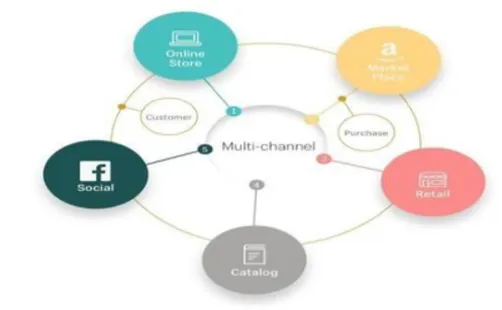
Fig.2. Pharmaceutical Marketing
BRAND MANAGEMENT:
Definition
Brand management in pharmaceuticals refers to the strategic process of building, maintaining, and strengthening a product's or company's identity, reputation, and perceived value among healthcare professionals, pharmacists, and - where applicable - patients. Since many drugs share the same active pharmaceutical ingredient (especially in generic-heavy markets like India), the brand becomes a critical differentiator when the underlying molecule offers no real point of distinction.
1. Brand Identity
This includes the product name, packaging design, logo, color scheme, and overall visual presentation, In pharma, brand identity must balance memorability with professionalism - flashy consumer-style branding can undermine credibility with clinicians, so pharmaceutical brand identity tends to favor clean, trustworthy, clinically-reassuring design cues.
2. Brand Reputation and Trust
Unlike consumer goods, where brand loyalty might be driven by emotional appeal, pharmaceutical brand trust is built on perceived quality consistency, manufacturing reliability, and company credibility. A physician who has had positive experiences with a company's other products is more likely to trust a new product from the same company - this "halo effect" is one reason overall corporate reputation matters as much as individual product branding.
3. Differentiation Strategy
Since active ingredients are often identical across competing brands, differentiation must come from other factors:
4. Prescriber Perception Management
Because prescribers are the primary decision-makers, brand management activities often focus on shaping their perception rather than the end patient's. This includes consistent messaging across all touchpoints - medical representative visits, promotional literature, conference presence, and digital platforms - so the brand feels reliable and scientifically credible every time a prescriber encounters it.
As pharmaceutical marketing increasingly spans multiple channels (MR visits, e-detailing, CRM emails, conference booths), maintaining consistent brand messaging across all of them is essential. Inconsistent or contradictory information across channels can erode trust and create confusion about a product's actual clinical positioning.
5. Long-Term Brand Equity
Well-managed pharmaceutical brands can command prescriber loyalty even after patent expiry and generic competition enters the market - physicians may continue prescribing a trusted original brand out of familiarity and confidence, even when cheaper generie alternatives exist. This is a key commercial reason companies invest heavily in brand management beyond just the patent-protected period.
6. Risks in Pharmaceutical Brand Management
Because brand-building involves persuasive communication, there's a risk of it blurring into misleading promotion - overstating a brand's advantages without adequate scientific support. WHO ethical criteria and India's UCPMP 2024 both implicitly constrain brand messaging, requiring that any differentiation claims remain truthful and evidence-based rather than purely image-driven.
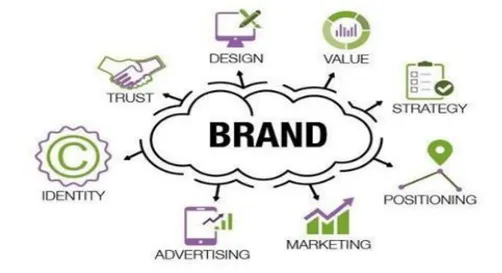
FIG NO :- 3 Brand Management
PHARMACEUTICAL SALES :-
Definition and Scope
Pharmaceutical sales is the operational process through which a manufactured drug product physically and commercially moves from the manufacturer to the end patient, passing through various intermediaries. While marketing focuses on strategy and communication, sales focuses on execution - order generation, distribution logisties, and revenue achievement - while still operating within the ethical and regulatory boundaries set by the marketing function.
1. The Distribution Chain
The standard retail pathway follows:
Manufacturer C&F Agent/Distributor + Stockist + Retailer/Pharmacy + Patient
Each intermediary plays a distinct role:
For institutional sales (hospitals, large healthcare systems), a shorter pathway often applies:
Manufacturer → Hospital/Institution → Healthcare Professional/ Pharmacy → Patient
This bypasses several intermediary layers, often involving direct tender-based or bulk-purchase agreements.
2. Role of the Medical Representative in Sales
While MRs are primarily a marketing/ communication channel, they also directly influence sales by generating prescription demand at the physician level, which in turn drives orders through the distribution chain. Their activities - planning routes, visiting doctors, detailing products, follow-up - translate promotional effort into measurable sales outcomes.
3. Role of Sales Executives
Sales executives typically manage the business side of the relationship with distributors, stockists, and retail chains - negotiating terms, managing credit cycles, and ensuring smooth order fulfillment, distinct from the MR's clinical/relationship-focused role with prescribers.
4. Distributor and Stockist Management
This involves maintaining reliable partnerships with intermediaries who hold inventory and ensure product availability across a region. Key activities include:
5. Retail Pharmacy Relationships
Retail pharmacies are the final touchpoint before the patient. Sales teams often engage pharmacists directly - since pharmacists can influence brand substitution decisions (especially for OTC or multi-brand generic products) even after a physician has prescribed a molecule.
6. Hospital and Institutional Sales
Institutional sales often follow a different negotiation model - involving tenders, bulk pricing agreements, and hospital formulary listings - which require a different sales approach than the individual-physician-focused retail model.
7. Sales Planning and Territory Management
Sales territories are typically divided geographically or by market potential, allowing companies to allocate resources (rep time, promotional budget) efficiently. Territory management involves:
8. Customer Relationship Development
Sustained relationships with distributors, retailers, and institutions - beyond just transactional order-taking - help ensure priority stocking, timely payments, and long-term business stability.
9. Order Generation and Inventory Monitoring
This is the operational core of sales - tracking orders as they move through the chain, monitoring inventory levels at each stage to prevent stockouts or expiry-related wastage, and forecasting demand based on prescription trends.
10. Sales Target Management and Performance Analysis
Sales teams work against quantitative targets (often set regionally or per product), with performance regularly analyzed against these benchmarks. This creates inherent tension - since target pressure can sometimes conflict with ethical promotional practices, a challenge explicitly noted in the broader literature.
FIG NO :- 4 Pharmaceutical Sales
STUDY OF DIGITAL MARKETING:
Definition and Context
Digital pharmaceutical marketing refers to the use of internet-based technologies and platforms to communicate product information, engage healthcare professionals, and support promotional activitics - supplementing (rather than replacing) traditional face-to-face channels like medical representative visits. This shift has accelerated due to changing prescriber preferences, cost efficiency, and the need for scalable, data-driven engagement.
1. E-Detailing
E-detailing refers to delivering product information to healthcare professionals through digital platforms - tablets, apps, or web-based tools - instead of (or alongside) in-person visits. It allows reps to present interactive, multimedia-rich content (charts, clinical trial data, videos) and can be more time-efficient for busy prescribers who prefer shorter, on-demand interactions over scheduled visits,
2. Email Marketing
Structured email campaigns allow companies to share approved scientific content, product updates, and educational material directly with healtheare professionals' inboxes. This is a low-cost, scalable channel, though its effectiveness depends heavily on content relevance and avoiding "promotional fatigue" from over-messaging.
3. Online/Web Conferences
Virtual meetings and webinars enable companies to host scientific discussions, product launches, or panel discussions with key opinion leaders (KOLs) without geographic constraints. This became especially important during and after the COVID-19 pandemic, when in-person access to physicians was restricted, and has persisted as a convenient format since.
4. Digital Educational Programs
Online continuing medical education (CME) modules, webcasts, and e-learning platforms allow companies to support prescriber education at scale. These programs must maintain the same scientific rigor and ethical boundaries as in-person CME to avoid becoming disguised promotional content.
5. Healthcare Professional Portals
Dedicated online portals give physicians and pharmacists on-demand access to product information, prescribing guidelines, safety data, and support materials - allowing self-directed engagement rather than relying solely on scheduled rep visits.
6. Omnichannel Marketing
Omnichannel strategies integrate all touchpoints - MR visits, e-detailing, email, web portals, conferenees - into a single coordinated engagement plan, ensuring a prescriber receives consistent messaging regardless of which channel they interact through, This is identified in recent literature (Anthuvan et al., 2025) as a major shift in how Indian pharmaceutical companies are restructuring their marketing operations.
7. Data-Driven Marketing
Using analytics on prescriber behavior, digital engagement patterns, and market trends, companies can better target which healthcare professionals to prioritize, which content resonates most, and when engagement is most effective - moving away from blanket, one-size-fits-all promotional coverage.
8. Al-supported engagement
Emerging literature notes the introduction of AI tools to support customer analytics - predicting which prescribers are most receptive to specific messaging, automating content personalization, and optimizing territory/resource allocation.
Advantages of Digital Marketing
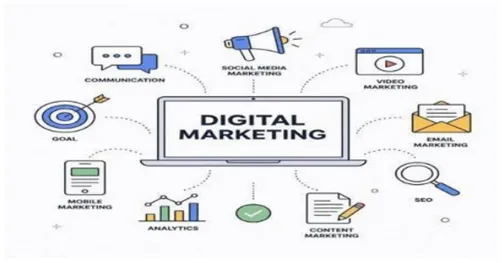
FIG NO :- 5 Study of Digital Marketing
ETHICS AND REGULATIONS
Definition and Importance
Ethical and regulatory review examines the principles and legal frameworks that govern how pharmaceutical companies communicate with healtheare professionals and the public. This area is critical because, unlike ordinary consumer marketing, promotional messaging about medicines can directly influence prescribing decisions - meaning unethical practices don't just distort a market, they can compromise patient safety.
1. WHO Ethical Criteria for Medicinal Drug Promotion
The WHO framework establishes the foundational global standard, requiring that all promotional information be:
Common Ethical Violations Identified in Literature
A 2026 study cxamining promotional literature in an Indian tertiary-care setting found that safety and scientific-reference information was inconsistently presented - meaning even with WHO and UCPMP frameworks in place, real-world promotional materials don't always meet the stated ethical bar. This highlights a gap between policy and practice that ongoing monitoring must address.
2. Global Variation in Enforcement
Wazana et al.'s research on international codes and regulations shows that while many countries have adopted ethical promotion frameworks, the strength of enforcement varies considerably - some markets have robust monitoring and penalties, while others rely more heavily on industry self-regulation with limited oversight.
3. Tension Between Commercial and Ethical Objectives
The literature consistently frames ethical promotion as sitting in tension with commercial sales pressure. Saha et al. (2018) note that promotion can serve a genuinely useful informational function, but risks becoming aggressive or unethical specifically when commercial objectives override patient-care considerations - this tension is a recurring theme across nearly all ethics-related pharmaceutical marketing literature.
4. Role of Continuing Medical Education (CME) Oversight
Since companies often sponsor CME programs, cthical review also covers ensuring these programs remain genuinely educational rather than becoming a disguised promotional channel - a gray area requiring careful ethical scrutiny.
5. Complaint and Monitoring Mechanisms
Regulatory frameworks like UCPMP 2024 typically include mechanisms for reporting violations, investigating complaints, and enforcing corrective action - an important structural feature distinguishing binding codes from purely aspirational ethical guideline.
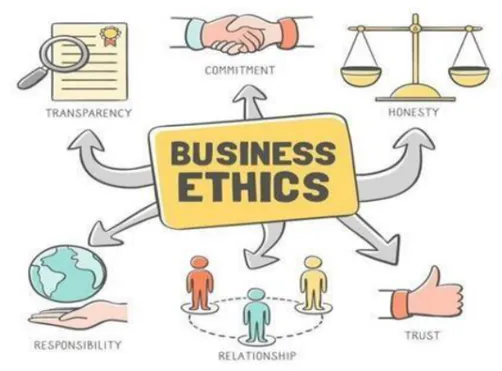
FIG NO :- 6 Ethics and Regulations
CHALLENGES IN PHARMACEUTICAL MARKETING AND SALES
1. High Competition
Multiple companies frequently market products containing the same active pharmaceutical ingredient under different brand names - especially common in generic-heavy markets like India. This creates intense price and promotional competition, forcing companies to rely heavily on brand differentiation, relationship-building, and service value rather than the molecule itself, since the core produet is often identical.
2. Regulatory Restrictions
Companies must ensure every promotional activity complies with applicable laws and codes - including WHO ethical criteria and India's UCPMP 2024. Navigating these requirements adds compliance overhead, requires ongoing staff training, and constrains promotional creativity compared to less-regulated consumer industries.
3. Ethical Pressure
Sales and marketing teams face a persistent tension between commercial performance goals and the need to maintain scientifically accurate, non-misleading communication. As noted in the literature (Saha et al., 2018), this pressure can push promotional practices toward problematic territory - exaggerated claims or incomplete safety information - when short-term sales targets take priority over patient-care considerations.
4. Changing Customer Behavior
Healthcare professionals increasingly research independently online, using digital medical databases, journals, and professional networks - rather than relying solely on medical representative visits for information. This shift reduces the effectiveness of traditional detailing alone and requires companies to rethink engagement strategy.
5. Increasing Digitalization
Companies must integrate traditional field-force activities (MR visits) with digital channels (e-detailing. CRM, omnichannel platforms) - a transition that requires investment in technology infrastructure, staff retraining, and coordinated messaging across old and new channels simultaneously.
6. Sales Target Pressure
Sales personnel often face pressure to meet quantitative targets while still maintaining ethical promotional practices. This structural tension is a recurring theme in the literature - target-driven incentive structures can inadvertently encourage overly aggressive or borderline-unethical promotional tacties if not carefully managed.
7. Additional Challenges Worth Noting
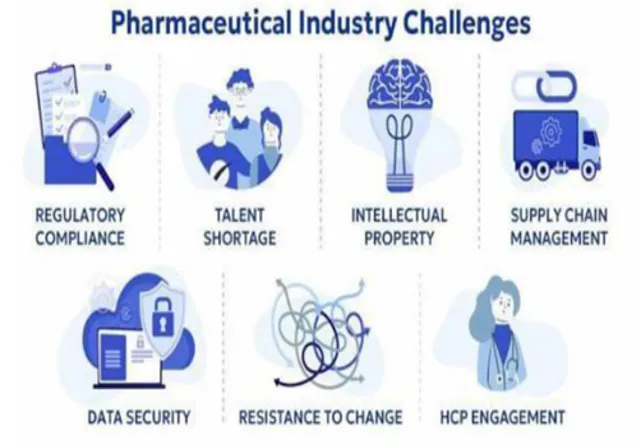
FIG NO :- 7 Challenges in Pharmaceutical Marketing and Sales
FUTURE TRENDS
1. Omnichannel Marketing
The future points toward fully integrated omnichannel strategies - where MR visits, e-detailing, email, CRM platforms, and web conferences work together as one coordinated system rather than separate, disconnected channels. This ensures healtheare professionals receive consistent messaging regardless of which touchpoint they engage through, and allows companies to let prescribers choose their preferred channel rather than forcing a single format.
2. Al-Supported Customer Analytics
Artificial intelligence is increasingly being used to predict which healtheare professionals are most receptive to specifie messaging, personalize content automatically, and optimize resource allocation across sales territories, This represents a shift from broad, uniform outreach toward highly targeted, data-driven engagement.
3. Digital CRM Evolution
CRM systems are expected to become more sophisticated - tracking not just interaction history, but predicting future engagement needs, integrating with e-detailing platforms, and providing real-time insights that let sales and marketing teams adjust strategy on the fly rather than relying on quarterly reviews.
4. Personalized Healthcare-Professional Engagement
Rather than generic, one-size-fits-all promotional content, future strategies will likely emphasize tailoring content to an individual prescriber's specialty, past engagement patterns, and expressed interests - a natural extension of the data-driven marketing trend already underway.
5. Virtual Scientific Meetings
Web-based conferences, panel discussions, and product launches with key opinion leaders are likely to remain a permanent fixture (not just a pandemic-era stopgap), since they offer cost savings and broader geographic reach compared to in-person events.
6. Data-Driven Territory Management
Sales territory planning is expected to rely increasingly on analytics - prescription volume trends, digital engagement metrics, and market potential scoring - rather than purely geographic or historical allocation methods.
7. Digital Learning Platforms
Continuing medical education and product training are likely to shift further toward on-demand digital learning modules, allowing healtheare professionals to engage with content on their own schedule rather than requiring synchronous events.
8. Patient-Centrie Healthcare Communication
Beyond just prescriber-focused marketing, there's a growing trend toward including patients more directly in health communication - through patient support programs, adherence tools, and educational resources - reflecting a broader shift toward outcomes-focused rather than purely prescription-focused engagement.
9. Increased Regulatory Monitoring
As digital channels multiply, regulatory bodies are likely to expand oversight mechanisms to cover new promotional formats (e.g., social media, Al-generated content) that weren't originally anticipated by older regulatory frameworks.

FIG NO :- 8. FUTURE TRENDS
RESULTS
Marketing Function
The review found that pharmaceutical marketing extends well beyond promotion - encompassing market research, segmentation, branding, pricing, and CRM.
1. Sales Function
The distribution chain (Manufacturer -+ Distributor -+ Stockist -. Retailer -. Patient, or the shorter institutional pathway) remains structurally consistent across literature, with medical representatives continuing to serve as a critical link between promotional messaging and actual prescription-driven demand.
2. Role of Medieal Representatives
Findings from Parker & Pettijohn (2005) revealed a perception gap between how reps and physicians view promotional effectiveness - suggesting field-force strategies aren't always aligned with what prescribers actually valuc.
3. Digital Transformation
Multiple sources (Lad et al.; Anthuvan et al., 2025; Alkhateeb & Doucette, 2008) consistently showed that e-detailing and digital channels are supplementing, not replacing, traditional face-to-face detailing - with omnichannel integration emerging as the dominant model.
4. Ethical Compliance Gaps
The 2026 Pharmacoeconomics and Poliey study found that despite WHO ethical criteria and UCPMP 2024 being in place, promotional literature in real-world settings still inconsistently presented safety and reference information - indicating a measurable gap between stated standards and practice.
5. Prescribing Influence
Narendran & Narendranathan (2013) found that physician-company rapport, brand reputation, and launch events influenced prescribing decisions, though no single promotional method showed uniformly strong effectiveness.
6. Regulatory Evolution
The shift from voluntary guidelines to UCPMP 2024's mandatory code reflects a broader regulatory trend toward stricter enforcement, driven by persistent ethical concerns identified across the reviewed literature.
7. Emerging Research Gap
The review identified that omnichannel and Al-driven engagement, while frequently discussed as an emerging trend, remains empirically under-studied most supporting literature.
DISCUSSION
1. Marketing and Sales as Interdependent, Not Separate, Functions
The review highlights that pharmaceutical marketing and sales, while conceptually distinct, function as two halves of a single system. Marketing determines what message to communicate and to whom, while sales ensures the product physically reaches the patient through an efficient distribution network.
2. The Persistent Gap Between Policy and Practice
Perhaps the most striking finding is the disconnect between stated ethical standards and real-world execution. WHO's ethical criteria and India's UCPMP 2024 establish clear, well-intentioned frameworks - yet the 2026 Pharmacoeconomics and Policy study found inconsistent safety and reference-information presentation in actual promotional literature.
3. Digital Transformation: Complement, Not Replacement
A recurring theme across nearly every digital-marketing source (Alkhateeb & Doucette, 2008; Lad et al.; Anthuvan et al., 2025) is that e-detailing and digital channels have not displaced traditional medical representative visits, despite carly industry assumptions that they might.
4. No Single Dominant Driver of Prescribing Behavior
Narendran & Narendranathan (2013) found that prescribing decisions were shaped by a mix of factors - rapport, reputation, launch events, brand recognition - with no single method showing consistently strong effectiveness. This finding is important because it challenges any assumption that pharmaceutical marketing operates through one primary lever (e.g., just detailing, or just pricing).
5. The Perception Gap Between Representatives and Physicians
Parker & Pettijohn's (2005) finding - that reps and physicians often disagree on which promotional methods are effective - points to a structural communication problem within the industry itself. If field-force strategies are designed based on what companies assume physicians want, rather than validated physician feedback, this misalignment could reduce sales-force efficiency regardless of how well-resourced or well-trained the team is.
6. Omnichannel and Al: Promising but Under-Evidenced
While omnichannel and Al-driven engagement are frequently discussed as the future direction of the industry, the review found this area is still empirically thin - dominated by scoping reviews and perspective pieces rather than controlled effectiveness studies.
7. Limitations of the Reviewed Literature
It's worth noting that several sources rely on self-reported physician/representative perceptions (survey-based methodology) rather than objective prescribing-outcome data, which limits how strongly causal claims about "what works" in promotion can be made. Future research would benefit from more outcome-based studies (e.g., linking specific promotional exposure to actual prescribing changes) rather than relying primarily on perception-based findings
FIG NO :- 9 Implications for Ethical Practice Going Forward
CONCLUSION
1. Marketing and Sales as an Integrated System
This review has shown that pharmaceutical marketing and sales, though functionally distinct, operate as an interconnected system essential to the pharmaceutical business ecosystem. Marketing identifies market needs, shapes product positioning, and communicates scientifie value, while sales ensures the product's efficient movement through the distribution chain - from manufacturer to patient. Neither function can succeed independently; effective outcomes require both working in coordination.
2. The Continuing Role of the Medical Representative
Despite the rise of digital tools, the medical representative remains a central figure in pharmaceutical promotion. Direct, personalized communication continues to hold value that digital channels have not fully replicated - reinforcing that the industry's future lies in integration, not substitution, of traditional and digital approaches.
3. Digital and Omnichannel Transformation
The review confirms that digital technologies - e-detailing, CRM systems, virtual meetings, and omnichannel platforms - are reshaping how companies engage healthcare professionals. However, this transformation is best understood as complementary to traditional field-force activity, expanding reach and improving personalization rather than replacing face-to-face relationships entirely.
4. Ethics as the Non-Negotiable Foundation
Because pharmaceutical promotion can directly influence prescribing decisions and, by extension, patient health outcomes, ethical integrity must remain central to all marketing and sales activity. WHO's ethical criteria and India's UCPMP 2024 provide critical frameworks - but the review also revealed that real-world compliance still lags behind these stated standards, underscoring those frameworks alone are insufficient without stronger enforcement and monitoring.
5. A Multifactorial, Evolving Landscape
Prescribing behavior and promotional effectiveness were found to depend on multiple interacting factors - company reputation, personal rapport, brand recognition, and increasingly, digital engagement quality - rather than any single dominant channel. This reinforces that pharmaceutical companies must adopt diversified, well-coordinated strategies rather than over-relying on one promotional method.
REFERENCES

Darshan Gaikwad, Appasaheb Kuhile, Pharmaceutical Sales and Marketing: A review, Int. J. of Pharm. Sci., 2026, Vol 4, Issue 10, 1894-1912. https://doi.org/10.5281/zenodo.23355536
 10.5281/zenodo.23355536